
Can thermal management architecture cut energy waste




Can thermal management architecture cut energy waste across kilns, float lines, and extrusion systems? For project managers balancing output, compliance, and cost, the answer increasingly lies in how heat is captured, transferred, and reused. This article explores how smarter thermal design can reduce losses, improve process stability, and support decarbonization goals in high-temperature industrial operations.
Why thermal management architecture matters more than isolated efficiency upgrades
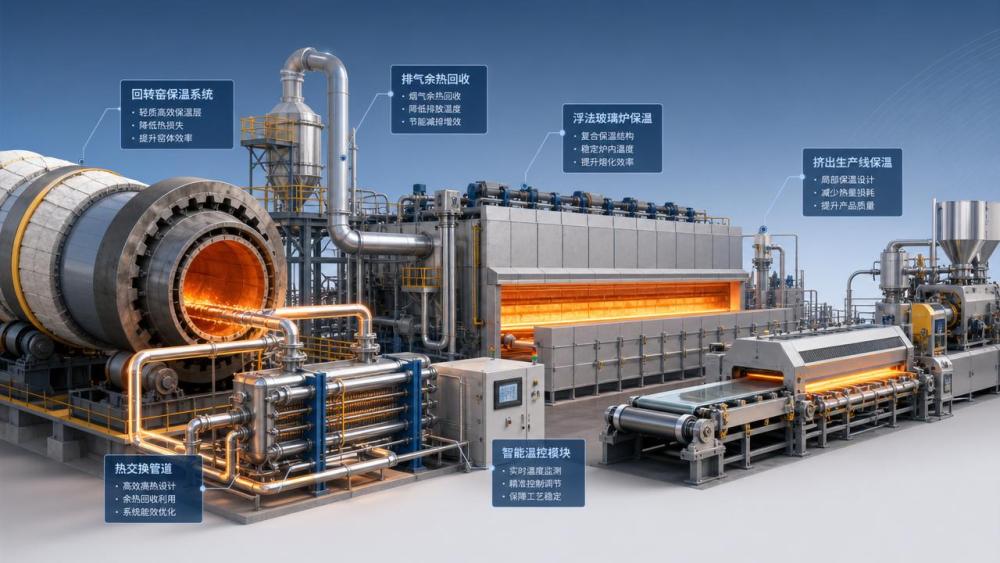
In high-temperature industries, energy waste rarely comes from a single weak component. It usually comes from a fragmented system: hot surfaces radiate excess heat, combustion air is not preheated enough, exhaust streams leave usable enthalpy untapped, and control logic reacts too late to thermal drift. That is why thermal management architecture should be viewed as a plant-level design approach rather than a maintenance afterthought.
For project managers, this distinction is practical. A better burner, thicker insulation, or a new heat exchanger may each improve one node. Yet without a coherent thermal management architecture, those upgrades can compete with each other, create bottlenecks, or shift losses downstream. The real target is not one efficient device. It is a balanced heat pathway from fuel input to usable process output.
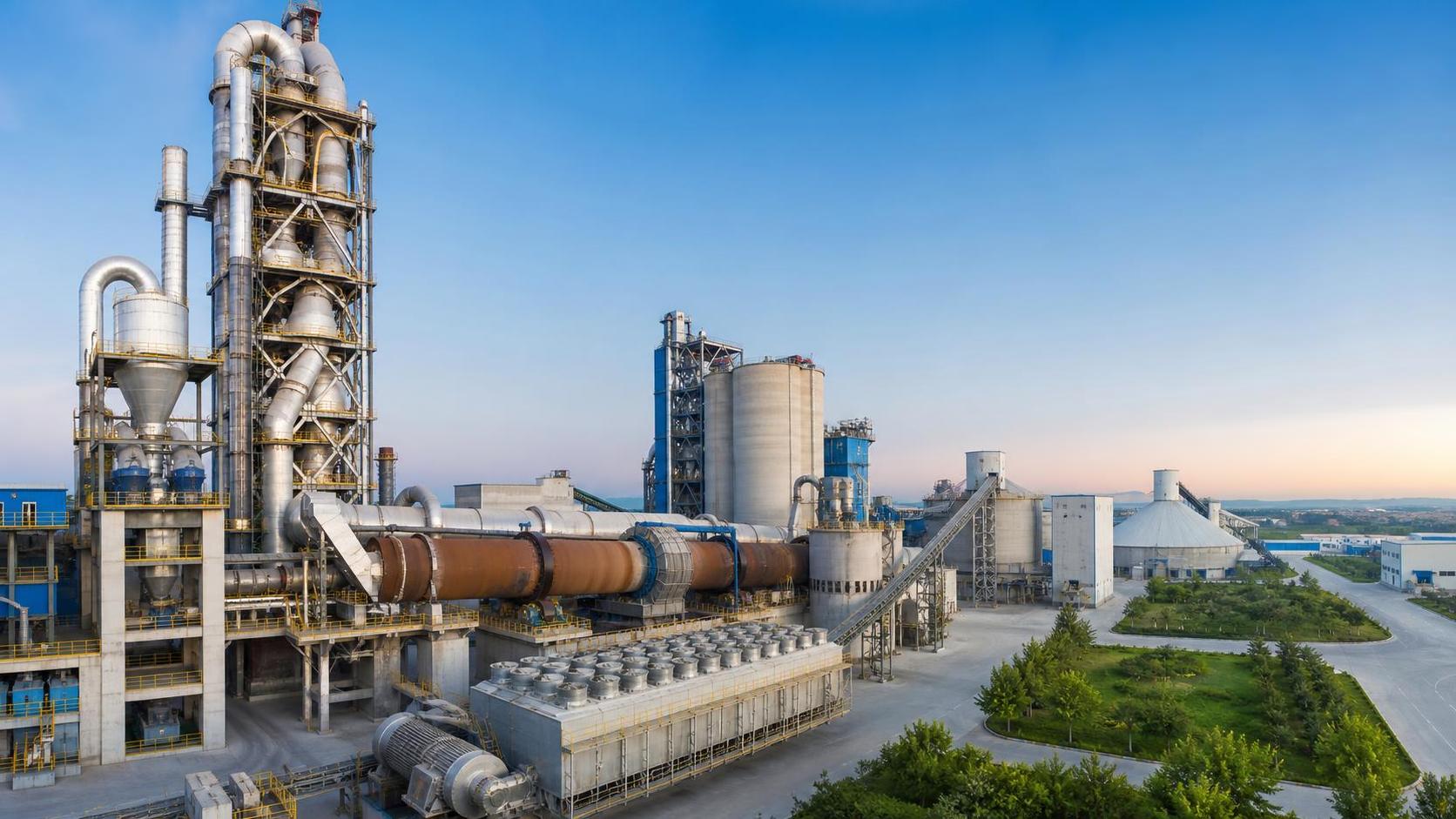
CF-Elite follows this system view across cement plants, glass manufacturing gear, industrial kilns and incineration, refractory production lines, and building material extrusion. In these sectors, thermal efficiency affects not only fuel cost, but also residence time, product quality, refractory life, dust behavior, emissions intensity, and throughput stability.
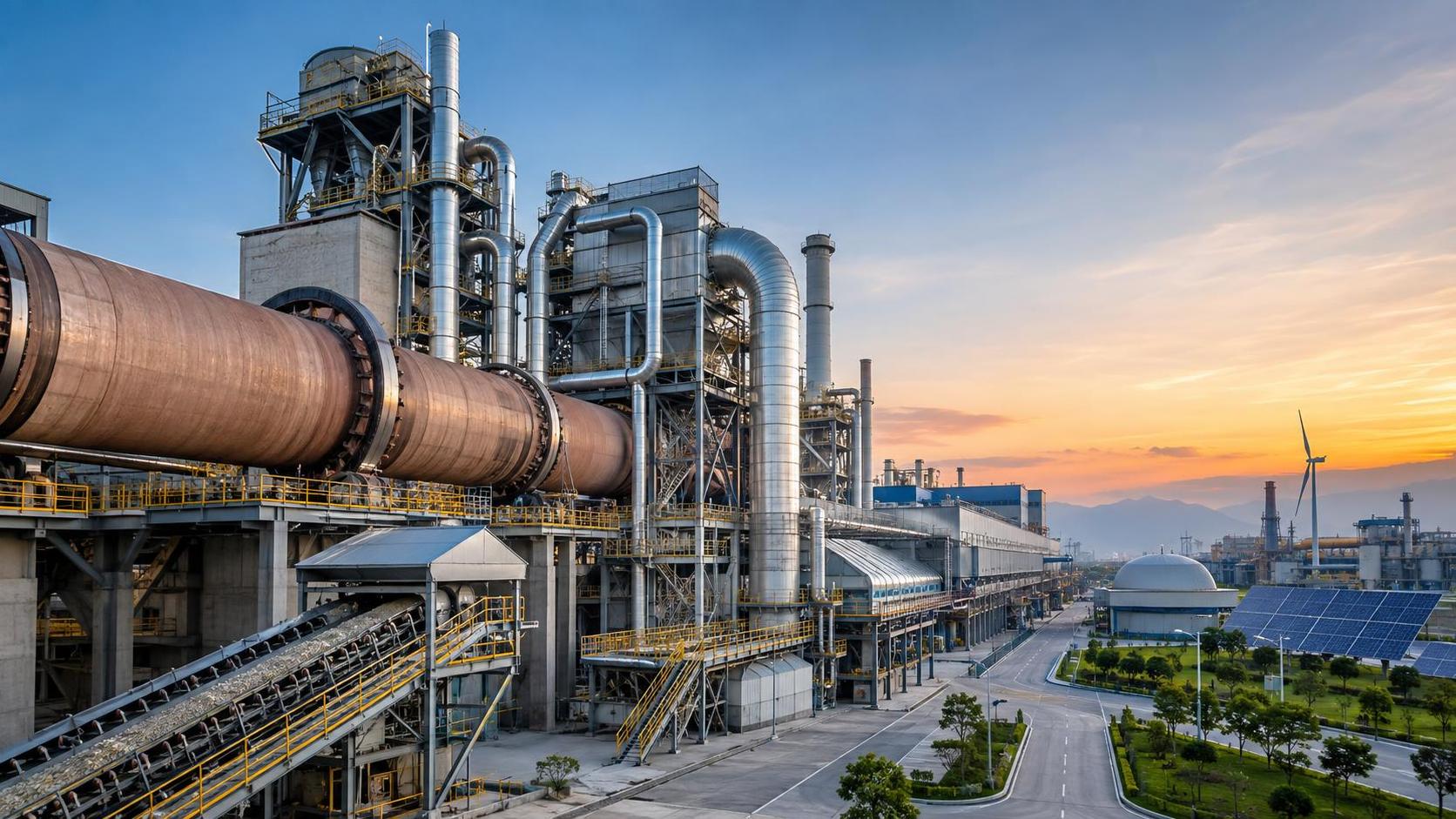
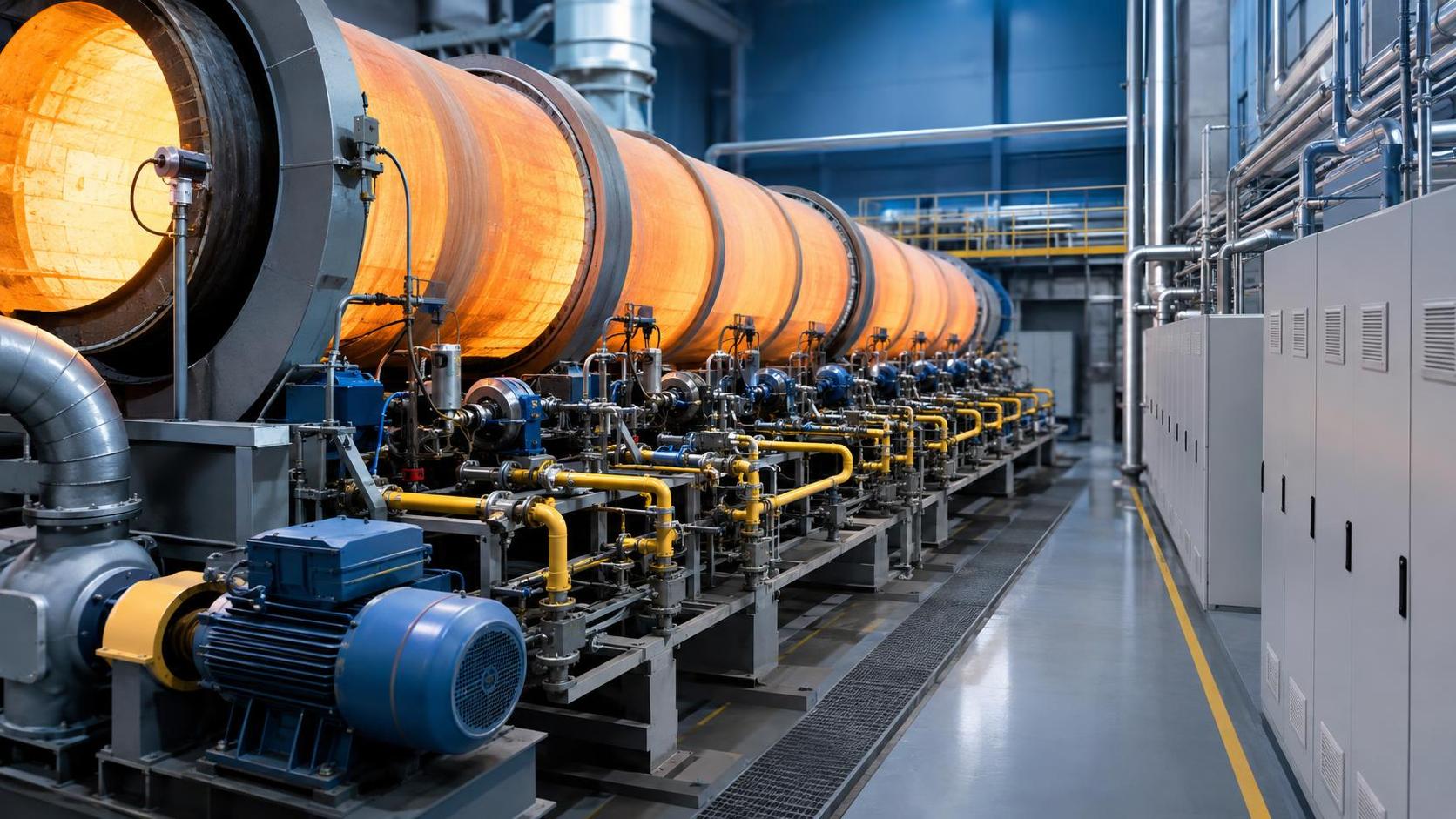
- A kiln may lose value through shell radiation, false air infiltration, unstable flame shape, and poor secondary heat recovery at the same time.
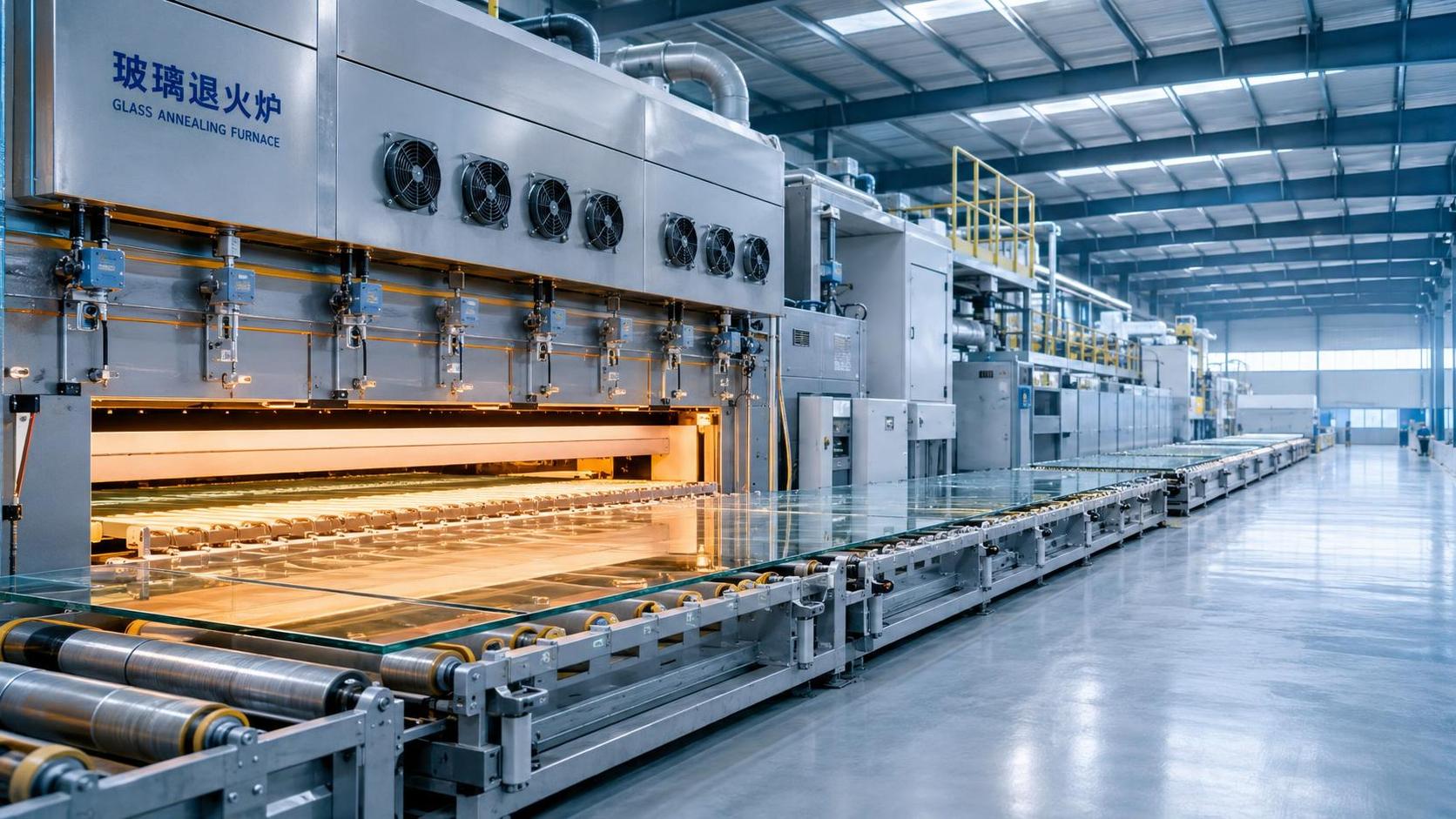
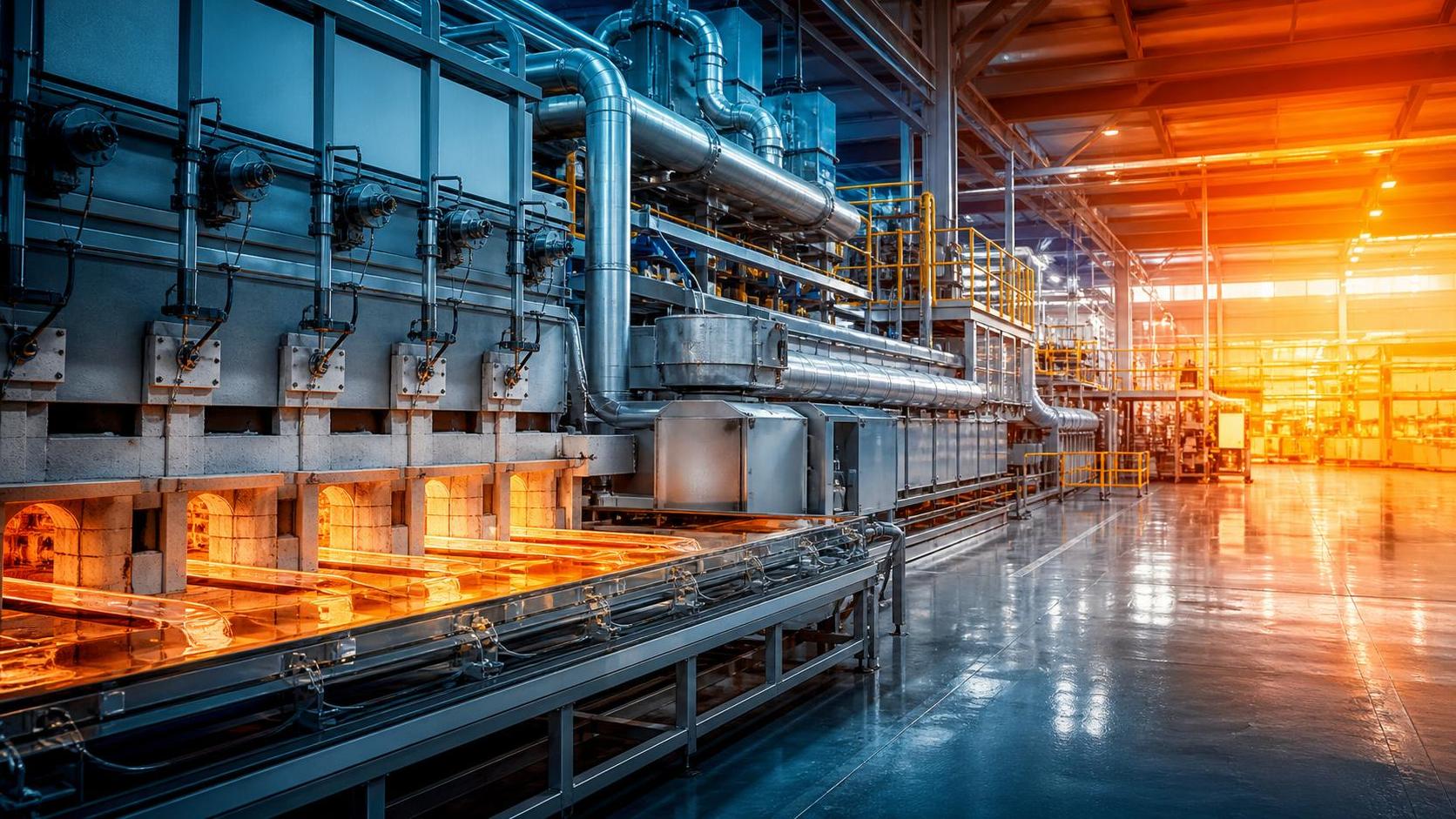
- A float line may suffer from uneven temperature fields that drive optical defects, raising rework and wasting both energy and saleable output.
- An extrusion system may overconsume energy because barrel zones, dies, and cooling segments are not thermally matched to material rheology.
When teams ask whether thermal management architecture can cut energy waste, the better question is this: where is the plant paying for heat that never becomes controlled process value?
Where do kilns, float lines, and extrusion systems typically waste heat?
Before selecting solutions, project leaders need a loss map. The table below shows common energy loss points and why thermal management architecture should be designed differently for each process segment.
The key lesson is that energy loss is process-specific but structurally similar. In each case, thermal management architecture must reduce uncontrolled heat escape, improve useful heat transfer, and align control strategy with real operating dynamics.
Four loss mechanisms project managers should quantify early
- Radiative and convective surface losses from hot shells, ducts, crowns, and manifolds.
- Exhaust losses where high-temperature flue gas exits before meaningful recovery or reuse.
- Heat quality mismatch, where available heat exists at the wrong temperature level for process demand.
- Control losses, where slow sensing, poor zoning, or thermal lag creates overshoot, cycling, and wasted input energy.
A disciplined thermal management architecture measures each mechanism separately. Without that separation, teams often overspend on hardware while underinvesting in control logic and integration.
What does a strong thermal management architecture include?
For large-scale silicate and high-temperature assets, thermal management architecture combines physical design, process modeling, and operational governance. It is not just insulation selection. It is a coordinated framework linking heat generation, containment, transfer, recovery, and monitoring.
Core design layers
- Heat source design, including burner configuration, combustion air strategy, and fuel flexibility.
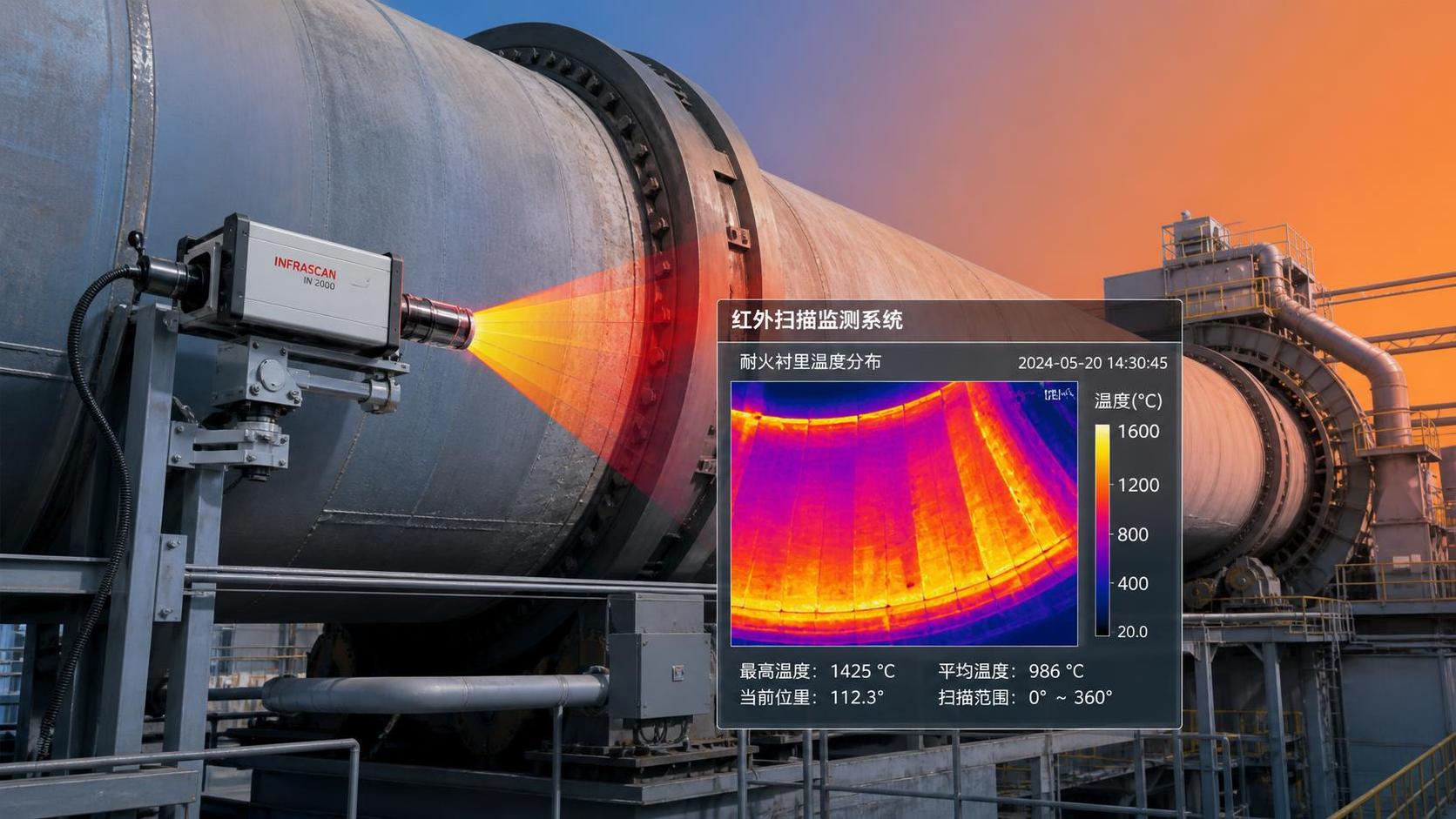
- Thermal barrier design, including refractories, insulation systems, expansion allowances, and shell interface management.
- Heat recovery design, such as recuperators, regenerators, waste heat boilers, hot air reuse, or secondary process integration.
- Instrumentation and controls, including thermocouples, pyrometry, model-based control, digital twins, and alarm thresholds for drift.
- Operating discipline, covering startup curves, load changes, maintenance intervals, and refractory inspection routines.
CF-Elite’s sector coverage is useful here because thermal management architecture must be judged across adjacent disciplines. A refractory decision changes shell temperature. A waste-derived fuel decision changes flame chemistry. A digital twin can improve thermal distribution but only if sensor quality is credible. Cross-functional intelligence is what prevents isolated decisions from creating new inefficiencies.
Why architecture beats one-off retrofits
Many facilities retrofit under pressure: a failed lining, a spike in fuel cost, a compliance deadline, or a customer quality complaint. The problem is timing. When upgrades are made under shutdown pressure, decision criteria often narrow to delivery speed and capital price. Thermal management architecture reopens the full business case by asking how each investment affects energy intensity, uptime, throughput, maintenance burden, and carbon exposure over several years.
Comparison: quick fixes versus architecture-led thermal improvement
Project teams often need to justify why a structured thermal management architecture review is worth the effort. The comparison below can support internal alignment between engineering, operations, procurement, and finance.
The most effective path is usually hybrid: architecture-level review first, then phased implementation of controls, barriers, recovery, and operating changes. This reduces capital waste and helps procurement defend technical specifications with stronger evidence.
How should project managers evaluate thermal management architecture options?
Project managers do not need to become furnace designers, but they do need a reliable evaluation framework. The decision is rarely about the cheapest component. It is about the lowest-risk route to measurable heat utilization improvement.
Key selection criteria
- Process fit: Does the thermal management architecture match the actual heat profile, cycle variation, and product tolerance of the line?
- Integration burden: Will the solution require shutdown extension, structural reinforcement, utility rerouting, or control platform changes?
- Measurement quality: Can baseline losses and post-upgrade gains be verified through stable instrumentation and reporting methods?
- Material durability: Are refractory, insulation, seal, and heat-exchange materials suitable for abrasion, alkali attack, thermal shock, and dust load?
- Regulatory relevance: Will the design support emissions management, energy reporting, and site decarbonization targets?
The following table can be used as a procurement checklist when comparing vendors, consultants, or internal upgrade proposals related to thermal management architecture.
This checklist is especially relevant in long-cycle heavy equipment environments, where one poorly framed assumption can lock in years of hidden energy waste or repeated shutdown intervention.
Implementation roadmap: how to reduce energy waste without disrupting delivery targets
A workable thermal management architecture program should protect production commitments while improving efficiency. That means phasing decisions rather than attempting a full redesign in one budget cycle.
Recommended sequence
- Establish the thermal baseline through heat balance review, operating data, shell scans, and line-specific quality loss records.
- Segment losses into containment, transfer, recovery, and control categories so priorities do not get mixed.
- Rank interventions by payback logic and shutdown dependency, separating quick operational fixes from capital projects.
- Validate design interactions, especially where refractory, combustion, waste heat recovery, and digital control changes affect each other.
- Define post-commissioning KPIs such as fuel per ton, shell temperature profile, exhaust temperature, yield stability, and alarm frequency.
CF-Elite’s intelligence role is useful during this stage because many project teams lack a neutral cross-sector view. A cement-style heat recovery logic may not transfer directly to float glass. An extrusion cooling strategy may solve power draw but damage dimensional consistency if not matched to material behavior. Comparative intelligence reduces misapplied design borrowing.
Standards, compliance, and carbon pressure: what should be considered?
Thermal management architecture is now tied to compliance as much as cost. Energy efficiency projects increasingly intersect with emissions reporting, workplace temperature safety, refractory integrity monitoring, and broader decarbonization planning. While exact requirements vary by market, project managers should align upgrades with recognized engineering and safety practice.
- Use traceable energy accounting methods so savings claims can stand up in internal audit or external disclosure.
- Check whether combustion, exhaust handling, and waste heat recovery changes affect emissions permits or monitoring obligations.
- Review material compatibility under relevant operating temperatures, chemical attack profiles, and safety expectations.
- Ensure instrumentation upgrades support consistent calibration and documented maintenance routines.
For global operators, the advantage of a strong thermal management architecture is strategic. It improves resilience against fuel price volatility, carbon-cost exposure, and tighter customer scrutiny on embodied energy in materials.
Common misconceptions and FAQ about thermal management architecture
Is thermal management architecture only relevant for new plants?
No. Retrofit environments often benefit most because legacy assets usually contain layered inefficiencies from years of isolated upgrades. A structured thermal management architecture review can identify which losses can be solved operationally and which require capital modification.
Does better insulation alone solve most energy waste?
Not usually. Insulation reduces surface loss, but it cannot fix false air, unstable flame dynamics, poor exhaust recovery, or bad zoning logic. In some cases, insulation changes without broader review can even shift thermal gradients and affect refractory stress behavior.
What is the main mistake during procurement?
The most common mistake is buying around the symptom rather than the heat pathway. Teams may target a visible hot spot or a single high-cost component without verifying whether that point is the root energy loss driver. Good procurement starts with thermal mapping, not with catalog comparison.
How long does implementation usually take?
The timeline depends on scope. Monitoring improvements and operating adjustments can move quickly. Refractory redesign, waste heat integration, or major combustion changes usually need a shutdown window, engineering checks, and commissioning time. The best approach is to separate no-regret actions from shutdown-dependent actions early.
How can savings be verified after deployment?
Use pre-agreed KPIs and normalize for production rate, product mix, fuel quality, and ambient conditions where possible. Thermal management architecture should always include a measurement plan; otherwise, savings claims remain vulnerable to dispute.
Why choose CF-Elite for thermal management architecture intelligence?
CF-Elite is positioned for project managers who need more than generic energy advice. Its focus on silicate production lines, industrial incineration, refractory systems, and specialized extrusion creates a practical bridge between ultra-high-temperature physics, process chemistry, equipment decision-making, and carbon reduction strategy.
That matters when your team must decide whether to optimize a rotary kiln seal, evaluate digital twin support for a glass furnace, compare refractory monitoring approaches, or estimate the trade-off between capital spend and long-term thermal stability. These are not standalone purchases. They are architecture decisions with cross-functional consequences.
- Ask about thermal management architecture benchmarking for kilns, float lines, or extrusion systems.
- Discuss parameter confirmation for temperature zones, heat recovery pathways, and refractory operating limits.
- Request support on product or solution selection tied to operating profile, shutdown window, and compliance constraints.
- Explore delivery-cycle planning, custom upgrade roadmaps, certification-related considerations, and quotation alignment for long-cycle equipment decisions.
If your current line is consuming too much heat for the output it delivers, the next step is not guesswork. It is a structured review of thermal management architecture, backed by process intelligence that fits high-temperature industry reality.
Related News
 Optical Glass Tech FellowHow to Evaluate a Glass Annealing Equipment Manufacturer for Production StabilityChoose a glass annealing equipment manufacturer with proven thermal uniformity, reliable controls, lifecycle value, and responsive service for stable production.Sep 08, 2026
 Prof. Marcus ChenThermal Energy Architecture in North America: Strategies for Lower Building Energy UseThermal energy architecture North America helps project leaders cut building energy use through stronger envelopes, right-sized HVAC, storage, and smart commissioning.Sep 07, 2026
 Ms. Elena RodriguezHow Should Buyers Evaluate Building Material Industry Intelligence Pricing?Building material industry intelligence pricing: learn how to compare coverage, technical depth, and ROI to choose intelligence that reduces procurement risk.Sep 07, 2026
 Ms. Elena RodriguezHow to Use Building Material Intelligence Data for Market and Investment DecisionsBuilding material industry intelligence data helps leaders evaluate demand, costs, regulation, capacity, and technology to make smarter market and investment decisions.Sep 05, 2026
 Thermal Energy ArchitectHow PLC Control Improves Energy Efficiency and Temperature Stability in KilnsEnergy efficient kilns PLC control improves temperature stability, cuts fuel waste, and optimizes combustion, draft, and material flow. Explore proven strategies for smarter kiln modernization.Sep 04, 2026
 Optical Glass Tech FellowEuropean Glass Melting Processes: Furnace Choices, Energy Use, and Quality ControlGlass melting process Europe: explore furnace choices, energy efficiency, cullet strategy, and quality control to improve output, compliance, and long-term glass performance.Sep 03, 2026
 Thermal Energy ArchitectWhat Determines Refractory Lining Monitoring Price for Industrial Kilns?Refractory lining monitoring price depends on kiln size, sensor technology, installation, software, and support. Compare total lifecycle costs and choose the right solution.Sep 02, 2026
 Silicate Process EngineerCement Production System Costs: A Plant Buyer’s Guide to Budgeting and ROICement production systems cost planning made clear: compare CAPEX, operating costs, compliance, and ROI to build a resilient, profitable cement plant investment.Sep 01, 2026
 Dr. Alistair VaughnWhat Should a Process Technology Database Track for High-Temperature Plants?Process technology database essentials for high-temperature plants: track thermal profiles, feed chemistry, refractory wear, emissions, energy, and maintenance for safer, data-driven decisions.Aug 31, 2026
 Ms. Elena RodriguezHow to Evaluate a Silicate Processing Equipment Manufacturer for Plant ProjectsSilicate processing equipment manufacturer selection: assess process fit, guarantees, energy, compliance, delivery risk, and lifecycle support for dependable plant performance.Aug 30, 2026
 Dr. Alistair VaughnHow to Specify Custom Agricultural Processing Equipment for Throughput and HygieneEquipment customization services for agricultural processing: learn to specify hygienic, high-throughput lines that improve yield, reliability, and long-term efficiency.Aug 29, 2026
 Dr. Alistair VaughnHow to Select Process Plant Equipment for High-Temperature, Abrasive Production LinesProcess plant equipment selection for high-temperature, abrasive lines: reduce downtime, improve durability, and optimize lifecycle performance.Aug 28, 2026
 Silicate Process EngineerHow Kiln Heat Recovery Systems Cut Fuel Use in Cement and Lime ProductionKiln heat recovery helps cement and lime plants cut fuel use, improve thermal stability, and build practical, reliable decarbonization strategies.Aug 27, 2026
 Ms. Elena RodriguezProcess Equipment Comparison: Which Metrics Matter Most for Reliable Selection?Process equipment comparison made practical: discover which metrics truly drive reliable selection, from energy efficiency and control stability to wear life, maintainability, and uptime.Aug 26, 2026
 Ms. Elena RodriguezWhat Buyers Should Check Before Sourcing Precision Alloy Bars for Critical PartsPrecision Alloy Bars buyers should verify grade, chemistry, tolerances, surface quality, traceability, and lead time before sourcing for critical parts. Learn what prevents costly machining and reliability risks.Aug 27, 2026
 Ms. Elena RodriguezHow to Evaluate Thermal Management Solutions Insulation for High-Heat Industrial SystemsThermal management solutions insulation: learn how to assess high-heat industrial systems by thermal performance, durability, lifecycle cost, and supplier data for smarter decisions.Aug 25, 2026
 Ms. Elena RodriguezWhat Drives Waste Recycling Cost in Industrial Projects and How to Estimate It?Waste recycling cost in industrial projects depends on composition, moisture, transport, pre-treatment, and compliance. Learn how to estimate it accurately and compare suppliers with confidence.Aug 24, 2026
 Silicate Process EngineerHow to Evaluate Cement Production Plants in the Middle East for Capacity, Fuel Flexibility, and ROIcement production plants Middle East: Learn how to assess true capacity, fuel flexibility, and ROI risks to identify resilient assets and smarter investment opportunities.Aug 23, 2026
 Structural Material AnalystHow to Evaluate Lightweight Material Machinery for Output, Energy Use, and Product QualityLightweight material machinery evaluation guide: compare stable output, energy use, and product quality to choose equipment that cuts waste, lowers costs, and improves production confidence.Aug 22, 2026
 Material Heat-Resist ExpertWhat Determines Refractory Production Line Price in a Turnkey Plant Project?Refractory production line price depends on raw materials, forming method, kiln and drying design, automation, utilities, and scope. Learn what really drives turnkey plant cost before you invest.Aug 21, 2026

Related News
- 00
0000-00
Thermal Energy Architecture in North America: Strategies for Lower Building Energy Use - 00
0000-00
How to Evaluate a Green Material Production Line for Energy Use, Output, and Product Quality - 00
0000-00
Silicate Technology Trends: What New Process Upgrades Matter for Refractory and Cement Plants? - 00
0000-00
Thermal Engineering Optimization: Which Process Parameters Most Affect Energy Use? - 00
0000-00
Material Extrusion Technology in Europe: Which Materials and Production Goals Fit Best?
Weekly Insights
Stay ahead with our curated technology reports delivered every Monday.