
Sustainable material production is changing buyer priorities




Sustainable material production is rapidly reshaping industrial trade decisions. In heavy equipment and process industries, technical value is no longer judged by output alone.
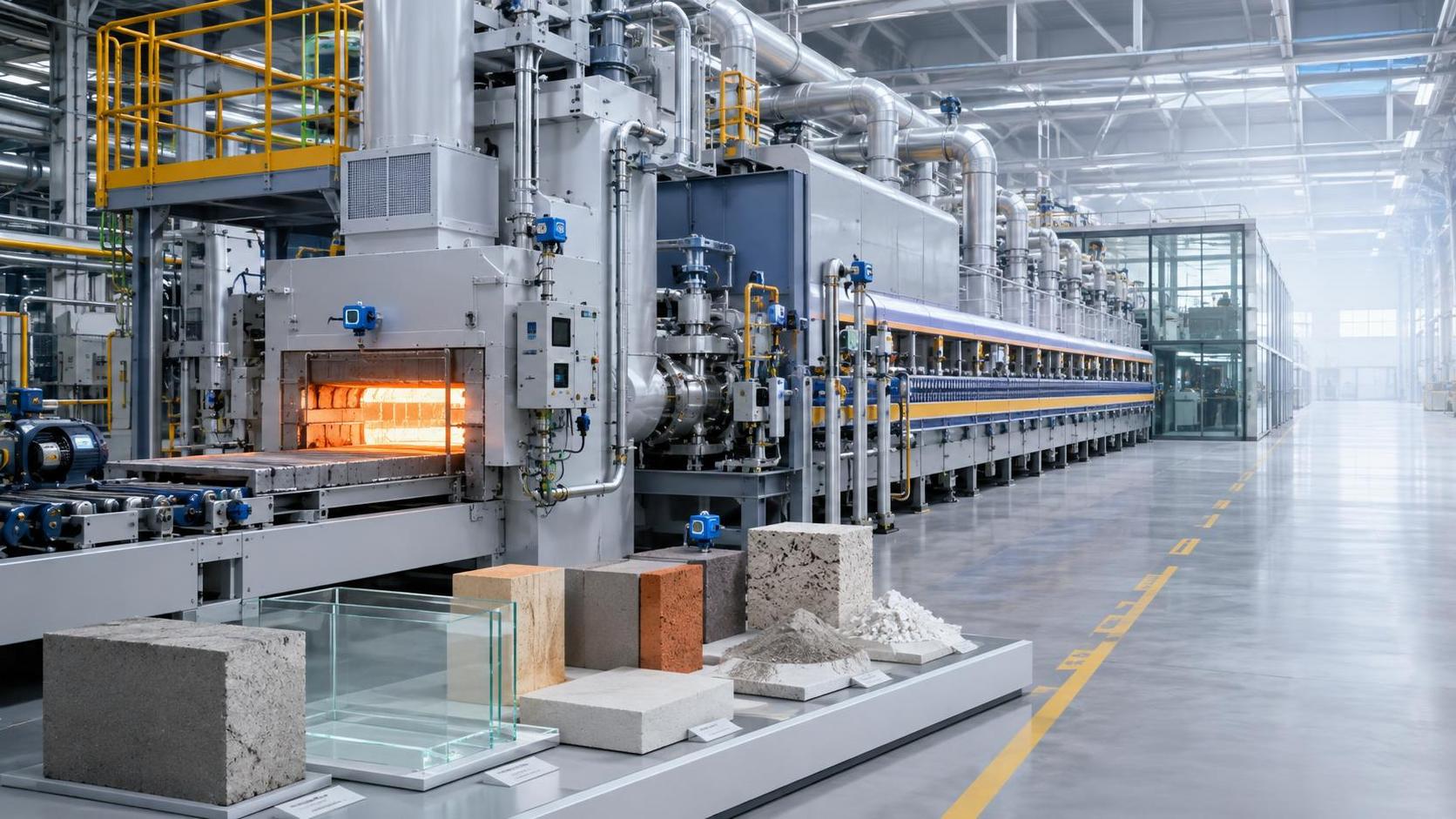
Across cement, glass, kilns, refractories, and extrusion systems, buyers now compare energy intensity, emissions control, lifecycle cost, and compliance readiness together.
This shift matters because sustainable material production connects equipment design, operating data, raw material flexibility, and carbon strategy into one commercial decision framework.
For intelligence-driven platforms such as CF-Elite, the trend reveals a clear market signal: technical transparency increasingly influences trust, differentiation, and long-cycle equipment selection.
What does sustainable material production really mean in industrial equipment markets?
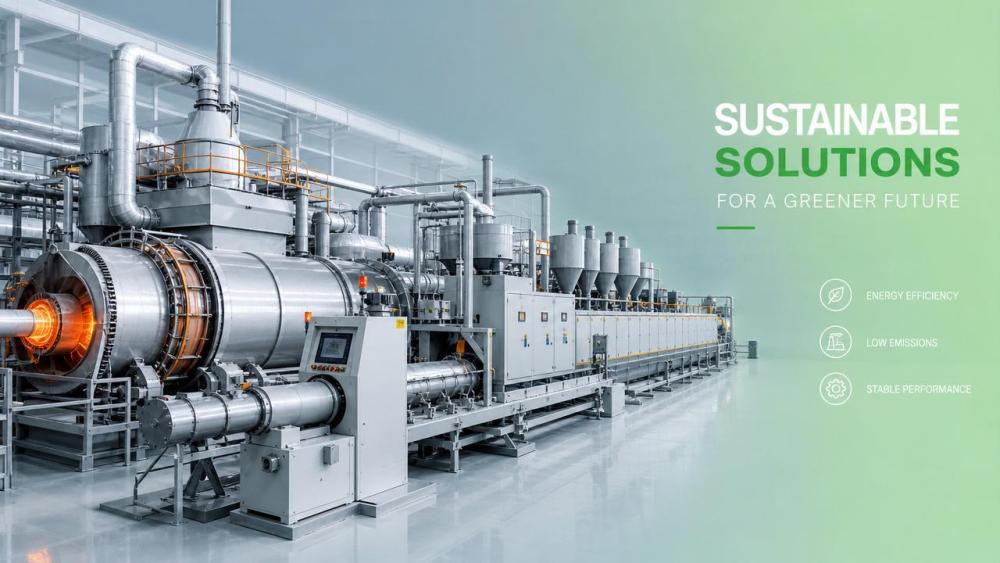
Sustainable material production means producing core industrial materials with lower energy waste, lower emissions, and better resource efficiency across the full operating cycle.
It is not limited to recycled inputs or green branding. It includes thermal efficiency, fuel switching ability, dust capture, process stability, and digital monitoring.
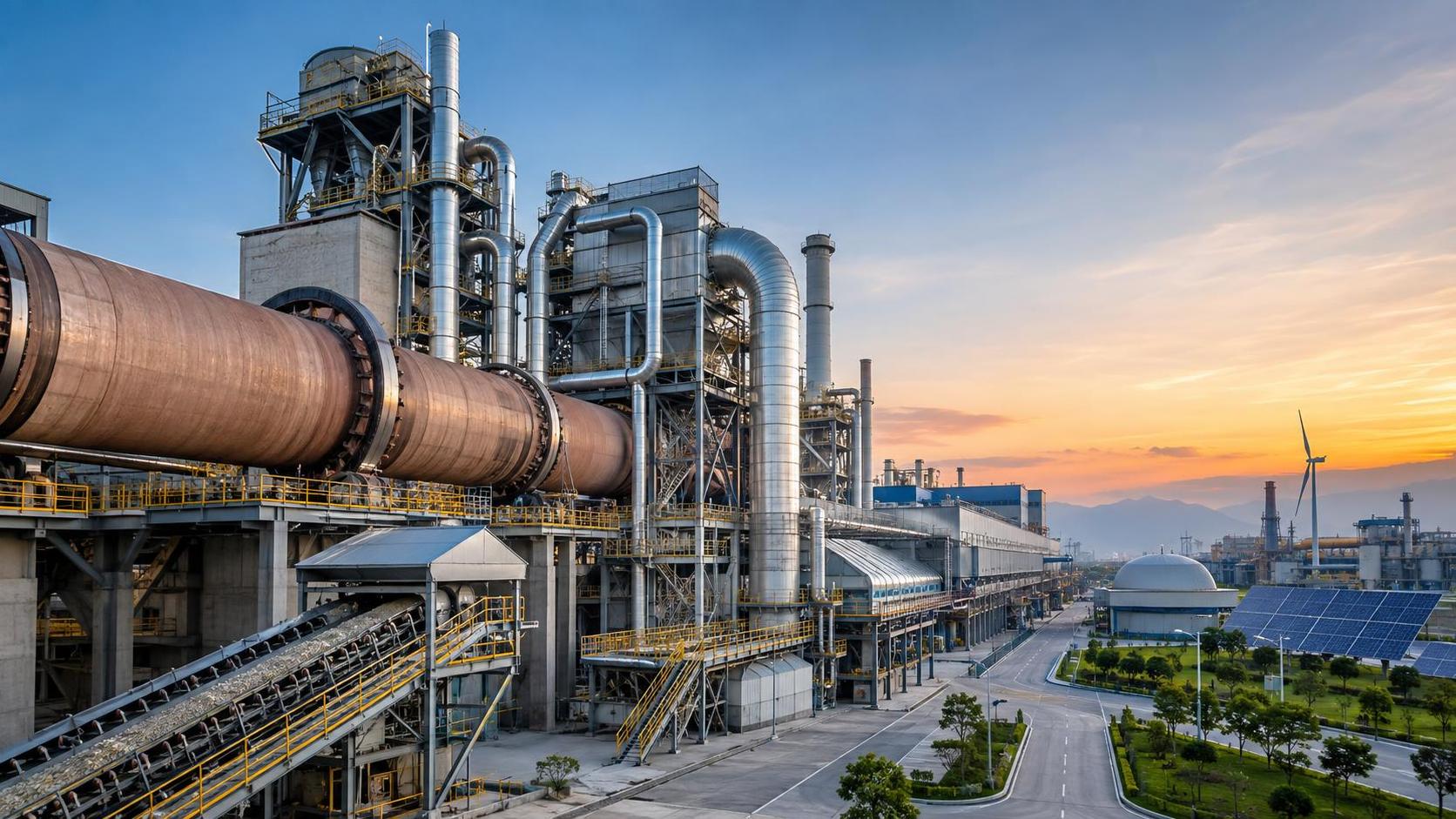
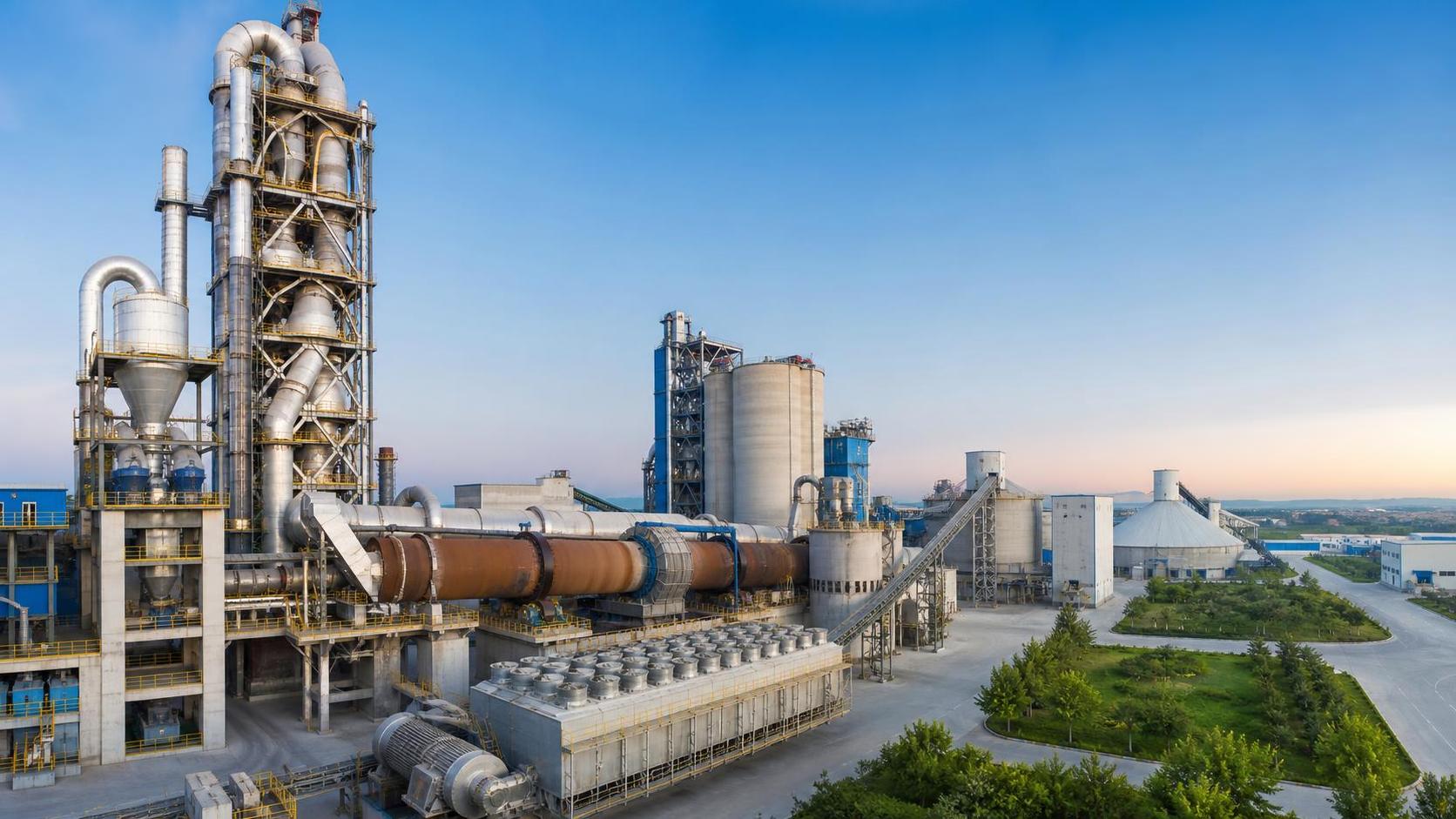
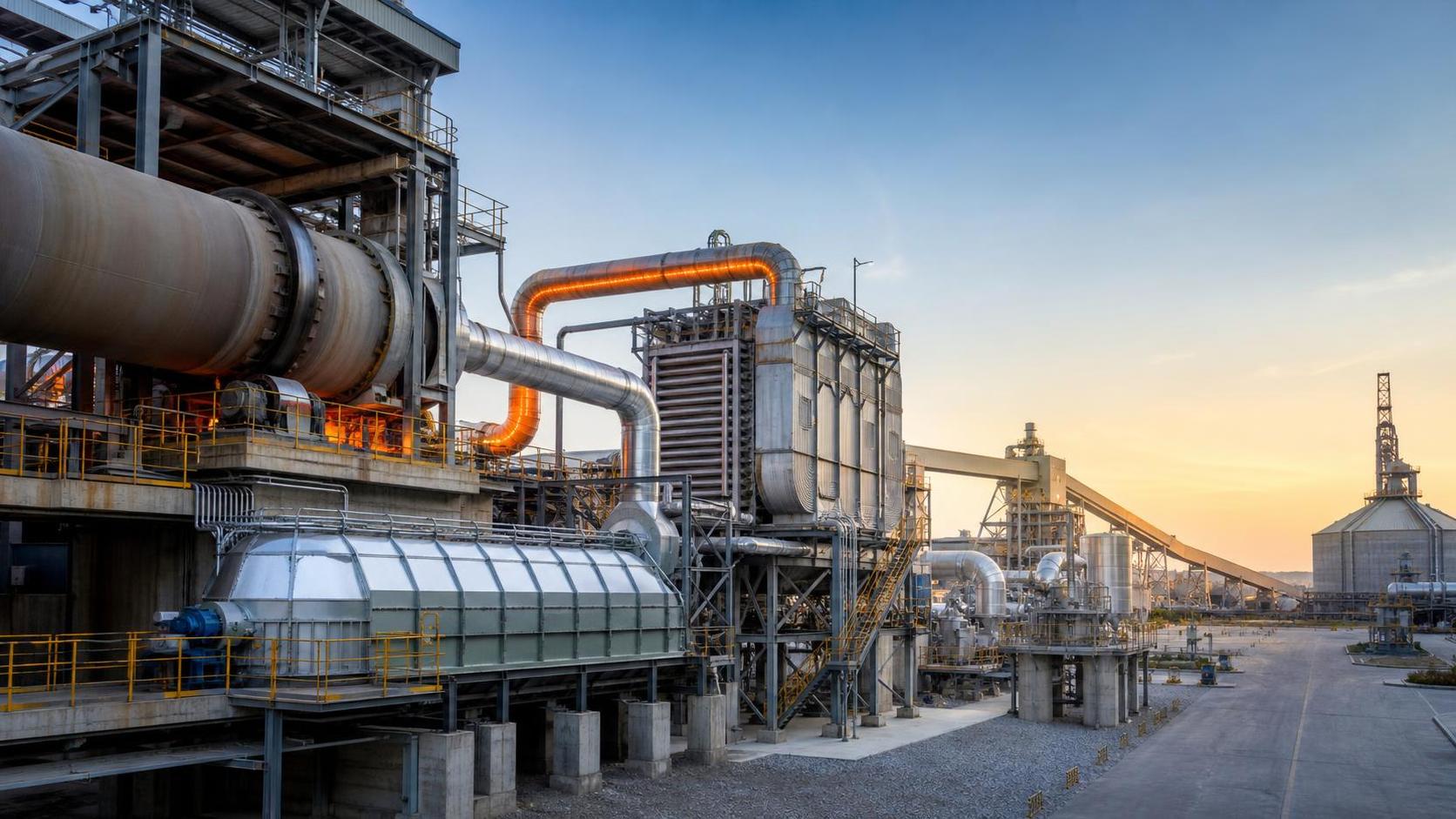
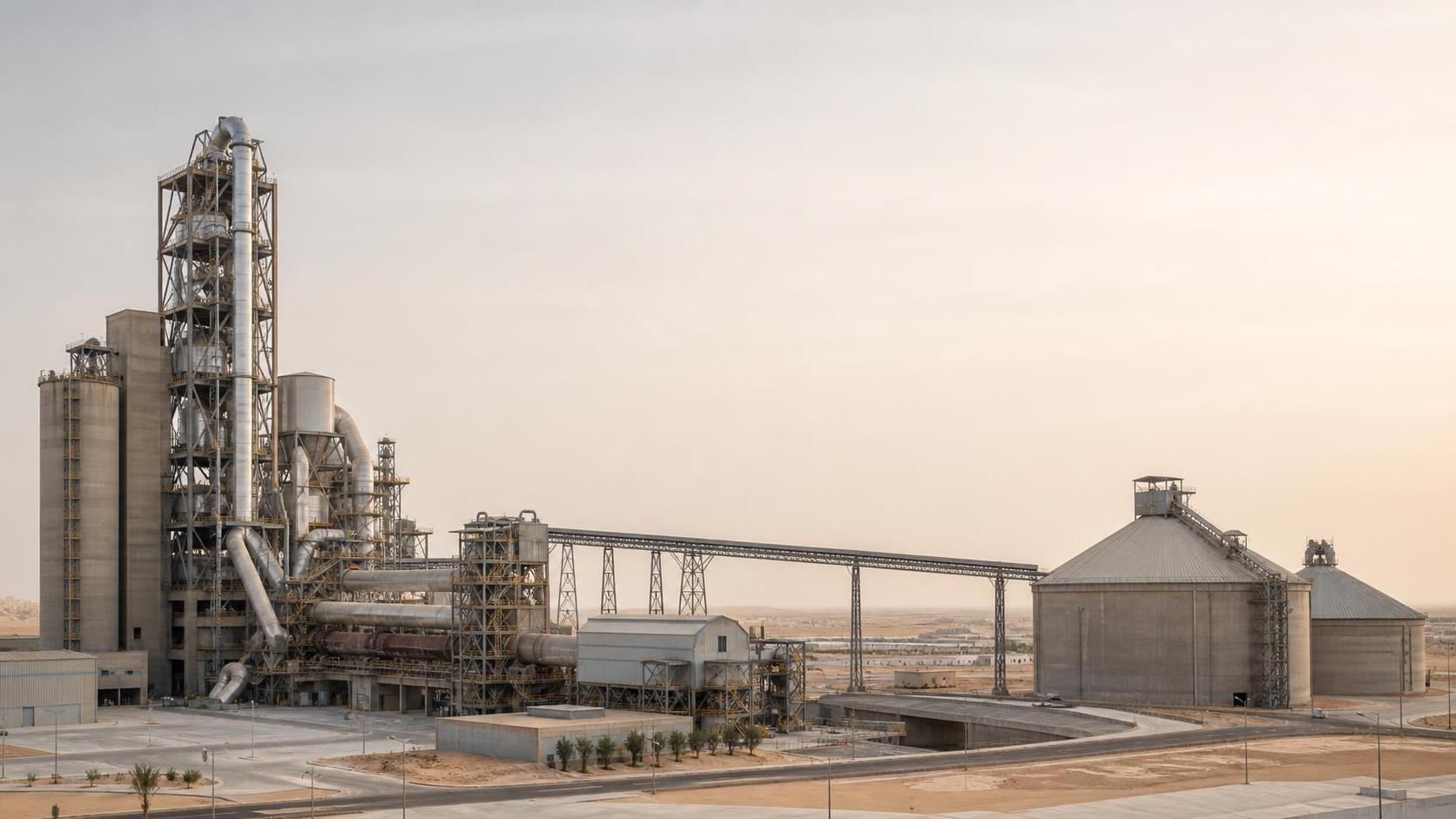
In cement plants, the concept often centers on clinker factor reduction, waste heat recovery, co-processing, and particulate control.
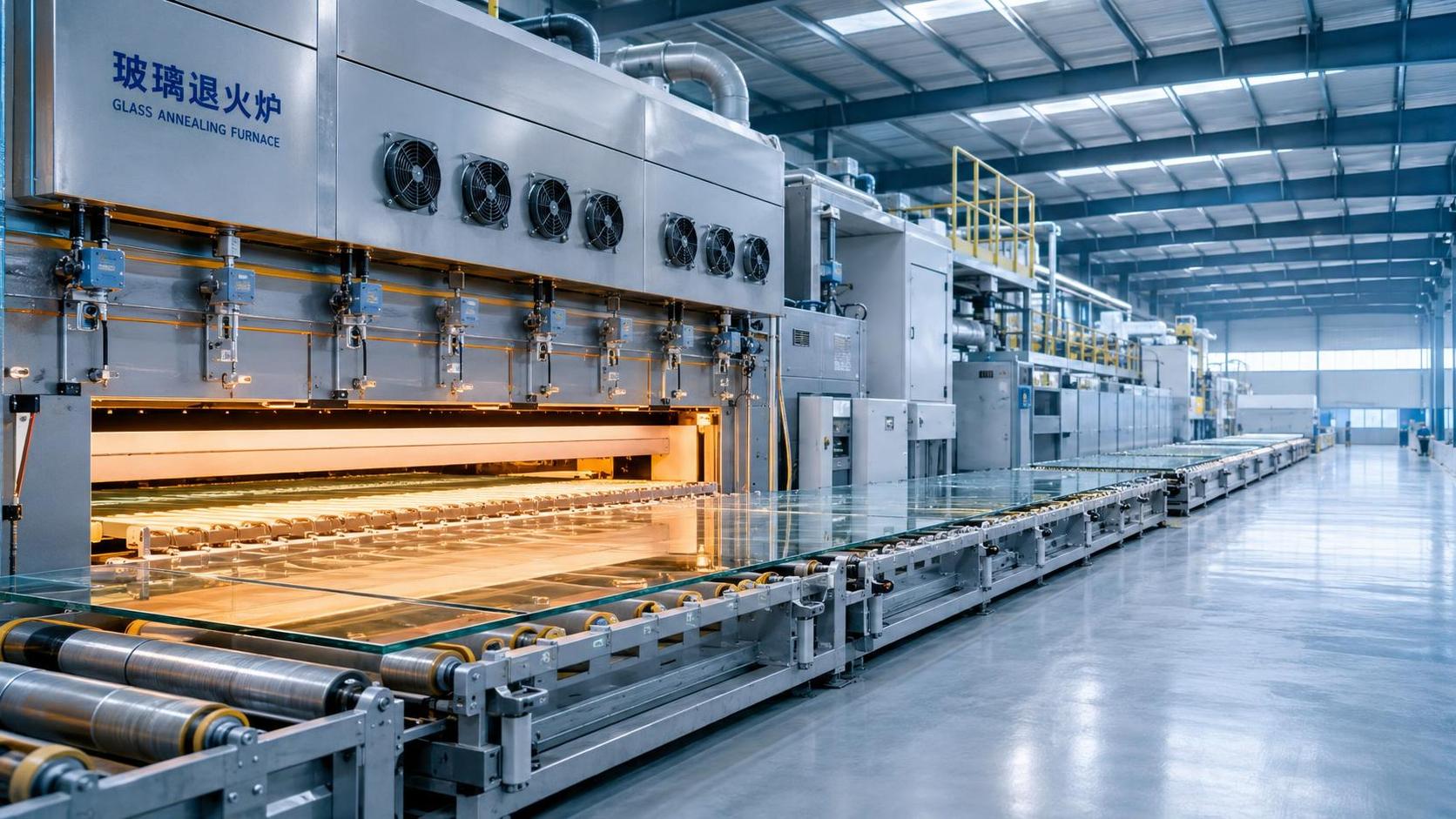
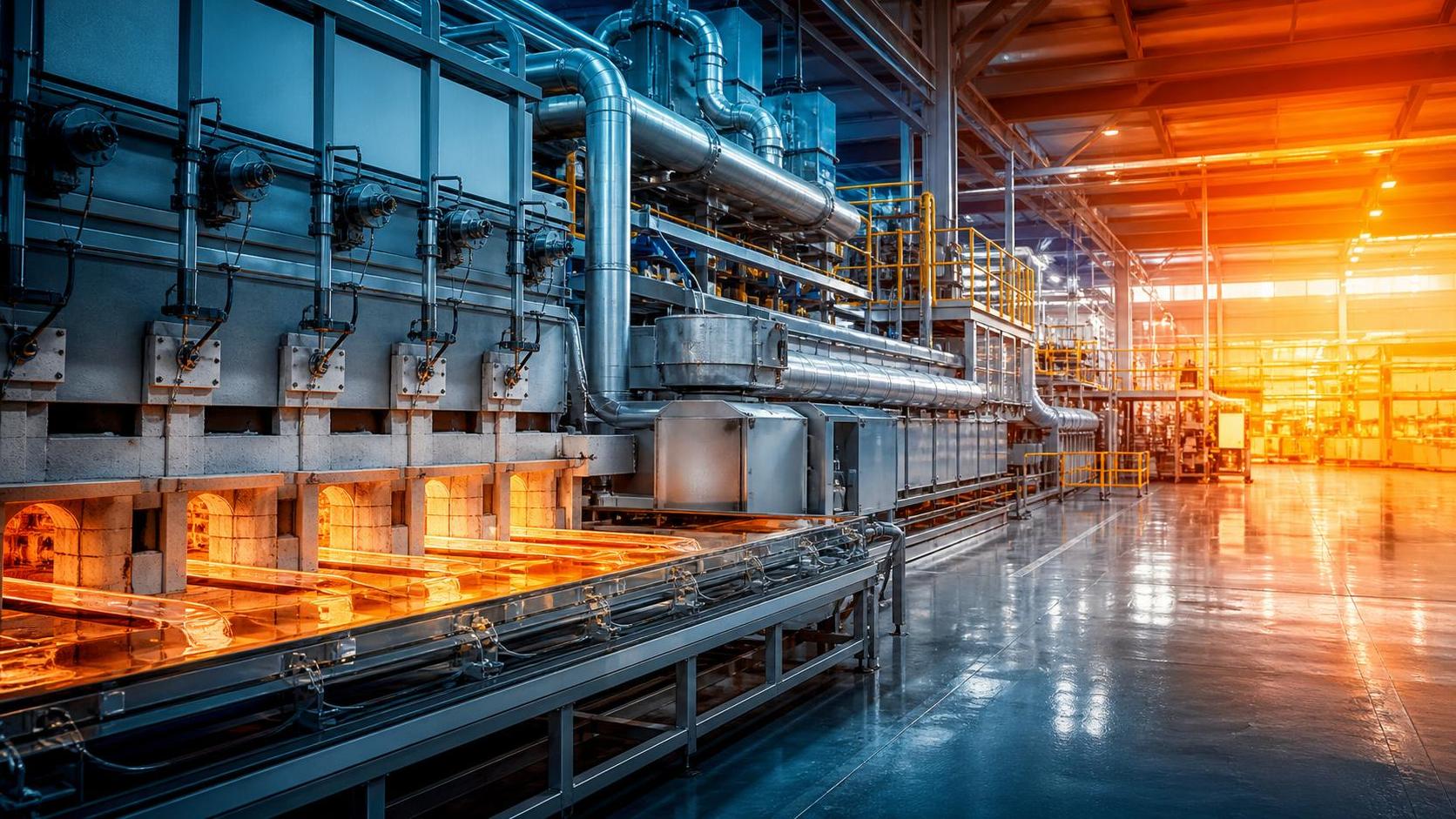
In glass manufacturing gear, it involves furnace efficiency, precise temperature control, cullet use, and lower defect rates during melting and annealing.
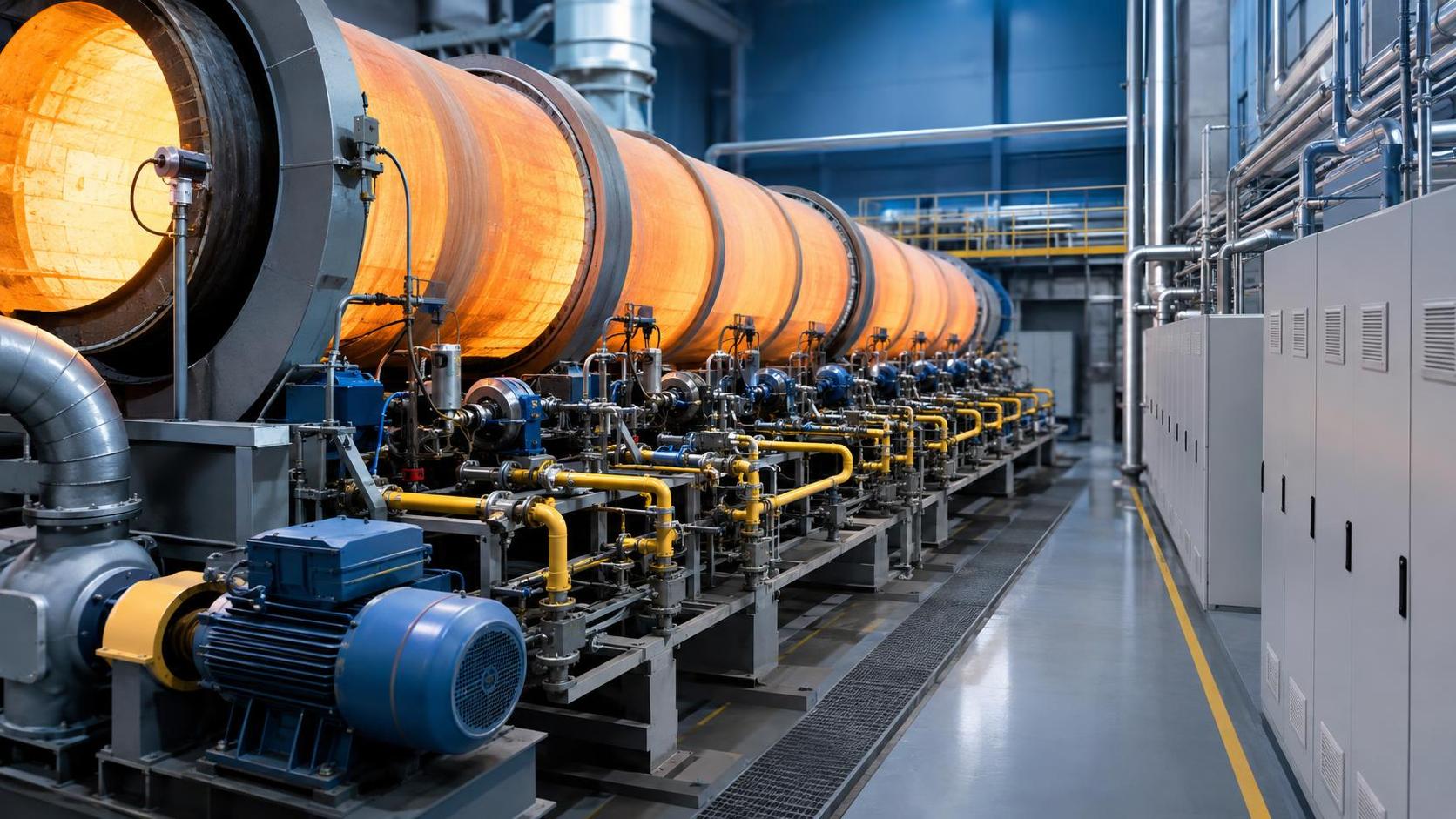
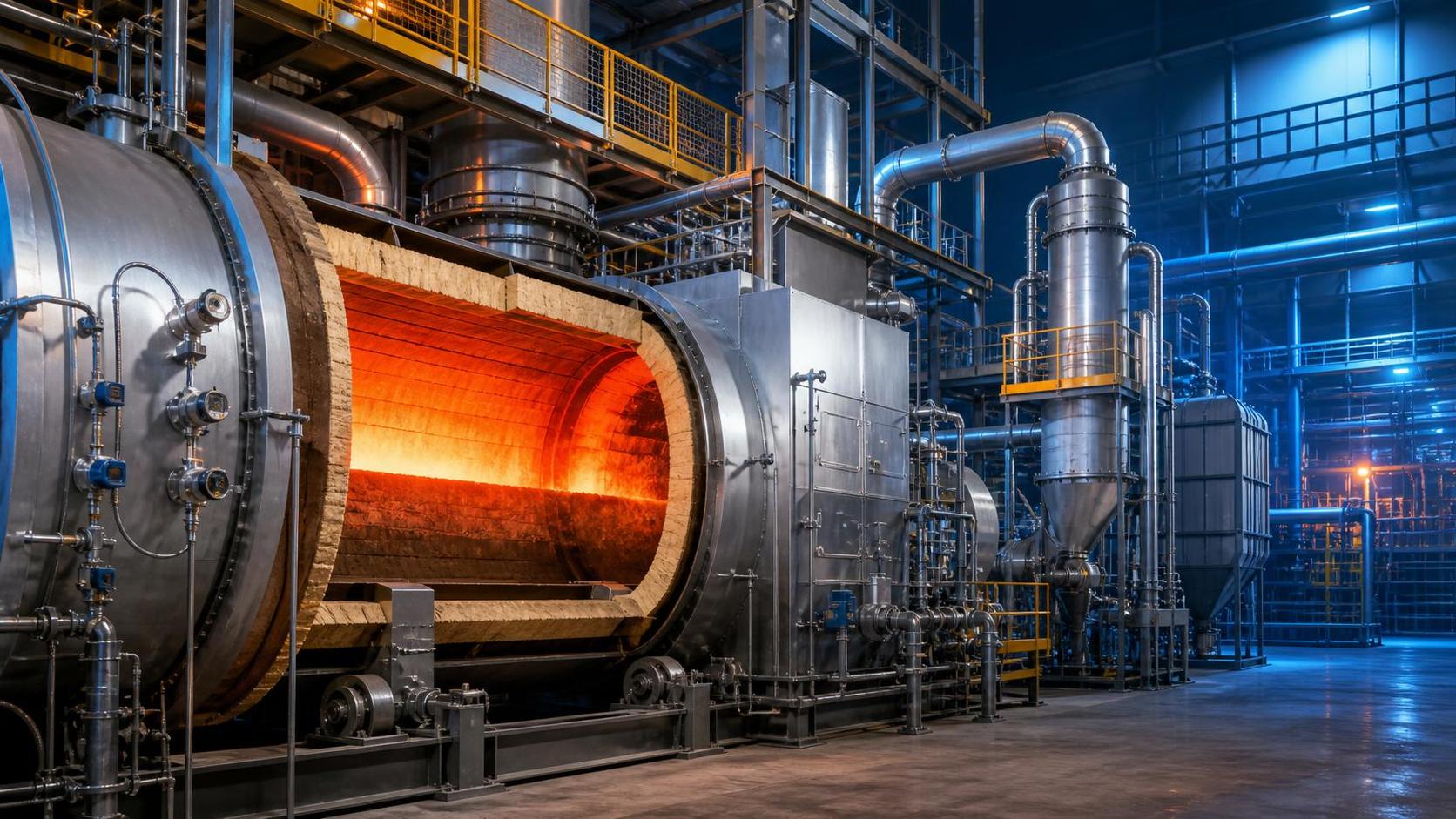
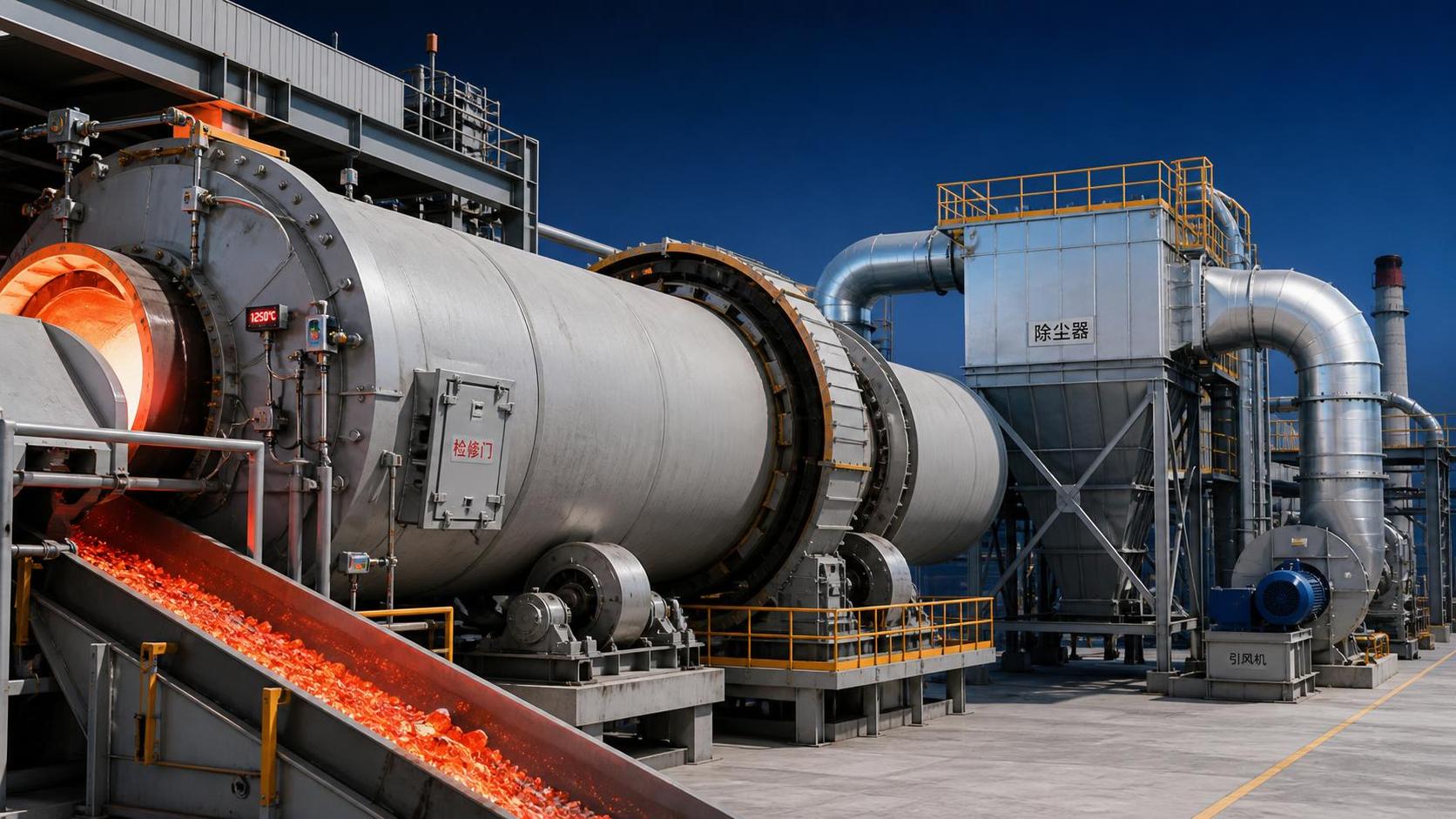
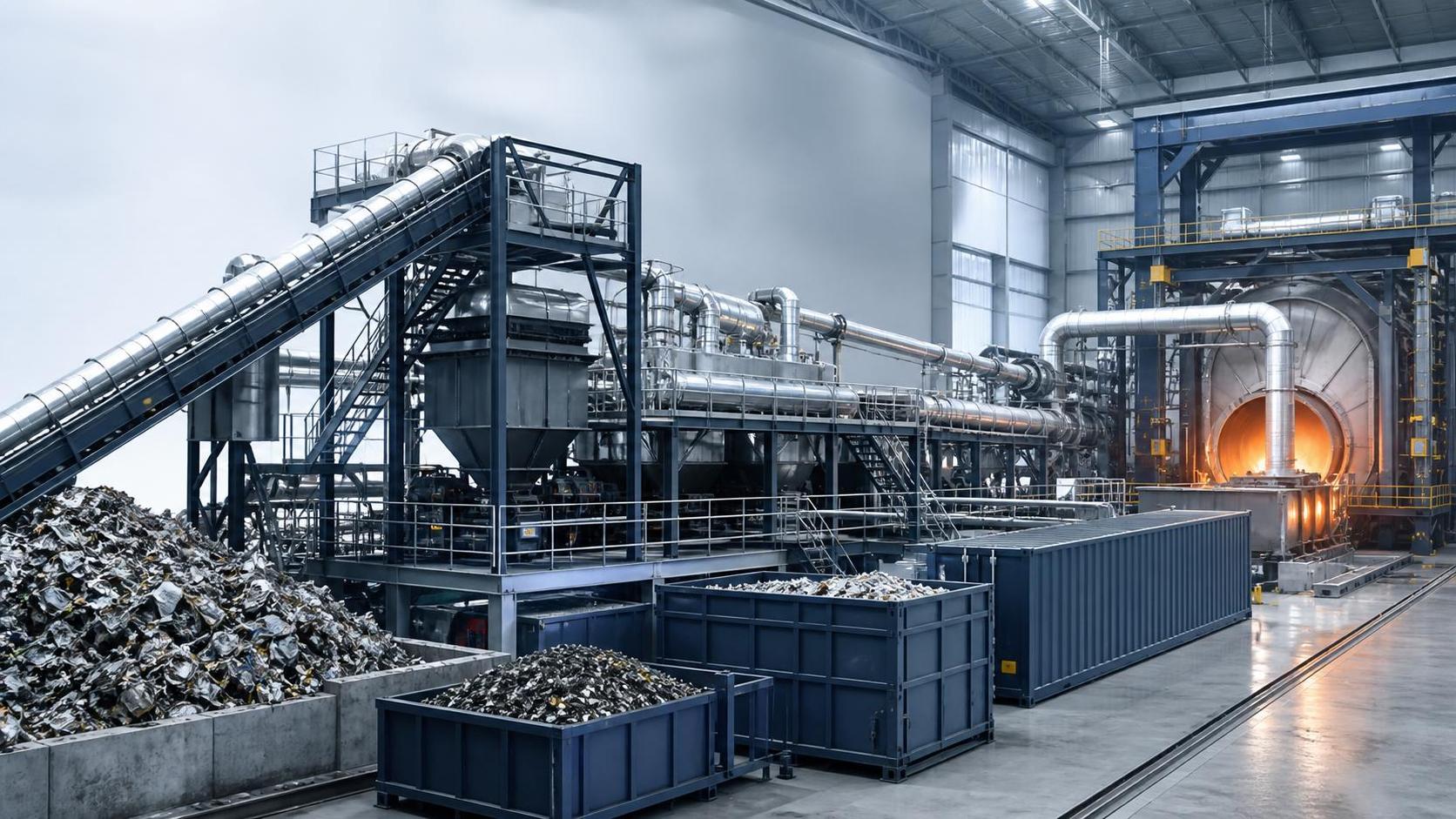
For industrial kilns and incineration systems, sustainable material production depends on combustion efficiency, secondary energy recovery, and stable destruction of waste streams.
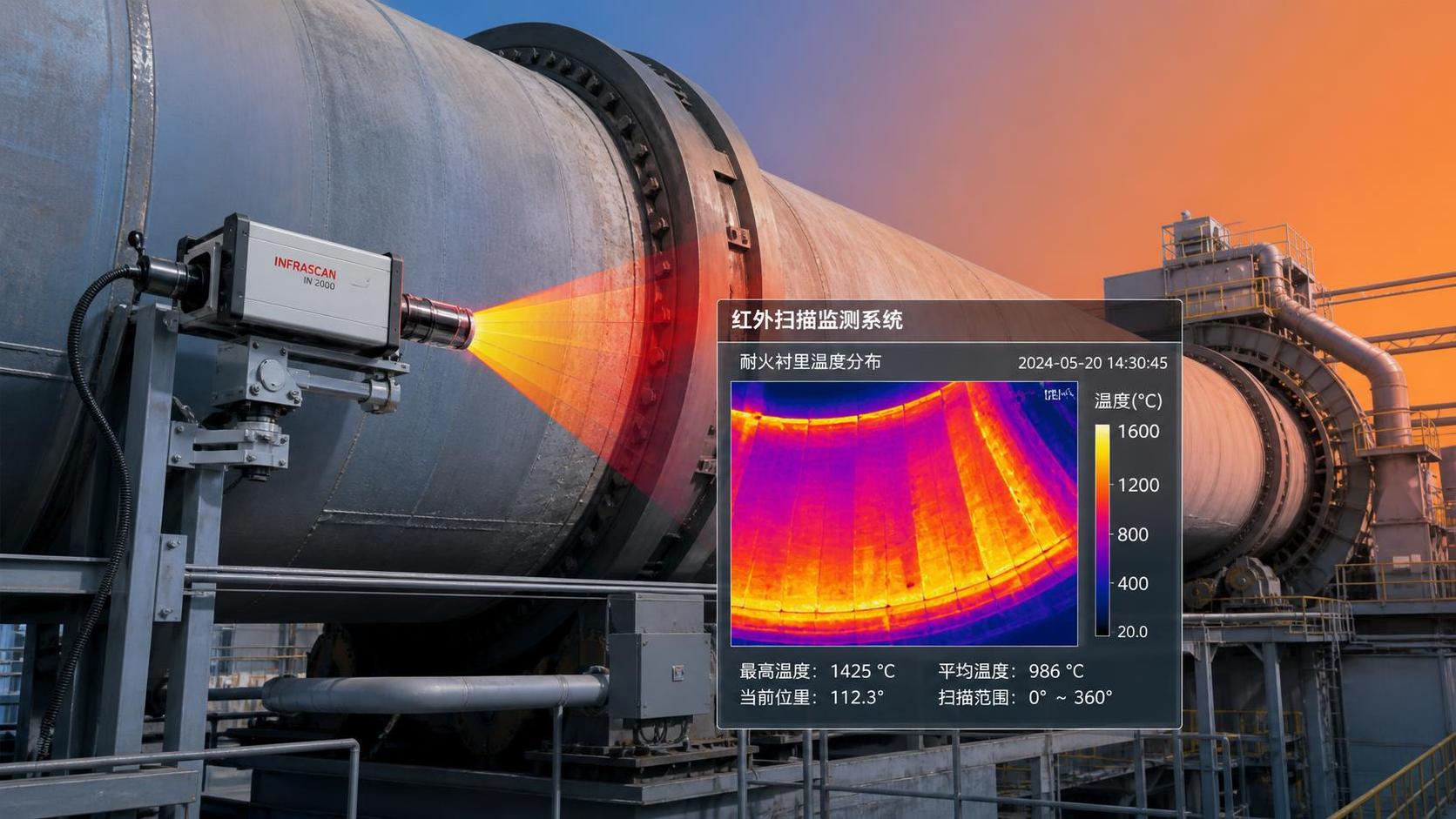
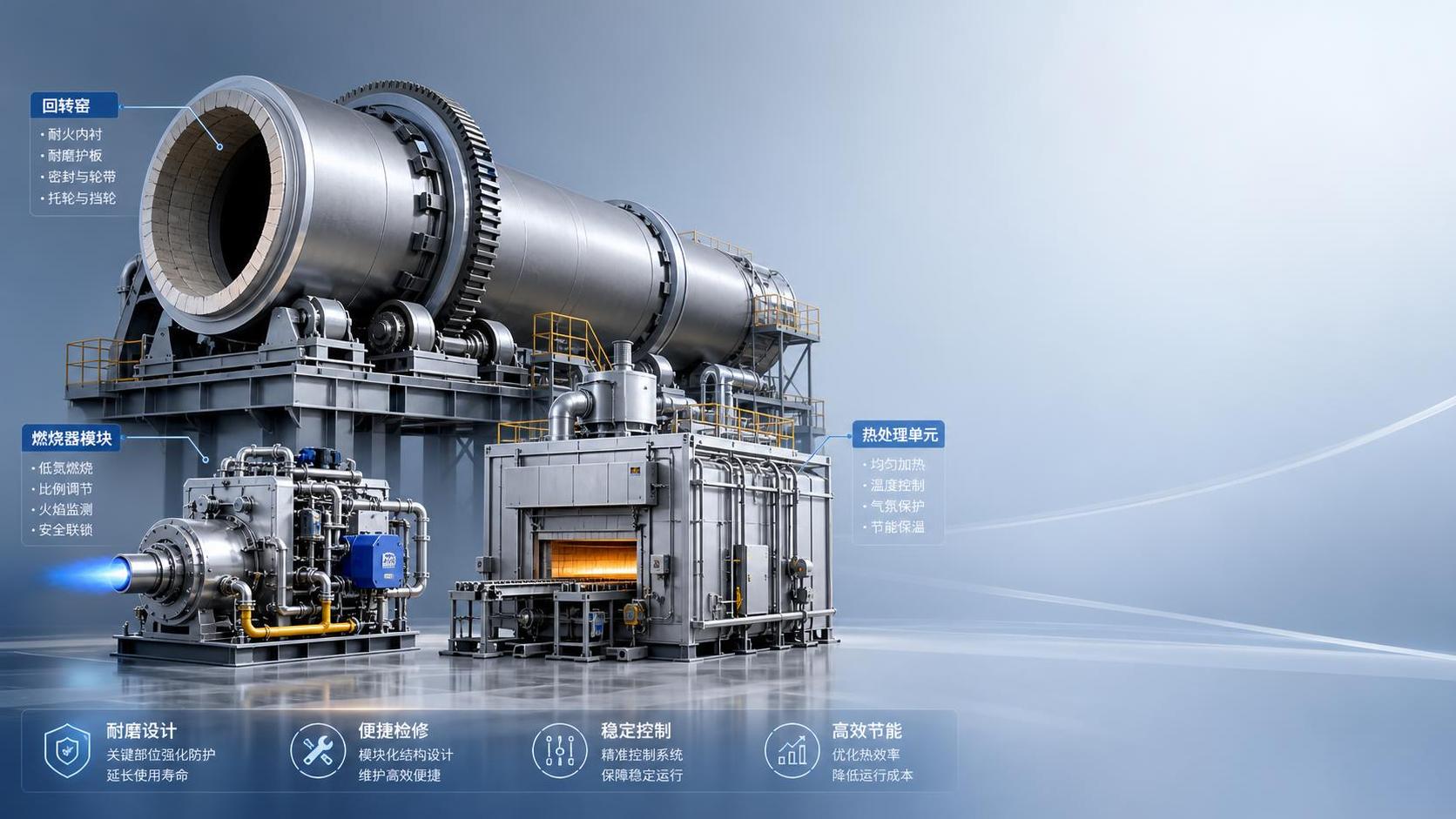
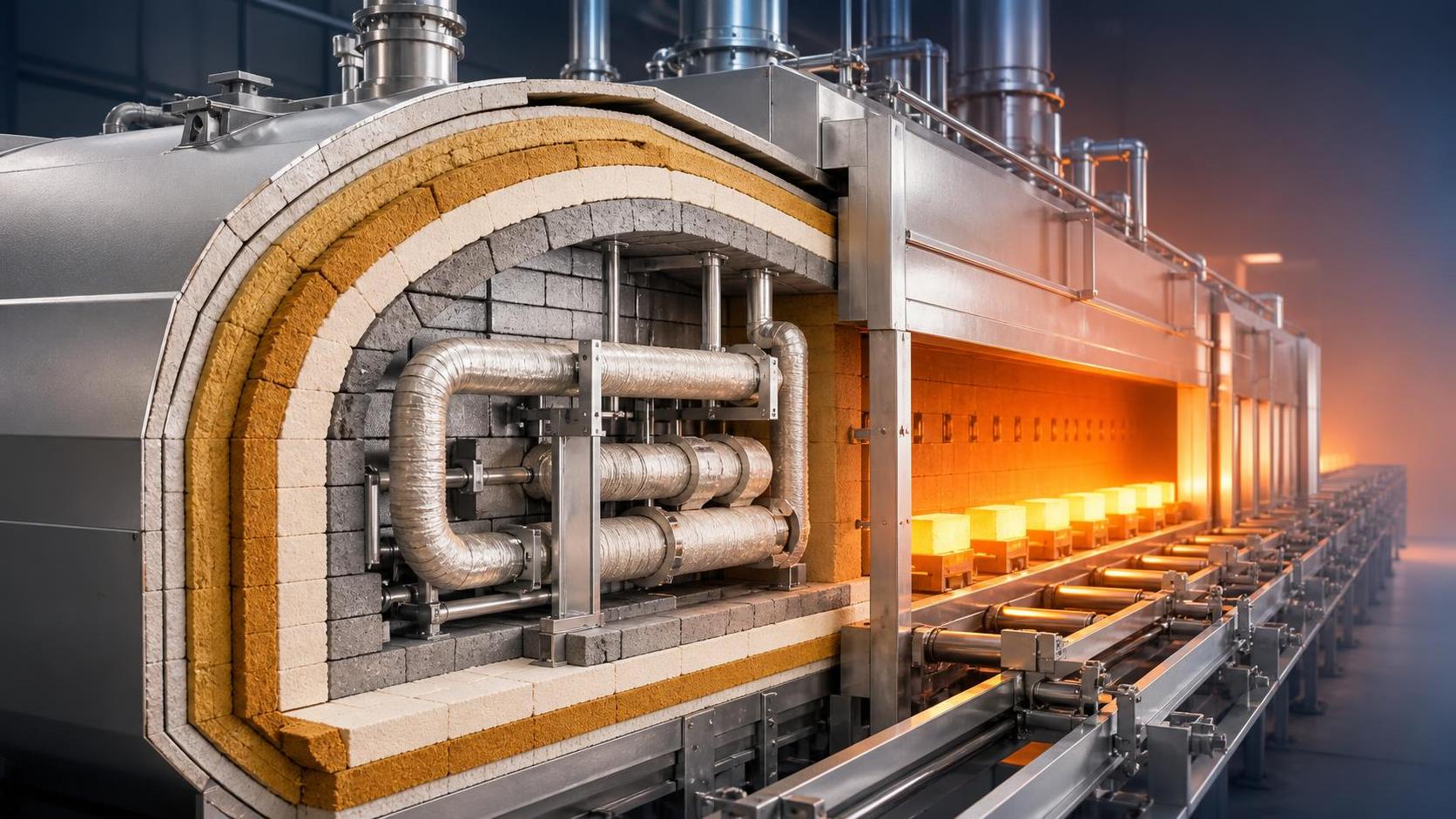
In refractory production lines, durability becomes a sustainability metric. Longer lining life reduces shutdowns, replacement frequency, and embodied carbon.
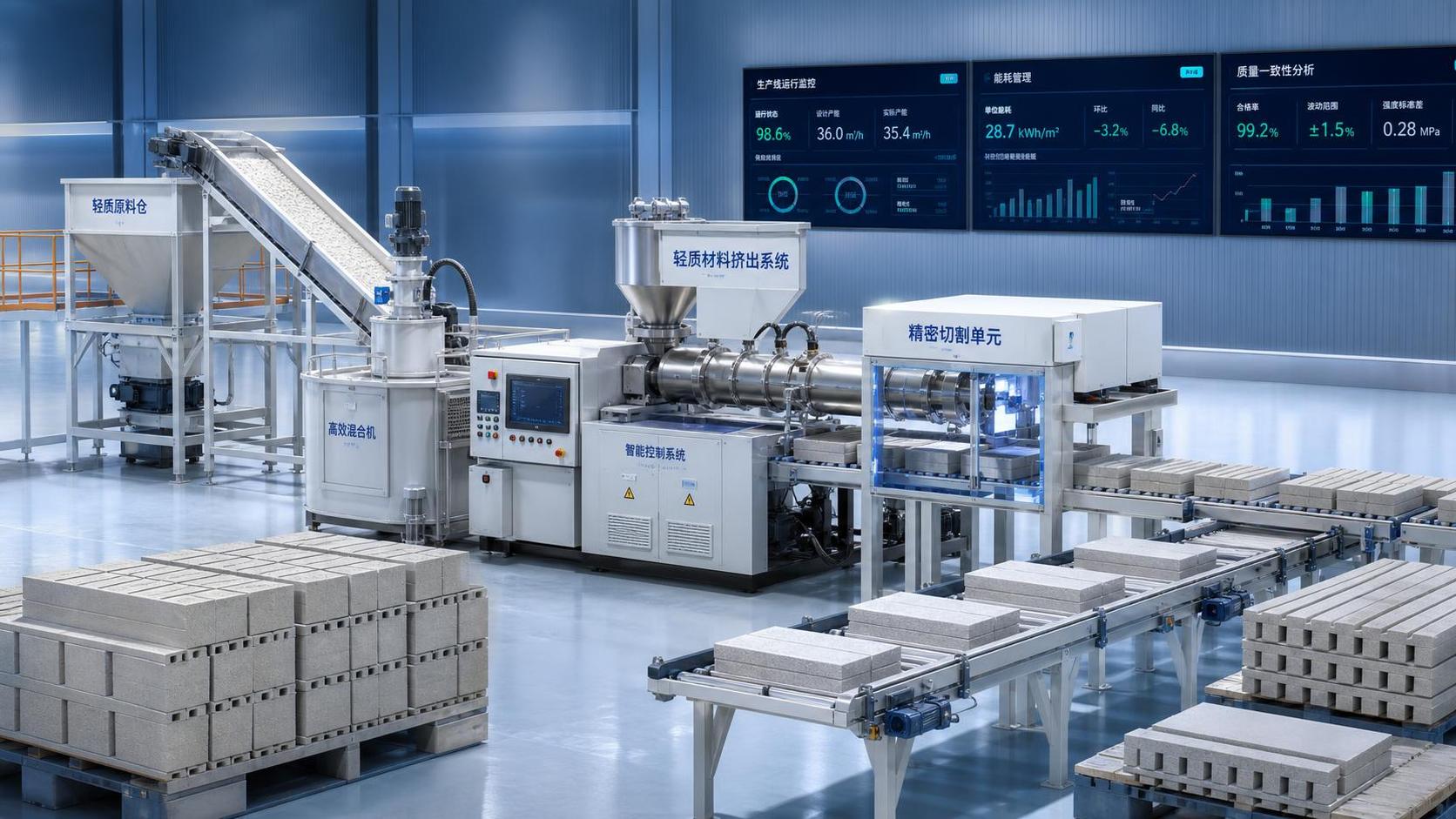
For new building material extrusion, pressure control, moisture balance, and lightweight formulation all support lower energy use per finished unit.
So, sustainable material production is best understood as measurable operational performance, not a marketing phrase.
Why are buyer priorities changing so quickly?
Several forces are converging. Energy prices remain volatile, environmental standards are tightening, and financing increasingly favors lower-carbon industrial assets.
At the same time, global construction and infrastructure markets are asking for cleaner supply chains. That pressure moves upstream into foundational materials.
As a result, sustainable material production is influencing technical specifications earlier in the evaluation process.
A line with higher nominal output may lose appeal if it consumes more fuel, creates more dust, or needs frequent refractory replacement.
Another reason is data availability. Online monitoring, digital twins, and process analytics expose real efficiency gaps that were previously hidden.
This favors suppliers able to explain heat balance, fuel flexibility, maintenance intervals, and emissions performance with evidence.
CF-Elite’s intelligence model reflects that reality. High-temperature industries now need stitched insight across process physics, compliance risk, and capital efficiency.
Key drivers behind the shift
- Rising fuel and electricity costs
- Carbon reduction targets in industrial supply chains
- Stricter air emissions and waste handling rules
- Growing demand for lifecycle cost visibility
- Higher value placed on digital process intelligence
Which performance indicators matter most when evaluating sustainable material production?
The most useful indicators connect sustainability goals with daily plant economics. Abstract claims are far less persuasive than operating metrics.
Energy consumption per ton is usually the first screen. It shows whether process design supports competitive operating cost.
Emissions intensity is equally important. This includes CO2, NOx, SOx, dust, and other regulated outputs depending on the application.
Raw material adaptability also matters. Sustainable material production benefits from systems that handle variable feedstock without unstable quality.
Maintenance frequency is another overlooked factor. Better thermal management and wear resistance often deliver stronger sustainability outcomes than headline capacity.
Decision quality improves when these indicators are reviewed together, not in isolation.
How does sustainable material production affect different high-temperature sectors?
The effect is broad, but the decision criteria vary by process environment and product quality demands.
Cement production plants
Here, sustainable material production often focuses on kiln efficiency, alternative fuels, clinker substitution, and dust suppression technology.
Reliable process control can reduce heat loss while maintaining stable output and product consistency.
Glass manufacturing gear
In glass lines, buyers look closely at furnace design, cullet integration, melting precision, and annealing control.
Small efficiency gains matter because defects, temperature drift, and uneven heat distribution quickly raise total cost.
Industrial kilns and incineration
These applications value combustion stability, residence time control, and energy recovery systems.
Sustainable material production in this segment also includes safe handling of complex waste-derived inputs.
Refractory production lines
The sustainability lens highlights material durability, thermal shock resistance, and process consistency during firing.
A longer-performing refractory system can indirectly improve the sustainability profile of every downstream high-heat asset.
New building material extrusion
This area emphasizes efficient shaping, lightweight formulations, lower curing energy, and stable throughput under variable moisture conditions.
What mistakes appear when judging sustainable material production solutions?
A common mistake is comparing only purchase price. Low upfront cost may hide higher energy use, shorter component life, or future retrofit expense.
Another mistake is accepting vague sustainability language without process data. Claims should be tied to measurable thermal and material performance.
Some evaluations ignore local regulatory pathways. A technically advanced line can still create risk if reporting or emissions thresholds are missed.
There is also a tendency to separate sustainability from reliability. In reality, unstable equipment usually performs poorly on both fronts.
Finally, decision makers sometimes overlook intelligence support. Market updates, compliance trends, and process benchmarking can change equipment value over time.
Quick risk checklist
- No verified energy baseline
- No emissions reporting roadmap
- No estimate of refractory or spare life
- No plan for variable raw materials
- No digital monitoring or optimization path
How should businesses prepare for this shift in buyer priorities?
The first step is to translate sustainable material production into a practical evaluation framework.
That framework should combine process capability, carbon relevance, maintenance economics, and compliance documentation.
Second, build decision support around application-specific evidence. Cement, glass, kilns, and extrusion lines require different proof points.
Third, strengthen technical communication. Equipment value is easier to defend when linked to heat efficiency, durability, and monitoring architecture.
Fourth, use intelligence sources that connect policy, engineering, and trade. That is where CF-Elite delivers strategic advantage.
Its focus on foundation materials and thermal management helps turn fragmented industry signals into usable commercial insight.
Sustainable material production is no longer a secondary preference. It is becoming a core filter for industrial equipment evaluation and supplier credibility.
The strongest market positions will belong to those who can explain performance with clear data, realistic lifecycle logic, and sector-specific insight.
A useful next step is to review current equipment portfolios against energy, emissions, durability, and compliance intelligence criteria.
With the right technical framework, sustainable material production becomes not only a responsibility, but also a durable commercial advantage.
Related News
 Optical Glass Tech FellowHow to Evaluate a Glass Annealing Equipment Manufacturer for Production StabilityChoose a glass annealing equipment manufacturer with proven thermal uniformity, reliable controls, lifecycle value, and responsive service for stable production.Sep 08, 2026
 Prof. Marcus ChenThermal Energy Architecture in North America: Strategies for Lower Building Energy UseThermal energy architecture North America helps project leaders cut building energy use through stronger envelopes, right-sized HVAC, storage, and smart commissioning.Sep 07, 2026
 Ms. Elena RodriguezHow Should Buyers Evaluate Building Material Industry Intelligence Pricing?Building material industry intelligence pricing: learn how to compare coverage, technical depth, and ROI to choose intelligence that reduces procurement risk.Sep 07, 2026
 Ms. Elena RodriguezHow to Use Building Material Intelligence Data for Market and Investment DecisionsBuilding material industry intelligence data helps leaders evaluate demand, costs, regulation, capacity, and technology to make smarter market and investment decisions.Sep 05, 2026
 Thermal Energy ArchitectHow PLC Control Improves Energy Efficiency and Temperature Stability in KilnsEnergy efficient kilns PLC control improves temperature stability, cuts fuel waste, and optimizes combustion, draft, and material flow. Explore proven strategies for smarter kiln modernization.Sep 04, 2026
 Optical Glass Tech FellowEuropean Glass Melting Processes: Furnace Choices, Energy Use, and Quality ControlGlass melting process Europe: explore furnace choices, energy efficiency, cullet strategy, and quality control to improve output, compliance, and long-term glass performance.Sep 03, 2026
 Thermal Energy ArchitectWhat Determines Refractory Lining Monitoring Price for Industrial Kilns?Refractory lining monitoring price depends on kiln size, sensor technology, installation, software, and support. Compare total lifecycle costs and choose the right solution.Sep 02, 2026
 Silicate Process EngineerCement Production System Costs: A Plant Buyer’s Guide to Budgeting and ROICement production systems cost planning made clear: compare CAPEX, operating costs, compliance, and ROI to build a resilient, profitable cement plant investment.Sep 01, 2026
 Dr. Alistair VaughnWhat Should a Process Technology Database Track for High-Temperature Plants?Process technology database essentials for high-temperature plants: track thermal profiles, feed chemistry, refractory wear, emissions, energy, and maintenance for safer, data-driven decisions.Aug 31, 2026
 Ms. Elena RodriguezHow to Evaluate a Silicate Processing Equipment Manufacturer for Plant ProjectsSilicate processing equipment manufacturer selection: assess process fit, guarantees, energy, compliance, delivery risk, and lifecycle support for dependable plant performance.Aug 30, 2026
 Dr. Alistair VaughnHow to Specify Custom Agricultural Processing Equipment for Throughput and HygieneEquipment customization services for agricultural processing: learn to specify hygienic, high-throughput lines that improve yield, reliability, and long-term efficiency.Aug 29, 2026
 Dr. Alistair VaughnHow to Select Process Plant Equipment for High-Temperature, Abrasive Production LinesProcess plant equipment selection for high-temperature, abrasive lines: reduce downtime, improve durability, and optimize lifecycle performance.Aug 28, 2026
 Silicate Process EngineerHow Kiln Heat Recovery Systems Cut Fuel Use in Cement and Lime ProductionKiln heat recovery helps cement and lime plants cut fuel use, improve thermal stability, and build practical, reliable decarbonization strategies.Aug 27, 2026
 Ms. Elena RodriguezProcess Equipment Comparison: Which Metrics Matter Most for Reliable Selection?Process equipment comparison made practical: discover which metrics truly drive reliable selection, from energy efficiency and control stability to wear life, maintainability, and uptime.Aug 26, 2026
 Ms. Elena RodriguezWhat Buyers Should Check Before Sourcing Precision Alloy Bars for Critical PartsPrecision Alloy Bars buyers should verify grade, chemistry, tolerances, surface quality, traceability, and lead time before sourcing for critical parts. Learn what prevents costly machining and reliability risks.Aug 27, 2026
 Ms. Elena RodriguezHow to Evaluate Thermal Management Solutions Insulation for High-Heat Industrial SystemsThermal management solutions insulation: learn how to assess high-heat industrial systems by thermal performance, durability, lifecycle cost, and supplier data for smarter decisions.Aug 25, 2026
 Ms. Elena RodriguezWhat Drives Waste Recycling Cost in Industrial Projects and How to Estimate It?Waste recycling cost in industrial projects depends on composition, moisture, transport, pre-treatment, and compliance. Learn how to estimate it accurately and compare suppliers with confidence.Aug 24, 2026
 Silicate Process EngineerHow to Evaluate Cement Production Plants in the Middle East for Capacity, Fuel Flexibility, and ROIcement production plants Middle East: Learn how to assess true capacity, fuel flexibility, and ROI risks to identify resilient assets and smarter investment opportunities.Aug 23, 2026
 Structural Material AnalystHow to Evaluate Lightweight Material Machinery for Output, Energy Use, and Product QualityLightweight material machinery evaluation guide: compare stable output, energy use, and product quality to choose equipment that cuts waste, lowers costs, and improves production confidence.Aug 22, 2026
 Material Heat-Resist ExpertWhat Determines Refractory Production Line Price in a Turnkey Plant Project?Refractory production line price depends on raw materials, forming method, kiln and drying design, automation, utilities, and scope. Learn what really drives turnkey plant cost before you invest.Aug 21, 2026
Related News
- 00
0000-00
Thermal Energy Architecture in North America: Strategies for Lower Building Energy Use - 00
0000-00
How to Evaluate a Green Material Production Line for Energy Use, Output, and Product Quality - 00
0000-00
Silicate Technology Trends: What New Process Upgrades Matter for Refractory and Cement Plants? - 00
0000-00
Thermal Engineering Optimization: Which Process Parameters Most Affect Energy Use? - 00
0000-00
Material Extrusion Technology in Europe: Which Materials and Production Goals Fit Best?
Weekly Insights
Stay ahead with our curated technology reports delivered every Monday.