
Where cement plant optimization cuts costs without risk




For project managers and engineering leads, cement plant optimization is no longer just about boosting output—it is about cutting energy waste, reducing unplanned downtime, and controlling compliance risk without disrupting production. In a capital-intensive industry shaped by cost pressure and decarbonization targets, the right optimization strategy helps plants improve efficiency with measurable, low-risk gains.
That shift matters because most cement plants are already operating inside tight practical limits. Major kiln rebuilds, full-line replacements, or aggressive process changes can create new risks in quality, emissions, and schedule. For decision-makers, the smarter route is often a phased optimization plan that targets the largest losses first and protects daily production.
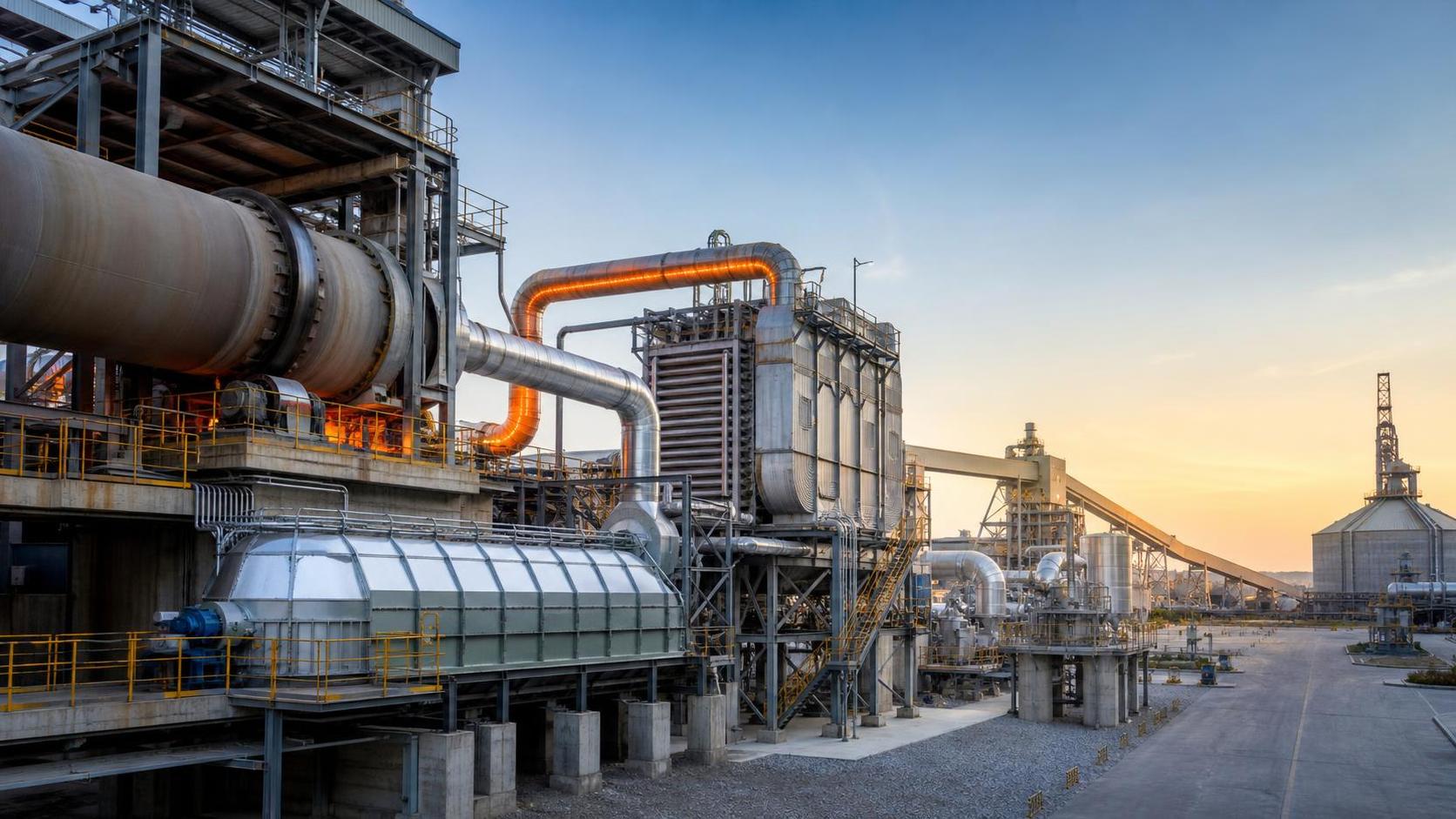
Within the wider high-temperature industry observed by CF-Elite, cement production remains one of the clearest examples of where thermal efficiency, materials performance, and operational discipline converge. Rotary kilns, clinker coolers, mills, fans, dust collection systems, and refractory zones all interact. Small gains in 4 to 6 priority areas can often outperform a single expensive overhaul.
This article looks at where cement plant optimization cuts costs without adding operational risk, which indicators deserve management attention, and how project teams can structure improvements over 3 phases, from quick wins to controlled capital upgrades.
Where low-risk cement plant optimization delivers the fastest returns
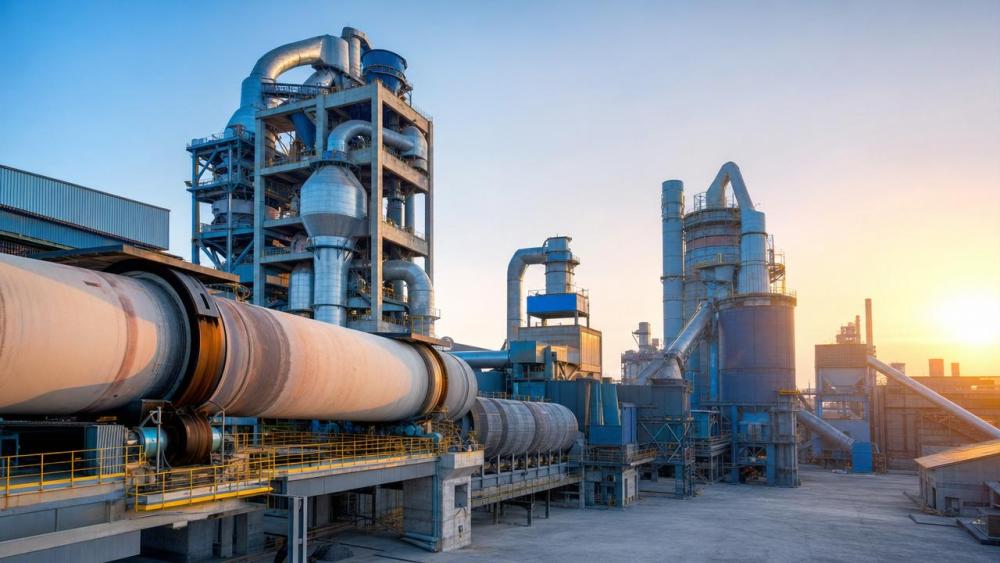
In most facilities, the best starting point for cement plant optimization is not the most complex system. It is the set of losses that can be measured quickly, corrected with limited shutdown time, and verified within 30 to 90 days. For project managers, this reduces approval friction and creates a factual basis for later investment.
1. Thermal efficiency in kiln and preheater operations
Fuel and heat account for a major share of operating cost. When kiln inlet conditions fluctuate, excess air rises, coating behavior changes, and specific heat consumption drifts upward. Even a 1% to 3% thermal improvement can be meaningful in a plant running continuously across 330 or more days per year.
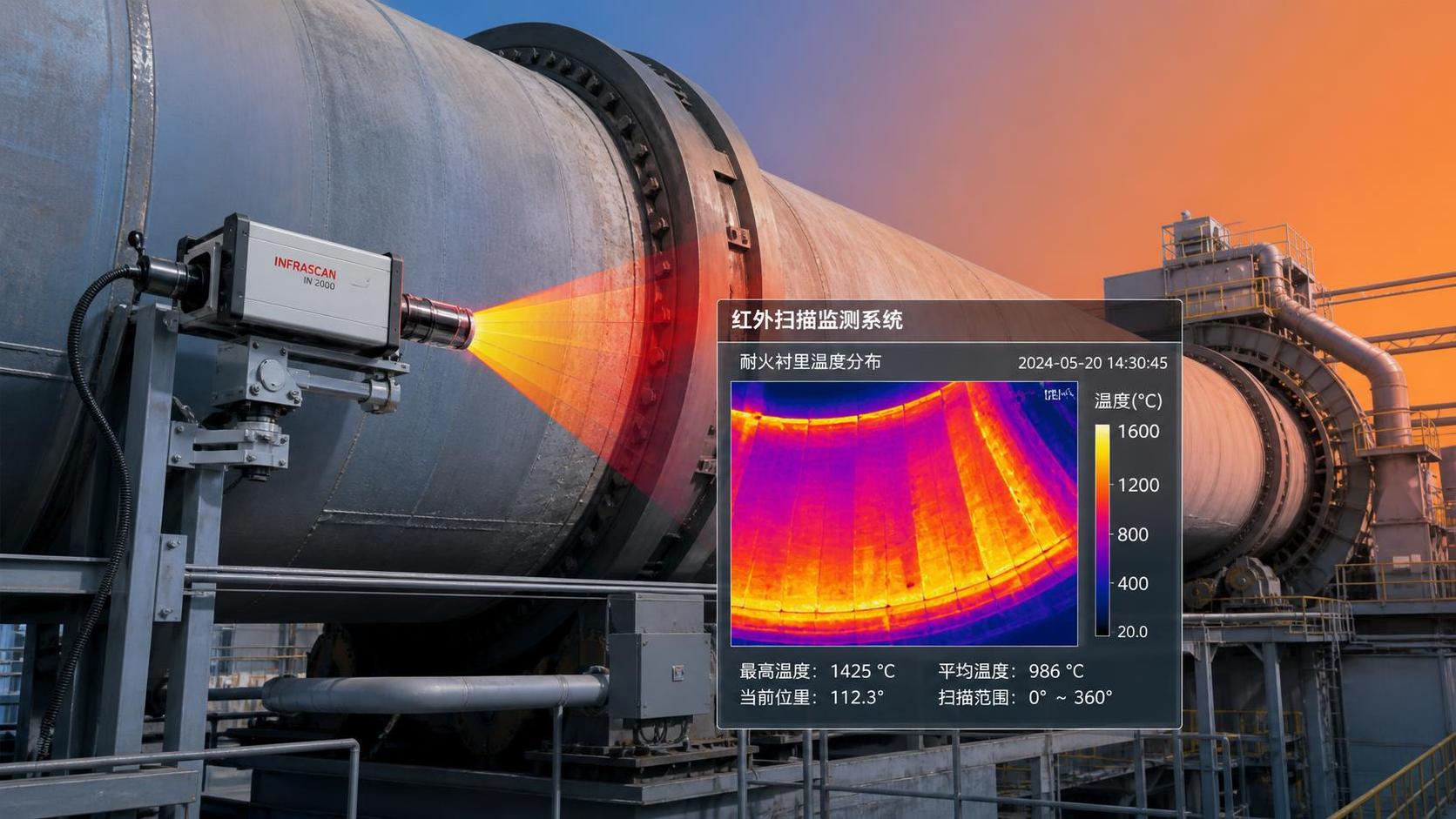
Low-risk actions usually include burner tuning, false-air checks, preheater cyclone inspection, tertiary air stability review, and kiln shell temperature mapping. These are less disruptive than changing core process chemistry, yet they often expose avoidable heat loss and unstable combustion patterns.
Practical signals to track
- Specific heat consumption trend over 7-day and 30-day periods
- Oxygen variation at kiln inlet and preheater exit
- Shell hot spots and refractory wear progression by zone
- Clinker free lime stability and cooler outlet temperature
2. Grinding system efficiency without product risk
Grinding is another common target because mills, separators, and fans consume high electrical load. Yet many plants can improve performance without changing final cement specification. Separator tuning, ball charge review, liner condition checks, and feed size control can lift throughput while reducing kWh per ton.
For engineering leads, the key is to separate optimization from over-stressing equipment. A 5% to 8% throughput gain is useful only if vibration, residue consistency, and bearing temperatures remain within normal operating windows. Stable operation matters more than chasing a single-day record.
3. Fans, compressed air, and auxiliary systems
Some of the lowest-risk savings come from utility systems that do not directly alter clinker chemistry. Variable speed control on selected fans, pressure leak management, filter maintenance, and compressed-air system balancing can reduce energy demand with limited process disturbance.
In mature plants, auxiliary systems often hide cumulative waste because no single leak or oversized motor looks critical. But when 10 to 20 small inefficiencies accumulate over a full production line, the annual energy burden becomes difficult to ignore.
The comparison below shows why project teams often prioritize systems with short validation cycles and low interaction risk before moving into larger modifications.
The main lesson is straightforward: cement plant optimization cuts costs fastest when the first scope targets measurable losses in heat, power, and air handling. These areas offer lower process risk than raw mix redesign, major kiln geometry changes, or untested fuel substitution programs.
How to reduce risk while improving plant performance
The biggest concern for project leaders is rarely whether optimization can save money. It is whether the savings will survive real operating conditions. In cement, a technically sound change can still fail if it disrupts production scheduling, overloads maintenance teams, or introduces compliance exposure.
Build the baseline before changing anything
Before any intervention, establish a baseline across at least 4 dimensions: energy, throughput, equipment condition, and emissions-related stability. A 14-day to 28-day baseline is often more useful than a single best-shift snapshot because it captures feed variation, operator practice, and ambient changes.
For example, if a plant wants to improve clinker cooler efficiency, the review should include cooler outlet temperature, clinker bed behavior, fan loading, grate condition, and dust carryover. Focusing on only one indicator can create false confidence and shift losses elsewhere in the system.
Use phased implementation instead of one-step disruption
A low-risk cement plant optimization program usually works best in 3 phases. Phase 1 covers measurement correction and maintenance restoration. Phase 2 introduces control tuning and operating discipline. Phase 3 evaluates capital-light upgrades that can be installed during planned shutdowns.
- Phase 1, 2 to 6 weeks: sensor checks, leak surveys, refractory inspection, filter and fan review
- Phase 2, 4 to 10 weeks: setpoint alignment, operator routines, combustion and separator tuning
- Phase 3, 1 to 2 shutdown cycles: targeted hardware upgrades with quantified payback logic
This sequencing matters because it avoids paying for new equipment before existing assets are stabilized. In many heavy industrial lines, poor instrumentation or inconsistent operating practice can hide the real source of inefficiency.
Protect compliance and quality at the same time
Cost reduction should never come at the expense of dust control, NOx management, or cement quality variation. A project that cuts power use by 4% but increases bag filter loading, clinker instability, or off-spec cement returns can destroy the business case within one quarter.
That is why optimization reviews should include at least 6 checkpoints: process stability, emissions consistency, product specification, maintenance burden, operator workload, and shutdown exposure. These checkpoints help management reject false savings and keep plant changes aligned with operational reality.
Common risk-control actions
- Verify instrument calibration before comparing pre- and post-change data
- Run trial changes during stable feed and demand periods, not during upset conditions
- Set rollback criteria such as temperature limits, vibration thresholds, or residue drift
- Document operator response steps within 24 hours of each adjustment
The metrics project managers should prioritize
Not every KPI deserves equal attention during cement plant optimization. Project teams often lose momentum when dashboards contain 30 or 40 indicators with no ranking. A practical approach is to focus first on the metrics that connect directly to cost, stability, and decision timing.
Core operational indicators
For kiln-to-finish-mill operations, 5 core indicators usually provide the clearest first view: specific heat consumption, specific power consumption, unplanned downtime hours, clinker quality stability, and dust or emission control consistency. These indicators show whether a change is truly improving the plant or simply shifting pressure to another department.
A useful management habit is to review trend direction over 3 intervals: daily, weekly, and monthly. Daily values catch upset conditions. Weekly values reveal operator consistency. Monthly values confirm whether the benefit survives routine variability in feed, maintenance, and environmental conditions.
Maintenance-linked indicators
Cement plant optimization often succeeds or fails at the maintenance interface. If higher throughput creates more build-up, shorter refractory life, or unstable bearings, cost savings disappear. That is why maintenance metrics should be tied into every improvement review.
Watch inspection frequency, mean time between interventions, spare consumption patterns, and thermal stress zones. In many plants, a 10% reduction in emergency work orders can be more valuable than a small output increase because it protects planning discipline and labor availability.
The table below can help project managers prioritize what to measure during a low-risk optimization program.
These metrics help teams translate cement plant optimization from a technical concept into a management system. When cost, reliability, and quality are tracked together, it becomes easier to justify the next step and easier to stop weak ideas before they create losses.
Choosing the right optimization pathway for different plant conditions
No two plants begin from the same point. A dry-process line with stable fuel quality and newer controls will not need the same roadmap as an older facility facing variable raw materials, repeated fan problems, or refractory stress. The right cement plant optimization plan depends on constraint mapping, not generic advice.
When the plant is energy-heavy but mechanically stable
If unplanned downtime is low but heat and power intensity remain high, the plant may benefit most from process tuning, air balance correction, and utility optimization. This is often the best environment for fast payback because mechanical risk is already controlled.
When reliability issues dominate the cost structure
If stoppages recur every 2 to 4 weeks, optimization must start with root-cause reliability work rather than aggressive efficiency targets. In this condition, the wrong initiative can worsen downtime. Projects should first address alignment, wear patterns, refractory condition, and instrumentation trustworthiness.
When decarbonization pressure shapes investment choices
Plants under carbon and energy scrutiny may need to evaluate optimization through a dual lens: immediate operating savings and future readiness for alternative fuels, waste heat recovery, or digital process monitoring. CF-Elite’s cross-sector view of thermal management is useful here because cement decisions increasingly intersect with broader high-temperature industry practices.
For project leaders, that means screening each improvement against 3 questions. Does it lower present cost? Does it reduce operational instability? Does it preserve flexibility for future carbon-related upgrades? A change that performs well on all three is usually a stronger long-term choice than a narrow efficiency fix.
Typical decision checklist
- Identify the top 3 cost losses by annual impact, not by visibility alone
- Estimate shutdown exposure in hours, not just equipment scope
- Confirm whether the expected benefit can be measured within 30, 60, or 90 days
- Link each proposed change to one owner in operations, maintenance, and engineering
Execution guidance for project teams and engineering leads
A strong optimization plan is not only technical. It is organizational. Cement plant optimization works when responsibilities are clear, trial windows are controlled, and improvement logic survives shift changes. This is especially important in large sites where operations, process, maintenance, and procurement can follow different priorities.
Assign owners by system, not only by department
Instead of assigning one broad team to “energy saving,” assign system owners for the kiln, cooler, grinding circuit, and utilities. Each owner should report 3 items: current loss point, next action, and measurable result. This creates accountability without slowing down decision flow.
Use short review cycles
Weekly reviews are usually effective during active implementation. Monthly reviews alone are too slow for trial-based adjustments, while daily management meetings can become reactive. A 7-day cycle allows enough operating data to emerge without letting weak settings continue for too long.
Questions that should be answered every review
- Did the change reduce cost per ton or only shift consumption to another system?
- Did process stability improve over at least 3 consecutive operating days?
- Were there any side effects on dust, temperatures, build-up, or maintenance workload?
- Is the next step a tuning action, a maintenance action, or a capital decision?
Where cement plant optimization succeeds, it usually does so through disciplined execution rather than dramatic intervention. Plants that make steady, verified gains across 4 or 5 systems often outperform sites that pursue one large change without enough control over data, shutdown planning, or follow-up routines.
For project managers and engineering leads, the practical path is clear: start with measurable losses, validate improvements over defined time windows, and protect quality and compliance at every step. That approach turns cement plant optimization into a lower-risk route to energy savings, higher reliability, and better capital discipline.
CF-Elite supports this decision process with sector intelligence across cement production plants, industrial kilns, refractory systems, and thermal management trends. If you are evaluating upgrades, operating benchmarks, or phased plant improvement strategies, contact us now to get a tailored solution, discuss technical priorities, and explore more optimization pathways for your facility.
Related News
 Optical Glass Tech FellowHow to Evaluate a Glass Annealing Equipment Manufacturer for Production StabilityChoose a glass annealing equipment manufacturer with proven thermal uniformity, reliable controls, lifecycle value, and responsive service for stable production.Sep 08, 2026
 Prof. Marcus ChenThermal Energy Architecture in North America: Strategies for Lower Building Energy UseThermal energy architecture North America helps project leaders cut building energy use through stronger envelopes, right-sized HVAC, storage, and smart commissioning.Sep 07, 2026
 Ms. Elena RodriguezHow Should Buyers Evaluate Building Material Industry Intelligence Pricing?Building material industry intelligence pricing: learn how to compare coverage, technical depth, and ROI to choose intelligence that reduces procurement risk.Sep 07, 2026
 Ms. Elena RodriguezHow to Use Building Material Intelligence Data for Market and Investment DecisionsBuilding material industry intelligence data helps leaders evaluate demand, costs, regulation, capacity, and technology to make smarter market and investment decisions.Sep 05, 2026
 Thermal Energy ArchitectHow PLC Control Improves Energy Efficiency and Temperature Stability in KilnsEnergy efficient kilns PLC control improves temperature stability, cuts fuel waste, and optimizes combustion, draft, and material flow. Explore proven strategies for smarter kiln modernization.Sep 04, 2026
 Optical Glass Tech FellowEuropean Glass Melting Processes: Furnace Choices, Energy Use, and Quality ControlGlass melting process Europe: explore furnace choices, energy efficiency, cullet strategy, and quality control to improve output, compliance, and long-term glass performance.Sep 03, 2026
 Thermal Energy ArchitectWhat Determines Refractory Lining Monitoring Price for Industrial Kilns?Refractory lining monitoring price depends on kiln size, sensor technology, installation, software, and support. Compare total lifecycle costs and choose the right solution.Sep 02, 2026
 Silicate Process EngineerCement Production System Costs: A Plant Buyer’s Guide to Budgeting and ROICement production systems cost planning made clear: compare CAPEX, operating costs, compliance, and ROI to build a resilient, profitable cement plant investment.Sep 01, 2026
 Dr. Alistair VaughnWhat Should a Process Technology Database Track for High-Temperature Plants?Process technology database essentials for high-temperature plants: track thermal profiles, feed chemistry, refractory wear, emissions, energy, and maintenance for safer, data-driven decisions.Aug 31, 2026
 Ms. Elena RodriguezHow to Evaluate a Silicate Processing Equipment Manufacturer for Plant ProjectsSilicate processing equipment manufacturer selection: assess process fit, guarantees, energy, compliance, delivery risk, and lifecycle support for dependable plant performance.Aug 30, 2026
 Dr. Alistair VaughnHow to Specify Custom Agricultural Processing Equipment for Throughput and HygieneEquipment customization services for agricultural processing: learn to specify hygienic, high-throughput lines that improve yield, reliability, and long-term efficiency.Aug 29, 2026
 Dr. Alistair VaughnHow to Select Process Plant Equipment for High-Temperature, Abrasive Production LinesProcess plant equipment selection for high-temperature, abrasive lines: reduce downtime, improve durability, and optimize lifecycle performance.Aug 28, 2026
 Silicate Process EngineerHow Kiln Heat Recovery Systems Cut Fuel Use in Cement and Lime ProductionKiln heat recovery helps cement and lime plants cut fuel use, improve thermal stability, and build practical, reliable decarbonization strategies.Aug 27, 2026
 Ms. Elena RodriguezProcess Equipment Comparison: Which Metrics Matter Most for Reliable Selection?Process equipment comparison made practical: discover which metrics truly drive reliable selection, from energy efficiency and control stability to wear life, maintainability, and uptime.Aug 26, 2026
 Ms. Elena RodriguezWhat Buyers Should Check Before Sourcing Precision Alloy Bars for Critical PartsPrecision Alloy Bars buyers should verify grade, chemistry, tolerances, surface quality, traceability, and lead time before sourcing for critical parts. Learn what prevents costly machining and reliability risks.Aug 27, 2026
 Ms. Elena RodriguezHow to Evaluate Thermal Management Solutions Insulation for High-Heat Industrial SystemsThermal management solutions insulation: learn how to assess high-heat industrial systems by thermal performance, durability, lifecycle cost, and supplier data for smarter decisions.Aug 25, 2026
 Ms. Elena RodriguezWhat Drives Waste Recycling Cost in Industrial Projects and How to Estimate It?Waste recycling cost in industrial projects depends on composition, moisture, transport, pre-treatment, and compliance. Learn how to estimate it accurately and compare suppliers with confidence.Aug 24, 2026
 Silicate Process EngineerHow to Evaluate Cement Production Plants in the Middle East for Capacity, Fuel Flexibility, and ROIcement production plants Middle East: Learn how to assess true capacity, fuel flexibility, and ROI risks to identify resilient assets and smarter investment opportunities.Aug 23, 2026
 Structural Material AnalystHow to Evaluate Lightweight Material Machinery for Output, Energy Use, and Product QualityLightweight material machinery evaluation guide: compare stable output, energy use, and product quality to choose equipment that cuts waste, lowers costs, and improves production confidence.Aug 22, 2026
 Material Heat-Resist ExpertWhat Determines Refractory Production Line Price in a Turnkey Plant Project?Refractory production line price depends on raw materials, forming method, kiln and drying design, automation, utilities, and scope. Learn what really drives turnkey plant cost before you invest.Aug 21, 2026

Related News
- 00
0000-00
Cement Production System Costs: A Plant Buyer’s Guide to Budgeting and ROI - 00
0000-00
How Kiln Heat Recovery Systems Cut Fuel Use in Cement and Lime Production - 00
0000-00
How to Evaluate Cement Production Plants in the Middle East for Capacity, Fuel Flexibility, and ROI - 00
0000-00
What Drives Cement Plant Upgrade Cost and How to Estimate ROI Before Investing - 00
0000-00
How Cement Grinding Technology Affects Energy Use, Fineness, and Plant Output
Weekly Insights
Stay ahead with our curated technology reports delivered every Monday.