
Why cement plant efficiency gains often miss the bottleneck




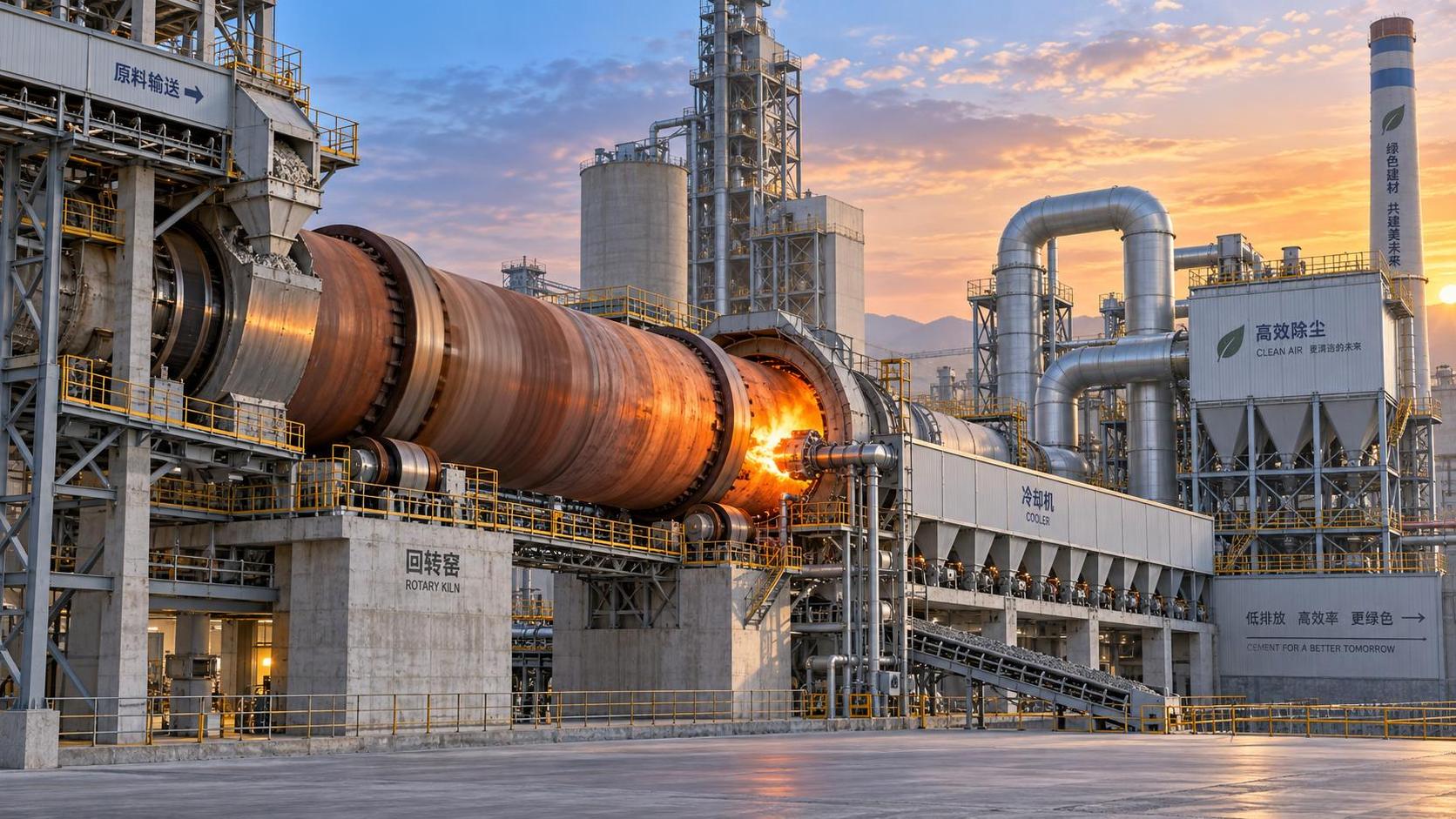
Many cement upgrades deliver visible gains, yet overall output, fuel use, and emissions often improve far less than expected. The reason is simple: cement plant efficiency is frequently measured at the equipment level while the real bottleneck sits in heat balance, material flow, or process coordination across the full line. For long-cycle industrial operations, hidden constraints matter more than headline performance figures. A better path starts with scenario-based diagnosis, where bottlenecks are judged by process behavior, not by isolated machine ratings.
When cement plant efficiency looks strong locally but weak across the line
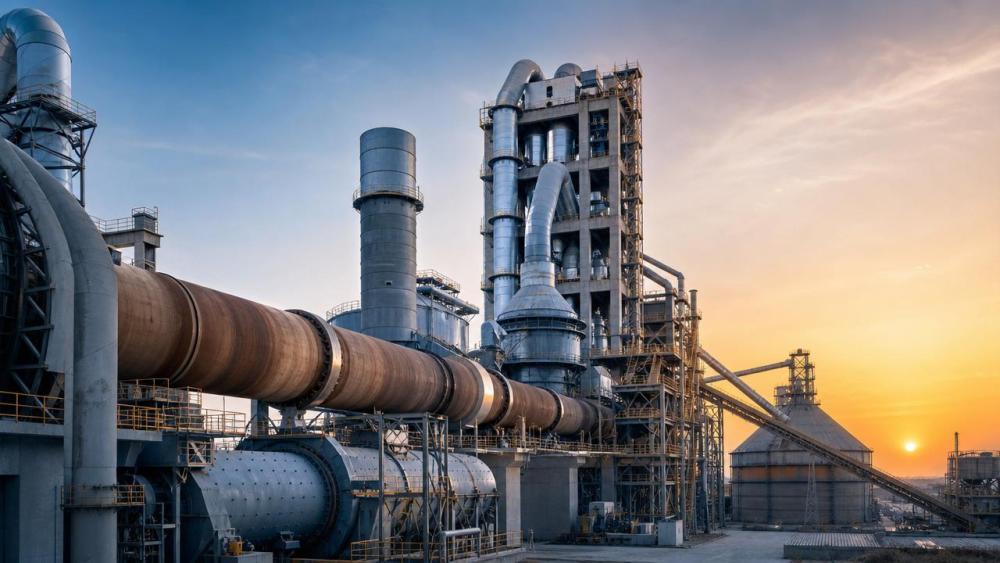
In many plants, a new fan, mill, burner, or separator delivers its promised gain. Still, kiln output barely changes. Power intensity may improve only slightly.
This happens because cement plant efficiency is a system result. The slowest process segment controls the whole line, even when one unit performs better.
For integrated heavy industry, this is common. Heat, gas flow, moisture, particle size, refractory condition, and control logic interact continuously.
A strong equipment case does not always become a strong plant case. That difference defines the real bottleneck question.
Scenario background: why different plants lose efficiency in different places
Not every efficiency problem starts in the same area. A wet raw mix problem behaves differently from a poor draft balance issue.
A clinker line running near design capacity has different constraints than a flexible line using variable alternative fuels. The correct response must fit the scenario.
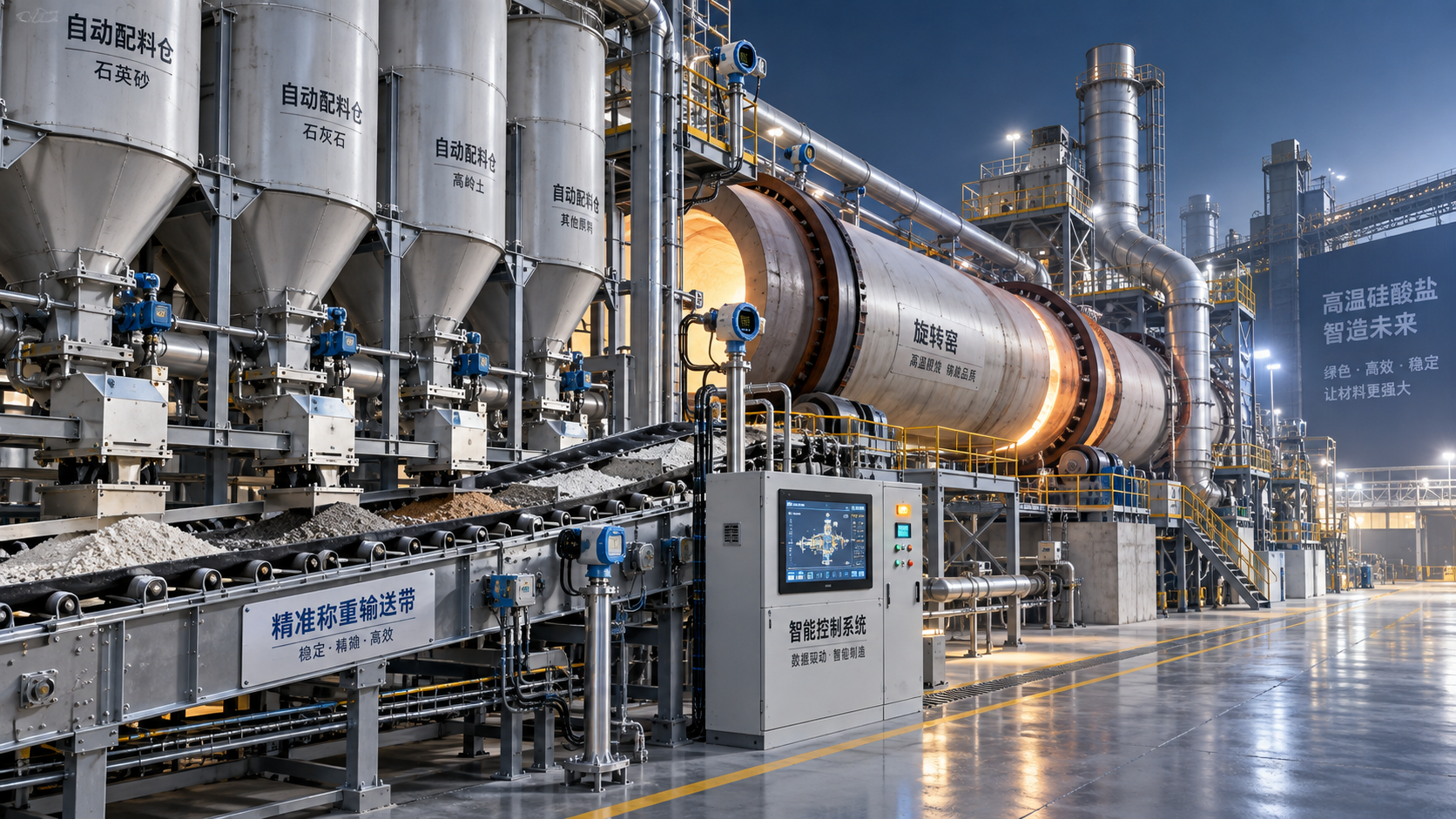
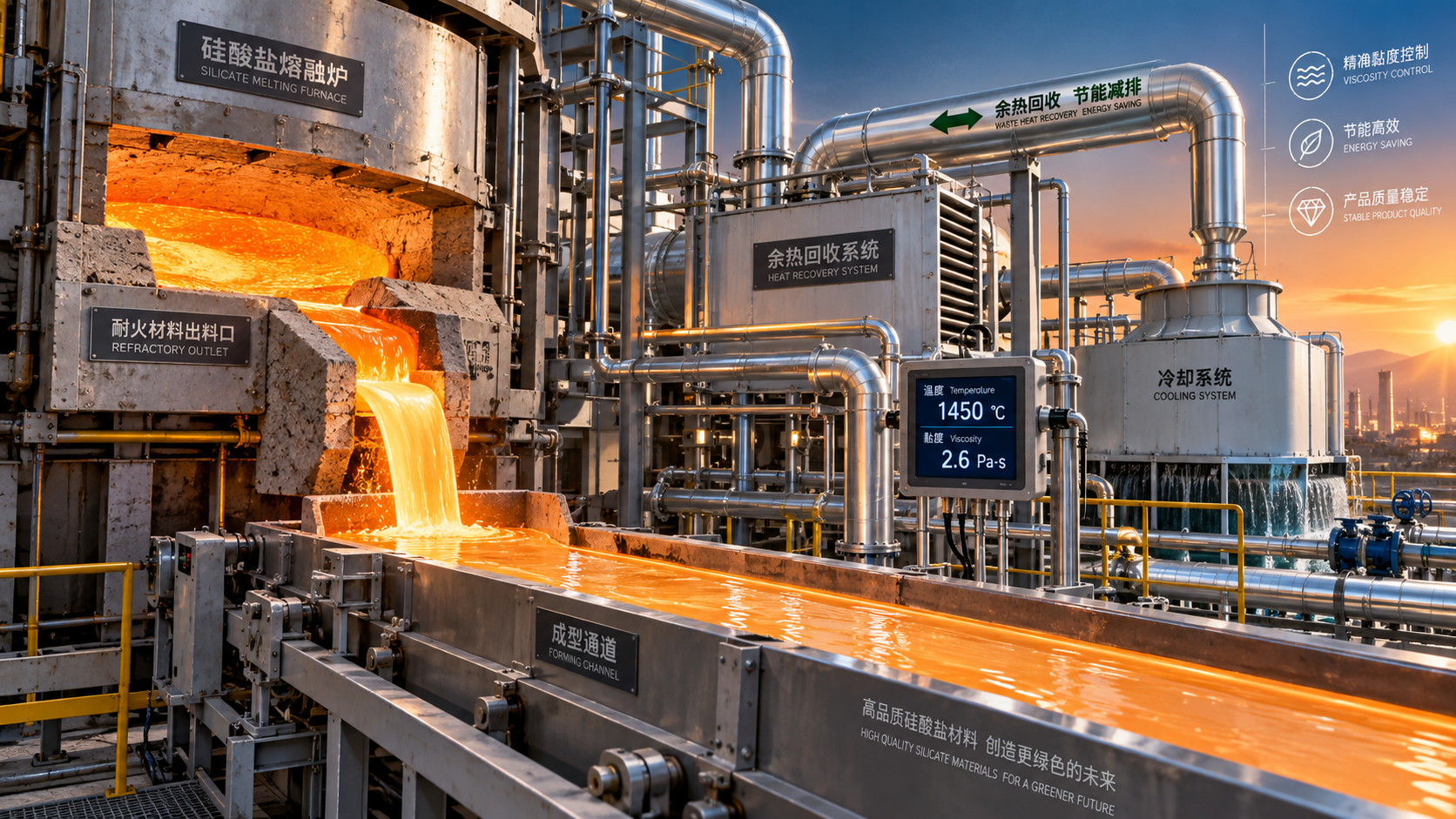
This is where industrial intelligence platforms add value. CF-Elite follows thermal systems, silicate processing, and refractory performance as connected operating realities.
That integrated view is critical when evaluating cement plant efficiency. The hidden loss may be thermal, mechanical, chemical, or organizational.
Scenario 1: upgrades in grinding equipment fail to raise total output
Grinding projects often target visible savings. A better separator or roller press can reduce specific power and improve fineness control.
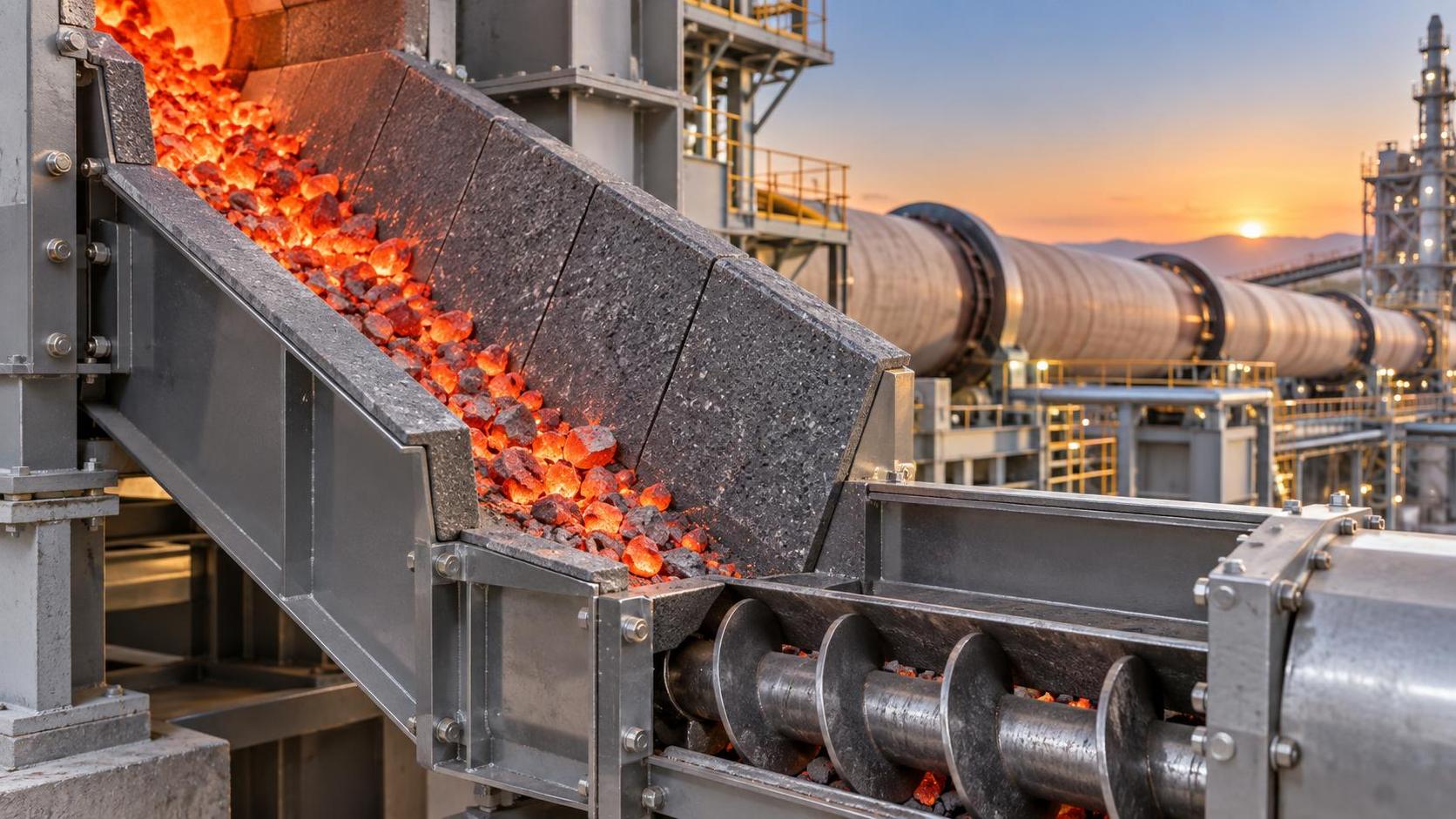
But if the kiln still limits clinker supply, total cement dispatch will not rise much. The plant appears more efficient, yet business impact remains narrow.
Core judgment points
- Clinker availability versus grinding capacity
- Separator gain versus upstream feed stability
- Moisture variation in additives and gypsum
- Power reduction versus unchanged logistics constraints
If stocks, transport, or blending become the next restriction, the project improves a machine but not overall cement plant efficiency.
Scenario 2: kiln modernization improves combustion but not fuel consumption enough
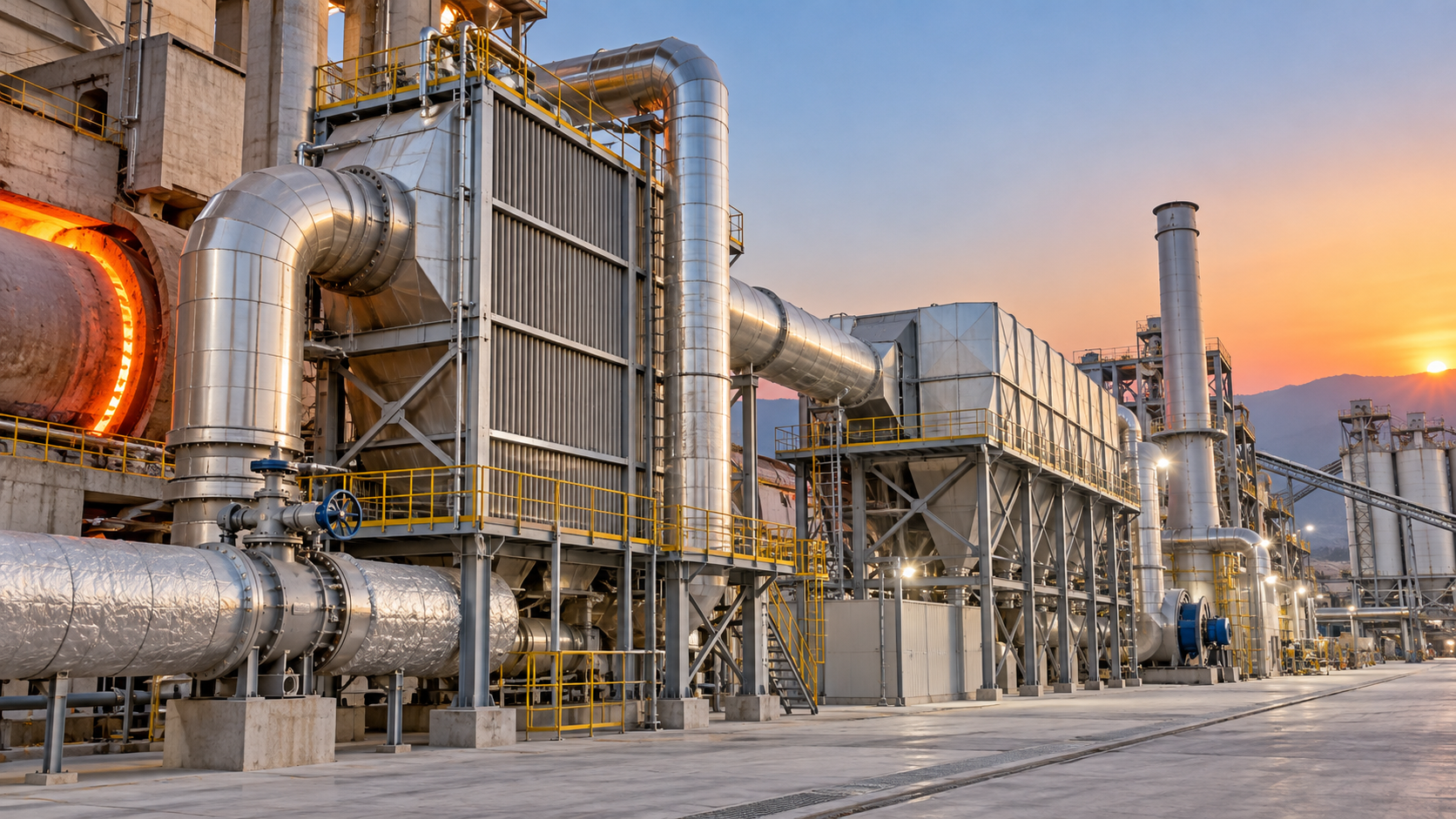
A burner upgrade can stabilize flame shape, improve alternative fuel use, and reduce visible process variability. Yet thermal consumption may stay stubbornly high.
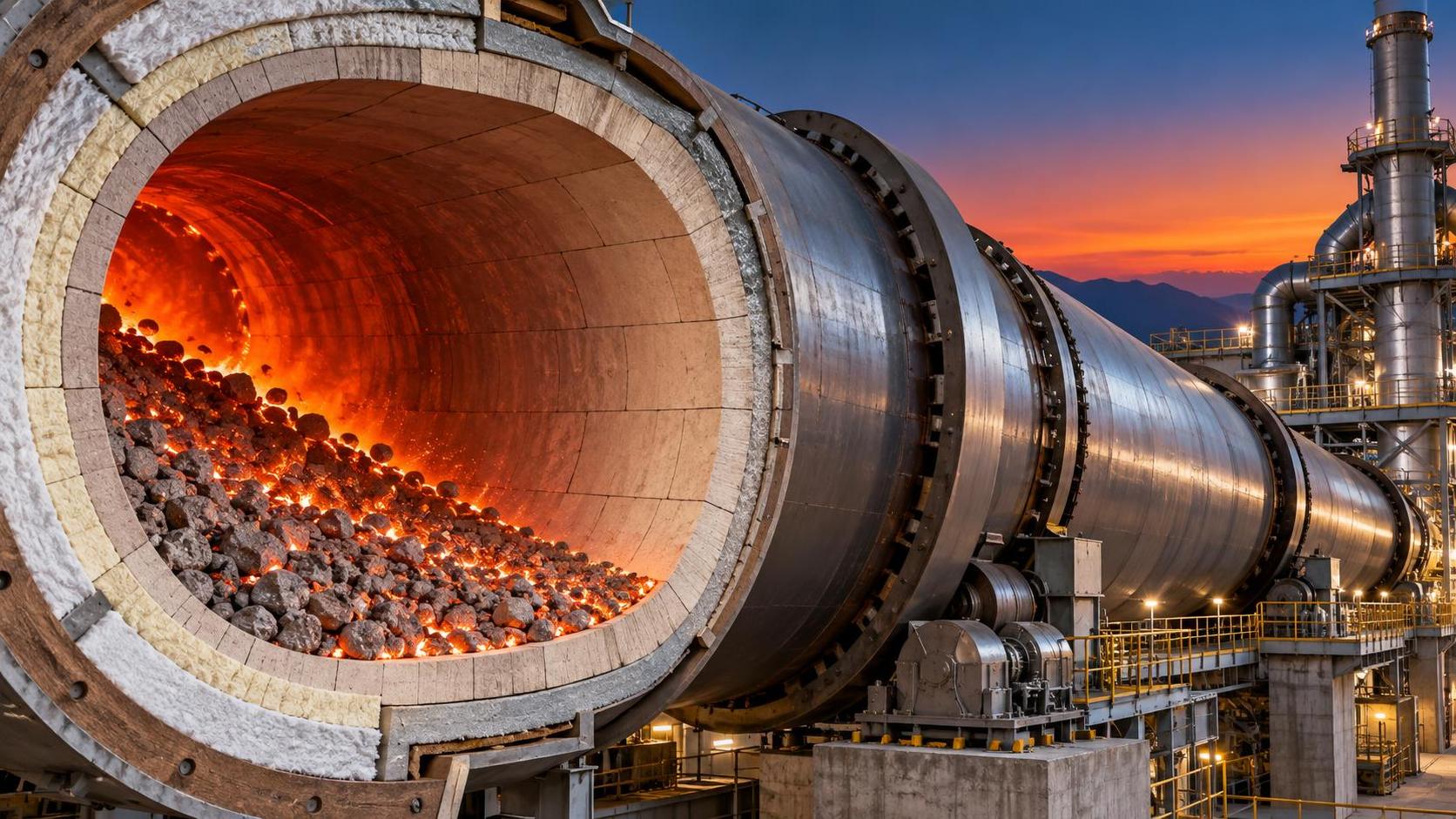
The missing piece is often elsewhere. Secondary air leakage, false air, poor calcination balance, or refractory heat loss may absorb the expected gain.
Core judgment points
- Preheater pressure profile and draft stability
- Calciner residence time and oxygen distribution
- Kiln shell temperature and refractory wear pattern
- Alternative fuel particle size and feeding consistency
In this scenario, cement plant efficiency depends on heat system coordination, not on burner performance alone.
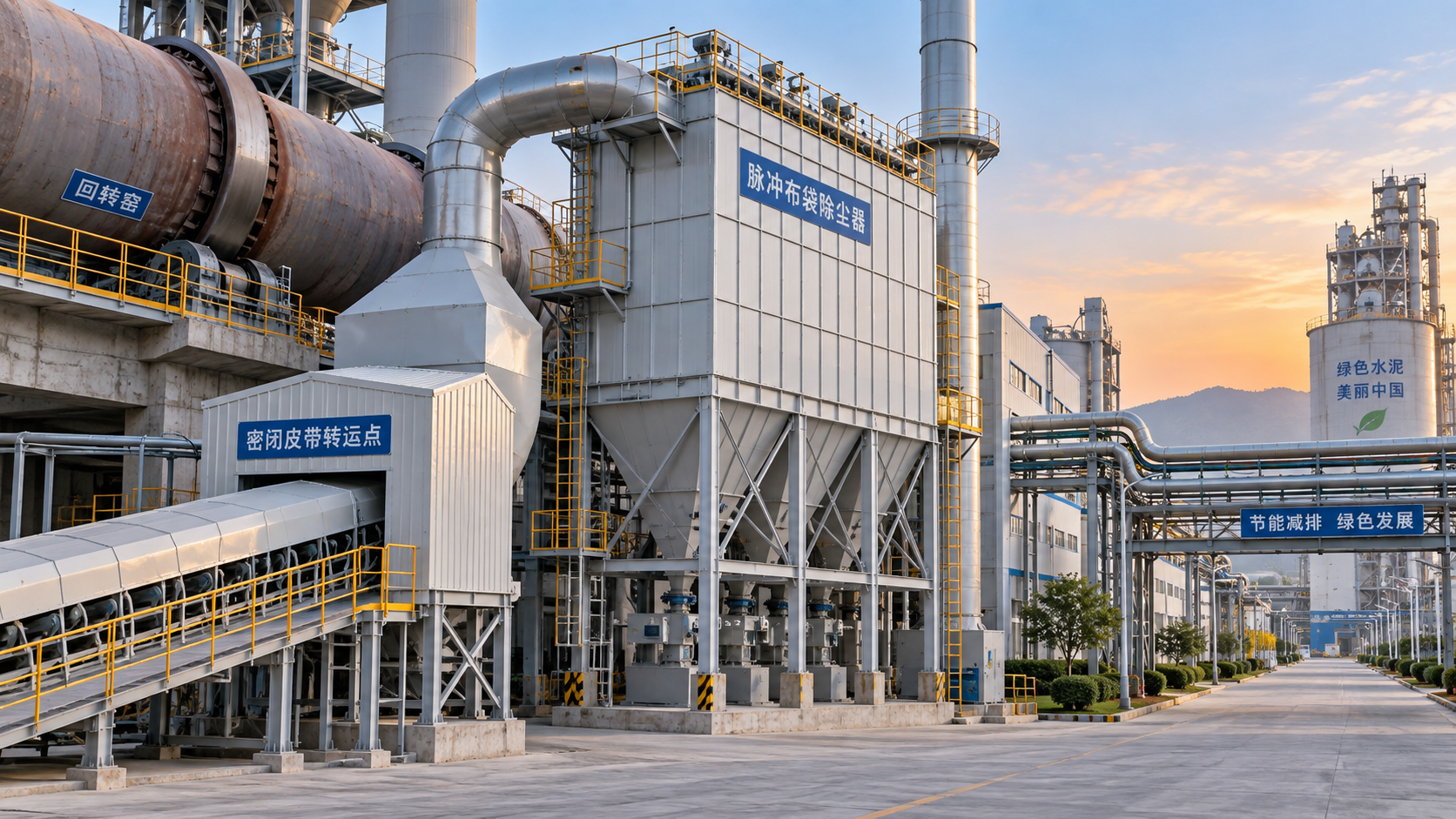
Scenario 3: dust control projects solve compliance issues but create new flow resistance
Environmental upgrades are essential, especially as carbon and particulate rules tighten across industrial regions. However, filtration changes can alter process balance.
A baghouse or duct revision may improve compliance while raising pressure drop. Fan load increases, gas velocity changes, and drying margins shrink.
Core judgment points
- System resistance before and after dust collection changes
- Impact on mill ventilation and drying performance
- Fan operating range and control margin
- Tradeoff between compliance, stability, and energy use
This is a classic case where cement plant efficiency and emissions strategy must be optimized together.
Scenario 4: digital control systems add data visibility without removing the constraint
Advanced control, online monitoring, and digital twins can reveal hidden behavior. They are powerful tools, but they do not erase physical limits.
If material chemistry swings too widely, or if air leaks remain unresolved, control software can only manage instability, not eliminate it.
For cement plant efficiency, digital investment works best after the main mechanical and thermal bottlenecks are mapped clearly.
How demand differs by scenario: the bottleneck is not always where budgets go
Scenario-fit recommendations for stronger cement plant efficiency results
A practical improvement program should begin with line-level constraint mapping. That means tracing the strongest loss mechanism, not the easiest project candidate.
- Build a full mass and heat balance before approving major upgrades.
- Rank bottlenecks by impact on throughput, thermal use, power, and emissions.
- Separate temporary symptoms from structural process limits.
- Check refractory condition, air leakage, and feed variability early.
- Link digital tools to physical improvement plans, not to dashboards alone.
- Review whether compliance projects change draft, drying, or fan duty.
These steps improve cement plant efficiency because they align investment with actual process leverage.
Common misjudgments that hide the real bottleneck
One frequent mistake is trusting design capacity more than operating evidence. Equipment may be rated well, yet the system around it is no longer balanced.
Another mistake is treating average data as sufficient. Bottlenecks often appear during load swings, fuel changes, startup periods, or raw material shifts.
A third mistake is evaluating energy, productivity, and emissions separately. In modern heavy industry, these outcomes are tightly connected.
CF-Elite tracks these links across cement plants, kilns, refractory systems, and thermal process equipment. That broader industrial view helps expose the true constraint faster.
The next practical move: diagnose before expanding the project list
If cement plant efficiency gains keep falling short, the next step is not another isolated retrofit. It is a structured bottleneck review across the complete line.
Start with heat balance, gas flow, material residence time, refractory condition, and control response under real operating scenarios. Then compare project options by total line effect.
That method produces better capital discipline, stronger energy performance, and more credible decarbonization progress. In cement, the biggest gain often comes from fixing what the plant measures least.
Related News
 Ms. Elena RodriguezHow to Structure Global Specification Data for Faster Industrial Product EvaluationGlobal specification-oriented product information helps industrial teams compare capacity, energy, emissions, automation, and lifecycle data on a like-for-like basis for faster, confident equipment decisions.Sep 29, 2026
 Thermal Energy ArchitectHow to Specify High-Temperature Process Systems for Continuous Thermal OperationsHigh-temperature process engineering systems: learn how to specify resilient continuous thermal operations for efficiency, compliance, reliable uptime, and long-term performance.Sep 28, 2026
 Thermal Energy ArchitectHow to Evaluate a Thermal Engineering Contractor for High-Temperature Plant ProjectsChoose a thermal engineering contractor with proven process expertise, lifecycle value, emissions control, and delivery discipline for reliable high-temperature plant performance.Sep 27, 2026
 Silicate Process EngineerHow Latin American Cement Plants Can Reduce Dust Emissions in Kilns and Transfer PointsCement plant dust control Latin America: reduce kiln and transfer-point emissions with practical airflow, filtration, monitoring, and maintenance strategies.Sep 26, 2026
 Material Heat-Resist ExpertHow to Evaluate Refractory Production Lines for Output, Quality, and Energy UseRefractory production lines: learn how to assess qualified output, consistent quality, and total energy use for smarter, lower-risk investment decisions.Sep 25, 2026
 Dr. Alistair VaughnHow Waste Recycling Technology Improves Material Recovery in Industrial PlantsWaste recycling technology improves material recovery through source segregation, smart separation, thermal treatment, and quality control for industrial plants.Sep 24, 2026
 Optical Glass Tech FellowHow to Specify Glass Annealing Equipment for European Quality and Energy RequirementsGlass annealing equipment Europe: learn how to specify lehrs for consistent glass quality, energy efficiency, compliance, automation, and reliable long-term performance.Sep 23, 2026
 Optical Glass Tech FellowSilicate Process Automation: Improving Batch Consistency and Energy ControlSilicate process automation improves batch consistency, energy control, traceability, and operator confidence across high-temperature manufacturing operations.Sep 22, 2026
 Optical Glass Tech FellowHow Silicate Industrial Processes Control Viscosity, Energy Use, and Product QualitySilicate industrial processes: learn how viscosity, chemistry, heat transfer, and atmosphere control reduce energy use, improve stability, and protect product quality.Sep 21, 2026
 Thermal Energy ArchitectHow European Plants Can Evaluate Energy Recovery Equipment for High-Temperature ProcessesIndustrial energy recovery equipment Europe: learn how high-temperature plants can assess waste-heat sources, integration risks, lifecycle value, and reliable recovery routes.Sep 20, 2026
 Thermal Energy ArchitectIndustrial Furnace Process Optimization: Reducing Fuel Use Without Sacrificing ThroughputIndustrial process optimization furnace strategies that cut fuel use while protecting throughput. Explore combustion control, heat recovery, refractory performance, and data-driven efficiency gains.Sep 19, 2026
 Ms. Elena RodriguezWhat Drives High-Pressure Extrusion Equipment Cost in Industrial Projects?High pressure extrusion equipment cost explained: compare pressure, die design, automation, wear, energy, and installation factors for smarter industrial investments.Sep 18, 2026
 Thermal Energy ArchitectHow to Size a Waste Heat Recovery Exchanger for High-Temperature Kiln Exhaust?Waste heat recovery exchanger sizing for high-temperature kiln exhaust: balance recoverable duty, fouling, corrosion limits, pressure drop, and reliable heat use.Sep 17, 2026
 Thermal Energy ArchitectWhy Heat-Resistant Materials Lose Abrasion Resistance at High TemperaturesHeat-resistant materials abrasion resistance can decline at high temperatures. Discover the thermal, chemical, and mechanical causes of wear—and how to choose longer-lasting linings.Sep 16, 2026
 Thermal Energy ArchitectHow to Evaluate a Thermal Energy Optimization Company for High-Temperature PlantsChoose a thermal energy optimization company with proven process expertise, measurable savings, and reliable delivery for high-temperature plants. Learn what to assess.Sep 15, 2026
 Thermal Energy ArchitectRotary Kiln Efficiency: How Feed Rate, Fuel Use, and Heat Loss Affect OutputRotary kiln efficiency explained: discover how feed rate, fuel use, heat loss, combustion, and cooling performance shape output, quality, and energy costs.Sep 14, 2026
 Thermal Energy ArchitectHow to Select Heat-Resistant Materials That Maintain Abrasion Resistance in KilnsHeat-resistant materials abrasion resistance: learn how to select kiln linings that withstand heat, wear, thermal cycling, and chemical attack for longer service life.Sep 13, 2026
 Thermal Energy ArchitectHow Rotary Kiln Automation Improves Temperature Control and Fuel EfficiencyRotary kiln technology automation enhances temperature control, stabilizes combustion, and improves fuel efficiency with smarter data, predictive control, and safer operations.Sep 12, 2026
 Silicate Process EngineerCement Plant Emission Control: Selecting Systems for Dust, NOx, and SO2 LimitsCement plant emission control guide: compare dust collectors, NOx reduction, and SO2 systems for reliable compliance across kiln modes, fuel changes, and operating upsets.Sep 11, 2026
 Thermal Energy ArchitectSelecting Abrasion-Resistant High-Temperature Materials for Kiln and Conveyor Wear ZonesHigh-temp material engineering guide to abrasion-resistant kiln and conveyor solutions—match wear, heat, chemistry, and installation design for longer service life.Sep 10, 2026


Related News
- 00
0000-00
How Latin American Cement Plants Can Reduce Dust Emissions in Kilns and Transfer Points - 00
0000-00
Cement Plant Emission Control: Selecting Systems for Dust, NOx, and SO2 Limits - 00
0000-00
Cement Production System Costs: A Plant Buyer’s Guide to Budgeting and ROI - 00
0000-00
How Kiln Heat Recovery Systems Cut Fuel Use in Cement and Lime Production - 00
0000-00
How to Evaluate Cement Production Plants in the Middle East for Capacity, Fuel Flexibility, and ROI
Weekly Insights
Stay ahead with our curated technology reports delivered every Monday.