
Global Cement Industry Margins Are Tight, So Where Is Growth?




In the global cement industry, tightening margins are forcing decision-makers to look beyond volume and focus on smarter growth paths. For business evaluators, the real opportunities now lie in energy efficiency, alternative fuels, process digitalization, emissions compliance, and equipment upgrades that strengthen long-term competitiveness. Understanding where value is shifting is essential to identifying resilient investment and partnership potential in a market under structural pressure.
For business evaluators, this is no longer a simple question of plant capacity or regional demand. The global cement industry is being reshaped by energy price volatility, carbon-policy pressure, slower construction cycles in mature markets, and tougher capital allocation standards. Growth still exists, but it is migrating from pure tonnage expansion toward better process economics, stronger plant flexibility, and more intelligent heavy-equipment decisions.
This shift is especially relevant to organizations tracking kiln systems, thermal management, refractory performance, waste co-processing, and green building material transitions. In these areas, CF-Elite’s intelligence perspective is valuable because growth in cement increasingly connects with adjacent high-temperature industries: incineration, refractory lines, glass thermal logic, and extrusion-based new materials. The plants that preserve margins over the next 3–7 years are likely to be those that connect process data, fuel strategy, emissions compliance, and equipment modernization into one investment framework.
Why Margins in the Global Cement Industry Are Under Structural Pressure
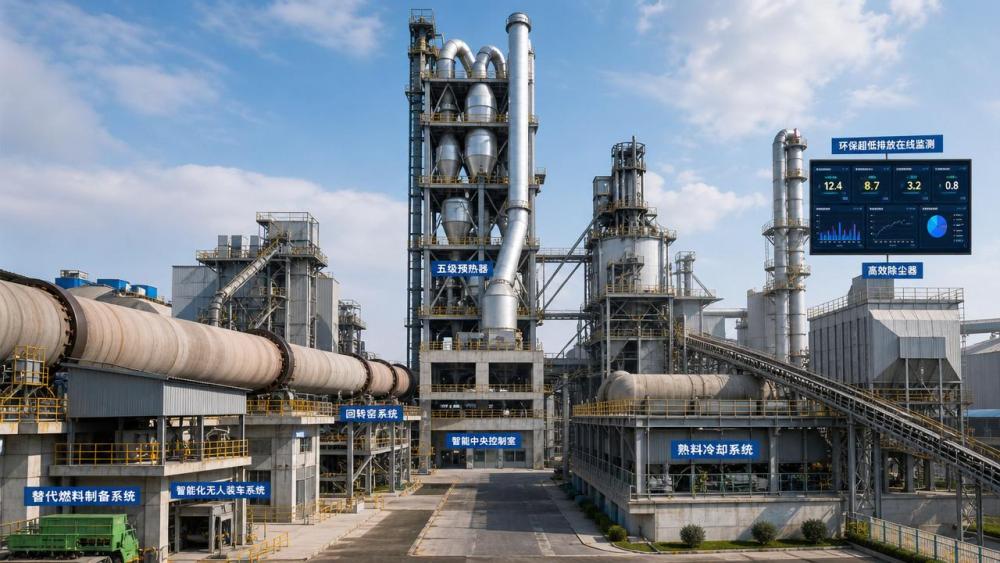
Margin pressure in the global cement industry is not driven by a single factor. It usually results from 4 overlapping forces: high thermal energy intensity, unstable freight costs, stricter environmental controls, and weak pricing power in oversupplied markets. In many operations, fuel and power can account for roughly 25%–40% of production cost, which means even a 10% energy price swing can materially alter EBITDA performance.
For evaluators reviewing assets, one of the first questions should be whether a cement plant’s cost structure is elastic or rigid. A rigid plant depends heavily on conventional fossil fuel, runs older preheater or cooler systems, and lacks reliable online monitoring. An elastic plant can adjust heat balance, blend alternative fuels, manage maintenance intervals, and reduce unplanned downtime from above 8% toward a more controlled 3%–5% range.
The Main Cost Drivers Behind Shrinking Returns
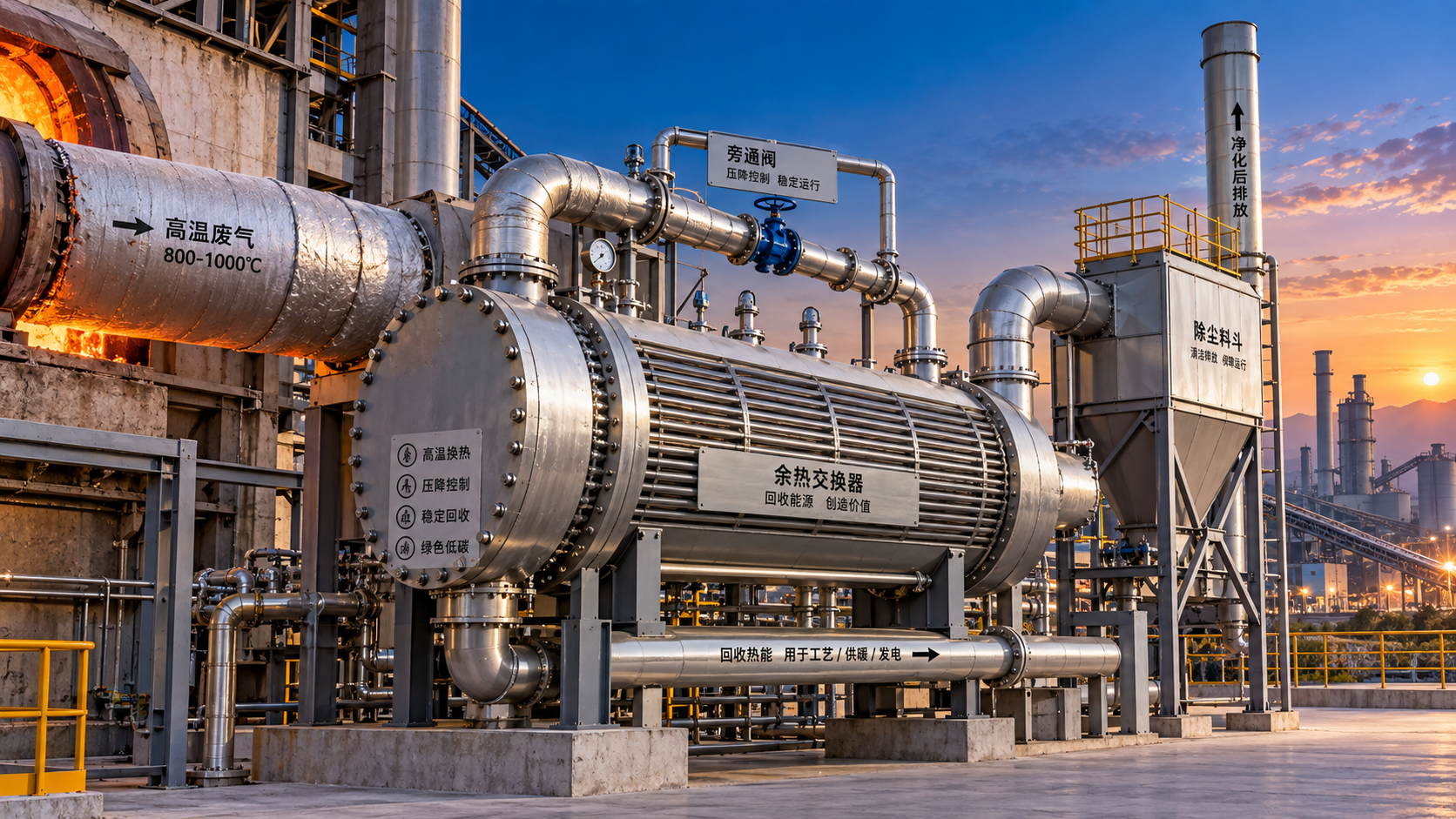
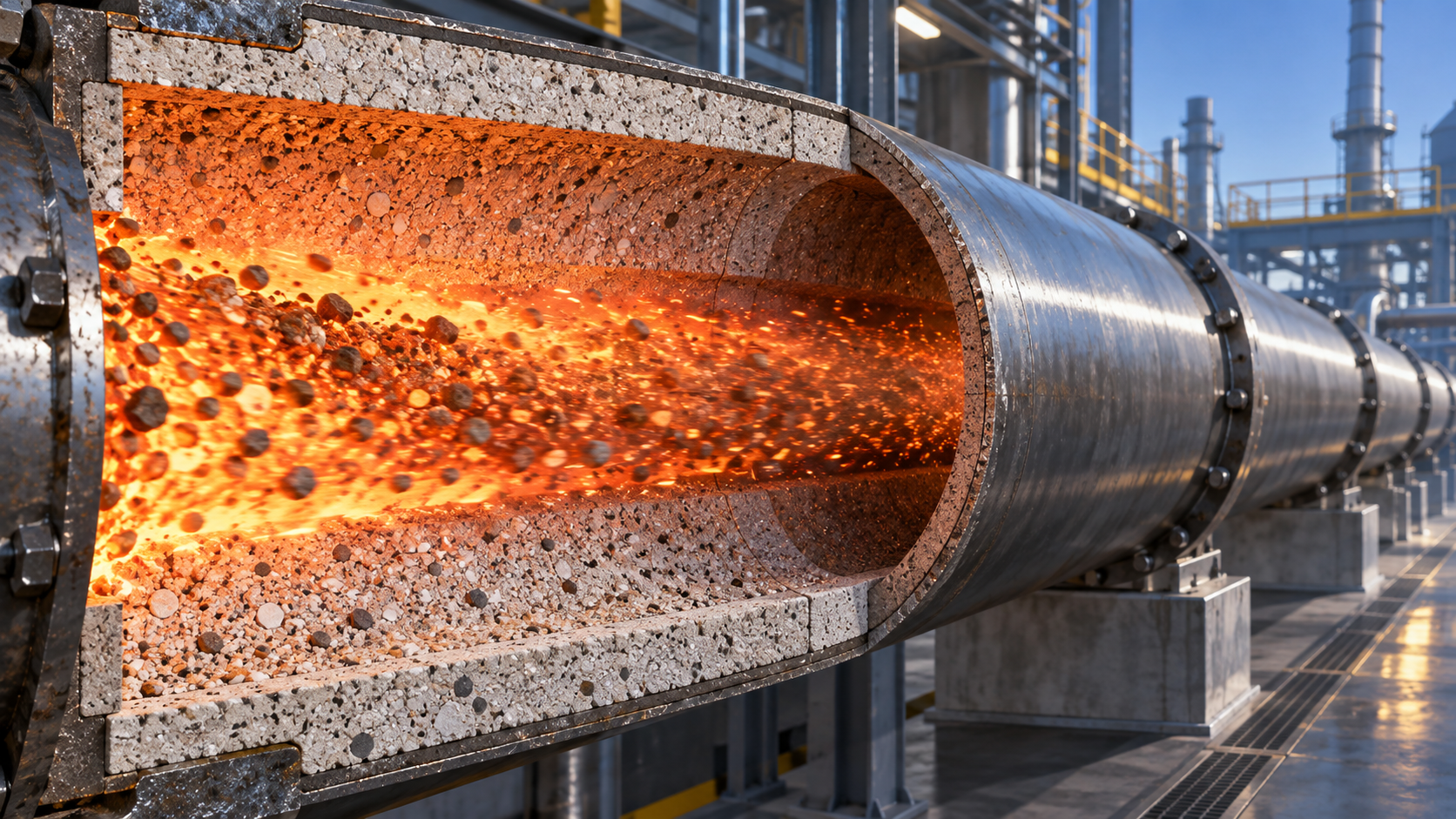
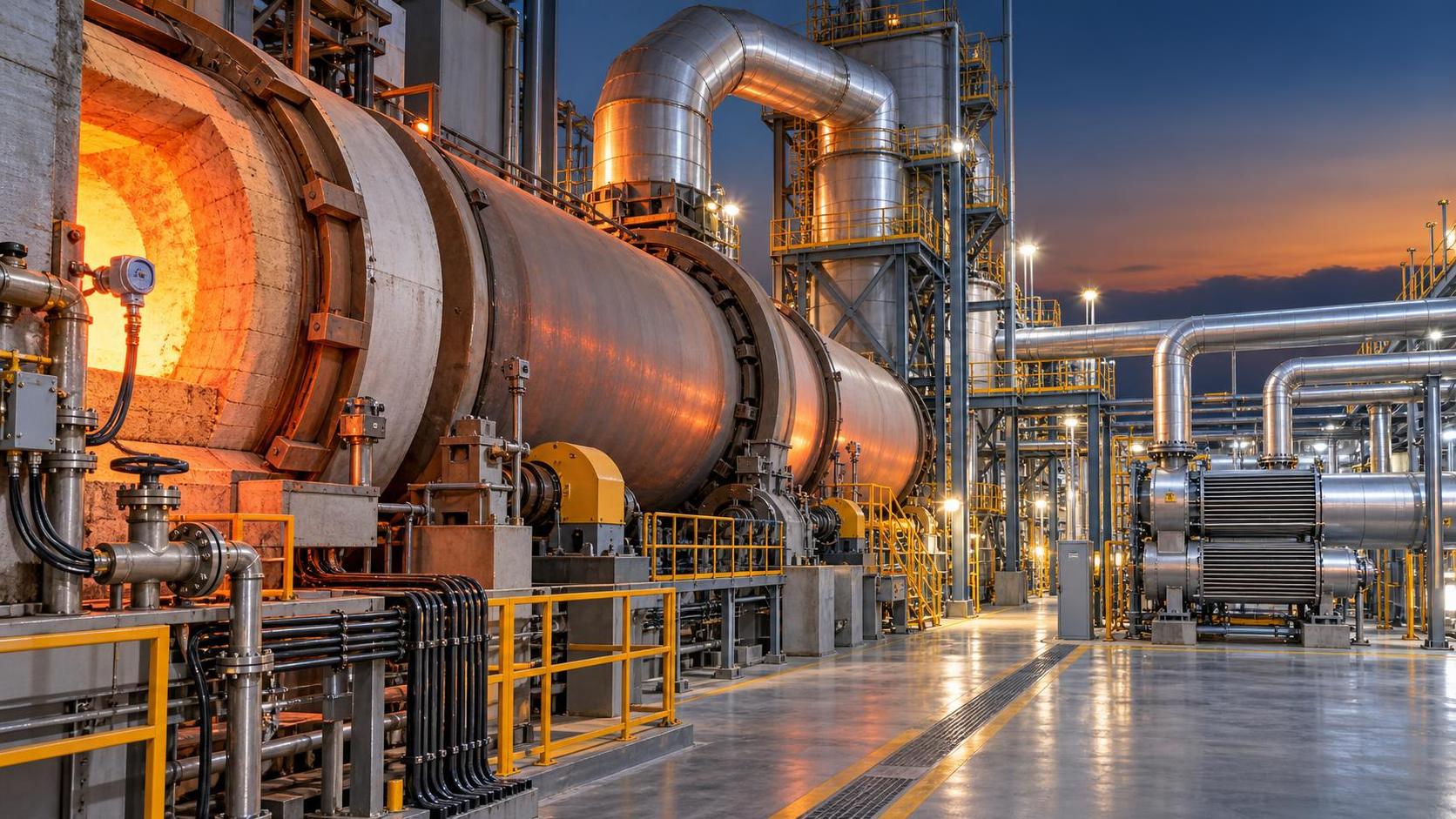
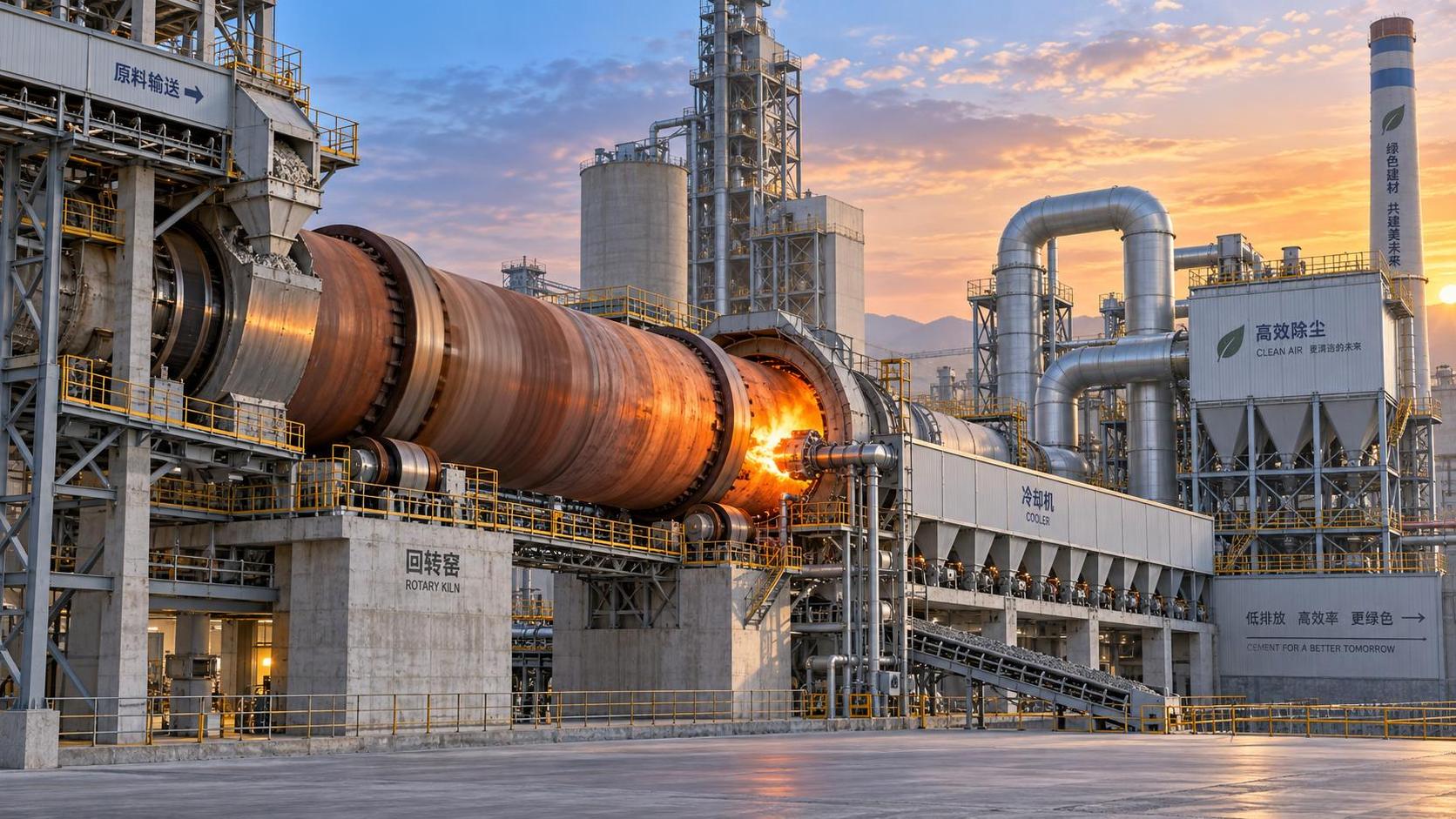
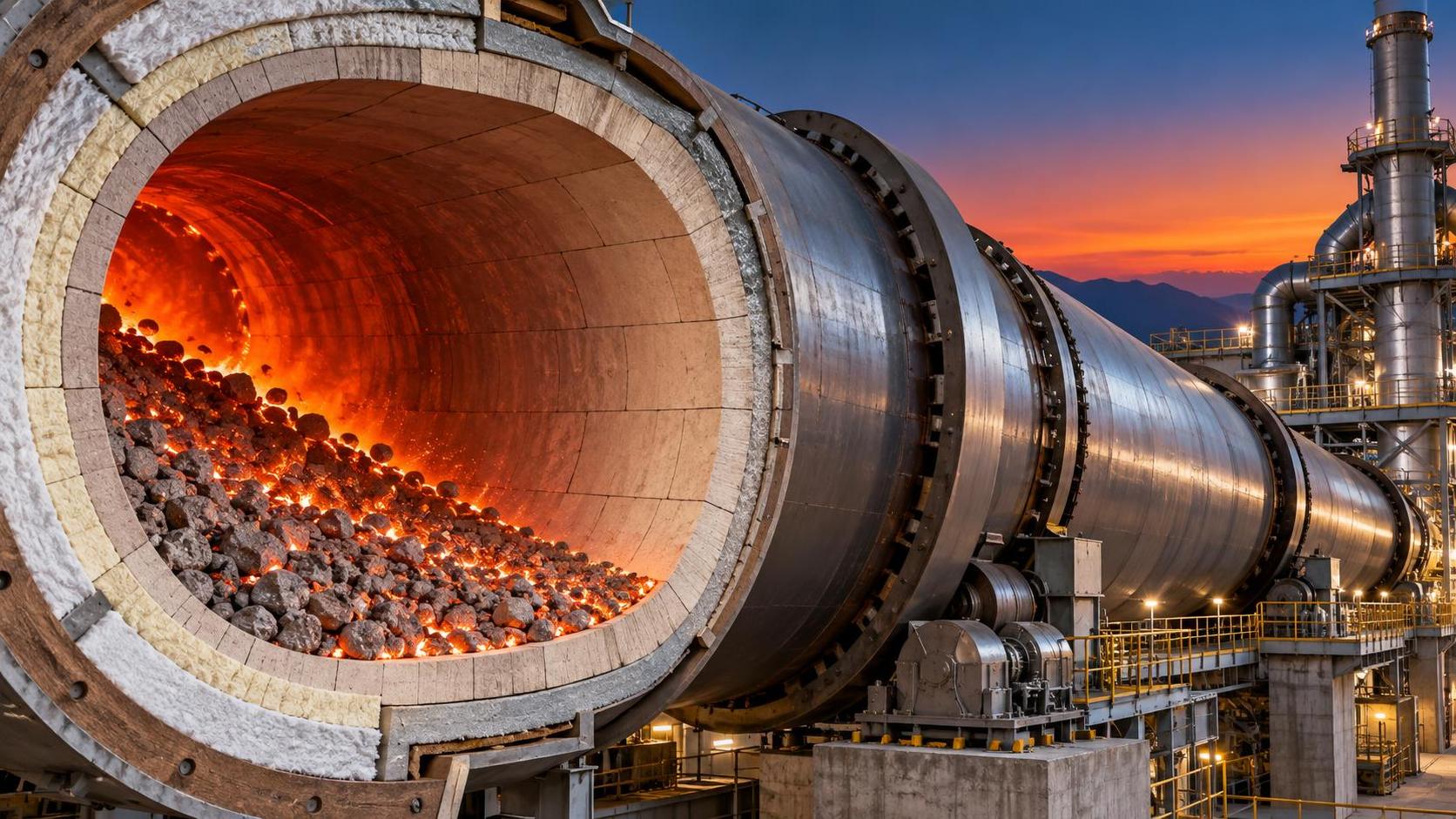
The global cement industry remains highly exposed to thermal efficiency because clinker production depends on sustained high-temperature conversion. Rotary kilns, preheaters, coolers, dust collection systems, and refractory linings all influence heat retention and operational stability. A plant with poor refractory life, excessive false air, or inconsistent feed chemistry may not immediately lose market share, but it often loses margin every operating hour.
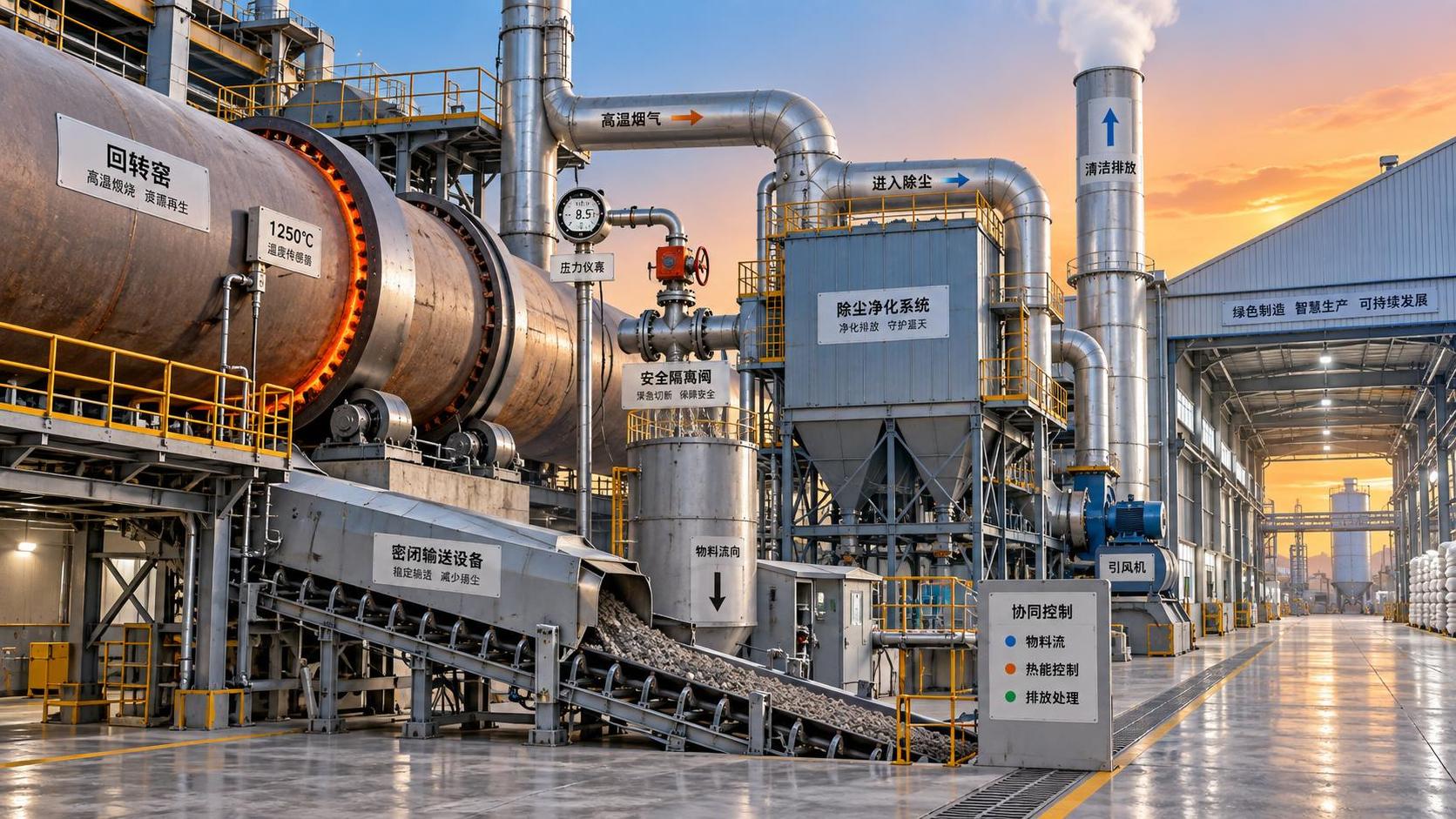
Another structural issue is that environmental compliance is becoming a permanent operating cost rather than a one-time capex event. Dust, NOx, SOx, and CO2 controls increasingly require continuous monitoring, periodic retrofit cycles, and more disciplined fuel handling. In practical terms, that can mean 12–24 months of staged upgrades instead of a single shutdown project.
The table below shows how business evaluators can frame common margin pressures in the global cement industry and what each pressure implies for plant competitiveness.
The key takeaway is that margin erosion often starts inside process stability before it appears in the income statement. That is why evaluators should read operating discipline, thermal balance, and maintenance strategy as financial indicators, not just engineering details.
Why Volume Growth Alone Is No Longer a Safe Thesis
Historically, the global cement industry rewarded scale. But in many regions, adding 1 million tons of nominal capacity does not guarantee stronger returns if demand growth is flat, urbanization is maturing, or imported clinker constrains pricing. In this environment, high-volume strategies can dilute margins unless the plant also improves heat consumption, product mix, and logistics efficiency.
- Plants with outdated thermal systems may struggle to convert scale into profit.
- Projects with long payback periods above 7–9 years face stronger financing scrutiny.
- Carbon-intensive operations may see reduced competitiveness even if market share remains stable.
For evaluators, the smarter question is not “Where can production increase?” but “Where can each ton generate more resilient cash flow?” That distinction changes how opportunities in the global cement industry should be screened.
Where Real Growth Is Emerging in the Global Cement Industry
Growth in the global cement industry is moving toward assets and partnerships that improve efficiency, compliance, and operational flexibility. This does not always mean greenfield expansion. In many cases, higher-value growth comes from brownfield upgrades, digital controls, co-processing systems, and advanced wear management that lift output quality while reducing per-ton cost.
1. Energy Efficiency as a Margin Recovery Engine
Energy efficiency is one of the fastest ways to restore margin because it acts on both cost control and emissions performance. In a typical cement operation, reducing specific heat consumption by even 3%–6% can create a more bankable result than chasing marginal volume growth in a weak-price market. Improvements often come from cooler optimization, better combustion control, refractory upgrades, variable-frequency drives, and tighter air leakage management.
From CF-Elite’s high-temperature industry perspective, thermal management should be treated as a strategic discipline rather than a maintenance function. The same logic that improves kiln stability also supports adjacent sectors such as incineration and refractory lines, where heat retention, corrosion resistance, and lining life directly affect commercial outcomes.
What evaluators should check
- Specific energy consumption trend over the last 12–24 months.
- Frequency of refractory shutdowns and average lining service life.
- Combustion stability under mixed fuel conditions.
- Dust collection efficiency and false-air control performance.
- Whether digital monitoring is integrated with maintenance response.
2. Alternative Fuels and Co-Processing
Alternative fuel adoption is no longer just a sustainability topic. In the global cement industry, it is becoming a commercial hedge against volatile coal, petcoke, and gas markets. Depending on local regulation, feed consistency, and burner design, substitution rates may range from below 10% in early-stage plants to above 50% in more advanced co-processing environments.
The business case, however, depends on system readiness. A plant cannot capture value from alternative fuels if its feeding system, calciner conditions, emissions controls, and material handling are not aligned. This is where intelligence from kiln co-processing and waste-to-energy interfaces becomes commercially useful for evaluators assessing long-cycle assets.
The following table outlines several practical growth levers in the global cement industry and the conditions that usually determine whether they can deliver measurable value.
These levers matter because they improve resilience. In a structurally pressured market, the most attractive growth is often not the highest theoretical output, but the most controllable operating model.
3. Digitalization and Process Visibility
The global cement industry has sometimes been slower than discrete manufacturing in adopting digital tools, yet the return case is becoming stronger. Online monitoring, digital twin simulation, AI-assisted combustion adjustment, and condition-based refractory inspection can reduce response time from days to hours. For evaluators, this improves confidence in throughput stability and maintenance predictability.
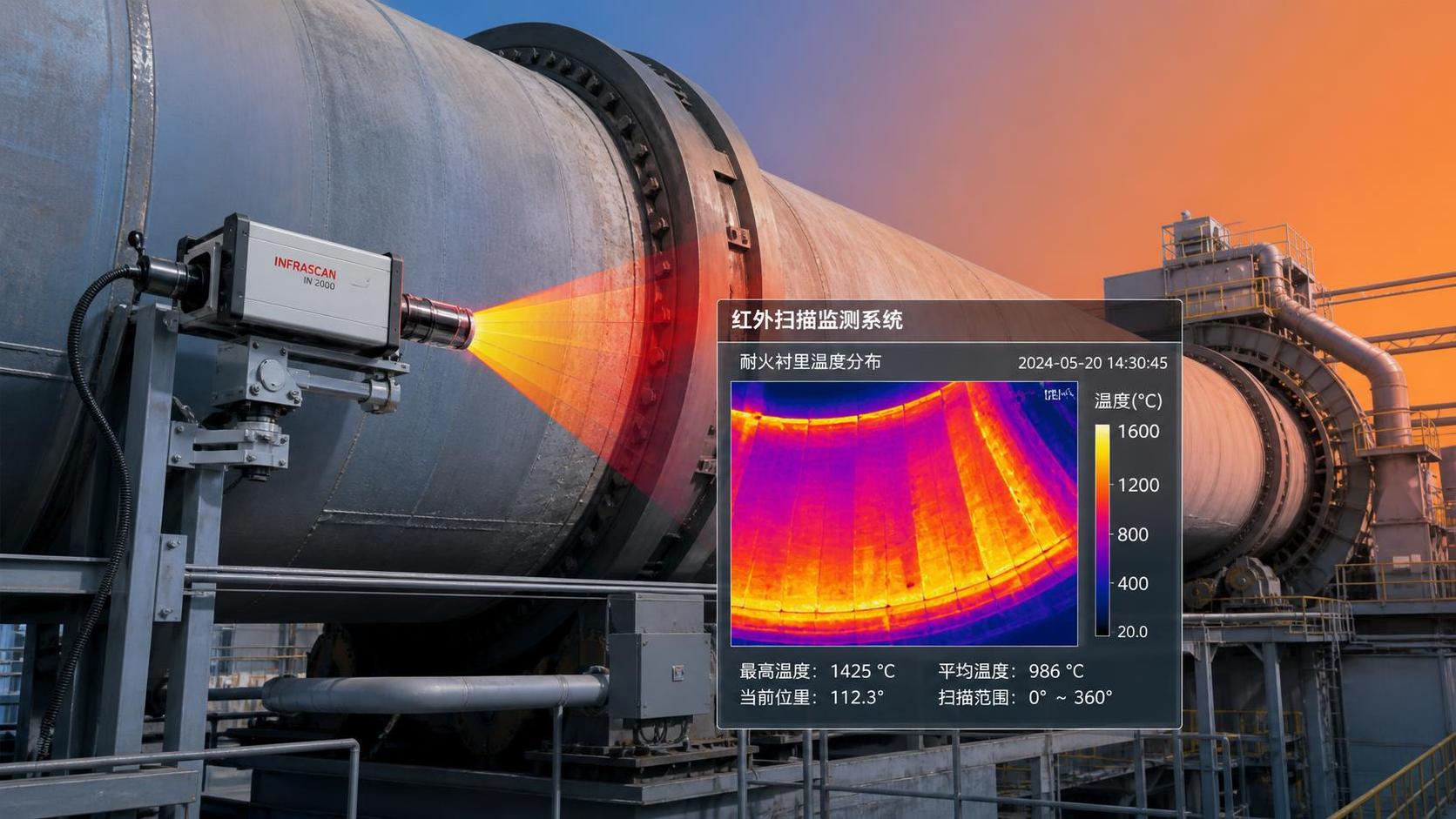
A digital project should not be judged by software features alone. The real question is whether it improves operating decisions at the kiln, cooler, mill, or emissions-control level. A system that flags shell hotspots, lining wear patterns, or abnormal vibration 2–6 weeks earlier than manual detection can materially reduce shutdown risk.
How Business Evaluators Should Screen Cement Growth Opportunities
When assessing growth in the global cement industry, evaluators need a framework that combines industrial logic with investment discipline. The market is too complex for simple “high demand equals good asset” assumptions. A stronger review model usually integrates 5 dimensions: energy, compliance, equipment condition, market position, and strategic optionality.
A Practical 5-Point Evaluation Model
First, assess thermal efficiency. Ask how much room exists for measurable improvement within 6–18 months. Second, review compliance risk, including dust, NOx, SOx, and future carbon exposure. Third, evaluate heavy-equipment integrity, especially rotary kiln condition, cooler performance, refractory cycle, and online monitoring maturity.
Fourth, examine market defensibility. This includes freight radius, import pressure, customer concentration, and whether the plant can serve higher-value blended cement or green construction demand. Fifth, consider strategic optionality: can the site integrate waste co-processing, low-carbon materials, or adjacent thermal systems over the next 3–5 years?
Common mistakes in commercial evaluation
- Overweighting nameplate capacity while ignoring actual utilization below 75%.
- Assuming emissions compliance is a static cost rather than an escalating operational variable.
- Treating refractory wear, shell temperature, and combustion inconsistency as purely technical issues.
- Missing cross-sector opportunity where kiln systems connect with incineration or resource circularity.
This is where intelligence-led evaluation becomes a competitive advantage. CF-Elite’s sector coverage is relevant because cement growth no longer sits in isolation. The strongest opportunities increasingly emerge where silicate process engineering, thermal architecture, and carbon-reduction strategy intersect.
What Good Opportunities Usually Look Like
A strong opportunity in the global cement industry often has at least 3 of these characteristics: a realistic retrofit path with sub-24-month milestones, room to improve fuel flexibility, a credible emissions upgrade plan, and access to long-term urban renewal or green building demand. It may also show transferable value into related segments such as refractory systems, industrial incineration interfaces, or lightweight building material extrusion.
In other words, the best growth is usually operationally specific. It is not abstract optimism about construction demand. It is a defined pathway to lower heat cost, better uptime, cleaner output, and more flexible plant economics.
From Cement Margin Defense to Broader High-Temperature Industry Value
One reason the global cement industry remains strategically important is that it often acts as a testing ground for broader high-temperature innovation. Alternative fuel systems, dust control discipline, digital twins, online refractory monitoring, and energy-efficiency retrofits are not isolated cement topics. They are increasingly relevant across glass manufacturing, industrial kilns, incineration systems, and specialized extrusion lines.
For business evaluators, this creates a wider lens. A cement-related opportunity may carry secondary value through thermal management expertise, aftermarket parts demand, wear-material optimization, or co-processing capability. In a market where direct margins are tight, multi-sector intelligence can reveal value that a narrow cement-only screen would miss.
Why this matters for partnership and sourcing decisions
Heavy industrial procurement cycles are long, often extending across 6–18 months from technical review to supply integration. During that period, buyers need more than product brochures. They need process intelligence: how a lining choice affects heat loss, how a burner retrofit changes fuel flexibility, how an online monitoring tool reduces maintenance uncertainty, and how carbon policy could alter plant economics in the next regulatory cycle.
That is why intelligence platforms focused on foundation materials and thermal systems can support stronger commercial judgment. Better information shortens evaluation time, improves risk ranking, and helps buyers prioritize upgrades that protect both operating margin and future compliance.
The growth question in the global cement industry is no longer “Where can capacity be added fastest?” It is “Where can profitability become more durable under energy, carbon, and operational pressure?” For business evaluators, the answer typically lies in 4 areas: energy efficiency, fuel flexibility, digital process visibility, and equipment modernization tied to measurable plant performance.
Organizations that understand kiln systems, refractory behavior, incineration interfaces, and broader high-temperature material flows will be better positioned to identify resilient assets and stronger partnerships. If you are assessing opportunities in cement plants, industrial kilns, refractory production, or green material processing, now is the time to get a more technical and commercially grounded view. Contact CF-Elite to explore tailored intelligence, compare upgrade pathways, and learn more solutions for long-cycle heavy industry decisions.
Related News
 Thermal Energy ArchitectHow European Plants Can Evaluate Energy Recovery Equipment for High-Temperature ProcessesIndustrial energy recovery equipment Europe: learn how high-temperature plants can assess waste-heat sources, integration risks, lifecycle value, and reliable recovery routes.Sep 20, 2026
 Thermal Energy ArchitectIndustrial Furnace Process Optimization: Reducing Fuel Use Without Sacrificing ThroughputIndustrial process optimization furnace strategies that cut fuel use while protecting throughput. Explore combustion control, heat recovery, refractory performance, and data-driven efficiency gains.Sep 19, 2026
 Ms. Elena RodriguezWhat Drives High-Pressure Extrusion Equipment Cost in Industrial Projects?High pressure extrusion equipment cost explained: compare pressure, die design, automation, wear, energy, and installation factors for smarter industrial investments.Sep 18, 2026
 Thermal Energy ArchitectHow to Size a Waste Heat Recovery Exchanger for High-Temperature Kiln Exhaust?Waste heat recovery exchanger sizing for high-temperature kiln exhaust: balance recoverable duty, fouling, corrosion limits, pressure drop, and reliable heat use.Sep 17, 2026
 Thermal Energy ArchitectWhy Heat-Resistant Materials Lose Abrasion Resistance at High TemperaturesHeat-resistant materials abrasion resistance can decline at high temperatures. Discover the thermal, chemical, and mechanical causes of wear—and how to choose longer-lasting linings.Sep 16, 2026
 Thermal Energy ArchitectHow to Evaluate a Thermal Energy Optimization Company for High-Temperature PlantsChoose a thermal energy optimization company with proven process expertise, measurable savings, and reliable delivery for high-temperature plants. Learn what to assess.Sep 15, 2026
 Thermal Energy ArchitectRotary Kiln Efficiency: How Feed Rate, Fuel Use, and Heat Loss Affect OutputRotary kiln efficiency explained: discover how feed rate, fuel use, heat loss, combustion, and cooling performance shape output, quality, and energy costs.Sep 14, 2026
 Thermal Energy ArchitectHow to Select Heat-Resistant Materials That Maintain Abrasion Resistance in KilnsHeat-resistant materials abrasion resistance: learn how to select kiln linings that withstand heat, wear, thermal cycling, and chemical attack for longer service life.Sep 13, 2026
 Thermal Energy ArchitectHow Rotary Kiln Automation Improves Temperature Control and Fuel EfficiencyRotary kiln technology automation enhances temperature control, stabilizes combustion, and improves fuel efficiency with smarter data, predictive control, and safer operations.Sep 12, 2026
 Silicate Process EngineerCement Plant Emission Control: Selecting Systems for Dust, NOx, and SO2 LimitsCement plant emission control guide: compare dust collectors, NOx reduction, and SO2 systems for reliable compliance across kiln modes, fuel changes, and operating upsets.Sep 11, 2026
 Thermal Energy ArchitectSelecting Abrasion-Resistant High-Temperature Materials for Kiln and Conveyor Wear ZonesHigh-temp material engineering guide to abrasion-resistant kiln and conveyor solutions—match wear, heat, chemistry, and installation design for longer service life.Sep 10, 2026
 Dr. Alistair VaughnIndustrial Process Engineering: How to Map Processes for Safer, More Efficient PlantsIndustrial process engineering reveals bottlenecks, safety risks, and energy losses through practical process mapping for safer, more efficient plants.Sep 09, 2026
 Optical Glass Tech FellowHow to Evaluate a Glass Annealing Equipment Manufacturer for Production StabilityChoose a glass annealing equipment manufacturer with proven thermal uniformity, reliable controls, lifecycle value, and responsive service for stable production.Sep 08, 2026
 Prof. Marcus ChenThermal Energy Architecture in North America: Strategies for Lower Building Energy UseThermal energy architecture North America helps project leaders cut building energy use through stronger envelopes, right-sized HVAC, storage, and smart commissioning.Sep 07, 2026
 Ms. Elena RodriguezHow Should Buyers Evaluate Building Material Industry Intelligence Pricing?Building material industry intelligence pricing: learn how to compare coverage, technical depth, and ROI to choose intelligence that reduces procurement risk.Sep 07, 2026
 Ms. Elena RodriguezHow to Use Building Material Intelligence Data for Market and Investment DecisionsBuilding material industry intelligence data helps leaders evaluate demand, costs, regulation, capacity, and technology to make smarter market and investment decisions.Sep 05, 2026
 Thermal Energy ArchitectHow PLC Control Improves Energy Efficiency and Temperature Stability in KilnsEnergy efficient kilns PLC control improves temperature stability, cuts fuel waste, and optimizes combustion, draft, and material flow. Explore proven strategies for smarter kiln modernization.Sep 04, 2026
 Optical Glass Tech FellowEuropean Glass Melting Processes: Furnace Choices, Energy Use, and Quality ControlGlass melting process Europe: explore furnace choices, energy efficiency, cullet strategy, and quality control to improve output, compliance, and long-term glass performance.Sep 03, 2026
 Thermal Energy ArchitectWhat Determines Refractory Lining Monitoring Price for Industrial Kilns?Refractory lining monitoring price depends on kiln size, sensor technology, installation, software, and support. Compare total lifecycle costs and choose the right solution.Sep 02, 2026
 Silicate Process EngineerCement Production System Costs: A Plant Buyer’s Guide to Budgeting and ROICement production systems cost planning made clear: compare CAPEX, operating costs, compliance, and ROI to build a resilient, profitable cement plant investment.Sep 01, 2026


Related News
- 00
0000-00
What Drives High-Pressure Extrusion Equipment Cost in Industrial Projects? - 00
0000-00
How Should Buyers Evaluate Building Material Industry Intelligence Pricing? - 00
0000-00
How to Use Building Material Intelligence Data for Market and Investment Decisions - 00
0000-00
How to Evaluate a Silicate Processing Equipment Manufacturer for Plant Projects - 00
0000-00
Process Equipment Comparison: Which Metrics Matter Most for Reliable Selection?
Weekly Insights
Stay ahead with our curated technology reports delivered every Monday.