
Which Material Science Innovations Are Worth Scaling Now?




Which material science innovations deserve immediate scale-up in heavy industry? For project leaders balancing capex, efficiency, and decarbonization, the answer lies in technologies that improve thermal stability, cut emissions, and raise process reliability. This article examines material science innovations with the strongest near-term value across cement, glass, kilns, refractories, and extrusion systems—helping decision-makers prioritize scalable upgrades with measurable operational impact.
For project managers and engineering leads, a checklist approach works better than a trend list. Most material science innovations look promising in pilot reports, but scale-up decisions depend on a tighter set of questions: Will the material survive thermal cycling? Can it reduce fuel use or unplanned shutdowns? Is the supply chain mature enough for multi-site rollout? Can the innovation fit existing kilns, float lines, burners, conveyors, molds, or lining systems without creating new bottlenecks? In complex industrial environments, the best innovations are not simply the newest; they are the ones with clear process fit, measurable energy gains, and manageable implementation risk.
Start With the Right Screening Logic for Material Science Innovations
Before comparing technologies, decision-makers should align on a short screening framework. In high-temperature sectors such as cement, glass, industrial incineration, refractory manufacturing, and new building material extrusion, the wrong material upgrade can increase maintenance complexity even if lab performance looks strong. The right screening logic filters innovations by operational relevance, not by novelty alone.
- Prioritize thermal and chemical durability under real plant conditions, including alkali attack, abrasion, slag contact, and repeated heat-up/cool-down cycles.
- Check whether the innovation lowers total cost of ownership through longer campaign life, lower heat loss, better yield, or less downtime.
- Confirm compatibility with existing equipment geometry, burner logic, control systems, and maintenance routines.
- Assess scale readiness: raw material availability, vendor quality consistency, installation skills, and spare support.
- Require measurable carbon or energy benefits that can be verified in operating KPIs, not just estimated in theory.
This filtering method is especially relevant for organizations following the intelligence-driven approach championed by CF-Elite, where thermal efficiency, process reliability, and decarbonization must be linked rather than evaluated in isolation.
The Core Checklist: Which Material Science Innovations Are Worth Scaling Now?
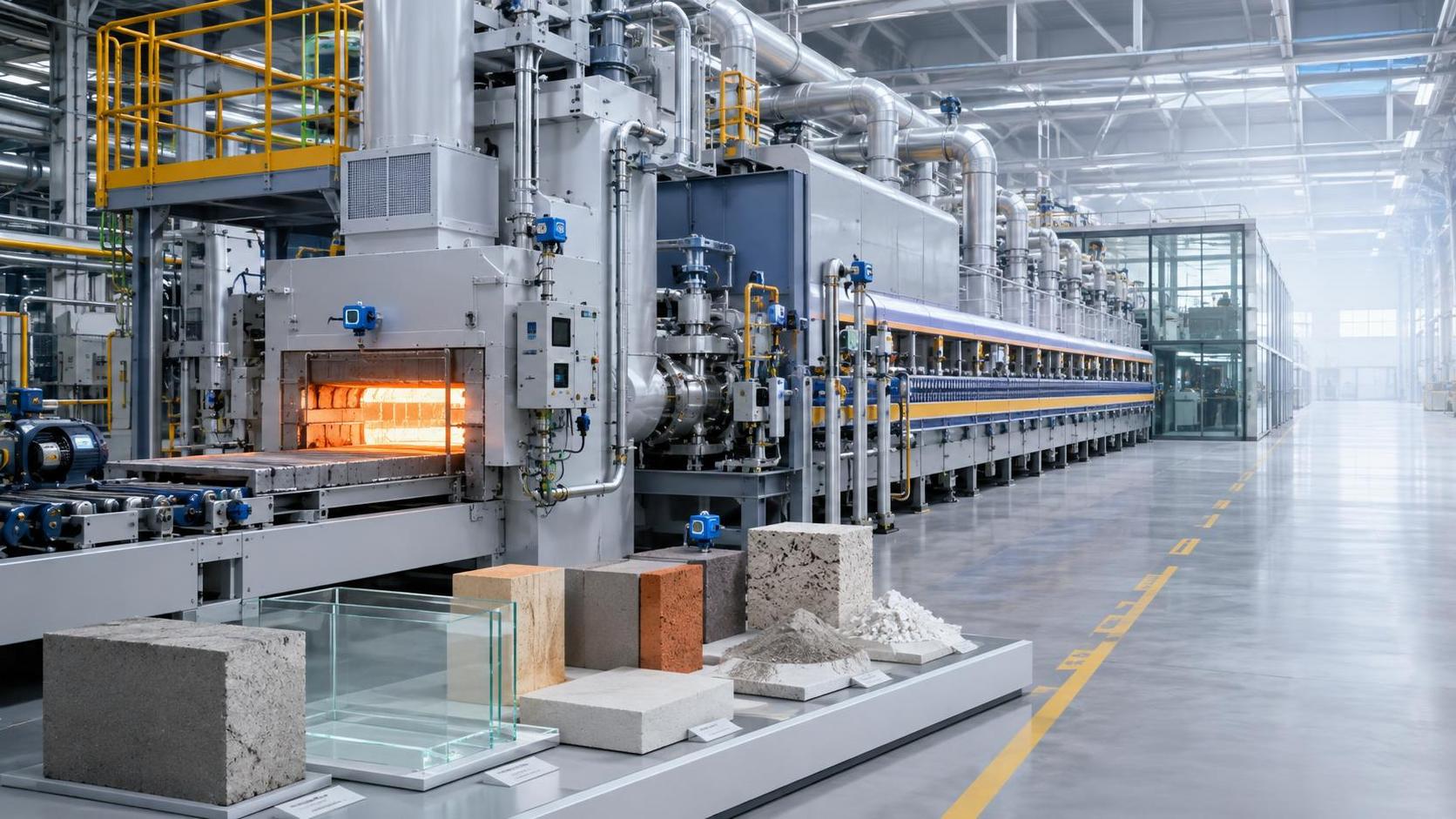
Among today’s material science innovations, a few categories stand out for near-term industrial scale-up because they solve visible plant pain points while fitting existing investment cycles.
1. Advanced Refractories With Longer Campaign Life
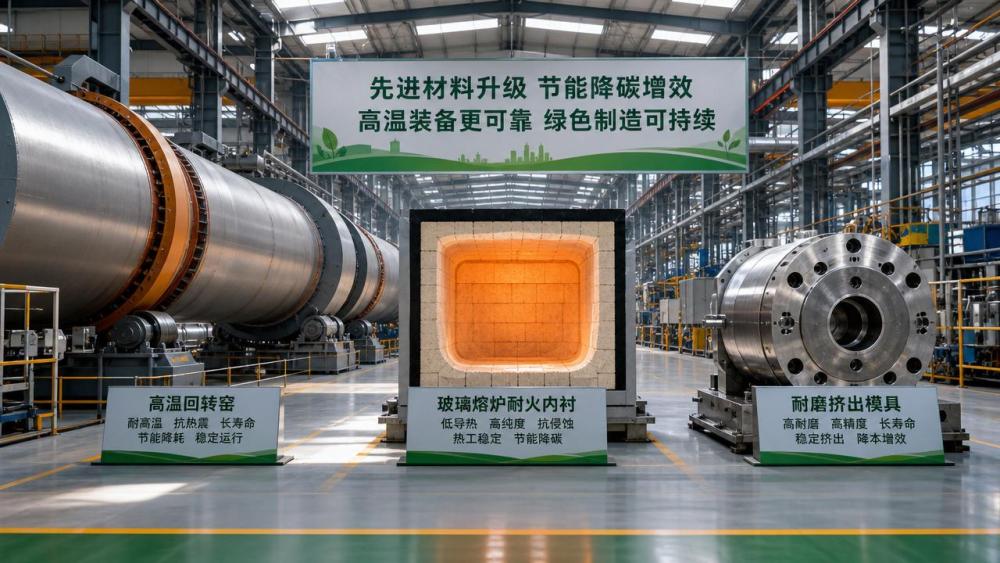
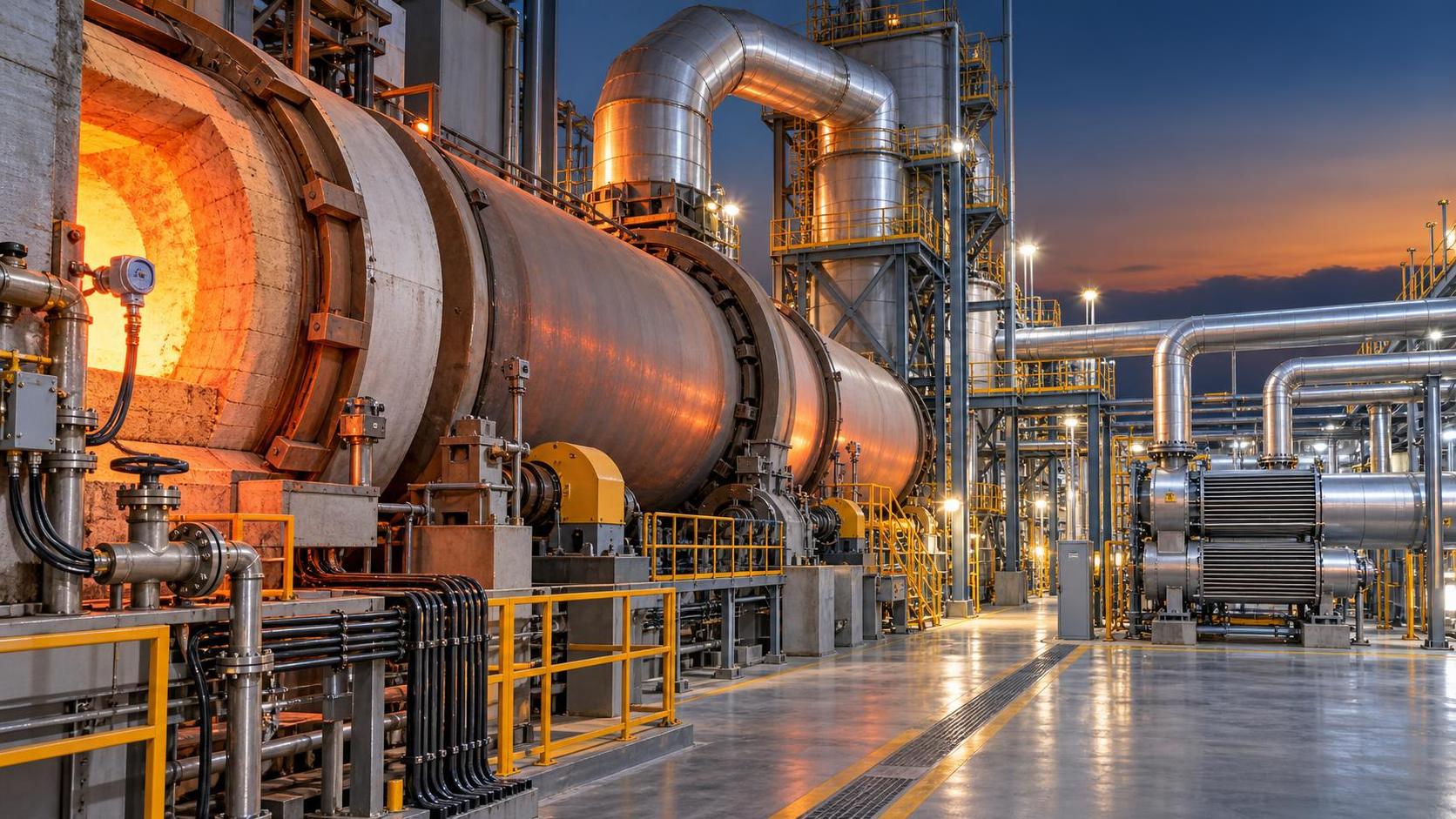
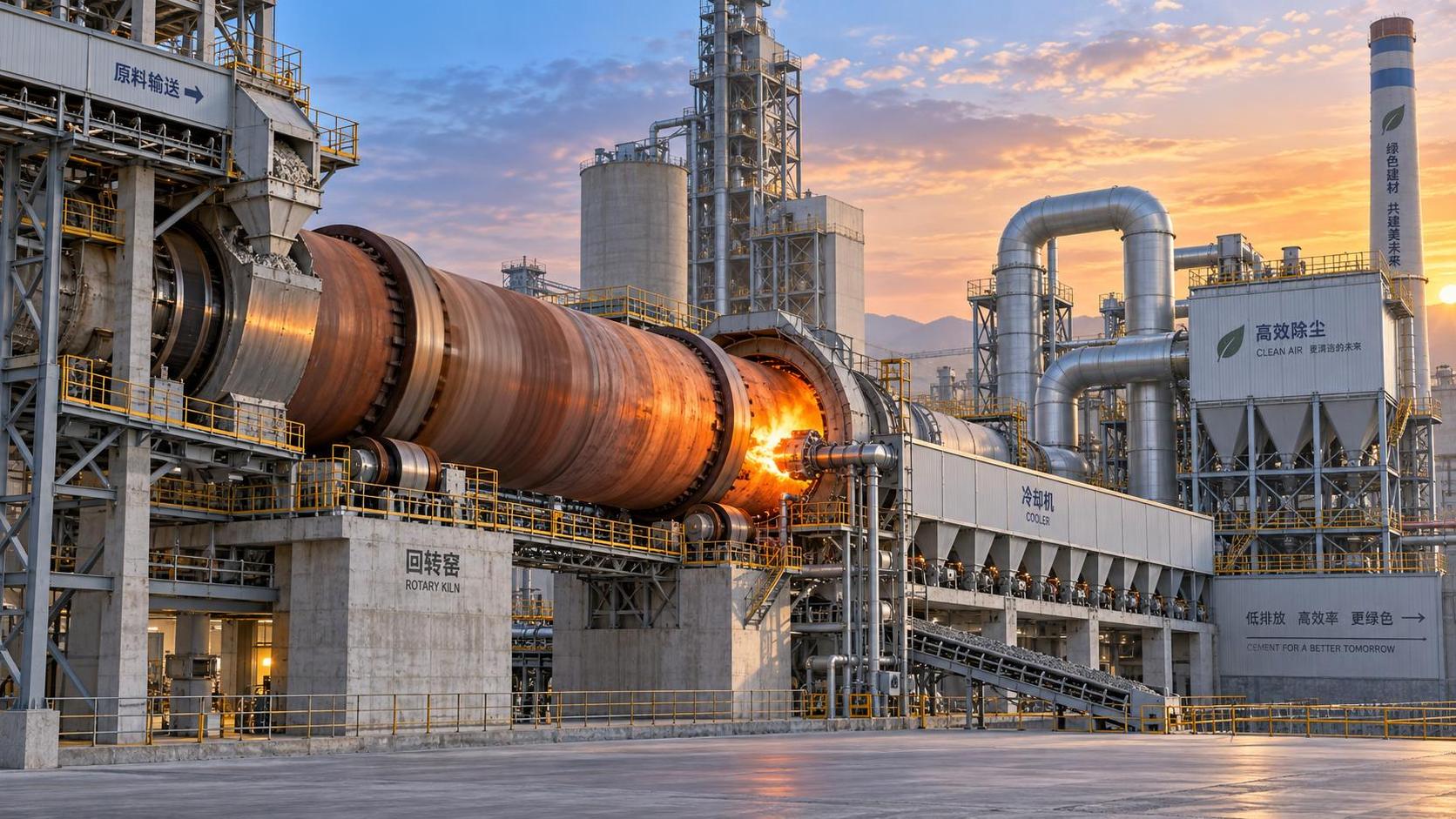
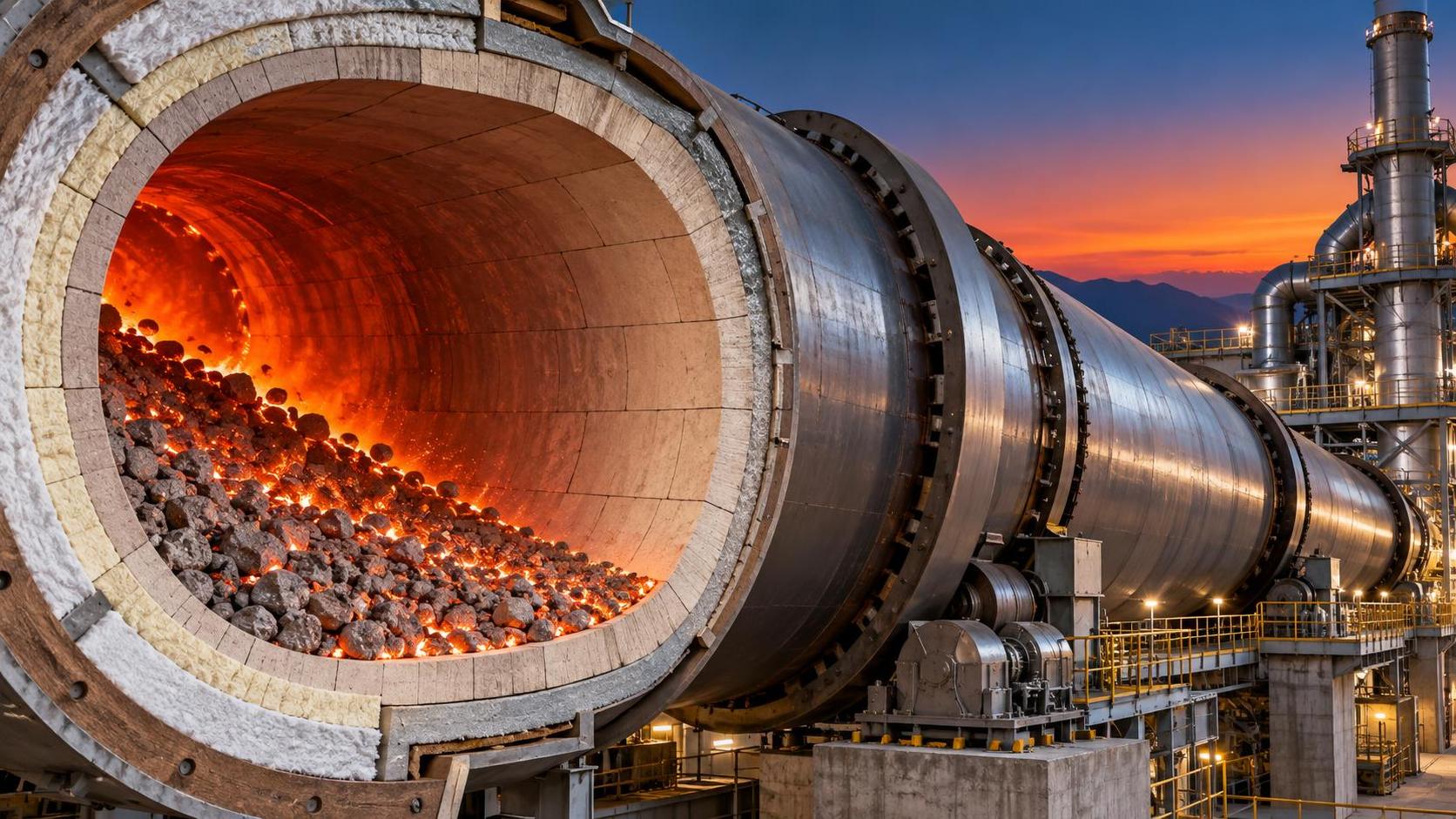
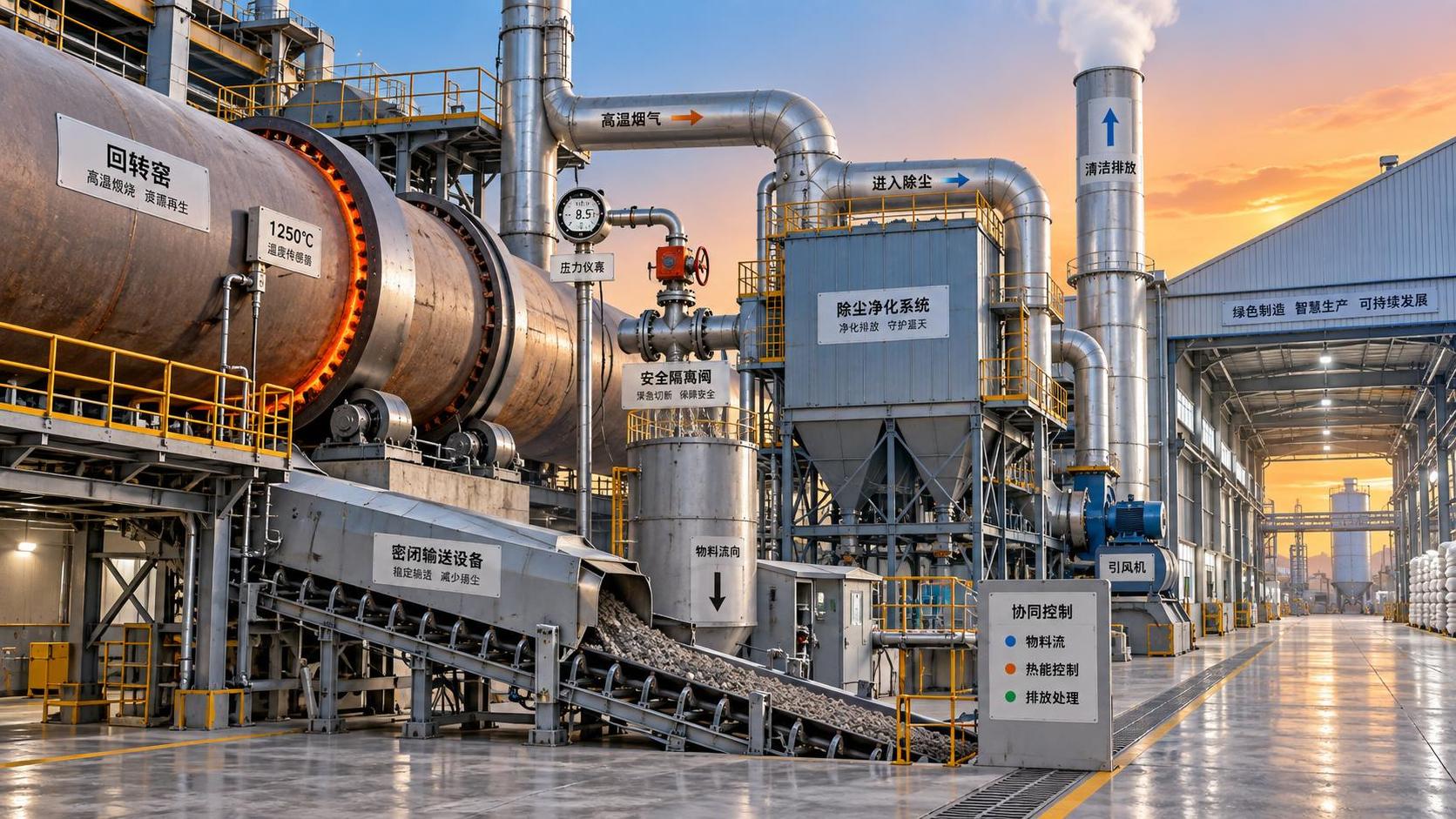
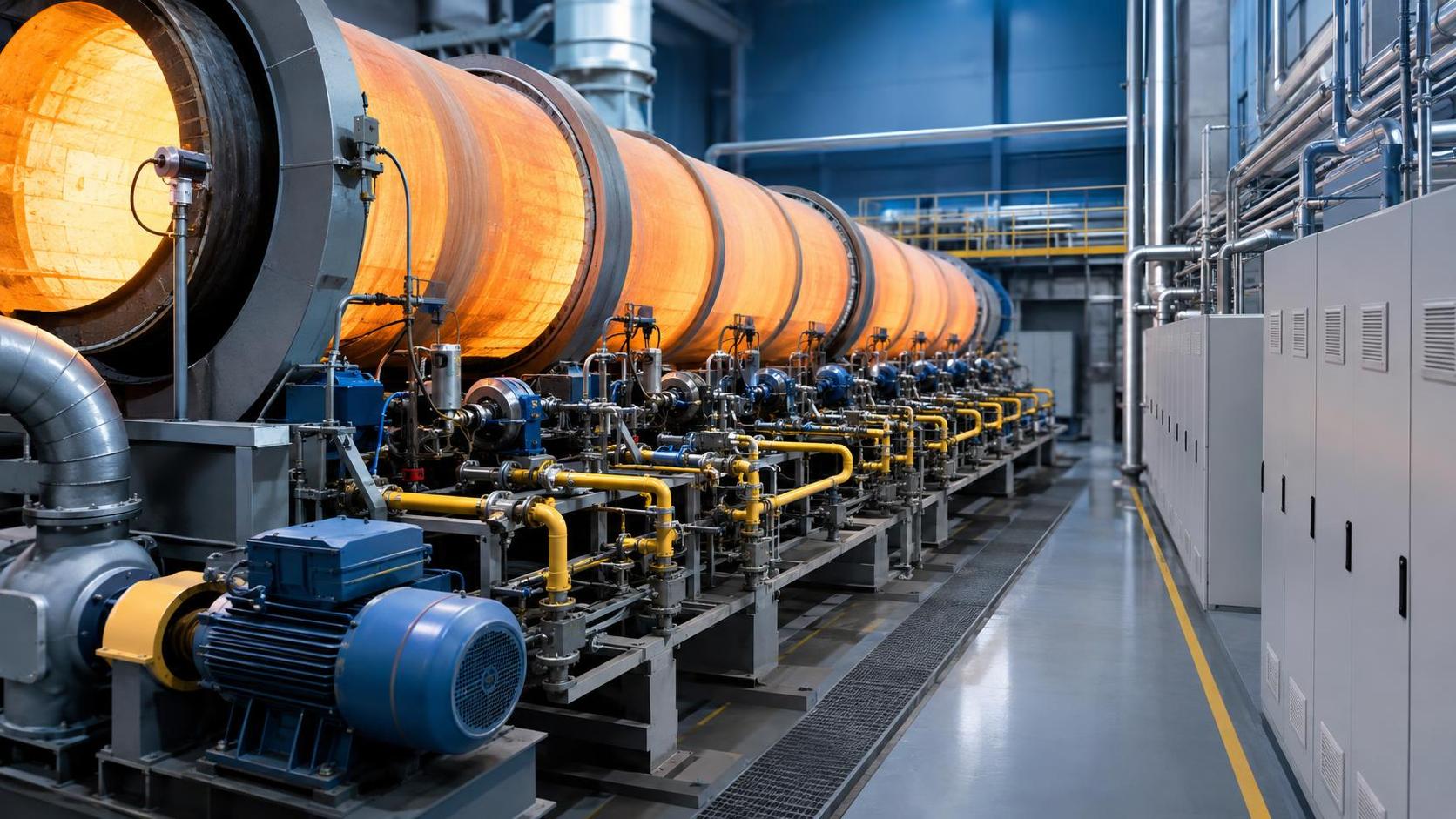
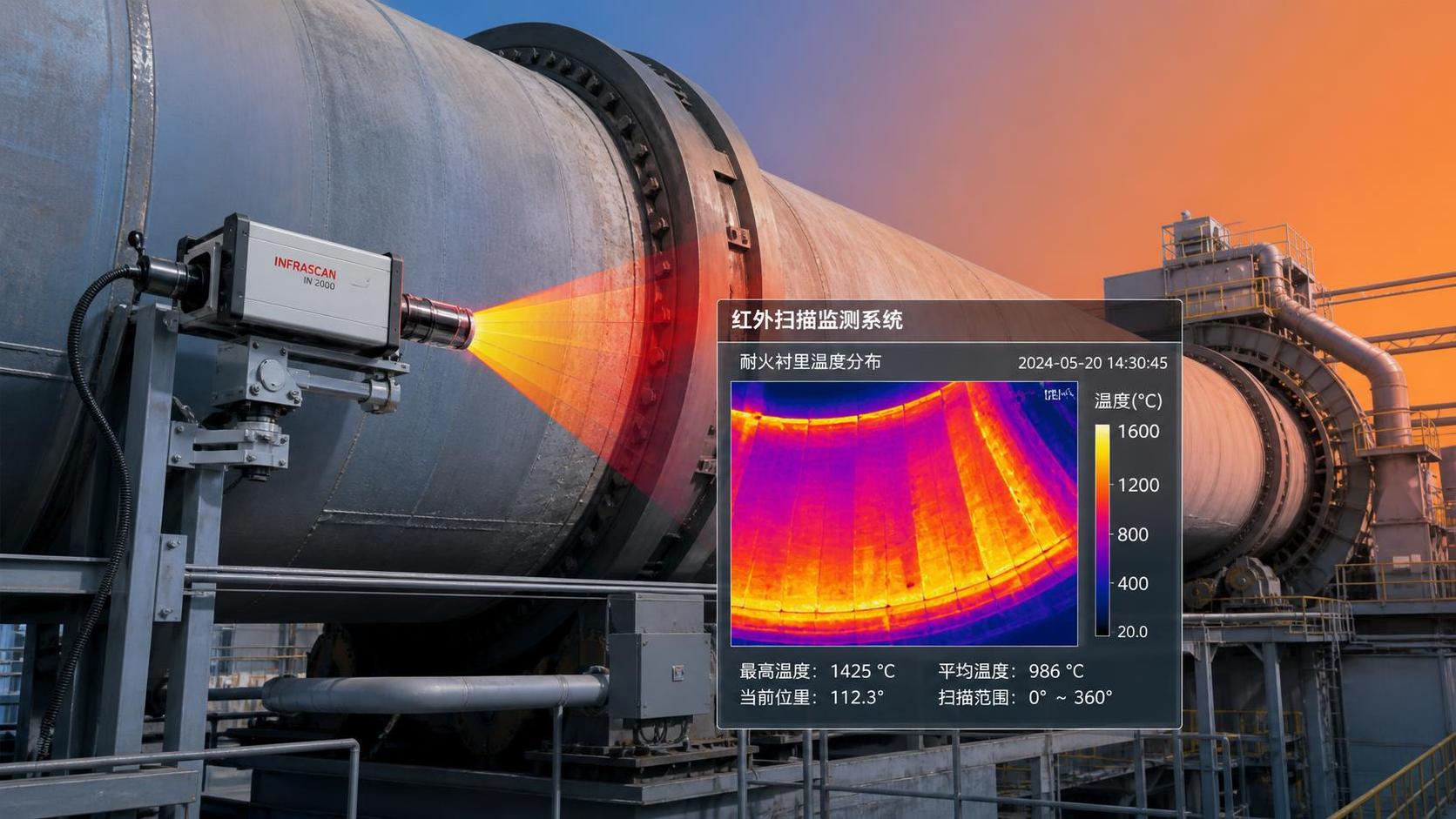
This is one of the most practical material science innovations for heavy industry. Improved alumina-spinel systems, low-cement and no-cement castables, nano-bonded refractories, and engineered insulating layers can reduce heat loss and extend service intervals. In cement rotary kilns, waste incineration units, and steel-supporting thermal systems, lining failure is both an energy problem and a reliability problem.
Priority checks include resistance to thermal shock, coating behavior, corrosion under alternative fuels, and the ability to maintain mechanical integrity during rapid operational changes. If a new refractory design improves shell temperature stability and lengthens shutdown intervals, it is often worth scaling faster than more experimental options.
2. Low-Carbon Cementitious and Silicate Formulations
For cement and building materials, low-clinker binders, supplementary cementitious materials, activated mineral blends, and alternative silicate chemistry are among the most commercially relevant material science innovations. These solutions matter because they can directly cut process emissions while also responding to regulatory pressure and green procurement standards.
Project leaders should not evaluate these materials only on embodied carbon. They must also check grindability, setting behavior, strength development, moisture sensitivity, raw mix consistency, and impact on downstream handling. The most scalable formulations are those that can be integrated into existing production lines with limited modification to storage, dosing, and quality control systems.
3. High-Performance Glass Furnace and Thermal Barrier Materials
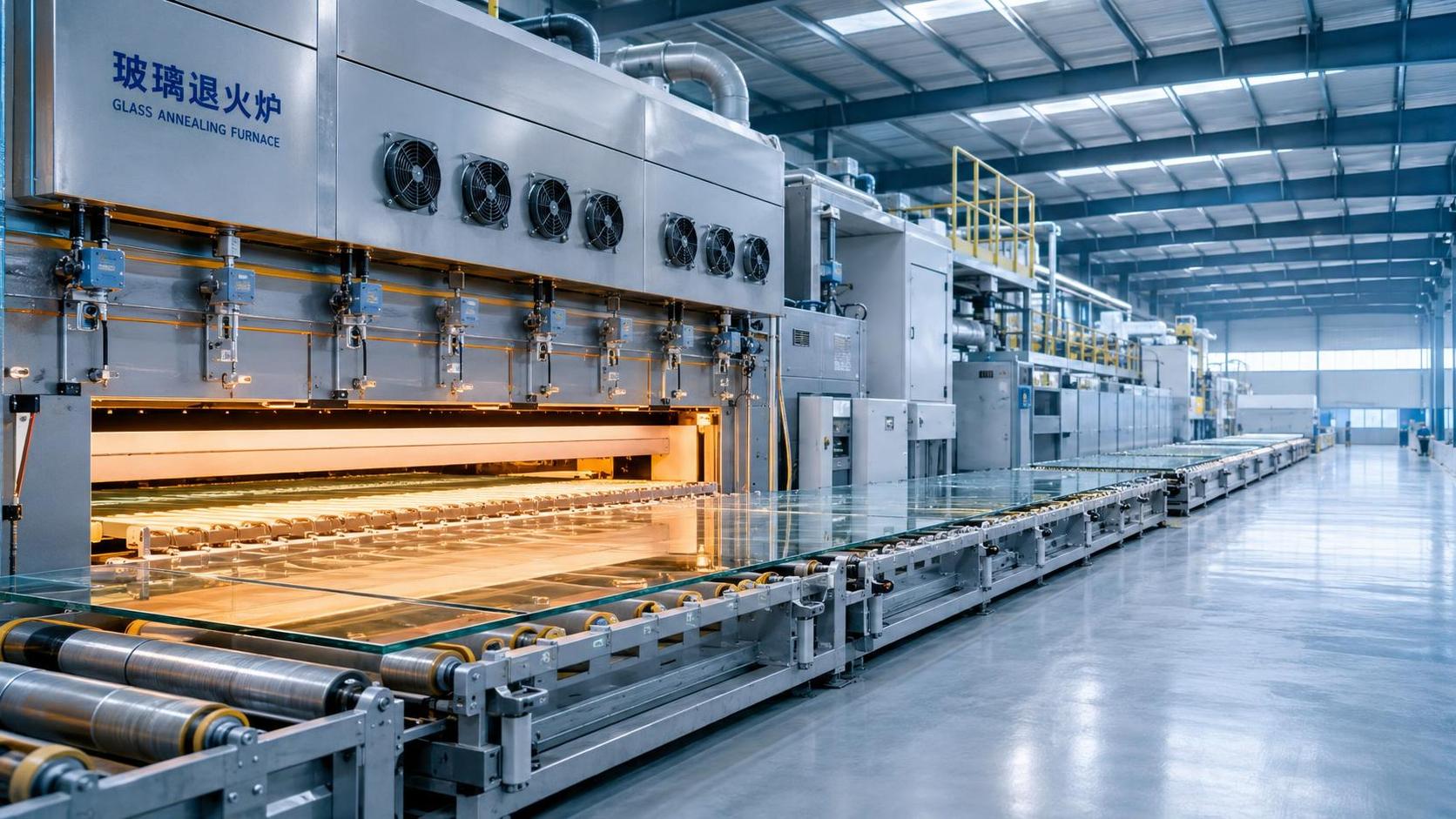
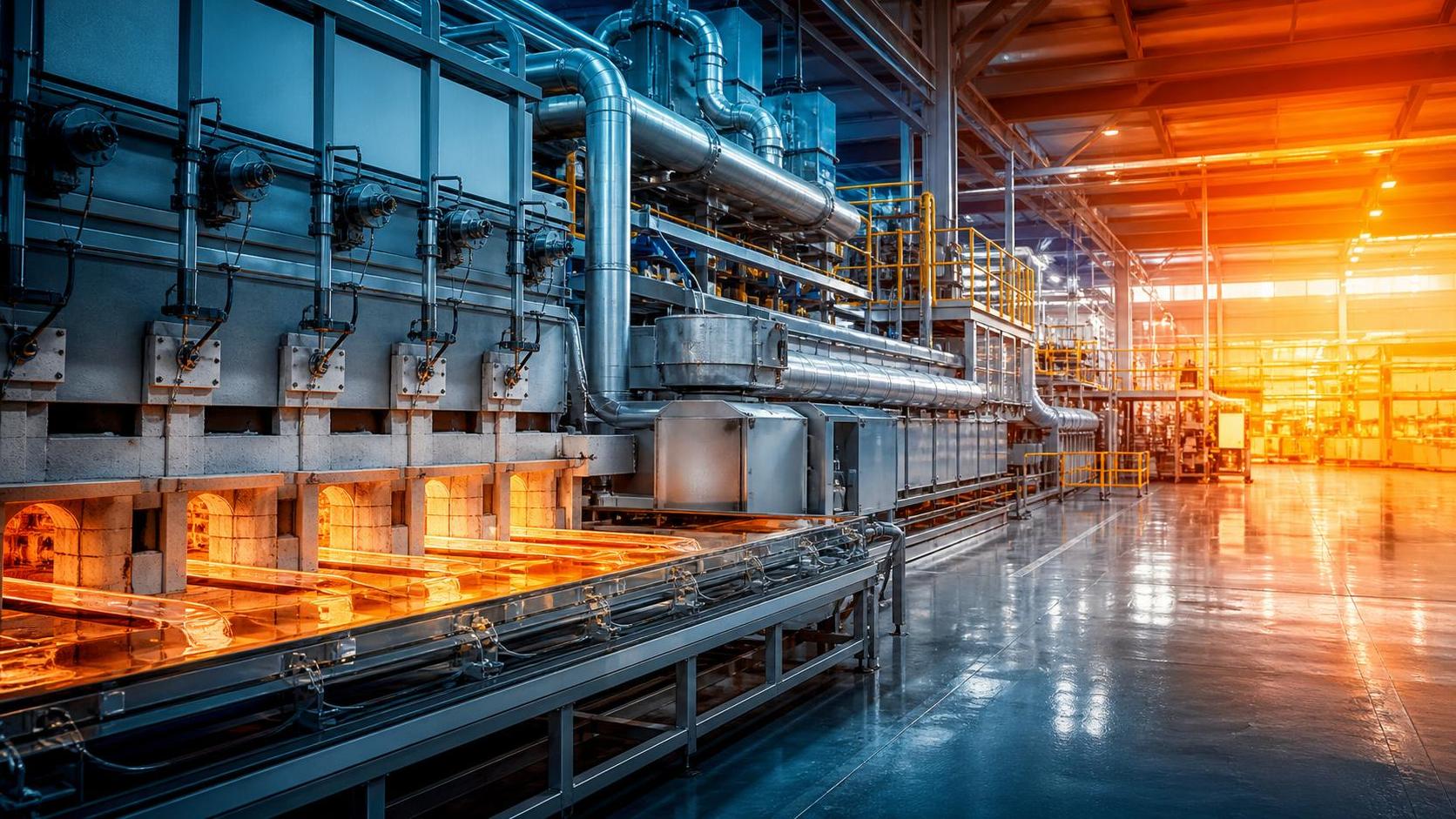
In glass production, worth-scaling material science innovations include improved fused-cast refractories, higher-purity insulation systems, corrosion-resistant contact materials, and coatings that support cleaner heat transfer or better furnace durability. These innovations have strong value because small thermal gains in float or specialty glass lines can translate into major lifetime savings.
Key checks should focus on contamination risk, thermal conductivity, dimensional stability, and compatibility with melting chemistry. For project managers, the best candidates are not merely premium materials; they are those that reduce defect rates, stabilize furnace operation, or support longer pull campaigns.
4. Wear-Resistant Extrusion Materials and Tooling Surfaces
In new building material extrusion and specialty material forming, wear-resistant dies, ceramic-metal composites, advanced liners, and engineered surface treatments are highly actionable material science innovations. Abrasive feedstocks, high pressure, and continuous operation make tooling life a decisive cost factor.
The scale-up case is strongest where the innovation improves dimensional consistency, reduces changeover frequency, and limits contamination from tool wear. Leaders should verify not only hardness but also fracture toughness, thermal fatigue behavior, and ease of replacement during planned maintenance windows.
5. Materials That Enable Alternative Fuels and Circular Inputs
Another important class of material science innovations includes refractory, seal, and corrosion-control materials that allow plants to process more alternative fuels, secondary raw materials, or waste-derived feedstocks. This is especially relevant in industrial kilns and incineration systems, where fuel flexibility supports carbon reduction but also introduces chemical variability.
If a material upgrade allows higher substitution rates without accelerating corrosion, ring formation, deposit instability, or emissions spikes, it deserves serious scale consideration. In many cases, these enabling materials deliver more strategic value than a direct energy-saving component because they unlock broader process transformation.
A Practical Evaluation Table for Project Leaders
Use the following checklist to compare material science innovations across sites and investment proposals.
Scenario-Based Priorities: What to Scale in Different Industrial Settings
Not all material science innovations deserve the same urgency. The priority depends on process bottlenecks and decarbonization pathways in each segment.
For Cement Production Plants
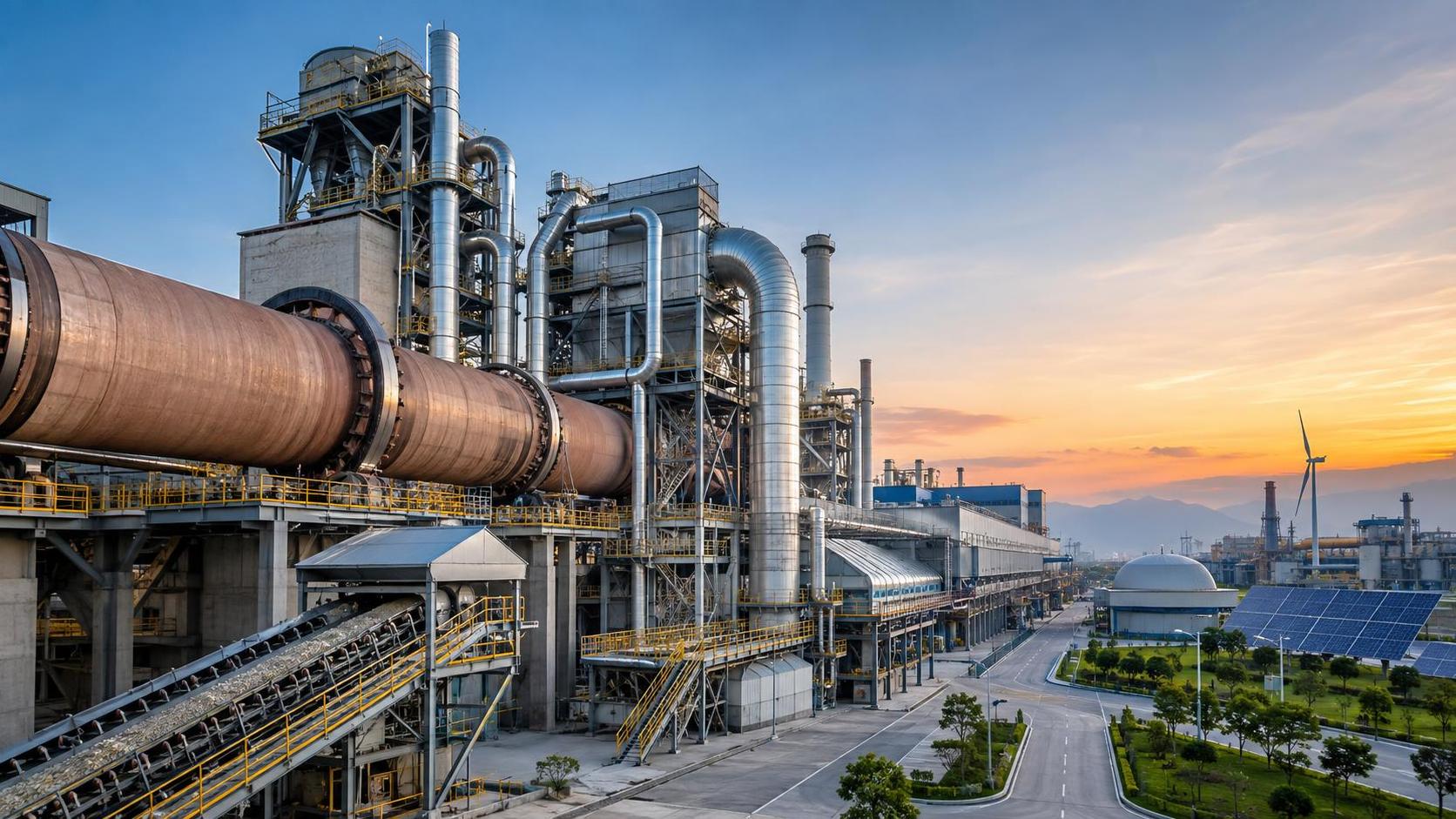
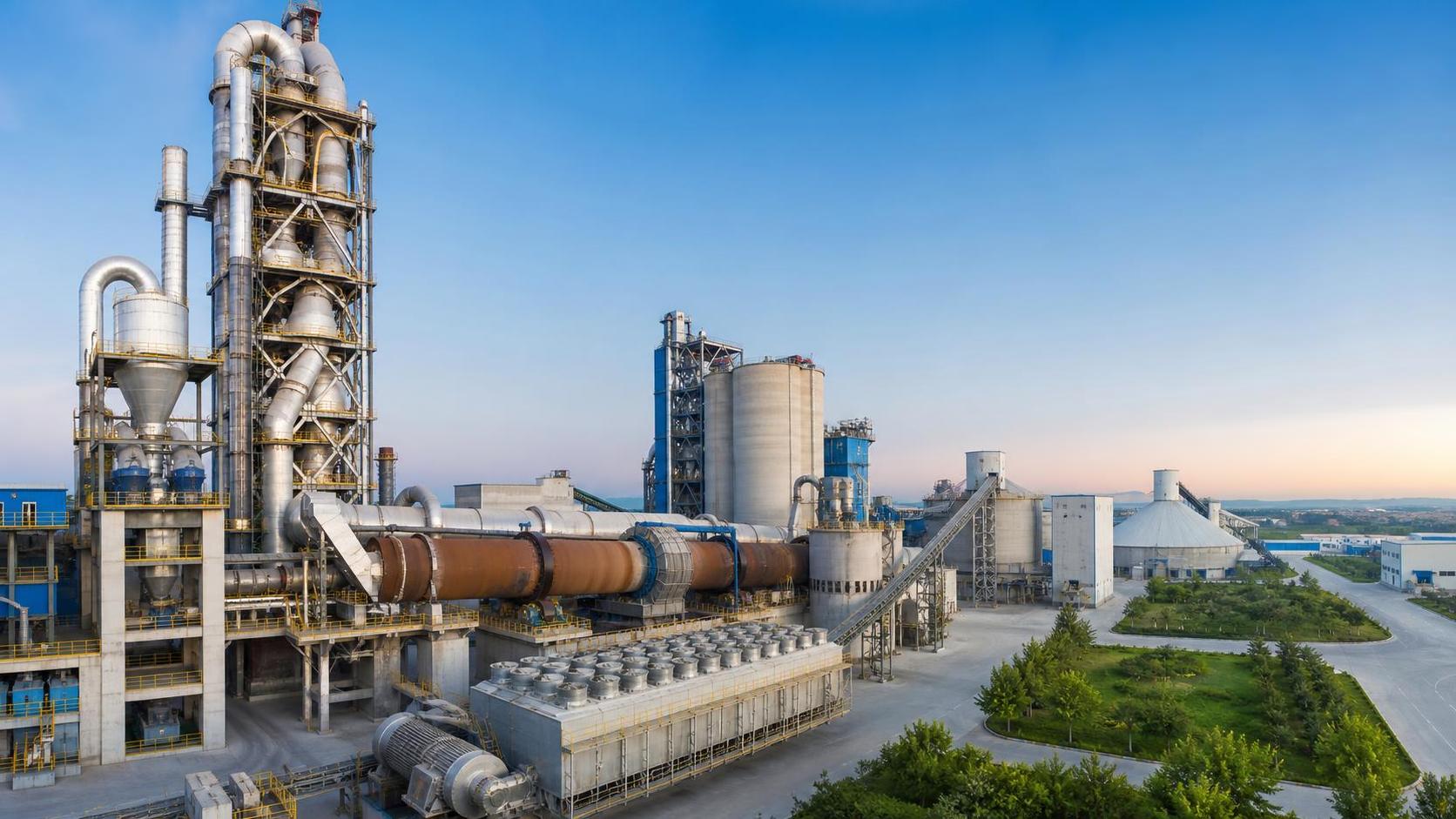
First focus on refractory systems, low-carbon binders, and materials that support alternative fuel usage. These areas offer the clearest gains in fuel consumption, emissions intensity, and uptime.
For Glass Manufacturing Equipment
Prioritize corrosion-resistant furnace materials, high-integrity insulation, and thermal barrier solutions that improve melt quality and campaign length. Defect reduction can be as important as energy savings.
For Industrial Kilns and Incineration
Look first at materials that tolerate fuel variability, ash chemistry, and aggressive gas compositions. The best innovations are those that keep the system stable while increasing resource circularity.
For Refractory Production Lines
Scale improvements in binder chemistry, particle packing, and curing behavior that raise product consistency and reduce firing energy. Here, material science innovations can improve both product quality and manufacturing economics.
For Extrusion-Based Building Materials
Emphasize die materials, wear surfaces, and lightweight formulations that balance green performance with stable throughput. Repeatability matters more than laboratory novelty.
Commonly Missed Risks When Scaling Material Science Innovations
Even strong technologies fail at rollout when project teams overlook implementation details. Several risks appear repeatedly across heavy industry.
- Testing only at steady state and ignoring transient conditions such as startup, shutdown, load changes, and fuel switching.
- Assuming one plant’s chemistry or operating profile applies directly to another site.
- Underestimating installer skill requirements for advanced refractory or insulation systems.
- Failing to define success metrics before the trial, leading to subjective post-project reviews.
- Treating material science innovations as isolated upgrades rather than part of the thermal system, control logic, and maintenance strategy.
These missed checks are costly because they distort ROI calculations. A material that performs well in a test panel may still fail commercially if installation variability, operator practice, or feedstock inconsistency is not addressed.
Execution Advice: How to Move From Interest to Bankable Scale-Up
If your team is selecting among material science innovations now, use a staged execution path rather than a binary go/no-go decision. This improves learning while controlling risk.
- Define one operational pain point first: excessive heat loss, short lining life, defect rates, fuel substitution limits, or tooling wear.
- Collect baseline data for energy use, maintenance intervals, product quality, and emissions before any trial begins.
- Run a bounded pilot with clear duration, boundary conditions, and acceptance criteria.
- Review trial results through lifecycle economics, not only initial purchase cost.
- Prepare scale-up documentation early, including supplier QA, installation methods, spare strategy, and operator training requirements.
For organizations managing multiple assets, a portfolio view is essential. Some material science innovations will be universal, while others should be site-specific due to raw material chemistry, process temperature windows, or maintenance capability. A structured intelligence workflow—similar to the approach used by CF-Elite in thermal and silicate industries—helps convert scattered technical observations into repeatable decision rules.
Final Decision Guide for the Next 12 to 24 Months
The material science innovations most worth scaling now are those that deliver three outcomes at once: better thermal efficiency, longer asset life, and easier decarbonization. In practical terms, that means advanced refractories, low-carbon silicate formulations, high-performance furnace materials, wear-resistant extrusion components, and material systems that enable alternative fuels and circular feedstocks. These are not speculative bets; they are operational upgrades with visible relevance to heavy industrial projects.
If your organization is preparing a roadmap, the next step is to clarify a small group of decision inputs: operating temperature range, chemical exposure profile, target energy reduction, shutdown constraints, budget envelope, vendor maturity, and expected payback window. Once those items are defined, it becomes much easier to identify which material science innovations should move from observation to pilot, and from pilot to scaled deployment across cement, glass, kiln, refractory, and extrusion systems.
For teams that need deeper confirmation on parameters, application fit, trial design, lifecycle ROI, or supply-side readiness, the most useful conversations are technical ones: ask for thermal performance under your actual operating profile, installation requirements, degradation mechanisms, expected campaign life, and proof of repeatability at industrial scale. That is where sound project decisions begin.
Related News
 Thermal Energy ArchitectHow European Plants Can Evaluate Energy Recovery Equipment for High-Temperature ProcessesIndustrial energy recovery equipment Europe: learn how high-temperature plants can assess waste-heat sources, integration risks, lifecycle value, and reliable recovery routes.Sep 20, 2026
 Thermal Energy ArchitectIndustrial Furnace Process Optimization: Reducing Fuel Use Without Sacrificing ThroughputIndustrial process optimization furnace strategies that cut fuel use while protecting throughput. Explore combustion control, heat recovery, refractory performance, and data-driven efficiency gains.Sep 19, 2026
 Ms. Elena RodriguezWhat Drives High-Pressure Extrusion Equipment Cost in Industrial Projects?High pressure extrusion equipment cost explained: compare pressure, die design, automation, wear, energy, and installation factors for smarter industrial investments.Sep 18, 2026
 Thermal Energy ArchitectHow to Size a Waste Heat Recovery Exchanger for High-Temperature Kiln Exhaust?Waste heat recovery exchanger sizing for high-temperature kiln exhaust: balance recoverable duty, fouling, corrosion limits, pressure drop, and reliable heat use.Sep 17, 2026
 Thermal Energy ArchitectWhy Heat-Resistant Materials Lose Abrasion Resistance at High TemperaturesHeat-resistant materials abrasion resistance can decline at high temperatures. Discover the thermal, chemical, and mechanical causes of wear—and how to choose longer-lasting linings.Sep 16, 2026
 Thermal Energy ArchitectHow to Evaluate a Thermal Energy Optimization Company for High-Temperature PlantsChoose a thermal energy optimization company with proven process expertise, measurable savings, and reliable delivery for high-temperature plants. Learn what to assess.Sep 15, 2026
 Thermal Energy ArchitectRotary Kiln Efficiency: How Feed Rate, Fuel Use, and Heat Loss Affect OutputRotary kiln efficiency explained: discover how feed rate, fuel use, heat loss, combustion, and cooling performance shape output, quality, and energy costs.Sep 14, 2026
 Thermal Energy ArchitectHow to Select Heat-Resistant Materials That Maintain Abrasion Resistance in KilnsHeat-resistant materials abrasion resistance: learn how to select kiln linings that withstand heat, wear, thermal cycling, and chemical attack for longer service life.Sep 13, 2026
 Thermal Energy ArchitectHow Rotary Kiln Automation Improves Temperature Control and Fuel EfficiencyRotary kiln technology automation enhances temperature control, stabilizes combustion, and improves fuel efficiency with smarter data, predictive control, and safer operations.Sep 12, 2026
 Silicate Process EngineerCement Plant Emission Control: Selecting Systems for Dust, NOx, and SO2 LimitsCement plant emission control guide: compare dust collectors, NOx reduction, and SO2 systems for reliable compliance across kiln modes, fuel changes, and operating upsets.Sep 11, 2026
 Thermal Energy ArchitectSelecting Abrasion-Resistant High-Temperature Materials for Kiln and Conveyor Wear ZonesHigh-temp material engineering guide to abrasion-resistant kiln and conveyor solutions—match wear, heat, chemistry, and installation design for longer service life.Sep 10, 2026
 Dr. Alistair VaughnIndustrial Process Engineering: How to Map Processes for Safer, More Efficient PlantsIndustrial process engineering reveals bottlenecks, safety risks, and energy losses through practical process mapping for safer, more efficient plants.Sep 09, 2026
 Optical Glass Tech FellowHow to Evaluate a Glass Annealing Equipment Manufacturer for Production StabilityChoose a glass annealing equipment manufacturer with proven thermal uniformity, reliable controls, lifecycle value, and responsive service for stable production.Sep 08, 2026
 Prof. Marcus ChenThermal Energy Architecture in North America: Strategies for Lower Building Energy UseThermal energy architecture North America helps project leaders cut building energy use through stronger envelopes, right-sized HVAC, storage, and smart commissioning.Sep 07, 2026
 Ms. Elena RodriguezHow Should Buyers Evaluate Building Material Industry Intelligence Pricing?Building material industry intelligence pricing: learn how to compare coverage, technical depth, and ROI to choose intelligence that reduces procurement risk.Sep 07, 2026
 Ms. Elena RodriguezHow to Use Building Material Intelligence Data for Market and Investment DecisionsBuilding material industry intelligence data helps leaders evaluate demand, costs, regulation, capacity, and technology to make smarter market and investment decisions.Sep 05, 2026
 Thermal Energy ArchitectHow PLC Control Improves Energy Efficiency and Temperature Stability in KilnsEnergy efficient kilns PLC control improves temperature stability, cuts fuel waste, and optimizes combustion, draft, and material flow. Explore proven strategies for smarter kiln modernization.Sep 04, 2026
 Optical Glass Tech FellowEuropean Glass Melting Processes: Furnace Choices, Energy Use, and Quality ControlGlass melting process Europe: explore furnace choices, energy efficiency, cullet strategy, and quality control to improve output, compliance, and long-term glass performance.Sep 03, 2026
 Thermal Energy ArchitectWhat Determines Refractory Lining Monitoring Price for Industrial Kilns?Refractory lining monitoring price depends on kiln size, sensor technology, installation, software, and support. Compare total lifecycle costs and choose the right solution.Sep 02, 2026
 Silicate Process EngineerCement Production System Costs: A Plant Buyer’s Guide to Budgeting and ROICement production systems cost planning made clear: compare CAPEX, operating costs, compliance, and ROI to build a resilient, profitable cement plant investment.Sep 01, 2026





Related News
- 00
0000-00
What Drives High-Pressure Extrusion Equipment Cost in Industrial Projects? - 00
0000-00
How Should Buyers Evaluate Building Material Industry Intelligence Pricing? - 00
0000-00
How to Use Building Material Intelligence Data for Market and Investment Decisions - 00
0000-00
How to Evaluate a Silicate Processing Equipment Manufacturer for Plant Projects - 00
0000-00
Process Equipment Comparison: Which Metrics Matter Most for Reliable Selection?
Weekly Insights
Stay ahead with our curated technology reports delivered every Monday.