
What Causes Quality Drift in Modern Glass Melting Technology?




In modern glass melting technology, quality drift rarely comes from one dramatic failure. More often, it starts with small, cumulative deviations: a slight change in batch moisture, uneven cullet chemistry, a burner imbalance, a worn refractory hot spot, or unstable redox conditions. For quality control and safety managers, the practical takeaway is clear: if defects are rising, energy use is fluctuating, or furnace behavior feels less predictable, the process is already signaling drift. The fastest way to regain control is to identify which variables are moving, how they interact, and where monitoring is too coarse to catch early change.
The core search intent behind this topic is not simply to define “quality drift.” Readers want to know what actually causes it in real furnaces, how it shows up in product and operating data, and what controls reduce the risk before scrap, downtime, or safety incidents escalate. For plants running float, container, technical, or specialty glass lines, this is both a quality issue and an operational resilience issue.
Quality and safety teams usually care about four practical questions. First, which process changes most often trigger recurring defects such as stones, cords, bubbles, blisters, seeds, color variation, or thickness inconsistency? Second, how can those changes be detected early rather than after customer complaints or inspection rejects? Third, which deviations are most dangerous because they also increase refractory damage, unstable combustion, or operator exposure to high-temperature incidents? Fourth, what kind of monitoring framework makes corrective action faster and more reliable?
This article focuses on those high-value questions. Instead of repeating basic descriptions of furnace types, it examines the real drivers of drift in modern glass melting technology: raw material variation, thermal instability, atmosphere imbalance, refractory wear, residence-time disruption, instrumentation error, and human-process coordination gaps. It also explains what quality control and safety managers should watch first when deciding whether a line is drifting slowly or approaching a more serious process upset.
Why quality drift happens even in advanced glass melting lines
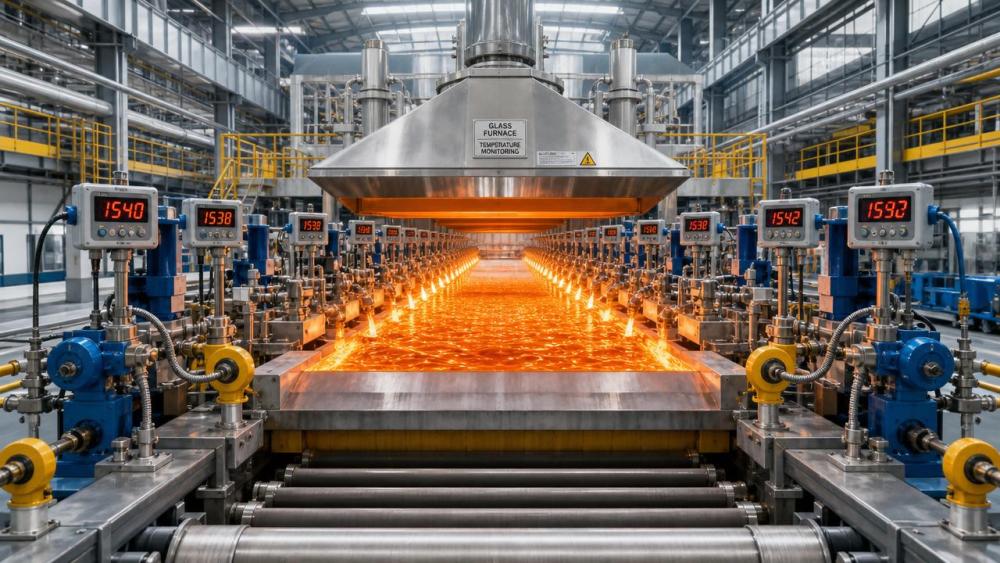
Many plants assume that modern controls, better burners, and automated batching should eliminate most quality variation. In practice, advanced systems reduce random noise, but they also make subtle drift more visible. A furnace can appear stable in average temperature or pull rate while still producing localized thermal gradients, changing melt chemistry, or inconsistent fining behavior. These hidden shifts often escape notice until downstream inspection begins showing a pattern.
Quality drift in glass melting technology is best understood as a loss of process centering. The line may still operate within broad limits, but not within the narrower zone required for consistent glass homogeneity, defect control, and predictable forming behavior. That is why many plants experience a slow rise in defects before any alarm reaches a formal trip point. The system is running, but it is no longer running tightly.
For quality managers, this means standard compliance alone is not enough. For safety managers, it means a stable production rate does not guarantee stable furnace conditions. Drift often develops at the boundary between quality performance and thermal risk, especially when operators compensate manually for symptoms instead of removing root causes.
Raw material inconsistency is still one of the biggest causes
Even highly automated furnaces depend on the chemistry and physical behavior of incoming batch materials. Small shifts in silica grain size, soda ash purity, limestone reactivity, feldspar content, or cullet composition can alter melting rate, viscosity, fining efficiency, and redox balance. Batch moisture is another frequent source of instability because it changes charging behavior, combustion load, and local thermal demand.
Cullet is especially important in modern plants trying to improve energy efficiency and reduce carbon intensity. Higher cullet ratios can lower melting energy, but inconsistent cullet sorting may introduce ceramics, metals, organics, coatings, or off-color glass. These contaminants can cause stones, cords, blistering, or color drift. If cullet sourcing changes without tight incoming quality verification, the furnace may begin drifting long before the cause is traced back to raw material preparation.
Quality teams should also watch for variation that is technically within supplier specification but operationally disruptive. For example, acceptable chemistry on paper may still create batch segregation, uneven melting fronts, or altered foam behavior in the furnace. That is why batch consistency should be assessed not only by laboratory chemistry, but also by flowability, particle distribution, moisture stability, and trace contaminant trends over time.
Useful early indicators include rising seed count, more visible cords, unstable color values, changes in crown temperature demand, and greater burner correction frequency. If these appear together, the issue may not be the furnace itself but the material entering it.
Temperature instability is the most direct route to visible defects
Glass melting is extremely sensitive to temperature distribution, not just average furnace temperature. A line can maintain its nominal setpoint while still suffering from cold spots, overheated zones, or uneven heat transfer across the melt. These local deviations affect dissolution of batch particles, bubble removal, convection patterns, and the final homogenization of the glass.
When thermal profiles drift, the defect pattern often changes in recognizable ways. Cold zones tend to increase unmelted inclusions, stones, and cords. Overheated areas may accelerate volatilization, refractory attack, and composition imbalance near the surface. Rapid temperature correction can create its own problems by disturbing viscosity and pull stability, especially if the forming section responds more slowly than the melting zone.
For quality control personnel, the key point is that temperature drift should be analyzed spatially and historically. A single pyrometer or crown reading is not enough. The more useful question is whether the thermal map is changing over days or weeks, particularly near charging areas, refining zones, throat regions, and forehearth transitions. This is where digital trend analysis can add real value. It helps distinguish random fluctuation from directional drift.
For safety managers, persistent thermal imbalance matters because it often precedes burner instability, excessive refractory stress, and abnormal hot-face wear. In other words, the same thermal nonuniformity that creates quality defects may also increase the probability of maintenance hazards and unplanned hot work.
Furnace atmosphere and redox control can quietly destabilize glass quality
In modern glass melting technology, atmosphere control is closely linked to combustion efficiency, glass chemistry, and defect formation. If the air-fuel ratio shifts, if oxygen enrichment changes unexpectedly, or if furnace draft is poorly balanced, the result can be more than energy loss. It can change oxidation-reduction conditions inside the melt and alter fining performance, color development, and gas release behavior.
Redox drift is especially critical in colored glass, iron-sensitive formulations, and specialty products with narrow optical requirements. A small change in oxidation state may produce noticeable color variation, but even clear glass can suffer if atmosphere instability affects bubble removal or surface quality. Excess reducing conditions may increase certain defect risks, while overly oxidizing conditions can influence volatilization and furnace wear.
Quality managers should compare color metrics, seed trends, and combustion data rather than reviewing them separately. Safety managers should monitor draft and combustion stability because poor atmosphere control can also increase flame irregularity, local overheating, and exposure to combustion-related hazards. If operators are making frequent burner or damper adjustments, that is often a sign the system is compensating for an unstable condition rather than operating in a controlled state.
Refractory wear changes the process long before it causes a shutdown
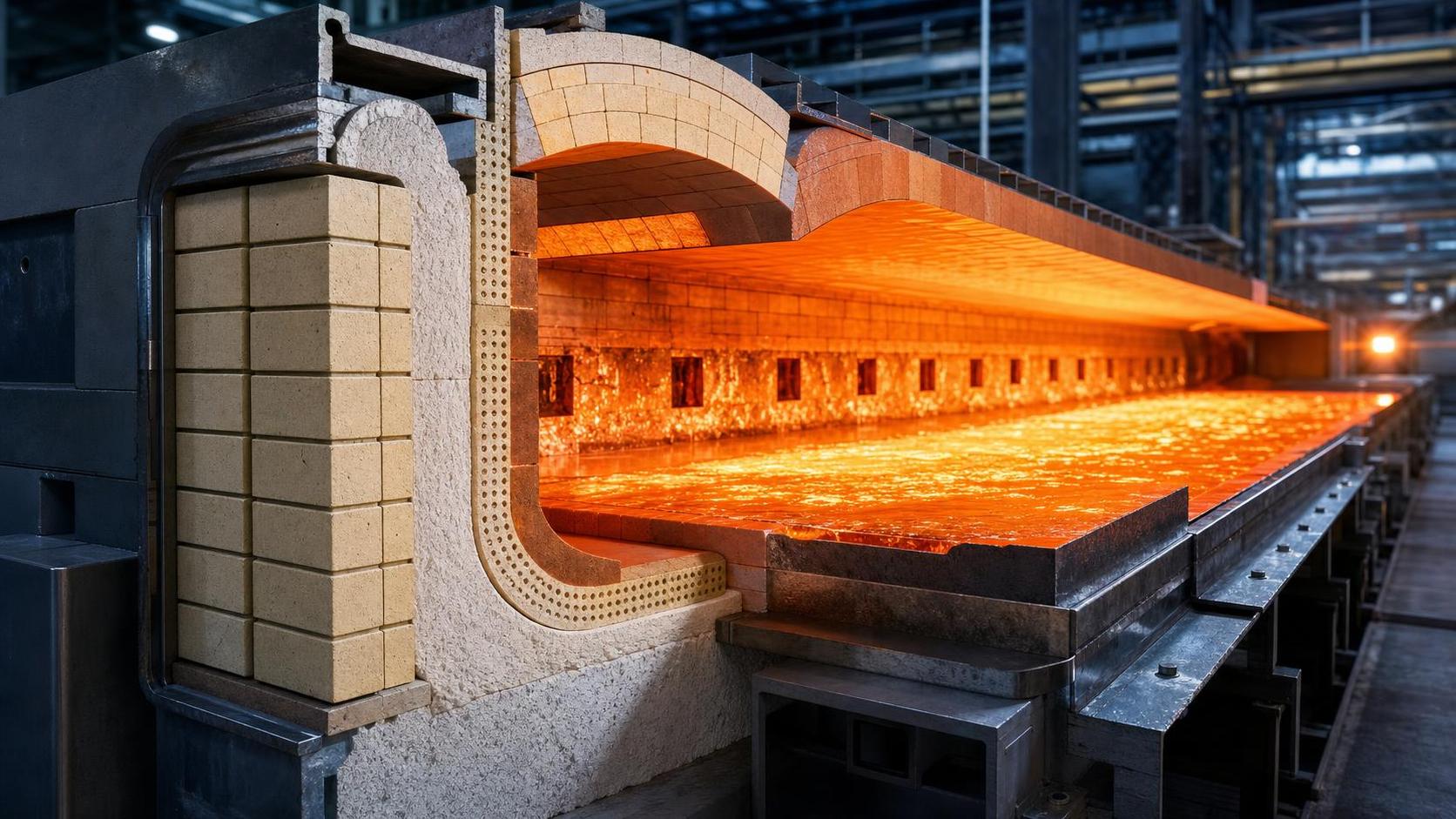
Refractory degradation is one of the most underestimated sources of quality drift. Plants often treat refractory condition as a maintenance issue, but from a quality perspective it is a process variable. As refractories wear, crack, corrode, or react with the melt, they can alter heat transfer, change local flow patterns, release inclusions, and create contamination pathways that were not present earlier in the campaign.
In glass furnaces, worn superstructure, throat areas, doghouse zones, and contact surfaces can gradually reshape the thermal and hydraulic behavior of the melt. That means defects may increase even when batch chemistry and burner settings remain unchanged. In severe cases, refractory attack can introduce stones or cords directly into the glass stream. More commonly, it produces a slower decline in process stability that is difficult to diagnose without combining inspection records with quality trend data.
This is where cross-functional review becomes essential. If defect rates, specific energy consumption, and local temperature corrections are all rising during the same period as lining wear indicators, the plant may be dealing with structural quality drift rather than an isolated control issue. Waiting for a major refractory failure is a costly mistake. By then, product quality, energy efficiency, and safety margin have usually already deteriorated.
Residence time, pull rate, and flow behavior often create hidden variability
Glass quality depends heavily on how long the material remains in effective melting and refining conditions. Changes in pull rate, feeder rhythm, charging pattern, or forehearth distribution can alter residence time and flow paths. Even if the furnace has enough total thermal input, the glass may not spend enough time in the right zones for complete melting, fining, and homogenization.
This is one reason production pressure can cause quality drift. When output targets rise, operators may push pull rates to meet demand while assuming the furnace will adapt. Sometimes it does, but sometimes the result is a gradual increase in seeds, cords, or viscosity inconsistency at forming. Because the line is still making saleable product at first, the damage can go unnoticed until the trend becomes expensive.
Flow disturbances also matter. Accumulation near charging areas, asymmetric convection, or unstable throat behavior can create localized short-circuiting where part of the melt passes through too quickly. In these cases, the average process may look acceptable while a portion of the glass remains under-refined. Quality teams should therefore analyze defect patterns by time, furnace side, and product format. Clustering often reveals a flow problem that broad averages hide.
Instrumentation gaps can make plants react too late
Not all quality drift begins in the furnace; sometimes it begins in the monitoring system. Sensors may be poorly located, insufficiently calibrated, or too limited to capture meaningful variation. Data may exist in separate systems for batching, combustion, furnace temperature, inspection, and maintenance, but if those systems are not reviewed together, root causes remain fragmented.
For quality control managers, delayed detection is often the difference between a correctable drift event and a full defect episode. If inspection data only triggers action after reject rates rise, the plant is operating reactively. A better approach is to build leading indicators: batch moisture trend, cullet contamination alerts, thermal profile deviation, redox proxy changes, burner adjustment frequency, and refractory condition markers.
Safety managers should think similarly. A plant that only reacts to alarms is often missing slow degradation in draft stability, burner balance, or hot-face condition. Modern monitoring does not need to be fully autonomous to be effective. Even a practical dashboard linking process, quality, and inspection trends can help teams identify drift days earlier.
Human factors and shift-to-shift practice still matter in automated systems
Automation reduces variability, but it does not remove the effect of human decisions. Quality drift often worsens when shifts respond to the same symptom in different ways. One team may raise temperature, another may alter combustion balance, and a third may adjust pull or charging behavior. Each action may be understandable in isolation, yet the combined effect can push the furnace farther from optimal control.
This is especially common when plants lack a shared drift response protocol. If operators, quality inspectors, and maintenance staff do not use the same definitions for early warning signs, small issues can remain open too long. A rising seed count may be treated as a forming problem, while the real cause is melting instability. A recurring hot spot may be seen as a burner issue, when the underlying problem is refractory deterioration or changing batch behavior.
Standardized escalation rules are therefore a major control tool. The best plants define what must happen when specific indicators move: who checks batch data, who verifies combustion, who reviews thermal images, who inspects refractory condition, and how quickly a decision is made. This reduces both quality losses and unsafe improvisation around high-temperature equipment.
What quality and safety managers should monitor first
If resources are limited, start with the variables that connect quality drift to operational risk. First, monitor batch and cullet consistency with tighter incoming control, especially moisture, contamination, particle distribution, and chemistry drift. Second, track thermal uniformity rather than relying only on average furnace temperature. Third, review combustion and atmosphere stability alongside defect data. Fourth, integrate refractory inspection results into routine quality analysis instead of treating them as separate maintenance records.
It also helps to create a simple drift matrix. List the most common defect types at your plant, the process variables most likely to cause them, the safety implications if those variables worsen, and the first response expected from each department. This turns quality drift from an abstract problem into a manageable operational workflow.
Where possible, use trend-based thresholds instead of waiting for hard failures. For example, a steady week-over-week increase in burner correction frequency, local temperature spread, or seed count should trigger investigation even if each value is still technically within limit. In modern glass melting technology, drift prevention depends more on detecting direction than on observing a single bad number.
How data-driven control improves reliability
Plants do not need perfect digital twins to gain value from data-driven control. The practical goal is to connect process signals with product outcomes early enough to intervene. When batch data, furnace conditions, defect inspection, and maintenance observations are viewed together, the plant can identify recurring patterns: which raw material shifts precede seed growth, which thermal zones correlate with cords, which lining areas coincide with contamination risk, and which operator actions stabilize or destabilize the system.
This is where intelligence-led monitoring becomes valuable for organizations like CF-Elite’s audience. High-temperature industries operate at the intersection of material science, thermal management, equipment reliability, and environmental performance. In that environment, quality drift is never just a quality issue. It affects fuel use, asset life, product consistency, carbon efficiency, and safety exposure at the same time.
The strongest control strategy is therefore multidisciplinary. Quality teams define defect signatures, safety teams evaluate operational risk, process engineers analyze furnace behavior, and maintenance teams validate equipment condition. Once these perspectives are linked, plants can move from symptom chasing to root-cause prevention.
Conclusion
What causes quality drift in modern glass melting technology? Most often, it is the combined effect of small deviations in raw materials, thermal distribution, furnace atmosphere, refractory condition, residence time, instrumentation quality, and human response. The danger is not just that these factors create defects. It is that they interact, often slowly, until quality loss and operational risk rise together.
For quality control and safety managers, the most useful mindset is to treat drift as an early warning pattern, not an isolated event. If defects, energy behavior, burner adjustments, or refractory signals begin to shift together, the process is telling you something important. Plants that act on these weak signals early are far more likely to stabilize output, reduce scrap, protect furnace assets, and maintain safer high-temperature operations.
In short, controlling glass melting technology today is less about reacting to visible failure and more about recognizing subtle instability before it becomes expensive. That is where disciplined monitoring, cross-functional coordination, and better process intelligence create real value.
Related News
![]() Silicate Process EngineerWhat Drives Cement Plant Upgrade Cost and How to Estimate ROI Before InvestingCement plant upgrade cost depends on scope, shutdown risk, compliance, and integration challenges. Learn how to estimate ROI accurately before investing.Aug 06, 2026
Silicate Process EngineerWhat Drives Cement Plant Upgrade Cost and How to Estimate ROI Before InvestingCement plant upgrade cost depends on scope, shutdown risk, compliance, and integration challenges. Learn how to estimate ROI accurately before investing.Aug 06, 2026![]() Optical Glass Tech FellowHow to Evaluate Continuous Glass Annealing Equipment for Stable Throughput?Glass annealing equipment continuous evaluation starts with stable throughput. Learn how to compare thermal control, transport stability, maintenance, and real capacity for better line performance.Aug 05, 2026
Optical Glass Tech FellowHow to Evaluate Continuous Glass Annealing Equipment for Stable Throughput?Glass annealing equipment continuous evaluation starts with stable throughput. Learn how to compare thermal control, transport stability, maintenance, and real capacity for better line performance.Aug 05, 2026 Ms. Elena RodriguezHow to Evaluate Industrial Waste Management Solutions for Multi-Plant OperationsIndustrial waste management solutions for multi-plant operations: learn how to compare cost, compliance, resilience, and recovery value to choose a scalable, lower-risk strategy.Aug 04, 2026
![]() Optical Glass Tech FellowHow to Evaluate a Glass Manufacturing Technology Supplier for Yield, Energy Use, and Line StabilityGlass manufacturing technology supplier evaluation guide: learn how to compare yield, energy use, and line stability, ask smarter technical questions, and choose a supplier built for reliable performance.Aug 03, 2026
Optical Glass Tech FellowHow to Evaluate a Glass Manufacturing Technology Supplier for Yield, Energy Use, and Line StabilityGlass manufacturing technology supplier evaluation guide: learn how to compare yield, energy use, and line stability, ask smarter technical questions, and choose a supplier built for reliable performance.Aug 03, 2026![]() Material Heat-Resist ExpertHow to Evaluate a Silicate Production Line for Capacity, Energy Use, and Product QualitySilicate production line evaluation made practical: learn how to compare true capacity, energy efficiency, and product quality to choose a more stable, cost-effective, high-performing system.Aug 02, 2026
Material Heat-Resist ExpertHow to Evaluate a Silicate Production Line for Capacity, Energy Use, and Product QualitySilicate production line evaluation made practical: learn how to compare true capacity, energy efficiency, and product quality to choose a more stable, cost-effective, high-performing system.Aug 02, 2026![]() Optical Glass Tech FellowHow to Choose a Glass Annealing Equipment Tempering Line for Stable Quality OutputGlass annealing equipment tempering line selection starts with process stability, not speed alone. Learn how to compare heating, quench, automation, and quality control for reliable output.Aug 01, 2026
Optical Glass Tech FellowHow to Choose a Glass Annealing Equipment Tempering Line for Stable Quality OutputGlass annealing equipment tempering line selection starts with process stability, not speed alone. Learn how to compare heating, quench, automation, and quality control for reliable output.Aug 01, 2026 Ms. Elena RodriguezHow to Evaluate an Equipment Customization Services Factory for Industrial ProjectsEquipment customization services factory evaluation starts with process fit, engineering depth, and delivery control. Learn how to choose a reliable partner for industrial projects.Jul 31, 2026
![]() Thermal Energy ArchitectIndustrial Waste Management Compliance: Key Regulations and Risk Checks for PlantsIndustrial waste management compliance starts with accurate classification, storage, and records. Learn key plant risk checks, avoid audit failures, and strengthen legal control.Jul 30, 2026
Thermal Energy ArchitectIndustrial Waste Management Compliance: Key Regulations and Risk Checks for PlantsIndustrial waste management compliance starts with accurate classification, storage, and records. Learn key plant risk checks, avoid audit failures, and strengthen legal control.Jul 30, 2026![]() Ms. Elena RodriguezTechnical Comparison of Material Processing Methods: Key Factors for Process SelectionTechnical comparison for material processing made practical: learn how to evaluate energy, quality, maintenance, emissions, and feed variability to choose the right process with confidence.Jul 29, 2026
Ms. Elena RodriguezTechnical Comparison of Material Processing Methods: Key Factors for Process SelectionTechnical comparison for material processing made practical: learn how to evaluate energy, quality, maintenance, emissions, and feed variability to choose the right process with confidence.Jul 29, 2026![]() Silicate Process EngineerHow Cement Grinding Technology Affects Energy Use, Fineness, and Plant OutputCement grinding technology shapes energy use, fineness, and plant output. Learn how to compare mills, separators, drying, and control systems for smarter upgrades.Jul 28, 2026
Silicate Process EngineerHow Cement Grinding Technology Affects Energy Use, Fineness, and Plant OutputCement grinding technology shapes energy use, fineness, and plant output. Learn how to compare mills, separators, drying, and control systems for smarter upgrades.Jul 28, 2026![]() Ms. Elena RodriguezHeavy Equipment Trade Cost Trends: What Buyers Should Track in 2025Heavy equipment trade cost trends in 2025 reveal how freight, energy, lead times, and compliance reshape total equipment costs. Learn what buyers must track to reduce risk and protect budgets.Jul 27, 2026
Ms. Elena RodriguezHeavy Equipment Trade Cost Trends: What Buyers Should Track in 2025Heavy equipment trade cost trends in 2025 reveal how freight, energy, lead times, and compliance reshape total equipment costs. Learn what buyers must track to reduce risk and protect budgets.Jul 27, 2026![]() Material Heat-Resist ExpertSilicate Production Line Process Explained: Key Stages, Equipment, and Quality ControlSilicate production line process explained with key stages, core equipment, quality control, and energy checks—helping buyers and engineers assess stability, efficiency, and supplier capability.Jul 26, 2026
Material Heat-Resist ExpertSilicate Production Line Process Explained: Key Stages, Equipment, and Quality ControlSilicate production line process explained with key stages, core equipment, quality control, and energy checks—helping buyers and engineers assess stability, efficiency, and supplier capability.Jul 26, 2026 Optical Glass Tech FellowRefractory Material Science for Glass Furnaces: Key Properties That Drive Furnace LifeRefractory material science for glass furnaces explains how corrosion resistance, thermal shock, creep, and microstructure shape furnace life, glass quality, and campaign reliability.Jul 25, 2026
![]() Silicate Process EngineerCement Plant Equipment Price Guide: What Drives Cost and How to Budget WiselyCement plant equipment price explained: discover what drives costs, compare quotes wisely, spot hidden expenses, and build a smarter budget for long-term plant value.Jul 24, 2026
Silicate Process EngineerCement Plant Equipment Price Guide: What Drives Cost and How to Budget WiselyCement plant equipment price explained: discover what drives costs, compare quotes wisely, spot hidden expenses, and build a smarter budget for long-term plant value.Jul 24, 2026![]() Dr. Alistair VaughnHow Digital Twin Simulations Improve Process Plant Design, Safety, and UptimeDigital twin simulations for process plants help teams improve plant design, reduce safety risks, and protect uptime by validating thermal, control, and retrofit decisions before costly failures occur.Jul 23, 2026
Dr. Alistair VaughnHow Digital Twin Simulations Improve Process Plant Design, Safety, and UptimeDigital twin simulations for process plants help teams improve plant design, reduce safety risks, and protect uptime by validating thermal, control, and retrofit decisions before costly failures occur.Jul 23, 2026![]() Thermal Energy ArchitectRotary Kilns Price Guide: What Determines Cost and How to Compare Quotes?Rotary kilns price varies by capacity, fuel, refractory, automation, and emissions scope. Learn what drives cost, what cheap quotes may miss, and how to compare suppliers wisely.Jul 22, 2026
Thermal Energy ArchitectRotary Kilns Price Guide: What Determines Cost and How to Compare Quotes?Rotary kilns price varies by capacity, fuel, refractory, automation, and emissions scope. Learn what drives cost, what cheap quotes may miss, and how to compare suppliers wisely.Jul 22, 2026 Ms. Elena RodriguezHow to Evaluate Green Building Material Equipment Suppliers in Europe?Green building material equipment Europe buyers: learn how to evaluate suppliers by technical fit, compliance, lifecycle cost, and after-sales support for smarter sourcing decisions.Jul 21, 2026
![]() Thermal Energy ArchitectHow to Evaluate an Energy Efficient Tunnel Kiln for Lower Fuel Costs and Stable OutputEnergy efficient tunnel kiln evaluation starts with fuel cost, but real value comes from thermal stability, heat recovery, and consistent output. Learn what truly lowers cost per qualified ton.Jul 20, 2026
Thermal Energy ArchitectHow to Evaluate an Energy Efficient Tunnel Kiln for Lower Fuel Costs and Stable OutputEnergy efficient tunnel kiln evaluation starts with fuel cost, but real value comes from thermal stability, heat recovery, and consistent output. Learn what truly lowers cost per qualified ton.Jul 20, 2026![]() Ms. Elena RodriguezSustainable Material Production Compliance: Key Standards, Risks, and Audit ChecksSustainable material production compliance explained: key standards, audit checks, and hidden plant risks across cement, glass, and thermal lines—learn how to spot gaps before audits fail.Jul 19, 2026
Ms. Elena RodriguezSustainable Material Production Compliance: Key Standards, Risks, and Audit ChecksSustainable material production compliance explained: key standards, audit checks, and hidden plant risks across cement, glass, and thermal lines—learn how to spot gaps before audits fail.Jul 19, 2026![]() Thermal Energy ArchitectProcess Monitoring for Incinerators: Key Parameters, Sensors, and Compliance ChecksProcess monitoring for incinerators covers key parameters, sensor selection, and compliance checks to improve combustion stability, emissions control, and plant performance.Jul 18, 2026
Thermal Energy ArchitectProcess Monitoring for Incinerators: Key Parameters, Sensors, and Compliance ChecksProcess monitoring for incinerators covers key parameters, sensor selection, and compliance checks to improve combustion stability, emissions control, and plant performance.Jul 18, 2026

Related News
- 00
0000-00
How to Evaluate Continuous Glass Annealing Equipment for Stable Throughput? - 00
0000-00
How to Evaluate a Glass Manufacturing Technology Supplier for Yield, Energy Use, and Line Stability - 00
0000-00
How to Choose a Glass Annealing Equipment Tempering Line for Stable Quality Output - 00
0000-00
Refractory Material Science for Glass Furnaces: Key Properties That Drive Furnace Life - 00
0000-00
Common Problems in Glass Annealing Lehr Systems and How to Improve Temperature Uniformity
Weekly Insights
Stay ahead with our curated technology reports delivered every Monday.