
What Is Reshaping the Global Cement Industry in 2026?




In 2026, the global cement industry is being reshaped by decarbonization mandates, volatile energy costs, digital plant intelligence, and shifting infrastructure demand. For business decision-makers, these forces are no longer isolated trends but strategic variables that influence investment timing, equipment upgrades, supply resilience, and competitive positioning across international markets.
Why is the global cement industry changing faster in 2026?
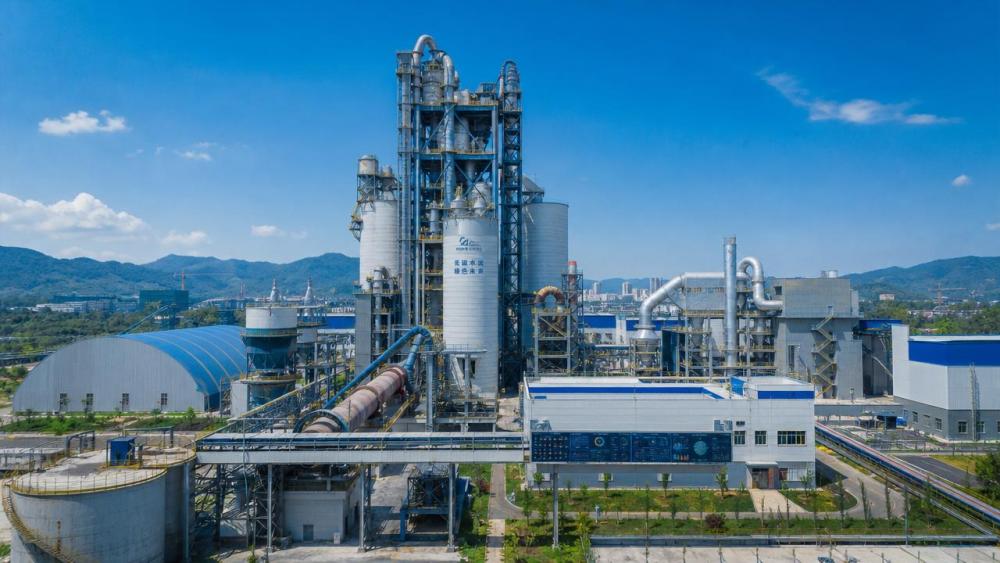
The global cement industry has always been cyclical, but 2026 stands out because multiple pressure points are now converging at plant level. Carbon policies are tightening in key regions. Fuel and electricity costs remain unstable. Infrastructure demand is recovering unevenly across markets. At the same time, buyers expect more from every clinker line, grinding unit, and emissions system.
For decision-makers, the core issue is no longer whether change is coming. The real question is how to prioritize investment under uncertainty. A plant may need lower thermal consumption, alternative fuel flexibility, better kiln reliability, stronger dust control, and digital visibility at once. Capital allocation therefore requires a more integrated view of process engineering, compliance, and commercial risk.
This is where a specialized intelligence perspective matters. CF-Elite tracks large-scale silicate production lines, industrial kilns, refractory systems, incineration integration, and thermal management trends. That cross-sector view helps executives understand not only what is happening in the global cement industry, but also why adjacent thermal industries are influencing cement plant technology choices.
- Decarbonization is moving from corporate narrative to measurable operating target.
- Fuel flexibility is becoming a resilience strategy, not just a cost-saving option.
- Digital plant intelligence is shifting from pilot stage to decision-critical infrastructure.
- Procurement cycles are becoming more technical because equipment must meet both process and compliance requirements.
What strategic forces are reshaping the global cement industry?
Decarbonization is changing plant economics
The global cement industry is under direct pressure to reduce CO2 intensity, especially in clinker production. That changes investment logic across preheaters, calciners, burners, waste heat systems, alternative fuel handling, and grinding optimization. In many markets, future competitiveness will depend on how fast a producer can reduce emissions per ton without undermining line stability.
Energy volatility is now a board-level issue
Energy cost swings can erase margin even when demand remains acceptable. Cement producers are therefore reviewing kiln thermal efficiency, power consumption in grinding, refractory campaign life, and waste-derived fuel substitution. Plants that once optimized only for output are now optimizing for output per unit of thermal and electrical risk.
Demand is becoming more regional and more selective
Not every market is building the same way. Some regions are driven by transport and public infrastructure. Others are tied to industrial parks, renewable energy facilities, housing recovery, or urban renewal. This means the global cement industry must respond with flexible supply strategies rather than relying on a single expansion model.
Digitalization is moving into the core process
Plant data is no longer just for reporting. It now supports combustion tuning, maintenance planning, refractory condition monitoring, clinker quality control, and environmental performance tracking. In high-temperature industries, including cement, glass, and incineration, digital twins and online monitoring are increasingly used to reduce unplanned downtime and improve heat balance decisions.
The table below summarizes how major pressures are affecting the global cement industry in 2026 and what they mean for plant-level decisions.
A key takeaway is that the global cement industry is not being reshaped by one factor alone. Companies that isolate carbon, cost, or demand into separate teams often react too slowly. Integrated decision frameworks are becoming a competitive advantage.
Which plant technologies deserve priority investment?
Kiln and calciner upgrades
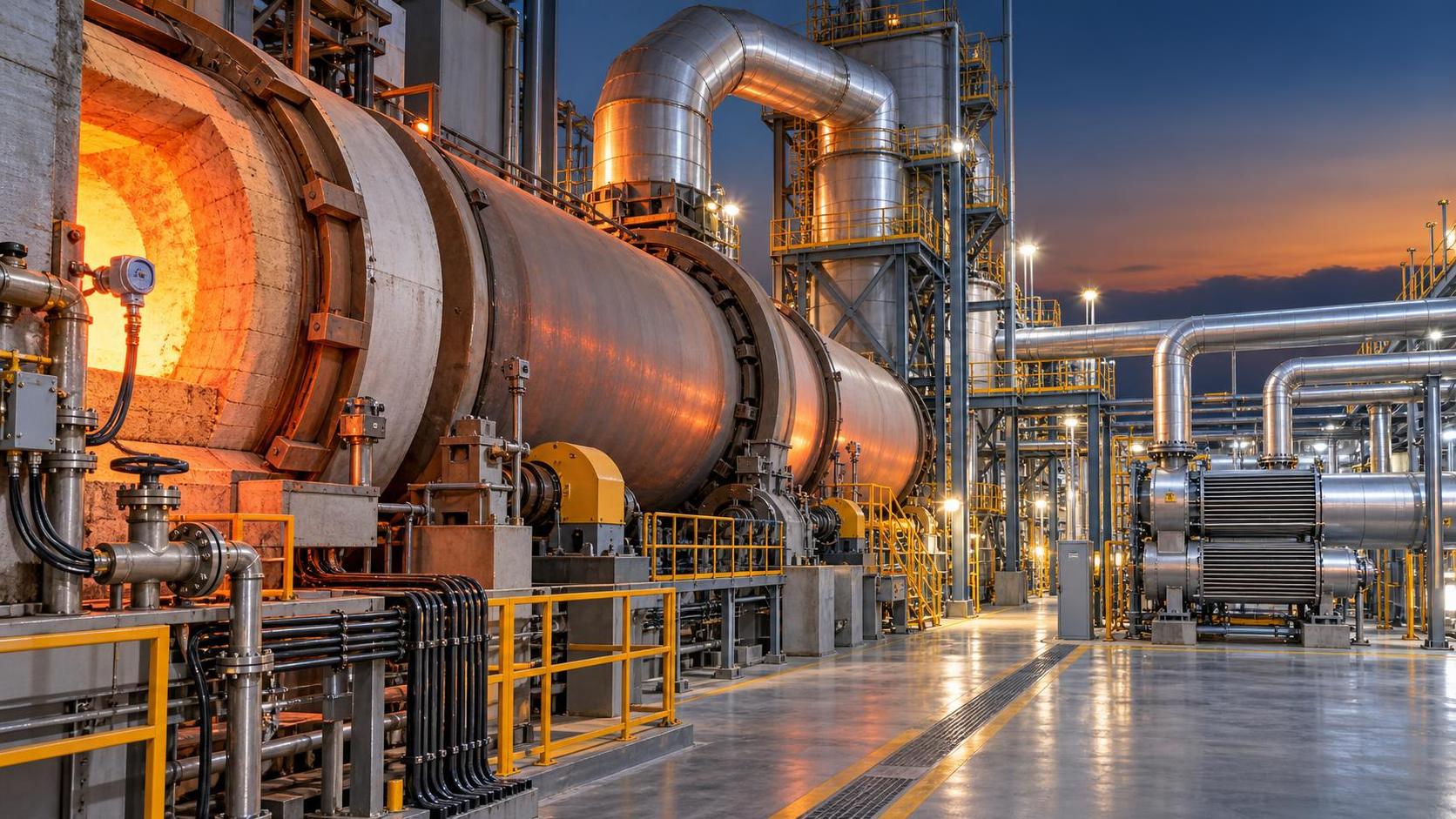
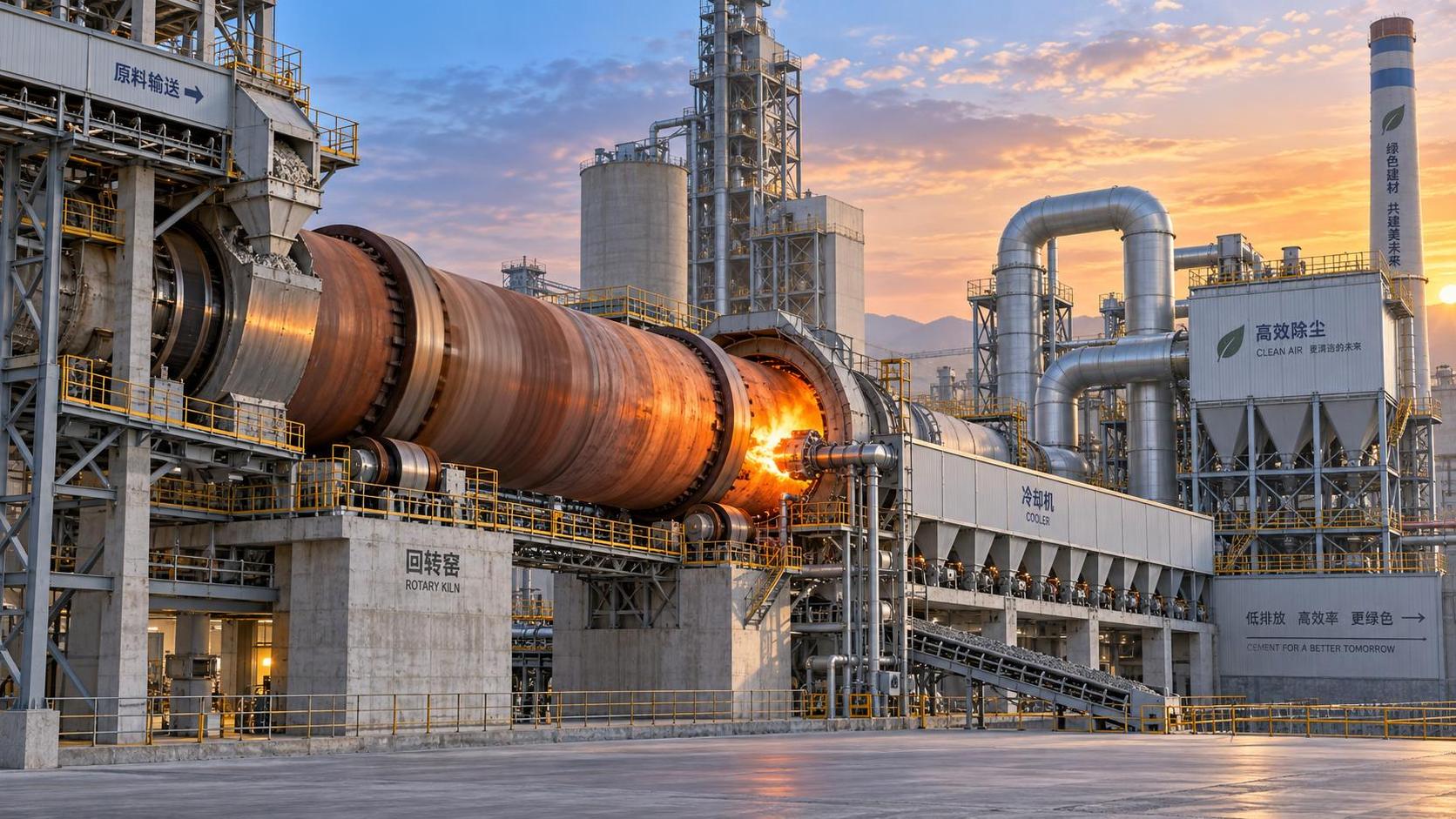
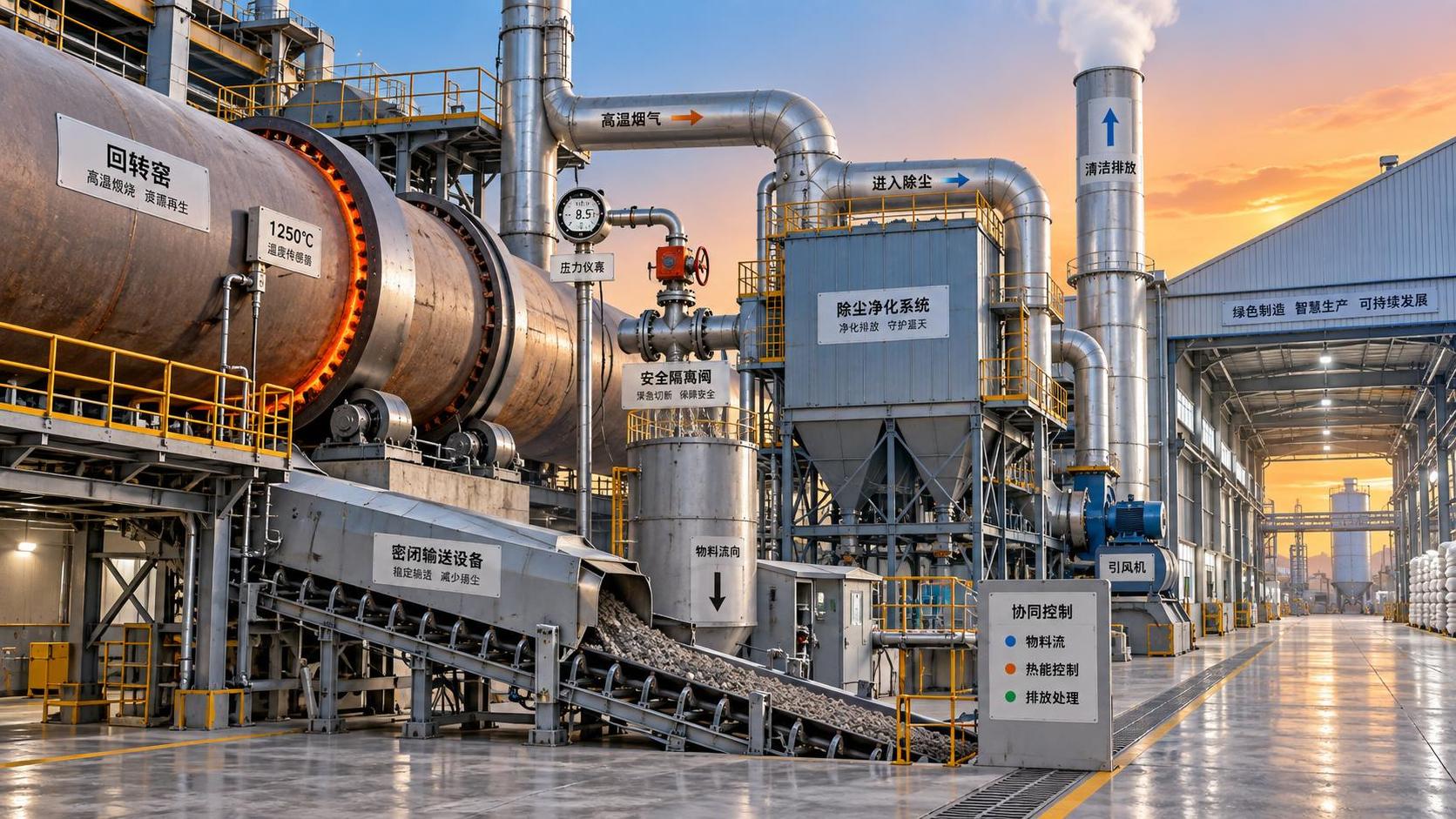
For many producers, the kiln system remains the largest lever for both emissions and fuel cost performance. Burner optimization, calciner redesign, improved air flow control, and better raw meal consistency can produce meaningful gains. The right investment depends on whether the plant faces a fuel problem, a throughput problem, a dust problem, or a compliance problem.
Alternative fuel and co-processing systems
In the global cement industry, co-processing is gaining importance because it links waste management, fuel substitution, and carbon strategy. But the engineering is not trivial. Feeding stability, combustion conditions, chlorine cycles, refractory wear, and emissions control all have to be considered together. Lessons from industrial incineration can be highly relevant here, which is one reason cross-domain intelligence from CF-Elite is useful.
Refractory monitoring and thermal barrier management
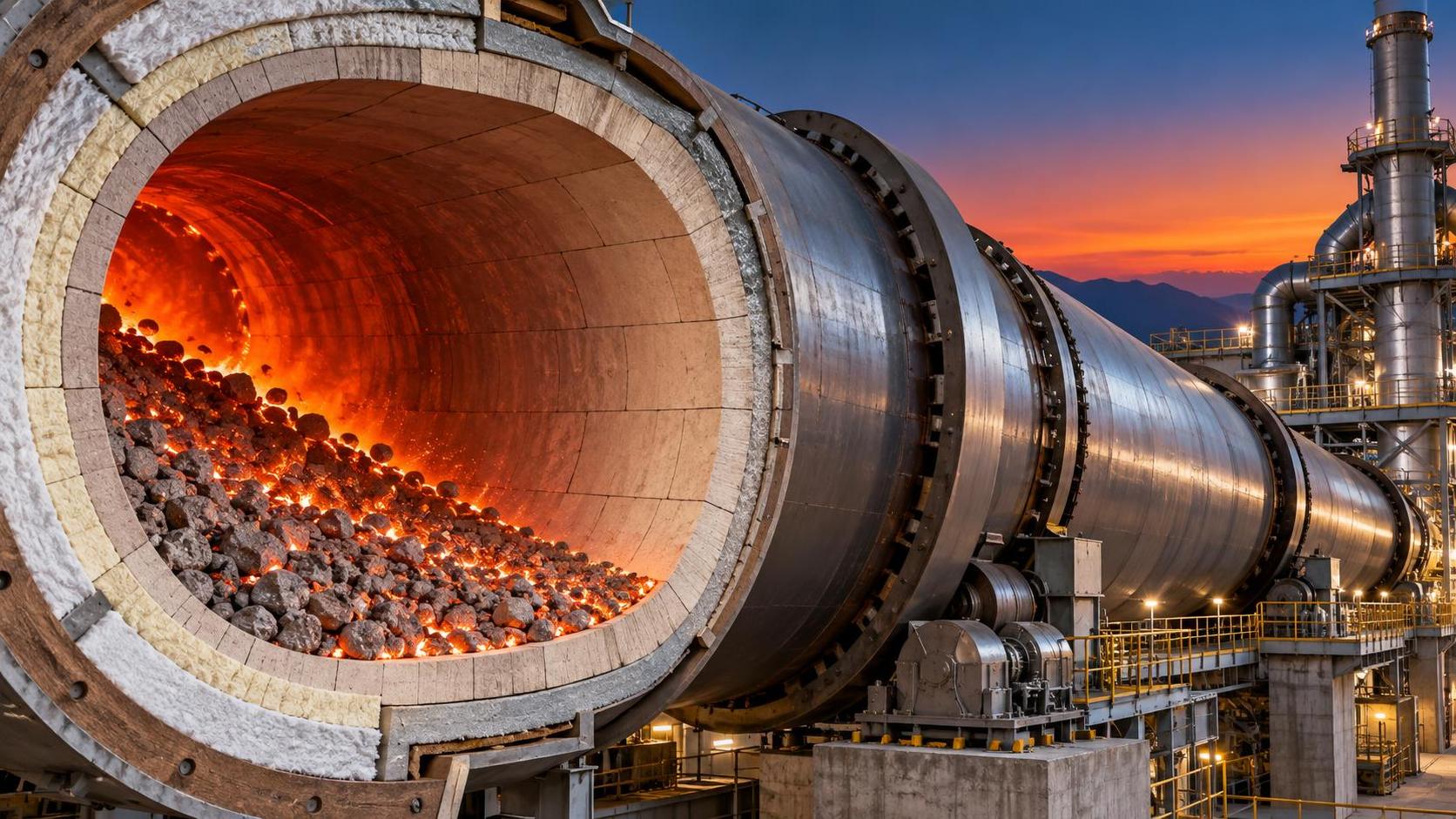
Refractory life affects uptime, heat retention, safety, and maintenance planning. In high-temperature operations, a weak thermal barrier can quietly increase energy use long before visible failure appears. Online monitoring and campaign analysis can help plants avoid both premature replacement and costly emergency shutdowns.
Grinding and finishing optimization
Not every decarbonization gain comes from the burning zone. Grinding circuits, separator efficiency, product blending strategy, and material handling also matter. In markets where clinker reduction is commercially viable, the finishing stage may become a major area of strategic value creation.
- If your plant struggles with rising fuel cost, focus first on thermal balance and fuel substitution readiness.
- If outages are the major cost driver, refractory condition tracking and predictive maintenance may deliver faster returns.
- If regulation is tightening, invest early in emissions visibility and process stability rather than waiting for a compliance deadline.
How should executives compare retrofit, expansion, and wait-and-see strategies?
One of the hardest questions in the global cement industry is whether to retrofit existing assets, expand capacity, or preserve cash and delay investment. The answer depends on asset age, demand visibility, energy exposure, emissions pressure, and the local policy environment. A structured comparison helps avoid decisions driven only by short-term market noise.
The following comparison table is useful for leadership teams weighing major capital choices in the global cement industry.
In practice, many successful companies choose phased modernization. It allows them to address fuel, emissions, and reliability in sequence while preserving optionality for future demand shifts. The global cement industry in 2026 rewards disciplined timing more than aggressive expansion without technical clarity.
What should buyers examine before selecting equipment or solution partners?
Start with the operating bottleneck, not the vendor brochure
A common procurement error in the global cement industry is buying a technology category before defining the exact plant constraint. A line with unstable alternative fuel combustion needs a different solution path than a line with high pressure drop, refractory failure, or separator inefficiency. The technical starting point should be diagnosis.
Check integration complexity early
Equipment performance on paper can look attractive, but integration with an existing kiln line, control system, emissions setup, and maintenance routine often determines actual value. Decision-makers should ask how installation affects shutdown duration, operator training, spare parts planning, and future digital connectivity.
Assess lifecycle cost, not just purchase price
Budget pressure is real, yet the cheapest option can become the most expensive if it raises energy use, maintenance frequency, or compliance risk. In heavy thermal industries, total cost often includes downtime exposure, refractory consumption, wear part replacement, control tuning, and emissions performance stability.
- Define the target metric: lower specific heat consumption, higher substitution rate, lower dust load, longer campaign life, or better throughput stability.
- Map current process constraints using plant data, maintenance records, and operator feedback.
- Compare solution paths by integration risk, outage impact, operating complexity, and lifecycle economics.
- Align the final decision with compliance timing, financing limits, and commercial demand forecasts.
How do standards, compliance, and carbon expectations affect the global cement industry?
Compliance in the global cement industry is broadening. It is not limited to one stack emission number or one annual report. It increasingly includes environmental performance, process documentation, dust management, fuel handling discipline, and evidence of continuous improvement. For multinational operators, the challenge grows because different markets move at different speeds.
Decision-makers should not assume that a line designed for one region will automatically satisfy future expectations elsewhere. General reference points may include environmental permitting frameworks, emissions monitoring requirements, occupational safety practices, and recognized management system approaches such as ISO-oriented process governance. The exact standards vary, but the direction is clear: more transparency, more data, and less tolerance for unstable operation.
- Dust and particulate control remain a visible compliance issue for cement production plants.
- Alternative fuel use requires stronger controls around feed consistency, storage, combustion, and emissions response.
- Digital monitoring improves not only efficiency but also audit readiness and management accountability.
CF-Elite’s strength lies in connecting process variables with regulatory direction. Because the platform follows cement production, industrial incineration, refractory performance, and broader thermal management, it can help decision-makers interpret compliance not as a separate burden but as a design condition for future-ready operations.
What mistakes do companies still make in the global cement industry?
Mistake 1: Treating decarbonization as only a reporting exercise
If carbon strategy is detached from kiln operation, fuel strategy, and product portfolio, the plant will struggle to translate ambition into cost-effective results. Decarbonization in the global cement industry is operational before it is reputational.
Mistake 2: Overlooking thermal barriers and refractory economics
Many plants focus on main equipment while underestimating the impact of refractory degradation on heat loss and shutdown risk. In high-temperature sectors, thermal barrier performance is a strategic asset, not a minor maintenance line item.
Mistake 3: Buying digital tools without process ownership
Dashboards alone do not improve performance. Plants need clear responsibility for data interpretation, intervention thresholds, and operating follow-up. Otherwise digital systems become passive screens instead of management tools.
Mistake 4: Using short-term market recovery to justify weak project design
A temporary demand rebound can hide structural inefficiency. Stronger plants use recovery periods to modernize intelligently, not simply to push aging assets harder.
FAQ: what are decision-makers asking about the global cement industry in 2026?
How should a company prioritize decarbonization projects?
Start with the measures that improve both carbon and operating economics. These often include kiln heat efficiency, stable combustion, selective alternative fuel integration, grinding optimization, and reduced unplanned downtime. Projects with compliance value but weak operating logic should be tested carefully against plant realities.
Is alternative fuel always the right answer for the global cement industry?
Not always. Alternative fuel can support cost and carbon goals, but it depends on feed quality, logistics, calciner design, burner performance, emissions constraints, and refractory tolerance. A poor-quality substitution program can create instability that offsets expected gains.
What is the biggest procurement risk in 2026?
The biggest risk is misalignment between the purchased solution and the real plant bottleneck. The second risk is underestimating integration complexity. In the global cement industry, value is created when equipment, process chemistry, thermal balance, and operational discipline work together.
Why does cross-industry intelligence matter for cement leaders?
Because many useful lessons come from adjacent high-temperature sectors. Industrial incineration informs co-processing logic. Refractory manufacturing knowledge improves thermal barrier decisions. Digital simulation methods used in glass and other thermal industries can inspire better process monitoring in cement plants.
Why choose us for insight on the global cement industry?
CF-Elite is built for decision-makers who need more than headlines. Our focus on cement production plants, industrial kilns and incineration, refractory production lines, glass manufacturing systems, and new building material extrusion allows us to interpret the global cement industry through the wider lens of thermal management, process chemistry, and industrial decarbonization.
If your team is evaluating plant upgrades, market entry timing, alternative fuel pathways, refractory monitoring priorities, or digital intelligence architecture, we can help you frame the right questions before capital is committed. That includes support around parameter confirmation, solution comparison, retrofit direction, delivery-cycle considerations, compliance-related information needs, and commercial insight for long-cycle heavy equipment decisions.
Contact us if you want a more structured view of the global cement industry in 2026, especially when your next decision involves equipment selection, process optimization priorities, carbon-related planning, or a customized intelligence roadmap for high-temperature industrial operations.
Related News
 Optical Glass Tech FellowSilicate Process Automation: Improving Batch Consistency and Energy ControlSilicate process automation improves batch consistency, energy control, traceability, and operator confidence across high-temperature manufacturing operations.Sep 22, 2026
 Optical Glass Tech FellowHow Silicate Industrial Processes Control Viscosity, Energy Use, and Product QualitySilicate industrial processes: learn how viscosity, chemistry, heat transfer, and atmosphere control reduce energy use, improve stability, and protect product quality.Sep 21, 2026
 Thermal Energy ArchitectHow European Plants Can Evaluate Energy Recovery Equipment for High-Temperature ProcessesIndustrial energy recovery equipment Europe: learn how high-temperature plants can assess waste-heat sources, integration risks, lifecycle value, and reliable recovery routes.Sep 20, 2026
 Thermal Energy ArchitectIndustrial Furnace Process Optimization: Reducing Fuel Use Without Sacrificing ThroughputIndustrial process optimization furnace strategies that cut fuel use while protecting throughput. Explore combustion control, heat recovery, refractory performance, and data-driven efficiency gains.Sep 19, 2026
 Ms. Elena RodriguezWhat Drives High-Pressure Extrusion Equipment Cost in Industrial Projects?High pressure extrusion equipment cost explained: compare pressure, die design, automation, wear, energy, and installation factors for smarter industrial investments.Sep 18, 2026
 Thermal Energy ArchitectHow to Size a Waste Heat Recovery Exchanger for High-Temperature Kiln Exhaust?Waste heat recovery exchanger sizing for high-temperature kiln exhaust: balance recoverable duty, fouling, corrosion limits, pressure drop, and reliable heat use.Sep 17, 2026
 Thermal Energy ArchitectWhy Heat-Resistant Materials Lose Abrasion Resistance at High TemperaturesHeat-resistant materials abrasion resistance can decline at high temperatures. Discover the thermal, chemical, and mechanical causes of wear—and how to choose longer-lasting linings.Sep 16, 2026
 Thermal Energy ArchitectHow to Evaluate a Thermal Energy Optimization Company for High-Temperature PlantsChoose a thermal energy optimization company with proven process expertise, measurable savings, and reliable delivery for high-temperature plants. Learn what to assess.Sep 15, 2026
 Thermal Energy ArchitectRotary Kiln Efficiency: How Feed Rate, Fuel Use, and Heat Loss Affect OutputRotary kiln efficiency explained: discover how feed rate, fuel use, heat loss, combustion, and cooling performance shape output, quality, and energy costs.Sep 14, 2026
 Thermal Energy ArchitectHow to Select Heat-Resistant Materials That Maintain Abrasion Resistance in KilnsHeat-resistant materials abrasion resistance: learn how to select kiln linings that withstand heat, wear, thermal cycling, and chemical attack for longer service life.Sep 13, 2026
 Thermal Energy ArchitectHow Rotary Kiln Automation Improves Temperature Control and Fuel EfficiencyRotary kiln technology automation enhances temperature control, stabilizes combustion, and improves fuel efficiency with smarter data, predictive control, and safer operations.Sep 12, 2026
 Silicate Process EngineerCement Plant Emission Control: Selecting Systems for Dust, NOx, and SO2 LimitsCement plant emission control guide: compare dust collectors, NOx reduction, and SO2 systems for reliable compliance across kiln modes, fuel changes, and operating upsets.Sep 11, 2026
 Thermal Energy ArchitectSelecting Abrasion-Resistant High-Temperature Materials for Kiln and Conveyor Wear ZonesHigh-temp material engineering guide to abrasion-resistant kiln and conveyor solutions—match wear, heat, chemistry, and installation design for longer service life.Sep 10, 2026
 Dr. Alistair VaughnIndustrial Process Engineering: How to Map Processes for Safer, More Efficient PlantsIndustrial process engineering reveals bottlenecks, safety risks, and energy losses through practical process mapping for safer, more efficient plants.Sep 09, 2026
 Optical Glass Tech FellowHow to Evaluate a Glass Annealing Equipment Manufacturer for Production StabilityChoose a glass annealing equipment manufacturer with proven thermal uniformity, reliable controls, lifecycle value, and responsive service for stable production.Sep 08, 2026
 Prof. Marcus ChenThermal Energy Architecture in North America: Strategies for Lower Building Energy UseThermal energy architecture North America helps project leaders cut building energy use through stronger envelopes, right-sized HVAC, storage, and smart commissioning.Sep 07, 2026
 Ms. Elena RodriguezHow Should Buyers Evaluate Building Material Industry Intelligence Pricing?Building material industry intelligence pricing: learn how to compare coverage, technical depth, and ROI to choose intelligence that reduces procurement risk.Sep 07, 2026
 Ms. Elena RodriguezHow to Use Building Material Intelligence Data for Market and Investment DecisionsBuilding material industry intelligence data helps leaders evaluate demand, costs, regulation, capacity, and technology to make smarter market and investment decisions.Sep 05, 2026
 Thermal Energy ArchitectHow PLC Control Improves Energy Efficiency and Temperature Stability in KilnsEnergy efficient kilns PLC control improves temperature stability, cuts fuel waste, and optimizes combustion, draft, and material flow. Explore proven strategies for smarter kiln modernization.Sep 04, 2026
 Optical Glass Tech FellowEuropean Glass Melting Processes: Furnace Choices, Energy Use, and Quality ControlGlass melting process Europe: explore furnace choices, energy efficiency, cullet strategy, and quality control to improve output, compliance, and long-term glass performance.Sep 03, 2026



Related News
- 00
0000-00
Thermal Energy Architecture in North America: Strategies for Lower Building Energy Use - 00
0000-00
How to Evaluate a Green Material Production Line for Energy Use, Output, and Product Quality - 00
0000-00
Silicate Technology Trends: What New Process Upgrades Matter for Refractory and Cement Plants? - 00
0000-00
Thermal Engineering Optimization: Which Process Parameters Most Affect Energy Use? - 00
0000-00
Material Extrusion Technology in Europe: Which Materials and Production Goals Fit Best?
Weekly Insights
Stay ahead with our curated technology reports delivered every Monday.