
The Hidden Tradeoffs Behind Fast-Moving Material Science Innovations




Fast breakthroughs often dominate headlines, but the real story of material science innovations lies in the hidden tradeoffs behind speed, scale, energy use, and long-term reliability. For information researchers tracking industrial transformation, this article explores how high-temperature processes, advanced equipment, and carbon reduction goals interact across cement, glass, kilns, refractories, and extrusion systems—revealing why smarter decisions depend on deeper technical and market intelligence.
Why do fast material science innovations create hidden industrial tradeoffs?
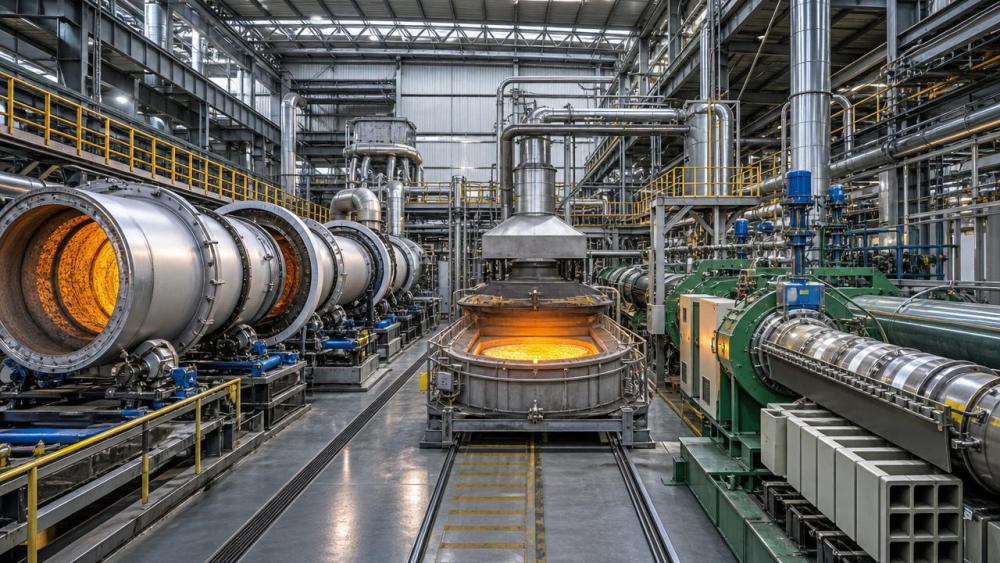
In heavy-process industries, speed is rarely a neutral advantage. Many material science innovations move quickly from laboratory validation to pilot deployment because the market rewards energy savings, lower emissions, and higher throughput. Yet in cement plants, glass lines, industrial kilns, refractory systems, and extrusion equipment, every accelerated upgrade can shift risk from one part of the process to another.
For researchers and procurement teams, the challenge is not only identifying what is new. It is understanding what a new material, process, or thermal-control method changes in fuel demand, wear rate, maintenance intervals, product consistency, and compliance exposure. A lower-temperature binder may reduce CO2 intensity, for example, but it may also alter setting behavior, kiln atmosphere sensitivity, or storage stability.
This is where cross-disciplinary intelligence matters. CF-Elite focuses on the industrial reality behind material science innovations by connecting ultra-high-temperature parameters, reaction kinetics, equipment behavior, and decarbonization strategy. For information researchers, that means a clearer view of whether a promising innovation is scalable, compatible, and economically durable.
- A chemistry improvement can increase sensitivity to raw material variation.
- An energy-efficiency gain can require tighter control logic and more advanced sensors.
- A carbon-reduction pathway can increase refractory stress or maintenance complexity.
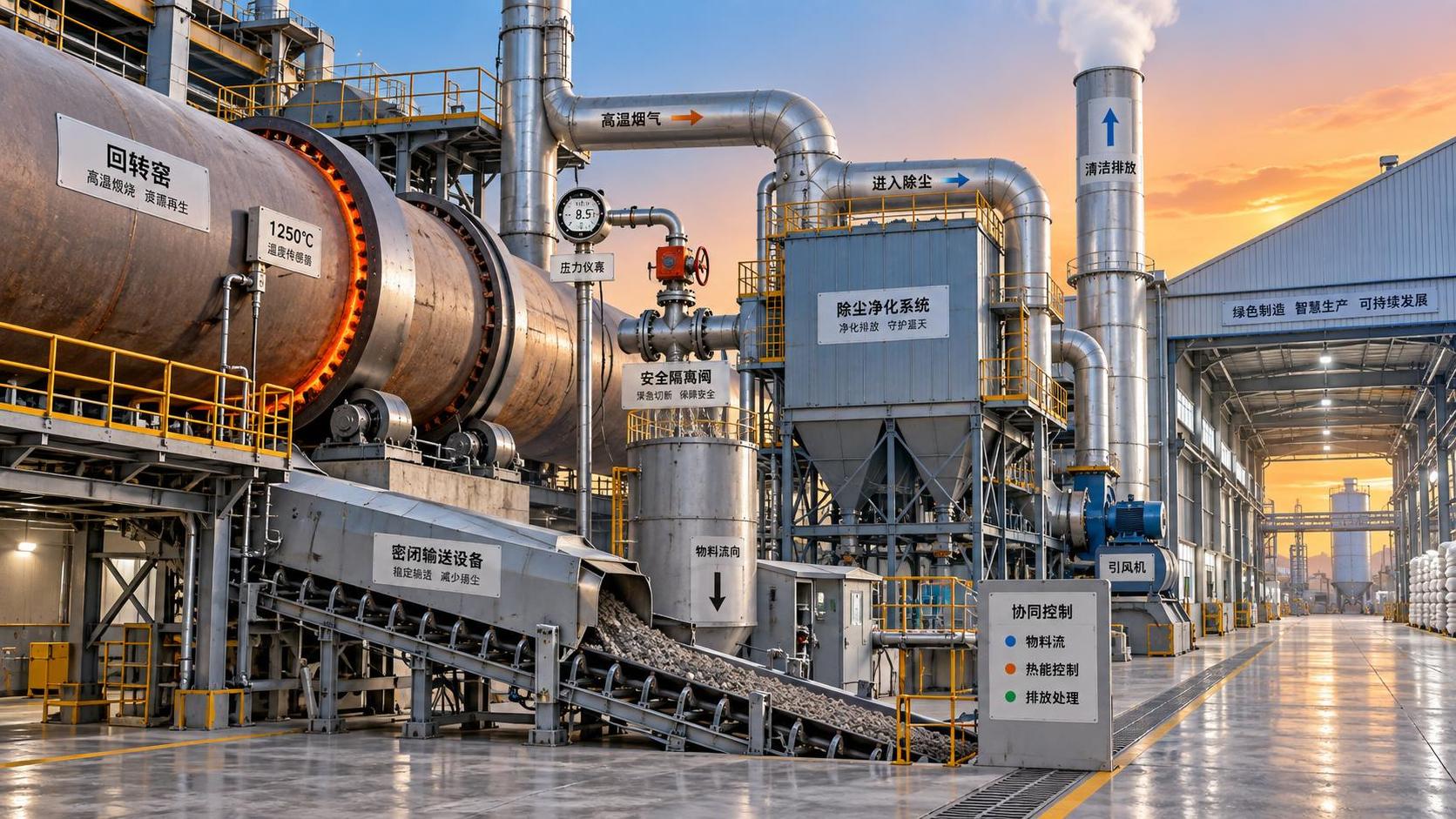
- A throughput upgrade can create downstream bottlenecks in cooling, handling, or dust collection.
Where do these tradeoffs appear across cement, glass, kilns, refractories, and extrusion?
The impact of material science innovations is sector-specific. The same innovation logic—higher efficiency, lower emissions, smarter control—produces different operational consequences depending on heat profile, raw feed variability, residence time, and product tolerance. Researchers need an application view rather than a generic innovation narrative.
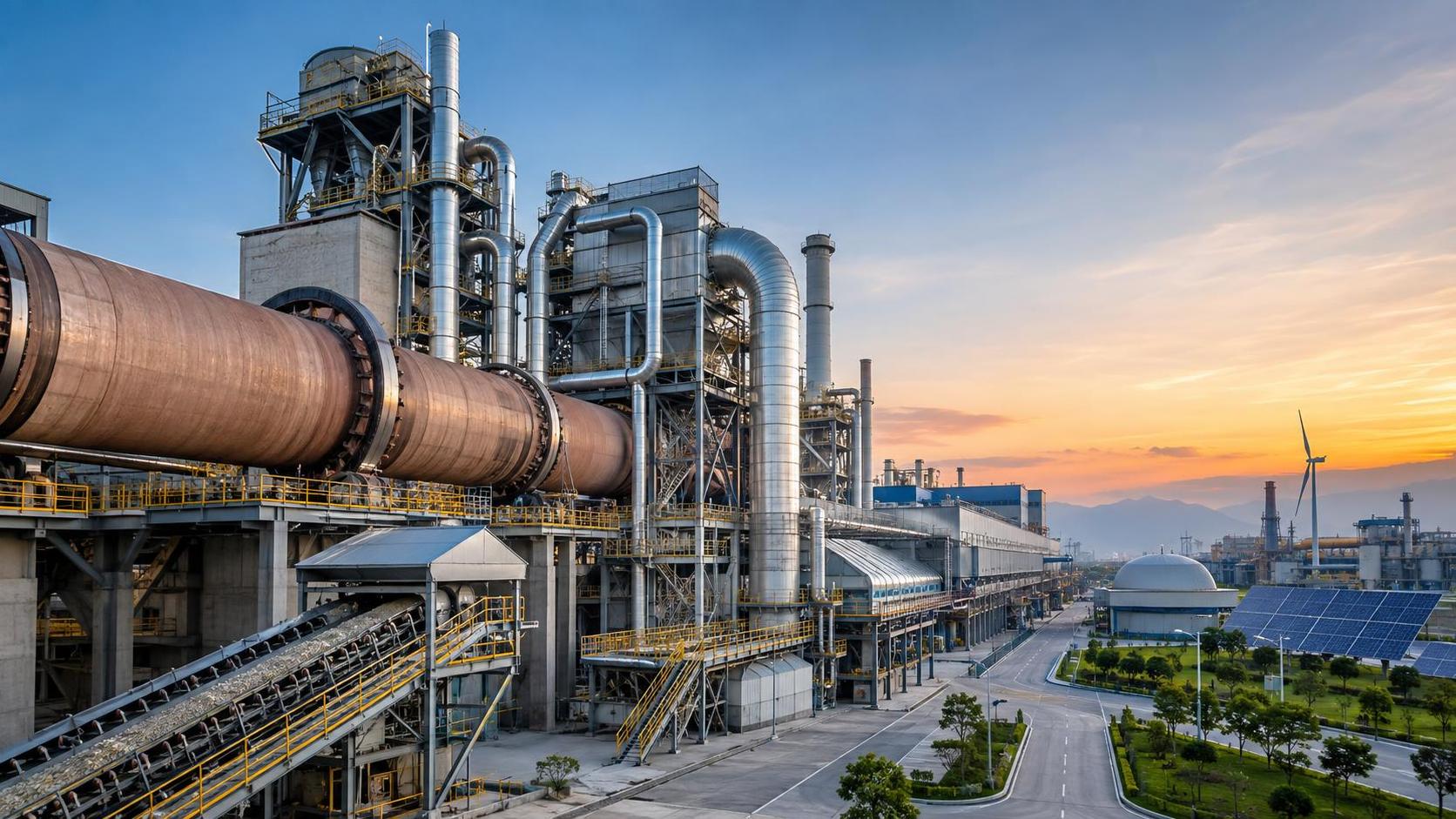
Cement production plants
In cement, innovation usually targets clinker factor reduction, alternative fuels, grinding efficiency, and emissions control. The hidden tradeoff is process stability. Lower-clinker formulations may improve carbon intensity, but they often demand more precise blending, tighter moisture control, and stronger quality assurance to maintain strength development and durability.
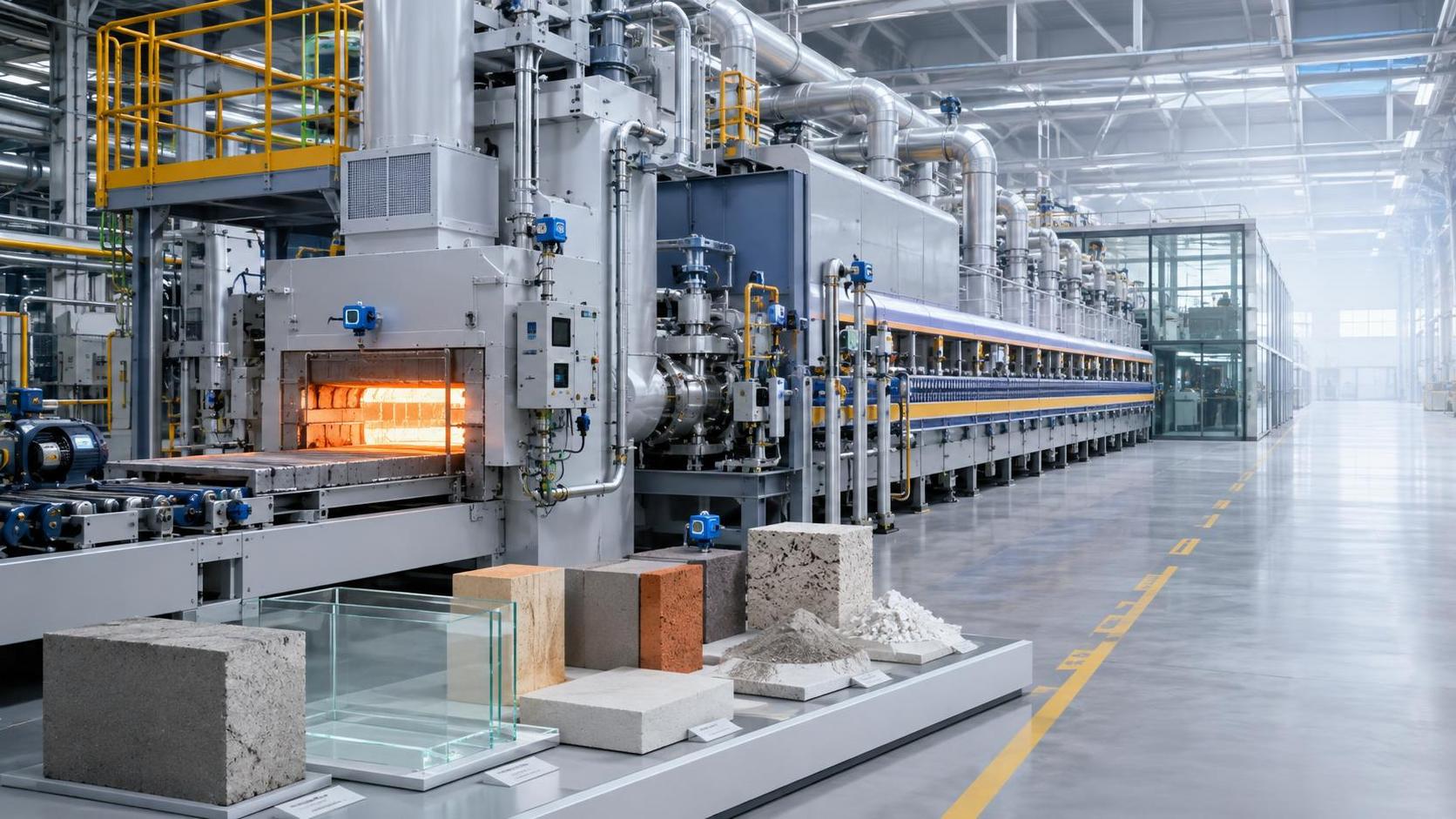
Glass manufacturing gear
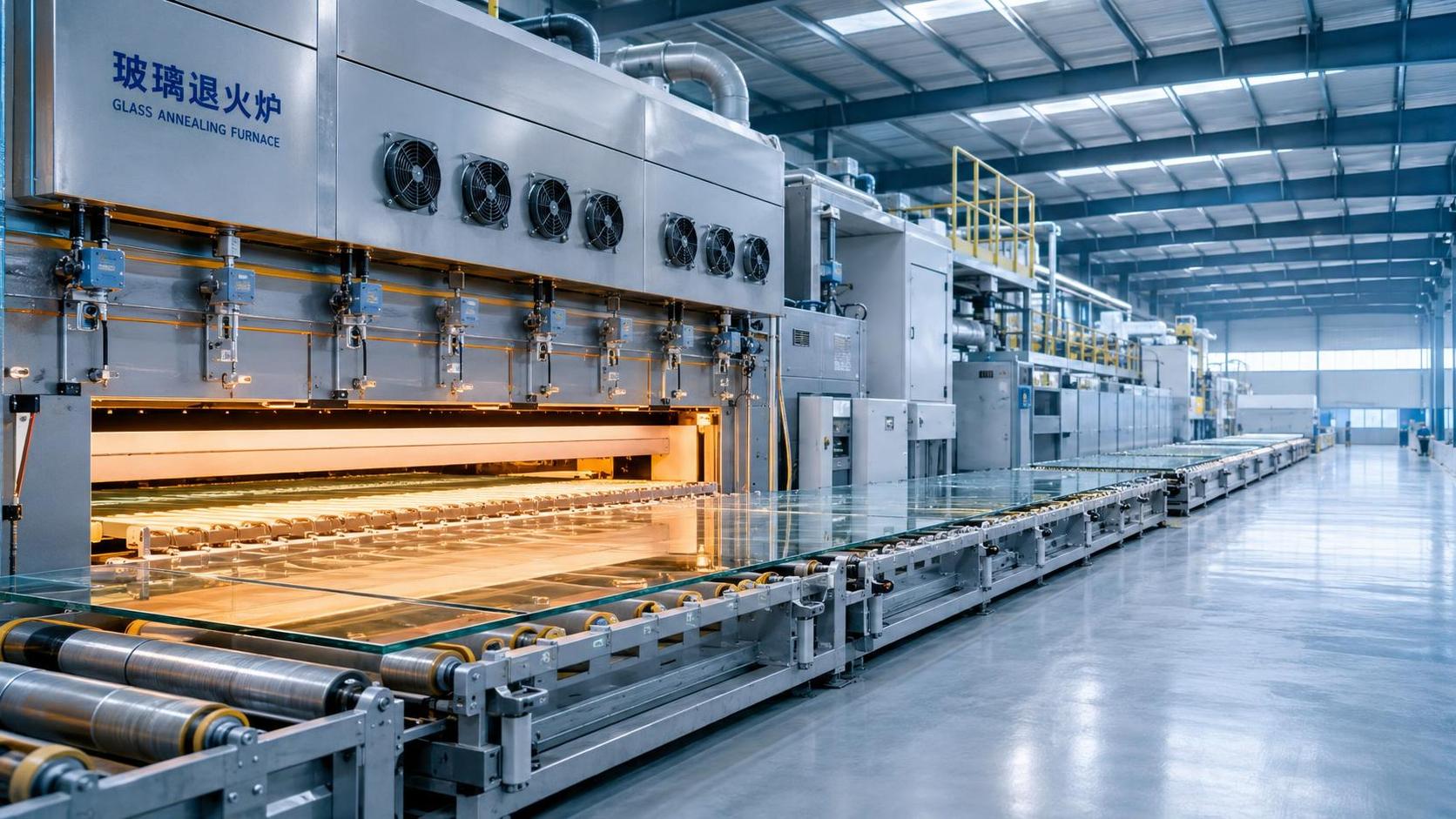
In glass, new melting approaches, furnace designs, and batch formulations can reduce energy intensity or improve precision. However, glass lines are highly sensitive to thermal uniformity. A promising furnace optimization may save fuel yet increase defect risks if it changes melt homogeneity, fining performance, or annealing balance.
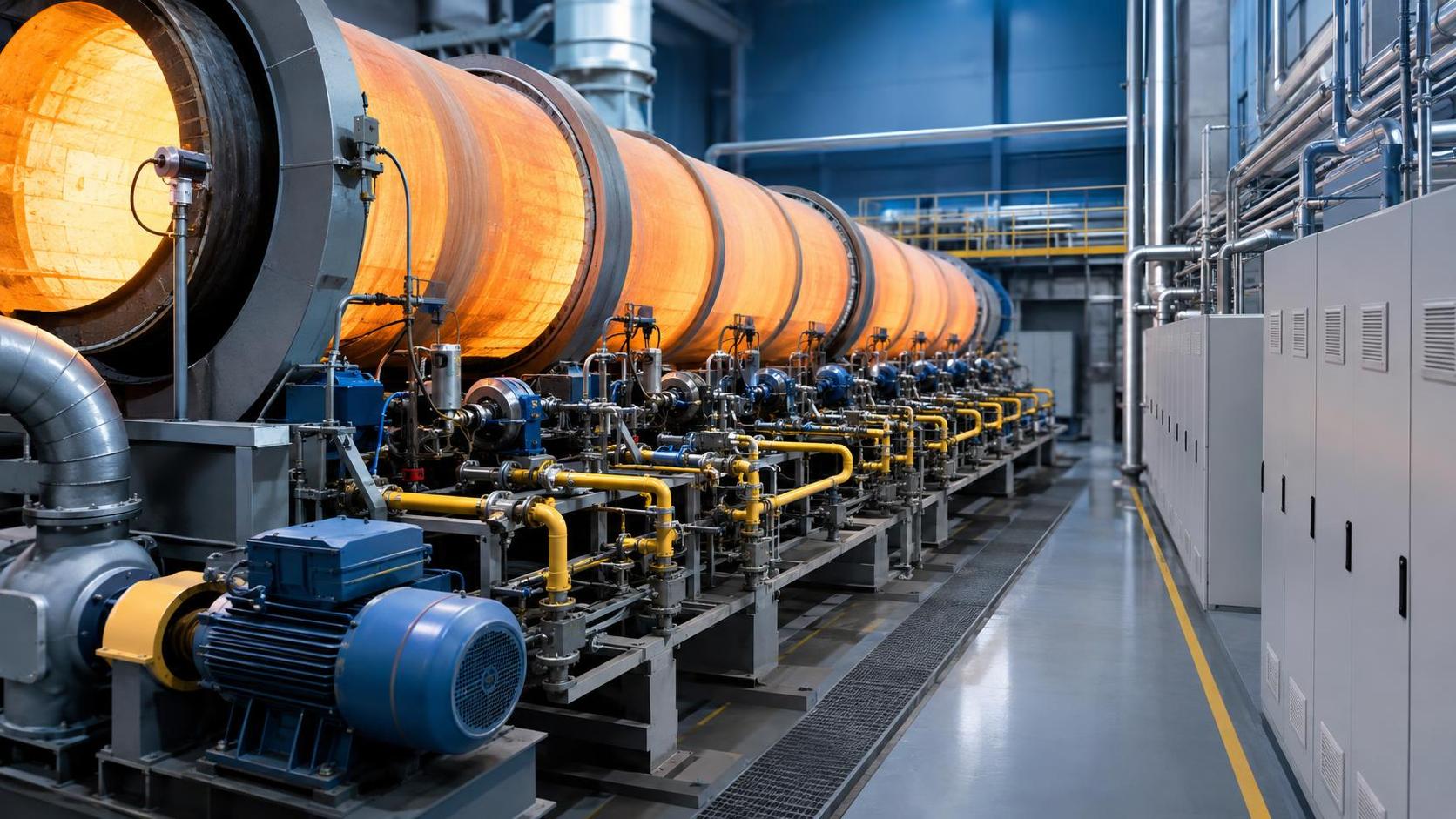
Industrial kilns and incineration
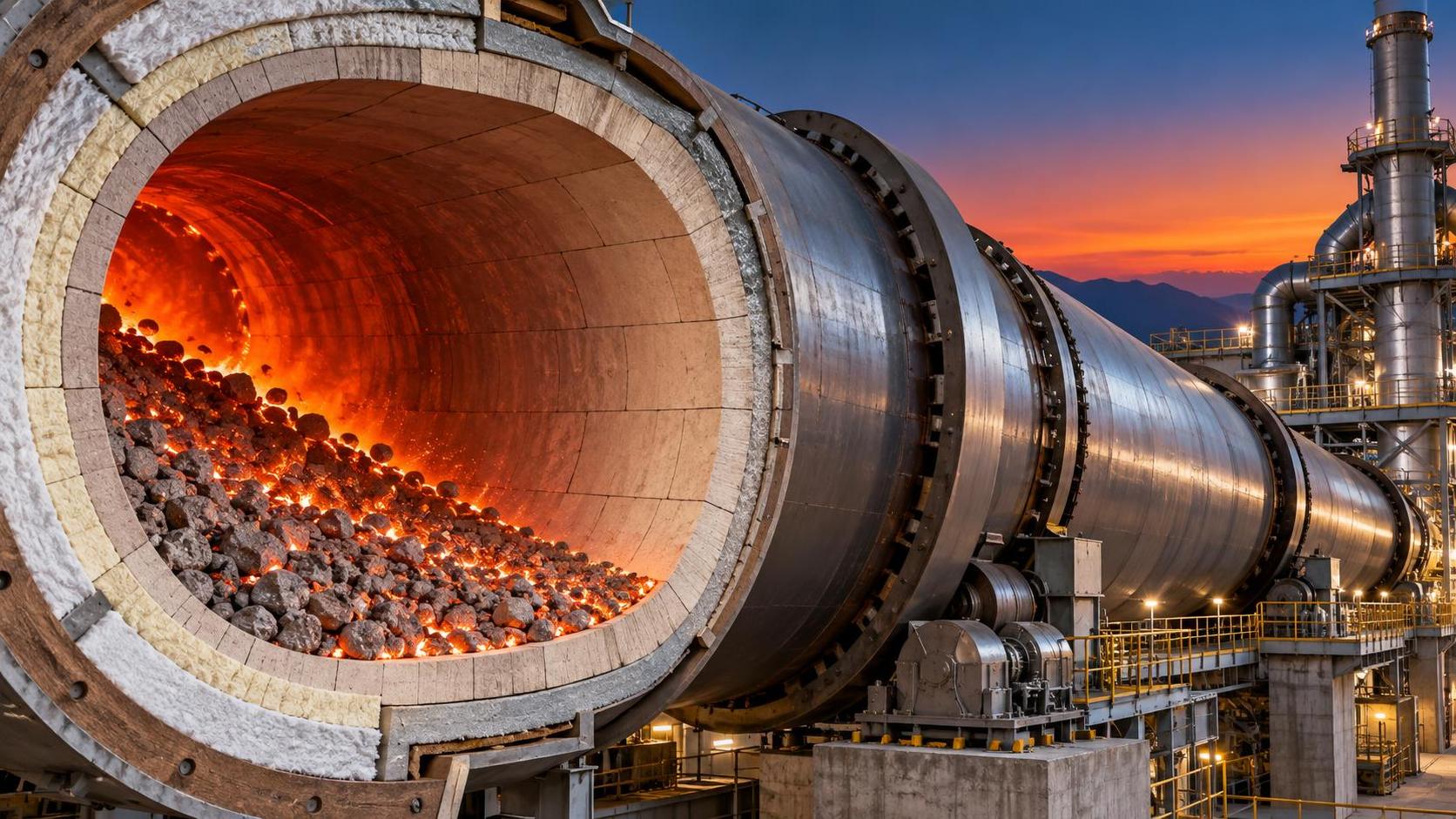
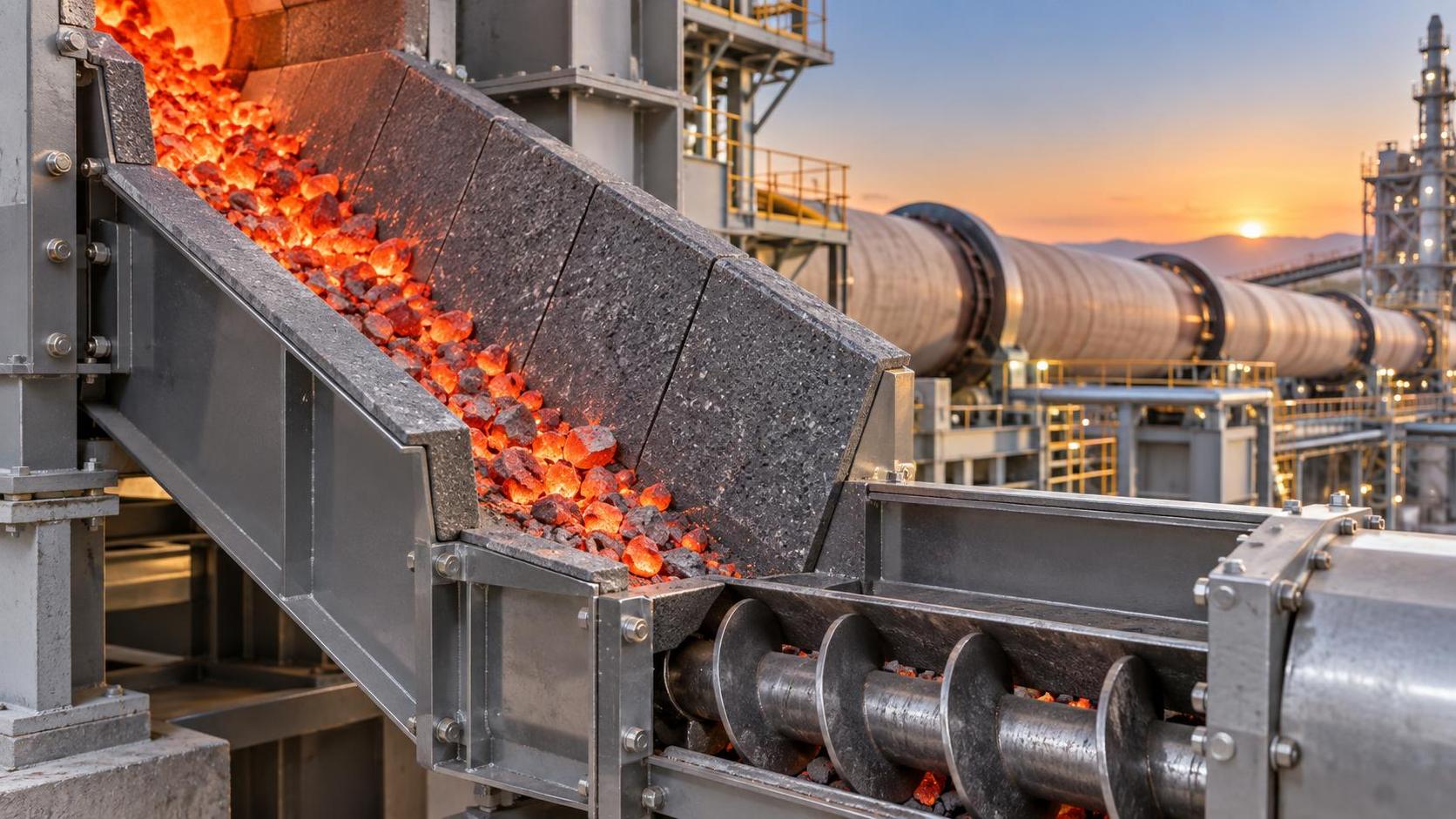
Co-processing and waste-to-energy solutions are central material science innovations in rotary kilns and incineration systems. The tradeoff often lies in feed variability. Alternative waste streams may support circularity goals, but they can complicate combustion control, ash behavior, corrosion patterns, and stack emissions management.
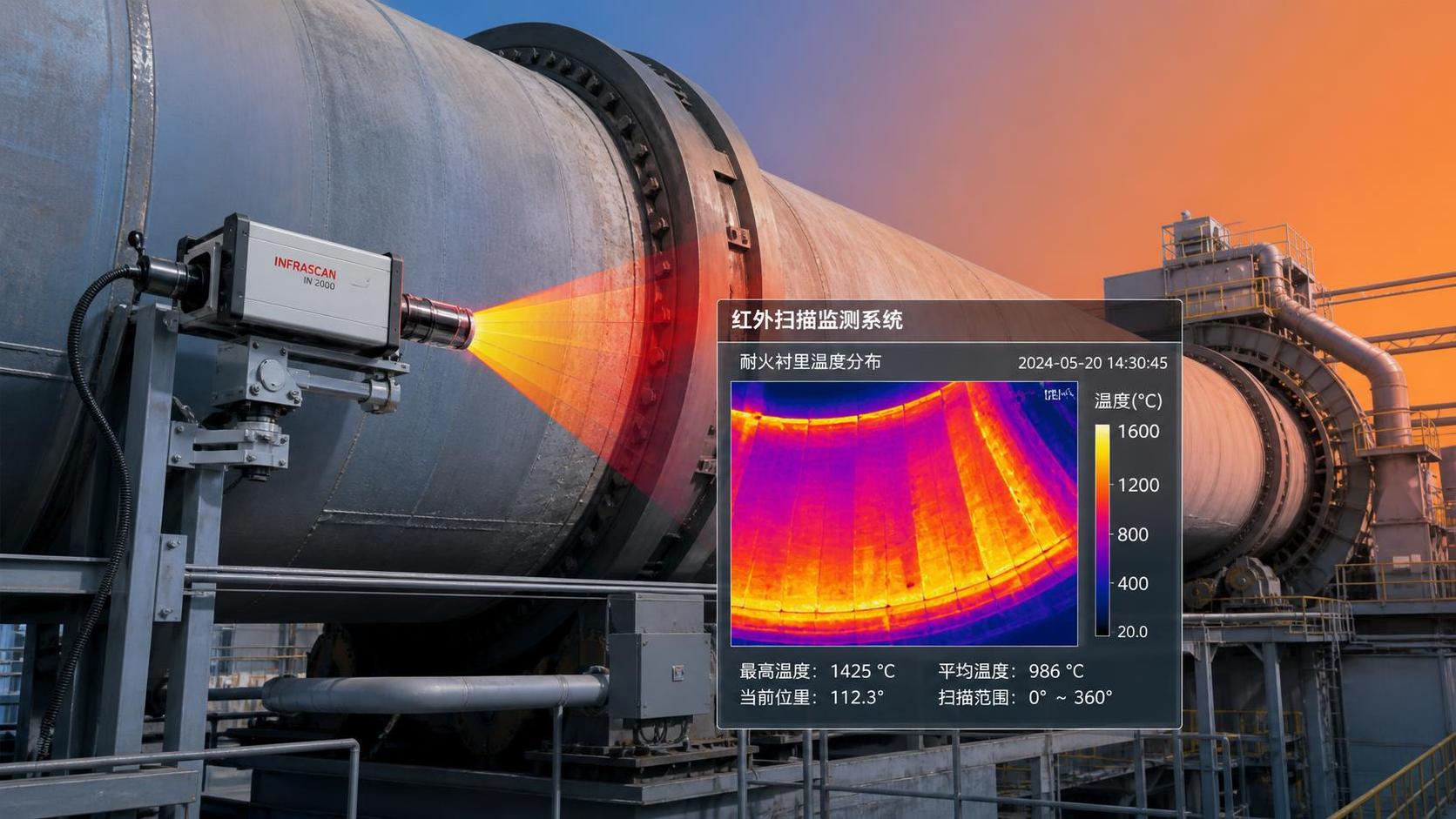
Refractory production and lining systems
Advanced refractories promise longer service life, improved insulation, and lower heat loss. But selection errors can be expensive. A material optimized for thermal shock resistance may not perform equally well under chemical attack, abrasion, or cyclic load. Faster innovation does not remove the need for lining design discipline.
New building material extrusion
Extrusion technologies support lightweight and green building materials, yet material science innovations in additives, binders, and pressure-forming methods often affect die wear, density consistency, curing behavior, and dimensional tolerance. Production gains on paper may fail if the line cannot maintain stable rheology.
The table below helps information researchers compare where material science innovations most often generate hidden operational tradeoffs.
A comparison like this prevents a common research mistake: assuming that all material science innovations scale under similar conditions. They do not. The right evaluation framework depends on heat profile, process continuity, feedstock variability, and acceptable quality deviation.
What should researchers examine before treating an innovation as scalable?
Material science innovations often look attractive in pilot summaries because they highlight one performance gain. Industrial deployment, however, depends on system fit. Information researchers should build a screening method that covers technical feasibility, operating economics, retrofit burden, and compliance implications.
A practical screening checklist
- Check the process window. Ask whether the innovation performs only under narrow temperature, pressure, or feed conditions.
- Check compatibility with existing equipment. New materials may require burner changes, kiln sealing upgrades, modified cooling systems, or new instrumentation.
- Check the maintenance impact. Lower energy use is valuable only if refractory life, wear parts, or inspection frequency do not rise sharply.
- Check data availability. Without monitoring of temperature gradients, gas composition, line load, and product quality, performance claims remain incomplete.
- Check regulatory fit. Emissions, waste-handling rules, and product standards can change the business case quickly.
CF-Elite’s intelligence approach is especially useful here because it links process engineering with market and policy signals. That connection matters when researchers need to know not only how a technology works, but whether it remains attractive under changing carbon rules, fuel prices, or urban-renewal demand.
Which technical and commercial indicators matter most in material science innovations?
To compare material science innovations responsibly, researchers need indicators that go beyond headline efficiency. The next table organizes the most decision-relevant metrics for high-temperature and foundation-material industries.
This framework is useful because it aligns technical review with procurement logic. A solution that scores well on heat transfer but poorly on observability and feed compatibility may still be too risky for a continuous production line.
How do cost, carbon goals, and reliability pull decisions in different directions?
One reason material science innovations are difficult to evaluate is that cost, decarbonization, and reliability do not move in perfect alignment. An option with lower fuel use may require higher-capex monitoring. A lower-emission feedstock route may raise downtime risk. A durable refractory system may carry a longer lead time and stricter installation demands.
Typical decision tensions
- Short-term budget vs life-cycle economics: a cheaper initial material can increase inspection frequency, waste rate, or shutdown losses.
- Carbon metrics vs stable output: aggressive emissions reduction can strain mature process recipes if digital control is weak.
- Fast deployment vs safe commissioning: pilot success does not guarantee line-wide repeatability without operator adaptation and process recalibration.
- Innovation appeal vs supply security: some advanced materials depend on specialized sourcing and may face lead-time volatility.
Researchers who understand these tensions can ask better questions during vendor review, plant benchmarking, or market scanning. They can also avoid overvaluing single-metric success, which is one of the most common traps in evaluating material science innovations.
What standards, compliance factors, and risk signals should not be ignored?
In global high-temperature industries, innovation decisions are shaped as much by compliance as by engineering. While specific requirements depend on market and application, common reference areas include environmental emissions control, occupational safety, industrial energy management, product consistency, and waste handling protocols.
Key points for researchers
- Check whether a new process route changes dust, NOx, SOx, VOC, or particulate control obligations.
- Review whether alternative feedstocks or fuels trigger additional documentation, traceability, or residue-management requirements.
- Confirm if product-end standards impose tight limits on dimensional stability, thermal resistance, mechanical strength, or long-term durability.
- Assess the level of operator training and process documentation needed for safe commissioning and repeatable production.
CF-Elite’s role as a strategic intelligence center is valuable because compliance rarely sits in isolation. Regulatory change affects technology adoption speed, distributor positioning, and equipment demand patterns across the broader building-material and thermal-processing market.
FAQ: what do information researchers usually ask about material science innovations?
How can I tell whether a material science innovation is ready for industrial scale?
Look for evidence across multiple dimensions, not one result. A scalable solution should show stable performance under variable feed conditions, realistic thermal loads, practical maintenance routines, and measurable quality consistency. If the case relies only on lab yield or single-site pilot data, the scale risk remains high.
Which sectors feel the strongest hidden tradeoffs first?
Continuous high-temperature operations usually feel them first, especially cement, glass, and rotary kiln applications. These systems have narrow stability windows. Small changes in chemistry, atmosphere, or heat distribution can produce significant effects on output quality, refractory wear, and energy balance.
Are lower-carbon material science innovations always more expensive?
Not always. Some reduce operating cost through fuel savings, waste valorization, or heat-loss reduction. The issue is timing. Upfront engineering, controls integration, or raw-material adaptation may increase initial spending even when long-term economics improve. Researchers should compare total ownership impact, not just acquisition cost.
What is the most common evaluation mistake?
Treating a process innovation as a standalone product improvement. In reality, most material science innovations are system interventions. They affect combustion, lining behavior, dust collection, cooling, digital monitoring, and operator practice at the same time. Ignoring those connections leads to weak forecasts and poor procurement judgment.
Why choose us for deeper research and decision support?
CF-Elite supports information researchers who need more than trend headlines. We focus on the industrial logic behind material science innovations across cement production plants, glass manufacturing gear, industrial kilns and incineration, refractory production lines, and new building material extrusion. Our perspective combines process engineering, thermal management, equipment evolution, and carbon-transition intelligence.
If you are evaluating a technology pathway, supplier direction, or market-entry opportunity, you can consult us on concrete decision points:
- Parameter confirmation for high-temperature process routes, refractory behavior, fuel substitution, and thermal balance assumptions.
- Equipment selection support for kilns, float lines, extrusion systems, online monitoring tools, and related retrofit priorities.
- Delivery-cycle assessment for long-cycle heavy equipment projects, including upgrade sequencing and commissioning risk review.
- Customized intelligence requests covering market fluctuations, regulatory developments, digital twin trends, and co-processing evolution.
- Compliance-oriented discussions on emissions exposure, energy-efficiency direction, and practical decarbonization pathways.
- Commercial insight exchange for quotation benchmarking, distributor positioning, and technical barrier building in industrial equipment trade.
When material science innovations move faster than conventional evaluation methods, better intelligence becomes a competitive tool. CF-Elite helps transform scattered signals into usable industrial judgment so your next research step, sourcing discussion, or investment review starts from a more complete picture.
Related News
 Optical Glass Tech FellowHow Silicate Industrial Processes Control Viscosity, Energy Use, and Product QualitySilicate industrial processes: learn how viscosity, chemistry, heat transfer, and atmosphere control reduce energy use, improve stability, and protect product quality.Sep 21, 2026
 Thermal Energy ArchitectHow European Plants Can Evaluate Energy Recovery Equipment for High-Temperature ProcessesIndustrial energy recovery equipment Europe: learn how high-temperature plants can assess waste-heat sources, integration risks, lifecycle value, and reliable recovery routes.Sep 20, 2026
 Thermal Energy ArchitectIndustrial Furnace Process Optimization: Reducing Fuel Use Without Sacrificing ThroughputIndustrial process optimization furnace strategies that cut fuel use while protecting throughput. Explore combustion control, heat recovery, refractory performance, and data-driven efficiency gains.Sep 19, 2026
 Ms. Elena RodriguezWhat Drives High-Pressure Extrusion Equipment Cost in Industrial Projects?High pressure extrusion equipment cost explained: compare pressure, die design, automation, wear, energy, and installation factors for smarter industrial investments.Sep 18, 2026
 Thermal Energy ArchitectHow to Size a Waste Heat Recovery Exchanger for High-Temperature Kiln Exhaust?Waste heat recovery exchanger sizing for high-temperature kiln exhaust: balance recoverable duty, fouling, corrosion limits, pressure drop, and reliable heat use.Sep 17, 2026
 Thermal Energy ArchitectWhy Heat-Resistant Materials Lose Abrasion Resistance at High TemperaturesHeat-resistant materials abrasion resistance can decline at high temperatures. Discover the thermal, chemical, and mechanical causes of wear—and how to choose longer-lasting linings.Sep 16, 2026
 Thermal Energy ArchitectHow to Evaluate a Thermal Energy Optimization Company for High-Temperature PlantsChoose a thermal energy optimization company with proven process expertise, measurable savings, and reliable delivery for high-temperature plants. Learn what to assess.Sep 15, 2026
 Thermal Energy ArchitectRotary Kiln Efficiency: How Feed Rate, Fuel Use, and Heat Loss Affect OutputRotary kiln efficiency explained: discover how feed rate, fuel use, heat loss, combustion, and cooling performance shape output, quality, and energy costs.Sep 14, 2026
 Thermal Energy ArchitectHow to Select Heat-Resistant Materials That Maintain Abrasion Resistance in KilnsHeat-resistant materials abrasion resistance: learn how to select kiln linings that withstand heat, wear, thermal cycling, and chemical attack for longer service life.Sep 13, 2026
 Thermal Energy ArchitectHow Rotary Kiln Automation Improves Temperature Control and Fuel EfficiencyRotary kiln technology automation enhances temperature control, stabilizes combustion, and improves fuel efficiency with smarter data, predictive control, and safer operations.Sep 12, 2026
 Silicate Process EngineerCement Plant Emission Control: Selecting Systems for Dust, NOx, and SO2 LimitsCement plant emission control guide: compare dust collectors, NOx reduction, and SO2 systems for reliable compliance across kiln modes, fuel changes, and operating upsets.Sep 11, 2026
 Thermal Energy ArchitectSelecting Abrasion-Resistant High-Temperature Materials for Kiln and Conveyor Wear ZonesHigh-temp material engineering guide to abrasion-resistant kiln and conveyor solutions—match wear, heat, chemistry, and installation design for longer service life.Sep 10, 2026
 Dr. Alistair VaughnIndustrial Process Engineering: How to Map Processes for Safer, More Efficient PlantsIndustrial process engineering reveals bottlenecks, safety risks, and energy losses through practical process mapping for safer, more efficient plants.Sep 09, 2026
 Optical Glass Tech FellowHow to Evaluate a Glass Annealing Equipment Manufacturer for Production StabilityChoose a glass annealing equipment manufacturer with proven thermal uniformity, reliable controls, lifecycle value, and responsive service for stable production.Sep 08, 2026
 Prof. Marcus ChenThermal Energy Architecture in North America: Strategies for Lower Building Energy UseThermal energy architecture North America helps project leaders cut building energy use through stronger envelopes, right-sized HVAC, storage, and smart commissioning.Sep 07, 2026
 Ms. Elena RodriguezHow Should Buyers Evaluate Building Material Industry Intelligence Pricing?Building material industry intelligence pricing: learn how to compare coverage, technical depth, and ROI to choose intelligence that reduces procurement risk.Sep 07, 2026
 Ms. Elena RodriguezHow to Use Building Material Intelligence Data for Market and Investment DecisionsBuilding material industry intelligence data helps leaders evaluate demand, costs, regulation, capacity, and technology to make smarter market and investment decisions.Sep 05, 2026
 Thermal Energy ArchitectHow PLC Control Improves Energy Efficiency and Temperature Stability in KilnsEnergy efficient kilns PLC control improves temperature stability, cuts fuel waste, and optimizes combustion, draft, and material flow. Explore proven strategies for smarter kiln modernization.Sep 04, 2026
 Optical Glass Tech FellowEuropean Glass Melting Processes: Furnace Choices, Energy Use, and Quality ControlGlass melting process Europe: explore furnace choices, energy efficiency, cullet strategy, and quality control to improve output, compliance, and long-term glass performance.Sep 03, 2026
 Thermal Energy ArchitectWhat Determines Refractory Lining Monitoring Price for Industrial Kilns?Refractory lining monitoring price depends on kiln size, sensor technology, installation, software, and support. Compare total lifecycle costs and choose the right solution.Sep 02, 2026









Related News
- 00
0000-00
Thermal Energy Architecture in North America: Strategies for Lower Building Energy Use - 00
0000-00
How to Evaluate a Green Material Production Line for Energy Use, Output, and Product Quality - 00
0000-00
Silicate Technology Trends: What New Process Upgrades Matter for Refractory and Cement Plants? - 00
0000-00
Thermal Engineering Optimization: Which Process Parameters Most Affect Energy Use? - 00
0000-00
Material Extrusion Technology in Europe: Which Materials and Production Goals Fit Best?
Weekly Insights
Stay ahead with our curated technology reports delivered every Monday.