
Material Science Innovations That Are Changing Product Lifespan




For technical evaluators in high-temperature and process-intensive industries, material science innovations are redefining how product lifespan is measured, extended, and optimized. From refractory durability and thermal shock resistance to advanced extrusion compounds and low-carbon manufacturing materials, these breakthroughs are reshaping equipment reliability, maintenance cycles, and long-term investment value across cement, glass, incineration, and building material production.
Why do material science innovations now matter more in lifespan evaluation?
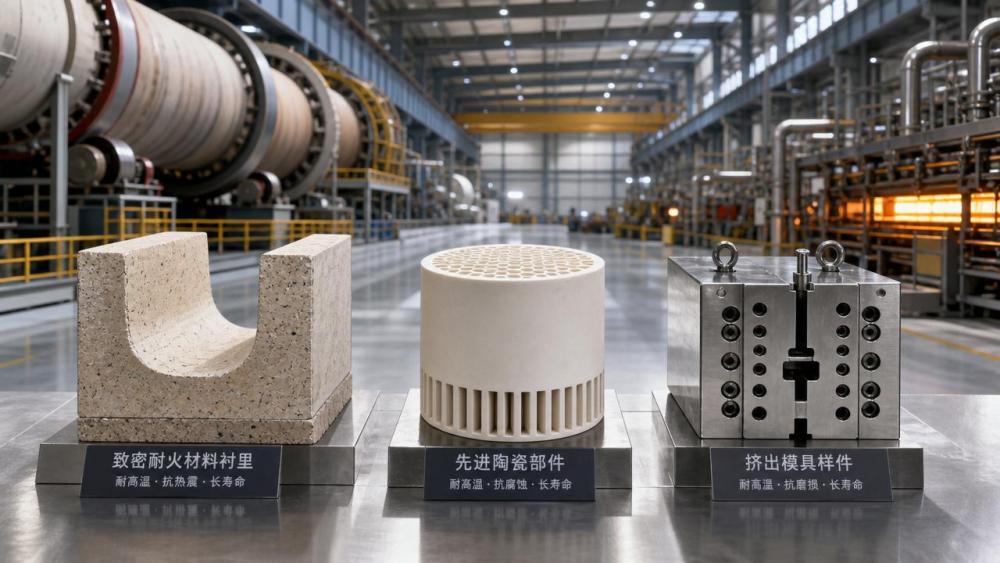
In heavy thermal industries, product lifespan is no longer a simple measure of how long a component survives before failure. Technical evaluators now assess how materials behave under cycling heat loads, corrosive atmospheres, abrasive feedstocks, volatile fuel inputs, and tightening carbon constraints. This is exactly where material science innovations create measurable value.
A kiln lining, burner block, glass contact material, incineration chamber component, or extrusion die may all appear durable on paper. Yet actual lifespan depends on a more complex combination of microstructure stability, thermal conductivity, porosity, creep resistance, chemical compatibility, and maintenance predictability. One weak parameter can shorten service intervals and disrupt an entire production schedule.
For technical teams comparing suppliers or technologies, the challenge is not a lack of claims. It is the difficulty of translating test language into operational decisions. CF-Elite supports this process by linking high-temperature physics, process conditions, chemical reaction behavior, and decarbonization requirements into practical intelligence for cement plants, glass manufacturing, industrial kilns, refractory lines, and new building material extrusion.
- Lifespan evaluation must now include shutdown frequency, energy loss, emissions impact, and spare-part dependency.
- Material upgrades can reduce hidden costs even when initial procurement cost is higher.
- The best-fit material often depends on process-specific conditions, not generic catalog performance.
Which material science innovations are changing product lifespan across thermal industries?
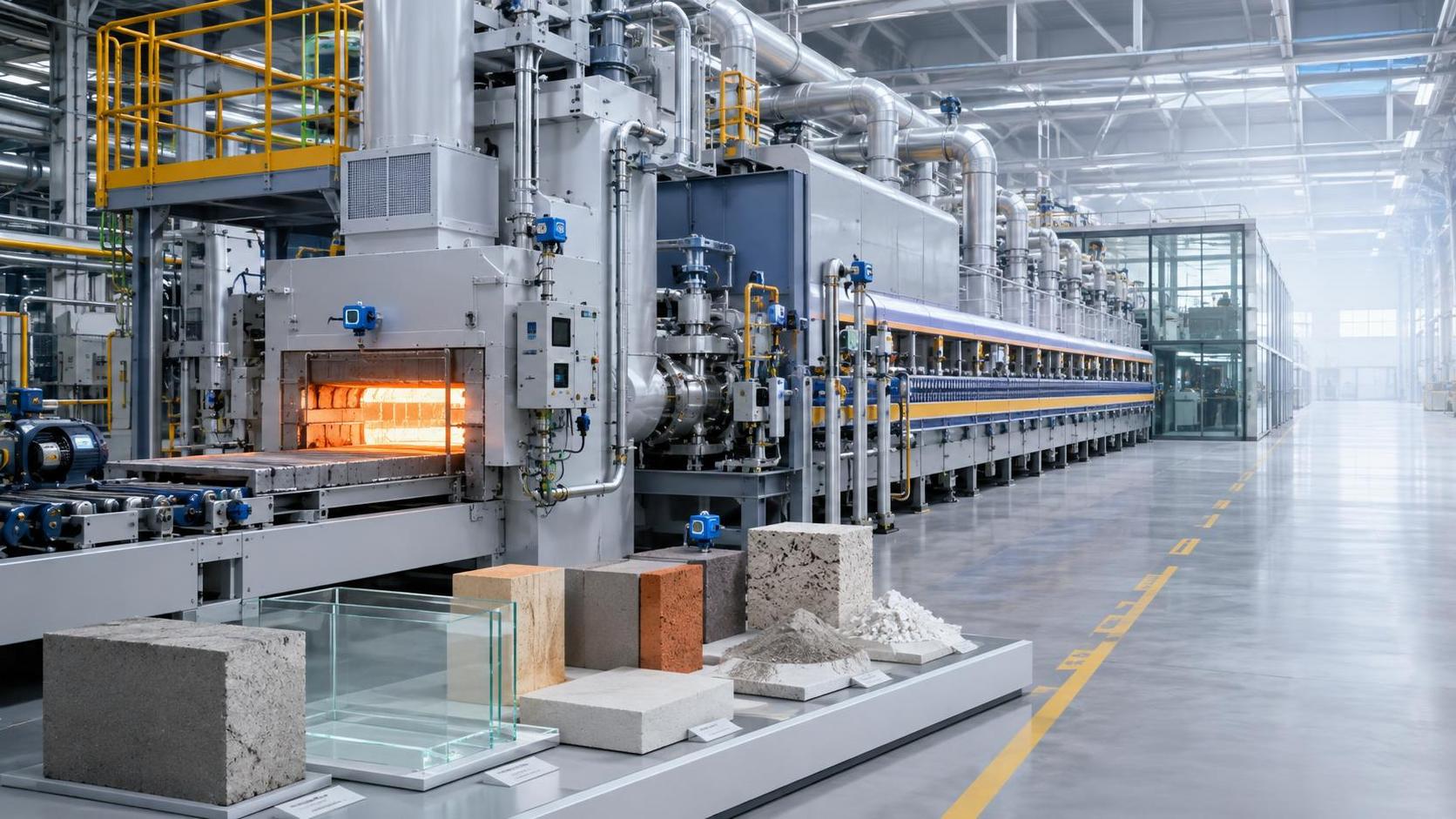
Several categories of material science innovations are now influencing long-cycle equipment decisions. Their impact is especially visible in operations where heat, corrosion, dust, alkali attack, thermal shock, or mechanical wear occur simultaneously. The table below helps evaluators connect innovation type with practical lifespan outcomes.
What matters is not the novelty alone. Technical evaluators should ask whether the innovation improves stability under actual operating fluctuations. Material science innovations create their strongest lifespan gains when paired with correct thermal design, process control, and maintenance planning.
Key mechanisms behind longer service life
- Reduced crack propagation through optimized grain structure or reinforcement.
- Lower infiltration from alkalis, chlorides, slag, or aggressive combustion residues.
- Improved heat flow management that prevents local overheating and stress concentration.
- More predictable wear patterns, which makes shutdown planning and spare forecasting easier.
How should technical evaluators compare old materials with newer solutions?
A frequent mistake is to compare only purchase price or nominal service temperature. In reality, material science innovations should be judged against total operating burden. This includes installation sensitivity, process stability, heat retention, maintenance labor, contamination risk, and how failure affects upstream and downstream equipment.
The comparison table below is designed for technical evaluators reviewing alternative materials for kilns, furnaces, incineration systems, glass lines, and extrusion equipment.
This comparison shows why many advanced materials pay back through reliability rather than headline strength values. CF-Elite’s intelligence approach is useful here because procurement and engineering teams often need to weigh process chemistry, thermal architecture, and commercial timing together, not in isolation.
What parameters should be checked before approving a new material?
When reviewing material science innovations, technical evaluators should use a parameter matrix rather than a single performance claim. A component that performs well in abrasion may still fail under thermal cycling. Another may survive corrosion but create difficult installation tolerances. The right review method is multi-variable and application-specific.
Priority checklist for technical evaluation
- Define the dominant failure mode: thermal shock, creep, abrasion, corrosion, deformation, or contamination.
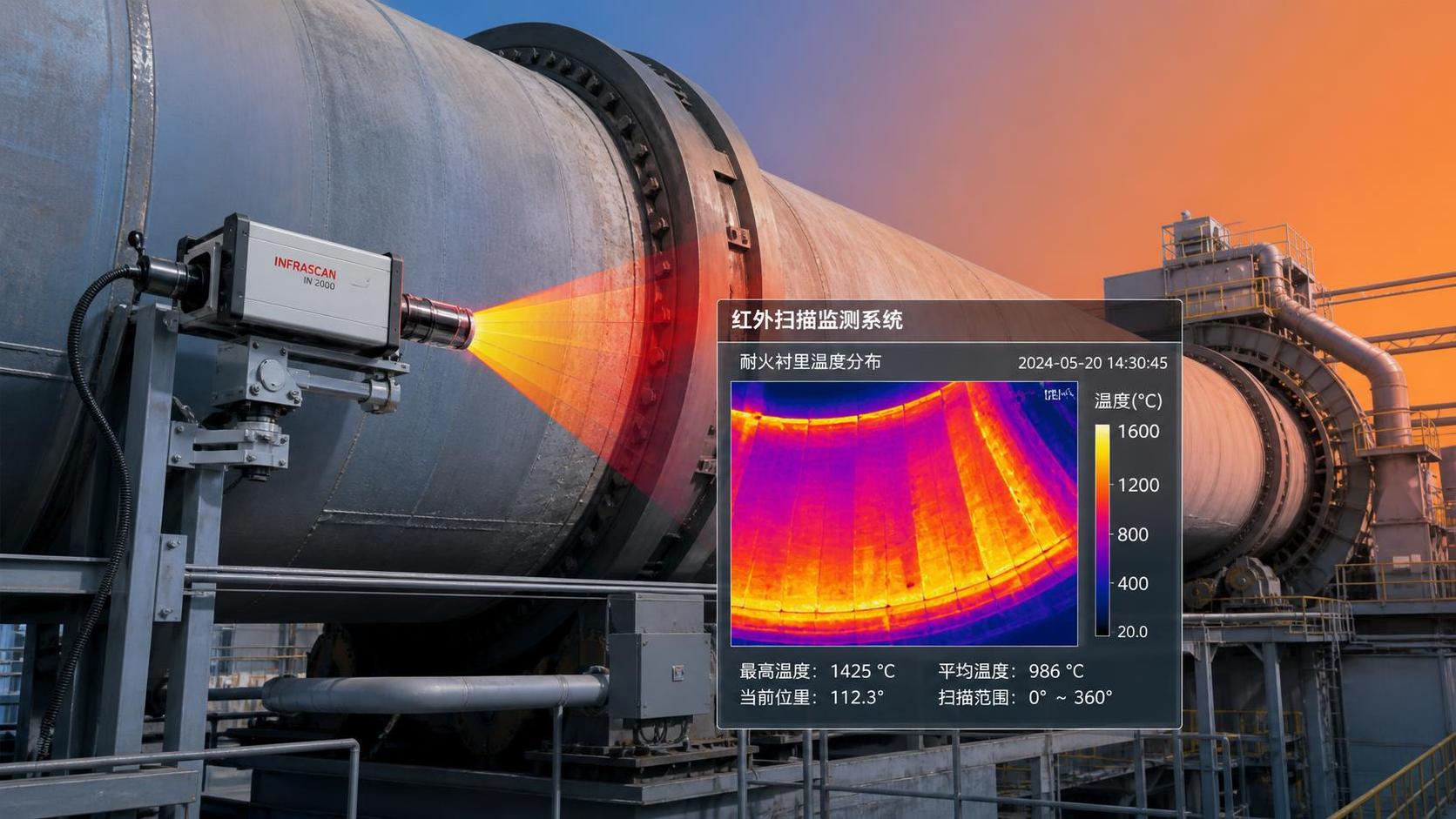
- Map the actual operating window, including peak temperature, average temperature, cycling frequency, and local hot spots.
- Review interaction with feedstock, fuel ash, chlorides, sulfur, alkalis, molten phases, or volatile compounds.
- Check installation method, curing requirements, dry-out procedure, and repair practicality.
- Estimate the cost of failure in hours of shutdown, product loss, heat loss, and downstream disruption.
In cement and incineration lines, resistance to alkali attack and spalling often determines whether a lining delivers its expected campaign life. In glass systems, chemical compatibility and contamination control may matter more than a simple temperature number. In extrusion equipment, die wear resistance must be evaluated alongside pressure consistency and product dimensional stability.
Where do these innovations create the most visible value in real applications?
Material science innovations do not produce equal value in every position. Their strongest return usually appears where failure causes production interruption, heat leakage, unstable quality, or compliance pressure. The application mapping below helps narrow focus for high-value evaluation.
For evaluators, the lesson is simple: prioritize positions where material failure multiplies losses. That usually produces a better return than trying to upgrade every component at once.
Application-specific judgment points
- Cement lines should examine fuel variability, alternative raw materials, and coating behavior before changing refractory systems.
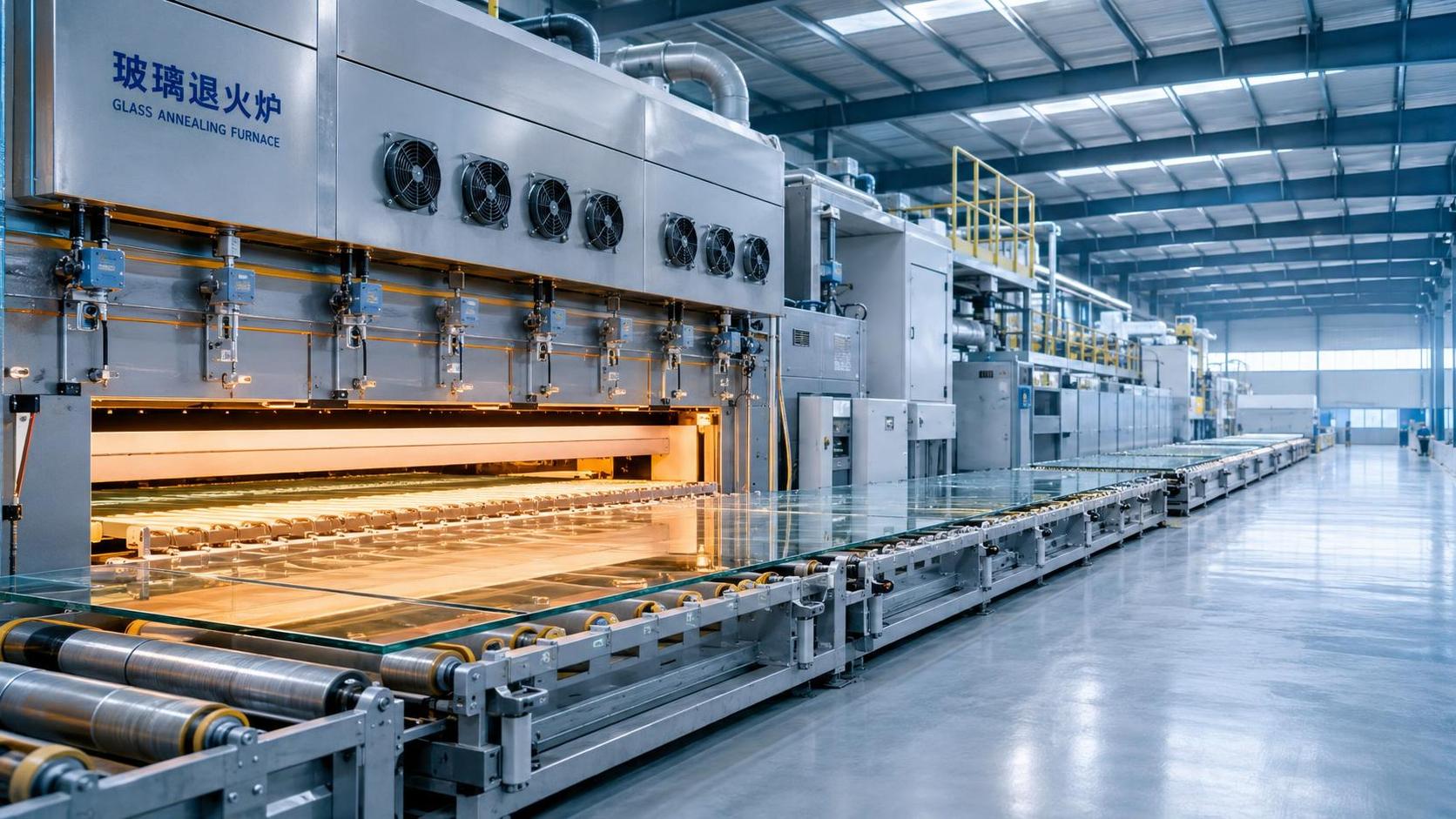
- Glass producers should evaluate whether the new material reduces inclusions, erosion, and thermal drift across sensitive forming stages.
- Incineration projects should review ash chemistry and transient operating cycles, especially when waste composition is inconsistent.
- Extrusion plants should test how material upgrades affect wear pattern, pressure fluctuation, and downstream product uniformity.
How do cost, carbon targets, and lifecycle value change the decision?
In many organizations, the first objection to material science innovations is budget. Advanced materials can carry a higher upfront cost. However, technical evaluators increasingly work under dual pressure: reduce total operating cost and support lower-emission production. That makes lifecycle analysis more relevant than simple initial pricing.
A material with lower thermal conductivity may reduce shell temperature and energy loss. A more chemically stable lining may reduce unplanned shutdowns. A harder extrusion contact surface may reduce tooling replacement frequency. Each of these effects changes real cost over time and often supports carbon reduction strategies at the plant level.
Cost questions worth asking before procurement
- What is the expected campaign extension under our actual process profile, not a benchmark line?
- How many maintenance hours could be avoided over one year or one shutdown cycle?
- Will the new material require different anchoring, curing, or operator training?
- Can improved insulation or stability contribute to energy-efficiency targets?
- What is the fallback option if the new material underperforms during commissioning?
This is one reason CF-Elite’s market and technical intelligence are valuable. Material selection is not only about material data. It is also about the timing of equipment investment, regional regulation shifts, availability of compatible systems, and the strategic direction of green materials and energy efficiency.
What standards, compliance checks, and validation steps should not be ignored?
Compliance does not guarantee long life, but weak validation often leads to poor selection. For material science innovations used in high-temperature systems, evaluators should request structured technical documentation and confirm how test conditions relate to field conditions. Generic claims without application context create avoidable risk.
Useful compliance and validation points
- Check whether thermal, mechanical, and chemical properties were measured using recognized test methods relevant to ceramics, refractories, or industrial process materials.
- Review density, porosity, cold crushing strength, thermal conductivity, refractoriness under load, and thermal shock indicators where applicable.
- Ask for service references by application type rather than accepting broad cross-industry statements.
- Confirm compatibility with plant environmental objectives, dust control practices, and any local emissions or waste-handling obligations.
In practice, the most reliable decisions combine supplier data, operational history, pilot verification where possible, and independent process analysis. That combination is especially important in plants using alternative fuels, recycled feedstocks, or increasingly variable raw materials.
Common misconceptions about material science innovations
“Higher temperature rating means longer life”
Not necessarily. A material can tolerate a high peak temperature but still fail quickly under thermal cycling, chemical infiltration, or mechanical stress. Lifecycle performance depends on the dominant damage mechanism.
“The newest material is automatically the best option”
A newer formulation may offer benefits, but only if it matches the process environment and installation conditions. Some lines need incremental optimization, not complete material replacement.
“Procurement can compare offers using datasheets alone”
Datasheets are useful, but they rarely explain reaction kinetics, local hot spots, fuel variability, or shutdown consequences. Material science innovations should be evaluated in the context of the whole process system.
FAQ: what do technical evaluators usually ask?
How should we shortlist material science innovations for a high-temperature plant?
Start with the highest-cost failure locations. Define the failure mode, process temperature profile, chemical exposure, and maintenance burden. Then compare two or three options using lifecycle impact rather than purchase price alone.
Which scenarios benefit most from advanced refractory or ceramic materials?
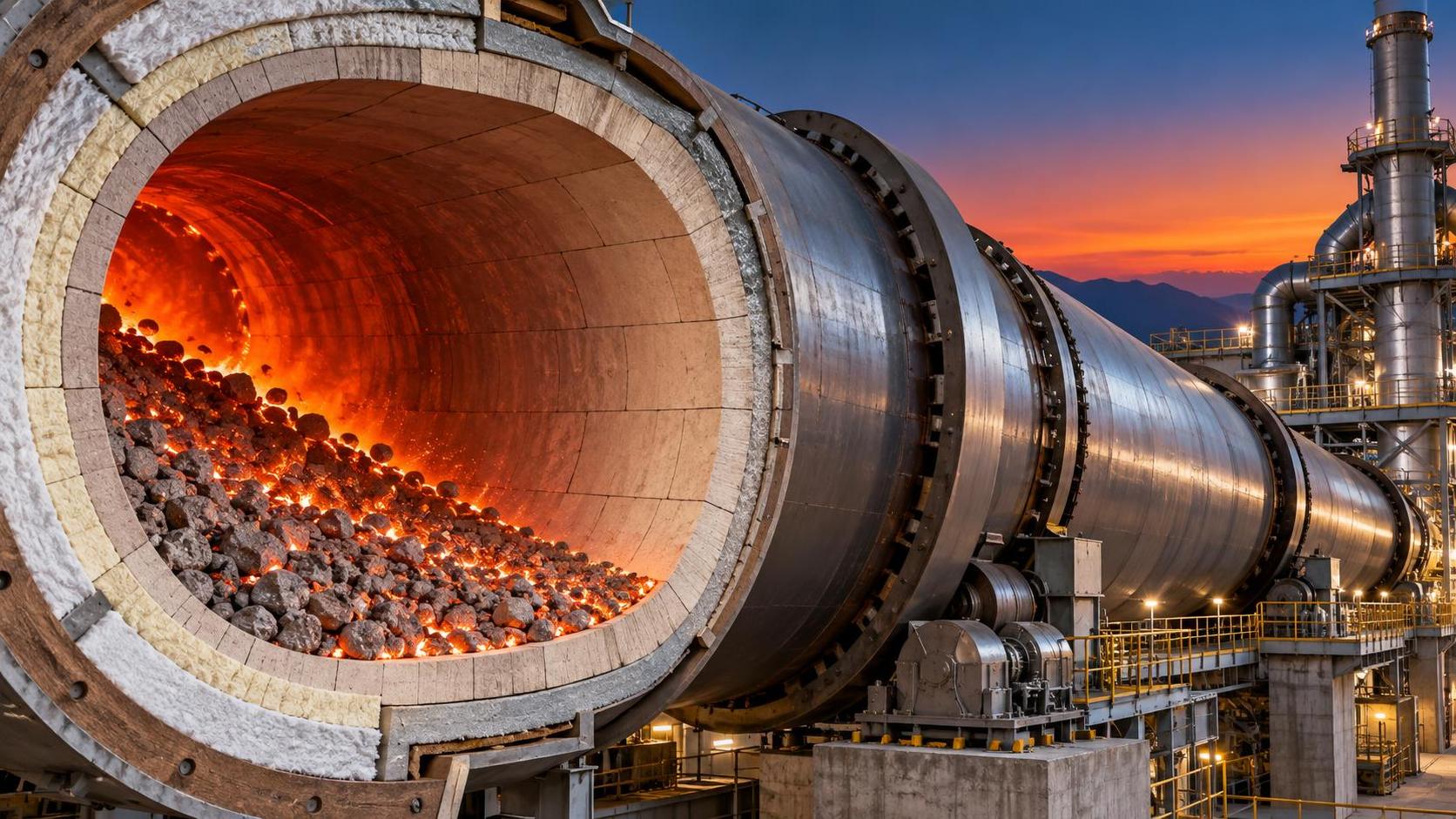
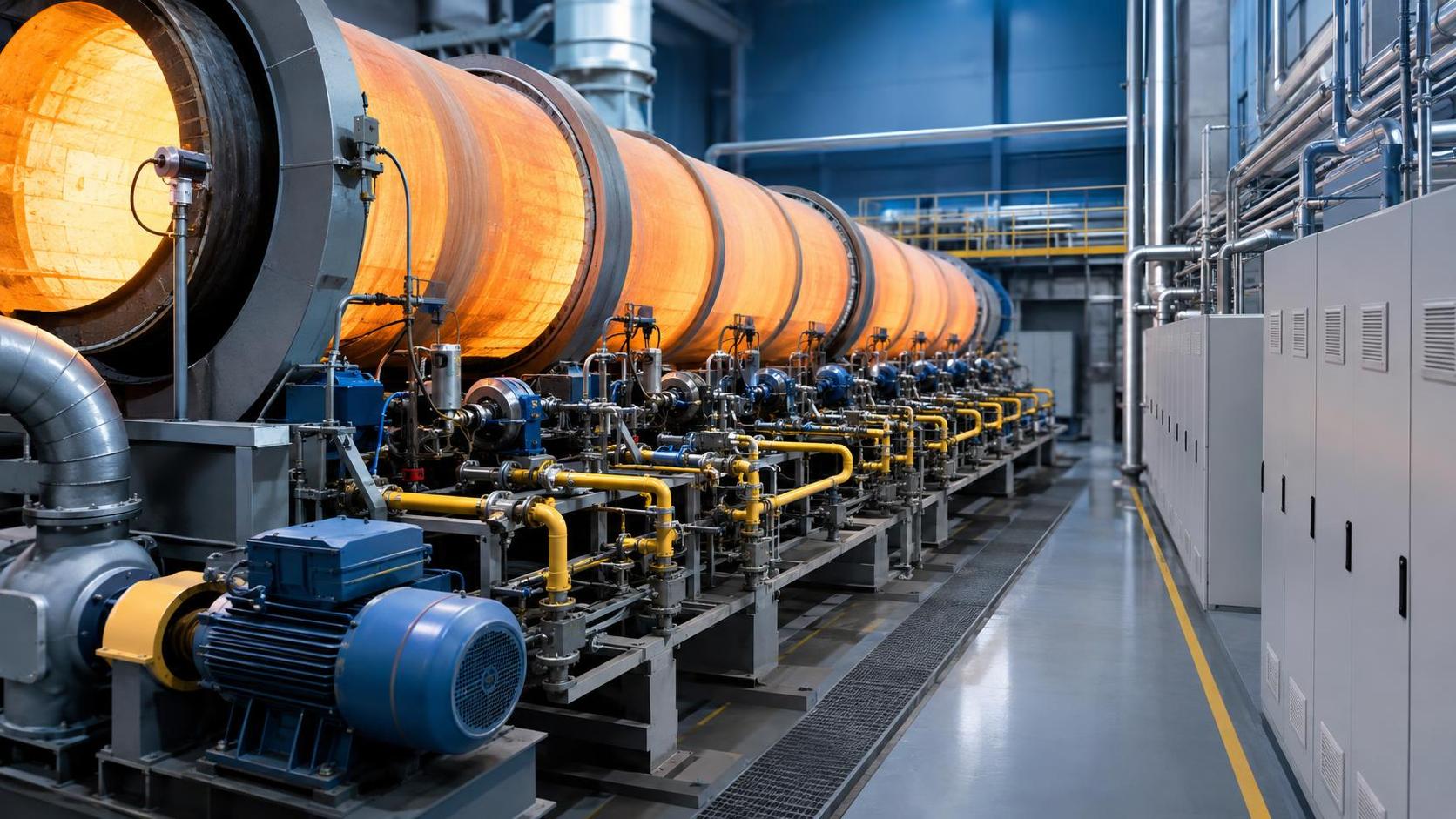
The strongest cases are zones with repeated thermal shock, corrosive ash or slag, unstable feed chemistry, or costly shutdowns. Rotary kilns, incineration chambers, clinker interfaces, and sensitive glass-contact areas are common examples.
What should be prioritized when procurement time is short?
Prioritize application fit, delivery feasibility, installation requirements, and expected service interval. A technically advanced material that cannot be installed correctly or sourced in time may increase project risk rather than reduce it.
Can material upgrades support decarbonization goals?
Yes, in many cases. Better insulation, reduced heat loss, longer campaign life, and fewer emergency shutdowns can all contribute to lower energy waste and better resource efficiency. The exact effect depends on process design and plant operating discipline.
Why choose us for material lifespan intelligence and next-step evaluation?
CF-Elite is built for technical decision-makers working in complex thermal industries, not for generic market browsing. Our focus on cement production plants, glass manufacturing gear, industrial kilns and incineration, refractory production lines, and new building material extrusion allows us to connect material science innovations with actual operating risk and investment logic.
Through our Strategic Intelligence Center, we help technical evaluators interpret how material performance, process kinetics, energy architecture, and carbon strategy influence product lifespan. This supports more confident decisions when comparing equipment upgrades, lining systems, thermal barriers, and specialized material solutions.
- Consult us for parameter confirmation on thermal resistance, wear environment, and chemical compatibility.
- Ask for support in product selection across kiln, glass, incineration, refractory, and extrusion scenarios.
- Discuss delivery timing, shutdown windows, and implementation constraints before finalizing procurement.
- Request guidance on custom solution pathways, certification expectations, and sample evaluation priorities.
- Open a quotation discussion with clearer technical assumptions, reducing the risk of mismatched offers.
If your team is assessing material science innovations for longer service life, lower downtime, or better energy performance, CF-Elite can help translate fragmented technical data into a decision framework that is practical, industry-specific, and ready for procurement action.
Related News
 Thermal Energy ArchitectHow European Plants Can Evaluate Energy Recovery Equipment for High-Temperature ProcessesIndustrial energy recovery equipment Europe: learn how high-temperature plants can assess waste-heat sources, integration risks, lifecycle value, and reliable recovery routes.Sep 20, 2026
 Thermal Energy ArchitectIndustrial Furnace Process Optimization: Reducing Fuel Use Without Sacrificing ThroughputIndustrial process optimization furnace strategies that cut fuel use while protecting throughput. Explore combustion control, heat recovery, refractory performance, and data-driven efficiency gains.Sep 19, 2026
 Ms. Elena RodriguezWhat Drives High-Pressure Extrusion Equipment Cost in Industrial Projects?High pressure extrusion equipment cost explained: compare pressure, die design, automation, wear, energy, and installation factors for smarter industrial investments.Sep 18, 2026
 Thermal Energy ArchitectHow to Size a Waste Heat Recovery Exchanger for High-Temperature Kiln Exhaust?Waste heat recovery exchanger sizing for high-temperature kiln exhaust: balance recoverable duty, fouling, corrosion limits, pressure drop, and reliable heat use.Sep 17, 2026
 Thermal Energy ArchitectWhy Heat-Resistant Materials Lose Abrasion Resistance at High TemperaturesHeat-resistant materials abrasion resistance can decline at high temperatures. Discover the thermal, chemical, and mechanical causes of wear—and how to choose longer-lasting linings.Sep 16, 2026
 Thermal Energy ArchitectHow to Evaluate a Thermal Energy Optimization Company for High-Temperature PlantsChoose a thermal energy optimization company with proven process expertise, measurable savings, and reliable delivery for high-temperature plants. Learn what to assess.Sep 15, 2026
 Thermal Energy ArchitectRotary Kiln Efficiency: How Feed Rate, Fuel Use, and Heat Loss Affect OutputRotary kiln efficiency explained: discover how feed rate, fuel use, heat loss, combustion, and cooling performance shape output, quality, and energy costs.Sep 14, 2026
 Thermal Energy ArchitectHow to Select Heat-Resistant Materials That Maintain Abrasion Resistance in KilnsHeat-resistant materials abrasion resistance: learn how to select kiln linings that withstand heat, wear, thermal cycling, and chemical attack for longer service life.Sep 13, 2026
 Thermal Energy ArchitectHow Rotary Kiln Automation Improves Temperature Control and Fuel EfficiencyRotary kiln technology automation enhances temperature control, stabilizes combustion, and improves fuel efficiency with smarter data, predictive control, and safer operations.Sep 12, 2026
 Silicate Process EngineerCement Plant Emission Control: Selecting Systems for Dust, NOx, and SO2 LimitsCement plant emission control guide: compare dust collectors, NOx reduction, and SO2 systems for reliable compliance across kiln modes, fuel changes, and operating upsets.Sep 11, 2026
 Thermal Energy ArchitectSelecting Abrasion-Resistant High-Temperature Materials for Kiln and Conveyor Wear ZonesHigh-temp material engineering guide to abrasion-resistant kiln and conveyor solutions—match wear, heat, chemistry, and installation design for longer service life.Sep 10, 2026
 Dr. Alistair VaughnIndustrial Process Engineering: How to Map Processes for Safer, More Efficient PlantsIndustrial process engineering reveals bottlenecks, safety risks, and energy losses through practical process mapping for safer, more efficient plants.Sep 09, 2026
 Optical Glass Tech FellowHow to Evaluate a Glass Annealing Equipment Manufacturer for Production StabilityChoose a glass annealing equipment manufacturer with proven thermal uniformity, reliable controls, lifecycle value, and responsive service for stable production.Sep 08, 2026
 Prof. Marcus ChenThermal Energy Architecture in North America: Strategies for Lower Building Energy UseThermal energy architecture North America helps project leaders cut building energy use through stronger envelopes, right-sized HVAC, storage, and smart commissioning.Sep 07, 2026
 Ms. Elena RodriguezHow Should Buyers Evaluate Building Material Industry Intelligence Pricing?Building material industry intelligence pricing: learn how to compare coverage, technical depth, and ROI to choose intelligence that reduces procurement risk.Sep 07, 2026
 Ms. Elena RodriguezHow to Use Building Material Intelligence Data for Market and Investment DecisionsBuilding material industry intelligence data helps leaders evaluate demand, costs, regulation, capacity, and technology to make smarter market and investment decisions.Sep 05, 2026
 Thermal Energy ArchitectHow PLC Control Improves Energy Efficiency and Temperature Stability in KilnsEnergy efficient kilns PLC control improves temperature stability, cuts fuel waste, and optimizes combustion, draft, and material flow. Explore proven strategies for smarter kiln modernization.Sep 04, 2026
 Optical Glass Tech FellowEuropean Glass Melting Processes: Furnace Choices, Energy Use, and Quality ControlGlass melting process Europe: explore furnace choices, energy efficiency, cullet strategy, and quality control to improve output, compliance, and long-term glass performance.Sep 03, 2026
 Thermal Energy ArchitectWhat Determines Refractory Lining Monitoring Price for Industrial Kilns?Refractory lining monitoring price depends on kiln size, sensor technology, installation, software, and support. Compare total lifecycle costs and choose the right solution.Sep 02, 2026
 Silicate Process EngineerCement Production System Costs: A Plant Buyer’s Guide to Budgeting and ROICement production systems cost planning made clear: compare CAPEX, operating costs, compliance, and ROI to build a resilient, profitable cement plant investment.Sep 01, 2026










Related News
- 00
0000-00
Industrial Process Engineering: How to Map Processes for Safer, More Efficient Plants - 00
0000-00
What Should a Process Technology Database Track for High-Temperature Plants? - 00
0000-00
How to Specify Custom Agricultural Processing Equipment for Throughput and Hygiene - 00
0000-00
How to Select Process Plant Equipment for High-Temperature, Abrasive Production Lines - 00
0000-00
What Causes Thermal Shock Failure in Heat-Resistant Materials During Development?
Weekly Insights
Stay ahead with our curated technology reports delivered every Monday.