
Why Energy Costs Still Define the Global Cement Industry




In the global cement industry, energy is still the cost line that most directly shapes margins, investment timing, and long-term competitiveness. For financial decision-makers, understanding how fuel volatility, power pricing, and efficiency upgrades influence plant economics is essential to evaluating risk and capital allocation. This article examines why energy costs remain central to strategy, even as decarbonization and technology upgrades accelerate.
Why scenario differences matter more than broad industry averages
For a financial approver, the global cement industry is not one uniform cost model. Energy risk looks very different for a coastal grinding station, an inland integrated clinker plant, a waste-heat recovery project, or a facility selling into a weak construction cycle. Average industry energy ratios can be useful, but capital decisions are made in specific operating contexts where power tariffs, kiln fuel mix, grid reliability, logistics, and environmental compliance all interact.
That is why energy still defines strategy. In most cement businesses, thermal and electrical energy are not just production inputs; they influence plant uptime, variable margin, export viability, maintenance scheduling, and even debt service resilience. A plant with modern process controls may still underperform if petcoke prices spike or if local electricity markets remain unstable. Conversely, a higher-cost facility can protect EBITDA if it has the right fuel flexibility, waste heat utilization, and disciplined energy monitoring.
For stakeholders following the global cement industry through an intelligence-led lens such as CF-Elite, the practical question is not whether energy matters. It is which energy exposures matter most in each business scenario, and which upgrades deserve approval first.
The operating scenarios where energy costs shape outcomes most strongly
The global cement industry faces persistent energy pressure across multiple business situations. Financial decision-makers should separate these scenarios before evaluating budgets, equipment proposals, or long-term supply contracts.
1. Integrated clinker plants with heavy thermal exposure
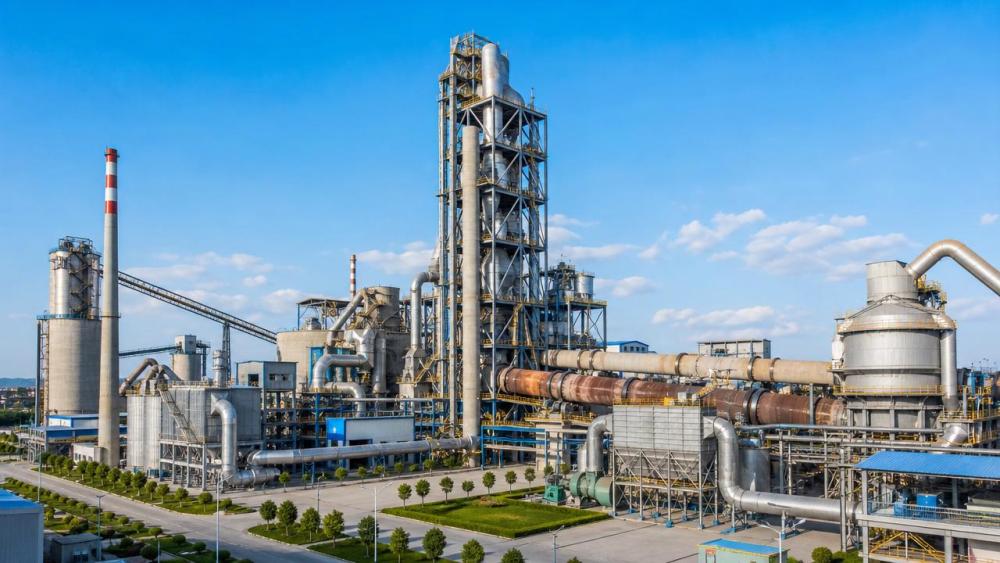
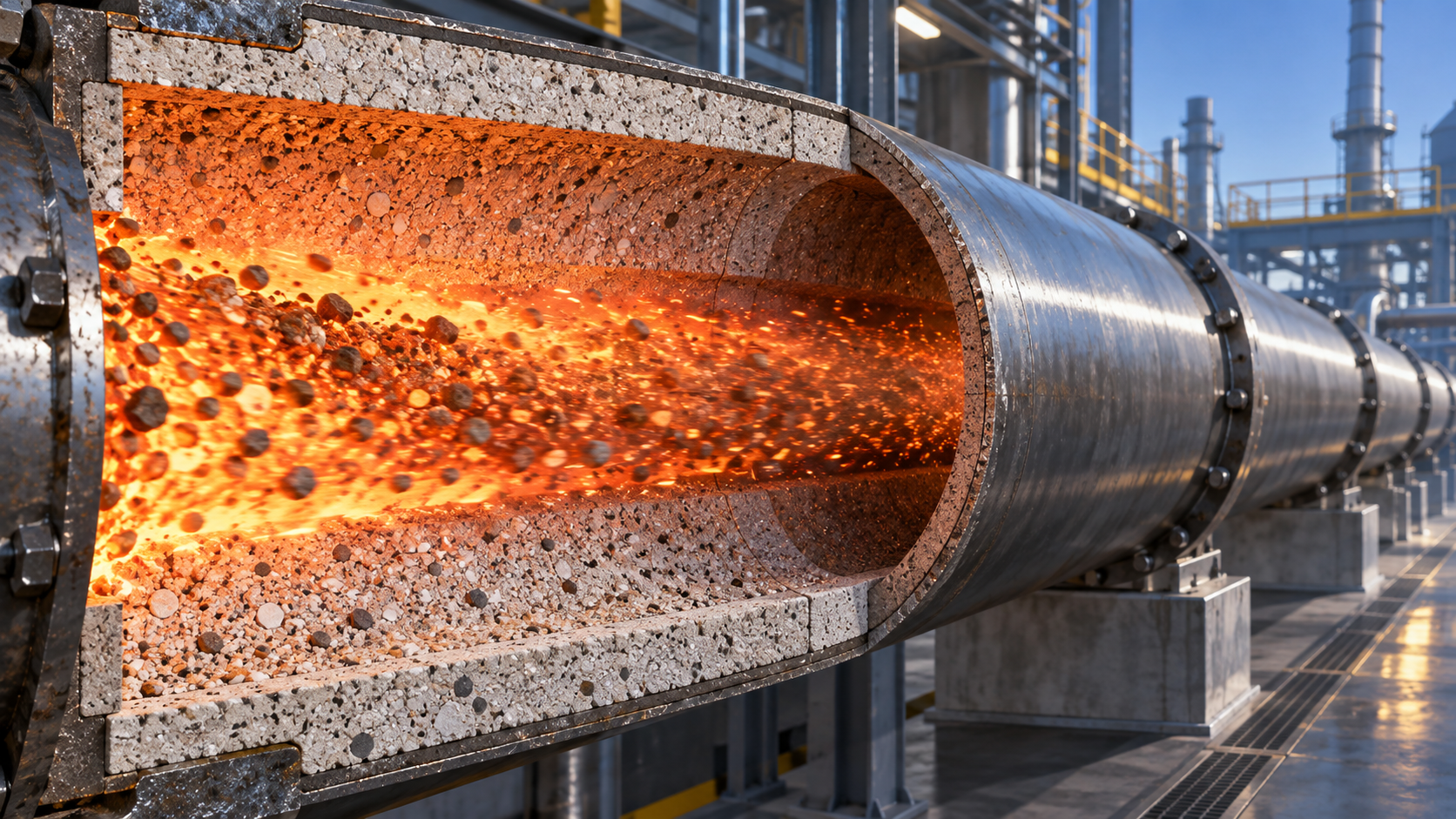
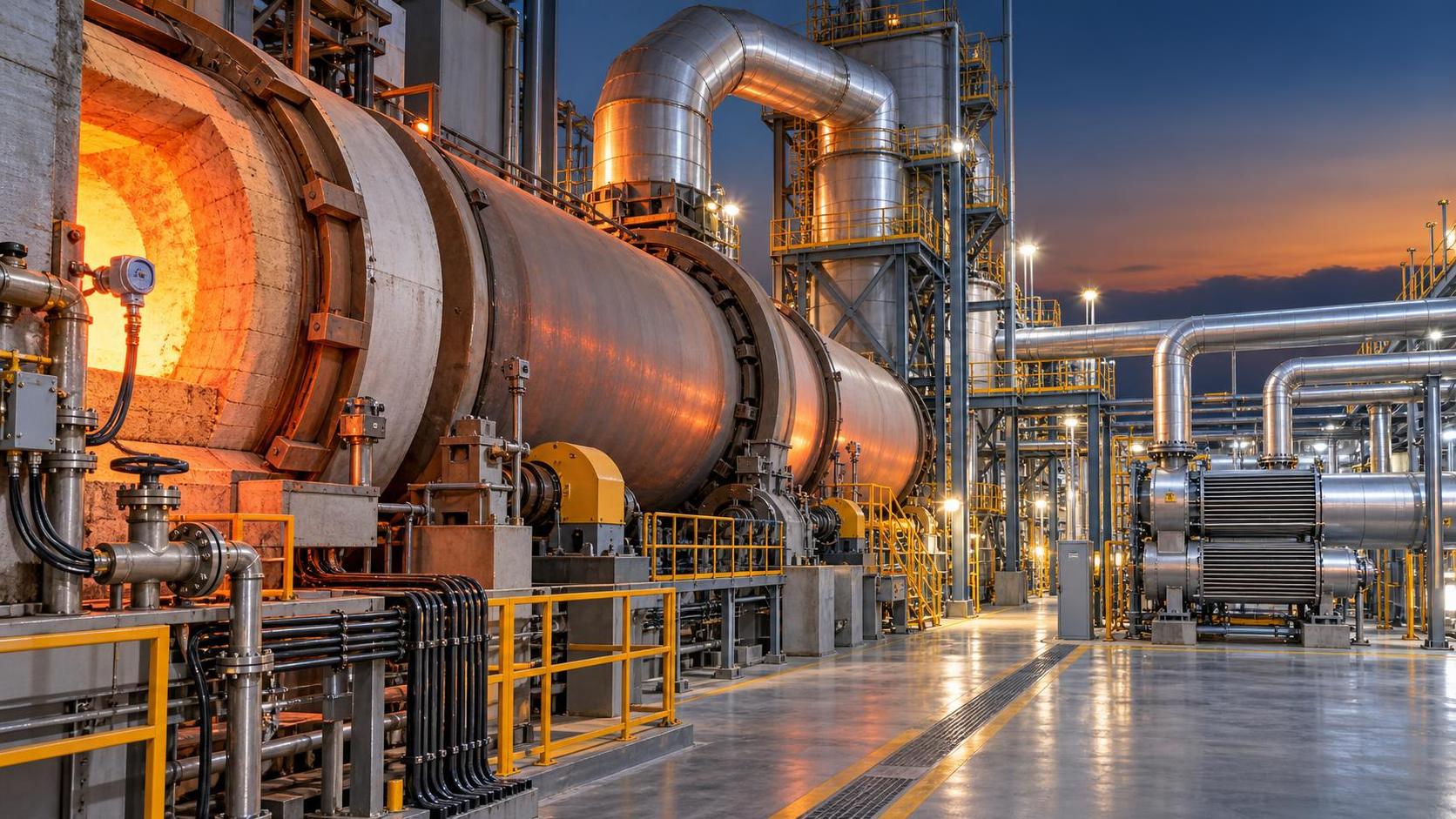
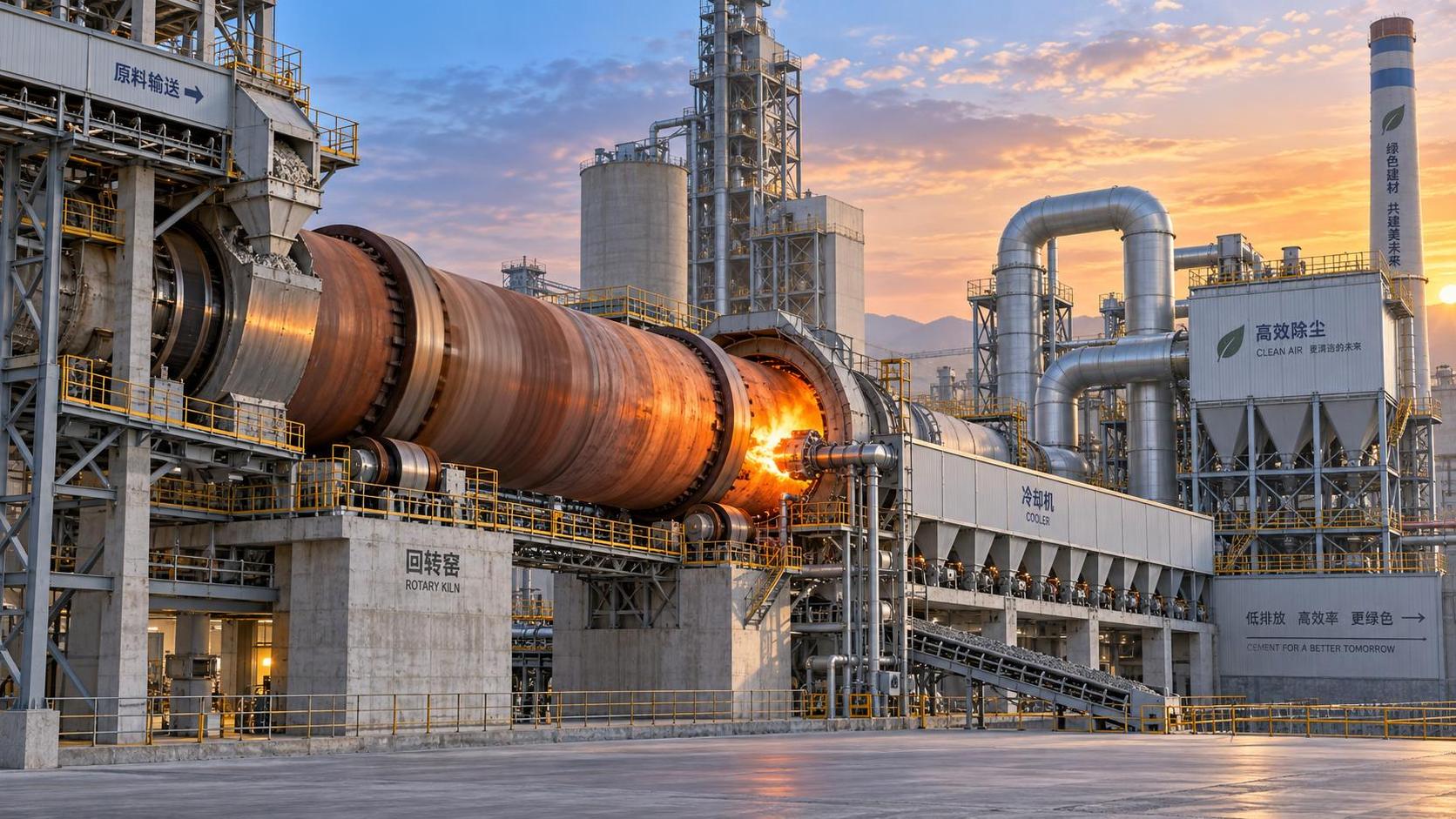
This is the classic high-risk energy scenario. Integrated plants consume large volumes of kiln fuel and power across crushing, raw milling, clinker burning, and finish grinding. Here, fuel mix flexibility is often more important than minor procurement savings. A plant that can switch between coal, petcoke, RDF, biomass, or industrial waste-derived fuels usually has a stronger defensive position when commodity prices move abruptly.
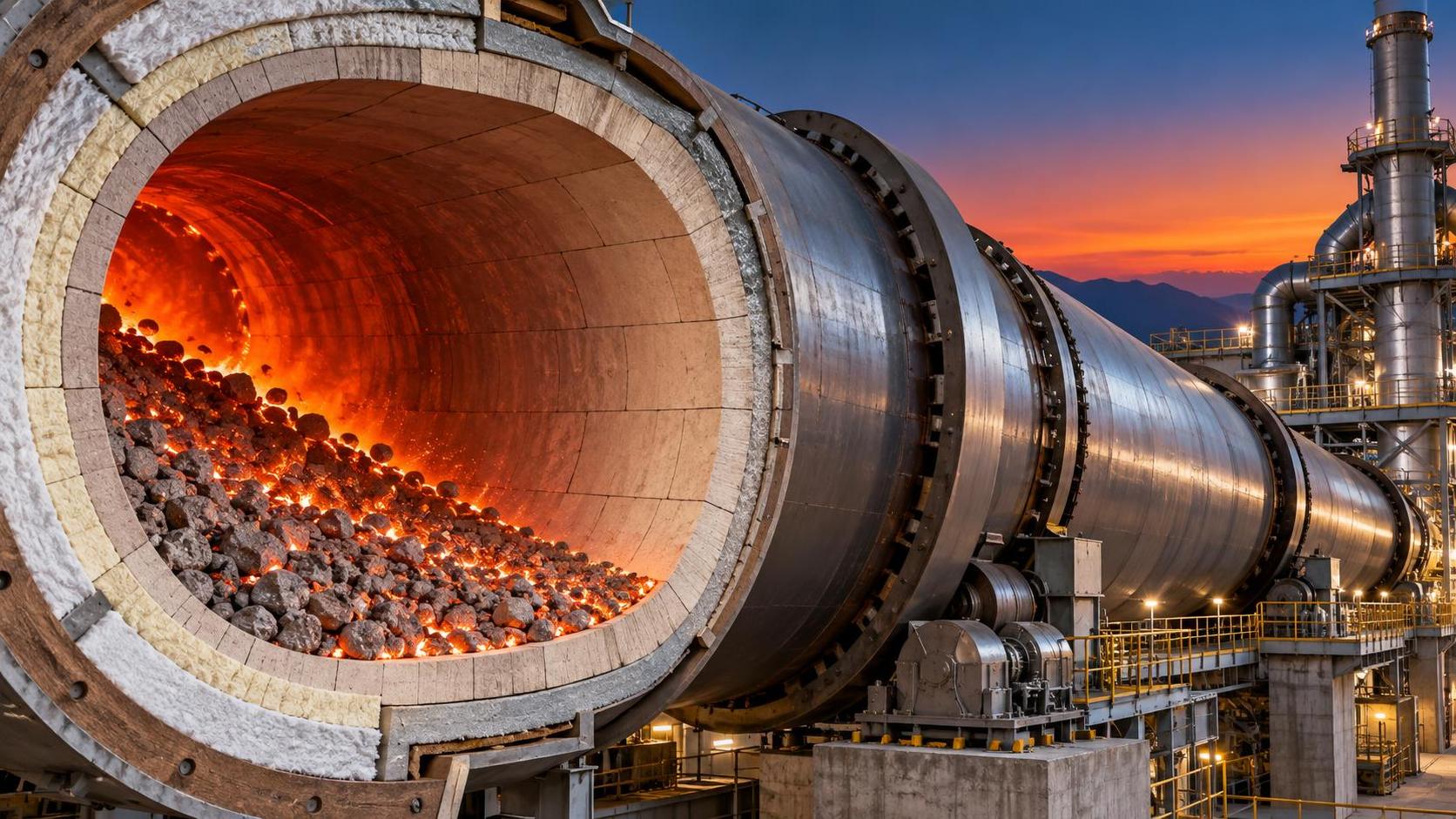
In this scenario, approvers should focus on specific indicators: heat consumption per ton of clinker, alternative fuel substitution rate, kiln stability, refractory life, and exposure to carbon-linked fuel policy. The global cement industry increasingly rewards plants that reduce both direct energy intensity and dependence on a single fuel source.
2. Grinding stations with high electrical sensitivity
Grinding-only operations may look less risky because they avoid clinker burning, but they can be highly vulnerable to electricity pricing. When regional power tariffs rise, grinding margins can compress quickly, especially in markets with oversupply or limited pricing power. In this scenario, vertical roller mill performance, motor efficiency, demand-side management, and tariff timing become more important than fuel strategy.
For the global cement industry, this means electrical optimization is not a secondary topic. In certain markets, it is the main profitability lever. Approvers should therefore ask whether a project reduces specific power consumption, improves off-peak operating flexibility, or protects output during grid interruptions.
3. Export-oriented plants exposed to both energy and freight cycles
An export-focused producer faces a double squeeze: volatile energy inputs and uncertain delivered pricing. In these cases, even small changes in kiln fuel cost can erase export competitiveness because seaborne markets are highly price sensitive. Plants in this scenario should not approve energy projects only on simple payback. They should test whether the upgrade protects market access during weak international demand.
Within the global cement industry, export players often benefit from investments in cooler efficiency, process stabilization, and waste heat recovery because those measures support both cost control and production reliability. A plant that ships late or inconsistently due to unstable operations loses more than just energy efficiency.
4. Carbon-constrained markets where energy and compliance costs merge
In regulated jurisdictions, energy decisions are no longer separate from decarbonization strategy. Fuel choice can affect carbon cost exposure, permit conditions, and financing access. This is increasingly true across the global cement industry as lenders, customers, and regulators push for lower emissions intensity.
For financial approvers, the key issue is that a cheaper fuel is not always the lower-cost option over the investment horizon. Projects must be screened for total cost of ownership, including emissions compliance, operational complexity, and reputation risk. This is especially relevant for facilities considering co-processing systems, calciner upgrades, or advanced monitoring solutions.
A comparison table for common decision scenarios in the global cement industry
The table below helps translate broad energy concerns into scenario-based approval priorities.
What different decision-makers should prioritize by use case
In the global cement industry, approval logic changes depending on who owns the business problem. A CFO may emphasize payback certainty and balance-sheet discipline. A plant director may push for reliability. A strategy lead may focus on future carbon exposure. Good decisions happen when these views are translated into one scenario-specific framework.
For budget approvers reviewing retrofit projects
Retrofit proposals should be tested beyond vendor headline savings. Ask whether the project reduces a controllable cost line in the actual plant profile. For example, a burner upgrade may be compelling in a thermal-heavy kiln system, while advanced separators or high-efficiency drives may matter more in power-sensitive grinding operations. In the global cement industry, the best retrofit is not the one with the broadest claim, but the one that addresses the facility’s dominant energy bottleneck.
For investors evaluating expansion timing
Capacity expansion under volatile energy conditions requires caution. A new line may offer better specific consumption, but total energy affordability can still deteriorate if regional fuel access is uncertain or the grid remains constrained. Investors in the global cement industry should compare not only nameplate efficiency, but also infrastructure reliability, fuel contracting depth, and long-term environmental policy trends.
For procurement and strategy teams building resilience
Resilience often comes from optionality. Plants that diversify fuel supply, improve online monitoring, and connect process data with commercial planning tend to respond faster to shocks. This is where CF-Elite-style industrial intelligence becomes practical: energy decisions are strongest when they connect thermal engineering, refractory behavior, process control, and market signals rather than treating each topic in isolation.
Where companies often misjudge energy economics
Several recurring errors still appear across the global cement industry, especially when management teams look only at headline cost numbers.
The first is assuming that lower unit fuel price automatically improves competitiveness. In reality, poor combustion behavior, unstable kiln operation, or accelerated refractory wear can erase expected savings. The second is underestimating power quality and downtime losses. A slightly cheaper electricity contract may not help if interruptions damage production continuity.
The third mistake is approving decarbonization measures without matching them to operational readiness. Alternative fuel systems, waste-derived input handling, and digital process optimization can deliver strong results, but only when plant teams, maintenance systems, and monitoring capability are mature enough to sustain performance. In the global cement industry, capital efficiency depends on implementation discipline as much as equipment selection.
The fourth is using a single payback benchmark for all plants. Different scenarios require different thresholds. A mission-critical energy project in a constrained market may deserve approval even with a longer payback because it protects supply continuity, compliance, or customer commitments.
How to judge whether an energy upgrade fits your plant scenario
A practical screening model for the global cement industry should start with five questions.
First, which cost line is structurally dominant at this site: kiln fuel, electricity, maintenance linked to thermal instability, or compliance burden? Second, does the proposal reduce a variable cost, improve asset reliability, or both? Third, how sensitive are expected savings to raw material variability, operator capability, and maintenance execution? Fourth, can the plant measure actual results through reliable process and energy data? Fifth, does the project improve future strategic flexibility, such as alternative fuel use, lower carbon intensity, or better digital supervision?
These questions help approvers distinguish between attractive presentations and durable economics. In the global cement industry, the best projects often combine moderate direct savings with strong secondary benefits such as better throughput stability, fewer shutdowns, and stronger compliance positioning.
FAQ: scenario-based questions financial approvers often ask
If energy intensity is falling, why does energy still dominate decisions?
Because the global cement industry remains structurally energy intensive, and price volatility can outpace efficiency gains. Even improved plants remain exposed if fuel or power markets shift sharply.
Which plants should act first on energy upgrades?
Usually plants with unstable kiln performance, high electricity tariffs, limited fuel flexibility, or tight carbon regulation. These scenarios tend to produce the fastest risk-adjusted value.
Should finance prioritize low-capex efficiency or larger transformation projects?
It depends on the scenario. In the global cement industry, low-capex controls and optimization upgrades often suit plants needing quick wins, while facilities facing structural energy disadvantage may require broader system redesign.
From cost pressure to strategic advantage
Energy still defines the global cement industry because it sits at the intersection of cost, output stability, environmental exposure, and investment timing. For financial approvers, the right response is not a generic cost-cutting mindset. It is a scenario-based approach that identifies which plants are fuel constrained, which are power sensitive, which are carbon exposed, and which need operational flexibility more than simple efficiency claims.
Organizations that align technical intelligence with capital discipline are better positioned to turn energy risk into strategic advantage. If your team is comparing plant upgrades, fuel pathways, kiln optimization, waste heat recovery, or digital monitoring priorities, the next step is to evaluate them against your actual operating scenario rather than industry averages alone. In the global cement industry, that is where better approvals begin.
Related News
 Thermal Energy ArchitectHow European Plants Can Evaluate Energy Recovery Equipment for High-Temperature ProcessesIndustrial energy recovery equipment Europe: learn how high-temperature plants can assess waste-heat sources, integration risks, lifecycle value, and reliable recovery routes.Sep 20, 2026
 Thermal Energy ArchitectIndustrial Furnace Process Optimization: Reducing Fuel Use Without Sacrificing ThroughputIndustrial process optimization furnace strategies that cut fuel use while protecting throughput. Explore combustion control, heat recovery, refractory performance, and data-driven efficiency gains.Sep 19, 2026
 Ms. Elena RodriguezWhat Drives High-Pressure Extrusion Equipment Cost in Industrial Projects?High pressure extrusion equipment cost explained: compare pressure, die design, automation, wear, energy, and installation factors for smarter industrial investments.Sep 18, 2026
 Thermal Energy ArchitectHow to Size a Waste Heat Recovery Exchanger for High-Temperature Kiln Exhaust?Waste heat recovery exchanger sizing for high-temperature kiln exhaust: balance recoverable duty, fouling, corrosion limits, pressure drop, and reliable heat use.Sep 17, 2026
 Thermal Energy ArchitectWhy Heat-Resistant Materials Lose Abrasion Resistance at High TemperaturesHeat-resistant materials abrasion resistance can decline at high temperatures. Discover the thermal, chemical, and mechanical causes of wear—and how to choose longer-lasting linings.Sep 16, 2026
 Thermal Energy ArchitectHow to Evaluate a Thermal Energy Optimization Company for High-Temperature PlantsChoose a thermal energy optimization company with proven process expertise, measurable savings, and reliable delivery for high-temperature plants. Learn what to assess.Sep 15, 2026
 Thermal Energy ArchitectRotary Kiln Efficiency: How Feed Rate, Fuel Use, and Heat Loss Affect OutputRotary kiln efficiency explained: discover how feed rate, fuel use, heat loss, combustion, and cooling performance shape output, quality, and energy costs.Sep 14, 2026
 Thermal Energy ArchitectHow to Select Heat-Resistant Materials That Maintain Abrasion Resistance in KilnsHeat-resistant materials abrasion resistance: learn how to select kiln linings that withstand heat, wear, thermal cycling, and chemical attack for longer service life.Sep 13, 2026
 Thermal Energy ArchitectHow Rotary Kiln Automation Improves Temperature Control and Fuel EfficiencyRotary kiln technology automation enhances temperature control, stabilizes combustion, and improves fuel efficiency with smarter data, predictive control, and safer operations.Sep 12, 2026
 Silicate Process EngineerCement Plant Emission Control: Selecting Systems for Dust, NOx, and SO2 LimitsCement plant emission control guide: compare dust collectors, NOx reduction, and SO2 systems for reliable compliance across kiln modes, fuel changes, and operating upsets.Sep 11, 2026
 Thermal Energy ArchitectSelecting Abrasion-Resistant High-Temperature Materials for Kiln and Conveyor Wear ZonesHigh-temp material engineering guide to abrasion-resistant kiln and conveyor solutions—match wear, heat, chemistry, and installation design for longer service life.Sep 10, 2026
 Dr. Alistair VaughnIndustrial Process Engineering: How to Map Processes for Safer, More Efficient PlantsIndustrial process engineering reveals bottlenecks, safety risks, and energy losses through practical process mapping for safer, more efficient plants.Sep 09, 2026
 Optical Glass Tech FellowHow to Evaluate a Glass Annealing Equipment Manufacturer for Production StabilityChoose a glass annealing equipment manufacturer with proven thermal uniformity, reliable controls, lifecycle value, and responsive service for stable production.Sep 08, 2026
 Prof. Marcus ChenThermal Energy Architecture in North America: Strategies for Lower Building Energy UseThermal energy architecture North America helps project leaders cut building energy use through stronger envelopes, right-sized HVAC, storage, and smart commissioning.Sep 07, 2026
 Ms. Elena RodriguezHow Should Buyers Evaluate Building Material Industry Intelligence Pricing?Building material industry intelligence pricing: learn how to compare coverage, technical depth, and ROI to choose intelligence that reduces procurement risk.Sep 07, 2026
 Ms. Elena RodriguezHow to Use Building Material Intelligence Data for Market and Investment DecisionsBuilding material industry intelligence data helps leaders evaluate demand, costs, regulation, capacity, and technology to make smarter market and investment decisions.Sep 05, 2026
 Thermal Energy ArchitectHow PLC Control Improves Energy Efficiency and Temperature Stability in KilnsEnergy efficient kilns PLC control improves temperature stability, cuts fuel waste, and optimizes combustion, draft, and material flow. Explore proven strategies for smarter kiln modernization.Sep 04, 2026
 Optical Glass Tech FellowEuropean Glass Melting Processes: Furnace Choices, Energy Use, and Quality ControlGlass melting process Europe: explore furnace choices, energy efficiency, cullet strategy, and quality control to improve output, compliance, and long-term glass performance.Sep 03, 2026
 Thermal Energy ArchitectWhat Determines Refractory Lining Monitoring Price for Industrial Kilns?Refractory lining monitoring price depends on kiln size, sensor technology, installation, software, and support. Compare total lifecycle costs and choose the right solution.Sep 02, 2026
 Silicate Process EngineerCement Production System Costs: A Plant Buyer’s Guide to Budgeting and ROICement production systems cost planning made clear: compare CAPEX, operating costs, compliance, and ROI to build a resilient, profitable cement plant investment.Sep 01, 2026





Related News
- 00
0000-00
Cement Plant Emission Control: Selecting Systems for Dust, NOx, and SO2 Limits - 00
0000-00
Cement Production System Costs: A Plant Buyer’s Guide to Budgeting and ROI - 00
0000-00
How Kiln Heat Recovery Systems Cut Fuel Use in Cement and Lime Production - 00
0000-00
How to Evaluate Cement Production Plants in the Middle East for Capacity, Fuel Flexibility, and ROI - 00
0000-00
What Drives Cement Plant Upgrade Cost and How to Estimate ROI Before Investing
Weekly Insights
Stay ahead with our curated technology reports delivered every Monday.