
How to Compare Glass Melting Technology Beyond Energy Use




Choosing the right glass melting technology is about far more than fuel consumption. For procurement teams, the real comparison should include melt quality, furnace lifespan, emissions compliance, maintenance demands, digital control capability, and long-term operating risk. This article outlines how to assess glass melting technology from a broader commercial and technical perspective, helping buyers make smarter, future-ready investment decisions.
Why procurement teams need a checklist-driven comparison
When buyers compare glass melting technology only through energy figures, they often miss the cost drivers that shape total project value over 10 to 20 years. A furnace with lower stated fuel use may still create higher losses through unstable glass quality, short campaign life, expensive rebuilds, weak automation, or poor emissions performance. For procurement professionals, the smarter route is to use a structured checklist that connects technical reality with commercial risk.
This matters across float glass, container glass, solar glass, display glass, and specialty silicate production. In each case, the “best” glass melting technology depends on production targets, raw material mix, cullet rate, quality tolerance, regulatory pressure, and operator capability. A checklist helps separate brochure claims from plant-level performance and gives sourcing teams a practical basis for vendor comparison.
Start with these non-negotiable comparison points
Before reviewing proposals, procurement teams should confirm the operational profile of the intended line. This first step prevents buying a technically impressive system that does not fit the actual business case. Use the following core checklist to frame any discussion around glass melting technology.
- Product requirement: Define glass type, thickness range, optical standard, bubble tolerance, seed control, color consistency, and downstream forming sensitivity.
- Capacity target: Confirm daily tonnage, peak load flexibility, ramp-up speed, and whether future debottlenecking is expected.
- Raw material reality: Check cullet ratio, batch chemistry variation, moisture, contaminants, and local supply stability.
- Fuel and utility availability: Compare natural gas, electricity, oxygen supply, compressed air, cooling systems, and local power reliability.
- Environmental threshold: Review NOx, SOx, particulate, CO2, and future tightening of compliance rules.
- Operating team capability: Assess whether the plant can support advanced controls, predictive maintenance, and data-driven process optimization.
- Lifecycle economics: Evaluate furnace campaign life, rebuild frequency, spare parts exposure, and shutdown cost.
These items create the baseline for comparing regenerative, recuperative, oxy-fuel, electric boosting, hybrid, or all-electric approaches. Without this baseline, it is easy to overvalue one performance metric and undervalue long-term reliability.
Use a broader scoring model for glass melting technology
A practical procurement method is to score each glass melting technology across several weighted categories. Energy consumption should remain important, but it should not dominate the full evaluation. In many projects, melt stability, emissions risk, and maintenance complexity have a larger financial effect than a small efficiency difference on paper.
For many procurement teams, a weighted scoring matrix brings discipline to technical-commercial review. It also improves communication between engineering, operations, EHS, and finance stakeholders who do not always prioritize the same outcomes.
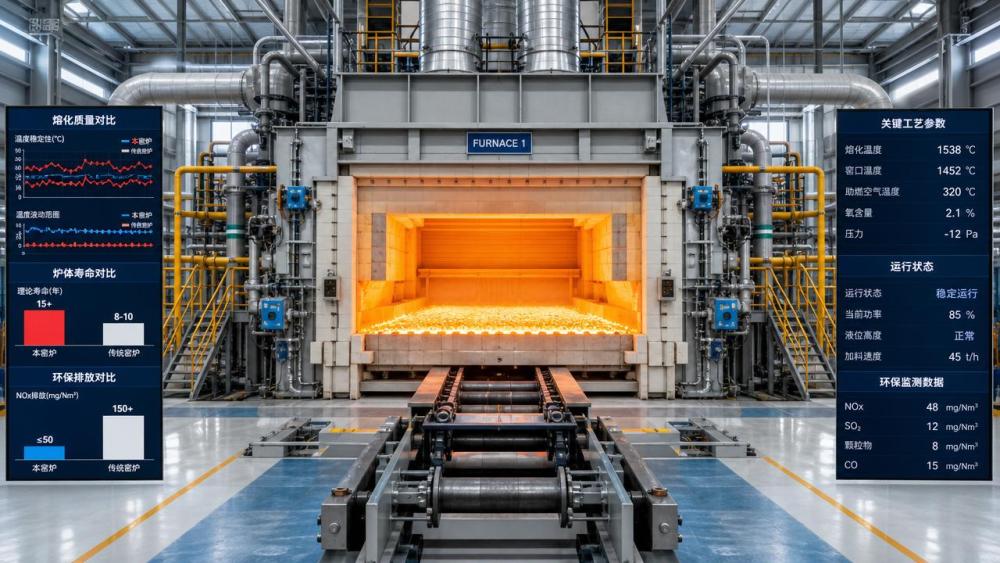
Key technical checks buyers should never skip
1. Melt quality is a procurement issue, not only a process issue
The first hidden trap in glass melting technology selection is assuming that all melting systems can reach the same quality level if operators work hard enough. In reality, furnace geometry, heat transfer mode, residence time, batch blanket behavior, and fining performance all affect inclusions, cords, bubbles, and thermal consistency. Buyers should request evidence from comparable installations, not just design claims.
Ask suppliers for defect-rate references, pull-rate stability records, and proof of performance with similar raw materials. If the final product is high-value glass, even a small quality deviation can erase apparent energy savings.
2. Furnace life can outweigh annual efficiency gains
A strong comparison of glass melting technology must include campaign duration and refractory wear. Procurement teams should ask how the design handles thermal gradients, vapor attack, alkali corrosion, crown stress, and local hot spots. A furnace that promises aggressive output but shortens campaign life may increase total ownership cost significantly.
Check the expected life of critical zones, the rebuild scope likely after each campaign, and the local availability of refractory repair expertise. These details are often buried in technical appendices, yet they influence the true investment return.
3. Emissions compliance should be judged against future rules
In many regions, the best glass melting technology is not the one that only meets today’s permit level, but the one that can adapt to tighter emissions policy. Buyers should compare baseline NOx generation, compatibility with flue gas treatment, and the cost of future retrofits. For companies operating internationally, this is especially important because regulatory convergence is raising expectations on carbon and air pollution control.
A procurement checklist should include direct emissions, indirect emissions from purchased electricity, and reporting readiness. If a supplier cannot clearly explain the data architecture for emissions tracking, that is a warning sign.
4. Maintenance complexity affects uptime more than brochures suggest
Maintenance should be assessed from the operator’s viewpoint: how often must key components be inspected, cleaned, tuned, or replaced? Is access safe and practical? Can the plant stock critical spares locally? Does the technology require niche expertise for calibration or repair? These are vital questions when comparing glass melting technology in regions with long import lead times or limited specialist support.
5. Digital capability should support process decisions, not just dashboards
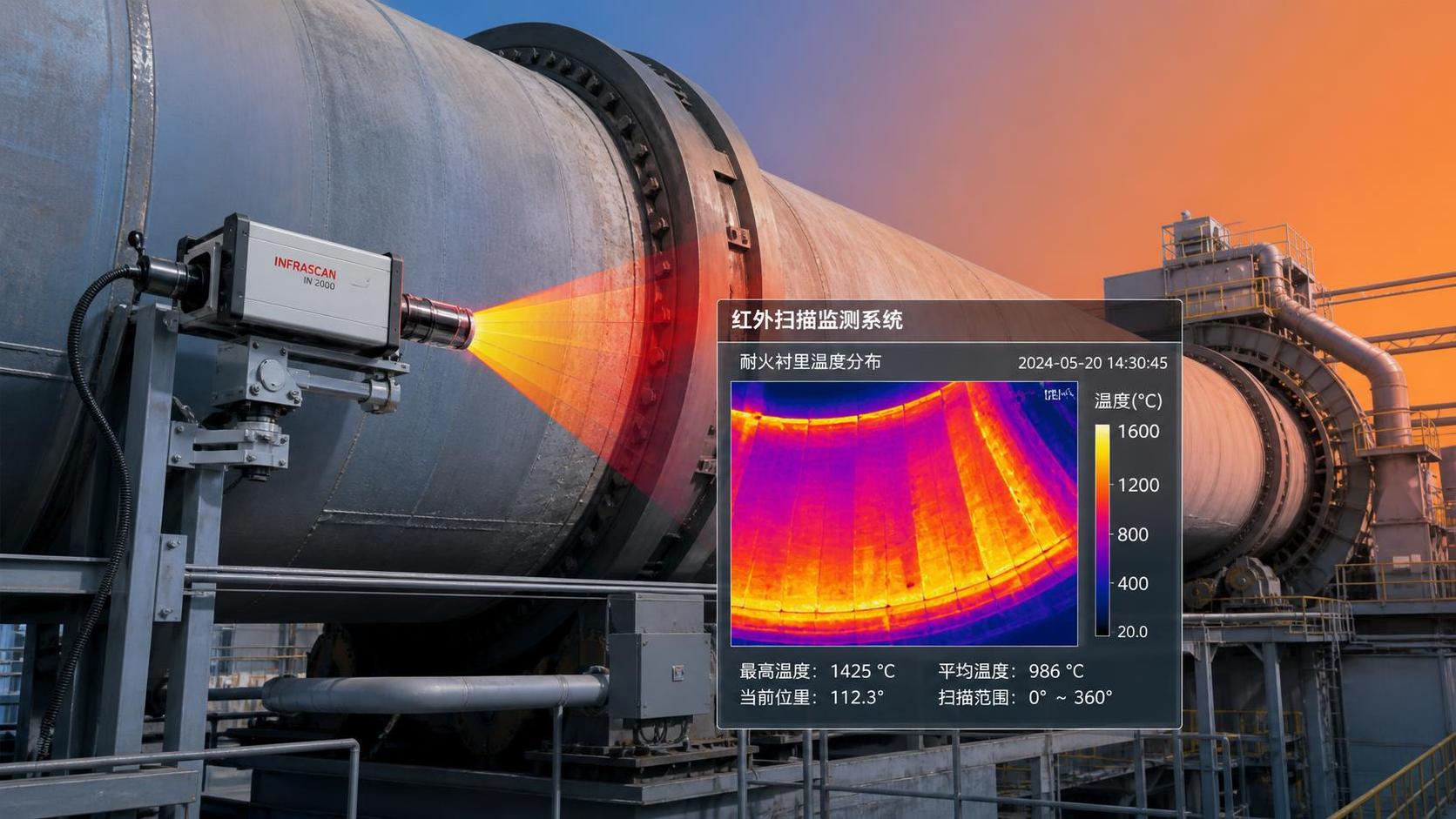
Advanced glass melting technology increasingly includes model-based combustion control, thermal mapping, predictive alarms, and historian integration. Procurement teams should verify whether digital features improve furnace stability and maintenance planning, or whether they are mostly visual add-ons. Useful digital capability should help detect refractory stress, drifting temperatures, air-fuel imbalance, and quality risk before production loss occurs.
How priorities change by application and buyer scenario
Not every project should use the same decision logic. The right glass melting technology depends on what the plant is trying to optimize.
- High-volume commodity glass: Focus on throughput stability, campaign life, maintenance rhythm, and utility cost predictability.
- High-quality flat or solar glass: Prioritize thermal uniformity, defect control, fining effectiveness, and digital monitoring depth.
- Specialty glass with frequent changeovers: Place more weight on flexibility, recipe responsiveness, and contamination control.
- Projects in strict environmental jurisdictions: Emphasize emissions margin, reporting traceability, and retrofit readiness.
- Plants with limited technical manpower: Choose simpler maintenance logic, strong training support, and remote diagnostic capability.
For procurement personnel, this scenario-based view is essential. It prevents overbuying complexity where simplicity would be more bankable, and it avoids underbuying process control where quality demands are unforgiving.
Common overlooked risks when comparing glass melting technology
Several critical issues are frequently ignored during tender review and later become operational pain points. A disciplined buyer should screen for them early.
- Reference mismatch: Supplier references may be from different glass chemistries, capacities, or utility conditions.
- Infrastructure dependency: Some solutions look attractive until oxygen, power quality, water treatment, or exhaust handling costs are added.
- Hidden commissioning risk: Start-up tuning time, yield loss during stabilization, and operator learning curves can materially affect payback.
- Data opacity: If process data ownership and access rights are unclear, digital optimization may be limited after handover.
- Spare parts concentration: Dependence on proprietary parts can create serious exposure during geopolitical or logistics disruption.
A practical execution plan for procurement teams
To compare glass melting technology effectively, procurement should not work from vendor brochures alone. Build an internal review package before formal RFQ release. This package should include target tonnage, product quality thresholds, raw material profile, expected cullet ratio, site utilities, emissions limits, shutdown philosophy, automation expectations, and budget logic for both CAPEX and OPEX.
Then request from each supplier a structured response covering process guarantees, comparable references, major wear parts, expected campaign life, digital architecture, commissioning scope, operator training plan, and exclusions. Ask vendors to identify the assumptions behind their performance figures. This is often where unrealistic comparisons become visible.
Finally, align technical and commercial scoring. A low bid can be misleading if it excludes emission treatment integration, spare package depth, service support, or performance validation. The best procurement outcome usually comes from a transparent total-value comparison rather than the lowest initial number.
FAQ for buyers evaluating glass melting technology
Should energy use still be a major factor?
Yes, but it should be treated as one major factor among several. In glass melting technology decisions, energy performance must be read together with yield, uptime, quality consistency, and maintenance burden.
What is the most common procurement mistake?
The most common mistake is comparing headline efficiency numbers without checking whether suppliers used the same assumptions on cullet ratio, pull rate, glass type, and utility conditions.
How early should operations teams be involved?
They should be involved from the start. Operators and maintenance engineers often spot practical issues in glass melting technology proposals that pure commercial review can miss.
What to prepare before the next supplier discussion
If your company is moving toward a new furnace investment or technology upgrade, prepare a short decision file before the next meeting. Include your target production range, glass quality priorities, site utility constraints, emissions obligations, digital integration requirements, maintenance staffing level, and acceptable downtime risk. Also define whether your business values lowest short-term CAPEX or strongest long-term resilience.
With that information in hand, discussions around glass melting technology become clearer, faster, and more commercially useful. If further evaluation is needed, the priority questions should be: which process assumptions support the supplier’s claims, what operating risks remain site-specific, how the solution fits your future compliance path, and what support structure is available across commissioning, optimization, spare parts, and lifecycle service.
Related News
 Thermal Energy ArchitectHow European Plants Can Evaluate Energy Recovery Equipment for High-Temperature ProcessesIndustrial energy recovery equipment Europe: learn how high-temperature plants can assess waste-heat sources, integration risks, lifecycle value, and reliable recovery routes.Sep 20, 2026
 Thermal Energy ArchitectIndustrial Furnace Process Optimization: Reducing Fuel Use Without Sacrificing ThroughputIndustrial process optimization furnace strategies that cut fuel use while protecting throughput. Explore combustion control, heat recovery, refractory performance, and data-driven efficiency gains.Sep 19, 2026
 Ms. Elena RodriguezWhat Drives High-Pressure Extrusion Equipment Cost in Industrial Projects?High pressure extrusion equipment cost explained: compare pressure, die design, automation, wear, energy, and installation factors for smarter industrial investments.Sep 18, 2026
 Thermal Energy ArchitectHow to Size a Waste Heat Recovery Exchanger for High-Temperature Kiln Exhaust?Waste heat recovery exchanger sizing for high-temperature kiln exhaust: balance recoverable duty, fouling, corrosion limits, pressure drop, and reliable heat use.Sep 17, 2026
 Thermal Energy ArchitectWhy Heat-Resistant Materials Lose Abrasion Resistance at High TemperaturesHeat-resistant materials abrasion resistance can decline at high temperatures. Discover the thermal, chemical, and mechanical causes of wear—and how to choose longer-lasting linings.Sep 16, 2026
 Thermal Energy ArchitectHow to Evaluate a Thermal Energy Optimization Company for High-Temperature PlantsChoose a thermal energy optimization company with proven process expertise, measurable savings, and reliable delivery for high-temperature plants. Learn what to assess.Sep 15, 2026
 Thermal Energy ArchitectRotary Kiln Efficiency: How Feed Rate, Fuel Use, and Heat Loss Affect OutputRotary kiln efficiency explained: discover how feed rate, fuel use, heat loss, combustion, and cooling performance shape output, quality, and energy costs.Sep 14, 2026
 Thermal Energy ArchitectHow to Select Heat-Resistant Materials That Maintain Abrasion Resistance in KilnsHeat-resistant materials abrasion resistance: learn how to select kiln linings that withstand heat, wear, thermal cycling, and chemical attack for longer service life.Sep 13, 2026
 Thermal Energy ArchitectHow Rotary Kiln Automation Improves Temperature Control and Fuel EfficiencyRotary kiln technology automation enhances temperature control, stabilizes combustion, and improves fuel efficiency with smarter data, predictive control, and safer operations.Sep 12, 2026
 Silicate Process EngineerCement Plant Emission Control: Selecting Systems for Dust, NOx, and SO2 LimitsCement plant emission control guide: compare dust collectors, NOx reduction, and SO2 systems for reliable compliance across kiln modes, fuel changes, and operating upsets.Sep 11, 2026
 Thermal Energy ArchitectSelecting Abrasion-Resistant High-Temperature Materials for Kiln and Conveyor Wear ZonesHigh-temp material engineering guide to abrasion-resistant kiln and conveyor solutions—match wear, heat, chemistry, and installation design for longer service life.Sep 10, 2026
 Dr. Alistair VaughnIndustrial Process Engineering: How to Map Processes for Safer, More Efficient PlantsIndustrial process engineering reveals bottlenecks, safety risks, and energy losses through practical process mapping for safer, more efficient plants.Sep 09, 2026
 Optical Glass Tech FellowHow to Evaluate a Glass Annealing Equipment Manufacturer for Production StabilityChoose a glass annealing equipment manufacturer with proven thermal uniformity, reliable controls, lifecycle value, and responsive service for stable production.Sep 08, 2026
 Prof. Marcus ChenThermal Energy Architecture in North America: Strategies for Lower Building Energy UseThermal energy architecture North America helps project leaders cut building energy use through stronger envelopes, right-sized HVAC, storage, and smart commissioning.Sep 07, 2026
 Ms. Elena RodriguezHow Should Buyers Evaluate Building Material Industry Intelligence Pricing?Building material industry intelligence pricing: learn how to compare coverage, technical depth, and ROI to choose intelligence that reduces procurement risk.Sep 07, 2026
 Ms. Elena RodriguezHow to Use Building Material Intelligence Data for Market and Investment DecisionsBuilding material industry intelligence data helps leaders evaluate demand, costs, regulation, capacity, and technology to make smarter market and investment decisions.Sep 05, 2026
 Thermal Energy ArchitectHow PLC Control Improves Energy Efficiency and Temperature Stability in KilnsEnergy efficient kilns PLC control improves temperature stability, cuts fuel waste, and optimizes combustion, draft, and material flow. Explore proven strategies for smarter kiln modernization.Sep 04, 2026
 Optical Glass Tech FellowEuropean Glass Melting Processes: Furnace Choices, Energy Use, and Quality ControlGlass melting process Europe: explore furnace choices, energy efficiency, cullet strategy, and quality control to improve output, compliance, and long-term glass performance.Sep 03, 2026
 Thermal Energy ArchitectWhat Determines Refractory Lining Monitoring Price for Industrial Kilns?Refractory lining monitoring price depends on kiln size, sensor technology, installation, software, and support. Compare total lifecycle costs and choose the right solution.Sep 02, 2026
 Silicate Process EngineerCement Production System Costs: A Plant Buyer’s Guide to Budgeting and ROICement production systems cost planning made clear: compare CAPEX, operating costs, compliance, and ROI to build a resilient, profitable cement plant investment.Sep 01, 2026




Related News
- 00
0000-00
How to Evaluate a Glass Annealing Equipment Manufacturer for Production Stability - 00
0000-00
European Glass Melting Processes: Furnace Choices, Energy Use, and Quality Control - 00
0000-00
How Glass Melting Furnace Design Impacts Energy Use and Glass Quality - 00
0000-00
How Can Glass Manufacturing Technology Improve Furnace Efficiency and Cut Energy Costs? - 00
0000-00
How to Evaluate Continuous Glass Annealing Equipment for Stable Throughput?
Weekly Insights
Stay ahead with our curated technology reports delivered every Monday.