
How industrial kiln design affects fuel use and uptime




Industrial kiln design directly shapes fuel consumption, thermal stability, and maintenance cycles—three factors that project managers cannot afford to overlook. From airflow paths and refractory selection to burner layout and heat recovery, smarter design decisions can cut operating costs while improving uptime. This article explains how industrial kiln design influences energy efficiency and plant reliability, helping engineering leaders evaluate systems with both performance and long-term asset value in mind.
Why industrial kiln design becomes a project risk issue, not just an equipment issue
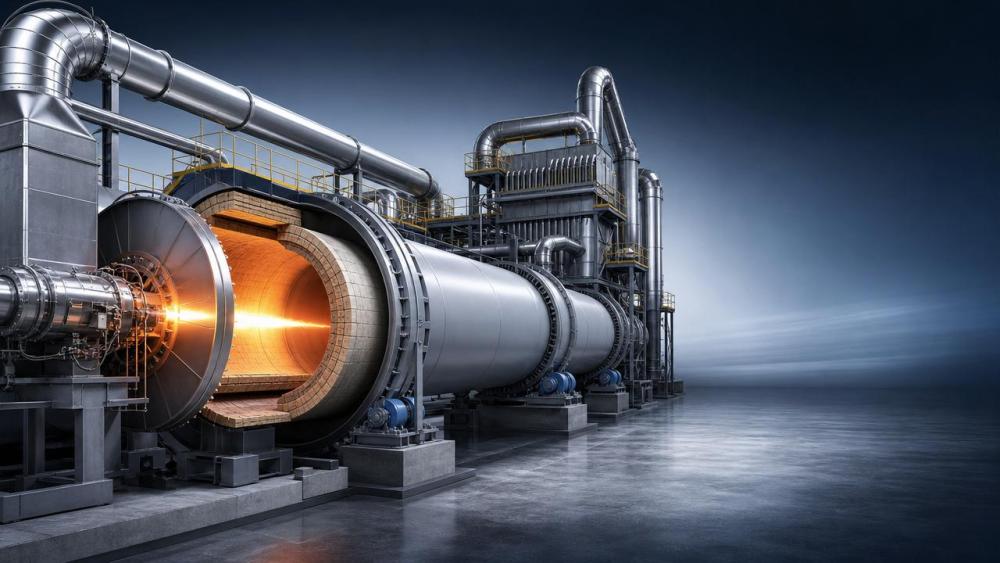
For project managers in cement, glass, incineration, refractory, and extrusion operations, industrial kiln design is rarely an isolated mechanical topic. It affects EPC schedules, utility budgets, environmental compliance, refractory campaigns, and production continuity.
A kiln that looks acceptable on paper can still underperform if gas flow is uneven, shell heat loss is excessive, or the combustion zone cannot adapt to fuel variation. In practice, these design weaknesses surface as higher specific fuel consumption, unstable product quality, and unplanned shutdowns.
That is why industrial kiln design should be reviewed with the same discipline applied to process guarantees and procurement milestones. The decision is not simply about selecting a kiln type. It is about securing a thermal system that can survive real feed variability, local fuel conditions, and long operating campaigns.
- Fuel use risk: poor heat transfer and air leakage raise energy demand per ton of output.
- Uptime risk: refractory hot spots, ring formation, coating instability, or burner mismatch shorten maintenance intervals.
- Compliance risk: weak combustion control can increase NOx, CO, dust loading, or incomplete burnout.
- Commercial risk: lower thermal efficiency often forces higher lifetime operating expenditure than the initial capex difference suggests.
CF-Elite follows these risks across high-temperature industries by connecting thermal parameters, process kinetics, and decarbonization priorities. For decision makers, that cross-sector view matters because many kiln design lessons transfer across silicate production, waste co-processing, and specialized thermal treatment lines.
Which industrial kiln design choices most strongly affect fuel use?
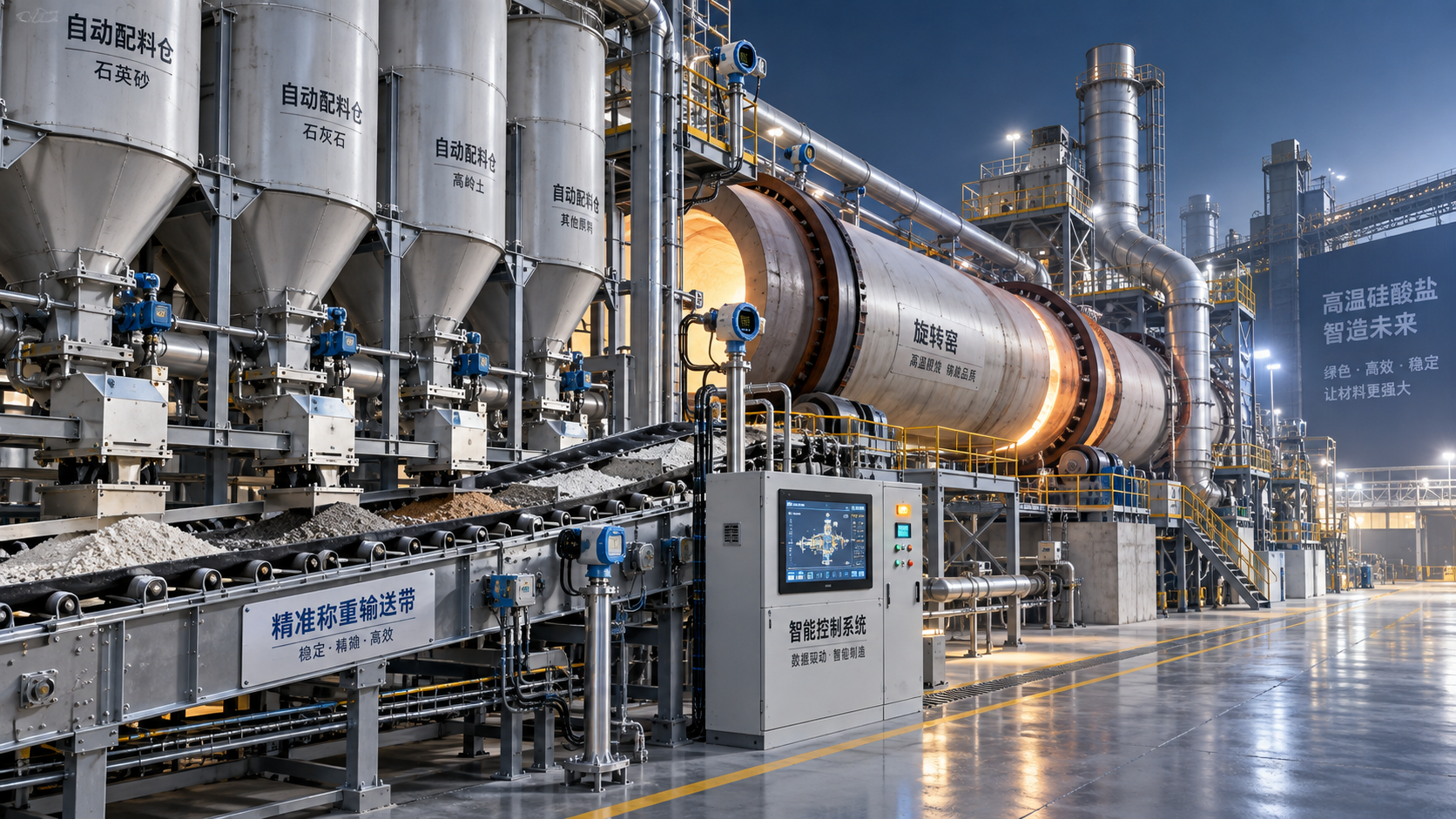
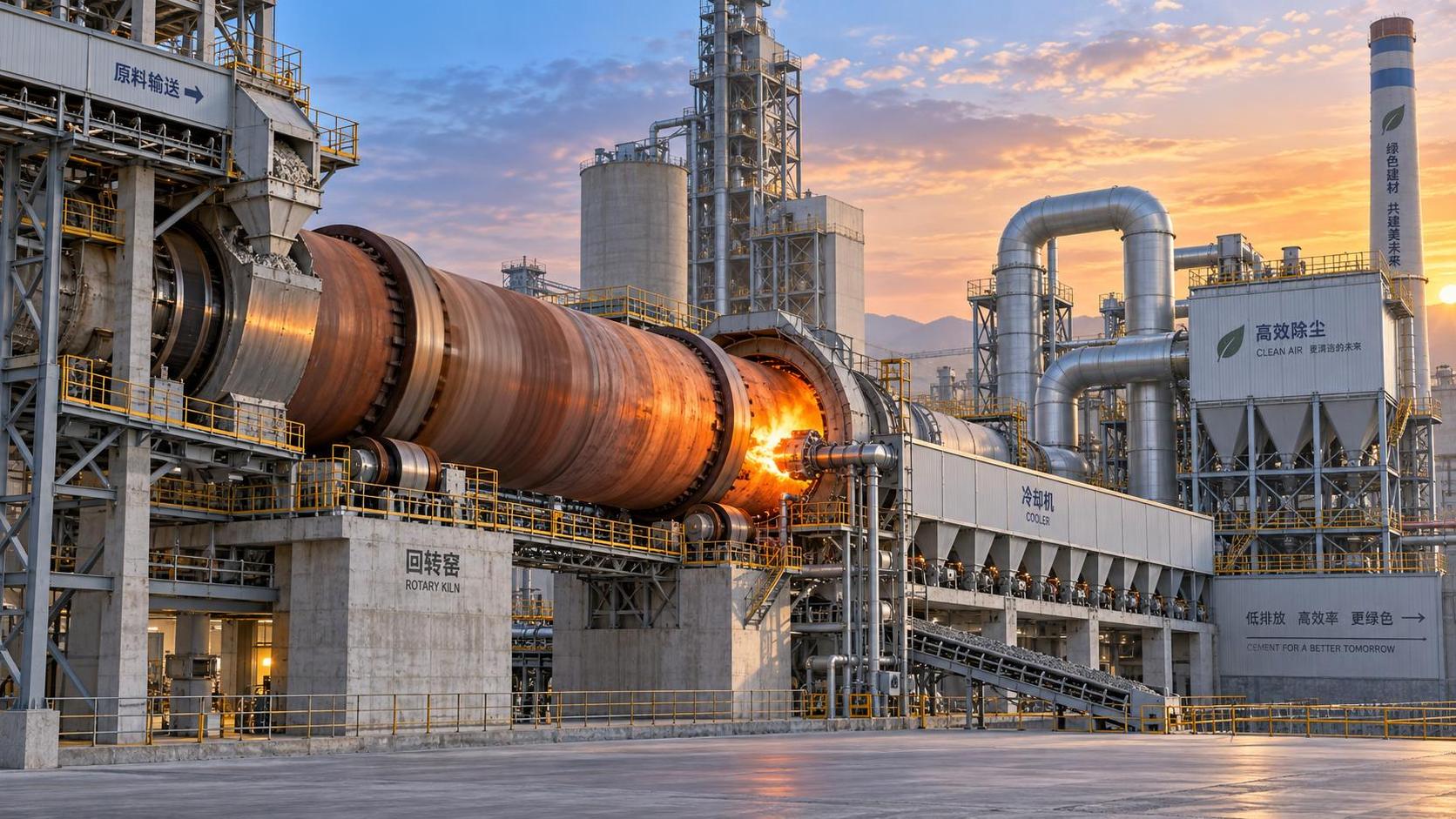
Fuel efficiency depends on how completely the system captures, transfers, and reuses heat. In a modern industrial kiln design review, the focus should move beyond burner nameplate data and toward the full thermal path from fuel input to product exit.
1. Geometry and residence time
Kiln length, diameter, slope, rotational speed, and internal arrangement determine residence time and material bed behavior. If residence time is too short, operators compensate with higher firing rates. If it is too long, shell losses and unnecessary gas heating increase.
2. Burner configuration and flame shaping
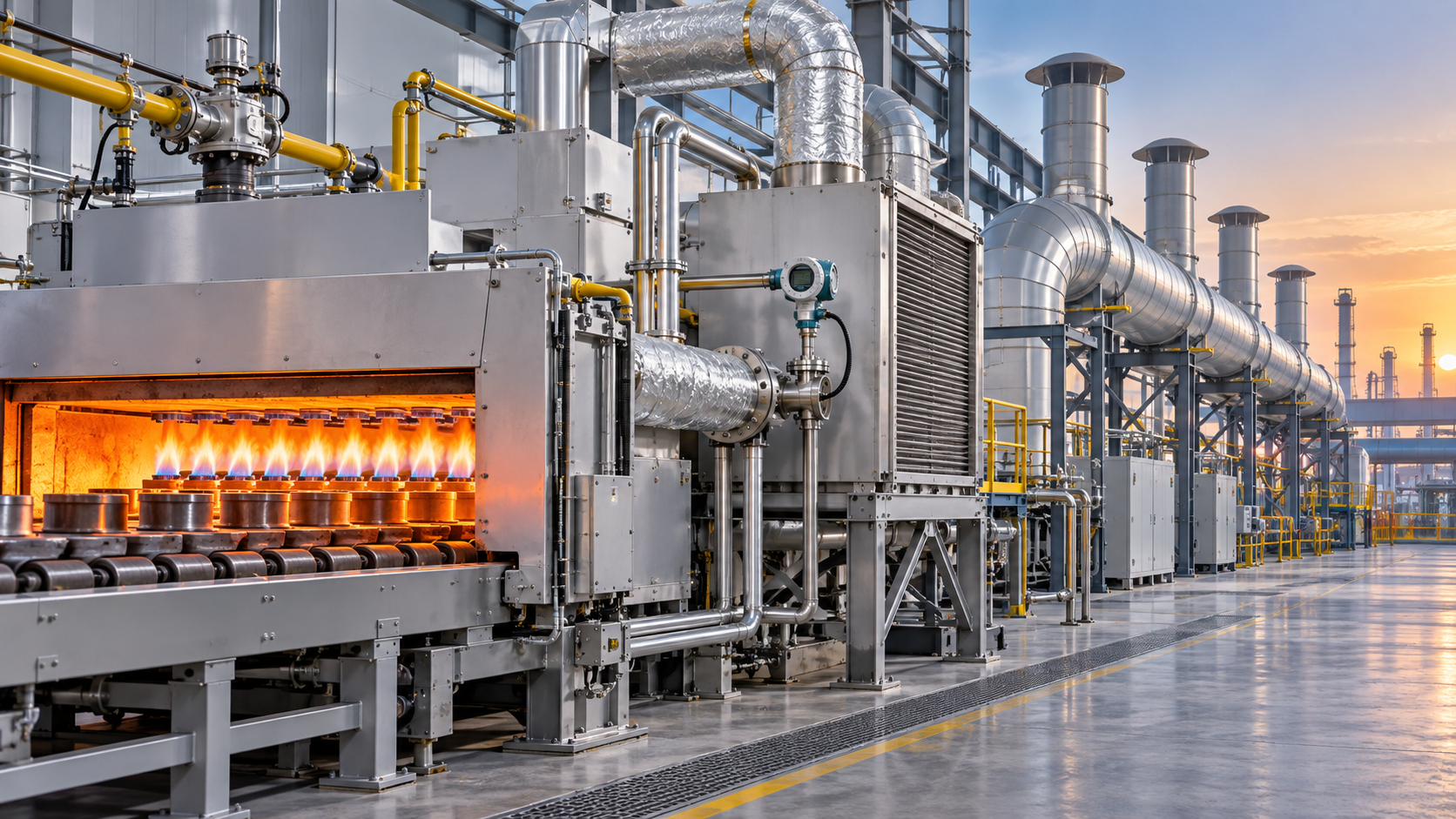
A stable flame improves heat release where it is needed. Poor burner positioning or weak momentum control can create local overheating, incomplete combustion, or uneven temperature fields. This leads to wasted fuel and accelerated refractory wear.
3. Airflow control and false air management
Excess air is necessary for combustion, but uncontrolled false air is expensive. Inleakage cools process gases, increases fan load, and reduces thermal efficiency. Seals, duct integrity, and pressure balance are therefore core parts of industrial kiln design, not minor accessories.
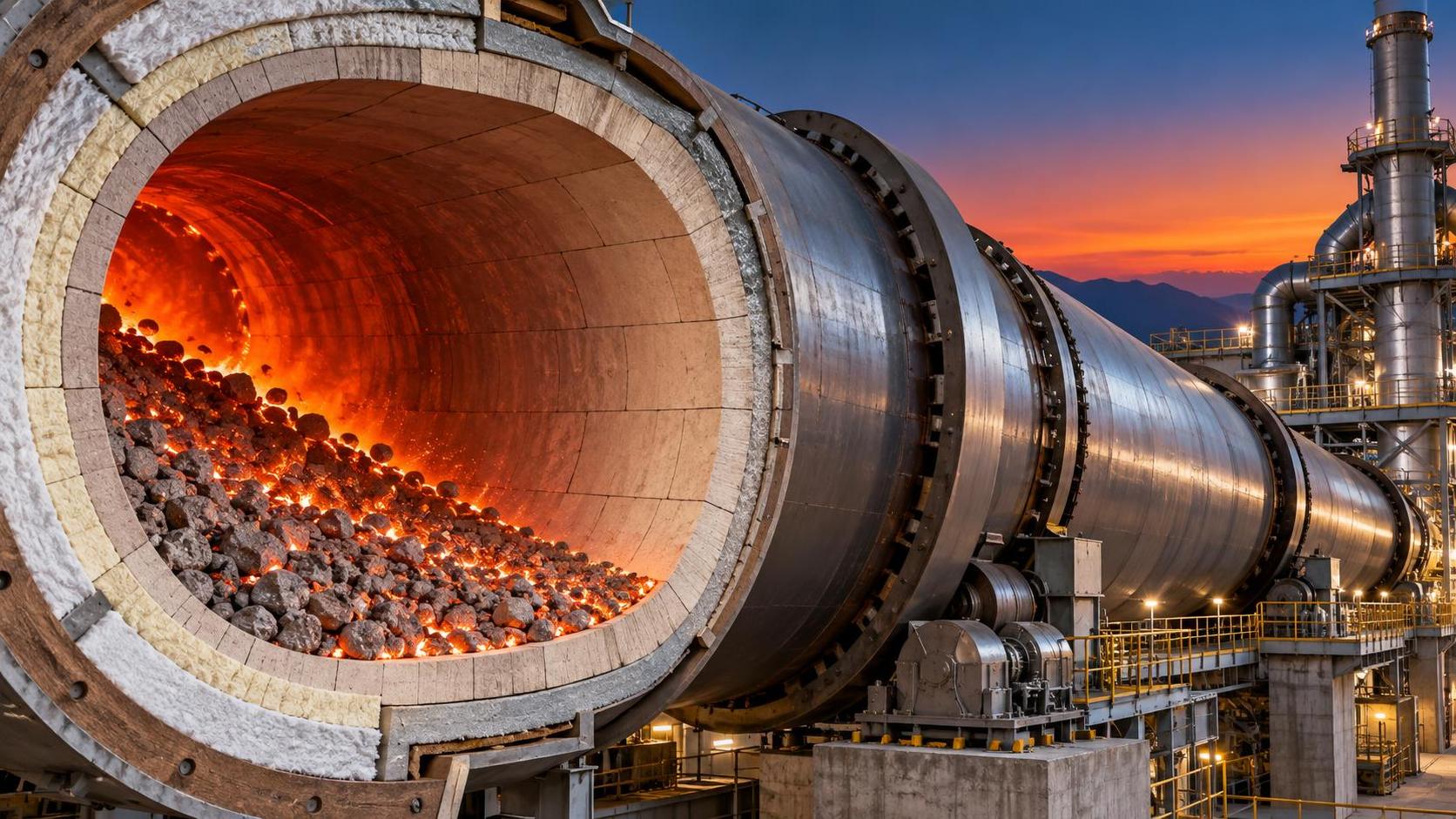
4. Refractory system and shell heat loss
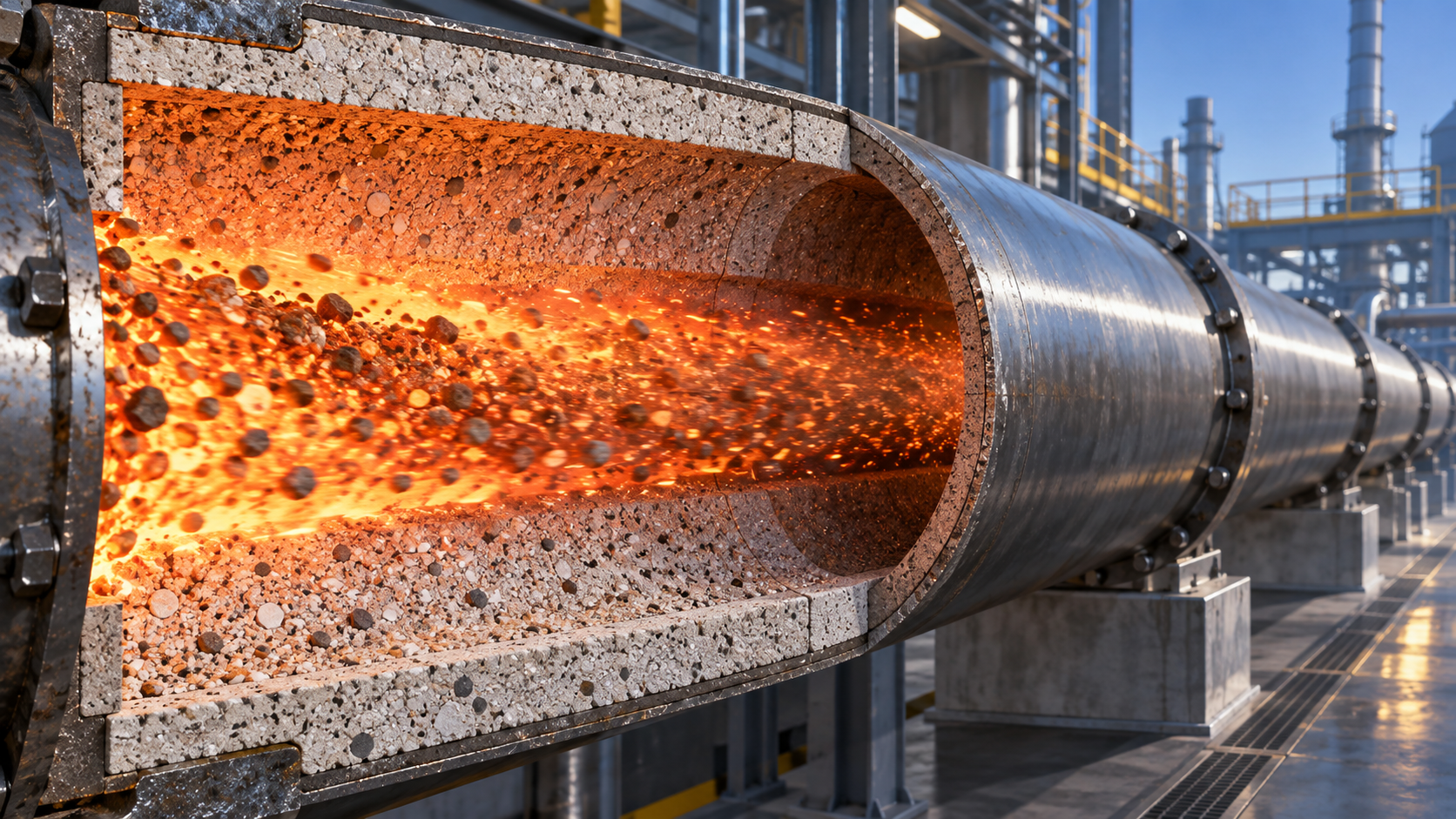
Refractory choice affects insulation, chemical resistance, coating behavior, and maintenance intervals. Overly conservative linings may reduce internal volume or create thermal lag. Underspecified linings increase shell radiation losses and shutdown frequency.
5. Heat recovery integration
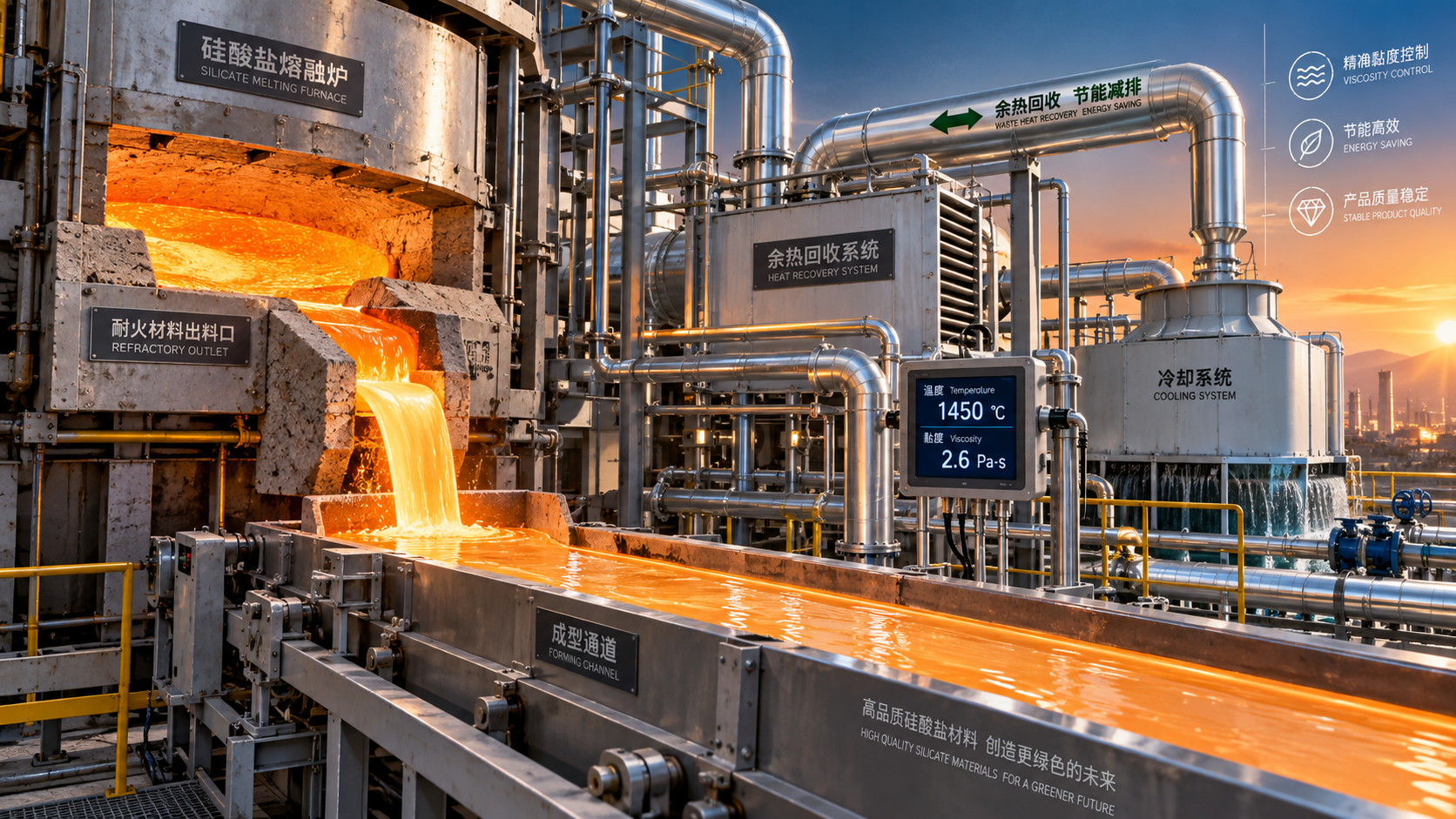
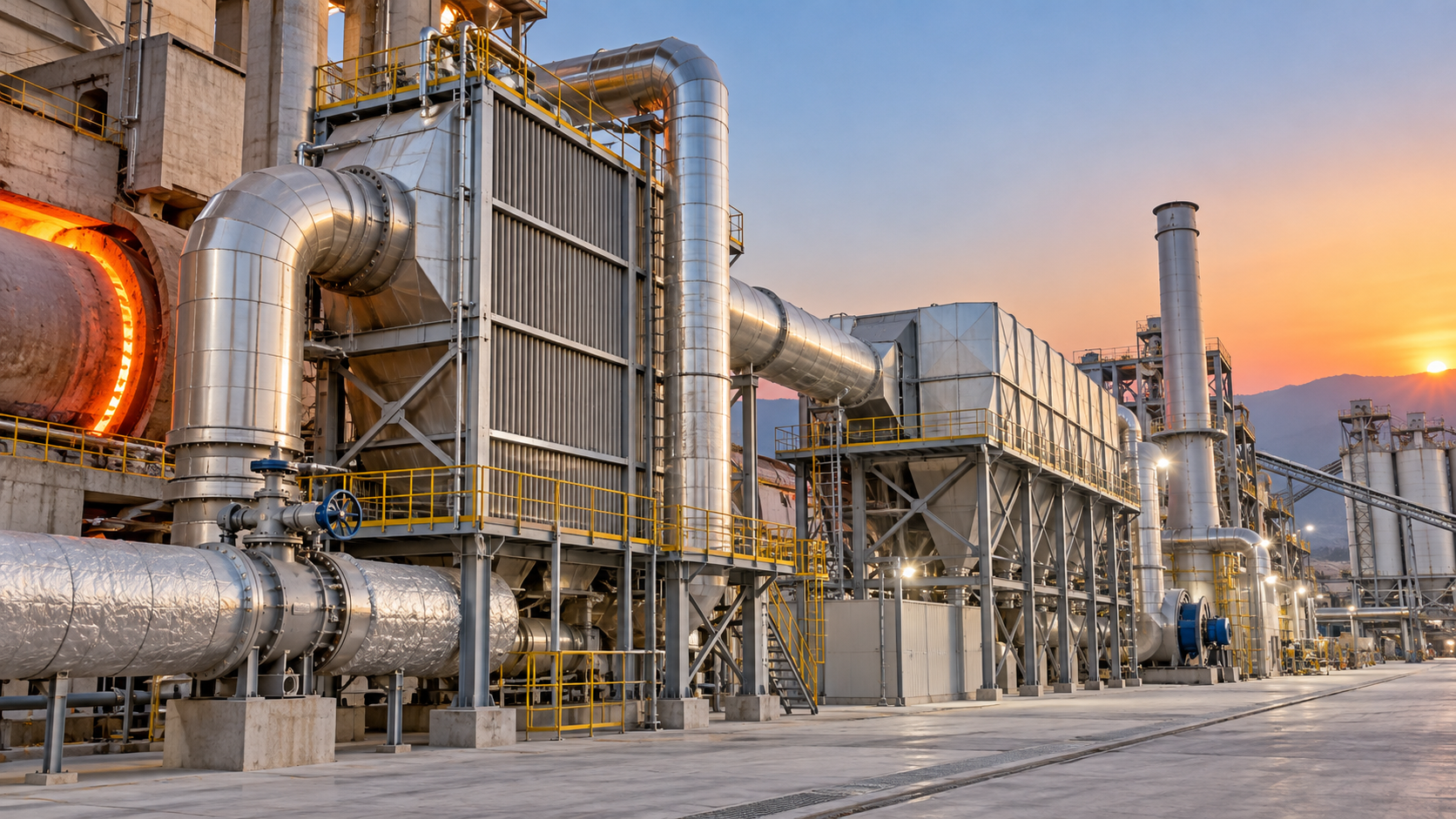
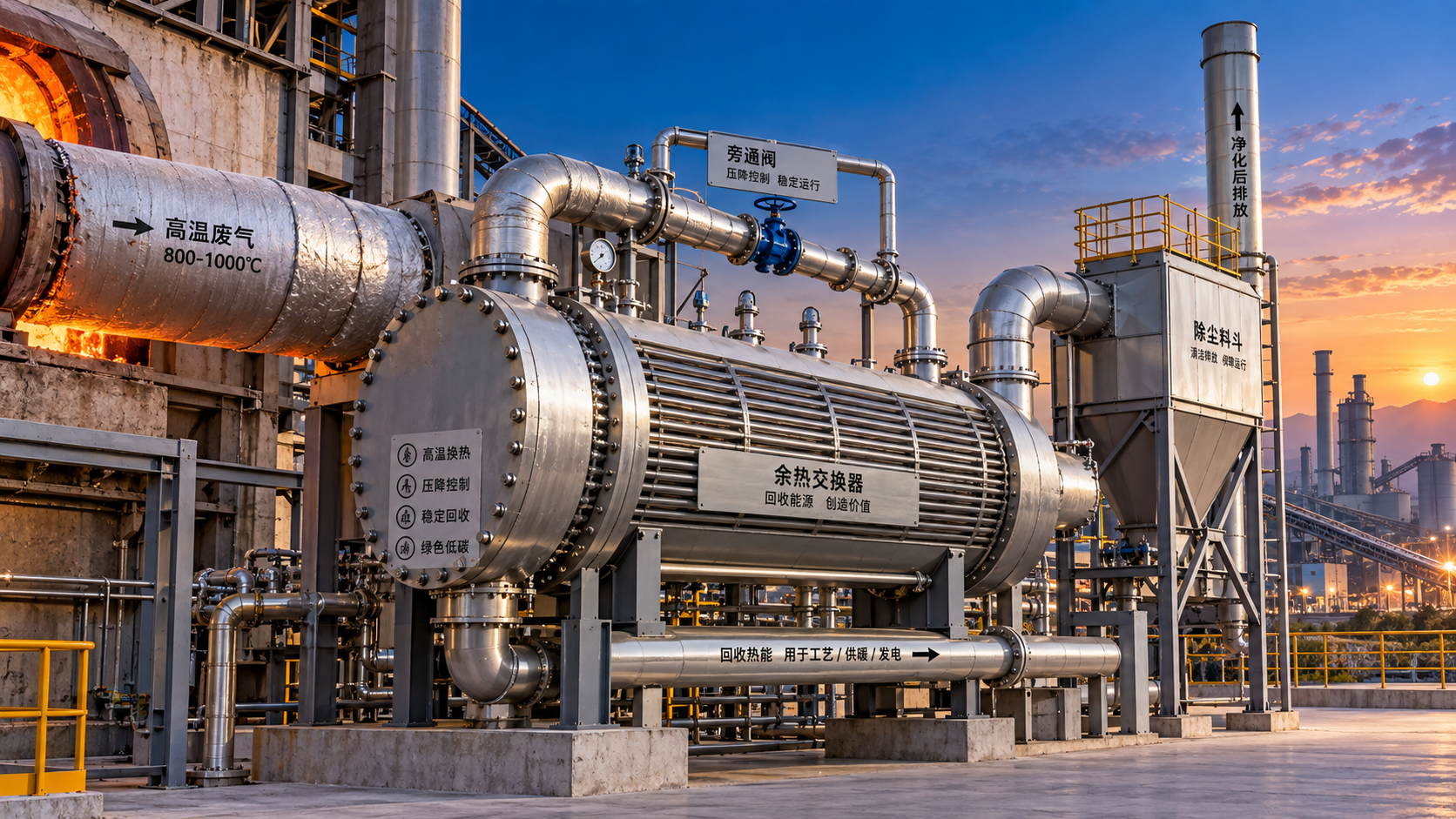
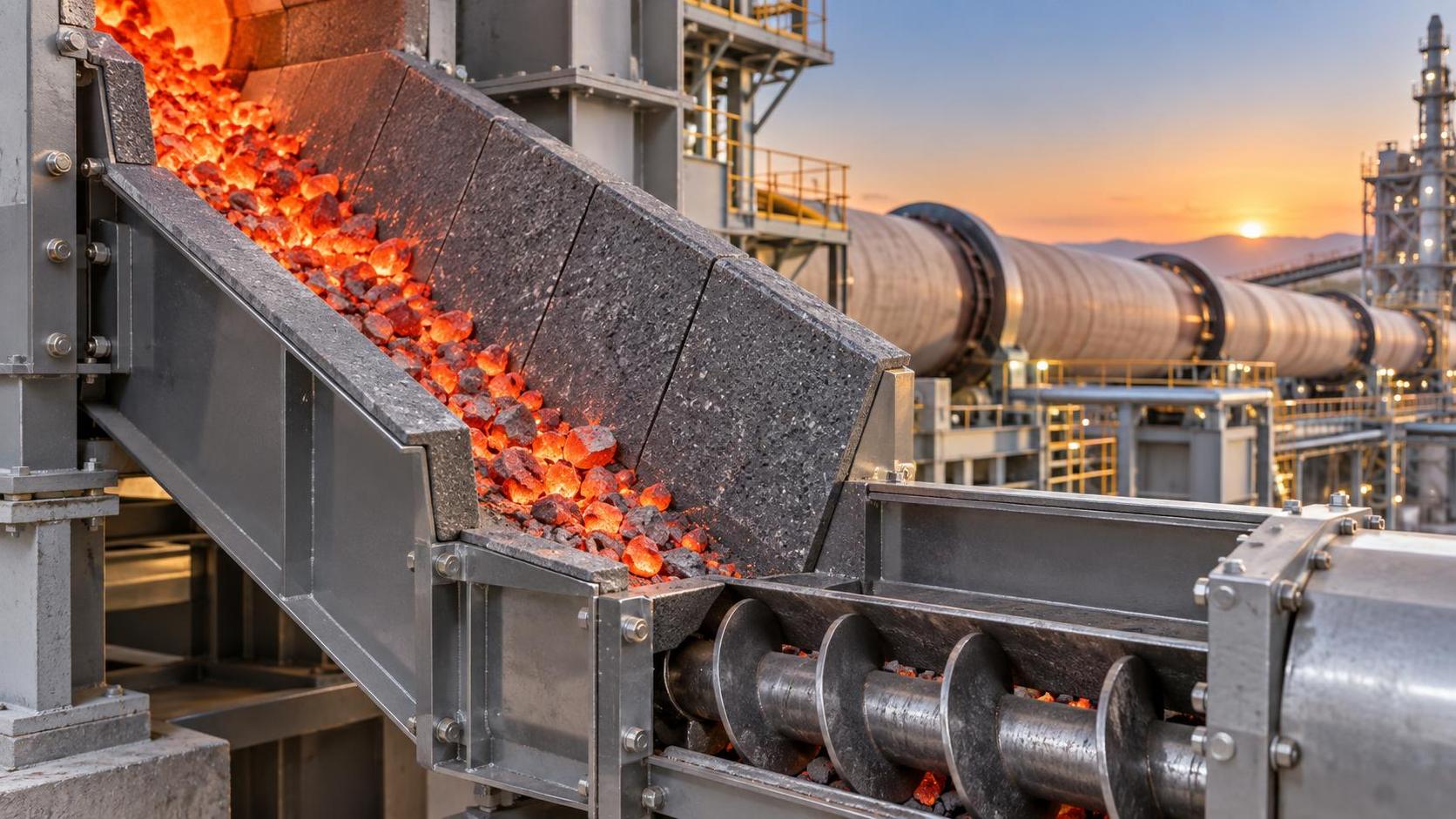
Preheaters, recuperators, coolers, and waste heat recovery arrangements often determine whether a kiln is merely operational or truly efficient. The best industrial kiln design uses exhaust energy intelligently rather than rejecting it as stack loss.
The table below shows how specific design elements typically influence fuel use and reliability during project evaluation.
For procurement teams, the key lesson is simple: low quoted fuel figures mean little unless the supplier explains the thermal assumptions, expected feed variability, air leakage limits, and refractory campaign logic behind them.
How better industrial kiln design protects uptime in continuous operations
In continuous plants, uptime is often more valuable than peak efficiency claims. A kiln with slightly lower theoretical efficiency but stronger operating stability may produce a better lifecycle outcome than a high-strain design that needs frequent interventions.
Good industrial kiln design improves uptime by controlling thermal gradients, mechanical loads, coating behavior, and maintenance accessibility. These are practical issues that directly affect stoppage frequency and repair duration.
Key uptime drivers to review
- Thermal uniformity across the process zone, which reduces localized refractory stress.
- Mechanical alignment and shell support conditions, which influence ovality and lining life.
- Feed adaptability, especially where moisture, particle size, or calorific value can swing by season or supplier source.
- Burner turndown capability for startups, low-load operation, and fuel switching.
- Inspection access and online monitoring points for shell temperature, draft, gas composition, and lining condition.
CF-Elite’s strategic intelligence approach is valuable here because uptime failures often arise from cross-disciplinary gaps. A refractory decision made without combustion insight, or a fuel strategy set without process chemistry review, can undermine the whole line.
What project managers should compare before approving a kiln concept
When several suppliers present similar production capacities, project leaders need a practical comparison framework. The best industrial kiln design is not always the most complex one. It is the option that best aligns with feed chemistry, fuel flexibility, maintenance resources, and carbon targets.
The comparison table below can support technical clarification meetings, bid tabulation, and lifecycle cost discussions.
This type of comparison helps buyers move past headline capacity. It also reveals whether a supplier understands the full operating context or is simply selling a standard machine into a complex process environment.
Application scenarios: the same industrial kiln design logic does not fit every plant
Different industries place different priorities on industrial kiln design. A project team should define the main operational constraint before locking the thermal concept.
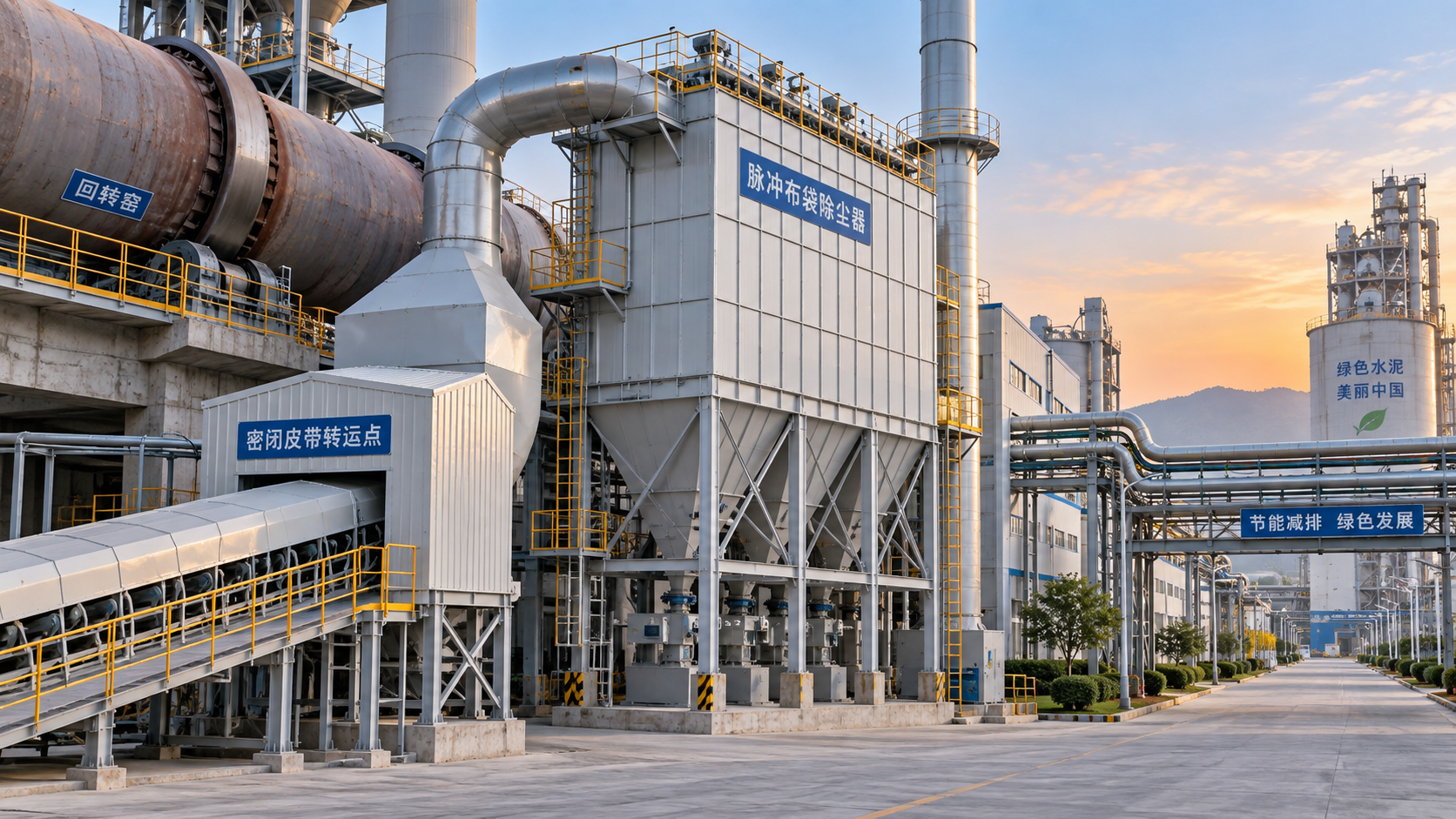
Cement and clinker lines
Fuel efficiency, alternative fuel use, stable coating, and dust control are usually central. Here, kiln design must work with preheater and cooler performance, not independently from them.
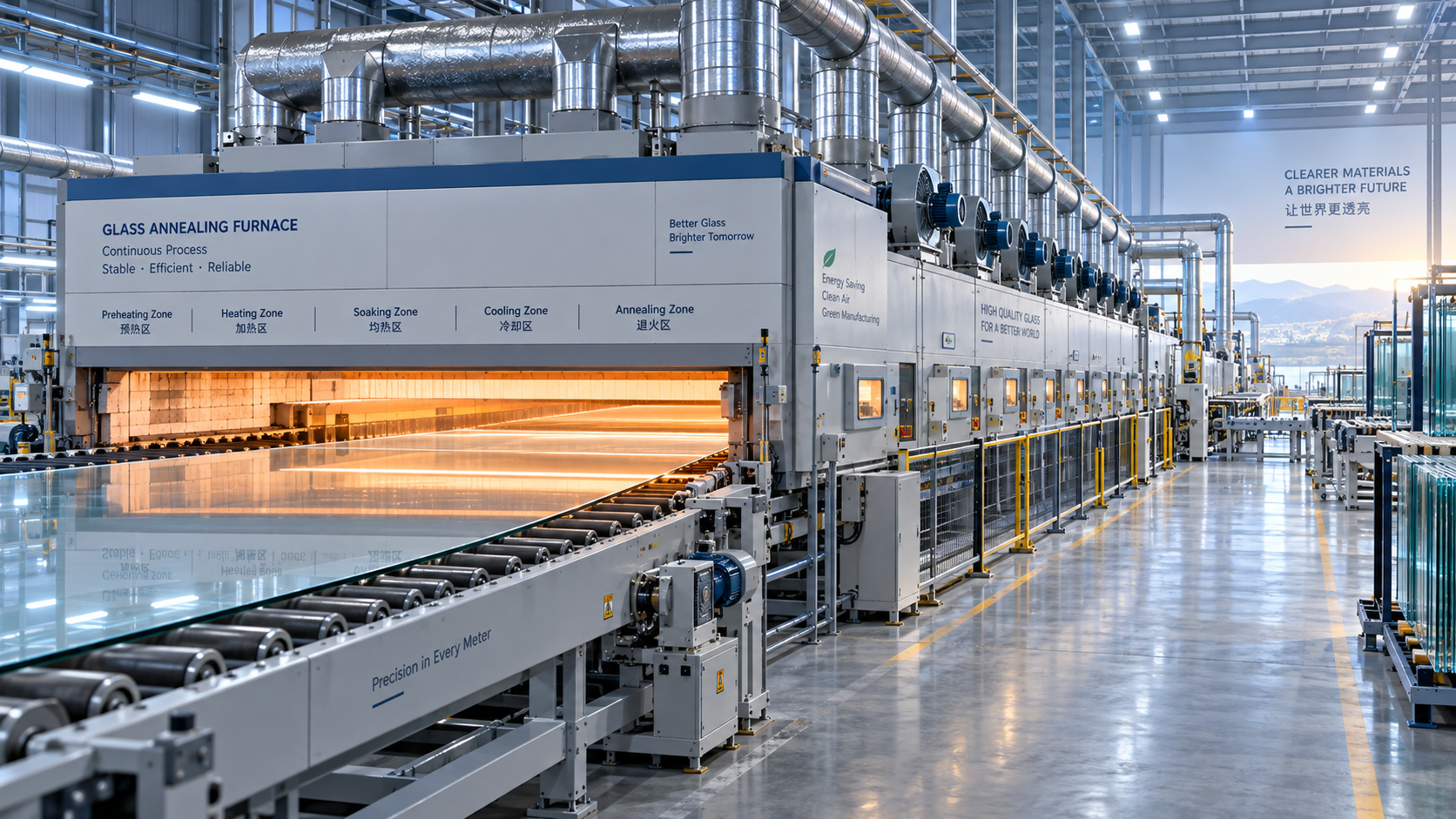
Glass-related thermal systems
Temperature consistency and product quality sensitivity are often more critical than raw throughput. Airflow patterns, refractory chemistry, and control precision become decisive for defect prevention.
Industrial incineration and co-processing
Feed variability is extreme. The kiln must tolerate changes in calorific value, ash composition, moisture, and hazardous constituents while maintaining destruction efficiency and emissions performance.
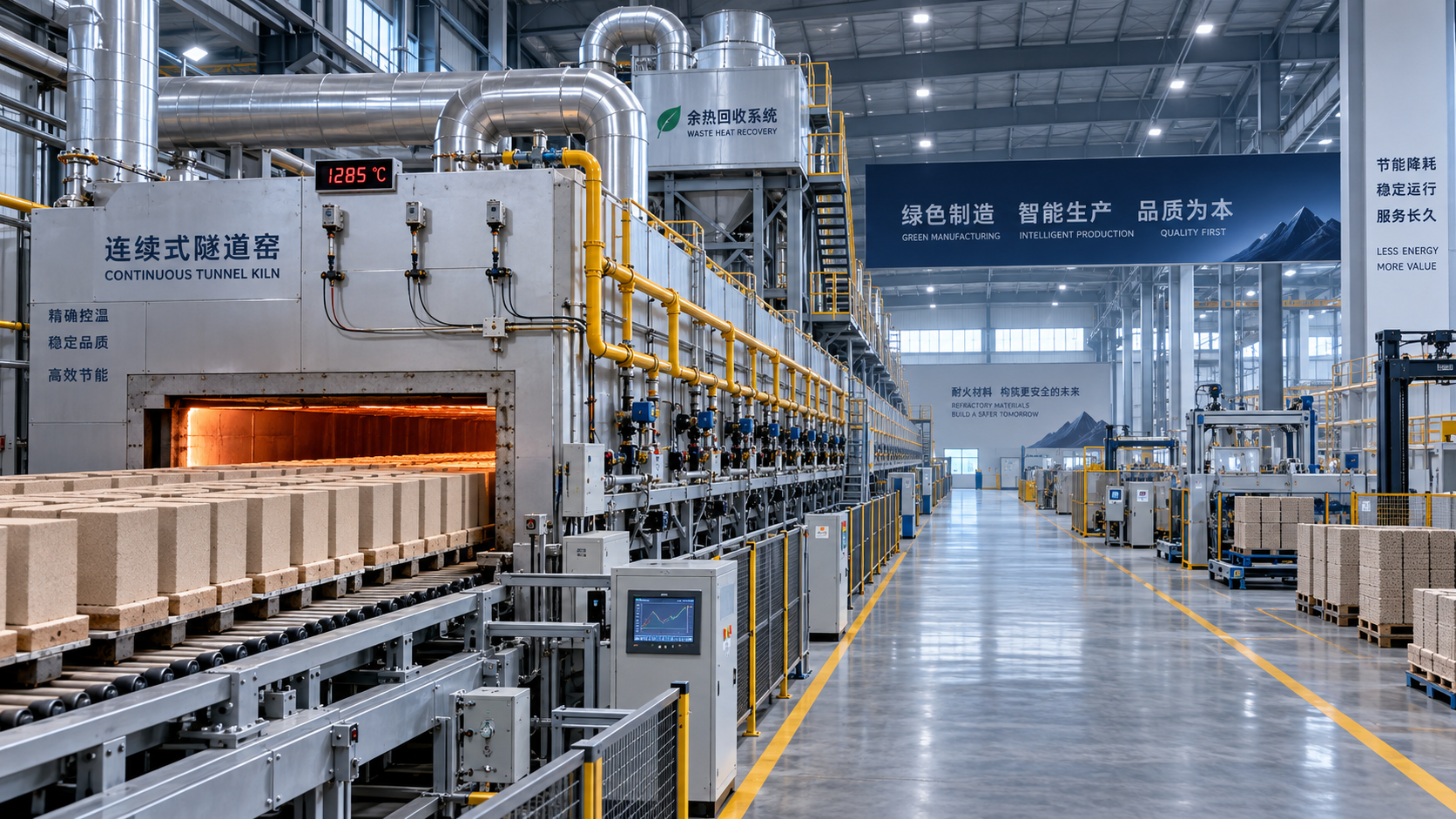
Refractory and specialty material production
Long thermal cycles and product-specific sintering curves often matter more than nominal fuel input. Here, design must support precise heating and cooling regimes to protect product integrity.
How to evaluate cost, alternatives, and payback without missing hidden losses
A frequent procurement mistake is to compare kilns mainly on purchase price. For thermal equipment, the largest cost drivers over time are usually fuel, refractory replacement, downtime, fan power, and emissions-related adjustments.
A stronger industrial kiln design may cost more upfront, yet still reduce total cost of ownership if it lowers heat loss, extends campaign life, or shortens shutdown windows. Project managers should therefore review payback through a lifecycle lens.
- Estimate specific energy consumption under realistic feed moisture and throughput ranges, not ideal laboratory values.
- Quantify expected refractory campaign duration and the labor scope of replacement outages.
- Model downtime cost per day, including lost contribution margin and restart energy penalties.
- Include future fuel switching potential if carbon or energy policy may change during the asset life.
- Review heat recovery integration options early, because retrofits are often more expensive than initial design inclusion.
This is also where CF-Elite’s market and technical intelligence can support planning teams. Cross-border projects often face changing energy tariffs, environmental rules, and supplier ecosystems. A static equipment quote does not reflect those moving conditions.
Standards, compliance, and digital monitoring: what should be built into the design stage?
Industrial kiln design should support compliance from the start rather than rely on late corrective measures. Requirements vary by region and process, but most projects must address combustion safety, emissions control, refractory integrity, and instrumentation reliability.
- Combustion systems should be reviewed against applicable burner management and safety practices.
- Temperature, pressure, and gas analysis points should be sufficient for both process control and incident investigation.
- Emissions strategy should consider NOx, CO, dust, and where relevant, acid gases or hazardous constituents.
- Online shell temperature scanning and lining monitoring can reduce the chance of refractory failure developing unnoticed.
Digital tools are becoming especially useful for project managers. Digital twin models, predictive maintenance logic, and trend-based alarm strategies allow teams to validate industrial kiln design assumptions before serious production loss occurs.
Common misconceptions about industrial kiln design
“A larger kiln always provides safer operating margins.”
Oversizing can reduce thermal efficiency, complicate control, and increase shell losses. Safety margin should come from design fit, control capability, and maintenance strategy, not size alone.
“Fuel savings depend mostly on the burner.”
The burner is important, but total performance also depends on air leakage, refractory insulation, gas flow path, feed preparation, and heat recovery. A premium burner cannot fix a weak thermal system.
“Maintenance issues can be solved after commissioning.”
Some can, many cannot. Access limitations, poor seal arrangement, or wrong lining zoning are far cheaper to solve in design review than after startup.
FAQ: what engineering leaders usually ask before selecting an industrial kiln design
How do I judge whether a supplier’s fuel consumption claim is realistic?
Ask for the operating basis in detail: feed moisture, raw material chemistry, throughput range, ambient temperature, fuel type, excess oxygen target, and assumed air leakage. If those assumptions do not resemble your site, the claim is not decision-grade.
What operating data should be requested during technical clarification?
Request thermal balance information, shell temperature expectations, draft profile, burner turndown range, refractory zoning logic, maintenance intervals, and utility loads. These data points reveal whether the industrial kiln design has been engineered for lifecycle operation.
Which projects benefit most from a custom kiln design instead of a standard configuration?
Customization becomes more valuable when fuels vary, feed chemistry is complex, emissions limits are tight, or uptime penalties are severe. In those cases, standard layouts may create hidden operating costs that outweigh their lower initial price.
How early should refractory specialists and thermal engineers join the project?
Ideally during concept review, before the final equipment package is frozen. Early coordination between process, combustion, and lining specialists reduces redesign risk and helps set realistic shutdown planning assumptions.
Why choose us for thermal intelligence and project-side evaluation support
CF-Elite supports project managers and engineering leaders who need more than catalog-level information. Our strength lies in connecting silicate process engineering, thermal energy architecture, refractory behavior, and market intelligence across heavy high-temperature industries.
If you are assessing industrial kiln design options, we can help you clarify the parameters that most affect long-term value rather than short-term quotations alone.
- Parameter confirmation: review thermal balance assumptions, fuel adaptability, residence time logic, and heat recovery opportunities.
- Selection support: compare kiln concepts against production goals, downtime risk, refractory campaigns, and environmental constraints.
- Delivery planning: discuss implementation complexity, shutdown windows, commissioning priorities, and likely bottlenecks.
- Custom solution review: evaluate whether your process requires standard equipment, modified geometry, advanced monitoring, or fuel-flexible combustion design.
- Commercial alignment: support quote comparison, lifecycle cost framing, and technical risk screening before procurement commitment.
For teams planning a new line, retrofit, or fuel-transition project, contact us with your process target, feed conditions, expected output, and operating constraints. We can help structure the technical questions, compare options more effectively, and identify where industrial kiln design will have the greatest effect on fuel use and uptime.
Related News
 Ms. Elena RodriguezHow to Structure Global Specification Data for Faster Industrial Product EvaluationGlobal specification-oriented product information helps industrial teams compare capacity, energy, emissions, automation, and lifecycle data on a like-for-like basis for faster, confident equipment decisions.Sep 29, 2026
 Thermal Energy ArchitectHow to Specify High-Temperature Process Systems for Continuous Thermal OperationsHigh-temperature process engineering systems: learn how to specify resilient continuous thermal operations for efficiency, compliance, reliable uptime, and long-term performance.Sep 28, 2026
 Thermal Energy ArchitectHow to Evaluate a Thermal Engineering Contractor for High-Temperature Plant ProjectsChoose a thermal engineering contractor with proven process expertise, lifecycle value, emissions control, and delivery discipline for reliable high-temperature plant performance.Sep 27, 2026
 Silicate Process EngineerHow Latin American Cement Plants Can Reduce Dust Emissions in Kilns and Transfer PointsCement plant dust control Latin America: reduce kiln and transfer-point emissions with practical airflow, filtration, monitoring, and maintenance strategies.Sep 26, 2026
 Material Heat-Resist ExpertHow to Evaluate Refractory Production Lines for Output, Quality, and Energy UseRefractory production lines: learn how to assess qualified output, consistent quality, and total energy use for smarter, lower-risk investment decisions.Sep 25, 2026
 Dr. Alistair VaughnHow Waste Recycling Technology Improves Material Recovery in Industrial PlantsWaste recycling technology improves material recovery through source segregation, smart separation, thermal treatment, and quality control for industrial plants.Sep 24, 2026
 Optical Glass Tech FellowHow to Specify Glass Annealing Equipment for European Quality and Energy RequirementsGlass annealing equipment Europe: learn how to specify lehrs for consistent glass quality, energy efficiency, compliance, automation, and reliable long-term performance.Sep 23, 2026
 Optical Glass Tech FellowSilicate Process Automation: Improving Batch Consistency and Energy ControlSilicate process automation improves batch consistency, energy control, traceability, and operator confidence across high-temperature manufacturing operations.Sep 22, 2026
 Optical Glass Tech FellowHow Silicate Industrial Processes Control Viscosity, Energy Use, and Product QualitySilicate industrial processes: learn how viscosity, chemistry, heat transfer, and atmosphere control reduce energy use, improve stability, and protect product quality.Sep 21, 2026
 Thermal Energy ArchitectHow European Plants Can Evaluate Energy Recovery Equipment for High-Temperature ProcessesIndustrial energy recovery equipment Europe: learn how high-temperature plants can assess waste-heat sources, integration risks, lifecycle value, and reliable recovery routes.Sep 20, 2026
 Thermal Energy ArchitectIndustrial Furnace Process Optimization: Reducing Fuel Use Without Sacrificing ThroughputIndustrial process optimization furnace strategies that cut fuel use while protecting throughput. Explore combustion control, heat recovery, refractory performance, and data-driven efficiency gains.Sep 19, 2026
 Ms. Elena RodriguezWhat Drives High-Pressure Extrusion Equipment Cost in Industrial Projects?High pressure extrusion equipment cost explained: compare pressure, die design, automation, wear, energy, and installation factors for smarter industrial investments.Sep 18, 2026
 Thermal Energy ArchitectHow to Size a Waste Heat Recovery Exchanger for High-Temperature Kiln Exhaust?Waste heat recovery exchanger sizing for high-temperature kiln exhaust: balance recoverable duty, fouling, corrosion limits, pressure drop, and reliable heat use.Sep 17, 2026
 Thermal Energy ArchitectWhy Heat-Resistant Materials Lose Abrasion Resistance at High TemperaturesHeat-resistant materials abrasion resistance can decline at high temperatures. Discover the thermal, chemical, and mechanical causes of wear—and how to choose longer-lasting linings.Sep 16, 2026
 Thermal Energy ArchitectHow to Evaluate a Thermal Energy Optimization Company for High-Temperature PlantsChoose a thermal energy optimization company with proven process expertise, measurable savings, and reliable delivery for high-temperature plants. Learn what to assess.Sep 15, 2026
 Thermal Energy ArchitectRotary Kiln Efficiency: How Feed Rate, Fuel Use, and Heat Loss Affect OutputRotary kiln efficiency explained: discover how feed rate, fuel use, heat loss, combustion, and cooling performance shape output, quality, and energy costs.Sep 14, 2026
 Thermal Energy ArchitectHow to Select Heat-Resistant Materials That Maintain Abrasion Resistance in KilnsHeat-resistant materials abrasion resistance: learn how to select kiln linings that withstand heat, wear, thermal cycling, and chemical attack for longer service life.Sep 13, 2026
 Thermal Energy ArchitectHow Rotary Kiln Automation Improves Temperature Control and Fuel EfficiencyRotary kiln technology automation enhances temperature control, stabilizes combustion, and improves fuel efficiency with smarter data, predictive control, and safer operations.Sep 12, 2026
 Silicate Process EngineerCement Plant Emission Control: Selecting Systems for Dust, NOx, and SO2 LimitsCement plant emission control guide: compare dust collectors, NOx reduction, and SO2 systems for reliable compliance across kiln modes, fuel changes, and operating upsets.Sep 11, 2026
 Thermal Energy ArchitectSelecting Abrasion-Resistant High-Temperature Materials for Kiln and Conveyor Wear ZonesHigh-temp material engineering guide to abrasion-resistant kiln and conveyor solutions—match wear, heat, chemistry, and installation design for longer service life.Sep 10, 2026


Related News
- 00
0000-00
How to Specify High-Temperature Process Systems for Continuous Thermal Operations - 00
0000-00
How to Evaluate a Thermal Engineering Contractor for High-Temperature Plant Projects - 00
0000-00
How European Plants Can Evaluate Energy Recovery Equipment for High-Temperature Processes - 00
0000-00
Industrial Furnace Process Optimization: Reducing Fuel Use Without Sacrificing Throughput - 00
0000-00
How to Size a Waste Heat Recovery Exchanger for High-Temperature Kiln Exhaust?
Weekly Insights
Stay ahead with our curated technology reports delivered every Monday.