
What to compare before choosing rotary kiln technology




Choosing the right rotary kiln technology affects fuel efficiency, product quality, emissions compliance, and long-term operating costs. For procurement teams, the decision goes beyond price—it requires comparing capacity, thermal performance, feed adaptability, refractory life, automation level, and supplier support. This guide highlights the key factors that matter most when evaluating solutions for reliable, efficient, and future-ready industrial operations.
What should procurement teams compare first in rotary kiln technology?
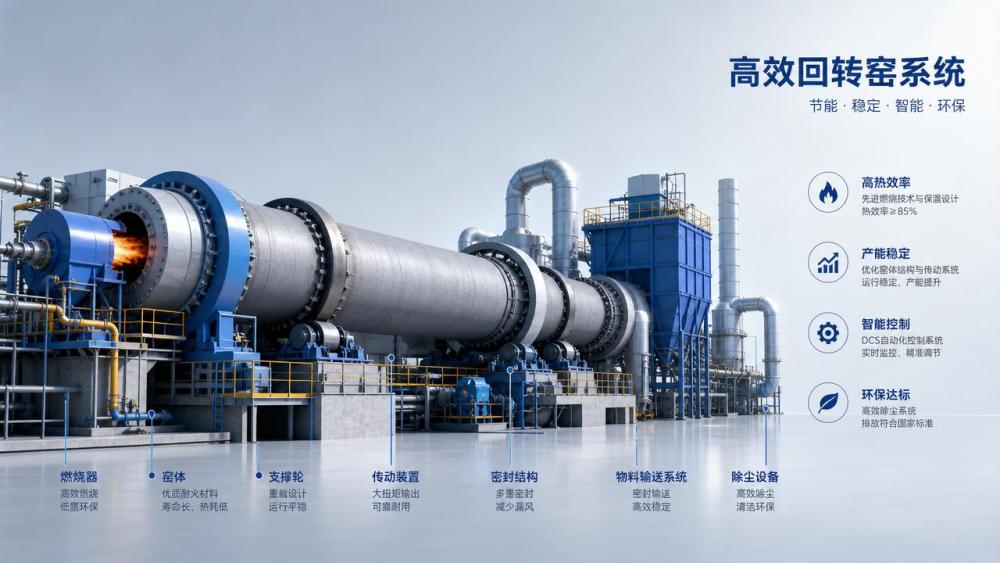
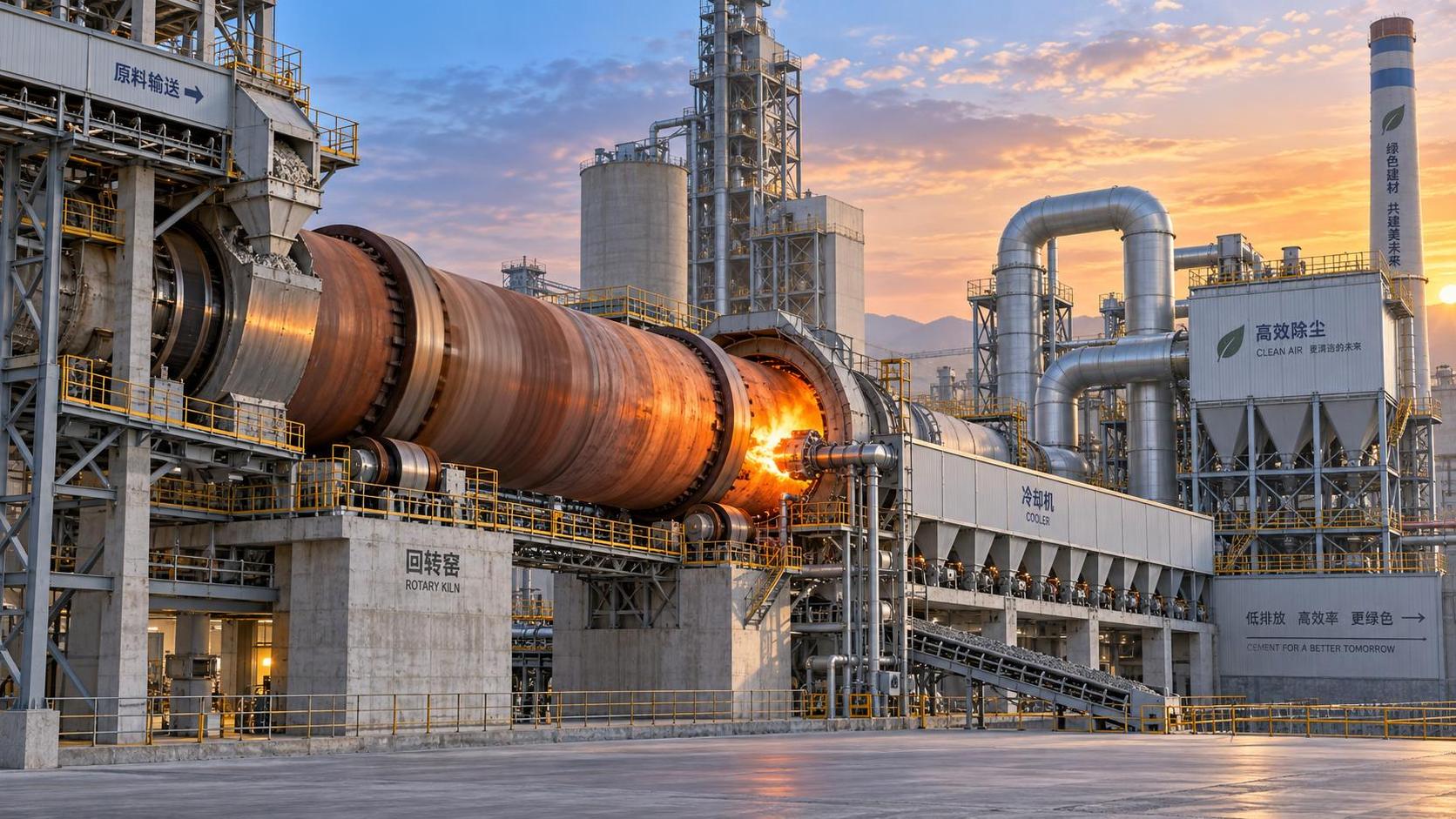
For buyers in cement, waste co-processing, refractory, glass-related thermal systems, and new building material production, rotary kiln technology is not a single equipment purchase. It is a process decision that shapes heat balance, output stability, environmental performance, and maintenance exposure for years.
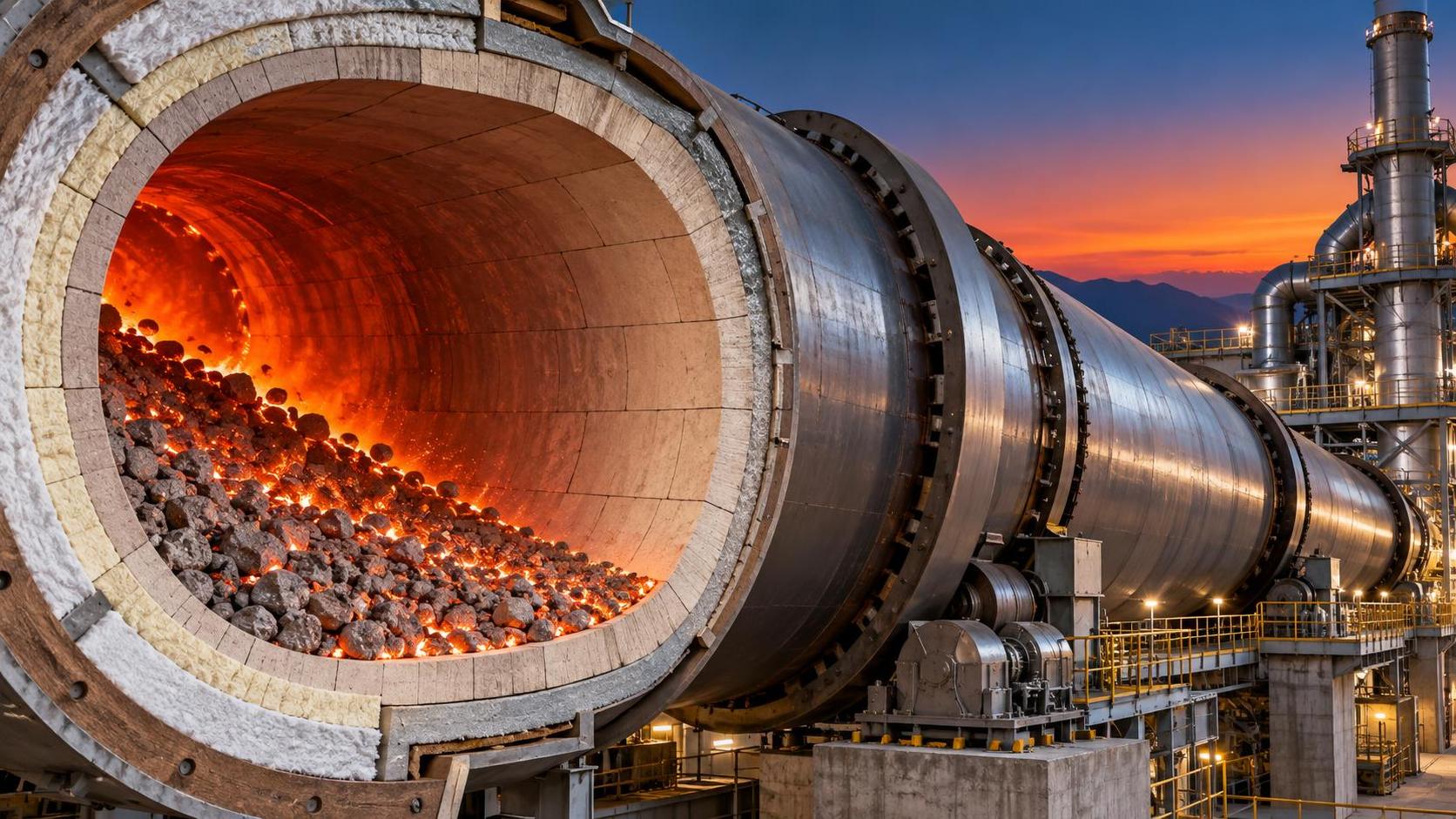
A rotary kiln may look similar across suppliers, yet major differences often hide in burner design, shell configuration, support arrangement, sealing performance, drive system sizing, control architecture, and lining strategy. These differences directly affect total cost of ownership.
Procurement teams usually face three risks. First, they compare quotations without aligning operating assumptions. Second, they focus on initial capex and underweight fuel, refractory, downtime, and spare parts. Third, they accept generic performance claims without checking feed chemistry, moisture, and target product requirements.
- Process fit: Can the selected rotary kiln technology handle your actual feed size distribution, moisture level, volatile content, and throughput swings?
- Thermal efficiency: What specific heat consumption range is expected under realistic site conditions rather than laboratory assumptions?
- Mechanical reliability: How are tyre migration, shell ovality, thrust loads, and bearing service intervals managed?
- Compliance readiness: Can the system support current and future dust, NOx, SOx, VOC, or co-processing regulations?
- Supplier capability: Does the supplier offer commissioning logic, training, remote diagnostics, and refractory inspection guidance?
At CF-Elite, rotary kiln technology is viewed through the combined lens of thermal management, silicate process behavior, and decarbonization pressure. This matters because procurement decisions in high-temperature industries are rarely isolated; they are tied to fuel strategy, carbon constraints, and long-cycle asset performance.
Which technical parameters matter most before comparing price?
Before asking which rotary kiln technology quote is lower, buyers should lock the technical comparison basis. A low purchase price can quickly become expensive if the kiln needs more fuel, more shutdowns, or more refractory repairs than expected.
The table below gives a practical procurement framework for comparing rotary kiln technology across vendors, especially when bids look similar on paper but differ in operating consequences.
This comparison shows why rotary kiln technology should be evaluated as an integrated thermal process. Procurement gains clarity when technical parameters are tied to measurable operating risk, not just to brochure language.
Why thermal efficiency deserves early attention
In long-cycle heavy equipment, fuel cost often exceeds the initial equipment price over time. A rotary kiln technology option with better combustion control, insulation logic, and heat recovery integration can materially improve lifecycle economics, especially where natural gas, coal, petcoke, RDF, or mixed fuels are used.
Buyers should ask suppliers to define expected energy use under actual feed and ambient conditions. If no boundary conditions are provided, comparisons are not yet reliable.
Why refractory life is a procurement issue, not only a maintenance issue
A kiln that runs hotter at the shell, cycles more frequently, or sees unstable chemistry can consume lining far faster than predicted. That is why procurement should evaluate refractory concept, shell temperature monitoring, and maintenance access together when screening rotary kiln technology proposals.
How do different application scenarios change rotary kiln technology selection?
Not every rotary kiln technology fits every industrial duty. Material behavior, target reaction, residence time, emissions profile, and fuel choice all shift the selection logic. A kiln suited for clinker production may not be optimal for hazardous waste co-processing or specialty calcination.
The table below helps procurement teams compare application-driven differences before shortlisting suppliers.
Application-based selection reduces mismatches. It also helps procurement teams ask better questions about heat transfer mode, shell design, burner selection, and environmental interfaces relevant to their exact process duty.
Scenario signals buyers should not ignore
- If your feed chemistry changes seasonally, prioritize rotary kiln technology with broader combustion and retention flexibility.
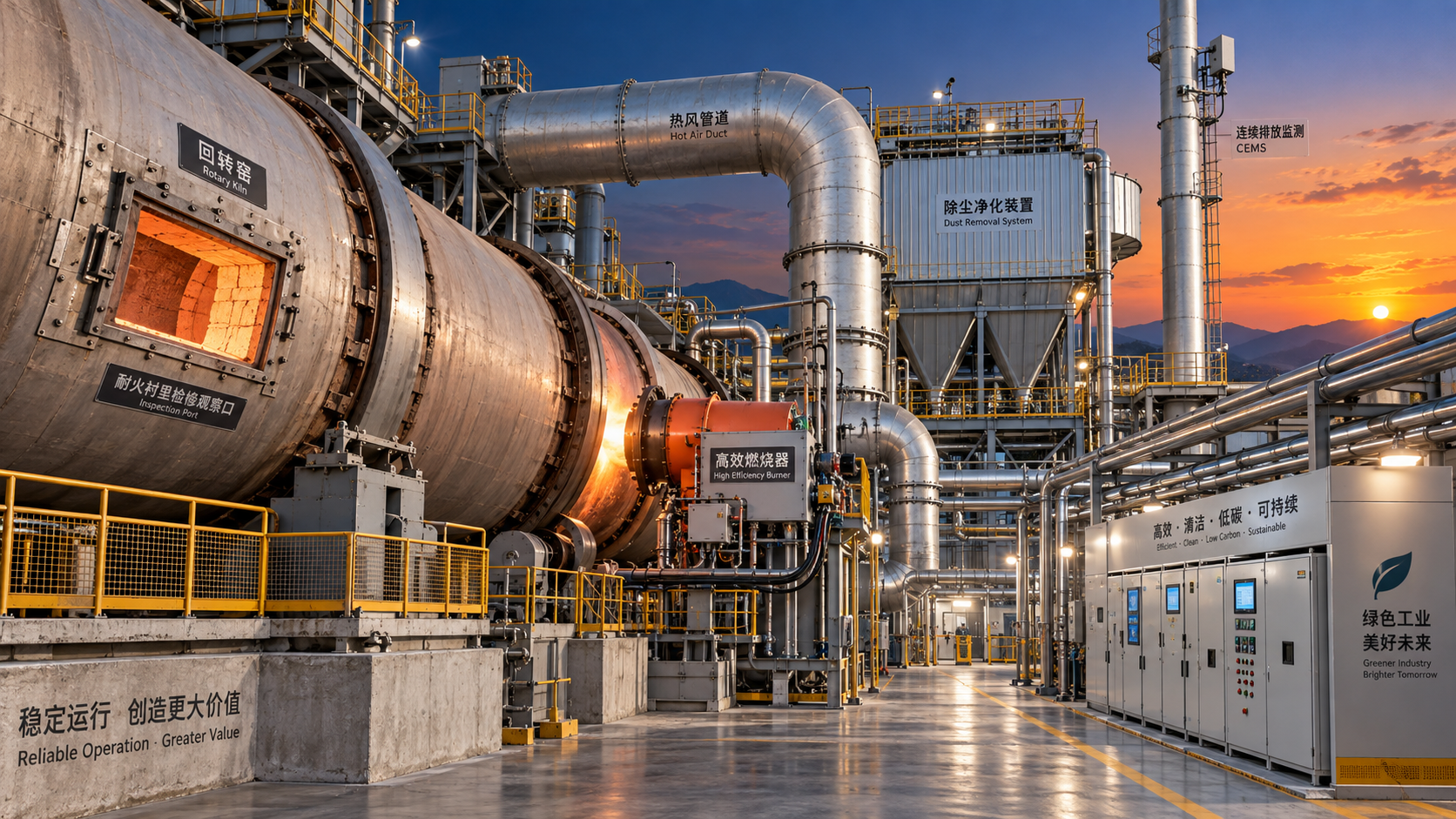
- If emissions permits are tight, verify integration points for dust collection, secondary combustion, and continuous monitoring systems.
- If your plant runs long campaigns, refractory access, shell scanning, and preventive maintenance planning deserve higher weighting.
- If alternative fuels are planned, compare sealing integrity, ash behavior, coating tendency, and operator control complexity.
CF-Elite’s sector focus across cement production, industrial kilns, incineration, and refractory lines is useful here because cross-industry lessons often reveal hidden design trade-offs. A kiln optimized for one heat duty can create avoidable risk in another if procurement copies specifications without process translation.
What hidden lifecycle costs should be included in rotary kiln technology evaluation?
Many procurement files still compare rotary kiln technology mainly by equipment price, erection scope, and delivery time. That approach is incomplete. The more durable commercial question is what the kiln will cost to run, maintain, and keep compliant across its operating life.
Lifecycle cost analysis should combine technical and commercial inputs. Even when suppliers do not provide all figures, buyers can still structure a robust comparison model.
- Fuel and power demand: Estimate annual energy use under typical load, not just nameplate load.
- Refractory replacement frequency: Include brick, labor, cooldown loss, and startup loss after shutdown.
- Mechanical maintenance: Review girth gear, pinion, tyre, roller, thrust device, lubrication, and alignment needs.
- Emission control support: Account for interfaces with dust collection, combustion tuning, and compliance monitoring.
- Downtime exposure: A cheaper kiln with frequent interruptions can carry a higher lost-output cost than a more expensive but more stable design.
This is also where strategic intelligence becomes valuable. Procurement teams benefit from market knowledge on fuel trends, tightening environmental rules, and digital monitoring adoption, because rotary kiln technology should remain viable under future operating conditions, not only present ones.
A practical cost question for RFQ reviews
Ask every bidder to explain what assumptions sit behind quoted energy consumption, refractory life, and annual maintenance. If one bidder appears dramatically lower, the answer is often hidden in assumptions about feed uniformity, operating discipline, or excluded service scope.
How should buyers assess automation, compliance, and supplier support?
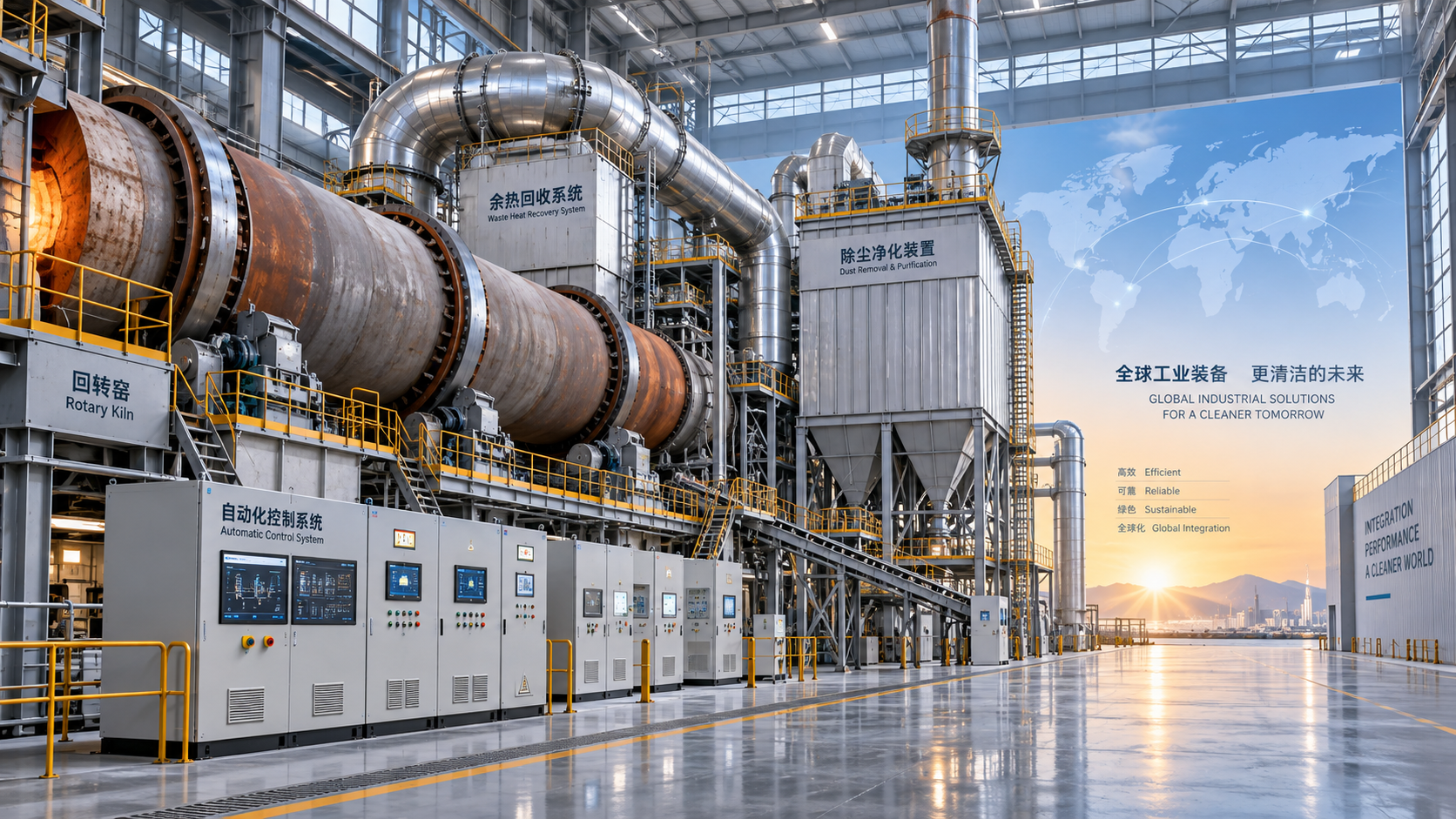
Modern rotary kiln technology is no longer only mechanical. Procurement should review data visibility, alarm logic, process control, and compliance interfaces with the same seriousness as steel thickness or drive power. This is especially important where carbon reduction, co-processing, and traceability pressures are increasing.
Automation checklist
- Can operators view temperature trends, pressure balance, kiln speed, draft status, and burner parameters in a unified interface?
- Is historical process data stored in a way that supports root-cause analysis after upset conditions?
- Are shell temperature scanning, vibration, and bearing condition tools available or compatible with future upgrades?
- Does the control philosophy allow stable operation during alternative fuel ratio changes or load swings?
Compliance and standards perspective
Exact regulatory obligations vary by country and application, but buyers should generally review equipment suitability for emissions control integration, electrical safety, pressure-related auxiliaries where applicable, and documentation quality for inspections and commissioning records. If waste-derived fuels or hazardous feed streams are involved, regulatory scrutiny is usually higher.
Procurement should also confirm whether the supplier can support performance validation, operating manuals, spare parts lists, and commissioning protocols in forms accepted by local project teams and insurers.
Support after delivery often decides the real value
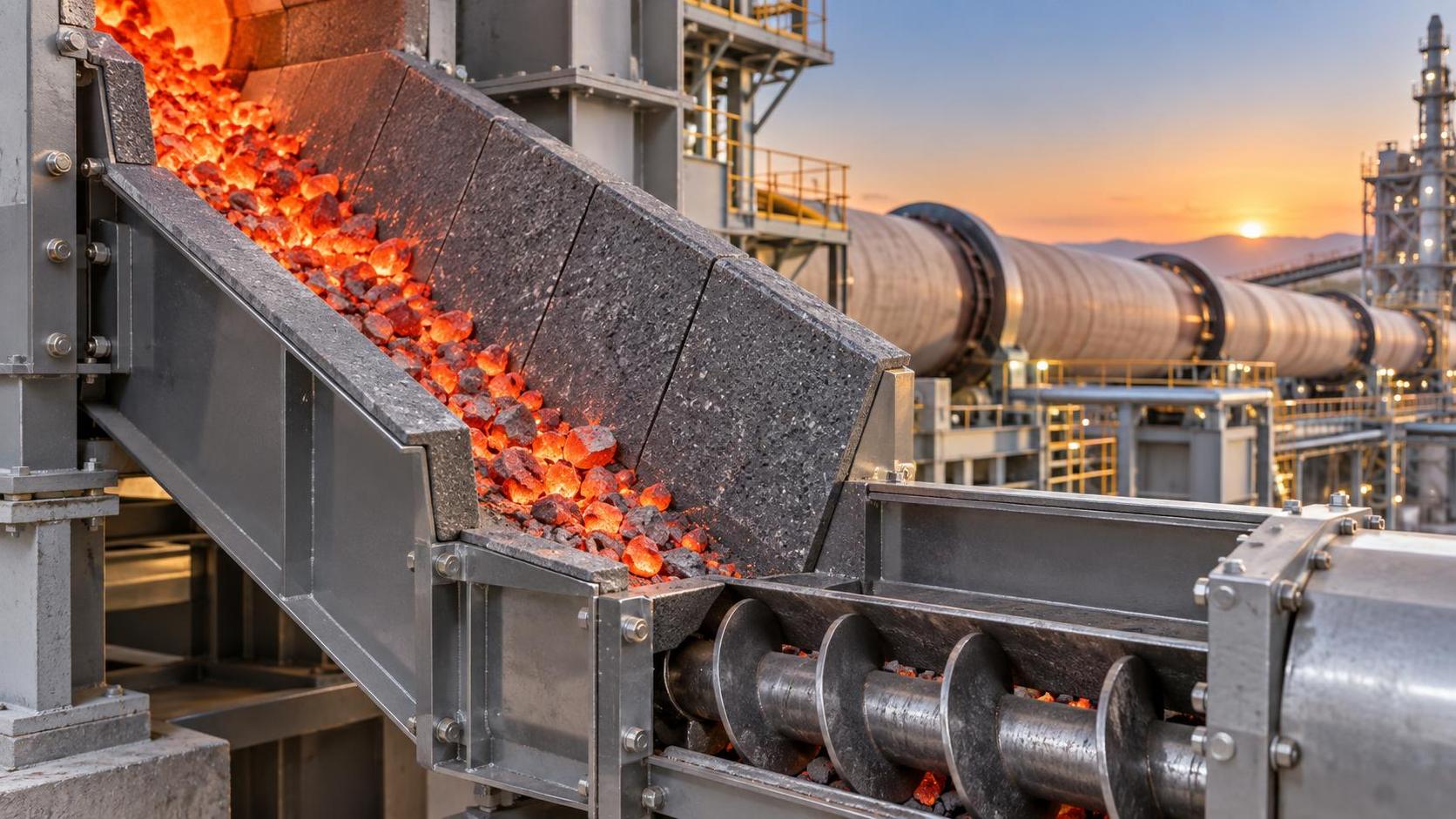
For rotary kiln technology, handover is not the end of risk. Alignment checks, thermal ramp-up guidance, burner tuning, refractory dry-out, and operator training are all critical to early performance. If these services are vague in the proposal, the apparent price advantage may be misleading.
Common mistakes buyers make when comparing rotary kiln technology
Even experienced procurement teams can misread kiln proposals because vendors present information in different formats. The safest approach is to normalize technical, commercial, and operational assumptions before final evaluation.
Frequent decision errors
- Comparing nominal capacity without reviewing guaranteed operating range and feed variability tolerance.
- Accepting thermal efficiency claims that do not specify fuel type, ambient conditions, or raw material moisture.
- Treating refractory as a consumable detail rather than a major uptime and cost driver.
- Ignoring future decarbonization plans, such as alternative fuels, waste heat use, or digital monitoring upgrades.
- Failing to evaluate supplier responsiveness for commissioning support, spare parts lead time, and shutdown troubleshooting.
CF-Elite’s intelligence-led approach helps reduce these errors by linking equipment decisions with thermal process behavior, material chemistry, and broader market shifts. For procurement, this means fewer blind spots between technical selection and commercial justification.
FAQ: what do buyers often ask about rotary kiln technology?
How do I compare two rotary kiln technology proposals with different design philosophies?
Build a common comparison sheet using the same feed conditions, fuel basis, capacity target, emissions boundary, and maintenance assumptions. Then score each proposal on thermal efficiency, feed adaptability, refractory strategy, automation, spare parts, and service scope. Without a normalized basis, the comparison is not reliable.
Which rotary kiln technology is better for variable feed or alternative fuels?
The better option is usually the one with stronger combustion flexibility, stable sealing performance, suitable retention control, and a proven strategy for ash behavior and coating stability. Procurement should ask how the design manages process fluctuations, not just whether alternative fuels are “supported.”
What documents should be requested before placing an order?
Request a technical datasheet, general arrangement, utility consumption basis, refractory concept, instrumentation list, control philosophy summary, spare parts recommendation, scope split, commissioning plan, and exclusions list. These documents reveal whether the rotary kiln technology offer is mature or still conceptual.
How long is the typical delivery and startup preparation cycle?
The timeline varies by kiln size, customization level, auxiliary systems, and site conditions. Buyers should separate manufacturing lead time from civil readiness, installation, refractory work, drying, commissioning, and performance stabilization. A short quoted delivery period does not guarantee early production if downstream preparation is incomplete.
Why work with us when evaluating rotary kiln technology?
CF-Elite supports procurement decisions with sector-specific intelligence across cement production plants, industrial kilns and incineration, refractory lines, glass thermal systems, and new building material equipment. This cross-sector perspective helps buyers compare rotary kiln technology in a way that reflects real thermal duty, not generic sales language.
You can contact us for practical evaluation support on parameter confirmation, application-based product selection, feed adaptability review, delivery cycle discussion, customization pathways, compliance checkpoints, and quotation alignment across multiple suppliers. If your team is balancing budget limits with performance and future carbon requirements, we can help structure a clearer and faster decision path.
For procurement teams managing long-cycle industrial assets, the best rotary kiln technology choice is the one that stays reliable under your real operating conditions. A well-scoped inquiry now can prevent years of avoidable fuel loss, downtime, and retrofit cost later.
Related News
 Ms. Elena RodriguezHow to Structure Global Specification Data for Faster Industrial Product EvaluationGlobal specification-oriented product information helps industrial teams compare capacity, energy, emissions, automation, and lifecycle data on a like-for-like basis for faster, confident equipment decisions.Sep 29, 2026
 Thermal Energy ArchitectHow to Specify High-Temperature Process Systems for Continuous Thermal OperationsHigh-temperature process engineering systems: learn how to specify resilient continuous thermal operations for efficiency, compliance, reliable uptime, and long-term performance.Sep 28, 2026
 Thermal Energy ArchitectHow to Evaluate a Thermal Engineering Contractor for High-Temperature Plant ProjectsChoose a thermal engineering contractor with proven process expertise, lifecycle value, emissions control, and delivery discipline for reliable high-temperature plant performance.Sep 27, 2026
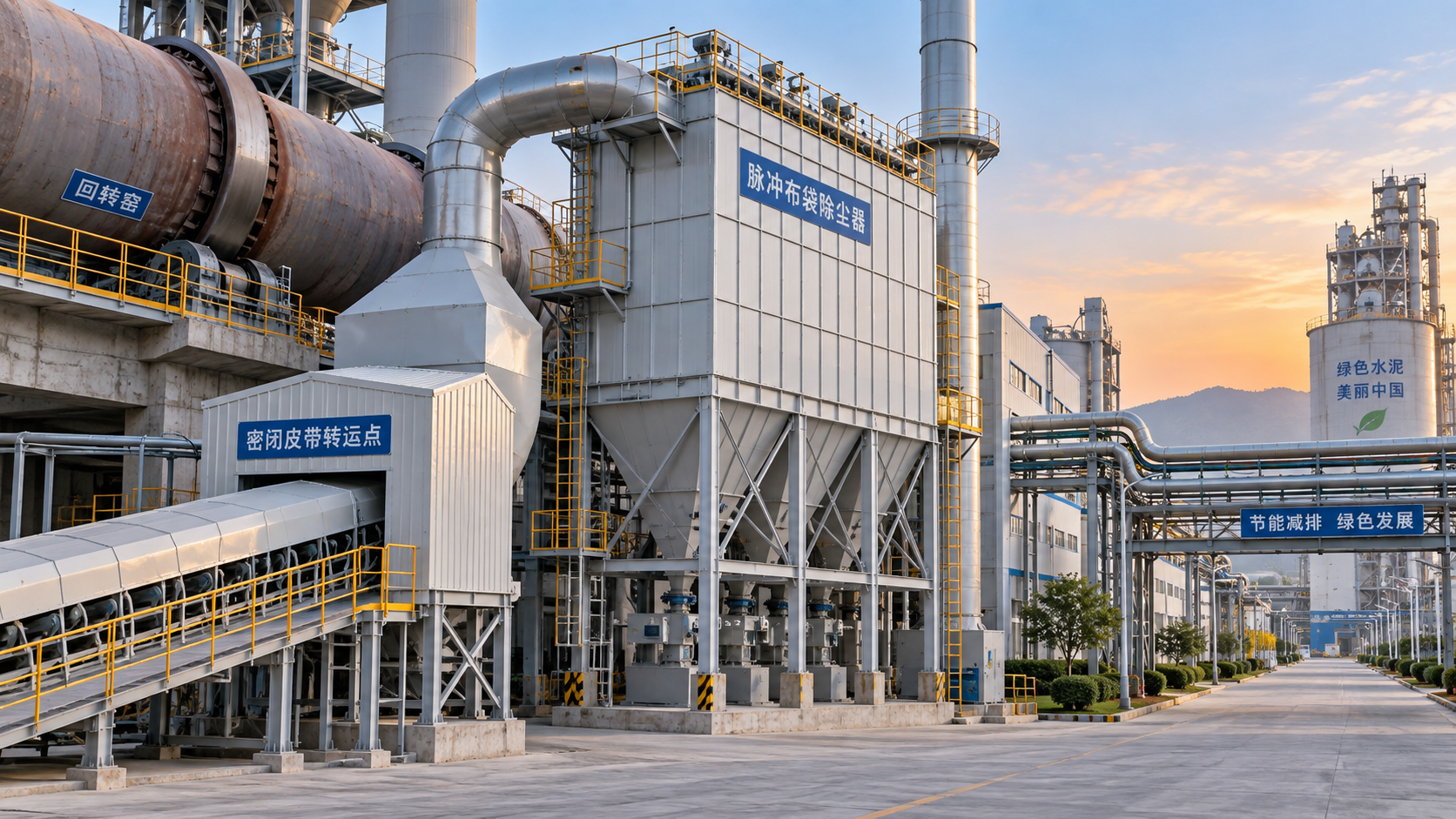
 Silicate Process EngineerHow Latin American Cement Plants Can Reduce Dust Emissions in Kilns and Transfer PointsCement plant dust control Latin America: reduce kiln and transfer-point emissions with practical airflow, filtration, monitoring, and maintenance strategies.Sep 26, 2026
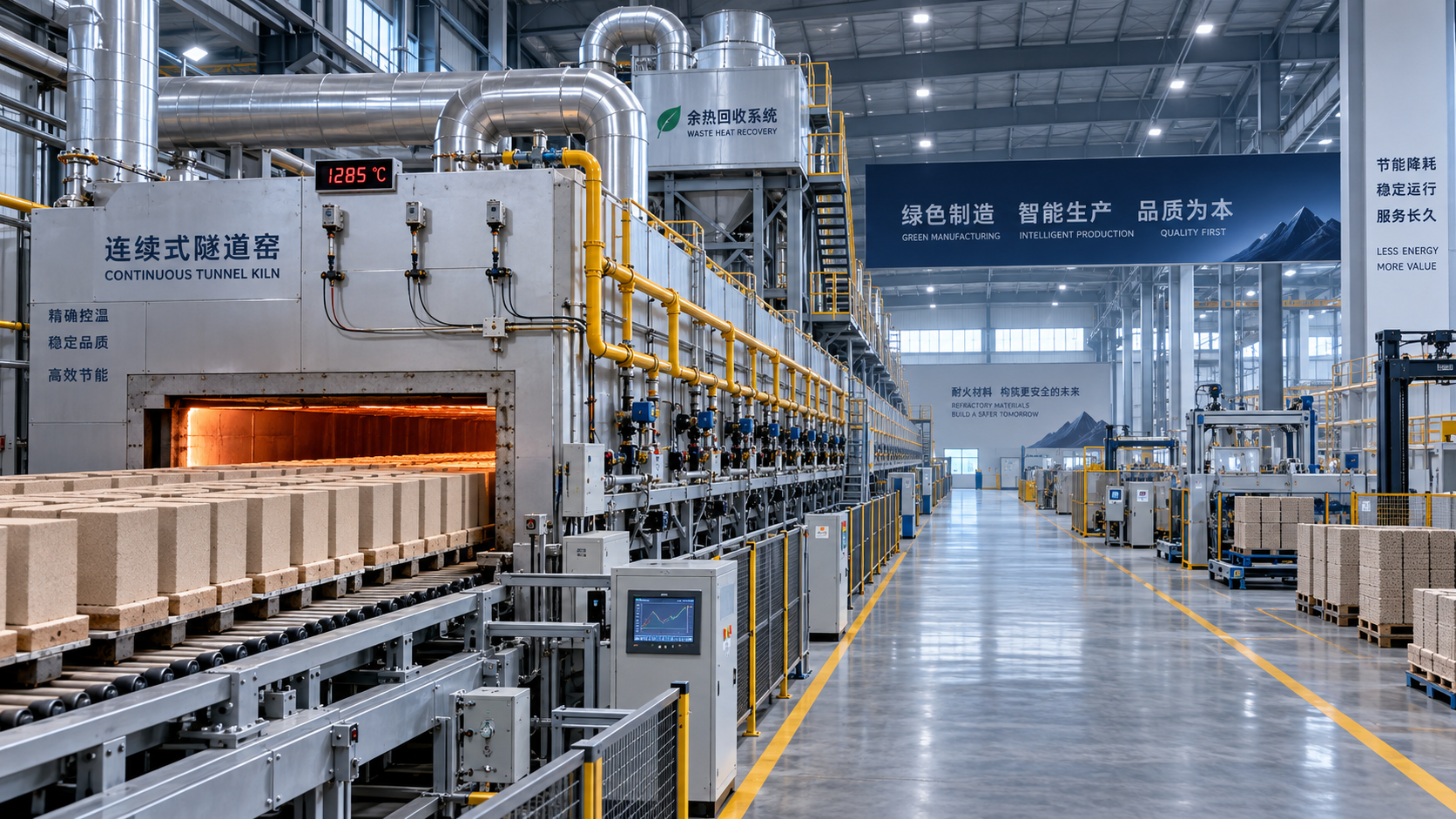
 Material Heat-Resist ExpertHow to Evaluate Refractory Production Lines for Output, Quality, and Energy UseRefractory production lines: learn how to assess qualified output, consistent quality, and total energy use for smarter, lower-risk investment decisions.Sep 25, 2026
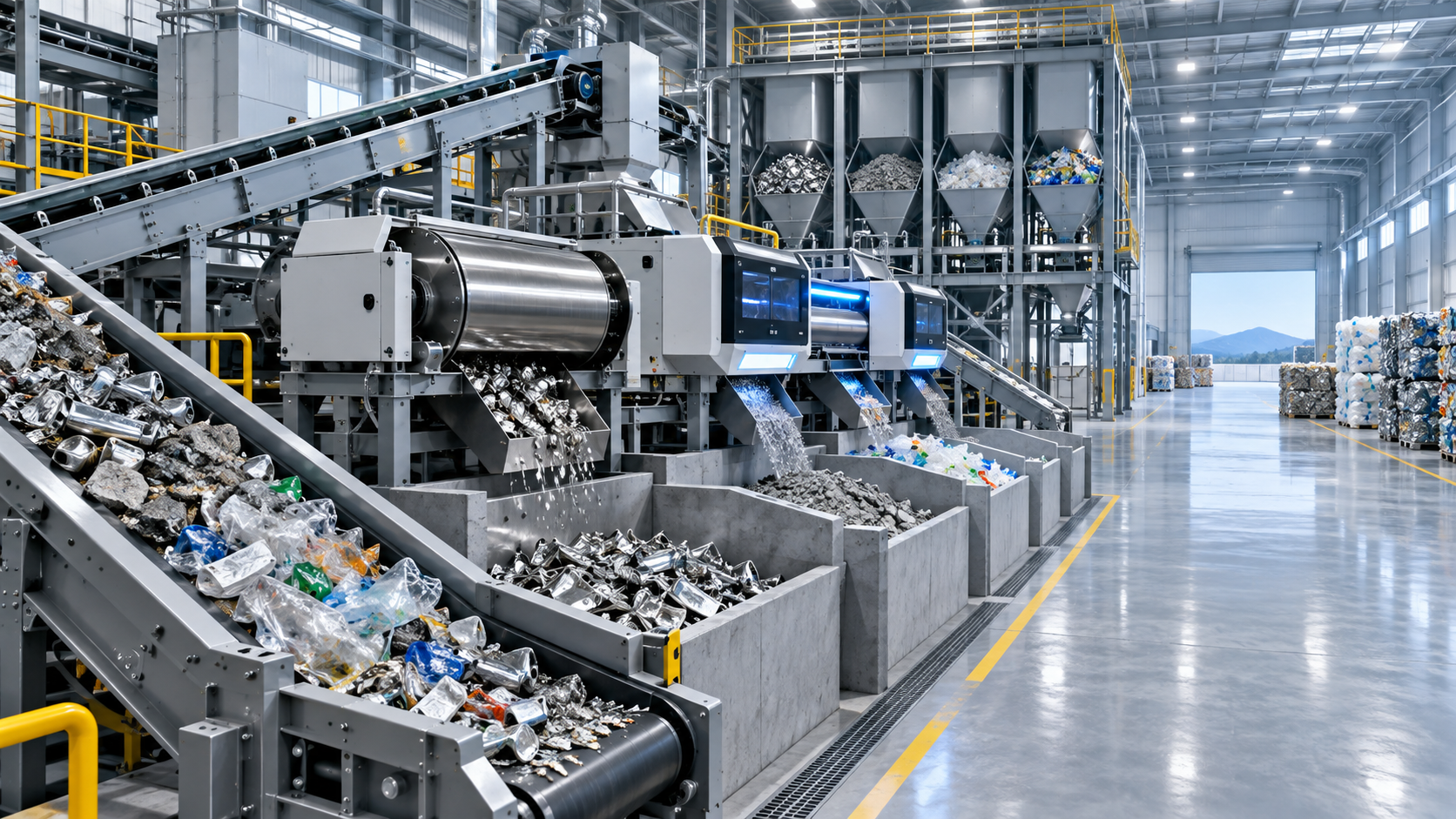
 Dr. Alistair VaughnHow Waste Recycling Technology Improves Material Recovery in Industrial PlantsWaste recycling technology improves material recovery through source segregation, smart separation, thermal treatment, and quality control for industrial plants.Sep 24, 2026
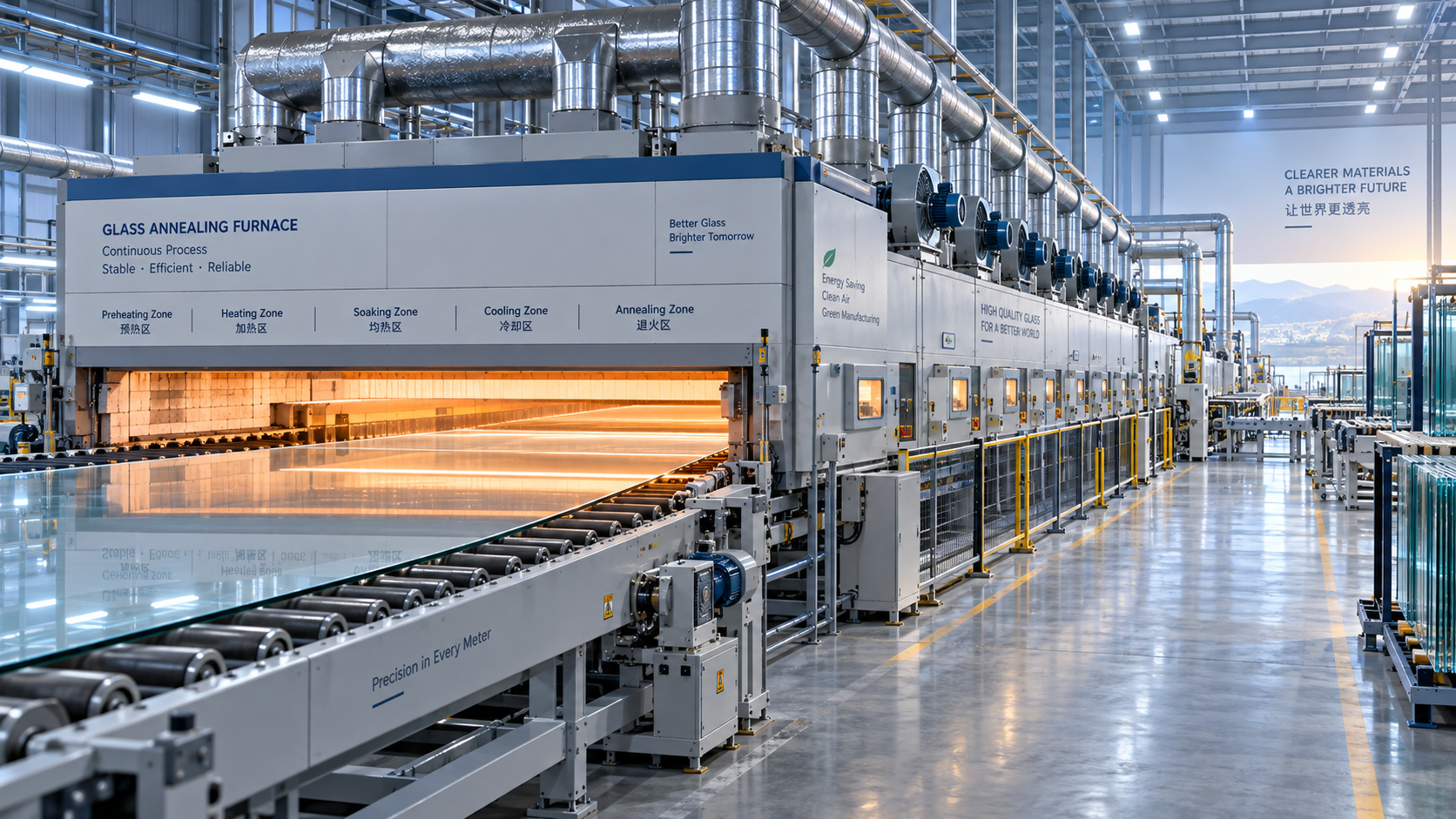
 Optical Glass Tech FellowHow to Specify Glass Annealing Equipment for European Quality and Energy RequirementsGlass annealing equipment Europe: learn how to specify lehrs for consistent glass quality, energy efficiency, compliance, automation, and reliable long-term performance.Sep 23, 2026
 Optical Glass Tech FellowSilicate Process Automation: Improving Batch Consistency and Energy ControlSilicate process automation improves batch consistency, energy control, traceability, and operator confidence across high-temperature manufacturing operations.Sep 22, 2026
 Optical Glass Tech FellowHow Silicate Industrial Processes Control Viscosity, Energy Use, and Product QualitySilicate industrial processes: learn how viscosity, chemistry, heat transfer, and atmosphere control reduce energy use, improve stability, and protect product quality.Sep 21, 2026
 Thermal Energy ArchitectHow European Plants Can Evaluate Energy Recovery Equipment for High-Temperature ProcessesIndustrial energy recovery equipment Europe: learn how high-temperature plants can assess waste-heat sources, integration risks, lifecycle value, and reliable recovery routes.Sep 20, 2026
 Thermal Energy ArchitectIndustrial Furnace Process Optimization: Reducing Fuel Use Without Sacrificing ThroughputIndustrial process optimization furnace strategies that cut fuel use while protecting throughput. Explore combustion control, heat recovery, refractory performance, and data-driven efficiency gains.Sep 19, 2026
 Ms. Elena RodriguezWhat Drives High-Pressure Extrusion Equipment Cost in Industrial Projects?High pressure extrusion equipment cost explained: compare pressure, die design, automation, wear, energy, and installation factors for smarter industrial investments.Sep 18, 2026
 Thermal Energy ArchitectHow to Size a Waste Heat Recovery Exchanger for High-Temperature Kiln Exhaust?Waste heat recovery exchanger sizing for high-temperature kiln exhaust: balance recoverable duty, fouling, corrosion limits, pressure drop, and reliable heat use.Sep 17, 2026
 Thermal Energy ArchitectWhy Heat-Resistant Materials Lose Abrasion Resistance at High TemperaturesHeat-resistant materials abrasion resistance can decline at high temperatures. Discover the thermal, chemical, and mechanical causes of wear—and how to choose longer-lasting linings.Sep 16, 2026
 Thermal Energy ArchitectHow to Evaluate a Thermal Energy Optimization Company for High-Temperature PlantsChoose a thermal energy optimization company with proven process expertise, measurable savings, and reliable delivery for high-temperature plants. Learn what to assess.Sep 15, 2026
 Thermal Energy ArchitectRotary Kiln Efficiency: How Feed Rate, Fuel Use, and Heat Loss Affect OutputRotary kiln efficiency explained: discover how feed rate, fuel use, heat loss, combustion, and cooling performance shape output, quality, and energy costs.Sep 14, 2026
 Thermal Energy ArchitectHow to Select Heat-Resistant Materials That Maintain Abrasion Resistance in KilnsHeat-resistant materials abrasion resistance: learn how to select kiln linings that withstand heat, wear, thermal cycling, and chemical attack for longer service life.Sep 13, 2026
 Thermal Energy ArchitectHow Rotary Kiln Automation Improves Temperature Control and Fuel EfficiencyRotary kiln technology automation enhances temperature control, stabilizes combustion, and improves fuel efficiency with smarter data, predictive control, and safer operations.Sep 12, 2026
 Silicate Process EngineerCement Plant Emission Control: Selecting Systems for Dust, NOx, and SO2 LimitsCement plant emission control guide: compare dust collectors, NOx reduction, and SO2 systems for reliable compliance across kiln modes, fuel changes, and operating upsets.Sep 11, 2026
 Thermal Energy ArchitectSelecting Abrasion-Resistant High-Temperature Materials for Kiln and Conveyor Wear ZonesHigh-temp material engineering guide to abrasion-resistant kiln and conveyor solutions—match wear, heat, chemistry, and installation design for longer service life.Sep 10, 2026


Related News
- 00
0000-00
How to Specify High-Temperature Process Systems for Continuous Thermal Operations - 00
0000-00
How to Evaluate a Thermal Engineering Contractor for High-Temperature Plant Projects - 00
0000-00
How European Plants Can Evaluate Energy Recovery Equipment for High-Temperature Processes - 00
0000-00
Industrial Furnace Process Optimization: Reducing Fuel Use Without Sacrificing Throughput - 00
0000-00
How to Size a Waste Heat Recovery Exchanger for High-Temperature Kiln Exhaust?
Weekly Insights
Stay ahead with our curated technology reports delivered every Monday.