
How thermal management solutions reduce hidden energy loss




Hidden energy loss rarely appears as one dramatic failure. It usually spreads through temperature drift, refractory wear, air leakage, uneven heat flow, and delayed maintenance signals.
That is why thermal management solutions are gaining strategic importance across cement plants, glass lines, kilns, incineration systems, and extrusion equipment.
In high-temperature industries, energy cost, carbon pressure, and uptime targets now move together. Better thermal control is no longer a technical detail. It is an operating advantage.
For CF-Elite, this shift reflects a broader industrial trend. Companies increasingly connect heat balance, process intelligence, refractory condition, and decarbonization into one decision framework.
Thermal management solutions are moving from support function to core efficiency driver
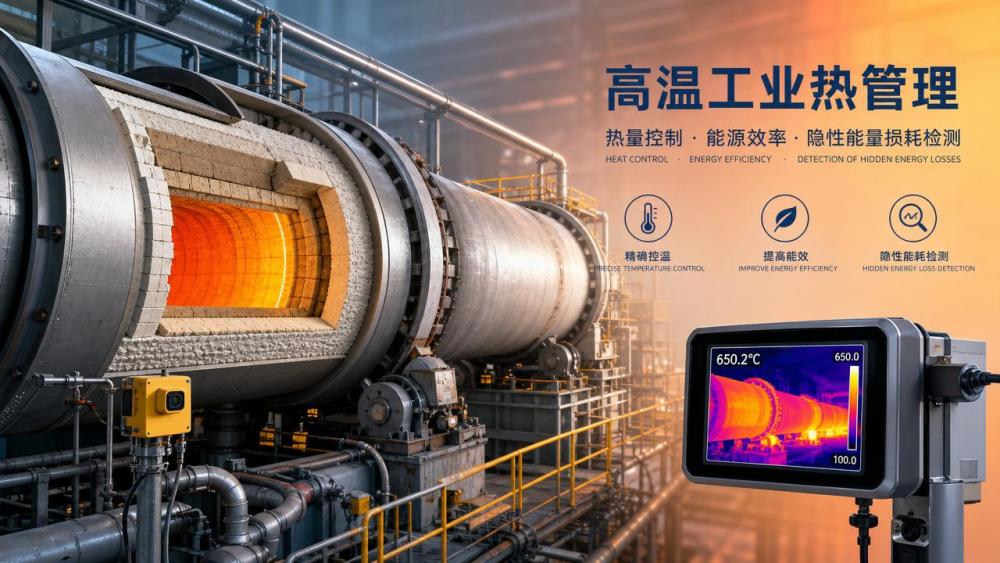
Across integrated thermal processes, operators are discovering that hidden losses often exceed visible fuel waste. Heat escaping through shells, ducts, joints, and damaged linings can quietly reduce total efficiency.
Thermal management solutions address this by combining insulation design, refractory selection, heat monitoring, airflow control, and process optimization.
The trend is especially clear in sectors served by CF-Elite. Cement, glass, incineration, refractory production, and building material extrusion all depend on stable thermal behavior for quality and cost control.
When temperatures fluctuate beyond design windows, plants face more than energy loss. They also risk clinker instability, glass defects, refractory spalling, burner imbalance, and shortened equipment life.
Several industry signals show why hidden heat loss is now under closer scrutiny
Recent industrial changes have made thermal management solutions more relevant than before. Energy is costlier, emissions reporting is stricter, and production interruptions are harder to absorb.
In many facilities, thermal inefficiency used to be tolerated if throughput remained acceptable. That tolerance is disappearing as margins tighten and sustainability targets become measurable.
- Fuel price volatility makes every avoidable heat leak more expensive.
- Carbon reduction programs increase focus on combustion efficiency and waste heat recovery.
- Digital monitoring tools now reveal shell temperature patterns that were once missed.
- Longer asset life expectations raise the value of controlled thermal stress.
- Quality standards demand tighter process windows in glass, cement, and advanced materials.
These signals point to one conclusion. Thermal management solutions are no longer limited to insulation upgrades. They are becoming part of plant-wide efficiency strategy.
The main forces behind this shift can be mapped clearly
The rise of thermal management solutions comes from a combination of technical, economic, and regulatory drivers. The following table summarizes the main forces shaping adoption.
Where thermal management solutions reduce hidden energy loss most effectively
Not all losses come from the same source. In practice, thermal management solutions create value when they target the most common hidden waste points.
Kilns, furnaces, and incineration chambers
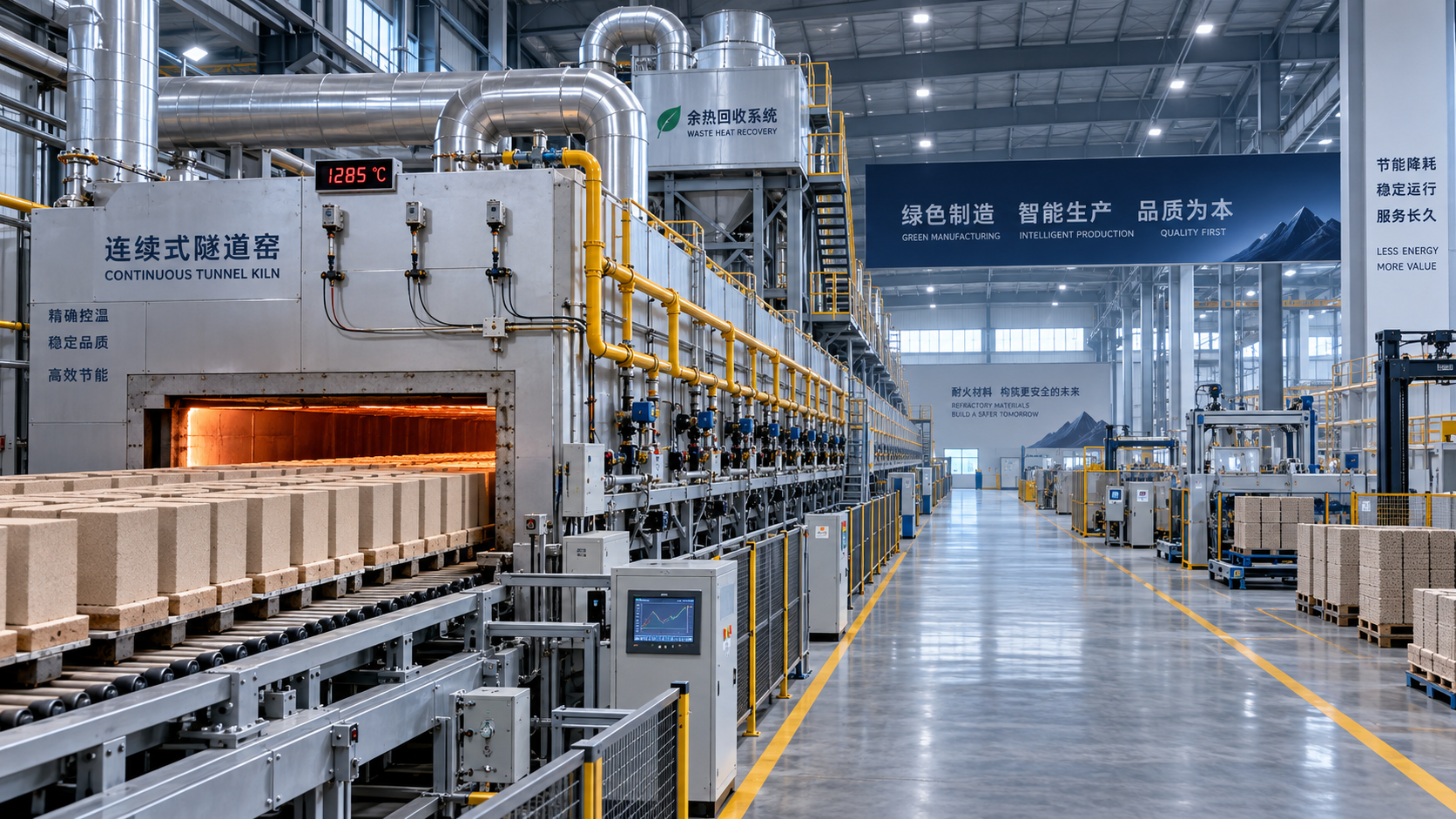
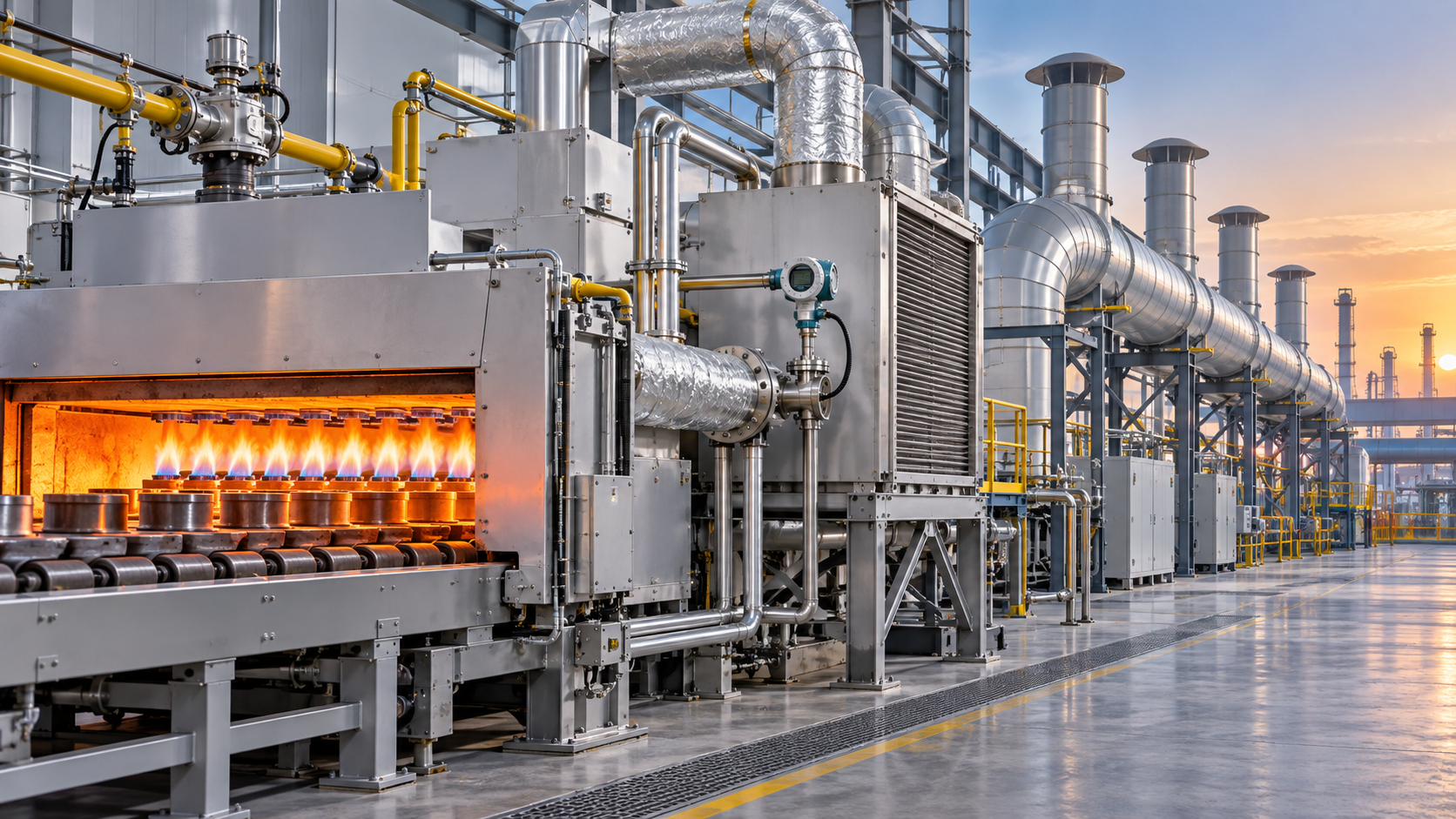
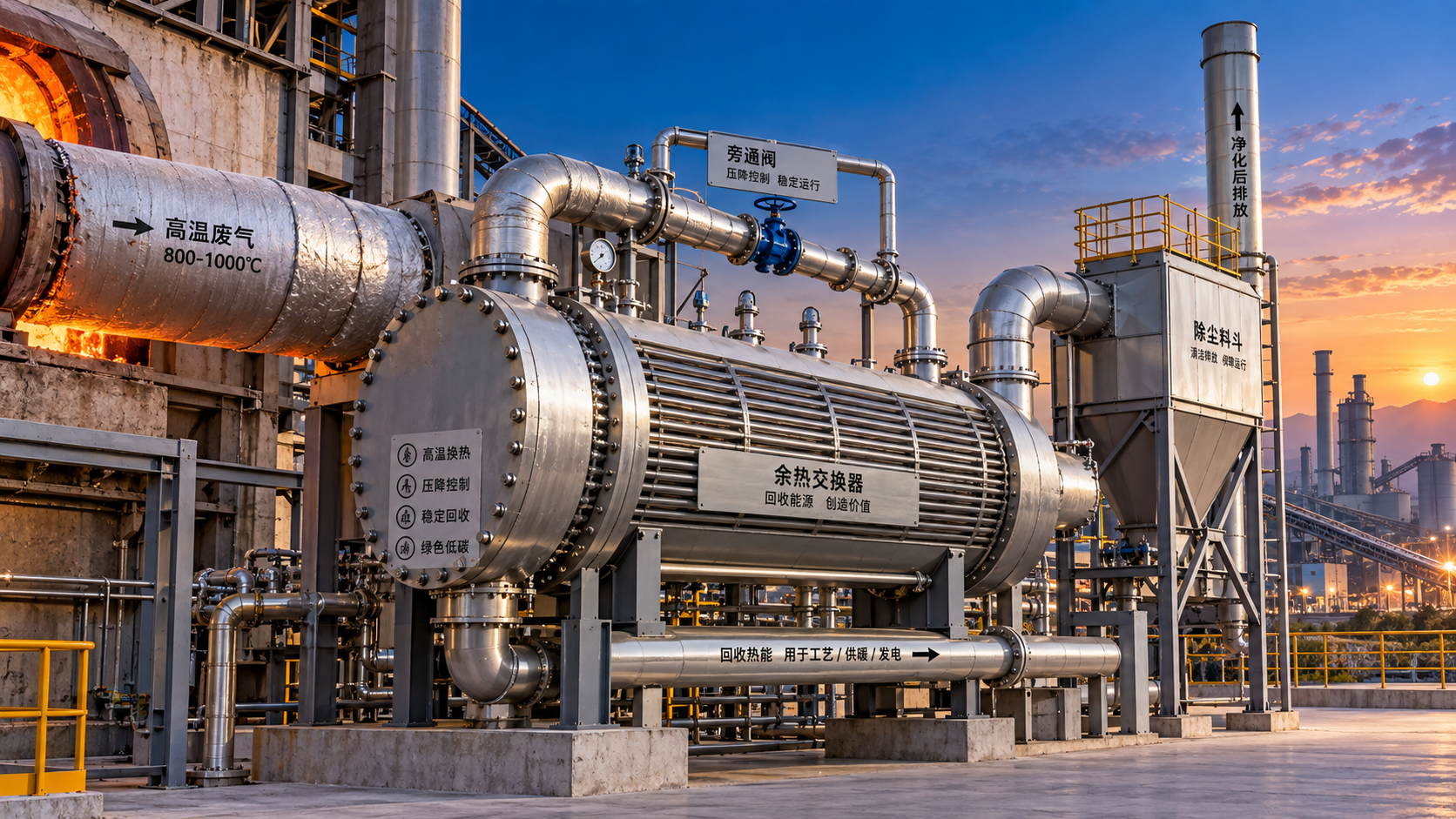
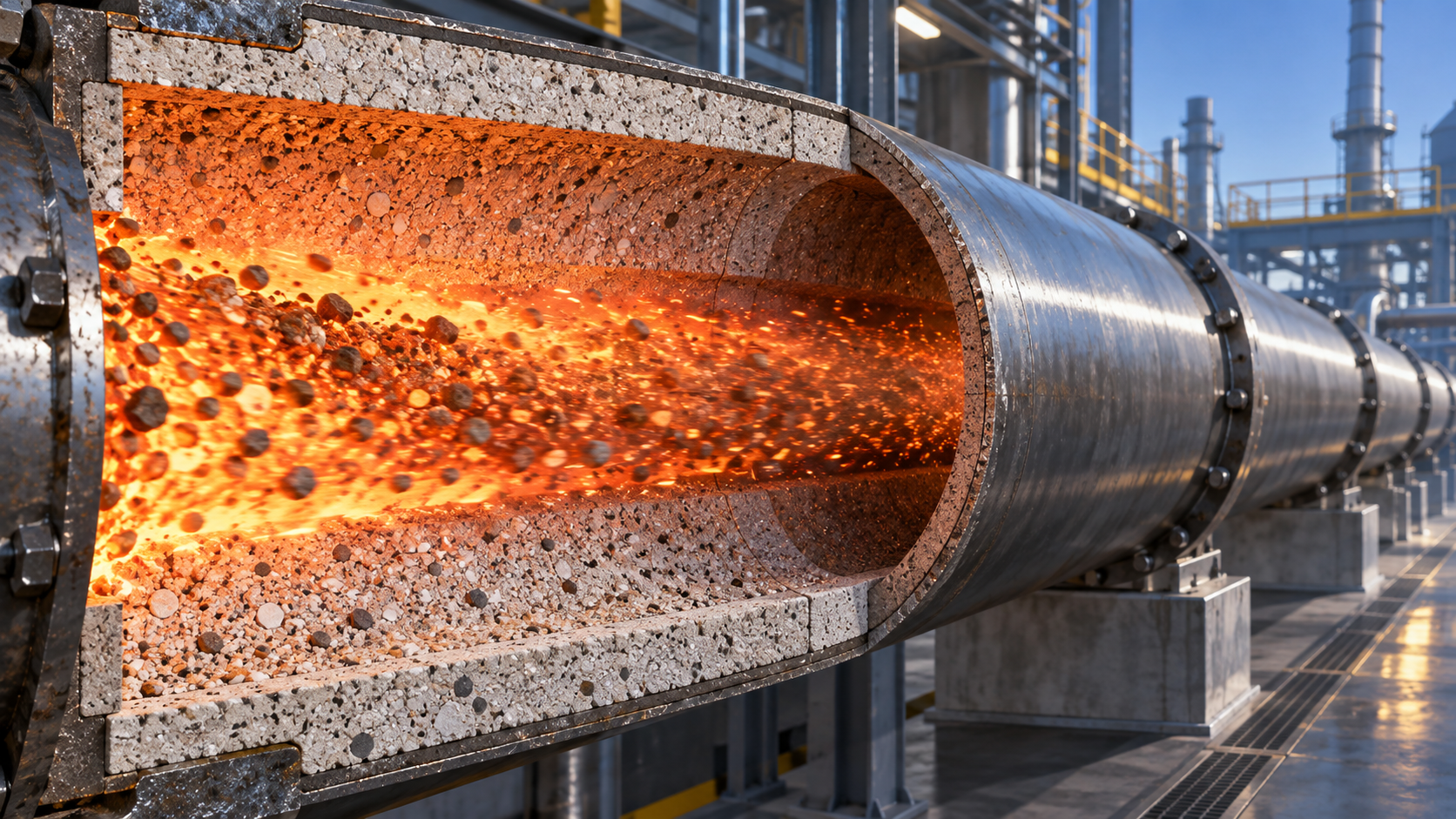
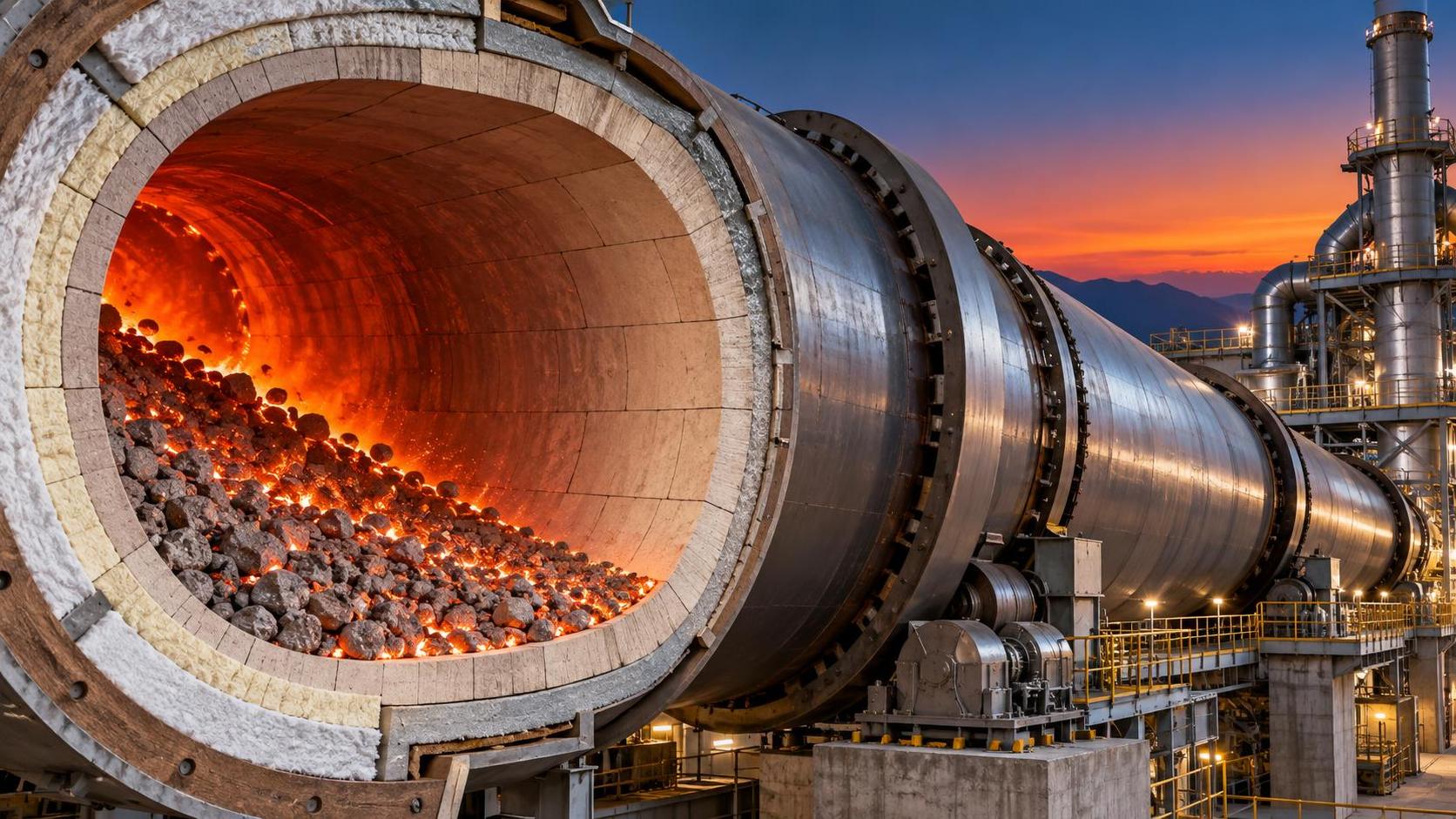
Refractory cracks, hot spots, shell radiation, and excess combustion air often drain energy quietly. Better lining systems and temperature mapping can recover efficiency without major process redesign.
Glass melting and annealing lines
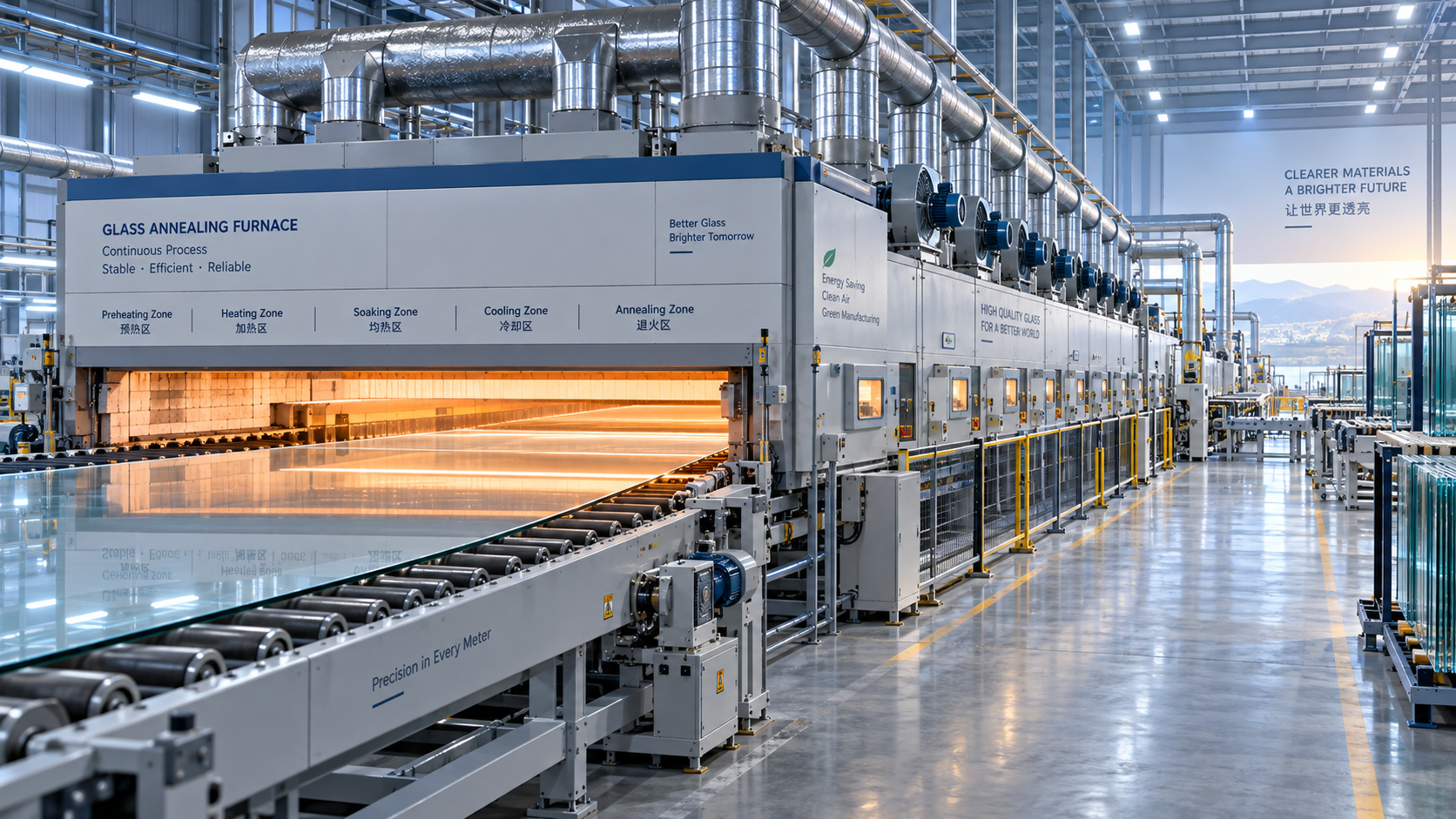
Uneven thermal profiles create both fuel waste and product defects. Thermal management solutions help stabilize melting zones, improve crown protection, and reduce corrective overheating.
Cement production systems
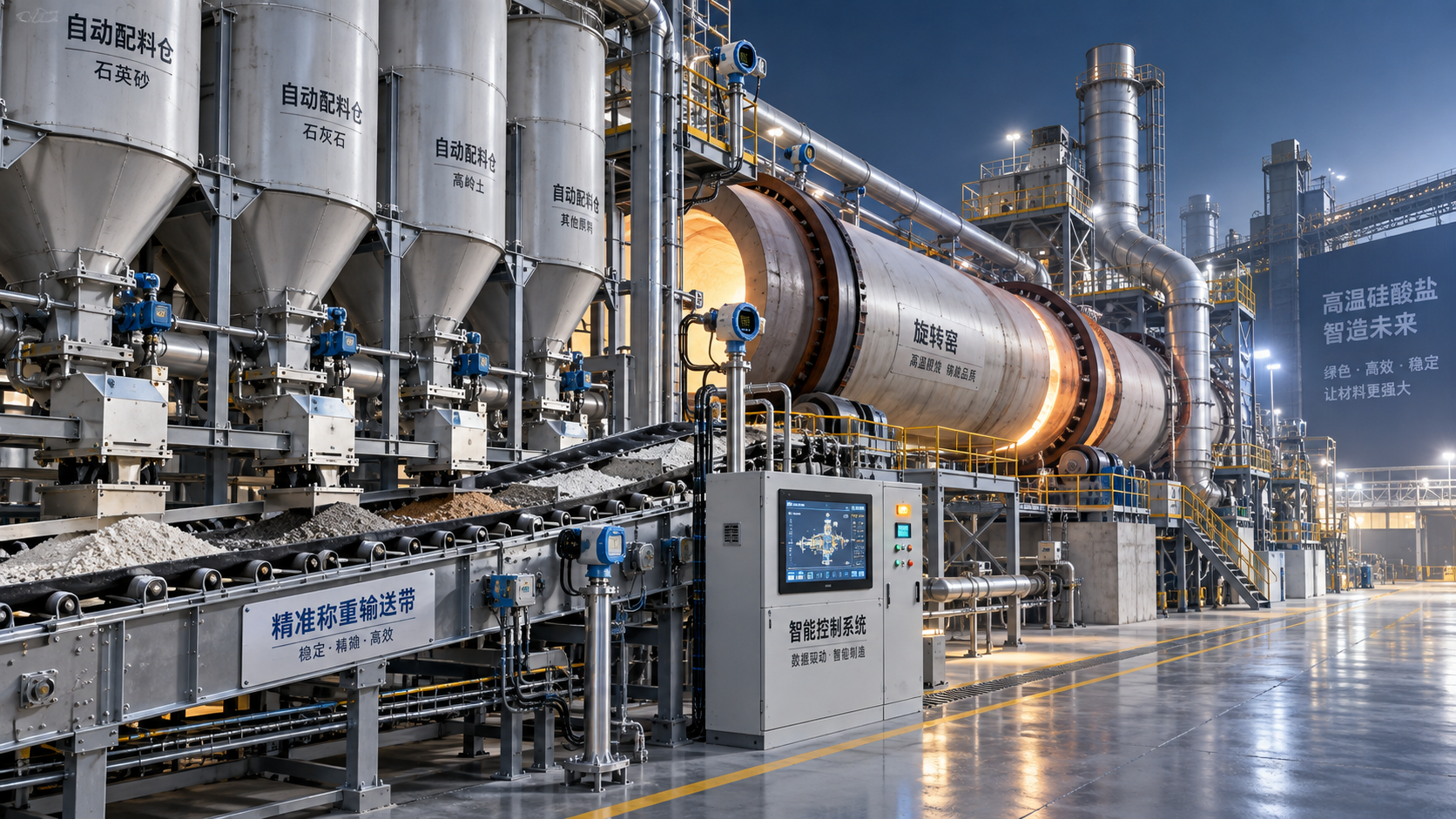
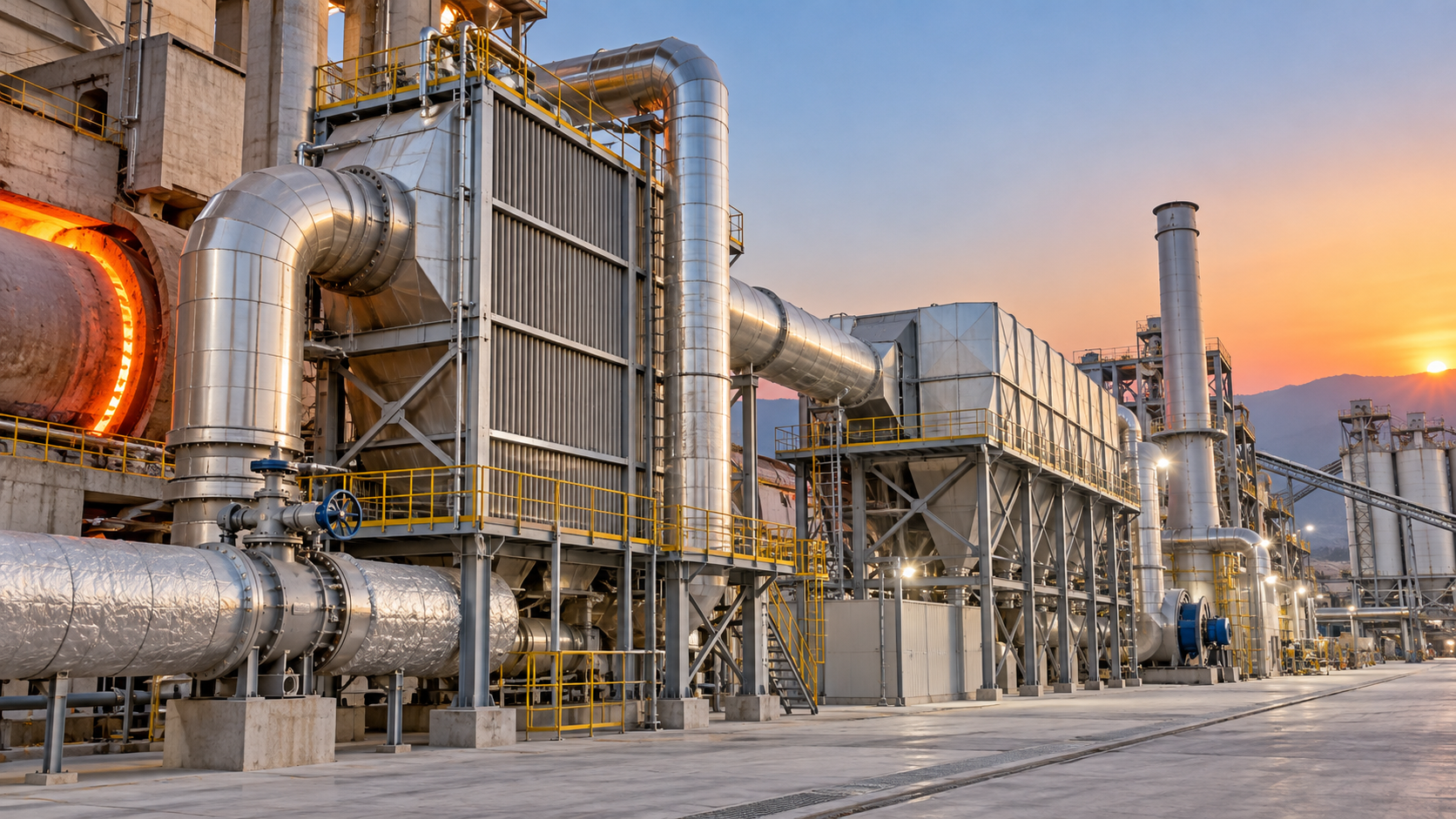
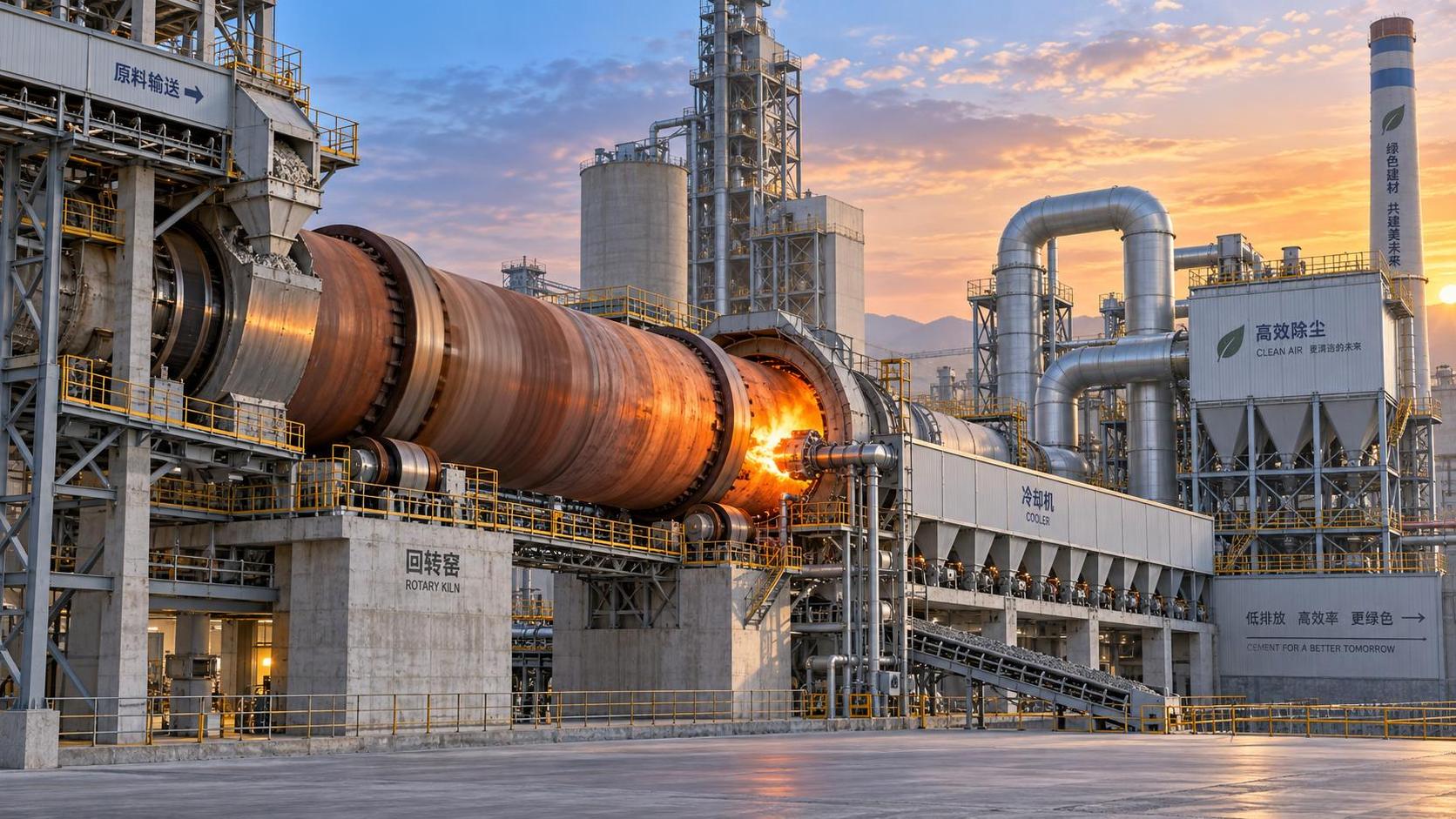
Preheater inefficiency, kiln shell losses, and cooler imbalance can weaken the whole heat economy. A full thermal review often identifies hidden losses across linked stages.
Extrusion and specialized material processing
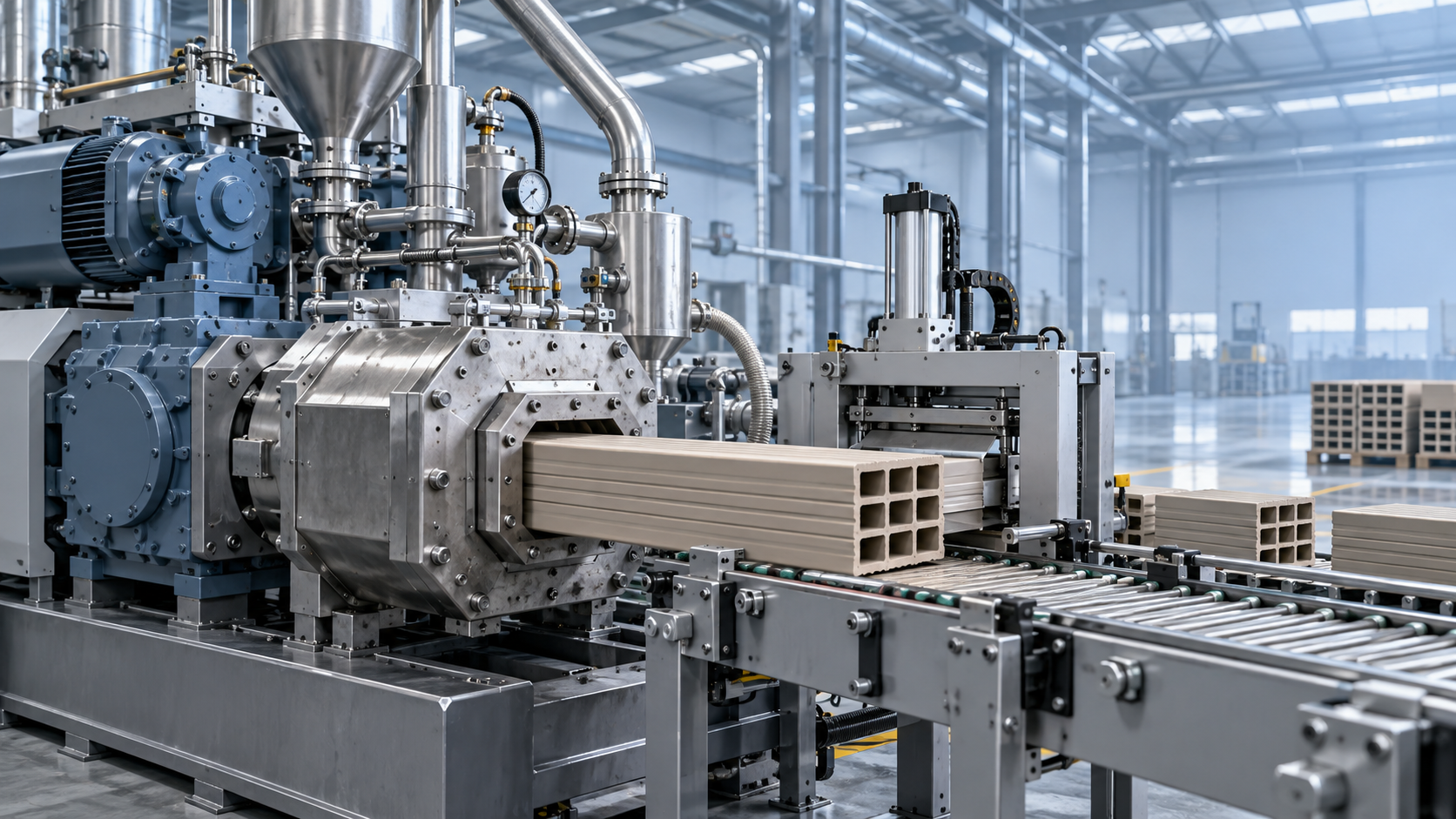
Localized overheating and inconsistent heat transfer affect dimensional accuracy and material behavior. Thermal management solutions support stable forming conditions and lower reject rates.
The operational impact reaches beyond fuel savings alone
A common mistake is to evaluate thermal management solutions only by energy reduction. In reality, the business impact spreads across multiple performance indicators.
- More stable product quality through tighter thermal control
- Lower maintenance frequency caused by reduced thermal stress
- Improved safety by limiting hot surfaces and uncontrolled heat escape
- Longer refractory campaign life in demanding zones
- Better data for shutdown planning and capital prioritization
This wider impact is important in integrated heavy industry. A small thermal weakness in one zone often causes downstream instability, higher correction loads, or reduced throughput elsewhere.
That is why thermal management solutions should be reviewed as system enablers, not isolated repairs.
What deserves close attention when evaluating thermal management solutions
The best results usually come from disciplined observation rather than quick replacement. Several checkpoints help reveal whether thermal losses are structural or temporary.
- Track shell temperature trends instead of relying on single inspections.
- Compare fuel use with lining age, process load, and ambient changes.
- Assess heat transfer efficiency across burners, ducts, and exchange surfaces.
- Check whether air leakage is forcing unnecessary heating demand.
- Review refractory compatibility with actual temperature cycling patterns.
- Verify whether online monitoring data links to maintenance decisions.
These checks support better use of thermal management solutions because they focus on causes, not symptoms.
A practical response plan can turn thermal insight into measurable gains
Facilities often know they have hidden energy loss but struggle to organize the response. A phased approach makes thermal management solutions easier to prioritize.
This structure aligns well with long-cycle industrial assets, where sudden changes can be costly and unplanned shutdowns carry large consequences.
The next competitive gap may come from better heat intelligence
As industrial systems become more data-driven, thermal management solutions will likely evolve from corrective tools into predictive operating platforms.
Digital twins, infrared analytics, online refractory monitoring, and process-linked heat models can reveal when hidden losses begin, not just when they become severe.
For sectors tracked by CF-Elite, this matters because future efficiency gains may come less from new fuel alone and more from smarter control of existing thermal assets.
In that environment, thermal management solutions support three strategic goals at once: lower cost, lower emissions, and higher operational resilience.
Start with the loss points that are easiest to ignore
The most valuable next step is often simple. Review where heat leaves the system without creating process value, then compare those areas with current monitoring and maintenance practices.
Thermal management solutions deliver the strongest return when they are tied to real thermal behavior, not generic assumptions.
For high-temperature operations, hidden energy loss should be treated as a strategic signal. Finding it early can protect output, extend asset life, and strengthen energy performance across the full production chain.
Related News
 Thermal Energy ArchitectHow to Specify High-Temperature Process Systems for Continuous Thermal OperationsHigh-temperature process engineering systems: learn how to specify resilient continuous thermal operations for efficiency, compliance, reliable uptime, and long-term performance.Sep 28, 2026
 Thermal Energy ArchitectHow to Evaluate a Thermal Engineering Contractor for High-Temperature Plant ProjectsChoose a thermal engineering contractor with proven process expertise, lifecycle value, emissions control, and delivery discipline for reliable high-temperature plant performance.Sep 27, 2026
 Silicate Process EngineerHow Latin American Cement Plants Can Reduce Dust Emissions in Kilns and Transfer PointsCement plant dust control Latin America: reduce kiln and transfer-point emissions with practical airflow, filtration, monitoring, and maintenance strategies.Sep 26, 2026
 Material Heat-Resist ExpertHow to Evaluate Refractory Production Lines for Output, Quality, and Energy UseRefractory production lines: learn how to assess qualified output, consistent quality, and total energy use for smarter, lower-risk investment decisions.Sep 25, 2026
 Dr. Alistair VaughnHow Waste Recycling Technology Improves Material Recovery in Industrial PlantsWaste recycling technology improves material recovery through source segregation, smart separation, thermal treatment, and quality control for industrial plants.Sep 24, 2026
 Optical Glass Tech FellowHow to Specify Glass Annealing Equipment for European Quality and Energy RequirementsGlass annealing equipment Europe: learn how to specify lehrs for consistent glass quality, energy efficiency, compliance, automation, and reliable long-term performance.Sep 23, 2026
 Optical Glass Tech FellowSilicate Process Automation: Improving Batch Consistency and Energy ControlSilicate process automation improves batch consistency, energy control, traceability, and operator confidence across high-temperature manufacturing operations.Sep 22, 2026
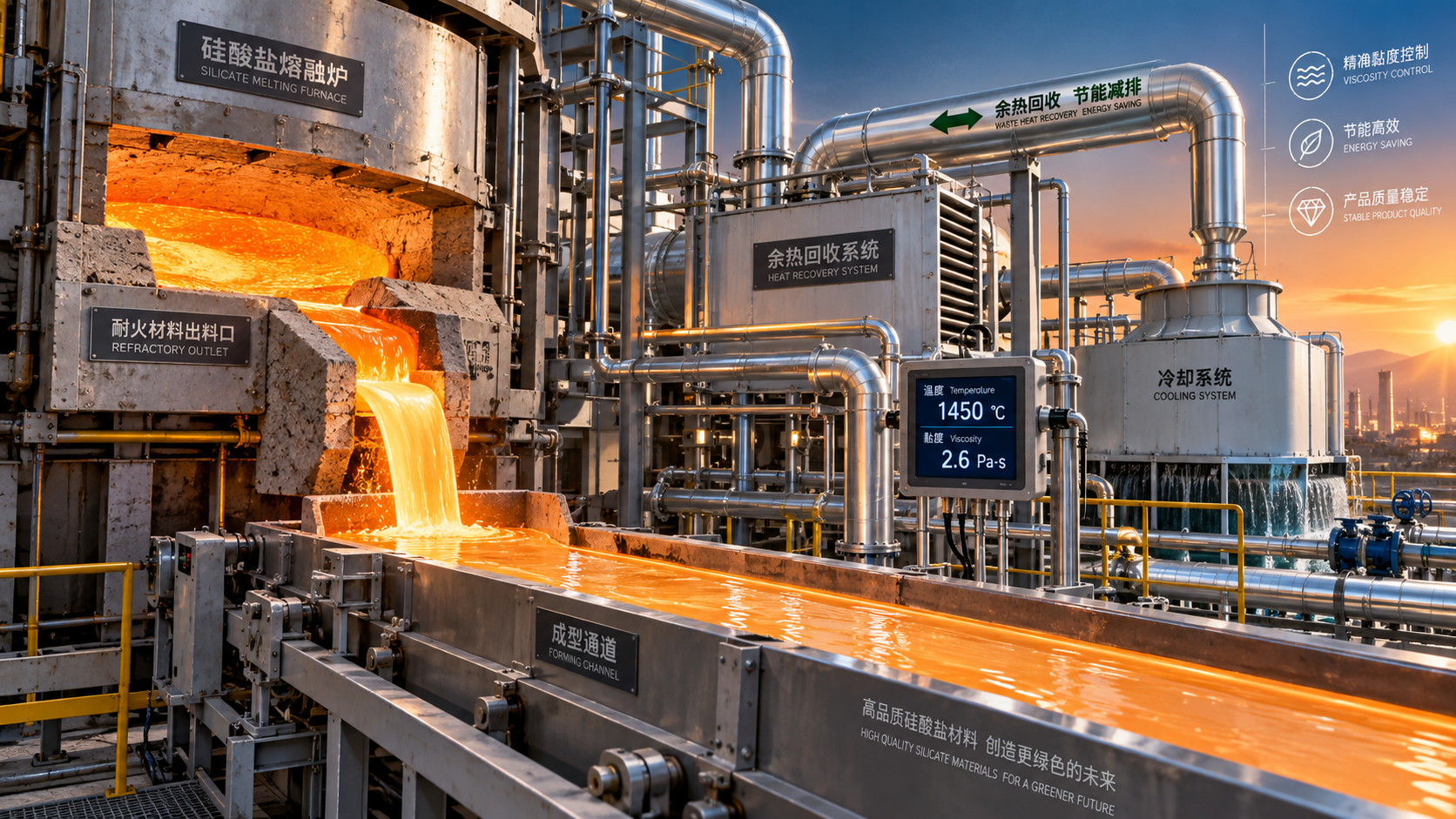
 Optical Glass Tech FellowHow Silicate Industrial Processes Control Viscosity, Energy Use, and Product QualitySilicate industrial processes: learn how viscosity, chemistry, heat transfer, and atmosphere control reduce energy use, improve stability, and protect product quality.Sep 21, 2026
 Thermal Energy ArchitectHow European Plants Can Evaluate Energy Recovery Equipment for High-Temperature ProcessesIndustrial energy recovery equipment Europe: learn how high-temperature plants can assess waste-heat sources, integration risks, lifecycle value, and reliable recovery routes.Sep 20, 2026
 Thermal Energy ArchitectIndustrial Furnace Process Optimization: Reducing Fuel Use Without Sacrificing ThroughputIndustrial process optimization furnace strategies that cut fuel use while protecting throughput. Explore combustion control, heat recovery, refractory performance, and data-driven efficiency gains.Sep 19, 2026
 Ms. Elena RodriguezWhat Drives High-Pressure Extrusion Equipment Cost in Industrial Projects?High pressure extrusion equipment cost explained: compare pressure, die design, automation, wear, energy, and installation factors for smarter industrial investments.Sep 18, 2026
 Thermal Energy ArchitectHow to Size a Waste Heat Recovery Exchanger for High-Temperature Kiln Exhaust?Waste heat recovery exchanger sizing for high-temperature kiln exhaust: balance recoverable duty, fouling, corrosion limits, pressure drop, and reliable heat use.Sep 17, 2026
 Thermal Energy ArchitectWhy Heat-Resistant Materials Lose Abrasion Resistance at High TemperaturesHeat-resistant materials abrasion resistance can decline at high temperatures. Discover the thermal, chemical, and mechanical causes of wear—and how to choose longer-lasting linings.Sep 16, 2026
 Thermal Energy ArchitectHow to Evaluate a Thermal Energy Optimization Company for High-Temperature PlantsChoose a thermal energy optimization company with proven process expertise, measurable savings, and reliable delivery for high-temperature plants. Learn what to assess.Sep 15, 2026
 Thermal Energy ArchitectRotary Kiln Efficiency: How Feed Rate, Fuel Use, and Heat Loss Affect OutputRotary kiln efficiency explained: discover how feed rate, fuel use, heat loss, combustion, and cooling performance shape output, quality, and energy costs.Sep 14, 2026
 Thermal Energy ArchitectHow to Select Heat-Resistant Materials That Maintain Abrasion Resistance in KilnsHeat-resistant materials abrasion resistance: learn how to select kiln linings that withstand heat, wear, thermal cycling, and chemical attack for longer service life.Sep 13, 2026
 Thermal Energy ArchitectHow Rotary Kiln Automation Improves Temperature Control and Fuel EfficiencyRotary kiln technology automation enhances temperature control, stabilizes combustion, and improves fuel efficiency with smarter data, predictive control, and safer operations.Sep 12, 2026
 Silicate Process EngineerCement Plant Emission Control: Selecting Systems for Dust, NOx, and SO2 LimitsCement plant emission control guide: compare dust collectors, NOx reduction, and SO2 systems for reliable compliance across kiln modes, fuel changes, and operating upsets.Sep 11, 2026
 Thermal Energy ArchitectSelecting Abrasion-Resistant High-Temperature Materials for Kiln and Conveyor Wear ZonesHigh-temp material engineering guide to abrasion-resistant kiln and conveyor solutions—match wear, heat, chemistry, and installation design for longer service life.Sep 10, 2026
 Dr. Alistair VaughnIndustrial Process Engineering: How to Map Processes for Safer, More Efficient PlantsIndustrial process engineering reveals bottlenecks, safety risks, and energy losses through practical process mapping for safer, more efficient plants.Sep 09, 2026


Related News
- 00
0000-00
How Waste Recycling Technology Improves Material Recovery in Industrial Plants - 00
0000-00
Industrial Process Engineering: How to Map Processes for Safer, More Efficient Plants - 00
0000-00
What Should a Process Technology Database Track for High-Temperature Plants? - 00
0000-00
How to Specify Custom Agricultural Processing Equipment for Throughput and Hygiene - 00
0000-00
How to Select Process Plant Equipment for High-Temperature, Abrasive Production Lines
Weekly Insights
Stay ahead with our curated technology reports delivered every Monday.