
What glass manufacturing technology lowers defect rates?




For quality control and safety managers, choosing the right glass manufacturing technology can directly reduce defect rates, stabilize production, and improve furnace-to-finish consistency. From advanced melting control to precision annealing and real-time monitoring, the latest systems help detect process deviations early, lower waste, and support safer, more efficient operations across modern glass production lines.
In practical terms, defect reduction in glass production is rarely the result of one machine alone. It usually comes from a coordinated process chain that controls batch quality, furnace temperature, residence time, forming precision, annealing curves, and inspection feedback within tight operating windows.
For B2B operators in float glass, container glass, architectural glass, PV glass, and specialty thin glass, the question is not simply which equipment is newer. The real question is which glass manufacturing technology lowers defect rates in a measurable, sustainable, and auditable way without creating new safety risks or maintenance burdens.
This is especially relevant for teams working under higher energy costs, stricter emissions rules, and tighter product tolerances such as thickness variation below ±0.1 mm, optical distortion limits, or surface defect targets per square meter. The best-performing plants now combine thermal process control, digital monitoring, and disciplined standard operating procedures rather than relying on manual correction after defects appear.
The Core Technologies That Reduce Glass Defects
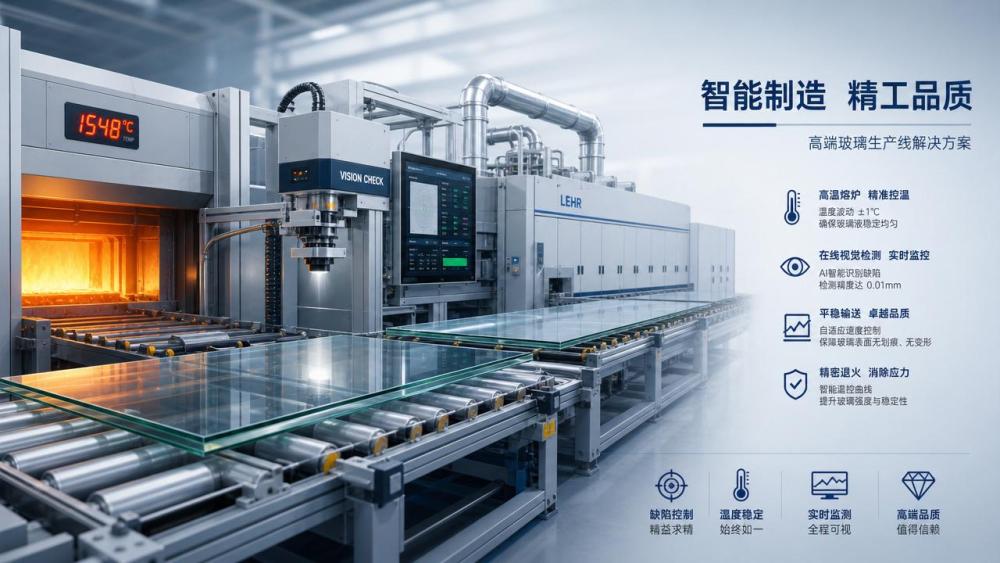
When evaluating glass manufacturing technology, quality and safety managers should focus on the stages where defects are created most often: melting, fining, forming, annealing, and inspection. Each stage has different failure modes, and each benefits from a different control strategy.
1. Advanced Melting and Combustion Control
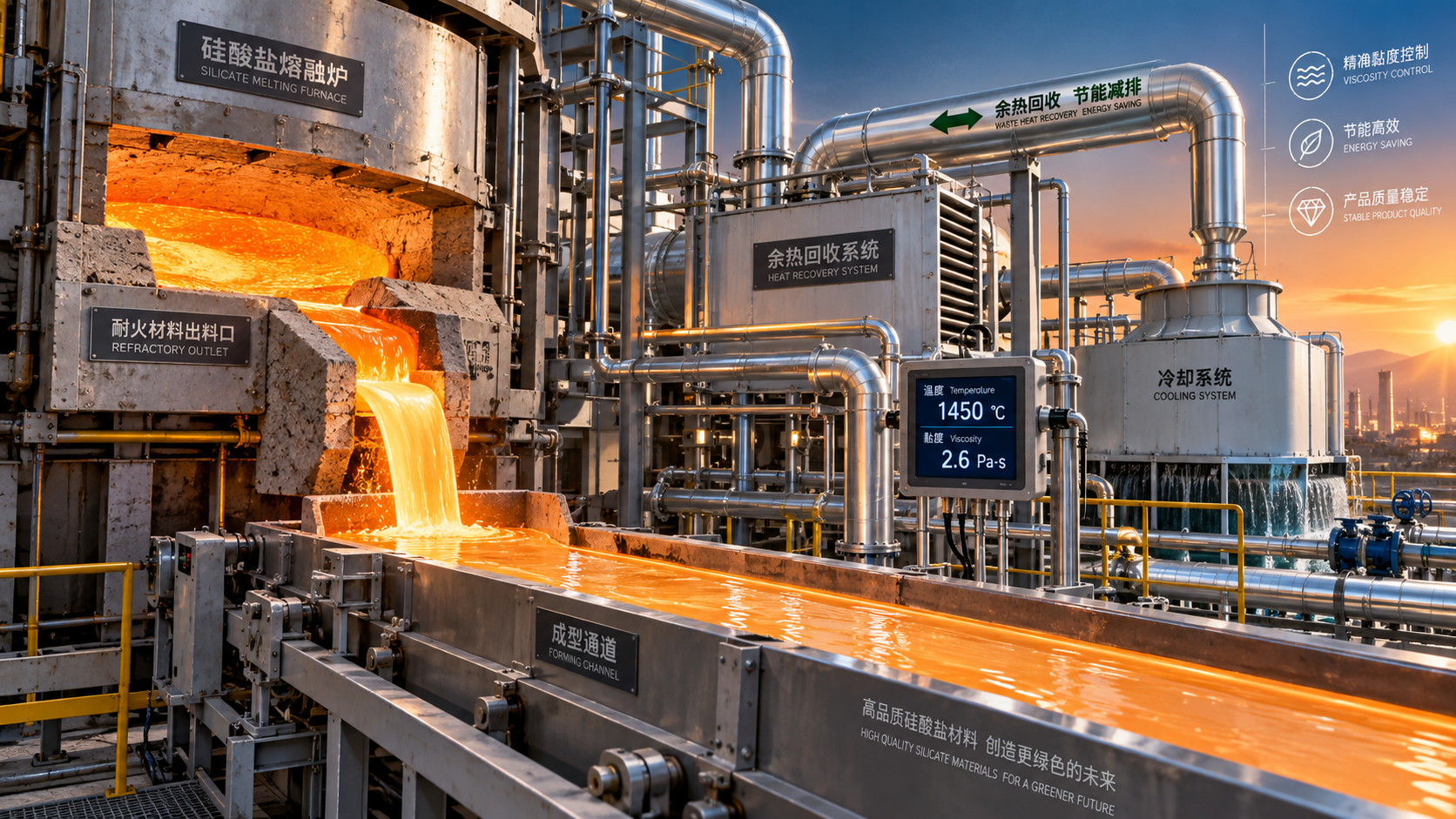
Stable melting is the first major lever for reducing defects such as seeds, cords, unmelted particles, and chemical inhomogeneity. Modern furnace control systems use multi-zone temperature measurement, combustion tuning, and batch-to-furnace feed synchronization to hold thermal variation within a narrower band, often targeting fluctuations of less than 5–10°C in critical zones.
For safety managers, advanced combustion control also matters because unstable flame behavior can increase hot spots, refractory wear, and the risk of local overheating. Better burner balancing, oxygen-fuel optimization where appropriate, and continuous monitoring of pressure and exhaust conditions can lower both defect generation and incident risk.
Key quality gains from furnace control
- Lower probability of bubbles and seeds caused by incomplete fining
- Reduced cord formation from poor melt homogeneity
- More stable viscosity before forming
- Less thermal shock stress on refractories and crown areas
2. Precision Forming Systems
Once the melt is conditioned, defect rates depend heavily on forming stability. In float glass lines, this means precise control of tin bath atmosphere, ribbon speed, top roller settings, and thermal gradients. In container glass, it means gob weight consistency, mold condition, and synchronized timing across feeder, blank mold, and blow mold operations.
Typical forming-related defect targets may include thickness deviation within ±0.1–0.3 mm for flat glass applications or narrow gob weight variation in high-speed bottle production. Servo control, closed-loop feedback, and automatic adjustment reduce operator-dependent variation, especially during shift changes and line speed changes.
The table below compares major production technologies by their defect-control strengths and typical quality focus points. It can help quality teams align technology selection with product type and inspection priorities.
The strongest pattern is clear: the most effective glass manufacturing technology is usually a layered system. Melting control prevents internal defects, forming precision limits geometry problems, annealing reduces stress defects, and inspection stops escapes before shipment.
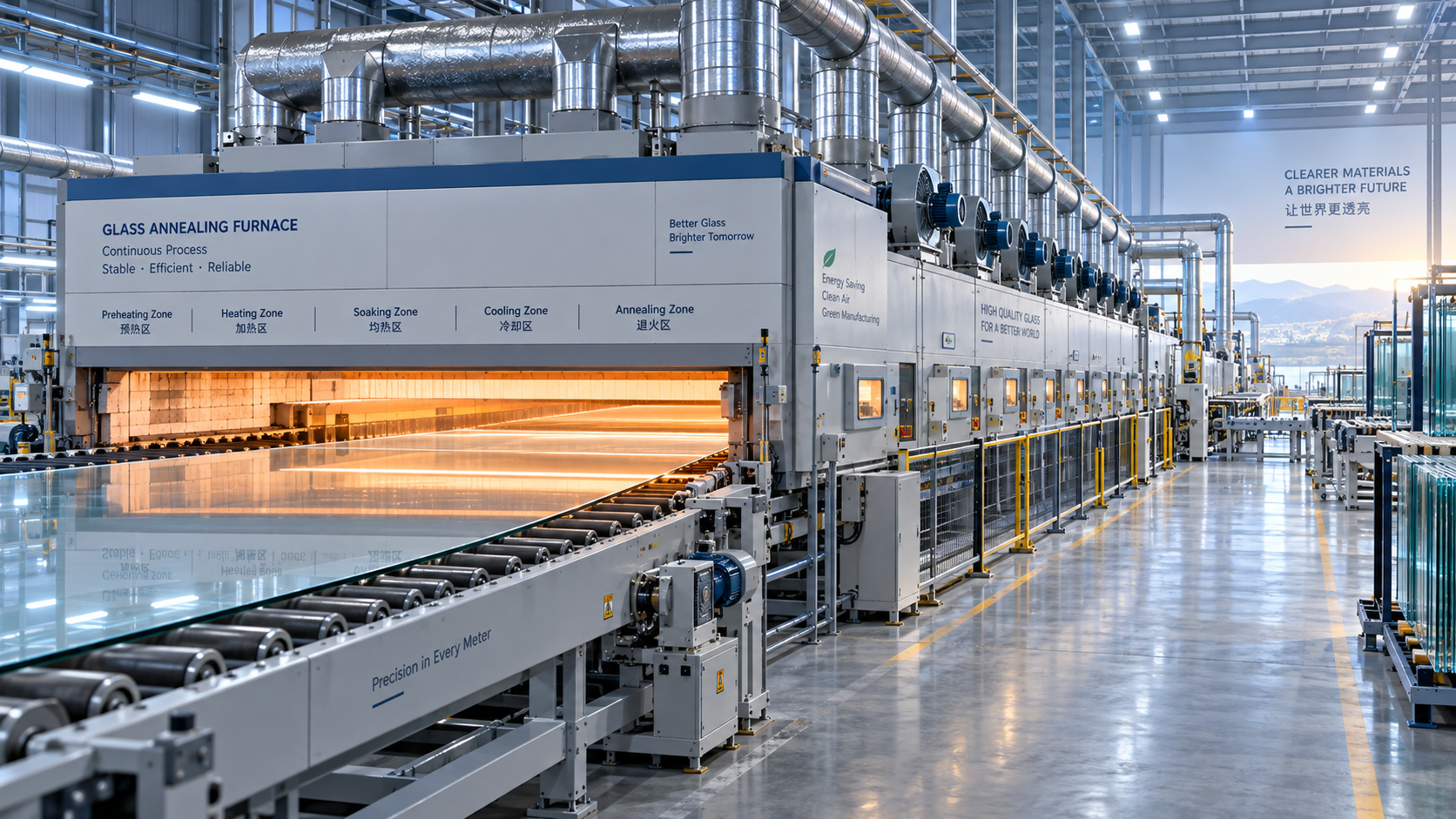
3. Precision Annealing and Cooling Profile Management
Many defects are not visible at the hot end. They appear later as breakage, edge stress, shape distortion, or downstream cutting losses. That is why lehr automation and precise annealing are among the most important technologies for plants that want lower reject rates from line exit to final packing.
A properly tuned annealing process controls cooling in multiple zones, often 6–12 sections depending on line design. The objective is to keep internal stress below product-specific thresholds while maintaining throughput. For safety teams, controlled annealing also reduces unexpected breakage clusters that can endanger operators at cutting, stacking, and inspection stations.
4. Real-Time Vision Inspection and Process Analytics
Automated inspection is one of the fastest ways to reduce escaped defects. High-speed cameras, laser measurement, polariscopic stress inspection, and optical analytics can identify scratches, inclusions, edge cracks, coating non-uniformity, and stress patterns earlier than manual checks.
The real value is not only detection. It is correlation. When defect mapping is linked to furnace zone history, line speed, roller settings, or mold maintenance intervals, plants can move from reactive sorting to root-cause correction within 1–2 shifts instead of several days.
How Quality and Safety Managers Should Evaluate Technology Options
Not every upgrade produces the same return. Some plants need hot-end stabilization first, while others already melt well but lose yield in annealing, handling, or inspection. A disciplined evaluation framework helps avoid expensive investments that improve one metric while worsening downtime, energy use, or operator exposure.
Start with the top 4 defect families
Before selecting any glass manufacturing technology, classify defects into four groups: melt-related, forming-related, thermal stress-related, and handling or inspection-related. A plant with 2% rejects from bubbles needs a different solution than a plant with frequent edge cracking after tempering or packaging losses from scratches.
- Measure defect frequency per shift, lot, or square meter.
- Assign each defect to the stage where it is most likely generated.
- Check whether the defect is chronic, seasonal, or shift-dependent.
- Prioritize technologies that address the highest-cost failure mode first.
Check control range, not just equipment name
Suppliers may describe systems as advanced, intelligent, or automated, but quality teams should request operating ranges and control logic. Ask practical questions: What is the response time of the temperature loop? How many sensing points are installed? What is the alarm threshold for line deviation? Can the system store at least 30–90 days of traceable data?
Safety managers should also verify interlocks, over-temperature protection, gas pressure monitoring, and fault logging. A technology that lowers defects but complicates furnace safety, lockout procedures, or emergency response may not be the right choice in a high-temperature environment.
The following table outlines a practical evaluation matrix for procurement, line upgrades, or supplier comparison across modern glass production lines.
In most plants, the best decision comes from balancing these four dimensions rather than optimizing only purchase price. A lower-cost system that creates 8–12 hours of extra downtime per month may erase any apparent savings.
Look for traceability from batch house to cold end
Defect prevention improves sharply when data flows across departments. Batch moisture, cullet ratio, furnace energy input, forming speed, annealing profile, and inspection outcomes should not sit in isolated reports. Even basic digital traceability can reveal recurring patterns, such as more inclusions after refractory repairs or more stress failures during high-throughput weekend runs.
For organizations guided by high-temperature process intelligence, this cross-stage visibility is increasingly important. It turns operational data into decision support for maintenance planning, emissions control, and energy efficiency as well as quality assurance.
Implementation Priorities for Lower Defect Rates and Safer Operations
Even the best glass manufacturing technology can underperform if implementation is rushed. Plants usually achieve better results when upgrades are phased in over 3 stages: baseline diagnosis, controlled installation, and closed-loop optimization. This approach reduces the risk of hidden process drift during commissioning.
Phase 1: Establish a measurable baseline
Track at least 6–8 weeks of defect data before major changes. Include reject type, shift, furnace condition, production speed, product thickness, and maintenance events. Without this baseline, it is difficult to determine whether a new inspection system or annealing upgrade is truly reducing defects or simply changing how they are classified.
Phase 2: Upgrade the bottleneck step first
If process data shows that 60% of losses come from thermal stress, prioritize annealing and cooling control before replacing inspection stations. If the main issue is inclusions from unstable melting, focus on furnace instrumentation, combustion logic, and feed consistency. Sequencing matters because downstream systems cannot fully correct upstream defects.
Phase 3: Train operators and formalize alarm response
A common mistake is installing better technology without updating response procedures. Quality and safety managers should define who responds to which alarm, within what time, and with what verification method. For example, a temperature deviation beyond a pre-set band for more than 3–5 minutes may require a process check, sample review, and supervisor signoff.
- Create alarm hierarchy: advisory, corrective, and critical
- Set inspection verification frequency, such as every 30 or 60 minutes after an upset
- Review maintenance-triggered defect spikes after each planned shutdown
- Audit calibration intervals for sensors, cameras, and stress measurement tools
Common technology selection mistakes
Mistake 1: Over-investing in end-of-line sorting
Sorting is important, but it does not remove the root causes of seeds, warpage, or residual stress. If scrap is already created upstream, the plant still pays for energy, labor, and line time on defective product.
Mistake 2: Ignoring refractory condition
Worn or chemically attacked refractories can contribute to inclusions, thermal imbalance, and unstable glass flow. In high-temperature operations, lining condition should be reviewed alongside automation upgrades, especially when campaigns are extended.
Mistake 3: Choosing isolated automation
A stand-alone vision system or burner control package is less valuable if it cannot communicate with plant historians, production records, or maintenance logs. Integration determines how fast the team can convert a defect signal into a corrective action.
What the Best Technology Choice Looks Like in Practice
For most modern plants, the technology mix that lowers defect rates most effectively includes three elements: stable thermal processing, precise downstream handling, and actionable process data. In other words, the answer is not one isolated device but a coordinated system designed around defect prevention.
Plants producing float glass or PV glass often benefit most from tight furnace and tin bath control, ribbon inspection, and annealing stability. Container glass lines often gain more from feeder accuracy, mold timing control, hot-end inspection, and lehr optimization. Specialty glass producers may place even greater weight on ultra-fine temperature control and optical inspection sensitivity.
For quality control and safety managers, the most reliable path is to select glass manufacturing technology based on defect origin, process compatibility, maintenance practicality, and traceable performance indicators. That approach supports lower scrap, more stable throughput, better audit readiness, and safer high-temperature operations.
CF-Elite follows these process-critical trends across glass manufacturing gear, thermal systems, refractory monitoring, and industrial intelligence for high-temperature industries. If you are evaluating upgrades, comparing process routes, or planning a lower-defect production strategy, now is the right time to review your line data and technology priorities.
Contact us to discuss your operating scenario, get a tailored assessment framework, and learn more solutions for reducing defects across modern glass production lines.
Related News
 Thermal Energy ArchitectHow to Specify High-Temperature Process Systems for Continuous Thermal OperationsHigh-temperature process engineering systems: learn how to specify resilient continuous thermal operations for efficiency, compliance, reliable uptime, and long-term performance.Sep 28, 2026
 Thermal Energy ArchitectHow to Evaluate a Thermal Engineering Contractor for High-Temperature Plant ProjectsChoose a thermal engineering contractor with proven process expertise, lifecycle value, emissions control, and delivery discipline for reliable high-temperature plant performance.Sep 27, 2026
 Silicate Process EngineerHow Latin American Cement Plants Can Reduce Dust Emissions in Kilns and Transfer PointsCement plant dust control Latin America: reduce kiln and transfer-point emissions with practical airflow, filtration, monitoring, and maintenance strategies.Sep 26, 2026
 Material Heat-Resist ExpertHow to Evaluate Refractory Production Lines for Output, Quality, and Energy UseRefractory production lines: learn how to assess qualified output, consistent quality, and total energy use for smarter, lower-risk investment decisions.Sep 25, 2026
 Dr. Alistair VaughnHow Waste Recycling Technology Improves Material Recovery in Industrial PlantsWaste recycling technology improves material recovery through source segregation, smart separation, thermal treatment, and quality control for industrial plants.Sep 24, 2026
 Optical Glass Tech FellowHow to Specify Glass Annealing Equipment for European Quality and Energy RequirementsGlass annealing equipment Europe: learn how to specify lehrs for consistent glass quality, energy efficiency, compliance, automation, and reliable long-term performance.Sep 23, 2026
 Optical Glass Tech FellowSilicate Process Automation: Improving Batch Consistency and Energy ControlSilicate process automation improves batch consistency, energy control, traceability, and operator confidence across high-temperature manufacturing operations.Sep 22, 2026
 Optical Glass Tech FellowHow Silicate Industrial Processes Control Viscosity, Energy Use, and Product QualitySilicate industrial processes: learn how viscosity, chemistry, heat transfer, and atmosphere control reduce energy use, improve stability, and protect product quality.Sep 21, 2026
 Thermal Energy ArchitectHow European Plants Can Evaluate Energy Recovery Equipment for High-Temperature ProcessesIndustrial energy recovery equipment Europe: learn how high-temperature plants can assess waste-heat sources, integration risks, lifecycle value, and reliable recovery routes.Sep 20, 2026
 Thermal Energy ArchitectIndustrial Furnace Process Optimization: Reducing Fuel Use Without Sacrificing ThroughputIndustrial process optimization furnace strategies that cut fuel use while protecting throughput. Explore combustion control, heat recovery, refractory performance, and data-driven efficiency gains.Sep 19, 2026
 Ms. Elena RodriguezWhat Drives High-Pressure Extrusion Equipment Cost in Industrial Projects?High pressure extrusion equipment cost explained: compare pressure, die design, automation, wear, energy, and installation factors for smarter industrial investments.Sep 18, 2026
 Thermal Energy ArchitectHow to Size a Waste Heat Recovery Exchanger for High-Temperature Kiln Exhaust?Waste heat recovery exchanger sizing for high-temperature kiln exhaust: balance recoverable duty, fouling, corrosion limits, pressure drop, and reliable heat use.Sep 17, 2026
 Thermal Energy ArchitectWhy Heat-Resistant Materials Lose Abrasion Resistance at High TemperaturesHeat-resistant materials abrasion resistance can decline at high temperatures. Discover the thermal, chemical, and mechanical causes of wear—and how to choose longer-lasting linings.Sep 16, 2026
 Thermal Energy ArchitectHow to Evaluate a Thermal Energy Optimization Company for High-Temperature PlantsChoose a thermal energy optimization company with proven process expertise, measurable savings, and reliable delivery for high-temperature plants. Learn what to assess.Sep 15, 2026
 Thermal Energy ArchitectRotary Kiln Efficiency: How Feed Rate, Fuel Use, and Heat Loss Affect OutputRotary kiln efficiency explained: discover how feed rate, fuel use, heat loss, combustion, and cooling performance shape output, quality, and energy costs.Sep 14, 2026
 Thermal Energy ArchitectHow to Select Heat-Resistant Materials That Maintain Abrasion Resistance in KilnsHeat-resistant materials abrasion resistance: learn how to select kiln linings that withstand heat, wear, thermal cycling, and chemical attack for longer service life.Sep 13, 2026
 Thermal Energy ArchitectHow Rotary Kiln Automation Improves Temperature Control and Fuel EfficiencyRotary kiln technology automation enhances temperature control, stabilizes combustion, and improves fuel efficiency with smarter data, predictive control, and safer operations.Sep 12, 2026
 Silicate Process EngineerCement Plant Emission Control: Selecting Systems for Dust, NOx, and SO2 LimitsCement plant emission control guide: compare dust collectors, NOx reduction, and SO2 systems for reliable compliance across kiln modes, fuel changes, and operating upsets.Sep 11, 2026
 Thermal Energy ArchitectSelecting Abrasion-Resistant High-Temperature Materials for Kiln and Conveyor Wear ZonesHigh-temp material engineering guide to abrasion-resistant kiln and conveyor solutions—match wear, heat, chemistry, and installation design for longer service life.Sep 10, 2026
 Dr. Alistair VaughnIndustrial Process Engineering: How to Map Processes for Safer, More Efficient PlantsIndustrial process engineering reveals bottlenecks, safety risks, and energy losses through practical process mapping for safer, more efficient plants.Sep 09, 2026


Related News
- 00
0000-00
How to Specify Glass Annealing Equipment for European Quality and Energy Requirements - 00
0000-00
Silicate Process Automation: Improving Batch Consistency and Energy Control - 00
0000-00
How Silicate Industrial Processes Control Viscosity, Energy Use, and Product Quality - 00
0000-00
How to Evaluate a Glass Annealing Equipment Manufacturer for Production Stability - 00
0000-00
European Glass Melting Processes: Furnace Choices, Energy Use, and Quality Control
Weekly Insights
Stay ahead with our curated technology reports delivered every Monday.