
When high-temperature materials fail earlier than expected




When high-temperature materials fail earlier than expected, the damage spreads beyond one broken lining or cracked part. Production continuity, energy efficiency, safety control, and service credibility all decline at once.
In cement plants, glass furnaces, incineration systems, refractory lines, and extrusion equipment, high-temperature materials operate under combined thermal, chemical, and mechanical stress. Early failure rarely has a single cause.
For industrial maintenance teams, faster diagnosis depends on reading the operating scene correctly. The same crack pattern may mean thermal shock in one unit, but alkali attack or anchoring error in another.
This article explains where high-temperature materials fail early, how to distinguish key signals, and what practical checks can extend service life in complex thermal systems.
Why failure patterns change across high-heat operating scenes
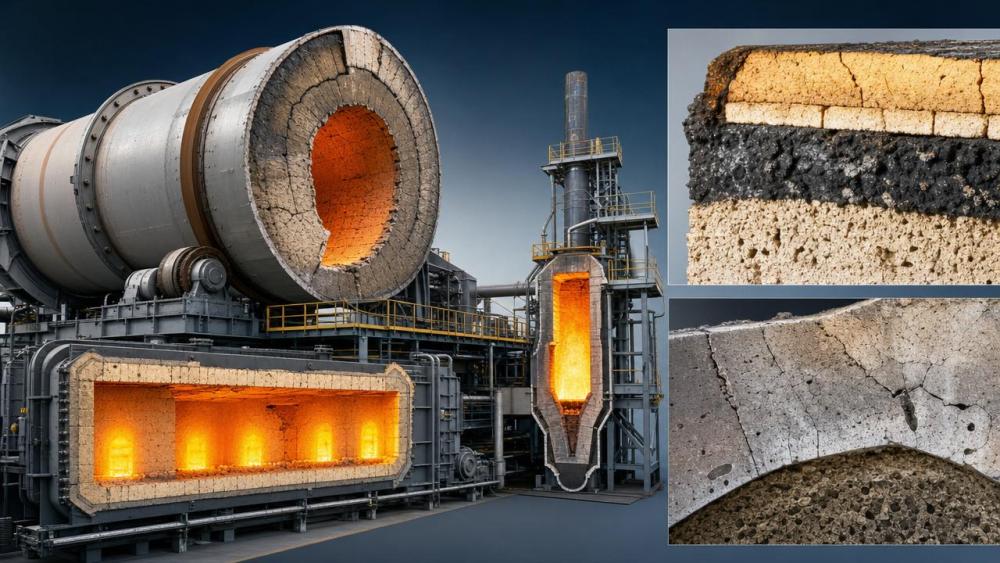
Not all high-temperature materials face the same risk profile. A rotary kiln lining, a glass contact refractory, and an incinerator castable may share temperature ratings, yet fail for very different reasons.
Scene-based judgment matters because the dominant stress can shift quickly. Thermal cycling, atmosphere changes, abrasive burden movement, molten phase penetration, and installation quality interact continuously.
CF-Elite tracks these interactions across silicate production lines and thermal management systems. The goal is not only to report damage, but to link symptoms with process realities and maintenance decisions.
Three questions that frame the first diagnosis
- Is the failure driven mainly by heat fluctuation, chemical corrosion, or mechanical constraint?
- Did the damage start after startup, shutdown, load change, or fuel change?
- Do visible symptoms match the expected wear map for that equipment zone?
These questions help separate random damage from predictable process-linked failure. That distinction saves time during shutdown planning and prevents repeated replacement of high-temperature materials.
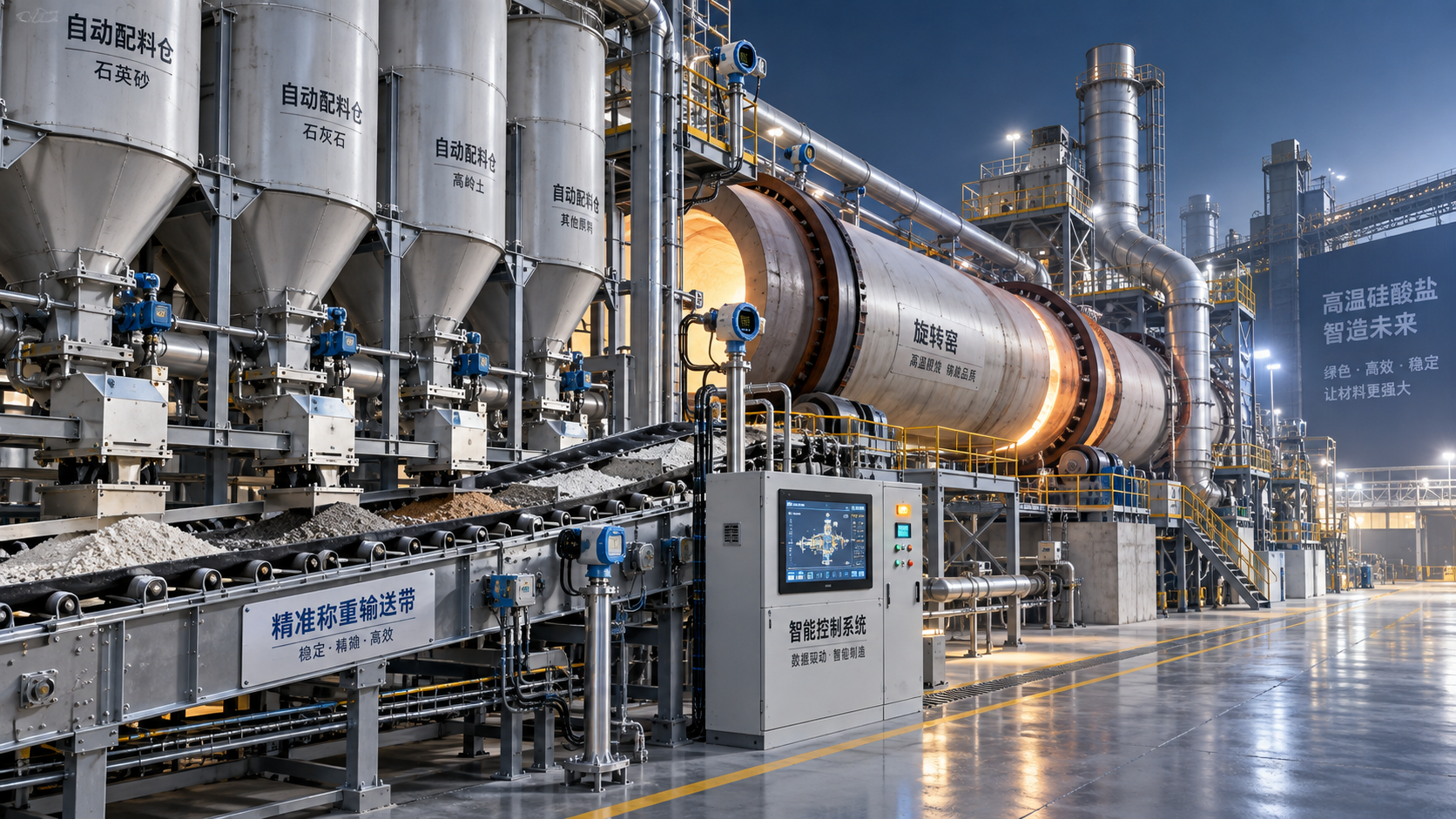
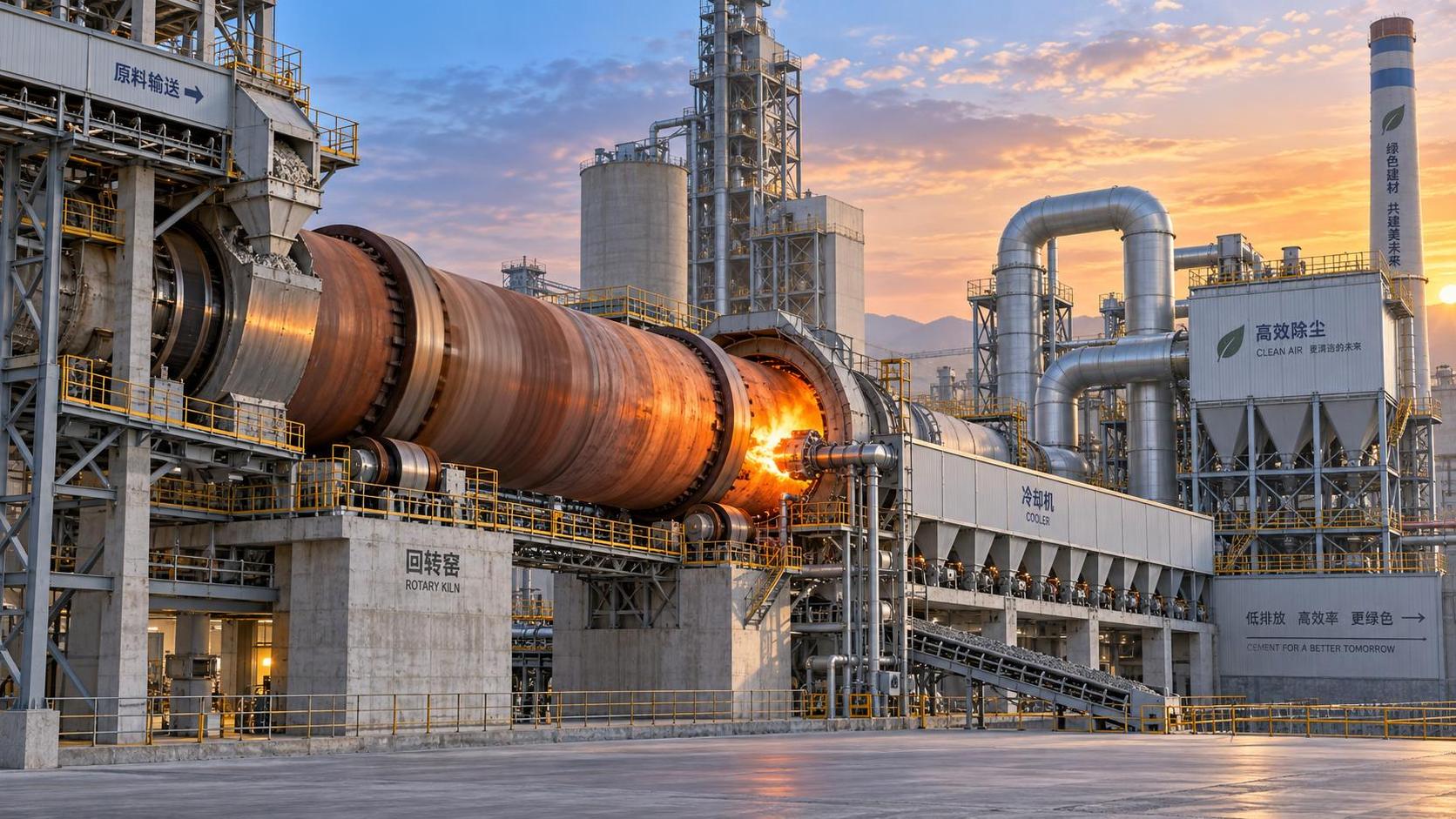
In rotary kilns and calciners, thermal shock often hides behind unstable operation
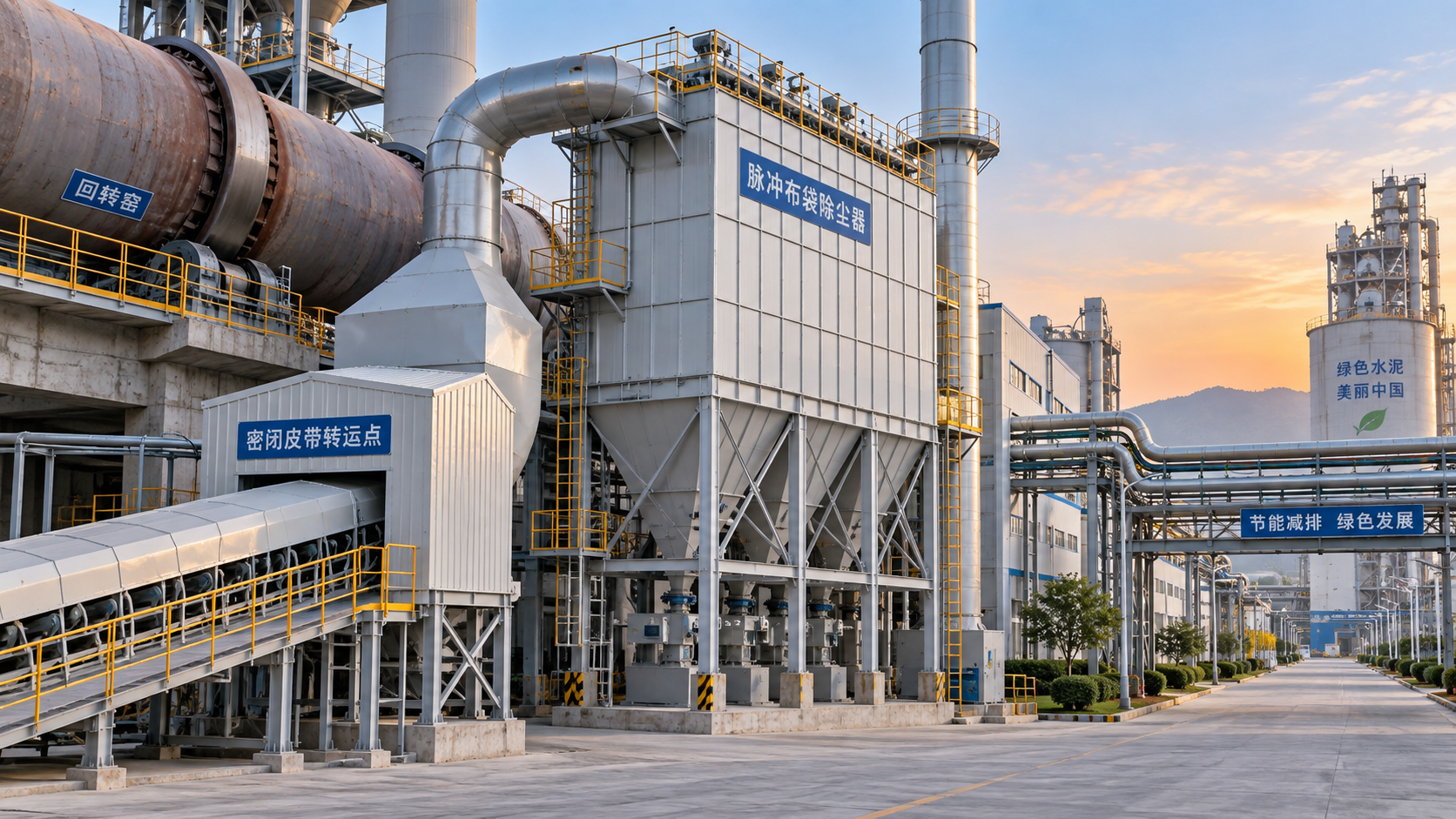
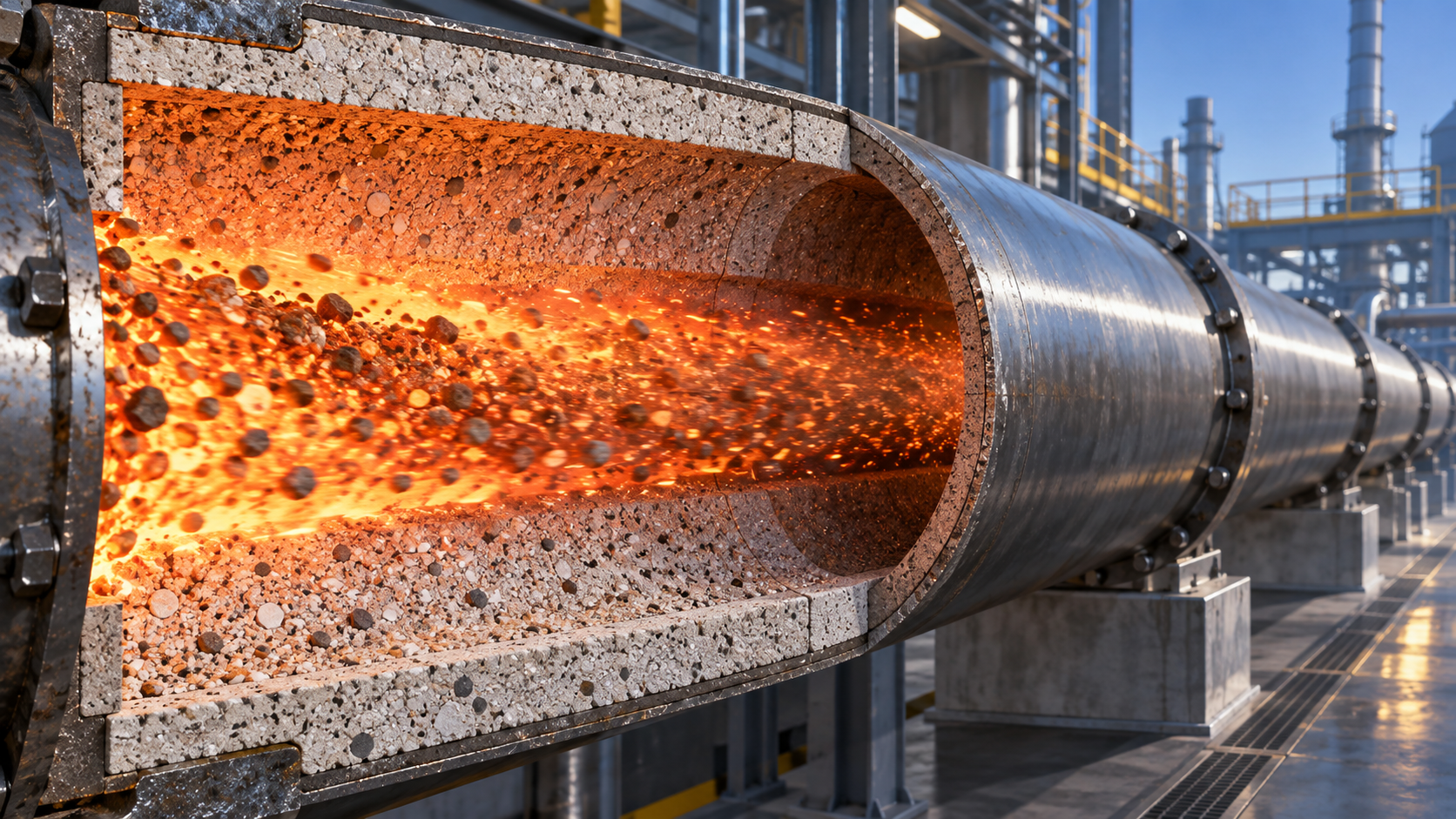
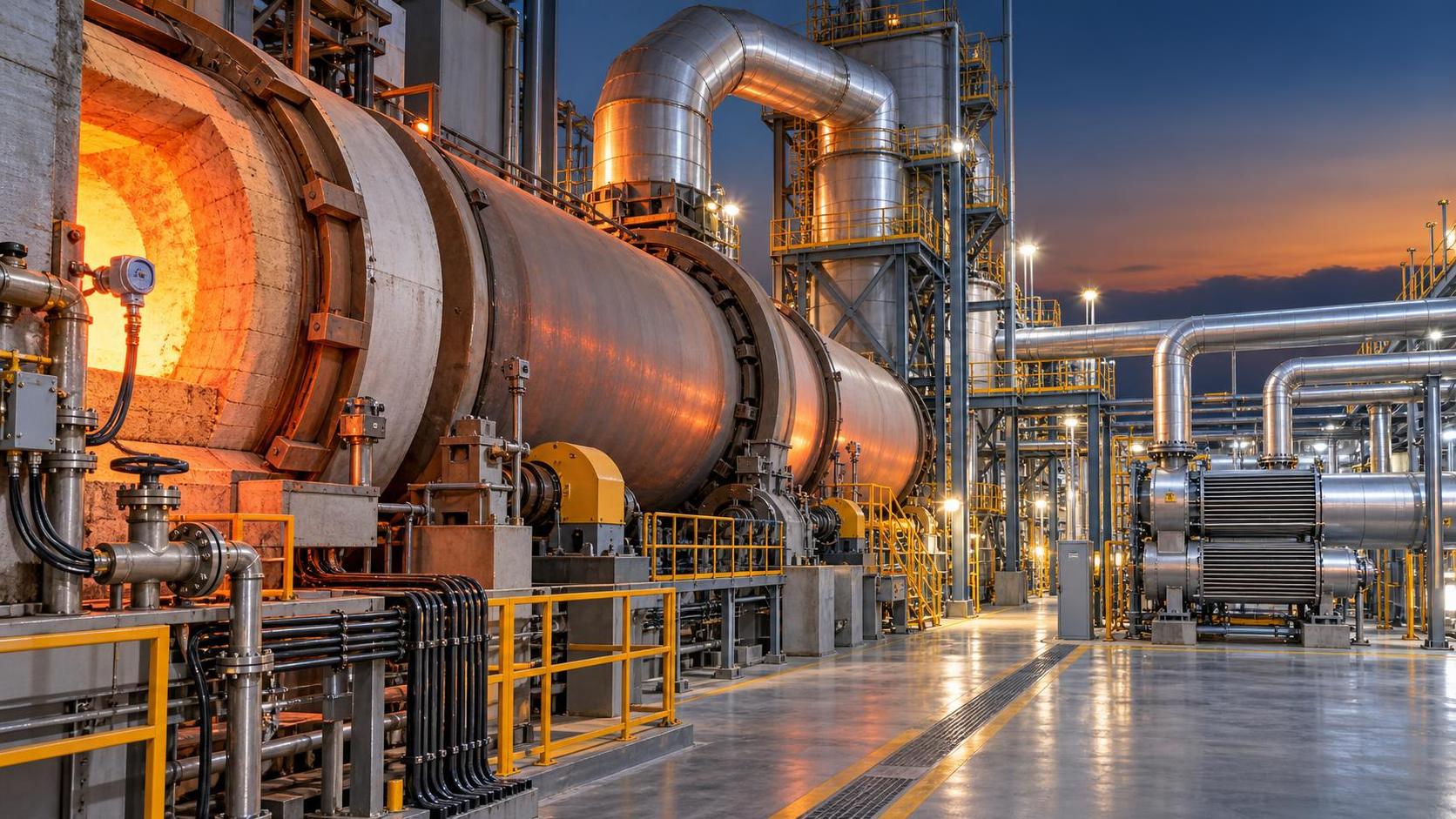
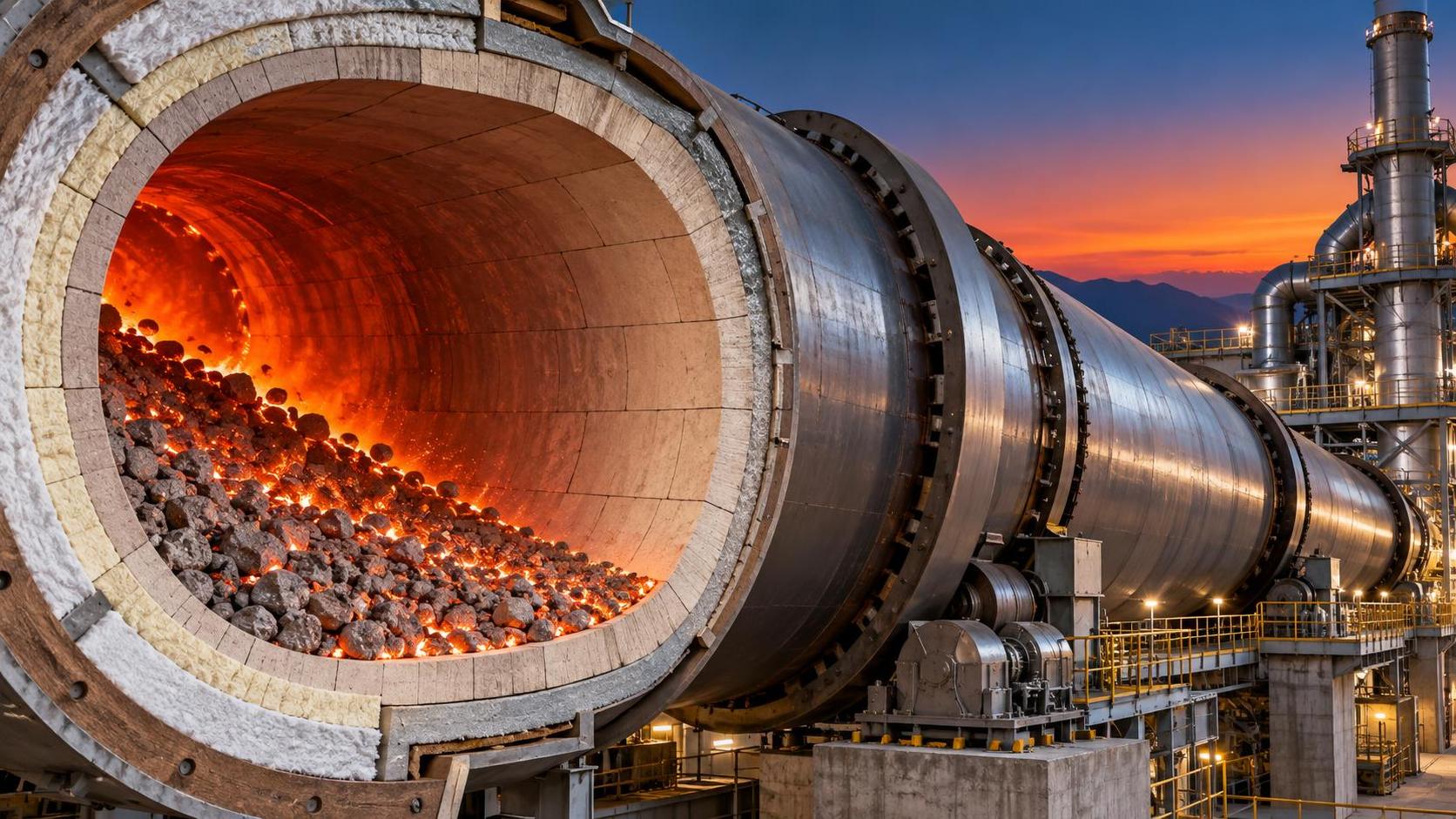
In cement and lime systems, high-temperature materials often fail early after repeated coating loss, flame instability, or abrupt shell temperature variation. The visible crack is usually not the root cause.
Frequent heating and cooling creates expansion mismatch. Once coating disappears, the lining sees direct flame and rapid temperature swings. That accelerates spalling, structural weakness, and hot spot formation.
Core judgment points in kiln scenes
- Hot spots appearing shortly after coating instability
- Corner cracking near transition zones
- Sudden increase in shell temperature spread
- Different wear rates after alternative fuel introduction
When high-temperature materials degrade in this scene, process records become as important as visual inspection. Burner tuning, feed chemistry, and coating behavior must be checked together.
In glass melting equipment, chemical attack can outpace temperature resistance
Glass manufacturing creates a different challenge. Some high-temperature materials survive heat well, but fail because alkali vapor, batch dust, glass contact chemistry, or redox conditions steadily change the microstructure.
In crowns, regenerators, and throat areas, corrosion may begin before operators detect shape loss. Surface glazing, fine network cracks, and local discoloration often appear earlier than obvious breakage.
Signals that suggest chemistry is the main driver
- Material softening without extreme thermal cycling history
- Accelerated wear around vapor pathways
- Localized corrosion near composition changes in feed
- Unexpected debris generation in contact zones
This is why selecting high-temperature materials by maximum temperature alone is risky. Atmosphere, volatilization, contamination sensitivity, and furnace campaign goals all influence the correct choice.
In incineration and waste-to-energy lines, mixed corrosion changes the failure map
Industrial incineration exposes high-temperature materials to chlorides, sulfates, ash deposition, and severe thermal cycling. The operating atmosphere can change rapidly with waste composition and combustion control.
As a result, refractory failure may look irregular. One wall loses thickness quickly, while another shows explosive spalling after shutdown. Mixed corrosion and moisture effects often explain this uneven pattern.
What to check first in this scene
- Compare damage zones with flue gas flow and ash accumulation paths.
- Review drying, curing, and restart procedures for castables.
- Test deposits for aggressive compounds instead of assuming simple overheating.
In many cases, high-temperature materials fail early because the installation and heat-up procedure did not match the real chemical environment of the unit.
In extrusion and refractory production lines, mechanical stress is often underestimated
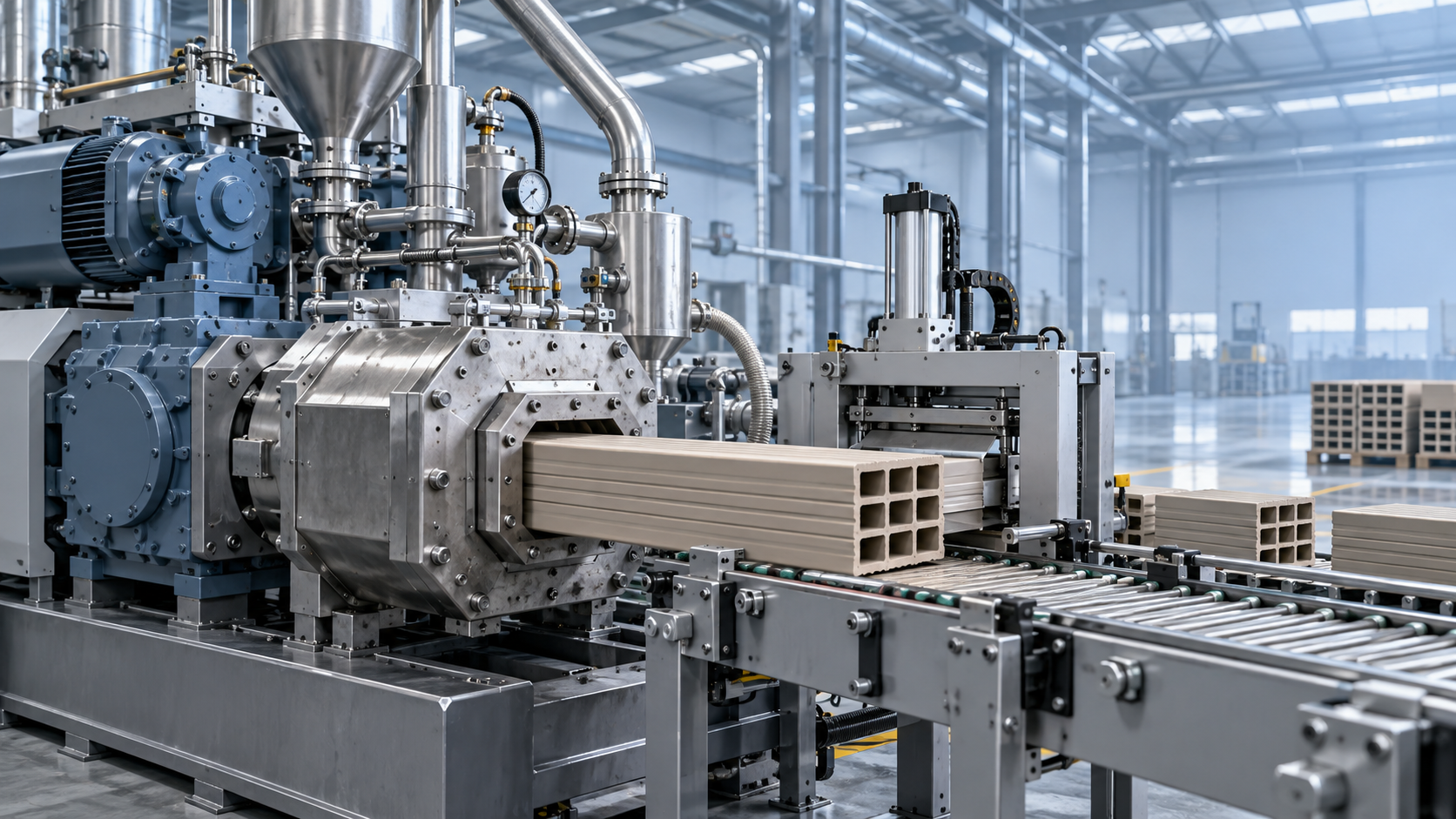
New building material extrusion and refractory manufacturing lines add another layer of complexity. Here, high-temperature materials may fail under pressure loading, abrasion, friction, and uneven support conditions.
A part may be thermally suitable, yet still crack because installation tolerances, vibration, anchoring geometry, or thermal expansion clearance were wrong from the beginning.
Common mechanical warning signs
- Straight-line cracks following anchors or joints
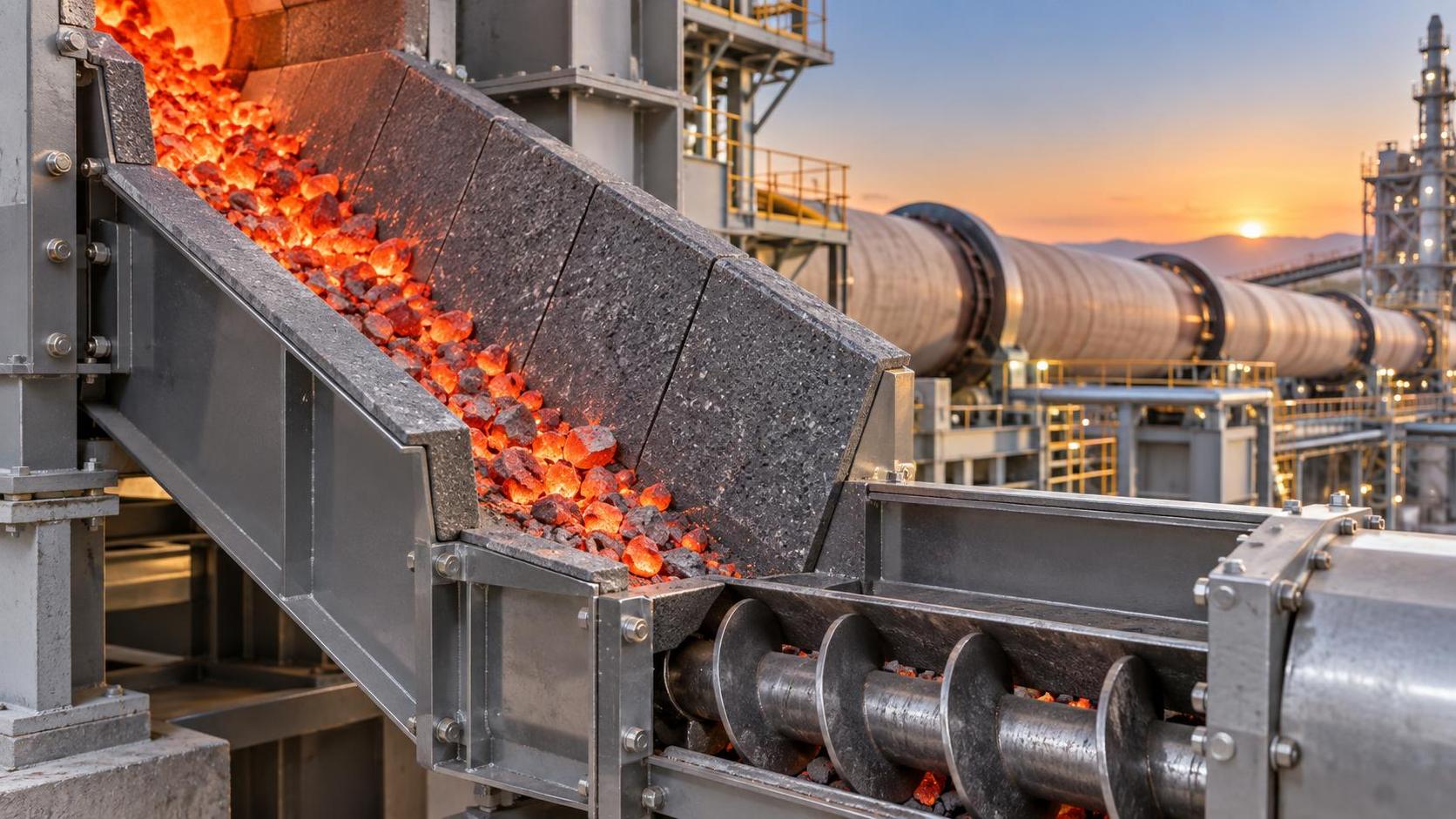
- Edge chipping near discharge or transfer points
- Repeated failure at the same geometric location
- Damage increasing after speed or throughput adjustment
When these symptoms appear, the solution may involve support redesign or process stabilization, not only replacing the same high-temperature materials again.
How different scenes change the maintenance decision
This comparison shows why no universal answer exists for high-temperature materials failure. Maintenance action must fit the scene, not just the symptom.
Practical adaptation steps that reduce premature failure
- Map failure by process zone, not by material name alone.
- Link crack shape, deposit type, and thermal history in one report.
- Audit installation, anchoring, drying, and first heat-up records.
- Review fuel, raw mix, waste stream, or product recipe changes.
- Use inspection intervals that match cycling severity, not calendar habit.
- Compare replacement results against service life expectations by zone.
The most reliable improvements usually come from combining material selection, operating discipline, and field feedback. High-temperature materials perform best when the whole thermal system is understood.
Common misjudgments that shorten the life of high-temperature materials
One common mistake is blaming every failure on poor material quality. Many early breakdowns are actually caused by overfast startup, hidden moisture, process upset, or incorrect expansion allowance.
Another mistake is treating temperature rating as the only selection rule. High-temperature materials must also match corrosion resistance, thermal shock behavior, load conditions, and maintenance accessibility.
A third misjudgment is ignoring small visual warnings. Hairline cracks, glaze changes, anchor print patterns, and local dusting often appear long before major failure becomes visible.
The next step is a scene-based failure review, not a simple replacement
When high-temperature materials fail earlier than expected, the fastest path forward is a structured scene review. Identify where the damage occurred, what changed before it, and which stress dominated.
CF-Elite supports this approach by connecting field symptoms with thermal management intelligence across cement, glass, incineration, refractory, and extrusion systems. Better diagnosis leads to longer campaigns and fewer repeat shutdowns.
Instead of replacing damaged parts with the same assumptions, build a failure map, compare operating scenes, and verify process data. That is how high-temperature materials deliver safer, longer, and more predictable service.
Related News
 Ms. Elena RodriguezHow to Structure Global Specification Data for Faster Industrial Product EvaluationGlobal specification-oriented product information helps industrial teams compare capacity, energy, emissions, automation, and lifecycle data on a like-for-like basis for faster, confident equipment decisions.Sep 29, 2026
 Thermal Energy ArchitectHow to Specify High-Temperature Process Systems for Continuous Thermal OperationsHigh-temperature process engineering systems: learn how to specify resilient continuous thermal operations for efficiency, compliance, reliable uptime, and long-term performance.Sep 28, 2026
 Thermal Energy ArchitectHow to Evaluate a Thermal Engineering Contractor for High-Temperature Plant ProjectsChoose a thermal engineering contractor with proven process expertise, lifecycle value, emissions control, and delivery discipline for reliable high-temperature plant performance.Sep 27, 2026
 Silicate Process EngineerHow Latin American Cement Plants Can Reduce Dust Emissions in Kilns and Transfer PointsCement plant dust control Latin America: reduce kiln and transfer-point emissions with practical airflow, filtration, monitoring, and maintenance strategies.Sep 26, 2026
 Material Heat-Resist ExpertHow to Evaluate Refractory Production Lines for Output, Quality, and Energy UseRefractory production lines: learn how to assess qualified output, consistent quality, and total energy use for smarter, lower-risk investment decisions.Sep 25, 2026
 Dr. Alistair VaughnHow Waste Recycling Technology Improves Material Recovery in Industrial PlantsWaste recycling technology improves material recovery through source segregation, smart separation, thermal treatment, and quality control for industrial plants.Sep 24, 2026
 Optical Glass Tech FellowHow to Specify Glass Annealing Equipment for European Quality and Energy RequirementsGlass annealing equipment Europe: learn how to specify lehrs for consistent glass quality, energy efficiency, compliance, automation, and reliable long-term performance.Sep 23, 2026
 Optical Glass Tech FellowSilicate Process Automation: Improving Batch Consistency and Energy ControlSilicate process automation improves batch consistency, energy control, traceability, and operator confidence across high-temperature manufacturing operations.Sep 22, 2026
 Optical Glass Tech FellowHow Silicate Industrial Processes Control Viscosity, Energy Use, and Product QualitySilicate industrial processes: learn how viscosity, chemistry, heat transfer, and atmosphere control reduce energy use, improve stability, and protect product quality.Sep 21, 2026
 Thermal Energy ArchitectHow European Plants Can Evaluate Energy Recovery Equipment for High-Temperature ProcessesIndustrial energy recovery equipment Europe: learn how high-temperature plants can assess waste-heat sources, integration risks, lifecycle value, and reliable recovery routes.Sep 20, 2026
 Thermal Energy ArchitectIndustrial Furnace Process Optimization: Reducing Fuel Use Without Sacrificing ThroughputIndustrial process optimization furnace strategies that cut fuel use while protecting throughput. Explore combustion control, heat recovery, refractory performance, and data-driven efficiency gains.Sep 19, 2026
 Ms. Elena RodriguezWhat Drives High-Pressure Extrusion Equipment Cost in Industrial Projects?High pressure extrusion equipment cost explained: compare pressure, die design, automation, wear, energy, and installation factors for smarter industrial investments.Sep 18, 2026
 Thermal Energy ArchitectHow to Size a Waste Heat Recovery Exchanger for High-Temperature Kiln Exhaust?Waste heat recovery exchanger sizing for high-temperature kiln exhaust: balance recoverable duty, fouling, corrosion limits, pressure drop, and reliable heat use.Sep 17, 2026
 Thermal Energy ArchitectWhy Heat-Resistant Materials Lose Abrasion Resistance at High TemperaturesHeat-resistant materials abrasion resistance can decline at high temperatures. Discover the thermal, chemical, and mechanical causes of wear—and how to choose longer-lasting linings.Sep 16, 2026
 Thermal Energy ArchitectHow to Evaluate a Thermal Energy Optimization Company for High-Temperature PlantsChoose a thermal energy optimization company with proven process expertise, measurable savings, and reliable delivery for high-temperature plants. Learn what to assess.Sep 15, 2026
 Thermal Energy ArchitectRotary Kiln Efficiency: How Feed Rate, Fuel Use, and Heat Loss Affect OutputRotary kiln efficiency explained: discover how feed rate, fuel use, heat loss, combustion, and cooling performance shape output, quality, and energy costs.Sep 14, 2026
 Thermal Energy ArchitectHow to Select Heat-Resistant Materials That Maintain Abrasion Resistance in KilnsHeat-resistant materials abrasion resistance: learn how to select kiln linings that withstand heat, wear, thermal cycling, and chemical attack for longer service life.Sep 13, 2026
 Thermal Energy ArchitectHow Rotary Kiln Automation Improves Temperature Control and Fuel EfficiencyRotary kiln technology automation enhances temperature control, stabilizes combustion, and improves fuel efficiency with smarter data, predictive control, and safer operations.Sep 12, 2026
 Silicate Process EngineerCement Plant Emission Control: Selecting Systems for Dust, NOx, and SO2 LimitsCement plant emission control guide: compare dust collectors, NOx reduction, and SO2 systems for reliable compliance across kiln modes, fuel changes, and operating upsets.Sep 11, 2026
 Thermal Energy ArchitectSelecting Abrasion-Resistant High-Temperature Materials for Kiln and Conveyor Wear ZonesHigh-temp material engineering guide to abrasion-resistant kiln and conveyor solutions—match wear, heat, chemistry, and installation design for longer service life.Sep 10, 2026


Related News
- 00
0000-00
How to Evaluate Refractory Production Lines for Output, Quality, and Energy Use - 00
0000-00
What Determines Refractory Production Line Price in a Turnkey Plant Project? - 00
0000-00
How to Evaluate a Silicate Production Line for Capacity, Energy Use, and Product Quality - 00
0000-00
Silicate Production Line Process Explained: Key Stages, Equipment, and Quality Control - 00
0000-00
How to Evaluate a Refractory Production Line in Southeast Asia: Capacity, Fuel, and Raw Material Factors
Weekly Insights
Stay ahead with our curated technology reports delivered every Monday.