
Is waste to energy still worth the capital in 2026?




In 2026, the real question is not whether waste to energy can generate power, but whether it can still justify rising capital costs, tighter emissions rules, and longer payback expectations. For financial approval, the answer depends on scale, feedstock stability, policy support, and lifecycle efficiency. This article reviews whether waste to energy remains a bankable industrial investment or a capital-intensive risk in a stricter decarbonization era.
Why a checklist matters before funding waste to energy in 2026
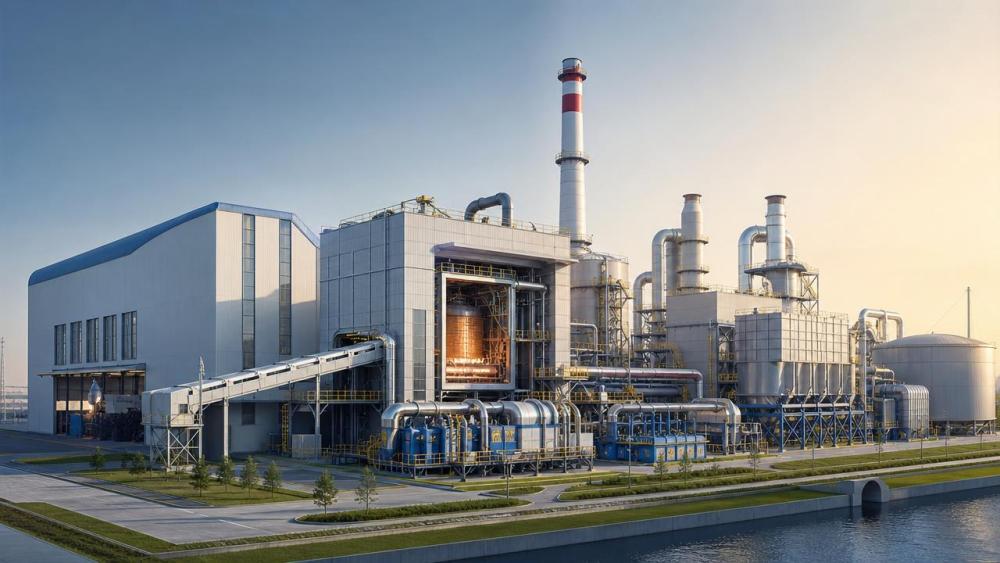
Capital decisions in thermal infrastructure now face more volatility than technical uncertainty. Equipment works. The harder issue is whether project economics survive changing gate fees, carbon rules, and financing conditions.
That is why a checklist approach helps. It converts the broad waste to energy debate into measurable approval points, especially for incineration lines, heat recovery systems, and integrated material handling assets.
For platforms like CF-Elite, this matters across industrial incineration, kiln co-processing, refractory performance, and thermal management. A project may look attractive on power revenue alone, yet fail on uptime, ash handling, or emissions retrofit costs.
Core checklist: when waste to energy is still worth the capital
Use the following screening points before moving from concept to detailed engineering. If several items score weakly, waste to energy may still operate technically, but not economically.
- Confirm feedstock consistency first. Measure calorific value, moisture swings, chlorine content, and seasonal composition before selecting grate, fluidized bed, or RDF-based thermal conversion.
- Test revenue stacking, not power sales alone. Include gate fees, steam supply contracts, heat export, metal recovery, tipping agreements, and carbon-linked incentives.
- Stress capital expenditure against inflation. Model boilers, flue gas cleaning, refractory packages, civil works, grid connection, and commissioning contingencies with conservative escalation.
- Audit emissions compliance early. Verify NOx, dioxin, acid gas, particulate, and continuous monitoring obligations before locking process flow and pollution control architecture.
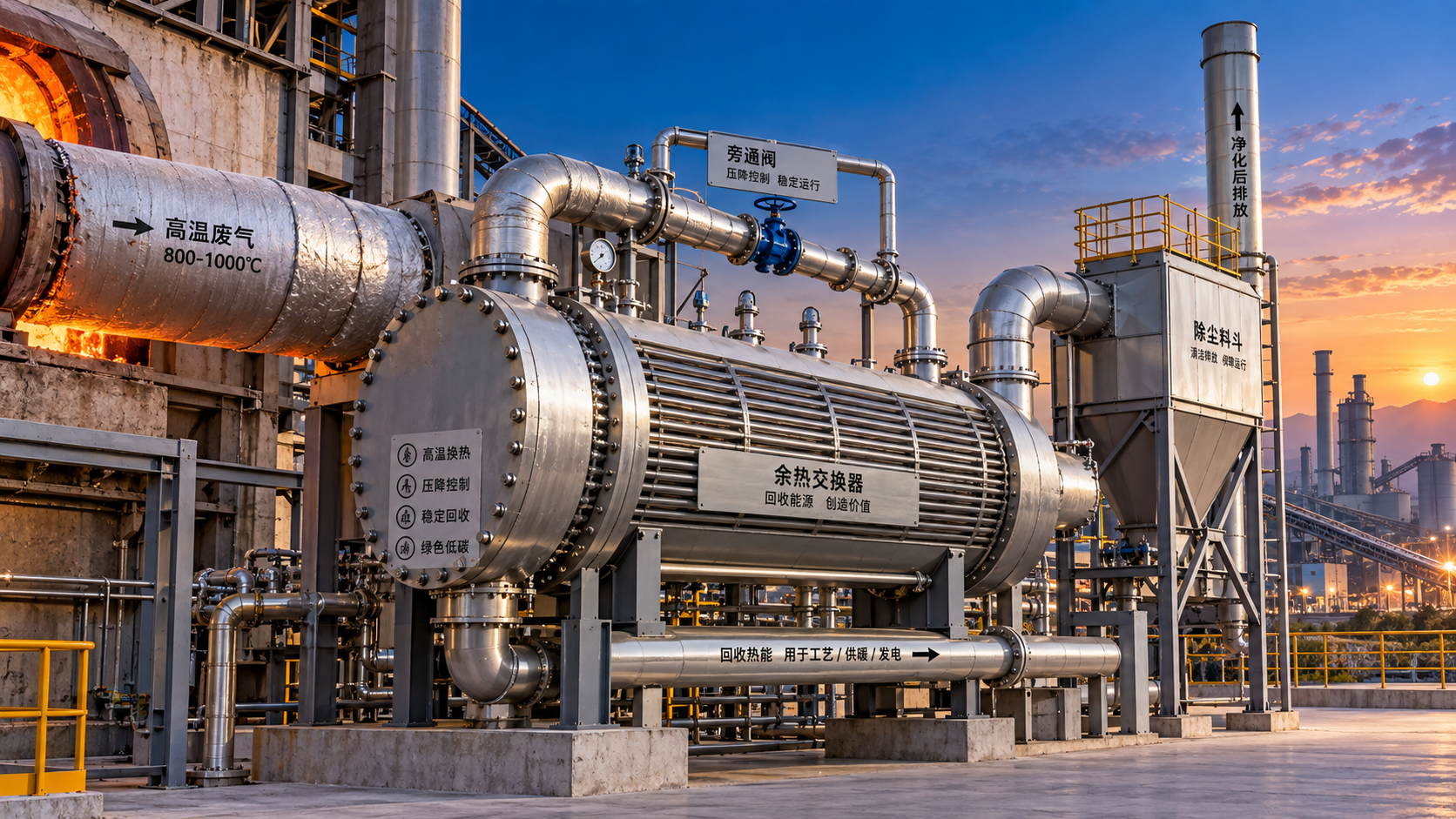
- Check heat utilization efficiency. A waste to energy plant with weak steam offtake or poor district heating integration often underperforms compared with combined heat and power layouts.
- Review residue management in detail. Bottom ash use, fly ash treatment, hazardous disposal routes, and transport cost can materially change project IRR.
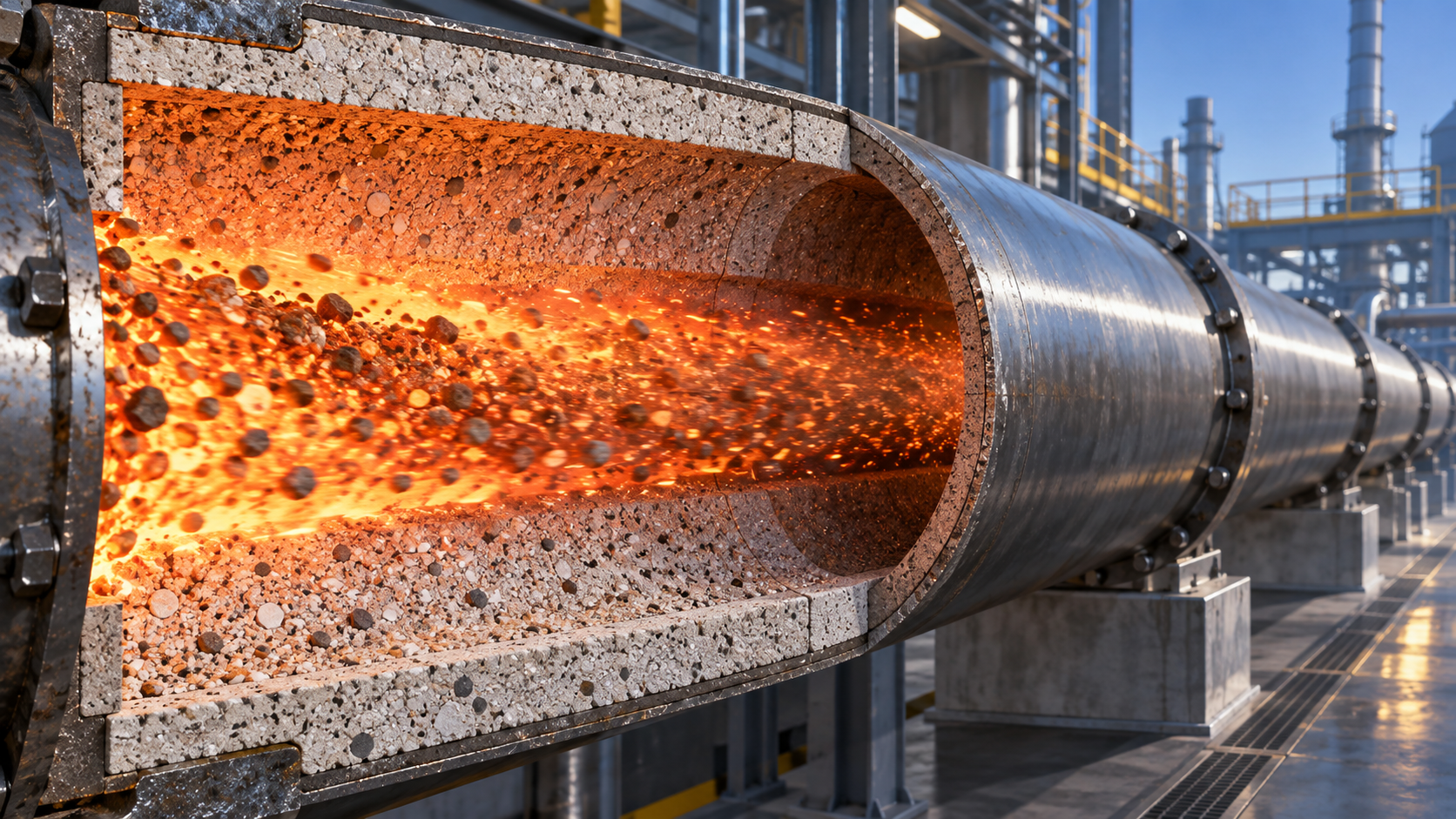
- Validate operating resilience. Assess planned downtime, grate wear, refractory campaign life, corrosion exposure, and skilled maintenance availability over the full asset cycle.
- Map policy durability. Short-term subsidies can improve headline returns, but long-life thermal assets require stable waste policy, landfill restrictions, and permitting confidence.
- Compare alternatives honestly. Benchmark waste to energy against landfill gas, anaerobic digestion, cement kiln co-processing, material recovery upgrades, and modular thermal systems.
- Model financing structure carefully. Debt tenor, interest rates, covenant sensitivity, and construction delay penalties often decide whether the asset remains investable.
Where waste to energy still makes strong economic sense
Dense urban regions with landfill pressure
In land-constrained regions, waste to energy still holds strategic value. High landfill taxes, limited disposal space, and stable municipal waste streams create a stronger baseline business case.
Projects improve further when they export both electricity and district heat. The more energy recovered per ton, the easier it becomes to defend high upfront capital.
Industrial clusters with steam demand
The best-performing facilities often behave less like power plants and more like thermal utilities. Nearby ceramics, glass, food processing, and chemical plants can absorb stable steam loads.
This is important in comprehensive industry settings, where heat integration can outperform merchant power economics. In such cases, waste to energy becomes part of a wider thermal management strategy.
Regions with mature policy and contracting frameworks
Bankability improves when feedstock contracts, gate fee formulas, and emissions permitting follow established rules. Investors can accept long payback periods if policy risk remains manageable.
Without that framework, even efficient waste to energy assets may struggle to close financing because uncertainty shifts from engineering risk to regulatory risk.
Where waste to energy becomes difficult to justify
Low-volume markets with unstable feedstock
If waste volumes are fragmented or moisture levels vary sharply, thermal efficiency falls and maintenance costs rise. Underfed combustion lines rarely support large fixed-cost structures.
Markets prioritizing aggressive recycling expansion
As material recovery systems improve, the residual waste fraction changes. Higher plastics removal or organics diversion may lower calorific value and weaken the original design basis.
A waste to energy plant designed for yesterday’s waste mix can become a costly mismatch if recycling policy accelerates faster than expected.
Projects relying on optimistic carbon narratives
Incineration can support circularity by avoiding landfill methane and recovering energy, but carbon accounting is becoming stricter. Biogenic share, fossil-derived fractions, and CCS readiness now matter more.
When decarbonization claims are weak, waste to energy may face social resistance, delayed permits, and future retrofit pressure.
Commonly missed risks in waste to energy project approval
- Underestimate refractory and corrosion exposure. Chlorides, alkalis, and thermal cycling can shorten campaign life and create hidden outage costs.
- Ignore auxiliary system complexity. Feed bunkers, cranes, leachate handling, ash extraction, and CEMS packages add cost and operational dependence.
- Overrate merchant electricity revenue. Weak grid prices can compress returns unless steam, heat, or gate fee income carries the project.
- Miss community and permitting friction. Public opposition can delay construction long enough to damage debt terms and EPC budgets.
- Skip digital performance planning. Real-time combustion control, predictive maintenance, and thermal balance analytics now influence long-term asset competitiveness.
Practical execution advice for 2026 capital reviews
Start with a feedstock-backed concept, not a technology-first concept. Waste analysis should shape furnace design, boiler sizing, emissions control, and residue pathways.
Then run three economic cases: base, stressed, and failure-containment. Include delayed ramp-up, lower calorific value, weaker heat sales, and tighter emissions spending.
For large-scale thermal assets, integrate refractory strategy and uptime engineering from the beginning. In many waste to energy projects, availability matters as much as nominal throughput.
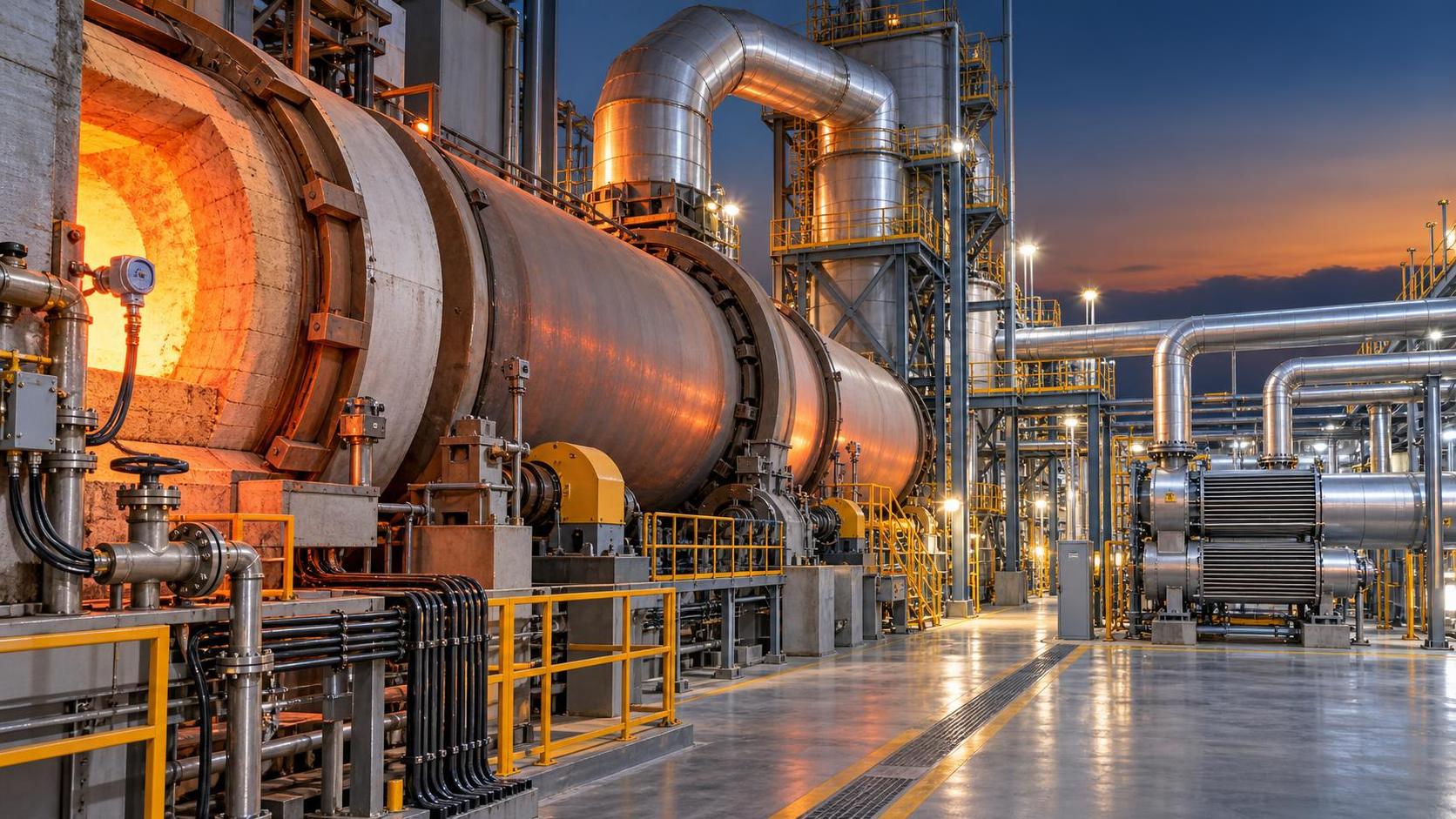
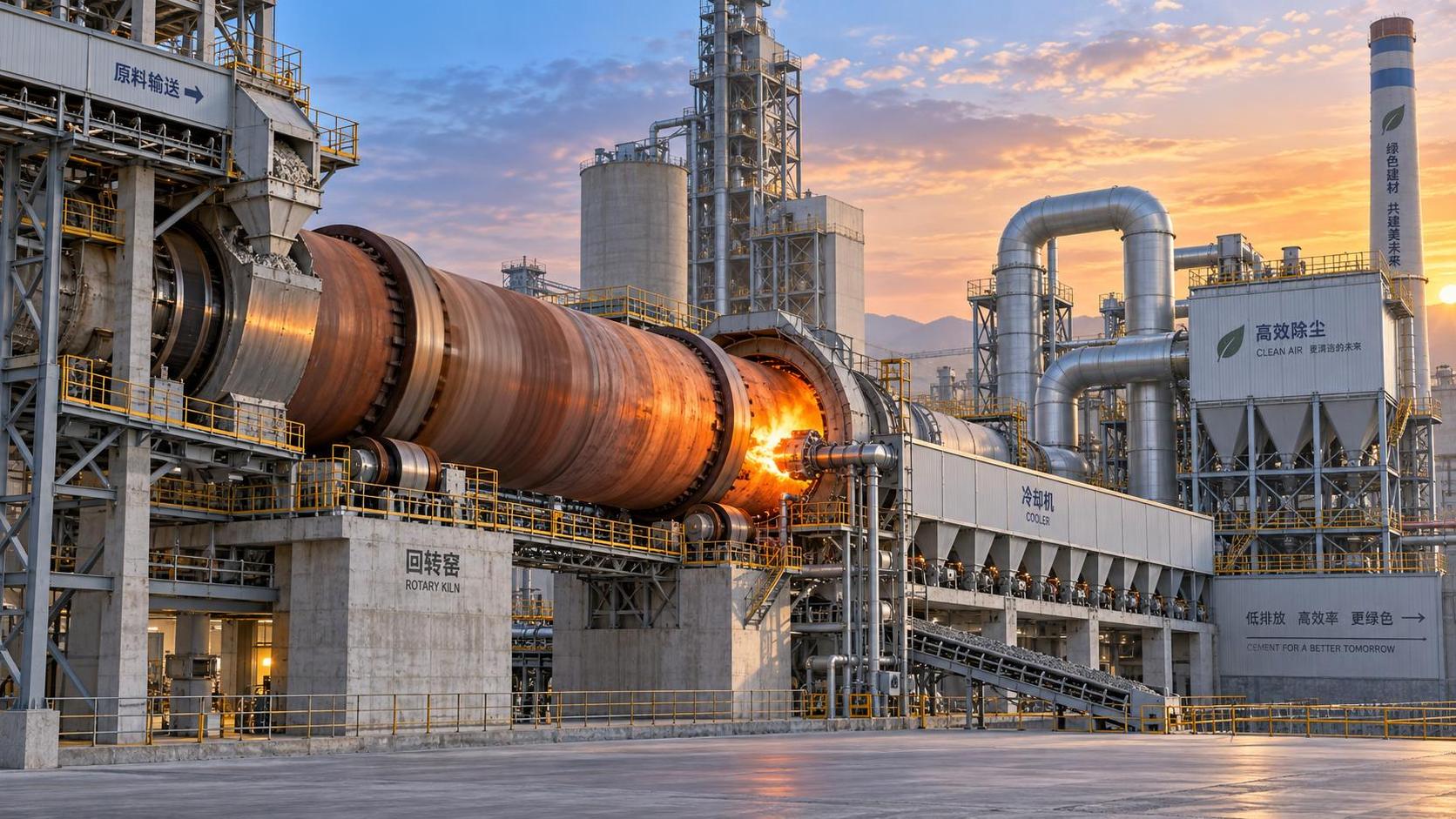
Also compare fixed-plant incineration with co-processing routes. In some industrial ecosystems, cement kilns or shared thermal hubs may deliver lower-risk waste conversion economics.
Conclusion: is waste to energy still worth the capital?
Yes, but only in the right configuration. In 2026, waste to energy remains investable where waste supply is secure, policy is durable, heat recovery is optimized, and emissions compliance is fully priced.
It becomes far less convincing when the project depends on unstable feedstock, thin power margins, uncertain permits, or vague decarbonization assumptions. Capital discipline now matters more than technology enthusiasm.
The next step is simple: score the project against the checklist, reject weak assumptions early, and prioritize lifecycle efficiency over headline capacity. That is the most reliable way to judge whether waste to energy still deserves capital in a stricter industrial era.
Related News
 Ms. Elena RodriguezHow to Structure Global Specification Data for Faster Industrial Product EvaluationGlobal specification-oriented product information helps industrial teams compare capacity, energy, emissions, automation, and lifecycle data on a like-for-like basis for faster, confident equipment decisions.Sep 29, 2026
 Thermal Energy ArchitectHow to Specify High-Temperature Process Systems for Continuous Thermal OperationsHigh-temperature process engineering systems: learn how to specify resilient continuous thermal operations for efficiency, compliance, reliable uptime, and long-term performance.Sep 28, 2026
 Thermal Energy ArchitectHow to Evaluate a Thermal Engineering Contractor for High-Temperature Plant ProjectsChoose a thermal engineering contractor with proven process expertise, lifecycle value, emissions control, and delivery discipline for reliable high-temperature plant performance.Sep 27, 2026
 Silicate Process EngineerHow Latin American Cement Plants Can Reduce Dust Emissions in Kilns and Transfer PointsCement plant dust control Latin America: reduce kiln and transfer-point emissions with practical airflow, filtration, monitoring, and maintenance strategies.Sep 26, 2026
 Material Heat-Resist ExpertHow to Evaluate Refractory Production Lines for Output, Quality, and Energy UseRefractory production lines: learn how to assess qualified output, consistent quality, and total energy use for smarter, lower-risk investment decisions.Sep 25, 2026
 Dr. Alistair VaughnHow Waste Recycling Technology Improves Material Recovery in Industrial PlantsWaste recycling technology improves material recovery through source segregation, smart separation, thermal treatment, and quality control for industrial plants.Sep 24, 2026
 Optical Glass Tech FellowHow to Specify Glass Annealing Equipment for European Quality and Energy RequirementsGlass annealing equipment Europe: learn how to specify lehrs for consistent glass quality, energy efficiency, compliance, automation, and reliable long-term performance.Sep 23, 2026
 Optical Glass Tech FellowSilicate Process Automation: Improving Batch Consistency and Energy ControlSilicate process automation improves batch consistency, energy control, traceability, and operator confidence across high-temperature manufacturing operations.Sep 22, 2026
 Optical Glass Tech FellowHow Silicate Industrial Processes Control Viscosity, Energy Use, and Product QualitySilicate industrial processes: learn how viscosity, chemistry, heat transfer, and atmosphere control reduce energy use, improve stability, and protect product quality.Sep 21, 2026
 Thermal Energy ArchitectHow European Plants Can Evaluate Energy Recovery Equipment for High-Temperature ProcessesIndustrial energy recovery equipment Europe: learn how high-temperature plants can assess waste-heat sources, integration risks, lifecycle value, and reliable recovery routes.Sep 20, 2026
 Thermal Energy ArchitectIndustrial Furnace Process Optimization: Reducing Fuel Use Without Sacrificing ThroughputIndustrial process optimization furnace strategies that cut fuel use while protecting throughput. Explore combustion control, heat recovery, refractory performance, and data-driven efficiency gains.Sep 19, 2026
 Ms. Elena RodriguezWhat Drives High-Pressure Extrusion Equipment Cost in Industrial Projects?High pressure extrusion equipment cost explained: compare pressure, die design, automation, wear, energy, and installation factors for smarter industrial investments.Sep 18, 2026
 Thermal Energy ArchitectHow to Size a Waste Heat Recovery Exchanger for High-Temperature Kiln Exhaust?Waste heat recovery exchanger sizing for high-temperature kiln exhaust: balance recoverable duty, fouling, corrosion limits, pressure drop, and reliable heat use.Sep 17, 2026
 Thermal Energy ArchitectWhy Heat-Resistant Materials Lose Abrasion Resistance at High TemperaturesHeat-resistant materials abrasion resistance can decline at high temperatures. Discover the thermal, chemical, and mechanical causes of wear—and how to choose longer-lasting linings.Sep 16, 2026
 Thermal Energy ArchitectHow to Evaluate a Thermal Energy Optimization Company for High-Temperature PlantsChoose a thermal energy optimization company with proven process expertise, measurable savings, and reliable delivery for high-temperature plants. Learn what to assess.Sep 15, 2026
 Thermal Energy ArchitectRotary Kiln Efficiency: How Feed Rate, Fuel Use, and Heat Loss Affect OutputRotary kiln efficiency explained: discover how feed rate, fuel use, heat loss, combustion, and cooling performance shape output, quality, and energy costs.Sep 14, 2026
 Thermal Energy ArchitectHow to Select Heat-Resistant Materials That Maintain Abrasion Resistance in KilnsHeat-resistant materials abrasion resistance: learn how to select kiln linings that withstand heat, wear, thermal cycling, and chemical attack for longer service life.Sep 13, 2026
 Thermal Energy ArchitectHow Rotary Kiln Automation Improves Temperature Control and Fuel EfficiencyRotary kiln technology automation enhances temperature control, stabilizes combustion, and improves fuel efficiency with smarter data, predictive control, and safer operations.Sep 12, 2026
 Silicate Process EngineerCement Plant Emission Control: Selecting Systems for Dust, NOx, and SO2 LimitsCement plant emission control guide: compare dust collectors, NOx reduction, and SO2 systems for reliable compliance across kiln modes, fuel changes, and operating upsets.Sep 11, 2026
 Thermal Energy ArchitectSelecting Abrasion-Resistant High-Temperature Materials for Kiln and Conveyor Wear ZonesHigh-temp material engineering guide to abrasion-resistant kiln and conveyor solutions—match wear, heat, chemistry, and installation design for longer service life.Sep 10, 2026



Related News
- 00
0000-00
How to Structure Global Specification Data for Faster Industrial Product Evaluation - 00
0000-00
What Drives High-Pressure Extrusion Equipment Cost in Industrial Projects? - 00
0000-00
How Should Buyers Evaluate Building Material Industry Intelligence Pricing? - 00
0000-00
How to Use Building Material Intelligence Data for Market and Investment Decisions - 00
0000-00
How to Evaluate a Silicate Processing Equipment Manufacturer for Plant Projects
Weekly Insights
Stay ahead with our curated technology reports delivered every Monday.