
Industrial Process Intelligence for Cement: Which KPIs Matter Most for Kiln Performance?




Kiln performance sits at the center of cement economics. It shapes fuel consumption, clinker consistency, maintenance risk, and emissions exposure at the same time.
That is why industrial process intelligence for cement has moved beyond basic reporting. It now supports faster operating judgment across production, quality, energy, and environmental control.
For plants under pressure to stabilize output and cut carbon intensity, the key question is not whether to track data. It is which kiln KPIs truly explain performance.
Why kiln KPIs now matter more than ever
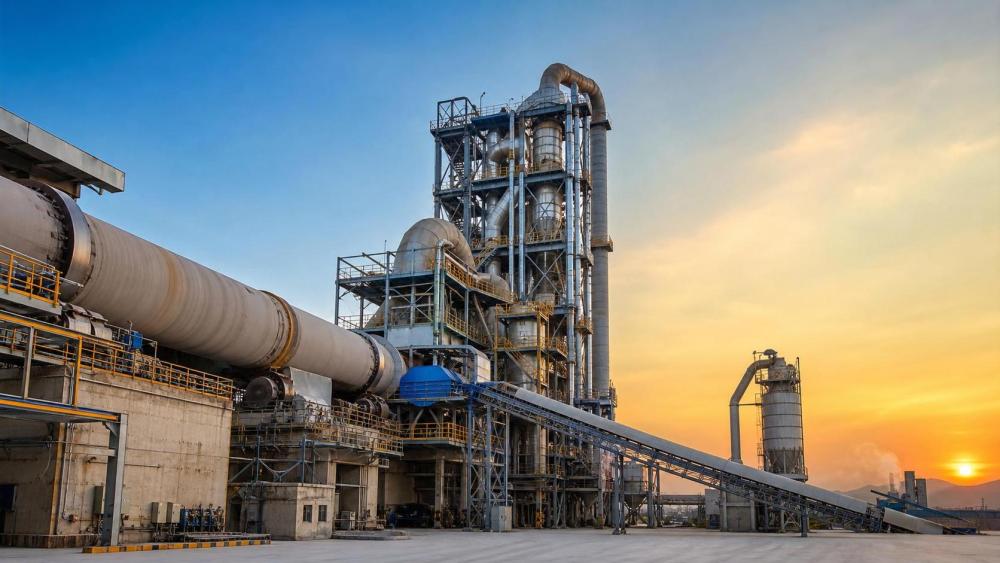
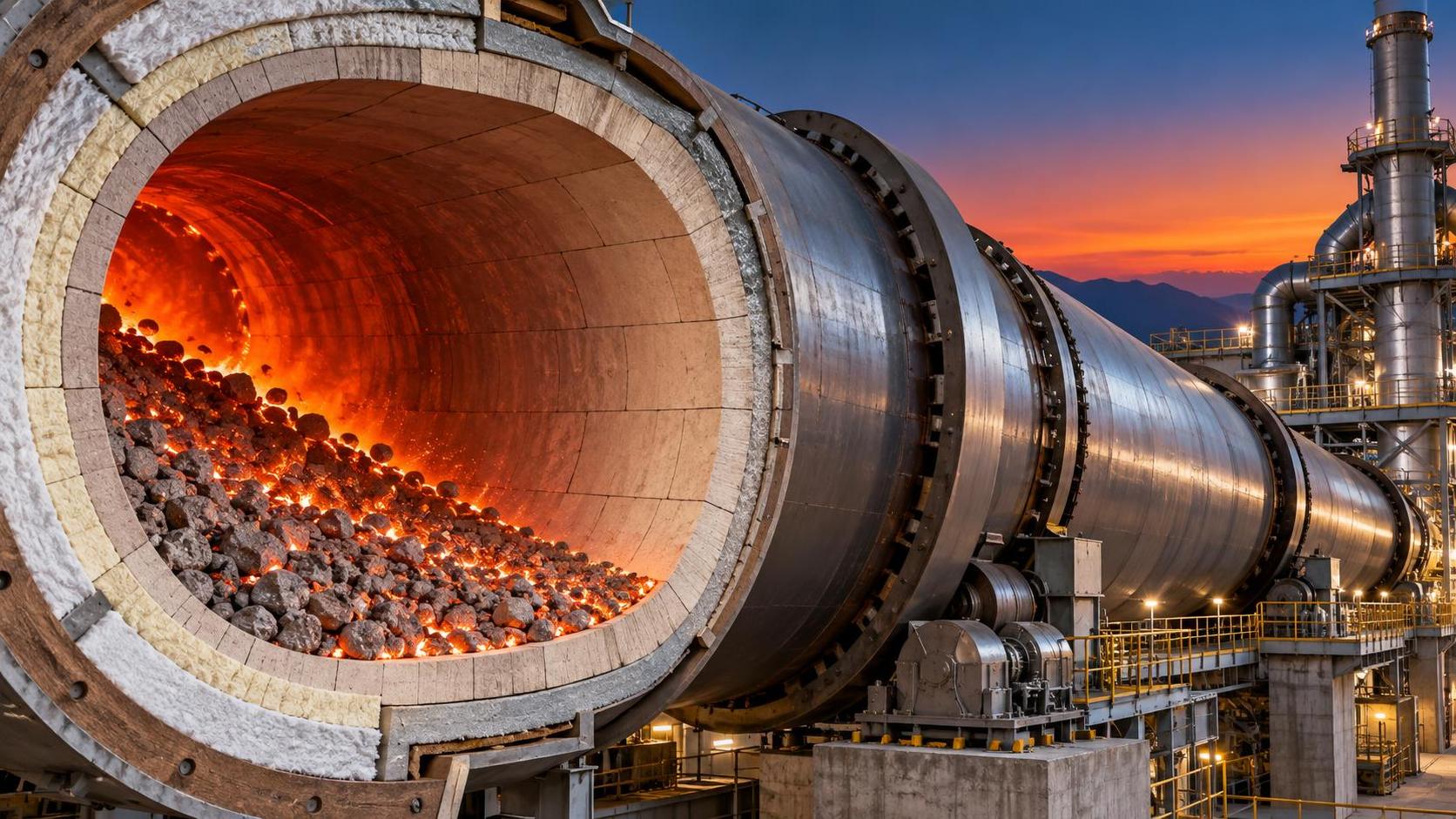
Rotary kilns operate inside a narrow process window. Small shifts in feed chemistry, thermal profile, draft stability, or fuel quality can quickly affect the whole line.
This is especially relevant in a market shaped by energy volatility, stricter dust and NOx limits, alternative fuel adoption, and tighter clinker quality requirements.
Industrial process intelligence for cement helps convert those variables into a manageable decision framework. The goal is not more dashboards. The goal is better operational clarity.
CF-Elite follows this wider context across cement plants, incineration systems, refractory lines, and other high-temperature industries. That cross-sector view matters because kiln behavior is never only mechanical.
It reflects thermal management, reaction kinetics, refractory condition, air flow discipline, and carbon strategy in one linked process environment.
What industrial process intelligence for cement really means
In practical terms, industrial process intelligence for cement is the structured use of process data to explain cause, not just record outcome.
A kiln may hit production targets while hiding instability. It may also show acceptable free lime while consuming excessive fuel or accelerating refractory wear.
Good intelligence connects process signals across time and function. It links raw mix variability, burner settings, cooler efficiency, exhaust chemistry, and stop-start history.
This matters for project evaluation as much as daily operation. A KPI only becomes useful when it supports a decision on line upgrades, control logic, fuel strategy, or maintenance timing.
The KPI groups that reveal real kiln performance
No single indicator can describe kiln health. The strongest approach uses a short set of connected KPI groups.
Thermal efficiency indicators
Specific heat consumption remains a core KPI because it captures the cost of thermal conversion. But it should never be read alone.
Burner momentum, flame stability, calciner temperature, kiln inlet temperature, and cooler vent temperature help explain whether heat is being transferred effectively.
When these indicators drift apart, the plant may still produce clinker, but with hidden energy penalties.
Material quality indicators
Free lime, clinker liter weight, alite formation, and burnability trends show whether the thermal profile is producing stable chemistry.
A plant focused only on tonnage can miss the cost of unstable mineralogy. That cost later appears in grinding performance, cement strength variability, or customer complaints.
Operational stability indicators
Kiln speed variation, feed rate swings, draft fluctuation, false air levels, and coating-related stoppages often reveal process stress before major failure occurs.
This is where industrial process intelligence for cement becomes especially valuable. It identifies recurring patterns that routine shift reports rarely connect.
Environmental and compliance indicators
NOx, SOx, CO peaks, dust load, and stack oxygen are not only compliance metrics. They are also process condition signals.
Frequent CO excursions, for example, may point to combustion imbalance, feed disturbance, or air infiltration affecting the burning zone.
Which KPIs deserve top priority
Plants often track dozens of parameters. In reality, a smaller set usually drives the most actionable insight.
This short list works because it covers cost, quality, stability, availability, and regulation together. Those are the five pressures most plants are balancing.
How these KPIs should be read in real operating scenarios
The value of industrial process intelligence for cement appears when KPIs are read as relationships rather than isolated numbers.
If heat consumption rises while free lime stays stable, the issue may involve cooler performance, excess air, or flame shape rather than underburning.
If free lime rises during alternative fuel substitution, the question is not only fuel calorific value. Particle size, feeding point, moisture, and combustion timing also matter.
If NOx falls but CO excursions increase, the tradeoff may indicate unstable combustion control rather than genuine process improvement.
This is where intelligence platforms shaped by high-temperature sectors, such as CF-Elite’s cross-disciplinary lens, become useful. They frame kiln data inside broader thermal system behavior.
Common KPI mistakes that weaken decision quality
Several reporting habits make kiln dashboards look complete while reducing their practical value.
- Using daily averages only, which hides short but costly instability.
- Combining process and mechanical downtime without root-cause separation.
- Treating emissions only as compliance data, not process diagnostics.
- Comparing plants without normalizing for fuel mix, raw materials, and line design.
- Tracking too many secondary indicators while ignoring feed consistency and draft control.
Usually, the problem is not lack of data. It is poor hierarchy between leading indicators and lagging results.
A practical way to strengthen kiln intelligence
A useful framework starts with three layers: process condition, outcome quality, and business impact.
Process condition includes temperatures, gases, draft, and feed stability. Outcome quality includes free lime and clinker uniformity. Business impact covers fuel cost, uptime, and emissions exposure.
Industrial process intelligence for cement becomes stronger when each KPI is tied to a response path. That can mean burner adjustment, raw mix review, cooler inspection, or maintenance scheduling.
In more advanced environments, digital twins, refractory monitoring, and co-processing analytics can refine this picture further. Still, the foundation remains disciplined KPI selection.
What to evaluate next
A good next step is to review which kiln KPIs are currently tracked, which ones actually trigger action, and which important links remain invisible.
That review should include time resolution, alarm logic, data ownership, and cross-functional interpretation. Without those elements, industrial process intelligence for cement stays descriptive instead of operational.
For teams comparing upgrades, fuels, or control strategies, the strongest benchmark is not the longest KPI list. It is the clearest view of how kiln behavior moves cost, quality, and compliance together.
In a sector where thermal precision and carbon accountability increasingly define competitiveness, that is the level of intelligence worth building on.
Related News
 Ms. Elena RodriguezHow to Structure Global Specification Data for Faster Industrial Product EvaluationGlobal specification-oriented product information helps industrial teams compare capacity, energy, emissions, automation, and lifecycle data on a like-for-like basis for faster, confident equipment decisions.Sep 29, 2026
 Thermal Energy ArchitectHow to Specify High-Temperature Process Systems for Continuous Thermal OperationsHigh-temperature process engineering systems: learn how to specify resilient continuous thermal operations for efficiency, compliance, reliable uptime, and long-term performance.Sep 28, 2026
 Thermal Energy ArchitectHow to Evaluate a Thermal Engineering Contractor for High-Temperature Plant ProjectsChoose a thermal engineering contractor with proven process expertise, lifecycle value, emissions control, and delivery discipline for reliable high-temperature plant performance.Sep 27, 2026
 Silicate Process EngineerHow Latin American Cement Plants Can Reduce Dust Emissions in Kilns and Transfer PointsCement plant dust control Latin America: reduce kiln and transfer-point emissions with practical airflow, filtration, monitoring, and maintenance strategies.Sep 26, 2026
 Material Heat-Resist ExpertHow to Evaluate Refractory Production Lines for Output, Quality, and Energy UseRefractory production lines: learn how to assess qualified output, consistent quality, and total energy use for smarter, lower-risk investment decisions.Sep 25, 2026
 Dr. Alistair VaughnHow Waste Recycling Technology Improves Material Recovery in Industrial PlantsWaste recycling technology improves material recovery through source segregation, smart separation, thermal treatment, and quality control for industrial plants.Sep 24, 2026
 Optical Glass Tech FellowHow to Specify Glass Annealing Equipment for European Quality and Energy RequirementsGlass annealing equipment Europe: learn how to specify lehrs for consistent glass quality, energy efficiency, compliance, automation, and reliable long-term performance.Sep 23, 2026
 Optical Glass Tech FellowSilicate Process Automation: Improving Batch Consistency and Energy ControlSilicate process automation improves batch consistency, energy control, traceability, and operator confidence across high-temperature manufacturing operations.Sep 22, 2026
 Optical Glass Tech FellowHow Silicate Industrial Processes Control Viscosity, Energy Use, and Product QualitySilicate industrial processes: learn how viscosity, chemistry, heat transfer, and atmosphere control reduce energy use, improve stability, and protect product quality.Sep 21, 2026
 Thermal Energy ArchitectHow European Plants Can Evaluate Energy Recovery Equipment for High-Temperature ProcessesIndustrial energy recovery equipment Europe: learn how high-temperature plants can assess waste-heat sources, integration risks, lifecycle value, and reliable recovery routes.Sep 20, 2026
 Thermal Energy ArchitectIndustrial Furnace Process Optimization: Reducing Fuel Use Without Sacrificing ThroughputIndustrial process optimization furnace strategies that cut fuel use while protecting throughput. Explore combustion control, heat recovery, refractory performance, and data-driven efficiency gains.Sep 19, 2026
 Ms. Elena RodriguezWhat Drives High-Pressure Extrusion Equipment Cost in Industrial Projects?High pressure extrusion equipment cost explained: compare pressure, die design, automation, wear, energy, and installation factors for smarter industrial investments.Sep 18, 2026
 Thermal Energy ArchitectHow to Size a Waste Heat Recovery Exchanger for High-Temperature Kiln Exhaust?Waste heat recovery exchanger sizing for high-temperature kiln exhaust: balance recoverable duty, fouling, corrosion limits, pressure drop, and reliable heat use.Sep 17, 2026
 Thermal Energy ArchitectWhy Heat-Resistant Materials Lose Abrasion Resistance at High TemperaturesHeat-resistant materials abrasion resistance can decline at high temperatures. Discover the thermal, chemical, and mechanical causes of wear—and how to choose longer-lasting linings.Sep 16, 2026
 Thermal Energy ArchitectHow to Evaluate a Thermal Energy Optimization Company for High-Temperature PlantsChoose a thermal energy optimization company with proven process expertise, measurable savings, and reliable delivery for high-temperature plants. Learn what to assess.Sep 15, 2026
 Thermal Energy ArchitectRotary Kiln Efficiency: How Feed Rate, Fuel Use, and Heat Loss Affect OutputRotary kiln efficiency explained: discover how feed rate, fuel use, heat loss, combustion, and cooling performance shape output, quality, and energy costs.Sep 14, 2026
 Thermal Energy ArchitectHow to Select Heat-Resistant Materials That Maintain Abrasion Resistance in KilnsHeat-resistant materials abrasion resistance: learn how to select kiln linings that withstand heat, wear, thermal cycling, and chemical attack for longer service life.Sep 13, 2026
 Thermal Energy ArchitectHow Rotary Kiln Automation Improves Temperature Control and Fuel EfficiencyRotary kiln technology automation enhances temperature control, stabilizes combustion, and improves fuel efficiency with smarter data, predictive control, and safer operations.Sep 12, 2026
 Silicate Process EngineerCement Plant Emission Control: Selecting Systems for Dust, NOx, and SO2 LimitsCement plant emission control guide: compare dust collectors, NOx reduction, and SO2 systems for reliable compliance across kiln modes, fuel changes, and operating upsets.Sep 11, 2026
 Thermal Energy ArchitectSelecting Abrasion-Resistant High-Temperature Materials for Kiln and Conveyor Wear ZonesHigh-temp material engineering guide to abrasion-resistant kiln and conveyor solutions—match wear, heat, chemistry, and installation design for longer service life.Sep 10, 2026



Related News
- 00
0000-00
How Latin American Cement Plants Can Reduce Dust Emissions in Kilns and Transfer Points - 00
0000-00
Cement Plant Emission Control: Selecting Systems for Dust, NOx, and SO2 Limits - 00
0000-00
Cement Production System Costs: A Plant Buyer’s Guide to Budgeting and ROI - 00
0000-00
How Kiln Heat Recovery Systems Cut Fuel Use in Cement and Lime Production - 00
0000-00
How to Evaluate Cement Production Plants in the Middle East for Capacity, Fuel Flexibility, and ROI
Weekly Insights
Stay ahead with our curated technology reports delivered every Monday.