
Cement Plant Equipment Procurement: Which Machines Drive the Highest Capital Cost?




Why does cement plant equipment cost concentration matter so early?
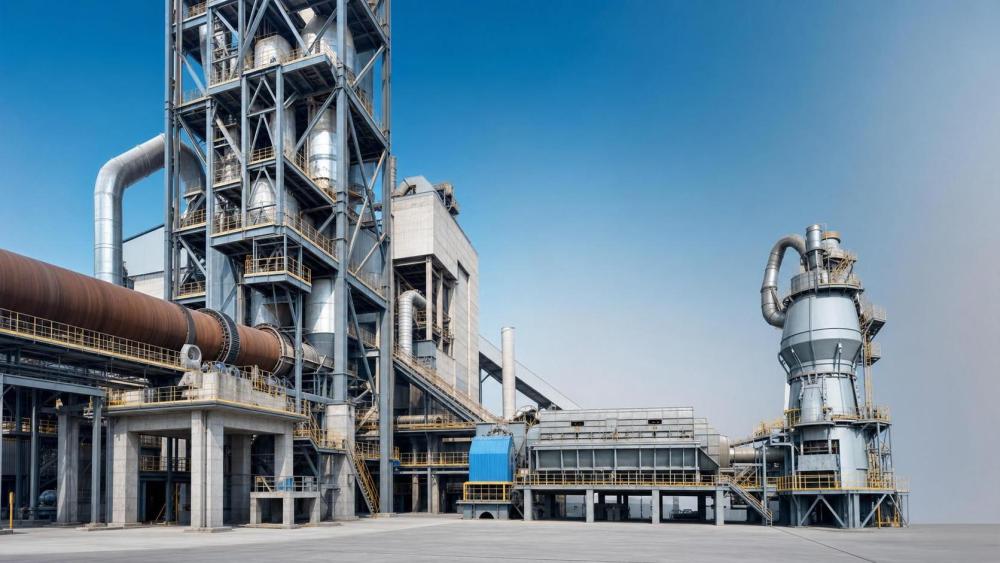
In cement plant equipment planning, the biggest spending decisions appear long before the first ton is produced.
That is why cost concentration matters. A few machines usually absorb a disproportionate share of total capital expenditure.
When those decisions are made too quickly, the project may lock in energy waste, maintenance exposure, or delayed compliance upgrades.
In practical terms, cement plant equipment is not just a list of machines. It is a chain of thermal, mechanical, and environmental commitments.
The highest-cost assets often determine fuel consumption, clinker quality, line stability, and future retrofit flexibility.
This is also where broader industrial intelligence becomes useful. CF-Elite tracks how silicate production, thermal management, and carbon policy shape long-cycle equipment decisions.
That perspective matters because a machine with a lower bid price may still become the more expensive choice over fifteen years.
Which machines usually carry the highest capital cost in cement plant equipment?
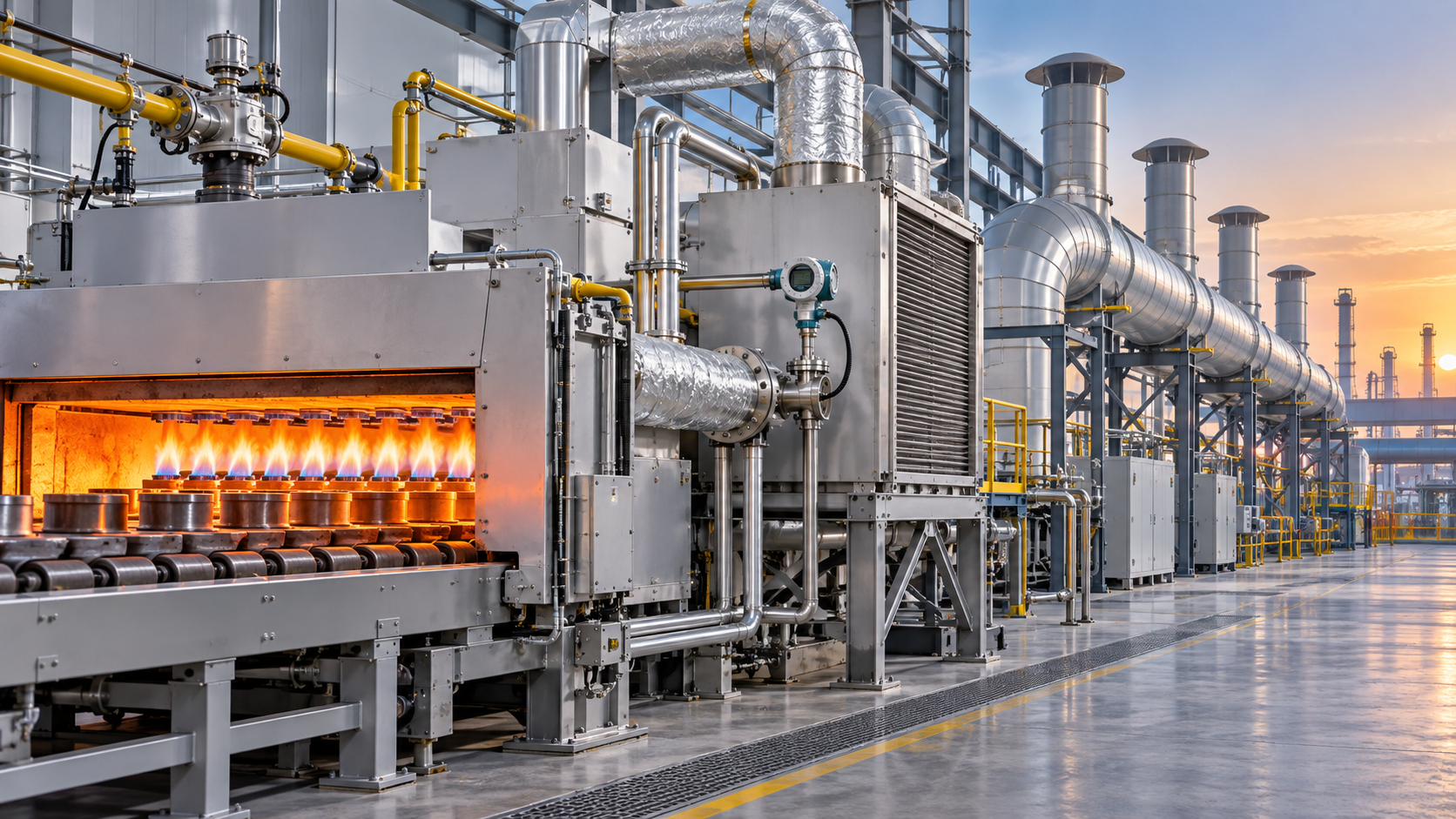
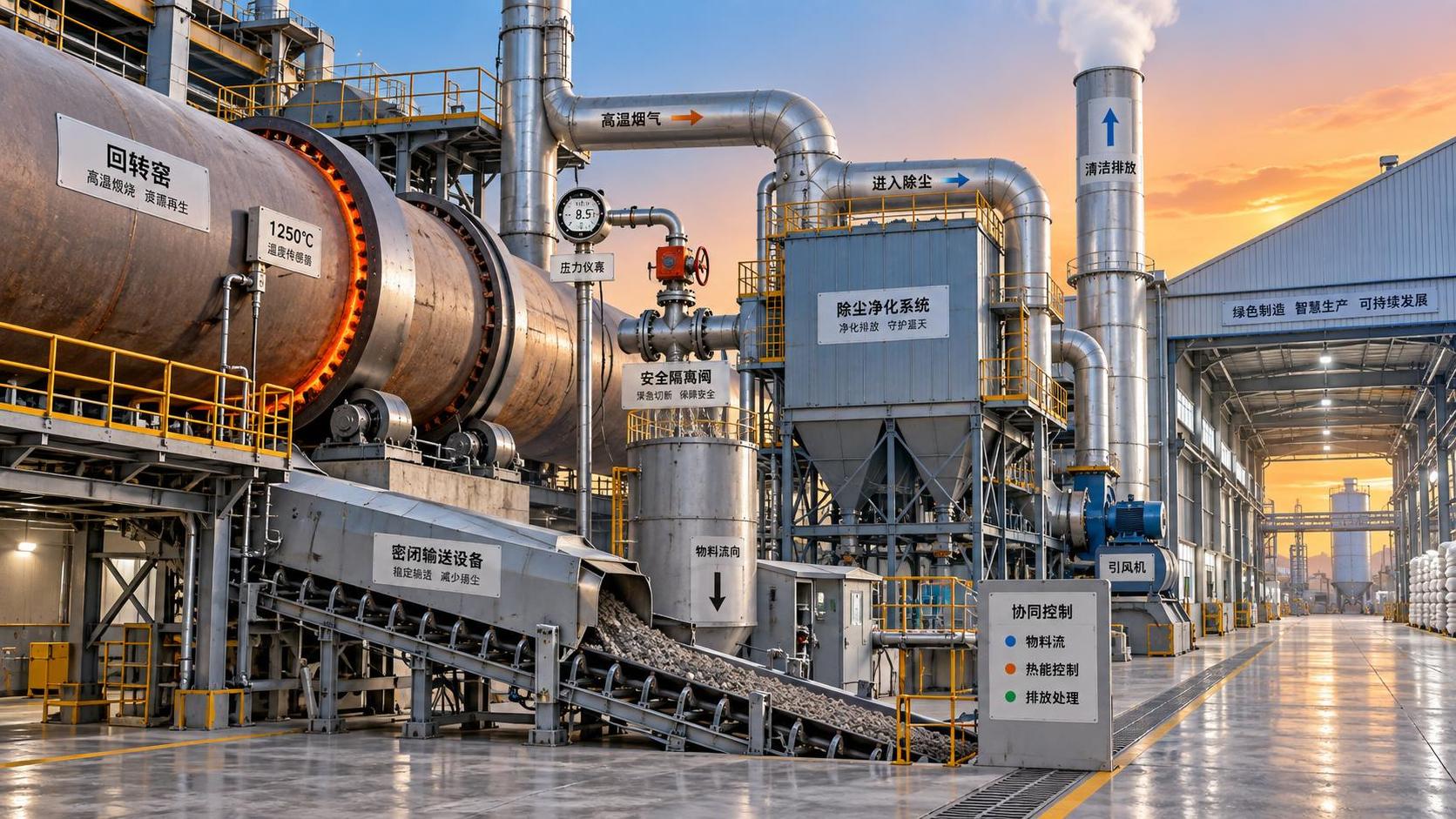
The short answer is the pyroprocessing section. In most greenfield projects, the kiln system and its related thermal equipment dominate the budget.
Still, several categories compete for the top tier of capital intensity, depending on capacity, fuel strategy, and environmental limits.
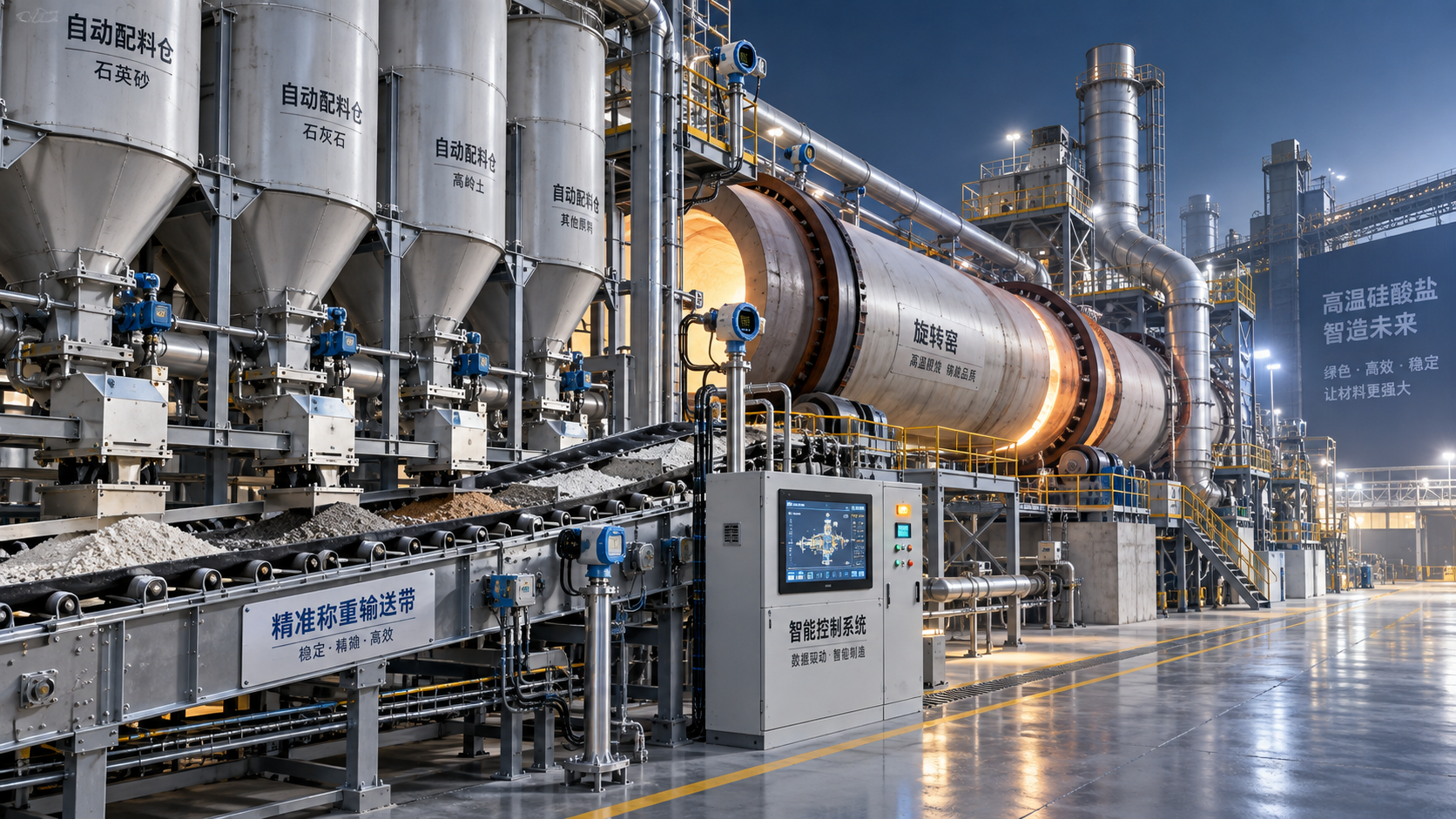
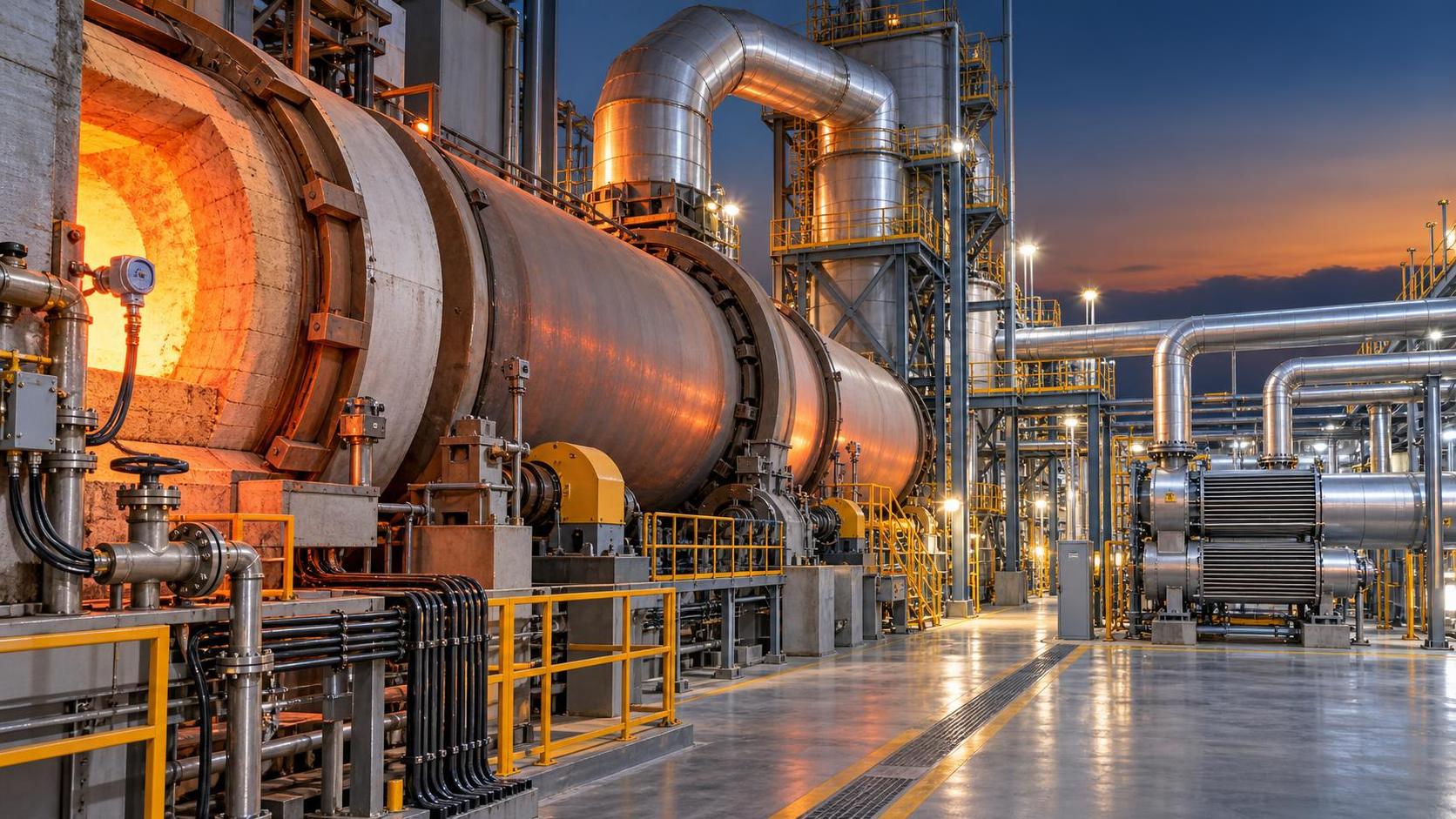
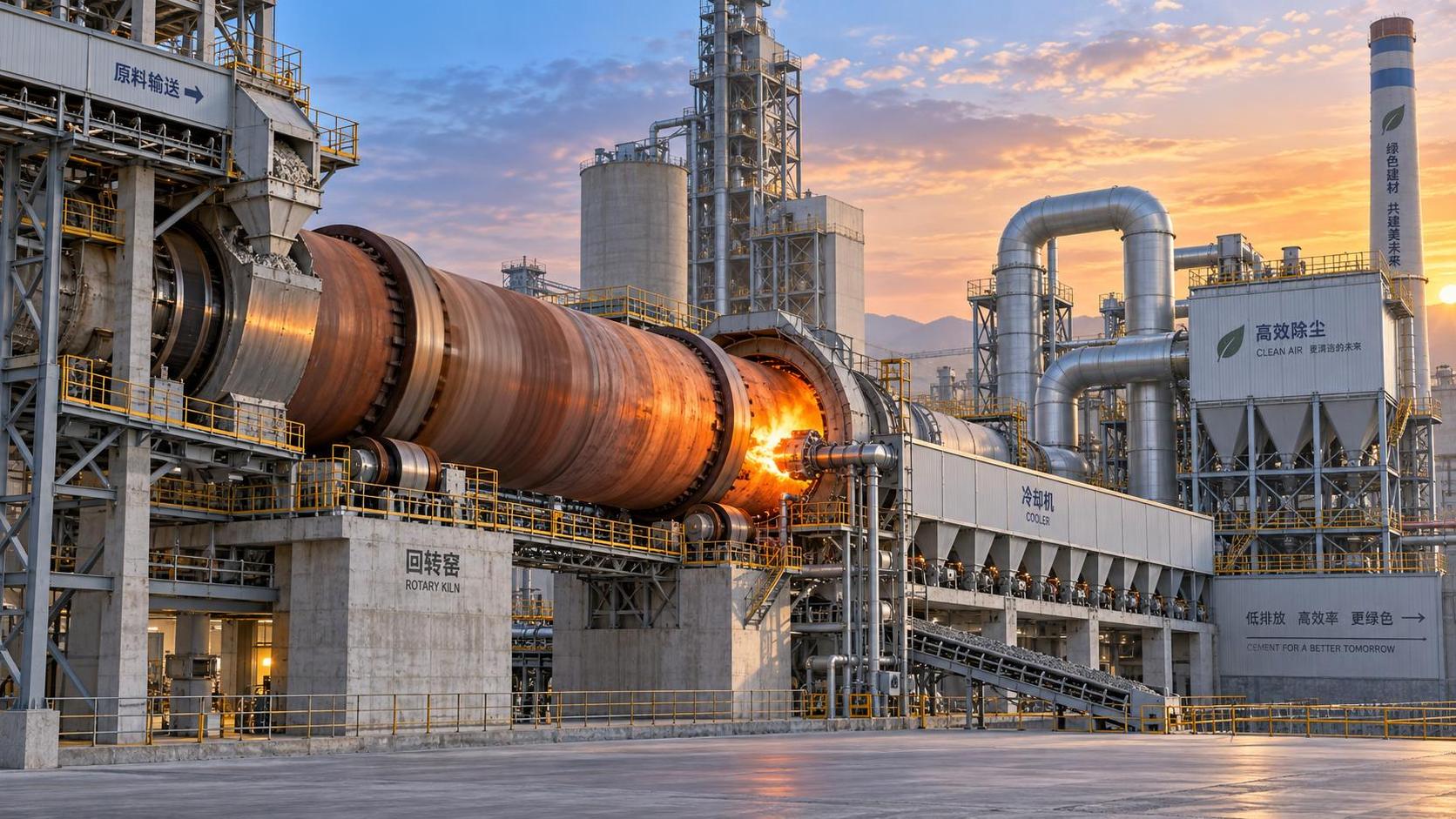
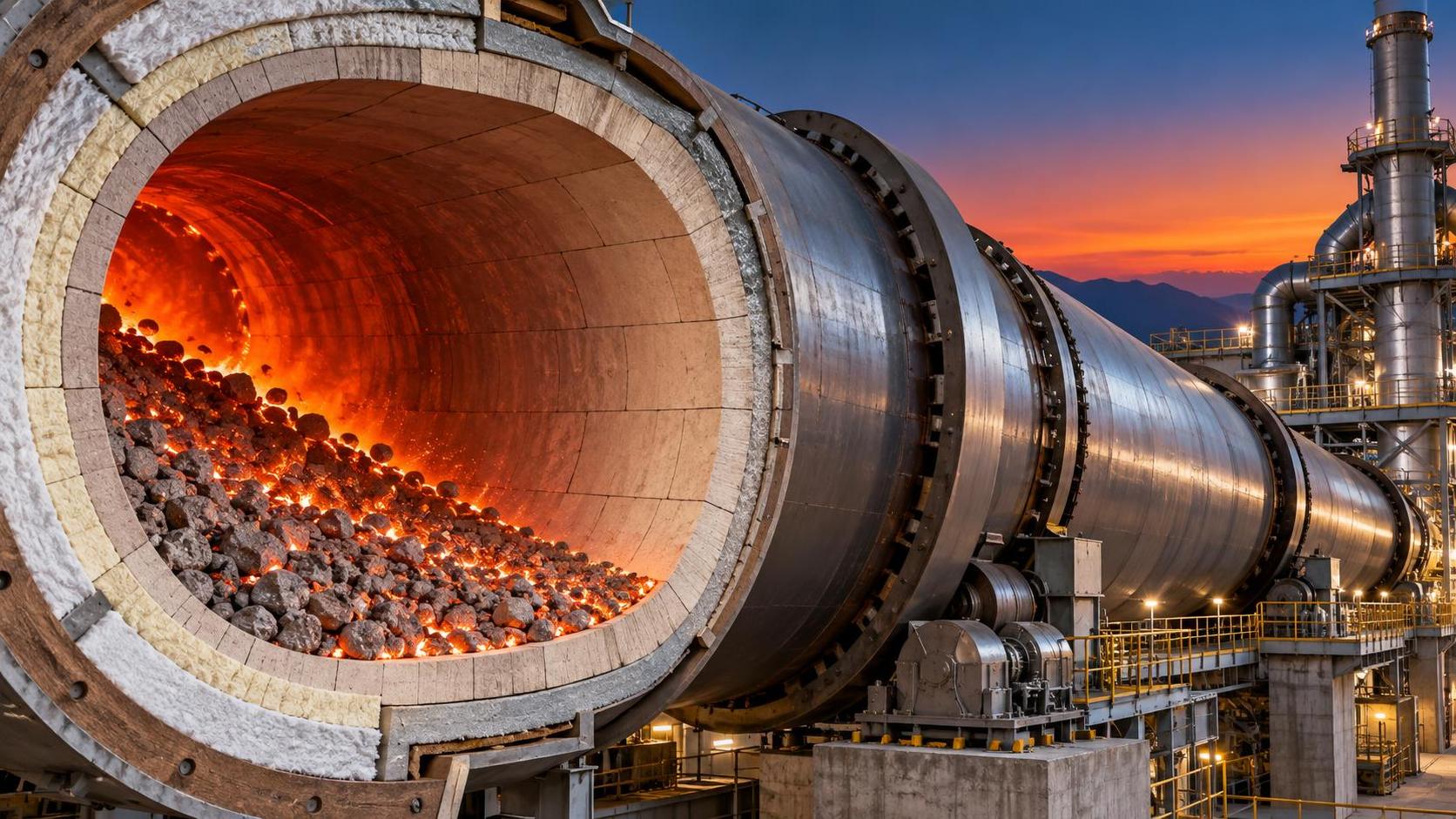
In most cases, the rotary kiln line remains the capital anchor. It combines high fabrication cost with strong influence over every downstream result.
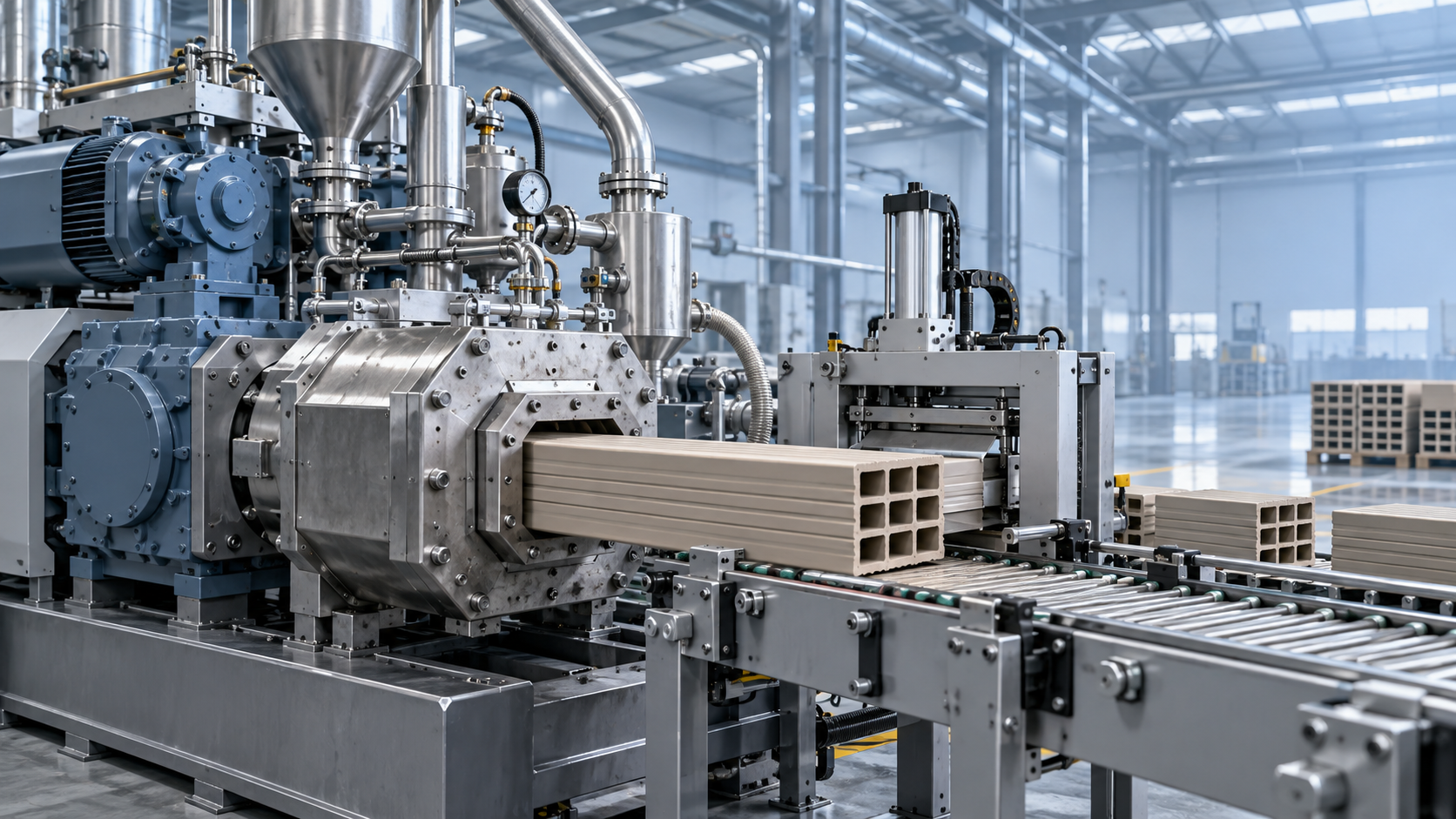
Grinding systems can rival that cost, especially where throughput is high and product fineness targets are strict.
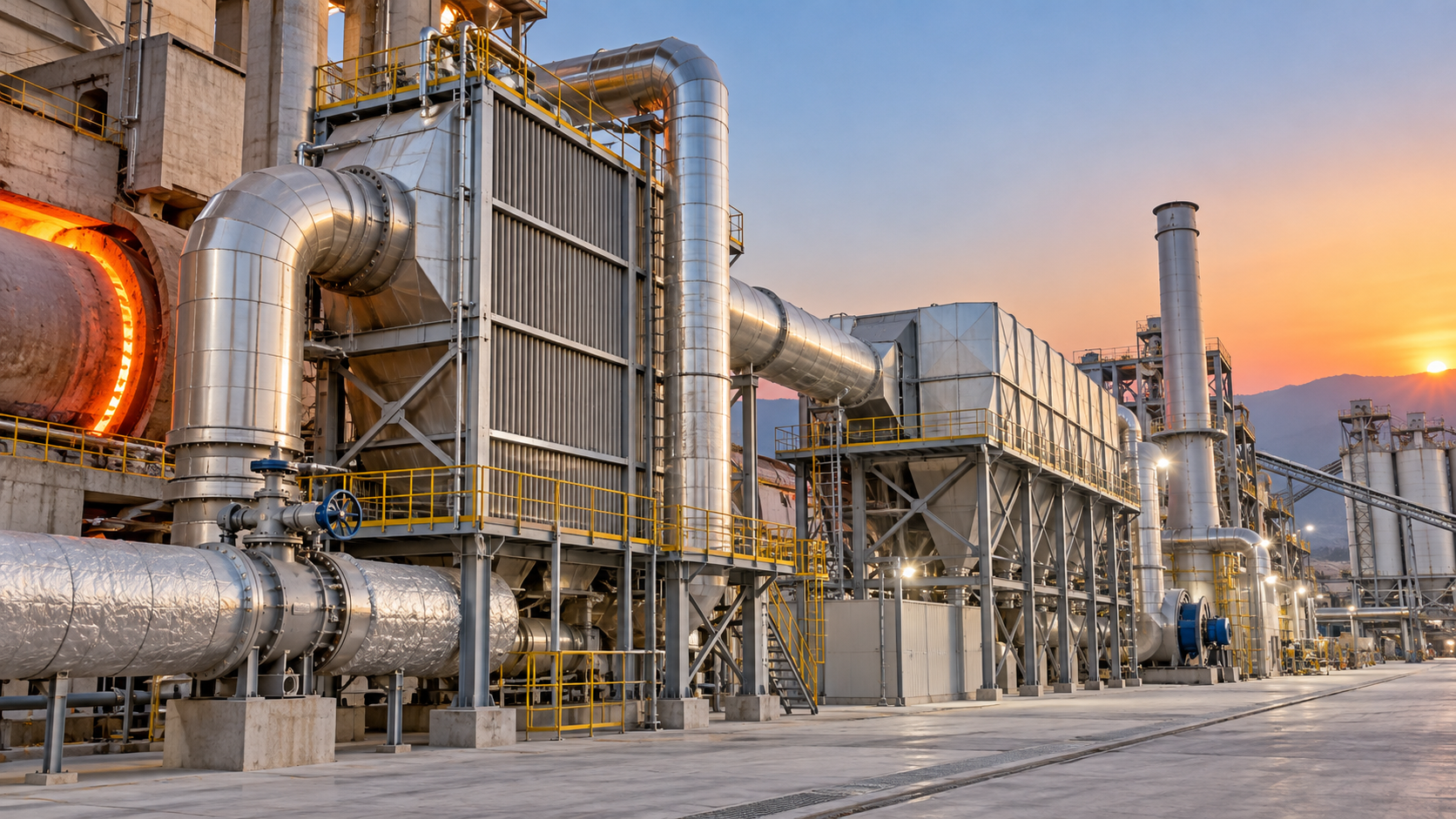
Environmental systems have also moved upward in budget priority. Tighter dust and carbon rules make them harder to treat as secondary items.
Is the rotary kiln always the most expensive decision, or is that too simplistic?
It is usually the most expensive single equipment decision, but the better question is what sits around the kiln.
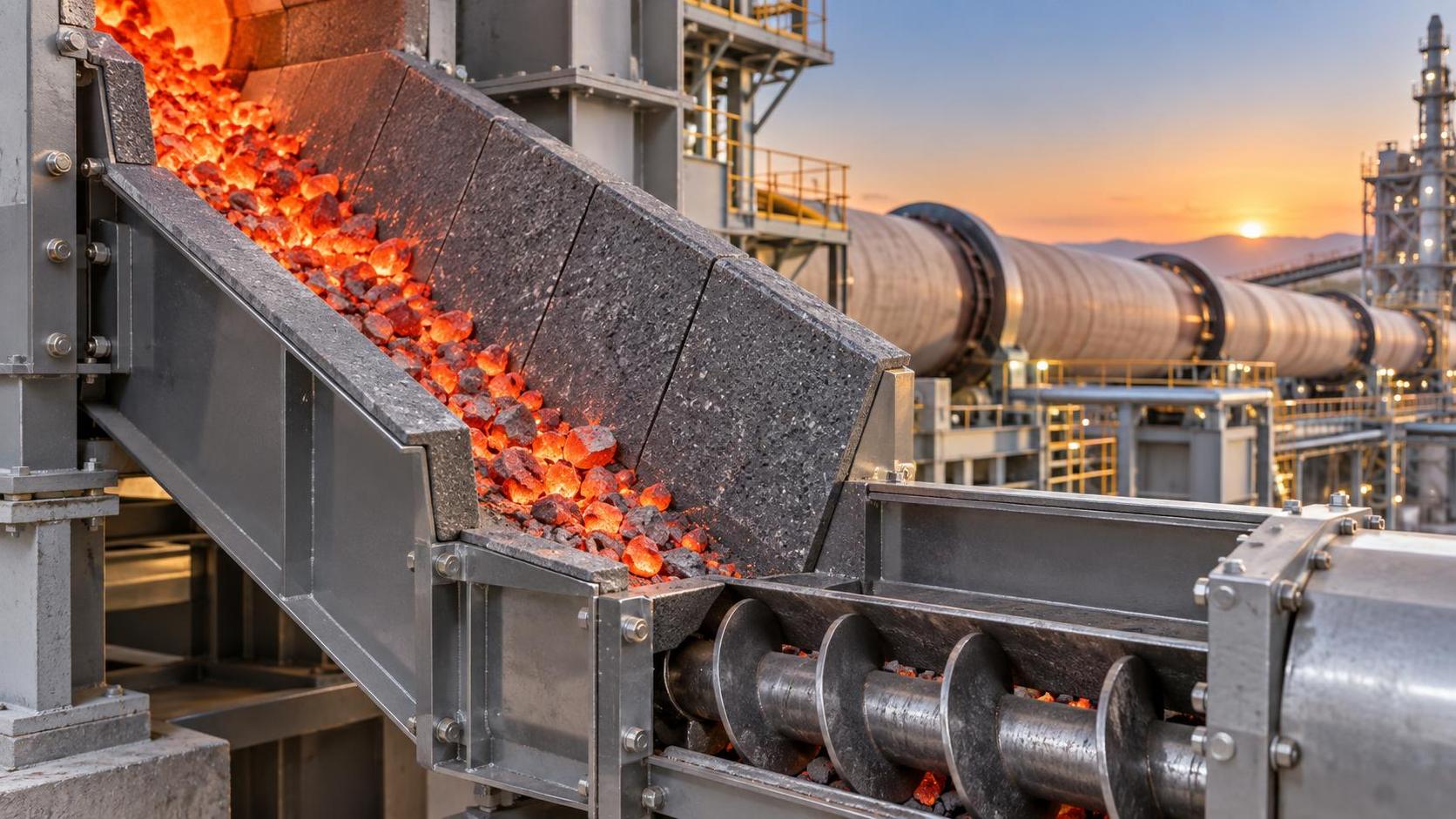
A kiln package is rarely purchased in isolation. It pulls investment into preheaters, precalciners, burners, coolers, refractory systems, and combustion controls.
That is why capital comparisons based only on one machine price often mislead decision teams.
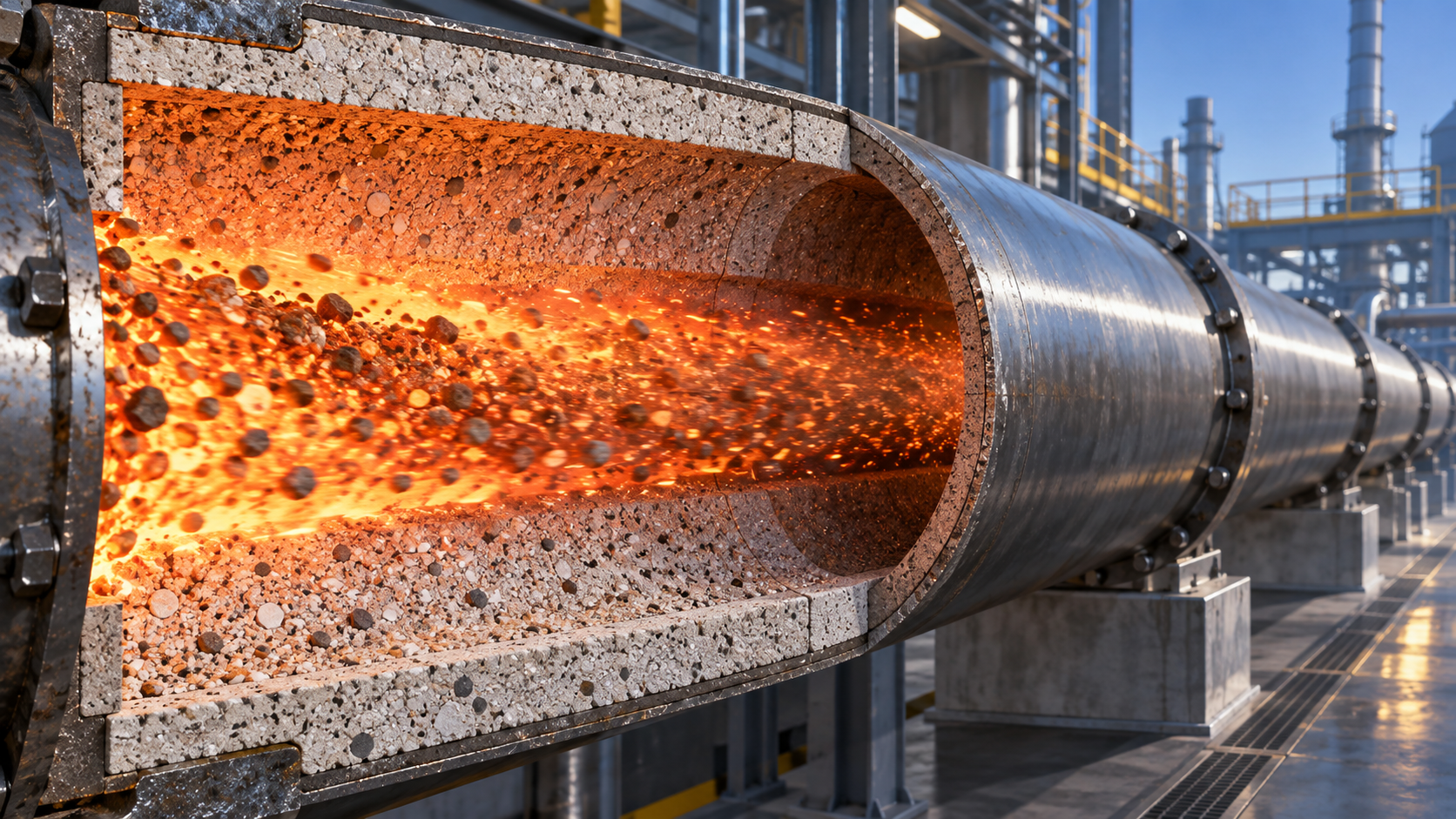
For example, a lower-priced kiln may require more expensive fuel preparation, more frequent shutdowns, or heavier refractory replacement cycles.
In actual cement plant equipment procurement, the thermal line should be evaluated as a system rather than a catalog item.
CF-Elite often emphasizes this cross-system view across high-temperature industries. Thermal equipment value depends on reaction efficiency, stability, and long-run decarbonization readiness.
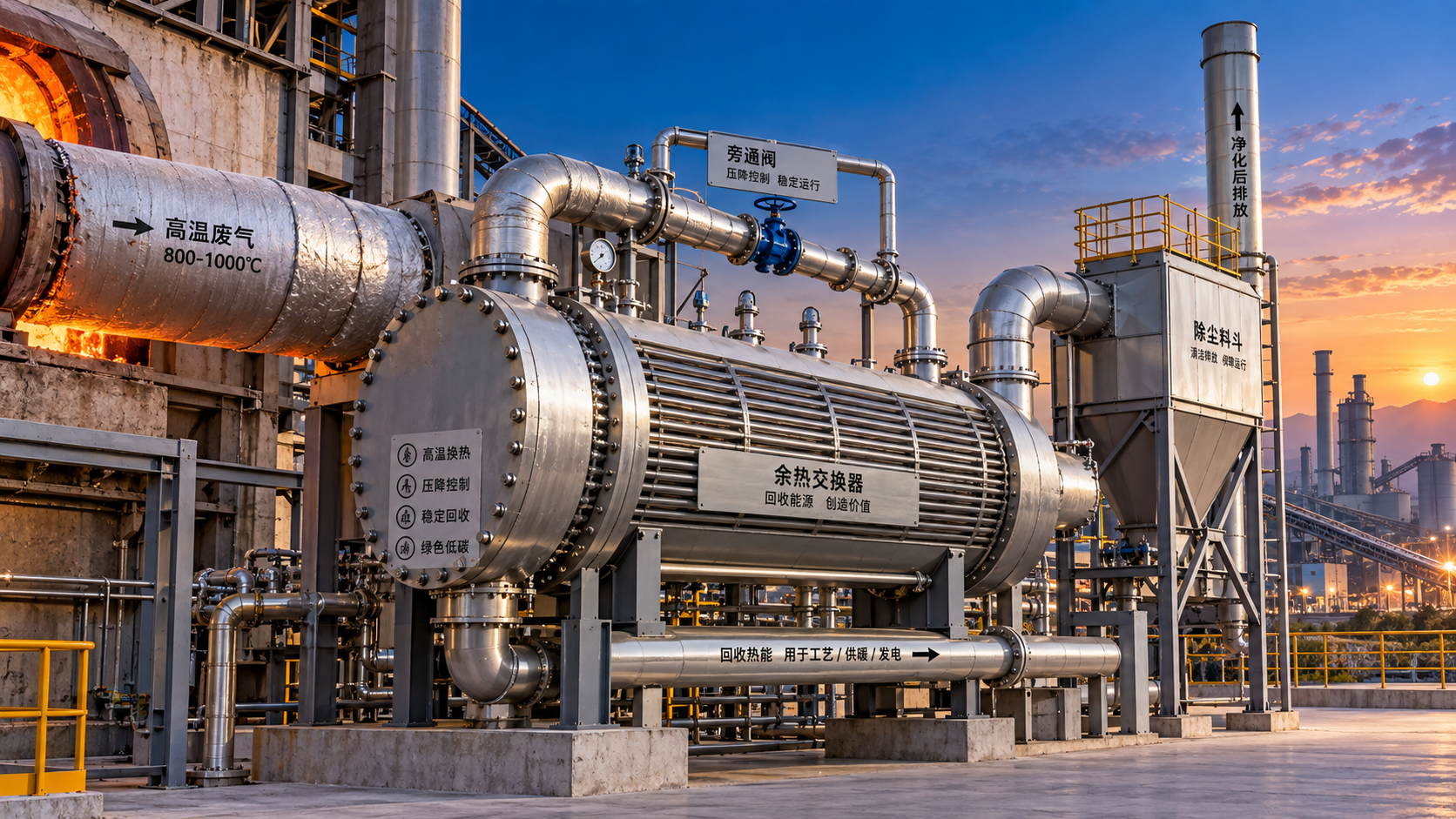
That same logic applies here. A kiln that supports co-processing, efficient heat recovery, and better automation can protect long-term economics.
A useful way to frame the kiln decision
- Look beyond shell size and rated capacity.
- Check fuel flexibility, especially for waste-derived or mixed fuels.
- Review expected refractory campaign length under local raw meal chemistry.
- Confirm how the kiln works with emissions control and digital monitoring.
Where do grinding systems and environmental systems change the budget picture?
This is where many budgets shift after the first technical review.
Raw mills, vertical roller mills, ball mills, and separators may not look as dramatic as the kiln line, yet they heavily influence both CAPEX and operating cost.
If a plant targets multiple cement types, tighter fineness windows, or high additive usage, the grinding section becomes more expensive and more strategic.
The same applies to filters, fans, and stack systems. These items grow in cost when local regulations tighten or future carbon pathways are expected.
In other words, cement plant equipment cost is increasingly shaped by compliance architecture, not only by production hardware.
A useful comparison appears below.
What cost traps appear when comparing cement plant equipment suppliers?
The common trap is treating quotations as directly comparable when their scope boundaries differ.
One supplier may include instrumentation, commissioning support, refractory startup stock, or automation integration. Another may leave them outside the base price.
That difference can distort the capital picture by millions, especially in high-temperature sections.
Another trap is underestimating civil and structural implications. Large cement plant equipment often triggers extra steelwork, foundations, and crane access requirements.
Delivery timing is also a financial variable. Long-lead items can shift interest cost, startup timing, and contractor sequencing.
More careful buyers usually test bids against a short list of questions.
- What exactly is included in mechanical, electrical, and automation scope?
- Which wear parts are priced separately, and at what replacement interval?
- How does the line perform under local raw materials and fuel variability?
- What performance guarantees apply, and what remedies exist if they fail?
- How much of the package is ready for future carbon and monitoring upgrades?
These questions often reveal whether the cheapest offer is simply shifting cost into later phases.
How should capital approval weigh CAPEX against operating risk and future flexibility?
A strong approval process does not ask only which machine costs the most today.
It asks which cement plant equipment creates the largest lifetime financial exposure if selected poorly.
For thermal equipment, fuel efficiency and uptime usually outweigh a modest difference in purchase price.
For grinding equipment, power draw, maintenance frequency, and product flexibility deserve equal attention.
For environmental systems, the risk is not only operating cost. It includes permit risk, retrofit cost, and reputational interruption.
This is where CF-Elite’s broader view of thermal industries becomes relevant. Decarbonization is no longer an external narrative. It is becoming a budget line.
Projects that leave no room for alternative fuel use, digital diagnostics, or emissions tightening may face expensive correction later.
A practical approval lens usually includes four checks.
- Does this equipment reduce lifecycle cost, not only purchase cost?
- Can it support realistic process changes over the next decade?
- Will local service, spares, and diagnostics be available fast enough?
- Does the chosen specification fit the actual market, not an idealized one?
So what is the smartest next step before approving major cement plant equipment?
Start by mapping the budget around systems, not standalone machines.
In most projects, the largest capital pull comes from the kiln line, then grinding, then environmental and auxiliary integration.
But the real decision should combine capital intensity, energy profile, compliance exposure, and retrofit readiness.
A sensible review package should compare cement plant equipment bids on normalized scope, expected lifecycle cost, and operating assumptions.
It also helps to test the line against future conditions, such as fuel substitution, tighter dust control, and digital process monitoring.
That is the difference between approving equipment and approving a durable production platform.
The next move is straightforward: define the highest-cost systems, standardize bid comparison rules, and validate where lower upfront pricing may create higher long-term burden.
When those checks are done carefully, cement plant equipment procurement becomes less about reacting to price and more about controlling industrial risk.
Related News
 Silicate Process EngineerHow Latin American Cement Plants Can Reduce Dust Emissions in Kilns and Transfer PointsCement plant dust control Latin America: reduce kiln and transfer-point emissions with practical airflow, filtration, monitoring, and maintenance strategies.Sep 26, 2026
 Material Heat-Resist ExpertHow to Evaluate Refractory Production Lines for Output, Quality, and Energy UseRefractory production lines: learn how to assess qualified output, consistent quality, and total energy use for smarter, lower-risk investment decisions.Sep 25, 2026
 Dr. Alistair VaughnHow Waste Recycling Technology Improves Material Recovery in Industrial PlantsWaste recycling technology improves material recovery through source segregation, smart separation, thermal treatment, and quality control for industrial plants.Sep 24, 2026
 Optical Glass Tech FellowHow to Specify Glass Annealing Equipment for European Quality and Energy RequirementsGlass annealing equipment Europe: learn how to specify lehrs for consistent glass quality, energy efficiency, compliance, automation, and reliable long-term performance.Sep 23, 2026
 Optical Glass Tech FellowSilicate Process Automation: Improving Batch Consistency and Energy ControlSilicate process automation improves batch consistency, energy control, traceability, and operator confidence across high-temperature manufacturing operations.Sep 22, 2026
 Optical Glass Tech FellowHow Silicate Industrial Processes Control Viscosity, Energy Use, and Product QualitySilicate industrial processes: learn how viscosity, chemistry, heat transfer, and atmosphere control reduce energy use, improve stability, and protect product quality.Sep 21, 2026
 Thermal Energy ArchitectHow European Plants Can Evaluate Energy Recovery Equipment for High-Temperature ProcessesIndustrial energy recovery equipment Europe: learn how high-temperature plants can assess waste-heat sources, integration risks, lifecycle value, and reliable recovery routes.Sep 20, 2026
 Thermal Energy ArchitectIndustrial Furnace Process Optimization: Reducing Fuel Use Without Sacrificing ThroughputIndustrial process optimization furnace strategies that cut fuel use while protecting throughput. Explore combustion control, heat recovery, refractory performance, and data-driven efficiency gains.Sep 19, 2026
 Ms. Elena RodriguezWhat Drives High-Pressure Extrusion Equipment Cost in Industrial Projects?High pressure extrusion equipment cost explained: compare pressure, die design, automation, wear, energy, and installation factors for smarter industrial investments.Sep 18, 2026
 Thermal Energy ArchitectHow to Size a Waste Heat Recovery Exchanger for High-Temperature Kiln Exhaust?Waste heat recovery exchanger sizing for high-temperature kiln exhaust: balance recoverable duty, fouling, corrosion limits, pressure drop, and reliable heat use.Sep 17, 2026
 Thermal Energy ArchitectWhy Heat-Resistant Materials Lose Abrasion Resistance at High TemperaturesHeat-resistant materials abrasion resistance can decline at high temperatures. Discover the thermal, chemical, and mechanical causes of wear—and how to choose longer-lasting linings.Sep 16, 2026
 Thermal Energy ArchitectHow to Evaluate a Thermal Energy Optimization Company for High-Temperature PlantsChoose a thermal energy optimization company with proven process expertise, measurable savings, and reliable delivery for high-temperature plants. Learn what to assess.Sep 15, 2026
 Thermal Energy ArchitectRotary Kiln Efficiency: How Feed Rate, Fuel Use, and Heat Loss Affect OutputRotary kiln efficiency explained: discover how feed rate, fuel use, heat loss, combustion, and cooling performance shape output, quality, and energy costs.Sep 14, 2026
 Thermal Energy ArchitectHow to Select Heat-Resistant Materials That Maintain Abrasion Resistance in KilnsHeat-resistant materials abrasion resistance: learn how to select kiln linings that withstand heat, wear, thermal cycling, and chemical attack for longer service life.Sep 13, 2026
 Thermal Energy ArchitectHow Rotary Kiln Automation Improves Temperature Control and Fuel EfficiencyRotary kiln technology automation enhances temperature control, stabilizes combustion, and improves fuel efficiency with smarter data, predictive control, and safer operations.Sep 12, 2026
 Silicate Process EngineerCement Plant Emission Control: Selecting Systems for Dust, NOx, and SO2 LimitsCement plant emission control guide: compare dust collectors, NOx reduction, and SO2 systems for reliable compliance across kiln modes, fuel changes, and operating upsets.Sep 11, 2026
 Thermal Energy ArchitectSelecting Abrasion-Resistant High-Temperature Materials for Kiln and Conveyor Wear ZonesHigh-temp material engineering guide to abrasion-resistant kiln and conveyor solutions—match wear, heat, chemistry, and installation design for longer service life.Sep 10, 2026
 Dr. Alistair VaughnIndustrial Process Engineering: How to Map Processes for Safer, More Efficient PlantsIndustrial process engineering reveals bottlenecks, safety risks, and energy losses through practical process mapping for safer, more efficient plants.Sep 09, 2026
 Optical Glass Tech FellowHow to Evaluate a Glass Annealing Equipment Manufacturer for Production StabilityChoose a glass annealing equipment manufacturer with proven thermal uniformity, reliable controls, lifecycle value, and responsive service for stable production.Sep 08, 2026
 Prof. Marcus ChenThermal Energy Architecture in North America: Strategies for Lower Building Energy UseThermal energy architecture North America helps project leaders cut building energy use through stronger envelopes, right-sized HVAC, storage, and smart commissioning.Sep 07, 2026


Related News
- 00
0000-00
How Latin American Cement Plants Can Reduce Dust Emissions in Kilns and Transfer Points - 00
0000-00
Cement Plant Emission Control: Selecting Systems for Dust, NOx, and SO2 Limits - 00
0000-00
Cement Production System Costs: A Plant Buyer’s Guide to Budgeting and ROI - 00
0000-00
How Kiln Heat Recovery Systems Cut Fuel Use in Cement and Lime Production - 00
0000-00
How to Evaluate Cement Production Plants in the Middle East for Capacity, Fuel Flexibility, and ROI
Weekly Insights
Stay ahead with our curated technology reports delivered every Monday.