
What is next for the global cement industry in 2026?




What is next for the global cement industry in 2026?
As 2026 approaches, the global cement industry is entering a decisive phase shaped by carbon pricing, alternative fuels, digital kiln control, and shifting infrastructure demand.
For business evaluators, the key question is no longer whether cement producers must transform, but which technologies, markets, and operating models deliver measurable resilience.
This analysis frames the next cycle through capacity optimization, emissions compliance, equipment intelligence, and investment risk in an efficiency-driven materials landscape.
The 2026 inflection point for the global cement industry
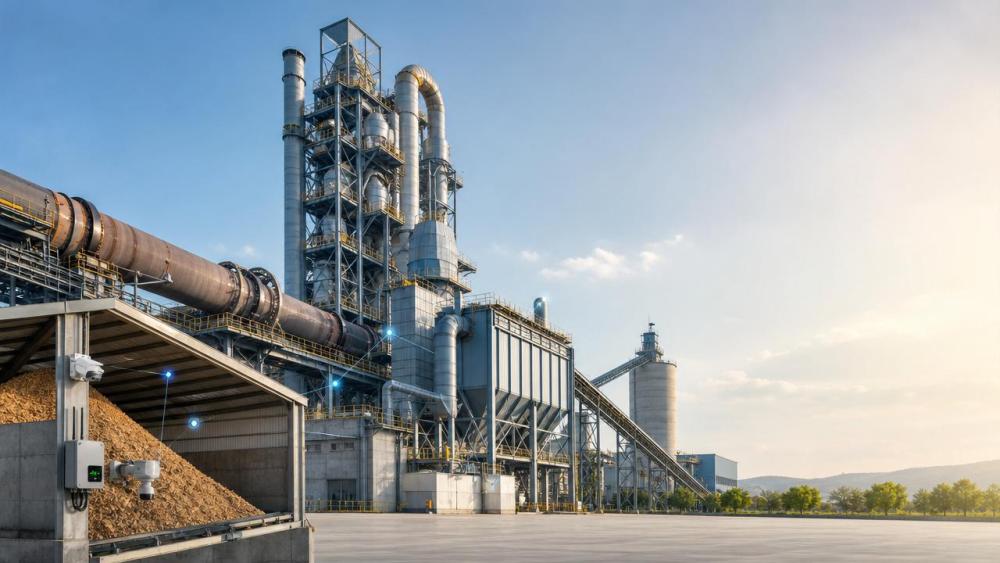
The global cement industry is moving from volume-led expansion toward carbon-constrained productivity, where each tonne must justify energy use and emissions exposure.
Demand remains essential because cement supports urban renewal, housing, transport corridors, energy projects, ports, and climate-resilient infrastructure.
Yet growth is becoming uneven, with mature regions optimizing assets while emerging markets balance capacity additions against fuel cost and regulatory uncertainty.
In 2026, the global cement industry will likely be judged by operational adaptability rather than installed capacity alone.
The winning plants will combine stable clinker quality, lower thermal intensity, alternative raw materials, and reliable dust control.
Trend signals already reshaping cement production
Several early signals suggest the global cement industry is entering a tighter operating cycle.
Carbon costs are becoming more visible in financial planning, especially where emissions trading or border adjustment mechanisms affect trade competitiveness.
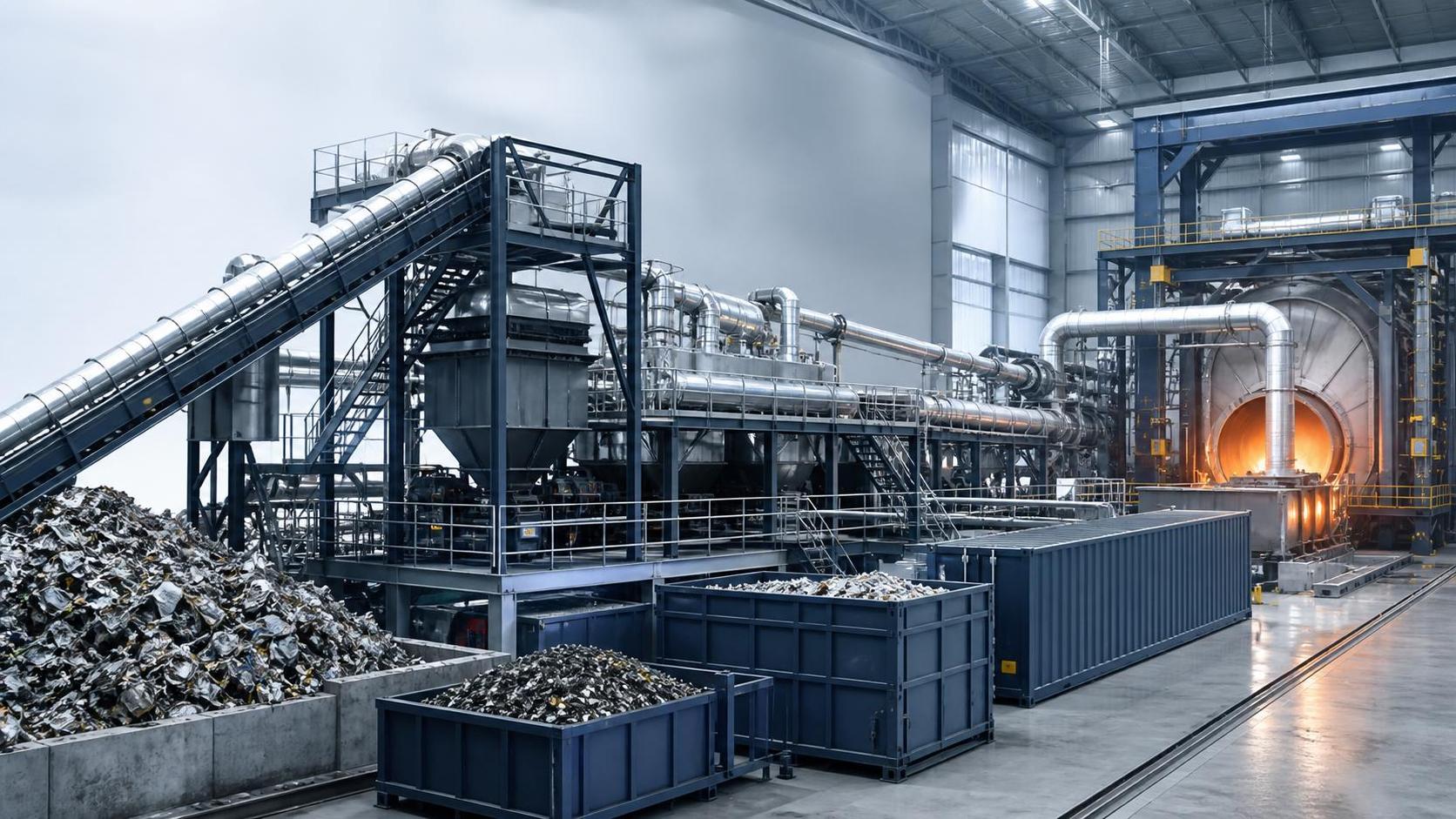
Fuel sourcing is also changing as plants co-process biomass, refuse-derived fuel, industrial residues, and selected municipal waste streams.
At the same time, digital kiln optimization is shifting from optional upgrade to practical risk control.
Online sensors, process models, and predictive maintenance reduce downtime across pyroprocessing, grinding, conveying, and filtration systems.
For the global cement industry, this creates a new distinction between asset ownership and asset intelligence.
What is driving the next cement cycle?
The pressure on the global cement industry is not coming from one direction.
It is the combined result of policy, construction demand, energy volatility, mineral availability, and equipment maturity.
These forces make 2026 a screening year for the global cement industry.
Plants with weak energy baselines, unstable fuels, or poor emissions data may face higher compliance and financing costs.
Capacity will be optimized before it is expanded
One likely trend is selective capacity discipline across the global cement industry.
New construction will continue where infrastructure deficits are clear, but many regions will prioritize modernization over greenfield expansion.
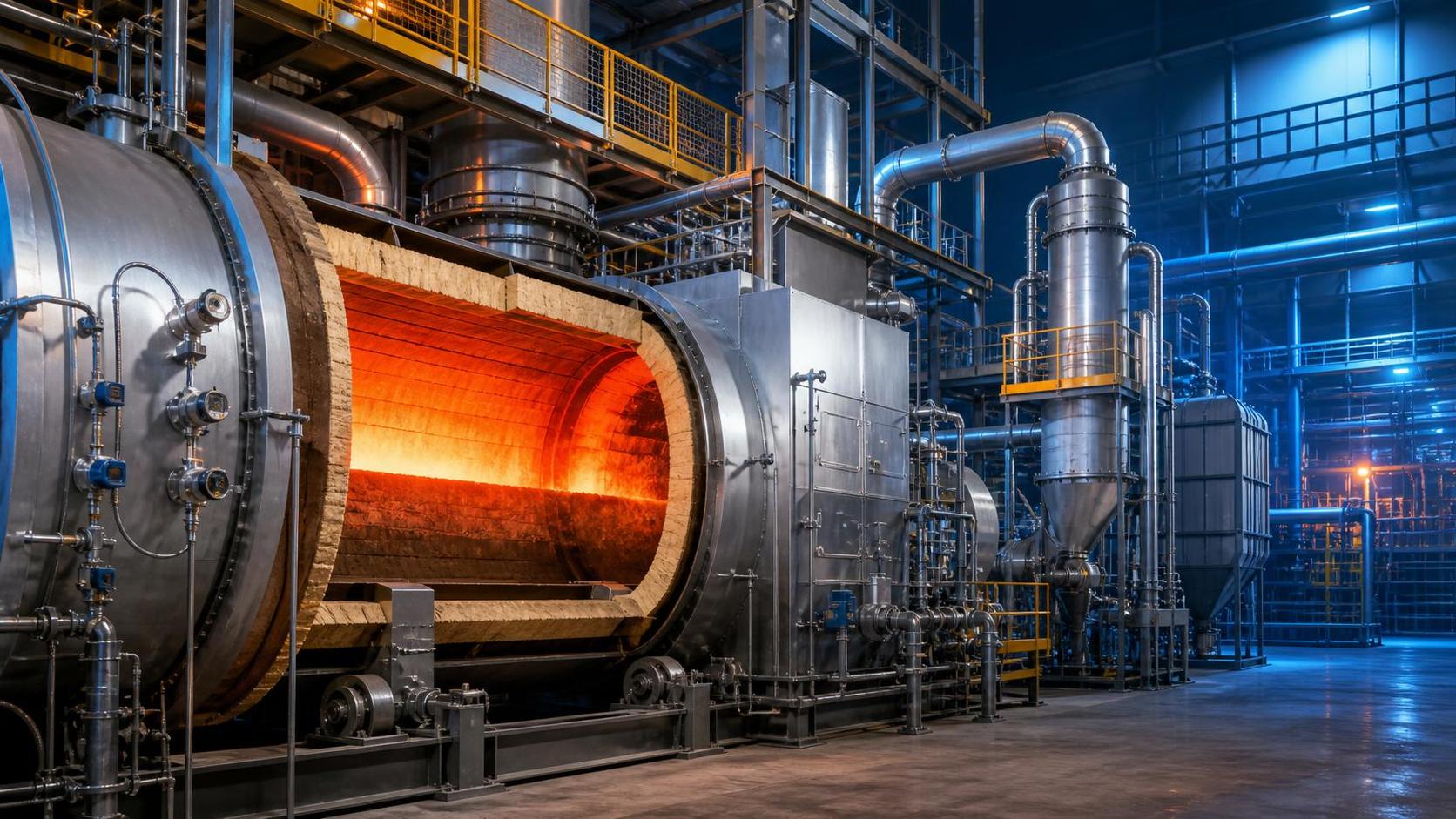
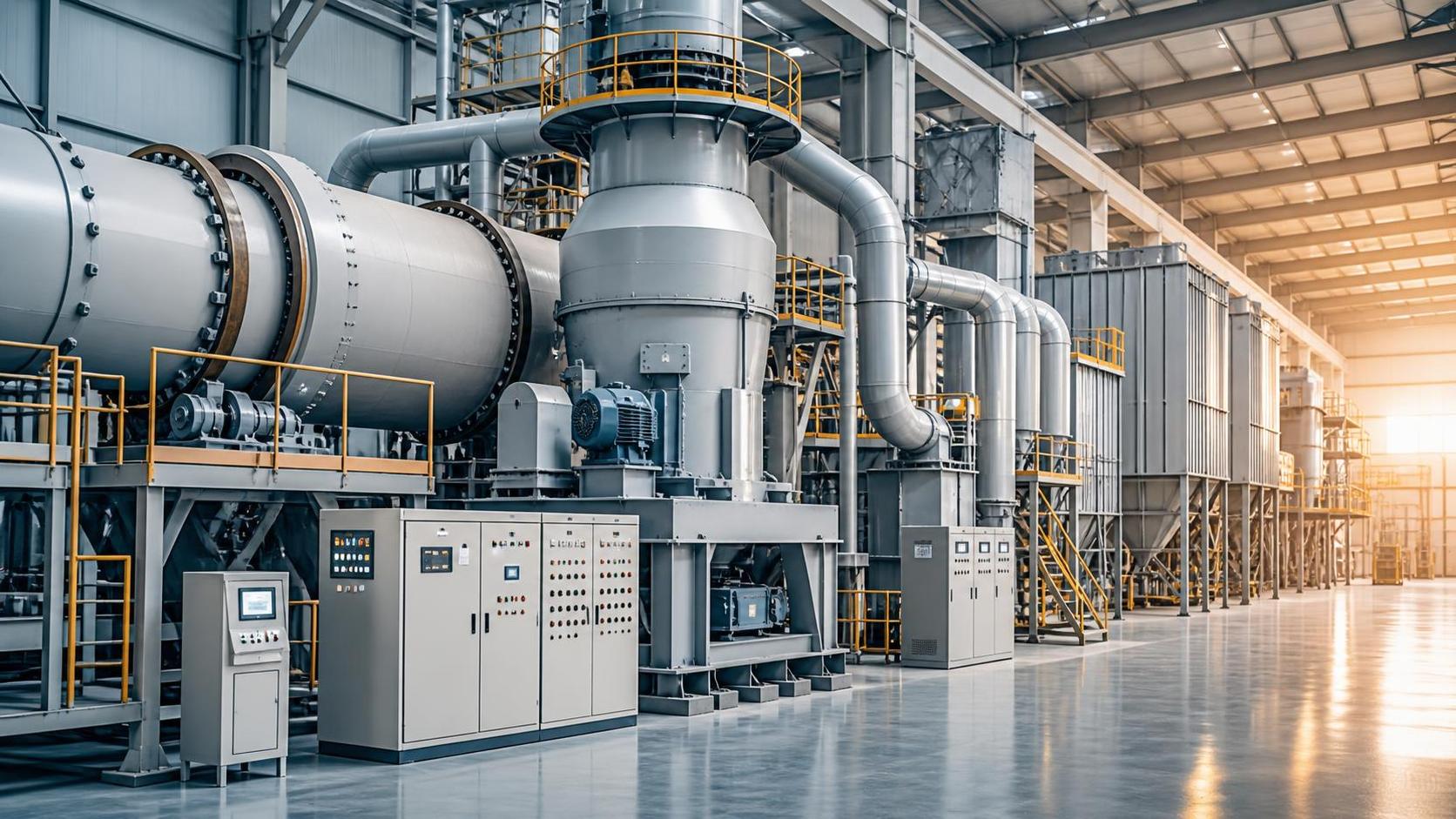
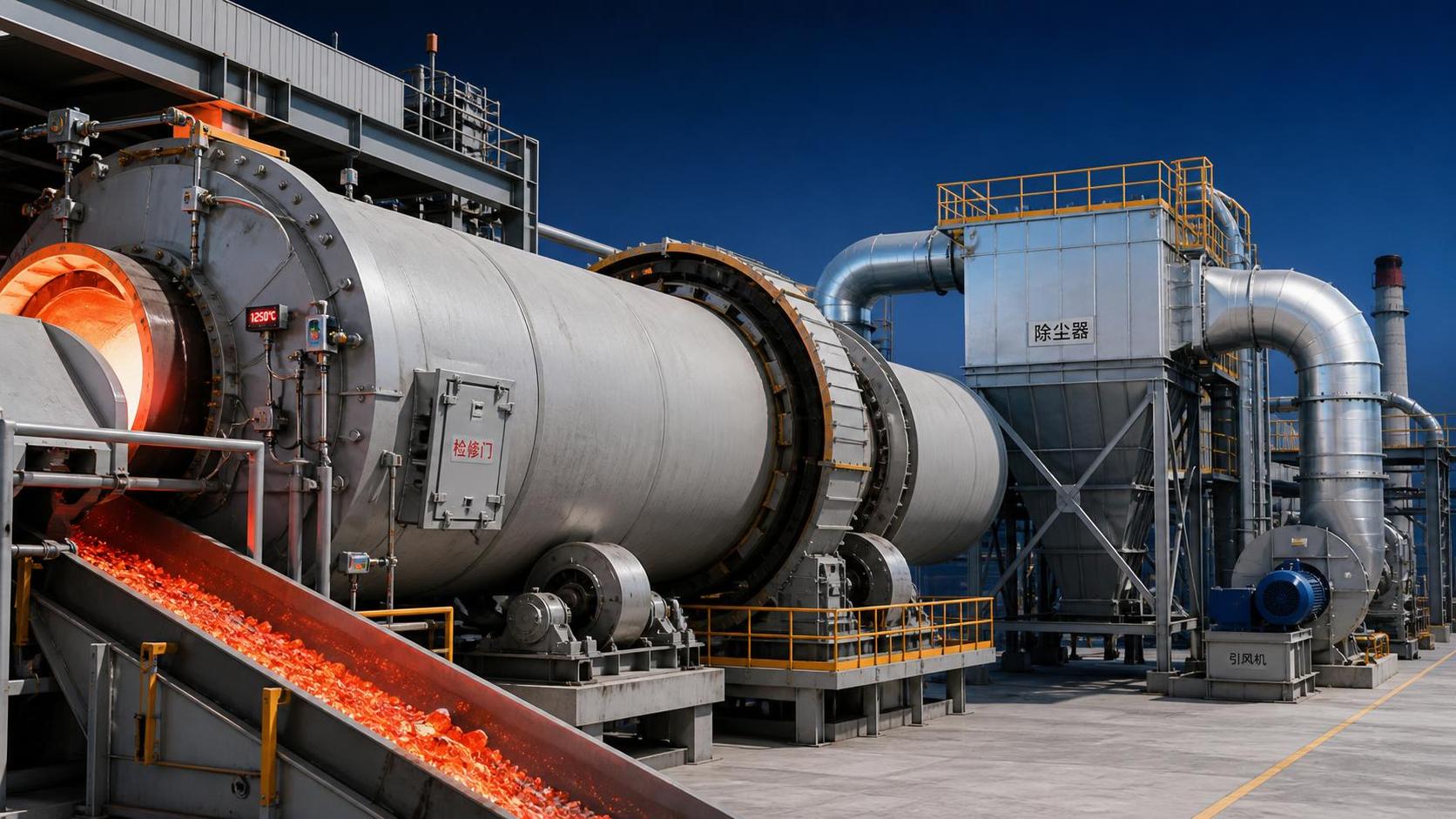
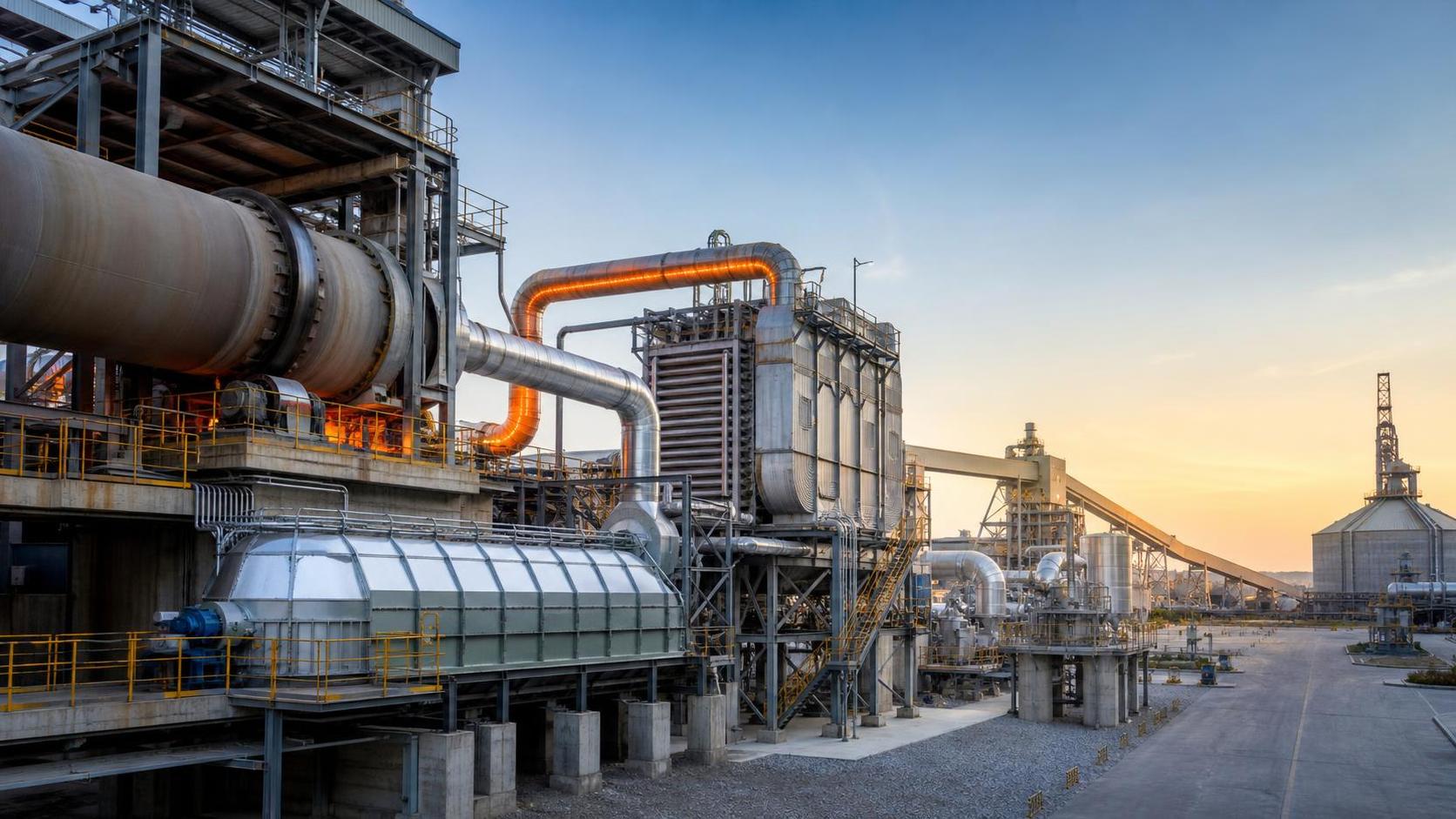
This favors kiln upgrades, preheater retrofits, cooler improvements, grinding efficiency projects, and advanced baghouse systems.
The logic is straightforward: existing assets can often deliver faster carbon and cost reductions than entirely new lines.
For the global cement industry, modernization also reduces permitting risk and shortens investment payback periods.
- Higher clinker output from stable kiln operation.
- Lower specific heat consumption through better heat recovery.
- Reduced dust emissions through upgraded filtration.
- Improved cement fineness control using efficient grinding systems.
- Better data visibility across raw mix, firing, cooling, and dispatch.
Decarbonization moves from ambition to operating discipline
Decarbonization in the global cement industry will become more operational and less rhetorical in 2026.
The priority will be practical reductions that can survive cost pressure, audits, and product performance requirements.
Blended cement will gain importance where supplementary cementitious materials are available and standards allow wider adoption.
Calcined clay, limestone, slag, fly ash alternatives, and optimized gypsum systems will influence regional competitiveness.
Carbon capture will remain strategically important, but deployment will depend on storage access, policy support, and project financing.
The global cement industry will therefore pursue layered decarbonization rather than a single universal solution.
Most practical emissions levers for 2026
- Reduce clinker factor without sacrificing strength development.
- Increase alternative fuel substitution with stable combustion control.
- Recover more waste heat from kiln and cooler systems.
- Use digital control to reduce process variability.
- Improve quarry planning to stabilize raw material chemistry.
Alternative fuels will test process maturity
Alternative fuels are becoming a competitive marker for the global cement industry, but their success depends on preparation quality.
Plants need controlled particle size, moisture monitoring, chlorine management, dosing stability, and safe storage systems.
Poorly prepared fuel can disrupt flame shape, clinker chemistry, refractory life, and emissions performance.
This means co-processing is not just a sustainability story.
It is an engineering capability that links waste logistics, combustion science, environmental permits, and kiln automation.
In 2026, the global cement industry will reward operators that treat alternative fuels as a controlled feed system.
Digital kiln intelligence becomes a resilience layer
Digitalization in the global cement industry is shifting toward applied intelligence inside daily operations.
The strongest use cases are not abstract dashboards, but control decisions that improve stability and reduce hidden losses.
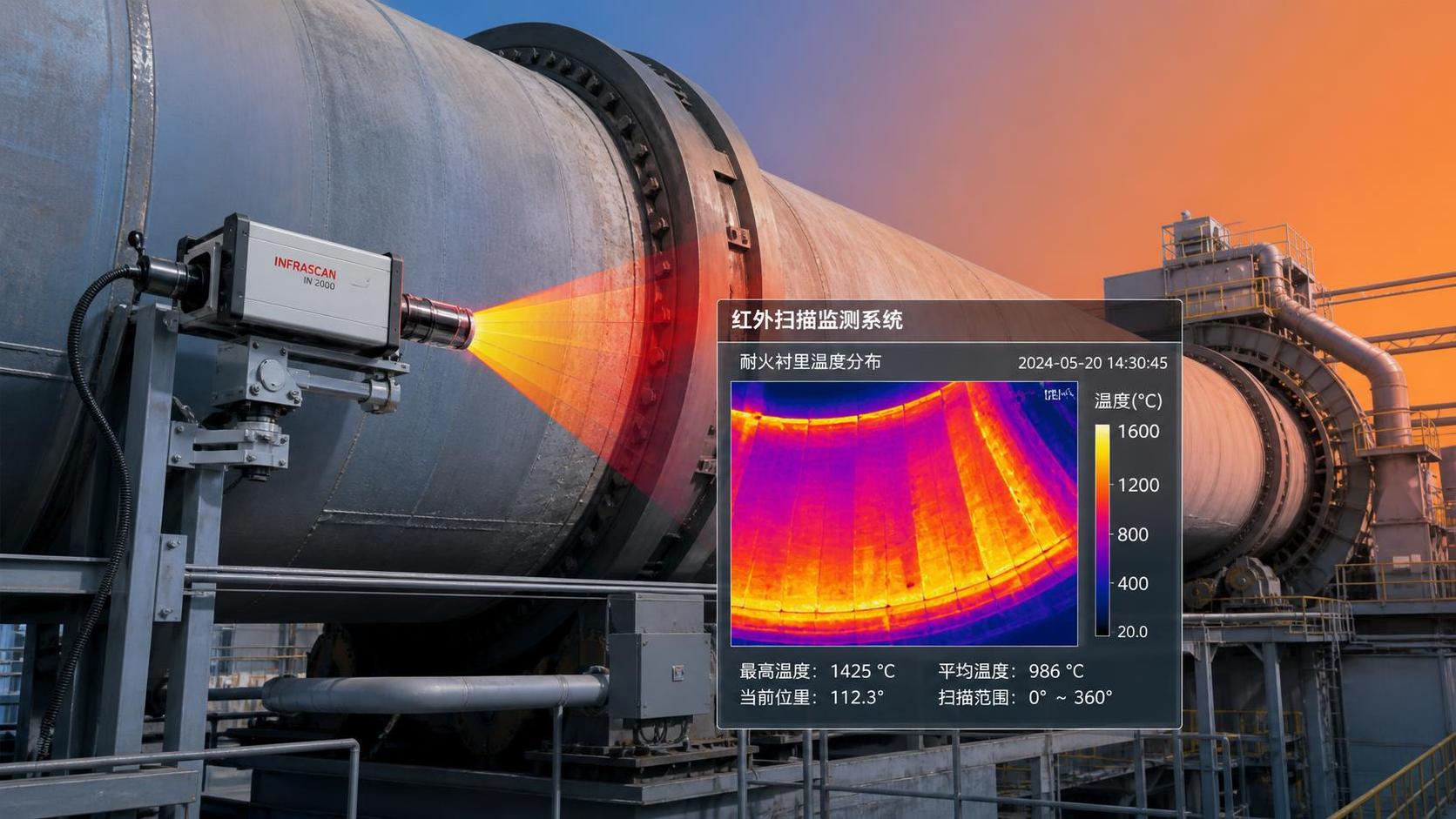
Digital twins can simulate kiln responses, raw mix variation, refractory stress, and cooler behavior before issues become production failures.
Online monitoring also supports maintenance planning for gearboxes, bearings, fans, cyclones, seals, and refractory linings.
For the global cement industry, the practical value is fewer unplanned stops and more consistent product quality.
- AI-assisted kiln control for thermal stability.
- Predictive analytics for rotating equipment.
- Automated laboratory feedback for raw mix correction.
- Emission monitoring integrated with process control.
- Digital maintenance records for long-cycle equipment decisions.
Regional demand will become more segmented
The global cement industry will not move as one market in 2026.
Some regions will experience infrastructure-led demand, while others face slower construction and stricter emissions pressure.
Emerging economies may still require new capacity for roads, housing, ports, water systems, and industrial parks.
Mature markets may emphasize low-carbon cement, renovation materials, performance specifications, and circular construction policies.
This segmentation will influence equipment demand across kilns, mills, filters, waste fuel lines, and laboratory systems.
The global cement industry will increasingly require market-specific strategies rather than standardized expansion plans.
Impacts across operations, equipment, and investment
The 2026 transition will affect more than plant emissions reports.
It will reshape procurement logic, maintenance priorities, technical partnerships, and capital allocation across the global cement industry.
The global cement industry will also face tighter scrutiny from infrastructure owners, regulators, insurers, and lenders.
Reliable data will become part of commercial credibility, not just internal reporting.
Key priorities to watch before 2026 decisions
Strategic attention should focus on measurable operating levers, not broad transformation claims.
The global cement industry will reward disciplined execution across energy, emissions, reliability, and product performance.
- Map carbon exposure by plant, product, and market destination.
- Audit specific heat consumption and electricity intensity.
- Assess alternative fuel availability, quality, and permitting risk.
- Review refractory performance under new fuel and thermal profiles.
- Prioritize filtration and continuous emissions monitoring upgrades.
- Evaluate blended cement standards and local material supply.
- Connect process data with maintenance and financial reporting.
How to read risks and opportunities in 2026
The next stage of the global cement industry will be defined by selective advantage.
Not every low-carbon project will scale, and not every capacity expansion will earn acceptable returns.
The strongest decisions will test technical feasibility, policy exposure, supply chain security, and customer acceptance together.
This approach helps the global cement industry avoid fragmented decisions and align investment with long-term resilience.
A practical path forward for cement stakeholders
The most practical 2026 strategy starts with a plant-level baseline.
Measure fuel intensity, clinker factor, emissions stability, maintenance losses, dust performance, and digital control gaps.
Then rank investments by carbon impact, operating payback, execution complexity, and regulatory urgency.
For the global cement industry, this creates a clearer bridge between board-level ambition and kiln-floor execution.
CF-Elite tracks these intersections across silicate production, thermal management, incineration, refractory systems, and green material extrusion.
Its intelligence perspective connects physical process parameters, chemical reaction kinetics, and decarbonization strategy for high-temperature industries.
The next step is to compare planned investments against verified trend signals before committing capital.
Use structured intelligence to identify which upgrades protect competitiveness in the global cement industry, and which only add complexity.
In 2026, advantage will belong to plants that convert regulation, energy pressure, and digital tools into durable operating intelligence.
Related News
 Optical Glass Tech FellowHow to Evaluate a Glass Annealing Equipment Manufacturer for Production StabilityChoose a glass annealing equipment manufacturer with proven thermal uniformity, reliable controls, lifecycle value, and responsive service for stable production.Sep 08, 2026
 Prof. Marcus ChenThermal Energy Architecture in North America: Strategies for Lower Building Energy UseThermal energy architecture North America helps project leaders cut building energy use through stronger envelopes, right-sized HVAC, storage, and smart commissioning.Sep 07, 2026
 Ms. Elena RodriguezHow Should Buyers Evaluate Building Material Industry Intelligence Pricing?Building material industry intelligence pricing: learn how to compare coverage, technical depth, and ROI to choose intelligence that reduces procurement risk.Sep 07, 2026
 Ms. Elena RodriguezHow to Use Building Material Intelligence Data for Market and Investment DecisionsBuilding material industry intelligence data helps leaders evaluate demand, costs, regulation, capacity, and technology to make smarter market and investment decisions.Sep 05, 2026
 Thermal Energy ArchitectHow PLC Control Improves Energy Efficiency and Temperature Stability in KilnsEnergy efficient kilns PLC control improves temperature stability, cuts fuel waste, and optimizes combustion, draft, and material flow. Explore proven strategies for smarter kiln modernization.Sep 04, 2026
 Optical Glass Tech FellowEuropean Glass Melting Processes: Furnace Choices, Energy Use, and Quality ControlGlass melting process Europe: explore furnace choices, energy efficiency, cullet strategy, and quality control to improve output, compliance, and long-term glass performance.Sep 03, 2026
 Thermal Energy ArchitectWhat Determines Refractory Lining Monitoring Price for Industrial Kilns?Refractory lining monitoring price depends on kiln size, sensor technology, installation, software, and support. Compare total lifecycle costs and choose the right solution.Sep 02, 2026
 Silicate Process EngineerCement Production System Costs: A Plant Buyer’s Guide to Budgeting and ROICement production systems cost planning made clear: compare CAPEX, operating costs, compliance, and ROI to build a resilient, profitable cement plant investment.Sep 01, 2026
 Dr. Alistair VaughnWhat Should a Process Technology Database Track for High-Temperature Plants?Process technology database essentials for high-temperature plants: track thermal profiles, feed chemistry, refractory wear, emissions, energy, and maintenance for safer, data-driven decisions.Aug 31, 2026
 Ms. Elena RodriguezHow to Evaluate a Silicate Processing Equipment Manufacturer for Plant ProjectsSilicate processing equipment manufacturer selection: assess process fit, guarantees, energy, compliance, delivery risk, and lifecycle support for dependable plant performance.Aug 30, 2026
 Dr. Alistair VaughnHow to Specify Custom Agricultural Processing Equipment for Throughput and HygieneEquipment customization services for agricultural processing: learn to specify hygienic, high-throughput lines that improve yield, reliability, and long-term efficiency.Aug 29, 2026
 Dr. Alistair VaughnHow to Select Process Plant Equipment for High-Temperature, Abrasive Production LinesProcess plant equipment selection for high-temperature, abrasive lines: reduce downtime, improve durability, and optimize lifecycle performance.Aug 28, 2026
 Silicate Process EngineerHow Kiln Heat Recovery Systems Cut Fuel Use in Cement and Lime ProductionKiln heat recovery helps cement and lime plants cut fuel use, improve thermal stability, and build practical, reliable decarbonization strategies.Aug 27, 2026
 Ms. Elena RodriguezProcess Equipment Comparison: Which Metrics Matter Most for Reliable Selection?Process equipment comparison made practical: discover which metrics truly drive reliable selection, from energy efficiency and control stability to wear life, maintainability, and uptime.Aug 26, 2026
 Ms. Elena RodriguezWhat Buyers Should Check Before Sourcing Precision Alloy Bars for Critical PartsPrecision Alloy Bars buyers should verify grade, chemistry, tolerances, surface quality, traceability, and lead time before sourcing for critical parts. Learn what prevents costly machining and reliability risks.Aug 27, 2026
 Ms. Elena RodriguezHow to Evaluate Thermal Management Solutions Insulation for High-Heat Industrial SystemsThermal management solutions insulation: learn how to assess high-heat industrial systems by thermal performance, durability, lifecycle cost, and supplier data for smarter decisions.Aug 25, 2026
 Ms. Elena RodriguezWhat Drives Waste Recycling Cost in Industrial Projects and How to Estimate It?Waste recycling cost in industrial projects depends on composition, moisture, transport, pre-treatment, and compliance. Learn how to estimate it accurately and compare suppliers with confidence.Aug 24, 2026
 Silicate Process EngineerHow to Evaluate Cement Production Plants in the Middle East for Capacity, Fuel Flexibility, and ROIcement production plants Middle East: Learn how to assess true capacity, fuel flexibility, and ROI risks to identify resilient assets and smarter investment opportunities.Aug 23, 2026
 Structural Material AnalystHow to Evaluate Lightweight Material Machinery for Output, Energy Use, and Product QualityLightweight material machinery evaluation guide: compare stable output, energy use, and product quality to choose equipment that cuts waste, lowers costs, and improves production confidence.Aug 22, 2026
 Material Heat-Resist ExpertWhat Determines Refractory Production Line Price in a Turnkey Plant Project?Refractory production line price depends on raw materials, forming method, kiln and drying design, automation, utilities, and scope. Learn what really drives turnkey plant cost before you invest.Aug 21, 2026


Related News
- 00
0000-00
Cement Production System Costs: A Plant Buyer’s Guide to Budgeting and ROI - 00
0000-00
How Kiln Heat Recovery Systems Cut Fuel Use in Cement and Lime Production - 00
0000-00
How to Evaluate Cement Production Plants in the Middle East for Capacity, Fuel Flexibility, and ROI - 00
0000-00
What Drives Cement Plant Upgrade Cost and How to Estimate ROI Before Investing - 00
0000-00
How Cement Grinding Technology Affects Energy Use, Fineness, and Plant Output
Weekly Insights
Stay ahead with our curated technology reports delivered every Monday.