
Cement industry trends are reshaping plant upgrade plans




Cement industry trends are forcing business evaluators to rethink plant upgrade priorities, from energy efficiency and dust control to digital monitoring and carbon compliance. For decision-makers comparing capital projects, understanding how market demand, fuel strategy, and process optimization interact is now essential. This article explores the signals shaping modernization plans and what they mean for investment risk, operational resilience, and long-term competitive value.
For business evaluators, the main question is no longer whether a cement plant should modernize, but which upgrades protect margins, reduce compliance exposure, and extend asset competitiveness. The strongest current trends point toward selective, data-backed investment rather than broad, undifferentiated expansion.
That shift matters because cement producers are under pressure from volatile fuel costs, tighter environmental rules, changing construction demand, and growing expectations for digital visibility. In this environment, plant upgrade plans are being judged less by nameplate capacity alone and more by resilience, efficiency, and regulatory readiness.
Why cement industry trends now have direct investment consequences
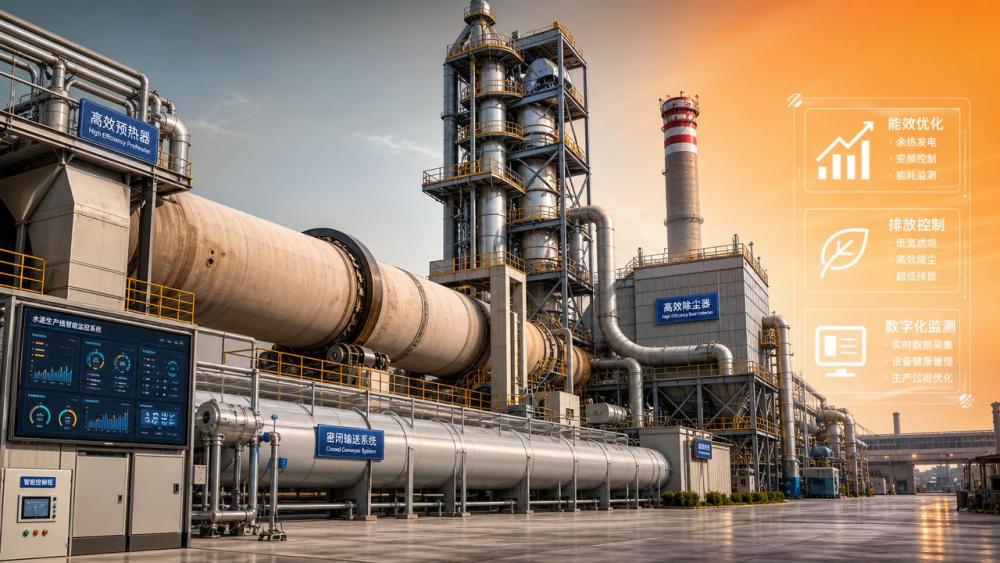
The most important cement industry trends are converging at once: decarbonization pressure, energy cost instability, stricter particulate and NOx control, alternative fuel adoption, and the digitization of operations. Together, they are changing how evaluators should define a viable upgrade.
In the past, plant improvement decisions often centered on output growth and equipment replacement cycles. Today, the evaluation framework is wider. A project may look attractive on production metrics but still underperform if it leaves the plant exposed to carbon costs, unstable fuel economics, or environmental shutdown risk.
For that reason, upgrade planning increasingly begins with three questions. First, will the project lower the plant’s unit operating cost under multiple fuel and demand scenarios? Second, will it improve compliance resilience over the next five to ten years? Third, does it increase strategic flexibility rather than lock the site into a narrow operating model?
These questions reflect a broader market reality. Cement plants are capital-intensive assets with long payback periods, so even modest changes in heat consumption, emission performance, or downtime can materially change investment returns. Business evaluators need to read industry trends as indicators of future cash flow quality, not just technical change.
Which trends are most strongly reshaping plant upgrade plans
Among all current cement industry trends, energy efficiency remains the most universal driver of modernization. Rising and unpredictable fuel prices make kiln thermal efficiency, waste heat use, grinding power reduction, and process stabilization more valuable than before.
Projects such as preheater optimization, burner upgrades, cooler retrofits, variable frequency drives, and high-efficiency grinding systems are being prioritized because they attack recurring operating cost. For evaluators, this usually makes them easier to justify than capacity additions in uncertain demand environments.
A second major trend is decarbonization through process and fuel transition. Cement producers are increasing the use of alternative fuels, clinker substitution strategies, and advanced combustion control. In some regions, carbon pricing and disclosure requirements are turning these from optional improvements into strategic necessities.
This does not mean every low-carbon upgrade is automatically investable. Business evaluation must distinguish between measures that deliver measurable operating benefit today and those that depend heavily on future policy incentives. The strongest projects usually combine immediate efficiency gains with long-term carbon advantage.
A third trend is tighter environmental control, especially dust, NOx, SOx, and fugitive emissions management. Dust collection system upgrades, better sealing, optimized material handling, and continuous emissions monitoring are becoming central to modernization plans because non-compliance increasingly threatens production continuity.
For commercial decision-makers, this has a simple implication: environmental equipment should not be treated as passive overhead. In many cases, it is a risk-control investment that protects plant utilization, lender confidence, and customer acceptance in stricter procurement environments.
The fourth trend is digital monitoring and predictive operations. Plants are adding online analyzers, equipment condition monitoring, historian systems, and digital dashboards to improve control over variable raw materials, thermal performance, maintenance timing, and quality consistency.
Digital projects should be assessed carefully. Their value is highest when linked to a clear operational bottleneck such as unstable kiln operation, frequent bag filter issues, high specific power consumption, or unplanned shutdowns. Without a defined use case, digital spending can become difficult to monetize.
What business evaluators care about most when comparing upgrade options
Business evaluators typically care less about technical novelty than about decision clarity. They want to know which projects improve EBITDA resilience, shorten operational payback, lower compliance risk, and preserve future optionality. The best upgrade proposals answer those points directly.
One key concern is whether a project addresses a structural problem or a temporary one. For example, if a plant suffers from chronically high thermal consumption, recurring dust issues, or obsolete controls, a modernization project may solve a deep operational constraint. That is more valuable than a short-term productivity patch.
Another concern is integration risk. Even a strong technology can disappoint if it requires long shutdown windows, difficult workforce adaptation, unstable raw material conditions, or upstream and downstream modifications that were not included in the budget. Evaluators should test the completeness of the project boundary.
They also focus on sensitivity to external variables. A plant upgrade tied to a narrow fuel assumption, optimistic utilization rate, or unverified carbon benefit deserves more caution. In today’s market, robust economics under conservative scenarios are often more valuable than impressive best-case returns.
Finally, decision-makers want evidence of operational durability. An upgrade that improves one metric while creating maintenance complexity, spare-part dependency, or process instability may weaken long-term asset value. Durable projects improve plant balance, not just isolated headline numbers.
How to evaluate energy, carbon, and compliance projects without overestimating returns
A practical approach is to separate plant upgrades into four value types: cost reduction, risk reduction, capacity support, and strategic positioning. Many projects contain more than one value type, but one should dominate the investment case.
Cost reduction projects include grinding efficiency improvements, heat recovery, combustion optimization, and power-saving drives. These are usually evaluated through unit cost reduction, utilization assumptions, maintenance impact, and achievable operating stability after commissioning.
Risk reduction projects include dust control upgrades, refractory monitoring, emissions systems, and reliability-focused instrumentation. Their benefits are often underestimated because they do not always create visible revenue growth. Yet they can prevent fines, outages, permit disruption, and customer confidence loss.
Capacity support projects are appropriate when market demand is credible and the bottleneck is real. But in many mature or cyclical markets, capacity-linked spending should be stress-tested carefully. Additional output has value only if the plant can sell profitably under realistic competitive conditions.
Strategic positioning projects include alternative fuel systems, low-carbon process adaptations, and digital infrastructure that supports future optimization. These may deserve approval even with longer paybacks when they create flexibility against regulatory or market shifts that are likely to intensify.
To avoid overstating returns, evaluators should challenge three assumptions. First, are baseline losses measured accurately? Second, will the plant actually sustain the projected operating discipline after implementation? Third, are hidden enabling costs fully included, including civil works, integration, training, and downtime?
Why fuel strategy and raw material variability matter more than many upgrade models assume
One of the most overlooked cement industry trends is the growing importance of fuel adaptability. Plants that can handle wider fuel mixes, stabilize combustion, and protect clinker quality under variable calorific inputs gain an important hedge against energy market volatility.
That makes alternative fuel handling, dosing, burner design, and process control relevant not only to sustainability goals but also to business resilience. A plant unable to adapt its thermal system may face structurally higher operating costs than competitors with more flexible fuel capability.
Raw material variability creates a parallel challenge. Changes in quarry chemistry, moisture, or additive availability can reduce process efficiency and product consistency. Upgrades in blending, online analysis, and kiln control become more valuable when the plant operates in a variable raw material environment.
For business evaluators, the lesson is clear: do not assess equipment in isolation. A technically efficient system may underperform if fuel quality fluctuates, feed chemistry varies, or plant operators cannot maintain the required control window. Robustness matters as much as rated performance.
How digitalization is changing the business case for modernization
Digitalization is one of the most discussed cement industry trends, but its value depends on where it is applied. The strongest business cases come from digital tools that make process losses visible, reduce diagnostic delay, and support faster corrective action in critical equipment.
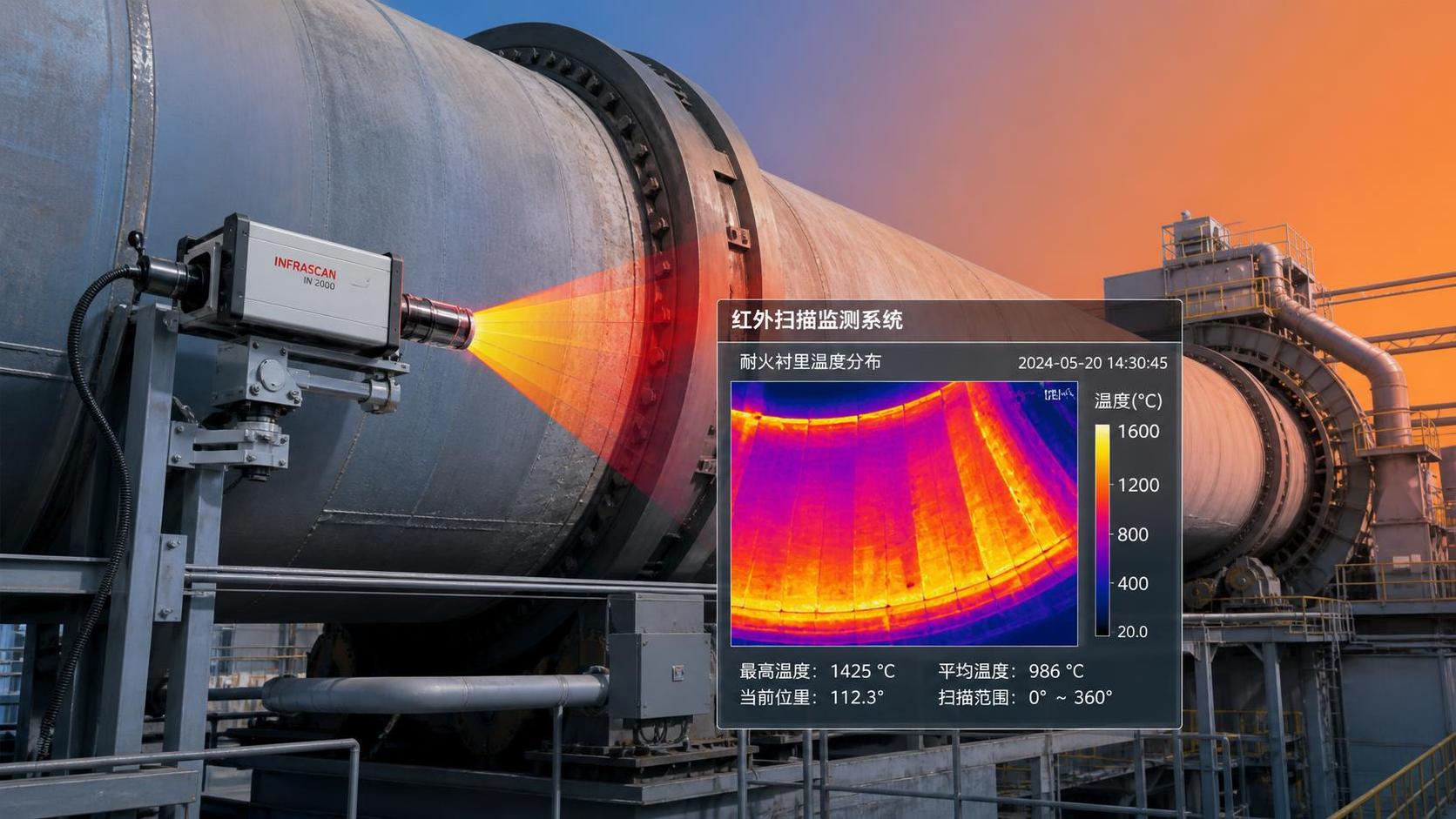
Examples include kiln shell temperature tracking, predictive maintenance for fans and conveyors, baghouse performance monitoring, and integrated dashboards for heat and power intensity. These applications help management quantify hidden losses that traditional reporting often misses.
For evaluators, digital systems are especially useful when they improve confidence in operational data. Better data can sharpen future capital allocation, support performance contracts, and reduce the uncertainty embedded in larger upgrade programs. In that sense, digitalization can have indirect investment value beyond immediate savings.
Still, digital spending should not be approved on trend appeal alone. It must connect to a specific decision process, operator workflow, or recurring source of inefficiency. Otherwise, plants may install visibility tools without changing outcomes, which weakens return on investment.
What a stronger plant upgrade decision framework looks like
A stronger decision framework starts by ranking plant constraints according to financial impact and strategic urgency. Typically, the shortlist includes heat consumption, electrical intensity, emissions compliance exposure, unplanned downtime, alternative fuel readiness, and quality stability.
Next, each proposed upgrade should be tested across three horizons. The first is near-term operational benefit within one to three years. The second is medium-term compliance and competitiveness over three to seven years. The third is long-term strategic fit under carbon and energy transition scenarios.
Decision-makers should also compare projects not only by payback but by quality of payback. Savings based on controllable operating improvements are generally more reliable than savings dependent on aggressive market growth assumptions. Risk-adjusted return is often the better metric.
Vendor evaluation is equally important. In heavy industrial upgrades, execution capability, process integration knowledge, after-sales support, and performance accountability can influence project success as much as hardware specification. Evaluators should weigh technical partnership quality alongside capital cost.
Finally, the best modernization plans are staged rather than fragmented. A plant may begin with instrumentation, control stabilization, and high-value efficiency fixes before moving into larger fuel transition or emission-control projects. Sequencing can improve both returns and implementation success.
Conclusion: what current cement industry trends really mean for upgrade planning
The current wave of cement industry trends is not simply pushing plants to spend more. It is forcing them to spend smarter. Energy efficiency, compliance resilience, fuel flexibility, and digital visibility are becoming core criteria for judging whether a plant can remain competitive over time.
For business evaluators, the most valuable mindset is to treat modernization as a portfolio of risk, margin, and strategic flexibility decisions. The best projects are not always the largest or most visible. They are the ones that solve real constraints, perform under uncertainty, and strengthen the plant’s future operating position.
In practical terms, that means prioritizing upgrades with measurable efficiency gains, clear compliance value, realistic implementation pathways, and adaptability to future carbon and fuel conditions. Plants that modernize on those principles are more likely to protect returns and sustain relevance in a changing industrial market.
Related News
 Optical Glass Tech FellowHow to Evaluate a Glass Annealing Equipment Manufacturer for Production StabilityChoose a glass annealing equipment manufacturer with proven thermal uniformity, reliable controls, lifecycle value, and responsive service for stable production.Sep 08, 2026
 Prof. Marcus ChenThermal Energy Architecture in North America: Strategies for Lower Building Energy UseThermal energy architecture North America helps project leaders cut building energy use through stronger envelopes, right-sized HVAC, storage, and smart commissioning.Sep 07, 2026
 Ms. Elena RodriguezHow Should Buyers Evaluate Building Material Industry Intelligence Pricing?Building material industry intelligence pricing: learn how to compare coverage, technical depth, and ROI to choose intelligence that reduces procurement risk.Sep 07, 2026
 Ms. Elena RodriguezHow to Use Building Material Intelligence Data for Market and Investment DecisionsBuilding material industry intelligence data helps leaders evaluate demand, costs, regulation, capacity, and technology to make smarter market and investment decisions.Sep 05, 2026
 Thermal Energy ArchitectHow PLC Control Improves Energy Efficiency and Temperature Stability in KilnsEnergy efficient kilns PLC control improves temperature stability, cuts fuel waste, and optimizes combustion, draft, and material flow. Explore proven strategies for smarter kiln modernization.Sep 04, 2026
 Optical Glass Tech FellowEuropean Glass Melting Processes: Furnace Choices, Energy Use, and Quality ControlGlass melting process Europe: explore furnace choices, energy efficiency, cullet strategy, and quality control to improve output, compliance, and long-term glass performance.Sep 03, 2026
 Thermal Energy ArchitectWhat Determines Refractory Lining Monitoring Price for Industrial Kilns?Refractory lining monitoring price depends on kiln size, sensor technology, installation, software, and support. Compare total lifecycle costs and choose the right solution.Sep 02, 2026
 Silicate Process EngineerCement Production System Costs: A Plant Buyer’s Guide to Budgeting and ROICement production systems cost planning made clear: compare CAPEX, operating costs, compliance, and ROI to build a resilient, profitable cement plant investment.Sep 01, 2026
 Dr. Alistair VaughnWhat Should a Process Technology Database Track for High-Temperature Plants?Process technology database essentials for high-temperature plants: track thermal profiles, feed chemistry, refractory wear, emissions, energy, and maintenance for safer, data-driven decisions.Aug 31, 2026
 Ms. Elena RodriguezHow to Evaluate a Silicate Processing Equipment Manufacturer for Plant ProjectsSilicate processing equipment manufacturer selection: assess process fit, guarantees, energy, compliance, delivery risk, and lifecycle support for dependable plant performance.Aug 30, 2026
 Dr. Alistair VaughnHow to Specify Custom Agricultural Processing Equipment for Throughput and HygieneEquipment customization services for agricultural processing: learn to specify hygienic, high-throughput lines that improve yield, reliability, and long-term efficiency.Aug 29, 2026
 Dr. Alistair VaughnHow to Select Process Plant Equipment for High-Temperature, Abrasive Production LinesProcess plant equipment selection for high-temperature, abrasive lines: reduce downtime, improve durability, and optimize lifecycle performance.Aug 28, 2026
 Silicate Process EngineerHow Kiln Heat Recovery Systems Cut Fuel Use in Cement and Lime ProductionKiln heat recovery helps cement and lime plants cut fuel use, improve thermal stability, and build practical, reliable decarbonization strategies.Aug 27, 2026
 Ms. Elena RodriguezProcess Equipment Comparison: Which Metrics Matter Most for Reliable Selection?Process equipment comparison made practical: discover which metrics truly drive reliable selection, from energy efficiency and control stability to wear life, maintainability, and uptime.Aug 26, 2026
 Ms. Elena RodriguezWhat Buyers Should Check Before Sourcing Precision Alloy Bars for Critical PartsPrecision Alloy Bars buyers should verify grade, chemistry, tolerances, surface quality, traceability, and lead time before sourcing for critical parts. Learn what prevents costly machining and reliability risks.Aug 27, 2026
 Ms. Elena RodriguezHow to Evaluate Thermal Management Solutions Insulation for High-Heat Industrial SystemsThermal management solutions insulation: learn how to assess high-heat industrial systems by thermal performance, durability, lifecycle cost, and supplier data for smarter decisions.Aug 25, 2026
 Ms. Elena RodriguezWhat Drives Waste Recycling Cost in Industrial Projects and How to Estimate It?Waste recycling cost in industrial projects depends on composition, moisture, transport, pre-treatment, and compliance. Learn how to estimate it accurately and compare suppliers with confidence.Aug 24, 2026
 Silicate Process EngineerHow to Evaluate Cement Production Plants in the Middle East for Capacity, Fuel Flexibility, and ROIcement production plants Middle East: Learn how to assess true capacity, fuel flexibility, and ROI risks to identify resilient assets and smarter investment opportunities.Aug 23, 2026
 Structural Material AnalystHow to Evaluate Lightweight Material Machinery for Output, Energy Use, and Product QualityLightweight material machinery evaluation guide: compare stable output, energy use, and product quality to choose equipment that cuts waste, lowers costs, and improves production confidence.Aug 22, 2026
 Material Heat-Resist ExpertWhat Determines Refractory Production Line Price in a Turnkey Plant Project?Refractory production line price depends on raw materials, forming method, kiln and drying design, automation, utilities, and scope. Learn what really drives turnkey plant cost before you invest.Aug 21, 2026

Related News
- 00
0000-00
Cement Production System Costs: A Plant Buyer’s Guide to Budgeting and ROI - 00
0000-00
How Kiln Heat Recovery Systems Cut Fuel Use in Cement and Lime Production - 00
0000-00
How to Evaluate Cement Production Plants in the Middle East for Capacity, Fuel Flexibility, and ROI - 00
0000-00
What Drives Cement Plant Upgrade Cost and How to Estimate ROI Before Investing - 00
0000-00
How Cement Grinding Technology Affects Energy Use, Fineness, and Plant Output
Weekly Insights
Stay ahead with our curated technology reports delivered every Monday.