
Where is the global cement industry heading in 2026?




As 2026 approaches, the global cement industry is entering a decisive phase shaped by carbon regulations, energy volatility, infrastructure renewal, and rapid advances in kiln intelligence. For business evaluators, understanding where capacity, technology investment, alternative fuels, and regional demand are moving is no longer optional—it is central to risk assessment and strategic positioning. This article examines the market signals and operational shifts defining the next competitive cycle for cement producers, equipment suppliers, and industrial investors.
What is changing fastest in the global cement industry before 2026?
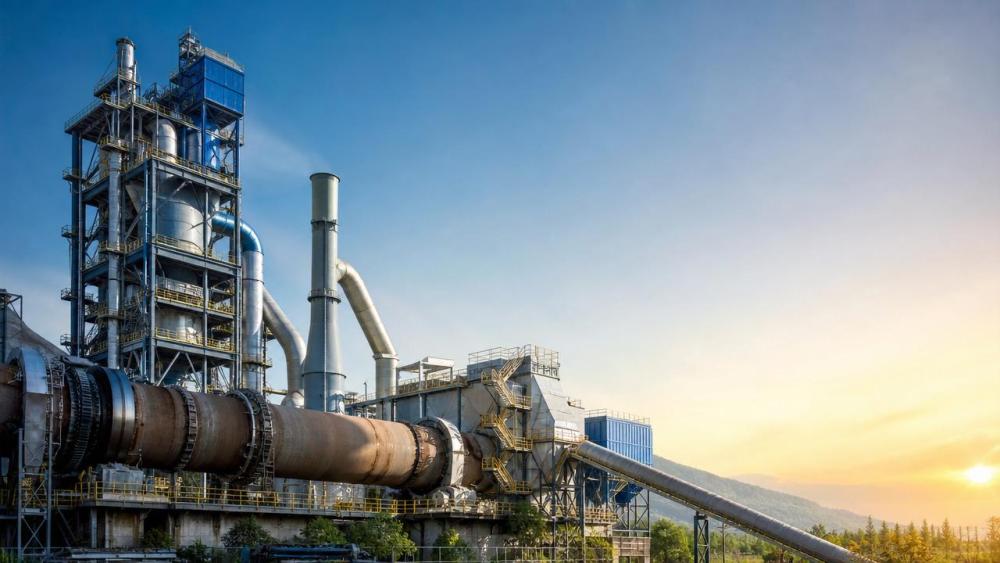
The global cement industry is no longer driven only by clinker capacity and local construction cycles. Carbon exposure, fuel flexibility, and digital control now influence valuation.
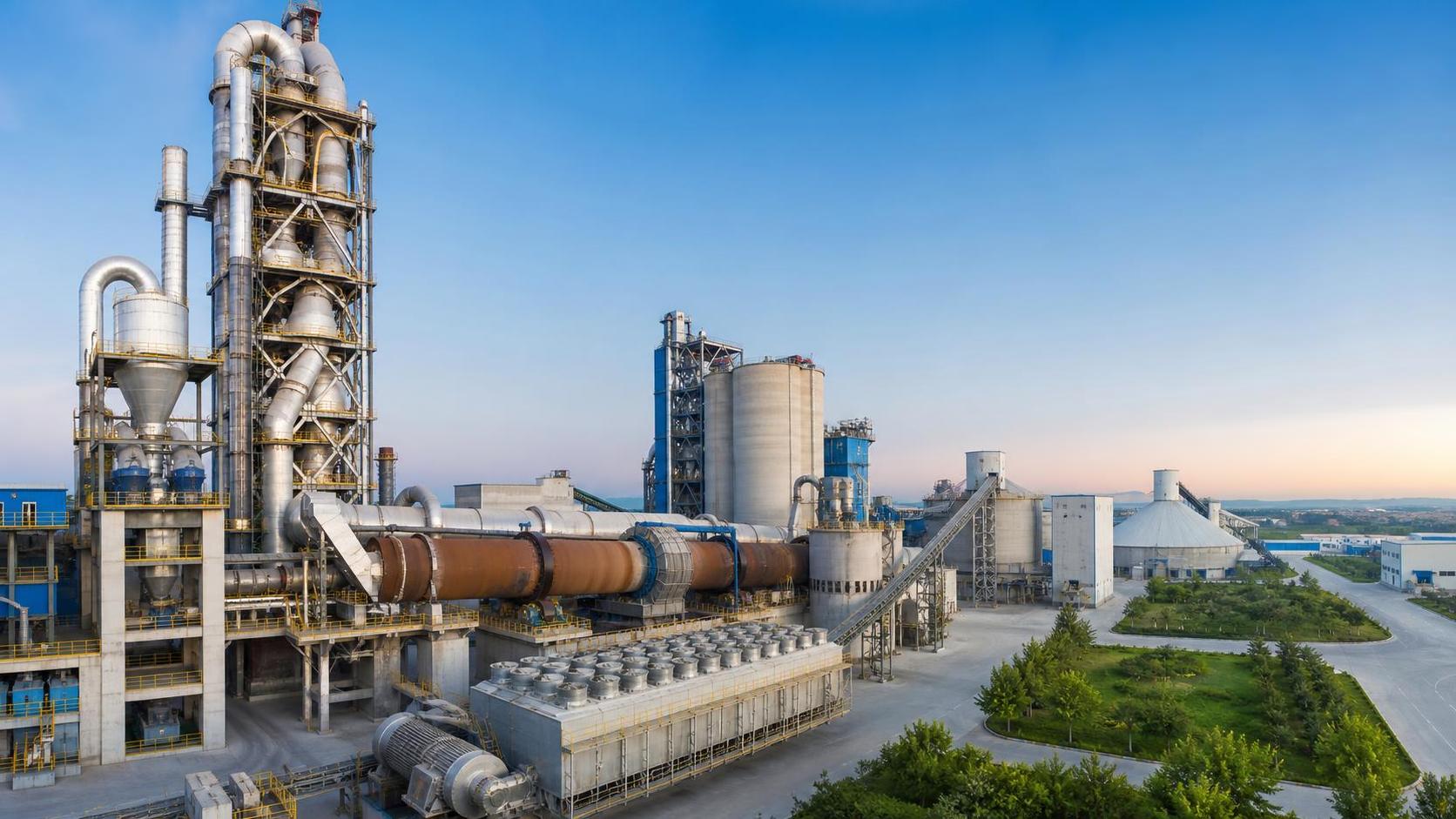
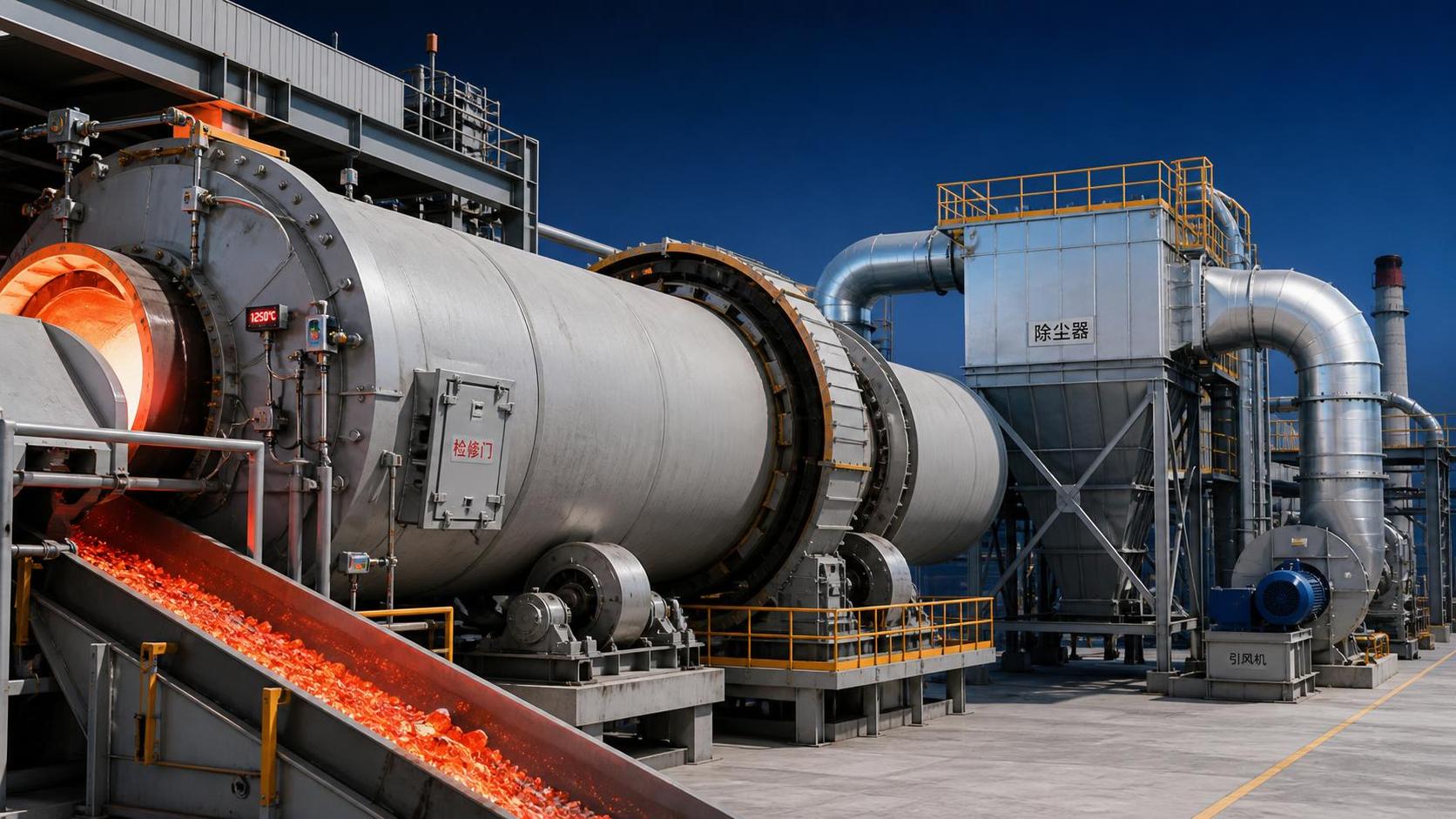
Business evaluators should treat cement plants as integrated thermal systems. Quarry chemistry, preheater stability, burner performance, refractory life, and dust control affect commercial resilience.
In mature markets, the focus is shifting from new greenfield capacity to modernization, emissions compliance, and operational efficiency. In growth markets, capacity additions remain selective.
- Carbon cost is becoming a direct operating variable, especially where emissions trading, border adjustment rules, or green procurement policies are expanding.
- Energy volatility is forcing plants to evaluate alternative fuels, waste co-processing, and heat recovery with stronger financial discipline.
- Digital kiln supervision is moving from optional optimization to a requirement for stable quality, predictive maintenance, and lower downtime risk.
- Equipment suppliers are being assessed not only by price, but by lifecycle data, commissioning capability, and regional service reliability.
For CF-Elite, this transition fits the broader high-temperature industry map: cement, glass, refractory, incineration, and extrusion all face the same pressure to convert heat into value.
Regional demand signals: where will cement investment concentrate?
The global cement industry in 2026 will show uneven demand. Evaluators should avoid a single global growth assumption and compare regional drivers carefully.
Urban renewal, transport corridors, housing deficits, and climate-resilient infrastructure will support demand, but oversupply and financing costs remain major constraints.
The following comparison helps procurement teams and investors identify where capacity expansion, retrofit demand, and equipment replacement may appear.
This regional split shows why the global cement industry should be evaluated by project type, regulatory pressure, and heat-system complexity, not only by headline demand.
Which technologies will define competitive cement plants?
By 2026, technology spending in the global cement industry will concentrate on measurable reductions in fuel consumption, emissions intensity, stoppage frequency, and product variability.
Kiln intelligence and digital twin simulation
Kiln intelligence links flame shape, feed chemistry, draft pressure, and clinker quality. Digital twin tools help operators test scenarios without risking production losses.
For evaluators, the key question is not whether a plant has sensors. The question is whether data supports faster decisions during instability.
Alternative fuels and co-processing
Waste-derived fuels can reduce fossil fuel dependency, but they require strong feeding, pre-treatment, combustion control, and emissions monitoring to protect kiln performance.
Co-processing also creates value for industrial waste management, connecting cement production with incineration logic and circular economy requirements.
Low-clinker binders and supplementary materials
Blended cements, calcined clay, limestone additions, slag, and fly ash substitutes will remain critical. Material availability will influence regional feasibility.
- Evaluate whether raw material chemistry supports stable clinker formation and acceptable cement performance under applicable standards.
- Check whether grinding circuits can handle different hardness, moisture, and fineness requirements without excessive power consumption.
- Assess if quality control systems can manage faster recipe changes across multiple cement types and customer specifications.
Procurement evaluation: what should business evaluators compare?
Procurement in the global cement industry often fails when decisions focus on initial equipment price while underestimating energy, maintenance, compliance, and commissioning risk.
A stronger evaluation model compares technical fit, lifecycle impact, and supplier support. This is especially important for long-cycle heavy equipment trade.
The table below converts common procurement concerns into practical assessment criteria for cement plant upgrades and related thermal systems.
This framework helps evaluators separate technically credible offers from low-priced proposals that may increase downtime, emissions penalties, or retrofit complexity later.
Cost pressure and alternatives: where is payback most realistic?
Cost pressure in the global cement industry is moving from commodity procurement into system-level optimization. The best payback often comes from removing recurring inefficiencies.
Alternative fuels, waste heat recovery, advanced grinding, and process control upgrades can all be attractive, but feasibility depends on site-specific constraints.
Business evaluators should compare not only expected savings, but also implementation disruption, operator training needs, and exposure to regulation changes.
The realistic payback path is usually phased. Start with data visibility, stabilize the kiln, then expand into fuel substitution or major equipment retrofits.
Compliance, standards, and carbon exposure: what cannot be ignored?
Compliance is becoming a purchasing variable in the global cement industry. A non-compliant system can delay commissioning or weaken project bankability.
Evaluators should review applicable emissions limits, workplace safety rules, electrical standards, pressure equipment requirements, and cement product specifications before finalizing procurement.
Common compliance checkpoints
- Confirm whether continuous emissions monitoring is required for dust, NOx, SOx, CO, organic compounds, or specific co-processing pollutants.
- Check cement quality standards such as EN 197, ASTM C150, or relevant national specifications for blended cement products.
- Review electrical and automation requirements, including IEC-based practices, local grid rules, and safe access for maintenance teams.
- Assess whether alternative fuel handling requires fire protection, odor control, storage permits, or waste acceptance documentation.
Carbon exposure should be modeled under multiple assumptions. Fuel mix, clinker factor, electricity source, and logistics distance can shift competitiveness quickly.
CF-Elite’s Strategic Intelligence Center tracks these intersections across silicate production, industrial incineration, refractory linings, and material extrusion, helping evaluators see hidden dependencies.
Risk map for 2026: which mistakes weaken business decisions?
Many decisions in the global cement industry fail because risk is assessed too late. Technical uncertainty often becomes commercial loss during installation or ramp-up.
Mistake 1: treating all kiln upgrades as similar
Two kilns with the same nominal capacity may behave differently because of raw mix, fuel, refractory condition, cooler efficiency, and local operator practice.
Mistake 2: underestimating commissioning time
Delivery dates are only part of schedule control. Site readiness, foundation work, integration testing, and training can decide whether payback starts on time.
Mistake 3: ignoring cross-industry lessons
Glass melting, refractory production, and incineration systems all offer lessons in heat stability, lining protection, and emissions control for cement operations.
- Build an equipment shortlist only after reviewing fuel strategy, emissions obligations, and available maintenance skills.
- Request technical clarification on interfaces, not only standalone equipment performance claims.
- Use lifecycle cost scenarios that include energy, downtime, spare parts, refractory wear, and compliance risk.
- Compare supplier documentation quality because incomplete manuals can slow installation, troubleshooting, and future audits.
FAQ for evaluators tracking the global cement industry
How should evaluators judge whether a cement market is attractive in 2026?
Look beyond cement consumption growth. Compare utilization rates, infrastructure funding, import exposure, carbon policy, fuel availability, and the age profile of existing plants.
Is new capacity still a good investment in the global cement industry?
New capacity can be justified in undersupplied regions, but modernization is often safer where markets are mature, regulated, or exposed to carbon costs.
What should be checked before choosing alternative fuel equipment?
Confirm fuel source continuity, calorific value range, moisture content, chlorine level, storage safety, feeding accuracy, and impact on emissions permits.
Which data points matter most for kiln intelligence?
Useful data includes feed chemistry, kiln torque, shell temperature, oxygen level, draft pressure, flame status, cooler performance, and clinker quality indicators.
Why choose CF-Elite for cement industry intelligence and procurement support?
The global cement industry is becoming a decision field where engineering, policy, and commercial timing overlap. CF-Elite helps evaluators connect these variables clearly.
Our focus on foundation materials and thermal management covers cement production plants, glass manufacturing gear, industrial kilns, refractory lines, and extrusion systems.
This cross-sector view is valuable when buyers must compare rotary kilns, incineration logic, refractory monitoring, dust control, and green building material demand.
- Consult CF-Elite for parameter confirmation, including kiln heat balance, fuel substitution feasibility, grinding configuration, and refractory compatibility.
- Request support for product selection when comparing equipment suppliers, retrofit routes, monitoring systems, or long-cycle spare parts strategies.
- Discuss delivery schedules, commissioning risks, documentation requirements, and regional compliance checkpoints before committing capital.
- Use CF-Elite’s intelligence perspective to review carbon exposure, green material positioning, and future-ready equipment investment logic.
For business evaluators, the practical question is not only where the global cement industry is heading, but which decisions remain profitable under stricter constraints.
Contact CF-Elite to clarify technical parameters, selection priorities, certification concerns, delivery expectations, customization scope, sample support possibilities, and quotation communication for your next cement-related project.
Related News
 Thermal Energy ArchitectHow to Evaluate a Thermal Energy Optimization Company for High-Temperature PlantsChoose a thermal energy optimization company with proven process expertise, measurable savings, and reliable delivery for high-temperature plants. Learn what to assess.Sep 15, 2026
 Thermal Energy ArchitectRotary Kiln Efficiency: How Feed Rate, Fuel Use, and Heat Loss Affect OutputRotary kiln efficiency explained: discover how feed rate, fuel use, heat loss, combustion, and cooling performance shape output, quality, and energy costs.Sep 14, 2026
 Thermal Energy ArchitectHow to Select Heat-Resistant Materials That Maintain Abrasion Resistance in KilnsHeat-resistant materials abrasion resistance: learn how to select kiln linings that withstand heat, wear, thermal cycling, and chemical attack for longer service life.Sep 13, 2026
 Thermal Energy ArchitectHow Rotary Kiln Automation Improves Temperature Control and Fuel EfficiencyRotary kiln technology automation enhances temperature control, stabilizes combustion, and improves fuel efficiency with smarter data, predictive control, and safer operations.Sep 12, 2026
 Silicate Process EngineerCement Plant Emission Control: Selecting Systems for Dust, NOx, and SO2 LimitsCement plant emission control guide: compare dust collectors, NOx reduction, and SO2 systems for reliable compliance across kiln modes, fuel changes, and operating upsets.Sep 11, 2026
 Thermal Energy ArchitectSelecting Abrasion-Resistant High-Temperature Materials for Kiln and Conveyor Wear ZonesHigh-temp material engineering guide to abrasion-resistant kiln and conveyor solutions—match wear, heat, chemistry, and installation design for longer service life.Sep 10, 2026
 Dr. Alistair VaughnIndustrial Process Engineering: How to Map Processes for Safer, More Efficient PlantsIndustrial process engineering reveals bottlenecks, safety risks, and energy losses through practical process mapping for safer, more efficient plants.Sep 09, 2026
 Optical Glass Tech FellowHow to Evaluate a Glass Annealing Equipment Manufacturer for Production StabilityChoose a glass annealing equipment manufacturer with proven thermal uniformity, reliable controls, lifecycle value, and responsive service for stable production.Sep 08, 2026
 Prof. Marcus ChenThermal Energy Architecture in North America: Strategies for Lower Building Energy UseThermal energy architecture North America helps project leaders cut building energy use through stronger envelopes, right-sized HVAC, storage, and smart commissioning.Sep 07, 2026
 Ms. Elena RodriguezHow Should Buyers Evaluate Building Material Industry Intelligence Pricing?Building material industry intelligence pricing: learn how to compare coverage, technical depth, and ROI to choose intelligence that reduces procurement risk.Sep 07, 2026
 Ms. Elena RodriguezHow to Use Building Material Intelligence Data for Market and Investment DecisionsBuilding material industry intelligence data helps leaders evaluate demand, costs, regulation, capacity, and technology to make smarter market and investment decisions.Sep 05, 2026
 Thermal Energy ArchitectHow PLC Control Improves Energy Efficiency and Temperature Stability in KilnsEnergy efficient kilns PLC control improves temperature stability, cuts fuel waste, and optimizes combustion, draft, and material flow. Explore proven strategies for smarter kiln modernization.Sep 04, 2026
 Optical Glass Tech FellowEuropean Glass Melting Processes: Furnace Choices, Energy Use, and Quality ControlGlass melting process Europe: explore furnace choices, energy efficiency, cullet strategy, and quality control to improve output, compliance, and long-term glass performance.Sep 03, 2026
 Thermal Energy ArchitectWhat Determines Refractory Lining Monitoring Price for Industrial Kilns?Refractory lining monitoring price depends on kiln size, sensor technology, installation, software, and support. Compare total lifecycle costs and choose the right solution.Sep 02, 2026
 Silicate Process EngineerCement Production System Costs: A Plant Buyer’s Guide to Budgeting and ROICement production systems cost planning made clear: compare CAPEX, operating costs, compliance, and ROI to build a resilient, profitable cement plant investment.Sep 01, 2026
 Dr. Alistair VaughnWhat Should a Process Technology Database Track for High-Temperature Plants?Process technology database essentials for high-temperature plants: track thermal profiles, feed chemistry, refractory wear, emissions, energy, and maintenance for safer, data-driven decisions.Aug 31, 2026
 Ms. Elena RodriguezHow to Evaluate a Silicate Processing Equipment Manufacturer for Plant ProjectsSilicate processing equipment manufacturer selection: assess process fit, guarantees, energy, compliance, delivery risk, and lifecycle support for dependable plant performance.Aug 30, 2026
 Dr. Alistair VaughnHow to Specify Custom Agricultural Processing Equipment for Throughput and HygieneEquipment customization services for agricultural processing: learn to specify hygienic, high-throughput lines that improve yield, reliability, and long-term efficiency.Aug 29, 2026
 Dr. Alistair VaughnHow to Select Process Plant Equipment for High-Temperature, Abrasive Production LinesProcess plant equipment selection for high-temperature, abrasive lines: reduce downtime, improve durability, and optimize lifecycle performance.Aug 28, 2026
 Silicate Process EngineerHow Kiln Heat Recovery Systems Cut Fuel Use in Cement and Lime ProductionKiln heat recovery helps cement and lime plants cut fuel use, improve thermal stability, and build practical, reliable decarbonization strategies.Aug 27, 2026



Related News
- 00
0000-00
Cement Plant Emission Control: Selecting Systems for Dust, NOx, and SO2 Limits - 00
0000-00
Cement Production System Costs: A Plant Buyer’s Guide to Budgeting and ROI - 00
0000-00
How Kiln Heat Recovery Systems Cut Fuel Use in Cement and Lime Production - 00
0000-00
How to Evaluate Cement Production Plants in the Middle East for Capacity, Fuel Flexibility, and ROI - 00
0000-00
What Drives Cement Plant Upgrade Cost and How to Estimate ROI Before Investing
Weekly Insights
Stay ahead with our curated technology reports delivered every Monday.