
Cement Plant Efficiency: Key Metrics for Energy, Output, and Downtime




Cement Plant Efficiency: Key Metrics for Energy, Output, and Downtime

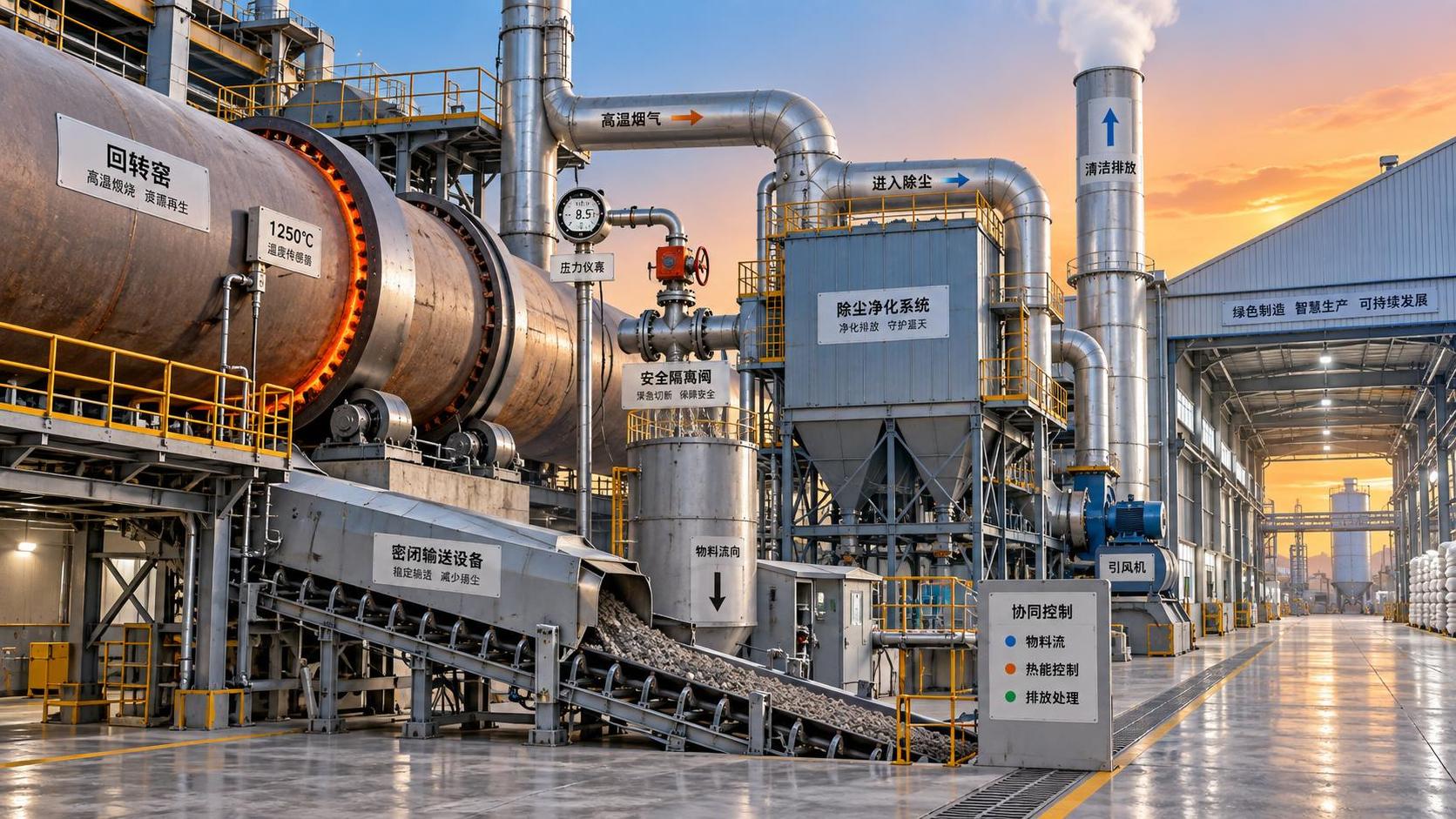
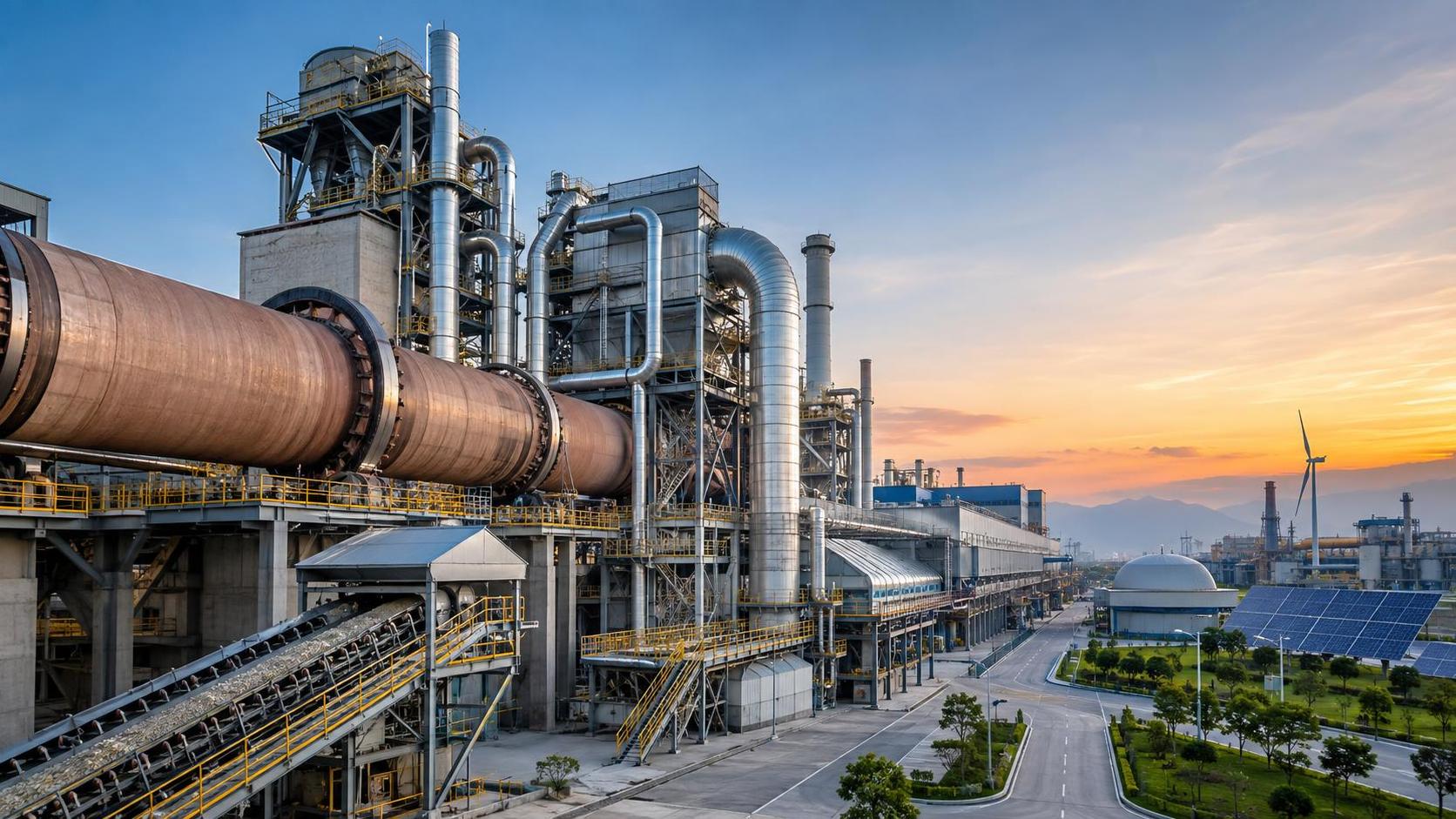
Cement plant efficiency is now a strategic indicator linked to energy cost, carbon exposure, production reliability, and long-term competitiveness.
Across global materials markets, plants are being judged by how precisely they convert fuel, power, limestone, and time into stable clinker output.
For CF-Elite, cement plant efficiency sits at the intersection of thermal management, process intelligence, dust control, and carbon reduction strategy.
Efficiency Is Moving From Plant Control Rooms to Strategic Planning
The cement industry is entering a period where performance visibility matters as much as installed capacity.
High fuel prices, volatile electricity tariffs, and tightening emissions rules are changing how operational success is measured.
Cement plant efficiency is no longer limited to daily tonnage or kiln runtime.
It now includes energy intensity, alternative fuel stability, clinker factor, equipment availability, and avoidable stoppages.
A plant with strong output can still lose value through hidden thermal losses, poor grinding performance, or repeated micro-stoppages.
This is why cement plant efficiency must be measured through connected indicators, not isolated production reports.
Trend Signals Showing Where Performance Pressure Is Rising
Several industry signals show that cement plant efficiency will become more visible in financial and environmental evaluations.
- Electricity contracts increasingly reward stable load profiles and penalize peak demand.
- Carbon pricing makes excess fuel consumption a direct balance-sheet risk.
- Alternative fuel use requires tighter control of kiln chemistry and oxygen balance.
- Urban renewal and infrastructure demand require reliable cement supply cycles.
- Digital monitoring exposes downtime patterns that were previously treated as normal losses.
These signals are pushing plants toward measurable, comparable, and auditable cement plant efficiency systems.
The strongest operators are not only producing more cement.
They are producing each tonne with lower energy variance, fewer stoppages, and clearer process accountability.
Core Metrics That Define Cement Plant Efficiency
A useful cement plant efficiency dashboard should connect energy, throughput, reliability, and environmental performance.
The following indicators provide a practical baseline for benchmarking and improvement planning.
These metrics help turn cement plant efficiency from a broad ambition into a measurable operating discipline.
Energy Intensity Is the First Profit Leak to Quantify
Energy is usually the largest controllable cost in cement production.
Specific heat consumption indicates how efficiently the kiln system converts fuel into clinker mineral formation.
Specific power consumption reflects the electrical burden of crushing, grinding, fans, conveying, and packaging.
Together, these values form the first layer of cement plant efficiency analysis.
A rising energy index can signal raw meal variation, false air ingress, worn grinding media, or inefficient fan operation.
If ignored, the plant may maintain output while silently eroding margins.
Output Metrics Must Separate Capacity From Stable Performance
Rated capacity does not equal real production capability.
Clinker output rate should be evaluated against kiln stability, product quality, and the frequency of process corrections.
A plant running near nameplate capacity may still have weak cement plant efficiency if quality losses are frequent.
Stable output depends on raw mix chemistry, kiln speed, flame control, cooler recovery, and grinding consistency.
The most valuable output metric is not maximum tonnage during ideal hours.
It is sustainable tonnage across full operating cycles.
Downtime Reveals the Hidden Cost of Reliability Gaps
Unplanned downtime directly reduces cement plant efficiency by cutting available production time.
However, the deeper loss often appears during restart, reheating, quality correction, and delayed dispatch.
Critical downtime sources include kiln drive failures, cooler issues, fan vibration, refractory damage, and mill stoppages.
Short stoppages also deserve attention.
Frequent interruptions in feeders, conveyors, weigh systems, or bag filters can accumulate into major annual losses.
What Is Driving the Shift Toward Efficiency-Led Cement Operations
The move toward cement plant efficiency is not caused by one factor.
It is the result of economic, technical, environmental, and market pressures converging at the same time.
These drivers make cement plant efficiency a moving target.
Benchmarks that looked acceptable five years ago may now represent unnecessary cost and carbon intensity.
Impacts Across Production, Maintenance, Quality, and Carbon Control
Improving cement plant efficiency changes how different operational functions make decisions.
Production teams must prioritize stable kiln operation instead of chasing short bursts of high output.
Maintenance planning becomes more data-led, with attention moving from calendar routines to failure probability and asset criticality.
Quality control also gains strategic importance.
Inconsistent clinker quality increases grinding energy and can weaken cement performance.
Carbon management becomes more practical when cement plant efficiency data links emissions with fuel, clinker factor, and process losses.
- Production gains come from thermal stability and fewer process deviations.
- Maintenance gains come from lower unexpected failure frequency.
- Quality gains come from consistent mineral formation and grinding behavior.
- Carbon gains come from lower fuel use and reduced clinker intensity.
Priority Areas to Watch in the Next Efficiency Cycle
Future cement plant efficiency programs will depend on tighter integration between thermal engineering and digital intelligence.
CF-Elite tracks several areas likely to define the next performance gap between average and advanced operations.
- Kiln thermal balance: monitor false air, shell heat loss, and cooler recovery efficiency.
- Grinding circuit performance: compare mill power, separator efficiency, and product fineness stability.
- Alternative fuel control: track substitution rate, flame stability, and emissions variation.
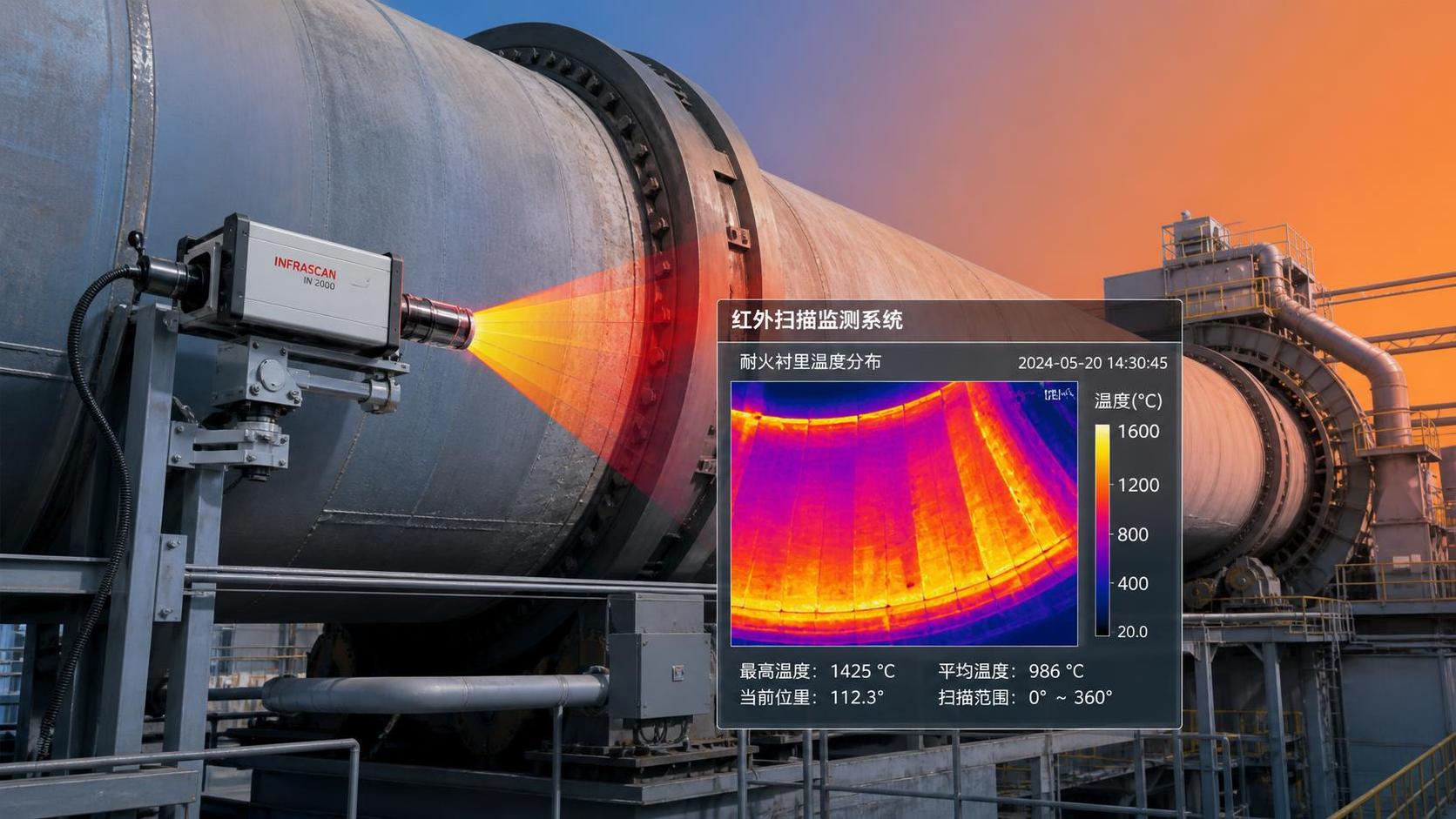
- Refractory condition: connect lining wear with heat loss, stoppage risk, and coating behavior.
- Dust collection reliability: reduce fan load, filter trips, and environmental compliance risk.
- Digital twin modeling: simulate process changes before committing capital or production time.
These areas show why cement plant efficiency cannot be owned by one department alone.
It depends on shared data, disciplined maintenance, and precise thermal decision-making.
A Practical Framework for Better Measurement and Response
A strong cement plant efficiency program starts with measurement discipline.
The goal is to identify which losses are structural, which are seasonal, and which are caused by controllable behavior.
This framework helps convert cement plant efficiency into a repeatable improvement system.
It also supports stronger comparisons between sites, production lines, and modernization options.
How to Judge Whether Efficiency Investments Are Working
Efficiency investments should be judged by operational evidence, not only installed technology.
A new control system, burner, filter, mill component, or monitoring platform must improve measurable outcomes.
Useful signs include lower energy per tonne, fewer stoppages, more stable kiln operation, and reduced emissions variation.
The most credible cement plant efficiency gains are visible across several indicators at once.
For example, better cooler performance may reduce heat consumption while improving clinker temperature and downstream grinding behavior.
Likewise, improved baghouse reliability may protect compliance while reducing process interruptions and fan energy waste.
Next Steps for Building a More Resilient Cement Operation
The next stage of cement plant efficiency will favor plants that combine engineering discipline with transparent data interpretation.
Start by mapping energy, output, and downtime metrics across the full production chain.
Then identify the losses with the highest financial, carbon, and reliability impact.
Prioritize improvements that strengthen kiln stability, grinding efficiency, equipment availability, and emissions control together.
CF-Elite continues to observe how high-temperature industries connect process intelligence with decarbonization and resource circularity.
In that shift, cement plant efficiency becomes more than an operating target.
It becomes the decision framework for resilient production, lower energy exposure, and stronger performance in global foundation materials.
Related News
 Thermal Energy ArchitectHow to Evaluate a Thermal Energy Optimization Company for High-Temperature PlantsChoose a thermal energy optimization company with proven process expertise, measurable savings, and reliable delivery for high-temperature plants. Learn what to assess.Sep 15, 2026
 Thermal Energy ArchitectRotary Kiln Efficiency: How Feed Rate, Fuel Use, and Heat Loss Affect OutputRotary kiln efficiency explained: discover how feed rate, fuel use, heat loss, combustion, and cooling performance shape output, quality, and energy costs.Sep 14, 2026
 Thermal Energy ArchitectHow to Select Heat-Resistant Materials That Maintain Abrasion Resistance in KilnsHeat-resistant materials abrasion resistance: learn how to select kiln linings that withstand heat, wear, thermal cycling, and chemical attack for longer service life.Sep 13, 2026
 Thermal Energy ArchitectHow Rotary Kiln Automation Improves Temperature Control and Fuel EfficiencyRotary kiln technology automation enhances temperature control, stabilizes combustion, and improves fuel efficiency with smarter data, predictive control, and safer operations.Sep 12, 2026
 Silicate Process EngineerCement Plant Emission Control: Selecting Systems for Dust, NOx, and SO2 LimitsCement plant emission control guide: compare dust collectors, NOx reduction, and SO2 systems for reliable compliance across kiln modes, fuel changes, and operating upsets.Sep 11, 2026
 Thermal Energy ArchitectSelecting Abrasion-Resistant High-Temperature Materials for Kiln and Conveyor Wear ZonesHigh-temp material engineering guide to abrasion-resistant kiln and conveyor solutions—match wear, heat, chemistry, and installation design for longer service life.Sep 10, 2026
 Dr. Alistair VaughnIndustrial Process Engineering: How to Map Processes for Safer, More Efficient PlantsIndustrial process engineering reveals bottlenecks, safety risks, and energy losses through practical process mapping for safer, more efficient plants.Sep 09, 2026
 Optical Glass Tech FellowHow to Evaluate a Glass Annealing Equipment Manufacturer for Production StabilityChoose a glass annealing equipment manufacturer with proven thermal uniformity, reliable controls, lifecycle value, and responsive service for stable production.Sep 08, 2026
 Prof. Marcus ChenThermal Energy Architecture in North America: Strategies for Lower Building Energy UseThermal energy architecture North America helps project leaders cut building energy use through stronger envelopes, right-sized HVAC, storage, and smart commissioning.Sep 07, 2026
 Ms. Elena RodriguezHow Should Buyers Evaluate Building Material Industry Intelligence Pricing?Building material industry intelligence pricing: learn how to compare coverage, technical depth, and ROI to choose intelligence that reduces procurement risk.Sep 07, 2026
 Ms. Elena RodriguezHow to Use Building Material Intelligence Data for Market and Investment DecisionsBuilding material industry intelligence data helps leaders evaluate demand, costs, regulation, capacity, and technology to make smarter market and investment decisions.Sep 05, 2026
 Thermal Energy ArchitectHow PLC Control Improves Energy Efficiency and Temperature Stability in KilnsEnergy efficient kilns PLC control improves temperature stability, cuts fuel waste, and optimizes combustion, draft, and material flow. Explore proven strategies for smarter kiln modernization.Sep 04, 2026
 Optical Glass Tech FellowEuropean Glass Melting Processes: Furnace Choices, Energy Use, and Quality ControlGlass melting process Europe: explore furnace choices, energy efficiency, cullet strategy, and quality control to improve output, compliance, and long-term glass performance.Sep 03, 2026
 Thermal Energy ArchitectWhat Determines Refractory Lining Monitoring Price for Industrial Kilns?Refractory lining monitoring price depends on kiln size, sensor technology, installation, software, and support. Compare total lifecycle costs and choose the right solution.Sep 02, 2026
 Silicate Process EngineerCement Production System Costs: A Plant Buyer’s Guide to Budgeting and ROICement production systems cost planning made clear: compare CAPEX, operating costs, compliance, and ROI to build a resilient, profitable cement plant investment.Sep 01, 2026
 Dr. Alistair VaughnWhat Should a Process Technology Database Track for High-Temperature Plants?Process technology database essentials for high-temperature plants: track thermal profiles, feed chemistry, refractory wear, emissions, energy, and maintenance for safer, data-driven decisions.Aug 31, 2026
 Ms. Elena RodriguezHow to Evaluate a Silicate Processing Equipment Manufacturer for Plant ProjectsSilicate processing equipment manufacturer selection: assess process fit, guarantees, energy, compliance, delivery risk, and lifecycle support for dependable plant performance.Aug 30, 2026
 Dr. Alistair VaughnHow to Specify Custom Agricultural Processing Equipment for Throughput and HygieneEquipment customization services for agricultural processing: learn to specify hygienic, high-throughput lines that improve yield, reliability, and long-term efficiency.Aug 29, 2026
 Dr. Alistair VaughnHow to Select Process Plant Equipment for High-Temperature, Abrasive Production LinesProcess plant equipment selection for high-temperature, abrasive lines: reduce downtime, improve durability, and optimize lifecycle performance.Aug 28, 2026
 Silicate Process EngineerHow Kiln Heat Recovery Systems Cut Fuel Use in Cement and Lime ProductionKiln heat recovery helps cement and lime plants cut fuel use, improve thermal stability, and build practical, reliable decarbonization strategies.Aug 27, 2026



Related News
- 00
0000-00
Cement Plant Emission Control: Selecting Systems for Dust, NOx, and SO2 Limits - 00
0000-00
Cement Production System Costs: A Plant Buyer’s Guide to Budgeting and ROI - 00
0000-00
How Kiln Heat Recovery Systems Cut Fuel Use in Cement and Lime Production - 00
0000-00
How to Evaluate Cement Production Plants in the Middle East for Capacity, Fuel Flexibility, and ROI - 00
0000-00
What Drives Cement Plant Upgrade Cost and How to Estimate ROI Before Investing
Weekly Insights
Stay ahead with our curated technology reports delivered every Monday.