
Industrial Co-Processing Solutions for Cement Kilns: Waste Types and Risks




Industrial Co-Processing Solutions for Cement Kilns: Waste Types and Risks
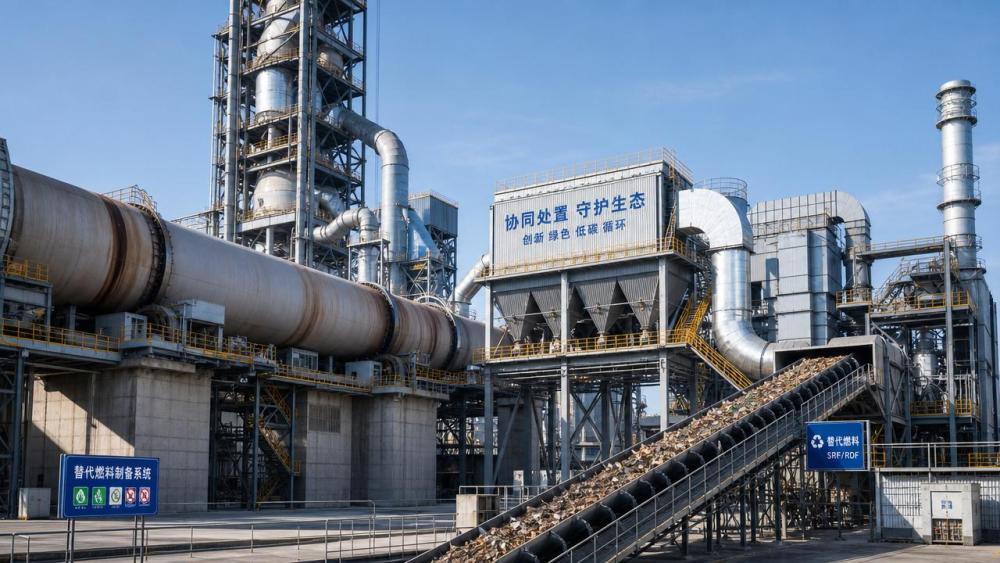
Cement kiln upgrades and alternative fuel programs can gain strong value from industrial co-processing solutions when waste streams are assessed with technical discipline.
Calorific value, chlorine, heavy metals, emissions compliance, and kiln stability all influence whether a material supports production or creates disruption.
This article explains suitable waste types, risk controls, and decision points for cement kiln co-processing in high-temperature industrial operations.
What Do Industrial Co-Processing Solutions Mean in Cement Kilns?
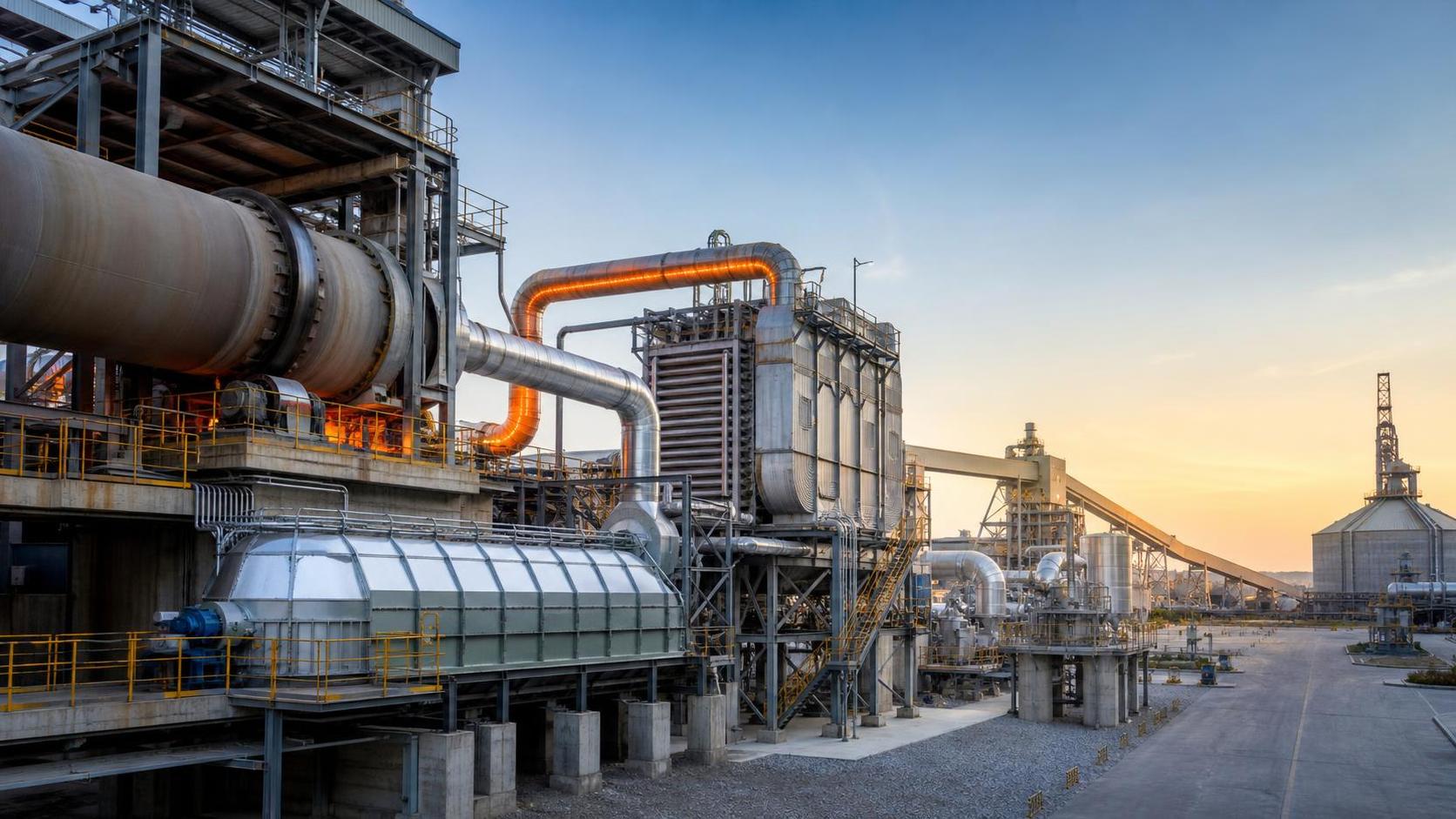
Industrial co-processing solutions use cement kilns to recover energy and mineral value from selected waste materials.
Unlike simple incineration, cement kiln co-processing integrates waste into clinker production under controlled thermal and chemical conditions.
Organic fractions can replace fossil fuels, while mineral fractions may become part of the clinker matrix.
This makes industrial co-processing solutions important for circular resource use, landfill diversion, and carbon reduction strategies.
The process depends on a stable flame, sufficient residence time, and strong mixing inside the rotary kiln system.
Typical thermal zones exceed temperatures needed to destroy many organic compounds, but feed quality remains critical.
A kiln is not a universal disposal route. It is a production asset with strict process limits.
Successful industrial co-processing solutions balance waste treatment benefits with clinker quality, refractory life, emission limits, and operational reliability.
Which Waste Types Are Commonly Suitable for Cement Kiln Co-Processing?
Suitable waste depends on local regulation, kiln configuration, feeding system design, and chemical compatibility with clinker production.
Industrial co-processing solutions commonly evaluate waste by fuel value, ash chemistry, moisture, particle size, and contaminant profile.
High-Calorific Industrial Wastes
High-calorific waste can replace coal, petroleum coke, or other conventional fuels when preprocessed correctly.
- Used oils and oily sludge with controlled water and metal content.
- Solvent residues with predictable combustion behavior.
- Waste plastics with controlled chlorine and halogen levels.
- Refuse-derived fuel from industrial or municipal sorting systems.
- Textile, rubber, packaging, and composite rejects after shredding.
These streams can strengthen industrial co-processing solutions when calorific value is stable and dosing is well controlled.
Mineral-Rich and Ash-Bearing Wastes
Some wastes provide useful oxides for clinker chemistry, including calcium, silica, alumina, and iron.
- Foundry sand with controlled binders and metals.
- Certain slags with compatible oxide composition.
- Ceramic rejects and glass-related mineral residues.
- Treatment sludges after drying and chemical verification.
These materials require raw mix correction because their ash becomes part of the final clinker system.
Biomass and Biogenic Fractions
Biomass residues can reduce fossil carbon intensity when moisture and feeding behavior are manageable.
Examples include agricultural residues, wood waste, paper rejects, and selected biogenic fractions in solid recovered fuel.
For industrial co-processing solutions, biomass often needs drying, size control, and storage protection against biological degradation.
How Should Waste Streams Be Screened Before Acceptance?
Waste acceptance is the technical gatekeeper for safe and profitable industrial co-processing solutions.
Screening should begin before commercial contracting and continue through sampling, delivery, storage, and kiln feeding.
A reliable evaluation program normally covers physical, chemical, thermal, and regulatory parameters.
Industrial co-processing solutions also require representative sampling, not only supplier declarations.
Composite samples, batch verification, and periodic third-party analysis reduce uncertainty in long-term operation.
Clear rejection criteria are essential when waste composition varies beyond approved limits.
What Operational Risks Can Affect Kiln Stability?
Kiln stability is the central engineering concern for industrial co-processing solutions.
Alternative wastes can change combustion, heat distribution, gas flow, and material circulation inside the kiln system.
Flame Shape and Heat Release
Variable fuel quality can lengthen, shorten, or destabilize the main flame.
Poor flame control may reduce clinker mineral formation and increase free lime.
Industrial co-processing solutions should include burner tuning, oxygen monitoring, and controlled substitution ramp-up.
Build-Up, Rings, and Blockages
Chlorine, sulfur, alkalis, and volatile compounds can form internal cycles.
These cycles may create deposits in the preheater, calciner, riser duct, or kiln inlet.
A bypass system, conservative chloride limits, and frequent inspection help manage this risk.
Feeding and Conveying Interruptions
Sticky, wet, fibrous, or oversized materials can bridge in hoppers and block conveyors.
Stable industrial co-processing solutions need preprocessing, metering equipment, fire protection, and emergency bypass arrangements.
Which Environmental and Compliance Risks Need Priority Control?
Environmental compliance determines whether industrial co-processing solutions can operate sustainably and maintain public confidence.
Cement kilns must meet local emission permits, hazardous waste rules, and continuous monitoring requirements.
Key pollutants include dust, nitrogen oxides, sulfur dioxide, hydrogen chloride, mercury, dioxins, furans, and volatile organic compounds.
Heavy metals behave differently in the kiln system. Some bind into clinker, while volatile metals may cycle or exit with gas streams.
Mercury requires special attention because it can volatilize at high temperature and condense in cooler equipment zones.
Industrial co-processing solutions should include mass balance studies for priority elements before full-scale adoption.
Emission control equipment must match the selected waste portfolio, not only the original fossil fuel baseline.
- Bag filters control particulate emissions and captured dust chemistry.
- SNCR or SCR systems reduce nitrogen oxides.
- Activated carbon may support mercury and organic pollutant control.
- Gas analyzers support continuous compliance decisions.
Documentation is also part of risk control. Traceable records prove waste origin, composition, testing results, and final handling route.
How Can Industrial Co-Processing Solutions Be Implemented Safely?
Safe implementation starts with a staged technical plan instead of immediate high substitution targets.
A practical roadmap includes feasibility review, laboratory testing, pilot feeding, performance validation, and controlled scale-up.
Step 1: Build the Waste Portfolio
Group candidate wastes by thermal value, mineral contribution, hazard profile, supply stability, and preprocessing need.
Industrial co-processing solutions work best when several compatible streams are blended into a consistent fuel or raw material substitute.
Step 2: Match Feeding Points
Main burner feeding suits finely prepared fuels needing high-temperature combustion.
Calciner feeding may suit prepared solid recovered fuel with proper residence time and oxygen availability.
Raw material feeding can suit mineral residues after chemical compatibility checks.
Step 3: Define Monitoring Indicators
Key indicators include fuel rate, oxygen, carbon monoxide, kiln torque, coating condition, free lime, and emission trends.
Industrial co-processing solutions should include alarm thresholds and automatic response logic where possible.
Step 4: Protect Storage and Handling Areas
Waste fuels may create odor, dust, spontaneous heating, or fire hazards during storage.
Covered storage, ventilation, gas detection, fire suppression, and segregation rules reduce operational exposure.
FAQ: Key Decisions for Cement Kiln Co-Processing
These questions show why industrial co-processing solutions need both process engineering and waste governance.
Commercial savings should never be separated from kiln reliability, environmental obligations, and long-term equipment condition.
Conclusion: Turning Waste Streams into Controlled Kiln Value
Industrial co-processing solutions can reduce fossil fuel use, divert waste, and support lower-carbon cement production.
The strongest results come from disciplined waste selection, consistent preprocessing, controlled feeding, and continuous emissions monitoring.
Every candidate stream should be judged by its effect on heat balance, clinker chemistry, refractory life, and compliance risk.
Before scaling any program, create a waste acceptance protocol, run pilot trials, and validate performance against measurable kiln indicators.
For intelligence on high-temperature production, kiln optimization, and circular thermal systems, CF-Elite connects technical insight with practical industry decisions.
Related News
 Optical Glass Tech FellowHow to Evaluate a Glass Annealing Equipment Manufacturer for Production StabilityChoose a glass annealing equipment manufacturer with proven thermal uniformity, reliable controls, lifecycle value, and responsive service for stable production.Sep 08, 2026
 Prof. Marcus ChenThermal Energy Architecture in North America: Strategies for Lower Building Energy UseThermal energy architecture North America helps project leaders cut building energy use through stronger envelopes, right-sized HVAC, storage, and smart commissioning.Sep 07, 2026
 Ms. Elena RodriguezHow Should Buyers Evaluate Building Material Industry Intelligence Pricing?Building material industry intelligence pricing: learn how to compare coverage, technical depth, and ROI to choose intelligence that reduces procurement risk.Sep 07, 2026
 Ms. Elena RodriguezHow to Use Building Material Intelligence Data for Market and Investment DecisionsBuilding material industry intelligence data helps leaders evaluate demand, costs, regulation, capacity, and technology to make smarter market and investment decisions.Sep 05, 2026
 Thermal Energy ArchitectHow PLC Control Improves Energy Efficiency and Temperature Stability in KilnsEnergy efficient kilns PLC control improves temperature stability, cuts fuel waste, and optimizes combustion, draft, and material flow. Explore proven strategies for smarter kiln modernization.Sep 04, 2026
 Optical Glass Tech FellowEuropean Glass Melting Processes: Furnace Choices, Energy Use, and Quality ControlGlass melting process Europe: explore furnace choices, energy efficiency, cullet strategy, and quality control to improve output, compliance, and long-term glass performance.Sep 03, 2026
 Thermal Energy ArchitectWhat Determines Refractory Lining Monitoring Price for Industrial Kilns?Refractory lining monitoring price depends on kiln size, sensor technology, installation, software, and support. Compare total lifecycle costs and choose the right solution.Sep 02, 2026
 Silicate Process EngineerCement Production System Costs: A Plant Buyer’s Guide to Budgeting and ROICement production systems cost planning made clear: compare CAPEX, operating costs, compliance, and ROI to build a resilient, profitable cement plant investment.Sep 01, 2026
 Dr. Alistair VaughnWhat Should a Process Technology Database Track for High-Temperature Plants?Process technology database essentials for high-temperature plants: track thermal profiles, feed chemistry, refractory wear, emissions, energy, and maintenance for safer, data-driven decisions.Aug 31, 2026
 Ms. Elena RodriguezHow to Evaluate a Silicate Processing Equipment Manufacturer for Plant ProjectsSilicate processing equipment manufacturer selection: assess process fit, guarantees, energy, compliance, delivery risk, and lifecycle support for dependable plant performance.Aug 30, 2026
 Dr. Alistair VaughnHow to Specify Custom Agricultural Processing Equipment for Throughput and HygieneEquipment customization services for agricultural processing: learn to specify hygienic, high-throughput lines that improve yield, reliability, and long-term efficiency.Aug 29, 2026
 Dr. Alistair VaughnHow to Select Process Plant Equipment for High-Temperature, Abrasive Production LinesProcess plant equipment selection for high-temperature, abrasive lines: reduce downtime, improve durability, and optimize lifecycle performance.Aug 28, 2026
 Silicate Process EngineerHow Kiln Heat Recovery Systems Cut Fuel Use in Cement and Lime ProductionKiln heat recovery helps cement and lime plants cut fuel use, improve thermal stability, and build practical, reliable decarbonization strategies.Aug 27, 2026
 Ms. Elena RodriguezProcess Equipment Comparison: Which Metrics Matter Most for Reliable Selection?Process equipment comparison made practical: discover which metrics truly drive reliable selection, from energy efficiency and control stability to wear life, maintainability, and uptime.Aug 26, 2026
 Ms. Elena RodriguezWhat Buyers Should Check Before Sourcing Precision Alloy Bars for Critical PartsPrecision Alloy Bars buyers should verify grade, chemistry, tolerances, surface quality, traceability, and lead time before sourcing for critical parts. Learn what prevents costly machining and reliability risks.Aug 27, 2026
 Ms. Elena RodriguezHow to Evaluate Thermal Management Solutions Insulation for High-Heat Industrial SystemsThermal management solutions insulation: learn how to assess high-heat industrial systems by thermal performance, durability, lifecycle cost, and supplier data for smarter decisions.Aug 25, 2026
 Ms. Elena RodriguezWhat Drives Waste Recycling Cost in Industrial Projects and How to Estimate It?Waste recycling cost in industrial projects depends on composition, moisture, transport, pre-treatment, and compliance. Learn how to estimate it accurately and compare suppliers with confidence.Aug 24, 2026
 Silicate Process EngineerHow to Evaluate Cement Production Plants in the Middle East for Capacity, Fuel Flexibility, and ROIcement production plants Middle East: Learn how to assess true capacity, fuel flexibility, and ROI risks to identify resilient assets and smarter investment opportunities.Aug 23, 2026
 Structural Material AnalystHow to Evaluate Lightweight Material Machinery for Output, Energy Use, and Product QualityLightweight material machinery evaluation guide: compare stable output, energy use, and product quality to choose equipment that cuts waste, lowers costs, and improves production confidence.Aug 22, 2026
 Material Heat-Resist ExpertWhat Determines Refractory Production Line Price in a Turnkey Plant Project?Refractory production line price depends on raw materials, forming method, kiln and drying design, automation, utilities, and scope. Learn what really drives turnkey plant cost before you invest.Aug 21, 2026

Related News
- 00
0000-00
Cement Production System Costs: A Plant Buyer’s Guide to Budgeting and ROI - 00
0000-00
How Kiln Heat Recovery Systems Cut Fuel Use in Cement and Lime Production - 00
0000-00
How to Evaluate Cement Production Plants in the Middle East for Capacity, Fuel Flexibility, and ROI - 00
0000-00
What Drives Cement Plant Upgrade Cost and How to Estimate ROI Before Investing - 00
0000-00
How Cement Grinding Technology Affects Energy Use, Fineness, and Plant Output
Weekly Insights
Stay ahead with our curated technology reports delivered every Monday.