
What an Industrial Intelligence Platform Should Track in Cement Plant Operations




In cement manufacturing, data only becomes valuable when it helps explain plant behavior. A capable industrial intelligence platform should connect kiln stability, fuel use, emissions, uptime, and raw mix variability to commercial outcomes.
That matters even more now, as energy costs, carbon pressure, environmental enforcement, and equipment reliability increasingly shape plant competitiveness across the broader high-temperature industry.
For operations linked to silicate production, the real question is not whether data exists. It is whether an industrial intelligence platform can turn fragmented signals into faster, more disciplined decisions.
Why cement plants need more than dashboard visibility
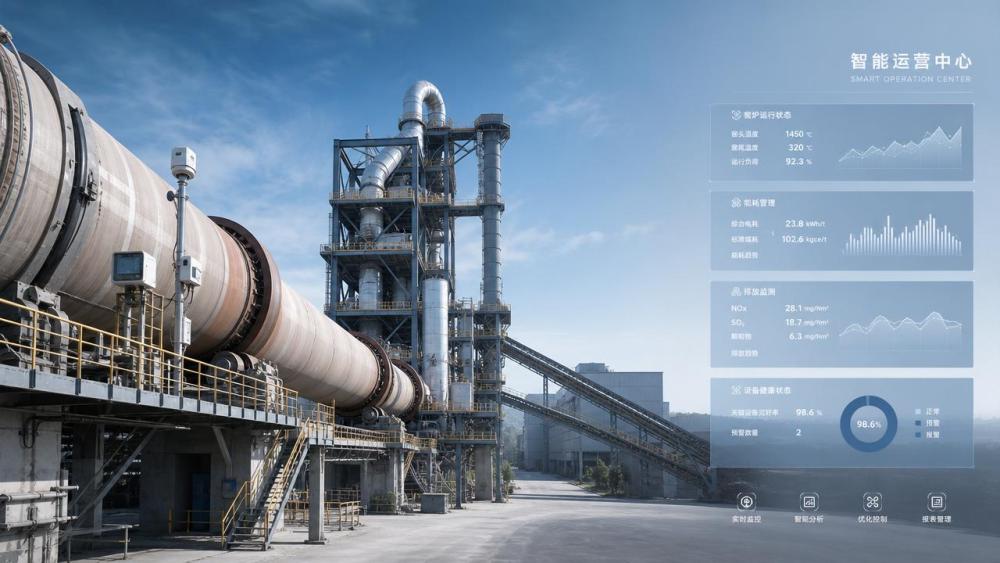
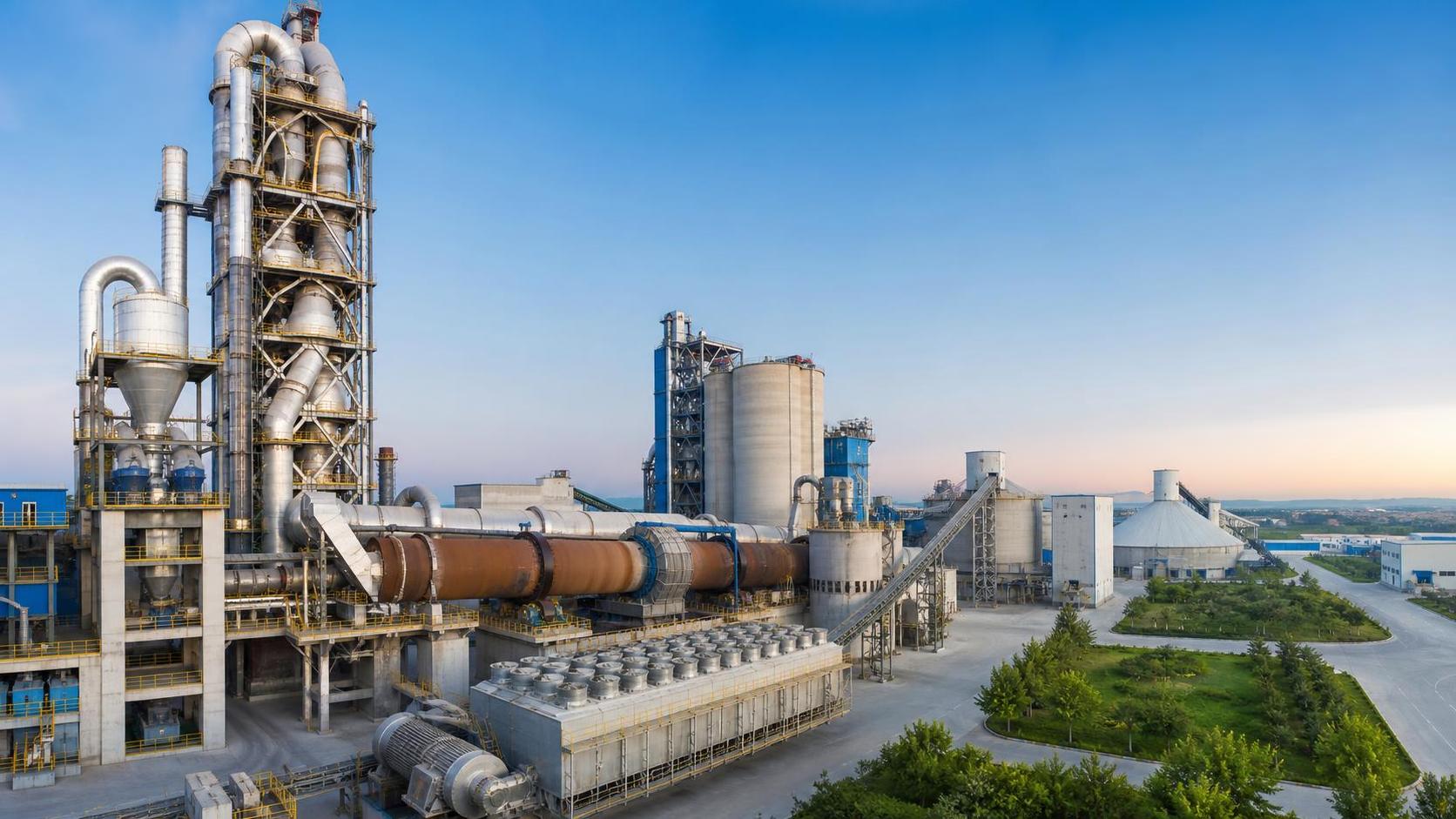
A cement line is a chain of thermal, mechanical, chemical, and environmental interactions. Looking at isolated KPIs often hides the reasons performance drifts from target.
An industrial intelligence platform should therefore track relationships, not just numbers. When free lime rises, it should also reveal links to kiln temperature swings, feed chemistry changes, and residence time instability.
This is where industry-specific intelligence becomes important. Platforms serving high-temperature processes, such as those followed by CF-Elite, are most useful when they understand thermal management, reaction kinetics, and decarbonization together.
In practice, the best systems help explain why a line consumed more heat, why emissions spiked, or why refractory life shortened. That is more useful than a colorful control room screen.
The operating signals that deserve constant attention
The core task of an industrial intelligence platform in cement operations is prioritization. Hundreds of tags may be available, but only a smaller set consistently drives cost, compliance, and throughput.
Kiln and clinker process stability
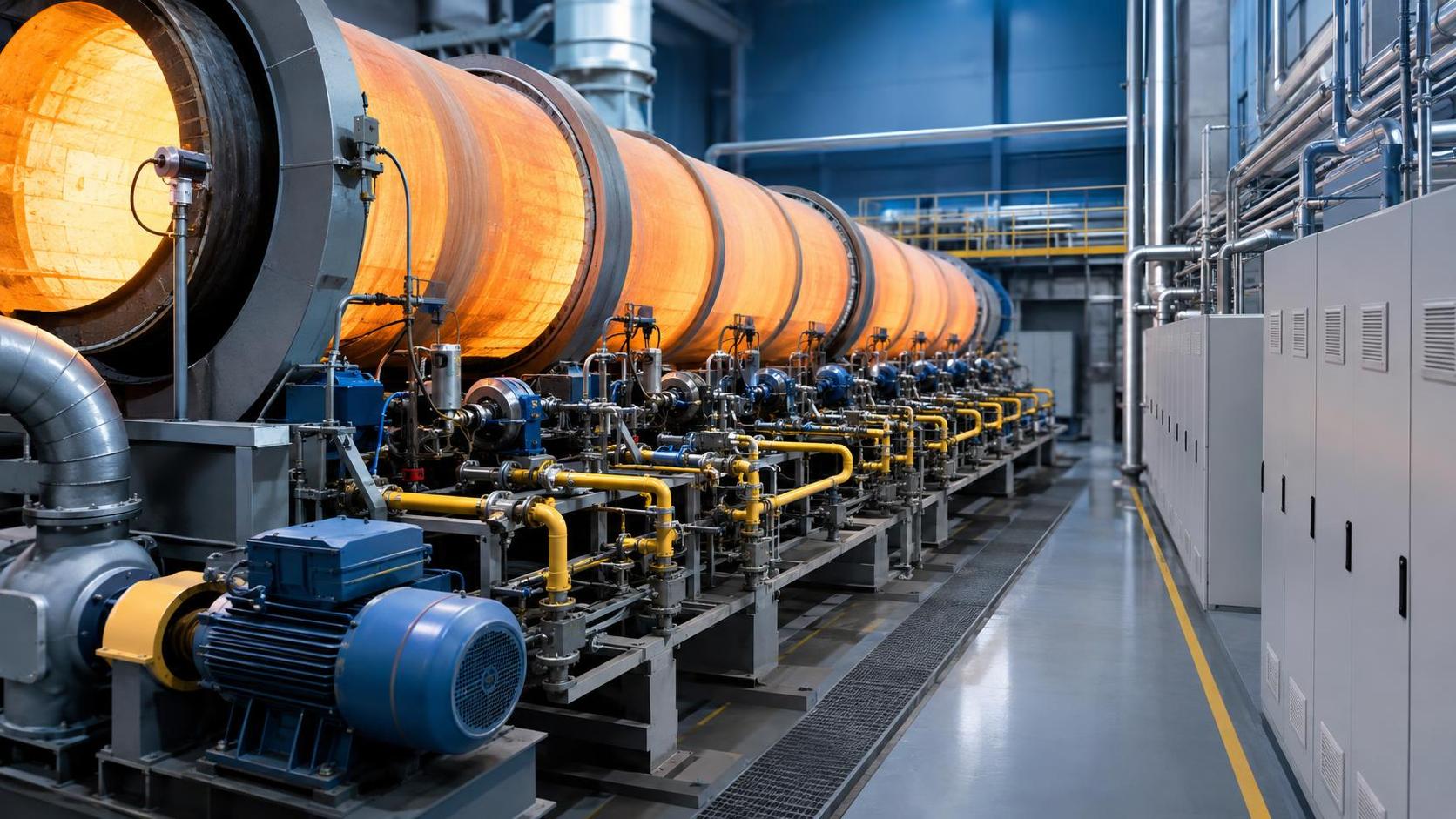
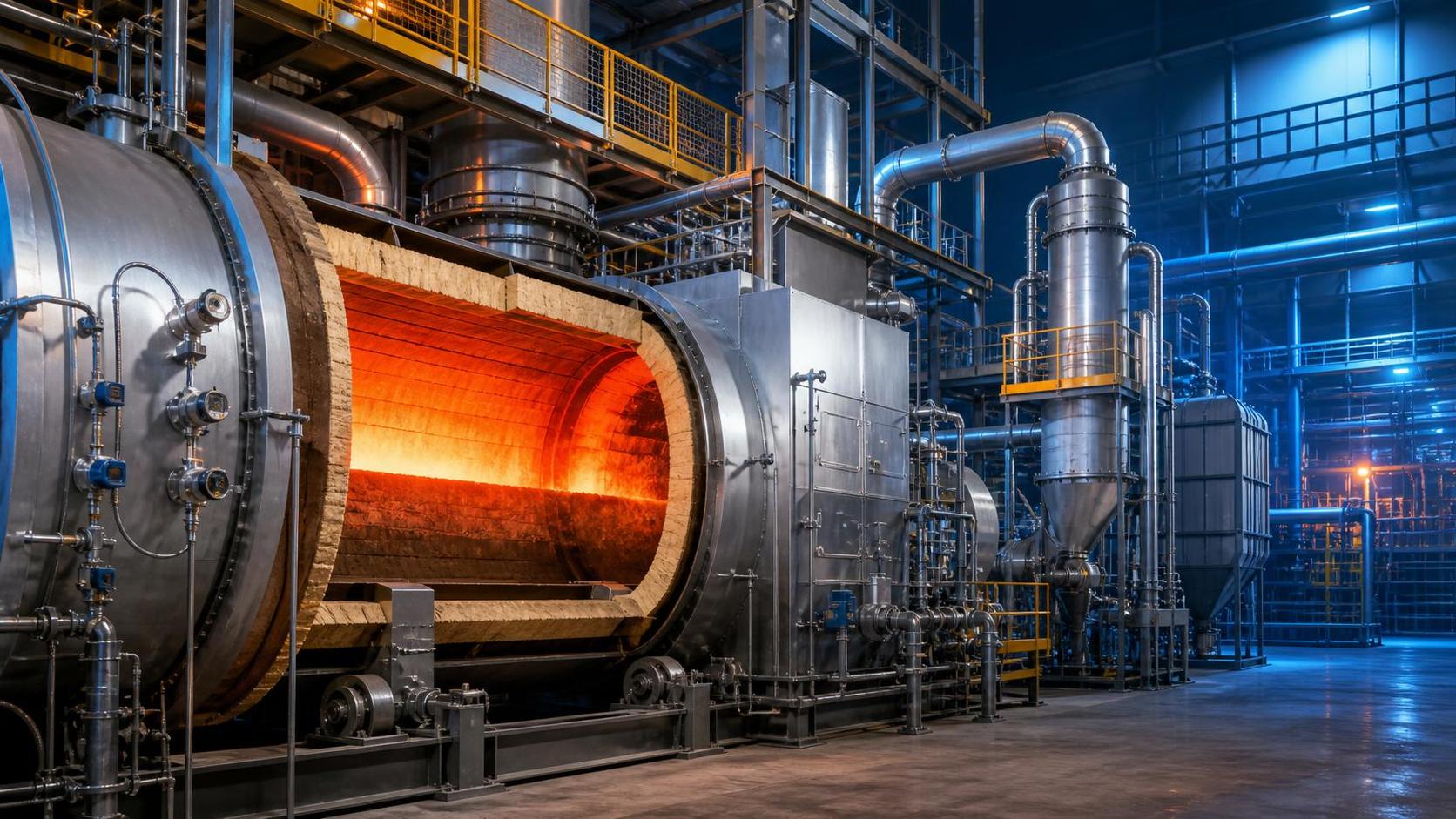
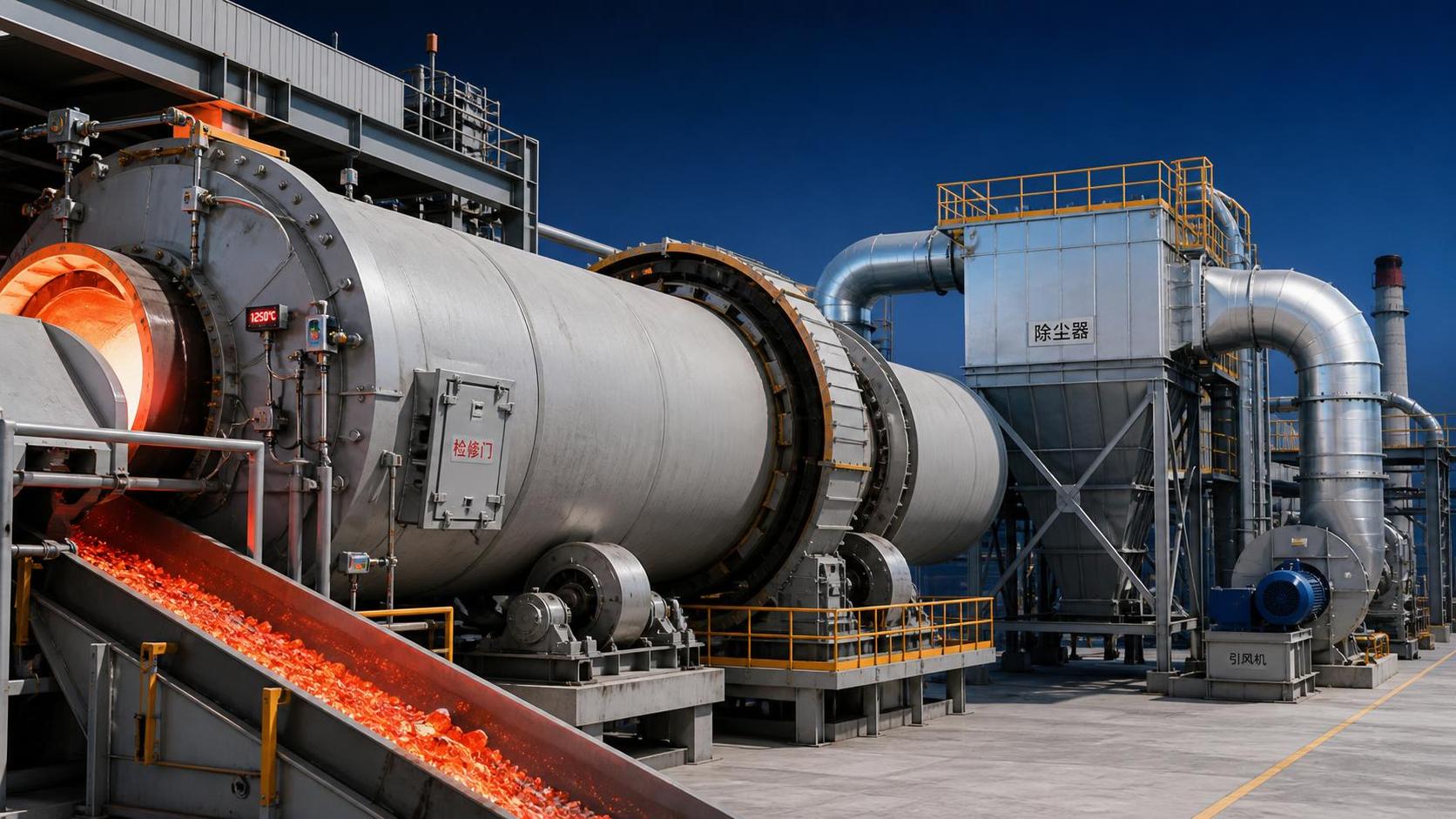
The kiln remains the plant’s economic center. Stability here affects fuel efficiency, clinker quality, refractory wear, and downstream grinding performance at the same time.
- Kiln inlet and outlet temperature trends
- Burning zone heat profile and flame consistency
- Kiln torque, drive load, and speed variation
- Preheater draft balance and cyclone pressure drop
- Clinker free lime, liter weight, and nodulization behavior
When these indicators move together, the platform should flag cause-and-effect patterns. Sudden thermal instability rarely begins as a single-variable event.
Raw mix consistency and feed behavior
Raw materials do not arrive with perfect uniformity. Quarry variation, moisture shifts, and additive inconsistency can quietly undermine kiln performance before alarms appear.
- LSF, SM, and AM trends
- Moisture content and grinding feed variability
- Online analyzer deviations versus target chemistry
- Alternative raw material substitution rates
A strong industrial intelligence platform should connect laboratory data, online analyzers, and process history. Without that link, raw mix problems often get misread as kiln problems.
Energy intensity and thermal efficiency
Fuel and power costs remain central to cement margins. Yet many plants still monitor energy in monthly averages instead of dynamic operating context.
Useful tracking should include specific heat consumption, kWh per ton, cooler efficiency, waste heat recovery contribution, and fuel mix performance under different operating loads.
This becomes even more relevant when co-processing alternative fuels. Heat value variability, feed consistency, chlorine input, and combustion stability must be analyzed together.
Where compliance and business risk intersect
Environmental performance is no longer a separate reporting topic. In many markets, it directly affects operating continuity, capex timing, permitting risk, and customer positioning.
An industrial intelligence platform should therefore track emissions as operational indicators, not just compliance outputs at the end of the month.
For a portal like CF-Elite, this broader view is especially relevant. Carbon reduction strategy in silicate industries depends on understanding process chemistry, energy architecture, and regulatory change at the same time.
Reliability should be tracked before failure becomes visible
Unplanned downtime usually has a long warning period. The problem is that warnings are scattered across vibration data, maintenance logs, operator comments, and process deviations.
An industrial intelligence platform becomes valuable when it combines those signals into early risk scoring for critical assets.
Assets that should never be monitored in isolation
- Kiln drive, support rollers, and girth gear
- ID fans, cooler fans, and large motors
- Vertical mills, separators, and hydraulic systems
- Conveying systems affecting feed continuity
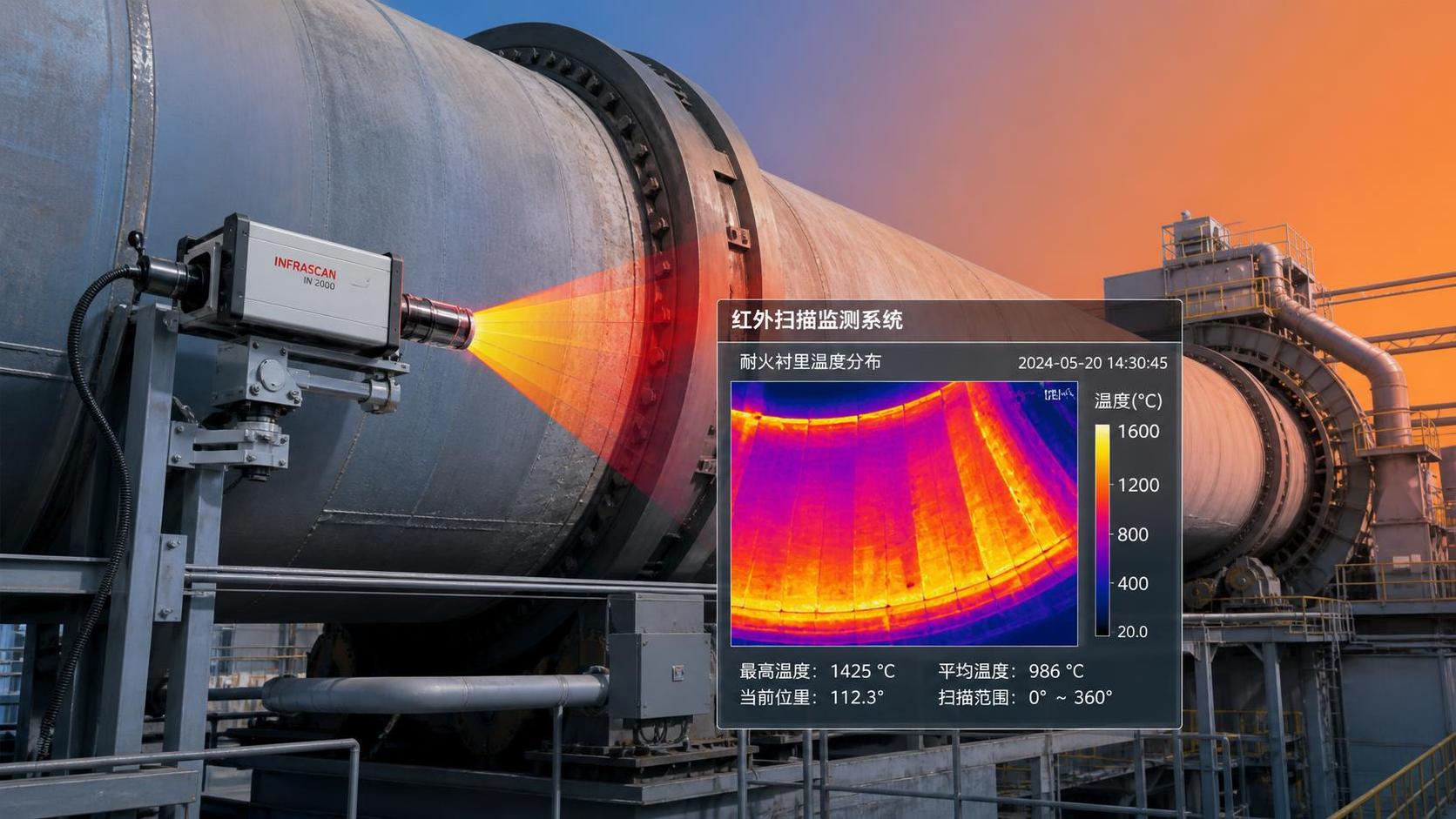
- Refractory condition in high-load thermal zones
In cement plants, reliability is not only a maintenance issue. A fan underperforming by a small margin can alter draft balance, increase fuel use, and destabilize emissions control.
That is why online monitoring, digital twins, and refractory condition analysis are becoming more prominent across high-temperature sectors, not only in cement.
A useful platform connects plant KPIs to strategic decisions
Many systems stop at operations reporting. A more mature industrial intelligence platform connects plant metrics to capital allocation, sourcing, decarbonization, and market response.
For example, if a plant wants to increase alternative fuel usage, the platform should help assess not only substitution rate, but also refractory impact, emissions volatility, and clinker quality risk.
If grinding capacity appears constrained, the same platform should show whether the problem sits in clinker quality, separator efficiency, mill internals, or unstable upstream thermal conditions.
This broader intelligence model reflects the direction of CF-Elite’s Strategic Intelligence Center: not just collecting industrial news, but stitching together process, equipment, and commercial signals.
What to evaluate before adopting or refining an industrial intelligence platform
Not every platform is equally useful in cement operations. Generic manufacturing software may provide dashboards but miss the physics and chemistry behind process shifts.
A practical evaluation should focus on several questions.
- Can it combine process, lab, maintenance, and emissions data in one decision view?
- Does it understand kiln, cooler, mill, and raw mix relationships?
- Can it track deviations in real time and explain likely drivers?
- Does it support carbon, energy, and compliance analysis together?
- Can it scale from plant-level control to portfolio-level benchmarking?
The most useful deployments usually begin with a narrow scope. Start with one kiln line, one emissions challenge, or one high-cost reliability problem, then expand with clear business evidence.
From tracking data to building operational discipline
The value of an industrial intelligence platform is not measured by how much data it stores. It is measured by how consistently it improves decisions across process control, maintenance, energy, and compliance.
In cement plant operations, that means tracking the variables that explain performance, not just the ones that are easy to display. Kiln stability, raw mix quality, energy intensity, emissions behavior, and asset health should remain at the center.
The next sensible step is to map current blind spots. Identify which critical decisions still rely on fragmented reports, delayed lab data, or operator intuition alone.
From there, compare whether the existing industrial intelligence platform truly supports cement-specific analysis, or whether a more integrated intelligence approach is needed for long-term efficiency and decarbonization.
Related News
 Optical Glass Tech FellowHow to Evaluate a Glass Annealing Equipment Manufacturer for Production StabilityChoose a glass annealing equipment manufacturer with proven thermal uniformity, reliable controls, lifecycle value, and responsive service for stable production.Sep 08, 2026
 Prof. Marcus ChenThermal Energy Architecture in North America: Strategies for Lower Building Energy UseThermal energy architecture North America helps project leaders cut building energy use through stronger envelopes, right-sized HVAC, storage, and smart commissioning.Sep 07, 2026
 Ms. Elena RodriguezHow Should Buyers Evaluate Building Material Industry Intelligence Pricing?Building material industry intelligence pricing: learn how to compare coverage, technical depth, and ROI to choose intelligence that reduces procurement risk.Sep 07, 2026
 Ms. Elena RodriguezHow to Use Building Material Intelligence Data for Market and Investment DecisionsBuilding material industry intelligence data helps leaders evaluate demand, costs, regulation, capacity, and technology to make smarter market and investment decisions.Sep 05, 2026
 Thermal Energy ArchitectHow PLC Control Improves Energy Efficiency and Temperature Stability in KilnsEnergy efficient kilns PLC control improves temperature stability, cuts fuel waste, and optimizes combustion, draft, and material flow. Explore proven strategies for smarter kiln modernization.Sep 04, 2026
 Optical Glass Tech FellowEuropean Glass Melting Processes: Furnace Choices, Energy Use, and Quality ControlGlass melting process Europe: explore furnace choices, energy efficiency, cullet strategy, and quality control to improve output, compliance, and long-term glass performance.Sep 03, 2026
 Thermal Energy ArchitectWhat Determines Refractory Lining Monitoring Price for Industrial Kilns?Refractory lining monitoring price depends on kiln size, sensor technology, installation, software, and support. Compare total lifecycle costs and choose the right solution.Sep 02, 2026
 Silicate Process EngineerCement Production System Costs: A Plant Buyer’s Guide to Budgeting and ROICement production systems cost planning made clear: compare CAPEX, operating costs, compliance, and ROI to build a resilient, profitable cement plant investment.Sep 01, 2026
 Dr. Alistair VaughnWhat Should a Process Technology Database Track for High-Temperature Plants?Process technology database essentials for high-temperature plants: track thermal profiles, feed chemistry, refractory wear, emissions, energy, and maintenance for safer, data-driven decisions.Aug 31, 2026
 Ms. Elena RodriguezHow to Evaluate a Silicate Processing Equipment Manufacturer for Plant ProjectsSilicate processing equipment manufacturer selection: assess process fit, guarantees, energy, compliance, delivery risk, and lifecycle support for dependable plant performance.Aug 30, 2026
 Dr. Alistair VaughnHow to Specify Custom Agricultural Processing Equipment for Throughput and HygieneEquipment customization services for agricultural processing: learn to specify hygienic, high-throughput lines that improve yield, reliability, and long-term efficiency.Aug 29, 2026
 Dr. Alistair VaughnHow to Select Process Plant Equipment for High-Temperature, Abrasive Production LinesProcess plant equipment selection for high-temperature, abrasive lines: reduce downtime, improve durability, and optimize lifecycle performance.Aug 28, 2026
 Silicate Process EngineerHow Kiln Heat Recovery Systems Cut Fuel Use in Cement and Lime ProductionKiln heat recovery helps cement and lime plants cut fuel use, improve thermal stability, and build practical, reliable decarbonization strategies.Aug 27, 2026
 Ms. Elena RodriguezProcess Equipment Comparison: Which Metrics Matter Most for Reliable Selection?Process equipment comparison made practical: discover which metrics truly drive reliable selection, from energy efficiency and control stability to wear life, maintainability, and uptime.Aug 26, 2026
 Ms. Elena RodriguezWhat Buyers Should Check Before Sourcing Precision Alloy Bars for Critical PartsPrecision Alloy Bars buyers should verify grade, chemistry, tolerances, surface quality, traceability, and lead time before sourcing for critical parts. Learn what prevents costly machining and reliability risks.Aug 27, 2026
 Ms. Elena RodriguezHow to Evaluate Thermal Management Solutions Insulation for High-Heat Industrial SystemsThermal management solutions insulation: learn how to assess high-heat industrial systems by thermal performance, durability, lifecycle cost, and supplier data for smarter decisions.Aug 25, 2026
 Ms. Elena RodriguezWhat Drives Waste Recycling Cost in Industrial Projects and How to Estimate It?Waste recycling cost in industrial projects depends on composition, moisture, transport, pre-treatment, and compliance. Learn how to estimate it accurately and compare suppliers with confidence.Aug 24, 2026
 Silicate Process EngineerHow to Evaluate Cement Production Plants in the Middle East for Capacity, Fuel Flexibility, and ROIcement production plants Middle East: Learn how to assess true capacity, fuel flexibility, and ROI risks to identify resilient assets and smarter investment opportunities.Aug 23, 2026
 Structural Material AnalystHow to Evaluate Lightweight Material Machinery for Output, Energy Use, and Product QualityLightweight material machinery evaluation guide: compare stable output, energy use, and product quality to choose equipment that cuts waste, lowers costs, and improves production confidence.Aug 22, 2026
 Material Heat-Resist ExpertWhat Determines Refractory Production Line Price in a Turnkey Plant Project?Refractory production line price depends on raw materials, forming method, kiln and drying design, automation, utilities, and scope. Learn what really drives turnkey plant cost before you invest.Aug 21, 2026

Related News
- 00
0000-00
Cement Production System Costs: A Plant Buyer’s Guide to Budgeting and ROI - 00
0000-00
How Kiln Heat Recovery Systems Cut Fuel Use in Cement and Lime Production - 00
0000-00
How to Evaluate Cement Production Plants in the Middle East for Capacity, Fuel Flexibility, and ROI - 00
0000-00
What Drives Cement Plant Upgrade Cost and How to Estimate ROI Before Investing - 00
0000-00
How Cement Grinding Technology Affects Energy Use, Fineness, and Plant Output
Weekly Insights
Stay ahead with our curated technology reports delivered every Monday.