
Cement Industry Trends: What Rising Energy Costs Mean for Plant Upgrades




Rising electricity, coal, petcoke, and gas prices are redefining cement industry trends across every major production region. What once looked like a gradual modernization path now feels like a pricing, resilience, and compliance issue that directly affects plant economics.
The core question is no longer limited to reducing kilowatt-hours per ton. Higher energy costs also influence clinker strategy, maintenance timing, fuel flexibility, emissions control, and capital allocation across the full plant system.
For operations linked to broader thermal industries, the issue carries extra weight. Insights from platforms such as CF-Elite increasingly matter because cement efficiency is now connected with combustion behavior, refractory life, waste heat use, and carbon planning in one decision chain.
Why energy inflation is changing upgrade logic
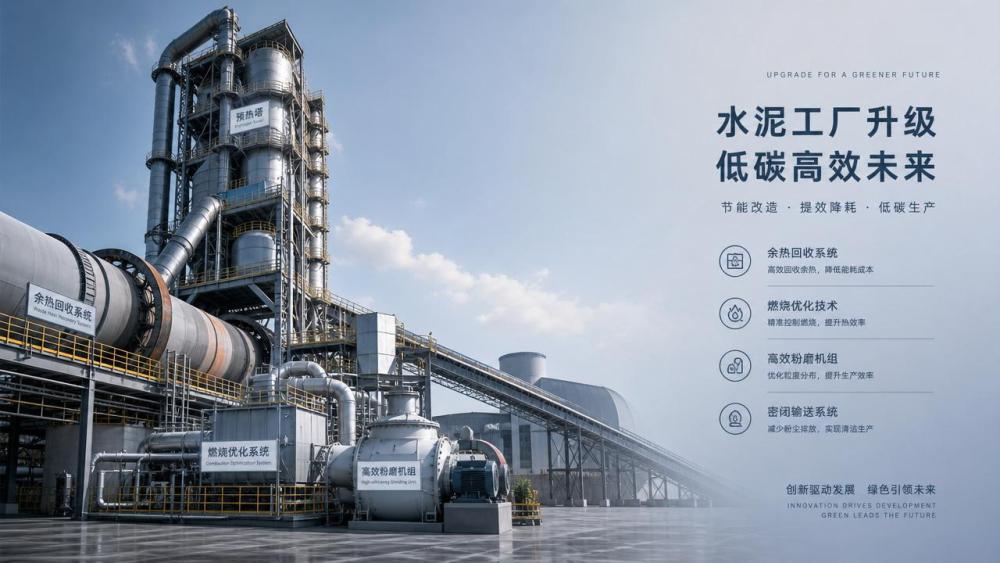
Energy has always been a dominant cost in cement. The difference today is volatility. Plants are not only paying more; they are operating under less certainty about future power tariffs, fuel supply, and carbon-related charges.
That uncertainty changes investment logic. Upgrades are judged less by simple payback alone and more by how they improve controllability, fuel optionality, and operating stability under changing market conditions.
This is one of the clearest cement industry trends in recent years. Plants that delay modernization may still produce, but they often lose flexibility when raw mix variation, fuel substitutions, or tighter emissions limits begin to affect output.
In practical terms, rising energy prices expose weak links that were previously tolerated. Fans run longer than needed, heat escapes through worn linings, mills operate outside efficient ranges, and process instability consumes more fuel than design models suggest.
Where upgrade priorities are shifting
Not every modernization project delivers the same value under current cement industry trends. The most relevant upgrades tend to be those that cut thermal losses, improve process response, or open the door to lower-cost fuels.
Kiln and preheater efficiency
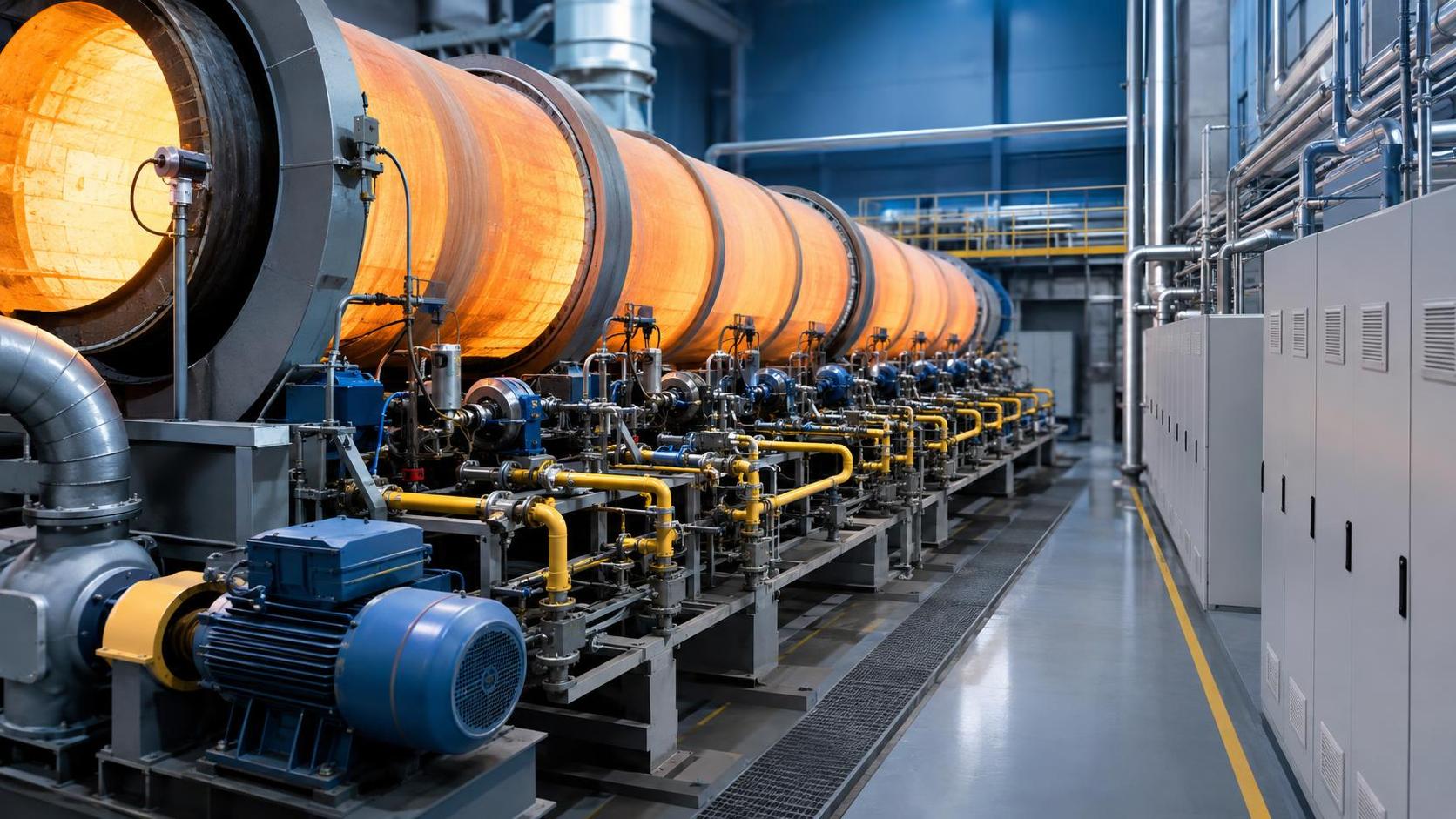
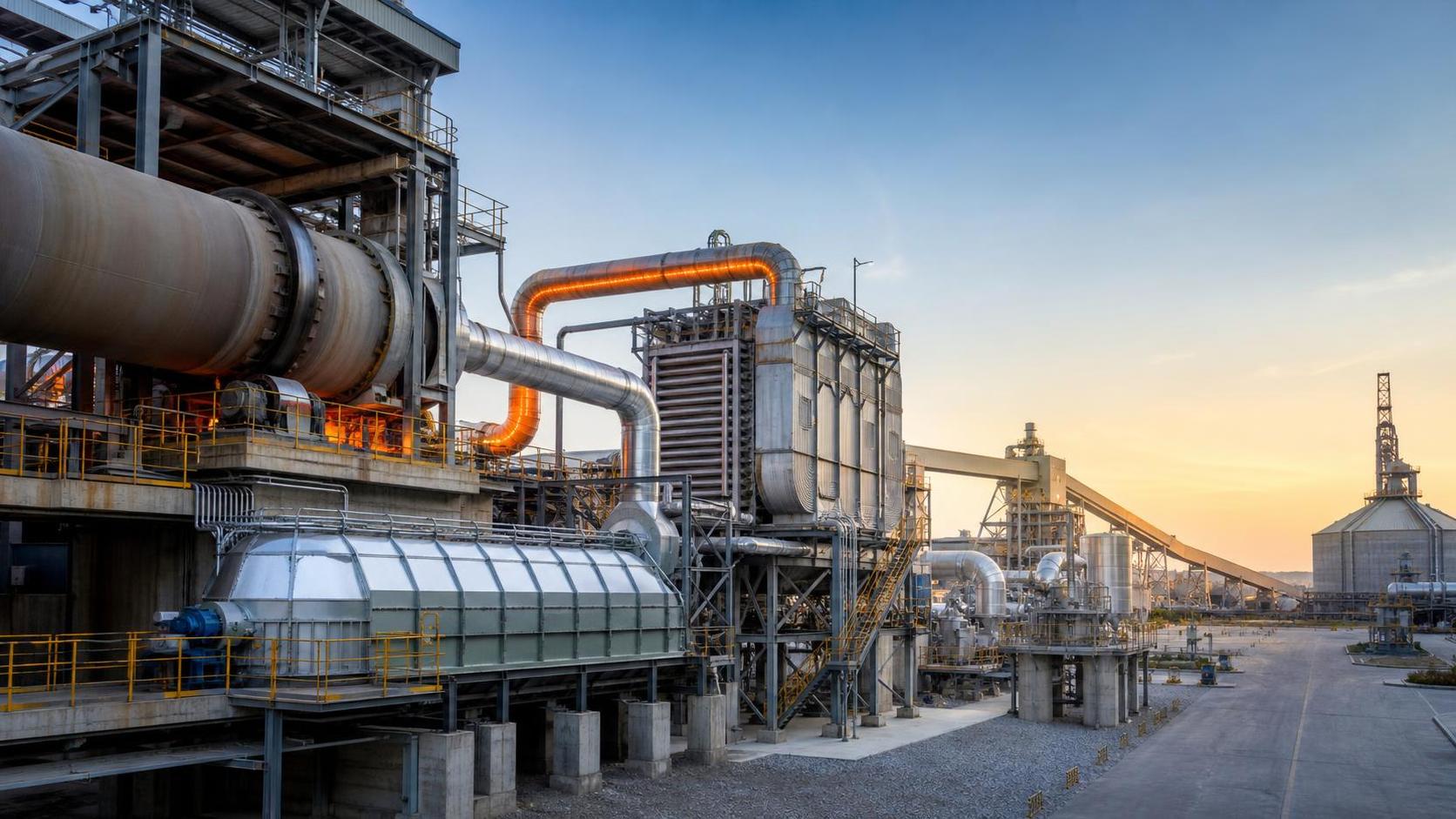
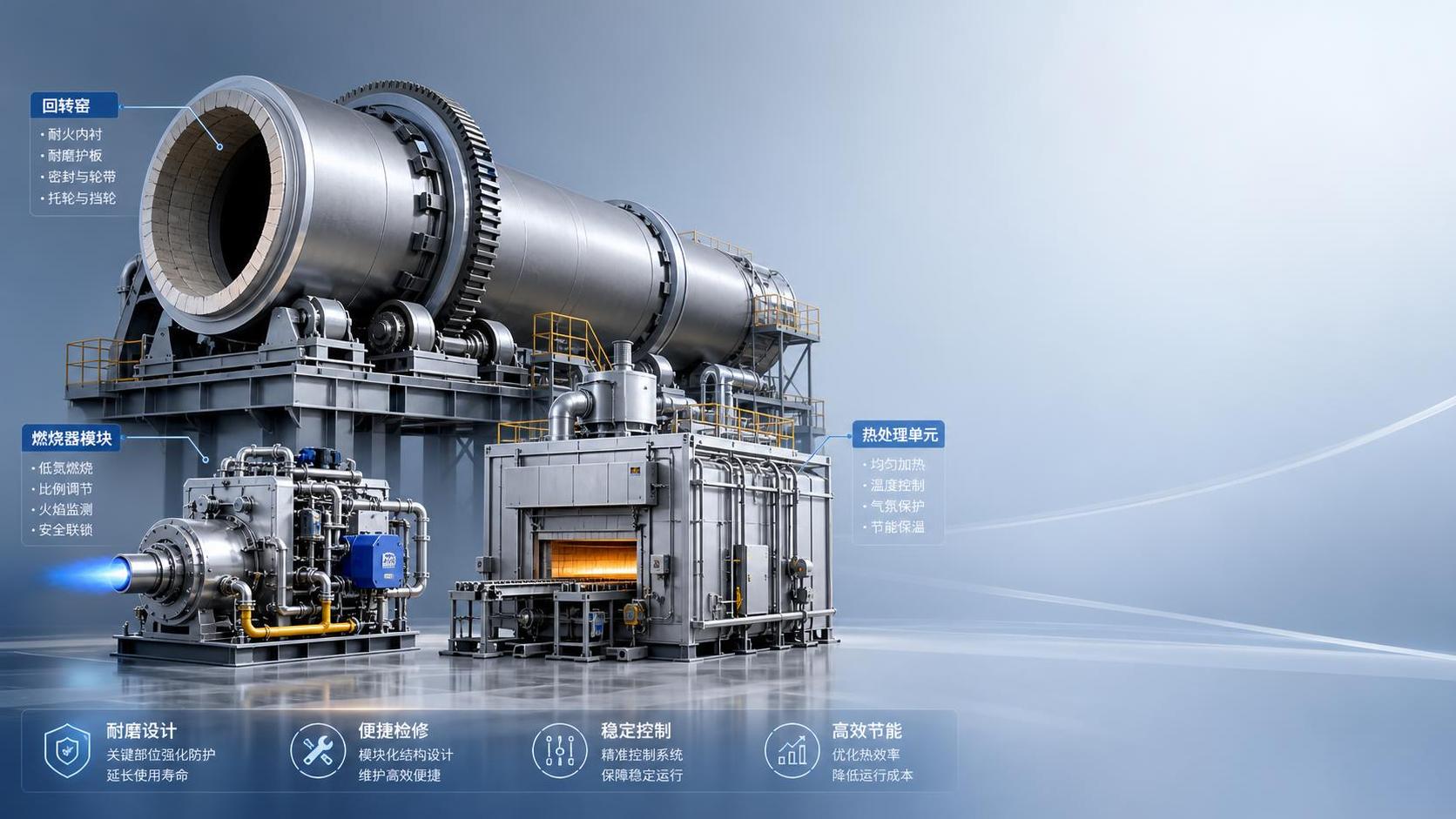
The kiln line remains the center of energy strategy. Burner optimization, preheater sealing, calciner tuning, and better tertiary air management can significantly improve specific heat consumption without requiring a completely new plant.
Even small efficiency gains become financially meaningful when fuel prices stay elevated for several quarters. Plants with unstable kiln operation often find that process discipline creates larger savings than isolated hardware replacement.
Grinding and electrical systems
Grinding remains one of the largest electrical loads. High-efficiency separators, variable frequency drives, optimized ball charge management, and better mill control systems can improve output per kilowatt while reducing unnecessary recirculation.
Under current cement industry trends, electrical upgrades matter more in regions facing unstable grids, peak tariff exposure, or expanding pressure to document energy intensity across industrial sites.
Refractory and thermal containment
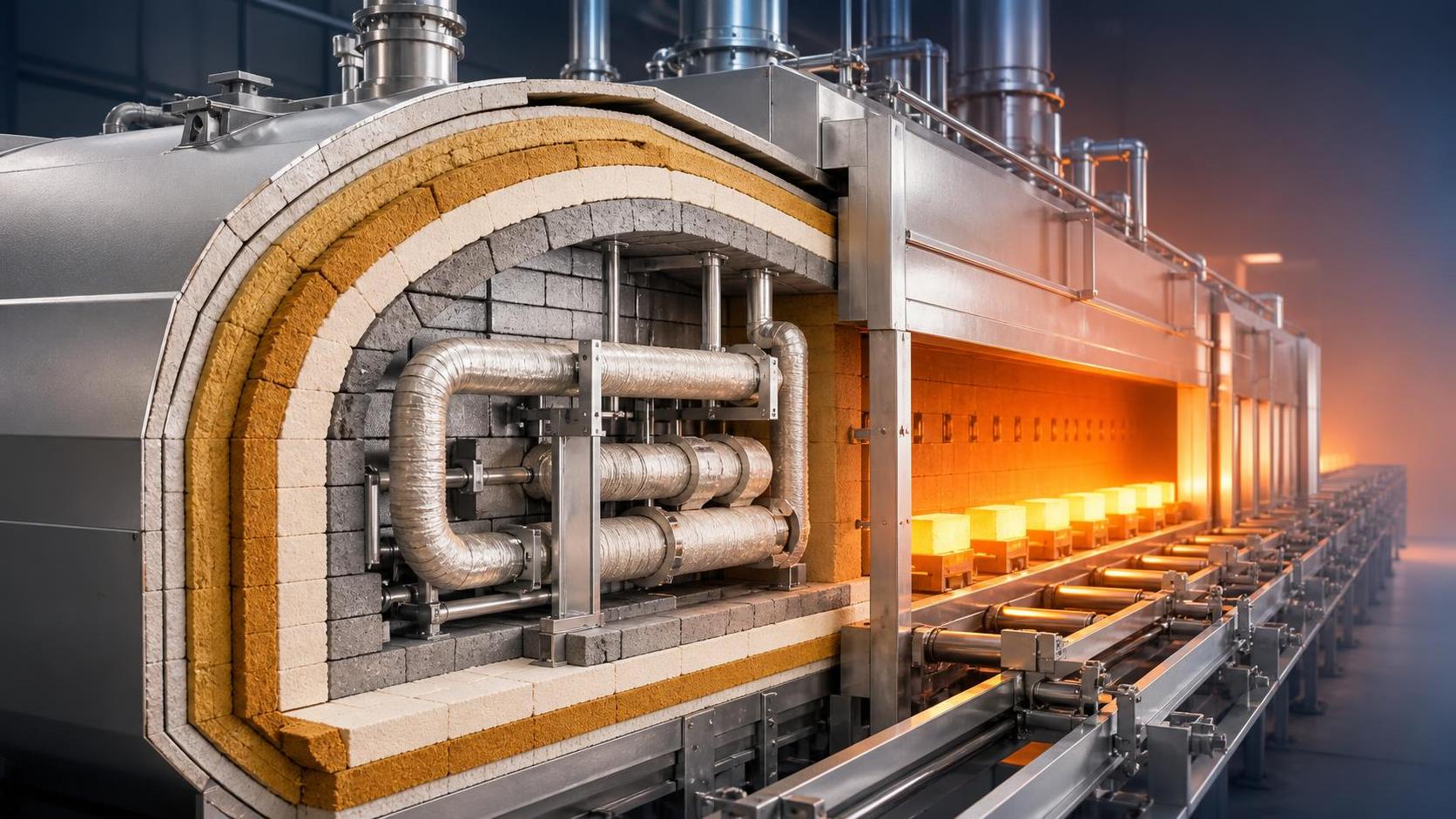
Refractory decisions are often treated as maintenance choices, yet they increasingly behave like energy investments. Better lining selection supports heat retention, kiln shell protection, and longer stable runs between shutdowns.
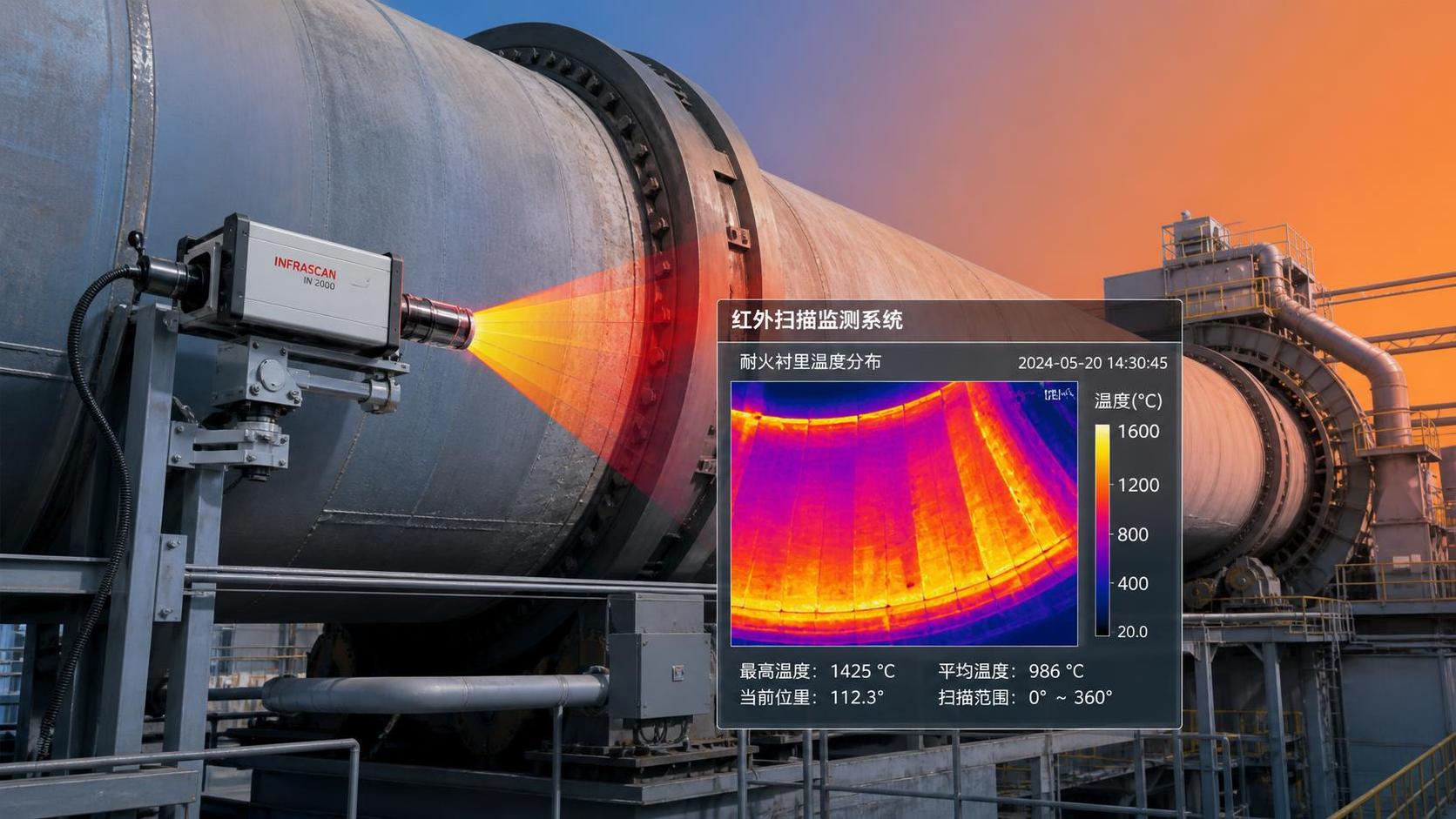
This is where cross-sector intelligence becomes useful. CF-Elite’s focus on refractory lines, kiln systems, and thermal management reflects a broader reality: heat loss and lining deterioration can quietly erode margins long before a major failure appears.
Technology choices that now deserve closer review
Higher energy costs do not automatically justify the most advanced solution. They do, however, make technology selection more strategic. The right choice depends on fuel mix, plant age, market demand, and local environmental rules.
Among cement industry trends, digitalization is often misunderstood as a separate agenda. In reality, digital tools become more valuable when energy is expensive, because poor process visibility directly translates into avoidable cost.
That includes online refractory monitoring, combustion analytics, and digital twin models. These tools help operators test scenarios before changing fuel blends, throughput, or maintenance intervals on live production lines.
The link between energy cost, carbon strategy, and competitiveness
Energy and carbon are now closely tied. Plants with higher thermal and electrical intensity usually face a double burden: greater direct cost pressure and greater exposure to future carbon rules, reporting demands, or customer scrutiny.
This is why cement industry trends increasingly favor integrated upgrade planning. A project that lowers heat use, improves fuel substitution, and stabilizes emissions may create more long-term value than a narrow capacity increase.
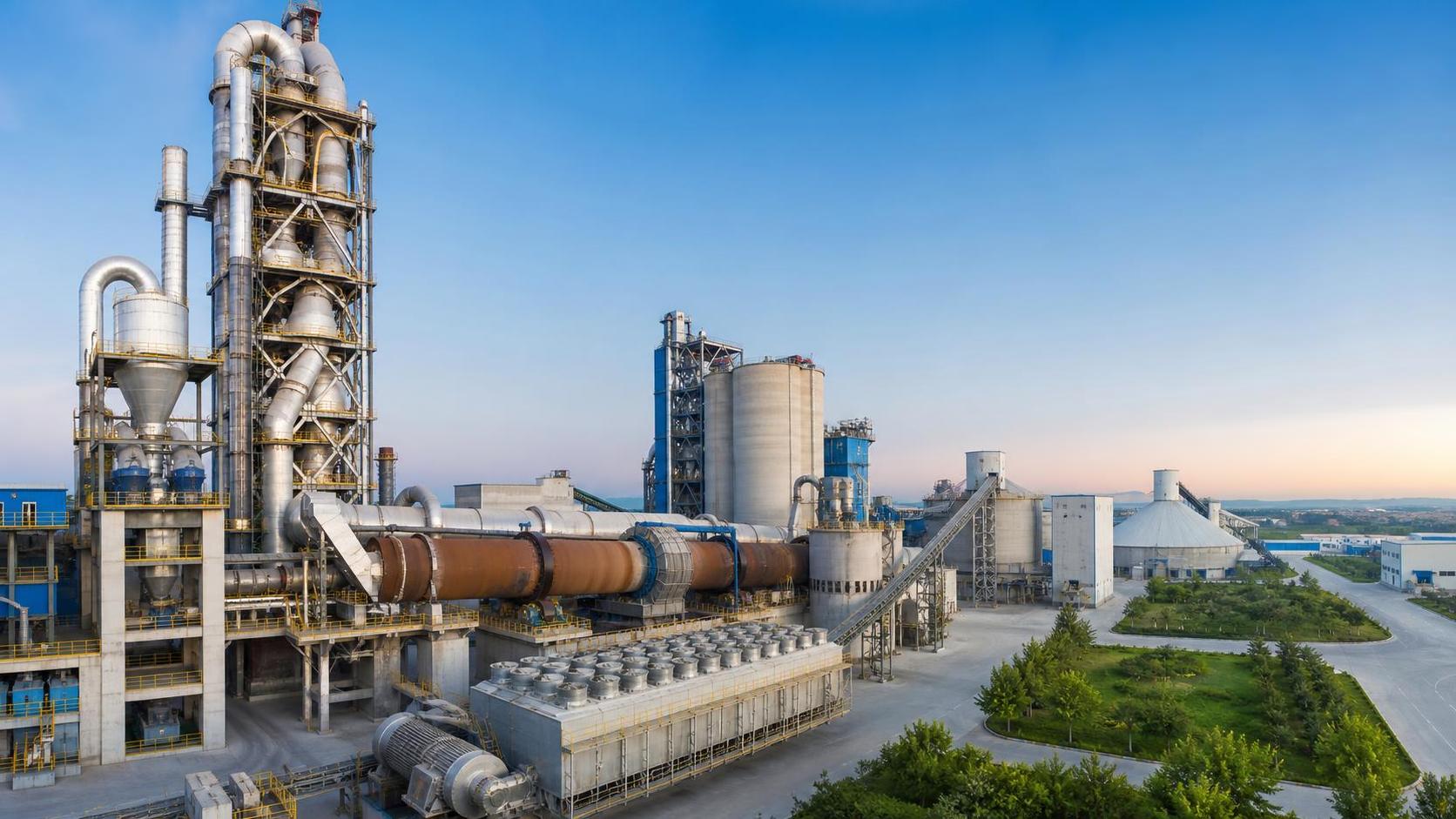
CF-Elite’s broader view of silicate production is relevant here. Cement plants do not evolve in isolation. They share technology logic with industrial kilns, incineration systems, glass furnaces, and refractory processes where thermal efficiency and decarbonization are converging.
That wider comparison can sharpen judgment. For example, co-processing, online heat monitoring, and thermal barrier optimization are no longer niche topics. They are becoming part of mainstream investment screening.
How to evaluate upgrade timing without overcommitting capital
The most common mistake is treating plant upgrades as either urgent megaprojects or deferrable maintenance. Current cement industry trends suggest a more selective approach, built around bottlenecks, payback sensitivity, and operational risk.
A useful starting point is to separate quick-return efficiency work from structural transformation. Not every plant needs a full redesign, but most plants benefit from better sequencing.
- Map energy losses by process section, not only by total utility bill.
- Compare thermal upgrades with electrical upgrades on equal cost-per-ton terms.
- Test fuel flexibility against local supply risk, not just current fuel price.
- Check refractory, controls, and dust systems together before major shutdown planning.
- Include carbon exposure in return models for medium-term investment review.
This method supports better capital discipline. It also avoids the trap of approving isolated projects that look efficient on paper but create integration issues during production or maintenance cycles.
Signals that an upgrade case is strengthening
Several patterns usually indicate that waiting is becoming more expensive than acting:
- Specific heat consumption keeps rising despite routine maintenance.
- Power cost per ton climbs faster than output or selling price.
- Fuel switching creates process instability or clinker quality swings.
- Unplanned stoppages expose weak thermal containment or outdated controls.
- Compliance investment starts overlapping with efficiency investment.
What a practical next step looks like
The most useful response to current cement industry trends is not a generic modernization plan. It is a plant-specific decision framework that links energy cost, process behavior, equipment condition, and market outlook.
That framework usually starts with three questions. Where is energy being lost today? Which upgrades improve flexibility as well as efficiency? Which investments still make sense if prices or regulations move again next year?
From there, the strongest roadmap often combines operational tuning, targeted hardware upgrades, and better monitoring. In a volatile thermal economy, competitiveness increasingly belongs to plants that can see, compare, and adapt earlier than the market average.
For ongoing evaluation, it helps to track intelligence beyond cement alone. Developments in kilns, incineration, refractory systems, and thermal analytics often provide early clues about where the next wave of cement industry trends is heading.
A careful review of upgrade priorities, energy baselines, and technology fit is usually the most reliable next move. It creates a clearer basis for investment timing without forcing decisions that the plant cannot yet support operationally.
Related News
 Optical Glass Tech FellowHow to Evaluate a Glass Annealing Equipment Manufacturer for Production StabilityChoose a glass annealing equipment manufacturer with proven thermal uniformity, reliable controls, lifecycle value, and responsive service for stable production.Sep 08, 2026
 Prof. Marcus ChenThermal Energy Architecture in North America: Strategies for Lower Building Energy UseThermal energy architecture North America helps project leaders cut building energy use through stronger envelopes, right-sized HVAC, storage, and smart commissioning.Sep 07, 2026
 Ms. Elena RodriguezHow Should Buyers Evaluate Building Material Industry Intelligence Pricing?Building material industry intelligence pricing: learn how to compare coverage, technical depth, and ROI to choose intelligence that reduces procurement risk.Sep 07, 2026
 Ms. Elena RodriguezHow to Use Building Material Intelligence Data for Market and Investment DecisionsBuilding material industry intelligence data helps leaders evaluate demand, costs, regulation, capacity, and technology to make smarter market and investment decisions.Sep 05, 2026
 Thermal Energy ArchitectHow PLC Control Improves Energy Efficiency and Temperature Stability in KilnsEnergy efficient kilns PLC control improves temperature stability, cuts fuel waste, and optimizes combustion, draft, and material flow. Explore proven strategies for smarter kiln modernization.Sep 04, 2026
 Optical Glass Tech FellowEuropean Glass Melting Processes: Furnace Choices, Energy Use, and Quality ControlGlass melting process Europe: explore furnace choices, energy efficiency, cullet strategy, and quality control to improve output, compliance, and long-term glass performance.Sep 03, 2026
 Thermal Energy ArchitectWhat Determines Refractory Lining Monitoring Price for Industrial Kilns?Refractory lining monitoring price depends on kiln size, sensor technology, installation, software, and support. Compare total lifecycle costs and choose the right solution.Sep 02, 2026
 Silicate Process EngineerCement Production System Costs: A Plant Buyer’s Guide to Budgeting and ROICement production systems cost planning made clear: compare CAPEX, operating costs, compliance, and ROI to build a resilient, profitable cement plant investment.Sep 01, 2026
 Dr. Alistair VaughnWhat Should a Process Technology Database Track for High-Temperature Plants?Process technology database essentials for high-temperature plants: track thermal profiles, feed chemistry, refractory wear, emissions, energy, and maintenance for safer, data-driven decisions.Aug 31, 2026
 Ms. Elena RodriguezHow to Evaluate a Silicate Processing Equipment Manufacturer for Plant ProjectsSilicate processing equipment manufacturer selection: assess process fit, guarantees, energy, compliance, delivery risk, and lifecycle support for dependable plant performance.Aug 30, 2026
 Dr. Alistair VaughnHow to Specify Custom Agricultural Processing Equipment for Throughput and HygieneEquipment customization services for agricultural processing: learn to specify hygienic, high-throughput lines that improve yield, reliability, and long-term efficiency.Aug 29, 2026
 Dr. Alistair VaughnHow to Select Process Plant Equipment for High-Temperature, Abrasive Production LinesProcess plant equipment selection for high-temperature, abrasive lines: reduce downtime, improve durability, and optimize lifecycle performance.Aug 28, 2026
 Silicate Process EngineerHow Kiln Heat Recovery Systems Cut Fuel Use in Cement and Lime ProductionKiln heat recovery helps cement and lime plants cut fuel use, improve thermal stability, and build practical, reliable decarbonization strategies.Aug 27, 2026
 Ms. Elena RodriguezProcess Equipment Comparison: Which Metrics Matter Most for Reliable Selection?Process equipment comparison made practical: discover which metrics truly drive reliable selection, from energy efficiency and control stability to wear life, maintainability, and uptime.Aug 26, 2026
 Ms. Elena RodriguezWhat Buyers Should Check Before Sourcing Precision Alloy Bars for Critical PartsPrecision Alloy Bars buyers should verify grade, chemistry, tolerances, surface quality, traceability, and lead time before sourcing for critical parts. Learn what prevents costly machining and reliability risks.Aug 27, 2026
 Ms. Elena RodriguezHow to Evaluate Thermal Management Solutions Insulation for High-Heat Industrial SystemsThermal management solutions insulation: learn how to assess high-heat industrial systems by thermal performance, durability, lifecycle cost, and supplier data for smarter decisions.Aug 25, 2026
 Ms. Elena RodriguezWhat Drives Waste Recycling Cost in Industrial Projects and How to Estimate It?Waste recycling cost in industrial projects depends on composition, moisture, transport, pre-treatment, and compliance. Learn how to estimate it accurately and compare suppliers with confidence.Aug 24, 2026
 Silicate Process EngineerHow to Evaluate Cement Production Plants in the Middle East for Capacity, Fuel Flexibility, and ROIcement production plants Middle East: Learn how to assess true capacity, fuel flexibility, and ROI risks to identify resilient assets and smarter investment opportunities.Aug 23, 2026
 Structural Material AnalystHow to Evaluate Lightweight Material Machinery for Output, Energy Use, and Product QualityLightweight material machinery evaluation guide: compare stable output, energy use, and product quality to choose equipment that cuts waste, lowers costs, and improves production confidence.Aug 22, 2026
 Material Heat-Resist ExpertWhat Determines Refractory Production Line Price in a Turnkey Plant Project?Refractory production line price depends on raw materials, forming method, kiln and drying design, automation, utilities, and scope. Learn what really drives turnkey plant cost before you invest.Aug 21, 2026

Related News
- 00
0000-00
Cement Production System Costs: A Plant Buyer’s Guide to Budgeting and ROI - 00
0000-00
How Kiln Heat Recovery Systems Cut Fuel Use in Cement and Lime Production - 00
0000-00
How to Evaluate Cement Production Plants in the Middle East for Capacity, Fuel Flexibility, and ROI - 00
0000-00
What Drives Cement Plant Upgrade Cost and How to Estimate ROI Before Investing - 00
0000-00
How Cement Grinding Technology Affects Energy Use, Fineness, and Plant Output
Weekly Insights
Stay ahead with our curated technology reports delivered every Monday.