
Why global material intelligence matters before expansion




Global material intelligence is now a pre-expansion requirement
Before entering new markets, business evaluators need more than demand estimates—they need global material intelligence that connects regulations, energy economics, process risks, and equipment trends.

In heavy industries shaped by thermal efficiency and decarbonization, early insight reduces costly missteps and sharpens expansion strategy.
That is why understanding cross-border material dynamics is no longer optional, but a decisive advantage.
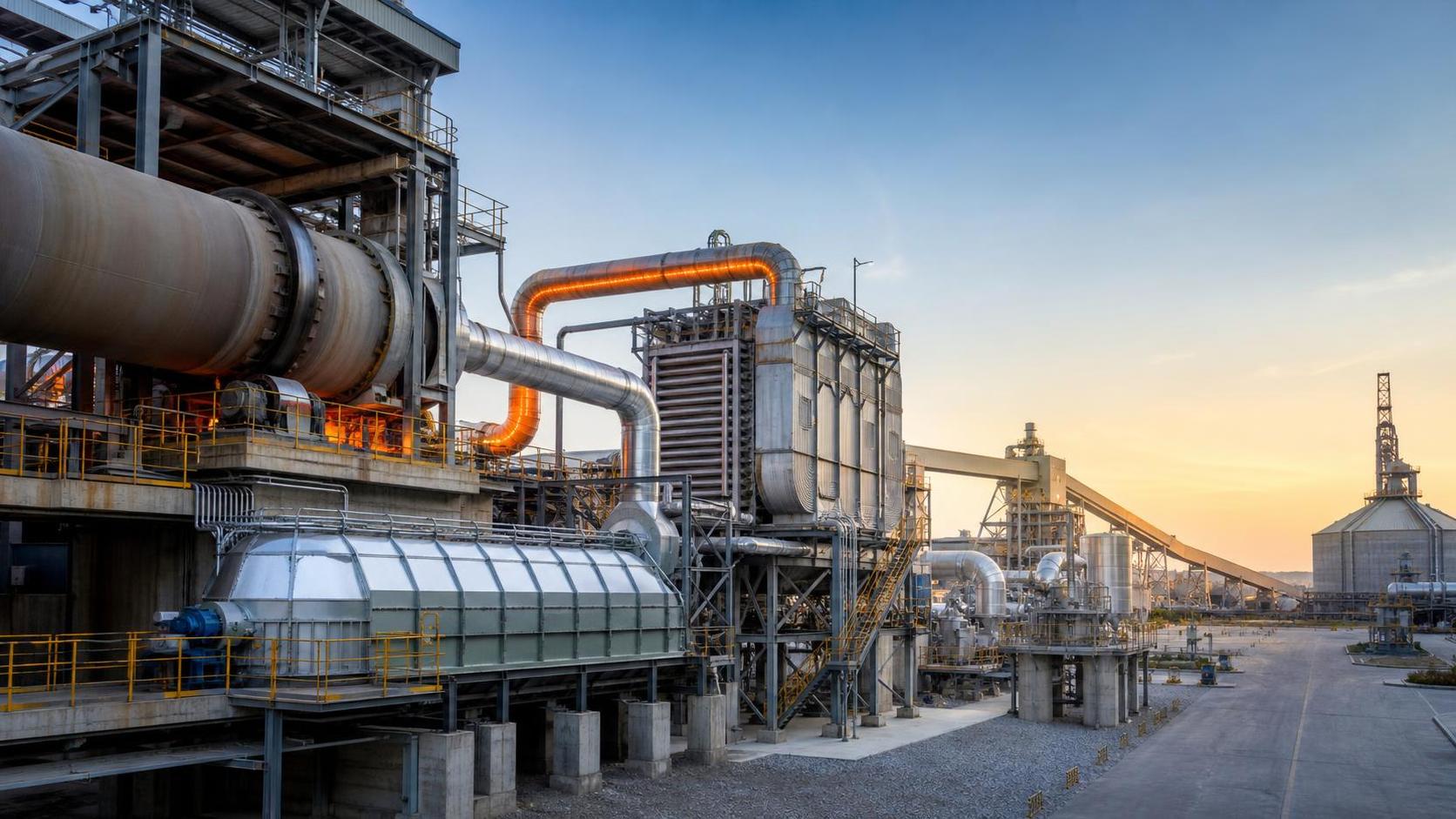
This is especially true across cement, glass, kilns, refractories, and extrusion systems, where one wrong assumption can lock in years of inefficiency.
Global material intelligence helps compare technical standards, fuel pathways, emissions thresholds, logistics constraints, and local upgrade demand before capital is committed.
Why expansion decisions are becoming more complex
Cross-border expansion once focused on labor cost, market size, and channel access.
Now the equation includes carbon pricing, thermal energy volatility, waste co-processing rules, digital compliance, and region-specific material performance standards.
For high-temperature industries, these variables directly affect line design, operating margins, maintenance cycles, and payback periods.
A promising market may still be structurally unattractive if refractory replacement is frequent, grid power is unstable, or feedstock chemistry varies widely.
That is where global material intelligence changes the quality of judgment.
Signals that the market is no longer readable through demand alone
- Environmental permits increasingly shape equipment selection.
- Energy cost swings alter furnace, kiln, and extrusion economics.
- Local raw material variability changes process stability.
- Customers expect higher digital monitoring and traceability.
- Carbon reduction targets influence procurement and financing access.
The forces driving global material intelligence to the center
The rise of global material intelligence is not theoretical.
It is a response to operational reality across foundation materials and thermal management systems.
Each driver matters alone, but their interaction matters more.
Global material intelligence helps connect these layers early, so expansion models reflect real operating conditions rather than simplified forecasts.
How cross-border material dynamics reshape industrial opportunity
Opportunity in heavy industry rarely comes from volume alone.
It often comes from technical fit between local conditions and process capability.
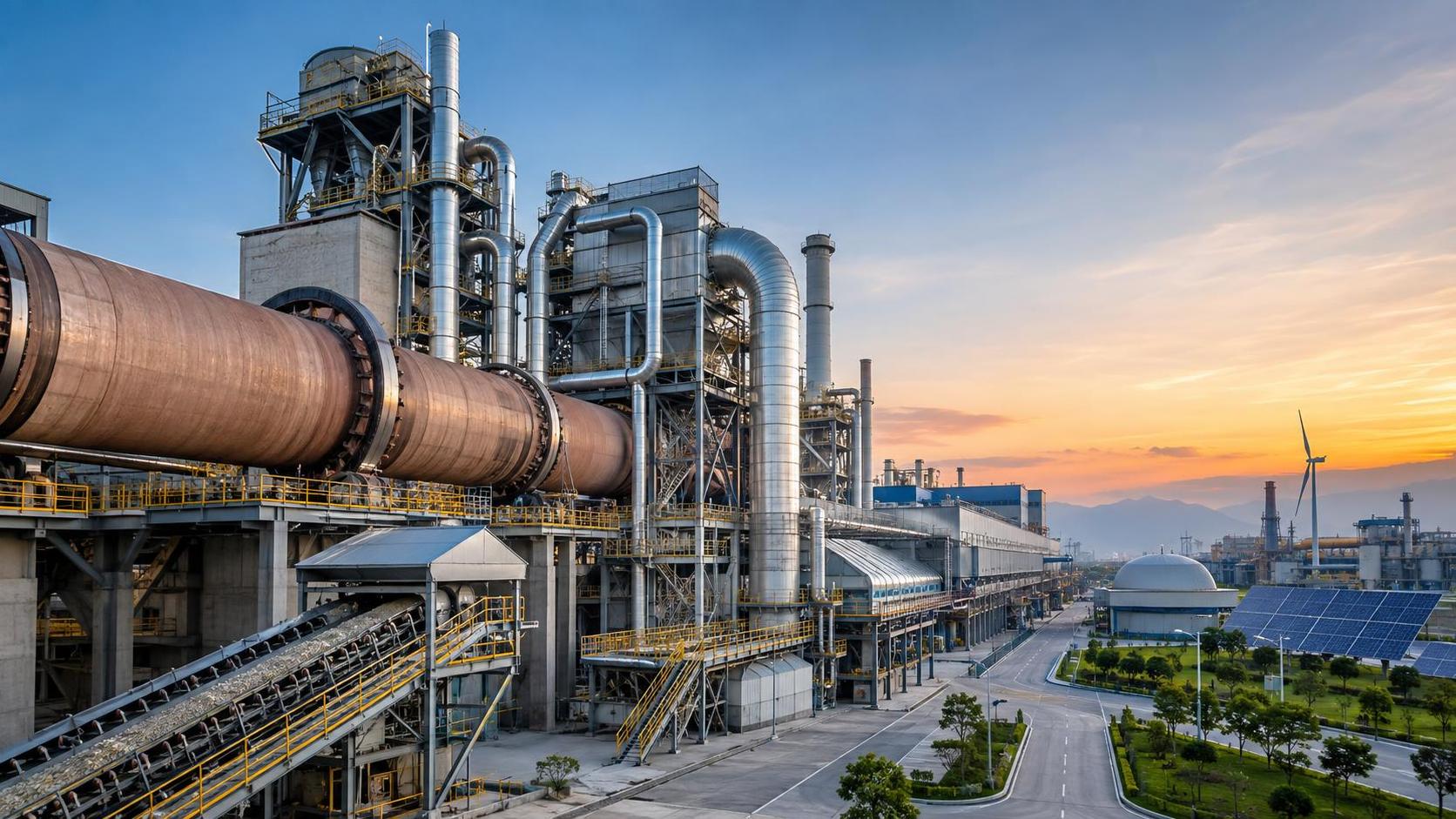
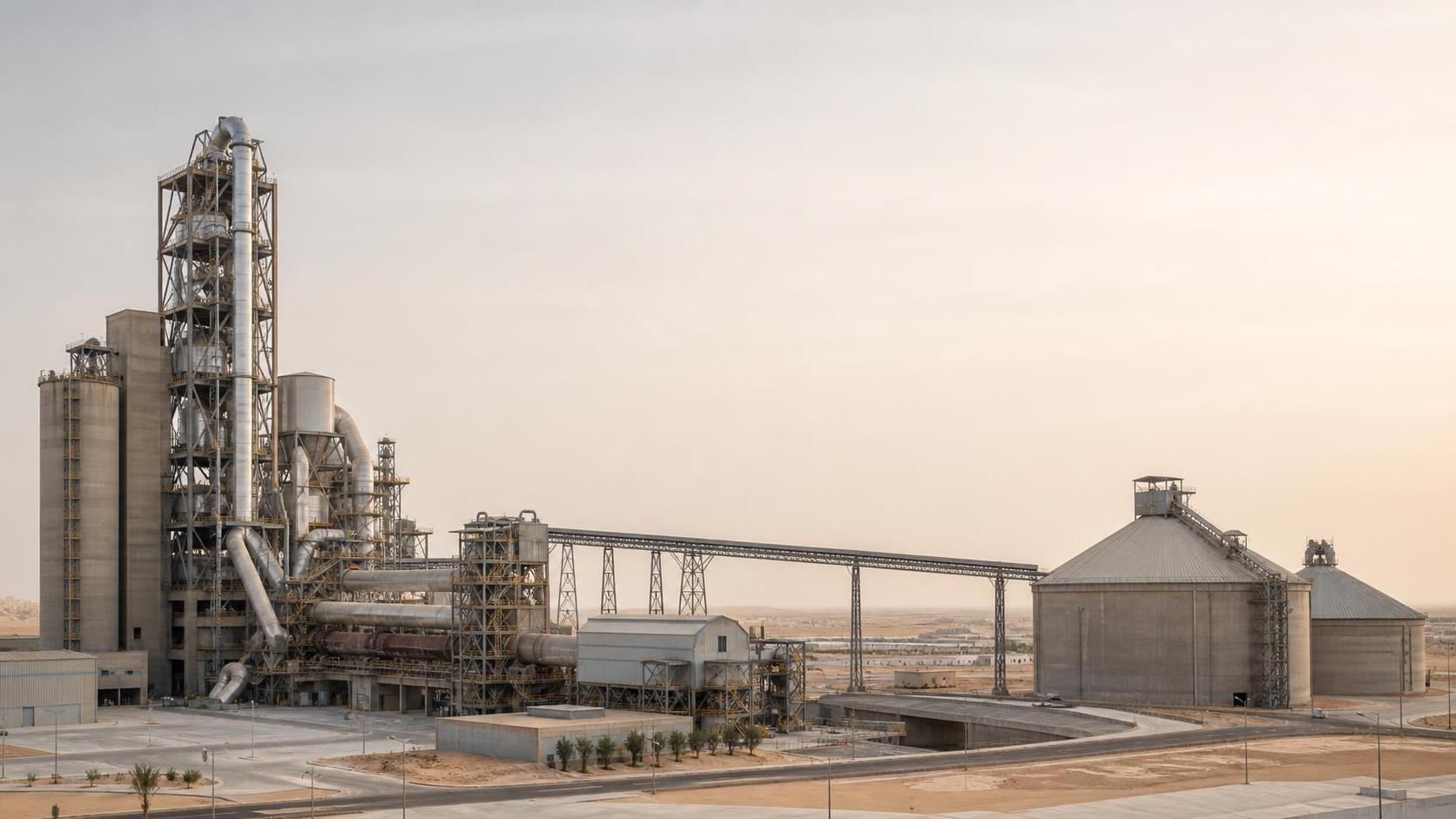
In cement plants, dust control thresholds and alternative fuel acceptance can redefine project feasibility.
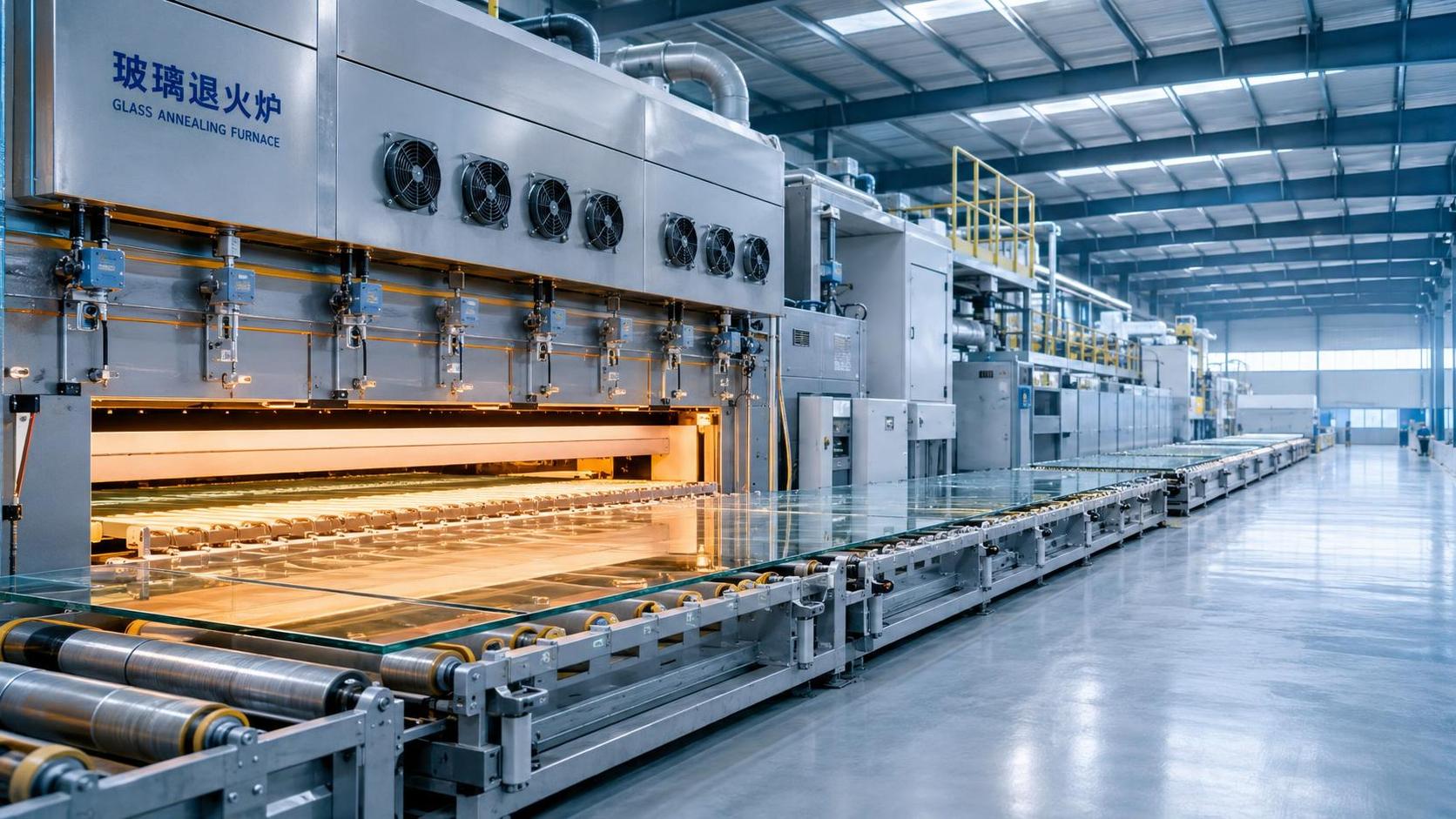
In glass manufacturing gear, power reliability and cullet quality determine whether precision output is sustainable.
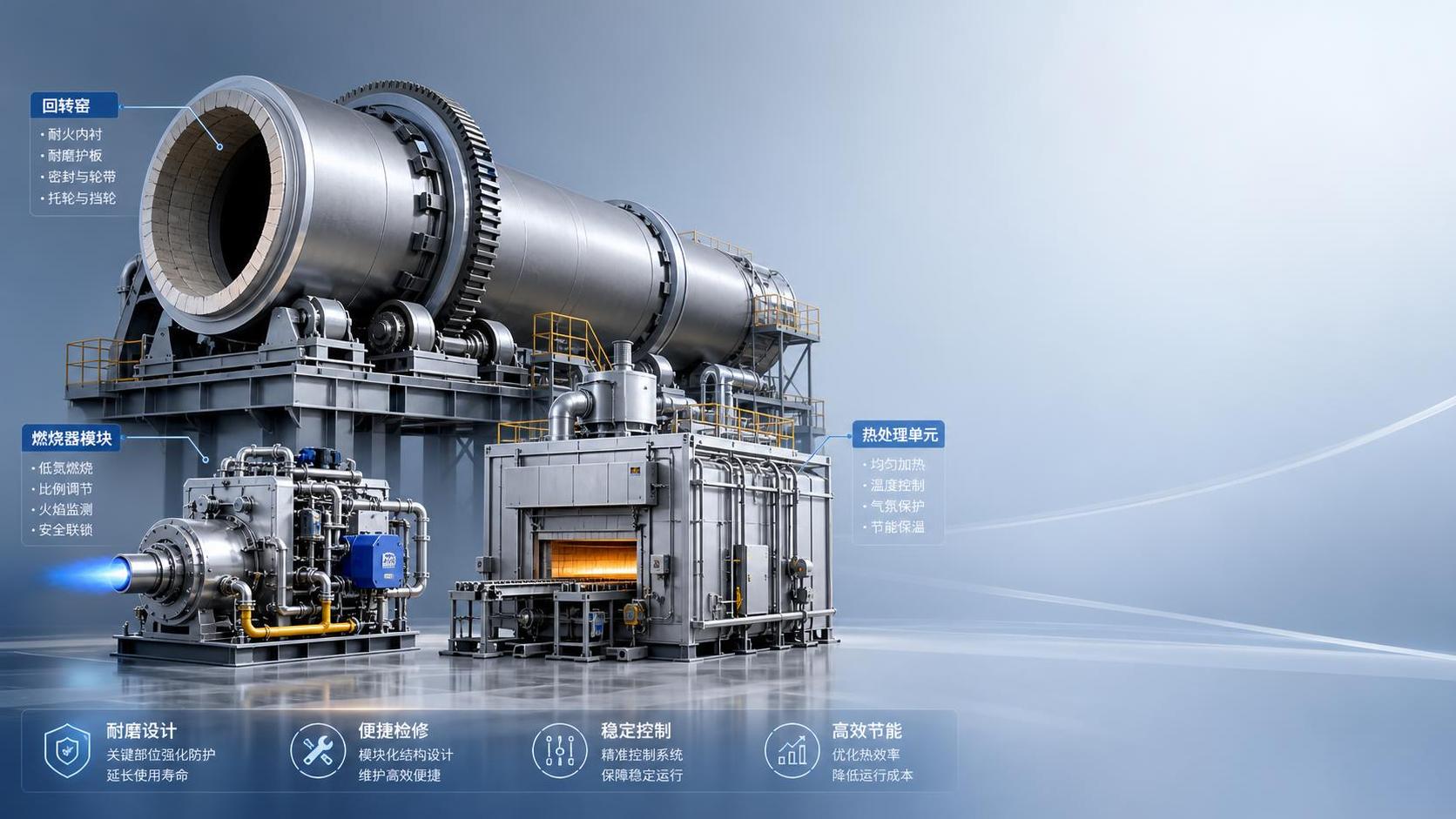
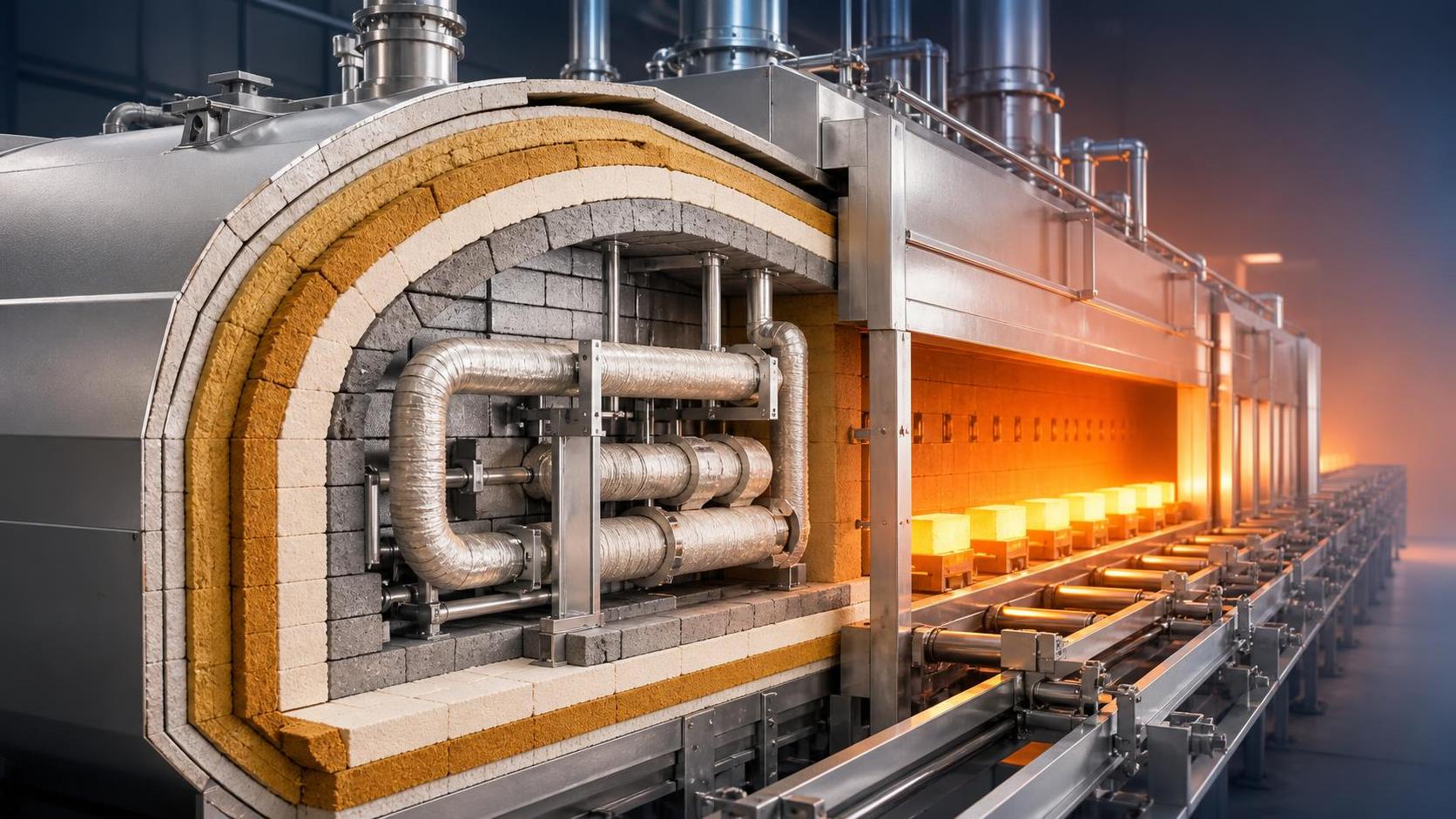
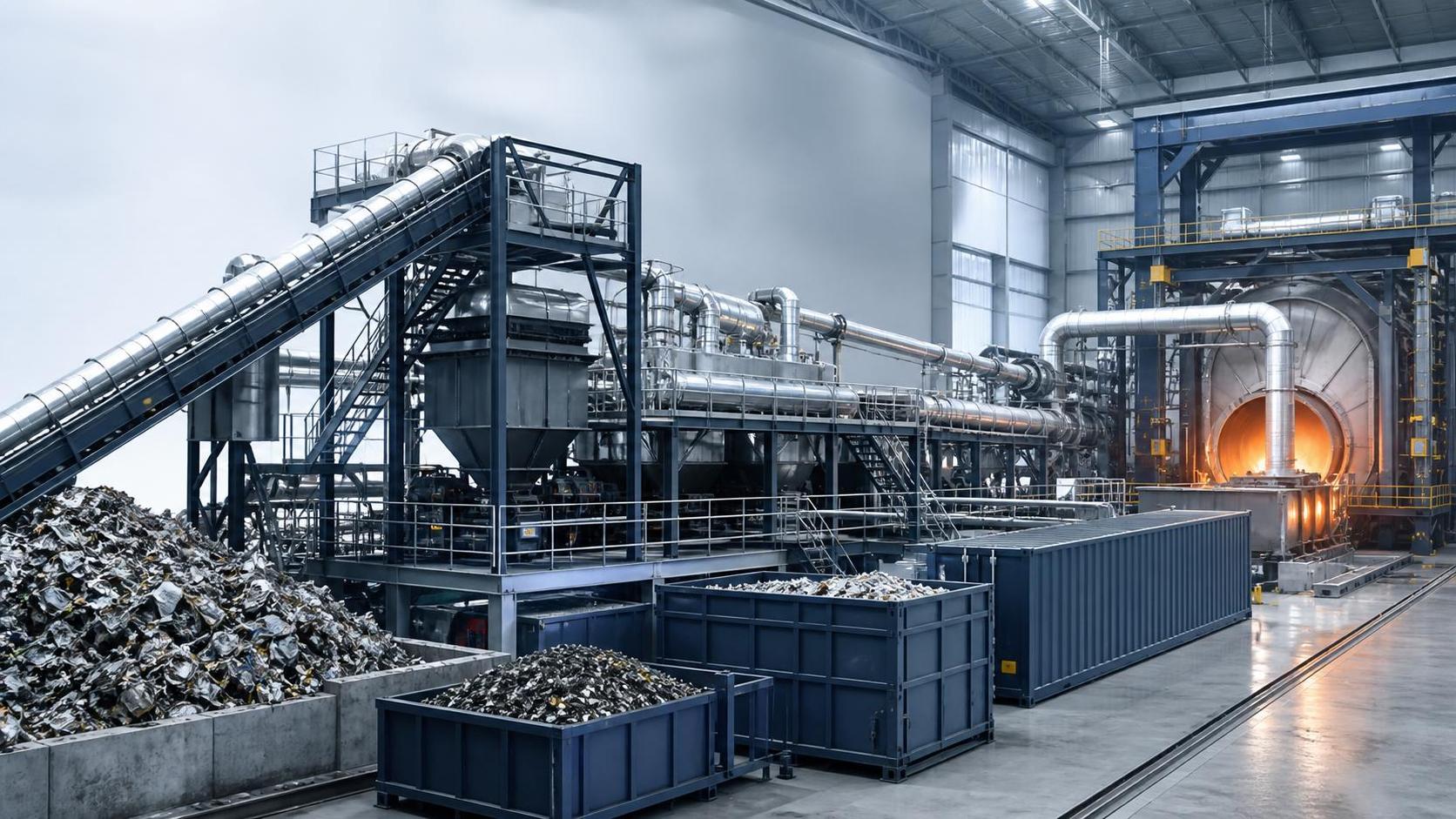
In industrial kilns and incineration, waste composition and thermal recovery policy influence long-term returns.
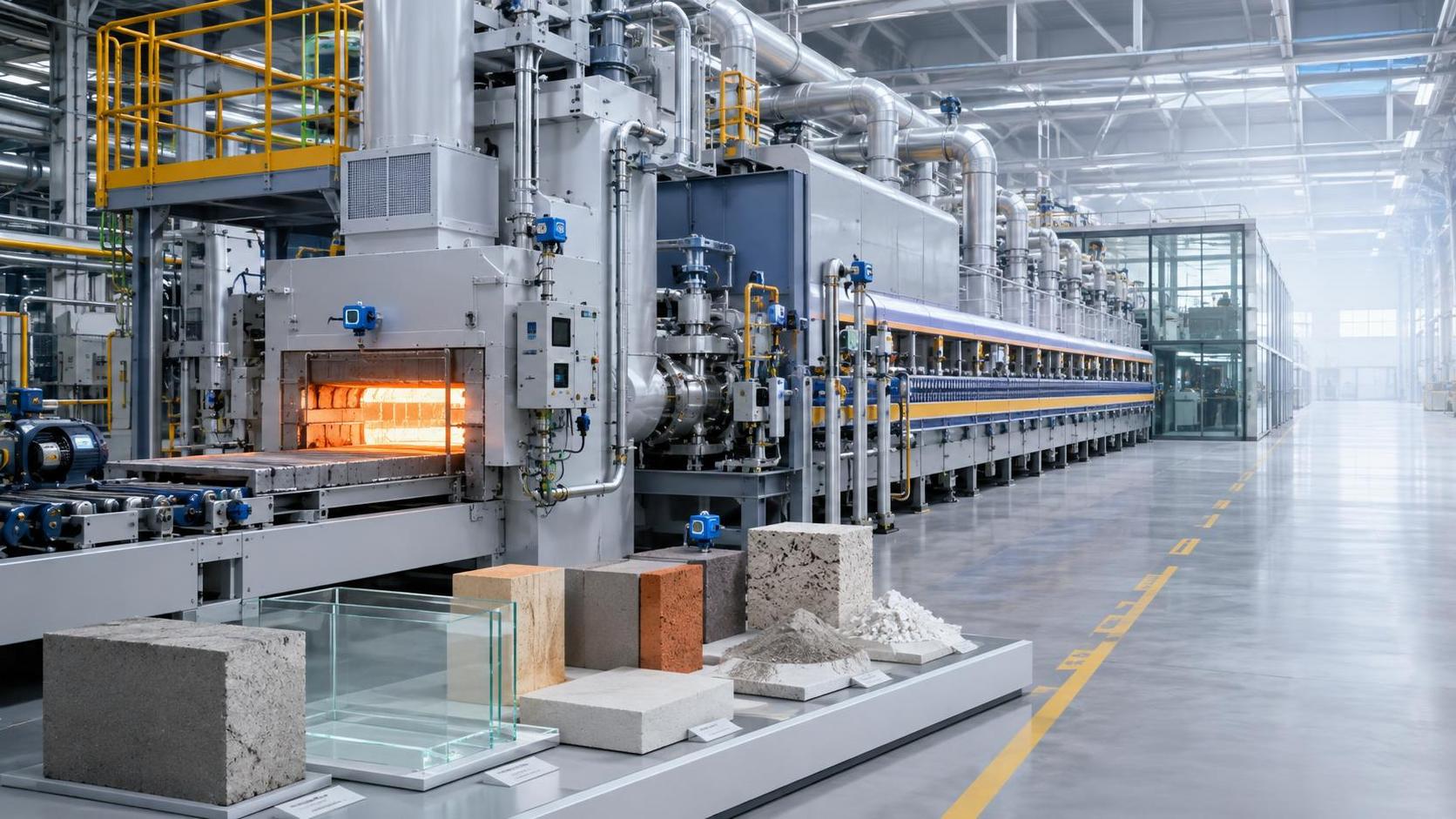
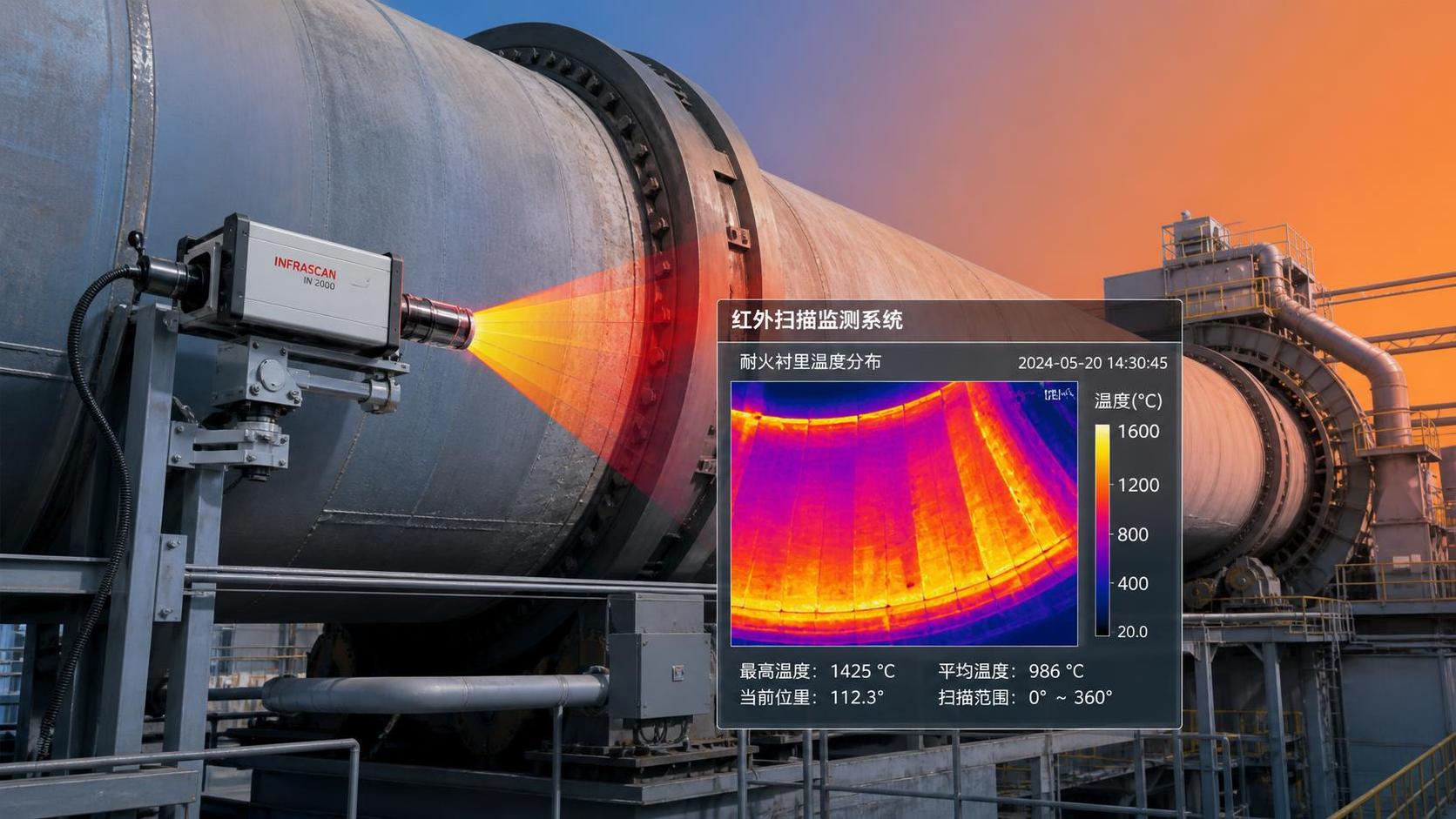
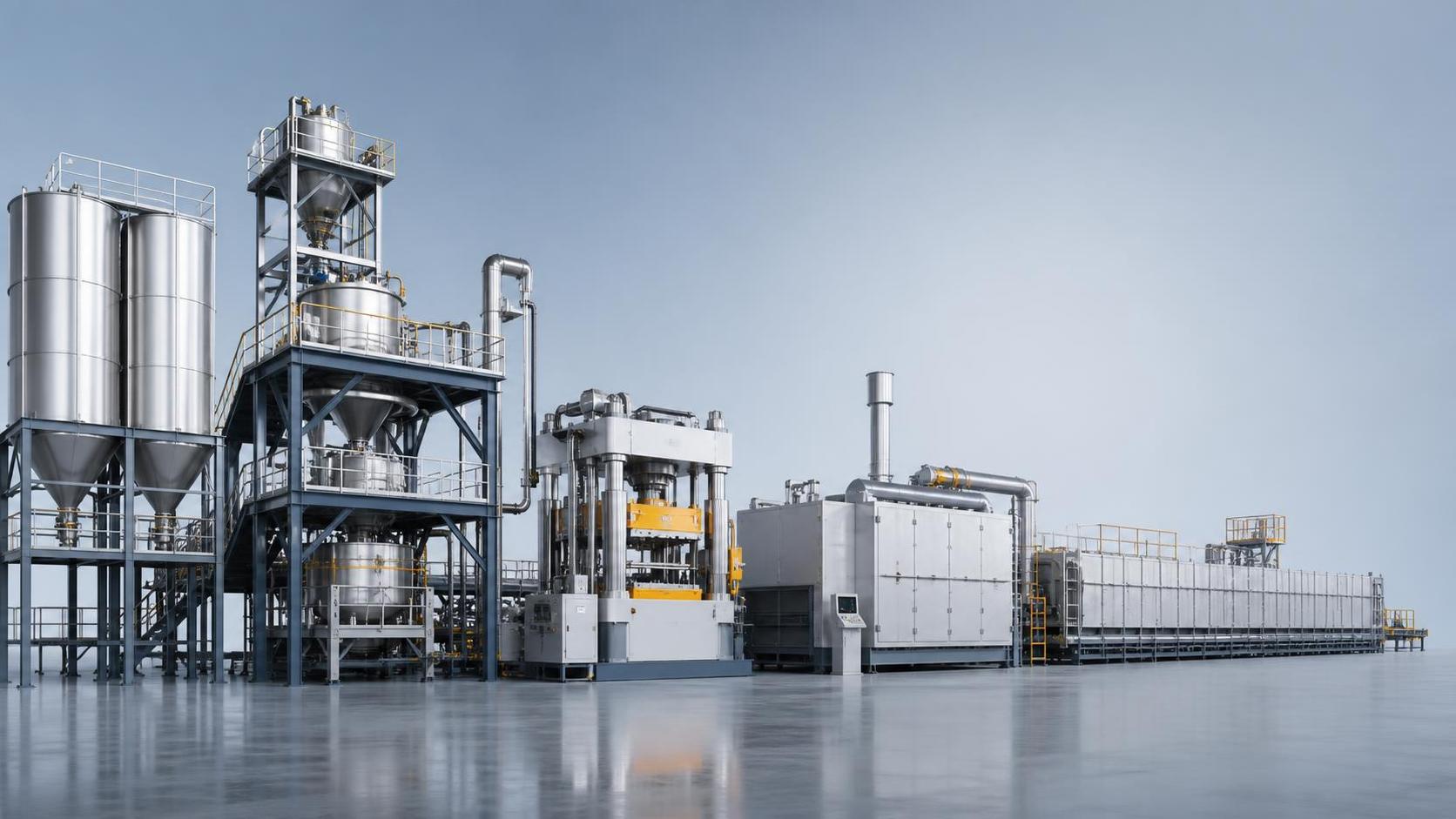
In refractory production lines, local metallurgical activity shapes demand for high-resistance formulations and lining monitoring systems.
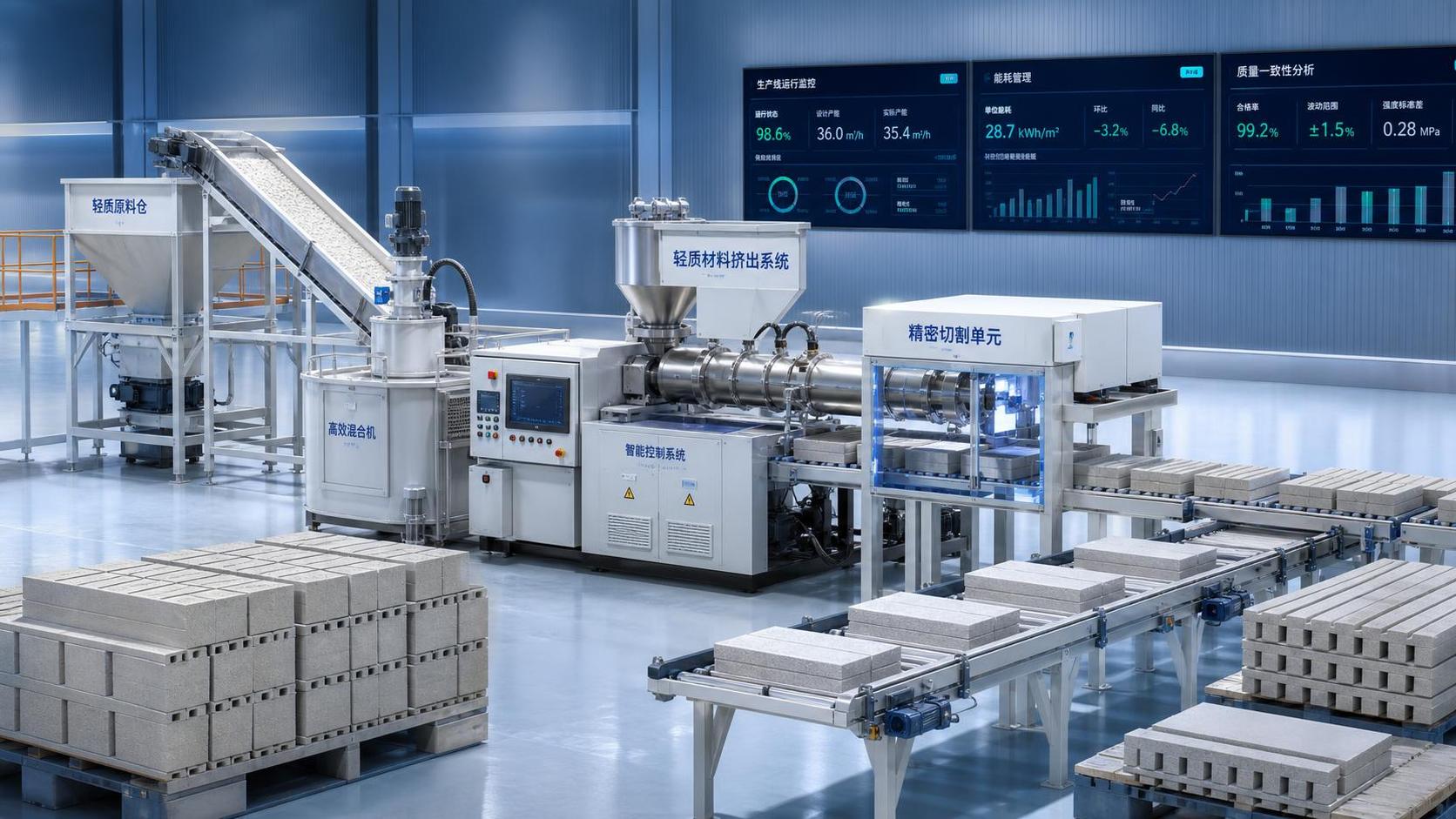
In new building material extrusion, lightweight construction policy and green codes can accelerate adoption dramatically.
Global material intelligence reveals these market-specific inflection points before they become expensive lessons.
Where hidden risks usually appear
- Imported designs fail under local raw material conditions.
- Fuel substitution assumptions prove unrealistic after permitting review.
- Service models underestimate refractory wear and downtime exposure.
- Equipment positioning ignores regional efficiency benchmarks.
- Commercial plans miss carbon-linked financing requirements.
What this means across business stages and operating links
The value of global material intelligence extends beyond strategy documents.
It changes decisions across assessment, design, localization, commercial development, and after-sales support.
This is why intelligence platforms such as CF-Elite matter.
They do not just report headlines.
They connect silicate process engineering, heat-resist performance, and commercial insight into a usable expansion perspective.
The priority questions that deserve attention before market entry
Not every data point has equal value.
The strongest use of global material intelligence starts with a disciplined question set.
- How do local material inputs affect thermal efficiency and product consistency?
- Which environmental standards influence core equipment architecture?
- What energy mix trends will shape operating cost over five years?
- How mature is the local service ecosystem for critical high-temperature assets?
- Are digital monitoring expectations becoming a competitive requirement?
- What carbon reduction policies may alter financing or public project access?
These questions transform global material intelligence into a decision tool rather than a passive information stream.
A practical way to judge expansion readiness
A useful approach is to test readiness across four dimensions.
- Technical match: Verify process compatibility with local raw materials, fuels, and thermal conditions.
- Compliance fit: Map emissions, waste, safety, and energy rules against current equipment capabilities.
- Economic resilience: Stress-test margins against fuel costs, downtime risk, and replacement cycles.
- Intelligence continuity: Build a system for tracking regulation, demand, and process changes after entry.
Global material intelligence supports all four dimensions.
Without it, expansion plans may look viable on paper while failing in operation.
From observation to action: the smarter next step
Expansion works best when intelligence is specific, continuous, and tied to technical reality.
For sectors built on kilns, float lines, refractory systems, and extrusion platforms, timing matters as much as target selection.
Global material intelligence gives earlier warning on regulation shifts, energy transitions, and process constraints that shape competitive outcomes.
CF-Elite reflects this need by linking high-authority industrial intelligence with thermal management, silicate production, and decarbonization insight.
The practical next step is clear: review target markets through a material, energy, and compliance lens before finalizing expansion assumptions.
That is where better international decisions begin, and where global material intelligence creates measurable strategic advantage.
Related News
 Optical Glass Tech FellowHow to Evaluate a Glass Annealing Equipment Manufacturer for Production StabilityChoose a glass annealing equipment manufacturer with proven thermal uniformity, reliable controls, lifecycle value, and responsive service for stable production.Sep 08, 2026
 Prof. Marcus ChenThermal Energy Architecture in North America: Strategies for Lower Building Energy UseThermal energy architecture North America helps project leaders cut building energy use through stronger envelopes, right-sized HVAC, storage, and smart commissioning.Sep 07, 2026
 Ms. Elena RodriguezHow Should Buyers Evaluate Building Material Industry Intelligence Pricing?Building material industry intelligence pricing: learn how to compare coverage, technical depth, and ROI to choose intelligence that reduces procurement risk.Sep 07, 2026
 Ms. Elena RodriguezHow to Use Building Material Intelligence Data for Market and Investment DecisionsBuilding material industry intelligence data helps leaders evaluate demand, costs, regulation, capacity, and technology to make smarter market and investment decisions.Sep 05, 2026
 Thermal Energy ArchitectHow PLC Control Improves Energy Efficiency and Temperature Stability in KilnsEnergy efficient kilns PLC control improves temperature stability, cuts fuel waste, and optimizes combustion, draft, and material flow. Explore proven strategies for smarter kiln modernization.Sep 04, 2026
 Optical Glass Tech FellowEuropean Glass Melting Processes: Furnace Choices, Energy Use, and Quality ControlGlass melting process Europe: explore furnace choices, energy efficiency, cullet strategy, and quality control to improve output, compliance, and long-term glass performance.Sep 03, 2026
 Thermal Energy ArchitectWhat Determines Refractory Lining Monitoring Price for Industrial Kilns?Refractory lining monitoring price depends on kiln size, sensor technology, installation, software, and support. Compare total lifecycle costs and choose the right solution.Sep 02, 2026
 Silicate Process EngineerCement Production System Costs: A Plant Buyer’s Guide to Budgeting and ROICement production systems cost planning made clear: compare CAPEX, operating costs, compliance, and ROI to build a resilient, profitable cement plant investment.Sep 01, 2026
 Dr. Alistair VaughnWhat Should a Process Technology Database Track for High-Temperature Plants?Process technology database essentials for high-temperature plants: track thermal profiles, feed chemistry, refractory wear, emissions, energy, and maintenance for safer, data-driven decisions.Aug 31, 2026
 Ms. Elena RodriguezHow to Evaluate a Silicate Processing Equipment Manufacturer for Plant ProjectsSilicate processing equipment manufacturer selection: assess process fit, guarantees, energy, compliance, delivery risk, and lifecycle support for dependable plant performance.Aug 30, 2026
 Dr. Alistair VaughnHow to Specify Custom Agricultural Processing Equipment for Throughput and HygieneEquipment customization services for agricultural processing: learn to specify hygienic, high-throughput lines that improve yield, reliability, and long-term efficiency.Aug 29, 2026
 Dr. Alistair VaughnHow to Select Process Plant Equipment for High-Temperature, Abrasive Production LinesProcess plant equipment selection for high-temperature, abrasive lines: reduce downtime, improve durability, and optimize lifecycle performance.Aug 28, 2026
 Silicate Process EngineerHow Kiln Heat Recovery Systems Cut Fuel Use in Cement and Lime ProductionKiln heat recovery helps cement and lime plants cut fuel use, improve thermal stability, and build practical, reliable decarbonization strategies.Aug 27, 2026
 Ms. Elena RodriguezProcess Equipment Comparison: Which Metrics Matter Most for Reliable Selection?Process equipment comparison made practical: discover which metrics truly drive reliable selection, from energy efficiency and control stability to wear life, maintainability, and uptime.Aug 26, 2026
 Ms. Elena RodriguezWhat Buyers Should Check Before Sourcing Precision Alloy Bars for Critical PartsPrecision Alloy Bars buyers should verify grade, chemistry, tolerances, surface quality, traceability, and lead time before sourcing for critical parts. Learn what prevents costly machining and reliability risks.Aug 27, 2026
 Ms. Elena RodriguezHow to Evaluate Thermal Management Solutions Insulation for High-Heat Industrial SystemsThermal management solutions insulation: learn how to assess high-heat industrial systems by thermal performance, durability, lifecycle cost, and supplier data for smarter decisions.Aug 25, 2026
 Ms. Elena RodriguezWhat Drives Waste Recycling Cost in Industrial Projects and How to Estimate It?Waste recycling cost in industrial projects depends on composition, moisture, transport, pre-treatment, and compliance. Learn how to estimate it accurately and compare suppliers with confidence.Aug 24, 2026
 Silicate Process EngineerHow to Evaluate Cement Production Plants in the Middle East for Capacity, Fuel Flexibility, and ROIcement production plants Middle East: Learn how to assess true capacity, fuel flexibility, and ROI risks to identify resilient assets and smarter investment opportunities.Aug 23, 2026
 Structural Material AnalystHow to Evaluate Lightweight Material Machinery for Output, Energy Use, and Product QualityLightweight material machinery evaluation guide: compare stable output, energy use, and product quality to choose equipment that cuts waste, lowers costs, and improves production confidence.Aug 22, 2026
 Material Heat-Resist ExpertWhat Determines Refractory Production Line Price in a Turnkey Plant Project?Refractory production line price depends on raw materials, forming method, kiln and drying design, automation, utilities, and scope. Learn what really drives turnkey plant cost before you invest.Aug 21, 2026




Related News
- 00
0000-00
What Should a Process Technology Database Track for High-Temperature Plants? - 00
0000-00
How to Specify Custom Agricultural Processing Equipment for Throughput and Hygiene - 00
0000-00
How to Select Process Plant Equipment for High-Temperature, Abrasive Production Lines - 00
0000-00
What Causes Thermal Shock Failure in Heat-Resistant Materials During Development? - 00
0000-00
How Digital Twin Simulations Improve Process Plant Design, Safety, and Uptime
Weekly Insights
Stay ahead with our curated technology reports delivered every Monday.