
How industrial energy recovery improves project viability




For project managers in high-temperature industries, industrial energy recovery is no longer just a sustainability upgrade—it is a practical lever for improving project viability. By turning waste heat, exhaust streams, and thermal losses into usable energy, companies can lower operating costs, strengthen compliance, and improve return on capital. In sectors such as cement, glass, kilns, and refractory production, this directly shapes investment confidence and long-term competitiveness.
Why industrial energy recovery has become a project viability issue
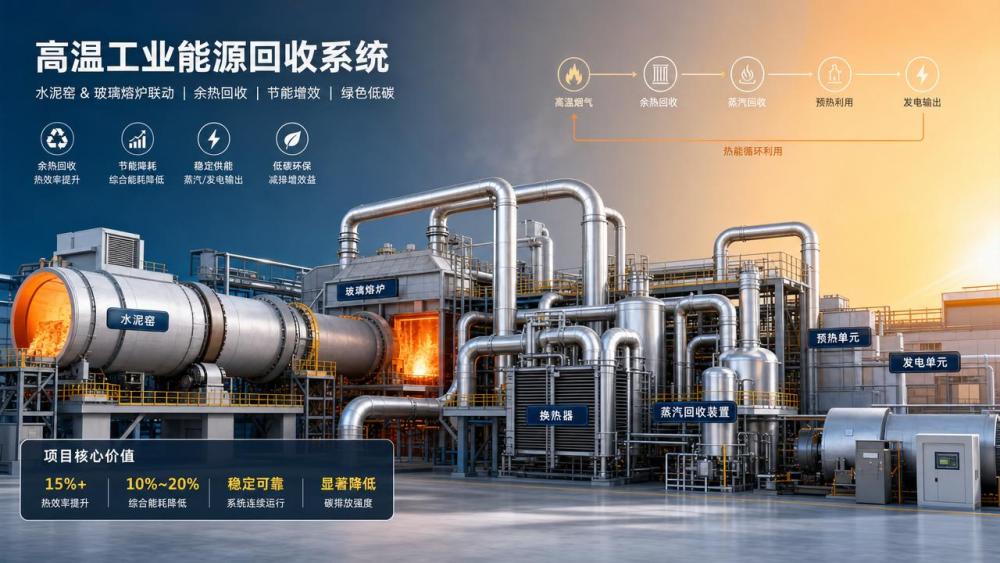
Project leaders are under pressure from several directions at once: volatile fuel prices, tighter emissions expectations, stricter capital screening, and shorter payback demands. In this environment, industrial energy recovery moves from a technical add-on to a core investment variable.
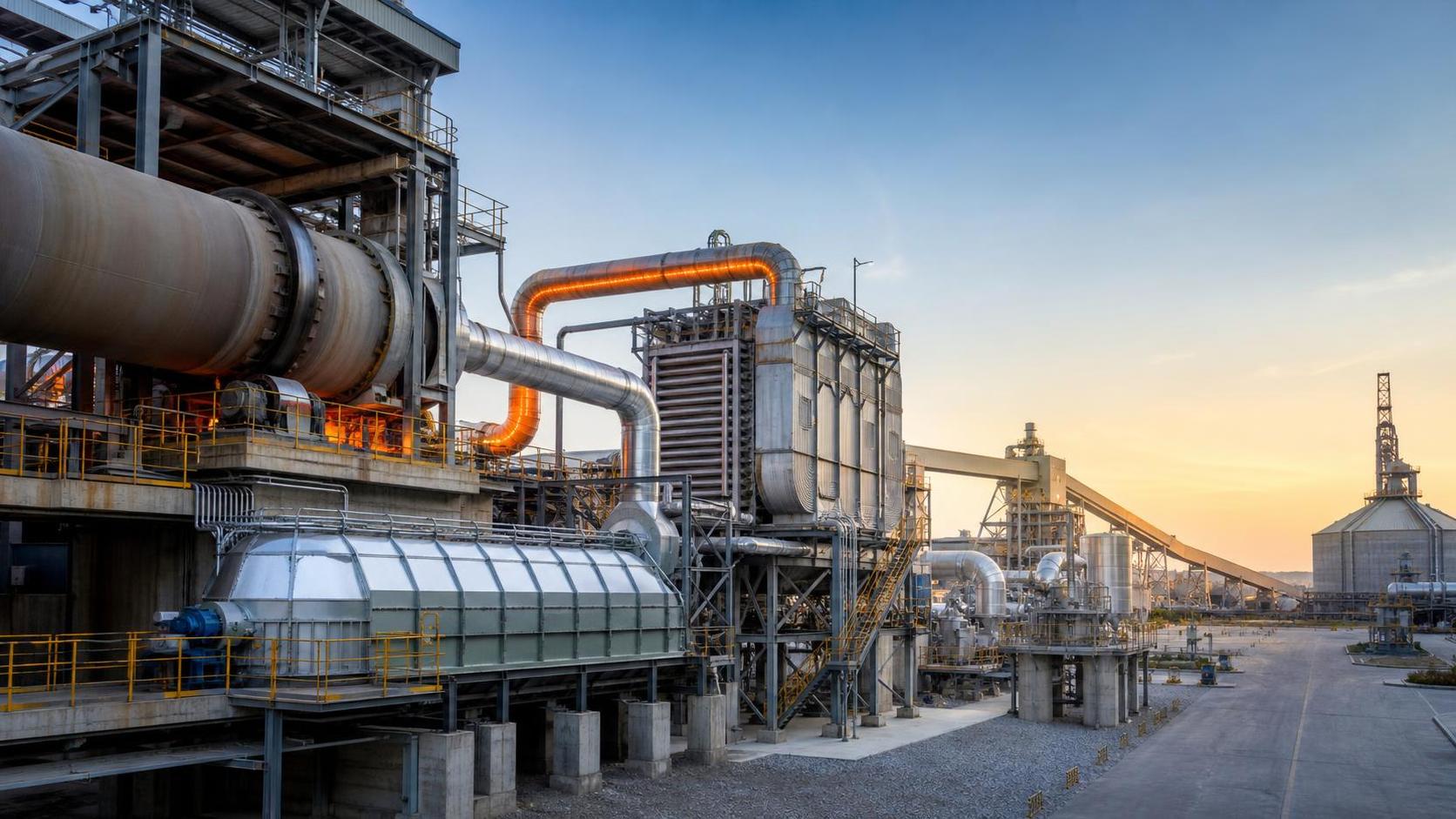
For cement plants, glass furnaces, industrial kilns, incineration lines, refractory production, and extrusion systems, a large share of input energy leaves the process as hot gas, radiation loss, or underused thermal discharge. Recovering part of that value can materially change project economics.
This is especially relevant in long-cycle heavy industry projects, where project managers must justify upfront equipment cost against years of operating performance. A line with better energy recirculation often performs better not only on utility bills, but also on financing confidence, compliance resilience, and capacity utilization.
- Lower lifecycle operating cost, especially in heat-intensive production stages such as drying, preheating, calcination, melting, curing, and thermal treatment.
- Improved project bankability because payback calculations become more robust under different fuel and power price scenarios.
- Stronger compliance positioning where carbon management, exhaust treatment, and energy reporting increasingly affect permitting and customer qualification.
- Better process stability when recovered energy is integrated into preheating, combustion air supply, steam generation, or raw material conditioning.
What project managers often miss at the planning stage
Many teams still evaluate industrial energy recovery too late, often after the main process layout is already fixed. That reduces integration options and may force compromises in duct routing, pressure balance, maintenance access, and control logic.
A better approach is to assess thermal recovery potential during feasibility and basic engineering. That is where process mapping, gas composition review, load profile analysis, and downstream heat demand matching can reveal whether a concept will support real project viability.
Which industrial energy recovery scenarios deliver the strongest value?
Not every heat source produces the same return. The most viable industrial energy recovery projects usually combine adequate temperature level, stable operating hours, manageable contamination risk, and a clear internal heat or power use case.
The table below compares common recovery scenarios across high-temperature industries and helps project managers focus on where technical feasibility and commercial value tend to align.
The main lesson is simple: industrial energy recovery becomes most valuable when the recovered heat has an immediate and repeatable destination. Project viability weakens when teams pursue theoretical recovery volumes without matching them to actual process demand.
How to judge whether a scenario is worth deeper engineering
- Check temperature quality, not just heat quantity. Low-grade heat may be abundant but difficult to use economically.
- Review annual operating hours. Recovery systems tied to intermittent lines often struggle to deliver the modeled savings.
- Assess gas cleanliness, dust loading, corrosive compounds, and fouling tendency because maintenance burden directly affects return.
- Confirm integration space, fan margin, pressure drop tolerance, and shutdown windows before approving a concept.
What should project managers compare before selecting a recovery route?
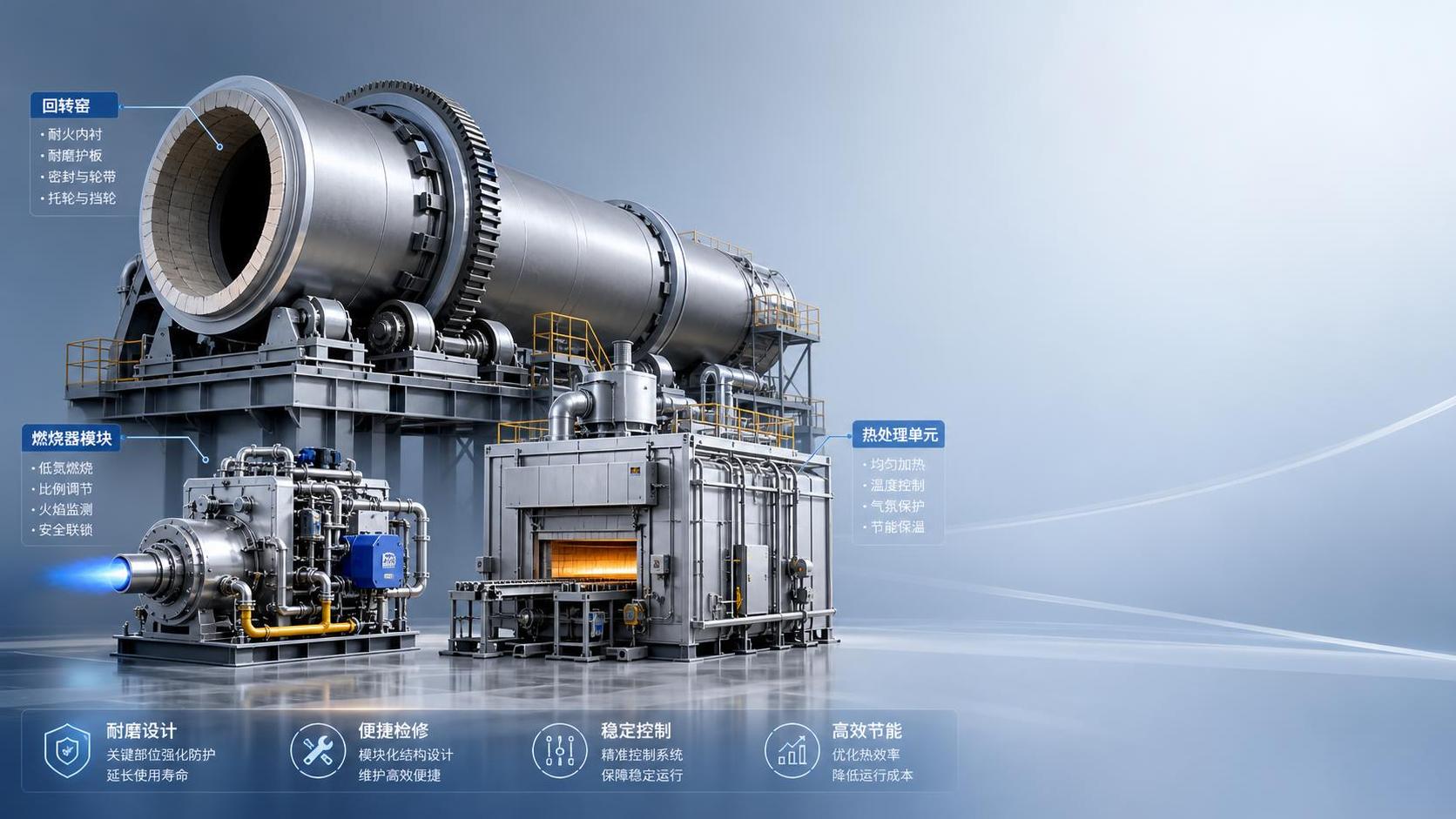
Choosing among heat exchangers, waste heat boilers, regenerative systems, ORC pathways, or direct hot gas reuse is rarely just a technical preference. It is a project decision involving capital cost, contamination risk, maintainability, and operational fit.
The comparison table below supports industrial energy recovery selection from a project management perspective rather than a purely equipment-centered view.
For project viability, direct reuse often wins when thermal demand is local and synchronized. Steam loops work well where multiple consumers exist. Power generation can be attractive at scale, but only after pressure, temperature, and load consistency are carefully validated.
A practical selection checklist
- Define the recoverable source by temperature, mass flow, composition, and operating profile.
- Map internal heat sinks and utility consumers before reviewing equipment vendors.
- Estimate parasitic loads such as fans, pumps, controls, and cleaning systems.
- Review maintenance strategy, spare parts exposure, and shutdown coordination.
- Stress-test payback under low-load, high-fouling, and fuel-price normalization scenarios.
How industrial energy recovery affects cost, schedule, and compliance
From a project office perspective, industrial energy recovery is valuable only when it improves the whole project equation. Savings on paper can disappear if integration causes schedule overruns, difficult commissioning, or unplanned outages later.
Cost drivers that deserve early attention
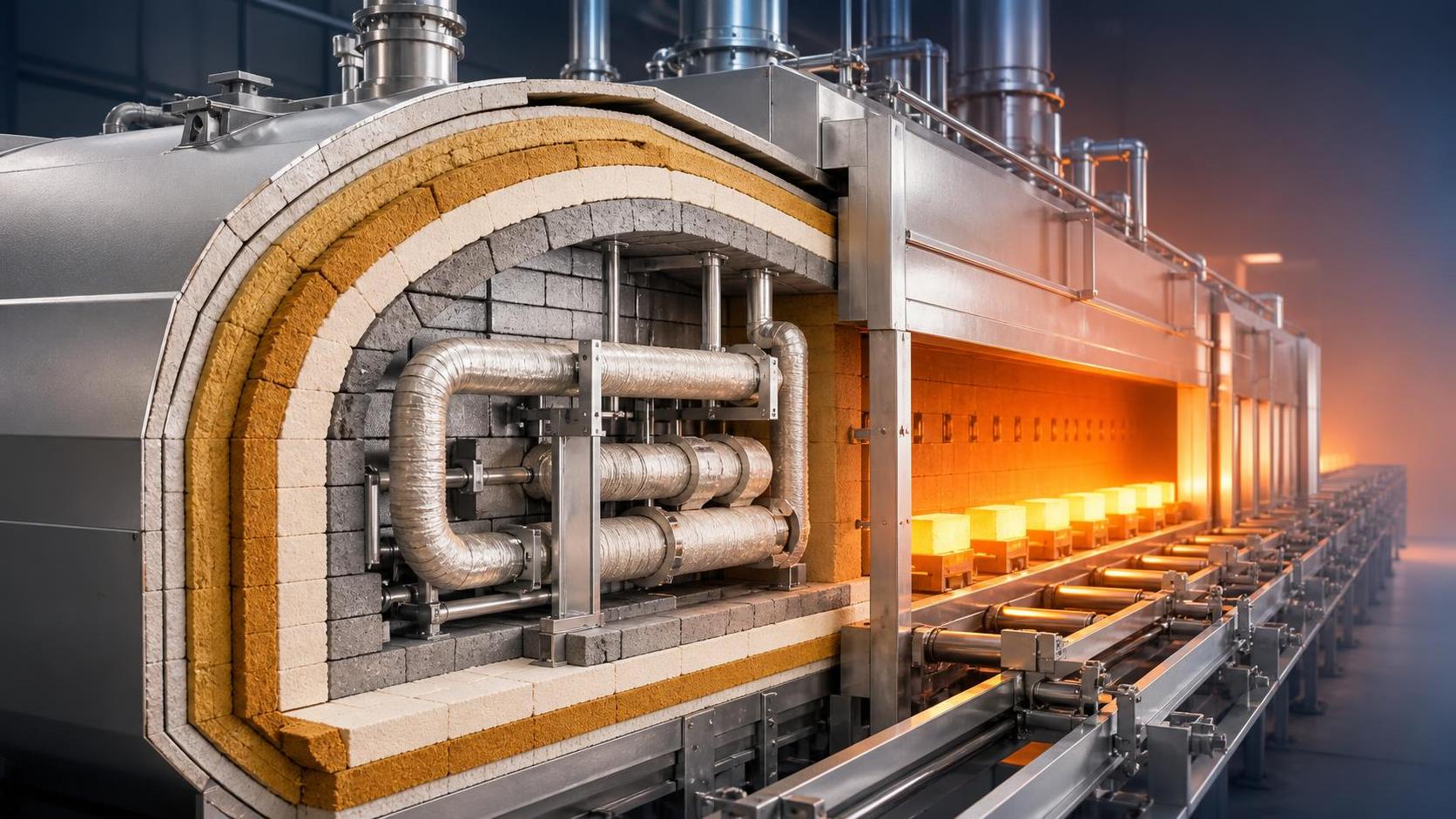
- Ductwork, structural steel, insulation, and access platforms are often underestimated in concept budgets.
- Dust, alkali, sulfur, chlorides, or condensable species may require material upgrades and cleaning provisions.
- Instrumentation quality matters. Poor temperature and flow measurement can undermine performance verification and operator trust.
- Control integration with kiln, furnace, burner, or air handling systems affects startup time and process stability.
Compliance and reporting benefits
In many regions, industrial projects face growing pressure to demonstrate energy efficiency and emissions discipline. Recovery systems can support internal carbon accounting, reduce specific fuel consumption, and strengthen environmental documentation during permitting or financing review.
Relevant frameworks vary by market, but project managers should pay attention to general requirements around pressure equipment safety, emissions monitoring, occupational heat exposure, and energy management practices such as ISO 50001-aligned programs where applicable.
Why intelligence-led planning matters in cement, glass, kiln, and refractory projects
Industrial energy recovery is not a one-size-fits-all purchase. A clinker line, float glass unit, hazardous waste co-processing kiln, and refractory tunnel kiln each operate with different gas chemistry, thermal rhythm, and quality constraints. That is why project managers need sector-specific intelligence, not generic efficiency claims.
CF-Elite’s value lies in connecting process engineering, thermal management, and market intelligence across the high-temperature economy. For decision-makers, this reduces the gap between technical possibility and commercially viable implementation.
Where this intelligence creates decision advantages
- In cement projects, understanding preheater, cooler, and co-processing interactions helps avoid recovery concepts that impair stable kiln operation.
- In glass lines, thermal recovery must be balanced against melt quality, furnace atmosphere, and downstream annealing logic.
- In industrial incineration, the business case may depend on both energy offset and waste treatment economics, not on heat value alone.
- In refractory production and extrusion systems, heat reuse opportunities often improve both drying performance and production consistency when matched correctly.
Common misconceptions and FAQ about industrial energy recovery
Does higher exhaust temperature always mean a better project?
No. High temperature is helpful, but stability, cleanliness, recoverable flow, and usable demand matter just as much. A lower-temperature stream with continuous operation and an adjacent heat sink may outperform a hotter but intermittent source.
What should project managers prioritize first: power generation or direct heat reuse?
In many plants, direct heat reuse deserves first evaluation because it avoids conversion losses and can require less complexity. Power generation becomes more attractive when electricity costs are high, thermal output is steady, and internal heat demand is already optimized.
What are the most common reasons industrial energy recovery underperforms?
Typical causes include unrealistic heat source assumptions, insufficient fouling analysis, weak control integration, poor maintenance access, and mismatch between recovered energy timing and process demand. Underperformance is often a system design issue rather than an equipment defect.
How early should this be included in a project schedule?
Ideally during feasibility or front-end engineering. At that stage, project teams can still optimize layout, utility architecture, CAPEX allocation, and shutdown strategy. Waiting until procurement closes usually reduces both technical and commercial flexibility.
Why choose us for industrial energy recovery decision support
For project managers and engineering leads, the real challenge is not finding the phrase industrial energy recovery. It is determining which recovery route fits a specific plant, what risks may erode the business case, and how to align technical selection with schedule, compliance, and long-term operational value.
CF-Elite supports that process with focused intelligence across cement production plants, glass manufacturing systems, industrial kilns and incineration, refractory lines, and new building material extrusion. Our perspective links thermal parameters, process chemistry, decarbonization direction, and market realities so your project team can evaluate options with more confidence.
You can contact us for specific support on parameter confirmation, recovery pathway screening, equipment selection logic, delivery cycle considerations, compliance review points, technical comparison for multiple schemes, and quotation-stage decision preparation. If your project involves waste heat reuse, process heat integration, or energy efficiency positioning in high-temperature industries, a structured discussion can help reduce selection errors before capital is committed.
Related News
 Optical Glass Tech FellowHow to Evaluate a Glass Annealing Equipment Manufacturer for Production StabilityChoose a glass annealing equipment manufacturer with proven thermal uniformity, reliable controls, lifecycle value, and responsive service for stable production.Sep 08, 2026
 Prof. Marcus ChenThermal Energy Architecture in North America: Strategies for Lower Building Energy UseThermal energy architecture North America helps project leaders cut building energy use through stronger envelopes, right-sized HVAC, storage, and smart commissioning.Sep 07, 2026
 Ms. Elena RodriguezHow Should Buyers Evaluate Building Material Industry Intelligence Pricing?Building material industry intelligence pricing: learn how to compare coverage, technical depth, and ROI to choose intelligence that reduces procurement risk.Sep 07, 2026
 Ms. Elena RodriguezHow to Use Building Material Intelligence Data for Market and Investment DecisionsBuilding material industry intelligence data helps leaders evaluate demand, costs, regulation, capacity, and technology to make smarter market and investment decisions.Sep 05, 2026
 Thermal Energy ArchitectHow PLC Control Improves Energy Efficiency and Temperature Stability in KilnsEnergy efficient kilns PLC control improves temperature stability, cuts fuel waste, and optimizes combustion, draft, and material flow. Explore proven strategies for smarter kiln modernization.Sep 04, 2026
 Optical Glass Tech FellowEuropean Glass Melting Processes: Furnace Choices, Energy Use, and Quality ControlGlass melting process Europe: explore furnace choices, energy efficiency, cullet strategy, and quality control to improve output, compliance, and long-term glass performance.Sep 03, 2026
 Thermal Energy ArchitectWhat Determines Refractory Lining Monitoring Price for Industrial Kilns?Refractory lining monitoring price depends on kiln size, sensor technology, installation, software, and support. Compare total lifecycle costs and choose the right solution.Sep 02, 2026
 Silicate Process EngineerCement Production System Costs: A Plant Buyer’s Guide to Budgeting and ROICement production systems cost planning made clear: compare CAPEX, operating costs, compliance, and ROI to build a resilient, profitable cement plant investment.Sep 01, 2026
 Dr. Alistair VaughnWhat Should a Process Technology Database Track for High-Temperature Plants?Process technology database essentials for high-temperature plants: track thermal profiles, feed chemistry, refractory wear, emissions, energy, and maintenance for safer, data-driven decisions.Aug 31, 2026
 Ms. Elena RodriguezHow to Evaluate a Silicate Processing Equipment Manufacturer for Plant ProjectsSilicate processing equipment manufacturer selection: assess process fit, guarantees, energy, compliance, delivery risk, and lifecycle support for dependable plant performance.Aug 30, 2026
 Dr. Alistair VaughnHow to Specify Custom Agricultural Processing Equipment for Throughput and HygieneEquipment customization services for agricultural processing: learn to specify hygienic, high-throughput lines that improve yield, reliability, and long-term efficiency.Aug 29, 2026
 Dr. Alistair VaughnHow to Select Process Plant Equipment for High-Temperature, Abrasive Production LinesProcess plant equipment selection for high-temperature, abrasive lines: reduce downtime, improve durability, and optimize lifecycle performance.Aug 28, 2026
 Silicate Process EngineerHow Kiln Heat Recovery Systems Cut Fuel Use in Cement and Lime ProductionKiln heat recovery helps cement and lime plants cut fuel use, improve thermal stability, and build practical, reliable decarbonization strategies.Aug 27, 2026
 Ms. Elena RodriguezProcess Equipment Comparison: Which Metrics Matter Most for Reliable Selection?Process equipment comparison made practical: discover which metrics truly drive reliable selection, from energy efficiency and control stability to wear life, maintainability, and uptime.Aug 26, 2026
 Ms. Elena RodriguezWhat Buyers Should Check Before Sourcing Precision Alloy Bars for Critical PartsPrecision Alloy Bars buyers should verify grade, chemistry, tolerances, surface quality, traceability, and lead time before sourcing for critical parts. Learn what prevents costly machining and reliability risks.Aug 27, 2026
 Ms. Elena RodriguezHow to Evaluate Thermal Management Solutions Insulation for High-Heat Industrial SystemsThermal management solutions insulation: learn how to assess high-heat industrial systems by thermal performance, durability, lifecycle cost, and supplier data for smarter decisions.Aug 25, 2026
 Ms. Elena RodriguezWhat Drives Waste Recycling Cost in Industrial Projects and How to Estimate It?Waste recycling cost in industrial projects depends on composition, moisture, transport, pre-treatment, and compliance. Learn how to estimate it accurately and compare suppliers with confidence.Aug 24, 2026
 Silicate Process EngineerHow to Evaluate Cement Production Plants in the Middle East for Capacity, Fuel Flexibility, and ROIcement production plants Middle East: Learn how to assess true capacity, fuel flexibility, and ROI risks to identify resilient assets and smarter investment opportunities.Aug 23, 2026
 Structural Material AnalystHow to Evaluate Lightweight Material Machinery for Output, Energy Use, and Product QualityLightweight material machinery evaluation guide: compare stable output, energy use, and product quality to choose equipment that cuts waste, lowers costs, and improves production confidence.Aug 22, 2026
 Material Heat-Resist ExpertWhat Determines Refractory Production Line Price in a Turnkey Plant Project?Refractory production line price depends on raw materials, forming method, kiln and drying design, automation, utilities, and scope. Learn what really drives turnkey plant cost before you invest.Aug 21, 2026

Related News
- 00
0000-00
What Should a Process Technology Database Track for High-Temperature Plants? - 00
0000-00
How to Specify Custom Agricultural Processing Equipment for Throughput and Hygiene - 00
0000-00
How to Select Process Plant Equipment for High-Temperature, Abrasive Production Lines - 00
0000-00
What Causes Thermal Shock Failure in Heat-Resistant Materials During Development? - 00
0000-00
How Digital Twin Simulations Improve Process Plant Design, Safety, and Uptime
Weekly Insights
Stay ahead with our curated technology reports delivered every Monday.