
When high-pressure molding technology lowers defect rates




For quality and safety control, defect reduction is never only about scrap. It also affects uptime, energy use, traceability, and downstream stability.
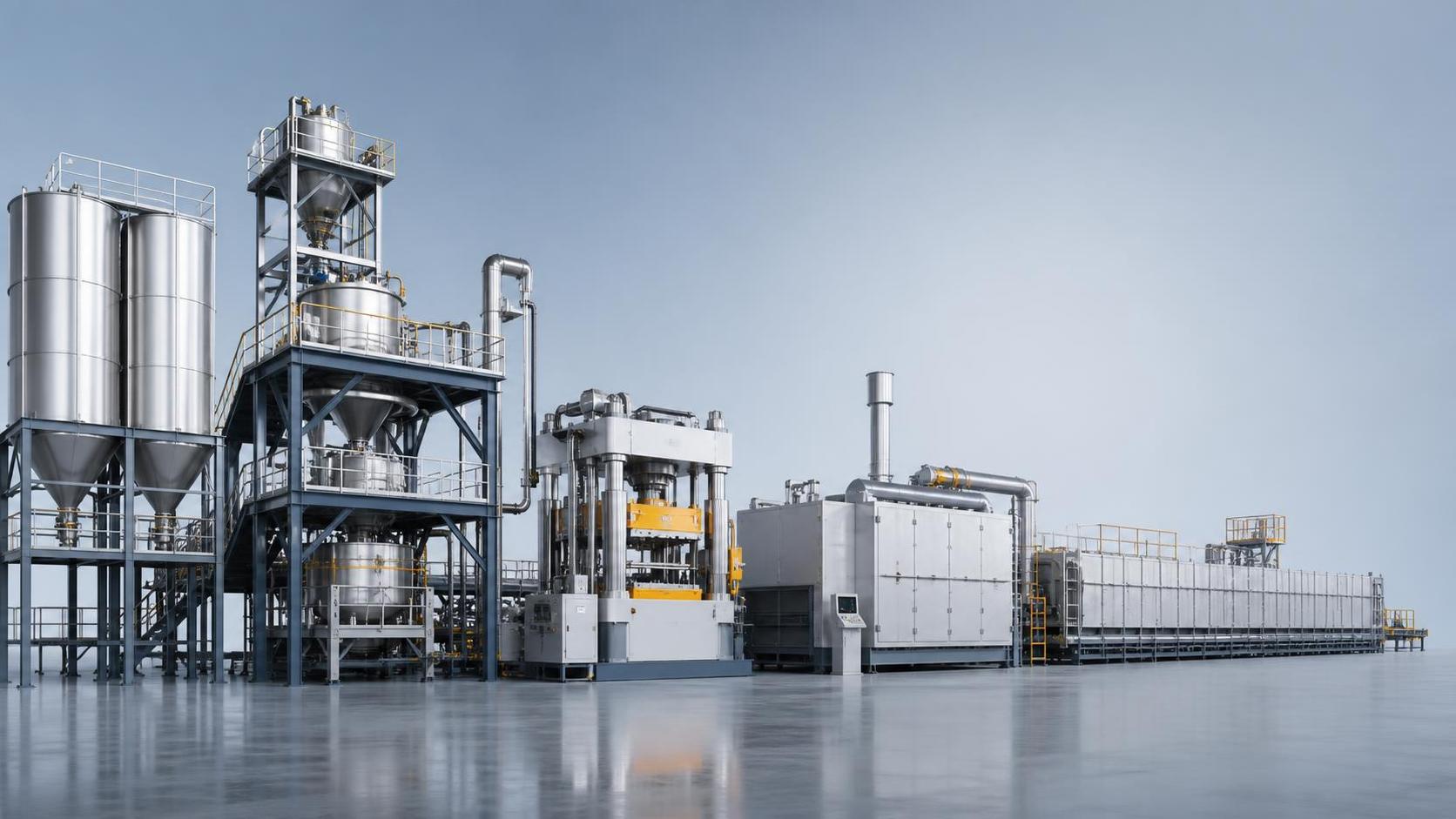
That is why high-pressure molding technology matters across silicate, thermal, and building material operations. It improves density, reduces variation, and supports safer, more predictable production.
Within the CF-Elite view of foundation materials and thermal management, this topic connects process discipline with carbon efficiency, equipment performance, and product consistency.
When defect reduction becomes a scenario decision, not just a machine upgrade
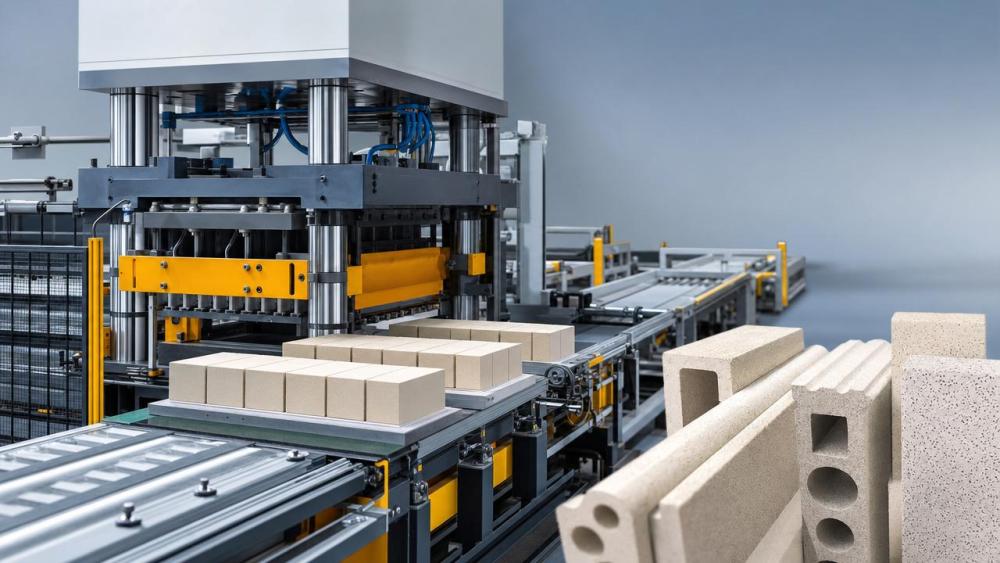
Not every line needs the same molding force, cycle profile, or moisture window. The value of high-pressure molding technology depends on material behavior and defect sensitivity.
In cement-adjacent products, dimensional stability often drives stacking strength and transport yield. In refractory lines, density and crack resistance usually matter more than simple output speed.
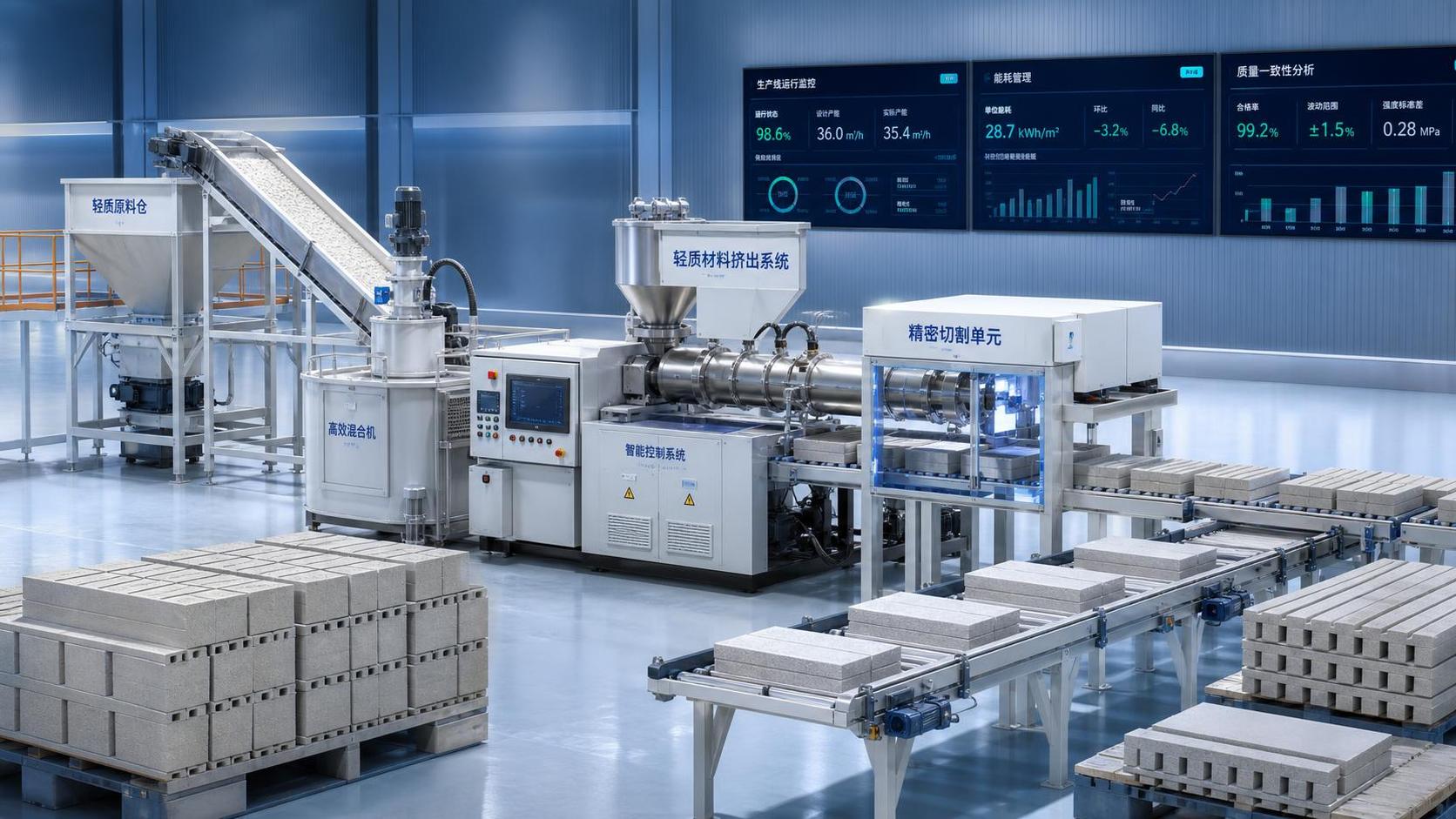
Extruded green building materials bring another scenario. They need a balance between high compaction, lightweight structure, and controlled drying to avoid deformation after forming.
Industrial teams often compare capital cost first. A better starting point is defect mapping. Ask where variation begins, how often it repeats, and whether pressure can remove the root cause.
In dense silicate products, high-pressure molding technology cuts hidden internal flaws
Silicate-based bodies often trap uneven moisture, air pockets, or weak particle bonding. These defects may remain invisible until firing, curing, or transport loading.
Here, high-pressure molding technology helps by raising green density and improving particle packing. Better contact between particles reduces voids that later become cracks or edge failures.
Core judgment points for this scenario
- Frequent lamination, micro-cracks, or chipping after demolding
- High firing loss linked to density inconsistency
- Large strength variation between batches
- Excessive rework caused by dimensional drift
When these signals appear together, high-pressure molding technology can be more effective than simply changing recipes or extending drying time.
In refractory and thermal barrier lines, pressure uniformity matters more than peak force
Refractory products work under thermal shock, abrasion, and chemical attack. A part with excellent average density can still fail if density distribution is uneven.
This is where high-pressure molding technology should be judged by force control, dwell time, mold wear, and repeatability, not by pressure rating alone.
Poor pressure distribution can create gradients inside bricks, blocks, or shapes. Those gradients later expand into spalling, warpage, or early lining replacement.
What to check before process changes
- Pressing curve consistency across shifts
- Particle size distribution and binder response
- Mold cavity wear and surface release condition
- Green body handling vibration after ejection
For CF-Elite tracked thermal industries, this scenario links directly to lining life, shutdown frequency, and total energy efficiency.
In lightweight building material extrusion, high-pressure molding technology must match drying behavior
Green building products create a different challenge. They need enough compaction for handling strength, but not so much that internal moisture escape becomes unstable.
In this scenario, high-pressure molding technology should be integrated with extrusion speed, venting, die design, and downstream drying logic.
If pressure rises without moisture and vent control, visible defects may decrease at first. Later, blistering, corner collapse, or drying cracks can increase.
Useful signs of proper adaptation
- Lower breakage during transfer and stacking
- More stable dimensions after drying
- Reduced die swell or section distortion
- More consistent bulk density at final inspection
The best results come when high-pressure molding technology is treated as one part of a full forming-to-drying control strategy.
Different scenarios need different targets, tolerances, and monitoring priorities
A single defect KPI does not work across all applications. The table below shows how scenario priorities change.
This comparison shows why high-pressure molding technology should be selected by application fit, not by broad claims of higher output.
How to adapt high-pressure molding technology without creating new quality risks
A stable transition requires process sequencing. Pressure upgrades should not move faster than material testing, mold verification, and operator response planning.
Recommended adaptation steps
- Map the top three recurring defect modes by batch, shift, and product type.
- Test compaction windows using controlled pressure and dwell adjustments.
- Measure density distribution, not only average density.
- Align molding settings with drying, firing, or curing conditions.
- Track mold wear and ejection behavior after parameter changes.
- Review energy use per accepted unit, not per produced unit.
When managed this way, high-pressure molding technology supports both quality control and safer process behavior under demanding industrial conditions.
Common misjudgments that keep defect rates high
Several errors appear repeatedly in heavy material processing. They slow gains and sometimes increase hidden failure risk.
- Assuming more pressure always means fewer defects
- Ignoring feed consistency before changing molding parameters
- Monitoring output speed while missing post-forming damage
- Judging success by short trials without downstream verification
- Overlooking safety interlocks during cycle time compression
These mistakes matter because high-pressure molding technology interacts with people, molds, materials, and thermal stages at the same time.
A narrow equipment view often misses the full defect pathway. CF-Elite intelligence consistently shows that cross-stage monitoring delivers better long-cycle returns.
A practical next step for stronger quality, safer operation, and lower waste
Start with one production family where rejects are measurable and recurring. Build a simple baseline covering density, dimensions, breakage, energy use, and safety events.
Then review whether high-pressure molding technology can solve the actual defect mechanism. In many cases, the best answer is a combined upgrade in pressure control, mold condition, and thermal follow-up.
For industries linked to silicate processing, refractory systems, incineration infrastructure, and new building materials, this approach supports stronger decisions with less trial-and-error.
When defect reduction aligns with material science and thermal logic, high-pressure molding technology becomes more than a forming method. It becomes a reliable path to better yield, safer production, and smarter industrial performance.
Related News
 Optical Glass Tech FellowHow to Evaluate a Glass Annealing Equipment Manufacturer for Production StabilityChoose a glass annealing equipment manufacturer with proven thermal uniformity, reliable controls, lifecycle value, and responsive service for stable production.Sep 08, 2026
 Prof. Marcus ChenThermal Energy Architecture in North America: Strategies for Lower Building Energy UseThermal energy architecture North America helps project leaders cut building energy use through stronger envelopes, right-sized HVAC, storage, and smart commissioning.Sep 07, 2026
 Ms. Elena RodriguezHow Should Buyers Evaluate Building Material Industry Intelligence Pricing?Building material industry intelligence pricing: learn how to compare coverage, technical depth, and ROI to choose intelligence that reduces procurement risk.Sep 07, 2026
 Ms. Elena RodriguezHow to Use Building Material Intelligence Data for Market and Investment DecisionsBuilding material industry intelligence data helps leaders evaluate demand, costs, regulation, capacity, and technology to make smarter market and investment decisions.Sep 05, 2026
 Thermal Energy ArchitectHow PLC Control Improves Energy Efficiency and Temperature Stability in KilnsEnergy efficient kilns PLC control improves temperature stability, cuts fuel waste, and optimizes combustion, draft, and material flow. Explore proven strategies for smarter kiln modernization.Sep 04, 2026
 Optical Glass Tech FellowEuropean Glass Melting Processes: Furnace Choices, Energy Use, and Quality ControlGlass melting process Europe: explore furnace choices, energy efficiency, cullet strategy, and quality control to improve output, compliance, and long-term glass performance.Sep 03, 2026
 Thermal Energy ArchitectWhat Determines Refractory Lining Monitoring Price for Industrial Kilns?Refractory lining monitoring price depends on kiln size, sensor technology, installation, software, and support. Compare total lifecycle costs and choose the right solution.Sep 02, 2026
 Silicate Process EngineerCement Production System Costs: A Plant Buyer’s Guide to Budgeting and ROICement production systems cost planning made clear: compare CAPEX, operating costs, compliance, and ROI to build a resilient, profitable cement plant investment.Sep 01, 2026
 Dr. Alistair VaughnWhat Should a Process Technology Database Track for High-Temperature Plants?Process technology database essentials for high-temperature plants: track thermal profiles, feed chemistry, refractory wear, emissions, energy, and maintenance for safer, data-driven decisions.Aug 31, 2026
 Ms. Elena RodriguezHow to Evaluate a Silicate Processing Equipment Manufacturer for Plant ProjectsSilicate processing equipment manufacturer selection: assess process fit, guarantees, energy, compliance, delivery risk, and lifecycle support for dependable plant performance.Aug 30, 2026
 Dr. Alistair VaughnHow to Specify Custom Agricultural Processing Equipment for Throughput and HygieneEquipment customization services for agricultural processing: learn to specify hygienic, high-throughput lines that improve yield, reliability, and long-term efficiency.Aug 29, 2026
 Dr. Alistair VaughnHow to Select Process Plant Equipment for High-Temperature, Abrasive Production LinesProcess plant equipment selection for high-temperature, abrasive lines: reduce downtime, improve durability, and optimize lifecycle performance.Aug 28, 2026
 Silicate Process EngineerHow Kiln Heat Recovery Systems Cut Fuel Use in Cement and Lime ProductionKiln heat recovery helps cement and lime plants cut fuel use, improve thermal stability, and build practical, reliable decarbonization strategies.Aug 27, 2026
 Ms. Elena RodriguezProcess Equipment Comparison: Which Metrics Matter Most for Reliable Selection?Process equipment comparison made practical: discover which metrics truly drive reliable selection, from energy efficiency and control stability to wear life, maintainability, and uptime.Aug 26, 2026
 Ms. Elena RodriguezWhat Buyers Should Check Before Sourcing Precision Alloy Bars for Critical PartsPrecision Alloy Bars buyers should verify grade, chemistry, tolerances, surface quality, traceability, and lead time before sourcing for critical parts. Learn what prevents costly machining and reliability risks.Aug 27, 2026
 Ms. Elena RodriguezHow to Evaluate Thermal Management Solutions Insulation for High-Heat Industrial SystemsThermal management solutions insulation: learn how to assess high-heat industrial systems by thermal performance, durability, lifecycle cost, and supplier data for smarter decisions.Aug 25, 2026
 Ms. Elena RodriguezWhat Drives Waste Recycling Cost in Industrial Projects and How to Estimate It?Waste recycling cost in industrial projects depends on composition, moisture, transport, pre-treatment, and compliance. Learn how to estimate it accurately and compare suppliers with confidence.Aug 24, 2026
 Silicate Process EngineerHow to Evaluate Cement Production Plants in the Middle East for Capacity, Fuel Flexibility, and ROIcement production plants Middle East: Learn how to assess true capacity, fuel flexibility, and ROI risks to identify resilient assets and smarter investment opportunities.Aug 23, 2026
 Structural Material AnalystHow to Evaluate Lightweight Material Machinery for Output, Energy Use, and Product QualityLightweight material machinery evaluation guide: compare stable output, energy use, and product quality to choose equipment that cuts waste, lowers costs, and improves production confidence.Aug 22, 2026
 Material Heat-Resist ExpertWhat Determines Refractory Production Line Price in a Turnkey Plant Project?Refractory production line price depends on raw materials, forming method, kiln and drying design, automation, utilities, and scope. Learn what really drives turnkey plant cost before you invest.Aug 21, 2026



Related News
- 00
0000-00
What Should a Process Technology Database Track for High-Temperature Plants? - 00
0000-00
How to Specify Custom Agricultural Processing Equipment for Throughput and Hygiene - 00
0000-00
How to Select Process Plant Equipment for High-Temperature, Abrasive Production Lines - 00
0000-00
What Causes Thermal Shock Failure in Heat-Resistant Materials During Development? - 00
0000-00
How Digital Twin Simulations Improve Process Plant Design, Safety, and Uptime
Weekly Insights
Stay ahead with our curated technology reports delivered every Monday.