
Advanced silicate processing can improve batch stability




For technical evaluators, advanced silicate processing is more than a process upgrade—it is a practical route to stronger batch stability, tighter thermal control, and more predictable product quality across high-temperature production systems. In cement, glass, refractory, and extrusion applications, understanding how raw mix behavior, reaction kinetics, and equipment coordination interact can reveal where efficiency gains and risk reduction truly begin.
In large-scale silicate production, batch instability rarely comes from one variable alone. It is usually the result of 4 to 6 interacting factors, including moisture variation, particle size spread, feeder deviation, thermal lag, and incomplete process feedback. For technical teams assessing new lines, retrofit options, or performance bottlenecks, advanced silicate processing offers a framework for controlling those variables before they become product defects, energy losses, or kiln disruptions.
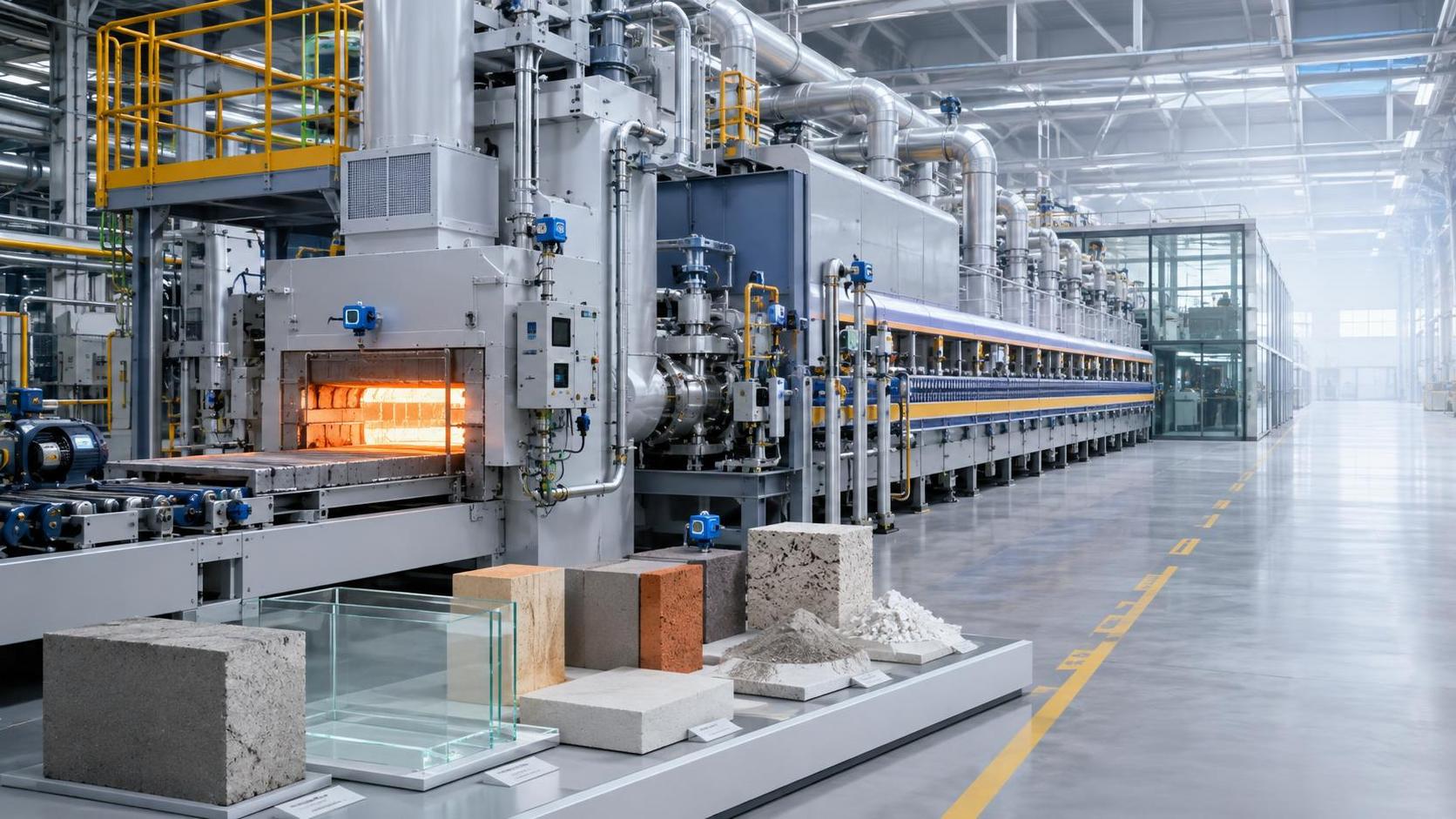
This matters across the core sectors observed by CF-Elite: cement plants, glass manufacturing systems, industrial kilns and incineration, refractory lines, and new building material extrusion. In each case, stronger batch stability improves not only output consistency but also refractory life, fuel efficiency, environmental compliance, and maintenance planning. For evaluators, the key question is not whether processing sophistication adds value, but where it delivers the fastest operational return with the lowest implementation risk.
Why Batch Stability Starts Upstream in Advanced Silicate Processing
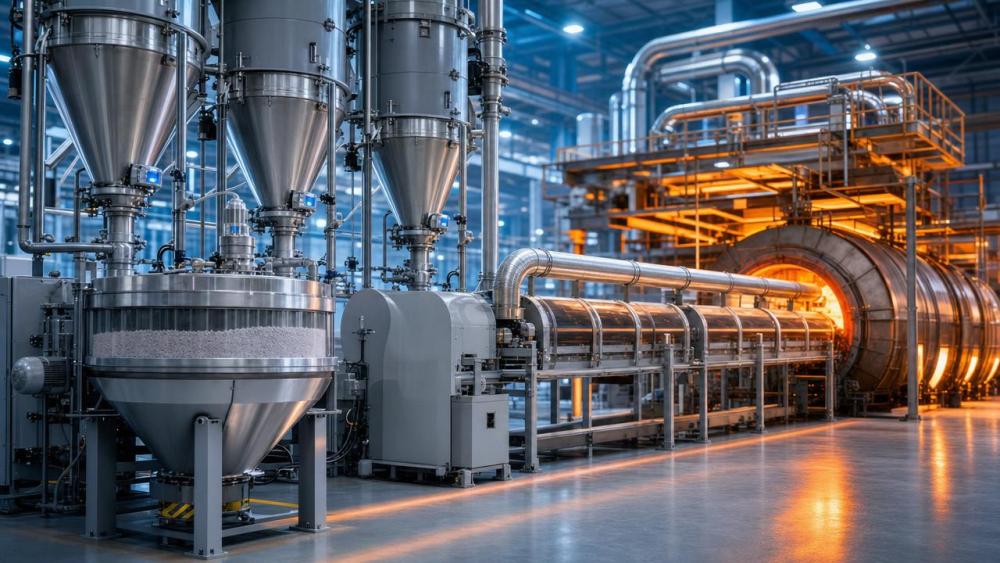
Batch stability is often discussed at the furnace, kiln, or extruder, yet the first losses typically appear upstream. In advanced silicate processing, raw material conditioning, proportioning accuracy, and homogenization quality form the first control layer. If particle size drifts from a target band such as 75–250 µm, or if moisture fluctuates by more than 1.0%–1.5%, thermal behavior downstream becomes less predictable.
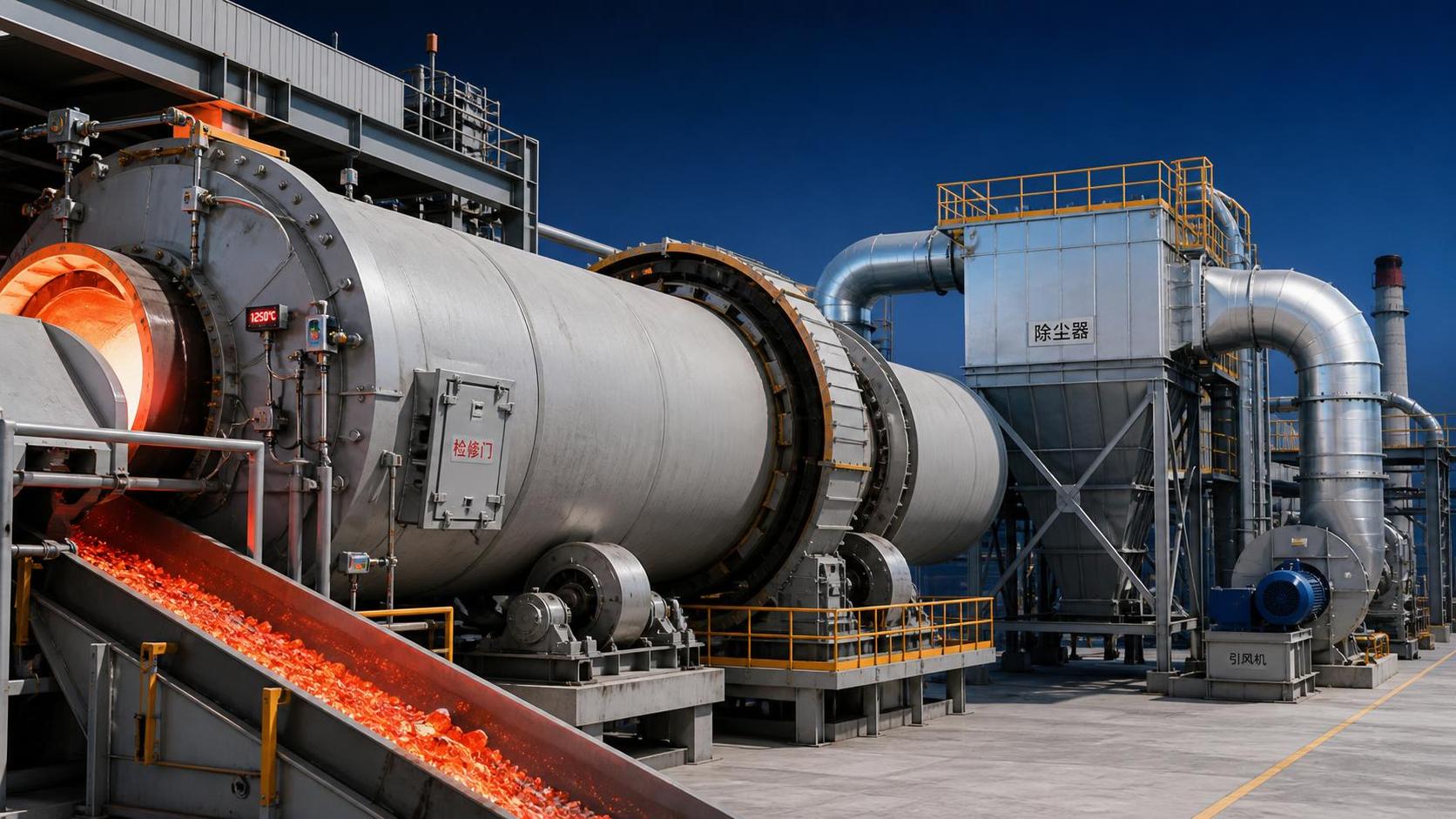
For technical evaluators, this upstream view is essential because many apparent thermal problems are actually feed preparation problems. A float glass furnace may show unstable melt behavior, but the root cause may be inconsistent cullet ratio or soda ash dispersion. A rotary kiln may exhibit ring formation or high free lime variation, while the trigger is poor raw meal uniformity rather than burner design alone.
The Main Stability Variables to Evaluate
A useful screening model is to review 5 process layers: raw chemistry, particle distribution, moisture control, mixing uniformity, and transfer consistency. If even 2 of these layers are unstable, batch-to-batch repeatability declines quickly. In most high-temperature systems, a feeder deviation of ±0.5% may already be significant when multiple additives are involved.
- Raw chemistry variation in CaO, SiO2, Al2O3, MgO, alkalis, or trace contaminants
- Particle size segregation during storage, conveying, or intermediate transfer
- Moisture shifts caused by seasonal raw material changes or open-yard handling
- Insufficient mixing time, often below the practical 90–180 second range for complex dry blends
- Feeder calibration drift, especially on multi-component lines operating continuously for 8–24 hours
Why This Matters Across Silicate Industries
In cement, poor raw meal stability can increase thermal load and clinker variability. In glass, uneven batch composition changes melting rate and bubble release behavior. In refractory production, minor shifts in alumina-silica ratio can alter shrinkage, porosity, and hot strength. In extrusion-based building materials, unstable feed rheology affects die pressure, shape retention, and final density.
For CF-Elite’s coverage areas, this is where advanced silicate processing becomes strategically important. It links process chemistry with thermal management and operating economics, helping decision-makers identify whether the best investment sits in batching, mixing, preheating, online sensing, or digital coordination between units.
The table below outlines common instability sources and the technical consequences most evaluators should track during line assessment or retrofit planning.
For evaluators, the key takeaway is that advanced silicate processing improves batch stability when it reduces variation before thermal conversion starts. That is usually more cost-effective than compensating later with higher fuel input, longer retention time, or tighter manual supervision.
How Advanced Silicate Processing Strengthens Thermal Control and Product Predictability
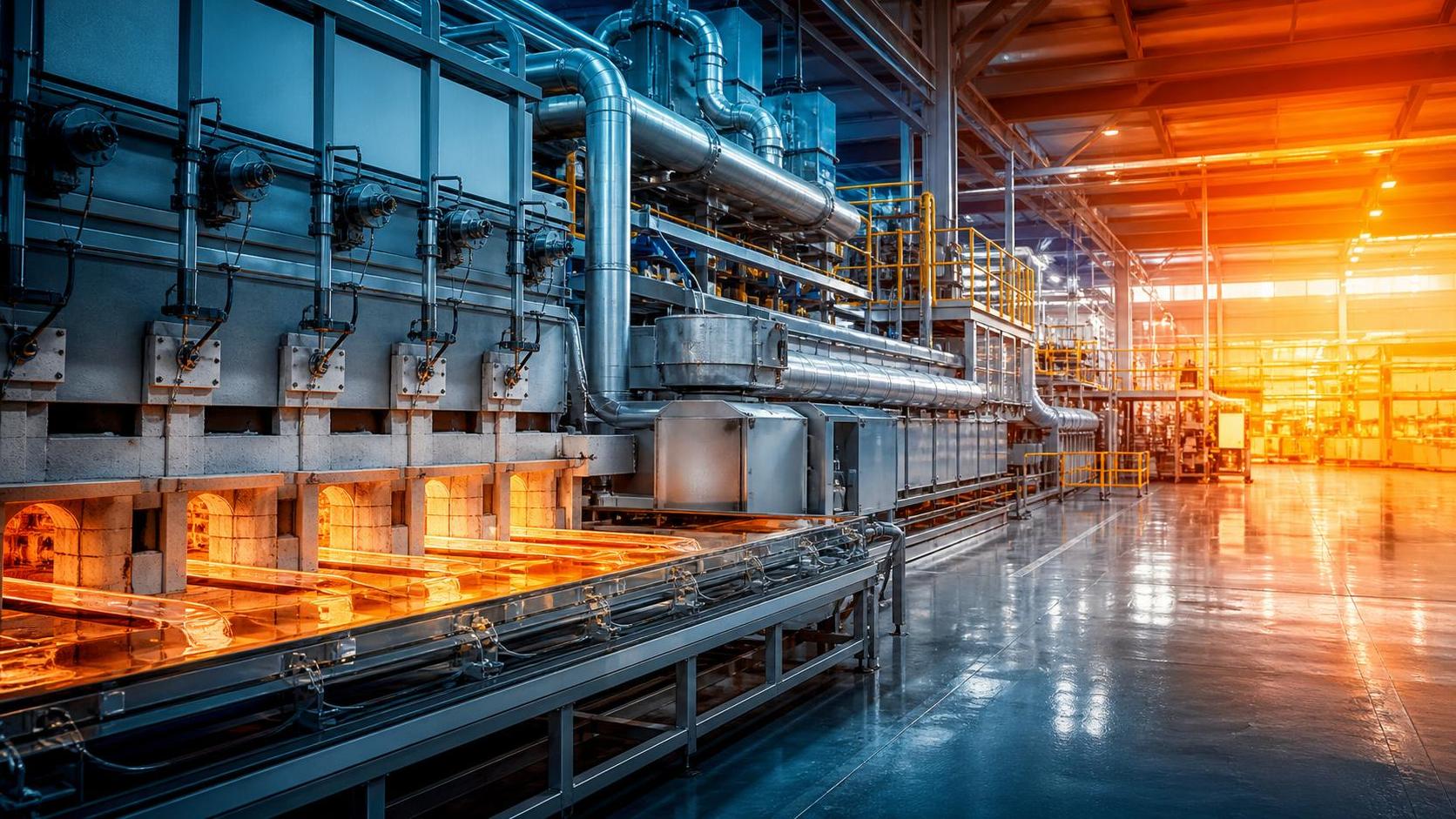
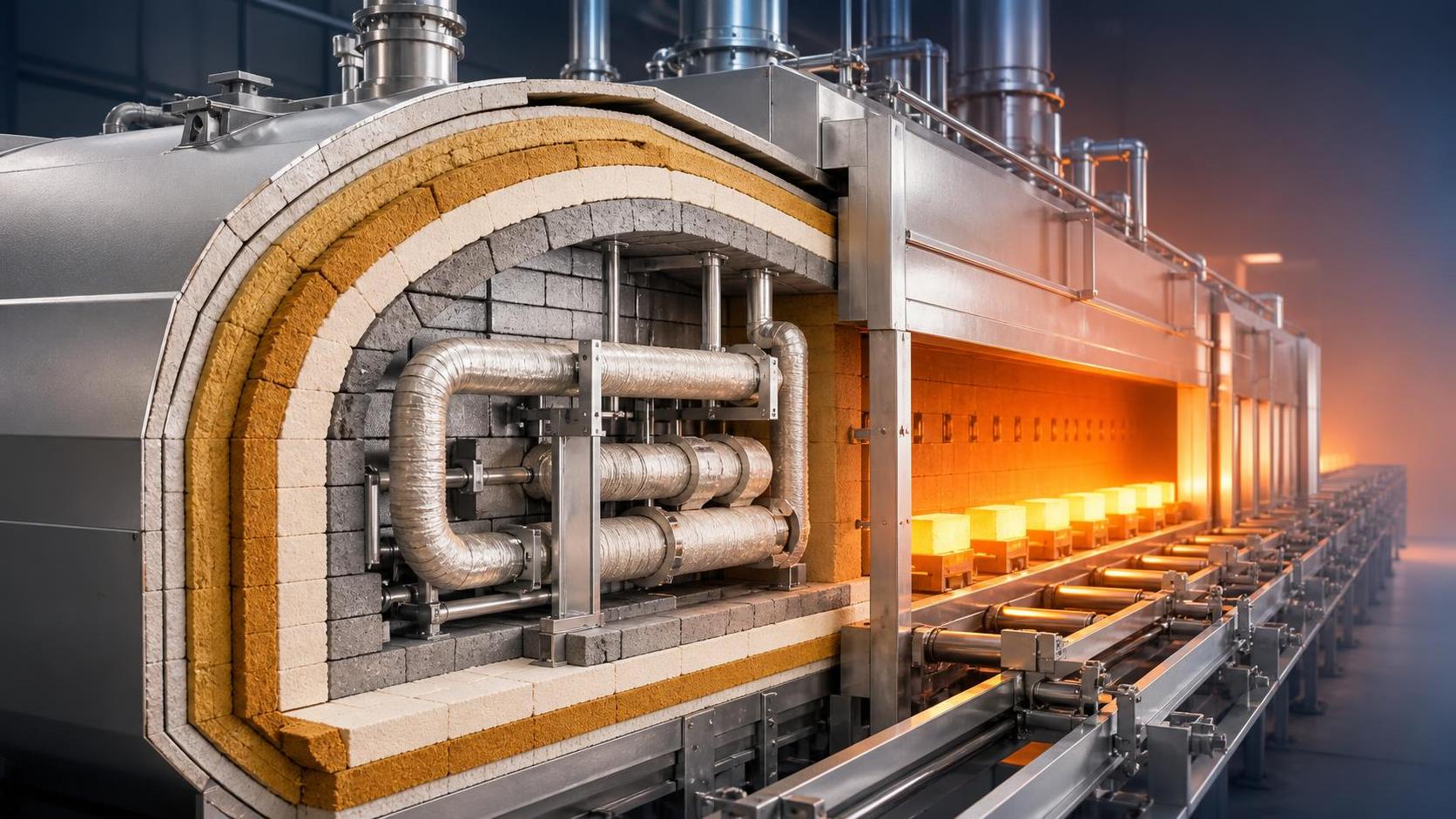
Once feed uniformity improves, the next advantage is thermal control. In high-temperature plants, stable input creates stable heat demand. This can reduce temperature oscillation, lower overfiring risk, and improve residence-time consistency. In practical terms, many operations target temperature variation bands within ±5°C to ±15°C in critical zones, depending on product sensitivity and furnace or kiln design.
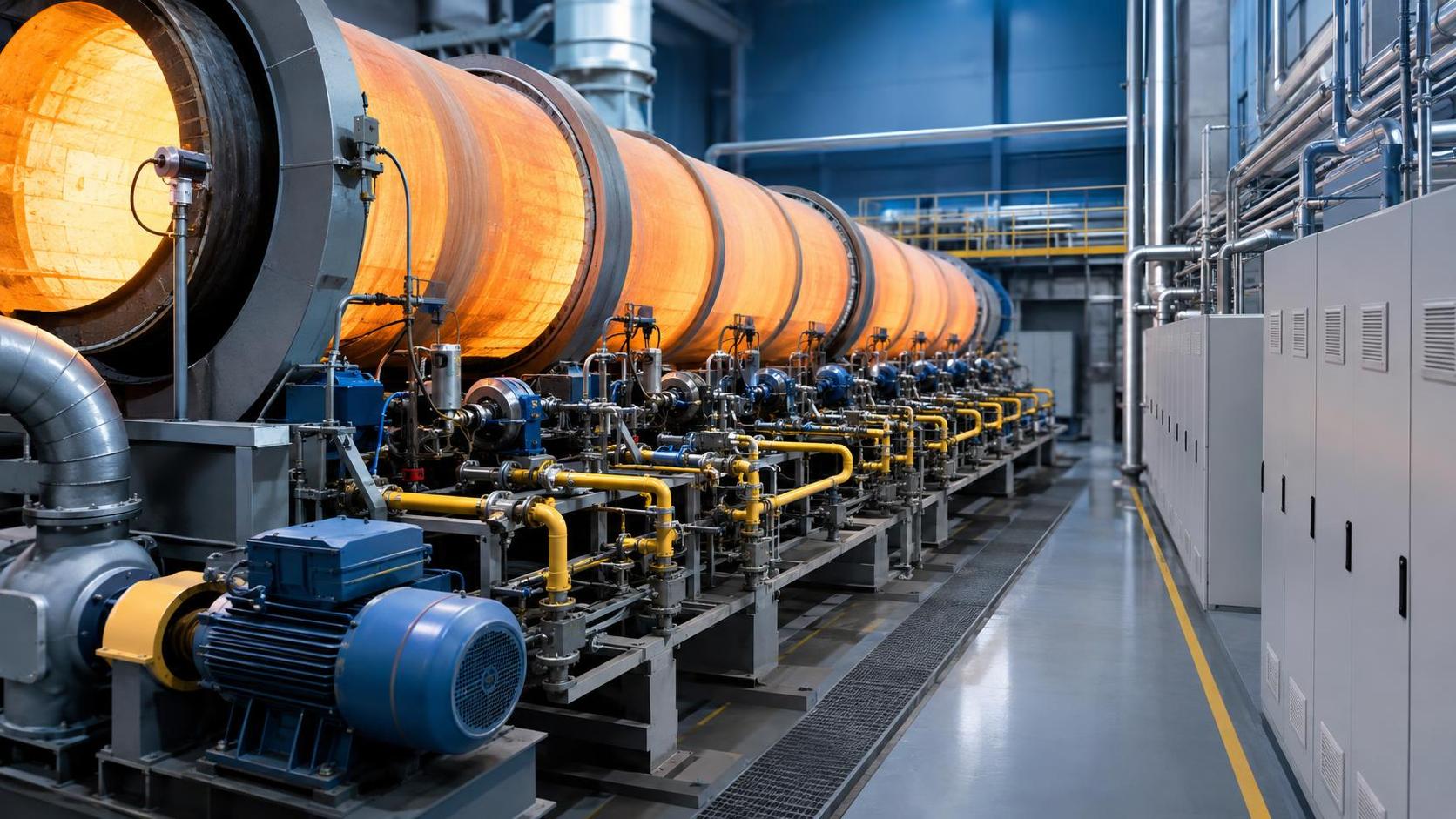
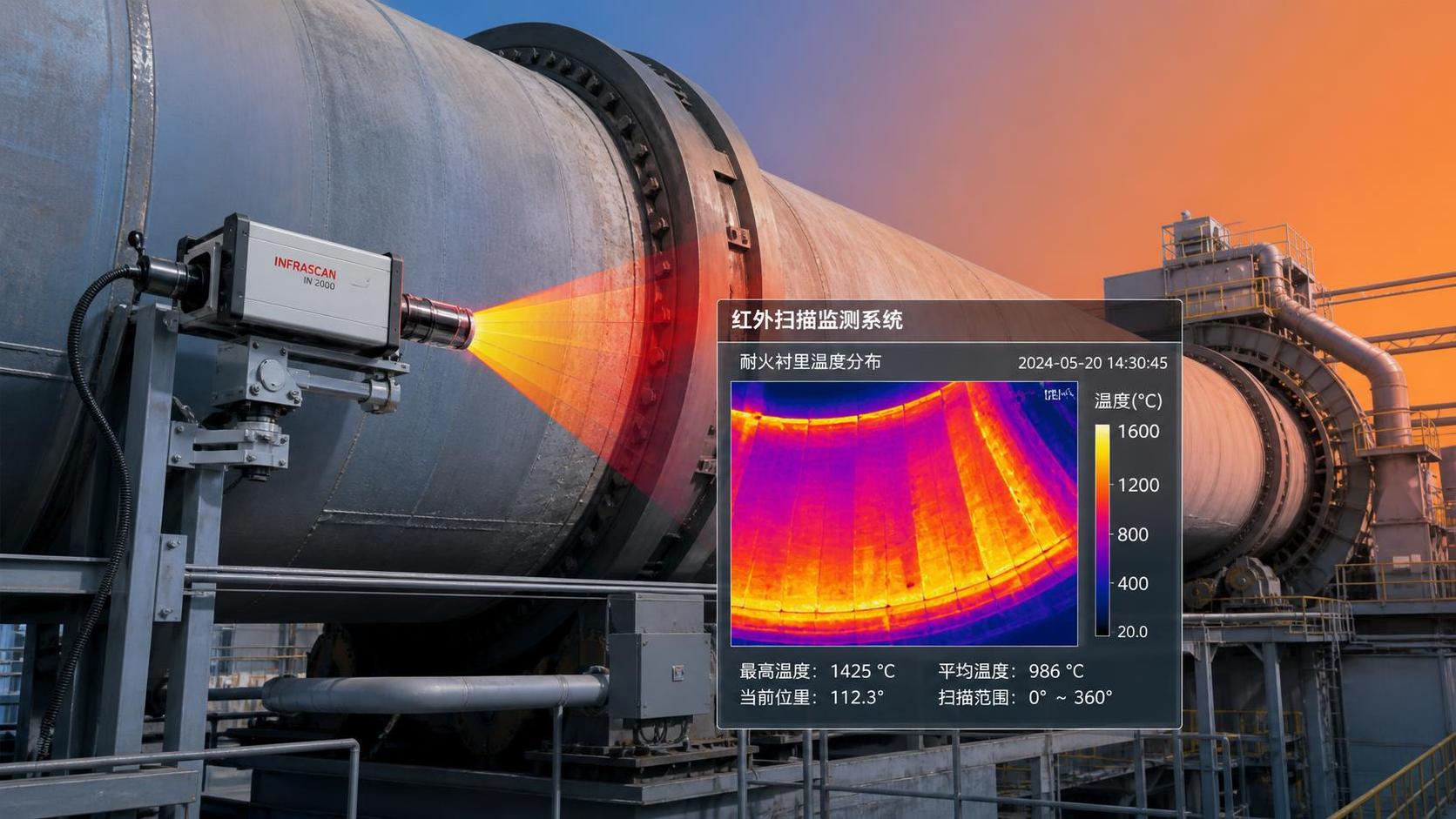
Advanced silicate processing supports this by aligning material preparation with reaction kinetics. Instead of treating the kiln, furnace, or extrusion dryer as isolated assets, the process is managed as a sequence. The best-performing lines often coordinate 3 elements at once: feed chemistry control, staged thermal profiling, and real-time correction using online measurements.
Application-Specific Benefits by Sector
Different silicate sectors express stability in different ways, so evaluators should use sector-relevant performance indicators rather than a single generic benchmark.
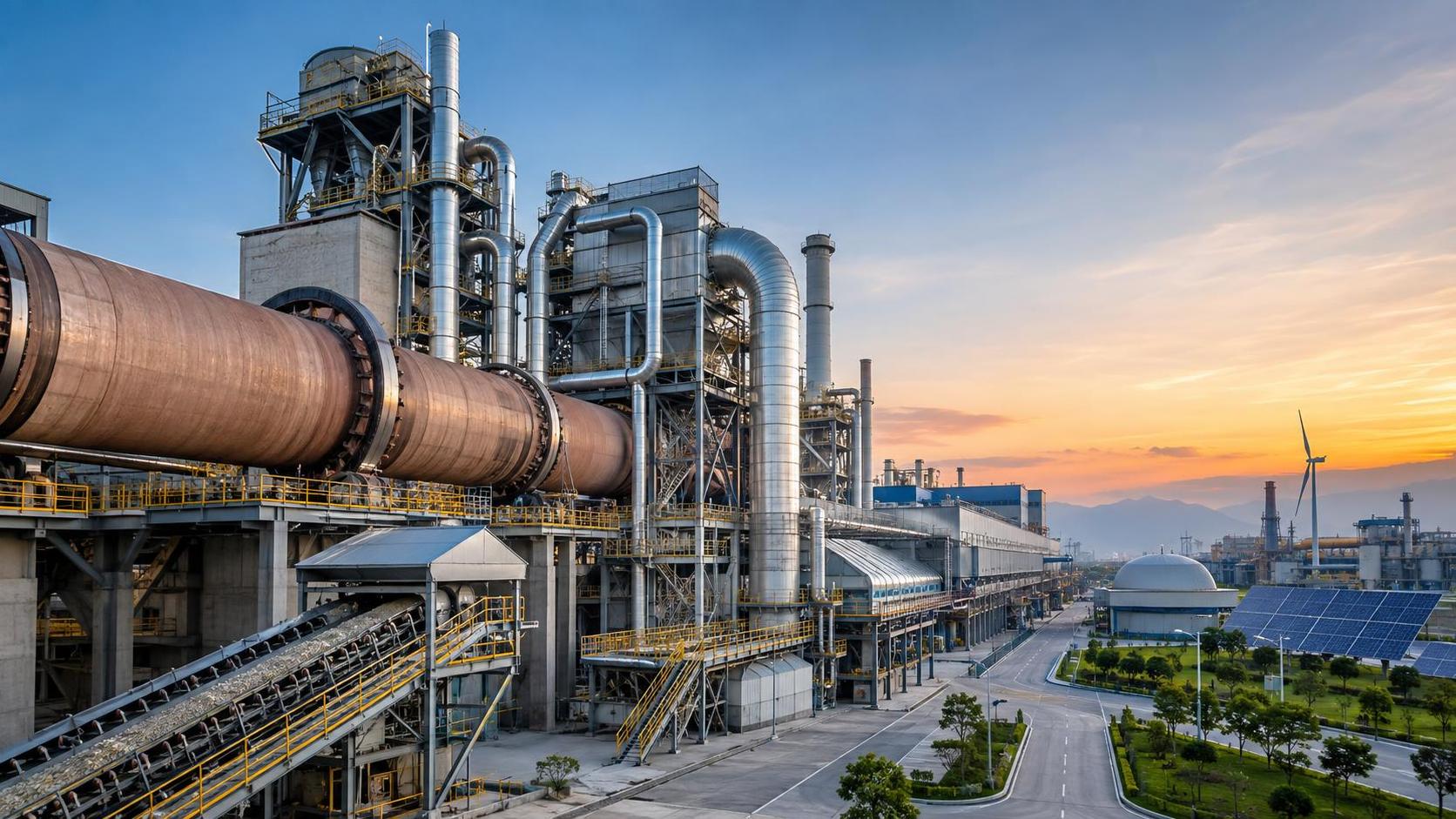
- Cement lines focus on kiln feed uniformity, free lime control, clinker phase balance, and specific heat consumption.
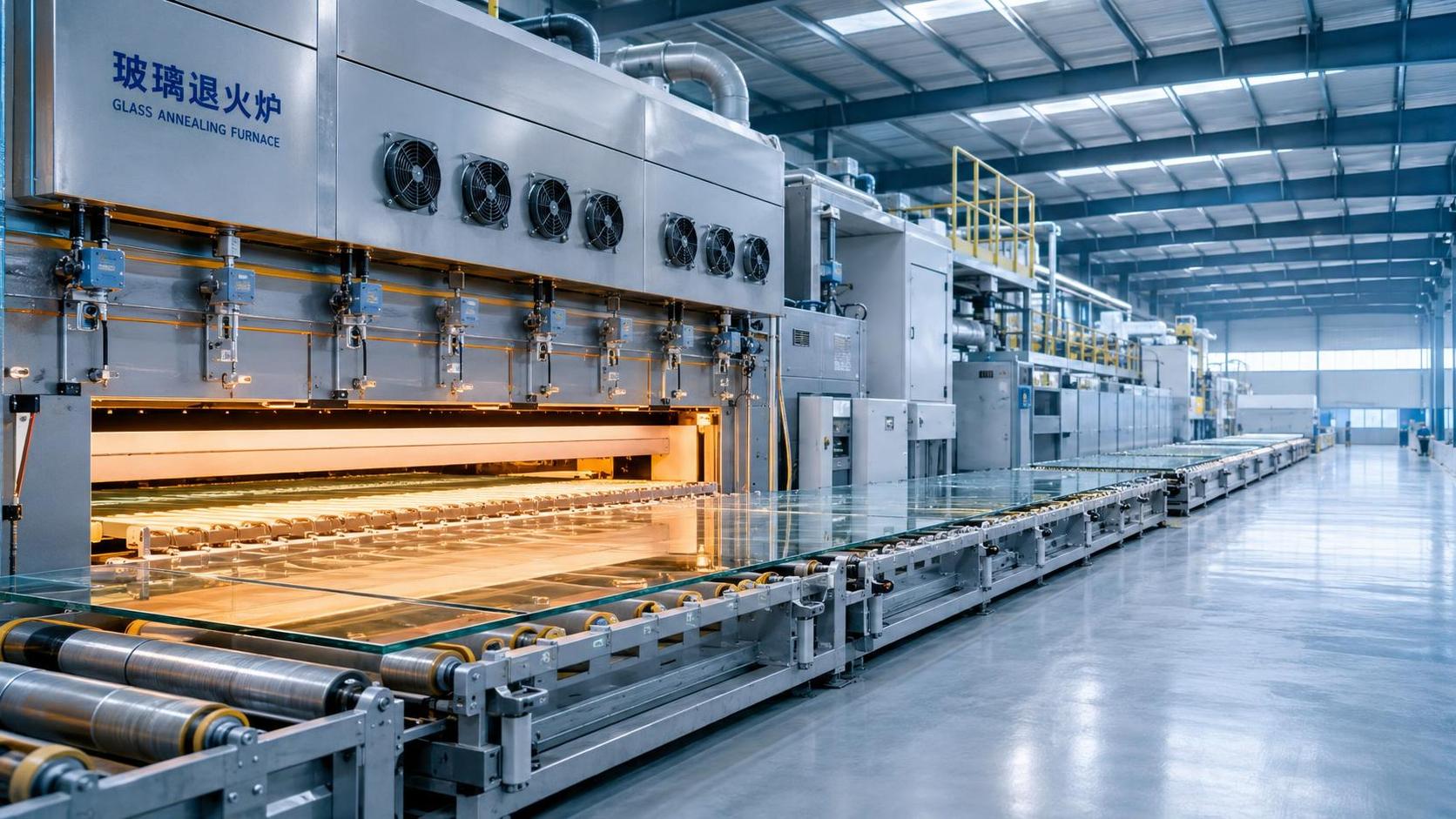
- Glass lines prioritize melt homogeneity, bubble removal, pull stability, and annealing repeatability.
- Refractory lines track fired shrinkage, apparent porosity, cold crushing strength, and thermal shock behavior.
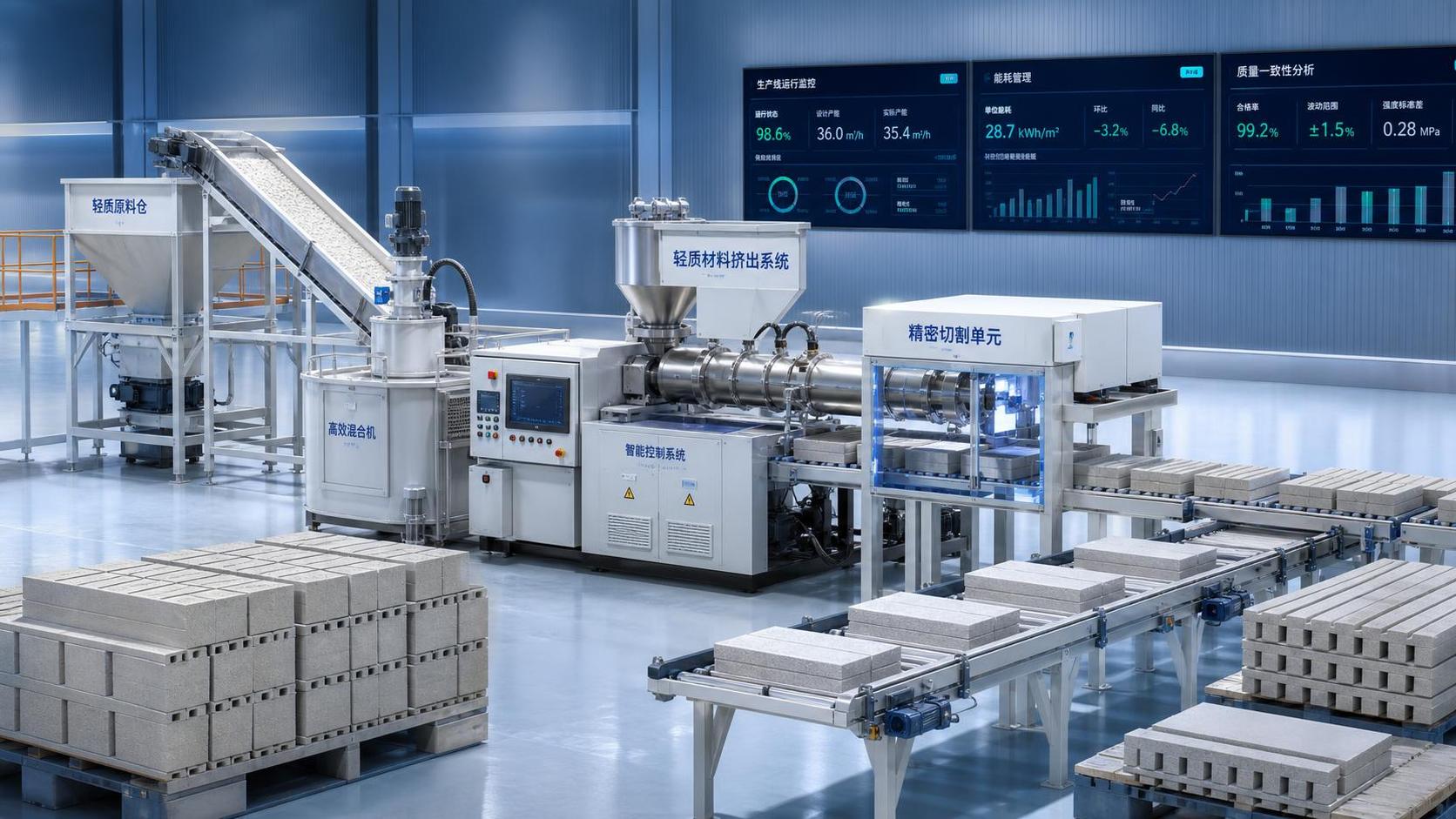
- Extrusion systems monitor feed plasticity, die pressure stability, dimensional tolerance, and drying crack rate.
In each case, advanced silicate processing reduces the need for compensation downstream. If raw variability decreases by even 15%–25%, the operation may gain measurable improvements in energy stability, scrap reduction, or rework frequency, although actual results depend on line design and operator discipline.
Where Technical Evaluators Should Look First
When assessing a production line, start with the points where material state changes most quickly. These are usually grinding exit, blending, dosing transition, preheating entry, melting onset, and extrusion feed zones. In many audits, 3 to 5 sampling points are enough to identify whether instability is chemical, mechanical, or thermal in origin.
This approach is especially relevant to CF-Elite’s intelligence framework, where process engineering and thermal management are studied together. In a modern production environment, online analyzers, digital twin models, and trend-based maintenance can only work well if the incoming batch behaves within a manageable control envelope.
Selection Criteria for Equipment, Controls, and Process Integration
Choosing advanced silicate processing capabilities is not only about buying higher-spec equipment. It is about selecting the level of precision that matches raw material variability, product requirements, and production scale. A plant producing high-volume cement feed may tolerate different control limits than a line making thin glass or specialty refractory shapes.
Technical evaluators should compare equipment and control options against at least 4 dimensions: dosing precision, mixing effectiveness, thermal response speed, and data visibility. If one of these is weak, the entire processing chain may remain unstable even after capital investment.
A Practical Evaluation Matrix
The table below can be used as a screening tool when comparing line upgrades, new installations, or staged modernization plans for silicate-based production systems.
The most effective decisions usually come from matching equipment capability to process risk. A highly accurate feeder does not solve instability if blending or storage segregation remains uncontrolled. Likewise, advanced thermal instrumentation loses value if upstream chemistry still swings outside the acceptable recipe band.
Common Procurement and Assessment Mistakes
In B2B purchasing for heavy process equipment, technical evaluators often face pressure to compare only capital cost and nameplate capacity. That approach can hide lifecycle risks. A lower-cost system may create more frequent recalibration, more manual correction, and longer ramp-up periods, often adding hidden losses over 12 to 24 months of operation.
- Evaluating a mixer by throughput only, without checking uniformity under variable moisture conditions
- Approving sensors without confirming placement in the most responsive thermal zones
- Ignoring transfer points where segregation reappears after good initial blending
- Underestimating operator training needs during the first 2–6 weeks after commissioning
- Skipping recipe traceability and alarm-history review in digital control proposals
Implementation Roadmap, Risk Control, and Long-Term Value
For most facilities, advanced silicate processing should be implemented in stages rather than as a single disruptive overhaul. A 3-stage roadmap is often more effective: diagnose variability, stabilize priority units, then connect process data for continuous optimization. This reduces commissioning risk and allows the technical team to verify gains at each step.
A 3-Stage Rollout Model
Stage 1 usually lasts 2–4 weeks and focuses on baseline mapping. This includes chemistry sampling, feeder accuracy checks, moisture tracking, and thermal trend review. Stage 2 may take 4–8 weeks and targets physical stabilization, such as recalibration, mixing upgrades, or sensor relocation. Stage 3 often extends over 1–3 months and integrates recipe logic, alarm thresholds, and performance review routines.
Risk Control Priorities for Evaluators
The most common implementation risks are under-specified raw material variability, unrealistic control expectations, and weak cross-team coordination between process, mechanical, and automation departments. To reduce these risks, evaluators should define acceptance criteria early. For example, they may require feeder repeatability, moisture deviation limits, thermal response times, and a minimum monitoring frequency per shift.
In high-temperature industries, long-term value comes from repeatability. Better batch stability can support more stable energy use, fewer process interventions, and more reliable product windows. It also supports wider strategic goals such as carbon reduction, waste co-processing, and intelligent production management—areas directly aligned with CF-Elite’s focus on foundation materials and thermal management.
Questions Technical Evaluators Should Ask Before Approval
- Which 3 variables currently create the highest variability cost on the line?
- Can the proposed advanced silicate processing setup control both chemical and physical inconsistency?
- What is the expected stabilization period: 2 weeks, 6 weeks, or a full quarter?
- How will results be verified—through scrap rate, fuel trend, dimensional tolerance, or lab variance?
- Does the supplier or integrator support post-startup optimization, not only equipment delivery?
Advanced silicate processing improves batch stability when it is treated as a system decision, not a single machine purchase. For technical evaluators in cement, glass, refractory, incineration, and extrusion sectors, the strongest results come from aligning raw mix control, thermal behavior, and data-driven correction within one operating logic.
CF-Elite follows these links closely because they shape real production performance, equipment value, and long-cycle investment decisions. If you are reviewing a new project, retrofit path, or process optimization plan, now is the right time to compare stability risks against the capabilities of advanced silicate processing. Contact us to discuss application-specific evaluation points, request a tailored solution pathway, or explore more high-temperature industry insights.
Related News
 Optical Glass Tech FellowHow to Evaluate a Glass Annealing Equipment Manufacturer for Production StabilityChoose a glass annealing equipment manufacturer with proven thermal uniformity, reliable controls, lifecycle value, and responsive service for stable production.Sep 08, 2026
 Prof. Marcus ChenThermal Energy Architecture in North America: Strategies for Lower Building Energy UseThermal energy architecture North America helps project leaders cut building energy use through stronger envelopes, right-sized HVAC, storage, and smart commissioning.Sep 07, 2026
 Ms. Elena RodriguezHow Should Buyers Evaluate Building Material Industry Intelligence Pricing?Building material industry intelligence pricing: learn how to compare coverage, technical depth, and ROI to choose intelligence that reduces procurement risk.Sep 07, 2026
 Ms. Elena RodriguezHow to Use Building Material Intelligence Data for Market and Investment DecisionsBuilding material industry intelligence data helps leaders evaluate demand, costs, regulation, capacity, and technology to make smarter market and investment decisions.Sep 05, 2026
 Thermal Energy ArchitectHow PLC Control Improves Energy Efficiency and Temperature Stability in KilnsEnergy efficient kilns PLC control improves temperature stability, cuts fuel waste, and optimizes combustion, draft, and material flow. Explore proven strategies for smarter kiln modernization.Sep 04, 2026
 Optical Glass Tech FellowEuropean Glass Melting Processes: Furnace Choices, Energy Use, and Quality ControlGlass melting process Europe: explore furnace choices, energy efficiency, cullet strategy, and quality control to improve output, compliance, and long-term glass performance.Sep 03, 2026
 Thermal Energy ArchitectWhat Determines Refractory Lining Monitoring Price for Industrial Kilns?Refractory lining monitoring price depends on kiln size, sensor technology, installation, software, and support. Compare total lifecycle costs and choose the right solution.Sep 02, 2026
 Silicate Process EngineerCement Production System Costs: A Plant Buyer’s Guide to Budgeting and ROICement production systems cost planning made clear: compare CAPEX, operating costs, compliance, and ROI to build a resilient, profitable cement plant investment.Sep 01, 2026
 Dr. Alistair VaughnWhat Should a Process Technology Database Track for High-Temperature Plants?Process technology database essentials for high-temperature plants: track thermal profiles, feed chemistry, refractory wear, emissions, energy, and maintenance for safer, data-driven decisions.Aug 31, 2026
 Ms. Elena RodriguezHow to Evaluate a Silicate Processing Equipment Manufacturer for Plant ProjectsSilicate processing equipment manufacturer selection: assess process fit, guarantees, energy, compliance, delivery risk, and lifecycle support for dependable plant performance.Aug 30, 2026
 Dr. Alistair VaughnHow to Specify Custom Agricultural Processing Equipment for Throughput and HygieneEquipment customization services for agricultural processing: learn to specify hygienic, high-throughput lines that improve yield, reliability, and long-term efficiency.Aug 29, 2026
 Dr. Alistair VaughnHow to Select Process Plant Equipment for High-Temperature, Abrasive Production LinesProcess plant equipment selection for high-temperature, abrasive lines: reduce downtime, improve durability, and optimize lifecycle performance.Aug 28, 2026
 Silicate Process EngineerHow Kiln Heat Recovery Systems Cut Fuel Use in Cement and Lime ProductionKiln heat recovery helps cement and lime plants cut fuel use, improve thermal stability, and build practical, reliable decarbonization strategies.Aug 27, 2026
 Ms. Elena RodriguezProcess Equipment Comparison: Which Metrics Matter Most for Reliable Selection?Process equipment comparison made practical: discover which metrics truly drive reliable selection, from energy efficiency and control stability to wear life, maintainability, and uptime.Aug 26, 2026
 Ms. Elena RodriguezWhat Buyers Should Check Before Sourcing Precision Alloy Bars for Critical PartsPrecision Alloy Bars buyers should verify grade, chemistry, tolerances, surface quality, traceability, and lead time before sourcing for critical parts. Learn what prevents costly machining and reliability risks.Aug 27, 2026
 Ms. Elena RodriguezHow to Evaluate Thermal Management Solutions Insulation for High-Heat Industrial SystemsThermal management solutions insulation: learn how to assess high-heat industrial systems by thermal performance, durability, lifecycle cost, and supplier data for smarter decisions.Aug 25, 2026
 Ms. Elena RodriguezWhat Drives Waste Recycling Cost in Industrial Projects and How to Estimate It?Waste recycling cost in industrial projects depends on composition, moisture, transport, pre-treatment, and compliance. Learn how to estimate it accurately and compare suppliers with confidence.Aug 24, 2026
 Silicate Process EngineerHow to Evaluate Cement Production Plants in the Middle East for Capacity, Fuel Flexibility, and ROIcement production plants Middle East: Learn how to assess true capacity, fuel flexibility, and ROI risks to identify resilient assets and smarter investment opportunities.Aug 23, 2026
 Structural Material AnalystHow to Evaluate Lightweight Material Machinery for Output, Energy Use, and Product QualityLightweight material machinery evaluation guide: compare stable output, energy use, and product quality to choose equipment that cuts waste, lowers costs, and improves production confidence.Aug 22, 2026
 Material Heat-Resist ExpertWhat Determines Refractory Production Line Price in a Turnkey Plant Project?Refractory production line price depends on raw materials, forming method, kiln and drying design, automation, utilities, and scope. Learn what really drives turnkey plant cost before you invest.Aug 21, 2026
Related News
- 00
0000-00
What Should a Process Technology Database Track for High-Temperature Plants? - 00
0000-00
How to Specify Custom Agricultural Processing Equipment for Throughput and Hygiene - 00
0000-00
How to Select Process Plant Equipment for High-Temperature, Abrasive Production Lines - 00
0000-00
What Causes Thermal Shock Failure in Heat-Resistant Materials During Development? - 00
0000-00
How Digital Twin Simulations Improve Process Plant Design, Safety, and Uptime
Weekly Insights
Stay ahead with our curated technology reports delivered every Monday.