
What global material trends mean for future sourcing




For procurement teams navigating volatile markets, global material trends are no longer background noise. They now shape sourcing risk, cost structures, compliance pressure, and long-term supply resilience. In foundation materials and high-temperature industries, these shifts affect raw materials, spare parts, thermal systems, and technology choices at the same time. Understanding what global material trends mean for future sourcing helps turn uncertainty into a structured decision process.
Why future sourcing needs a checklist view

Material markets now move through overlapping forces. Energy costs, trade policy, carbon rules, logistics, and industrial upgrades can all change the economics of one sourcing decision within a single quarter.
A checklist approach reduces blind spots. It helps compare suppliers, equipment paths, and region-specific risks using the same logic. That matters in cement, glass, refractory, incineration, and extrusion projects where asset life is long and switching costs are high.
For intelligence-led platforms such as CF-Elite, the value of tracking global material trends lies in connecting market signals with thermal efficiency, process stability, emissions compliance, and lifecycle economics.
Core checklist for evaluating global material trends in sourcing
- Map price exposure across fuels, minerals, metals, refractories, and engineered components before requesting quotes, so cost comparisons reflect real input volatility rather than temporary supplier discounts.
- Check regional supply concentration for key materials, especially bauxite, alumina, silica, magnesia, and special alloys, because a narrow source base increases disruption risk during policy or freight shocks.
- Evaluate carbon intensity data alongside unit price, since future sourcing decisions increasingly depend on embedded emissions, carbon border measures, and customer-side sustainability requirements.
- Verify energy dependency in production routes, because materials tied to gas, coal, or unstable power grids may face sudden cost inflation or output restrictions.
- Audit technical substitutability early, including alternative grades, blended formulations, and redesigned wear parts, to avoid being locked into one material specification without operational necessity.
- Review logistics path resilience from mine or plant to final site, covering port congestion, inland transport limits, customs delays, and packaging requirements for fragile or hygroscopic materials.
- Assess supplier process maturity, including digital monitoring, quality traceability, kiln control, and testing discipline, because consistency often matters more than headline price in thermal industries.
- Compare total cost of ownership, not only purchase cost, by including maintenance intervals, thermal losses, downtime exposure, installation complexity, and product yield impacts.
- Track regulatory momentum in target markets, especially rules around waste co-processing, emissions, recycled content, and industrial efficiency standards affecting future sourcing eligibility.
- Build scenario triggers for contract review, using thresholds for freight, energy, carbon cost, or lead time changes, so sourcing strategy can adapt before disruption becomes operational damage.
How global material trends affect different sourcing scenarios
Cement and lime process chains
In cement-related sourcing, global material trends show a strong link between fuel transitions, clinker factor reduction, and equipment retrofits. Material selection now depends on emissions policy as much as availability.
Alternative fuels, grinding additives, refractory durability, and dust control parts must be sourced with lifecycle data. A cheaper item can create unstable kiln operation, higher heat loss, or faster shutdown frequency.
Glass manufacturing and thermal precision equipment
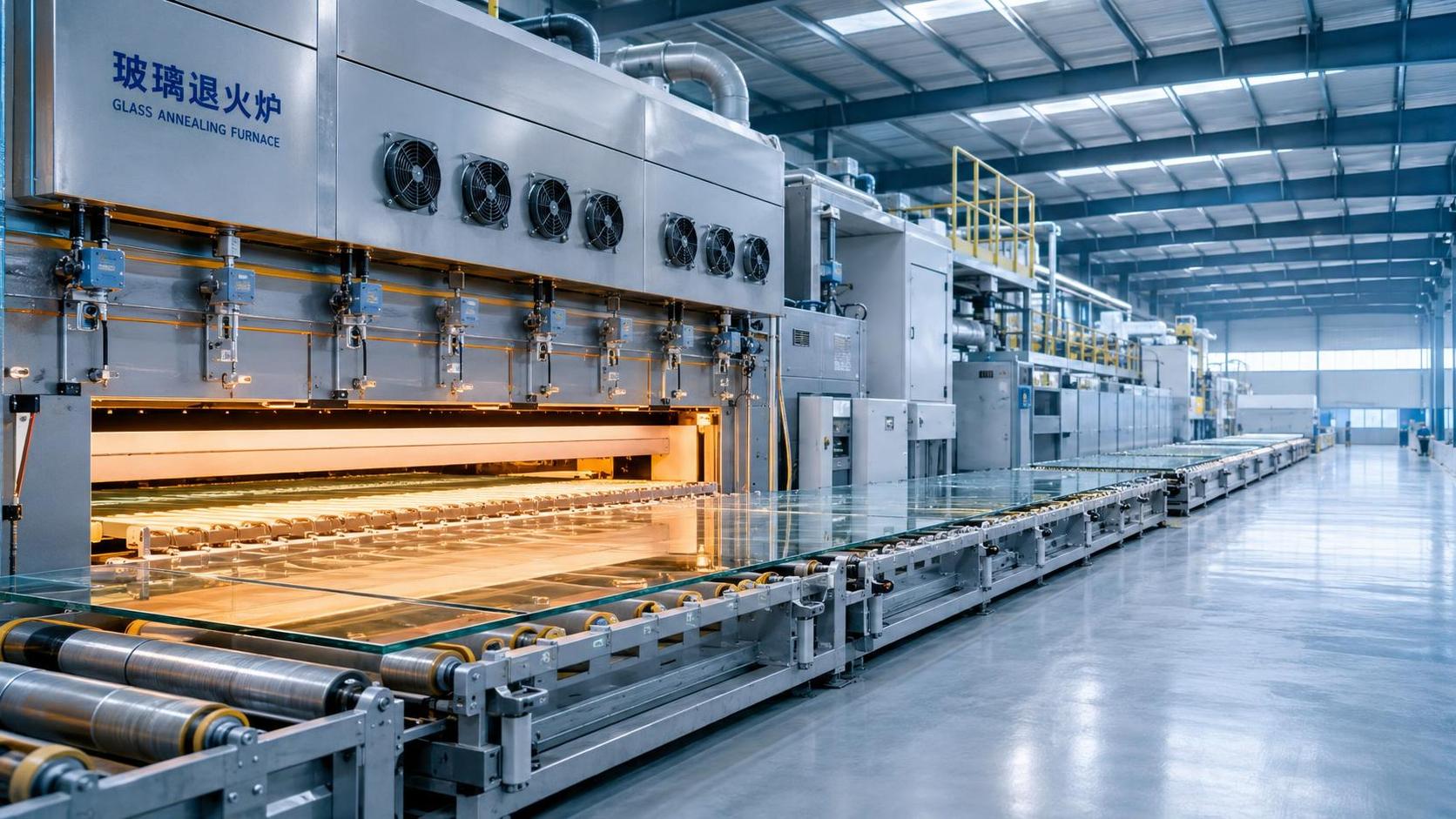
Glass lines face pressure from natural gas costs, high-purity input demand, and precision quality requirements. Here, global material trends affect furnace components, insulation systems, burners, and batch material consistency.
Future sourcing in glass should emphasize thermal stability and contamination control. Small material variations can damage yield, optical quality, or furnace campaign life, turning a sourcing decision into a production risk.
Refractory and high-temperature lining systems
Refractory sourcing is being reshaped by mining concentration, ore quality shifts, and energy-intensive calcination costs. Materials such as magnesia-carbon, alumina, and spinel products are especially exposed.
This means future sourcing should include wear modeling, lining design compatibility, and repair strategy. The best sourcing decision is often the one that extends campaign duration and reduces emergency maintenance.
Waste incineration and circular process systems
Incineration projects are affected by corrosion, ash chemistry, emissions controls, and policy-driven feedstock variation. Global material trends here are tied to circular economy rules and environmental technology upgrades.
Sourcing priorities should therefore include corrosion-resistant alloys, filtration media, lining materials, and monitoring systems that can handle changing waste composition without efficiency losses.
Commonly ignored risks behind global material trends
Overlooking specification drift
When supply tightens, equivalent-grade claims often hide process differences. Chemical purity, particle size, thermal shock resistance, or binder behavior may shift enough to affect performance.
Separating procurement from process engineering
Future sourcing fails when commercial decisions ignore kiln atmosphere, melting curves, abrasion load, or heat transfer requirements. Material intelligence must be tied to operating conditions.
Using static supplier scorecards
A supplier that performed well last year may now be exposed to energy rationing, export limits, or environmental enforcement. Global material trends require dynamic rather than annual review.
Ignoring compliance costs until contract stage
Carbon declarations, origin traceability, recycled content proof, and waste handling obligations can all alter final sourcing economics. These factors must be screened before commercial negotiation deepens.
Practical execution steps for stronger future sourcing
- Create a material criticality matrix that ranks inputs by operational sensitivity, replacement difficulty, carbon exposure, and lead time risk.
- Link sourcing reviews to quarterly market intelligence, covering energy, freight, regulation, and mineral supply indicators relevant to thermal industries.
- Run technical-commercial reviews together, ensuring engineering teams validate substitution options before supplier concentration becomes a crisis.
- Negotiate flexible clauses for price adjustment, safety stock, test lots, and alternate origin approval in long-cycle procurement contracts.
- Use pilot validation for new materials or components where heat load, corrosion behavior, or process stability cannot be judged from certificates alone.
What this means for intelligence-led sourcing
The biggest lesson from today’s global material trends is clear: sourcing can no longer be treated as isolated price buying. It is now a cross-functional discipline combining market intelligence, engineering logic, compliance readiness, and resilience planning.
In sectors covered by CF-Elite, that means tracking not only supply and demand, but also kiln efficiency, refractory life, emissions pathways, digital monitoring, and regional policy shifts. These connections determine whether a sourced material supports performance or weakens it.
Use the checklist above as a working framework. Review critical inputs, test substitution paths, refresh supplier intelligence, and align contracts with real market triggers. When global material trends are translated into structured action, future sourcing becomes more stable, more efficient, and more defensible.
Related News
 Optical Glass Tech FellowHow to Evaluate a Glass Annealing Equipment Manufacturer for Production StabilityChoose a glass annealing equipment manufacturer with proven thermal uniformity, reliable controls, lifecycle value, and responsive service for stable production.Sep 08, 2026
 Prof. Marcus ChenThermal Energy Architecture in North America: Strategies for Lower Building Energy UseThermal energy architecture North America helps project leaders cut building energy use through stronger envelopes, right-sized HVAC, storage, and smart commissioning.Sep 07, 2026
 Ms. Elena RodriguezHow Should Buyers Evaluate Building Material Industry Intelligence Pricing?Building material industry intelligence pricing: learn how to compare coverage, technical depth, and ROI to choose intelligence that reduces procurement risk.Sep 07, 2026
 Ms. Elena RodriguezHow to Use Building Material Intelligence Data for Market and Investment DecisionsBuilding material industry intelligence data helps leaders evaluate demand, costs, regulation, capacity, and technology to make smarter market and investment decisions.Sep 05, 2026
 Thermal Energy ArchitectHow PLC Control Improves Energy Efficiency and Temperature Stability in KilnsEnergy efficient kilns PLC control improves temperature stability, cuts fuel waste, and optimizes combustion, draft, and material flow. Explore proven strategies for smarter kiln modernization.Sep 04, 2026
 Optical Glass Tech FellowEuropean Glass Melting Processes: Furnace Choices, Energy Use, and Quality ControlGlass melting process Europe: explore furnace choices, energy efficiency, cullet strategy, and quality control to improve output, compliance, and long-term glass performance.Sep 03, 2026
 Thermal Energy ArchitectWhat Determines Refractory Lining Monitoring Price for Industrial Kilns?Refractory lining monitoring price depends on kiln size, sensor technology, installation, software, and support. Compare total lifecycle costs and choose the right solution.Sep 02, 2026
 Silicate Process EngineerCement Production System Costs: A Plant Buyer’s Guide to Budgeting and ROICement production systems cost planning made clear: compare CAPEX, operating costs, compliance, and ROI to build a resilient, profitable cement plant investment.Sep 01, 2026
 Dr. Alistair VaughnWhat Should a Process Technology Database Track for High-Temperature Plants?Process technology database essentials for high-temperature plants: track thermal profiles, feed chemistry, refractory wear, emissions, energy, and maintenance for safer, data-driven decisions.Aug 31, 2026
 Ms. Elena RodriguezHow to Evaluate a Silicate Processing Equipment Manufacturer for Plant ProjectsSilicate processing equipment manufacturer selection: assess process fit, guarantees, energy, compliance, delivery risk, and lifecycle support for dependable plant performance.Aug 30, 2026
 Dr. Alistair VaughnHow to Specify Custom Agricultural Processing Equipment for Throughput and HygieneEquipment customization services for agricultural processing: learn to specify hygienic, high-throughput lines that improve yield, reliability, and long-term efficiency.Aug 29, 2026
 Dr. Alistair VaughnHow to Select Process Plant Equipment for High-Temperature, Abrasive Production LinesProcess plant equipment selection for high-temperature, abrasive lines: reduce downtime, improve durability, and optimize lifecycle performance.Aug 28, 2026
 Silicate Process EngineerHow Kiln Heat Recovery Systems Cut Fuel Use in Cement and Lime ProductionKiln heat recovery helps cement and lime plants cut fuel use, improve thermal stability, and build practical, reliable decarbonization strategies.Aug 27, 2026
 Ms. Elena RodriguezProcess Equipment Comparison: Which Metrics Matter Most for Reliable Selection?Process equipment comparison made practical: discover which metrics truly drive reliable selection, from energy efficiency and control stability to wear life, maintainability, and uptime.Aug 26, 2026
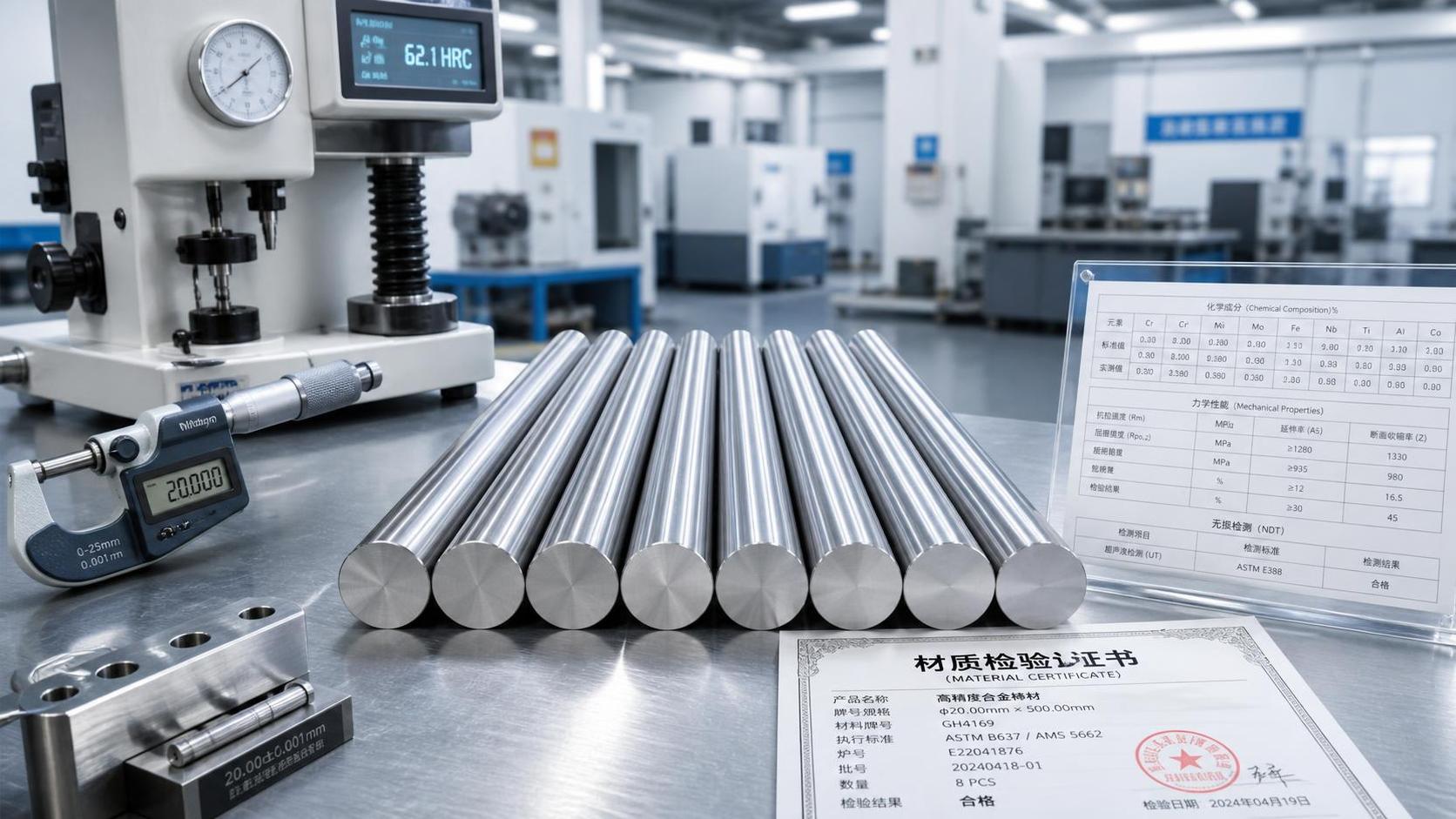
 Ms. Elena RodriguezWhat Buyers Should Check Before Sourcing Precision Alloy Bars for Critical PartsPrecision Alloy Bars buyers should verify grade, chemistry, tolerances, surface quality, traceability, and lead time before sourcing for critical parts. Learn what prevents costly machining and reliability risks.Aug 27, 2026
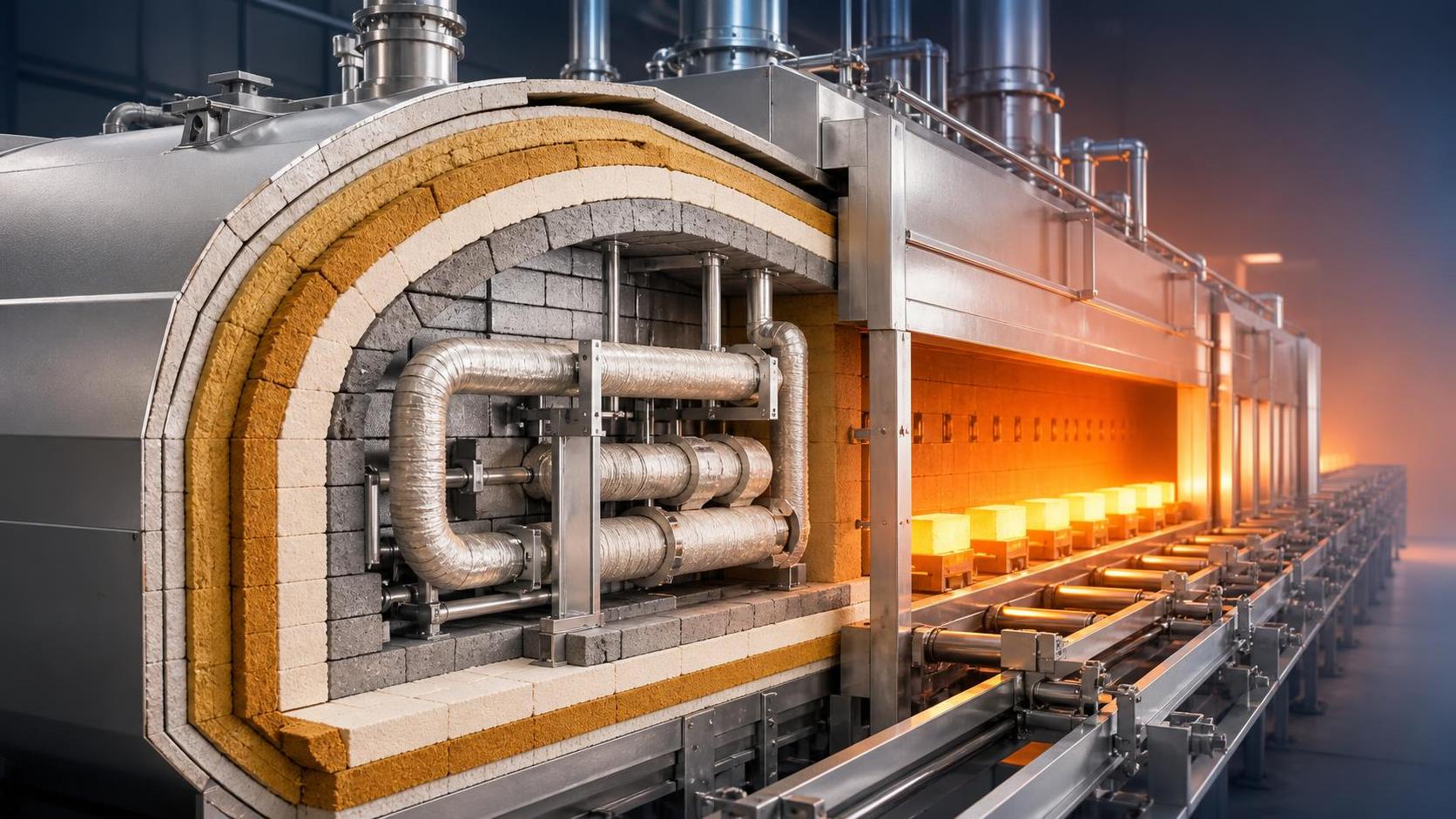
 Ms. Elena RodriguezHow to Evaluate Thermal Management Solutions Insulation for High-Heat Industrial SystemsThermal management solutions insulation: learn how to assess high-heat industrial systems by thermal performance, durability, lifecycle cost, and supplier data for smarter decisions.Aug 25, 2026
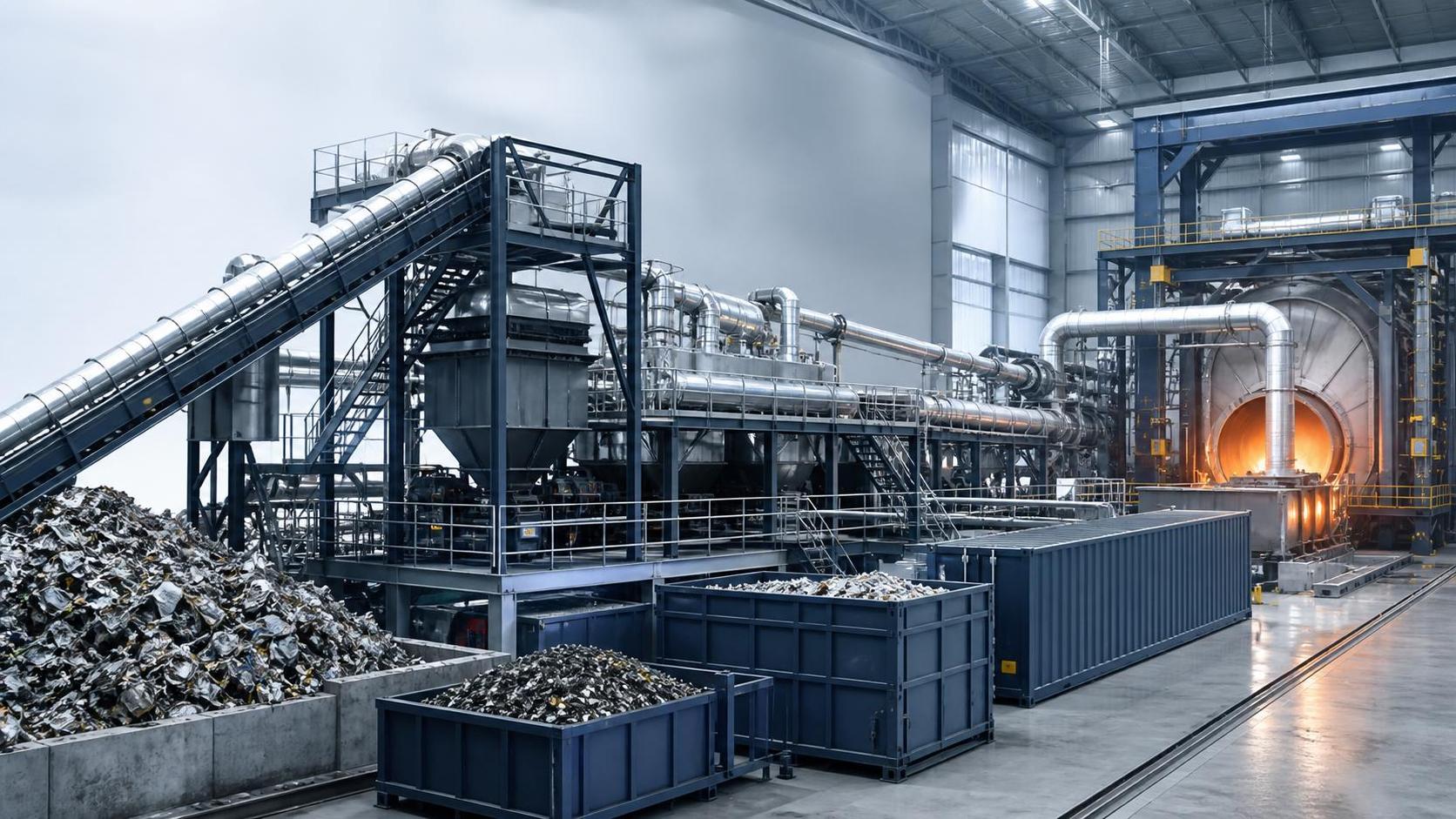
 Ms. Elena RodriguezWhat Drives Waste Recycling Cost in Industrial Projects and How to Estimate It?Waste recycling cost in industrial projects depends on composition, moisture, transport, pre-treatment, and compliance. Learn how to estimate it accurately and compare suppliers with confidence.Aug 24, 2026
 Silicate Process EngineerHow to Evaluate Cement Production Plants in the Middle East for Capacity, Fuel Flexibility, and ROIcement production plants Middle East: Learn how to assess true capacity, fuel flexibility, and ROI risks to identify resilient assets and smarter investment opportunities.Aug 23, 2026
 Structural Material AnalystHow to Evaluate Lightweight Material Machinery for Output, Energy Use, and Product QualityLightweight material machinery evaluation guide: compare stable output, energy use, and product quality to choose equipment that cuts waste, lowers costs, and improves production confidence.Aug 22, 2026
 Material Heat-Resist ExpertWhat Determines Refractory Production Line Price in a Turnkey Plant Project?Refractory production line price depends on raw materials, forming method, kiln and drying design, automation, utilities, and scope. Learn what really drives turnkey plant cost before you invest.Aug 21, 2026

Related News
- 00
0000-00
What Should a Process Technology Database Track for High-Temperature Plants? - 00
0000-00
How to Specify Custom Agricultural Processing Equipment for Throughput and Hygiene - 00
0000-00
How to Select Process Plant Equipment for High-Temperature, Abrasive Production Lines - 00
0000-00
What Causes Thermal Shock Failure in Heat-Resistant Materials During Development? - 00
0000-00
How Digital Twin Simulations Improve Process Plant Design, Safety, and Uptime
Weekly Insights
Stay ahead with our curated technology reports delivered every Monday.