
How high-temp industrial solutions improve uptime




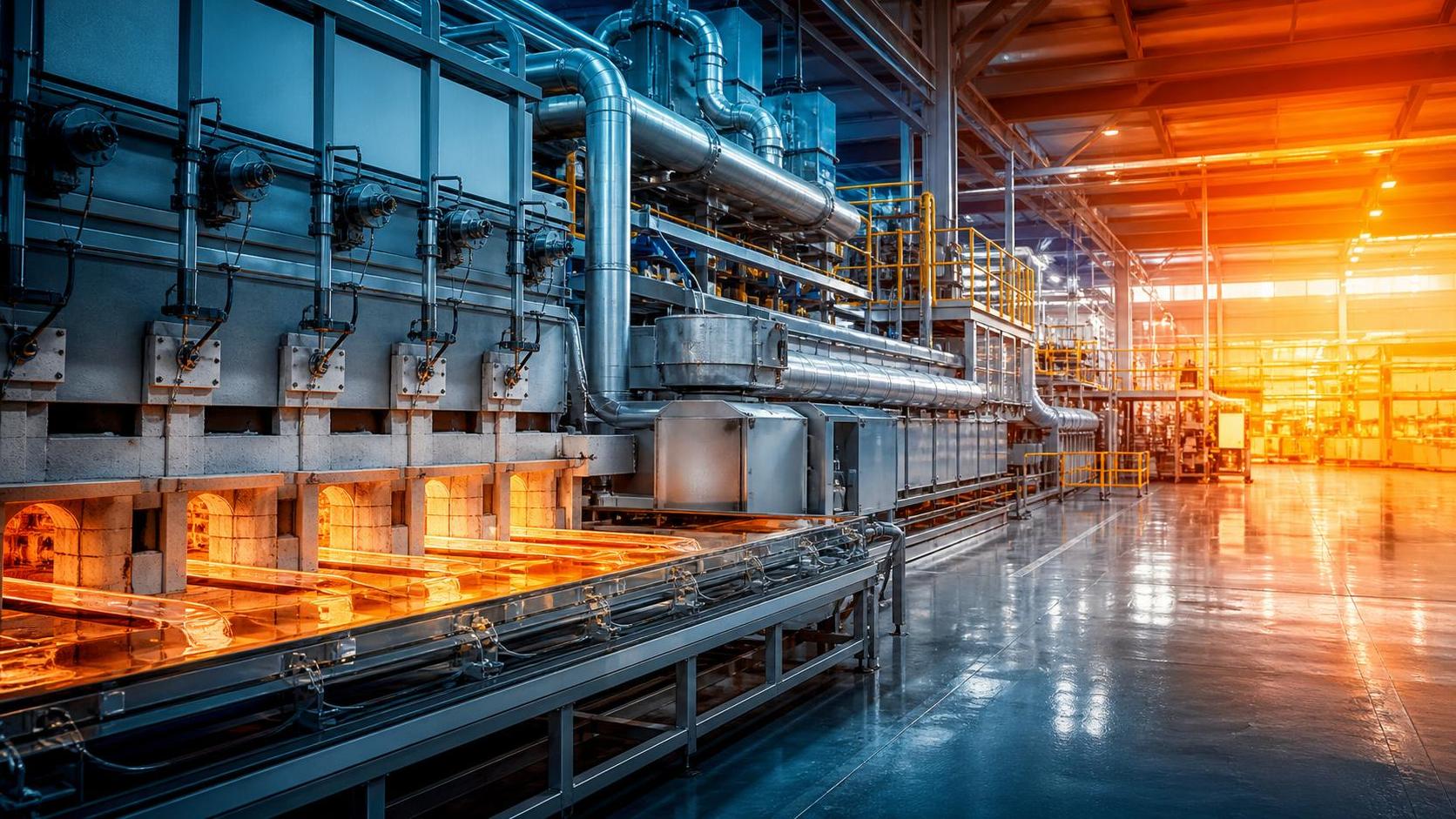
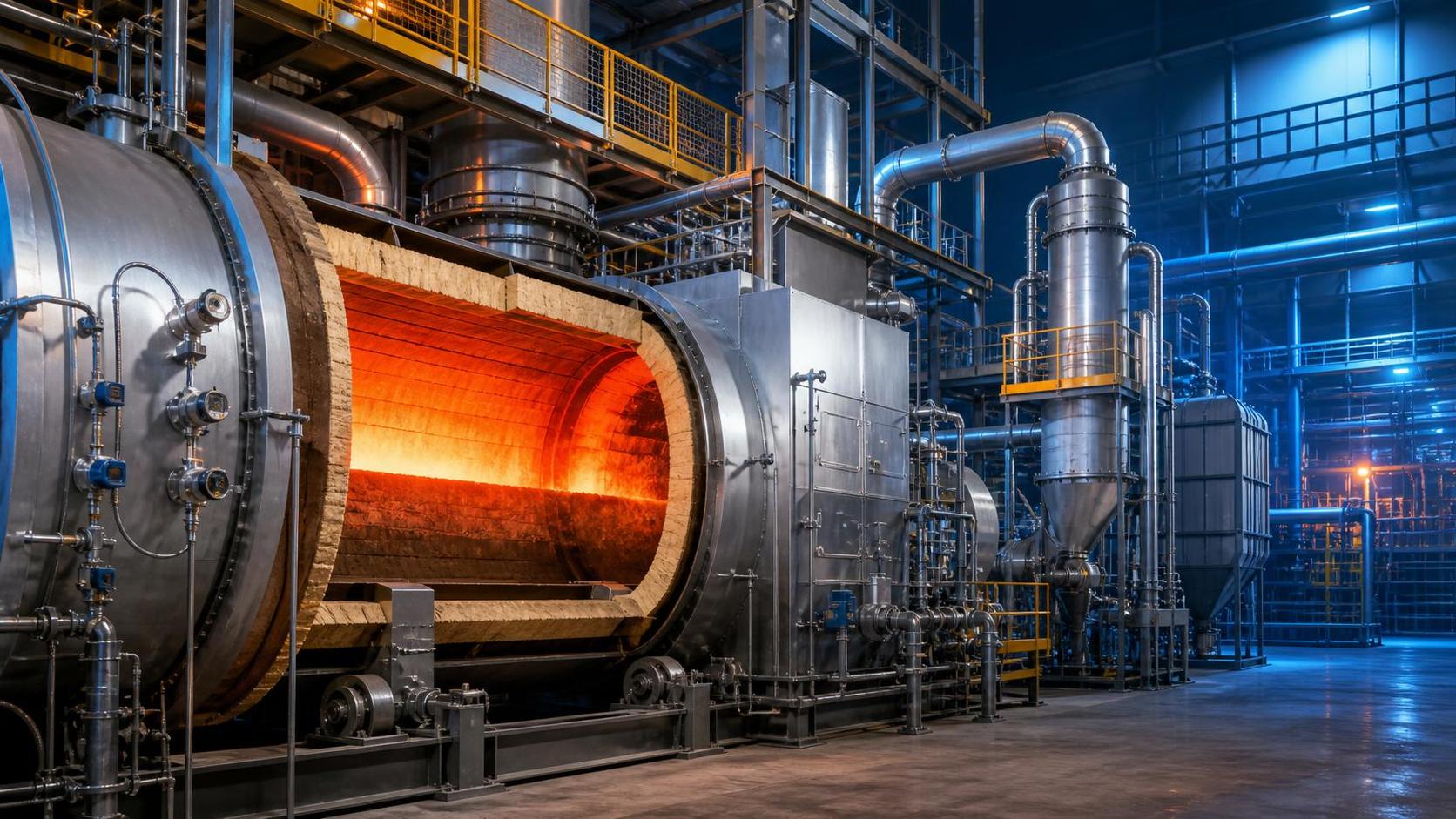
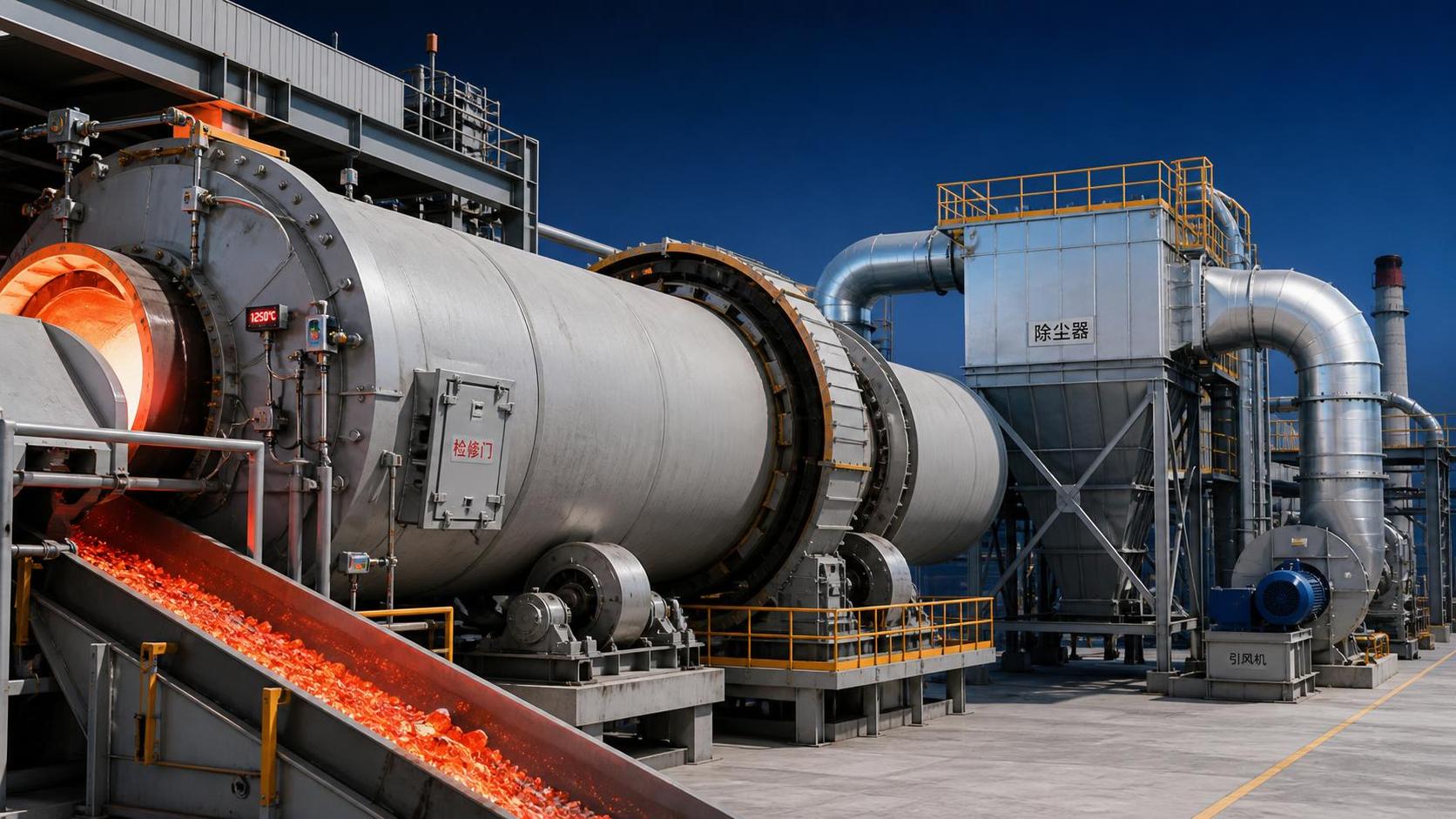
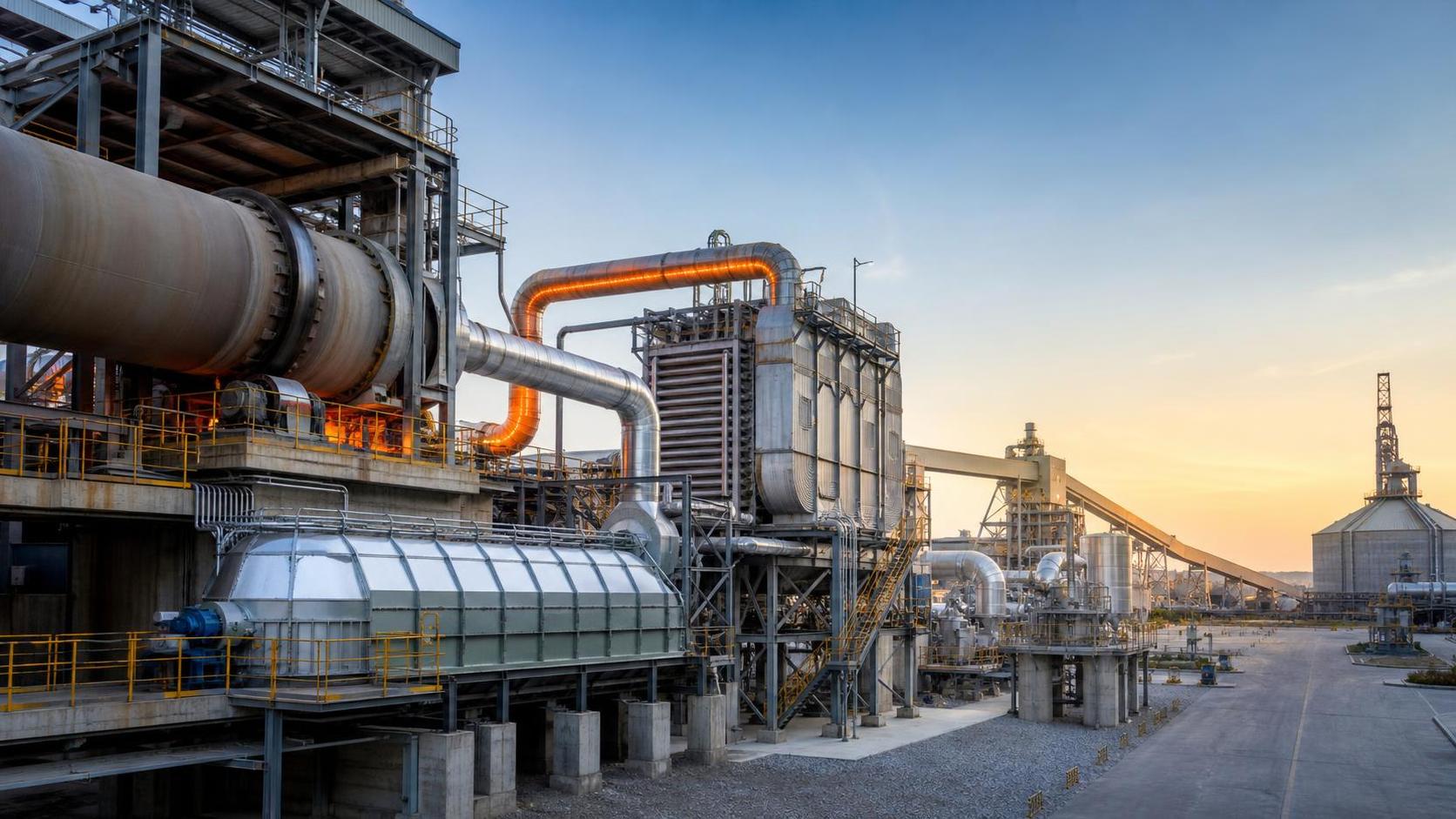
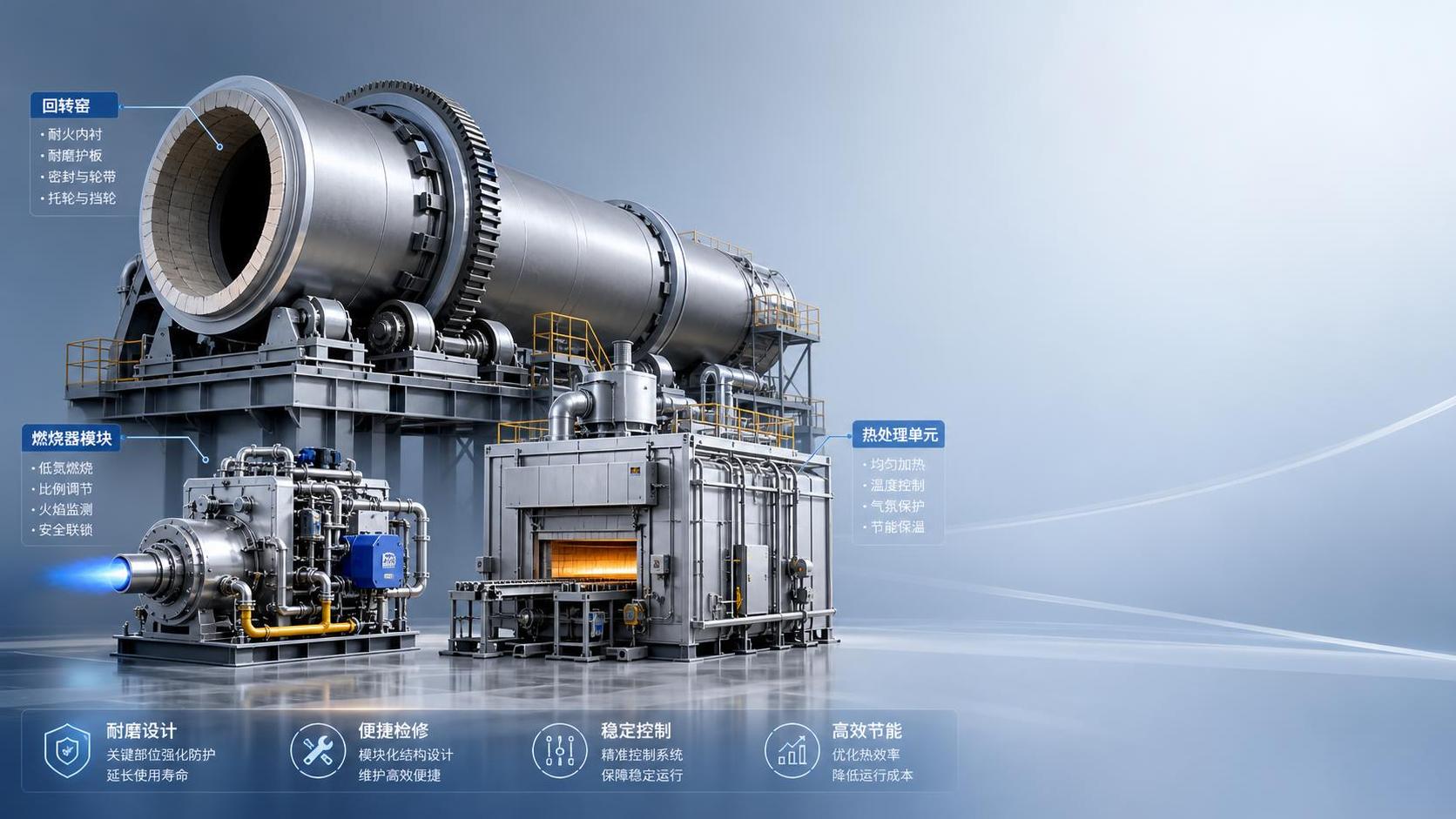
For enterprise decision-makers, uptime is more than an operational metric—it directly shapes cost control, asset performance, and competitive resilience. High-temp industrial solutions play a critical role in keeping kilns, furnaces, incineration systems, and extrusion lines running reliably under extreme conditions. By combining thermal efficiency, refractory durability, and smarter process intelligence, manufacturers can reduce unplanned shutdowns and strengthen long-term productivity in demanding industrial environments.
Why do high-temp industrial solutions matter so much for uptime?
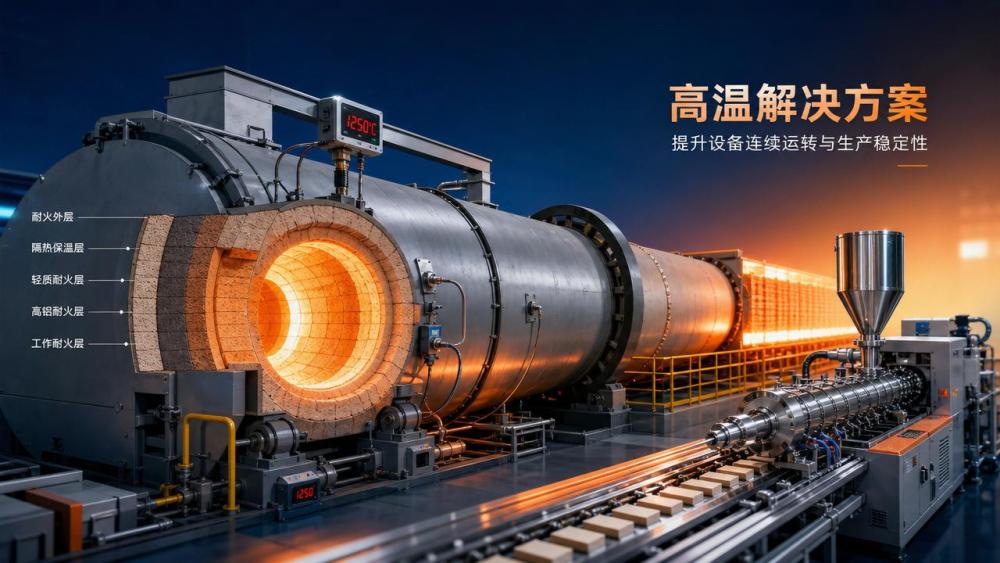
In high-heat industries, downtime rarely comes from a single failure. It often starts with thermal instability, lining wear, burner imbalance, airflow deviation, or poor material handling under continuous load.
That is why high-temp industrial solutions should be viewed as an uptime strategy, not only as equipment procurement. The right solution protects process continuity, energy efficiency, maintenance rhythm, and compliance performance at the same time.
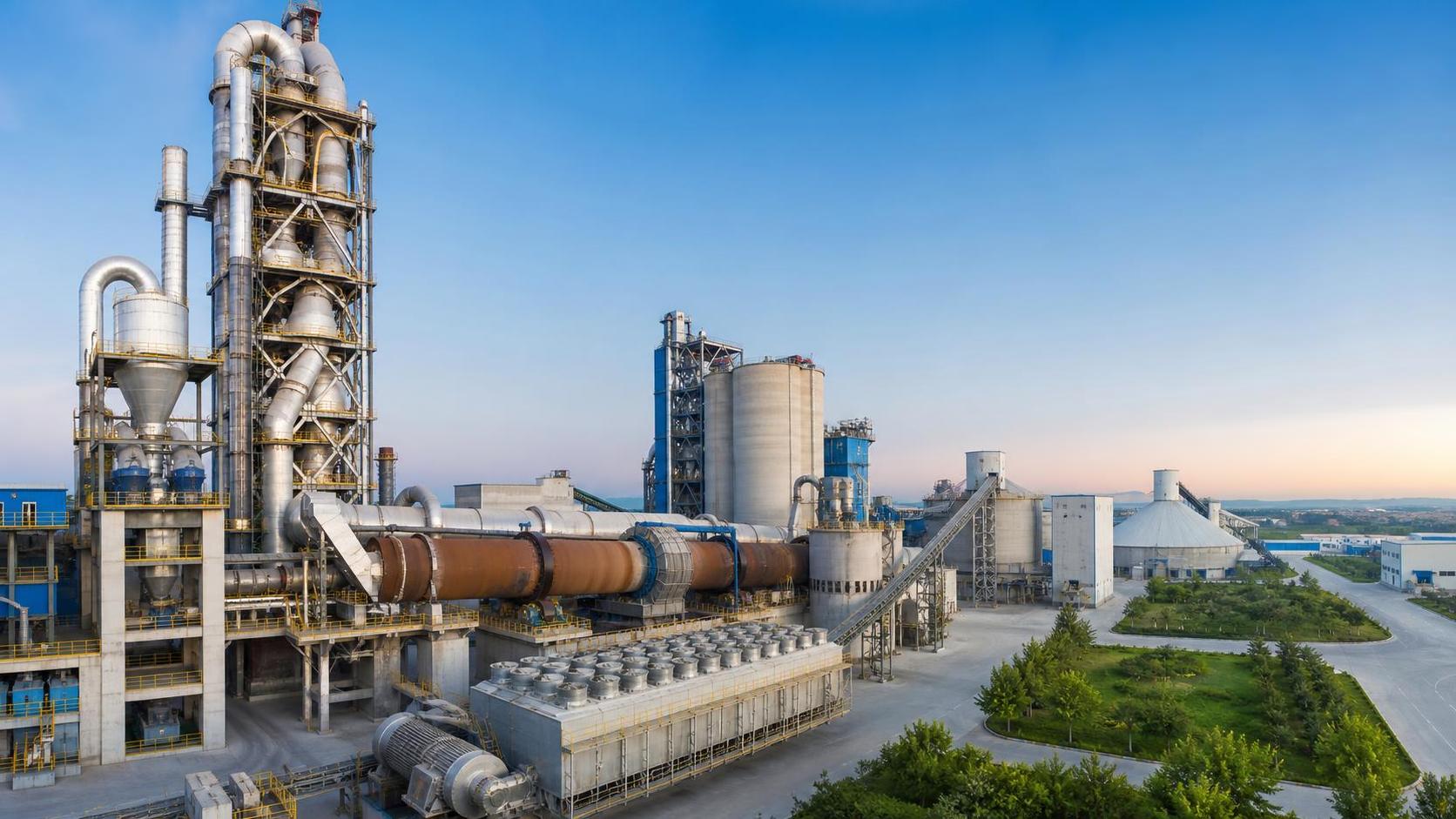
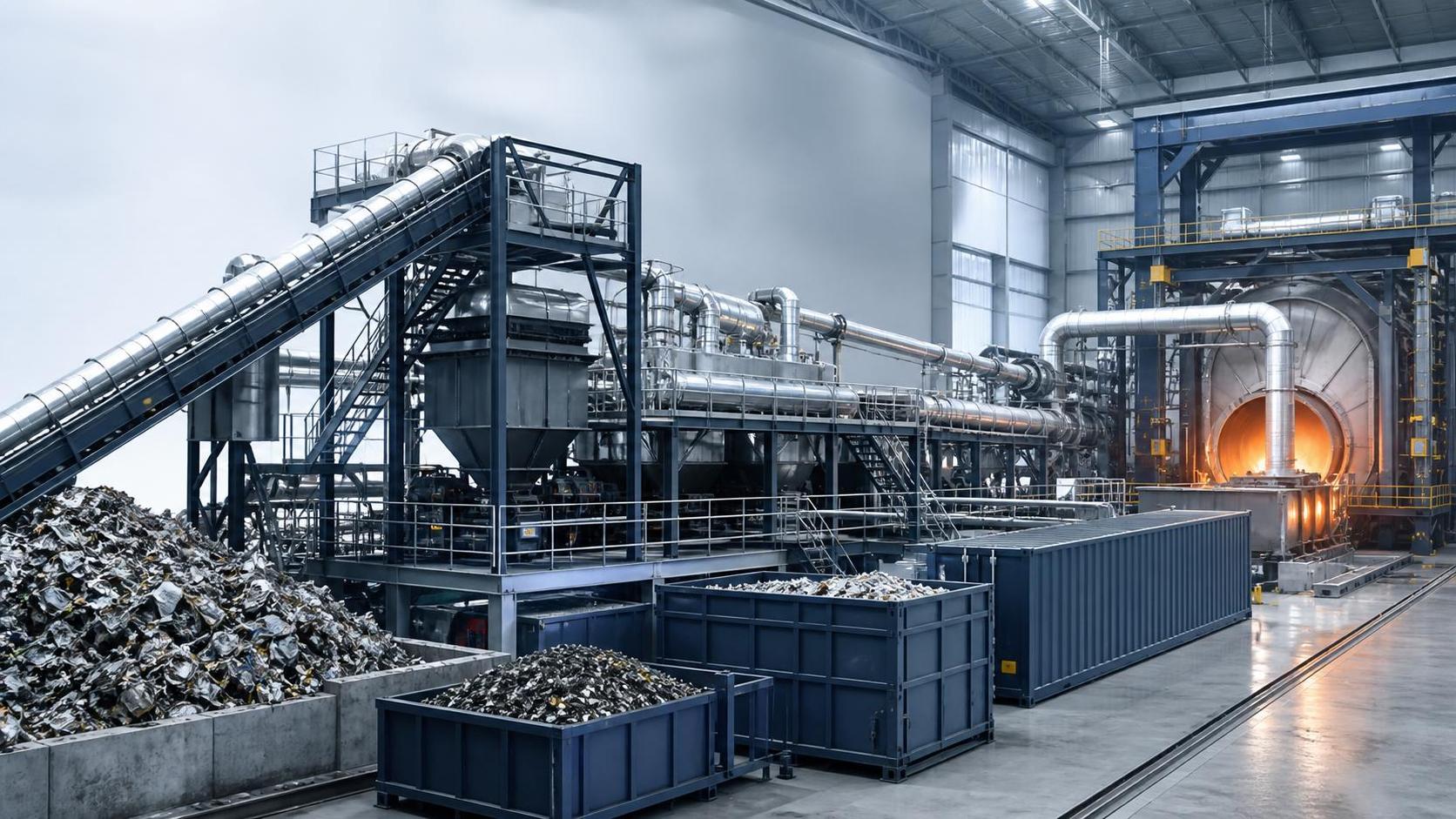
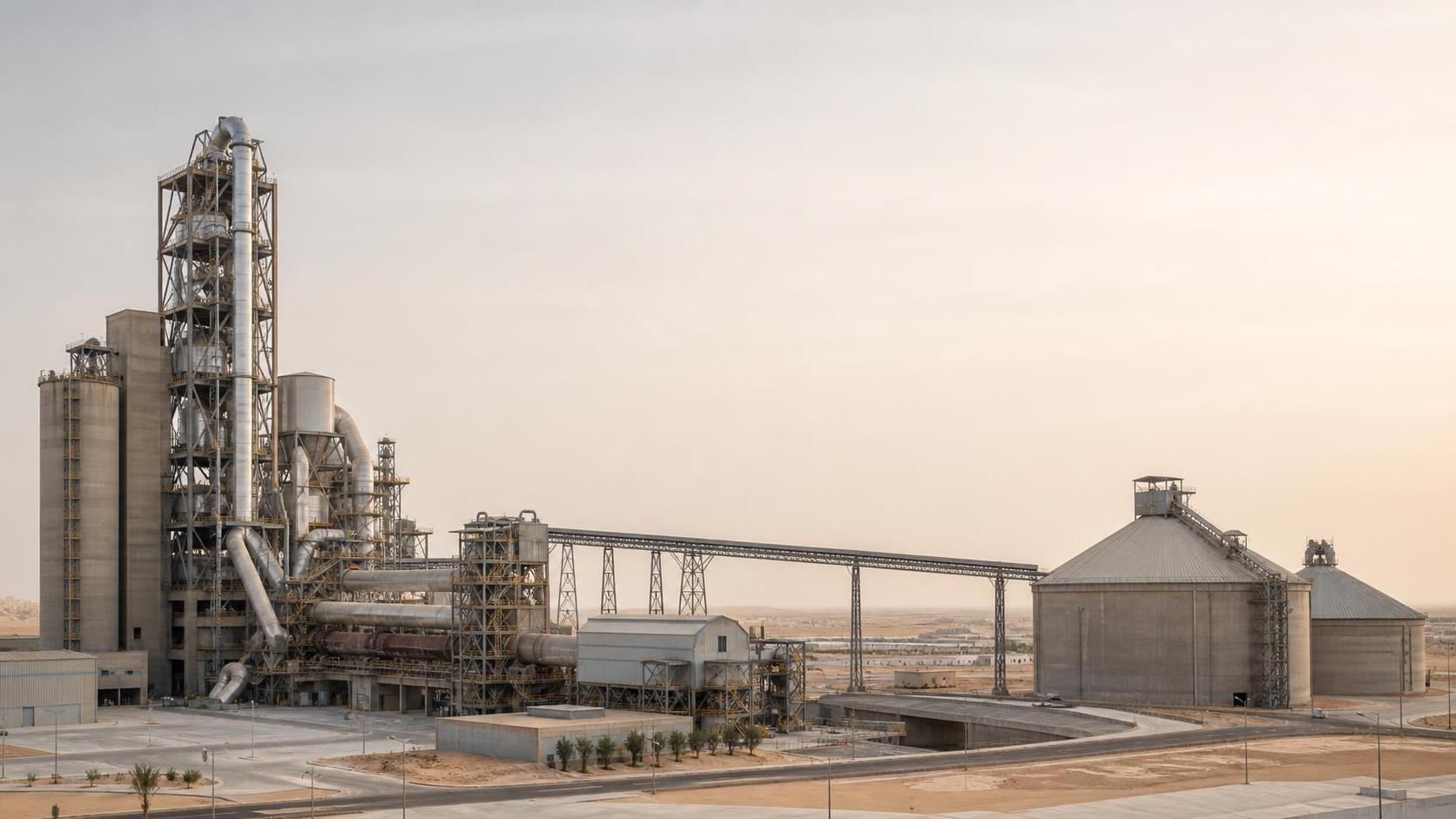
For decision-makers in cement, glass, kiln-based waste treatment, refractory production, and extrusion operations, the cost of one stop can extend far beyond repair expense. It may affect fuel consumption, output quality, order delivery, labor scheduling, and environmental reporting.
- Thermal shock resistance helps prevent cracking and deformation during start-stop cycles, feed variation, or uneven heating conditions.
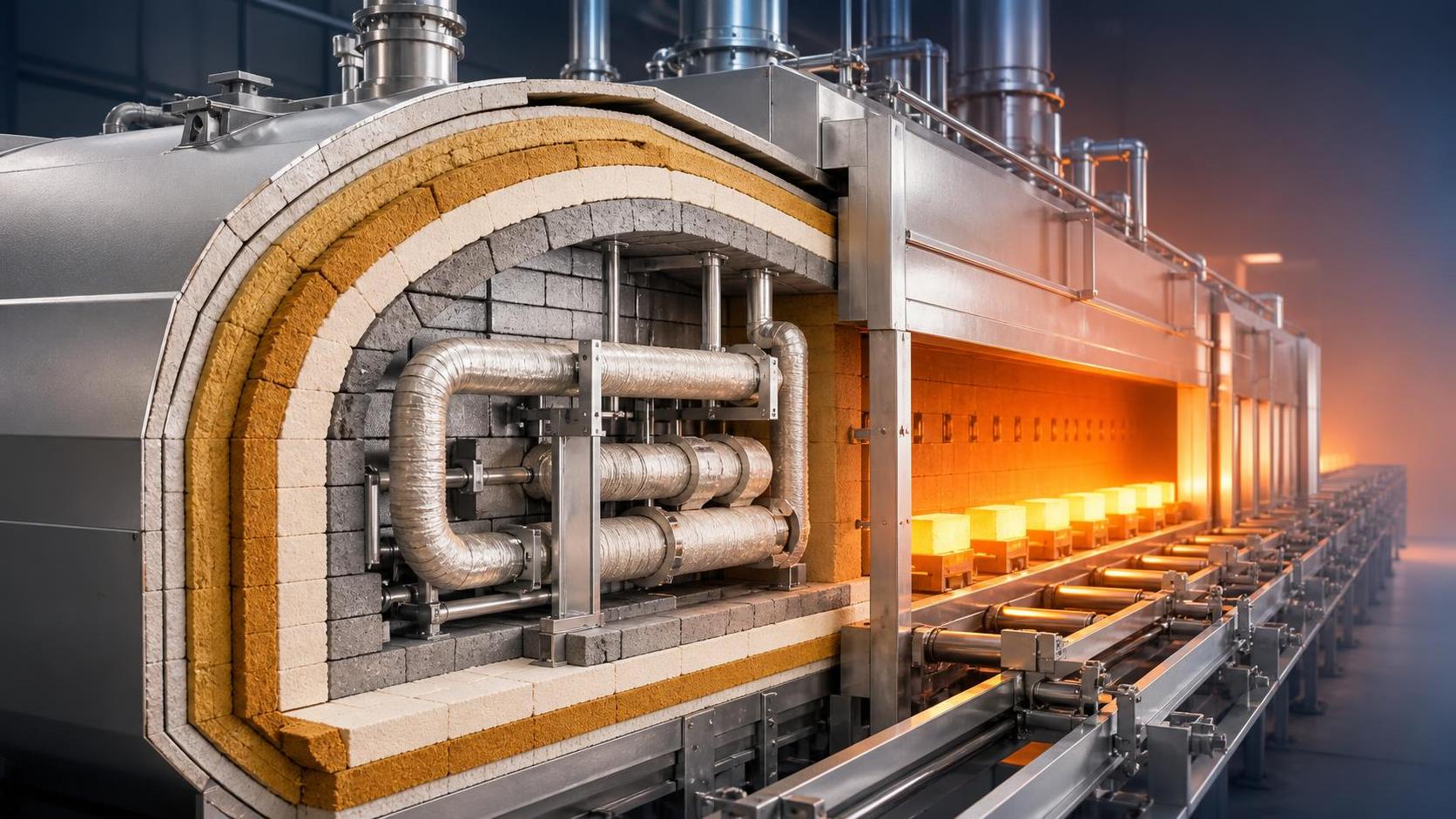
- Refractory system integrity supports stable temperature zones, which directly influences combustion efficiency, product quality, and maintenance intervals.
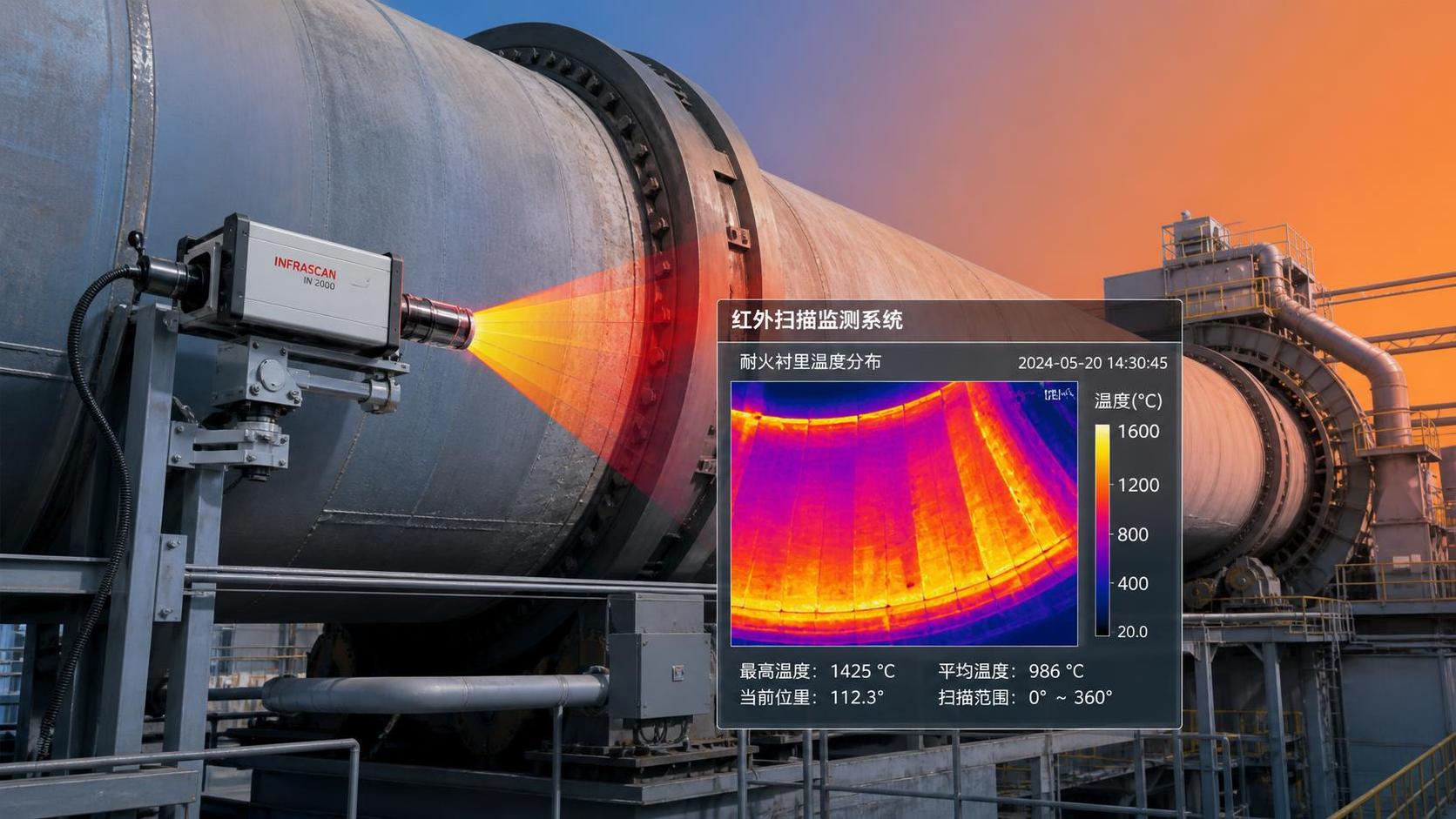
- Process monitoring enables earlier response to shell temperature rise, lining loss, pressure fluctuation, or burner drift before they become shutdown events.
- Integrated technical intelligence improves cross-functional decisions between procurement, operations, maintenance, and sustainability teams.
CF-Elite operates in this decision layer. Its focus on silicate production lines, industrial incineration, refractory systems, and thermal management makes it especially useful for enterprises that need to connect process science with practical uptime improvement.
Which industrial scenarios benefit most from high-temp industrial solutions?
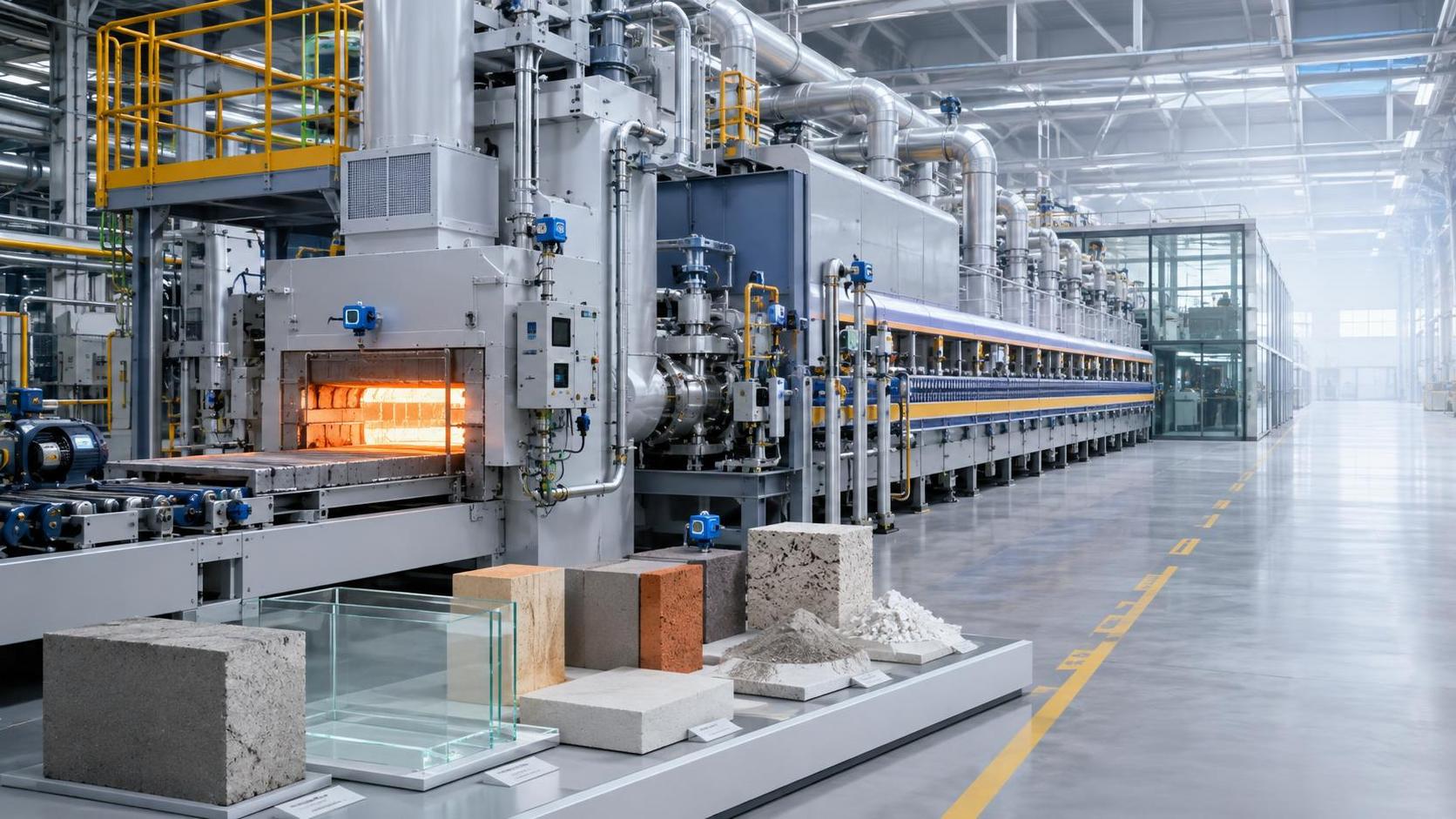
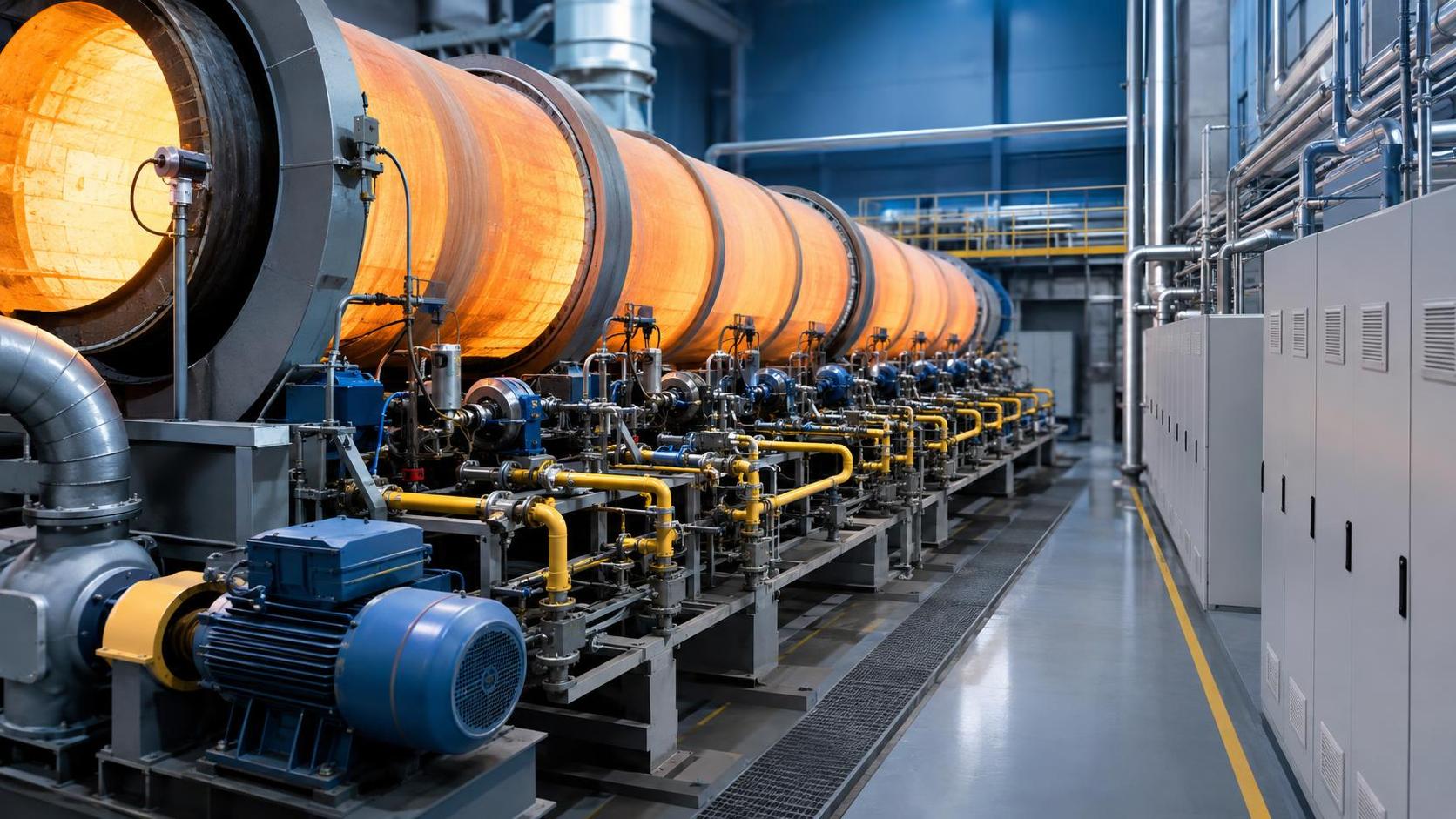
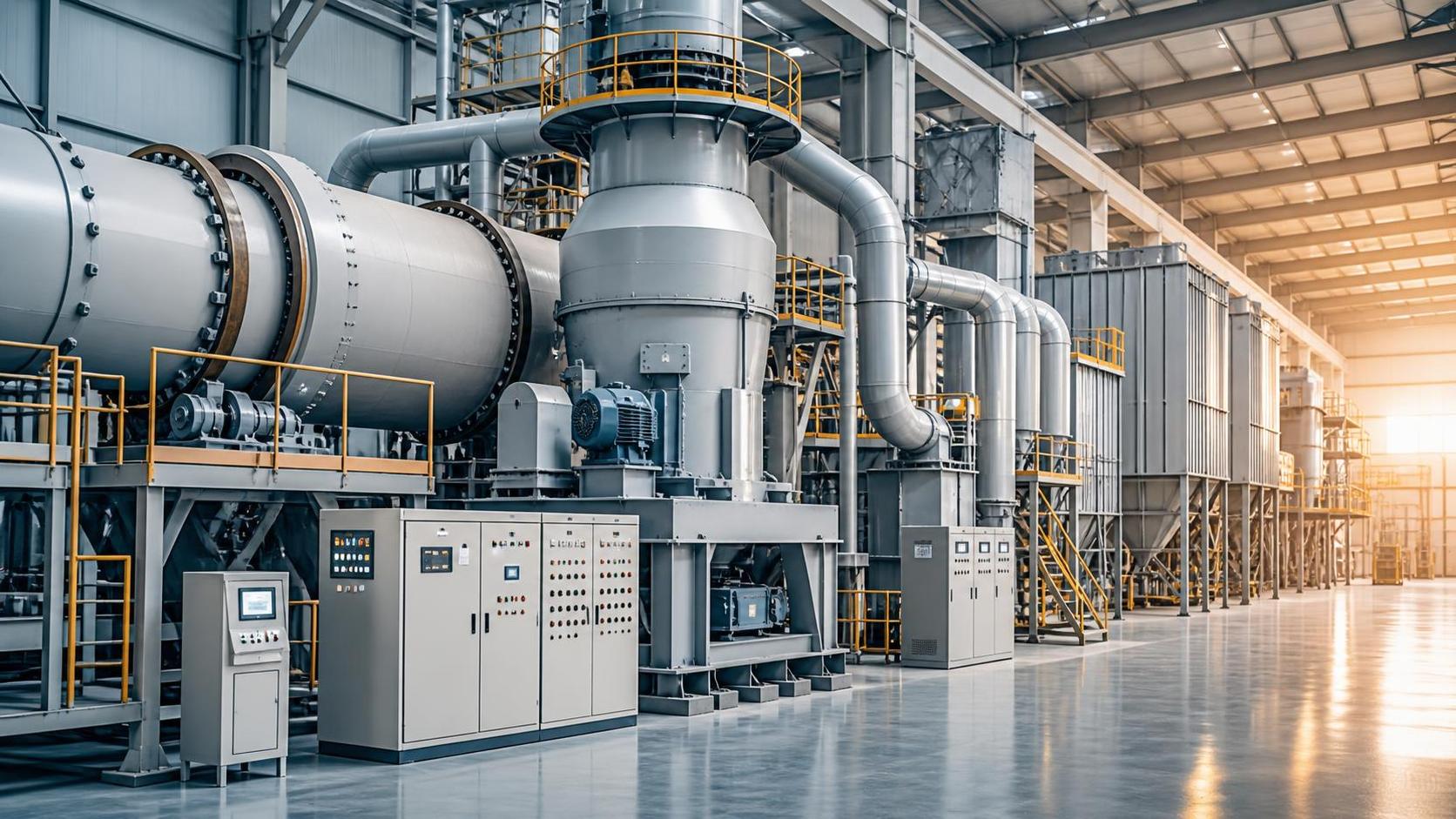
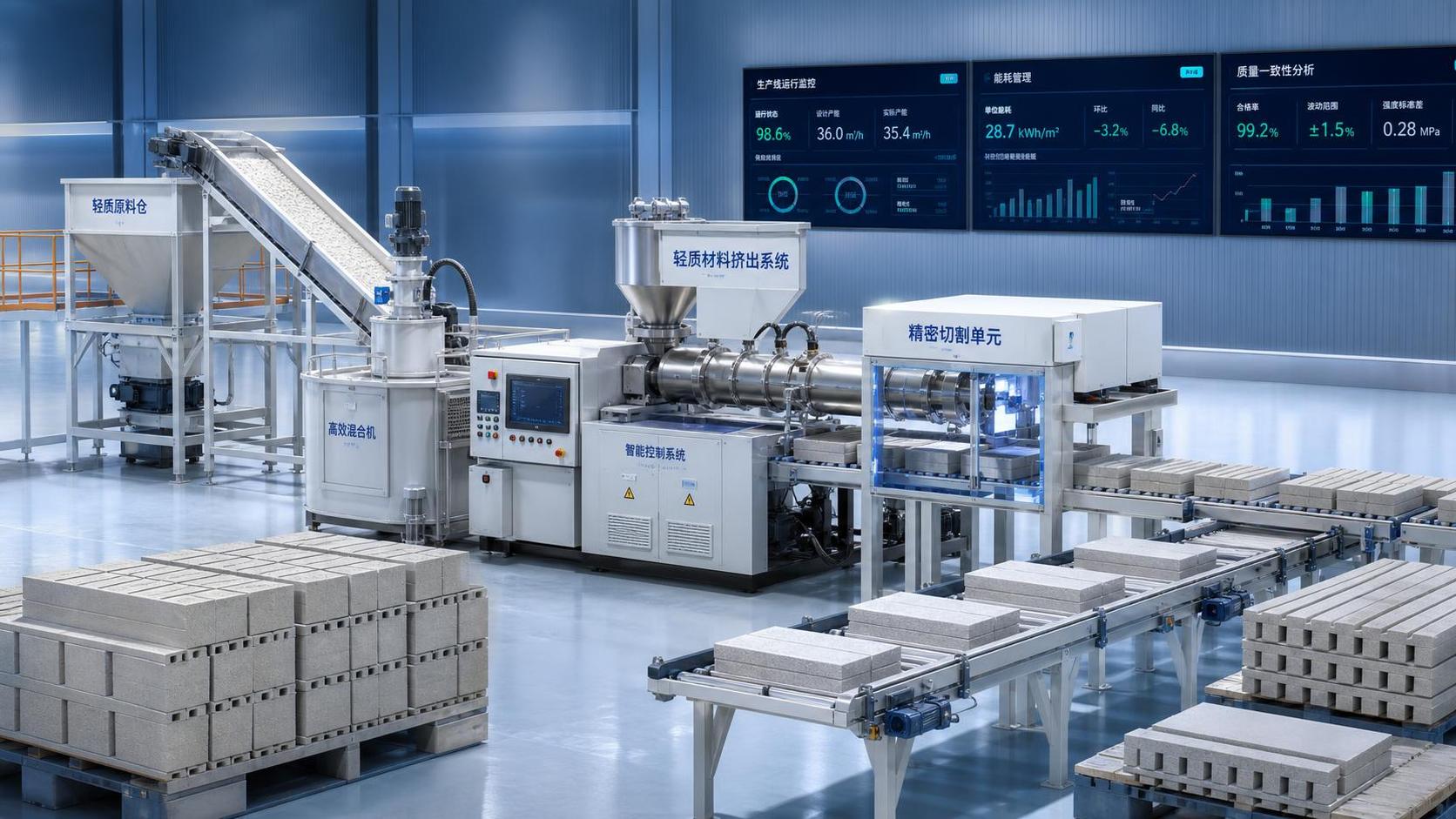
Not every plant faces the same thermal risks. A rotary kiln, a float glass furnace, and a building material extruder all operate under different load patterns, residence times, fuel strategies, and wear mechanisms.
The table below shows how high-temp industrial solutions align with major operating scenarios where uptime is tightly linked to thermal reliability and process control.
The key takeaway is simple: uptime depends on matching the solution to the thermal mechanism of the process. Plants that buy only by initial price often miss hidden failure drivers that emerge after commissioning.
What should decision-makers evaluate before selecting a solution?
A high-temp industrial solution should not be evaluated in isolation. Enterprise buyers need a multi-factor view that includes process conditions, maintenance strategy, carbon targets, and vendor technical depth.
Core selection criteria
- Maximum operating temperature is only the starting point. Decision-makers should also assess thermal cycling frequency, local hot spots, and transient overload behavior.
- Chemical compatibility matters where alkali, sulfur, chlorides, molten glass, ash, or aggressive by-products can accelerate structural degradation.
- Mechanical load and abrasion resistance are essential in rotating or high-throughput systems where erosion and vibration shorten service life.
- Monitoring capability can be a deciding factor. Plants with limited predictive maintenance tools are more exposed to sudden thermal failure.
- Service responsiveness should include installation guidance, commissioning support, shutdown planning input, and post-startup diagnostic follow-up.
Questions procurement teams should ask internally
- Is the main problem frequent failure, unstable energy use, inconsistent quality, or compliance pressure?
- Do we need a material upgrade, a process control upgrade, or a combined high-temp industrial solutions package?
- How many shutdown hours per year are linked to thermal issues, and what is their true cost?
- Which operating zones are the most failure-prone, and do we have enough diagnostic data from those locations?
CF-Elite’s value is especially relevant here because decision-makers often need process intelligence before they need a supplier shortlist. Better input leads to better procurement outcomes.
How do solution approaches compare in uptime impact and investment logic?
Many enterprises compare options only at the equipment level. A more useful comparison is whether the approach solves the root cause of thermal downtime, shortens repair cycles, and supports future operating requirements.
The following comparison table can help executives and plant managers assess where different high-temp industrial solutions deliver the strongest operational value.
In practice, the most resilient plants move toward integrated high-temp industrial solutions. They treat the refractory layer, heat transfer profile, monitoring system, and operating procedure as one uptime framework.
Which technical indicators deserve the most attention?
Decision-makers do not need to become thermal scientists, but they do need a disciplined shortlist of technical indicators. Focusing on the right metrics reduces the risk of selecting solutions that look acceptable on paper yet underperform in real service.
Key technical performance signals
- Thermal conductivity and insulation behavior influence shell temperature, heat loss, and stress distribution across process zones.
- Refractoriness under load matters in applications with sustained high heat and mechanical pressure.
- Spalling resistance is critical where shutdowns, feed interruptions, or rapid operating changes create repeated thermal shock.
- Chemical resistance must be matched to the process atmosphere, raw material chemistry, and waste composition where applicable.
- Sensor coverage and monitoring frequency define how fast the operation can detect deviation and act before asset damage grows.
For sectors such as glass and kiln-based waste treatment, simulation and online monitoring increasingly support better temperature-zone decisions. CF-Elite’s intelligence perspective is useful because it connects these technical signals with actual industrial operating contexts.
How can companies balance cost, risk, and long-term return?
The cheapest option is often the most expensive over a full production cycle. High-temp industrial solutions should be measured by total impact: downtime avoided, energy stabilized, campaign life extended, and product deviation reduced.
A practical cost view for executives
- Direct cost includes materials, installation, planned shutdown labor, and monitoring hardware or software where needed.
- Indirect cost includes lost throughput, fuel waste, unstable quality, compliance penalties, and emergency maintenance disruption.
- Strategic return includes better carbon performance, stronger delivery reliability, and more predictable asset planning across sites.
Where budget is limited, phased adoption can work well. A company might start with the most failure-prone thermal zone, add monitoring during the next shutdown, and then optimize the broader process profile after enough operating data is collected.
What compliance and operational trends should leaders track?
High-heat operations now face pressure from both performance and policy. Energy intensity, dust control, emissions management, waste co-processing, and operating transparency are increasingly linked to investment decisions.
Although exact requirements differ by market, decision-makers should pay attention to widely recognized frameworks for occupational safety, environmental management, energy management, and industrial emissions control. These areas influence technology choice even when they are not the main reason for purchase.
Emerging priorities across high-temp sectors
- Digital visibility is becoming essential, especially in refractory health tracking and thermal performance monitoring.
- Fuel flexibility and co-processing require stronger material compatibility analysis and more adaptive combustion control.
- Decarbonization programs are pushing plants to reduce heat loss and extend asset life rather than rely on reactive repair cycles.
This is where a strategic intelligence center can add real value. CF-Elite brings together thermal parameters, chemical kinetics, equipment trends, and market direction so enterprises can make better long-cycle investment choices.
FAQ: common decision questions about high-temp industrial solutions
How do I know whether our main issue is material failure or process failure?
Look at failure patterns. If damage repeats in the same zone despite replacement, the root cause may involve heat distribution, combustion imbalance, feed chemistry, or mechanical stress. If lining life is broadly inconsistent, the issue may be operational variability rather than material grade alone.
Are high-temp industrial solutions only relevant for very large plants?
No. Large plants feel the financial impact more sharply, but medium-scale operations also benefit when thermal stability affects delivery, fuel spend, and quality consistency. The suitable scope may differ, yet the uptime logic remains the same.
What is the most common procurement mistake?
The most common mistake is buying for temperature rating only. Decision-makers should also review chemical exposure, thermal cycling, abrasion, monitoring needs, installation conditions, and expected shutdown intervals. A narrow specification often leads to repeat intervention.
How quickly can uptime improvements usually appear?
Some gains, such as better hot-spot visibility or reduced heat loss, can appear soon after implementation. Larger gains from integrated high-temp industrial solutions usually emerge over multiple operating cycles, once maintenance data and process adjustments confirm the root-cause improvements.
Why choose us for strategic support on high-temp industrial solutions?
CF-Elite is built for decision-makers who need more than general industry updates. Its coverage of cement production plants, glass manufacturing gear, industrial kilns and incineration, refractory production lines, and new building material extrusion creates a practical intelligence bridge between process conditions and investment decisions.
If you are evaluating high-temp industrial solutions, you can consult us on specific decision topics instead of starting with generic vendor pitches. This is especially useful when your internal teams need clearer technical direction before budget approval or supplier engagement.
- Parameter confirmation for thermal zones, operating loads, and key material-process constraints.
- Solution selection support for kiln, furnace, incineration, refractory, or extrusion line scenarios.
- Delivery-cycle discussion for shutdown planning, phased upgrades, and implementation timing.
- Custom strategy input on digital monitoring, energy efficiency, and long-cycle maintenance planning.
- Compliance-oriented review for environmental, energy, and operational reporting considerations.
- Commercial insight support for quotation comparison, technical screening, and procurement risk reduction.
When uptime is critical, better decisions begin with better intelligence. Contact CF-Elite to discuss your operating scenario, parameter priorities, solution options, delivery expectations, and technical evaluation path for high-temp industrial solutions.
Related News
 Optical Glass Tech FellowHow to Evaluate a Glass Annealing Equipment Manufacturer for Production StabilityChoose a glass annealing equipment manufacturer with proven thermal uniformity, reliable controls, lifecycle value, and responsive service for stable production.Sep 08, 2026
 Prof. Marcus ChenThermal Energy Architecture in North America: Strategies for Lower Building Energy UseThermal energy architecture North America helps project leaders cut building energy use through stronger envelopes, right-sized HVAC, storage, and smart commissioning.Sep 07, 2026
 Ms. Elena RodriguezHow Should Buyers Evaluate Building Material Industry Intelligence Pricing?Building material industry intelligence pricing: learn how to compare coverage, technical depth, and ROI to choose intelligence that reduces procurement risk.Sep 07, 2026
 Ms. Elena RodriguezHow to Use Building Material Intelligence Data for Market and Investment DecisionsBuilding material industry intelligence data helps leaders evaluate demand, costs, regulation, capacity, and technology to make smarter market and investment decisions.Sep 05, 2026
 Thermal Energy ArchitectHow PLC Control Improves Energy Efficiency and Temperature Stability in KilnsEnergy efficient kilns PLC control improves temperature stability, cuts fuel waste, and optimizes combustion, draft, and material flow. Explore proven strategies for smarter kiln modernization.Sep 04, 2026
 Optical Glass Tech FellowEuropean Glass Melting Processes: Furnace Choices, Energy Use, and Quality ControlGlass melting process Europe: explore furnace choices, energy efficiency, cullet strategy, and quality control to improve output, compliance, and long-term glass performance.Sep 03, 2026
 Thermal Energy ArchitectWhat Determines Refractory Lining Monitoring Price for Industrial Kilns?Refractory lining monitoring price depends on kiln size, sensor technology, installation, software, and support. Compare total lifecycle costs and choose the right solution.Sep 02, 2026
 Silicate Process EngineerCement Production System Costs: A Plant Buyer’s Guide to Budgeting and ROICement production systems cost planning made clear: compare CAPEX, operating costs, compliance, and ROI to build a resilient, profitable cement plant investment.Sep 01, 2026
 Dr. Alistair VaughnWhat Should a Process Technology Database Track for High-Temperature Plants?Process technology database essentials for high-temperature plants: track thermal profiles, feed chemistry, refractory wear, emissions, energy, and maintenance for safer, data-driven decisions.Aug 31, 2026
 Ms. Elena RodriguezHow to Evaluate a Silicate Processing Equipment Manufacturer for Plant ProjectsSilicate processing equipment manufacturer selection: assess process fit, guarantees, energy, compliance, delivery risk, and lifecycle support for dependable plant performance.Aug 30, 2026
 Dr. Alistair VaughnHow to Specify Custom Agricultural Processing Equipment for Throughput and HygieneEquipment customization services for agricultural processing: learn to specify hygienic, high-throughput lines that improve yield, reliability, and long-term efficiency.Aug 29, 2026
 Dr. Alistair VaughnHow to Select Process Plant Equipment for High-Temperature, Abrasive Production LinesProcess plant equipment selection for high-temperature, abrasive lines: reduce downtime, improve durability, and optimize lifecycle performance.Aug 28, 2026
 Silicate Process EngineerHow Kiln Heat Recovery Systems Cut Fuel Use in Cement and Lime ProductionKiln heat recovery helps cement and lime plants cut fuel use, improve thermal stability, and build practical, reliable decarbonization strategies.Aug 27, 2026
 Ms. Elena RodriguezProcess Equipment Comparison: Which Metrics Matter Most for Reliable Selection?Process equipment comparison made practical: discover which metrics truly drive reliable selection, from energy efficiency and control stability to wear life, maintainability, and uptime.Aug 26, 2026
 Ms. Elena RodriguezWhat Buyers Should Check Before Sourcing Precision Alloy Bars for Critical PartsPrecision Alloy Bars buyers should verify grade, chemistry, tolerances, surface quality, traceability, and lead time before sourcing for critical parts. Learn what prevents costly machining and reliability risks.Aug 27, 2026
 Ms. Elena RodriguezHow to Evaluate Thermal Management Solutions Insulation for High-Heat Industrial SystemsThermal management solutions insulation: learn how to assess high-heat industrial systems by thermal performance, durability, lifecycle cost, and supplier data for smarter decisions.Aug 25, 2026
 Ms. Elena RodriguezWhat Drives Waste Recycling Cost in Industrial Projects and How to Estimate It?Waste recycling cost in industrial projects depends on composition, moisture, transport, pre-treatment, and compliance. Learn how to estimate it accurately and compare suppliers with confidence.Aug 24, 2026
 Silicate Process EngineerHow to Evaluate Cement Production Plants in the Middle East for Capacity, Fuel Flexibility, and ROIcement production plants Middle East: Learn how to assess true capacity, fuel flexibility, and ROI risks to identify resilient assets and smarter investment opportunities.Aug 23, 2026
 Structural Material AnalystHow to Evaluate Lightweight Material Machinery for Output, Energy Use, and Product QualityLightweight material machinery evaluation guide: compare stable output, energy use, and product quality to choose equipment that cuts waste, lowers costs, and improves production confidence.Aug 22, 2026
 Material Heat-Resist ExpertWhat Determines Refractory Production Line Price in a Turnkey Plant Project?Refractory production line price depends on raw materials, forming method, kiln and drying design, automation, utilities, and scope. Learn what really drives turnkey plant cost before you invest.Aug 21, 2026
Related News
- 00
0000-00
What Should a Process Technology Database Track for High-Temperature Plants? - 00
0000-00
How to Specify Custom Agricultural Processing Equipment for Throughput and Hygiene - 00
0000-00
How to Select Process Plant Equipment for High-Temperature, Abrasive Production Lines - 00
0000-00
What Causes Thermal Shock Failure in Heat-Resistant Materials During Development? - 00
0000-00
How Digital Twin Simulations Improve Process Plant Design, Safety, and Uptime
Weekly Insights
Stay ahead with our curated technology reports delivered every Monday.