
How to compare heavy industrial equipment before buying




Buying heavy industrial equipment is a high-stakes decision for long-cycle operations. A weak comparison method can lock in higher energy use, unstable output, costly downtime, and compliance problems for years.
The best approach is to compare heavy industrial equipment through technical fit, lifecycle cost, operating risk, service support, and future efficiency potential. In sectors linked to thermal processing, silicate production, and material handling, those factors matter more than headline price.
This guide explains how to build a practical evaluation framework. It also reflects the intelligence-led view of CF-Elite, where process compatibility, thermal performance, and carbon reduction strategy must be assessed together.
What should be compared first when reviewing heavy industrial equipment?
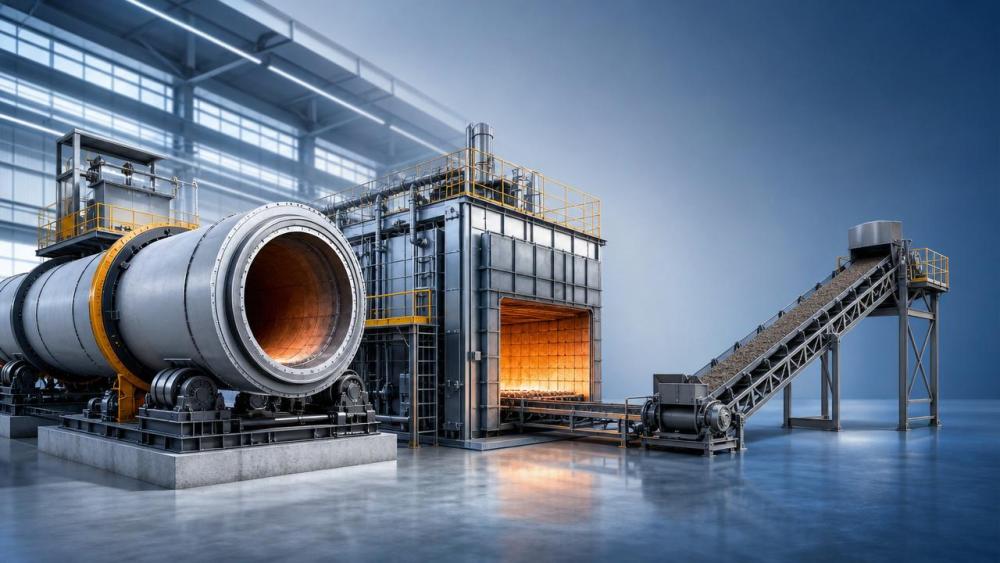
Start with process requirements, not brochures. Heavy industrial equipment must match feed material, throughput targets, operating temperature, plant layout, utility availability, and environmental constraints.
In cement, glass, kiln, incineration, or extrusion applications, small process mismatches create large operational losses. An oversized system may waste fuel. An undersized one may restrict output and quality stability.
Build a basic comparison sheet around these questions:
- What material will be processed, and how variable is it?
- What hourly and annual production levels are required?
- What temperature, pressure, and residence time are needed?
- What fuel, power, water, and air systems are already available?
- Which emissions, dust, or waste rules apply?
This first filter removes options that look attractive on paper but fail in actual production conditions. It also prevents comparing unlike systems with different operating philosophies.
Why is process compatibility more important than initial cost?
Heavy industrial equipment often runs continuously. Even a small efficiency gap becomes significant over several years. A lower purchase price cannot offset constant production losses or repeated maintenance interruptions.
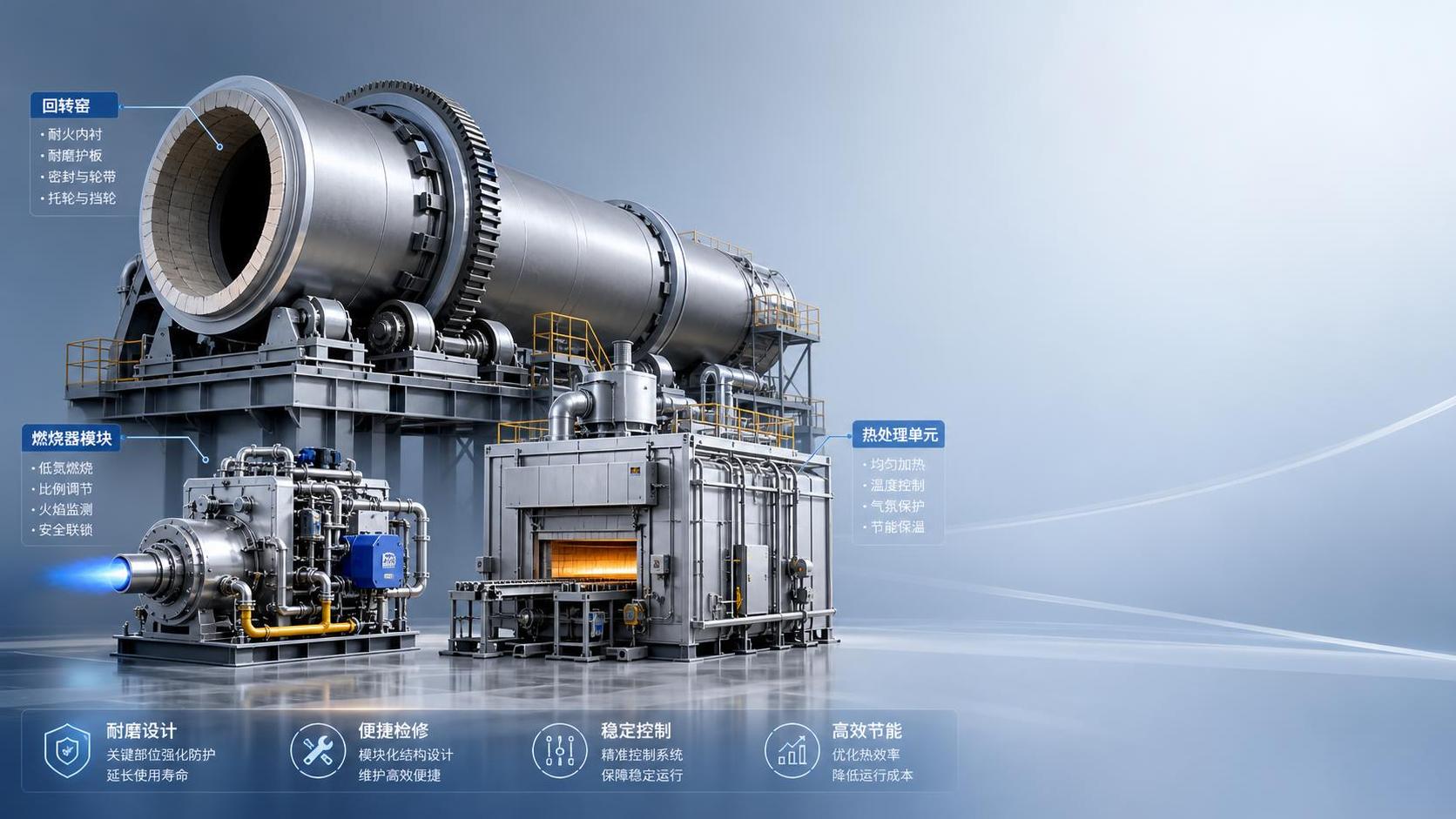
For thermal systems, combustion stability, refractory life, heat recovery, and control responsiveness directly affect product quality and fuel intensity. Those metrics deserve early attention.
How do you compare heavy industrial equipment beyond purchase price?
Use total cost of ownership. This method compares heavy industrial equipment across the full operating lifecycle instead of focusing only on capital expenditure.
A practical lifecycle review should include:
- Base equipment price
- Installation and civil work cost
- Energy consumption per ton of output
- Wear parts and spare parts cost
- Routine maintenance hours
- Downtime risk and recovery time
- Operator training needs
- Compliance upgrades over time
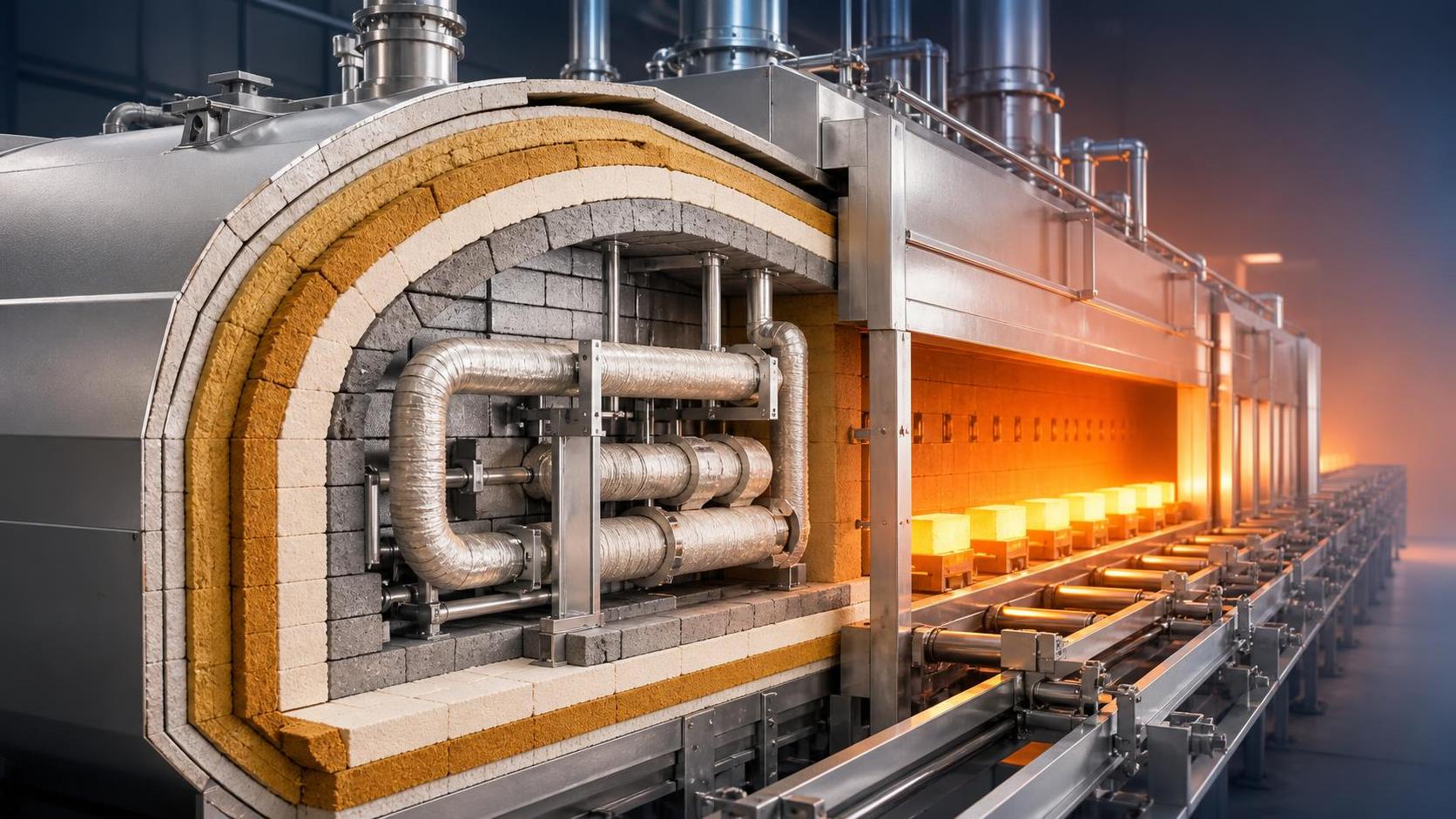
For example, a kiln line with better insulation and digital combustion control may cost more upfront. Yet it may reduce fuel consumption, stabilize thermal profiles, and extend refractory campaigns.
That creates a stronger long-term value case. In many heavy industrial equipment decisions, operating efficiency determines payback faster than negotiated purchase discounts.
Which cost metrics matter most?
Three metrics are especially useful: energy cost per unit output, maintenance cost per operating hour, and expected annual availability. Together, they reveal whether a machine supports reliable production economics.
Which technical specifications reveal real performance differences?
Supplier datasheets often emphasize maximum capacity. That number alone is not enough. Heavy industrial equipment should be compared under expected operating conditions, not ideal laboratory assumptions.
Key technical indicators may include:
- Rated versus effective throughput
- Specific heat or power consumption
- Temperature uniformity and control accuracy
- Material adaptability range
- Emissions performance
- Automation depth and data integration
- Expected wear life of critical components
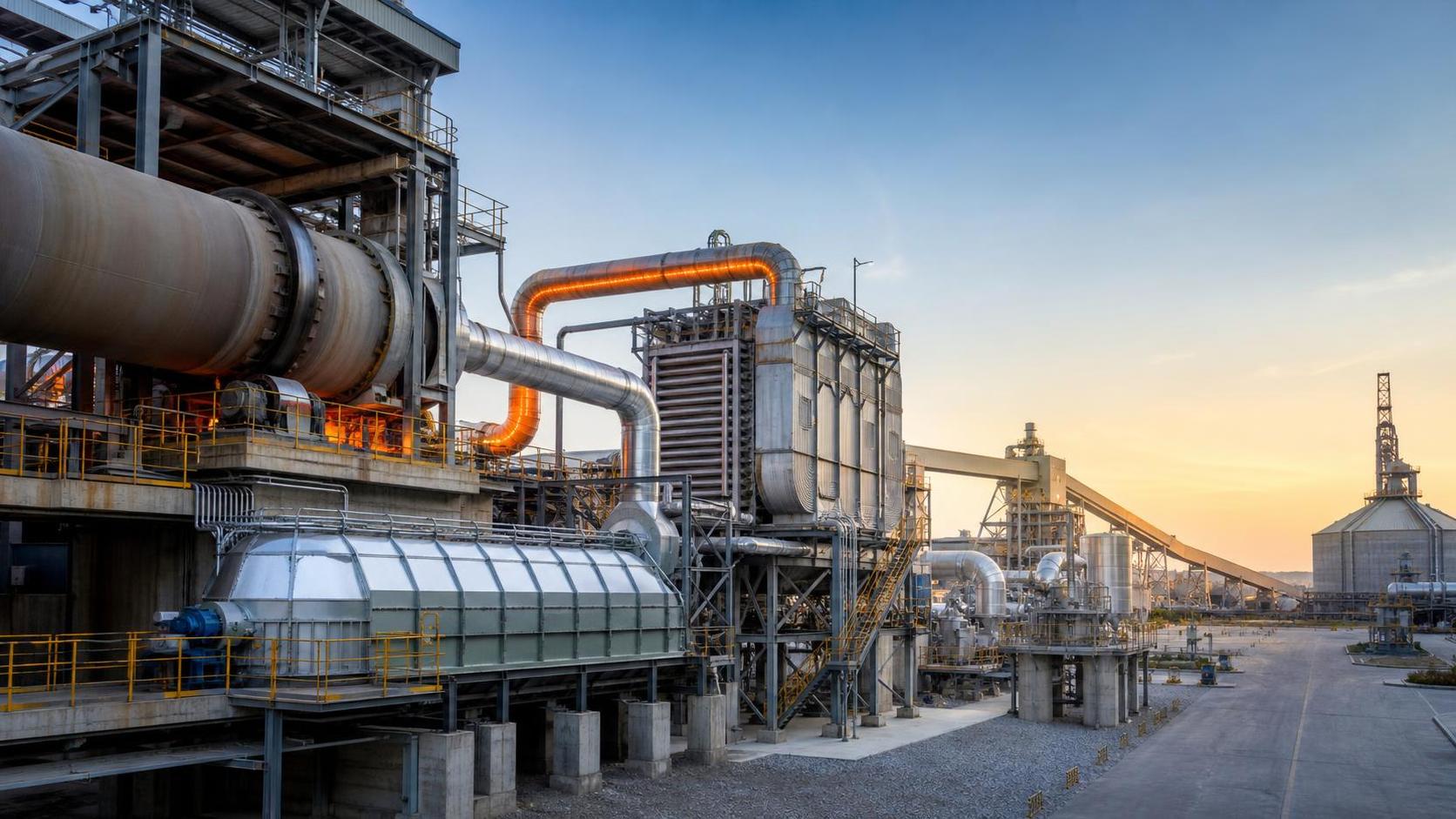
In high-temperature sectors, thermal efficiency and lining durability deserve special focus. Poor heat management shortens asset life and increases carbon intensity, especially in rotary kilns, furnaces, and incineration systems.
Ask suppliers to define test conditions clearly. Compare the same feed quality, ambient conditions, fuel type, and production load. Without aligned assumptions, technical comparisons become misleading.
How important are digital features?
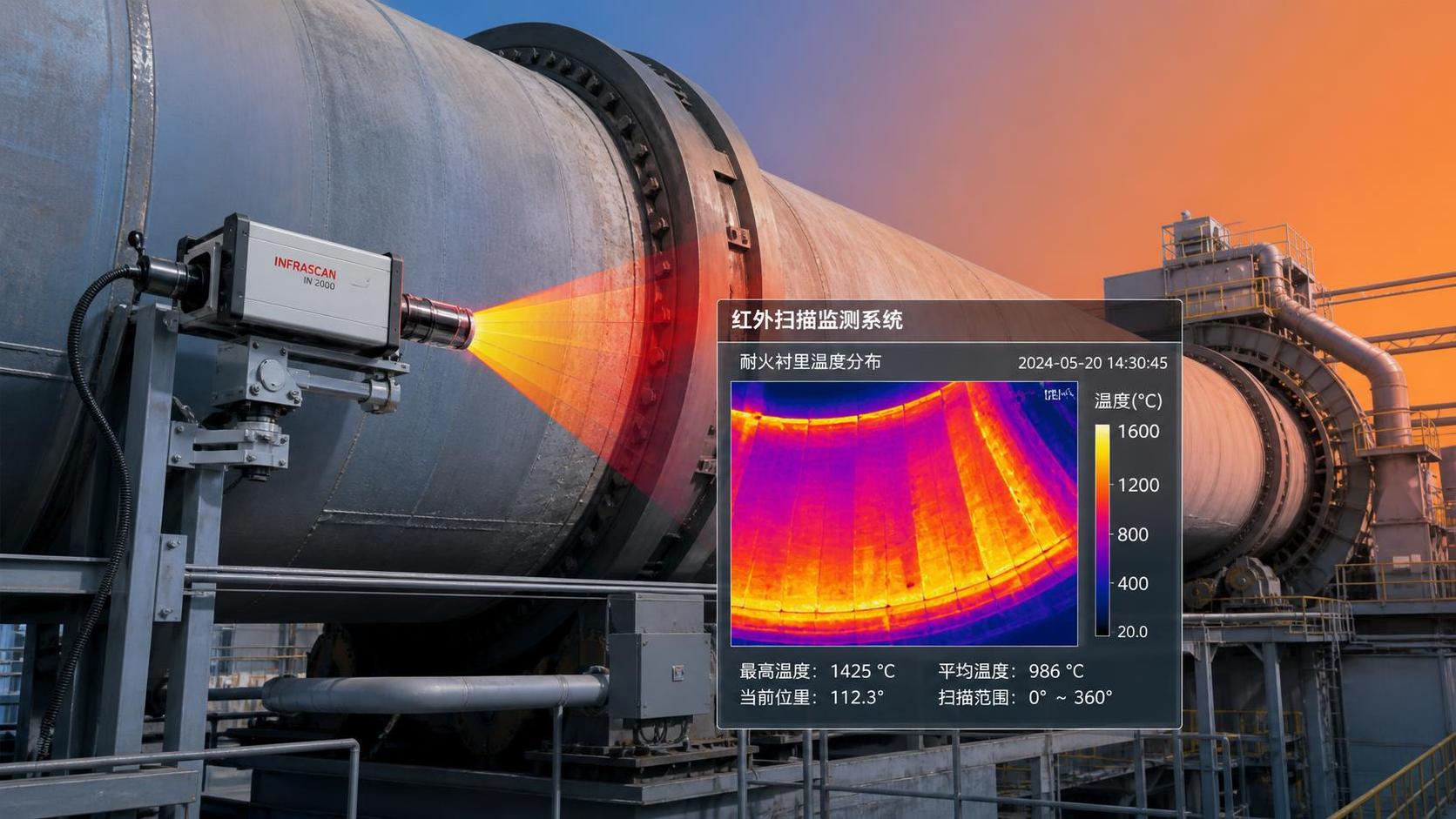
They matter when they improve uptime, traceability, and control. Online temperature monitoring, predictive maintenance alerts, and digital twin functions can improve asset management when backed by usable support.
However, software should not distract from core mechanical reliability. Advanced dashboards cannot compensate for weak metallurgy, unstable burners, or poor refractory design.
How do you judge supplier reliability and after-sales support?
Heavy industrial equipment is rarely a one-time transaction. Installation quality, commissioning depth, spare parts response, and engineering support often decide whether an asset performs as promised.
Before shortlisting a supplier, verify:
- Relevant project references in similar applications
- Local or regional service capability
- Spare parts lead time
- Commissioning and training scope
- Warranty terms and performance guarantees
- Ability to support upgrades and retrofits
For specialized heavy industrial equipment, after-sales engineering is often more valuable than a broad catalog. A supplier that understands silicate kinetics, thermal balance, and emissions control can resolve problems faster.
This is where intelligence platforms like CF-Elite become useful. Market knowledge, technology trend tracking, and application benchmarking help validate supplier claims with wider industry context.
What warning signs should be taken seriously?
Be cautious if performance data is vague, references are outdated, spare parts plans are incomplete, or energy figures lack calculation methods. Weak documentation usually signals future project risk.
What common mistakes lead to poor heavy industrial equipment decisions?
One frequent mistake is comparing equipment from different process categories as if they were directly equivalent. Another is underestimating integration cost with existing conveyors, controls, utilities, and environmental systems.
Other common errors include:
- Choosing only by lowest bid
- Ignoring lifecycle emissions and energy exposure
- Skipping site-specific operating scenarios
- Accepting generic guarantees
- Failing to assess maintenance access and safety
Another major mistake is not planning for future regulation. Heavy industrial equipment installed today should remain viable under tightening carbon, dust, NOx, or waste-heat efficiency requirements.
Assets with upgrade paths usually protect value better. That matters in industries facing decarbonization pressure and rising energy volatility.
How can a simple comparison framework make final selection easier?
A weighted scorecard helps compare heavy industrial equipment in a disciplined way. It reduces bias and keeps technical, commercial, and operational factors visible at the same time.
Assign weights based on plant priorities. If fuel cost dominates, give more weight to thermal efficiency. If uptime is the bottleneck, increase the maintenance and support score.
Quick FAQ table for final review
To compare heavy industrial equipment effectively, define operating needs first, evaluate lifecycle economics second, and test supplier credibility throughout the process. That sequence reduces costly surprises.
In energy-intensive industries, the best equipment choice is the one that aligns process stability, carbon efficiency, maintenance practicality, and future compliance. Better decisions come from better intelligence, not lower quotes alone.
Use this framework to build a shortlist, request aligned technical clarifications, and compare heavy industrial equipment on evidence. A structured review today can protect performance for the next decade.
Related News
 Optical Glass Tech FellowHow to Evaluate a Glass Annealing Equipment Manufacturer for Production StabilityChoose a glass annealing equipment manufacturer with proven thermal uniformity, reliable controls, lifecycle value, and responsive service for stable production.Sep 08, 2026
 Prof. Marcus ChenThermal Energy Architecture in North America: Strategies for Lower Building Energy UseThermal energy architecture North America helps project leaders cut building energy use through stronger envelopes, right-sized HVAC, storage, and smart commissioning.Sep 07, 2026
 Ms. Elena RodriguezHow Should Buyers Evaluate Building Material Industry Intelligence Pricing?Building material industry intelligence pricing: learn how to compare coverage, technical depth, and ROI to choose intelligence that reduces procurement risk.Sep 07, 2026
 Ms. Elena RodriguezHow to Use Building Material Intelligence Data for Market and Investment DecisionsBuilding material industry intelligence data helps leaders evaluate demand, costs, regulation, capacity, and technology to make smarter market and investment decisions.Sep 05, 2026
 Thermal Energy ArchitectHow PLC Control Improves Energy Efficiency and Temperature Stability in KilnsEnergy efficient kilns PLC control improves temperature stability, cuts fuel waste, and optimizes combustion, draft, and material flow. Explore proven strategies for smarter kiln modernization.Sep 04, 2026
 Optical Glass Tech FellowEuropean Glass Melting Processes: Furnace Choices, Energy Use, and Quality ControlGlass melting process Europe: explore furnace choices, energy efficiency, cullet strategy, and quality control to improve output, compliance, and long-term glass performance.Sep 03, 2026
 Thermal Energy ArchitectWhat Determines Refractory Lining Monitoring Price for Industrial Kilns?Refractory lining monitoring price depends on kiln size, sensor technology, installation, software, and support. Compare total lifecycle costs and choose the right solution.Sep 02, 2026
 Silicate Process EngineerCement Production System Costs: A Plant Buyer’s Guide to Budgeting and ROICement production systems cost planning made clear: compare CAPEX, operating costs, compliance, and ROI to build a resilient, profitable cement plant investment.Sep 01, 2026
 Dr. Alistair VaughnWhat Should a Process Technology Database Track for High-Temperature Plants?Process technology database essentials for high-temperature plants: track thermal profiles, feed chemistry, refractory wear, emissions, energy, and maintenance for safer, data-driven decisions.Aug 31, 2026
 Ms. Elena RodriguezHow to Evaluate a Silicate Processing Equipment Manufacturer for Plant ProjectsSilicate processing equipment manufacturer selection: assess process fit, guarantees, energy, compliance, delivery risk, and lifecycle support for dependable plant performance.Aug 30, 2026
 Dr. Alistair VaughnHow to Specify Custom Agricultural Processing Equipment for Throughput and HygieneEquipment customization services for agricultural processing: learn to specify hygienic, high-throughput lines that improve yield, reliability, and long-term efficiency.Aug 29, 2026
 Dr. Alistair VaughnHow to Select Process Plant Equipment for High-Temperature, Abrasive Production LinesProcess plant equipment selection for high-temperature, abrasive lines: reduce downtime, improve durability, and optimize lifecycle performance.Aug 28, 2026
 Silicate Process EngineerHow Kiln Heat Recovery Systems Cut Fuel Use in Cement and Lime ProductionKiln heat recovery helps cement and lime plants cut fuel use, improve thermal stability, and build practical, reliable decarbonization strategies.Aug 27, 2026
 Ms. Elena RodriguezProcess Equipment Comparison: Which Metrics Matter Most for Reliable Selection?Process equipment comparison made practical: discover which metrics truly drive reliable selection, from energy efficiency and control stability to wear life, maintainability, and uptime.Aug 26, 2026
 Ms. Elena RodriguezWhat Buyers Should Check Before Sourcing Precision Alloy Bars for Critical PartsPrecision Alloy Bars buyers should verify grade, chemistry, tolerances, surface quality, traceability, and lead time before sourcing for critical parts. Learn what prevents costly machining and reliability risks.Aug 27, 2026
 Ms. Elena RodriguezHow to Evaluate Thermal Management Solutions Insulation for High-Heat Industrial SystemsThermal management solutions insulation: learn how to assess high-heat industrial systems by thermal performance, durability, lifecycle cost, and supplier data for smarter decisions.Aug 25, 2026
 Ms. Elena RodriguezWhat Drives Waste Recycling Cost in Industrial Projects and How to Estimate It?Waste recycling cost in industrial projects depends on composition, moisture, transport, pre-treatment, and compliance. Learn how to estimate it accurately and compare suppliers with confidence.Aug 24, 2026
 Silicate Process EngineerHow to Evaluate Cement Production Plants in the Middle East for Capacity, Fuel Flexibility, and ROIcement production plants Middle East: Learn how to assess true capacity, fuel flexibility, and ROI risks to identify resilient assets and smarter investment opportunities.Aug 23, 2026
 Structural Material AnalystHow to Evaluate Lightweight Material Machinery for Output, Energy Use, and Product QualityLightweight material machinery evaluation guide: compare stable output, energy use, and product quality to choose equipment that cuts waste, lowers costs, and improves production confidence.Aug 22, 2026
 Material Heat-Resist ExpertWhat Determines Refractory Production Line Price in a Turnkey Plant Project?Refractory production line price depends on raw materials, forming method, kiln and drying design, automation, utilities, and scope. Learn what really drives turnkey plant cost before you invest.Aug 21, 2026

Related News
- 00
0000-00
What Should a Process Technology Database Track for High-Temperature Plants? - 00
0000-00
How to Specify Custom Agricultural Processing Equipment for Throughput and Hygiene - 00
0000-00
How to Select Process Plant Equipment for High-Temperature, Abrasive Production Lines - 00
0000-00
What Causes Thermal Shock Failure in Heat-Resistant Materials During Development? - 00
0000-00
How Digital Twin Simulations Improve Process Plant Design, Safety, and Uptime
Weekly Insights
Stay ahead with our curated technology reports delivered every Monday.