
Is industrial waste recycling paying off at plant level?




Is industrial waste recycling truly paying off at plant level? For finance decision-makers, the answer lies beyond disposal savings alone. From energy recovery and raw material substitution to carbon compliance and equipment utilization, industrial waste recycling can directly influence margins, risk exposure, and long-term capital efficiency. This article examines where plant-level returns are created, how they are measured, and what makes investment outcomes sustainable.
Why industrial waste recycling has become a finance issue, not only an environmental one
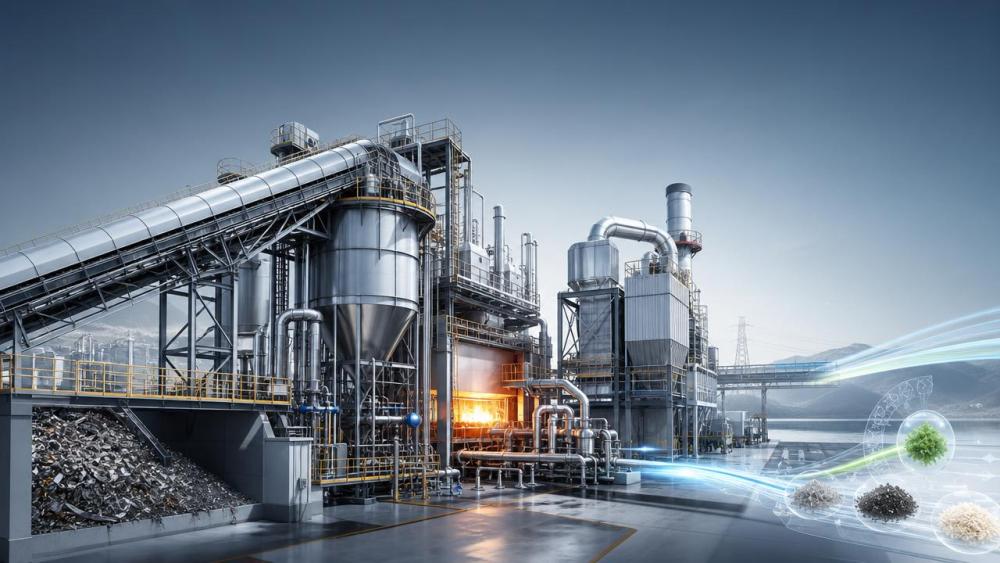
In high-temperature industries, industrial waste recycling now affects fuel cost, raw material sourcing, compliance exposure, and plant uptime. For a financial approver, the question is no longer whether waste should be managed better, but whether recovery pathways improve operating profit and protect future cash flow.
This is especially true in cement plants, glass lines, industrial kilns, incineration systems, refractory production, and extrusion-based building material operations. These sectors consume large amounts of heat and minerals, which creates a direct interface between waste streams and production economics.
CF-Elite tracks this interface from both the process and business sides. That matters because plant-level returns depend on technical fit: calorific value, moisture, ash chemistry, chlorine load, feed consistency, refractory impact, and emission control requirements all shape the real value of industrial waste recycling.
- Disposal cost reduction is only the first layer. In many cases, avoided landfill or third-party treatment fees account for less value than energy substitution or raw meal replacement.
- Recovered energy can reduce dependence on coal, petcoke, gas, or purchased steam, which gives finance teams a clearer hedge against commodity volatility.
- Regulatory alignment lowers the probability of sudden capex under pressure, especially where emissions permits, waste handling rules, or carbon pricing frameworks are tightening.
- Stable co-processing can raise asset utilization if existing kilns, burners, or feeding systems absorb waste-derived inputs without frequent shutdowns.
Where does plant-level payback from industrial waste recycling actually come from?
Financial returns are usually created through a combination of avoided cost, replacement value, and strategic risk reduction. Looking at only one line item often causes underinvestment or false rejection of viable projects.
Primary value drivers
- Avoided disposal and transport fees for sludge, spent refractories, process dust, packaging waste, rejected materials, and combustible residues.
- Thermal substitution through refuse-derived fuel, solvent-rich waste, biomass fractions, or other qualified alternative fuels.
- Raw material substitution where mineral-bearing waste can replace part of virgin silica, alumina, calcium, or iron-bearing inputs.
- Lower carbon-related cost where fossil fuel use or virgin material extraction declines under applicable reporting or pricing systems.
- Improved contract positioning with industrial customers that need qualified outlets for by-products or hazardous fractions.
In practice, industrial waste recycling pays off fastest where a plant already has robust combustion control, material dosing discipline, and emissions monitoring. A weak process platform can turn a seemingly attractive waste stream into instability, maintenance escalation, and hidden financial leakage.
The table below shows how different return channels in industrial waste recycling typically map to plant-level finance metrics.
For financial approvers, the key insight is that industrial waste recycling should be tested as a portfolio of cash effects. A project with moderate disposal savings can still be superior if it improves energy resilience and lowers compliance volatility over five to seven years.
Which industrial settings usually see the strongest returns?
Not every plant benefits equally. Returns depend on process temperature, residence time, ash tolerance, product sensitivity, and the ability to monitor feed variability. High-temperature systems generally have the widest technical room to monetize industrial waste recycling, but only when feed preparation is disciplined.
High-opportunity scenarios
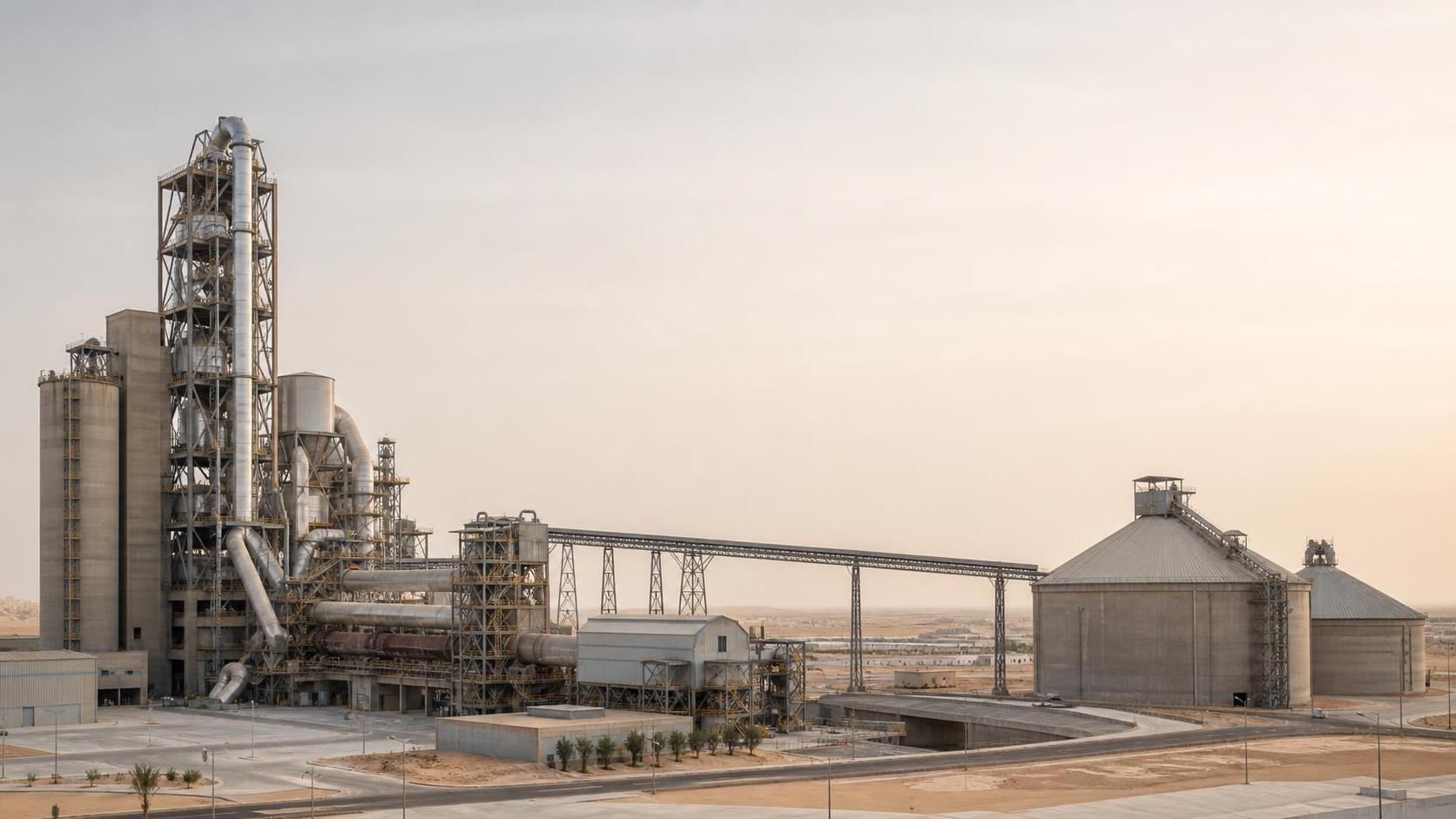
- Cement kilns with stable thermal profiles and established co-processing protocols. These operations often absorb selected waste-derived fuels and some mineral residues with meaningful substitution potential.
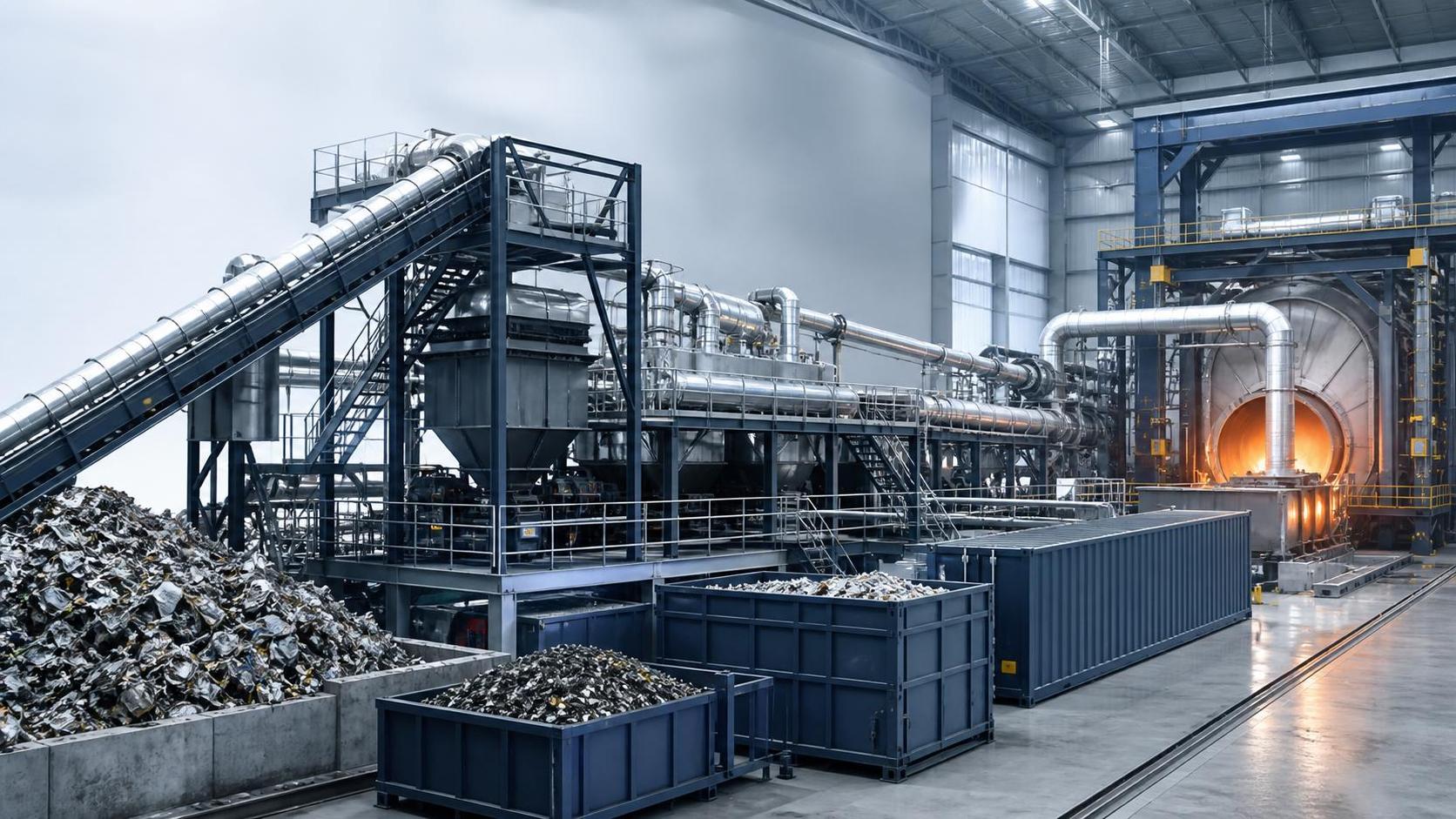
- Industrial incineration plants that recover heat for steam, power, or downstream thermal use. Here, industrial waste recycling is closely tied to energy monetization and gate-fee logic.
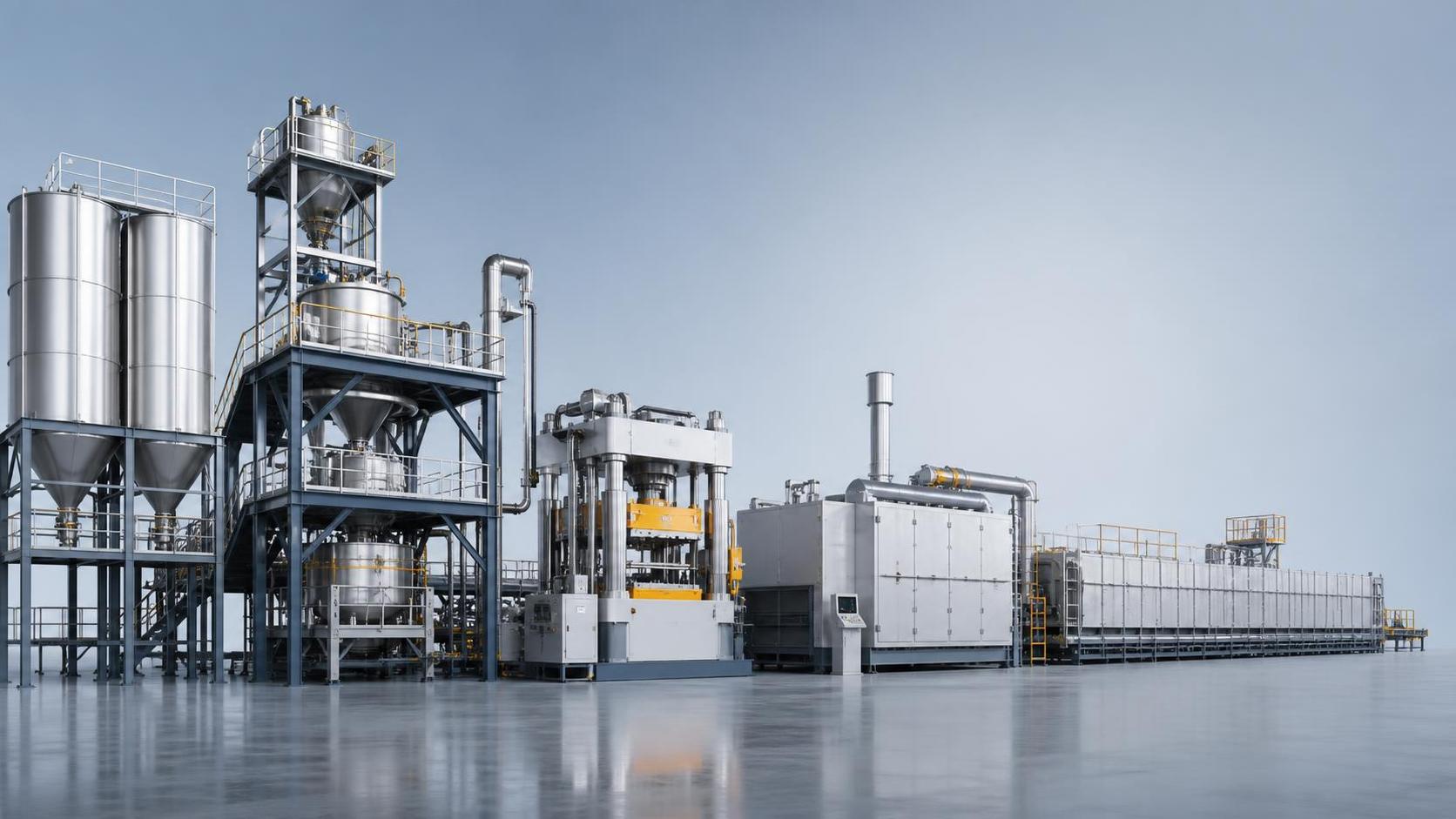
- Refractory and ceramic-related operations that can reuse certain internal scraps or recovered mineral streams when composition control remains tight.
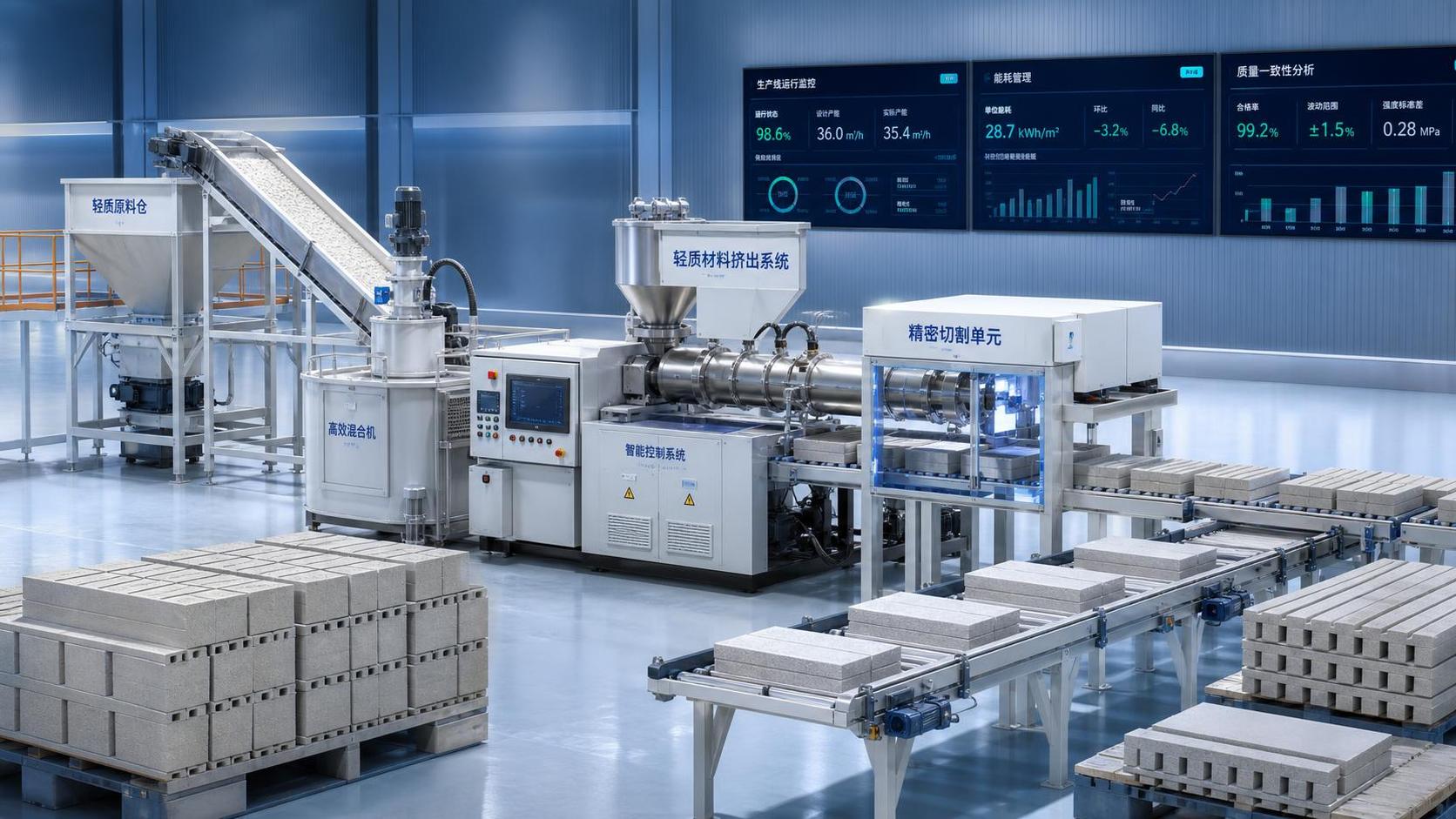
- Extrusion lines for building materials that can incorporate specific by-products as fillers or performance-adjusting components after validation.
Glass manufacturing is more selective. While industrial waste recycling can support cullet recovery and some circular material strategies, process sensitivity to contaminants is high. Finance teams should demand tighter quality assurance assumptions before approving broad waste-based substitution in glass melting lines.
This application table helps compare where industrial waste recycling is more likely to create fast, moderate, or conditional returns.
A financial review should therefore be sector-specific. Approving industrial waste recycling based on generic sustainability promises is risky. The correct benchmark is process compatibility tied to measurable plant economics.
How should a finance approver evaluate industrial waste recycling proposals?
The strongest approvals come from a framework that translates process variability into financial certainty ranges. Finance teams do not need to model every chemical detail, but they do need a disciplined checklist linking technical assumptions to cash outcomes.
A practical approval checklist
- Confirm feedstock quality windows. Calorific value, moisture, particle size, ash content, chlorine, sulfur, and metals all affect revenue and risk.
- Separate one-time capex from recurring conditioning cost. Shredding, drying, blending, storage, dosing, and laboratory testing can materially change project returns.
- Stress-test supply continuity. Industrial waste recycling fails financially when waste streams are irregular, contract terms are weak, or logistics are not secured.
- Model downtime probability. Even small disruptions in kiln stability, burner performance, or emission systems can erode annual savings.
- Check whether accounting includes compliance cost avoidance and carbon exposure, not just immediate plant operating expense.
CF-Elite’s value in this stage is not generic market commentary. It is the ability to connect thermal process behavior, global environmental rules, and equipment intelligence into a more defensible investment view. For long-cycle heavy industry assets, that integrated view often determines whether a proposal deserves approval, redesign, or postponement.
Key indicators worth putting into the approval memo
A useful memo should include thermal substitution rate, expected reduction in purchased fuel per ton of output, raw material replacement ratio, incremental maintenance burden, expected permit obligations, and the payback range under conservative, base, and upside scenarios.
Finance teams should also ask whether the proposed industrial waste recycling route creates option value. A system that can accept multiple waste types with controlled switching may justify a higher capex than a narrow single-feed design, especially in volatile procurement environments.
What costs are often underestimated in industrial waste recycling projects?
Underestimated cost is one of the main reasons promising proposals disappoint after commissioning. Plants may budget for primary hardware but ignore the daily cost of stabilizing an inconsistent feed stream.
Common hidden or undercounted costs
- Pre-treatment infrastructure, including sorting, drying, blending, and safe storage for variable waste inputs.
- Additional laboratory sampling and process control resources needed to avoid unstable chemistry or combustion behavior.
- Emission control upgrades or more frequent consumable replacement in filtration and gas cleaning equipment.
- Higher refractory wear or deposit formation when halogens, alkalis, or ash characteristics are not fully managed.
- Contract management and traceability systems required for waste acceptance, compliance reporting, and customer audits.
These factors do not invalidate industrial waste recycling. They simply mean the financial case must be built on net plant economics, not on idealized substitution rates. In many high-temperature settings, disciplined pre-treatment is what turns an unstable waste stream into a bankable input.
How do standards, compliance, and carbon rules affect return quality?
Compliance quality matters because a weak documentation chain can destroy economic value even when technical performance is acceptable. Finance approvers should ask whether the project supports auditable waste classification, traceability, emissions monitoring, and product quality control under applicable local rules.
What to verify before approval
- Waste acceptance criteria are documented and measurable, not based on supplier claims alone.
- Continuous or periodic emissions monitoring aligns with permit conditions and expected feed variability.
- Quality control procedures protect finished product specifications where waste-derived inputs affect composition.
- Carbon reporting assumptions are conservative and compatible with the plant’s reporting boundary.
Internationally, many plants also benchmark against recognized management and environmental system practices such as ISO-based frameworks, even when local regulation is the binding requirement. The finance benefit is not certification alone. It is the reduction of regulatory ambiguity and audit disruption.
What mistakes make industrial waste recycling look profitable on paper but weak in reality?
Three mistakes appear repeatedly. First, teams assume average waste quality instead of designing around realistic variation. Second, they calculate savings on gross substitution rather than net usable substitution. Third, they ignore the cost of instability on throughput, maintenance, and compliance.
Frequent misconceptions
- “Any waste with heat value is good fuel.” In reality, moisture, chlorine, ash fusion behavior, and feeding consistency can change the economics completely.
- “Disposal savings alone justify the project.” That is rarely enough for durable returns if process control or compliance cost rises sharply.
- “One successful plant example proves transferability.” Plant geometry, burner design, raw mix chemistry, and emission limits can differ too much for direct copying.
This is where intelligence-led evaluation becomes valuable. CF-Elite’s cross-sector lens helps decision-makers compare technology pathways without assuming that one co-processing or recycling model fits every thermal process.
FAQ: what financial approvers ask most about industrial waste recycling
How quickly can industrial waste recycling pay back at plant level?
Payback varies with capex intensity, feed stability, and the value of substituted fuel or raw material. Projects tied to existing thermal assets and clear disposal savings may move faster, while systems requiring deep pre-treatment or emission upgrades need a longer horizon. The reliable answer comes from scenario modeling, not headline averages.
Which plants should be most cautious before approving investment?
Plants with narrow product tolerance, unstable current operations, weak laboratory capability, or limited emissions headroom should be more cautious. In such settings, industrial waste recycling can still work, but the approval threshold should be higher and the validation phase longer.
What is the most important number beyond disposal savings?
The most important number is usually the net substitution value after conditioning cost and operational penalties. A project that replaces expensive fuel reliably is often stronger than one that only reduces waste handling bills. Finance teams should insist on net benefit per ton of accepted waste and per ton of final product.
Should carbon benefits be included in the approval case?
Yes, but conservatively. Where carbon reporting or pricing matters, industrial waste recycling may reduce future exposure or improve strategic positioning. However, assumptions must match the plant’s actual regulatory boundary, data quality, and audit readiness.
Why decision-makers use CF-Elite before locking budget
In heavy thermal industries, a profitable industrial waste recycling decision requires more than a vendor quote or a sustainability target. It requires cross-checking feed chemistry, heat balance, refractory behavior, emissions implications, market demand, and policy direction.
CF-Elite supports that judgment by connecting intelligence across cement production plants, glass manufacturing equipment, industrial kilns and incineration, refractory lines, and new building material extrusion. This cross-industry view helps finance approvers compare what is technically feasible, commercially realistic, and strategically durable.
What you can consult with us
- Parameter confirmation for waste-derived fuel or mineral substitution pathways in high-temperature production systems.
- Technology selection guidance for co-processing, pre-treatment, thermal recovery, and online monitoring priorities.
- Delivery-cycle and project sequencing advice for long-cycle equipment decisions affecting budget timing.
- Custom evaluation frameworks for capex approval, risk scoring, and multi-scenario return assessment.
- Compliance and certification direction related to emissions, traceability, and market-facing environmental expectations.
- Commercial insight for quotation comparison, sourcing options, and negotiation points where equipment and process constraints intersect.
If your team is deciding whether industrial waste recycling will truly pay off at plant level, bring the operating assumptions into the budget discussion early. That is where stronger approvals are built: on verified parameters, scenario-tested returns, and a clear view of how thermal process reality converts into financial performance.
Related News
 Optical Glass Tech FellowHow to Evaluate a Glass Annealing Equipment Manufacturer for Production StabilityChoose a glass annealing equipment manufacturer with proven thermal uniformity, reliable controls, lifecycle value, and responsive service for stable production.Sep 08, 2026
 Prof. Marcus ChenThermal Energy Architecture in North America: Strategies for Lower Building Energy UseThermal energy architecture North America helps project leaders cut building energy use through stronger envelopes, right-sized HVAC, storage, and smart commissioning.Sep 07, 2026
 Ms. Elena RodriguezHow Should Buyers Evaluate Building Material Industry Intelligence Pricing?Building material industry intelligence pricing: learn how to compare coverage, technical depth, and ROI to choose intelligence that reduces procurement risk.Sep 07, 2026
 Ms. Elena RodriguezHow to Use Building Material Intelligence Data for Market and Investment DecisionsBuilding material industry intelligence data helps leaders evaluate demand, costs, regulation, capacity, and technology to make smarter market and investment decisions.Sep 05, 2026
 Thermal Energy ArchitectHow PLC Control Improves Energy Efficiency and Temperature Stability in KilnsEnergy efficient kilns PLC control improves temperature stability, cuts fuel waste, and optimizes combustion, draft, and material flow. Explore proven strategies for smarter kiln modernization.Sep 04, 2026
 Optical Glass Tech FellowEuropean Glass Melting Processes: Furnace Choices, Energy Use, and Quality ControlGlass melting process Europe: explore furnace choices, energy efficiency, cullet strategy, and quality control to improve output, compliance, and long-term glass performance.Sep 03, 2026
 Thermal Energy ArchitectWhat Determines Refractory Lining Monitoring Price for Industrial Kilns?Refractory lining monitoring price depends on kiln size, sensor technology, installation, software, and support. Compare total lifecycle costs and choose the right solution.Sep 02, 2026
 Silicate Process EngineerCement Production System Costs: A Plant Buyer’s Guide to Budgeting and ROICement production systems cost planning made clear: compare CAPEX, operating costs, compliance, and ROI to build a resilient, profitable cement plant investment.Sep 01, 2026
 Dr. Alistair VaughnWhat Should a Process Technology Database Track for High-Temperature Plants?Process technology database essentials for high-temperature plants: track thermal profiles, feed chemistry, refractory wear, emissions, energy, and maintenance for safer, data-driven decisions.Aug 31, 2026
 Ms. Elena RodriguezHow to Evaluate a Silicate Processing Equipment Manufacturer for Plant ProjectsSilicate processing equipment manufacturer selection: assess process fit, guarantees, energy, compliance, delivery risk, and lifecycle support for dependable plant performance.Aug 30, 2026
 Dr. Alistair VaughnHow to Specify Custom Agricultural Processing Equipment for Throughput and HygieneEquipment customization services for agricultural processing: learn to specify hygienic, high-throughput lines that improve yield, reliability, and long-term efficiency.Aug 29, 2026
 Dr. Alistair VaughnHow to Select Process Plant Equipment for High-Temperature, Abrasive Production LinesProcess plant equipment selection for high-temperature, abrasive lines: reduce downtime, improve durability, and optimize lifecycle performance.Aug 28, 2026
 Silicate Process EngineerHow Kiln Heat Recovery Systems Cut Fuel Use in Cement and Lime ProductionKiln heat recovery helps cement and lime plants cut fuel use, improve thermal stability, and build practical, reliable decarbonization strategies.Aug 27, 2026
 Ms. Elena RodriguezProcess Equipment Comparison: Which Metrics Matter Most for Reliable Selection?Process equipment comparison made practical: discover which metrics truly drive reliable selection, from energy efficiency and control stability to wear life, maintainability, and uptime.Aug 26, 2026
 Ms. Elena RodriguezWhat Buyers Should Check Before Sourcing Precision Alloy Bars for Critical PartsPrecision Alloy Bars buyers should verify grade, chemistry, tolerances, surface quality, traceability, and lead time before sourcing for critical parts. Learn what prevents costly machining and reliability risks.Aug 27, 2026
 Ms. Elena RodriguezHow to Evaluate Thermal Management Solutions Insulation for High-Heat Industrial SystemsThermal management solutions insulation: learn how to assess high-heat industrial systems by thermal performance, durability, lifecycle cost, and supplier data for smarter decisions.Aug 25, 2026
 Ms. Elena RodriguezWhat Drives Waste Recycling Cost in Industrial Projects and How to Estimate It?Waste recycling cost in industrial projects depends on composition, moisture, transport, pre-treatment, and compliance. Learn how to estimate it accurately and compare suppliers with confidence.Aug 24, 2026
 Silicate Process EngineerHow to Evaluate Cement Production Plants in the Middle East for Capacity, Fuel Flexibility, and ROIcement production plants Middle East: Learn how to assess true capacity, fuel flexibility, and ROI risks to identify resilient assets and smarter investment opportunities.Aug 23, 2026
 Structural Material AnalystHow to Evaluate Lightweight Material Machinery for Output, Energy Use, and Product QualityLightweight material machinery evaluation guide: compare stable output, energy use, and product quality to choose equipment that cuts waste, lowers costs, and improves production confidence.Aug 22, 2026
 Material Heat-Resist ExpertWhat Determines Refractory Production Line Price in a Turnkey Plant Project?Refractory production line price depends on raw materials, forming method, kiln and drying design, automation, utilities, and scope. Learn what really drives turnkey plant cost before you invest.Aug 21, 2026

Related News
- 00
0000-00
What Should a Process Technology Database Track for High-Temperature Plants? - 00
0000-00
How to Specify Custom Agricultural Processing Equipment for Throughput and Hygiene - 00
0000-00
How to Select Process Plant Equipment for High-Temperature, Abrasive Production Lines - 00
0000-00
What Causes Thermal Shock Failure in Heat-Resistant Materials During Development? - 00
0000-00
How Digital Twin Simulations Improve Process Plant Design, Safety, and Uptime
Weekly Insights
Stay ahead with our curated technology reports delivered every Monday.