
Can silicate industrial intelligence improve output consistency?




For quality control and safety managers in high-temperature production, the short answer is yes: silicate industrial intelligence can improve output consistency, but only when it turns process data into timely operational control. In cement, glass, refractory, incineration, and extrusion environments, variation rarely comes from one isolated cause. It usually results from unstable thermal profiles, raw material drift, delayed detection, inconsistent operator response, and incomplete visibility across the line.
That is why the real value of silicate industrial intelligence is not simply “digitalization.” Its value lies in reducing process uncertainty, identifying deviation earlier, supporting safer interventions, and helping teams maintain a narrower operating window. For quality control and safety managers, this means fewer off-spec batches, more predictable equipment behavior, better traceability, and stronger compliance readiness.
At the search intent level, readers asking whether silicate industrial intelligence can improve output consistency usually want a practical answer to three questions. First, does it work in real high-temperature operations? Second, what specific problems can it solve for quality and safety teams? Third, how can they judge whether the investment will produce measurable results instead of just adding another dashboard?
Those concerns shape the most useful discussion. Rather than giving a broad overview of Industry 4.0, this article focuses on the operational decisions that matter most to quality control and safety leaders: where consistency is lost, how intelligence tools reduce variation, which metrics deserve attention, what implementation risks to watch, and which production scenarios benefit most.
Where output inconsistency actually begins in silicate production
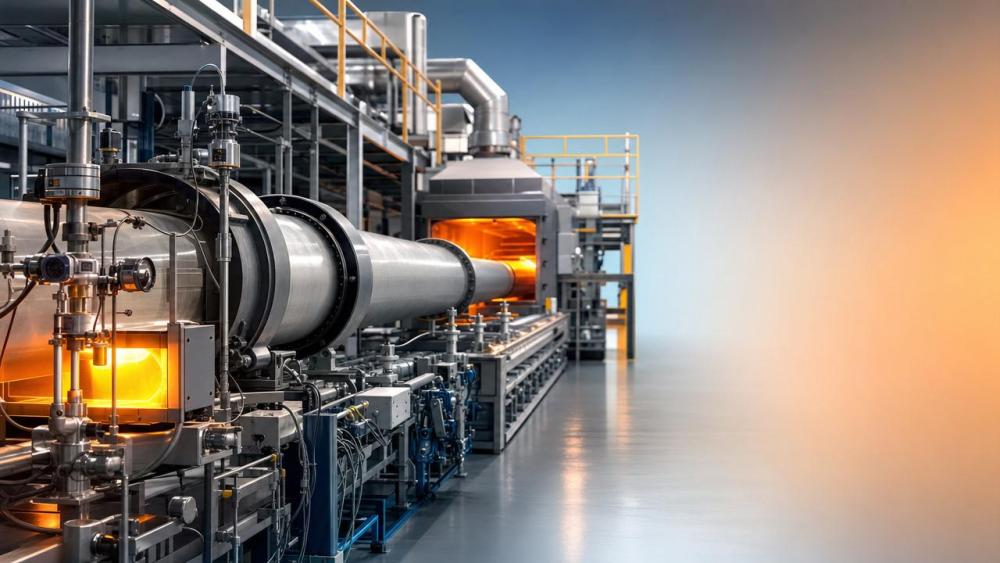
In high-temperature silicate operations, inconsistent output is usually a symptom of process instability rather than a standalone quality issue. The visible result may be uneven clinker quality, glass defects, refractory density variation, ash inconsistency, or dimensional drift in extruded materials. However, the root causes often develop much earlier in the process chain.
Raw material variability is one of the most common starting points. Moisture shifts, particle size changes, chemical composition fluctuations, and inconsistent blending can all alter downstream thermal behavior. If upstream variation is not tracked in real time, operators may only discover the problem after the kiln, furnace, or extrusion stage has already amplified it.
Thermal instability is another major cause. In silicate manufacturing, small changes in temperature distribution, residence time, combustion balance, pressure, or airflow can translate into large quality differences. This matters especially in systems where the process window is tight and the product depends on stable reaction kinetics.
Equipment condition also affects consistency more than many plants admit. Burner wear, refractory degradation, sensor drift, fan imbalance, feed irregularity, or conveyor interruptions can create subtle deviations that stay hidden until they affect output. By that point, quality teams are often reacting to defects instead of preventing them.
Human factors matter as well. Even experienced operators may respond differently to similar disturbances, especially under production pressure. If decisions rely too heavily on individual judgment instead of structured data, the plant may produce acceptable results on some shifts and unstable results on others.
For safety managers, this same instability carries additional consequences. A process that is drifting outside its target window is also more likely to increase heat stress, emission spikes, combustion irregularities, pressure events, material buildup, or emergency interventions. In other words, output inconsistency and process risk often rise together.
How silicate industrial intelligence improves consistency in practical terms
Silicate industrial intelligence improves output consistency by connecting process signals, equipment behavior, material characteristics, and operating decisions into one usable control framework. It does not replace engineering knowledge. Instead, it helps teams detect emerging variation sooner and respond with greater precision.
One of its most important functions is continuous monitoring across critical control points. In a silicate line, that may include raw mix chemistry, feed rate, kiln or furnace temperature profile, pressure balance, fuel-air ratio, exhaust composition, cooling conditions, and final product inspection data. When these signals are linked, teams can see patterns that isolated instruments cannot reveal.
Another major contribution is deviation detection. Traditional operations often identify problems after product quality has already moved out of spec. Intelligent systems can flag abnormal patterns earlier, such as abnormal thermal gradients, unstable flame behavior, energy consumption drift, or repeated minor quality shifts that indicate a larger issue is forming.
Predictive analytics also supports better consistency. Instead of waiting for a failure or an obvious defect, plants can use historical and live data to estimate when conditions are likely to move away from optimal performance. This is especially useful for managing wear in refractories, burners, fans, and conveying systems that influence thermal and mechanical stability.
Decision support is where many plants see the clearest value. Good silicate industrial intelligence does not only show data on a screen. It helps operators and managers answer practical questions: Which variable changed first? How much deviation is acceptable before intervention? Which adjustment is most likely to restore stability without creating a secondary safety risk?
For quality teams, this means stronger process traceability. When a defect appears, they can examine not only the final inspection result but also the upstream conditions that contributed to it. For safety teams, it means more confidence that corrective actions are based on evidence rather than guesswork.
What quality control managers should evaluate before calling it a success
From a quality perspective, the success of silicate industrial intelligence should not be measured by software adoption alone. The key question is whether it reduces variation in the outputs that matter to customers, compliance requirements, and internal production targets.
Start with variance reduction, not just average performance. A plant may report acceptable average output while still suffering from wide fluctuations that create waste, rework, customer complaints, or unstable line efficiency. Quality managers should track whether the system narrows the spread of core parameters over time.
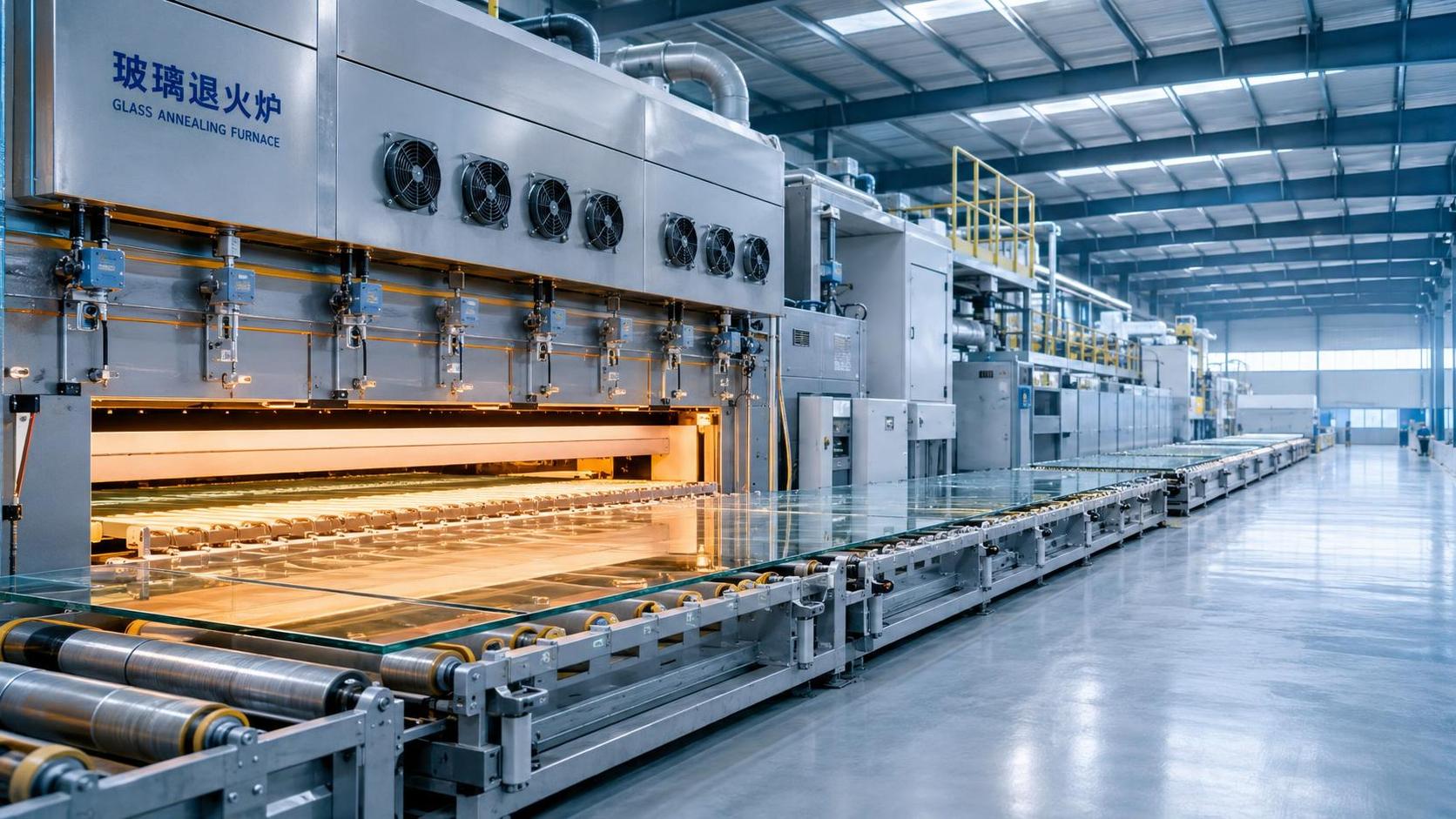
Relevant indicators will differ by process, but the principle is consistent. Cement plants may watch clinker chemistry uniformity, free lime stability, and fineness consistency. Glass lines may focus on bubble frequency, thickness variation, optical defects, and annealing stability. Refractory plants may prioritize density, dimensional accuracy, and firing consistency.
Another useful metric is time to detect deviation. If the system identifies a developing issue earlier than manual review or routine laboratory checks, it can reduce the number of off-spec tons produced before intervention. This directly affects scrap, rework, and production planning reliability.
Quality teams should also check traceability depth. When a defect is found, can the system reconstruct the relevant thermal, chemical, and equipment conditions? If root-cause analysis becomes faster and more accurate, then silicate industrial intelligence is generating real operational value.
Finally, evaluate response consistency across shifts. A strong intelligence system should make performance less dependent on which operator is on duty. If similar disturbances produce more standardized corrective actions, the plant is moving toward a more repeatable quality culture.
Why safety managers should care even when the project is sold as a quality upgrade
Many digital projects in heavy industry are presented as productivity or quality initiatives. Safety managers should still pay close attention, because the same process intelligence that improves consistency can also reduce operational risk—if designed and used correctly.
Stable thermal processes are generally safer thermal processes. When temperatures, pressures, combustion conditions, and material flows stay within tighter limits, the plant is less likely to face the abrupt excursions that trigger unsafe interventions. Fewer surprises in the process often mean fewer surprises for people.
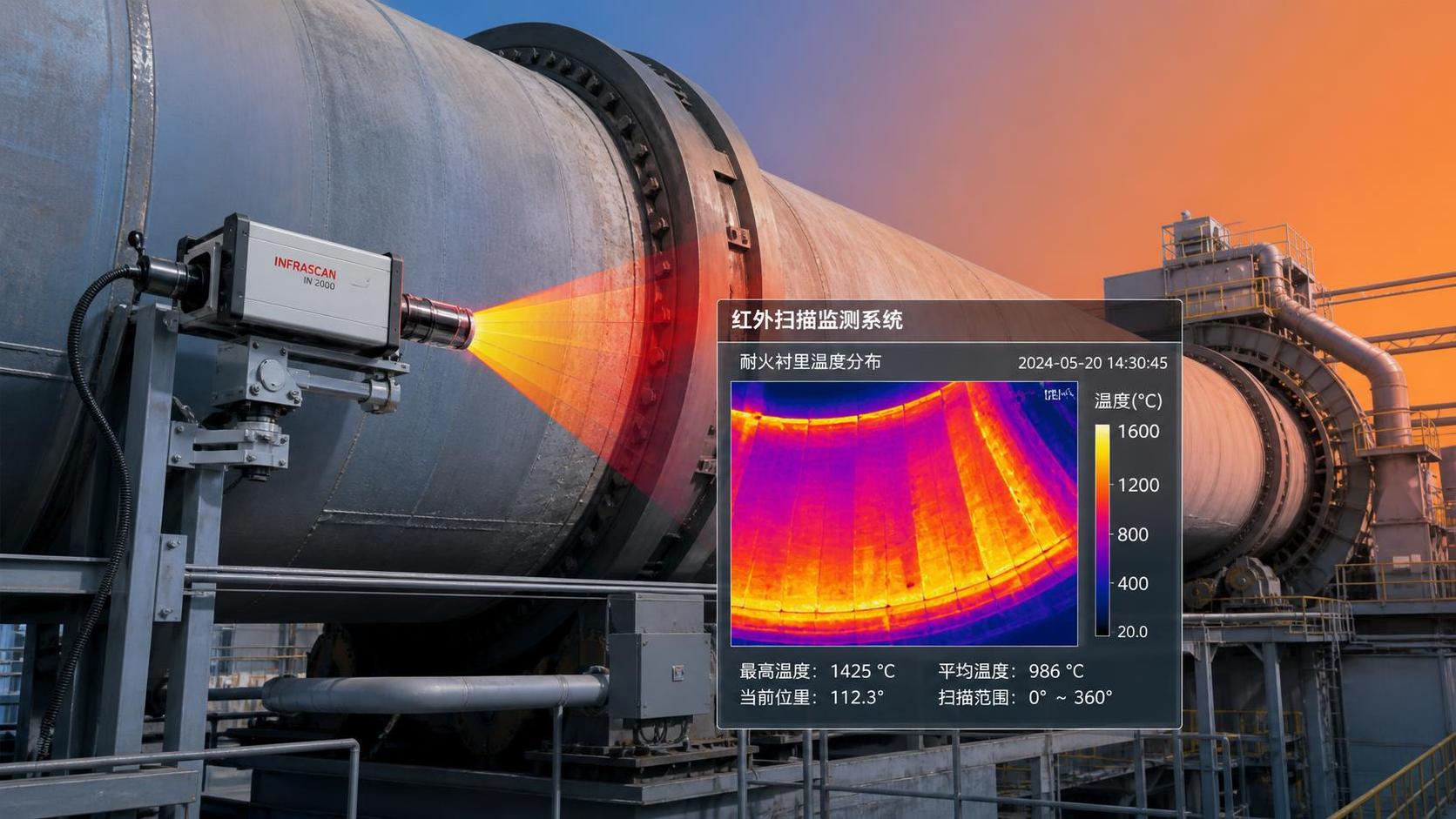
Earlier warning is one of the biggest benefits. If an intelligent system detects abnormal combustion, rapid temperature drift, blockage patterns, or refractory hot spots before they become severe, teams can plan controlled action instead of emergency response. This lowers both exposure and stress for operators.
Better visibility also improves permit-to-work and maintenance planning. If the condition of kilns, furnaces, ducts, or linings is monitored more accurately, shutdowns can be timed more intelligently. That reduces the chance of sending personnel into unstable or poorly understood conditions.
However, safety managers should avoid assuming that any data platform automatically improves safety. Alarm overload, poor sensor reliability, unclear escalation rules, and overconfidence in automation can create new hazards. A system that generates noise instead of clarity may weaken response quality rather than strengthen it.
The right approach is to integrate process intelligence into existing safety governance. That means linking alerts to action protocols, defining ownership for response, validating critical sensors, and ensuring that operators understand how to interpret recommendations without bypassing established safety controls.
Which use cases deliver the strongest return in silicate environments
Not every intelligence project creates equal value. The best returns usually come from areas where output quality depends heavily on thermal stability, material uniformity, and rapid response to deviation. In other words, focus first on the parts of the process where inconsistency is expensive and hard to recover from.
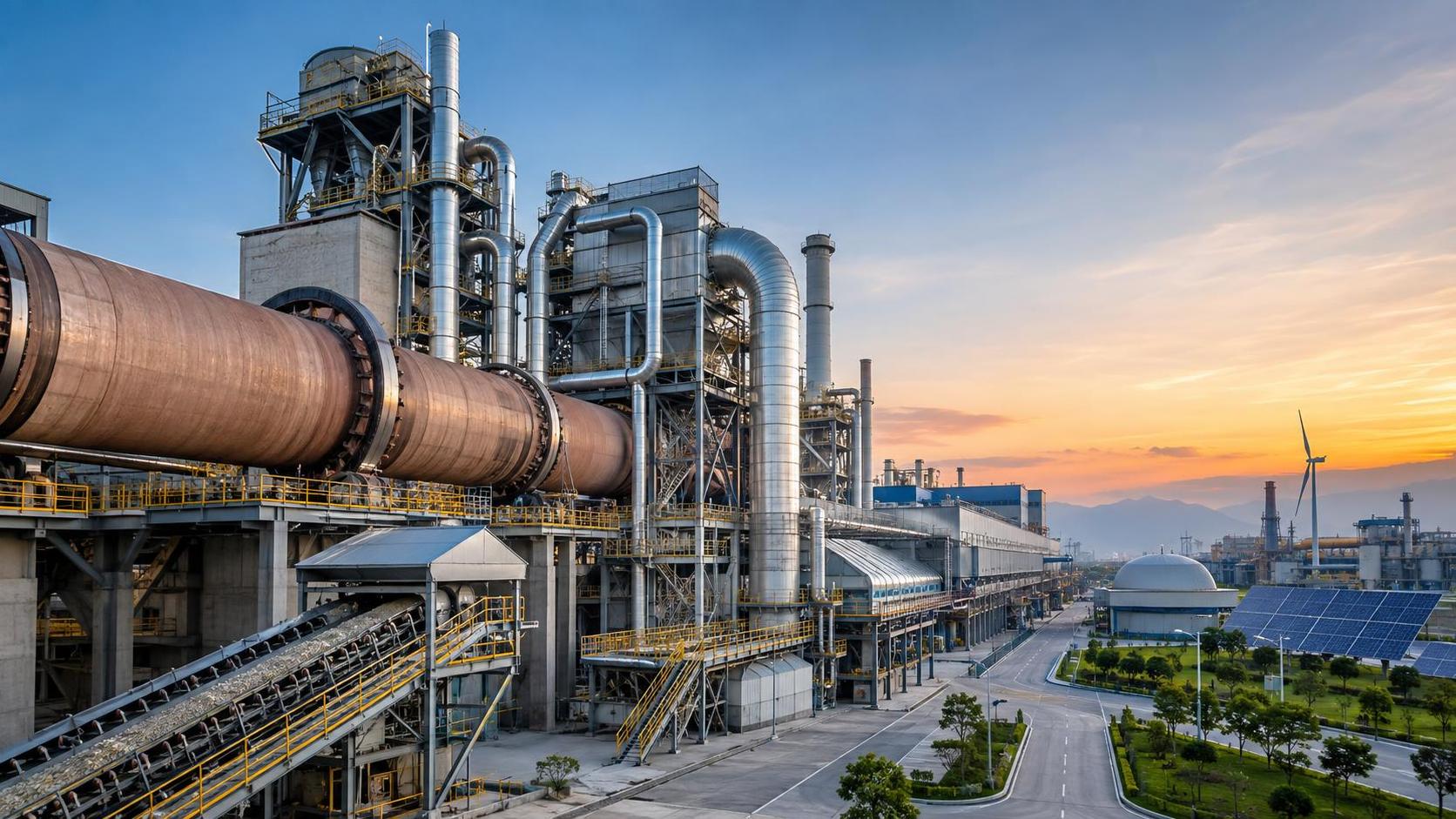
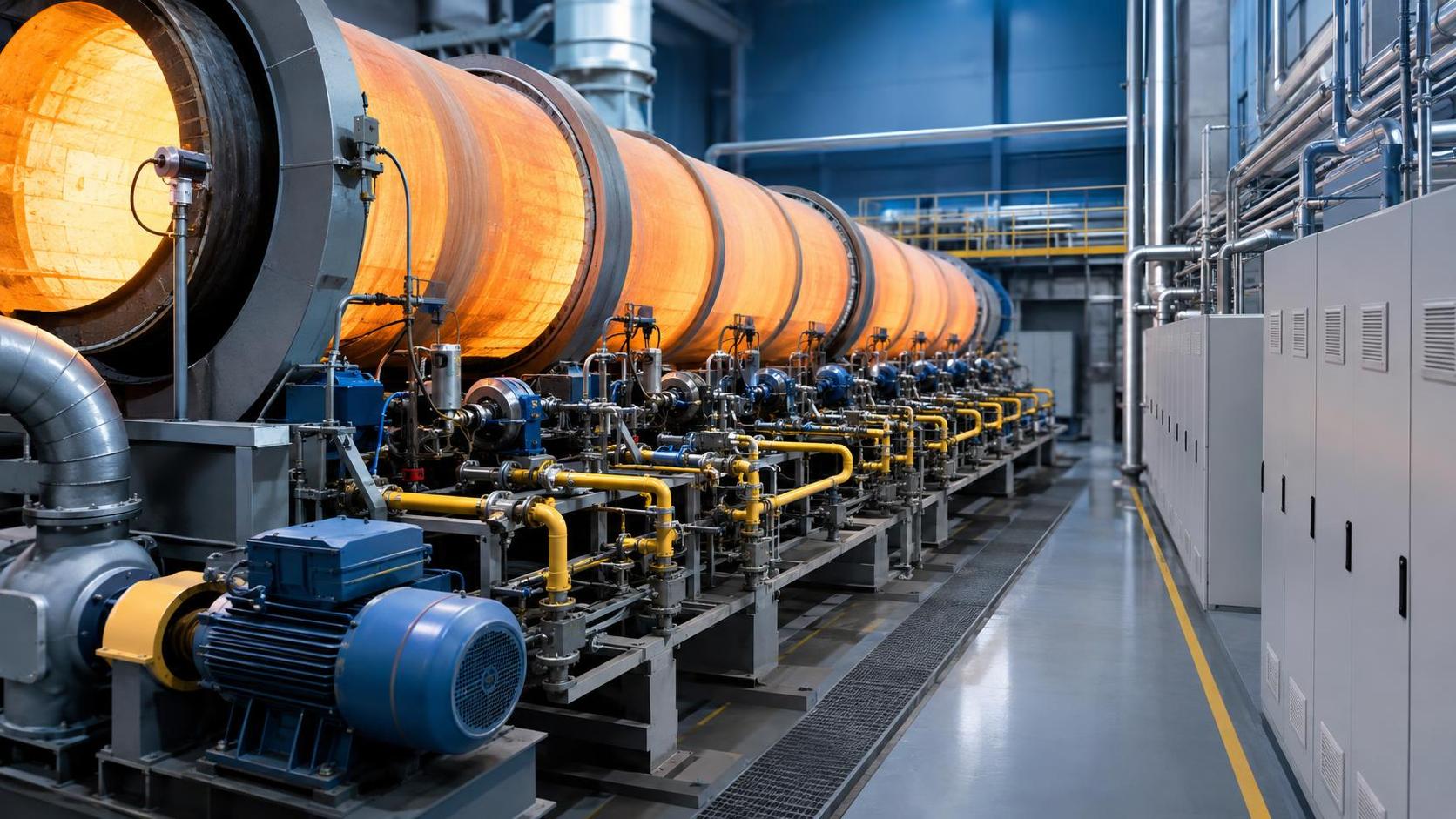
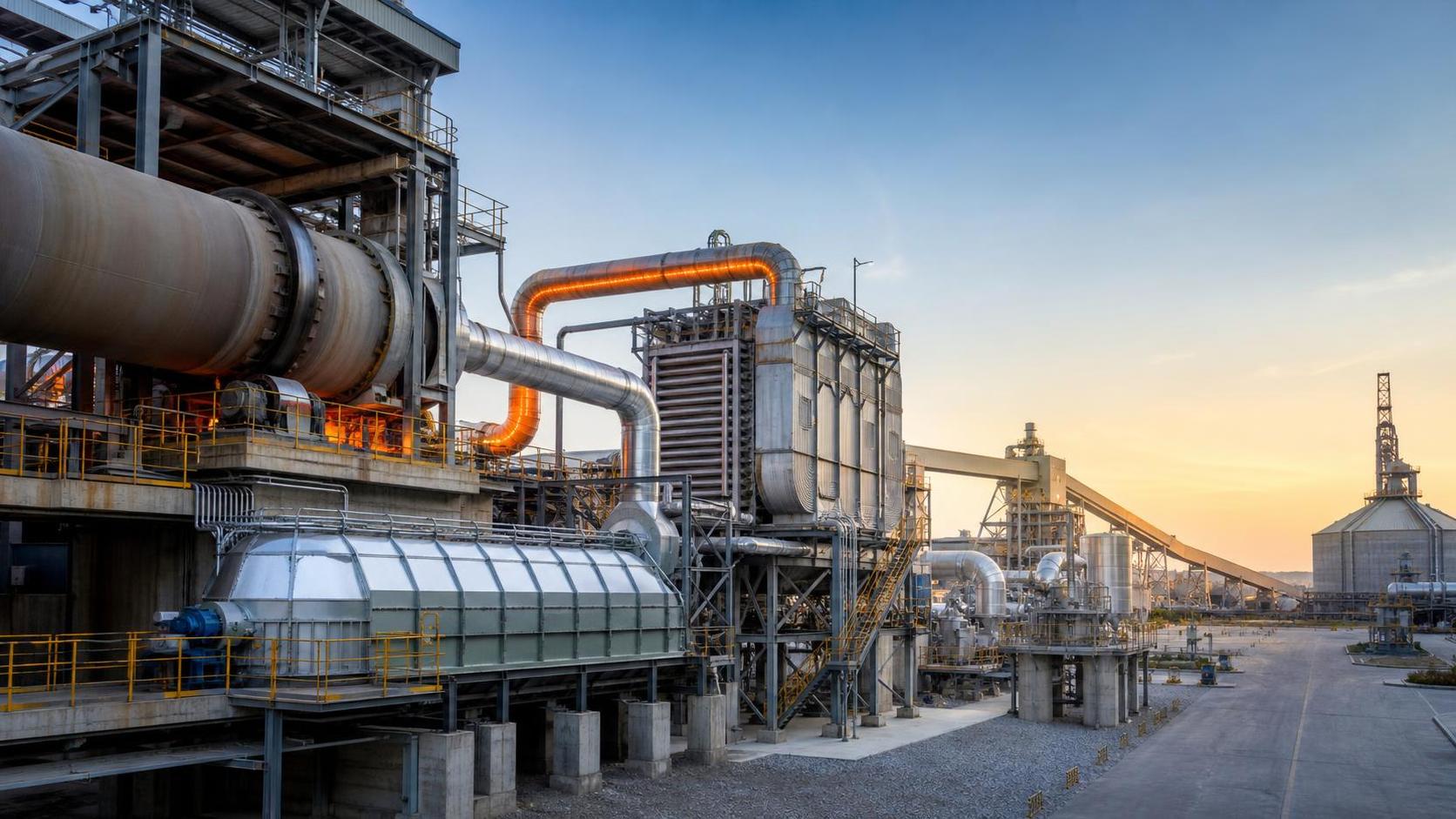
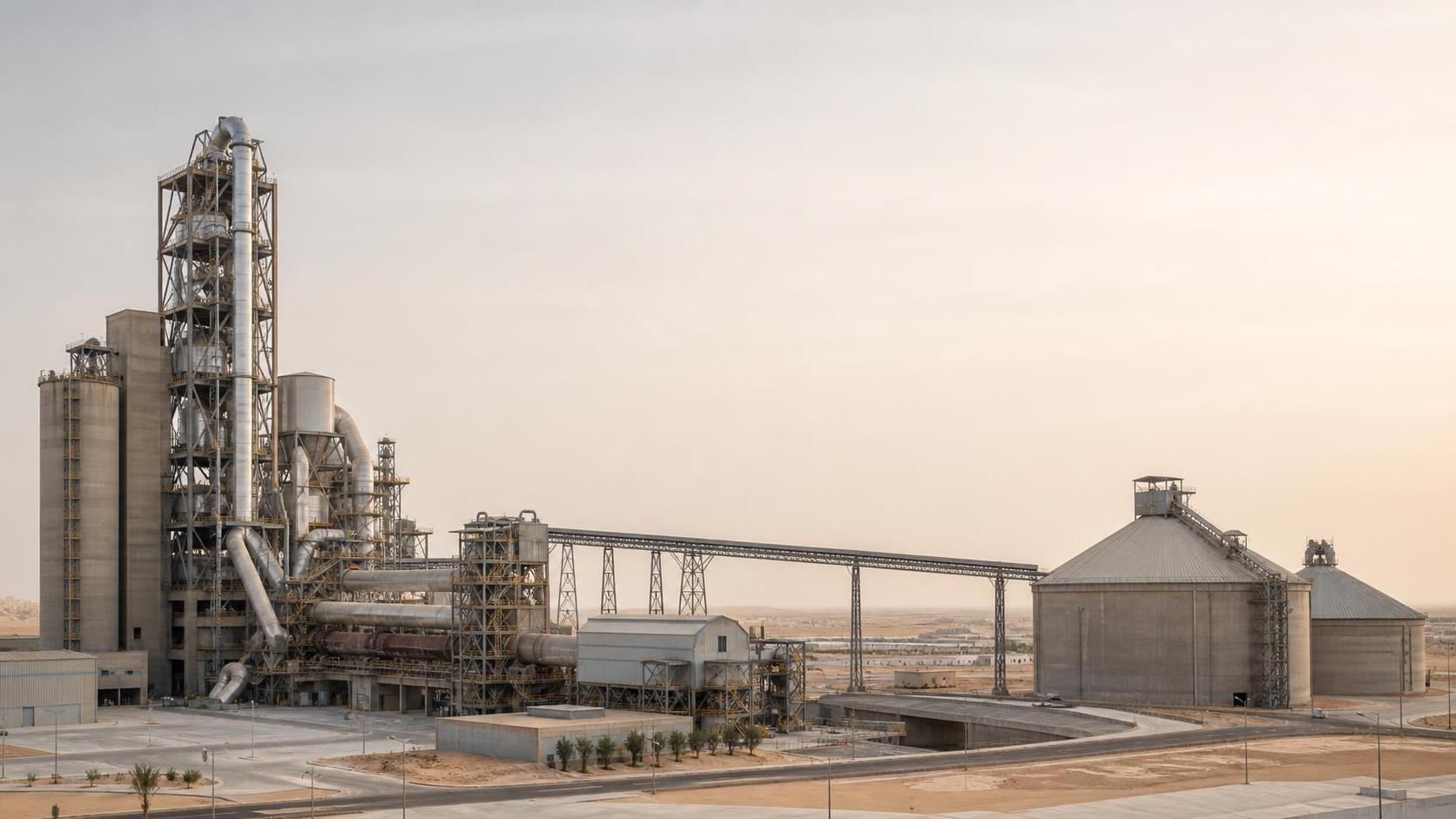
Rotary kiln operations are a strong example. In cement, lime, and waste co-processing applications, minor changes in feed chemistry, fuel mix, draft, and burning zone behavior can quickly affect product quality and emissions. Intelligence systems that correlate these variables can help plants stabilize operation and reduce avoidable disturbances.
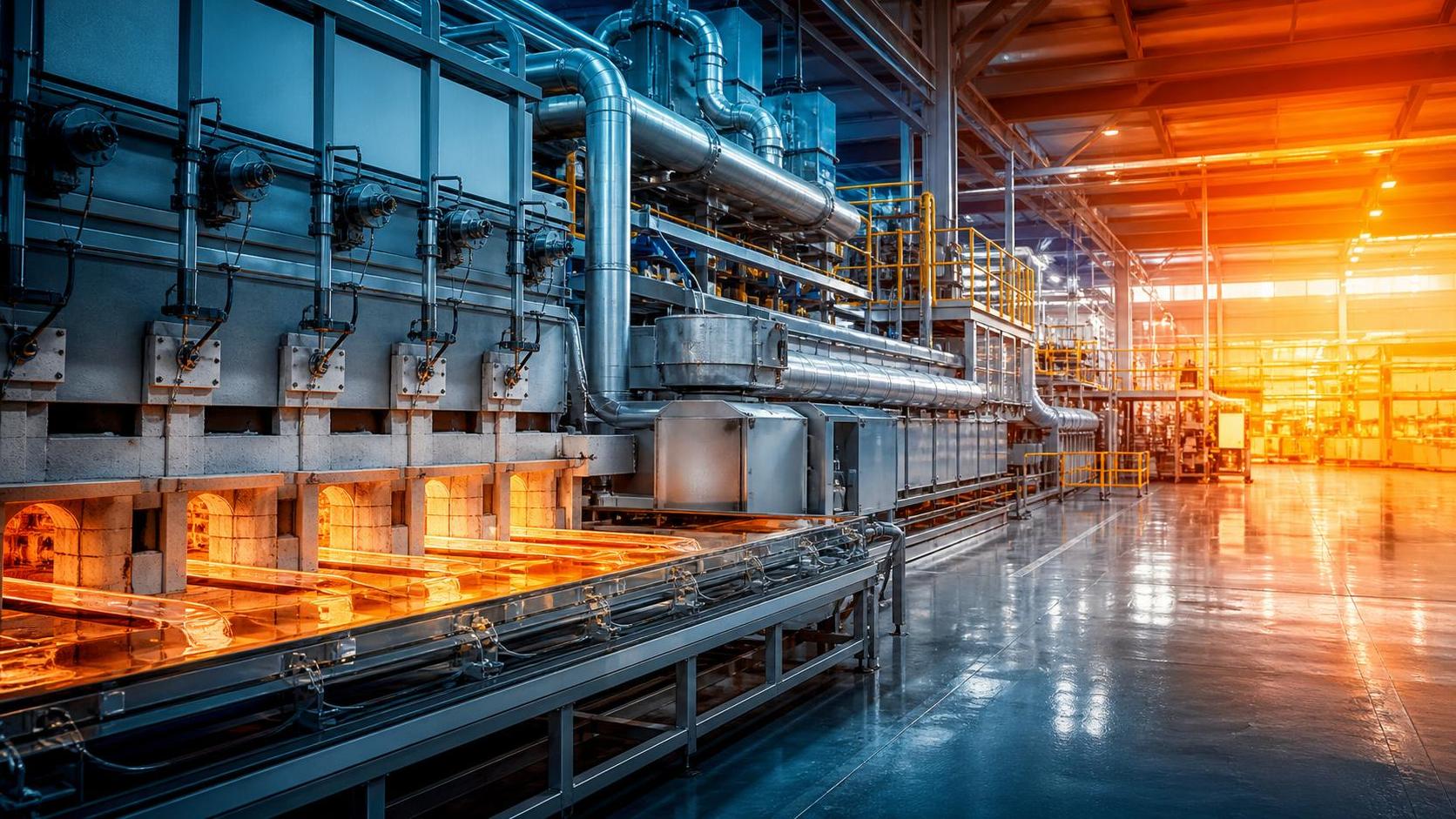
Glass melting and annealing are another high-value use case. Because product defects may develop from subtle thermal or flow imbalances, visibility into furnace conditions, heat distribution, and downstream cooling behavior can significantly improve output consistency. This matters even more in high-spec products such as PV glass or thin technical glass.
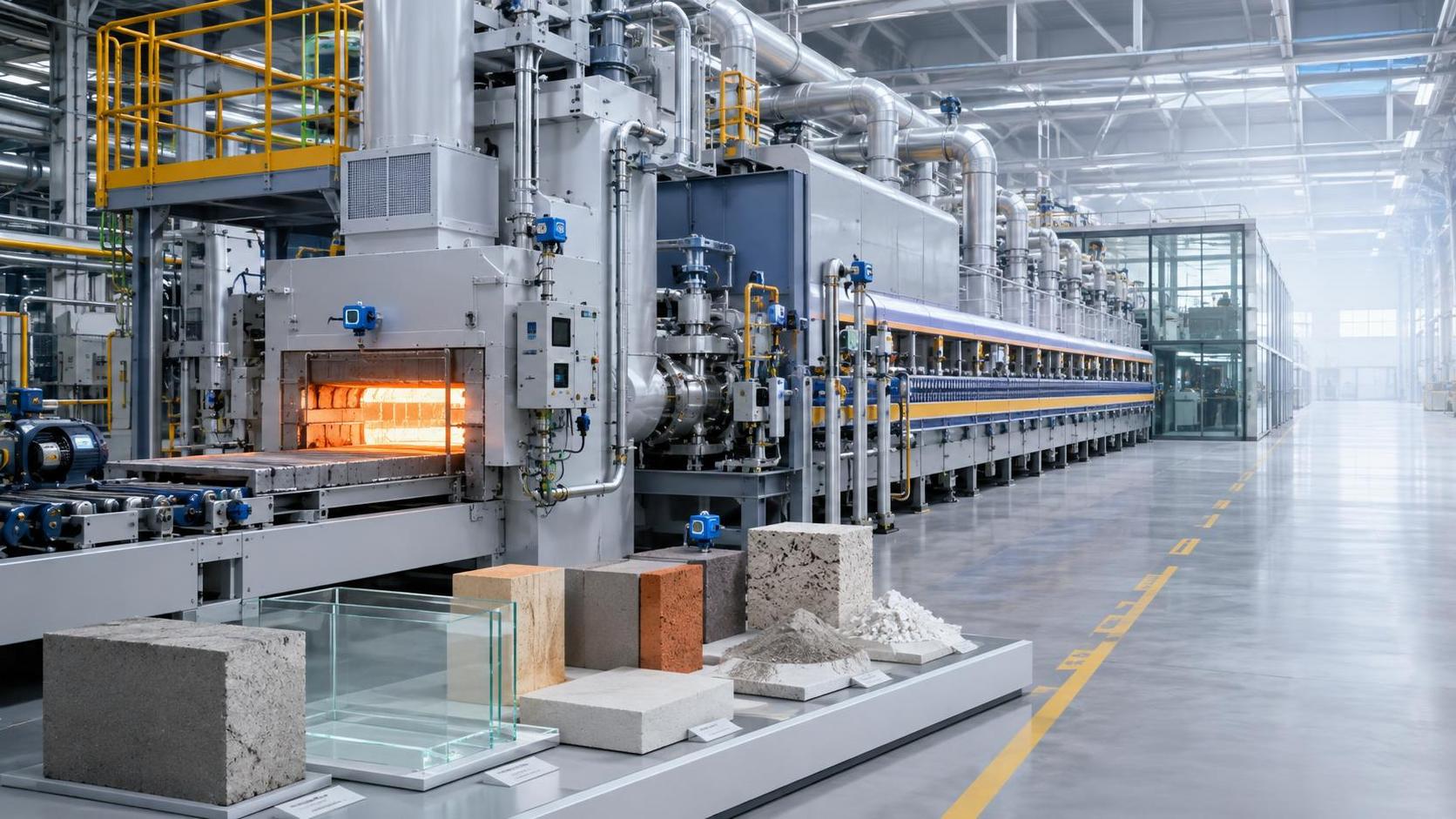
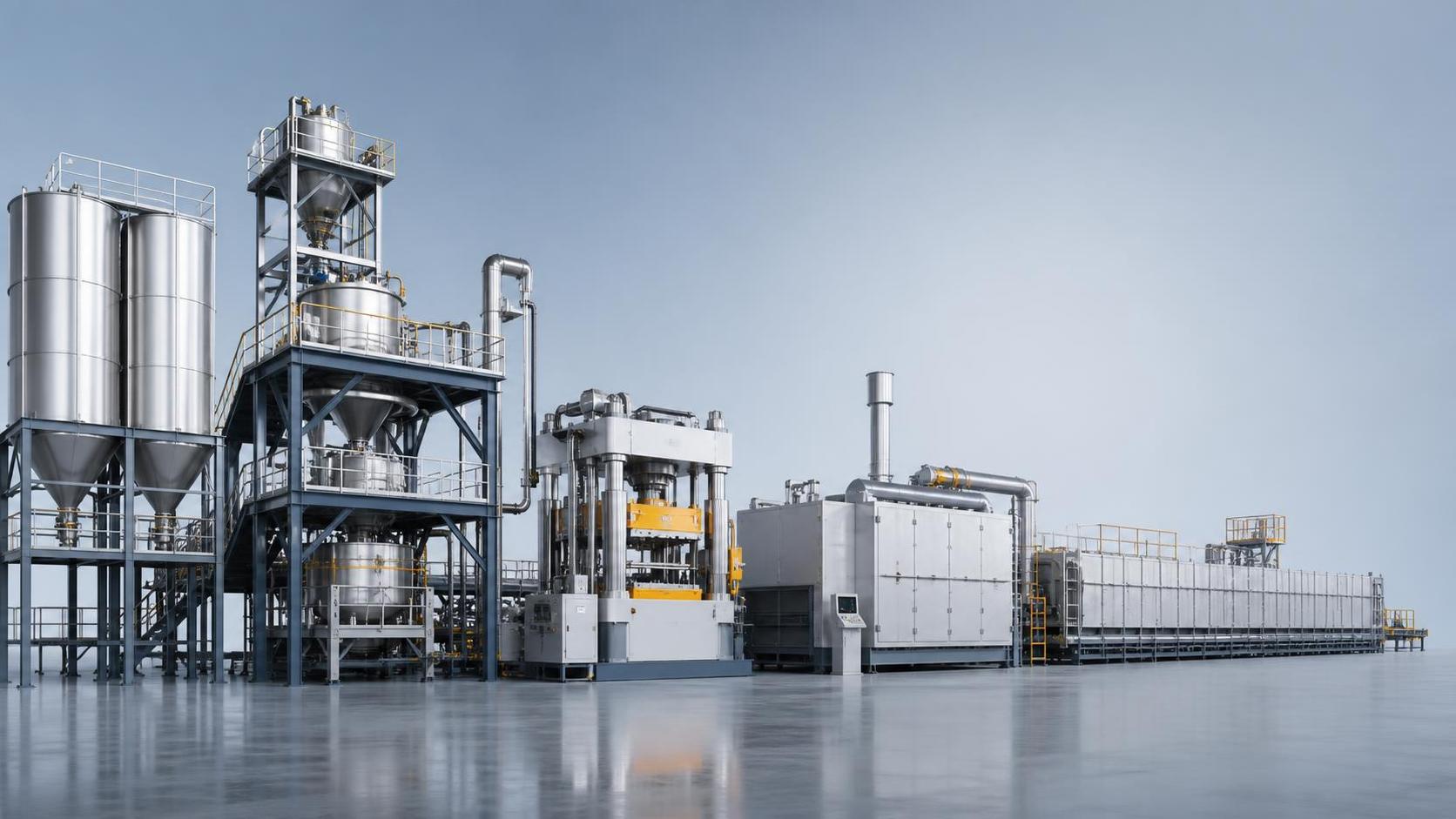
Refractory production lines also benefit, especially where forming, drying, and firing conditions interact. Intelligence tools can help identify whether defects are linked to raw mix variation, moisture control, thermal profile, or equipment wear, allowing teams to intervene more precisely.
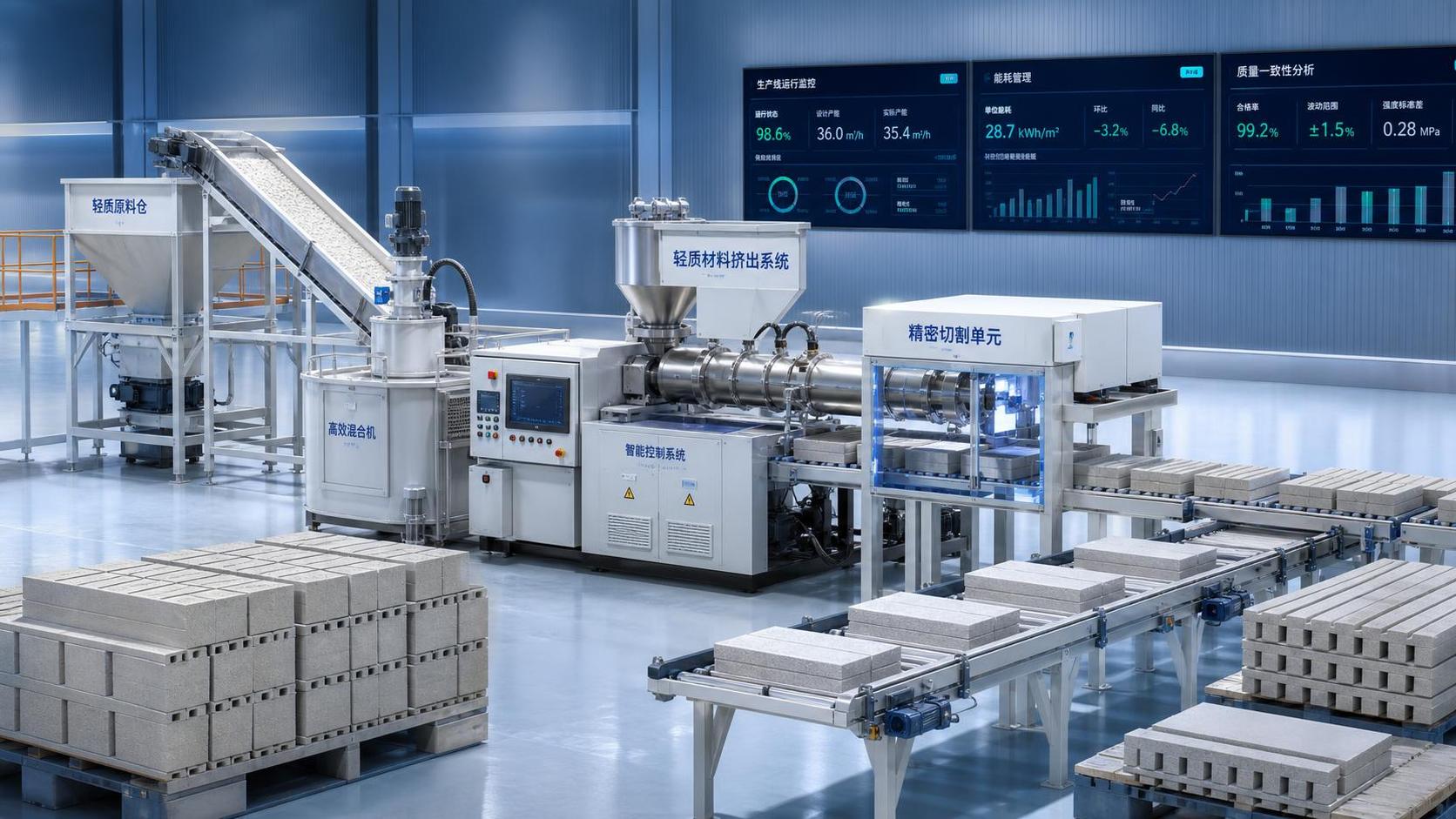
Extrusion-based building materials are another practical target. Since output quality depends on feed consistency, pressure stability, die condition, and downstream curing behavior, integrated monitoring can reduce dimensional variation and improve repeatability without relying entirely on post-process inspection.
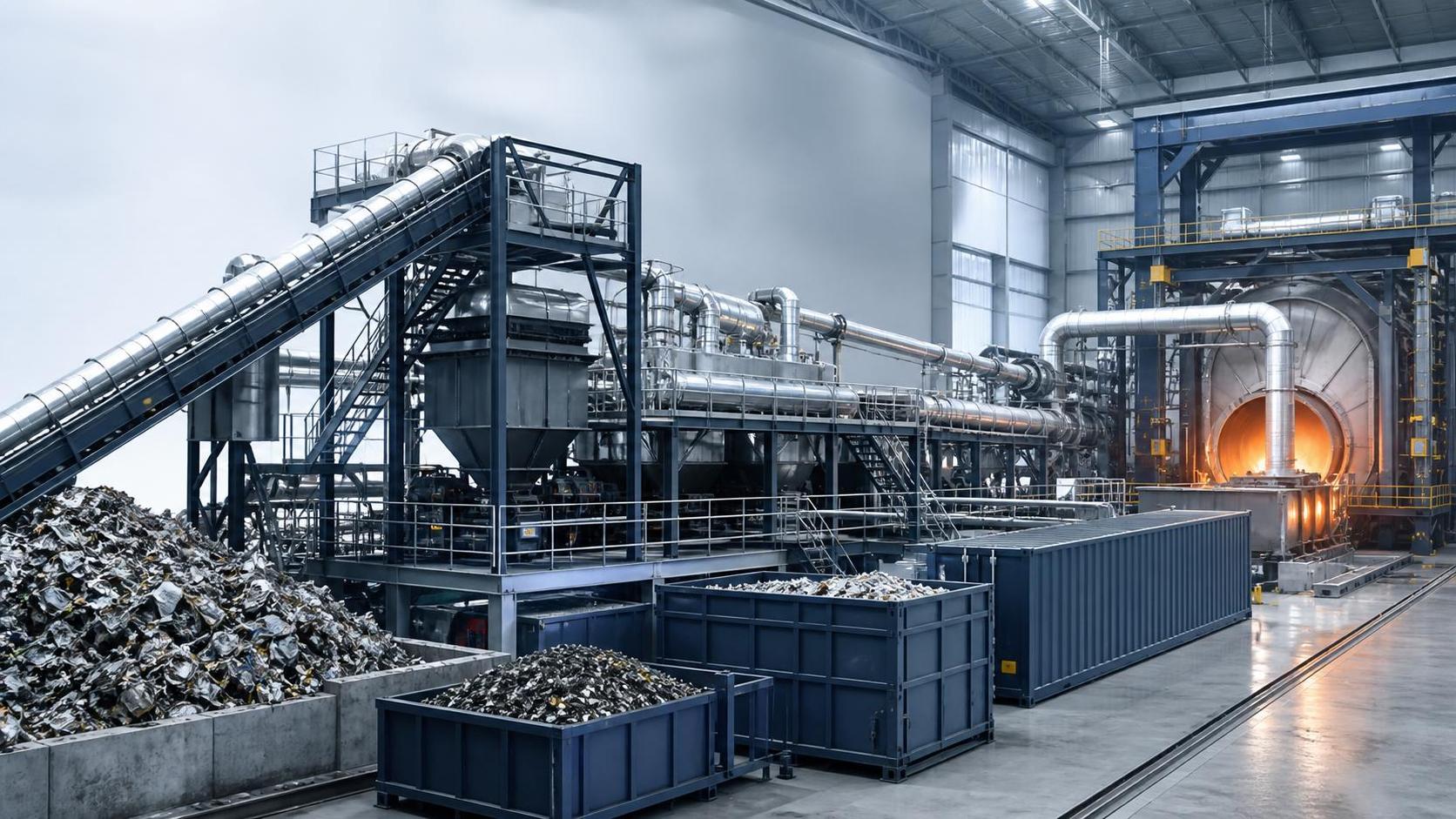
For incineration and thermal treatment systems, the return often comes from balancing output stability with compliance. Better visibility into combustion conditions, waste feed variability, and residue characteristics can support both process control and environmental performance.
How to implement without creating another expensive monitoring layer
The most common mistake is starting with technology selection before defining the decision problem. Plants do not improve consistency because they installed more sensors. They improve when they identify which variations matter most, which variables influence them, and which actions the system should support.
A practical starting point is to map the top three sources of output instability and the top three safety-critical process deviations. Then define what data already exists, where the blind spots are, and how quickly each issue must be detected to make intervention useful.
Next, choose a pilot area with visible economic and operational impact. It could be a kiln zone with frequent instability, a furnace section linked to recurring defects, or an extrusion stage with repeatability problems. A focused pilot is far more valuable than a plant-wide rollout with weak ownership.
Data quality should be treated as a project gate, not a later improvement. If sensors are poorly calibrated, timestamps do not align, or key process records are inconsistent, analytics will produce misleading guidance. Quality and safety managers should insist on data validation before performance claims are accepted.
Operator workflow also needs attention. If insights arrive too late, in the wrong format, or without clear action logic, adoption will remain low. The system should support shift decisions in a way that fits actual plant routines, not idealized digital process maps designed far from the production floor.
Finally, define success in measurable terms. Examples include lower standard deviation in key quality metrics, fewer safety-related excursions, shorter deviation detection time, reduced scrap, more stable energy use, or faster root-cause closure. If those indicators do not improve, the project is not yet delivering true silicate industrial intelligence value.
So, can silicate industrial intelligence improve output consistency?
Yes, it can—and in many high-temperature silicate operations, it can do so substantially. But the benefit does not come from digital tools alone. It comes from using those tools to tighten process control, reduce hidden variation, standardize responses, and create a clearer link between what is happening in the line and what teams should do next.
For quality control managers, the biggest gain is usually more predictable output, earlier defect prevention, and stronger traceability. For safety managers, the gain is better visibility into unstable conditions, more controlled intervention, and fewer surprises in high-risk environments. In both cases, consistency is not only a production metric; it is a sign of a healthier operating system.
The most effective way to evaluate silicate industrial intelligence is to ask a simple operational question: does it help the plant detect, explain, and correct variation faster than current practice? If the answer is yes, and if the results appear in both quality and safety performance, then the system is not just intelligent in name. It is becoming a practical control advantage.
Related News
 Optical Glass Tech FellowHow to Evaluate a Glass Annealing Equipment Manufacturer for Production StabilityChoose a glass annealing equipment manufacturer with proven thermal uniformity, reliable controls, lifecycle value, and responsive service for stable production.Sep 08, 2026
 Prof. Marcus ChenThermal Energy Architecture in North America: Strategies for Lower Building Energy UseThermal energy architecture North America helps project leaders cut building energy use through stronger envelopes, right-sized HVAC, storage, and smart commissioning.Sep 07, 2026
 Ms. Elena RodriguezHow Should Buyers Evaluate Building Material Industry Intelligence Pricing?Building material industry intelligence pricing: learn how to compare coverage, technical depth, and ROI to choose intelligence that reduces procurement risk.Sep 07, 2026
 Ms. Elena RodriguezHow to Use Building Material Intelligence Data for Market and Investment DecisionsBuilding material industry intelligence data helps leaders evaluate demand, costs, regulation, capacity, and technology to make smarter market and investment decisions.Sep 05, 2026
 Thermal Energy ArchitectHow PLC Control Improves Energy Efficiency and Temperature Stability in KilnsEnergy efficient kilns PLC control improves temperature stability, cuts fuel waste, and optimizes combustion, draft, and material flow. Explore proven strategies for smarter kiln modernization.Sep 04, 2026
 Optical Glass Tech FellowEuropean Glass Melting Processes: Furnace Choices, Energy Use, and Quality ControlGlass melting process Europe: explore furnace choices, energy efficiency, cullet strategy, and quality control to improve output, compliance, and long-term glass performance.Sep 03, 2026
 Thermal Energy ArchitectWhat Determines Refractory Lining Monitoring Price for Industrial Kilns?Refractory lining monitoring price depends on kiln size, sensor technology, installation, software, and support. Compare total lifecycle costs and choose the right solution.Sep 02, 2026
 Silicate Process EngineerCement Production System Costs: A Plant Buyer’s Guide to Budgeting and ROICement production systems cost planning made clear: compare CAPEX, operating costs, compliance, and ROI to build a resilient, profitable cement plant investment.Sep 01, 2026
 Dr. Alistair VaughnWhat Should a Process Technology Database Track for High-Temperature Plants?Process technology database essentials for high-temperature plants: track thermal profiles, feed chemistry, refractory wear, emissions, energy, and maintenance for safer, data-driven decisions.Aug 31, 2026
 Ms. Elena RodriguezHow to Evaluate a Silicate Processing Equipment Manufacturer for Plant ProjectsSilicate processing equipment manufacturer selection: assess process fit, guarantees, energy, compliance, delivery risk, and lifecycle support for dependable plant performance.Aug 30, 2026
 Dr. Alistair VaughnHow to Specify Custom Agricultural Processing Equipment for Throughput and HygieneEquipment customization services for agricultural processing: learn to specify hygienic, high-throughput lines that improve yield, reliability, and long-term efficiency.Aug 29, 2026
 Dr. Alistair VaughnHow to Select Process Plant Equipment for High-Temperature, Abrasive Production LinesProcess plant equipment selection for high-temperature, abrasive lines: reduce downtime, improve durability, and optimize lifecycle performance.Aug 28, 2026
 Silicate Process EngineerHow Kiln Heat Recovery Systems Cut Fuel Use in Cement and Lime ProductionKiln heat recovery helps cement and lime plants cut fuel use, improve thermal stability, and build practical, reliable decarbonization strategies.Aug 27, 2026
 Ms. Elena RodriguezProcess Equipment Comparison: Which Metrics Matter Most for Reliable Selection?Process equipment comparison made practical: discover which metrics truly drive reliable selection, from energy efficiency and control stability to wear life, maintainability, and uptime.Aug 26, 2026
 Ms. Elena RodriguezWhat Buyers Should Check Before Sourcing Precision Alloy Bars for Critical PartsPrecision Alloy Bars buyers should verify grade, chemistry, tolerances, surface quality, traceability, and lead time before sourcing for critical parts. Learn what prevents costly machining and reliability risks.Aug 27, 2026
 Ms. Elena RodriguezHow to Evaluate Thermal Management Solutions Insulation for High-Heat Industrial SystemsThermal management solutions insulation: learn how to assess high-heat industrial systems by thermal performance, durability, lifecycle cost, and supplier data for smarter decisions.Aug 25, 2026
 Ms. Elena RodriguezWhat Drives Waste Recycling Cost in Industrial Projects and How to Estimate It?Waste recycling cost in industrial projects depends on composition, moisture, transport, pre-treatment, and compliance. Learn how to estimate it accurately and compare suppliers with confidence.Aug 24, 2026
 Silicate Process EngineerHow to Evaluate Cement Production Plants in the Middle East for Capacity, Fuel Flexibility, and ROIcement production plants Middle East: Learn how to assess true capacity, fuel flexibility, and ROI risks to identify resilient assets and smarter investment opportunities.Aug 23, 2026
 Structural Material AnalystHow to Evaluate Lightweight Material Machinery for Output, Energy Use, and Product QualityLightweight material machinery evaluation guide: compare stable output, energy use, and product quality to choose equipment that cuts waste, lowers costs, and improves production confidence.Aug 22, 2026
 Material Heat-Resist ExpertWhat Determines Refractory Production Line Price in a Turnkey Plant Project?Refractory production line price depends on raw materials, forming method, kiln and drying design, automation, utilities, and scope. Learn what really drives turnkey plant cost before you invest.Aug 21, 2026

Related News
- 00
0000-00
What Should a Process Technology Database Track for High-Temperature Plants? - 00
0000-00
How to Specify Custom Agricultural Processing Equipment for Throughput and Hygiene - 00
0000-00
How to Select Process Plant Equipment for High-Temperature, Abrasive Production Lines - 00
0000-00
What Causes Thermal Shock Failure in Heat-Resistant Materials During Development? - 00
0000-00
How Digital Twin Simulations Improve Process Plant Design, Safety, and Uptime
Weekly Insights
Stay ahead with our curated technology reports delivered every Monday.