
How industrial process intelligence helps prevent line losses




In high-temperature industries, small deviations rarely stay small for long. A slight drift in temperature, feed chemistry, draft balance, or line speed can quickly become scrap, fuel waste, unstable quality, or shutdown risk.
That is why industrial process intelligence matters. It helps teams see weak signals earlier, interpret process relationships faster, and reduce line losses before they spread across kilns, furnaces, incineration systems, and extrusion lines.
For sectors tracked by CF-Elite, industrial process intelligence is not only a digital upgrade. It is a practical way to stabilize thermal assets, improve energy efficiency, support decarbonization, and protect production continuity.
Why line losses appear differently across industrial scenarios
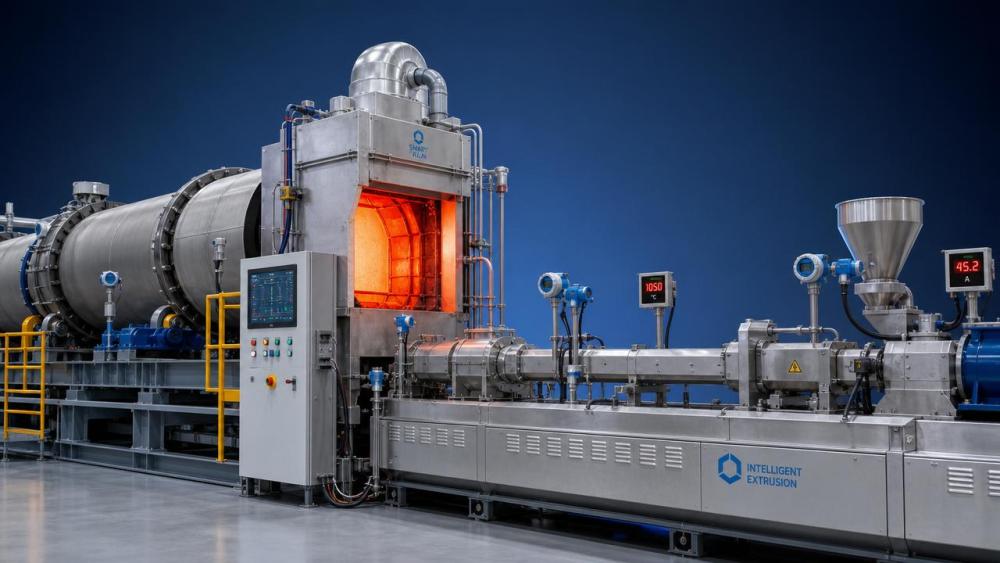
Line losses do not come from one universal cause. In each production environment, the loss pattern follows the physics, chemistry, and equipment constraints of that specific process.
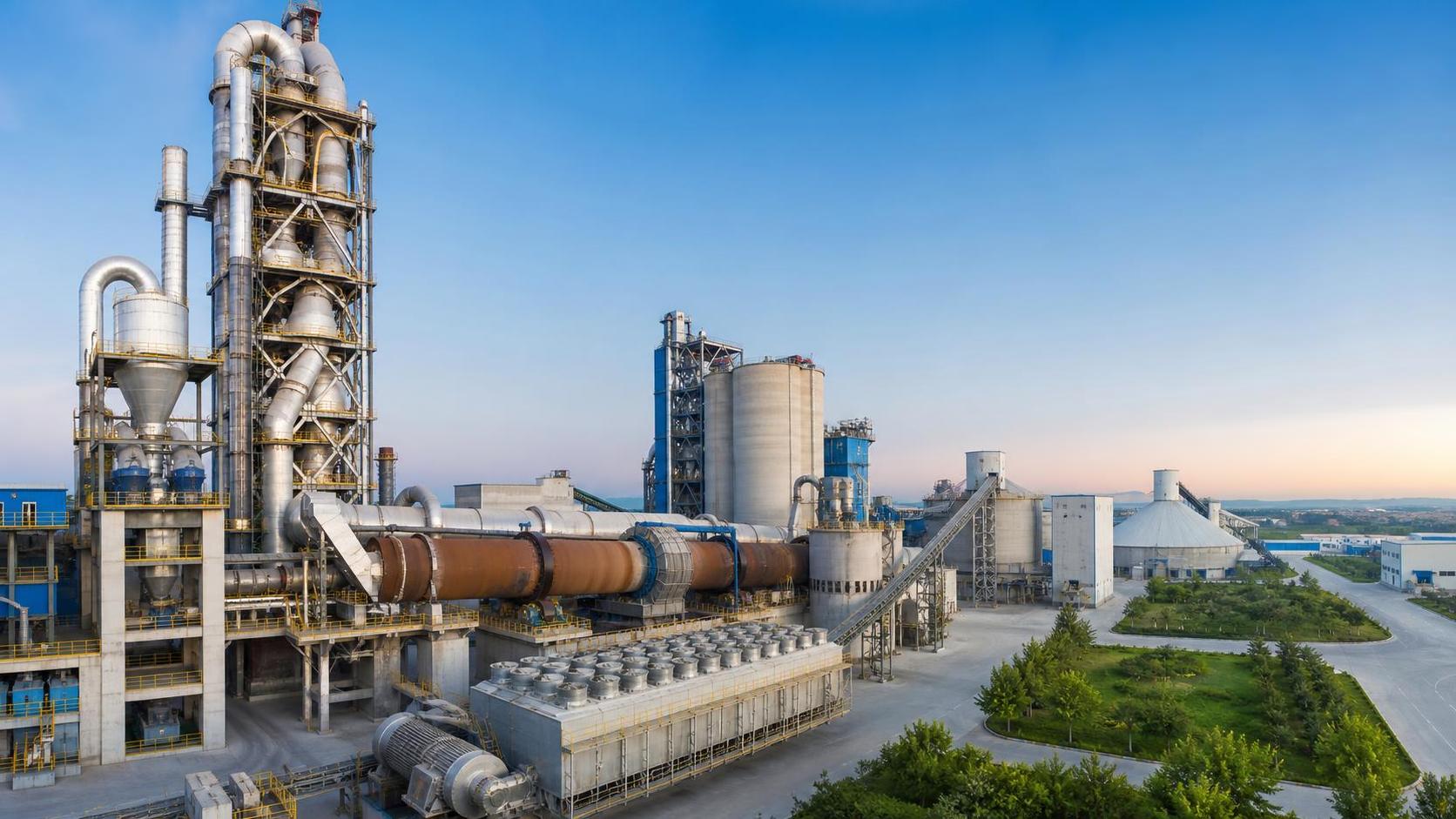
In cement plants, losses often begin with kiln instability, poor combustion, coating problems, or raw meal variability. In glass lines, losses may emerge from melt homogeneity, temperature gradients, or annealing imbalance.
In industrial kilns and incineration, feed inconsistency and oxygen control can trigger incomplete burnout, refractory stress, or emission spikes. In extrusion lines, moisture, pressure, and die behavior can undermine product uniformity.
Industrial process intelligence works best when it reflects those differences. It combines historian data, online monitoring, process models, and alarm logic to explain not only what changed, but why it matters.
Scenario: preventing kiln instability before it becomes output loss
Cement and refractory lines face cascading thermal effects
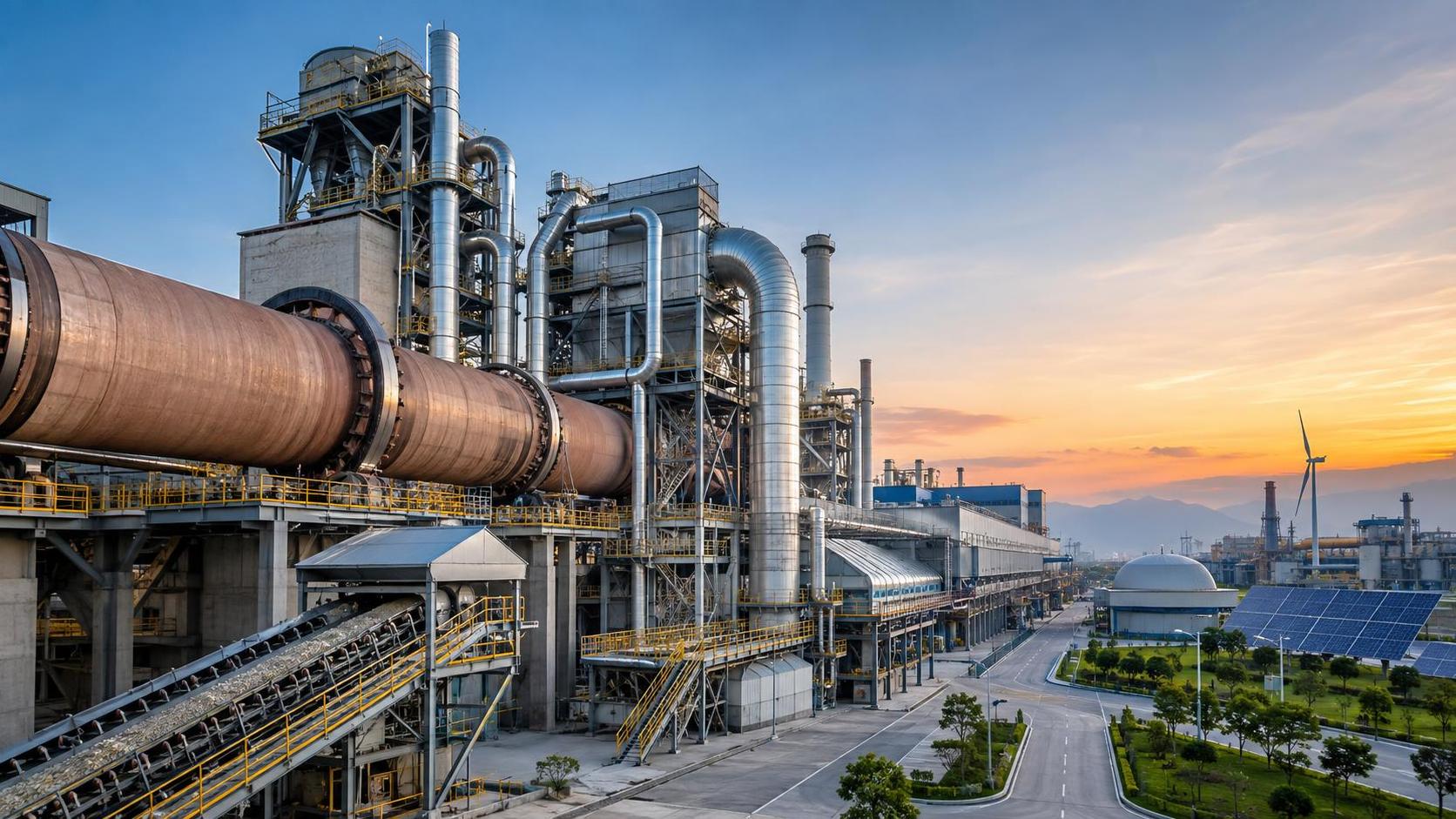
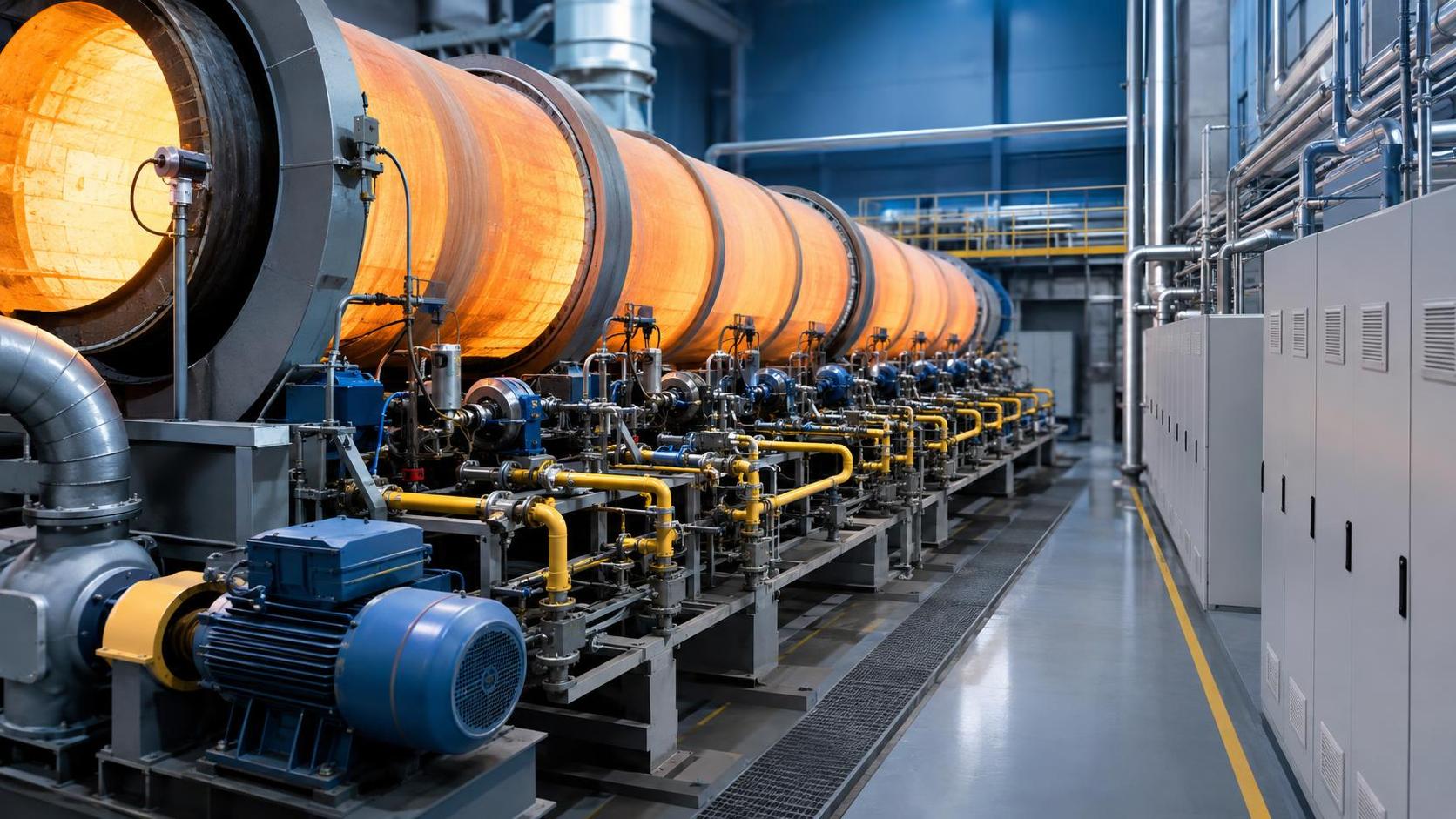
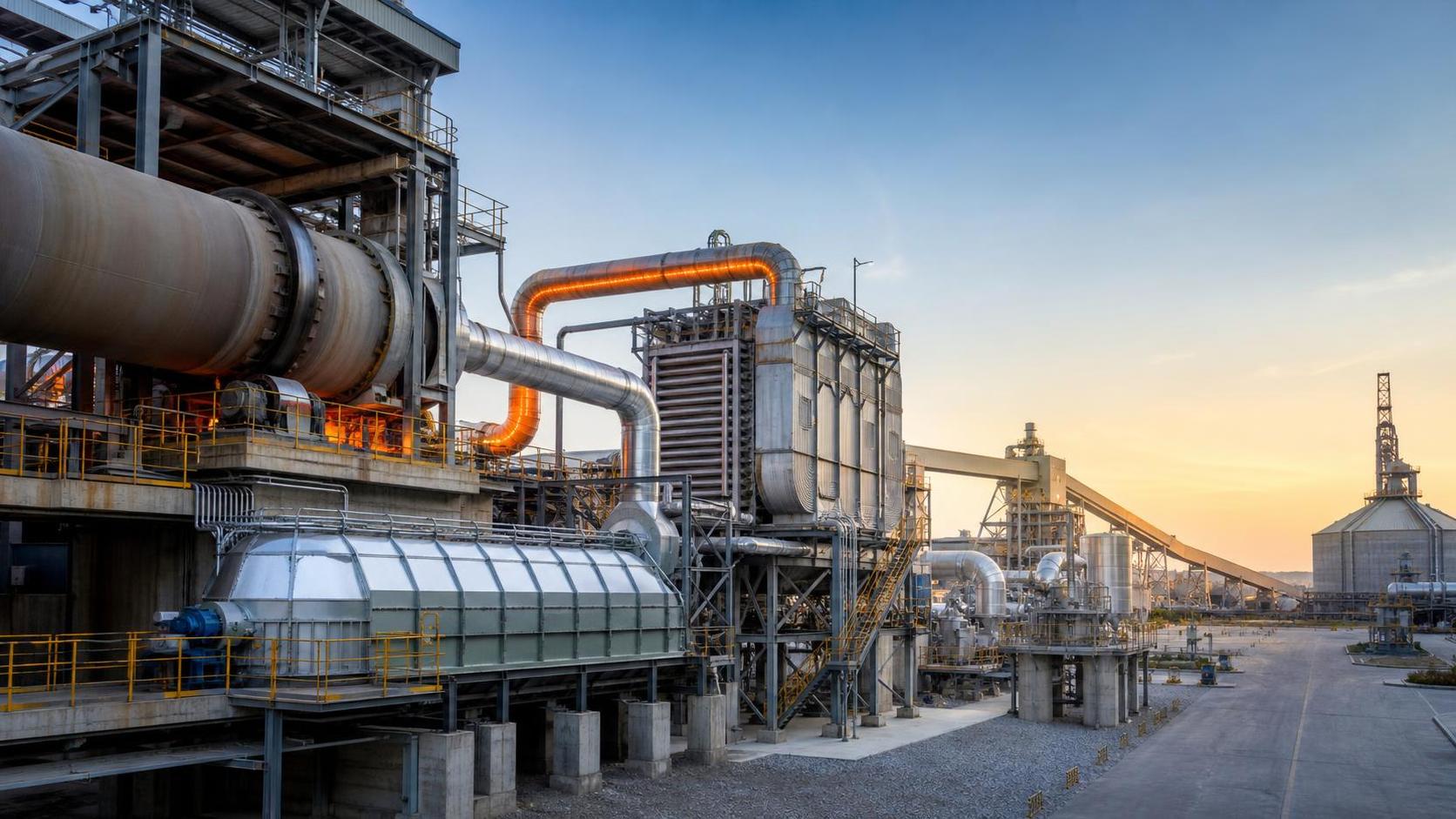
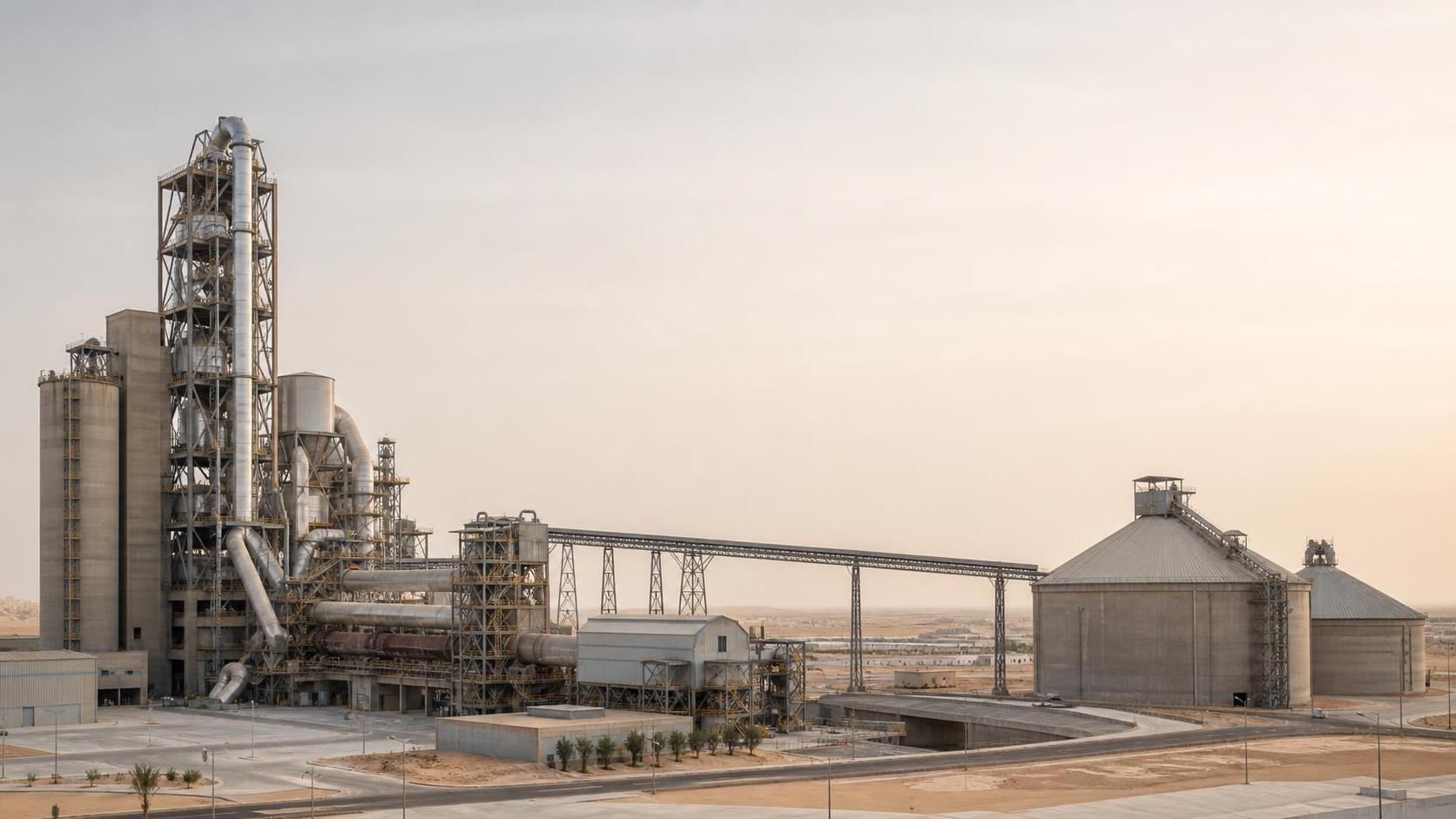
Rotary kilns are highly coupled systems. Feed fluctuations, secondary air variation, burner settings, and draft changes interact continuously, often creating losses before operators can verify the root cause manually.
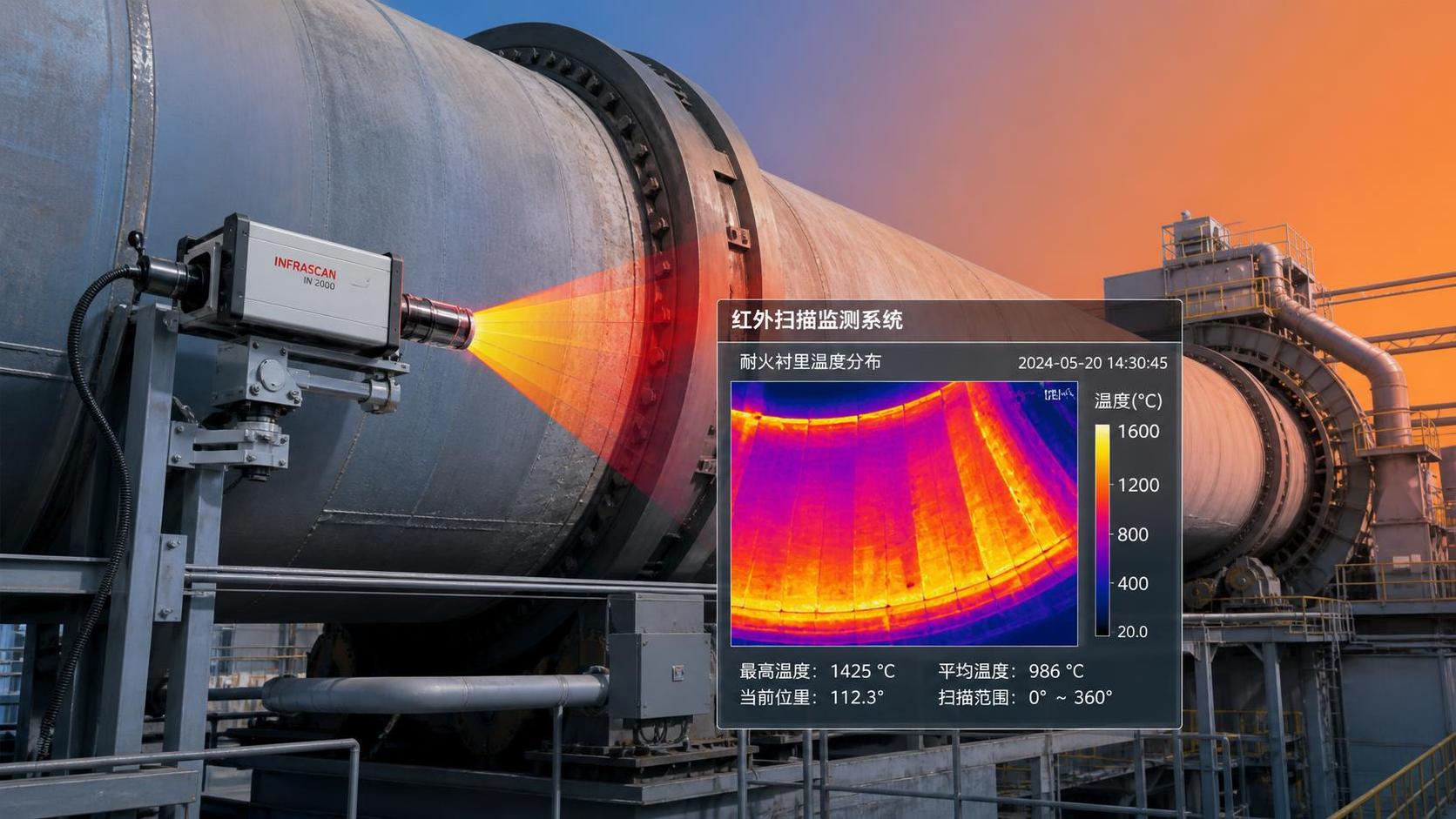
Industrial process intelligence detects early patterns such as unstable free lime trends, rising specific heat consumption, or abnormal shell temperatures. These signals help prevent ring formation, refractory wear, and throughput decline.
Core judgment points in kiln-heavy environments
- Whether feed chemistry variation is exceeding normal control limits
- Whether combustion efficiency is falling despite steady fuel input
- Whether draft pressure drift is increasing thermal asymmetry
- Whether refractory condition signals indicate local overheating
When those indicators are linked in one view, industrial process intelligence turns scattered alerts into usable decisions. That reduces unplanned slowdowns and supports steadier clinker or refractory output.
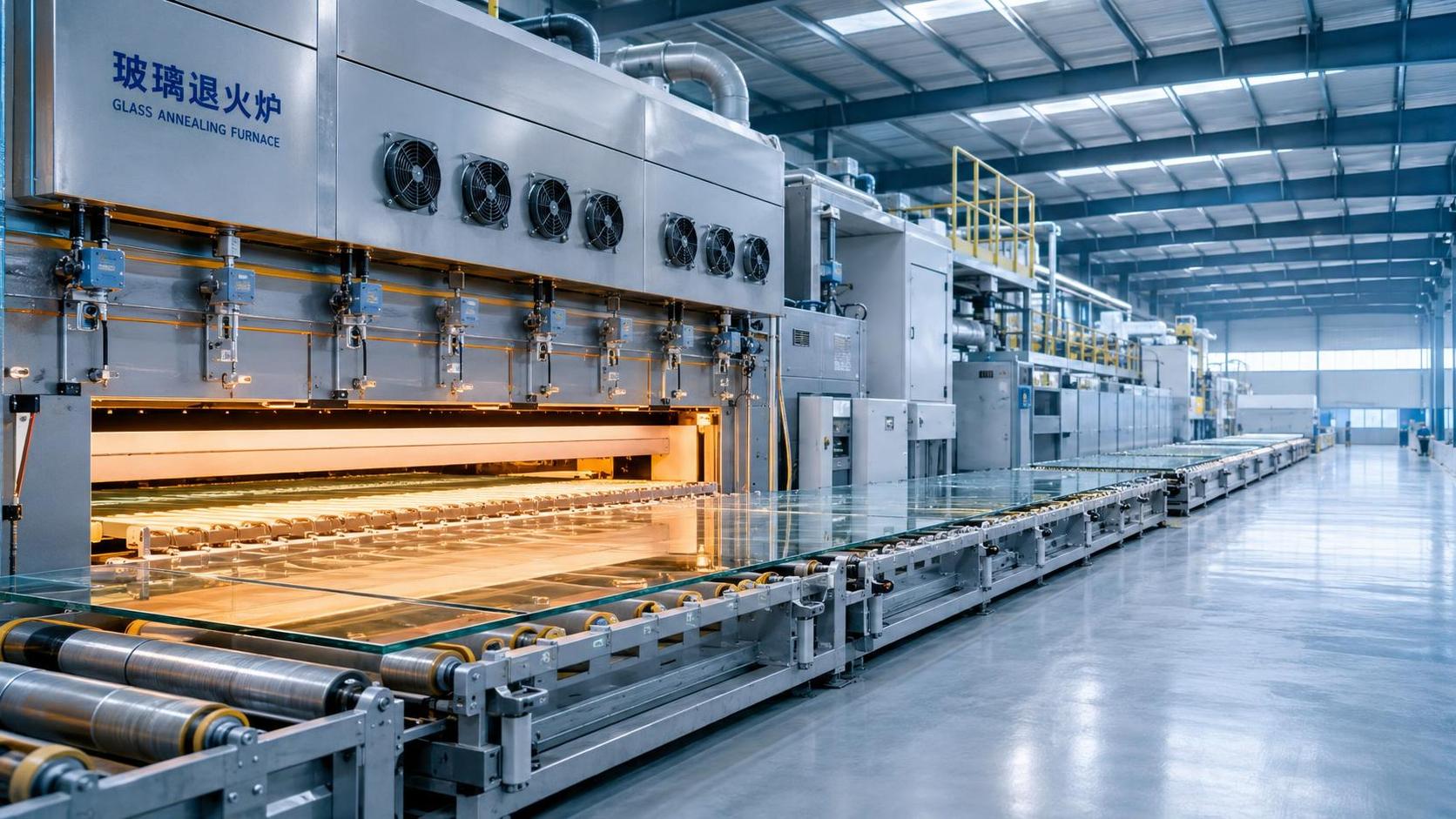
Scenario: reducing quality loss in glass melting and annealing lines
Glass production losses often come from hidden instability rather than obvious faults. A furnace may appear normal while temperature distribution, viscosity behavior, or forming conditions are already drifting.
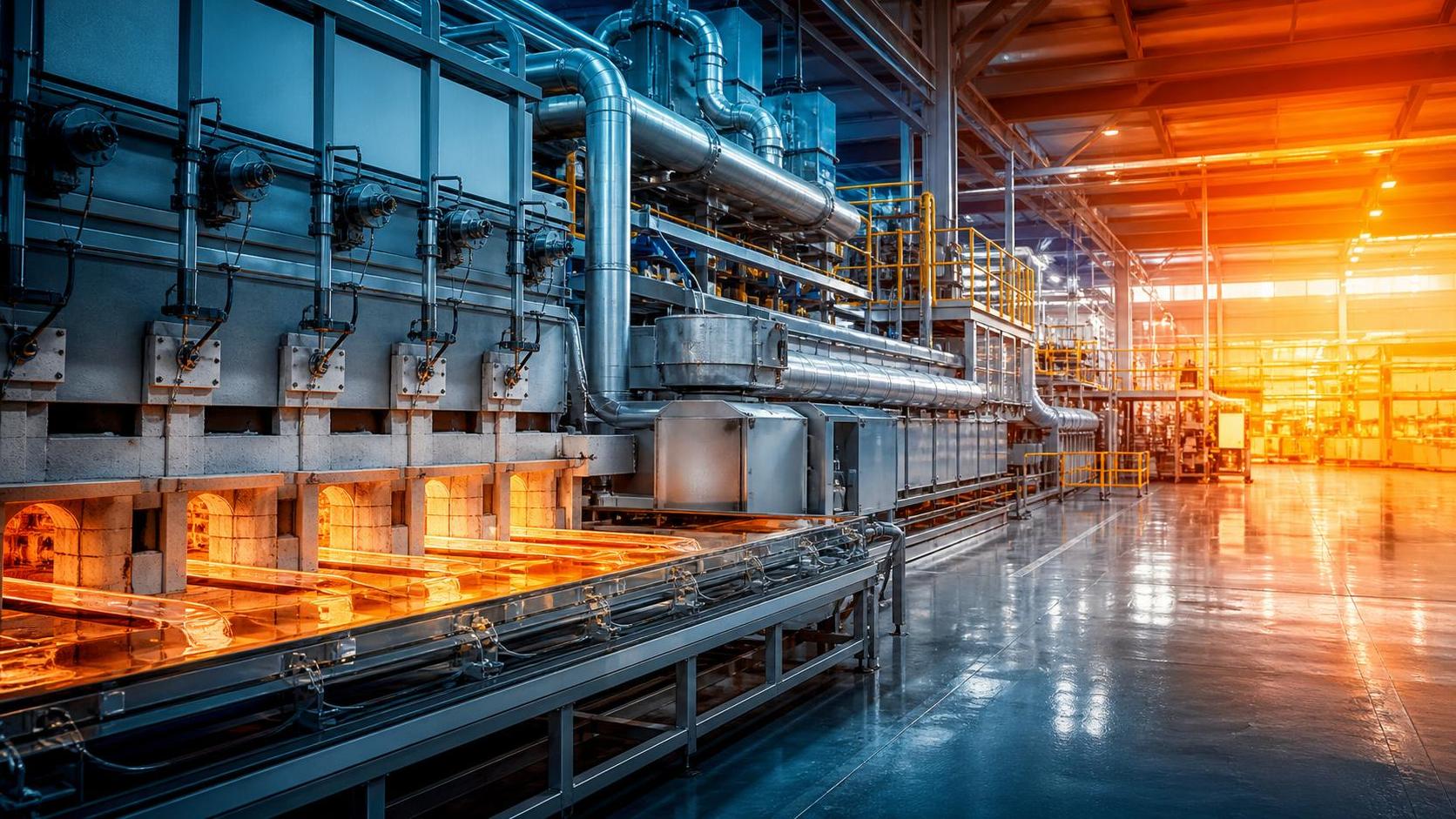
Industrial process intelligence helps correlate burner balance, furnace pull, cullet ratio, and annealing parameters. That makes it easier to identify why bubbles, cord, distortion, or breakage rates are rising.
What matters most in this scenario
The key is not simply collecting more data. The value comes from connecting upstream melting conditions with downstream quality outcomes and then highlighting the variables that drive the highest loss risk.
In this context, industrial process intelligence supports faster parameter correction, tighter thermal control, and lower waste across float glass, container glass, and specialty glass applications.
Scenario: controlling waste-to-energy and incineration variability
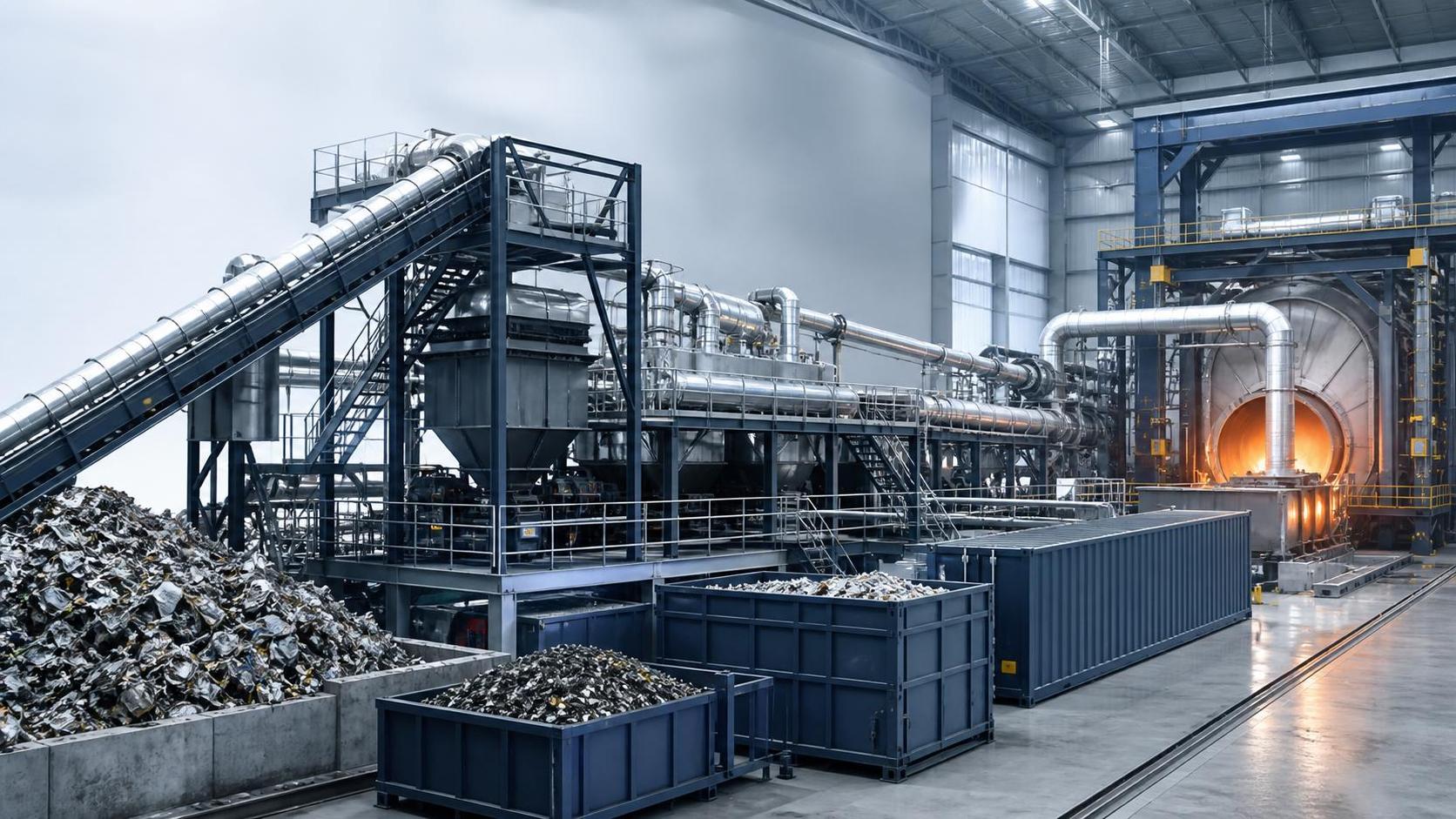
Incineration systems work with inconsistent feedstocks, changing moisture, and fluctuating calorific value. That creates a strong need for industrial process intelligence because process instability can affect both efficiency and compliance.
When furnace temperature, oxygen content, residence time, and flue gas indicators are interpreted together, it becomes easier to prevent incomplete combustion, slagging, thermal shock, and secondary line losses.
Core judgment points for incineration scenarios
- Feed variability versus combustion control response speed
- Temperature stability across primary and secondary zones
- Flue gas trends that signal incomplete burnout or upset conditions
- Refractory exposure to repeated thermal cycling
This scenario shows why industrial process intelligence must include predictive warning, not only reporting. Delayed interpretation often means lost energy recovery and higher maintenance burden.
Scenario: improving extrusion consistency in new building materials
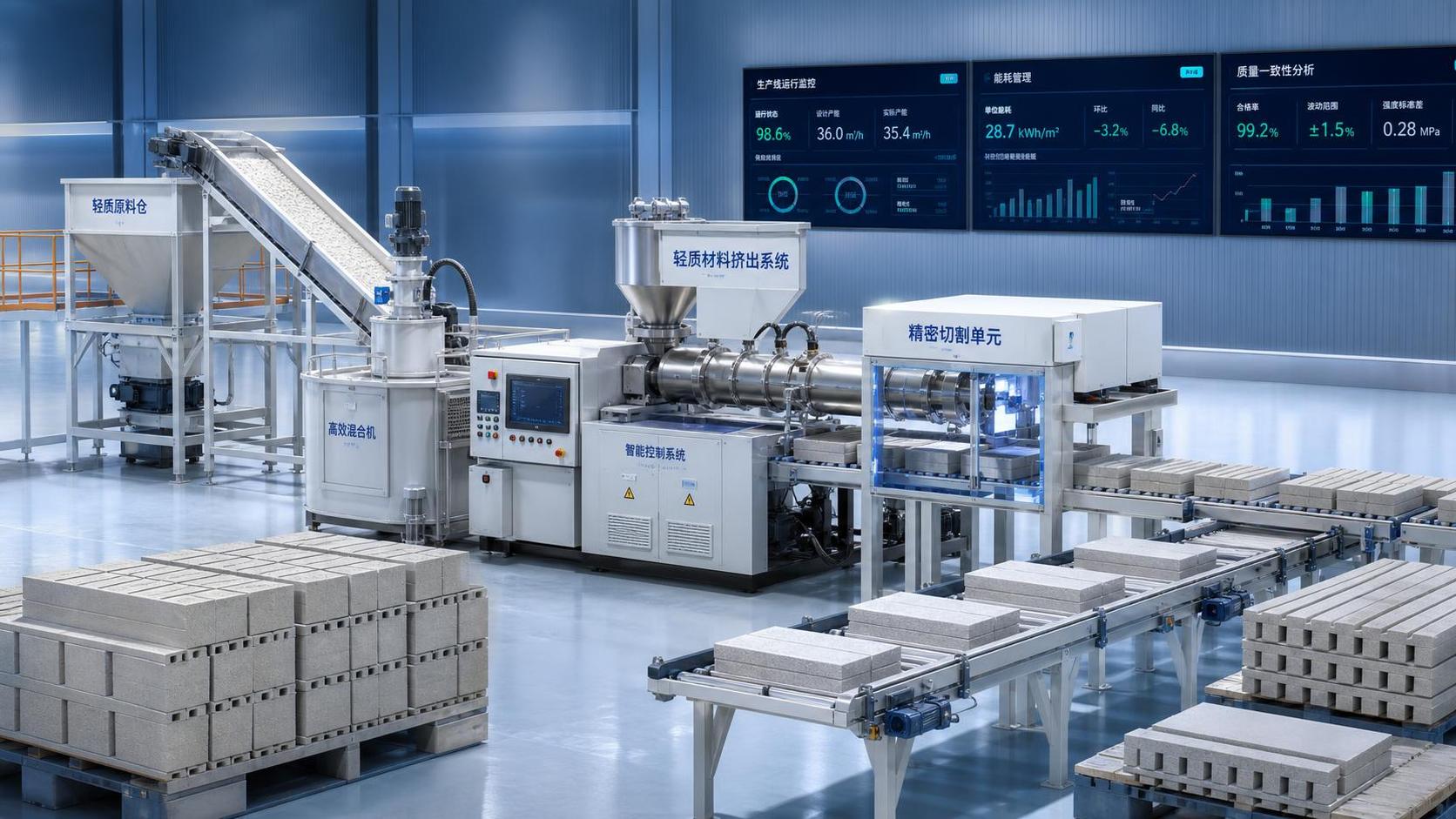
Extrusion lines for green building materials depend on stable moisture, pressure, mixing quality, and die behavior. Small shifts can produce cracks, dimensional errors, density variation, or poor surface finish.
Industrial process intelligence helps compare recipe input, screw load, vacuum conditions, line speed, and finished quality. This visibility reduces rework and helps maintain steady output under changing raw material conditions.
In these lines, faster decisions often matter more than deeper analysis. A practical system should surface actionable process relationships without overwhelming operators with isolated signals.
How scenario needs differ when using industrial process intelligence
Different process environments require different monitoring depth, model logic, and response priorities. A scenario-based view helps avoid overdesign in one line and blind spots in another.
Practical adaptation advice for each operating environment
A useful industrial process intelligence framework should match process criticality, data quality, and response speed. The best approach is usually staged rather than fully complex from day one.
- Map the top three loss pathways for each line before selecting dashboards or models.
- Prioritize variables tied to thermal stability, energy use, and quality yield.
- Connect laboratory, process, and maintenance data where loss causes overlap.
- Set warning thresholds by scenario, not by one generic plant standard.
- Review false alarms regularly so industrial process intelligence remains trusted.
For CF-Elite-aligned sectors, this staged method fits reality. Heavy thermal equipment often operates with long cycles, multiple constraints, and uneven digital maturity across lines and sites.
Common misjudgments that weaken loss prevention
One frequent mistake is treating industrial process intelligence as a reporting layer only. If the system cannot support intervention timing, it may document losses well but fail to prevent them.
Another mistake is focusing on single variables without understanding process coupling. In thermal industries, temperature, chemistry, residence time, airflow, and mechanical condition often move together.
A third issue is ignoring refractory health and energy efficiency signals. These are often slow-building loss channels, yet they strongly affect uptime, emissions performance, and long-term operating cost.
The strongest industrial process intelligence practice combines operational alerts with engineering interpretation. That approach aligns short-term process control with long-term line reliability.
Turning industrial process intelligence into the next operational step
A practical next step is to choose one high-loss scenario and define its early warning logic clearly. That could be kiln heat imbalance, glass defect drift, incineration upset risk, or extrusion consistency decline.
Then identify the signals already available, the missing context, and the response actions required within minutes, hours, or shifts. This keeps industrial process intelligence tied to measurable plant outcomes.
CF-Elite’s intelligence perspective shows that process visibility, thermal discipline, and data-led judgment now define competitiveness across foundation materials and thermal management industries. Preventing line losses starts with seeing the process as a connected system.
Related News
 Optical Glass Tech FellowHow to Evaluate a Glass Annealing Equipment Manufacturer for Production StabilityChoose a glass annealing equipment manufacturer with proven thermal uniformity, reliable controls, lifecycle value, and responsive service for stable production.Sep 08, 2026
 Prof. Marcus ChenThermal Energy Architecture in North America: Strategies for Lower Building Energy UseThermal energy architecture North America helps project leaders cut building energy use through stronger envelopes, right-sized HVAC, storage, and smart commissioning.Sep 07, 2026
 Ms. Elena RodriguezHow Should Buyers Evaluate Building Material Industry Intelligence Pricing?Building material industry intelligence pricing: learn how to compare coverage, technical depth, and ROI to choose intelligence that reduces procurement risk.Sep 07, 2026
 Ms. Elena RodriguezHow to Use Building Material Intelligence Data for Market and Investment DecisionsBuilding material industry intelligence data helps leaders evaluate demand, costs, regulation, capacity, and technology to make smarter market and investment decisions.Sep 05, 2026
 Thermal Energy ArchitectHow PLC Control Improves Energy Efficiency and Temperature Stability in KilnsEnergy efficient kilns PLC control improves temperature stability, cuts fuel waste, and optimizes combustion, draft, and material flow. Explore proven strategies for smarter kiln modernization.Sep 04, 2026
 Optical Glass Tech FellowEuropean Glass Melting Processes: Furnace Choices, Energy Use, and Quality ControlGlass melting process Europe: explore furnace choices, energy efficiency, cullet strategy, and quality control to improve output, compliance, and long-term glass performance.Sep 03, 2026
 Thermal Energy ArchitectWhat Determines Refractory Lining Monitoring Price for Industrial Kilns?Refractory lining monitoring price depends on kiln size, sensor technology, installation, software, and support. Compare total lifecycle costs and choose the right solution.Sep 02, 2026
 Silicate Process EngineerCement Production System Costs: A Plant Buyer’s Guide to Budgeting and ROICement production systems cost planning made clear: compare CAPEX, operating costs, compliance, and ROI to build a resilient, profitable cement plant investment.Sep 01, 2026
 Dr. Alistair VaughnWhat Should a Process Technology Database Track for High-Temperature Plants?Process technology database essentials for high-temperature plants: track thermal profiles, feed chemistry, refractory wear, emissions, energy, and maintenance for safer, data-driven decisions.Aug 31, 2026
 Ms. Elena RodriguezHow to Evaluate a Silicate Processing Equipment Manufacturer for Plant ProjectsSilicate processing equipment manufacturer selection: assess process fit, guarantees, energy, compliance, delivery risk, and lifecycle support for dependable plant performance.Aug 30, 2026
 Dr. Alistair VaughnHow to Specify Custom Agricultural Processing Equipment for Throughput and HygieneEquipment customization services for agricultural processing: learn to specify hygienic, high-throughput lines that improve yield, reliability, and long-term efficiency.Aug 29, 2026
 Dr. Alistair VaughnHow to Select Process Plant Equipment for High-Temperature, Abrasive Production LinesProcess plant equipment selection for high-temperature, abrasive lines: reduce downtime, improve durability, and optimize lifecycle performance.Aug 28, 2026
 Silicate Process EngineerHow Kiln Heat Recovery Systems Cut Fuel Use in Cement and Lime ProductionKiln heat recovery helps cement and lime plants cut fuel use, improve thermal stability, and build practical, reliable decarbonization strategies.Aug 27, 2026
 Ms. Elena RodriguezProcess Equipment Comparison: Which Metrics Matter Most for Reliable Selection?Process equipment comparison made practical: discover which metrics truly drive reliable selection, from energy efficiency and control stability to wear life, maintainability, and uptime.Aug 26, 2026
 Ms. Elena RodriguezWhat Buyers Should Check Before Sourcing Precision Alloy Bars for Critical PartsPrecision Alloy Bars buyers should verify grade, chemistry, tolerances, surface quality, traceability, and lead time before sourcing for critical parts. Learn what prevents costly machining and reliability risks.Aug 27, 2026
 Ms. Elena RodriguezHow to Evaluate Thermal Management Solutions Insulation for High-Heat Industrial SystemsThermal management solutions insulation: learn how to assess high-heat industrial systems by thermal performance, durability, lifecycle cost, and supplier data for smarter decisions.Aug 25, 2026
 Ms. Elena RodriguezWhat Drives Waste Recycling Cost in Industrial Projects and How to Estimate It?Waste recycling cost in industrial projects depends on composition, moisture, transport, pre-treatment, and compliance. Learn how to estimate it accurately and compare suppliers with confidence.Aug 24, 2026
 Silicate Process EngineerHow to Evaluate Cement Production Plants in the Middle East for Capacity, Fuel Flexibility, and ROIcement production plants Middle East: Learn how to assess true capacity, fuel flexibility, and ROI risks to identify resilient assets and smarter investment opportunities.Aug 23, 2026
 Structural Material AnalystHow to Evaluate Lightweight Material Machinery for Output, Energy Use, and Product QualityLightweight material machinery evaluation guide: compare stable output, energy use, and product quality to choose equipment that cuts waste, lowers costs, and improves production confidence.Aug 22, 2026
 Material Heat-Resist ExpertWhat Determines Refractory Production Line Price in a Turnkey Plant Project?Refractory production line price depends on raw materials, forming method, kiln and drying design, automation, utilities, and scope. Learn what really drives turnkey plant cost before you invest.Aug 21, 2026

Related News
- 00
0000-00
What Should a Process Technology Database Track for High-Temperature Plants? - 00
0000-00
How to Specify Custom Agricultural Processing Equipment for Throughput and Hygiene - 00
0000-00
How to Select Process Plant Equipment for High-Temperature, Abrasive Production Lines - 00
0000-00
What Causes Thermal Shock Failure in Heat-Resistant Materials During Development? - 00
0000-00
How Digital Twin Simulations Improve Process Plant Design, Safety, and Uptime
Weekly Insights
Stay ahead with our curated technology reports delivered every Monday.