
Can industrial process optimization cut costs fast




Can industrial process optimization cut costs fast? In high-temperature operations, the answer is often yes, but only when losses are measured at line level. Energy drift, unstable throughput, refractory wear, heat escape, and quality deviation can silently erode margins. CF-Elite connects production intelligence with financial discipline, helping industrial teams translate process data into faster savings, lower risk, and stronger returns on capital-intensive assets.
Why industrial process optimization needs a checklist approach
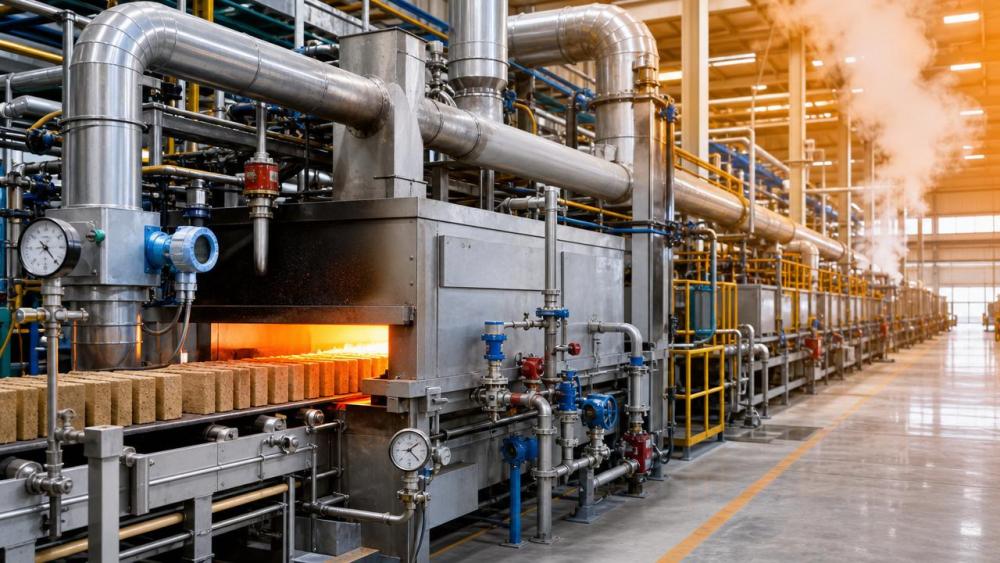
Industrial process optimization often fails when plants chase isolated fixes. A burner upgrade alone will not solve unstable kiln feed, poor draft balance, or variable moisture in raw materials.
A checklist creates order. It helps compare thermal efficiency, material flow, maintenance exposure, and carbon intensity in one decision frame. That matters across cement, glass, incineration, refractory, and extrusion lines.
For comprehensive industries, cost reduction is rarely a single event. It comes from repeatable actions that shorten payback, protect output, and make every optimization step auditable.
Core industrial process optimization checklist
- Map energy inputs by zone, then compare fuel, electricity, compressed air, and waste heat against actual output tonnage, thermal load, and hourly operating stability.
- Track downtime by cause, separating planned shutdowns from process interruptions, operator adjustments, refractory failures, feed blockages, and utility-related production losses.
- Measure material yield at each transfer point, then identify spillage, overburning, breakage, dust carryover, shrinkage, or off-spec product consuming hidden working capital.
- Stabilize process parameters before buying equipment, because temperature swings, residence time drift, and poor combustion control can destroy expected savings from new hardware.
- Audit sensor reliability and historian quality, since weak instrumentation makes industrial process optimization look successful on reports while losses continue inside the line.
- Benchmark line speed against quality limits, ensuring throughput gains do not trigger cracking, warping, incomplete burnout, or excessive reject rates downstream.
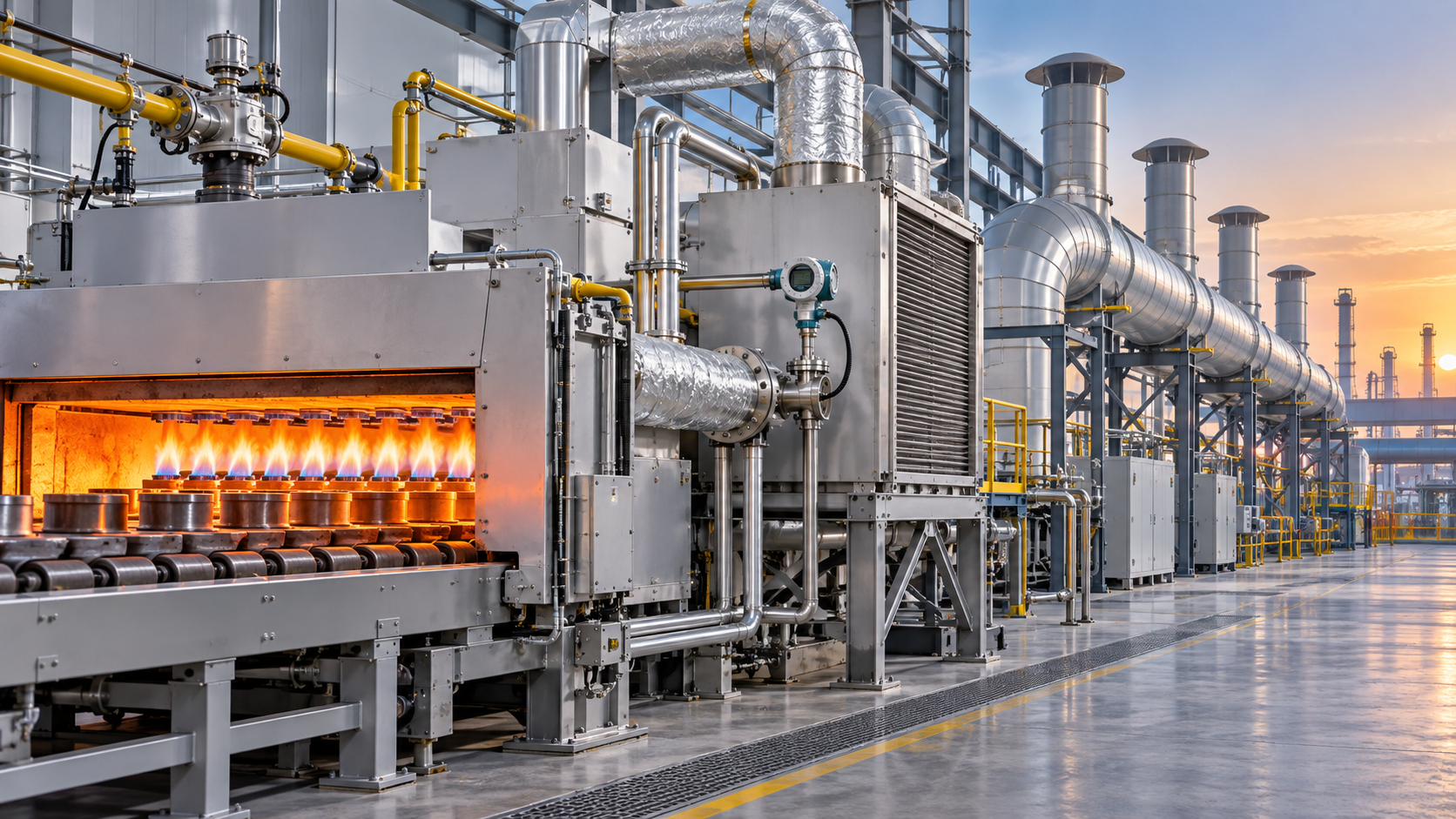
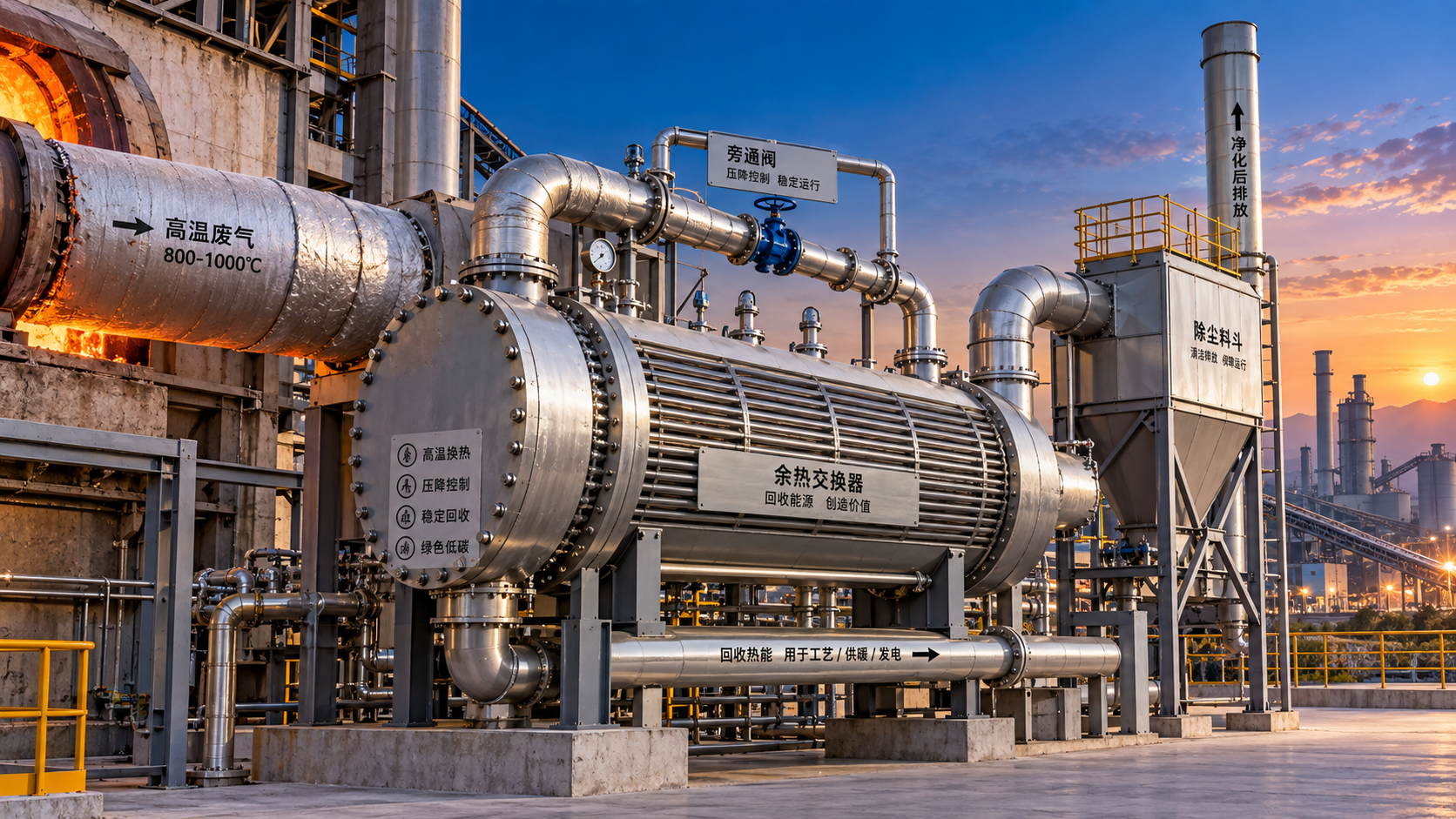
- Review heat recovery opportunities, including exhaust reuse, preheating, secondary combustion air, and thermal integration between adjacent units with overlapping load profiles.
- Quantify maintenance economics by linking wear parts, lining life, burner tuning, lubrication intervals, and inspection routines to both output continuity and energy consumption.
- Check utility interaction, because unstable fans, air leaks, pressure drops, water cooling imbalance, or poor power quality can undermine process consistency.
- Model carbon and compliance exposure together with cost, so industrial process optimization supports near-term savings without creating future regulatory or reporting burdens.
How the checklist applies across major industrial scenarios
Cement production plants
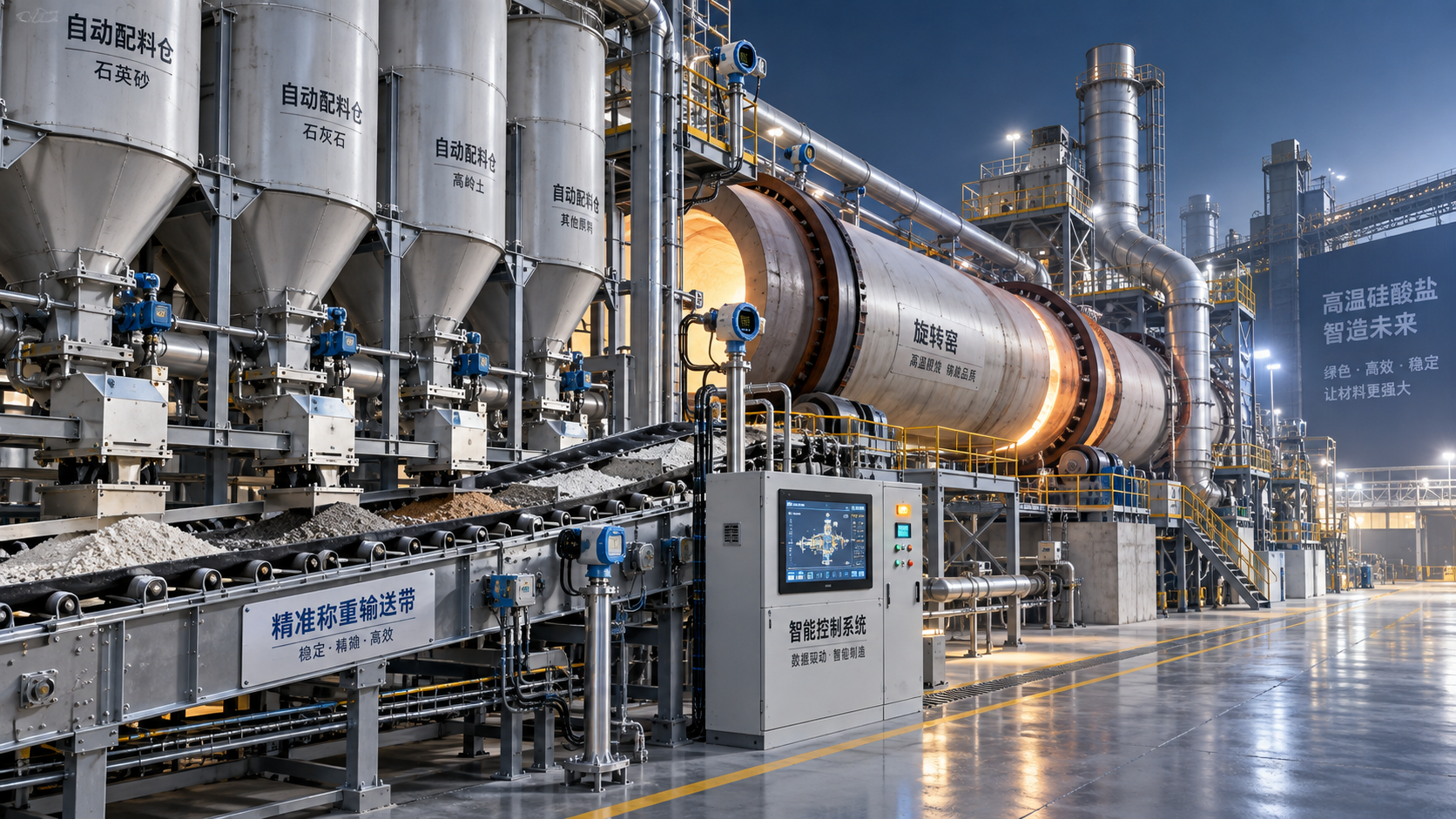
In cement operations, industrial process optimization starts with kiln stability, raw meal consistency, and fan efficiency. Small thermal imbalances can increase fuel use while reducing clinker quality.
Fast savings often come from combustion tuning, false air reduction, cooler recovery improvement, and better coordination between quarry variability and kiln control strategy.
Glass manufacturing equipment
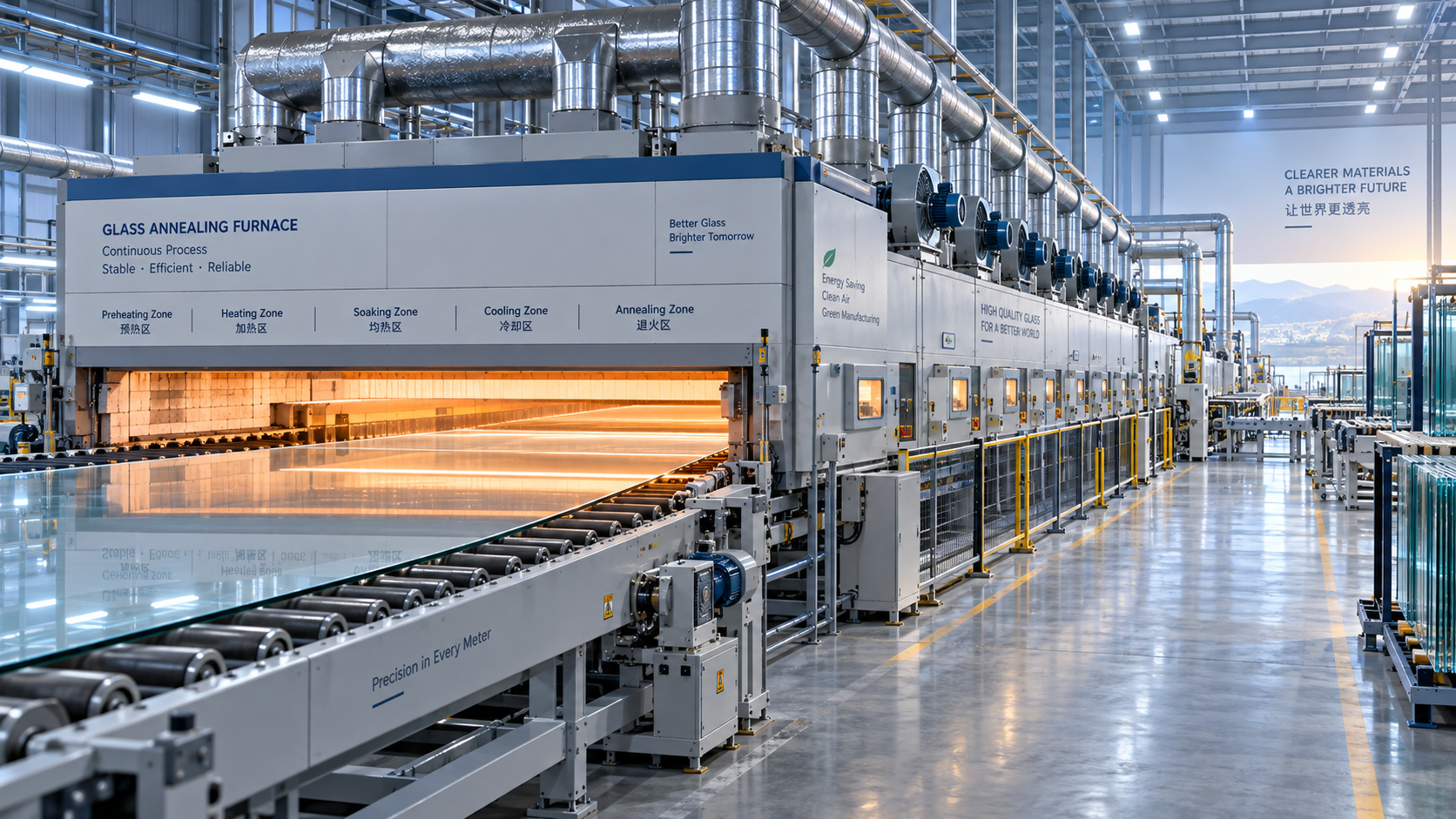
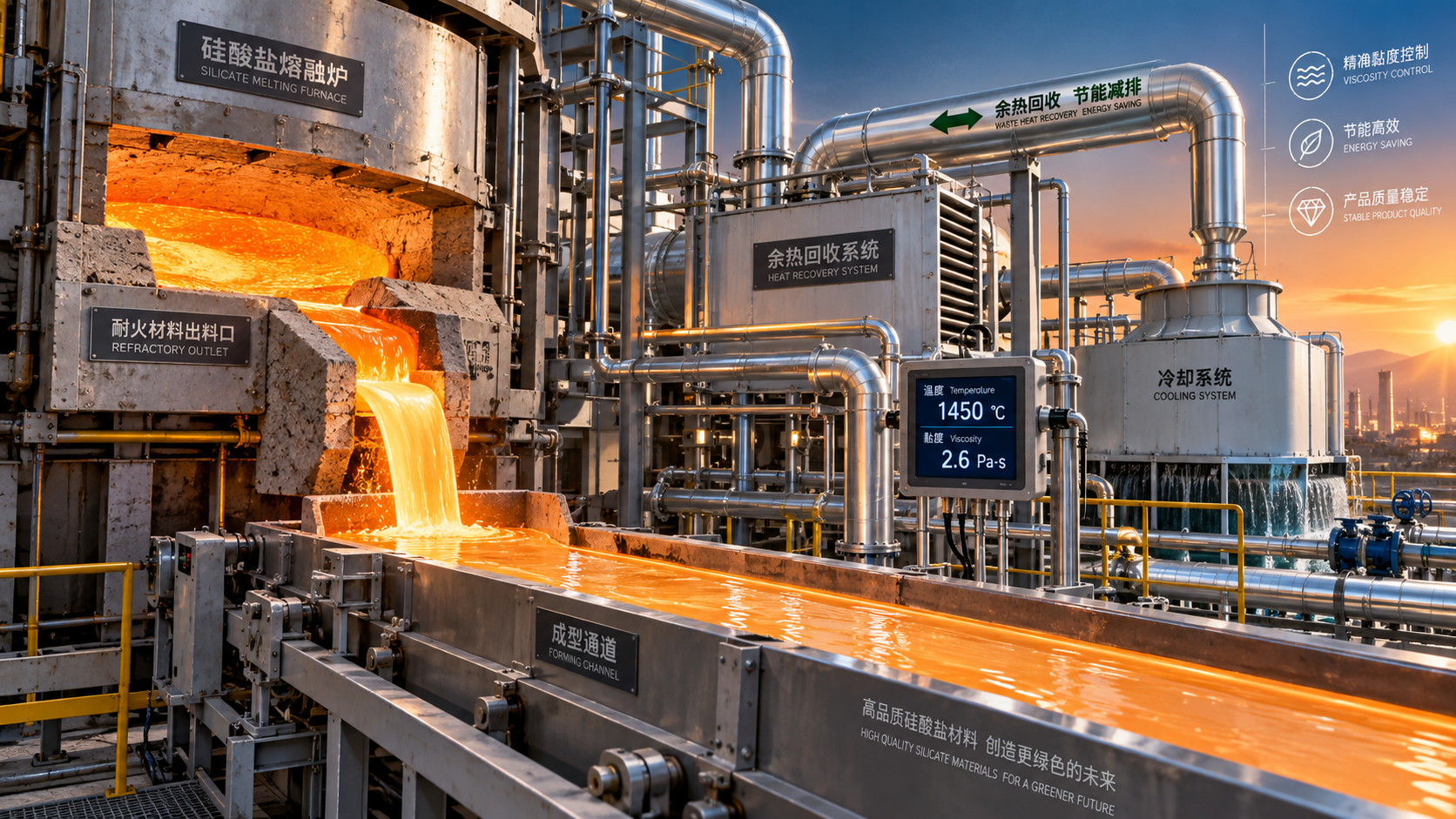
Glass lines depend on stable melting, precise temperature distribution, and controlled annealing. Industrial process optimization here must balance furnace energy intensity with defect prevention and pull rate discipline.
The fastest cost impact may appear through batch preconditioning, insulation review, combustion balance, and digital monitoring that catches drift before defects multiply.
Industrial kilns and incineration
Incineration and thermal treatment systems face variable feedstock, moisture changes, and emission constraints. Industrial process optimization must therefore connect residence time, combustion completeness, and waste calorific value.
Cost reduction can arrive quickly when feed blending, oxygen control, heat recovery, and ash handling are optimized as one integrated thermal system.
Refractory and advanced material lines
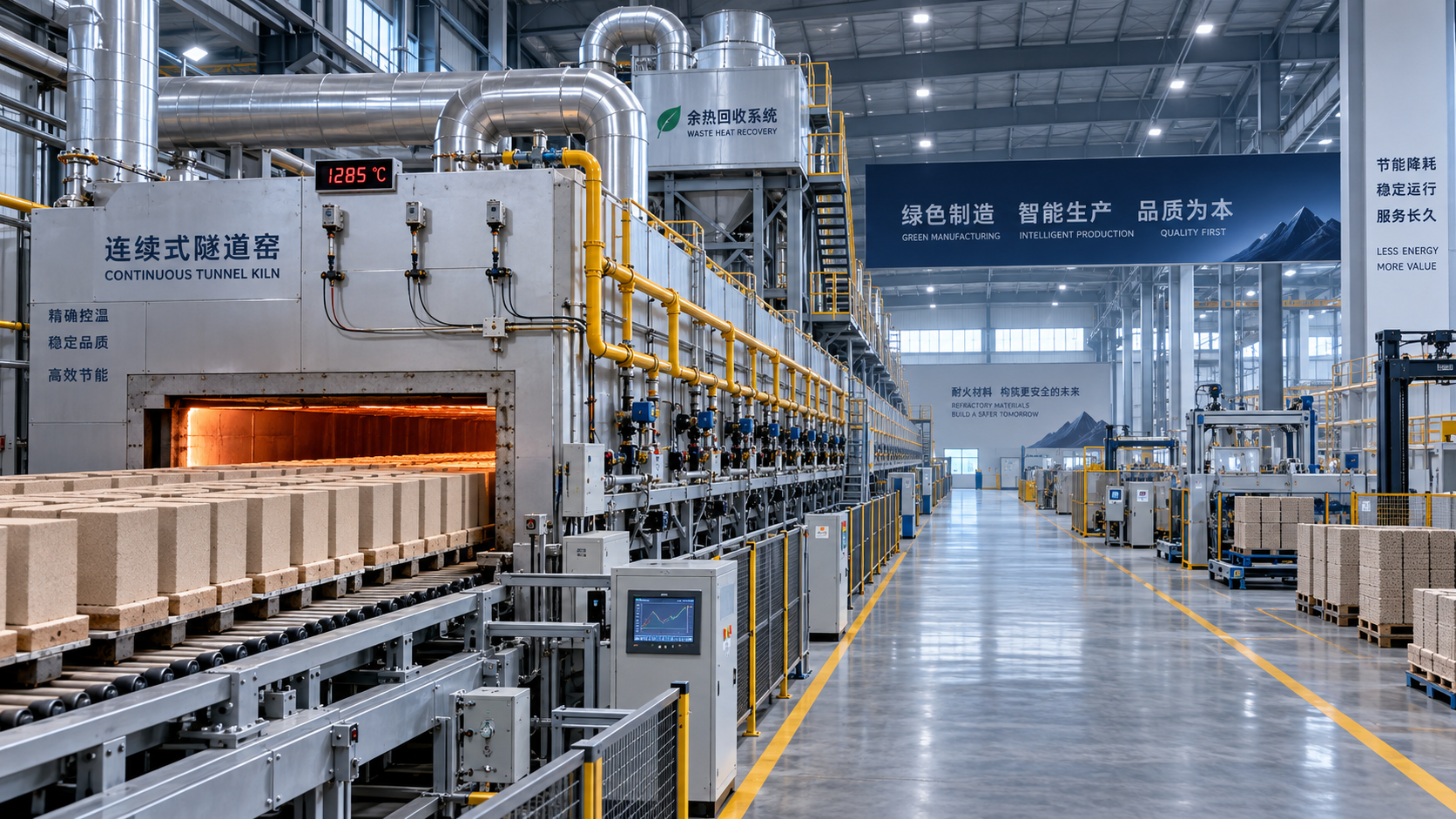
For refractory products and heat-resistant materials, industrial process optimization often targets firing uniformity, drying control, and scrap reduction. Quality variation can erase margin faster than energy inefficiency alone.
Tighter control of forming pressure, moisture, thermal ramp rates, and kiln loading patterns usually improves both cost and product reliability.
Extrusion of new building materials
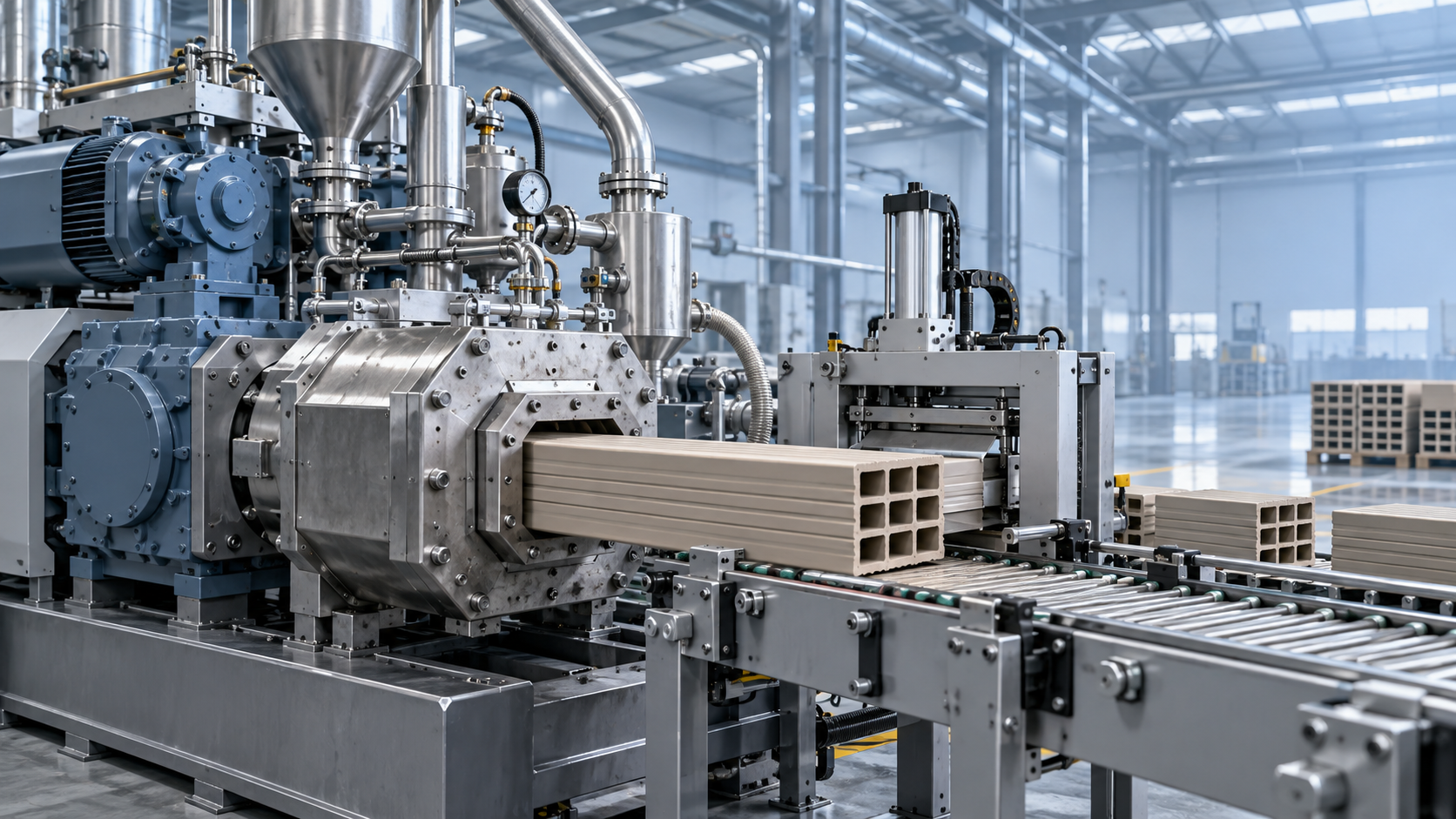
Extrusion lines for green construction materials rely on synchronized mixing, pressure control, die condition, and curing quality. Industrial process optimization should focus on throughput without compromising density or shape stability.
Savings often emerge from reduced rework, better motor loading, lower moisture correction, and more predictable changeovers between product specifications.
Commonly missed risks that delay cost savings
Ignoring process interaction
An isolated fix may shift losses elsewhere. Higher line speed, for example, can overload cooling, dust handling, or packaging, reducing the net value of industrial process optimization.
Chasing averages instead of variability
Average temperature or fuel use can look acceptable while short spikes damage quality or consume excess energy. Variability is often where rapid cost reduction hides.
Underestimating instrumentation gaps
If flow meters drift, thermocouples age, or tags are inconsistent, industrial process optimization decisions become unreliable. Bad data can justify expensive changes with weak real impact.
Treating maintenance as separate from efficiency
Worn seals, dirty burners, damaged insulation, and fan imbalance directly affect energy intensity. Maintenance discipline is a cost lever, not just a reliability function.
Overlooking carbon-linked costs
A measure that saves fuel today may still create compliance pressure tomorrow. Smart industrial process optimization should align operating savings with emissions exposure and reporting demands.
Practical execution steps for faster results
- Start with one line and one baseline period, then compare energy, output, reject rate, and downtime before and after each process change.
- Prioritize no-capex and low-capex actions first, such as tuning controls, sealing leaks, standardizing recipes, and correcting maintenance intervals.
- Assign one owner per savings theme, including thermal efficiency, yield, uptime, and compliance, so accountability remains visible across departments.
- Use weekly review cycles instead of quarterly reviews, because industrial process optimization gains disappear quickly when drift is not corrected early.
- Validate savings through finance and operations together, linking process changes to cost per ton, working capital, and asset utilization.
CF-Elite supports this approach by turning fragmented technical signals into strategic intelligence. Its sector analysis helps identify where thermal performance, material behavior, and equipment economics intersect most clearly.
Conclusion and next action
So, can industrial process optimization cut costs fast? Yes, when the work begins with a disciplined checklist, trusted data, and line-level priorities. The fastest wins usually come from reducing variability, stopping waste, and restoring process stability before major capital spending.
The next step is simple: audit one production line, rank losses by value, and test the highest-return actions within thirty days. Industrial process optimization delivers best when savings are measured, repeated, and scaled with operational evidence.
Related News
 Ms. Elena RodriguezHow to Structure Global Specification Data for Faster Industrial Product EvaluationGlobal specification-oriented product information helps industrial teams compare capacity, energy, emissions, automation, and lifecycle data on a like-for-like basis for faster, confident equipment decisions.Sep 29, 2026
 Thermal Energy ArchitectHow to Specify High-Temperature Process Systems for Continuous Thermal OperationsHigh-temperature process engineering systems: learn how to specify resilient continuous thermal operations for efficiency, compliance, reliable uptime, and long-term performance.Sep 28, 2026
 Thermal Energy ArchitectHow to Evaluate a Thermal Engineering Contractor for High-Temperature Plant ProjectsChoose a thermal engineering contractor with proven process expertise, lifecycle value, emissions control, and delivery discipline for reliable high-temperature plant performance.Sep 27, 2026
 Silicate Process EngineerHow Latin American Cement Plants Can Reduce Dust Emissions in Kilns and Transfer PointsCement plant dust control Latin America: reduce kiln and transfer-point emissions with practical airflow, filtration, monitoring, and maintenance strategies.Sep 26, 2026
 Material Heat-Resist ExpertHow to Evaluate Refractory Production Lines for Output, Quality, and Energy UseRefractory production lines: learn how to assess qualified output, consistent quality, and total energy use for smarter, lower-risk investment decisions.Sep 25, 2026
 Dr. Alistair VaughnHow Waste Recycling Technology Improves Material Recovery in Industrial PlantsWaste recycling technology improves material recovery through source segregation, smart separation, thermal treatment, and quality control for industrial plants.Sep 24, 2026
 Optical Glass Tech FellowHow to Specify Glass Annealing Equipment for European Quality and Energy RequirementsGlass annealing equipment Europe: learn how to specify lehrs for consistent glass quality, energy efficiency, compliance, automation, and reliable long-term performance.Sep 23, 2026
 Optical Glass Tech FellowSilicate Process Automation: Improving Batch Consistency and Energy ControlSilicate process automation improves batch consistency, energy control, traceability, and operator confidence across high-temperature manufacturing operations.Sep 22, 2026
 Optical Glass Tech FellowHow Silicate Industrial Processes Control Viscosity, Energy Use, and Product QualitySilicate industrial processes: learn how viscosity, chemistry, heat transfer, and atmosphere control reduce energy use, improve stability, and protect product quality.Sep 21, 2026
 Thermal Energy ArchitectHow European Plants Can Evaluate Energy Recovery Equipment for High-Temperature ProcessesIndustrial energy recovery equipment Europe: learn how high-temperature plants can assess waste-heat sources, integration risks, lifecycle value, and reliable recovery routes.Sep 20, 2026
 Thermal Energy ArchitectIndustrial Furnace Process Optimization: Reducing Fuel Use Without Sacrificing ThroughputIndustrial process optimization furnace strategies that cut fuel use while protecting throughput. Explore combustion control, heat recovery, refractory performance, and data-driven efficiency gains.Sep 19, 2026
 Ms. Elena RodriguezWhat Drives High-Pressure Extrusion Equipment Cost in Industrial Projects?High pressure extrusion equipment cost explained: compare pressure, die design, automation, wear, energy, and installation factors for smarter industrial investments.Sep 18, 2026
 Thermal Energy ArchitectHow to Size a Waste Heat Recovery Exchanger for High-Temperature Kiln Exhaust?Waste heat recovery exchanger sizing for high-temperature kiln exhaust: balance recoverable duty, fouling, corrosion limits, pressure drop, and reliable heat use.Sep 17, 2026
 Thermal Energy ArchitectWhy Heat-Resistant Materials Lose Abrasion Resistance at High TemperaturesHeat-resistant materials abrasion resistance can decline at high temperatures. Discover the thermal, chemical, and mechanical causes of wear—and how to choose longer-lasting linings.Sep 16, 2026
 Thermal Energy ArchitectHow to Evaluate a Thermal Energy Optimization Company for High-Temperature PlantsChoose a thermal energy optimization company with proven process expertise, measurable savings, and reliable delivery for high-temperature plants. Learn what to assess.Sep 15, 2026
 Thermal Energy ArchitectRotary Kiln Efficiency: How Feed Rate, Fuel Use, and Heat Loss Affect OutputRotary kiln efficiency explained: discover how feed rate, fuel use, heat loss, combustion, and cooling performance shape output, quality, and energy costs.Sep 14, 2026
 Thermal Energy ArchitectHow to Select Heat-Resistant Materials That Maintain Abrasion Resistance in KilnsHeat-resistant materials abrasion resistance: learn how to select kiln linings that withstand heat, wear, thermal cycling, and chemical attack for longer service life.Sep 13, 2026
 Thermal Energy ArchitectHow Rotary Kiln Automation Improves Temperature Control and Fuel EfficiencyRotary kiln technology automation enhances temperature control, stabilizes combustion, and improves fuel efficiency with smarter data, predictive control, and safer operations.Sep 12, 2026
 Silicate Process EngineerCement Plant Emission Control: Selecting Systems for Dust, NOx, and SO2 LimitsCement plant emission control guide: compare dust collectors, NOx reduction, and SO2 systems for reliable compliance across kiln modes, fuel changes, and operating upsets.Sep 11, 2026
 Thermal Energy ArchitectSelecting Abrasion-Resistant High-Temperature Materials for Kiln and Conveyor Wear ZonesHigh-temp material engineering guide to abrasion-resistant kiln and conveyor solutions—match wear, heat, chemistry, and installation design for longer service life.Sep 10, 2026




Related News
- 00
0000-00
How Waste Recycling Technology Improves Material Recovery in Industrial Plants - 00
0000-00
Industrial Process Engineering: How to Map Processes for Safer, More Efficient Plants - 00
0000-00
What Should a Process Technology Database Track for High-Temperature Plants? - 00
0000-00
How to Specify Custom Agricultural Processing Equipment for Throughput and Hygiene - 00
0000-00
How to Select Process Plant Equipment for High-Temperature, Abrasive Production Lines
Weekly Insights
Stay ahead with our curated technology reports delivered every Monday.