
Are thermal barrier coatings worth the maintenance cost




For aftermarket maintenance teams, the real question is not whether thermal barrier coatings sound advanced, but whether they truly reduce downtime, fuel loss, and repair frequency enough to justify ongoing upkeep. In high-temperature operations, this cost-to-performance balance shapes maintenance planning, asset life, and plant efficiency across cement, glass, kilns, incineration, refractory lines, and thermal process equipment.
Why a checklist approach works for thermal barrier coatings
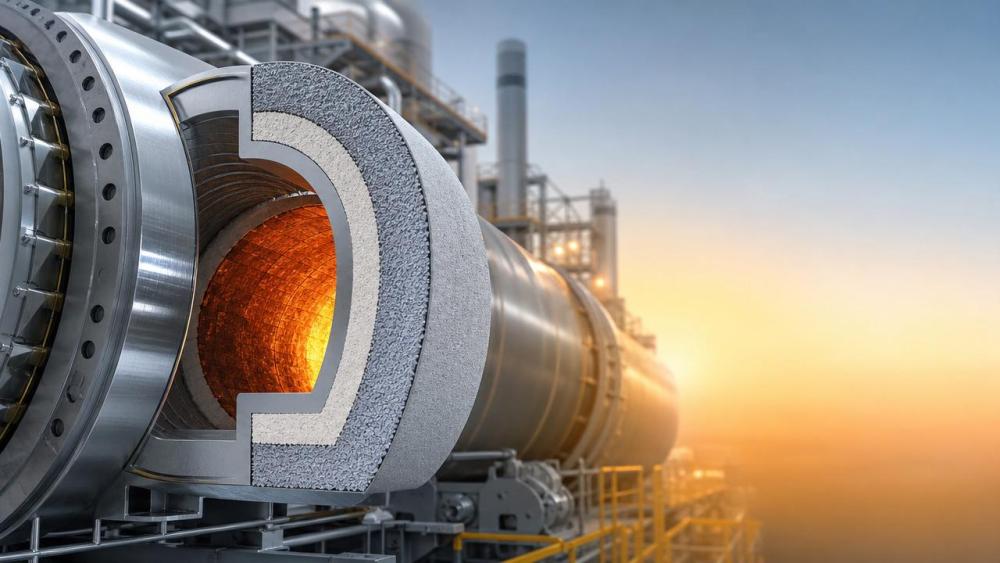
The value of thermal barrier coatings rarely comes from the coating alone. It comes from system conditions, shutdown discipline, heat load stability, substrate quality, and inspection timing.
A checklist prevents costly assumptions. It helps compare coating cost against reduced shell temperature, lower energy loss, slower oxidation, fewer hot spots, and longer intervals between refractory or metal repairs.
In integrated thermal industries, that structured review matters because one weak link can erase expected savings. Poor surface prep, thermal cycling, or chemical attack can turn a promising coating program into recurring maintenance expense.
Core checklist: are thermal barrier coatings worth the maintenance cost?
Use the following checklist before approving, renewing, or expanding any thermal barrier coatings maintenance strategy.
- Measure actual operating temperature ranges, not nameplate values, because coating performance depends on peak excursions, ramp rates, dwell time, and localized hot spots.
- Check substrate condition first, including oxidation, cracking, spalling, corrosion, and dimensional instability, since damaged base material shortens coating service life.
- Compare energy loss before and after application by tracking shell temperature, fuel use, and process stability over several production cycles.
- Calculate downtime value realistically, including shutdown hours, access setup, cooling time, inspection labor, and production losses during coating repair windows.
- Review thermal cycling severity, because repeated heating and cooling often drives delamination faster than steady high-temperature exposure.
- Verify chemical compatibility with ash, alkalis, chlorides, sulfates, glass vapors, or combustion residues that may attack the coating bond layer.
- Confirm surface preparation standards, because abrasive cleaning, roughness profile, contamination control, and bond coat quality strongly affect adhesion.
- Inspect application method capability, whether plasma spray, HVOF, slurry, or ceramic topcoat system, and match it to geometry and field conditions.
- Track repair frequency rather than installation cost alone, since a cheaper coating with frequent touch-ups may cost more over one campaign.
- Estimate the effect on adjacent components, including seals, anchors, steel shells, burner zones, and support structures exposed to lower or redistributed heat.
- Set inspection intervals using infrared scans, thickness checks, and visual mapping so failure is detected before heat loss or substrate damage accelerates.
- Benchmark payback against alternatives such as refractory upgrades, insulation redesign, burner tuning, or process optimization instead of treating coatings as the only option.
When thermal barrier coatings usually justify the cost
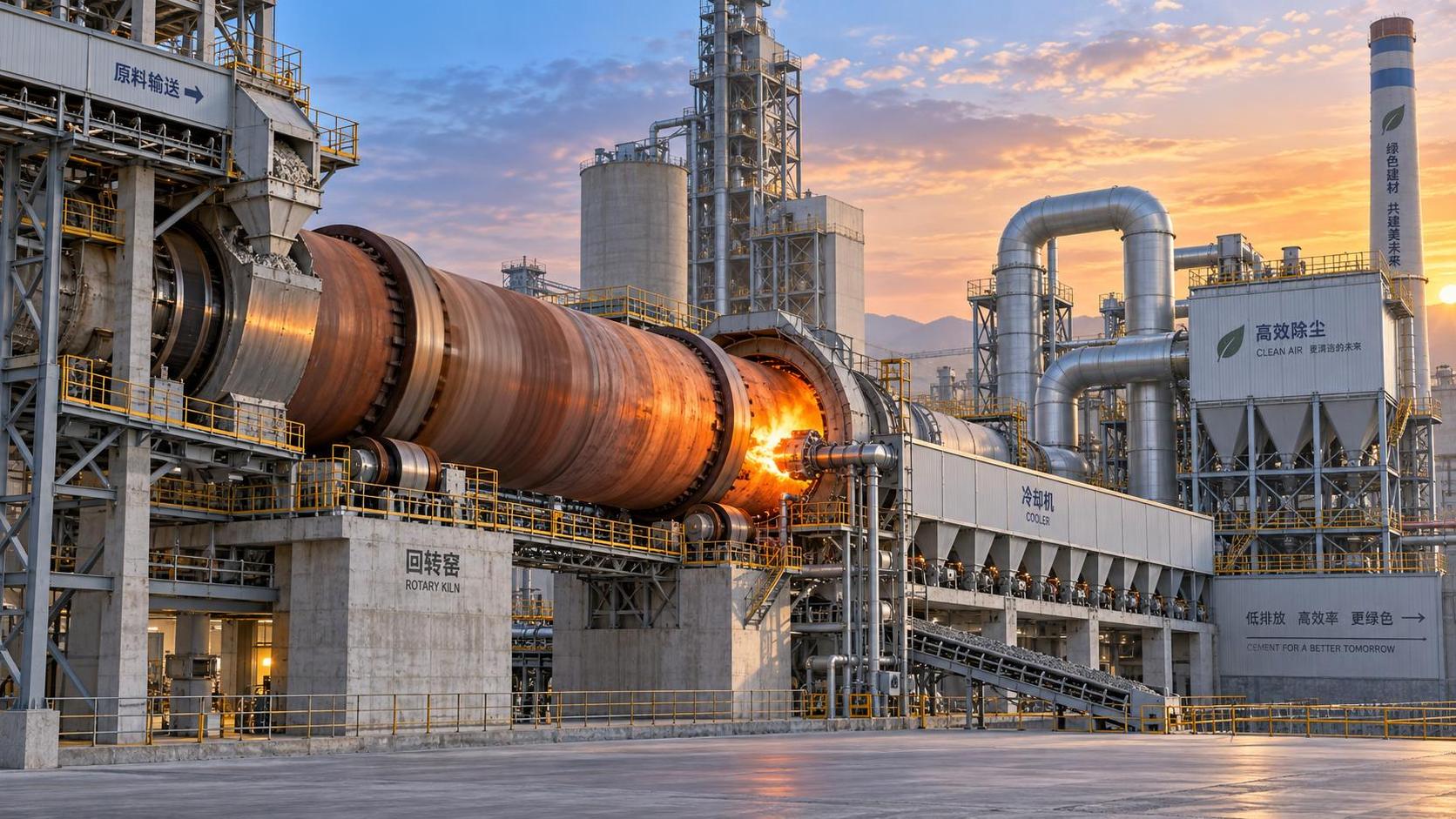
Rotary kilns and industrial incineration
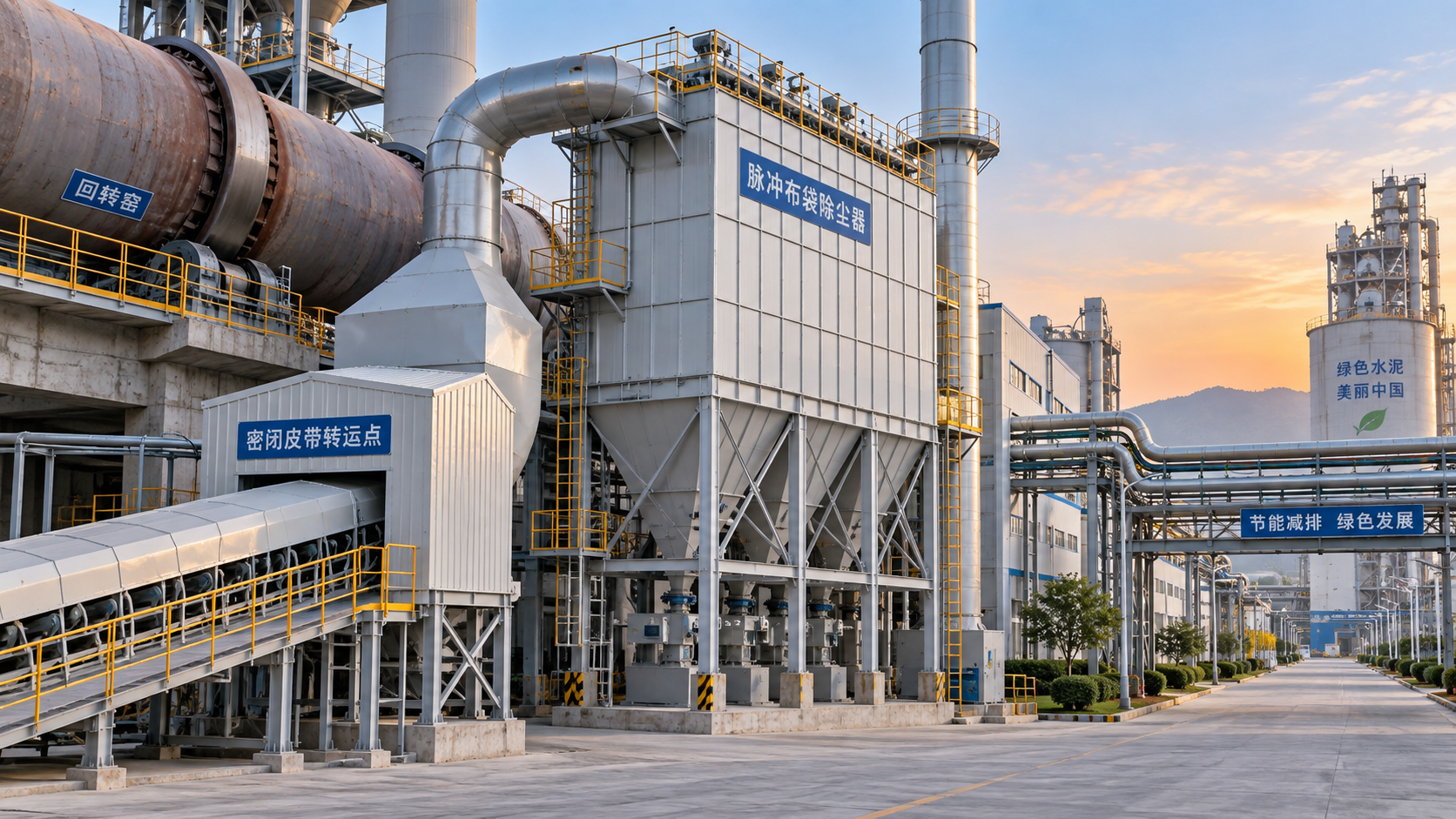
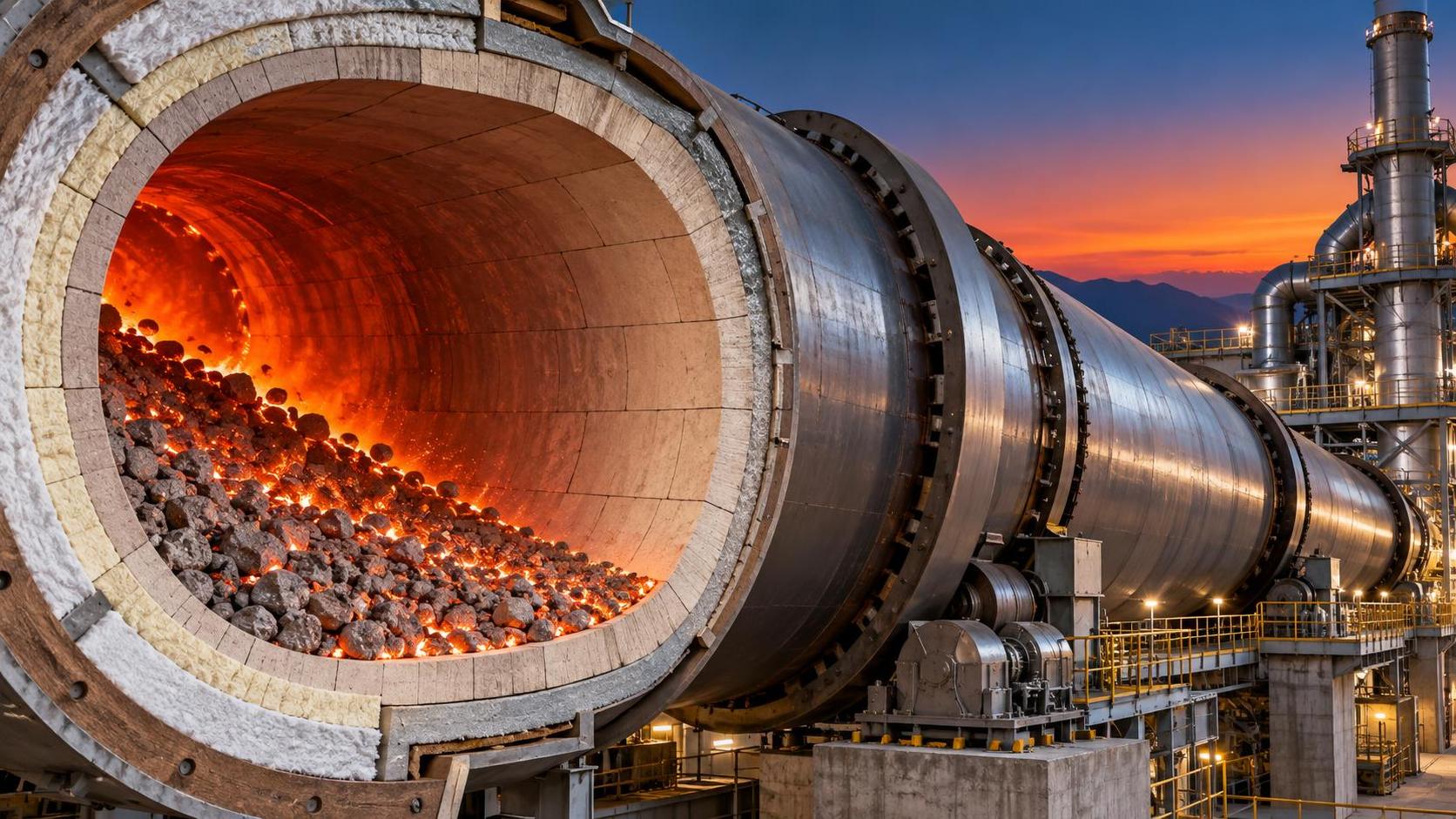
In kilns and incinerators, thermal barrier coatings often make sense where shell temperatures fluctuate, burner zones see persistent thermal stress, and shutdowns are extremely expensive.
If the coating reduces heat transfer enough to stabilize the metal shell or protected component, it may delay distortion, oxidation, and refractory support damage. The strongest case appears where every avoided outage preserves high throughputs.
Glass manufacturing equipment
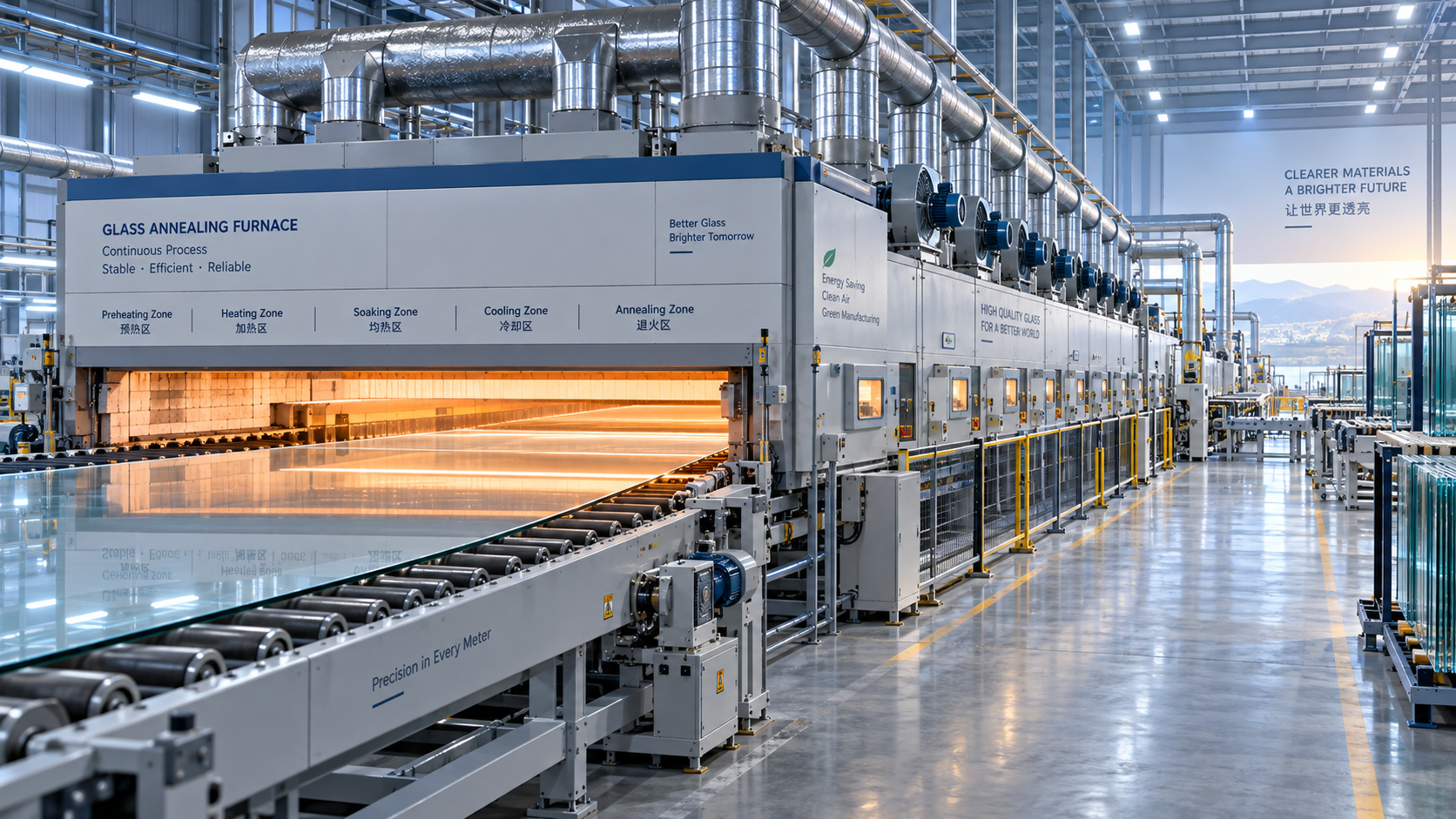
Glass process equipment requires tight thermal control. Here, thermal barrier coatings can be worthwhile when they improve heat containment and reduce uneven surface temperatures on exposed parts.
However, glass vapors and aggressive atmospheres can degrade some systems. Maintenance cost is justified only when coating chemistry matches furnace conditions and inspection data confirms stable performance over campaigns.
Refractory and specialized material extrusion lines
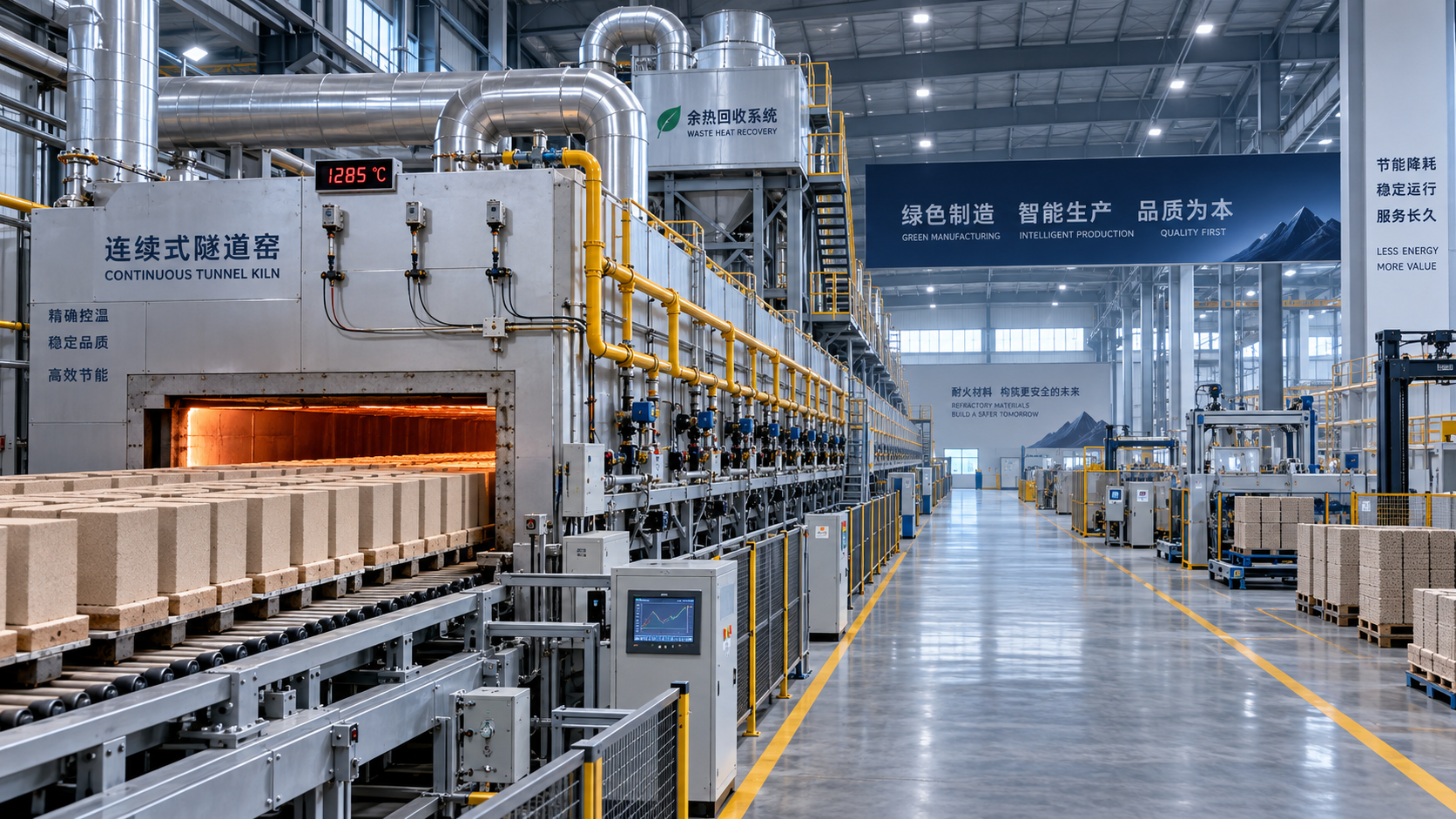
For refractory production or high-load extrusion systems, coatings can protect steel structures, dies, housings, and transport zones from excessive radiant heat.
They are worth the maintenance cost when they reduce warping, preserve alignment, and prevent heat-driven wear that would otherwise disrupt dimensional control or product consistency.
Cement and broad thermal process plants
In cement and other large silicate facilities, thermal barrier coatings should be judged as part of total thermal management, not as a standalone fix.
If fuel savings are marginal but downtime reduction is significant, the coating may still pay back. If both are minor, insulation redesign or process balancing may offer a better return.
Commonly overlooked cost drivers and risk signals
Underestimating preparation work
Many failures blamed on thermal barrier coatings actually begin with weak preparation. Residual scale, oil, salts, or poor roughness profiles can destroy adhesion long before the coating reaches its thermal limit.
Ignoring transient operating events
Startups, emergency stops, flame impingement, and unstable combustion often create larger thermal shocks than normal operation. These events should be included in any maintenance cost model.
Expecting coatings to replace root-cause repair
A coating cannot solve misalignment, burner imbalance, poor refractory design, or chronic air leakage. If those issues remain, maintenance cost rises while coating life falls.
Using generic payback assumptions
One plant may recover coating cost through fuel savings. Another may recover it through fewer emergency repairs. A generic ROI model can mislead decisions across different thermal assets.
Practical execution steps before committing budget
- Map high-temperature assets by failure history, shell temperature trend, repair interval, and production criticality.
- Select one pilot area where thermal barrier coatings address a measurable pain point, not a theoretical benefit.
- Define baseline KPIs including fuel rate, external temperature, outage frequency, and maintenance labor hours.
- Specify preparation, bond coat, thickness range, cure schedule, and inspection criteria in writing.
- Review results after one or two operating campaigns before scaling to larger sections or additional equipment.
This staged method reduces risk and creates plant-specific evidence. It also supports smarter decisions in energy efficiency programs, decarbonization planning, and lifecycle maintenance control.
Conclusion: thermal barrier coatings are worth it only when the numbers survive field reality
So, are thermal barrier coatings worth the maintenance cost? Often yes, but only when they are matched to the real thermal load, chemical environment, shutdown economics, and substrate condition.
The strongest decisions come from checklist-based evaluation, pilot validation, and disciplined inspection. In high-temperature industries, coatings create value when they cut downtime, protect structural integrity, and improve thermal efficiency more than they add maintenance burden.
The next step is simple: audit one problem zone, quantify losses, test a qualified coating system, and compare results against alternative thermal management upgrades. That is how thermal barrier coatings move from marketing promise to measurable industrial return.
Related News
 Ms. Elena RodriguezHow to Structure Global Specification Data for Faster Industrial Product EvaluationGlobal specification-oriented product information helps industrial teams compare capacity, energy, emissions, automation, and lifecycle data on a like-for-like basis for faster, confident equipment decisions.Sep 29, 2026
 Thermal Energy ArchitectHow to Specify High-Temperature Process Systems for Continuous Thermal OperationsHigh-temperature process engineering systems: learn how to specify resilient continuous thermal operations for efficiency, compliance, reliable uptime, and long-term performance.Sep 28, 2026
 Thermal Energy ArchitectHow to Evaluate a Thermal Engineering Contractor for High-Temperature Plant ProjectsChoose a thermal engineering contractor with proven process expertise, lifecycle value, emissions control, and delivery discipline for reliable high-temperature plant performance.Sep 27, 2026
 Silicate Process EngineerHow Latin American Cement Plants Can Reduce Dust Emissions in Kilns and Transfer PointsCement plant dust control Latin America: reduce kiln and transfer-point emissions with practical airflow, filtration, monitoring, and maintenance strategies.Sep 26, 2026
 Material Heat-Resist ExpertHow to Evaluate Refractory Production Lines for Output, Quality, and Energy UseRefractory production lines: learn how to assess qualified output, consistent quality, and total energy use for smarter, lower-risk investment decisions.Sep 25, 2026
 Dr. Alistair VaughnHow Waste Recycling Technology Improves Material Recovery in Industrial PlantsWaste recycling technology improves material recovery through source segregation, smart separation, thermal treatment, and quality control for industrial plants.Sep 24, 2026
 Optical Glass Tech FellowHow to Specify Glass Annealing Equipment for European Quality and Energy RequirementsGlass annealing equipment Europe: learn how to specify lehrs for consistent glass quality, energy efficiency, compliance, automation, and reliable long-term performance.Sep 23, 2026
 Optical Glass Tech FellowSilicate Process Automation: Improving Batch Consistency and Energy ControlSilicate process automation improves batch consistency, energy control, traceability, and operator confidence across high-temperature manufacturing operations.Sep 22, 2026
 Optical Glass Tech FellowHow Silicate Industrial Processes Control Viscosity, Energy Use, and Product QualitySilicate industrial processes: learn how viscosity, chemistry, heat transfer, and atmosphere control reduce energy use, improve stability, and protect product quality.Sep 21, 2026
 Thermal Energy ArchitectHow European Plants Can Evaluate Energy Recovery Equipment for High-Temperature ProcessesIndustrial energy recovery equipment Europe: learn how high-temperature plants can assess waste-heat sources, integration risks, lifecycle value, and reliable recovery routes.Sep 20, 2026
 Thermal Energy ArchitectIndustrial Furnace Process Optimization: Reducing Fuel Use Without Sacrificing ThroughputIndustrial process optimization furnace strategies that cut fuel use while protecting throughput. Explore combustion control, heat recovery, refractory performance, and data-driven efficiency gains.Sep 19, 2026
 Ms. Elena RodriguezWhat Drives High-Pressure Extrusion Equipment Cost in Industrial Projects?High pressure extrusion equipment cost explained: compare pressure, die design, automation, wear, energy, and installation factors for smarter industrial investments.Sep 18, 2026
 Thermal Energy ArchitectHow to Size a Waste Heat Recovery Exchanger for High-Temperature Kiln Exhaust?Waste heat recovery exchanger sizing for high-temperature kiln exhaust: balance recoverable duty, fouling, corrosion limits, pressure drop, and reliable heat use.Sep 17, 2026
 Thermal Energy ArchitectWhy Heat-Resistant Materials Lose Abrasion Resistance at High TemperaturesHeat-resistant materials abrasion resistance can decline at high temperatures. Discover the thermal, chemical, and mechanical causes of wear—and how to choose longer-lasting linings.Sep 16, 2026
 Thermal Energy ArchitectHow to Evaluate a Thermal Energy Optimization Company for High-Temperature PlantsChoose a thermal energy optimization company with proven process expertise, measurable savings, and reliable delivery for high-temperature plants. Learn what to assess.Sep 15, 2026
 Thermal Energy ArchitectRotary Kiln Efficiency: How Feed Rate, Fuel Use, and Heat Loss Affect OutputRotary kiln efficiency explained: discover how feed rate, fuel use, heat loss, combustion, and cooling performance shape output, quality, and energy costs.Sep 14, 2026
 Thermal Energy ArchitectHow to Select Heat-Resistant Materials That Maintain Abrasion Resistance in KilnsHeat-resistant materials abrasion resistance: learn how to select kiln linings that withstand heat, wear, thermal cycling, and chemical attack for longer service life.Sep 13, 2026
 Thermal Energy ArchitectHow Rotary Kiln Automation Improves Temperature Control and Fuel EfficiencyRotary kiln technology automation enhances temperature control, stabilizes combustion, and improves fuel efficiency with smarter data, predictive control, and safer operations.Sep 12, 2026
 Silicate Process EngineerCement Plant Emission Control: Selecting Systems for Dust, NOx, and SO2 LimitsCement plant emission control guide: compare dust collectors, NOx reduction, and SO2 systems for reliable compliance across kiln modes, fuel changes, and operating upsets.Sep 11, 2026
 Thermal Energy ArchitectSelecting Abrasion-Resistant High-Temperature Materials for Kiln and Conveyor Wear ZonesHigh-temp material engineering guide to abrasion-resistant kiln and conveyor solutions—match wear, heat, chemistry, and installation design for longer service life.Sep 10, 2026


Related News
- 00
0000-00
How to Specify Glass Annealing Equipment for European Quality and Energy Requirements - 00
0000-00
Silicate Process Automation: Improving Batch Consistency and Energy Control - 00
0000-00
How Silicate Industrial Processes Control Viscosity, Energy Use, and Product Quality - 00
0000-00
How to Evaluate a Glass Annealing Equipment Manufacturer for Production Stability - 00
0000-00
European Glass Melting Processes: Furnace Choices, Energy Use, and Quality Control
Weekly Insights
Stay ahead with our curated technology reports delivered every Monday.