
Why sustainable construction materials matter more now




As climate targets tighten and construction supply chains face growing scrutiny, sustainable construction materials have become a strategic priority rather than a niche preference.
For researchers tracking industrial transformation, this topic connects carbon reduction, thermal efficiency, raw material innovation, and equipment upgrades across cement, glass, refractory, and extrusion sectors.
Understanding why these materials matter now helps reveal where regulation, technology, and market demand are reshaping the future of global building materials.
Why sustainable construction materials matter more now
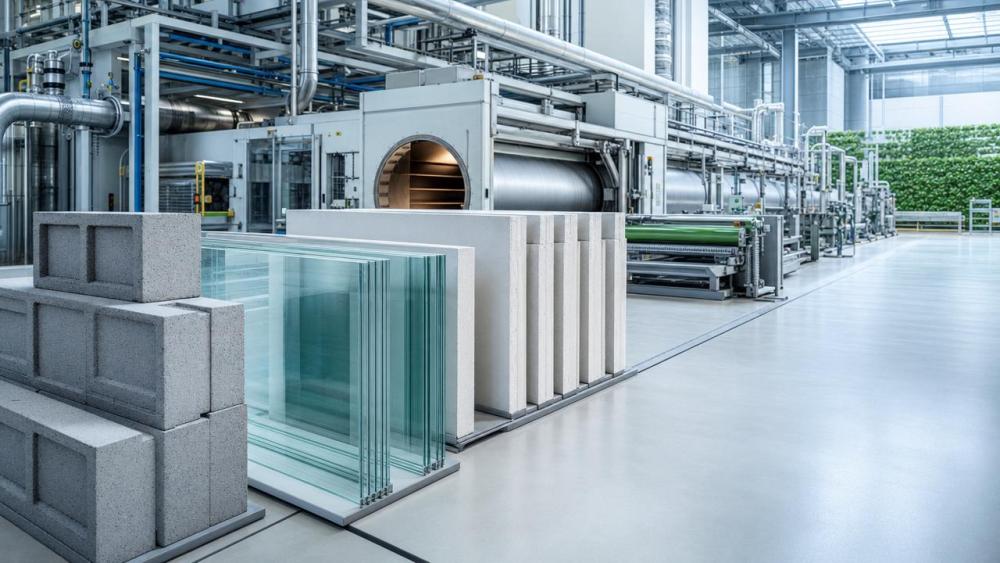
The core answer is simple: sustainable construction materials now influence compliance, operating cost, financing access, procurement eligibility, and long-term asset value at the same time.
What was once treated as a branding choice has become a decision point shaped by carbon policy, energy volatility, urban renewal, and stricter disclosure expectations.
For information researchers, the key search intent is not merely to define the term.
It is to understand why urgency has increased, which industrial drivers are strongest, and how material shifts connect with production systems and investment logic.
This matters especially in heavy building material industries, where process heat, raw mineral transformation, and emissions intensity are deeply linked.
In cement, glass, refractory, and extrusion segments, material sustainability is not only about inputs.
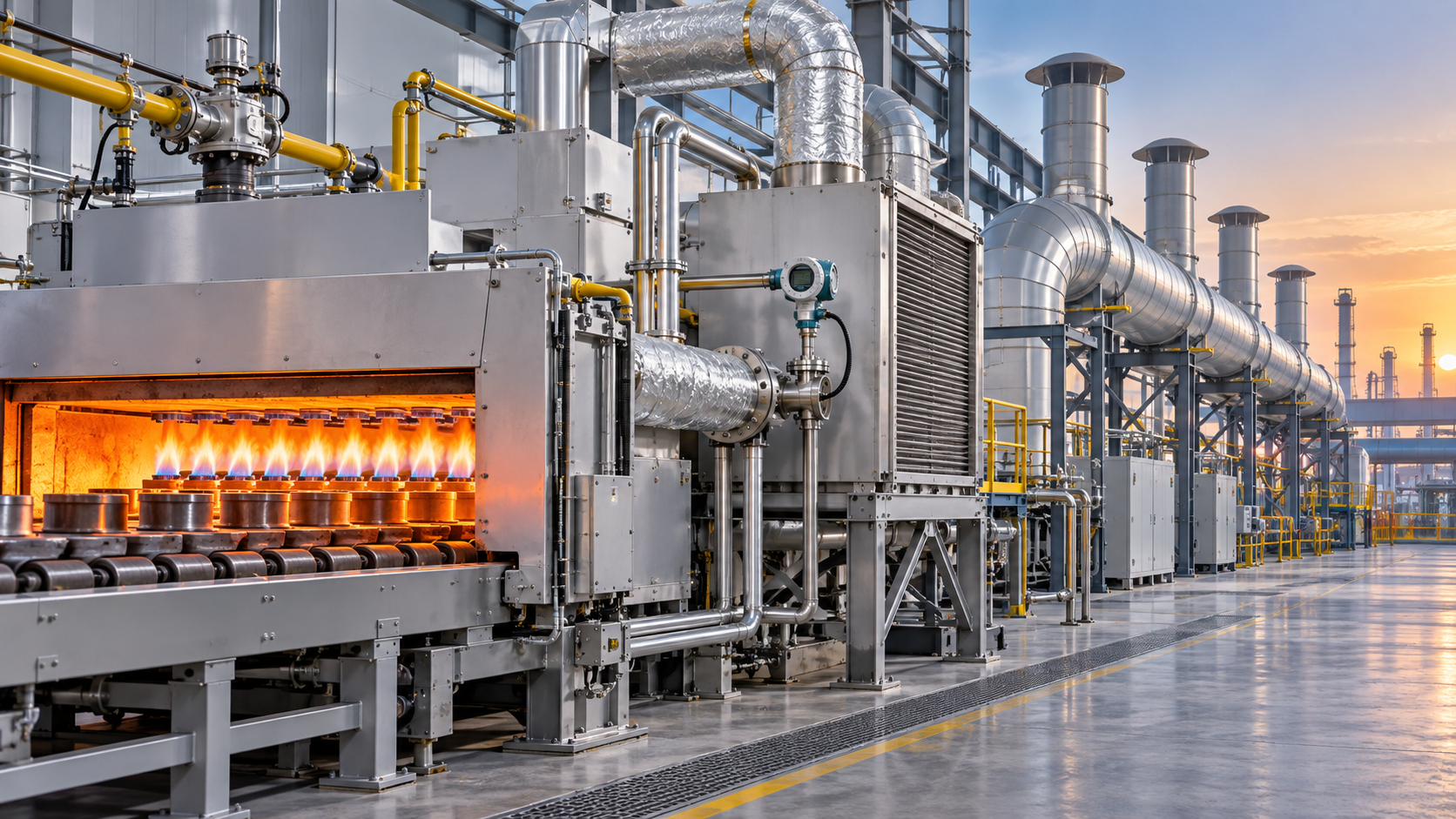
It also depends on kiln efficiency, combustion strategy, waste heat use, formulation design, recycling integration, and production line modernization.
What information-focused readers really want to know
Readers in the research phase usually ask four practical questions.
Why is the market changing now, which materials or technologies are gaining relevance, what evidence supports their value, and what barriers could slow adoption?
They also want to separate durable structural trends from temporary marketing claims.
That means they look for signals from regulation, industrial equipment upgrades, embodied carbon accounting, and downstream procurement standards.
They are less interested in generic sustainability slogans.
They are more interested in decision frameworks: where emissions come from, which materials can reduce them, and what trade-offs appear in performance, cost, and scale.
For this audience, useful content should connect market demand with process reality.
A low-carbon material claim only becomes meaningful when researchers can trace it back to feedstock changes, thermal management improvements, or circular material flows.
The first driver is regulation and carbon accountability
The strongest reason sustainable construction materials matter more now is the tightening policy environment.
Governments, cities, investors, and multinational buyers increasingly require emissions disclosure across product and project lifecycles.
That changes how materials are evaluated.
Instead of focusing only on compressive strength, durability, or initial price, buyers now examine embodied carbon, recycled content, energy source, and end-of-life recovery potential.
Environmental product declarations, green building certification systems, public procurement rules, and carbon border mechanisms are making data transparency more important.
For producers, this means sustainability is no longer detached from documentation.
Materials must not only perform well; they must also be measurable within accepted reporting frameworks.
This has direct consequences for industrial plants.
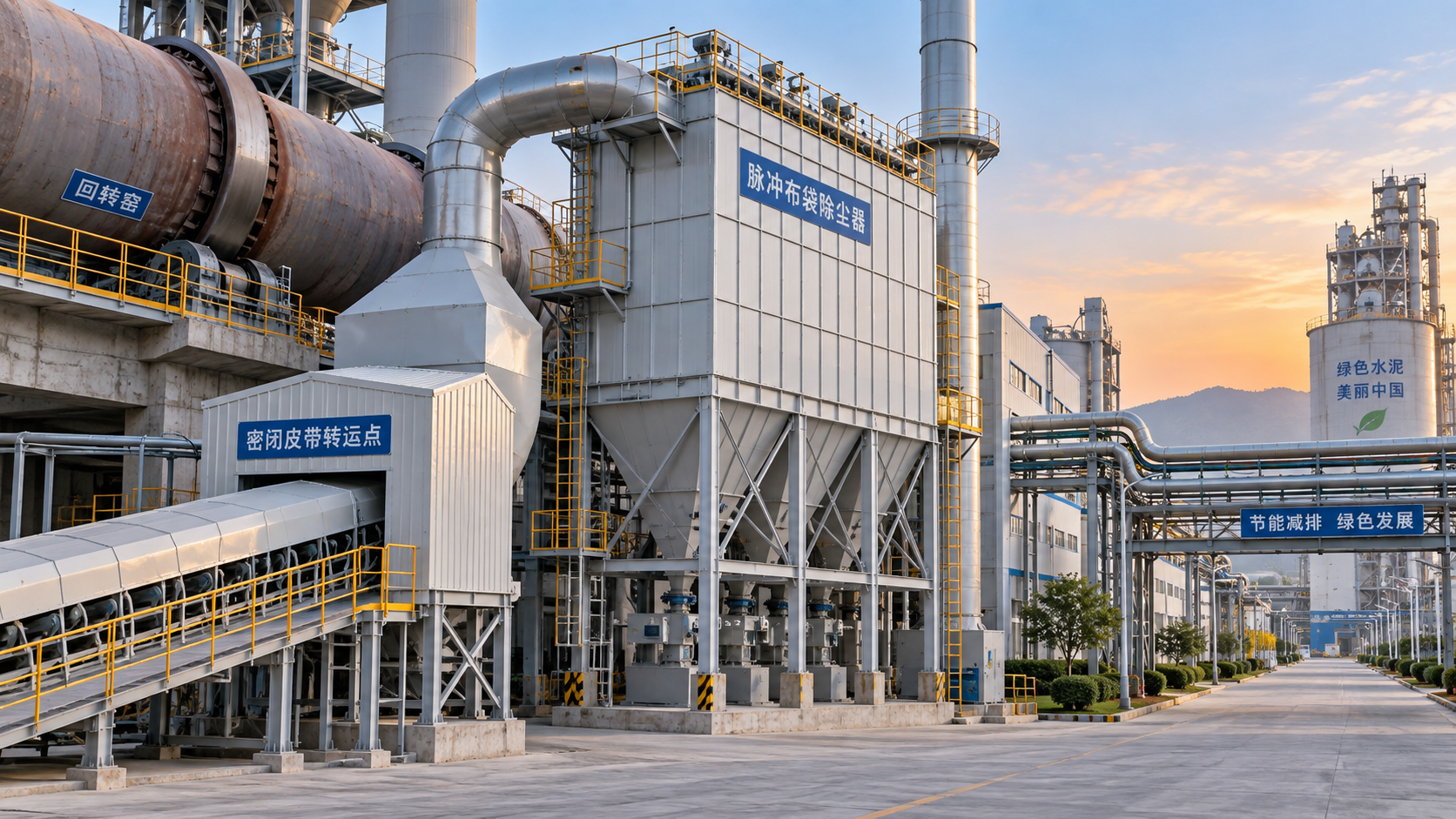
Cement lines must address clinker substitution and fuel efficiency.
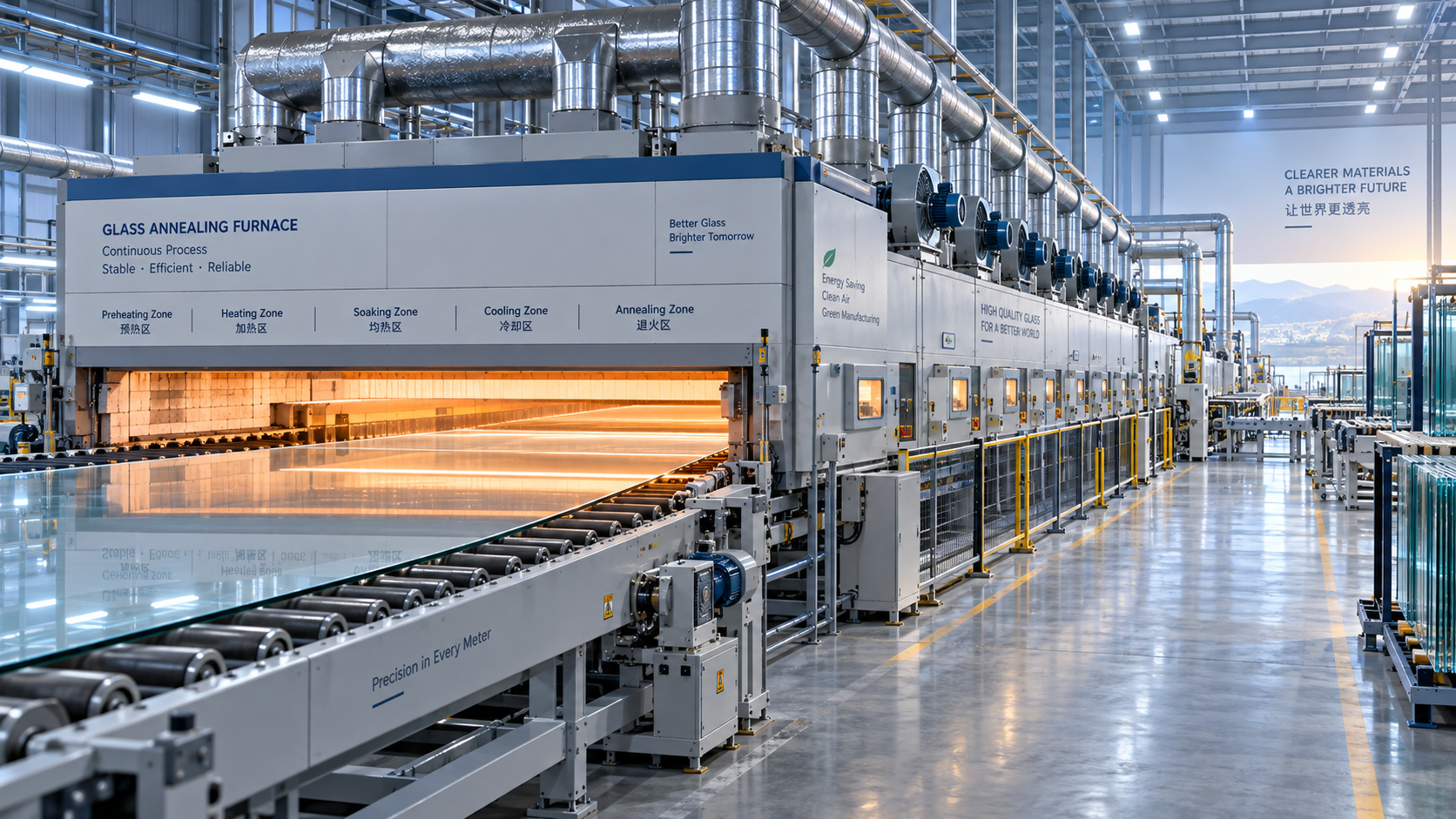
Glass plants must improve furnace performance and cullet use.
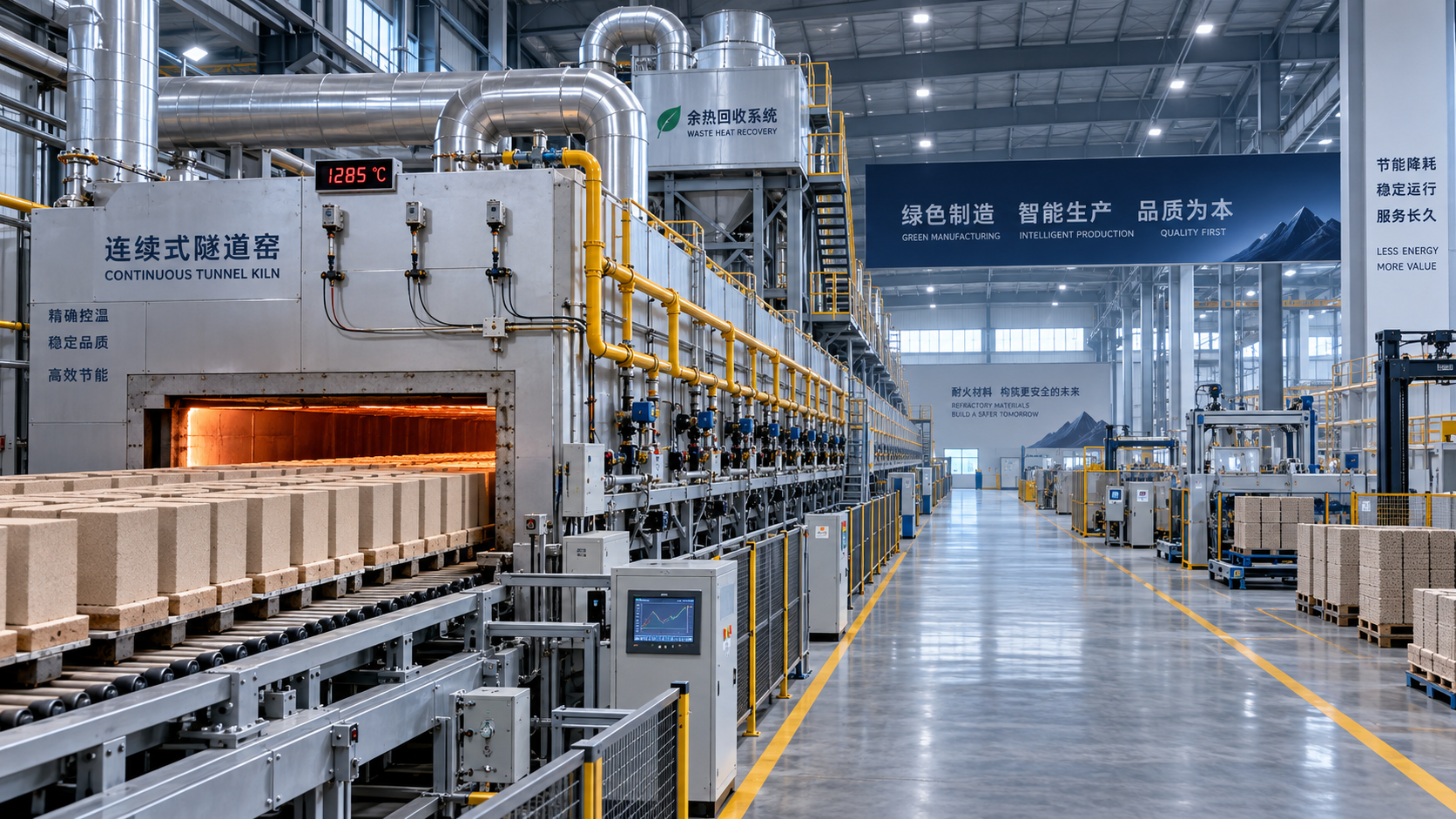
Refractory systems must extend campaign life to reduce replacement cycles.
Extrusion lines for lightweight products must balance lower material intensity with stable quality control.
The second driver is energy risk and thermal efficiency
Sustainable construction materials matter more now because energy has become a strategic variable, not just an operating expense.
High-temperature industries are especially exposed to fuel price volatility, power constraints, and decarbonization pressure.
Materials with lower process intensity or better in-use performance therefore carry dual value.
They can reduce emissions during manufacturing and improve thermal outcomes during building operation.
This is where the topic becomes highly relevant to sectors observed by CF-Elite.
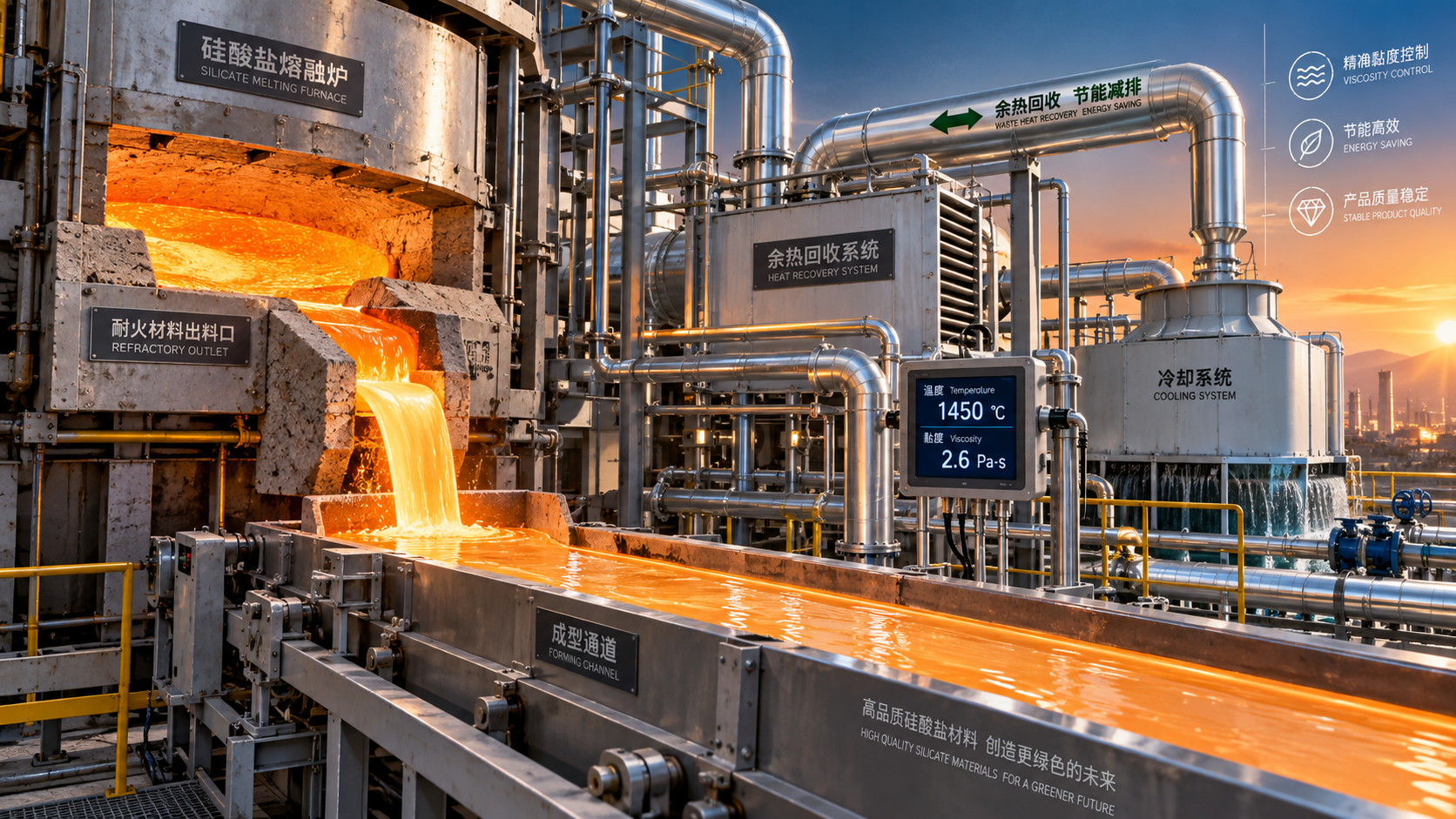
In silicate and thermal industries, production efficiency depends on mastering heat transfer, residence time, combustion stability, lining durability, and reaction kinetics.
When sustainable materials are discussed seriously, the conversation quickly returns to industrial heat management.
Lower-carbon cementitious systems may reduce clinker demand.
Advanced glazing can improve building energy performance.
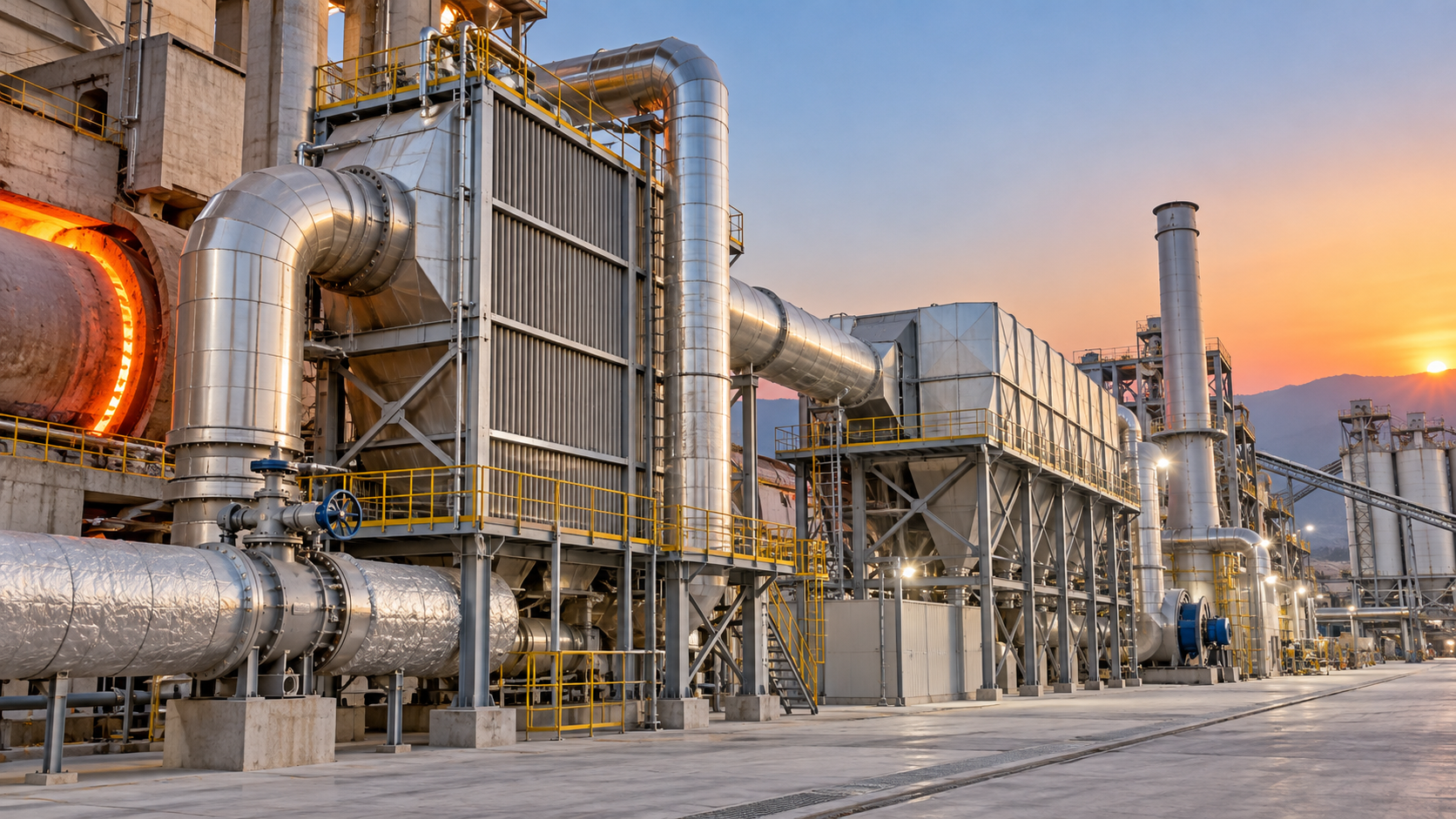
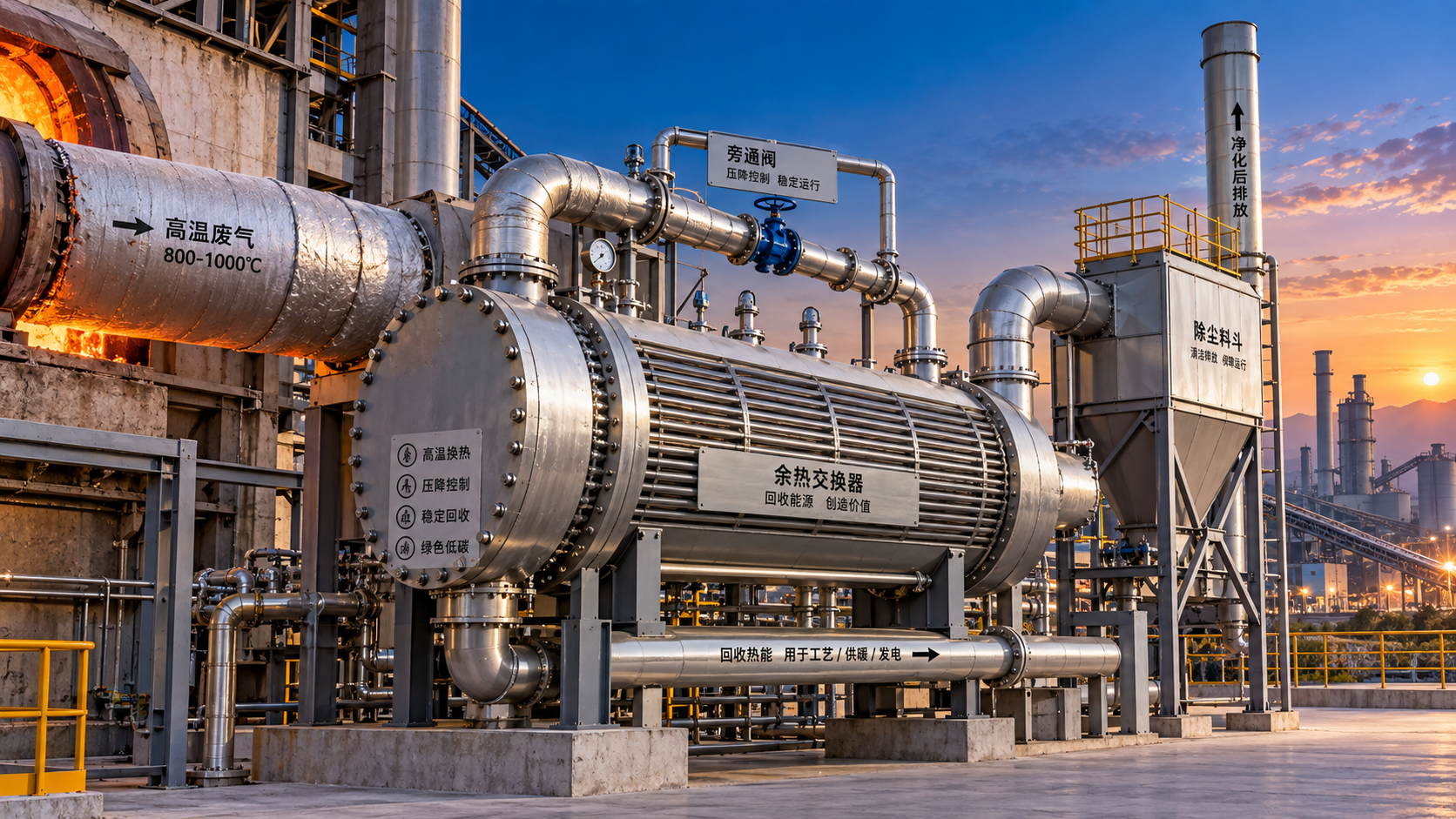
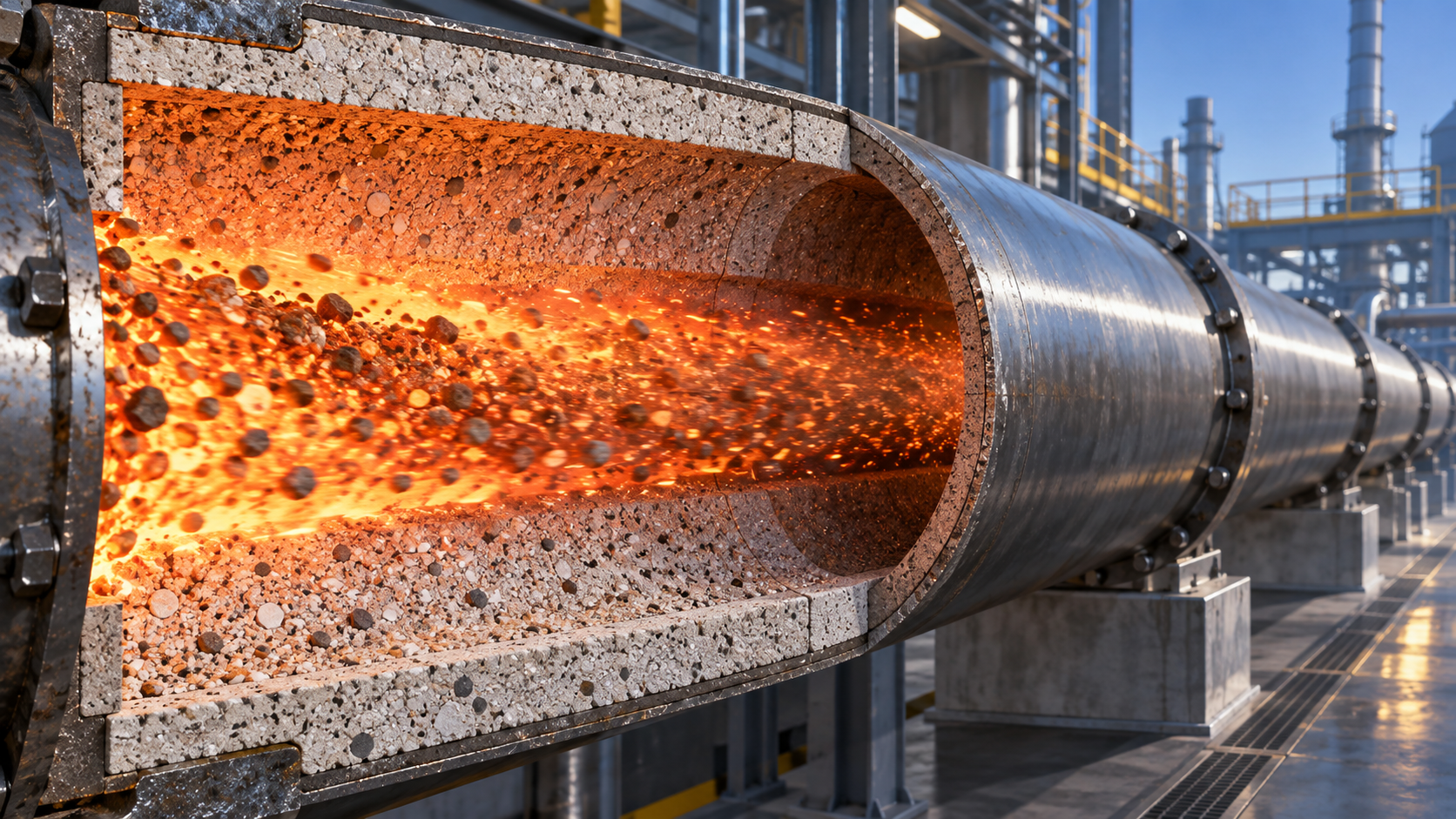
High-performance insulation and refractory materials can lower thermal losses in both manufacturing assets and finished buildings.
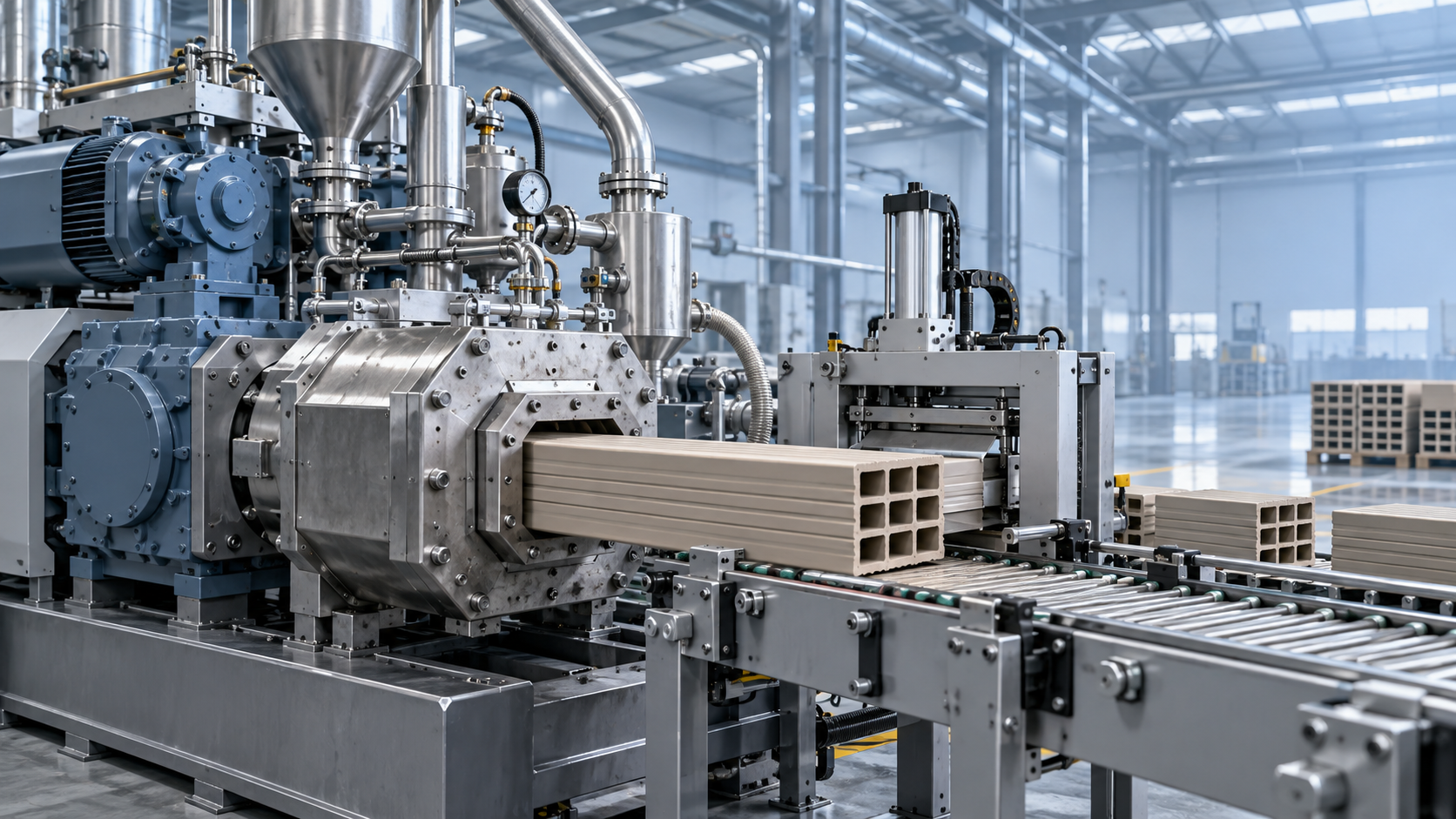
Lightweight extruded wall systems can reduce structural load and improve energy efficiency at the application level.
The result is a broader value chain effect.
Material sustainability is increasingly judged by how well it integrates production-side energy savings with use-phase performance benefits.
The third driver is supply chain resilience and raw material strategy
Another reason sustainable construction materials matter more now is supply chain uncertainty.
Construction and industrial manufacturers face fluctuating raw material prices, transport disruption, and regional resource constraints.
That creates new interest in circular inputs, local sourcing, and process flexibility.
Materials that incorporate industrial by-products, recycled glass, alternative aggregates, or low-impact binders can help diversify supply risk.
However, adoption is not automatic.
Researchers should pay close attention to consistency, contamination control, processing compatibility, and local regulatory acceptance.
In heavy industry, feedstock variation can affect melt behavior, kiln stability, product quality, and maintenance cycles.
That is why the most credible sustainable material strategies are often equipment-linked.
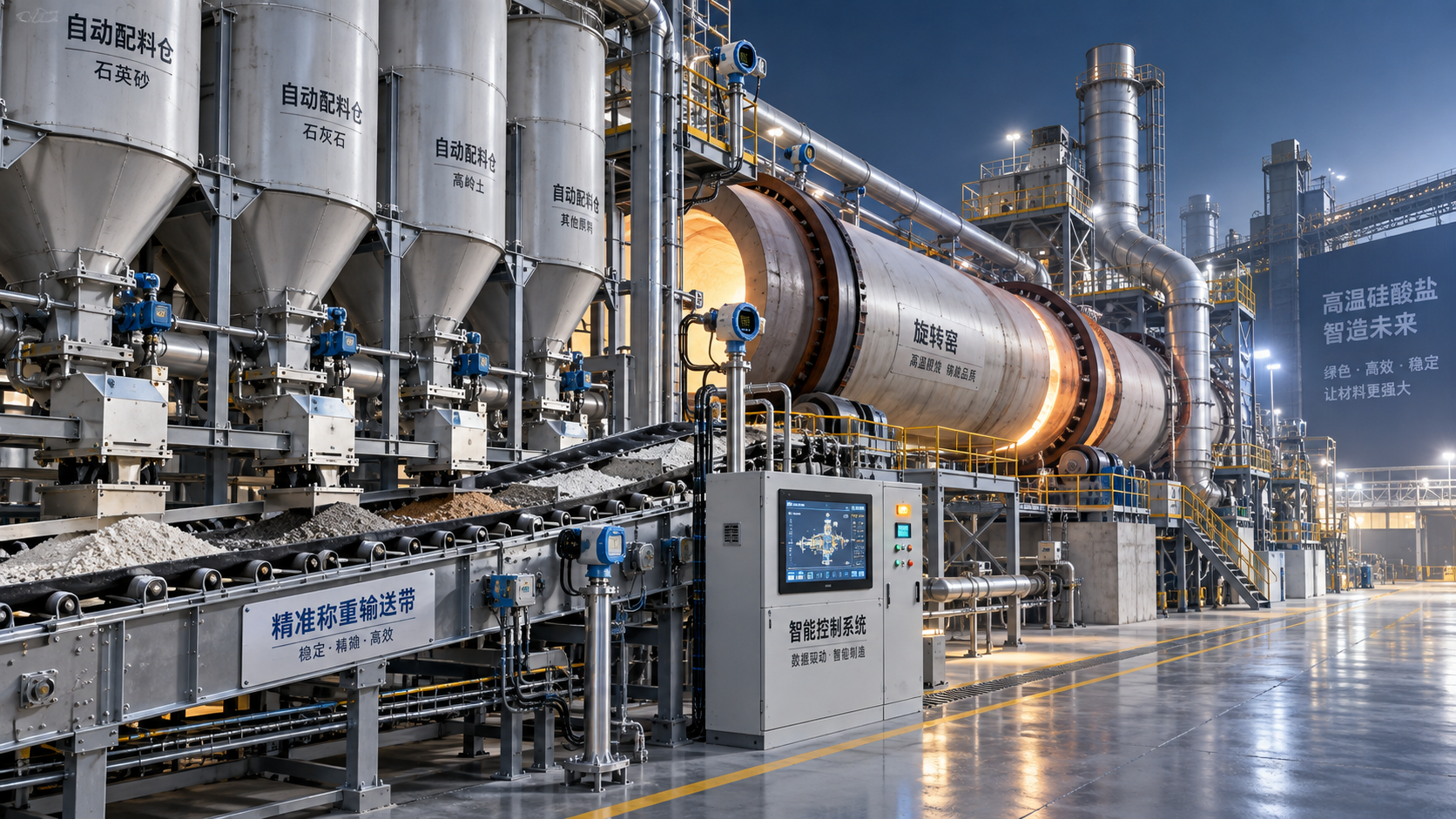
Plants need dosing precision, online monitoring, upgraded burners, digital process control, and durable thermal containment to work reliably with new formulations.
In other words, sustainable construction materials are not only chemistry choices.
They are system choices involving materials science, process engineering, and operational intelligence.
Which material categories are gaining the most relevance
Not every “green” material trend carries equal industrial significance.
For information researchers, it helps to focus on categories with strong links to regulation, scale, and measurable lifecycle impact.
Low-clinker cements and supplementary cementitious materials remain central because cement contributes heavily to construction-related emissions.
Any viable path to lower embodied carbon usually involves changes in binder composition, fuel mix, or carbon capture readiness.
High-performance glass is also becoming more important.
Its role extends beyond recycled content.
Glass affects solar control, daylighting, thermal insulation, and compatibility with photovoltaic integration in modern buildings.
Engineered lightweight wall and panel systems are gaining attention because they reduce mass, improve installation efficiency, and support better envelope performance.
Advanced insulation and refractory materials also deserve more attention than they usually receive in mainstream construction discussions.
They may be less visible to end users, but they influence energy efficiency, equipment longevity, and thermal stability across industrial and building applications.
Researchers should therefore think in layers.
The most impactful sustainable construction materials are often those that connect factory efficiency with building performance and circular resource use.
Why performance proof matters more than sustainability claims
One major concern for readers is credibility.
The market contains many broad claims about eco-friendly materials, but practical adoption depends on verified performance and scalable manufacturing evidence.
This is especially true in construction, where safety margins, service life, and regulatory approval cannot be compromised.
As a result, the best evaluation method is comparative rather than promotional.
Researchers should ask how a material performs against conventional alternatives in embodied carbon, durability, thermal behavior, moisture resistance, maintenance frequency, and cost over time.
They should also examine whether the claimed sustainability advantage survives industrial scale-up.
A material may look impressive in pilot conditions but struggle with throughput stability, quality consistency, or infrastructure compatibility.
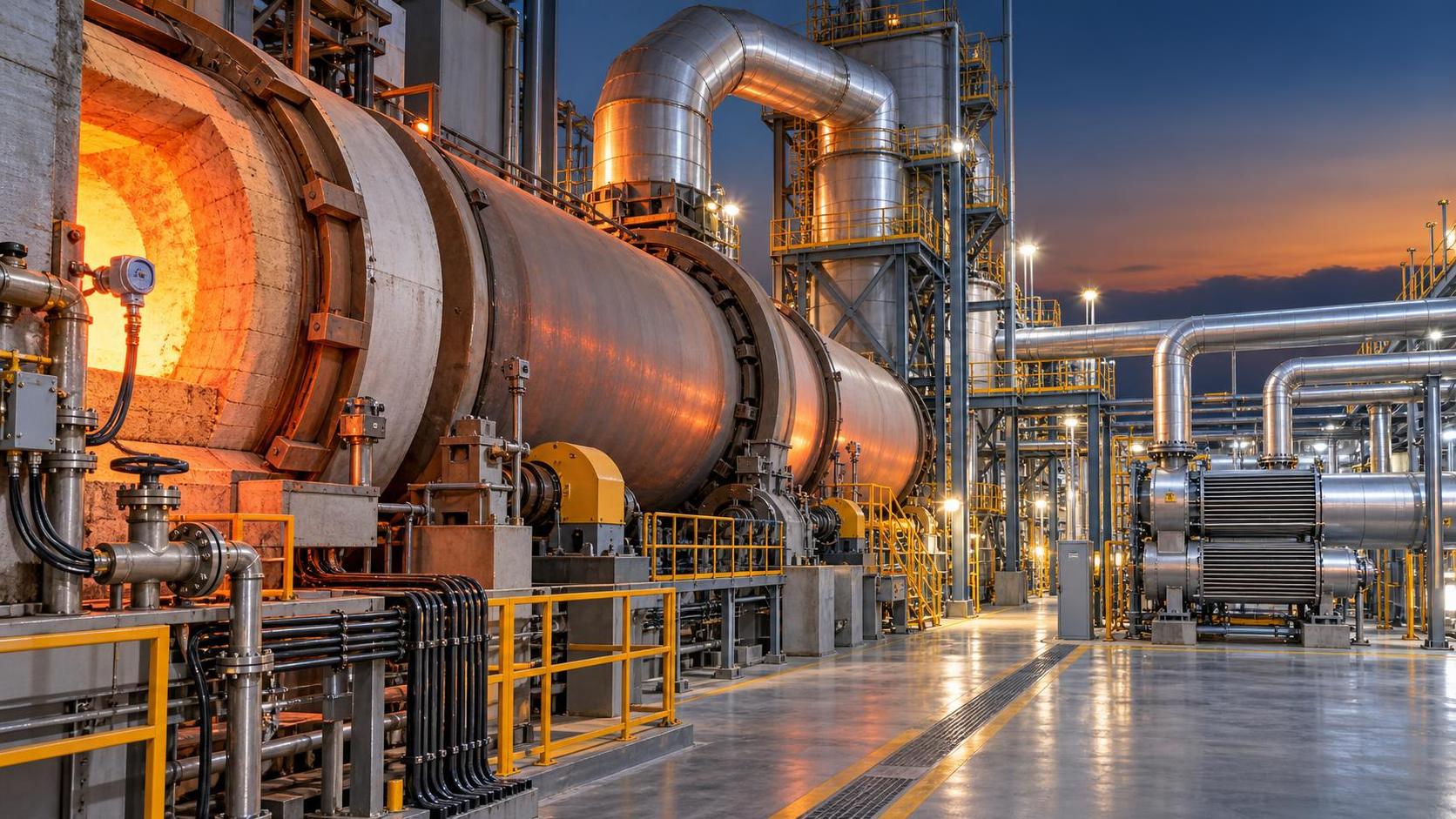
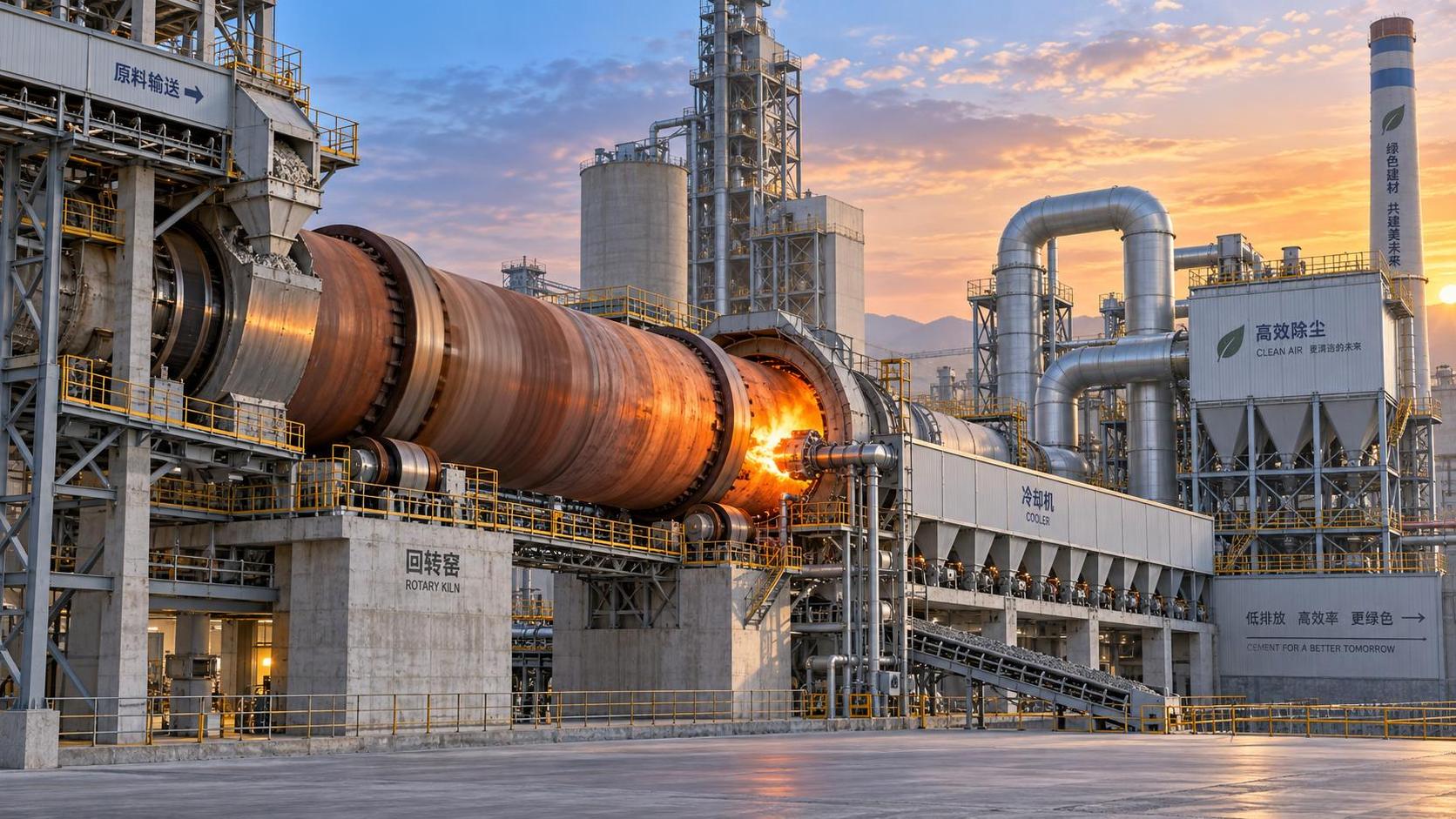
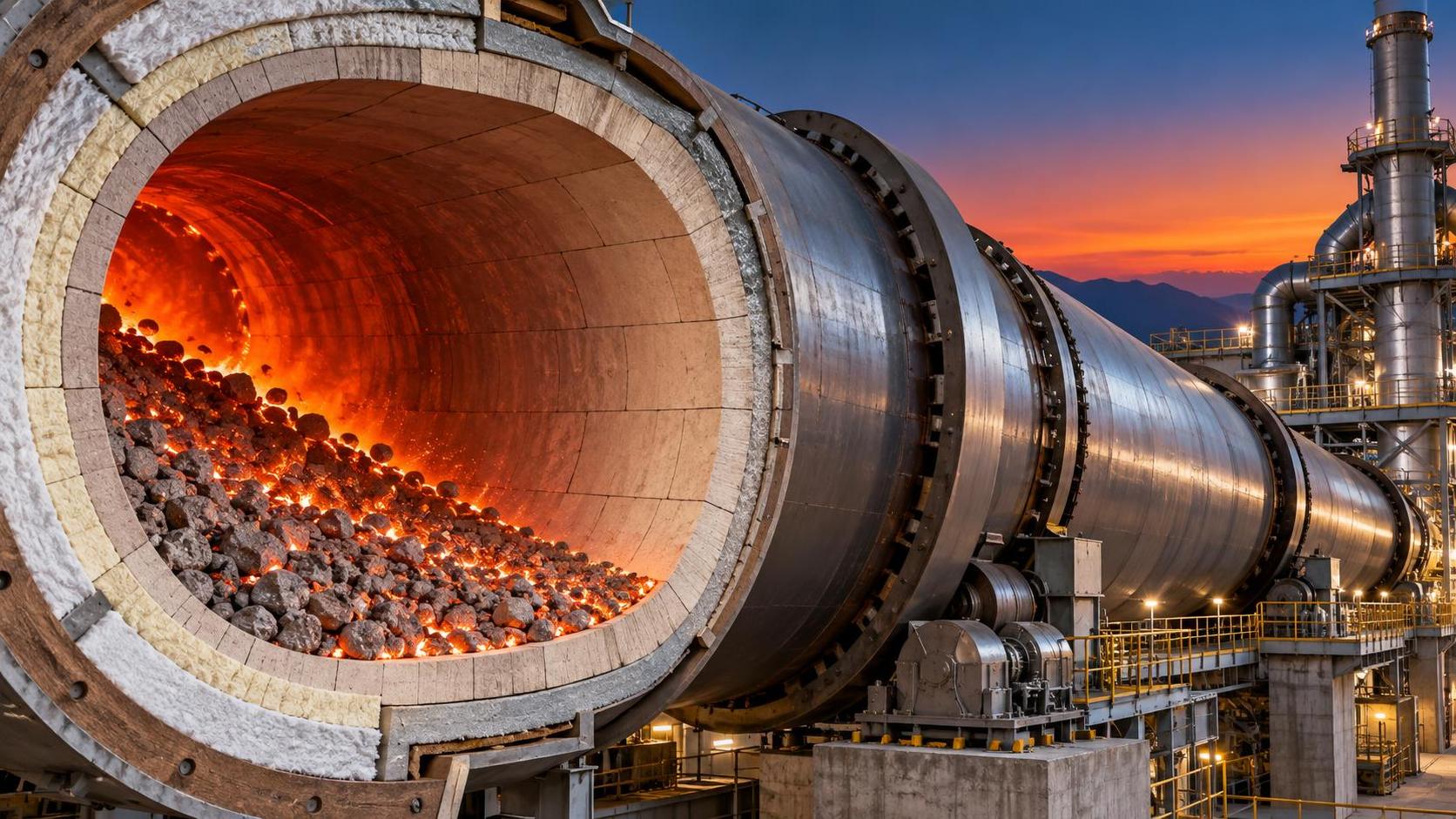
For sectors using rotary kilns, float lines, incineration systems, and extrusion equipment, scalability is a decisive filter.
Real progress comes when process innovation and material innovation move together.
That is why plant modernization, digital monitoring, and process simulation are becoming more relevant in sustainability research.
They provide the operational evidence behind claims that might otherwise remain theoretical.
How sustainable materials change business value, not just environmental value
Sustainable construction materials matter more now because their value proposition has expanded beyond emissions reduction alone.
They increasingly affect market access, risk control, and commercial positioning.
Suppliers able to document lower embodied carbon and stable product quality may gain an advantage in public infrastructure, export markets, and green-certified developments.
Manufacturers using energy-efficient lines and circular feedstocks may also strengthen resilience against future policy costs.
For distributors and equipment stakeholders, this creates a different kind of opportunity.
Demand shifts toward advanced kilns, efficient burners, waste co-processing systems, digital twins, online refractory monitoring, and precision extrusion platforms are all linked to material transition.
That aligns directly with CF-Elite’s industrial focus.
The future of sustainable construction materials will not be decided only by architects or product marketers.
It will also be shaped by the engineering infrastructure capable of producing such materials at quality, scale, and lower thermal intensity.
This makes the topic strategically important for anyone studying global building material transformation.
It is a technology and intelligence issue as much as a sustainability issue.
What barriers still slow wider adoption
Even with strong momentum, sustainable construction materials still face real constraints.
Cost remains an issue in some markets, especially where conventional materials are subsidized, carbon pricing is weak, or buyers prioritize short-term budgets.
Standards and certification pathways can also lag behind innovation.
New formulations may require lengthy testing before they are broadly accepted in structural applications.
Another barrier is production transition risk.
Industrial plants cannot simply switch inputs or thermal conditions without considering equipment wear, product consistency, and operational downtime.
Data quality is another challenge.
Some sustainability claims rely on incomplete lifecycle boundaries or regionally inconsistent assumptions.
For researchers, this means caution is essential.
The most useful analysis looks at both enabling factors and friction points.
Adoption tends to accelerate where policy, market demand, process capability, and infrastructure investment align.
Where one of these pieces is missing, progress may remain slow even when interest appears high.
How researchers can evaluate the market more effectively
If the goal is to understand where sustainable construction materials are truly gaining traction, start with convergence signals rather than isolated announcements.
Look for overlap between regulation, procurement changes, industrial equipment investment, and technical standard development.
Then examine lifecycle logic.
Does the material reduce emissions only at the sourcing stage, or does it also improve energy efficiency, durability, or recyclability in downstream use?
Next, assess manufacturability.
Can existing plants adapt through upgrades, or does adoption require entirely new infrastructure?
Finally, study evidence from adjacent sectors.
Progress in waste-derived fuels, kiln co-processing, glass cullet systems, thermal barrier optimization, and lightweight extrusion often signals broader readiness for sustainable material transition.
This systems view is more useful than trend watching alone.
It allows researchers to identify where the next durable advantages may emerge across the building materials value chain.
Conclusion: the importance of acting early is now structural
Sustainable construction materials matter more now because they sit at the intersection of climate policy, industrial efficiency, material science, and commercial competitiveness.
The urgency is no longer driven by reputation alone.
It is being reinforced by carbon accountability, energy pressure, supply chain risk, and the modernization needs of high-temperature industries.
For information researchers, the most important takeaway is that this is not a narrow materials trend.
It is a structural shift in how construction value is defined, measured, and produced.
The most meaningful developments will come from solutions that combine lower embodied carbon with process reliability, thermal performance, and scalable manufacturing capability.
That is why the topic deserves closer attention now than ever before.
Understanding it well means understanding not just what materials are changing, but also which industrial systems are enabling that change.
Related News
 Ms. Elena RodriguezHow to Structure Global Specification Data for Faster Industrial Product EvaluationGlobal specification-oriented product information helps industrial teams compare capacity, energy, emissions, automation, and lifecycle data on a like-for-like basis for faster, confident equipment decisions.Sep 29, 2026
 Thermal Energy ArchitectHow to Specify High-Temperature Process Systems for Continuous Thermal OperationsHigh-temperature process engineering systems: learn how to specify resilient continuous thermal operations for efficiency, compliance, reliable uptime, and long-term performance.Sep 28, 2026
 Thermal Energy ArchitectHow to Evaluate a Thermal Engineering Contractor for High-Temperature Plant ProjectsChoose a thermal engineering contractor with proven process expertise, lifecycle value, emissions control, and delivery discipline for reliable high-temperature plant performance.Sep 27, 2026
 Silicate Process EngineerHow Latin American Cement Plants Can Reduce Dust Emissions in Kilns and Transfer PointsCement plant dust control Latin America: reduce kiln and transfer-point emissions with practical airflow, filtration, monitoring, and maintenance strategies.Sep 26, 2026
 Material Heat-Resist ExpertHow to Evaluate Refractory Production Lines for Output, Quality, and Energy UseRefractory production lines: learn how to assess qualified output, consistent quality, and total energy use for smarter, lower-risk investment decisions.Sep 25, 2026
 Dr. Alistair VaughnHow Waste Recycling Technology Improves Material Recovery in Industrial PlantsWaste recycling technology improves material recovery through source segregation, smart separation, thermal treatment, and quality control for industrial plants.Sep 24, 2026
 Optical Glass Tech FellowHow to Specify Glass Annealing Equipment for European Quality and Energy RequirementsGlass annealing equipment Europe: learn how to specify lehrs for consistent glass quality, energy efficiency, compliance, automation, and reliable long-term performance.Sep 23, 2026
 Optical Glass Tech FellowSilicate Process Automation: Improving Batch Consistency and Energy ControlSilicate process automation improves batch consistency, energy control, traceability, and operator confidence across high-temperature manufacturing operations.Sep 22, 2026
 Optical Glass Tech FellowHow Silicate Industrial Processes Control Viscosity, Energy Use, and Product QualitySilicate industrial processes: learn how viscosity, chemistry, heat transfer, and atmosphere control reduce energy use, improve stability, and protect product quality.Sep 21, 2026
 Thermal Energy ArchitectHow European Plants Can Evaluate Energy Recovery Equipment for High-Temperature ProcessesIndustrial energy recovery equipment Europe: learn how high-temperature plants can assess waste-heat sources, integration risks, lifecycle value, and reliable recovery routes.Sep 20, 2026
 Thermal Energy ArchitectIndustrial Furnace Process Optimization: Reducing Fuel Use Without Sacrificing ThroughputIndustrial process optimization furnace strategies that cut fuel use while protecting throughput. Explore combustion control, heat recovery, refractory performance, and data-driven efficiency gains.Sep 19, 2026
 Ms. Elena RodriguezWhat Drives High-Pressure Extrusion Equipment Cost in Industrial Projects?High pressure extrusion equipment cost explained: compare pressure, die design, automation, wear, energy, and installation factors for smarter industrial investments.Sep 18, 2026
 Thermal Energy ArchitectHow to Size a Waste Heat Recovery Exchanger for High-Temperature Kiln Exhaust?Waste heat recovery exchanger sizing for high-temperature kiln exhaust: balance recoverable duty, fouling, corrosion limits, pressure drop, and reliable heat use.Sep 17, 2026
 Thermal Energy ArchitectWhy Heat-Resistant Materials Lose Abrasion Resistance at High TemperaturesHeat-resistant materials abrasion resistance can decline at high temperatures. Discover the thermal, chemical, and mechanical causes of wear—and how to choose longer-lasting linings.Sep 16, 2026
 Thermal Energy ArchitectHow to Evaluate a Thermal Energy Optimization Company for High-Temperature PlantsChoose a thermal energy optimization company with proven process expertise, measurable savings, and reliable delivery for high-temperature plants. Learn what to assess.Sep 15, 2026
 Thermal Energy ArchitectRotary Kiln Efficiency: How Feed Rate, Fuel Use, and Heat Loss Affect OutputRotary kiln efficiency explained: discover how feed rate, fuel use, heat loss, combustion, and cooling performance shape output, quality, and energy costs.Sep 14, 2026
 Thermal Energy ArchitectHow to Select Heat-Resistant Materials That Maintain Abrasion Resistance in KilnsHeat-resistant materials abrasion resistance: learn how to select kiln linings that withstand heat, wear, thermal cycling, and chemical attack for longer service life.Sep 13, 2026
 Thermal Energy ArchitectHow Rotary Kiln Automation Improves Temperature Control and Fuel EfficiencyRotary kiln technology automation enhances temperature control, stabilizes combustion, and improves fuel efficiency with smarter data, predictive control, and safer operations.Sep 12, 2026
 Silicate Process EngineerCement Plant Emission Control: Selecting Systems for Dust, NOx, and SO2 LimitsCement plant emission control guide: compare dust collectors, NOx reduction, and SO2 systems for reliable compliance across kiln modes, fuel changes, and operating upsets.Sep 11, 2026
 Thermal Energy ArchitectSelecting Abrasion-Resistant High-Temperature Materials for Kiln and Conveyor Wear ZonesHigh-temp material engineering guide to abrasion-resistant kiln and conveyor solutions—match wear, heat, chemistry, and installation design for longer service life.Sep 10, 2026


Related News
- 00
0000-00
How to Evaluate Lightweight Material Machinery for Output, Energy Use, and Product Quality - 00
0000-00
What Thermal Barrier Technology Works Best for Lightweight Industrial Panels? - 00
0000-00
Advanced Ceramic Processing for Honeycomb: Which Methods Improve Strength and Thermal Shock Resistance? - 00
0000-00
Building Material Extrusion Equipment Supplier Selection: 7 Parameters That Affect Line Performance - 00
0000-00
High Pressure Extruder Selection Guide: Output, Material Compatibility, and Wear
Weekly Insights
Stay ahead with our curated technology reports delivered every Monday.