
When high-temp industrial solutions prevent shutdown risks




For project managers and engineering leads, shutdowns in kilns, furnaces, and extrusion lines can quickly escalate into major cost, safety, and delivery risks. That is why high-temp industrial solutions matter far beyond equipment selection—they shape uptime, energy efficiency, compliance, and long-term asset performance. This article explores how informed thermal management strategies help reduce unplanned disruptions and support more resilient industrial operations.
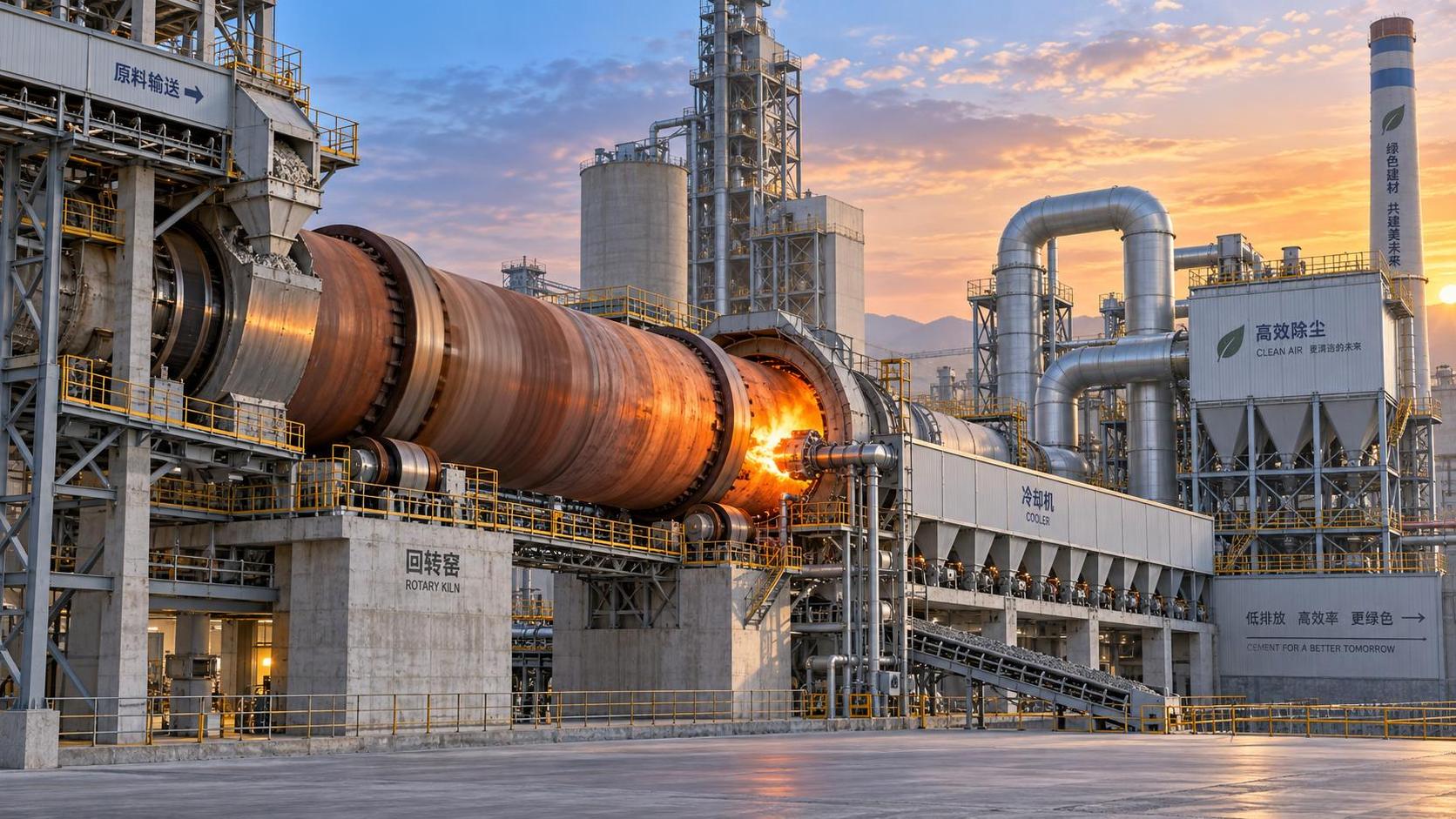
In cement plants, glass production, industrial incineration, refractory manufacturing, and new building material extrusion, thermal stress is rarely a single-point issue. It affects linings, burners, draft balance, mechanical seals, sensors, fuel efficiency, and emissions performance at the same time.
For teams managing multi-million-dollar assets and tight commissioning schedules, the value of high-temp industrial solutions lies in preventing cascading failures. A 6-hour unplanned stop can trigger 2 to 5 downstream consequences, from missed shipping windows to refractory damage and excess energy consumption during restart.
This is where decision-grade intelligence becomes practical. CF-Elite supports project leaders across silicate processing and thermal industries by connecting operating conditions, material behavior, process risk, and decarbonization priorities into usable guidance for planning, procurement, and performance improvement.
Why shutdown risk starts with thermal management, not only equipment failure
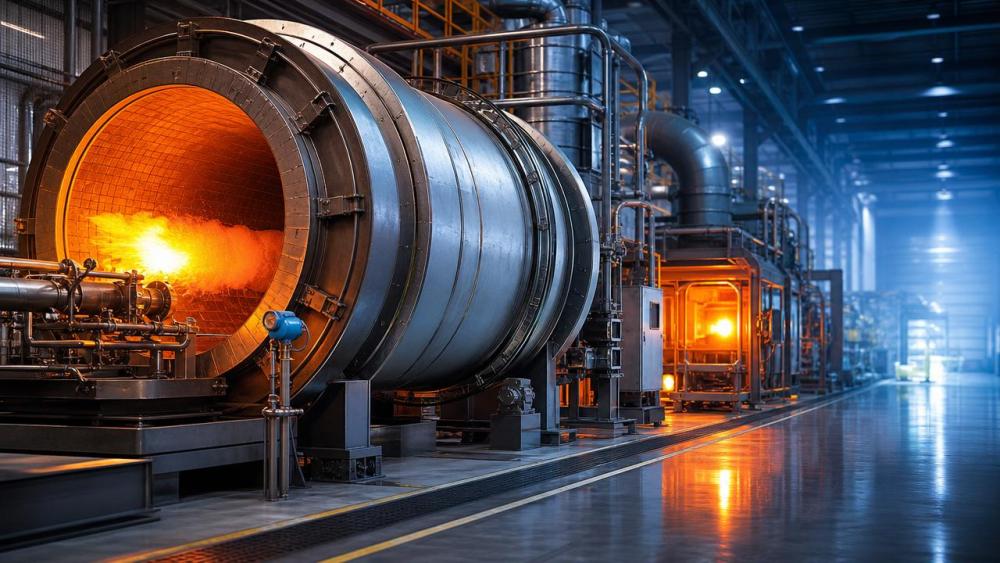
Many shutdowns are described as mechanical breakdowns, yet the root cause often begins with unstable heat distribution, poor refractory selection, combustion imbalance, or delayed lining inspection. In high-temperature systems operating between 800°C and 1,700°C, minor thermal deviations can become major operational events within 24 to 72 hours.
For project managers, this matters because thermal problems usually appear earlier than catastrophic failure. Rising shell temperature, drifting fuel rate, uneven product quality, pressure fluctuation, and abnormal hot spots are all signals that a high-temp industrial solution should be evaluated before a shutdown becomes unavoidable.
Common shutdown triggers in high-temperature operations
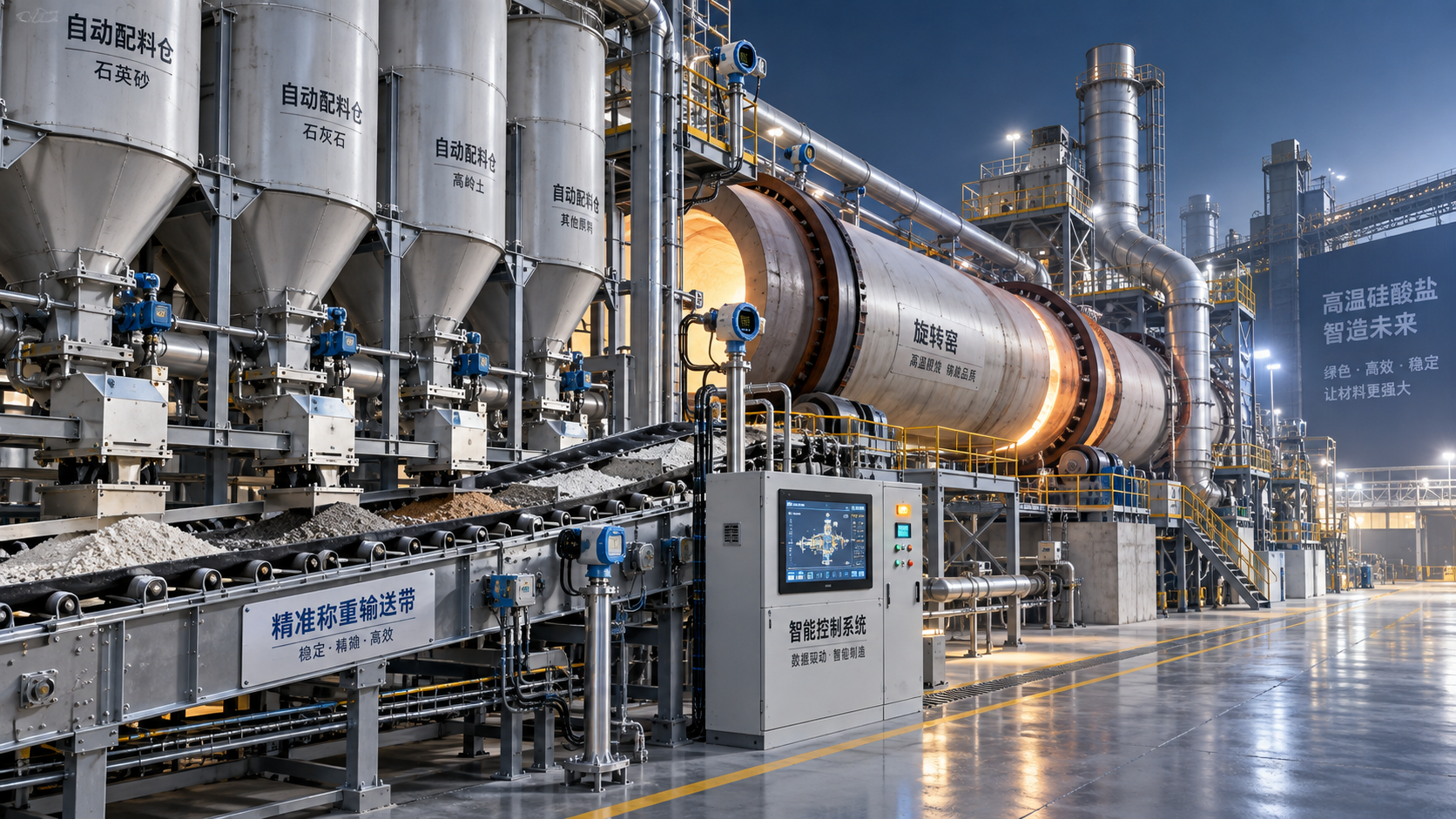
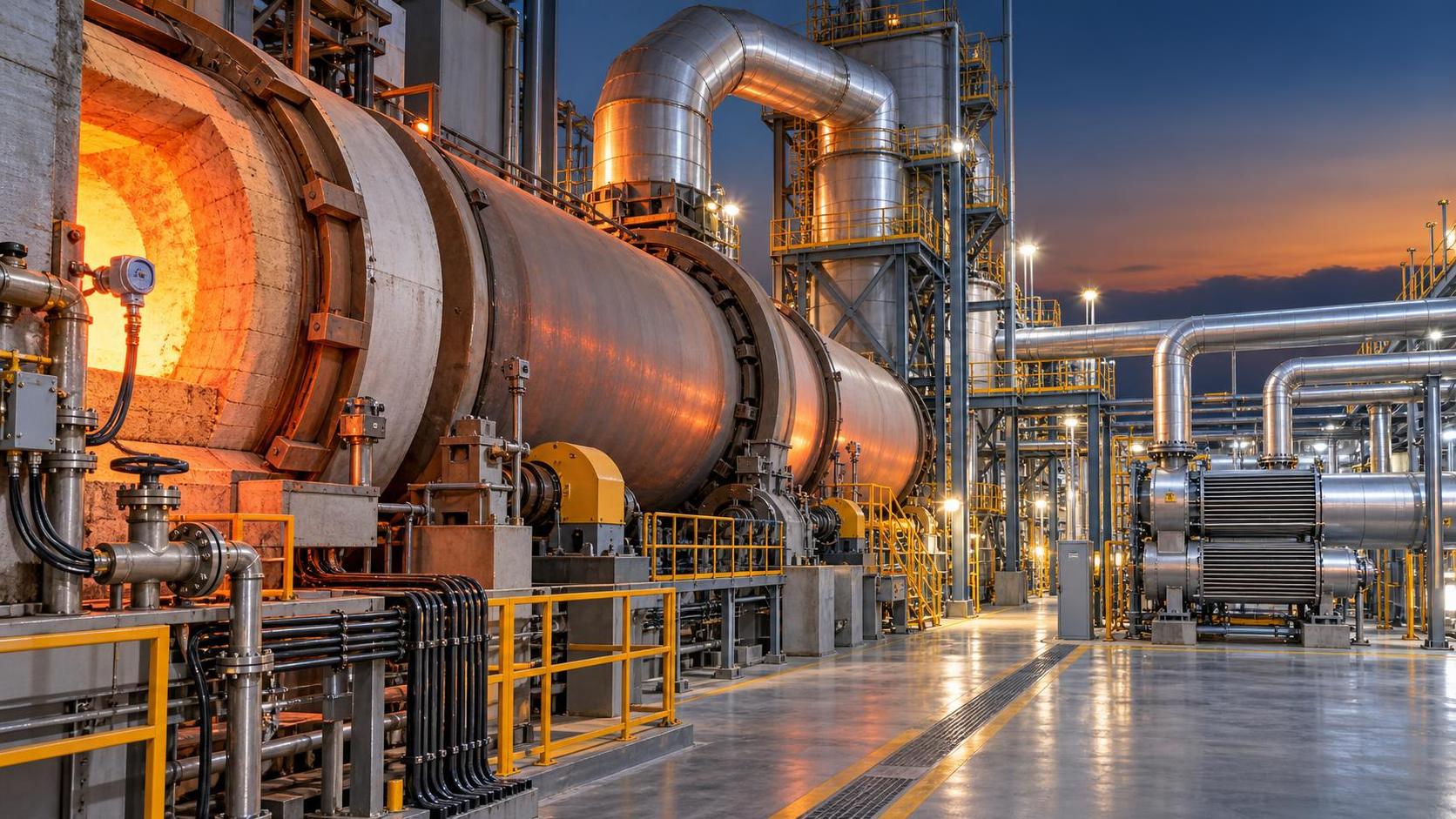
Across rotary kilns, float glass lines, waste-to-energy furnaces, and extrusion systems, most shutdown-related thermal risks fall into 4 categories: containment failure, combustion instability, process control drift, and material mismatch. Each category can affect output, environmental compliance, and maintenance budgets in different ways.
- Containment failure: refractory cracks, joint opening, anchor corrosion, or insulation collapse.
- Combustion instability: flame shape distortion, poor air-fuel ratio, burner fouling, or incomplete burnout.
- Process control drift: inaccurate thermocouples, lagging feedback loops, or uneven heating zones.
- Material mismatch: feed variability, corrosive chemistry, alkali attack, abrasion, or thermal shock exposure.
A line running at only 3% below thermal efficiency can still look stable to operators, but over a 30-day production window it may increase fuel cost, accelerate wear, and shorten maintenance intervals. That is why high-temp industrial solutions should be reviewed at both design stage and operating stage.
How risk escalates in real operating environments
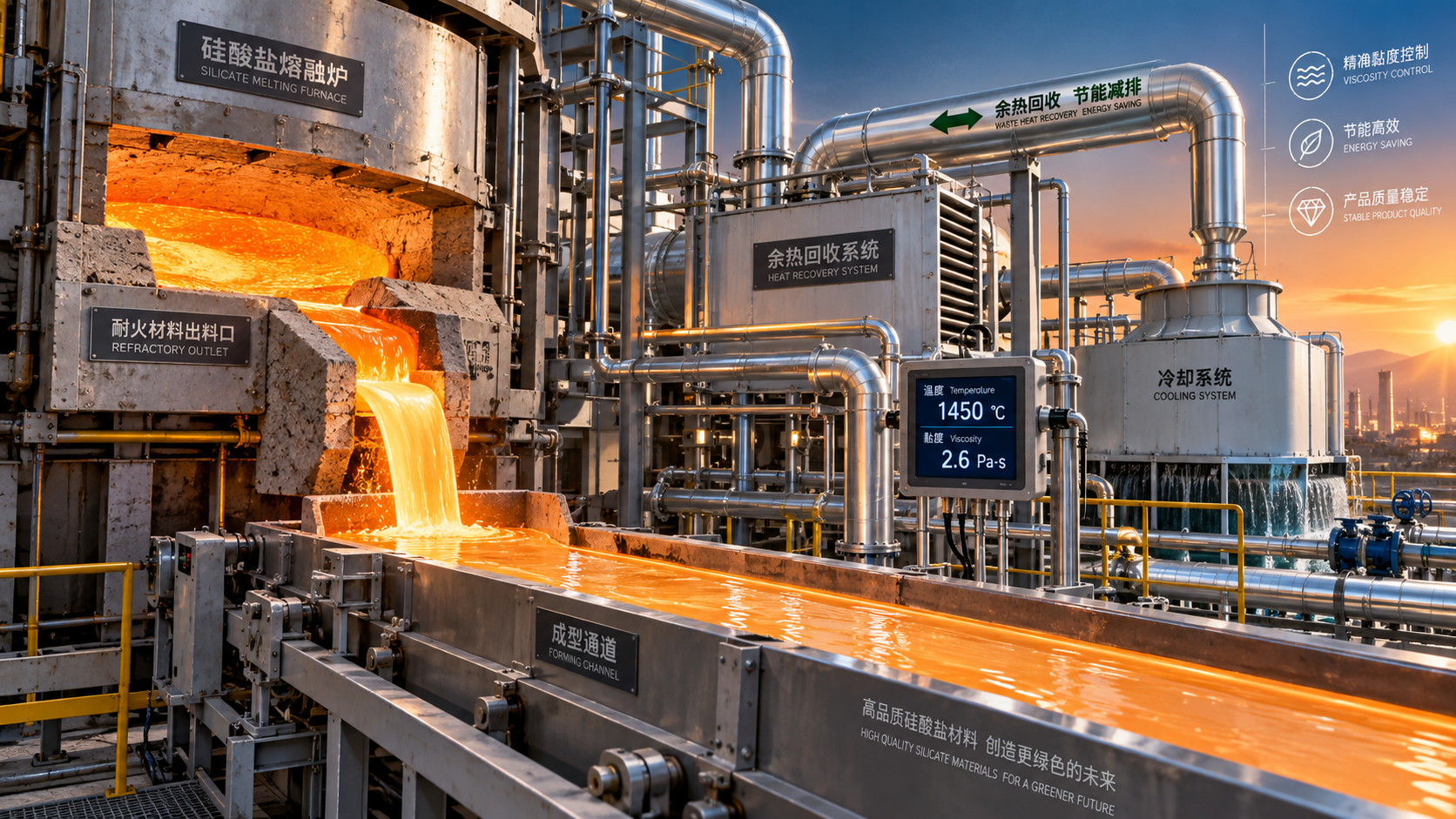
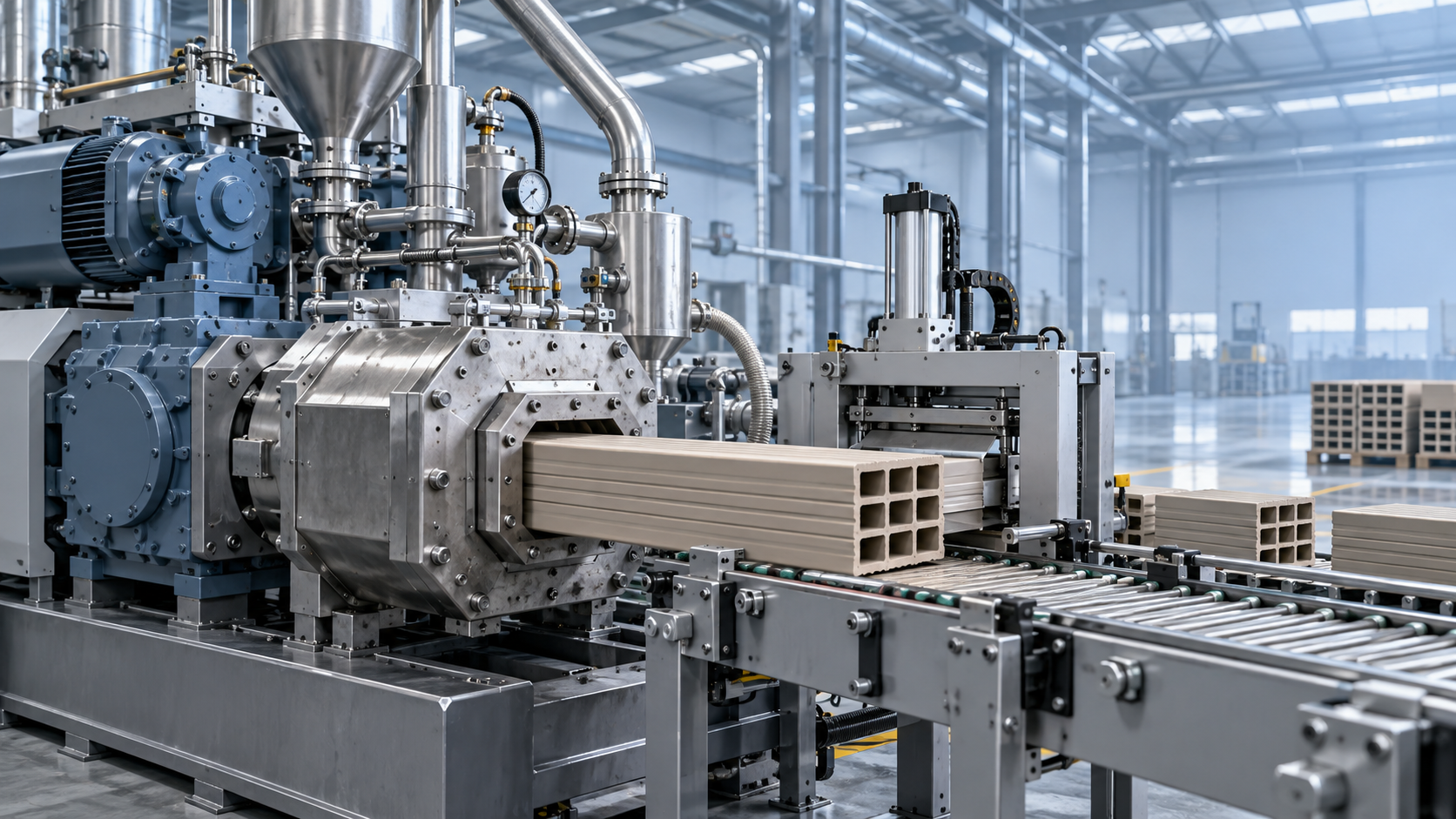
In cement and incineration systems, fuel switching can alter flame temperature and ash chemistry. In glass melting, local overheating can reduce furnace life while hurting optical consistency. In extrusion lines, unstable barrel or die temperature can result in dimensional variation, poor density control, or unplanned cleaning stops every 7 to 14 days instead of monthly cycles.
These are not isolated maintenance issues. They affect project milestones, contract penalties, spare parts planning, and workforce safety. A shutdown event often costs far more than the replacement part that eventually gets installed.
Operational warning signs project leaders should track
The following table highlights common thermal warning signs and the project implications behind them. It helps non-maintenance decision-makers understand when high-temp industrial solutions should move from discussion to action.
The key takeaway is simple: shutdown prevention starts when early thermal symptoms are translated into project metrics. If a thermal issue changes campaign duration, restart time, or compliance exposure, it is no longer only an engineering matter.
Where high-temp industrial solutions create the greatest operational value
The strongest return usually comes from interventions that improve heat containment, control precision, inspection visibility, and material compatibility. For capital-intensive facilities, these four areas influence both short-term uptime and 3 to 10 year asset performance.
1. Refractory system optimization
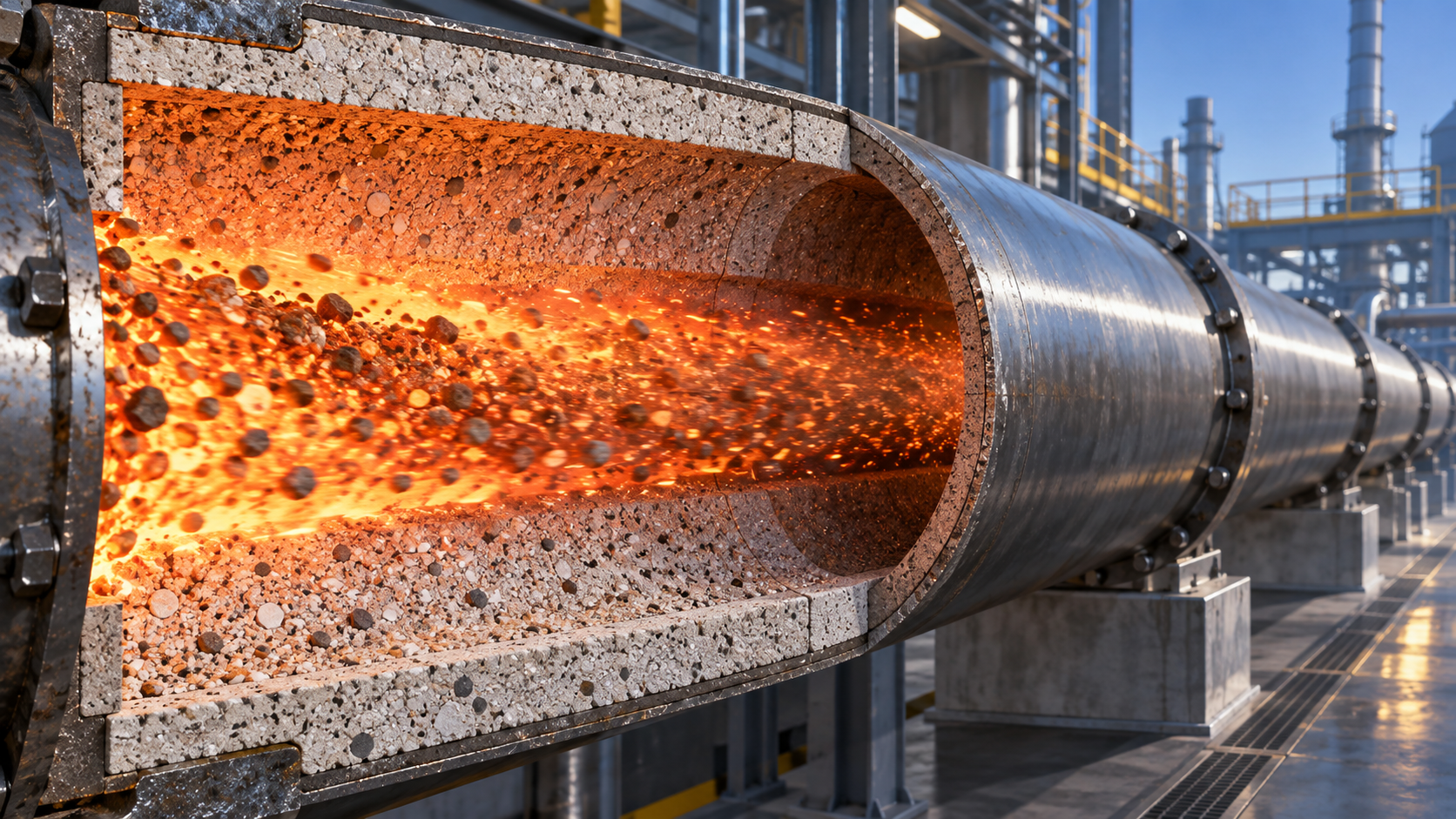
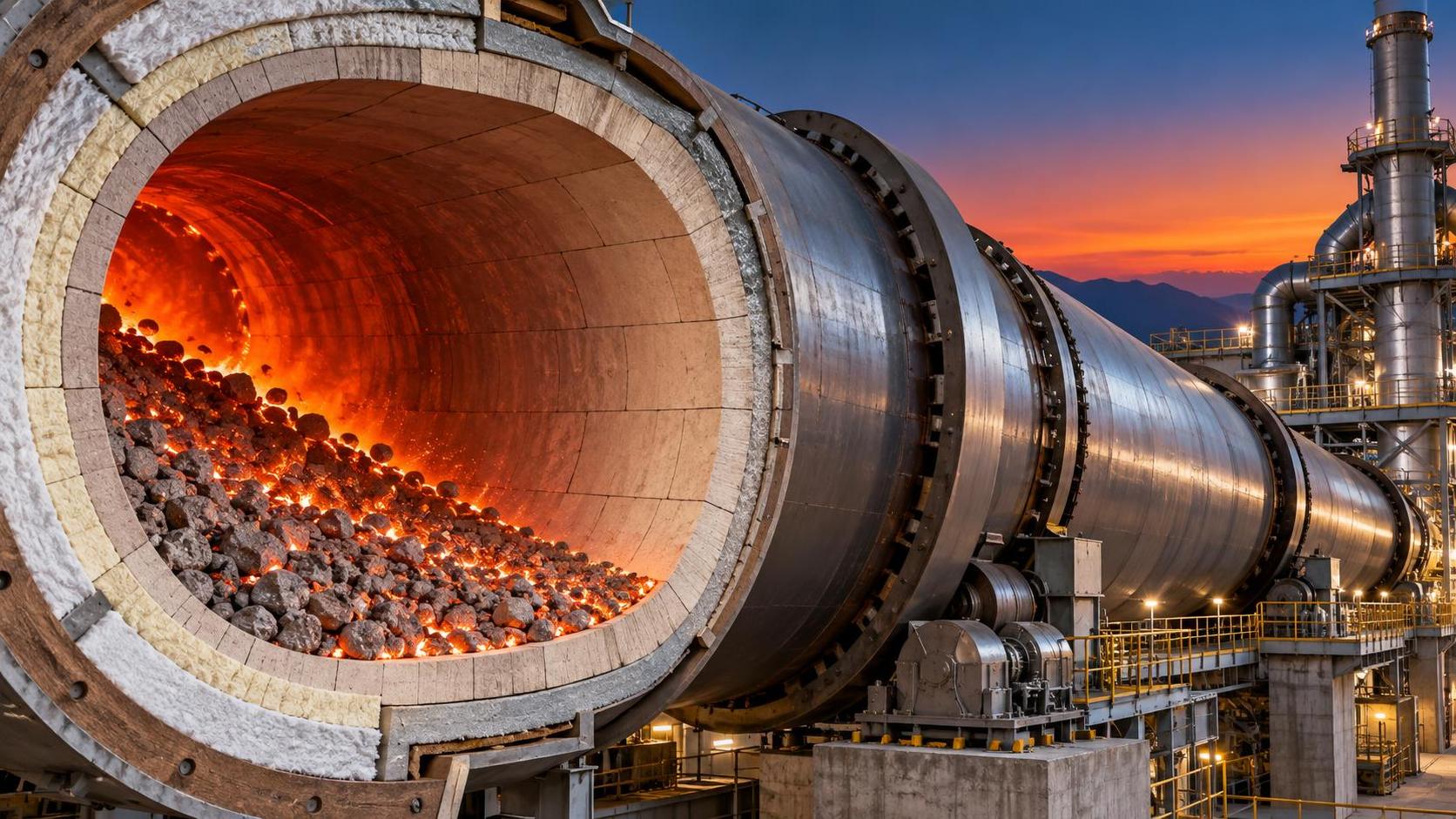
Refractory design should match temperature profile, chemical load, abrasion level, and maintenance strategy. In rotary kilns and incinerators, the difference between a generic lining and a process-specific lining can mean months of additional campaign life, fewer hot repairs, and lower shell heat loss.
Project teams should verify at least 5 items: operating temperature range, thermal cycling frequency, corrosive species, mechanical impact level, and expected shutdown interval. A lining that performs well at 1,400°C in stable dry conditions may underperform badly under alkali-rich, high-cycling feed conditions.
2. Combustion and heat distribution control
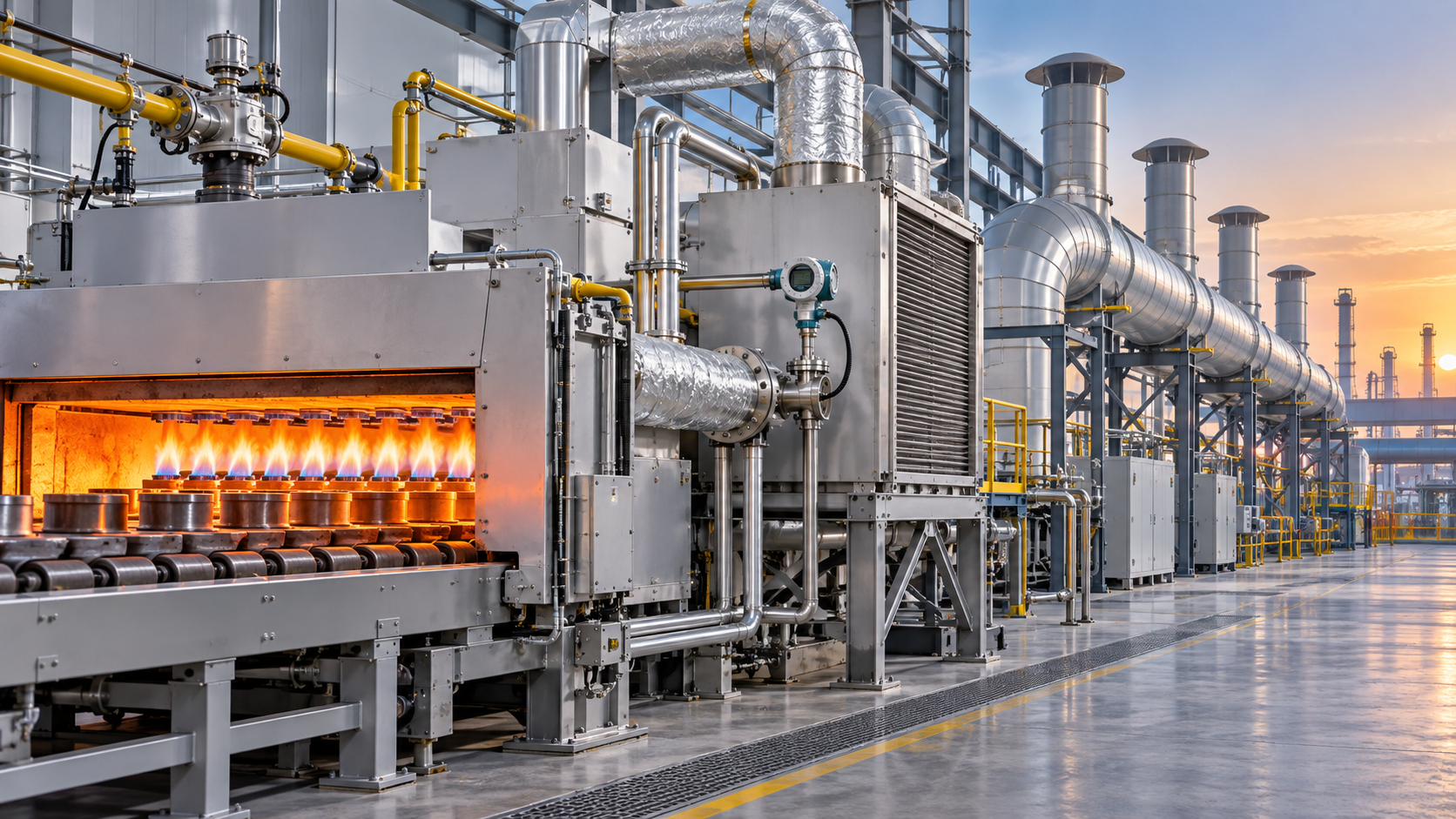
Burner tuning, secondary air management, and zone balancing are central high-temp industrial solutions for kilns, furnaces, and thermal reactors. Better flame stability can lower localized overheating, reduce coating issues, and keep process temperatures within tighter control bands, often within a target operating spread of ±10°C to ±30°C depending on process type.
For glass and specialty material systems, controlled heat distribution also protects product quality. Thermal non-uniformity does not only waste fuel; it can increase rejects, rework, and batch inconsistency that undermine contractual delivery commitments.
3. Online monitoring and predictive inspection
Infrared shell scanning, lining thickness trending, combustion data logging, and digital twin simulation help managers move from reactive maintenance to planned intervention. If data is reviewed weekly instead of only during outages, many failure paths can be interrupted 2 to 6 weeks earlier.
CF-Elite’s intelligence focus is especially relevant here. In sectors where refractory condition, fuel strategy, and environmental limits are closely linked, decision support needs to combine process engineering and commercial timing rather than treat them as separate disciplines.
4. Thermal efficiency under carbon and compliance pressure
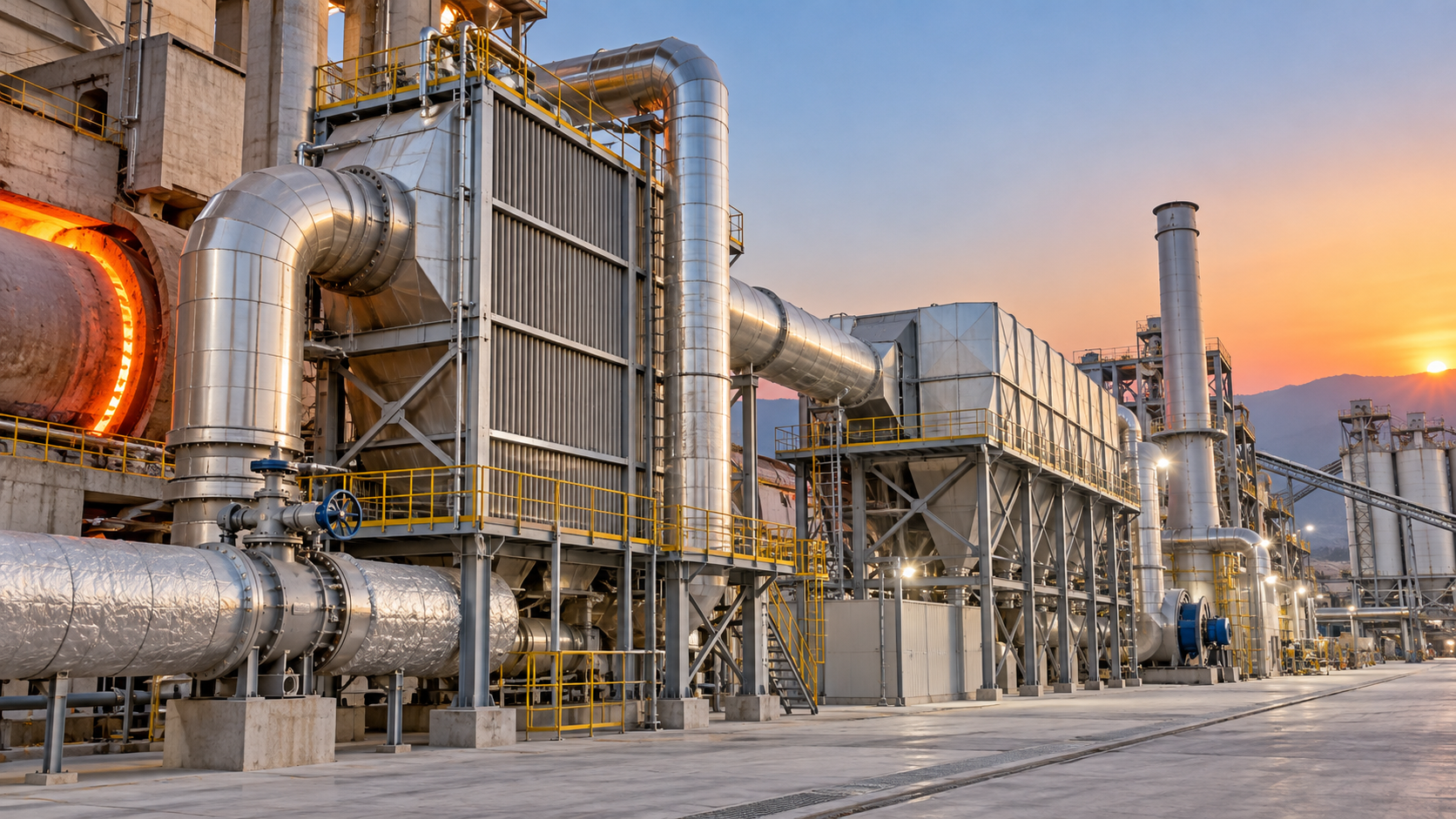
High-temp industrial solutions are increasingly selected not only for reliability, but also for emissions and energy targets. Heat loss reduction, improved residence time control, and optimized combustion can support lower fuel intensity while helping plants manage stricter reporting obligations.
For project leaders, the value case should include at least 4 dimensions: avoided downtime, reduced energy waste, lower maintenance burden, and improved compliance resilience. A technically adequate solution may still be a poor investment if it extends restart time or creates excessive service dependence.
How to evaluate and select the right solution for kilns, furnaces, and extrusion lines
Selection should start with operating reality, not catalog language. Project managers need to compare high-temp industrial solutions by failure mode, process conditions, installation complexity, and serviceability. This is especially important when procurement teams are balancing capex limits with lifecycle performance.
Key evaluation criteria before procurement
Before approving a thermal upgrade or new installation, teams should review a common decision matrix. The table below helps align engineering, operations, and purchasing around measurable criteria rather than broad claims.
This framework keeps procurement focused on lifecycle impact. The cheapest thermal component can become the most expensive option if it adds 2 extra shutdowns over a 12-month period or forces a longer dry-out before restart.
Questions to ask suppliers and technical partners
- What operating temperature range and cycling pattern is the solution designed for?
- How does the design handle alkali attack, abrasion, or thermal shock?
- What is the expected installation and commissioning window: 3 days, 7 days, or longer?
- Which inspection method is recommended every week, month, and shutdown cycle?
- What spare parts or emergency repair materials should be stocked on site?
These questions help engineering leads compare high-temp industrial solutions on execution realism, not only on nominal performance. They are particularly useful in global sourcing situations where material quality and after-sales capability may vary significantly.
Implementation roadmap for more resilient high-temperature operations
A successful thermal reliability program usually follows 5 steps: diagnose, prioritize, engineer, install, and monitor. Skipping any step increases the chance that the solution solves one bottleneck while creating another in maintenance, emissions, or throughput.
Step 1: Build a thermal risk baseline
Start with 6 to 12 months of operating records where possible. Review fuel rate trends, shell scans, refractory maintenance logs, stop-start frequency, product quality deviations, and environmental excursions. Even where data is incomplete, pattern mapping often reveals the top 3 thermal constraints affecting uptime.
Step 2: Separate urgent risk from strategic upgrade
Not every issue needs immediate capital spending. Some plants need emergency stabilization within 48 hours, while others need a planned retrofit during the next annual shutdown. Project managers should separate actions into short-term containment, medium-term optimization, and long-term redesign.
Step 3: Coordinate materials, process, and schedule
High-temp industrial solutions perform best when refractory engineers, process teams, and operations planners work from one implementation plan. This includes dry-out timing, sensor verification, spare stock, contractor access, and startup ramp profile. In many installations, the first 12 to 36 hours after restart determine whether the intervention delivers its expected life.
Step 4: Define acceptance standards in advance
Acceptance should include at least 3 dimensions: thermal stability, production consistency, and inspection visibility. For example, a project may define acceptable shell temperature spread, target fuel usage band, and weekly inspection checkpoints for the first 8 weeks after commissioning.
Step 5: Turn monitoring into management action
Data only helps when it leads to decisions. If scanning, process logs, and maintenance notes are reviewed in a monthly cross-functional meeting, teams can catch gradual deterioration before it turns into an outage. This is where strategic intelligence portals such as CF-Elite add value by translating technical signals into equipment planning and market-aware decision support.
Frequent mistakes that increase shutdown exposure
Even experienced teams can weaken reliability by treating high-temp industrial solutions as isolated purchases. The most common errors are procedural rather than technical, and they often appear during handover, retrofit planning, or vendor comparison.
Mistake 1: Buying for peak temperature only
A material or system may tolerate the maximum rated temperature but still fail under frequent cycling, dust abrasion, or chemical attack. This is a classic reason why “suitable” solutions underperform within one campaign cycle.
Mistake 2: Ignoring restart and dry-out constraints
A technically strong repair can still disrupt delivery plans if the curing or dry-out requirement exceeds the shutdown window. In practical terms, a difference between a 24-hour and 72-hour restart protocol can materially change project economics.
Mistake 3: Underestimating monitoring requirements
Without baseline temperature mapping and scheduled inspections, deterioration remains invisible until failure is advanced. Weekly visual checks, monthly trend review, and shutdown inspection intervals should be defined from the beginning, not after the first incident.
Mistake 4: Separating technical decisions from commercial timing
Global supply variability, contractor availability, and environmental policy shifts can affect solution timing as much as engineering readiness. This is why project leaders increasingly rely on industry intelligence to align procurement windows with technical urgency.
When shutdown avoidance is treated as a strategic objective, high-temp industrial solutions become a lever for uptime, energy discipline, and operational resilience rather than a late-stage repair decision. For project managers across cement, glass, incineration, refractory production, and material extrusion, the best outcomes come from linking thermal data, material selection, maintenance planning, and procurement timing.
CF-Elite helps industry decision-makers navigate that intersection with focused intelligence on silicate process systems, refractory performance, thermal management trends, and practical upgrade pathways. If you are assessing a retrofit, planning a new line, or trying to reduce shutdown exposure on critical assets, now is the right time to get a tailored view of the options. Contact us today to explore high-temp industrial solutions, request a customized strategy, or learn more about resilient thermal operations.
Related News
 Ms. Elena RodriguezHow to Structure Global Specification Data for Faster Industrial Product EvaluationGlobal specification-oriented product information helps industrial teams compare capacity, energy, emissions, automation, and lifecycle data on a like-for-like basis for faster, confident equipment decisions.Sep 29, 2026
 Thermal Energy ArchitectHow to Specify High-Temperature Process Systems for Continuous Thermal OperationsHigh-temperature process engineering systems: learn how to specify resilient continuous thermal operations for efficiency, compliance, reliable uptime, and long-term performance.Sep 28, 2026
 Thermal Energy ArchitectHow to Evaluate a Thermal Engineering Contractor for High-Temperature Plant ProjectsChoose a thermal engineering contractor with proven process expertise, lifecycle value, emissions control, and delivery discipline for reliable high-temperature plant performance.Sep 27, 2026
 Silicate Process EngineerHow Latin American Cement Plants Can Reduce Dust Emissions in Kilns and Transfer PointsCement plant dust control Latin America: reduce kiln and transfer-point emissions with practical airflow, filtration, monitoring, and maintenance strategies.Sep 26, 2026
 Material Heat-Resist ExpertHow to Evaluate Refractory Production Lines for Output, Quality, and Energy UseRefractory production lines: learn how to assess qualified output, consistent quality, and total energy use for smarter, lower-risk investment decisions.Sep 25, 2026
 Dr. Alistair VaughnHow Waste Recycling Technology Improves Material Recovery in Industrial PlantsWaste recycling technology improves material recovery through source segregation, smart separation, thermal treatment, and quality control for industrial plants.Sep 24, 2026
 Optical Glass Tech FellowHow to Specify Glass Annealing Equipment for European Quality and Energy RequirementsGlass annealing equipment Europe: learn how to specify lehrs for consistent glass quality, energy efficiency, compliance, automation, and reliable long-term performance.Sep 23, 2026
 Optical Glass Tech FellowSilicate Process Automation: Improving Batch Consistency and Energy ControlSilicate process automation improves batch consistency, energy control, traceability, and operator confidence across high-temperature manufacturing operations.Sep 22, 2026
 Optical Glass Tech FellowHow Silicate Industrial Processes Control Viscosity, Energy Use, and Product QualitySilicate industrial processes: learn how viscosity, chemistry, heat transfer, and atmosphere control reduce energy use, improve stability, and protect product quality.Sep 21, 2026
 Thermal Energy ArchitectHow European Plants Can Evaluate Energy Recovery Equipment for High-Temperature ProcessesIndustrial energy recovery equipment Europe: learn how high-temperature plants can assess waste-heat sources, integration risks, lifecycle value, and reliable recovery routes.Sep 20, 2026
 Thermal Energy ArchitectIndustrial Furnace Process Optimization: Reducing Fuel Use Without Sacrificing ThroughputIndustrial process optimization furnace strategies that cut fuel use while protecting throughput. Explore combustion control, heat recovery, refractory performance, and data-driven efficiency gains.Sep 19, 2026
 Ms. Elena RodriguezWhat Drives High-Pressure Extrusion Equipment Cost in Industrial Projects?High pressure extrusion equipment cost explained: compare pressure, die design, automation, wear, energy, and installation factors for smarter industrial investments.Sep 18, 2026
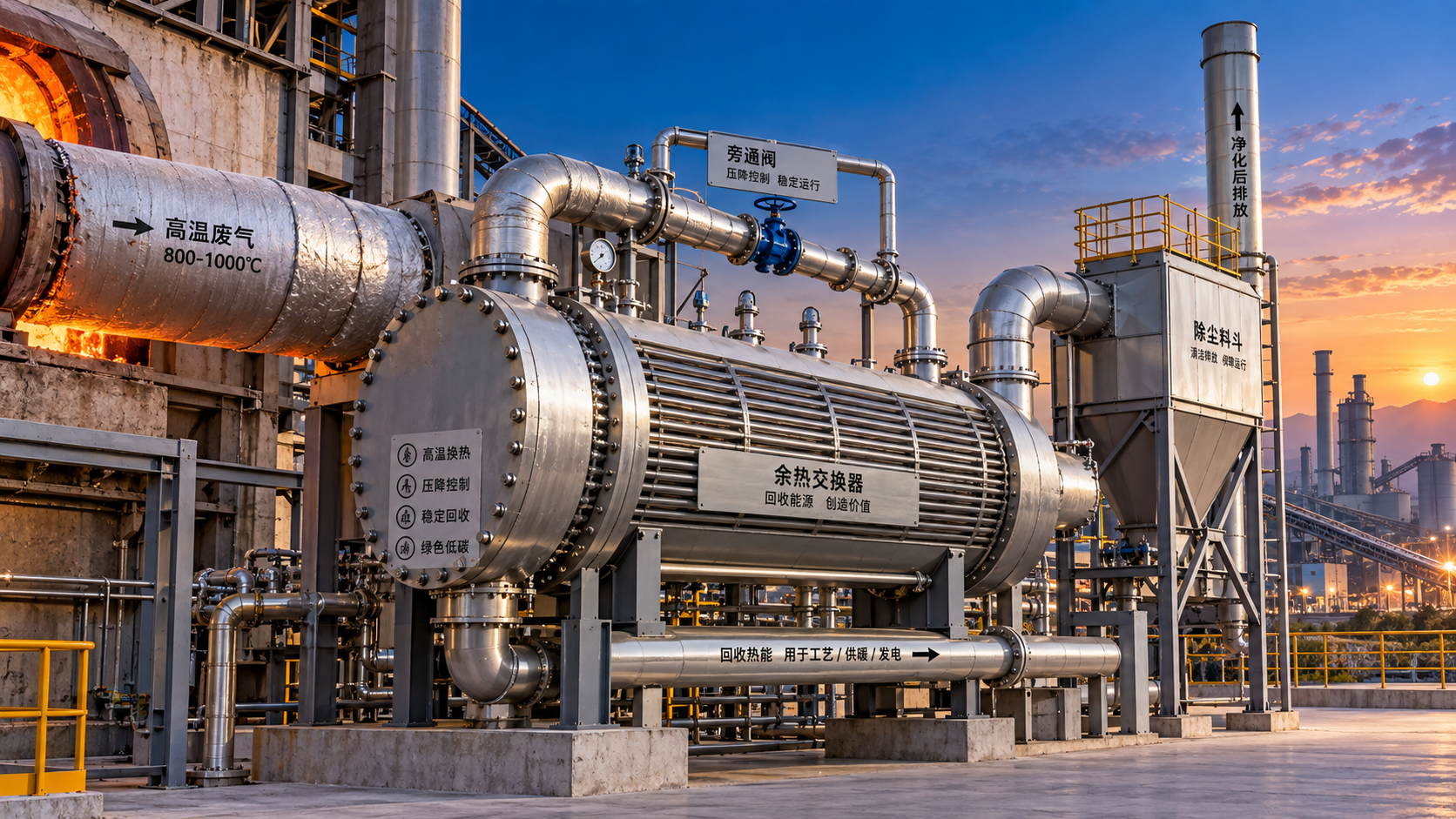
 Thermal Energy ArchitectHow to Size a Waste Heat Recovery Exchanger for High-Temperature Kiln Exhaust?Waste heat recovery exchanger sizing for high-temperature kiln exhaust: balance recoverable duty, fouling, corrosion limits, pressure drop, and reliable heat use.Sep 17, 2026
 Thermal Energy ArchitectWhy Heat-Resistant Materials Lose Abrasion Resistance at High TemperaturesHeat-resistant materials abrasion resistance can decline at high temperatures. Discover the thermal, chemical, and mechanical causes of wear—and how to choose longer-lasting linings.Sep 16, 2026
 Thermal Energy ArchitectHow to Evaluate a Thermal Energy Optimization Company for High-Temperature PlantsChoose a thermal energy optimization company with proven process expertise, measurable savings, and reliable delivery for high-temperature plants. Learn what to assess.Sep 15, 2026
 Thermal Energy ArchitectRotary Kiln Efficiency: How Feed Rate, Fuel Use, and Heat Loss Affect OutputRotary kiln efficiency explained: discover how feed rate, fuel use, heat loss, combustion, and cooling performance shape output, quality, and energy costs.Sep 14, 2026
 Thermal Energy ArchitectHow to Select Heat-Resistant Materials That Maintain Abrasion Resistance in KilnsHeat-resistant materials abrasion resistance: learn how to select kiln linings that withstand heat, wear, thermal cycling, and chemical attack for longer service life.Sep 13, 2026
 Thermal Energy ArchitectHow Rotary Kiln Automation Improves Temperature Control and Fuel EfficiencyRotary kiln technology automation enhances temperature control, stabilizes combustion, and improves fuel efficiency with smarter data, predictive control, and safer operations.Sep 12, 2026
 Silicate Process EngineerCement Plant Emission Control: Selecting Systems for Dust, NOx, and SO2 LimitsCement plant emission control guide: compare dust collectors, NOx reduction, and SO2 systems for reliable compliance across kiln modes, fuel changes, and operating upsets.Sep 11, 2026
 Thermal Energy ArchitectSelecting Abrasion-Resistant High-Temperature Materials for Kiln and Conveyor Wear ZonesHigh-temp material engineering guide to abrasion-resistant kiln and conveyor solutions—match wear, heat, chemistry, and installation design for longer service life.Sep 10, 2026


Related News
- 00
0000-00
How to Specify High-Temperature Process Systems for Continuous Thermal Operations - 00
0000-00
How to Evaluate a Thermal Engineering Contractor for High-Temperature Plant Projects - 00
0000-00
How European Plants Can Evaluate Energy Recovery Equipment for High-Temperature Processes - 00
0000-00
Industrial Furnace Process Optimization: Reducing Fuel Use Without Sacrificing Throughput - 00
0000-00
How to Size a Waste Heat Recovery Exchanger for High-Temperature Kiln Exhaust?
Weekly Insights
Stay ahead with our curated technology reports delivered every Monday.