
How ceramic extrusion machinery affects output stability




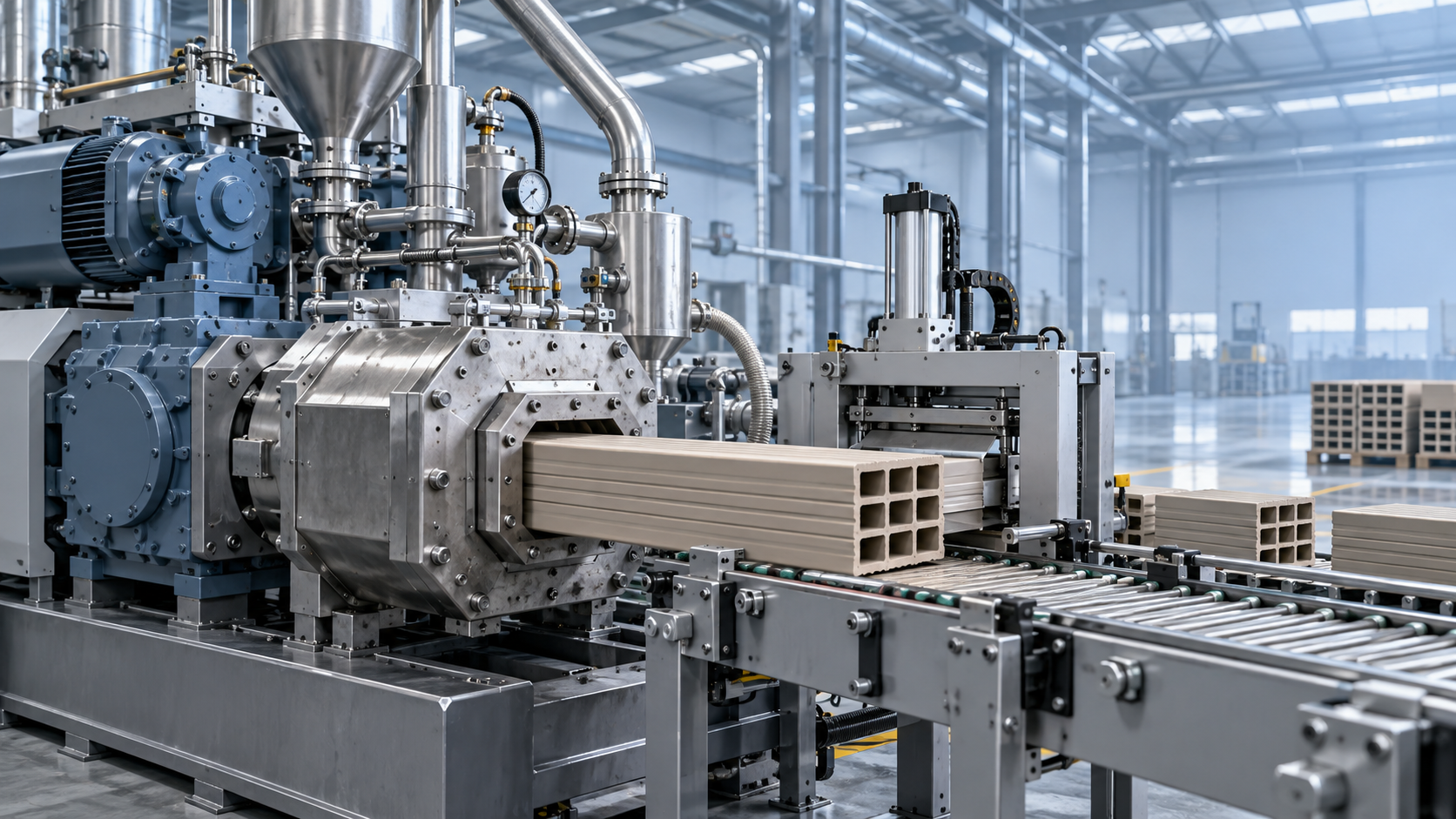
For operators, output stability is the metric that turns process control into real production gains. In ceramic extrusion machinery, even small shifts in pressure, moisture, or screw performance can cause defects, downtime, and uneven throughput. Understanding how ceramic extrusion machinery affects stability helps teams improve consistency, reduce waste, and keep large-scale material lines running at peak efficiency.
What does output stability mean in ceramic extrusion machinery?
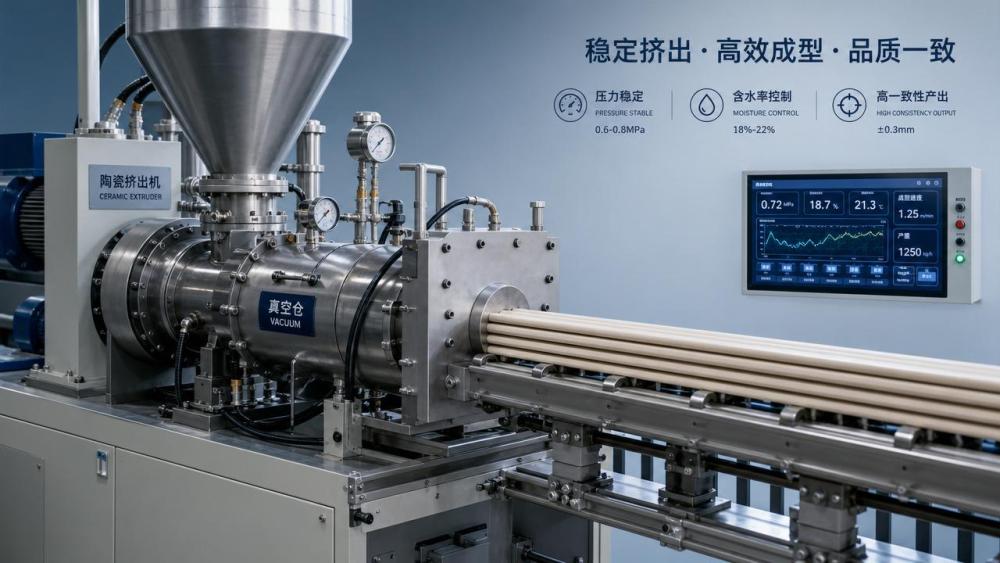
Output stability means the machine delivers a steady volume, shape, density, and surface quality over time. It is not only about speed.
In ceramic extrusion machinery, stability depends on synchronized material feeding, pressure holding, vacuum performance, and die consistency.
A line may run fast yet remain unstable. If section dimensions drift, drying behavior changes, and rejection rates rise.
Stable output supports predictable downstream drying, cutting, stacking, firing, and packaging. That matters across broad industrial building material applications.
For large silicate operations, ceramic extrusion machinery influences both physical quality and thermal efficiency. Uniform green bodies reduce kiln imbalance and wasted energy.
Key signs of stable operation
- Consistent extrusion pressure
- Minimal product dimension variation
- Low crack, lamination, or warping rate
- Uniform screw load and motor current
- Stable moisture and vacuum readings
Which machine components most affect output stability?
Several assemblies inside ceramic extrusion machinery directly shape throughput consistency. Each one affects pressure development and material movement differently.
Feeding and mixing section
Uneven feeding causes surging. When the incoming body is not homogenized, density pockets enter the extruder and disturb the flow profile.
Poor mixing also creates local moisture variation. That changes plasticity and makes ceramic extrusion machinery work harder in alternating cycles.
Screw and barrel system
The screw builds pressure and moves the body forward. Wear reduces compression efficiency and raises slip inside the barrel.
When flights wear unevenly, output fluctuations become more frequent. Product geometry may pulse, especially in hollow or thin-wall profiles.
Vacuum chamber
Air removal is essential for dense, crack-resistant extrusion. Weak vacuum leaves entrapped air and weakens section uniformity.
In ceramic extrusion machinery, unstable vacuum can show up as lamination, rough surfaces, or bursting during drying and firing.
Die and mouthpiece
The die converts pressure into shape. Even a small blockage or wear edge can redirect flow and change wall thickness.
Stable dies improve repeatability. Poorly aligned dies make ceramic extrusion machinery appear underpowered, even when the real problem is flow imbalance.
How do raw material conditions change ceramic extrusion machinery performance?
Raw materials strongly affect how ceramic extrusion machinery behaves. Stable hardware cannot compensate for highly variable body preparation.
Moisture content
Too much water lowers shape retention. Too little water increases friction, pressure peaks, and screw stress.
A narrow moisture control window is critical. That window depends on clay type, additives, profile complexity, and line speed.
Particle size distribution
Wide particle variation changes packing behavior. Fine-rich batches may extrude smoothly but dry differently than coarse-rich batches.
Consistent grinding and screening support smoother pressure curves. This improves ceramic extrusion machinery output without changing the main machine.
Additives and binder dosage
Plasticizers, pore formers, and binders affect rheology. Incorrect dosage often causes sticking, tearing, or unstable exit velocity.
In heavy industrial lines, additive control should be linked with lab data and daily production feedback.
How can ceramic extrusion machinery be evaluated before stability problems become costly?
Early evaluation prevents reactive maintenance. Ceramic extrusion machinery should be judged by process signals, not only by visible product defects.
Practical indicators to monitor
Good monitoring combines operator records with sensors. Trends matter more than isolated readings.
For advanced sites, digital analysis can compare batch data, vacuum history, and screw load patterns to predict instability.
What are the most common stability risks and misconceptions?
Many instability events come from incorrect assumptions. Ceramic extrusion machinery is often blamed when the root issue starts upstream.
Misconception 1: Higher speed always improves output
Speed can increase hourly volume, but unstable speed raises defects. Net output may fall after drying losses and line interruptions.
Misconception 2: New equipment guarantees stable production
Modern ceramic extrusion machinery helps, but poor body preparation still creates inconsistent results. Process discipline remains essential.
Misconception 3: Die problems are only tooling issues
Die defects can reflect pressure imbalance, trapped air, or nonuniform material. Replacing tooling without diagnosis may waste time.
Frequent risk points
- Irregular moisture adjustment during shift changes
- Delayed screw and barrel wear inspection
- Unstable vacuum pump maintenance cycles
- Recipe changes without extrusion trials
- Ignoring downstream feedback from dryers and kilns
How should stability improvements be prioritized in large-scale operations?
The best approach is staged improvement. Ceramic extrusion machinery performs best when mechanical, material, and control factors are addressed together.
Recommended improvement sequence
- Stabilize raw material preparation and moisture control.
- Audit screw wear, barrel condition, and die alignment.
- Validate vacuum efficiency under real production loads.
- Install or refine pressure, current, and throughput tracking.
- Link extrusion data with drying and firing outcomes.
This sequence reduces blind adjustments. It also supports energy efficiency goals important in decarbonization-focused silicate industries.
Within integrated facilities, ceramic extrusion machinery should be reviewed as part of the whole thermal production chain.
FAQ summary: how to judge ceramic extrusion machinery and output stability quickly?
Ceramic extrusion machinery affects output stability through pressure generation, air removal, flow shaping, and response to material variation.
Strong stability comes from a system view. Material preparation, machine condition, tooling accuracy, and monitoring must support each other.
A practical next step is to map one week of pressure, moisture, vacuum, and defect data. Then compare those signals against wear status and downstream losses.
That simple review often reveals where ceramic extrusion machinery can deliver immediate gains in output consistency, energy use, and overall line reliability.
Related News
 Ms. Elena RodriguezHow to Structure Global Specification Data for Faster Industrial Product EvaluationGlobal specification-oriented product information helps industrial teams compare capacity, energy, emissions, automation, and lifecycle data on a like-for-like basis for faster, confident equipment decisions.Sep 29, 2026
 Thermal Energy ArchitectHow to Specify High-Temperature Process Systems for Continuous Thermal OperationsHigh-temperature process engineering systems: learn how to specify resilient continuous thermal operations for efficiency, compliance, reliable uptime, and long-term performance.Sep 28, 2026
 Thermal Energy ArchitectHow to Evaluate a Thermal Engineering Contractor for High-Temperature Plant ProjectsChoose a thermal engineering contractor with proven process expertise, lifecycle value, emissions control, and delivery discipline for reliable high-temperature plant performance.Sep 27, 2026
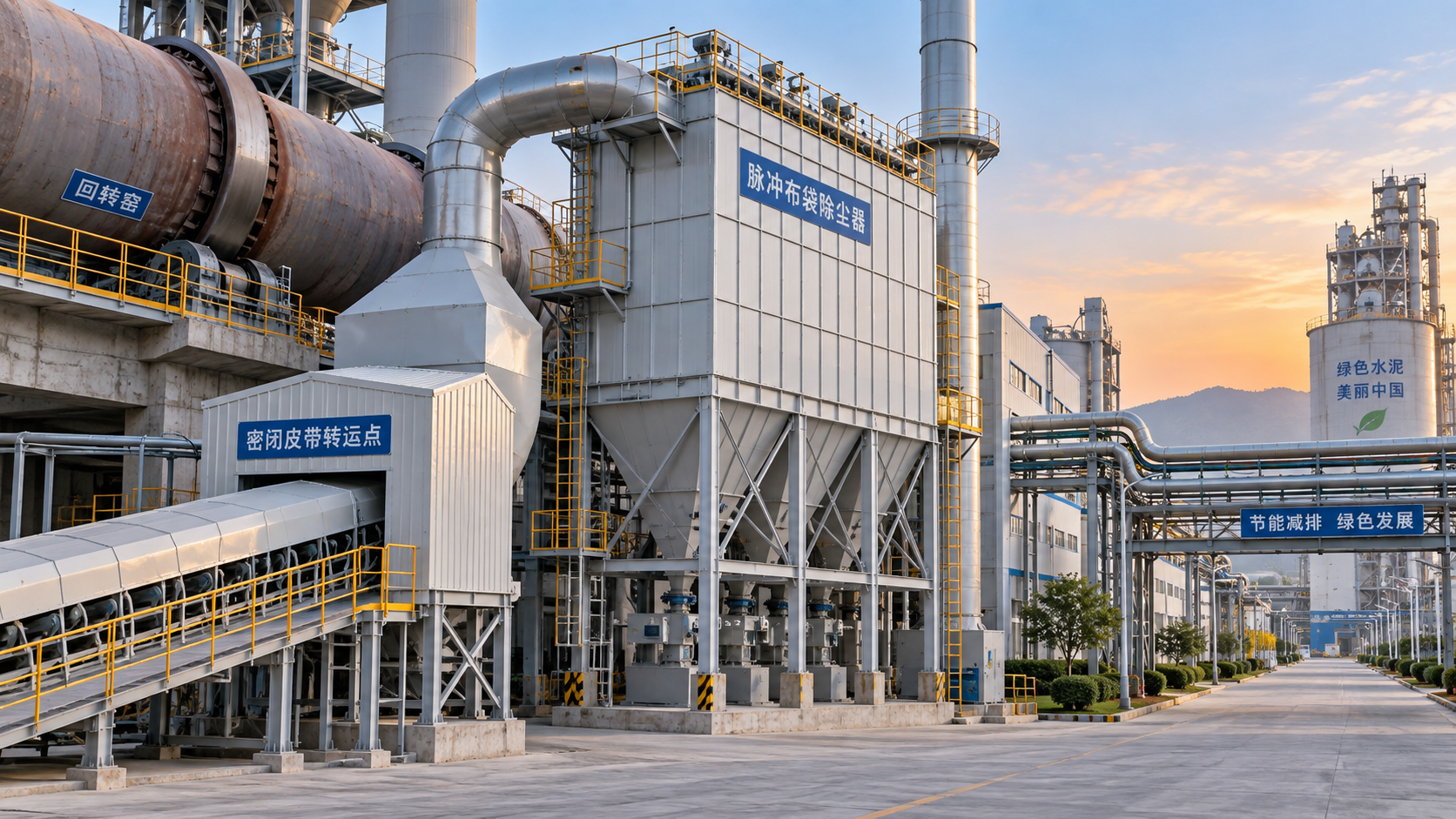
 Silicate Process EngineerHow Latin American Cement Plants Can Reduce Dust Emissions in Kilns and Transfer PointsCement plant dust control Latin America: reduce kiln and transfer-point emissions with practical airflow, filtration, monitoring, and maintenance strategies.Sep 26, 2026
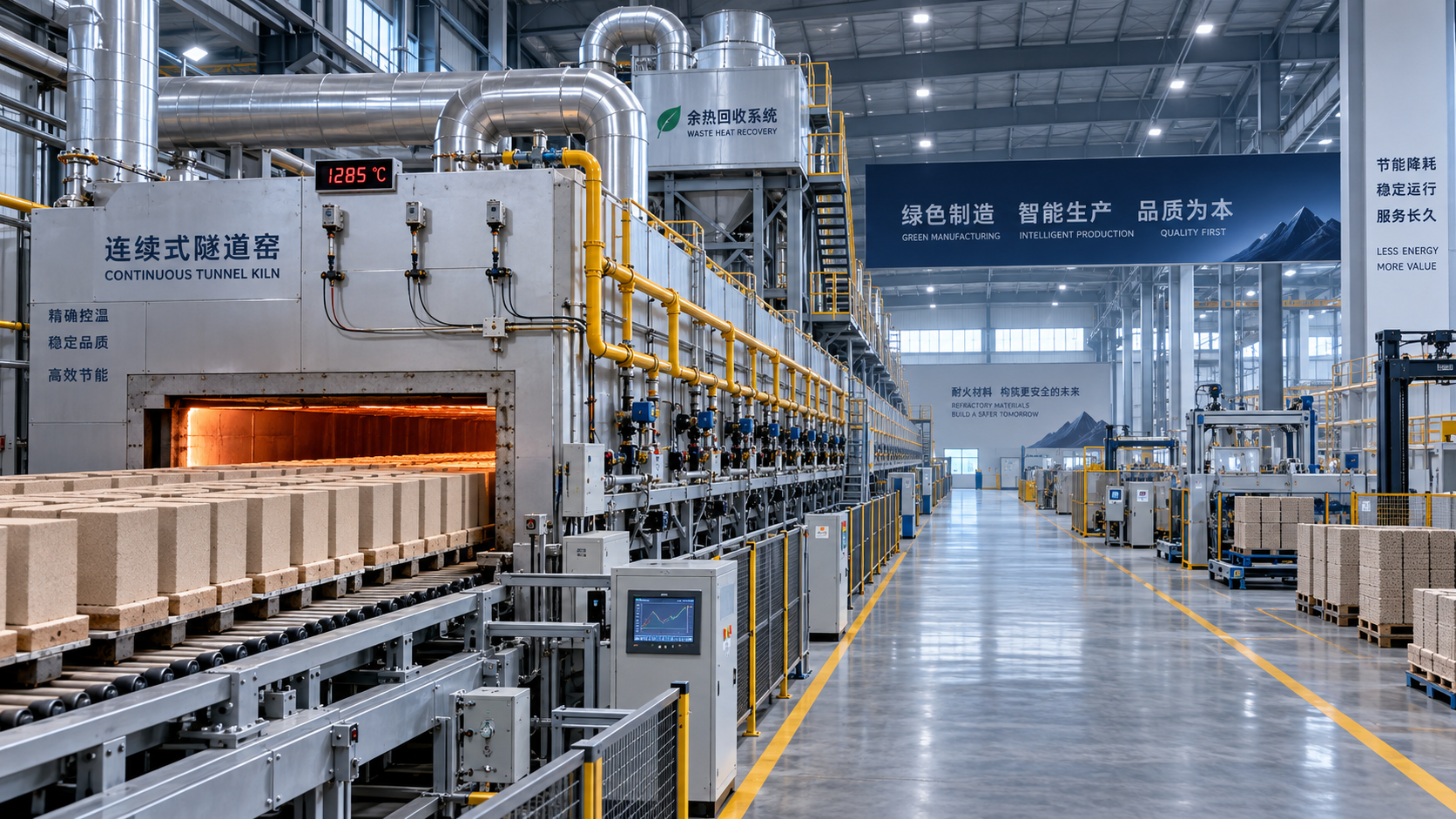
 Material Heat-Resist ExpertHow to Evaluate Refractory Production Lines for Output, Quality, and Energy UseRefractory production lines: learn how to assess qualified output, consistent quality, and total energy use for smarter, lower-risk investment decisions.Sep 25, 2026
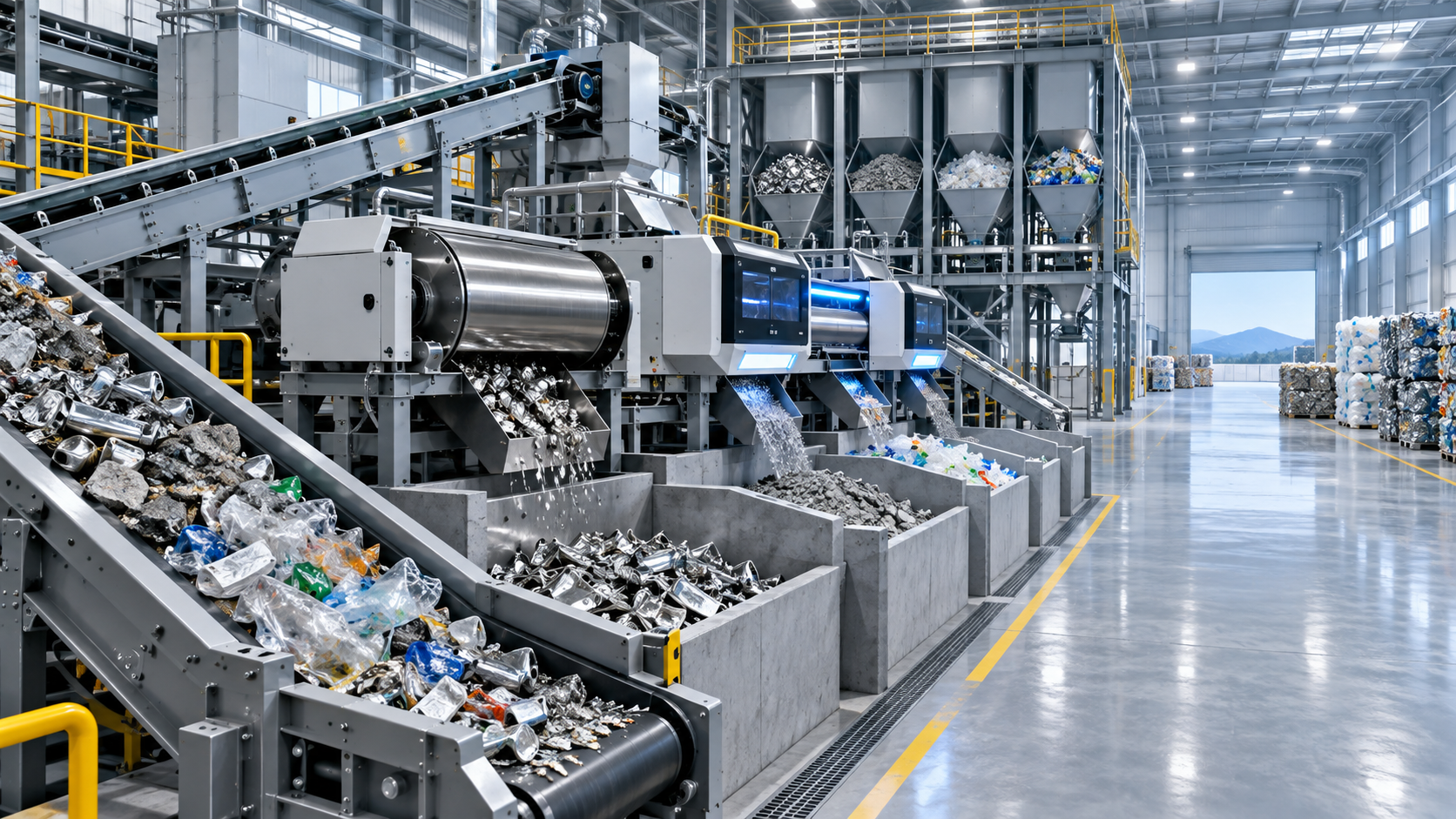
 Dr. Alistair VaughnHow Waste Recycling Technology Improves Material Recovery in Industrial PlantsWaste recycling technology improves material recovery through source segregation, smart separation, thermal treatment, and quality control for industrial plants.Sep 24, 2026
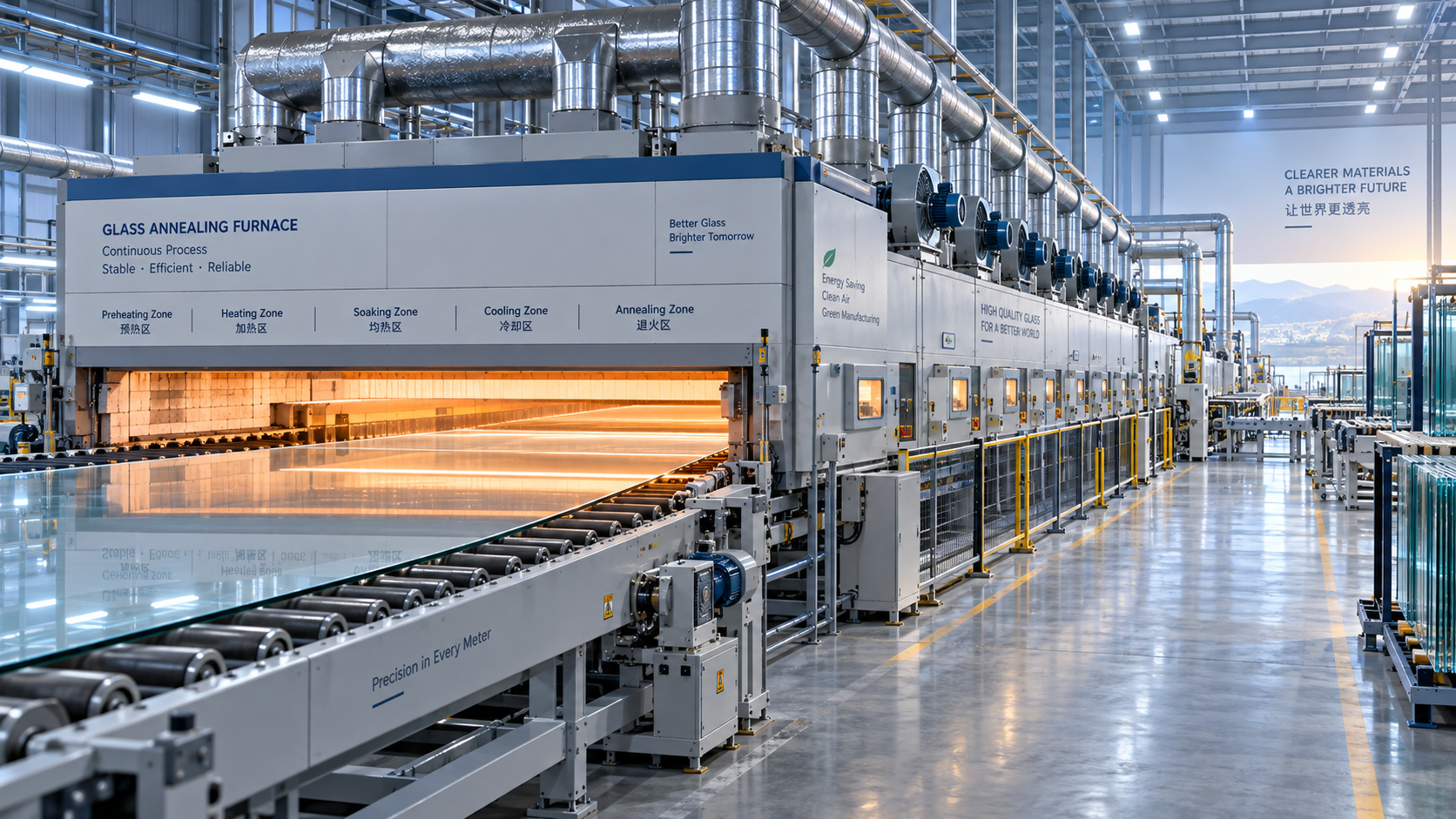
 Optical Glass Tech FellowHow to Specify Glass Annealing Equipment for European Quality and Energy RequirementsGlass annealing equipment Europe: learn how to specify lehrs for consistent glass quality, energy efficiency, compliance, automation, and reliable long-term performance.Sep 23, 2026
 Optical Glass Tech FellowSilicate Process Automation: Improving Batch Consistency and Energy ControlSilicate process automation improves batch consistency, energy control, traceability, and operator confidence across high-temperature manufacturing operations.Sep 22, 2026
 Optical Glass Tech FellowHow Silicate Industrial Processes Control Viscosity, Energy Use, and Product QualitySilicate industrial processes: learn how viscosity, chemistry, heat transfer, and atmosphere control reduce energy use, improve stability, and protect product quality.Sep 21, 2026
 Thermal Energy ArchitectHow European Plants Can Evaluate Energy Recovery Equipment for High-Temperature ProcessesIndustrial energy recovery equipment Europe: learn how high-temperature plants can assess waste-heat sources, integration risks, lifecycle value, and reliable recovery routes.Sep 20, 2026
 Thermal Energy ArchitectIndustrial Furnace Process Optimization: Reducing Fuel Use Without Sacrificing ThroughputIndustrial process optimization furnace strategies that cut fuel use while protecting throughput. Explore combustion control, heat recovery, refractory performance, and data-driven efficiency gains.Sep 19, 2026
 Ms. Elena RodriguezWhat Drives High-Pressure Extrusion Equipment Cost in Industrial Projects?High pressure extrusion equipment cost explained: compare pressure, die design, automation, wear, energy, and installation factors for smarter industrial investments.Sep 18, 2026
 Thermal Energy ArchitectHow to Size a Waste Heat Recovery Exchanger for High-Temperature Kiln Exhaust?Waste heat recovery exchanger sizing for high-temperature kiln exhaust: balance recoverable duty, fouling, corrosion limits, pressure drop, and reliable heat use.Sep 17, 2026
 Thermal Energy ArchitectWhy Heat-Resistant Materials Lose Abrasion Resistance at High TemperaturesHeat-resistant materials abrasion resistance can decline at high temperatures. Discover the thermal, chemical, and mechanical causes of wear—and how to choose longer-lasting linings.Sep 16, 2026
 Thermal Energy ArchitectHow to Evaluate a Thermal Energy Optimization Company for High-Temperature PlantsChoose a thermal energy optimization company with proven process expertise, measurable savings, and reliable delivery for high-temperature plants. Learn what to assess.Sep 15, 2026
 Thermal Energy ArchitectRotary Kiln Efficiency: How Feed Rate, Fuel Use, and Heat Loss Affect OutputRotary kiln efficiency explained: discover how feed rate, fuel use, heat loss, combustion, and cooling performance shape output, quality, and energy costs.Sep 14, 2026
 Thermal Energy ArchitectHow to Select Heat-Resistant Materials That Maintain Abrasion Resistance in KilnsHeat-resistant materials abrasion resistance: learn how to select kiln linings that withstand heat, wear, thermal cycling, and chemical attack for longer service life.Sep 13, 2026
 Thermal Energy ArchitectHow Rotary Kiln Automation Improves Temperature Control and Fuel EfficiencyRotary kiln technology automation enhances temperature control, stabilizes combustion, and improves fuel efficiency with smarter data, predictive control, and safer operations.Sep 12, 2026
 Silicate Process EngineerCement Plant Emission Control: Selecting Systems for Dust, NOx, and SO2 LimitsCement plant emission control guide: compare dust collectors, NOx reduction, and SO2 systems for reliable compliance across kiln modes, fuel changes, and operating upsets.Sep 11, 2026
 Thermal Energy ArchitectSelecting Abrasion-Resistant High-Temperature Materials for Kiln and Conveyor Wear ZonesHigh-temp material engineering guide to abrasion-resistant kiln and conveyor solutions—match wear, heat, chemistry, and installation design for longer service life.Sep 10, 2026


Related News
- 00
0000-00
How to Evaluate Lightweight Material Machinery for Output, Energy Use, and Product Quality - 00
0000-00
What Thermal Barrier Technology Works Best for Lightweight Industrial Panels? - 00
0000-00
Advanced Ceramic Processing for Honeycomb: Which Methods Improve Strength and Thermal Shock Resistance? - 00
0000-00
Building Material Extrusion Equipment Supplier Selection: 7 Parameters That Affect Line Performance - 00
0000-00
High Pressure Extruder Selection Guide: Output, Material Compatibility, and Wear
Weekly Insights
Stay ahead with our curated technology reports delivered every Monday.