
What buyers often miss in heavy equipment trade deals




In heavy equipment trade, price and nameplate output still dominate early talks. Yet the real value of a deal is shaped by fit, risk, uptime, efficiency, compliance, and service depth.
That shift matters across cement plants, glass lines, kilns, incineration systems, refractory equipment, and extrusion assets. Complex industrial systems now operate under tighter energy, carbon, and reliability pressure.
As a result, heavy equipment trade is no longer just a transaction. It is a long-cycle decision about process continuity, operating cost, future regulation, and technical resilience.
Why heavy equipment trade deals are becoming harder to judge
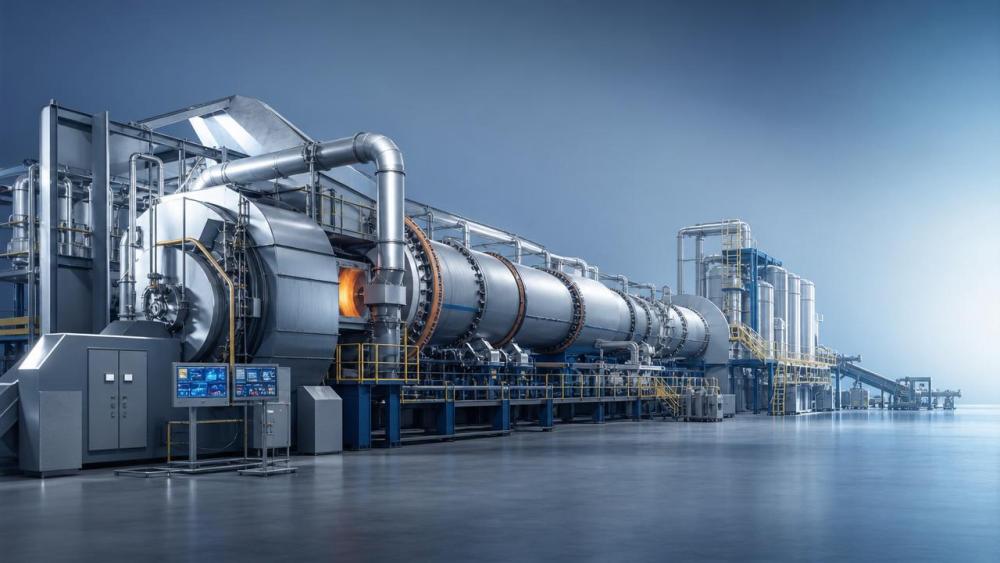
Across the comprehensive industrial sector, equipment is more interconnected than before. Mechanical performance now depends on software logic, fuel flexibility, environmental controls, and data visibility.
In heavy equipment trade, many hidden costs appear after installation. A low purchase price can quickly lose appeal if commissioning drags on or spare parts remain difficult to source.
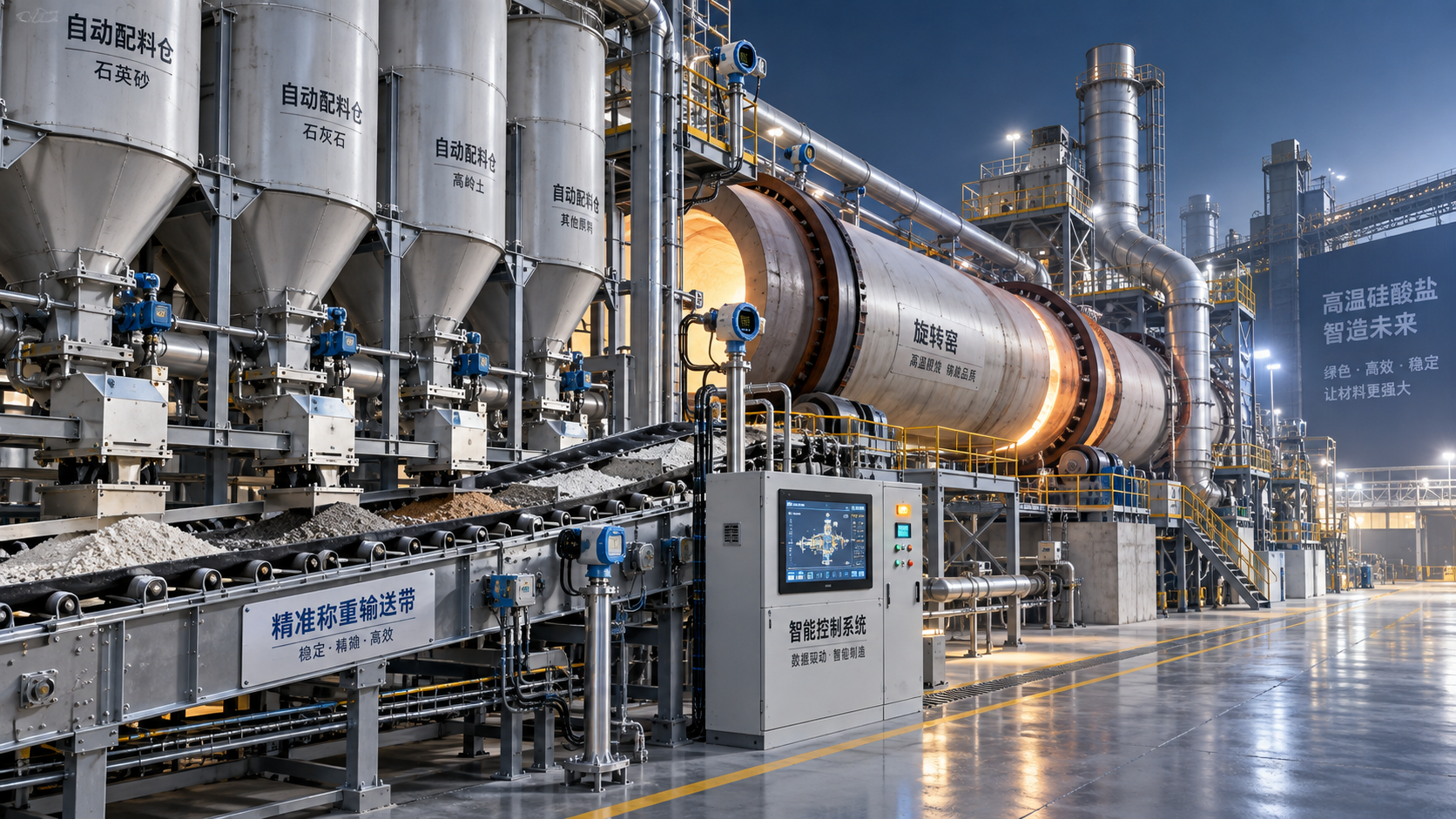
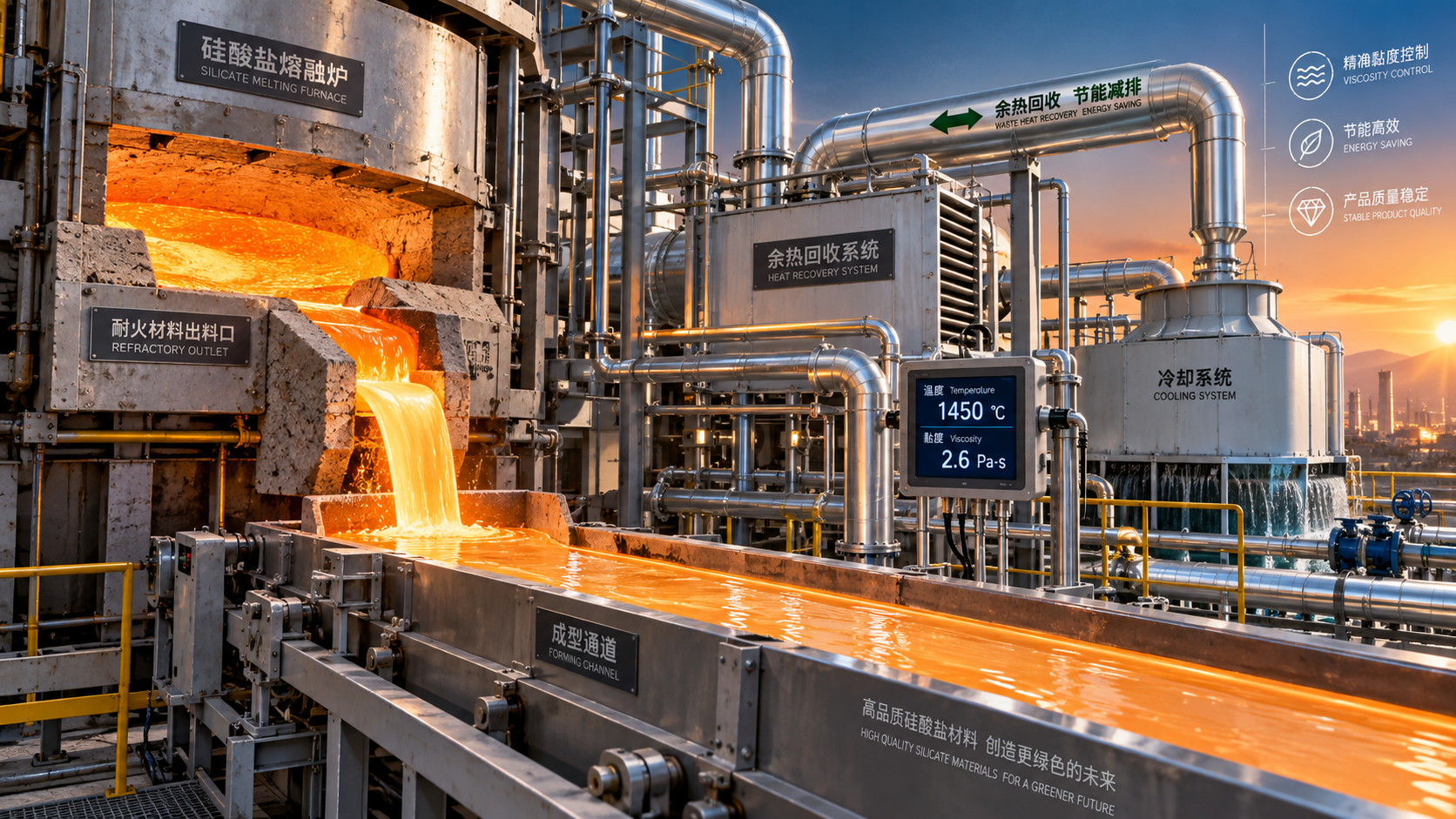
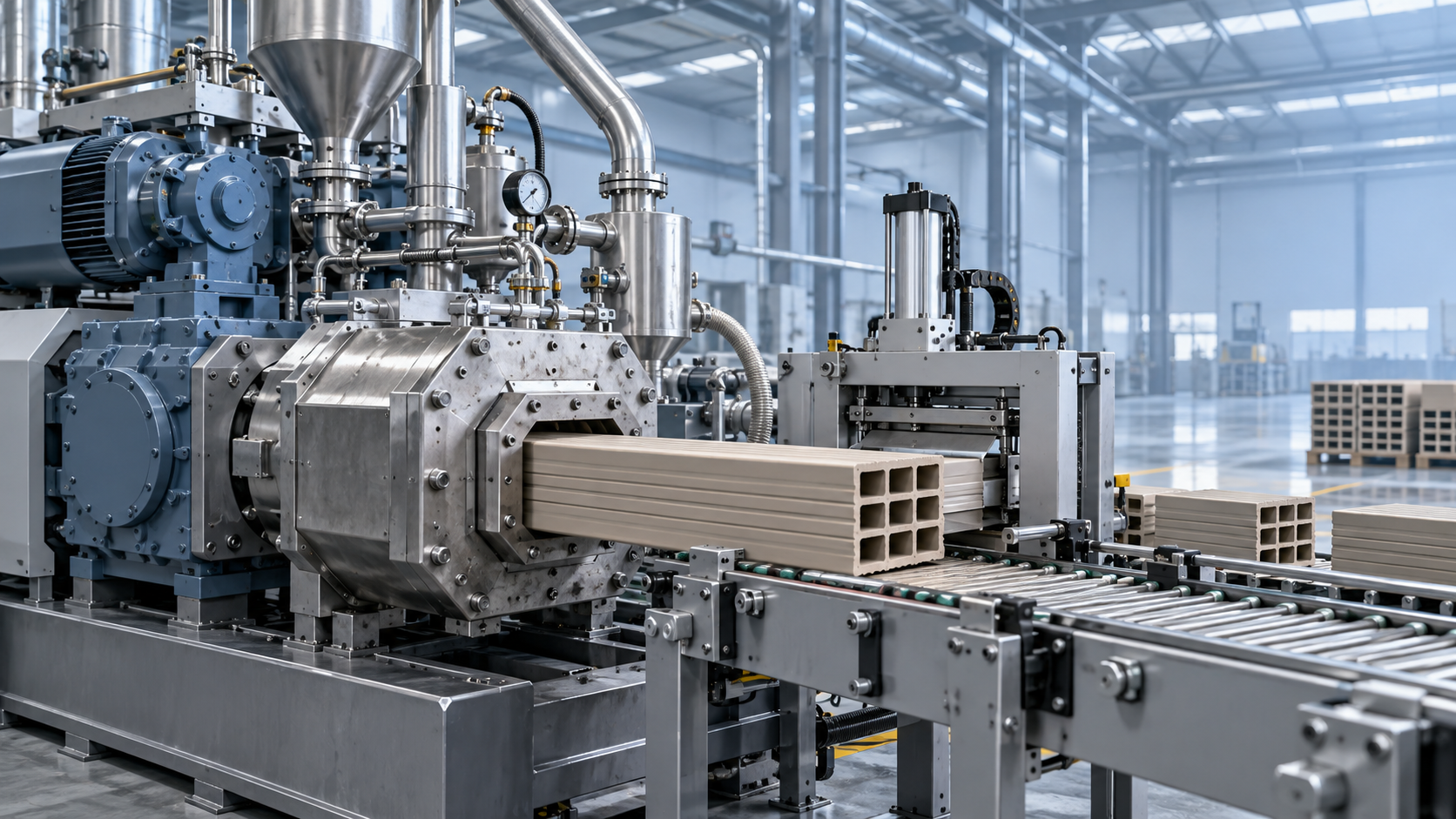
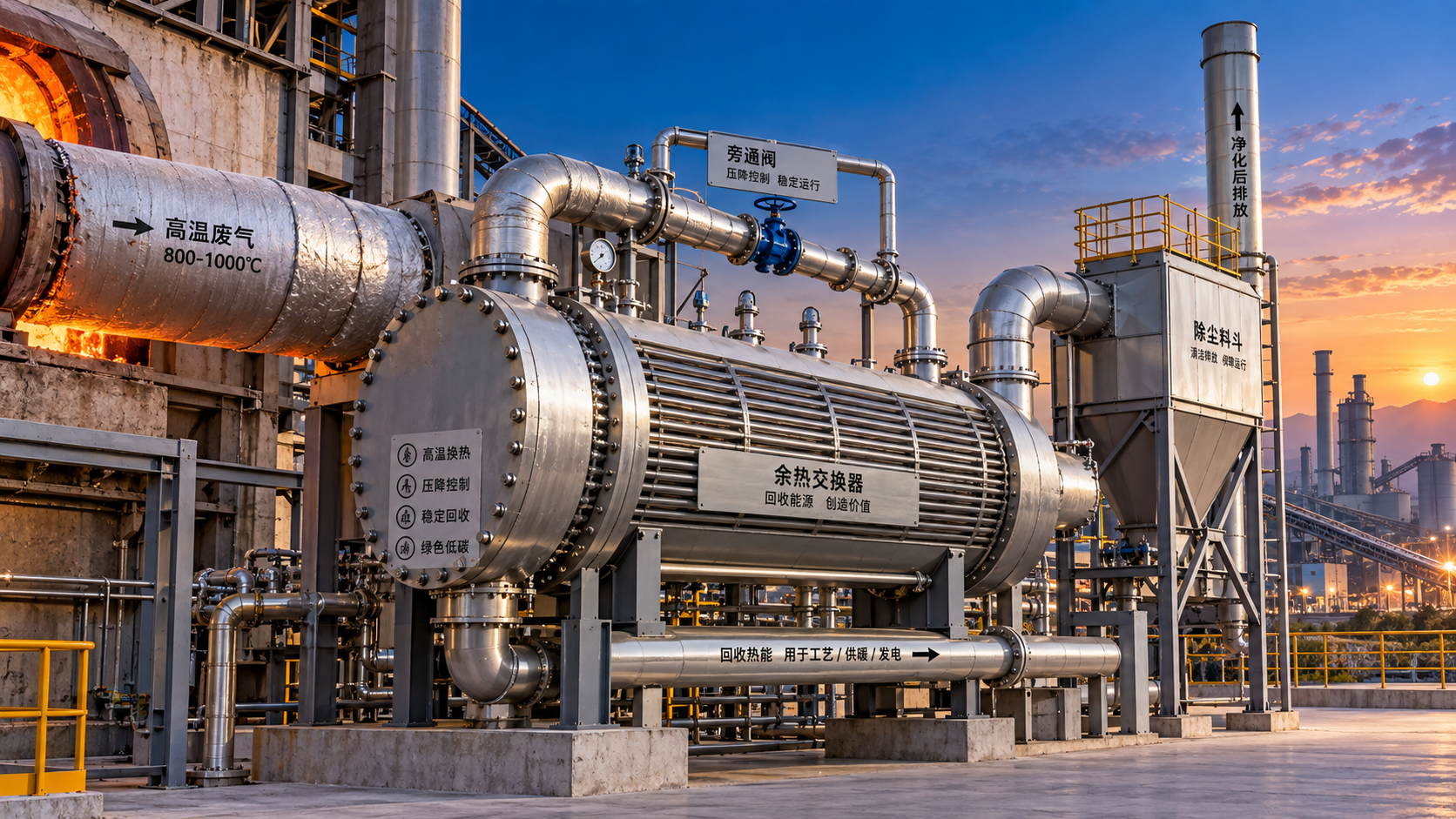
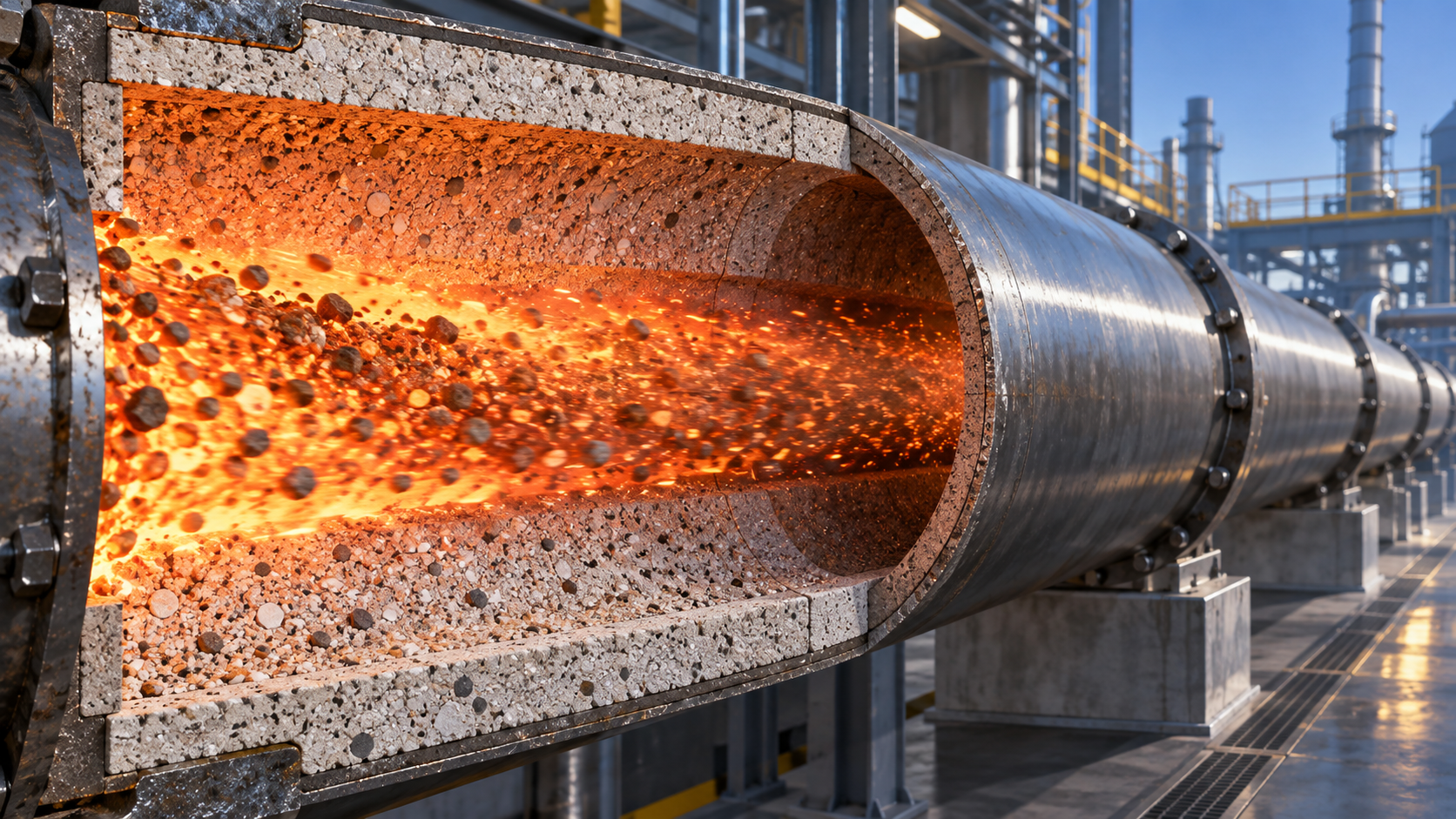
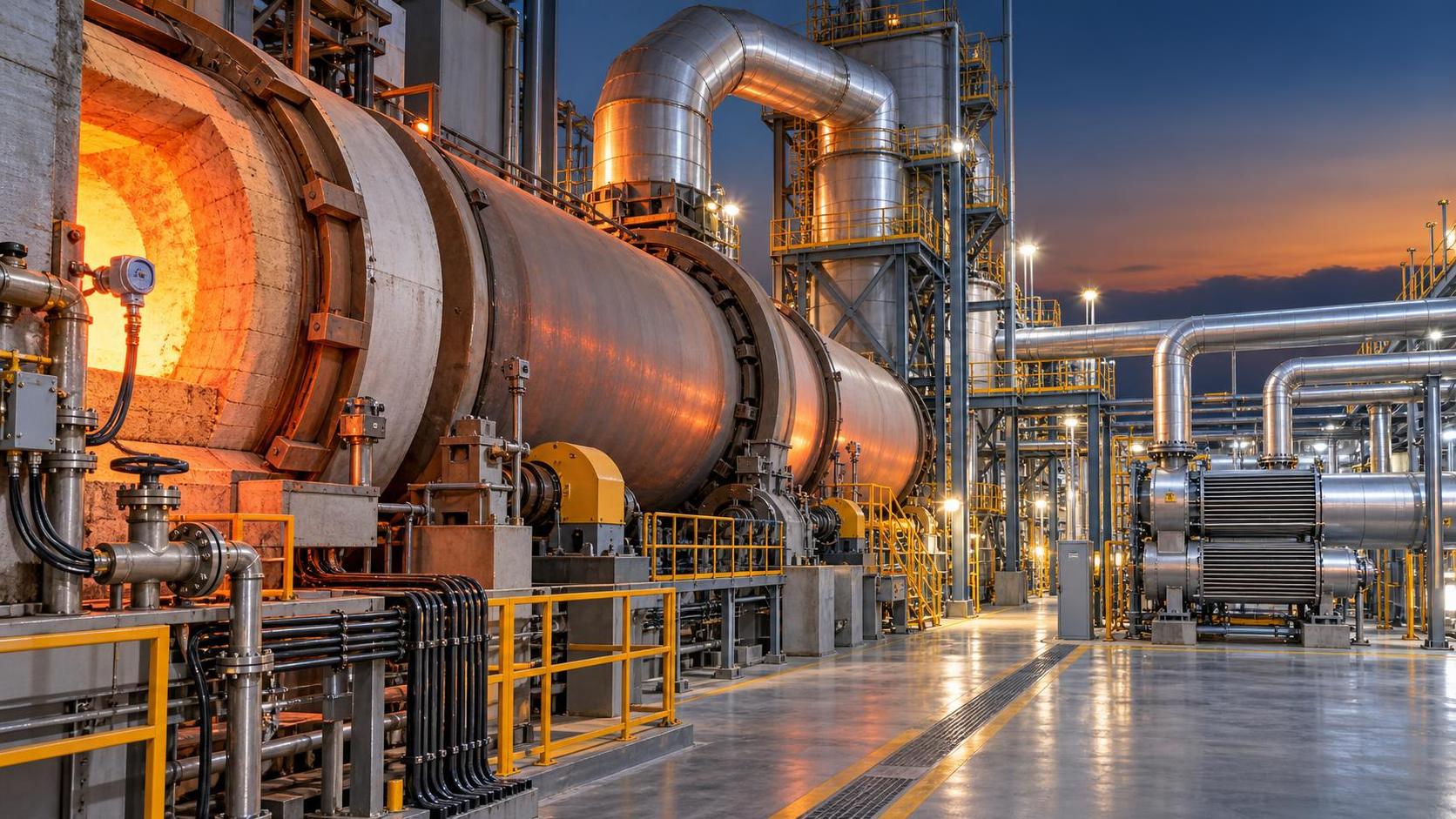
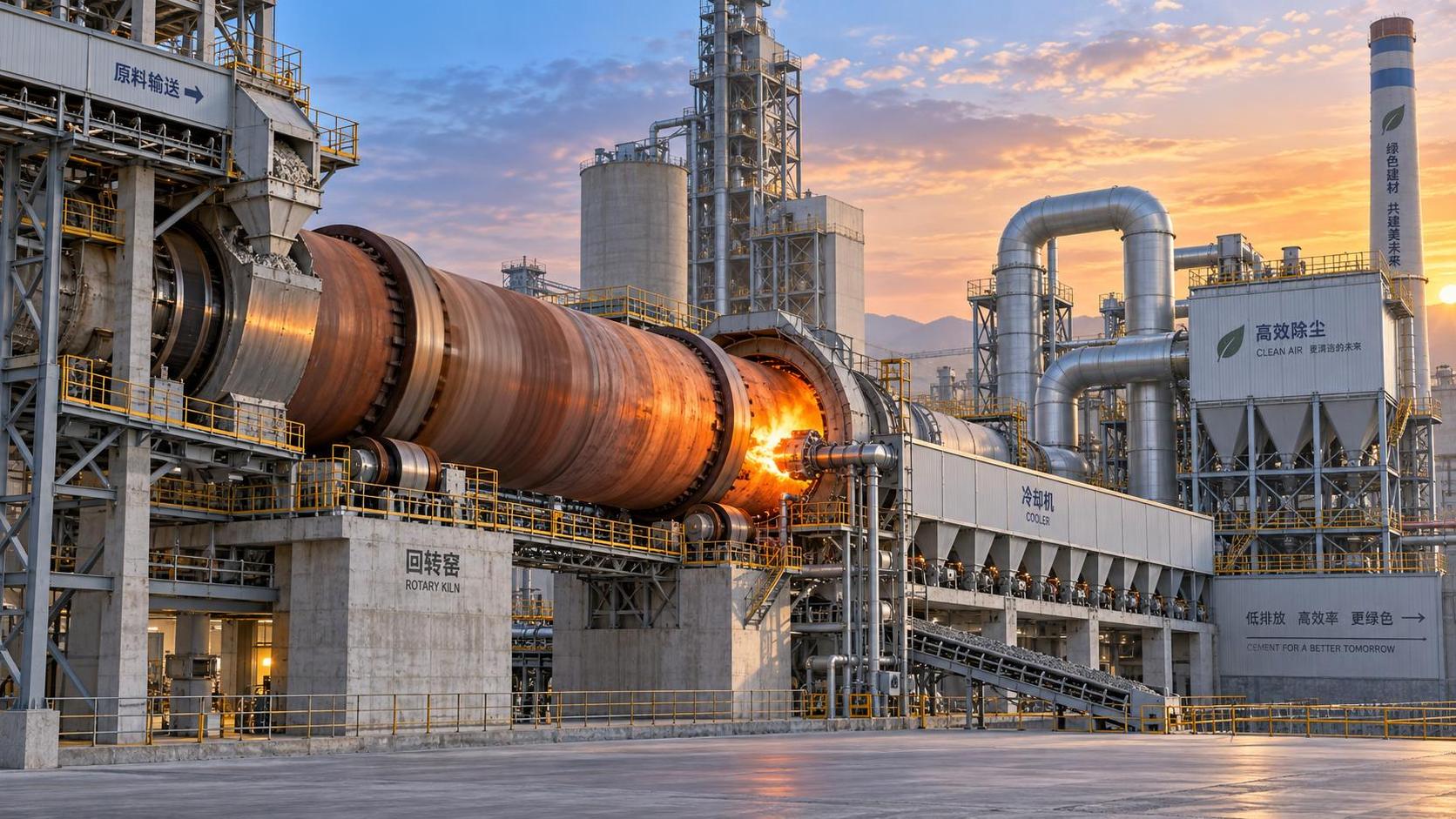
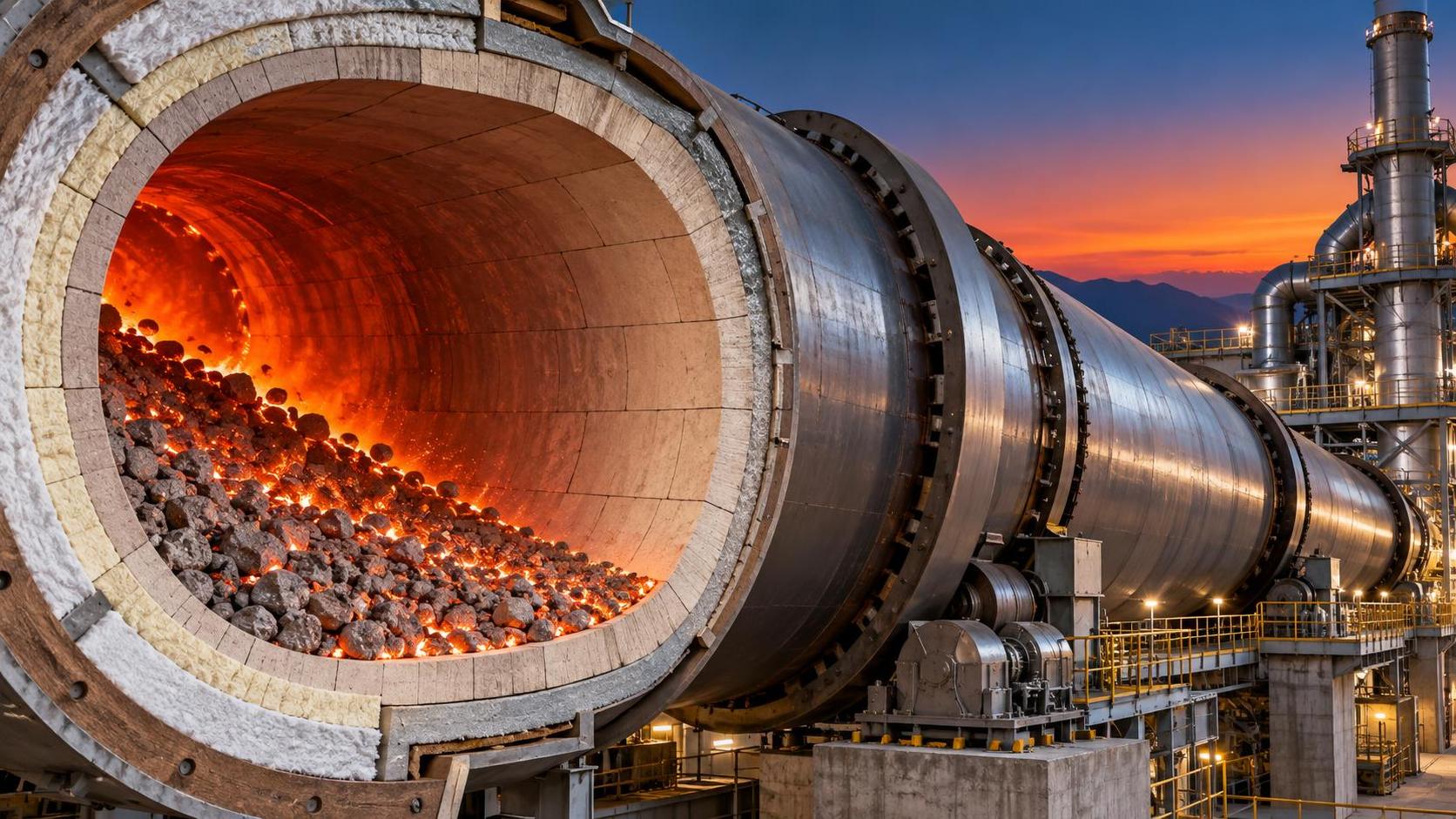
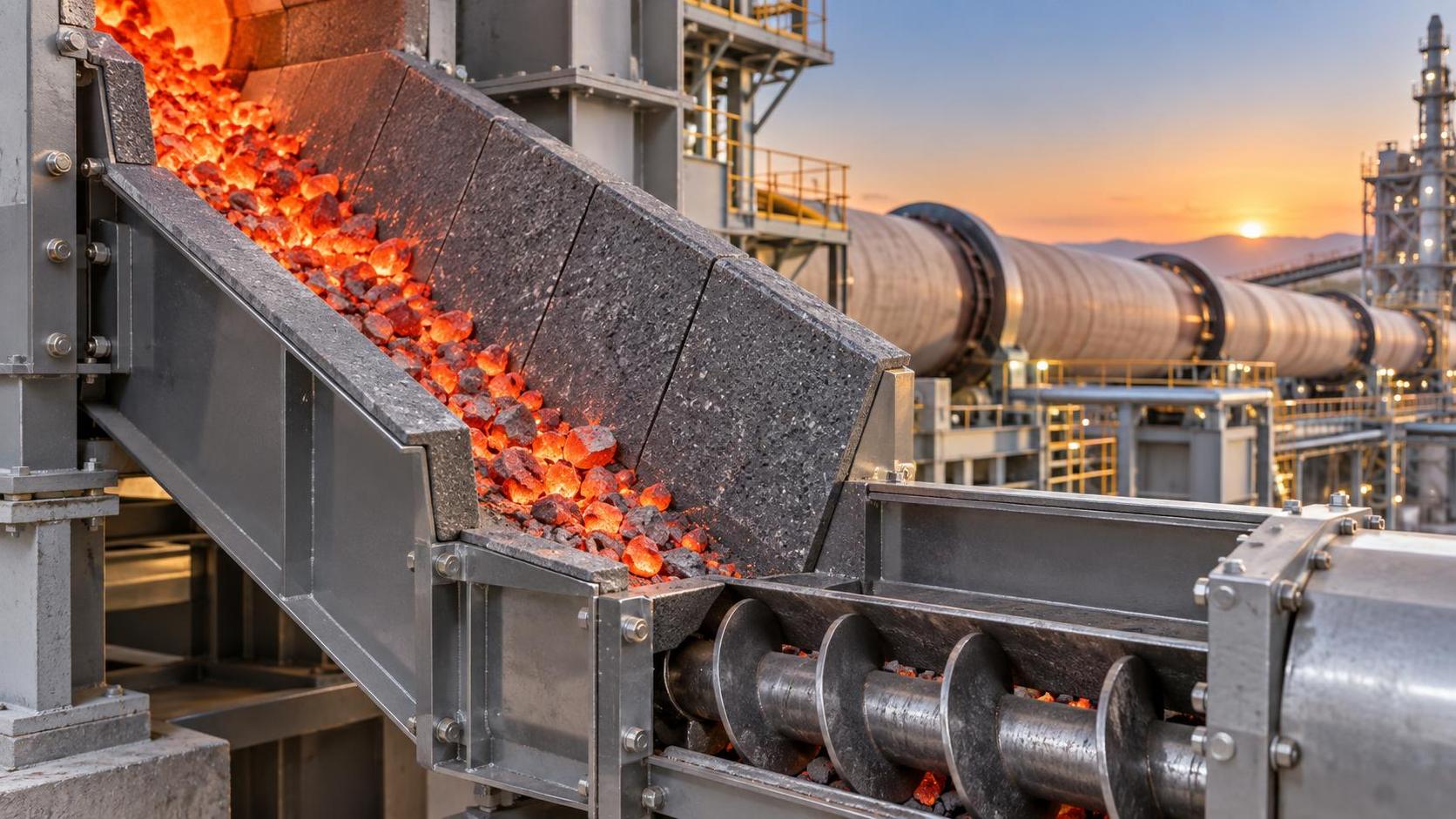
For high-temperature industries observed by CF-Elite, this is especially true. Rotary kilns, float glass systems, incinerators, and extrusion lines must match exact thermal and material conditions.
What buyers often miss is not a small detail. It is the chain reaction between process design, maintenance load, environmental performance, and asset life.
The strongest market signals behind today’s heavy equipment trade risks
Several trend signals are changing how industrial assets should be evaluated. These signals explain why old purchasing shortcuts produce weaker long-term outcomes.
- Energy prices remain volatile, raising the value of thermal efficiency and heat recovery.
- Carbon rules and emissions permits are tightening in more regions.
- Supply chains for castings, burners, controls, and refractories stay uneven.
- Digital monitoring is becoming standard for uptime and performance verification.
- Waste co-processing and alternative fuels are changing combustion requirements.
- Plants want longer campaigns with fewer shutdowns and lower labor intensity.
These signals affect every serious heavy equipment trade review. Capacity alone cannot show whether an asset will remain competitive over ten or fifteen years.
What buyers often miss before signing a heavy equipment trade contract
1. Process compatibility is more important than nominal output
A kiln, furnace, crusher, or extruder may look impressive on paper. But if feed composition, moisture range, particle size, or thermal profile differs, performance can fall sharply.
In heavy equipment trade, process mismatch is one of the costliest mistakes. It drives unstable quality, excess fuel use, premature wear, and repeated tuning during commissioning.
2. Energy efficiency should be measured under real operating conditions
Quoted efficiency values often come from ideal conditions. Actual sites face variable loads, ambient shifts, fuel inconsistency, and uneven raw materials.
A strong heavy equipment trade evaluation should ask for load curves, heat balance data, auxiliary power demand, and verified results from comparable industrial environments.
3. Maintenance complexity can erase the savings of a cheap deal
Some systems require frequent alignment, specialized tools, imported consumables, or rare control modules. Those factors rarely stand out in a sales summary.
In heavy equipment trade, maintainability should cover access, service intervals, local technician readiness, spare parts lead times, and wear component standardization.
4. Compliance exposure is broader than a basic certification file
Environmental compliance now includes dust, NOx, SOx, thermal efficiency, noise, waste handling, and sometimes digital reporting obligations.
A heavy equipment trade contract should test whether the offered configuration meets present rules and expected near-term upgrades in target operating regions.
5. Automation depth affects both productivity and risk control
Basic automation may start a line, but advanced monitoring helps prevent thermal drift, unstable combustion, refractory damage, and quality deviation.
In modern heavy equipment trade, software architecture, sensor layout, alarm logic, and remote diagnostics deserve the same attention as steel thickness or motor size.
Why these hidden factors now have a bigger impact
These forces explain why hidden details carry more weight than before. In heavy equipment trade, technical alignment and lifecycle economics increasingly define competitive advantage.
Where the impact is felt across industrial operations
The consequences of a weak deal do not stay inside the procurement file. They ripple through production schedules, product quality, energy budgets, emissions exposure, and capital planning.
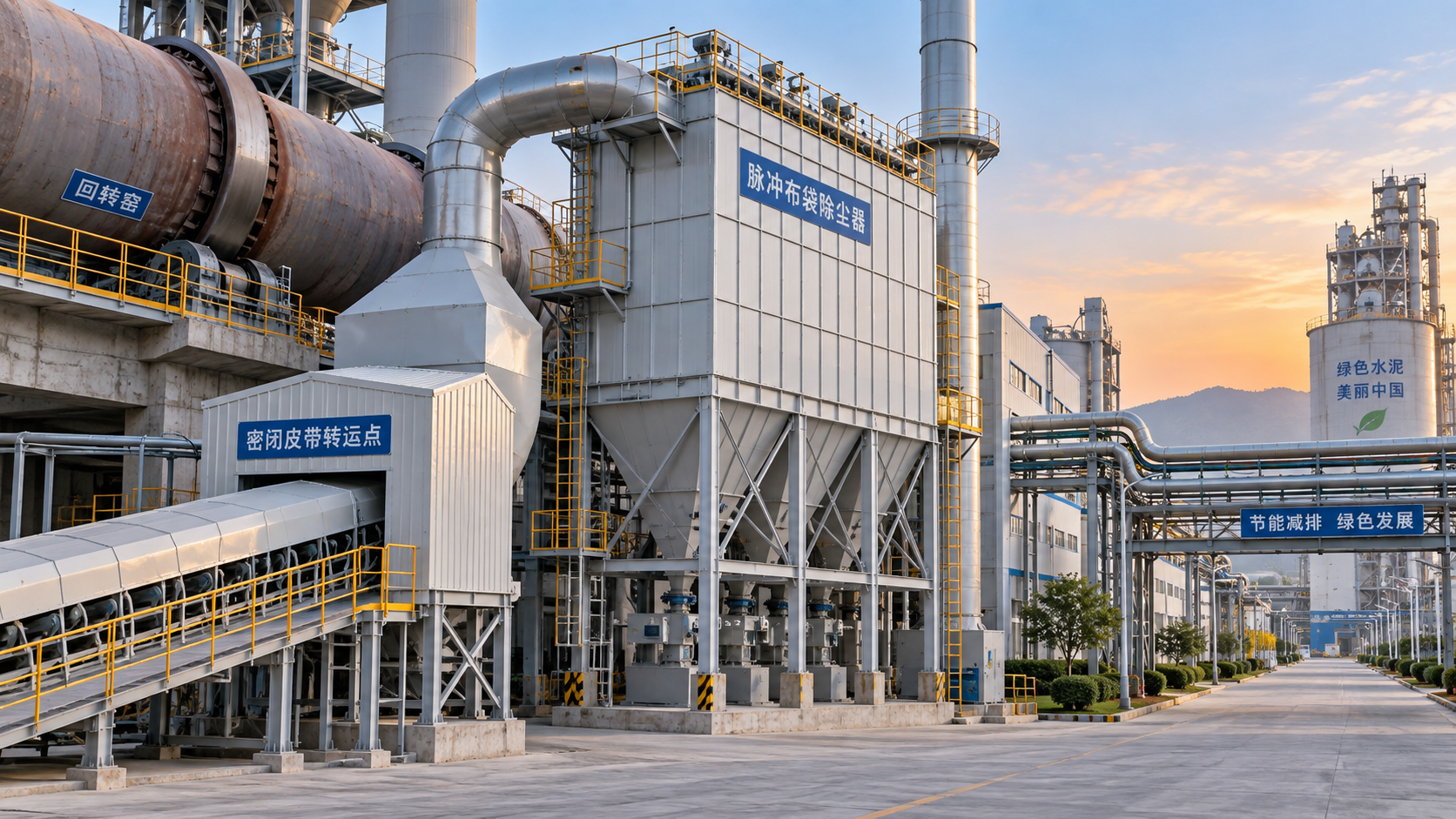
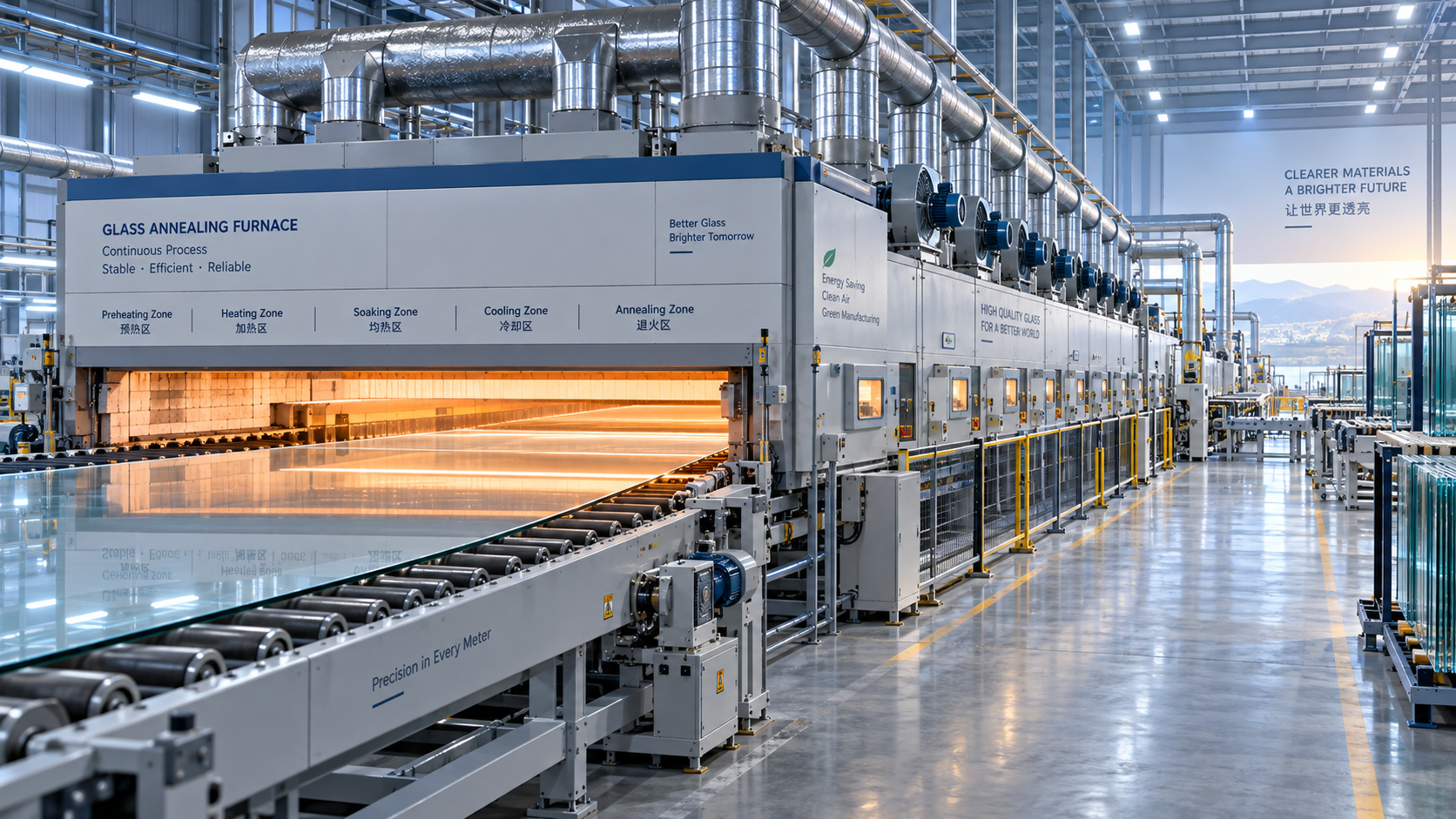
For cement and lime systems, mismatch often appears as unstable burning zones, dust issues, or higher fuel consumption. For glass equipment, it can reduce thermal consistency and output quality.
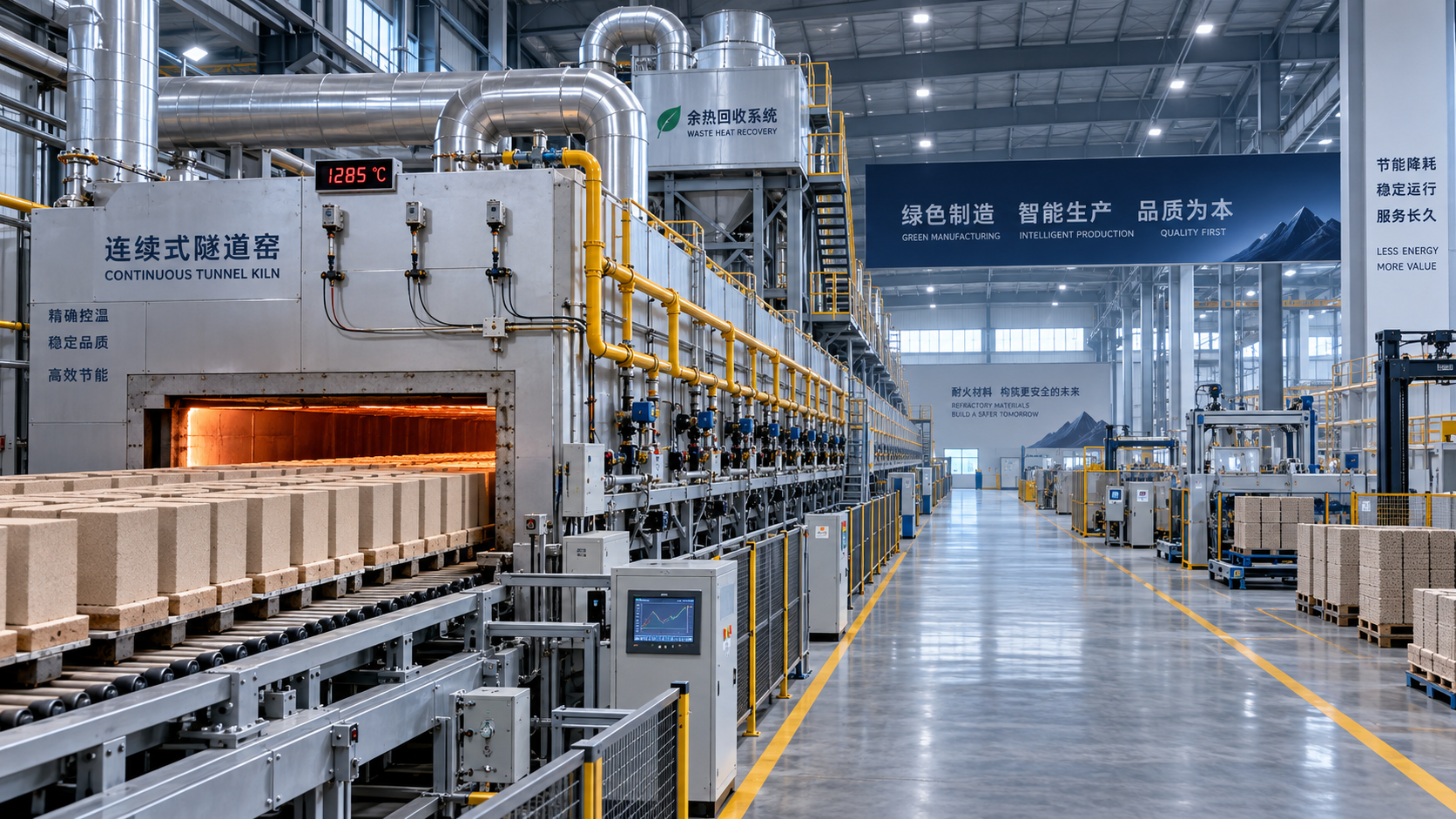
In incineration and kiln applications, poor heavy equipment trade decisions may increase residue problems, refractory wear, and compliance pressure. In extrusion lines, throughput and dimensional stability can suffer together.
- Operations face more stoppages and less predictable output.
- Maintenance teams carry higher intervention frequency.
- Finance models lose accuracy as hidden costs emerge.
- Expansion plans become harder when legacy systems lack flexibility.
The points that deserve closer attention in every heavy equipment trade review
- Check process envelopes, not only rated capacity.
- Request energy data from comparable applications, not ideal tests.
- Map spare part sources and lead times by criticality.
- Review refractory, burner, and control system compatibility together.
- Test future compliance exposure under stricter environmental assumptions.
- Clarify commissioning scope, training depth, and post-startup support.
- Assess digital integration with existing plant systems and reporting needs.
- Model lifecycle cost across fuel, wear, labor, downtime, and retrofits.
This wider lens improves heavy equipment trade outcomes because it compares real operating value instead of short-term purchasing optics.
A practical way to judge long-term value before commitment
What a smarter heavy equipment trade strategy looks like next
The strongest approach is to treat each deal as a performance system, not a hardware purchase. That means combining technical due diligence, market intelligence, and scenario testing.
For high-temperature sectors, CF-Elite’s intelligence perspective is especially relevant. Thermal management, material behavior, carbon exposure, and process evolution must be read together.
A better heavy equipment trade decision starts with better questions. Compare lifecycle economics, process tolerance, digital readiness, and compliance flexibility before comparing final quoted prices.
Build a review sheet for technical fit, energy use, maintenance burden, spare parts, emissions, and support scope. That simple step can prevent years of avoidable cost.
In a market defined by decarbonization and operational pressure, overlooked details decide whether heavy equipment trade creates durable value or a lasting liability.
Related News
 Ms. Elena RodriguezHow to Structure Global Specification Data for Faster Industrial Product EvaluationGlobal specification-oriented product information helps industrial teams compare capacity, energy, emissions, automation, and lifecycle data on a like-for-like basis for faster, confident equipment decisions.Sep 29, 2026
 Thermal Energy ArchitectHow to Specify High-Temperature Process Systems for Continuous Thermal OperationsHigh-temperature process engineering systems: learn how to specify resilient continuous thermal operations for efficiency, compliance, reliable uptime, and long-term performance.Sep 28, 2026
 Thermal Energy ArchitectHow to Evaluate a Thermal Engineering Contractor for High-Temperature Plant ProjectsChoose a thermal engineering contractor with proven process expertise, lifecycle value, emissions control, and delivery discipline for reliable high-temperature plant performance.Sep 27, 2026
 Silicate Process EngineerHow Latin American Cement Plants Can Reduce Dust Emissions in Kilns and Transfer PointsCement plant dust control Latin America: reduce kiln and transfer-point emissions with practical airflow, filtration, monitoring, and maintenance strategies.Sep 26, 2026
 Material Heat-Resist ExpertHow to Evaluate Refractory Production Lines for Output, Quality, and Energy UseRefractory production lines: learn how to assess qualified output, consistent quality, and total energy use for smarter, lower-risk investment decisions.Sep 25, 2026
 Dr. Alistair VaughnHow Waste Recycling Technology Improves Material Recovery in Industrial PlantsWaste recycling technology improves material recovery through source segregation, smart separation, thermal treatment, and quality control for industrial plants.Sep 24, 2026
 Optical Glass Tech FellowHow to Specify Glass Annealing Equipment for European Quality and Energy RequirementsGlass annealing equipment Europe: learn how to specify lehrs for consistent glass quality, energy efficiency, compliance, automation, and reliable long-term performance.Sep 23, 2026
 Optical Glass Tech FellowSilicate Process Automation: Improving Batch Consistency and Energy ControlSilicate process automation improves batch consistency, energy control, traceability, and operator confidence across high-temperature manufacturing operations.Sep 22, 2026
 Optical Glass Tech FellowHow Silicate Industrial Processes Control Viscosity, Energy Use, and Product QualitySilicate industrial processes: learn how viscosity, chemistry, heat transfer, and atmosphere control reduce energy use, improve stability, and protect product quality.Sep 21, 2026
 Thermal Energy ArchitectHow European Plants Can Evaluate Energy Recovery Equipment for High-Temperature ProcessesIndustrial energy recovery equipment Europe: learn how high-temperature plants can assess waste-heat sources, integration risks, lifecycle value, and reliable recovery routes.Sep 20, 2026
 Thermal Energy ArchitectIndustrial Furnace Process Optimization: Reducing Fuel Use Without Sacrificing ThroughputIndustrial process optimization furnace strategies that cut fuel use while protecting throughput. Explore combustion control, heat recovery, refractory performance, and data-driven efficiency gains.Sep 19, 2026
 Ms. Elena RodriguezWhat Drives High-Pressure Extrusion Equipment Cost in Industrial Projects?High pressure extrusion equipment cost explained: compare pressure, die design, automation, wear, energy, and installation factors for smarter industrial investments.Sep 18, 2026
 Thermal Energy ArchitectHow to Size a Waste Heat Recovery Exchanger for High-Temperature Kiln Exhaust?Waste heat recovery exchanger sizing for high-temperature kiln exhaust: balance recoverable duty, fouling, corrosion limits, pressure drop, and reliable heat use.Sep 17, 2026
 Thermal Energy ArchitectWhy Heat-Resistant Materials Lose Abrasion Resistance at High TemperaturesHeat-resistant materials abrasion resistance can decline at high temperatures. Discover the thermal, chemical, and mechanical causes of wear—and how to choose longer-lasting linings.Sep 16, 2026
 Thermal Energy ArchitectHow to Evaluate a Thermal Energy Optimization Company for High-Temperature PlantsChoose a thermal energy optimization company with proven process expertise, measurable savings, and reliable delivery for high-temperature plants. Learn what to assess.Sep 15, 2026
 Thermal Energy ArchitectRotary Kiln Efficiency: How Feed Rate, Fuel Use, and Heat Loss Affect OutputRotary kiln efficiency explained: discover how feed rate, fuel use, heat loss, combustion, and cooling performance shape output, quality, and energy costs.Sep 14, 2026
 Thermal Energy ArchitectHow to Select Heat-Resistant Materials That Maintain Abrasion Resistance in KilnsHeat-resistant materials abrasion resistance: learn how to select kiln linings that withstand heat, wear, thermal cycling, and chemical attack for longer service life.Sep 13, 2026
 Thermal Energy ArchitectHow Rotary Kiln Automation Improves Temperature Control and Fuel EfficiencyRotary kiln technology automation enhances temperature control, stabilizes combustion, and improves fuel efficiency with smarter data, predictive control, and safer operations.Sep 12, 2026
 Silicate Process EngineerCement Plant Emission Control: Selecting Systems for Dust, NOx, and SO2 LimitsCement plant emission control guide: compare dust collectors, NOx reduction, and SO2 systems for reliable compliance across kiln modes, fuel changes, and operating upsets.Sep 11, 2026
 Thermal Energy ArchitectSelecting Abrasion-Resistant High-Temperature Materials for Kiln and Conveyor Wear ZonesHigh-temp material engineering guide to abrasion-resistant kiln and conveyor solutions—match wear, heat, chemistry, and installation design for longer service life.Sep 10, 2026


Related News
- 00
0000-00
How to Structure Global Specification Data for Faster Industrial Product Evaluation - 00
0000-00
What Drives High-Pressure Extrusion Equipment Cost in Industrial Projects? - 00
0000-00
How Should Buyers Evaluate Building Material Industry Intelligence Pricing? - 00
0000-00
How to Use Building Material Intelligence Data for Market and Investment Decisions - 00
0000-00
How to Evaluate a Silicate Processing Equipment Manufacturer for Plant Projects
Weekly Insights
Stay ahead with our curated technology reports delivered every Monday.