
How to choose heat-resistant materials for longer service life




Choosing the right heat-resistant materials is critical for extending equipment life, reducing unplanned shutdowns, and improving thermal efficiency in high-temperature industries. For technical evaluators, the decision goes far beyond temperature ratings—it requires balancing chemical stability, mechanical strength, insulation performance, and lifecycle cost under real operating conditions. This article outlines the key factors that help identify materials capable of delivering longer, safer, and more reliable service.
For technical evaluators, the core question is not simply which material survives heat, but which material keeps performing under the exact thermal, chemical, and mechanical stresses of the process.
That is why selecting heat-resistant materials for longer service life must start with operating reality. A higher temperature class alone does not guarantee durability, lower maintenance, or better total value.
What technical evaluators should assess before comparing heat-resistant materials
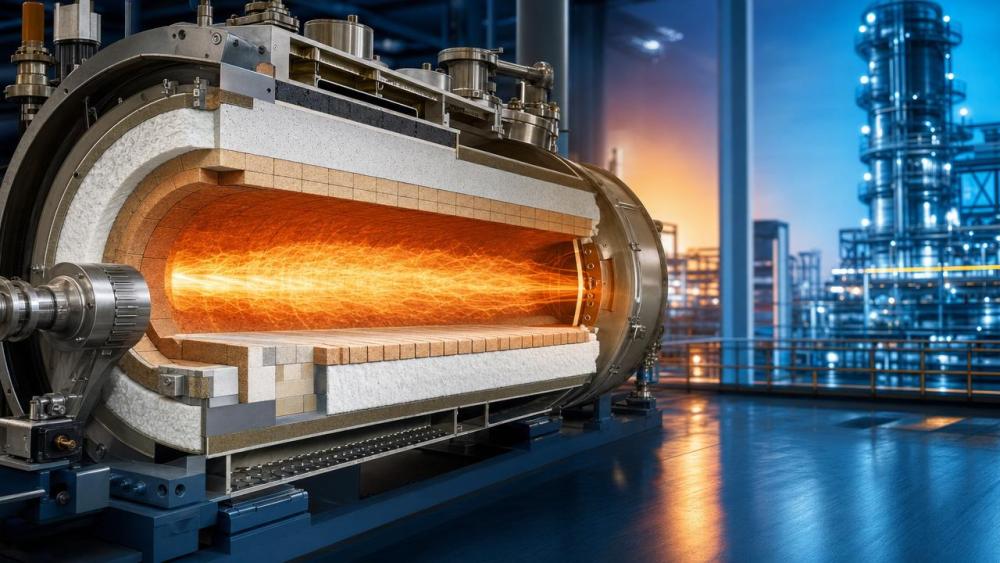
The most useful starting point is to define service conditions in detail. Heat-resistant materials fail early when selection is based on nominal temperature rather than real exposure patterns.
Key inputs include peak temperature, continuous operating temperature, heating and cooling rate, flame or gas impingement, pressure, abrasion, vibration, and planned campaign length between shutdowns.
Chemical conditions matter just as much. Alkalis, sulfur compounds, chlorides, molten glass, slags, ash, and reducing atmospheres can degrade a material far faster than temperature alone would suggest.
In kilns, incinerators, glass furnaces, refractory lines, and extrusion systems, many failures happen because one overlooked variable changes the corrosion mechanism or weakens the lining structure over time.
For this reason, technical evaluation should begin with a service profile sheet. It should list thermal cycles, atmosphere type, contact media, mechanical loads, insulation requirements, and acceptable wear limits.
Once those variables are clear, comparing candidate heat-resistant materials becomes more objective. Without that framework, even premium materials may deliver disappointing service life and poor return on investment.
Why temperature rating alone is a poor basis for selection
One common mistake is choosing a material because its maximum rated temperature exceeds the process temperature. In practice, service life depends on how the material responds to the entire environment.
A refractory brick, castable, ceramic fiber product, or heat-resistant alloy may all handle similar temperatures on paper, yet perform very differently under thermal shock, corrosive dust, or structural load.
For example, a material with excellent high-temperature resistance may still crack if the process involves frequent cold starts, rapid quenching, or uneven heat distribution across the structure.
Likewise, a material with strong insulating performance may reduce heat loss but wear too quickly in zones exposed to clinker impact, ash abrasion, raw batch carryover, or mechanical cleaning.
Technical evaluators therefore need to distinguish between survival temperature and functional performance. The real goal is stable operation for the longest practical cycle with predictable maintenance behavior.
Which material properties most strongly influence longer service life
Several properties deserve priority when evaluating heat-resistant materials. The first is chemical stability against the actual process media, since corrosion often determines usable life in high-temperature systems.
Materials should be checked for resistance to alkali attack, slag penetration, oxidation, carburization, sulfidation, chlorine compounds, or glass melt interaction, depending on the equipment and process chemistry.
The second priority is thermal shock resistance. Where heating and cooling cycles are frequent, materials that tolerate rapid temperature changes usually outperform harder but more brittle alternatives.
Mechanical strength also matters, but it should be evaluated at operating temperature, not only at room temperature. Hot modulus, creep resistance, and structural integrity under load are more relevant indicators.
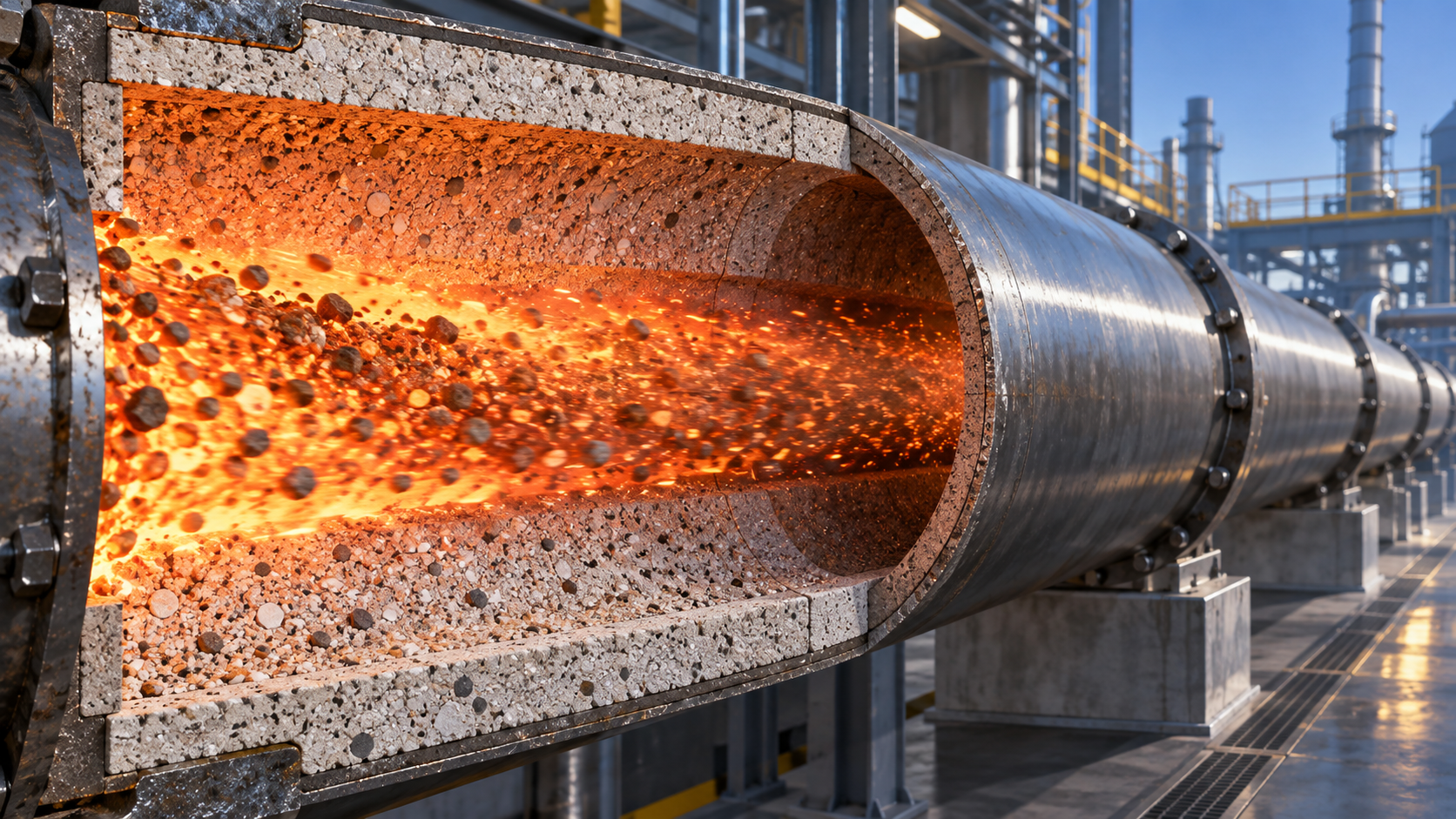
Another key factor is porosity. Lower porosity can reduce chemical penetration, but in some designs a balance is needed to avoid spalling or to support insulation and anchoring performance.
Thermal conductivity must be aligned with system goals. Dense materials may protect against wear, while insulating materials reduce shell temperature and energy loss. Longer service often comes from using both strategically.
Finally, dimensional stability is essential. Expansion, shrinkage, and phase change behavior affect joints, anchor stress, lining gaps, and overall structural reliability during long campaigns.
How application zone changes the best heat-resistant material choice
There is rarely one best material for an entire plant. In most high-temperature equipment, service conditions vary by zone, and the heat-resistant materials should be selected accordingly.
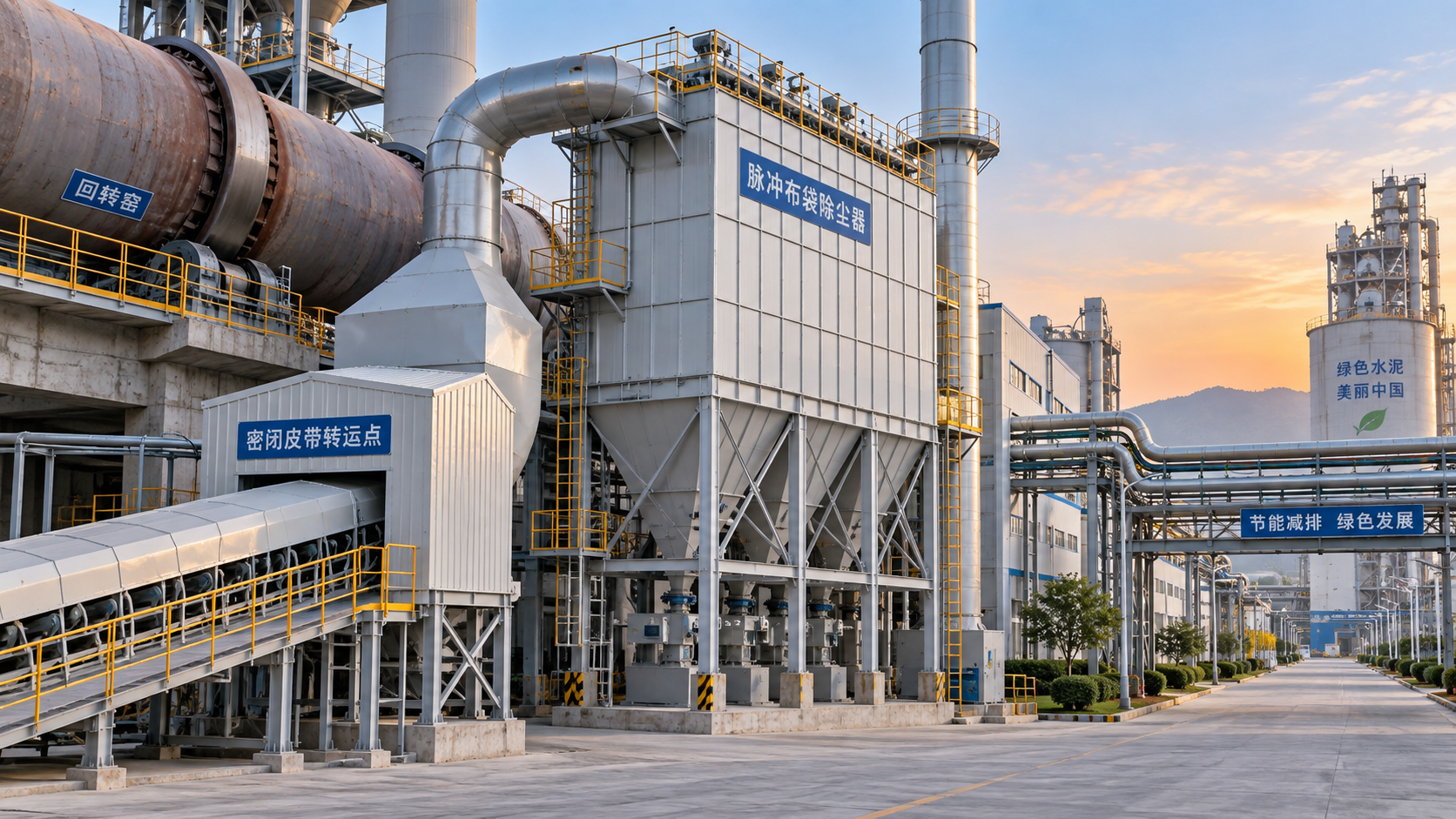
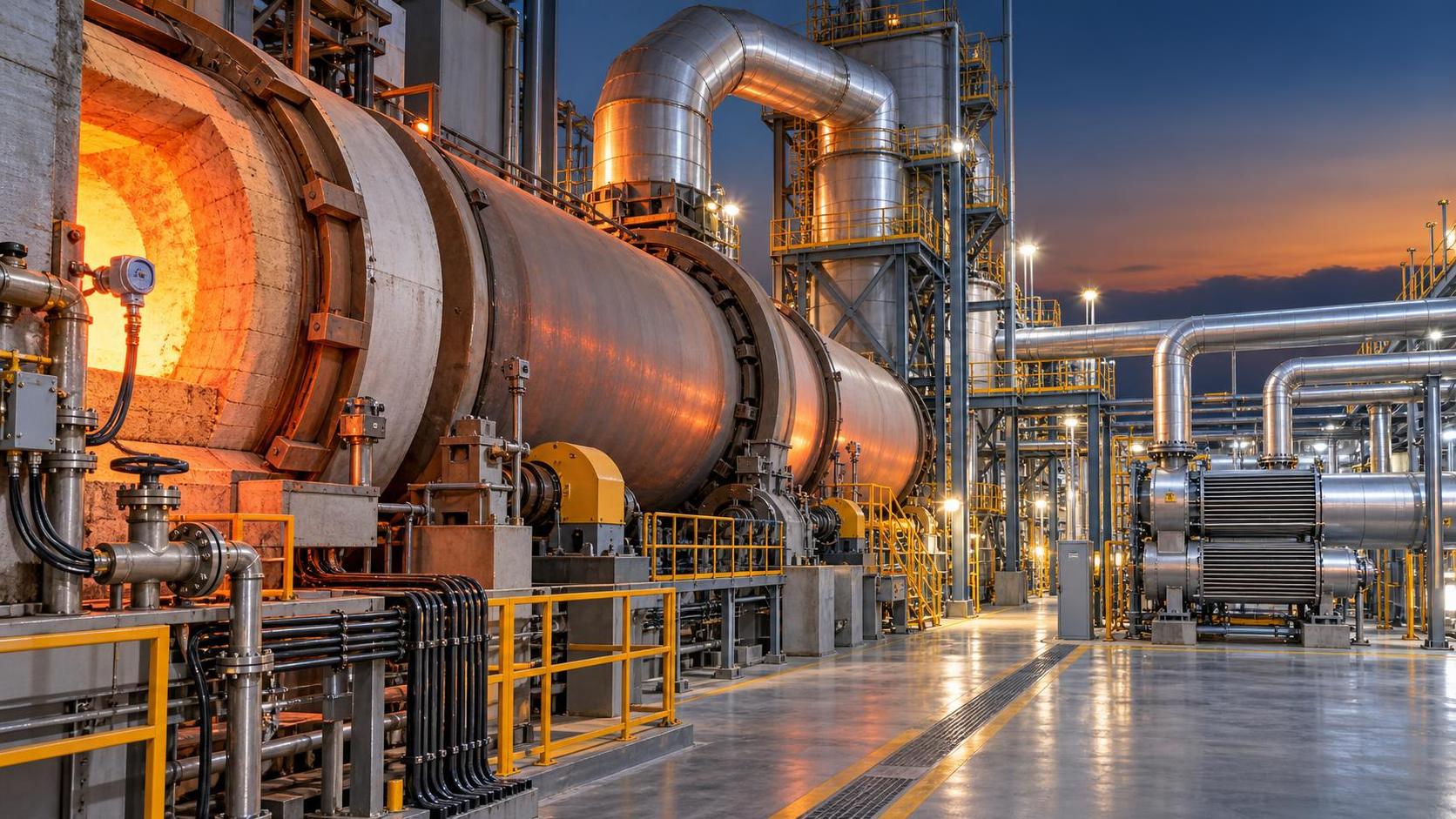
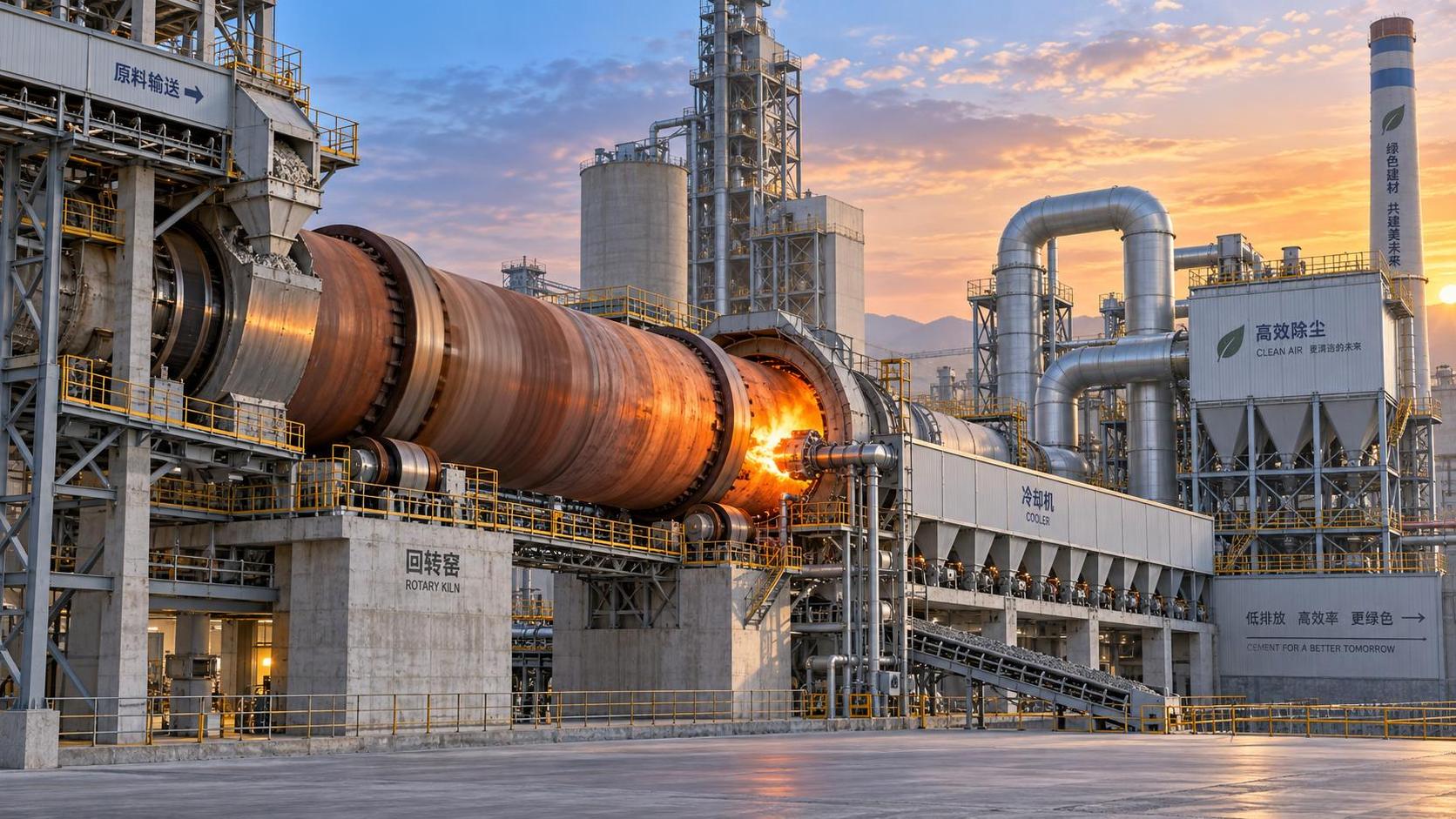
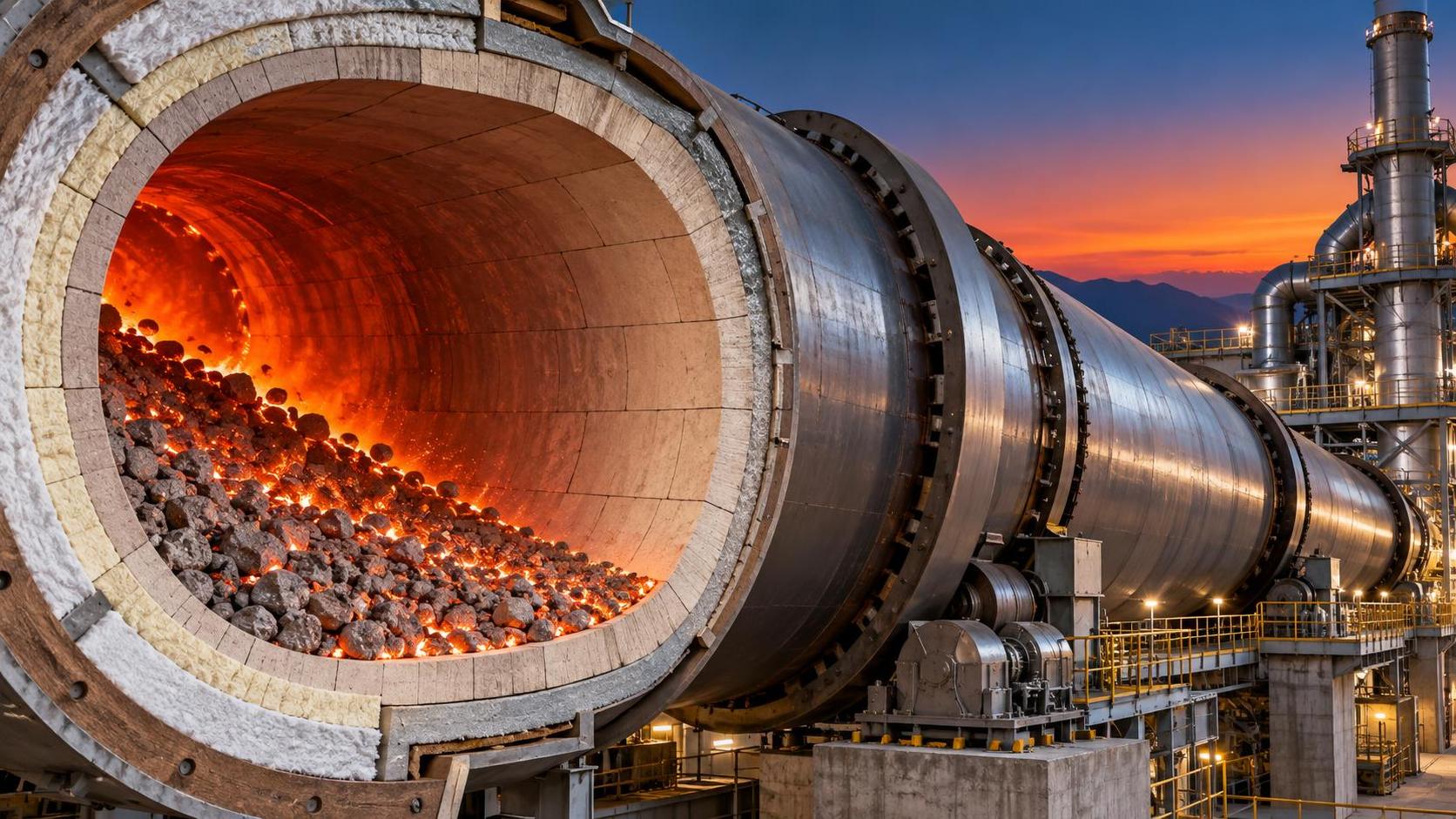
In rotary kilns, the burning zone may demand strong resistance to clinker coating fluctuation, alkali attack, and high mechanical stress, while transition zones need better thermal shock performance.
In waste incineration systems, the lining may face aggressive chlorides, thermal cycling, and ash erosion. Materials must be judged for corrosion resistance as well as resistance to mechanical wear.
In glass production, areas contacting molten glass require exceptional resistance to contamination, creep, and glass corrosion. Backup insulation layers serve a different purpose and need separate evaluation criteria.
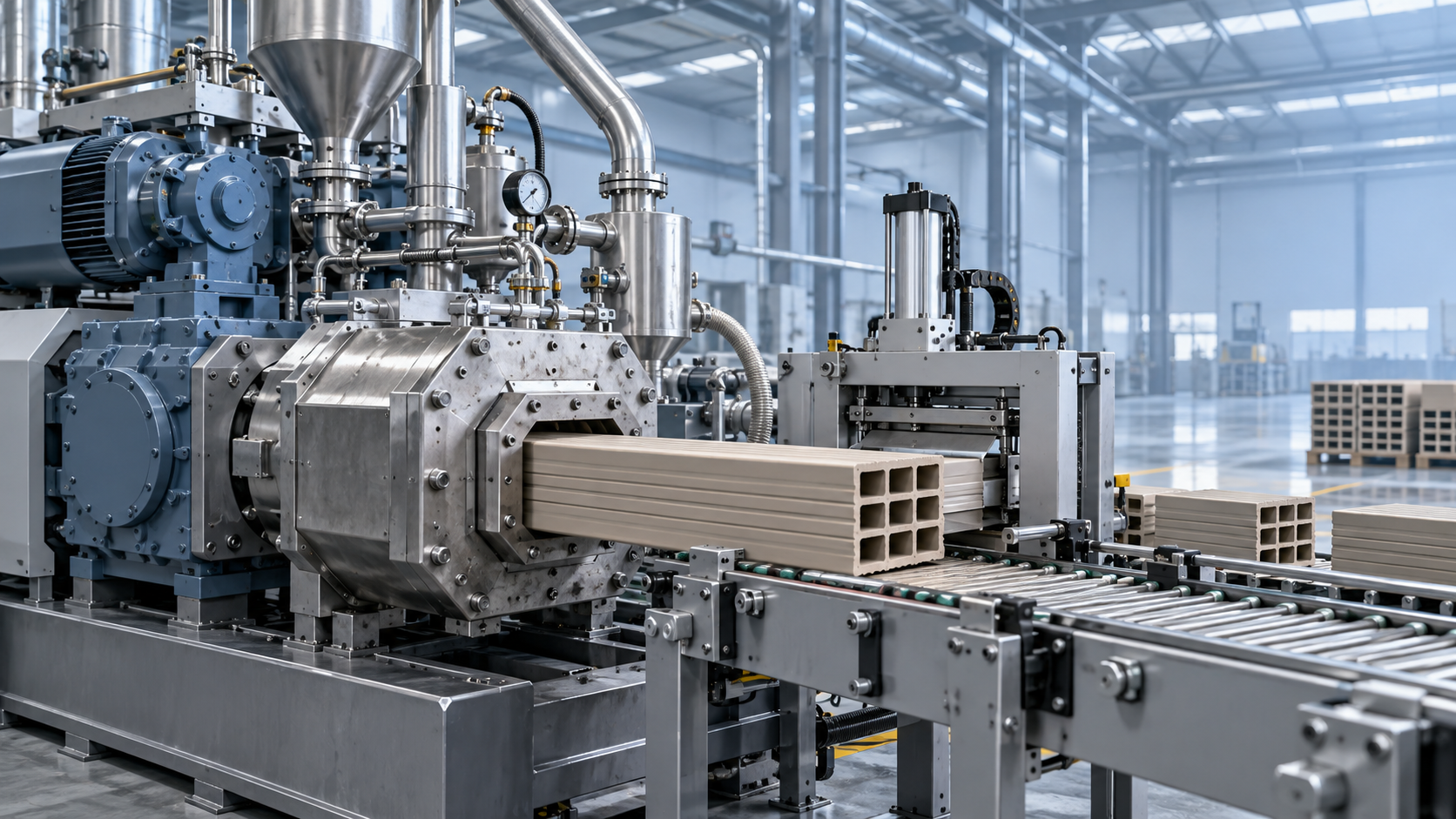
For extrusion equipment and thermal processing machinery, nozzles, liners, dies, insulation modules, and support structures may each require different material classes to balance wear, temperature, and efficiency.
This zone-based approach helps technical evaluators avoid over-specifying low-risk areas and under-protecting critical sections. It also supports better lifecycle cost control across the full system.
How to compare common categories of heat-resistant materials
Most evaluations involve several categories: dense refractories, insulating refractories, ceramic fibers, castables, specialty ceramics, and heat-resistant metallic alloys. Each category has distinct strengths and limits.
Dense refractories generally offer good load-bearing capacity and wear resistance. They are often suitable for zones with strong mechanical abuse, but their insulation value is usually lower.
Insulating refractories and ceramic fibers reduce heat loss and improve thermal efficiency. However, they may not be ideal where abrasion, direct flame scouring, or heavy impact is severe.
Monolithic castables provide design flexibility and fewer joints, which can reduce leakage paths. Their performance depends heavily on formulation, installation quality, curing, and dry-out discipline.
Specialty ceramics can deliver excellent chemical and thermal performance in demanding zones, but they may involve higher upfront cost and tighter installation tolerances.
Heat-resistant alloys are valuable where structural support, fabricated geometry, or moving parts are involved. Still, oxidation, creep, and alloy-specific corrosion must be checked carefully at service temperature.
Rather than asking which category is best overall, technical evaluators should ask which category best fits the duty profile, failure mode, and maintenance strategy of each equipment zone.
What failure mechanisms should guide material selection
Early failure analysis is one of the most practical tools for choosing heat-resistant materials. If the dominant failure mechanism is known, material selection becomes much more precise.
Cracking often points to thermal shock, poor expansion matching, or anchor design issues. Surface dusting or peeling may indicate chemical attack, binder breakdown, or improper dry-out.
Excessive wear can result from particle velocity, impact angle, rough cleaning methods, or insufficient hardness in exposed areas. Deformation may indicate creep, overload, or local overheating.
Penetration by slag, ash, or glass usually signals porosity and chemical compatibility problems. Repeated patching in the same area often means the chosen material does not match the true service conditions.
Technical evaluators should request historical maintenance records, lining maps, shell temperature trends, and post-shutdown inspection data. These inputs reveal whether the issue is material-related, design-related, or operational.
How lifecycle cost reveals the real value of heat-resistant materials
For longer service life, purchase price should never be the only benchmark. The real comparison is lifecycle cost, including installation, energy performance, maintenance frequency, and lost production risk.
A lower-cost material may appear attractive initially, but if it shortens campaign life or increases shutdown frequency, total operating cost can become significantly higher over time.
On the other hand, the highest-grade option is not always the most economical. In non-critical zones, over-specification can add cost without producing measurable durability or efficiency gains.
Useful evaluation metrics include expected service life, cost per operating month, heat loss reduction, maintenance labor demand, startup sensitivity, and consequence of unexpected failure.
Technical evaluators should also consider supply stability, installation skill requirements, and quality consistency between batches. These practical factors often influence long-term reliability as much as material chemistry.
What questions to ask suppliers before making a final decision
Supplier discussions should go beyond brochures and standard datasheets. The goal is to verify whether the proposed heat-resistant materials have proven performance in comparable operating environments.
Ask for reference cases with similar temperature range, atmosphere, chemical exposure, cycle pattern, and campaign duration. General claims are less useful than documented performance under similar duty conditions.
It is also important to ask about installation windows, anchor recommendations, dry-out procedures, expected wear patterns, and known failure risks if operating conditions fluctuate.
Where possible, request thermal conductivity curves, hot strength data, corrosion test information, and compatibility guidance for adjacent materials in the lining or structural assembly.
A strong supplier should be able to explain not only why a material works, but where it does not work well. That transparency helps reduce evaluation risk and improve specification accuracy.
A practical selection framework for technical evaluators
A reliable process for choosing heat-resistant materials can be kept simple. First, define the duty profile by zone and identify the dominant thermal, chemical, and mechanical stresses.
Second, rank the likely failure mechanisms based on operating history, inspections, and process data. Third, shortlist candidate materials according to resistance to those specific failure modes.
Fourth, compare lifecycle cost rather than unit price alone. Fifth, validate installation requirements and supplier support capability. Finally, review the choice against maintenance strategy and shutdown planning.
This method supports better alignment between material performance, equipment reliability, and energy efficiency. It also helps technical evaluators justify decisions with evidence instead of relying on generic temperature ratings.
Conclusion
Choosing heat-resistant materials for longer service life is ultimately a context-based engineering decision. The best option is the one that matches real service conditions, not the one with the most impressive catalog number.
For technical evaluators, the strongest results come from focusing on failure mechanisms, zone-specific demands, chemical compatibility, thermal behavior, and lifecycle cost in equal measure.
When those factors are assessed systematically, heat-resistant materials can do more than withstand heat. They can extend campaign life, reduce shutdown risk, improve efficiency, and support better long-term asset performance.
Related News
 Ms. Elena RodriguezHow to Structure Global Specification Data for Faster Industrial Product EvaluationGlobal specification-oriented product information helps industrial teams compare capacity, energy, emissions, automation, and lifecycle data on a like-for-like basis for faster, confident equipment decisions.Sep 29, 2026
 Thermal Energy ArchitectHow to Specify High-Temperature Process Systems for Continuous Thermal OperationsHigh-temperature process engineering systems: learn how to specify resilient continuous thermal operations for efficiency, compliance, reliable uptime, and long-term performance.Sep 28, 2026
 Thermal Energy ArchitectHow to Evaluate a Thermal Engineering Contractor for High-Temperature Plant ProjectsChoose a thermal engineering contractor with proven process expertise, lifecycle value, emissions control, and delivery discipline for reliable high-temperature plant performance.Sep 27, 2026
 Silicate Process EngineerHow Latin American Cement Plants Can Reduce Dust Emissions in Kilns and Transfer PointsCement plant dust control Latin America: reduce kiln and transfer-point emissions with practical airflow, filtration, monitoring, and maintenance strategies.Sep 26, 2026
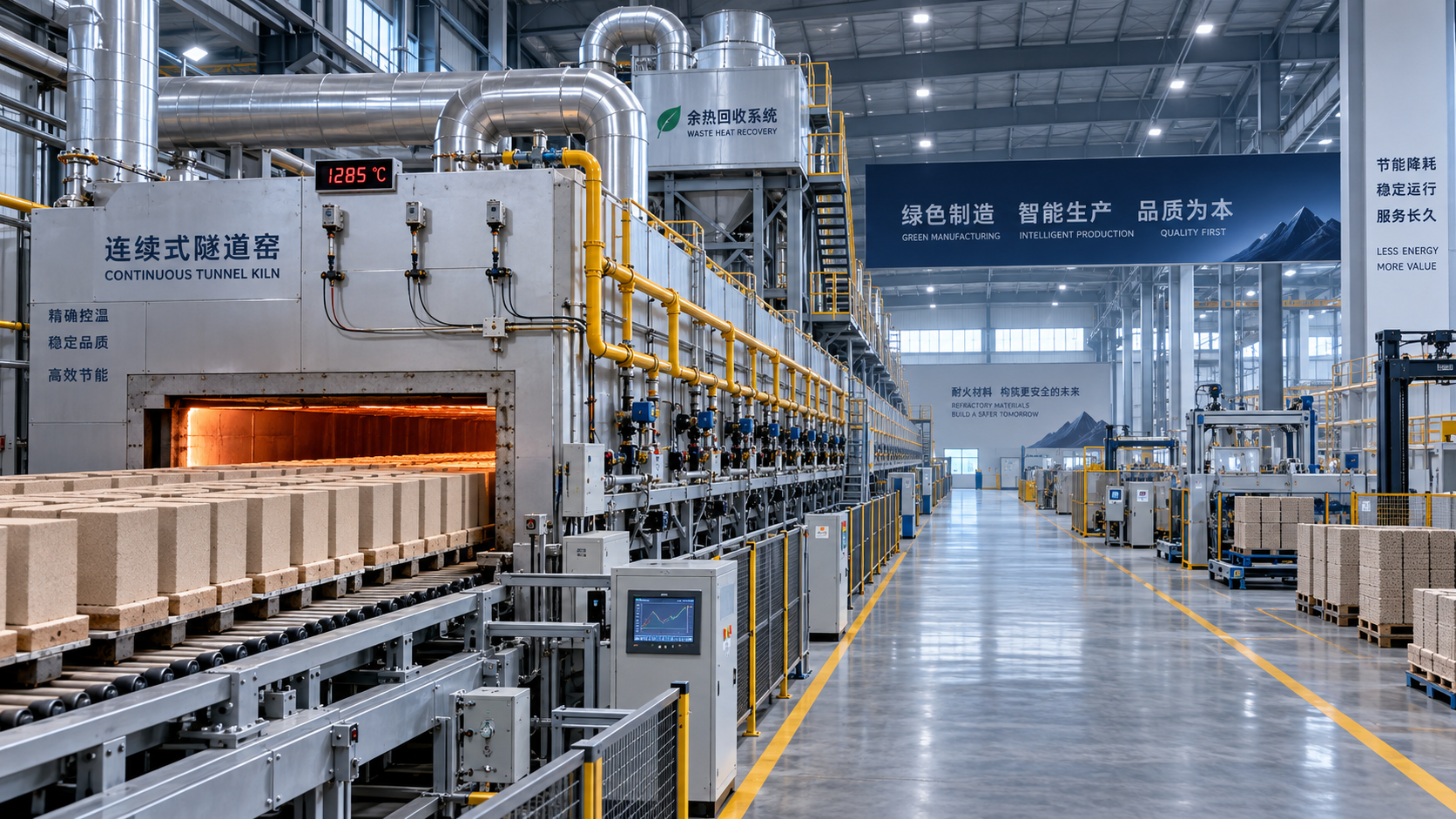
 Material Heat-Resist ExpertHow to Evaluate Refractory Production Lines for Output, Quality, and Energy UseRefractory production lines: learn how to assess qualified output, consistent quality, and total energy use for smarter, lower-risk investment decisions.Sep 25, 2026
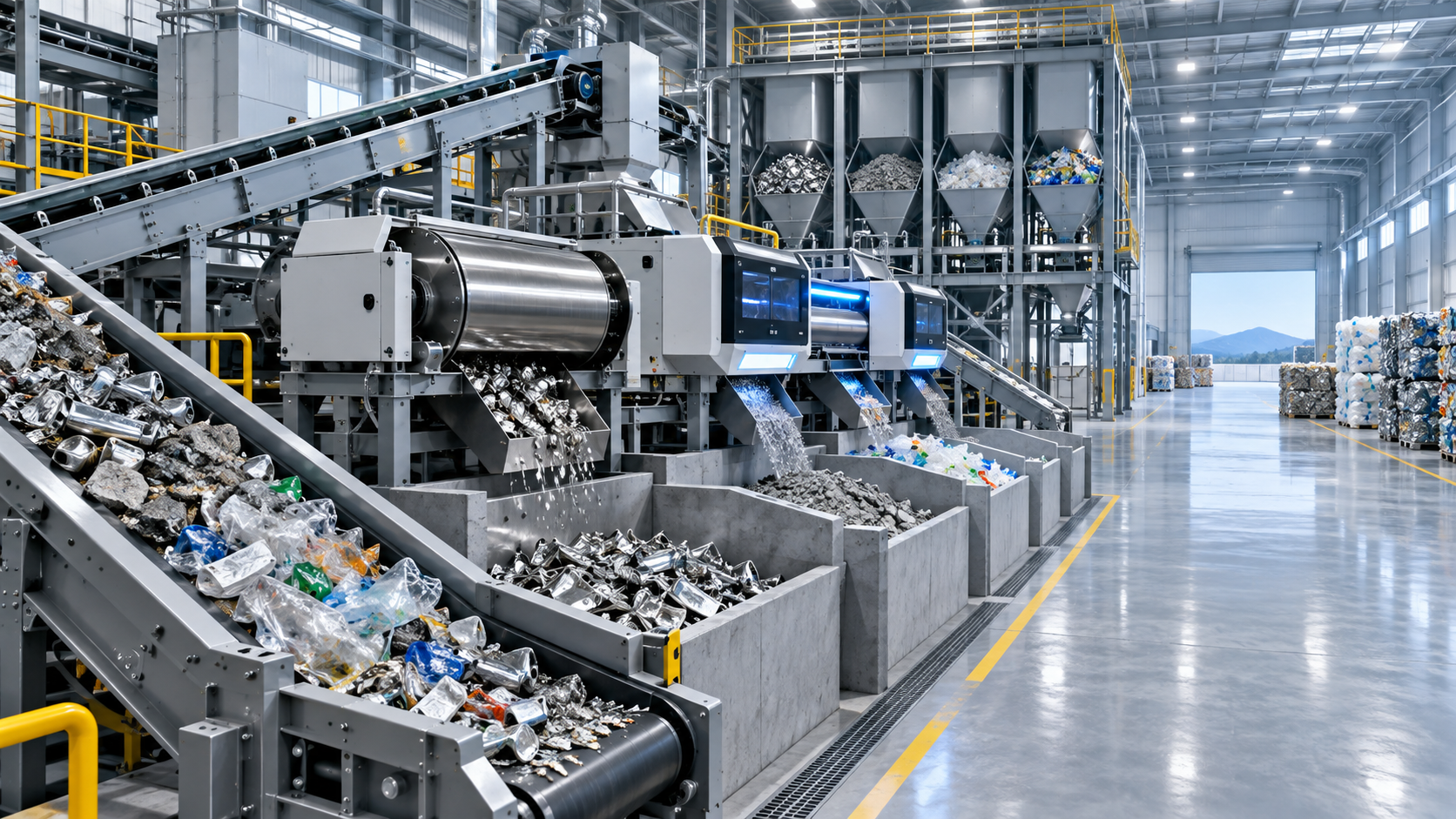
 Dr. Alistair VaughnHow Waste Recycling Technology Improves Material Recovery in Industrial PlantsWaste recycling technology improves material recovery through source segregation, smart separation, thermal treatment, and quality control for industrial plants.Sep 24, 2026
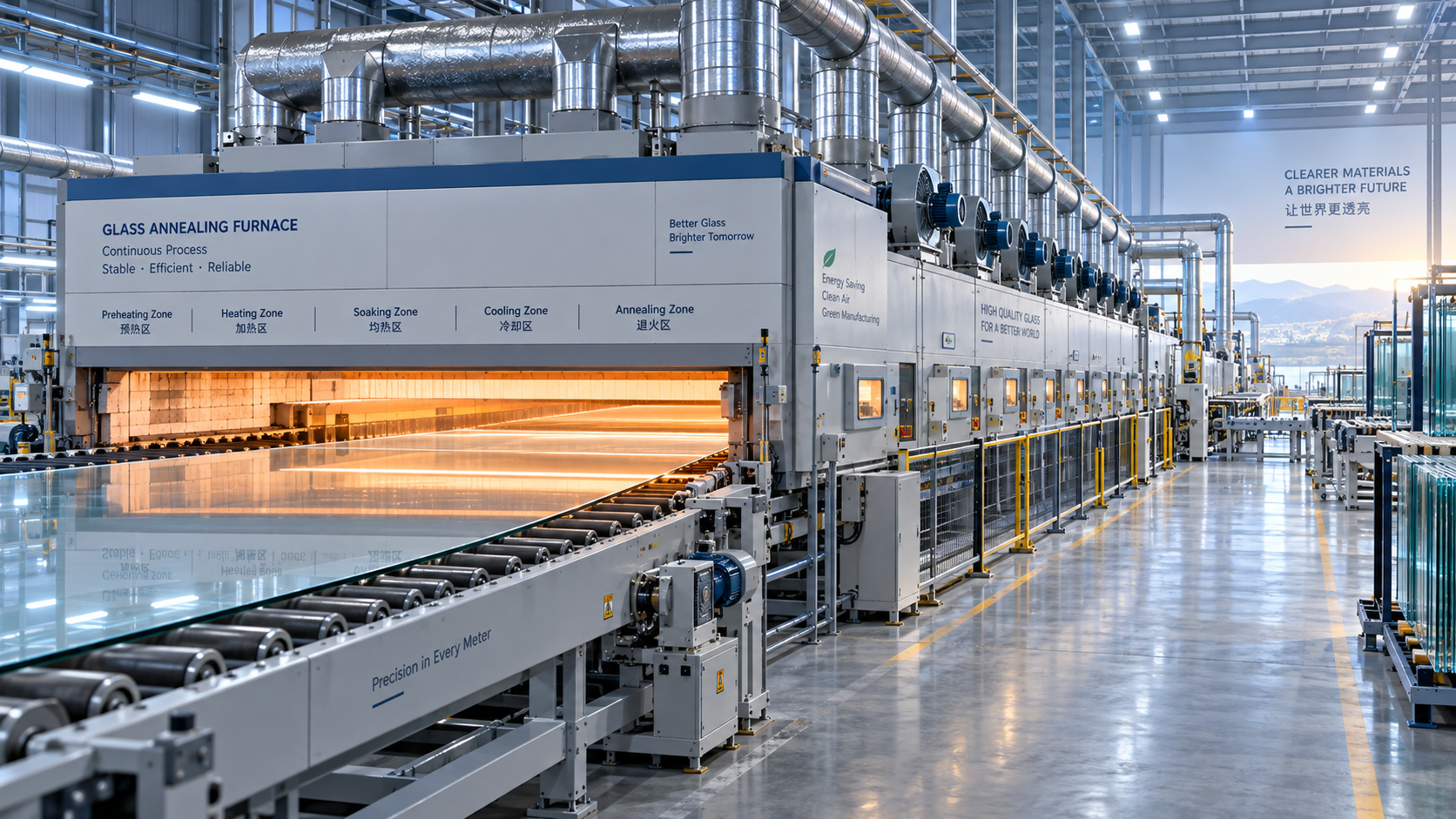
 Optical Glass Tech FellowHow to Specify Glass Annealing Equipment for European Quality and Energy RequirementsGlass annealing equipment Europe: learn how to specify lehrs for consistent glass quality, energy efficiency, compliance, automation, and reliable long-term performance.Sep 23, 2026
 Optical Glass Tech FellowSilicate Process Automation: Improving Batch Consistency and Energy ControlSilicate process automation improves batch consistency, energy control, traceability, and operator confidence across high-temperature manufacturing operations.Sep 22, 2026
 Optical Glass Tech FellowHow Silicate Industrial Processes Control Viscosity, Energy Use, and Product QualitySilicate industrial processes: learn how viscosity, chemistry, heat transfer, and atmosphere control reduce energy use, improve stability, and protect product quality.Sep 21, 2026
 Thermal Energy ArchitectHow European Plants Can Evaluate Energy Recovery Equipment for High-Temperature ProcessesIndustrial energy recovery equipment Europe: learn how high-temperature plants can assess waste-heat sources, integration risks, lifecycle value, and reliable recovery routes.Sep 20, 2026
 Thermal Energy ArchitectIndustrial Furnace Process Optimization: Reducing Fuel Use Without Sacrificing ThroughputIndustrial process optimization furnace strategies that cut fuel use while protecting throughput. Explore combustion control, heat recovery, refractory performance, and data-driven efficiency gains.Sep 19, 2026
 Ms. Elena RodriguezWhat Drives High-Pressure Extrusion Equipment Cost in Industrial Projects?High pressure extrusion equipment cost explained: compare pressure, die design, automation, wear, energy, and installation factors for smarter industrial investments.Sep 18, 2026
 Thermal Energy ArchitectHow to Size a Waste Heat Recovery Exchanger for High-Temperature Kiln Exhaust?Waste heat recovery exchanger sizing for high-temperature kiln exhaust: balance recoverable duty, fouling, corrosion limits, pressure drop, and reliable heat use.Sep 17, 2026
 Thermal Energy ArchitectWhy Heat-Resistant Materials Lose Abrasion Resistance at High TemperaturesHeat-resistant materials abrasion resistance can decline at high temperatures. Discover the thermal, chemical, and mechanical causes of wear—and how to choose longer-lasting linings.Sep 16, 2026
 Thermal Energy ArchitectHow to Evaluate a Thermal Energy Optimization Company for High-Temperature PlantsChoose a thermal energy optimization company with proven process expertise, measurable savings, and reliable delivery for high-temperature plants. Learn what to assess.Sep 15, 2026
 Thermal Energy ArchitectRotary Kiln Efficiency: How Feed Rate, Fuel Use, and Heat Loss Affect OutputRotary kiln efficiency explained: discover how feed rate, fuel use, heat loss, combustion, and cooling performance shape output, quality, and energy costs.Sep 14, 2026
 Thermal Energy ArchitectHow to Select Heat-Resistant Materials That Maintain Abrasion Resistance in KilnsHeat-resistant materials abrasion resistance: learn how to select kiln linings that withstand heat, wear, thermal cycling, and chemical attack for longer service life.Sep 13, 2026
 Thermal Energy ArchitectHow Rotary Kiln Automation Improves Temperature Control and Fuel EfficiencyRotary kiln technology automation enhances temperature control, stabilizes combustion, and improves fuel efficiency with smarter data, predictive control, and safer operations.Sep 12, 2026
 Silicate Process EngineerCement Plant Emission Control: Selecting Systems for Dust, NOx, and SO2 LimitsCement plant emission control guide: compare dust collectors, NOx reduction, and SO2 systems for reliable compliance across kiln modes, fuel changes, and operating upsets.Sep 11, 2026
 Thermal Energy ArchitectSelecting Abrasion-Resistant High-Temperature Materials for Kiln and Conveyor Wear ZonesHigh-temp material engineering guide to abrasion-resistant kiln and conveyor solutions—match wear, heat, chemistry, and installation design for longer service life.Sep 10, 2026


Related News
- 00
0000-00
How to Evaluate Refractory Production Lines for Output, Quality, and Energy Use - 00
0000-00
What Determines Refractory Production Line Price in a Turnkey Plant Project? - 00
0000-00
How to Evaluate a Silicate Production Line for Capacity, Energy Use, and Product Quality - 00
0000-00
Silicate Production Line Process Explained: Key Stages, Equipment, and Quality Control - 00
0000-00
How to Evaluate a Refractory Production Line in Southeast Asia: Capacity, Fuel, and Raw Material Factors
Weekly Insights
Stay ahead with our curated technology reports delivered every Monday.