
Industrial energy efficiency is now a growth decision




Industrial energy efficiency is no longer a compliance topic—it is a strategic growth decision for heavy industry.
Across cement, glass, kilns, refractories, and extrusion systems, energy performance now shapes margins, uptime, carbon exposure, and investment confidence.
The strongest results come from linking thermal data, process stability, and commercial intelligence into one decision framework.
For CF-Elite, this is where industrial energy efficiency becomes measurable business value rather than an isolated engineering target.
Industrial energy efficiency has moved from operating metric to growth signal
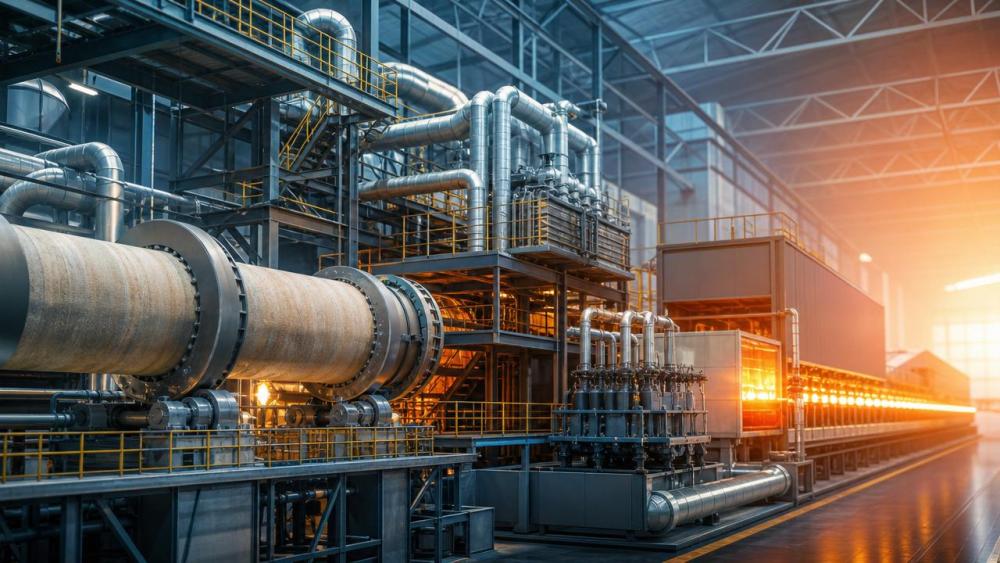
The market is sending a clear message. Plants with lower energy intensity are gaining stronger cost positions and more resilient delivery performance.
In high-temperature sectors, fuel volatility and electricity pricing can quickly reshape profitability.
That is why industrial energy efficiency now influences expansion timing, modernization plans, and asset valuation.
The shift is visible in cement production plants, float glass lines, industrial kilns, waste-to-energy systems, refractory lines, and new building material extrusion.
Efficiency decisions increasingly determine whether a facility can absorb carbon costs, maintain product quality, and compete in stricter global markets.
This makes industrial energy efficiency a board-level issue, not only a maintenance or utility discussion.
The trend is accelerating because energy, carbon, and reliability are converging
Several forces are pushing industrial energy efficiency into the center of strategic planning.
They are not isolated trends. They reinforce each other across thermal processes and capital-intensive equipment.
This convergence explains why industrial energy efficiency is rising in strategic reviews across the comprehensive industrial landscape.
Where industrial energy efficiency creates the biggest impact in thermal industries
The gains are rarely limited to utility savings. They often appear across throughput, product stability, maintenance intervals, and commercial positioning.
Cement and clinker systems
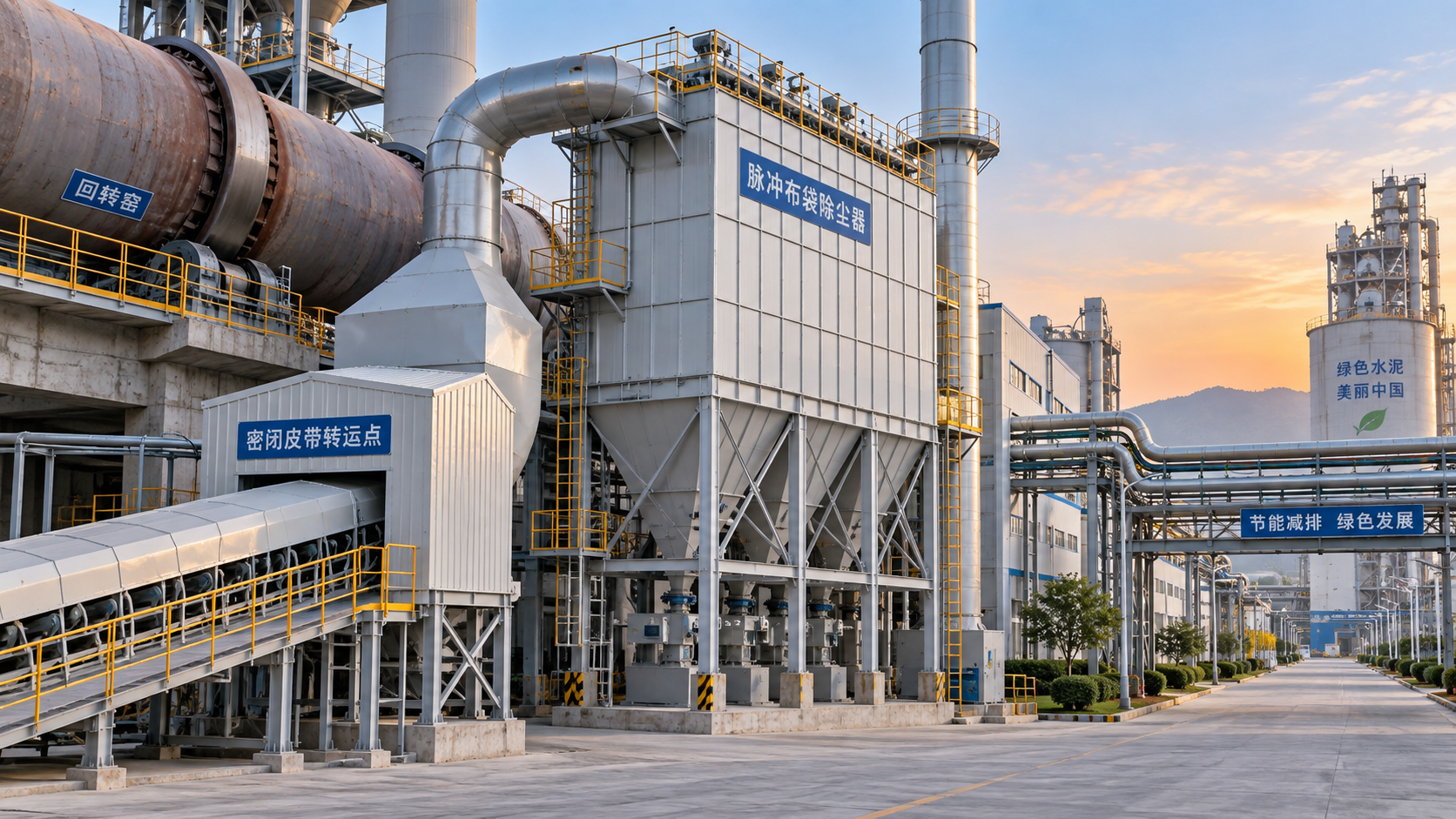
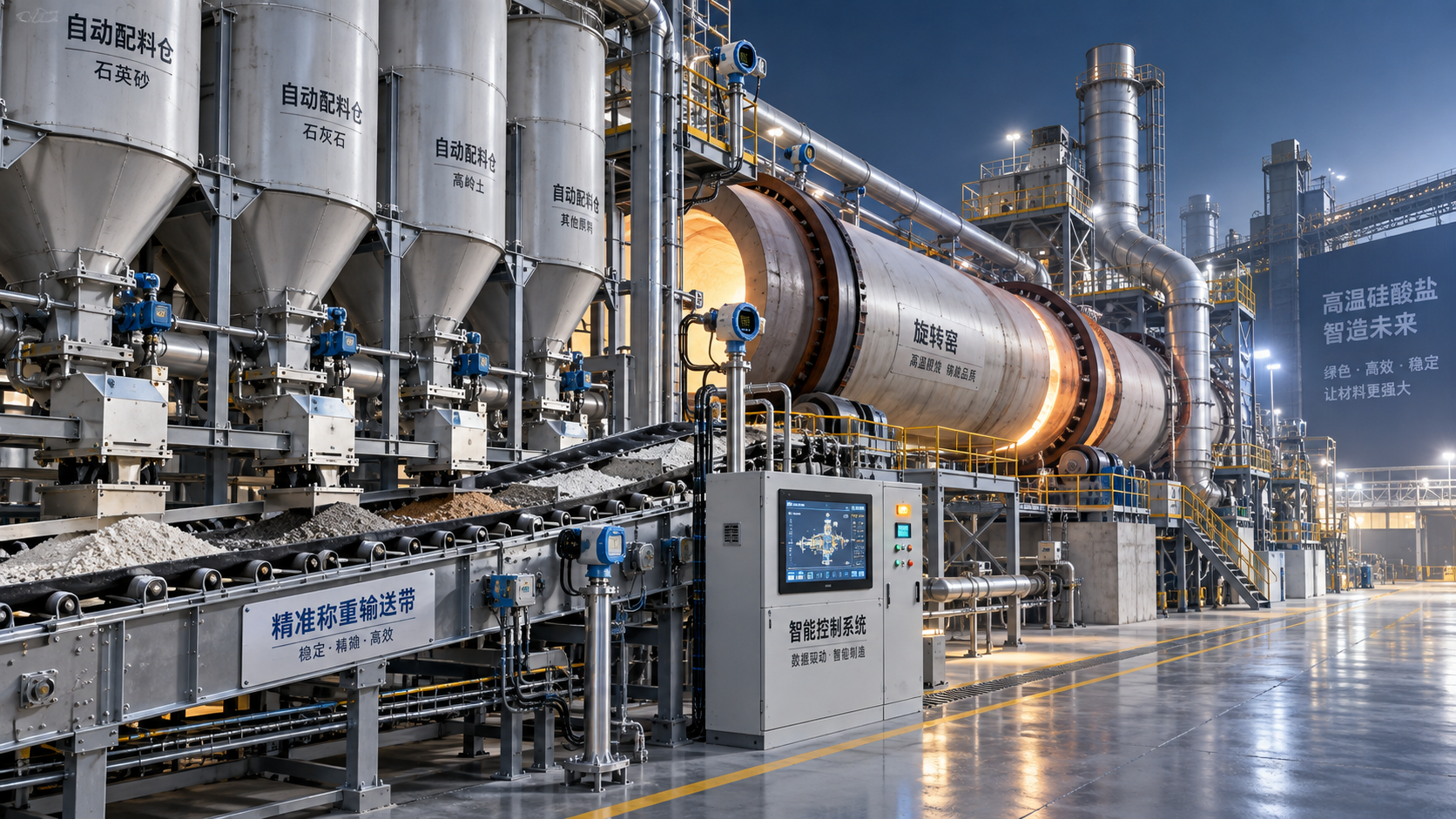
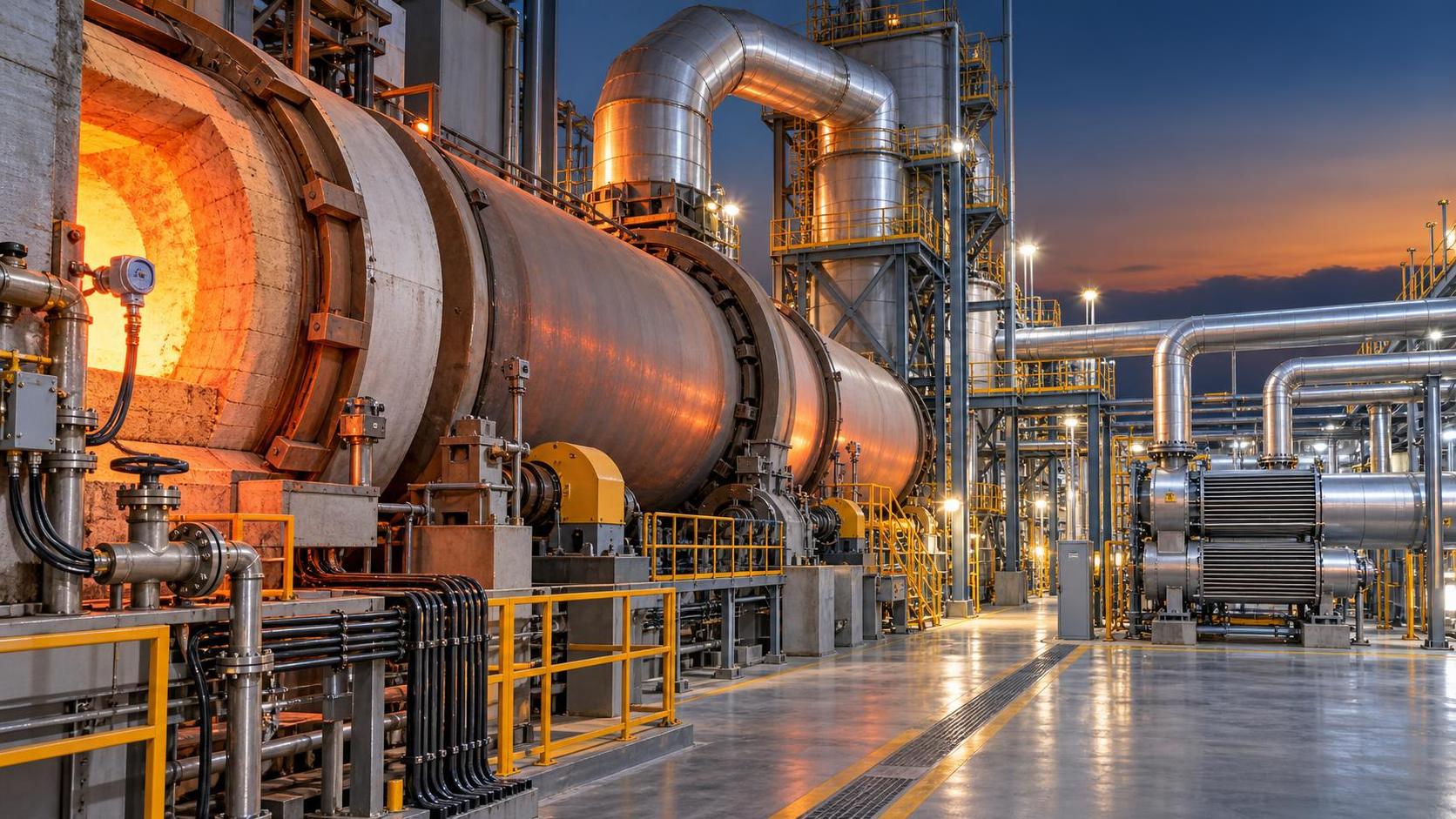
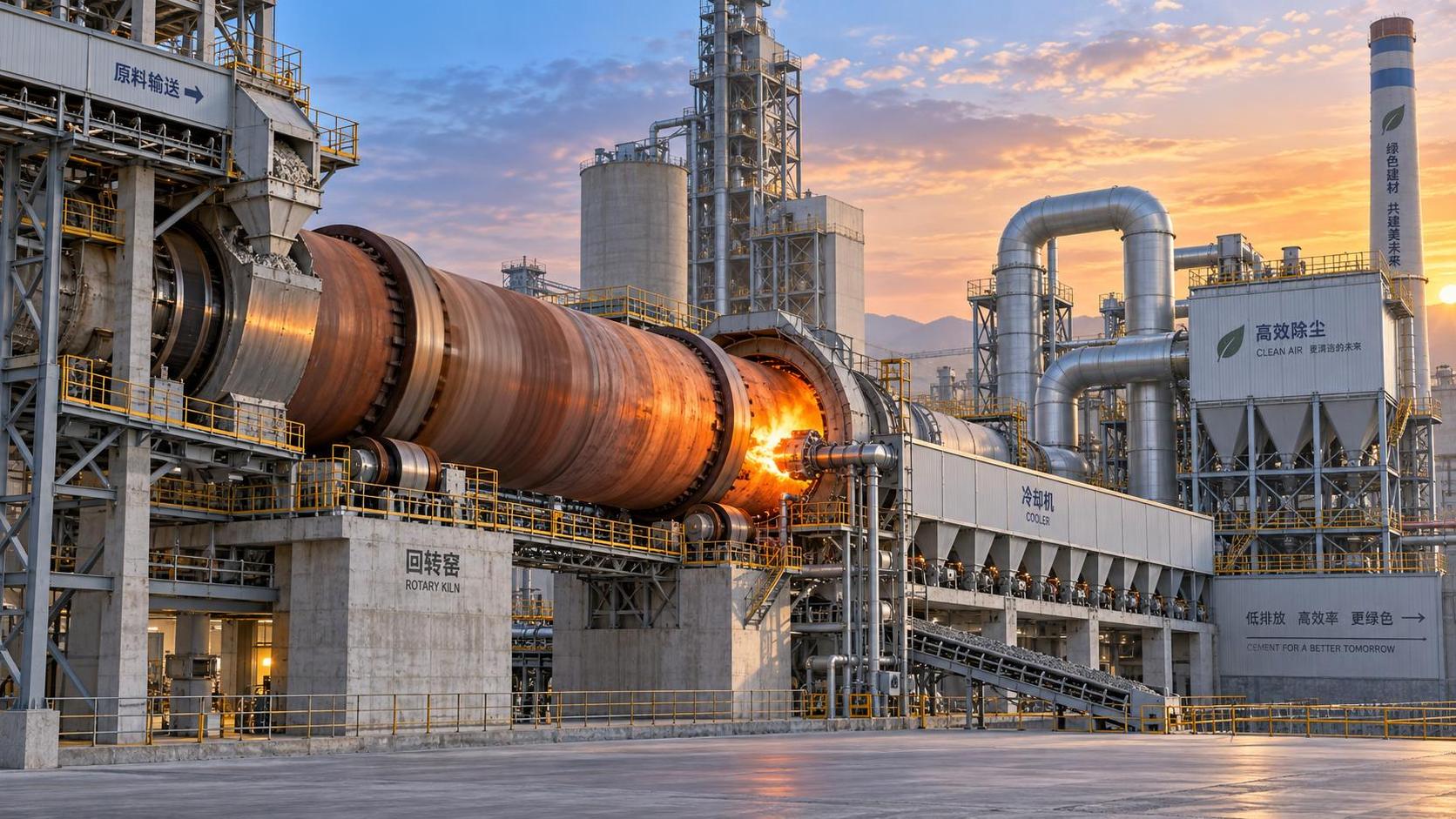
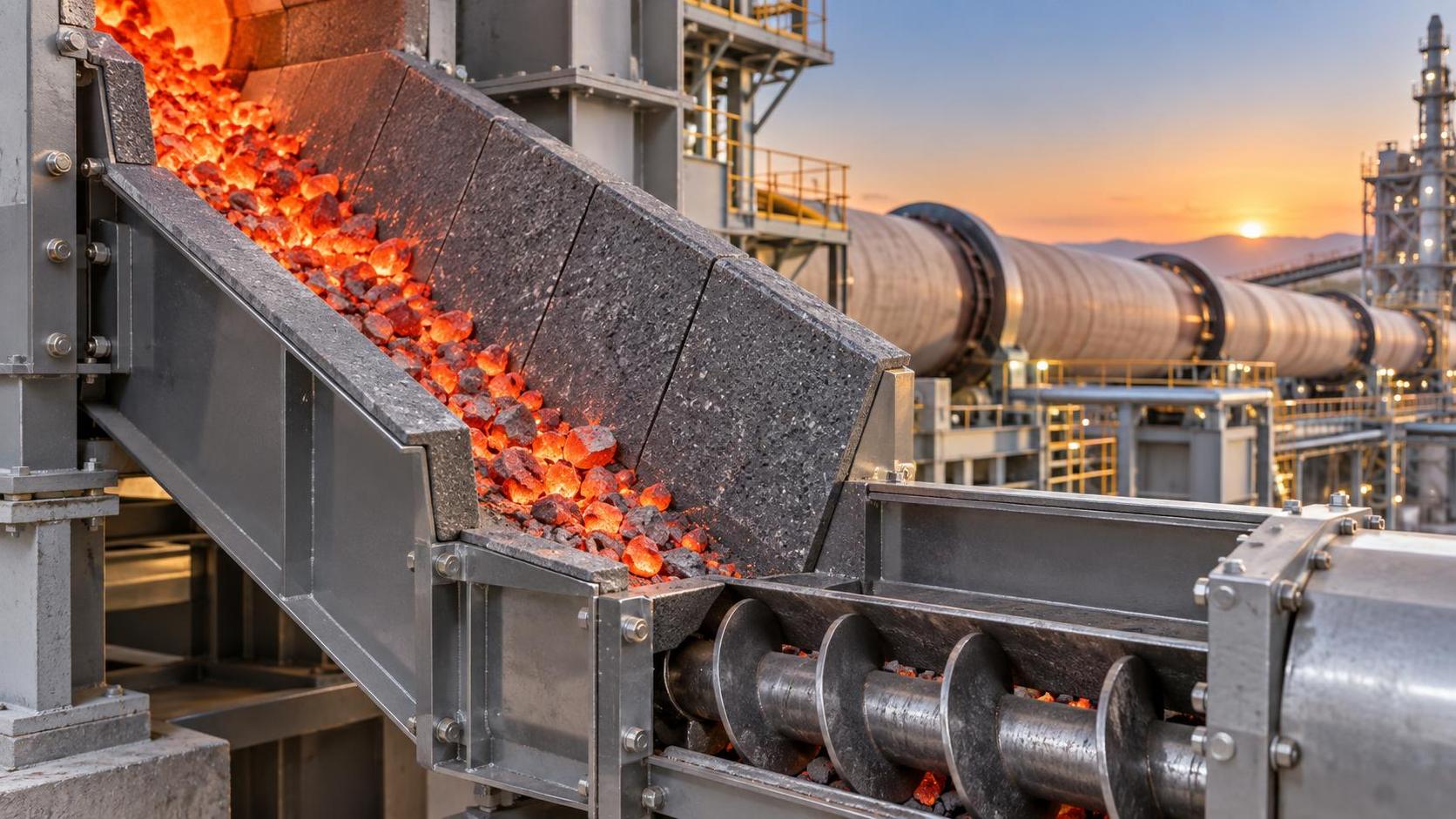
In cement, industrial energy efficiency starts with kiln balance, cooler performance, alternative fuel integration, and dust handling optimization.
Better thermal control can reduce specific heat consumption while supporting more stable clinker quality and fewer stop-start losses.
Glass melting and annealing lines
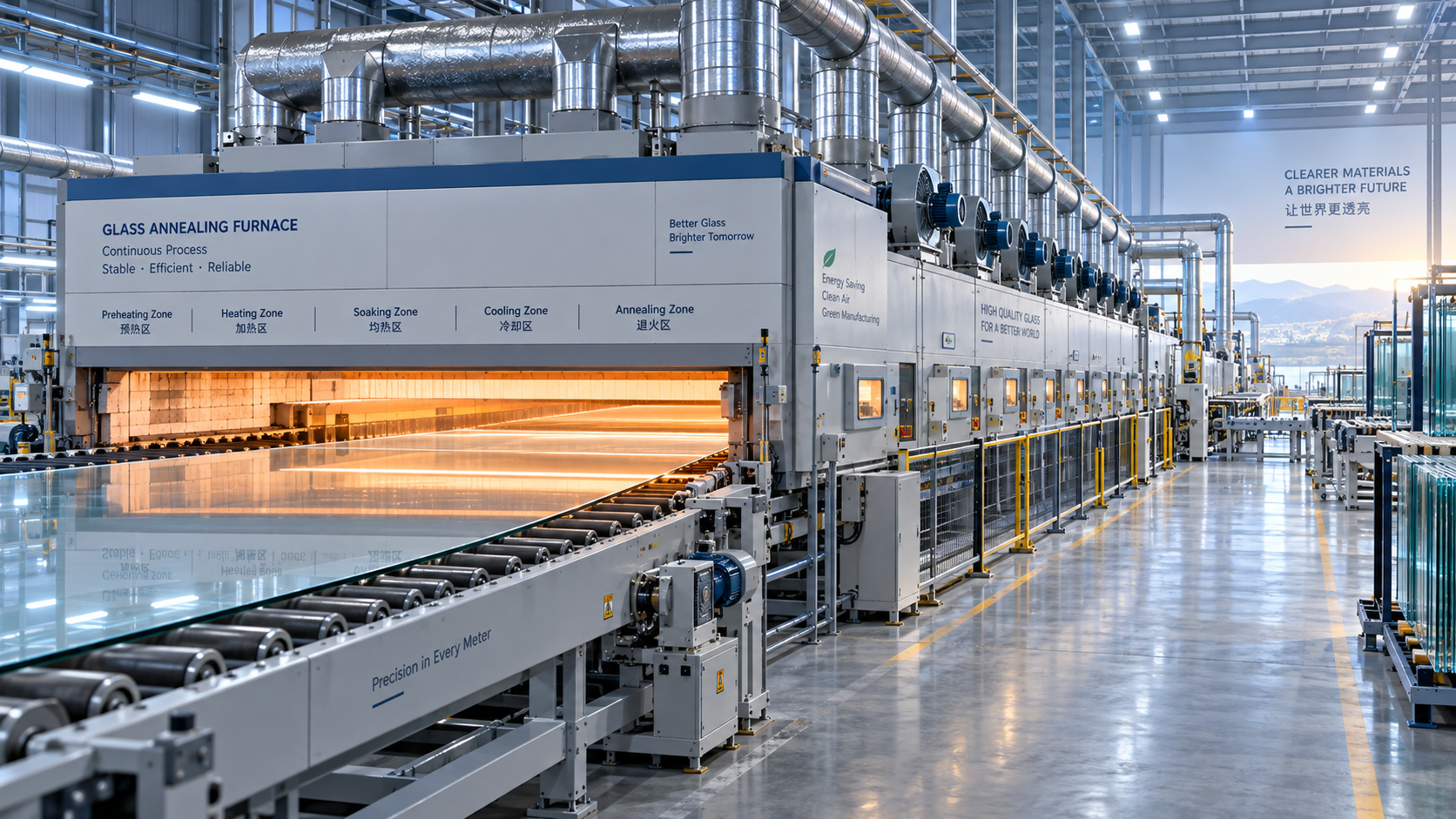
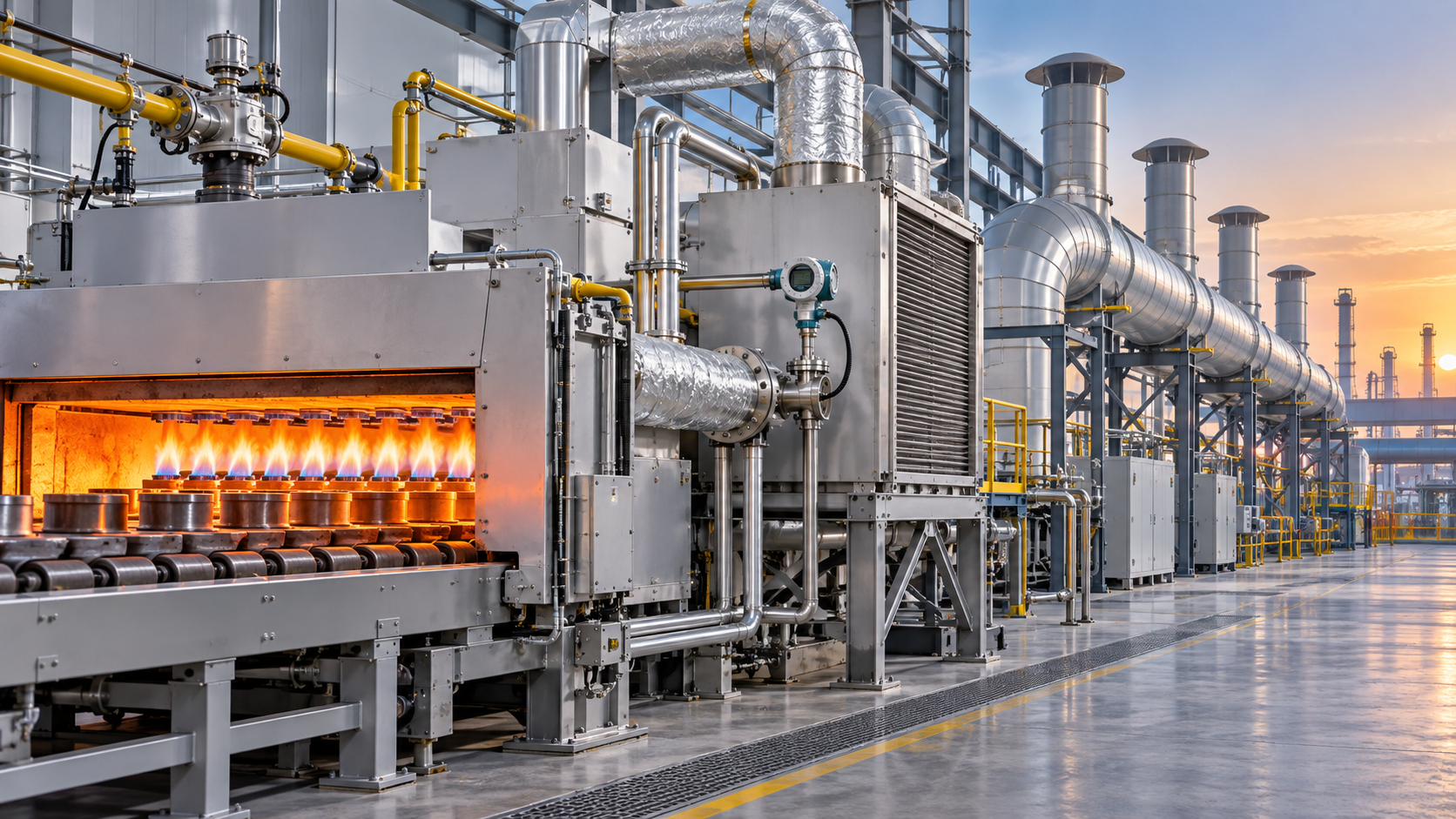
In glass manufacturing gear, furnace efficiency and annealing consistency determine both fuel use and defect rates.
Industrial energy efficiency here often depends on combustion tuning, insulation health, batch quality, and digital furnace simulation.
Industrial kilns and incineration
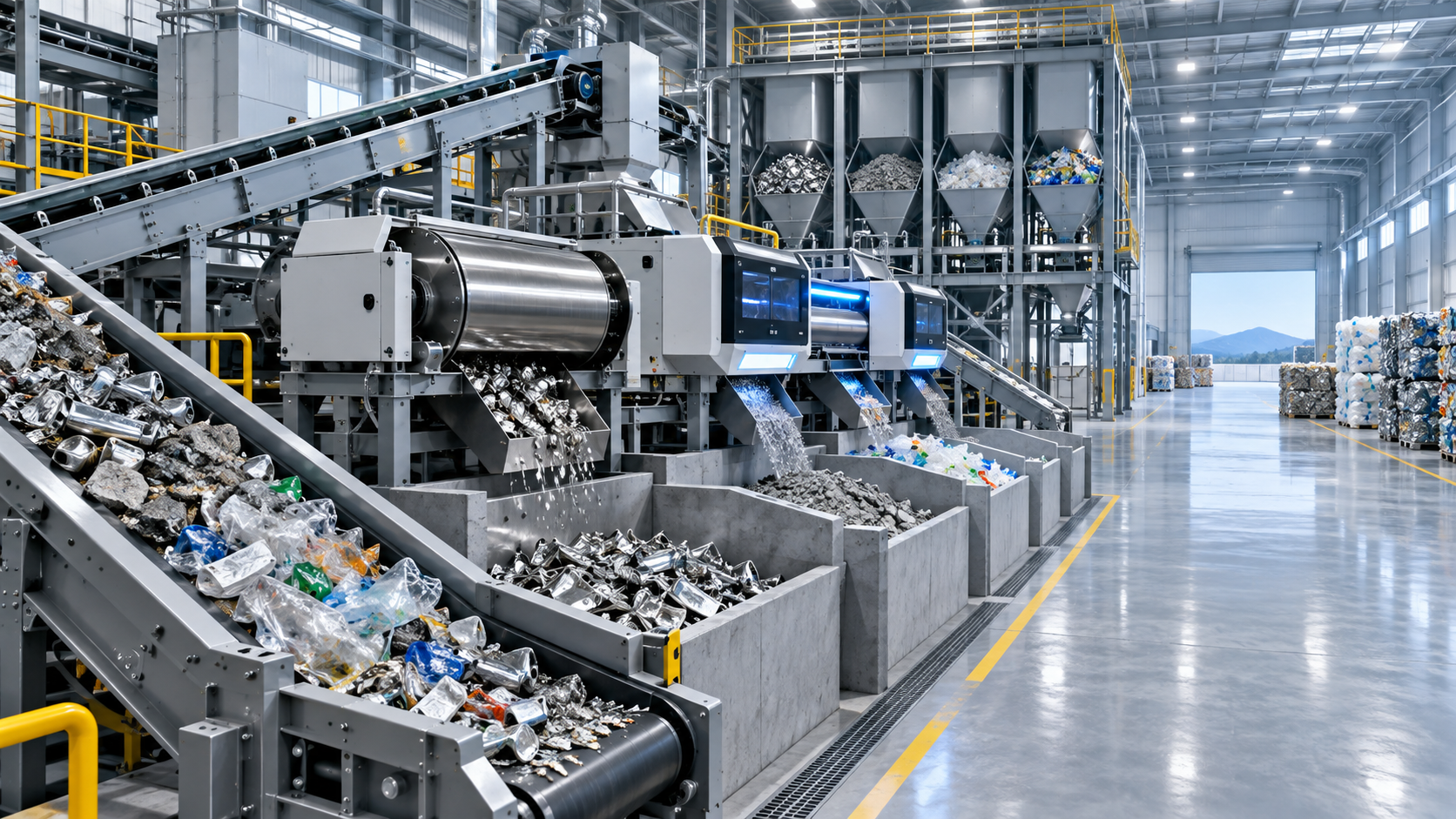
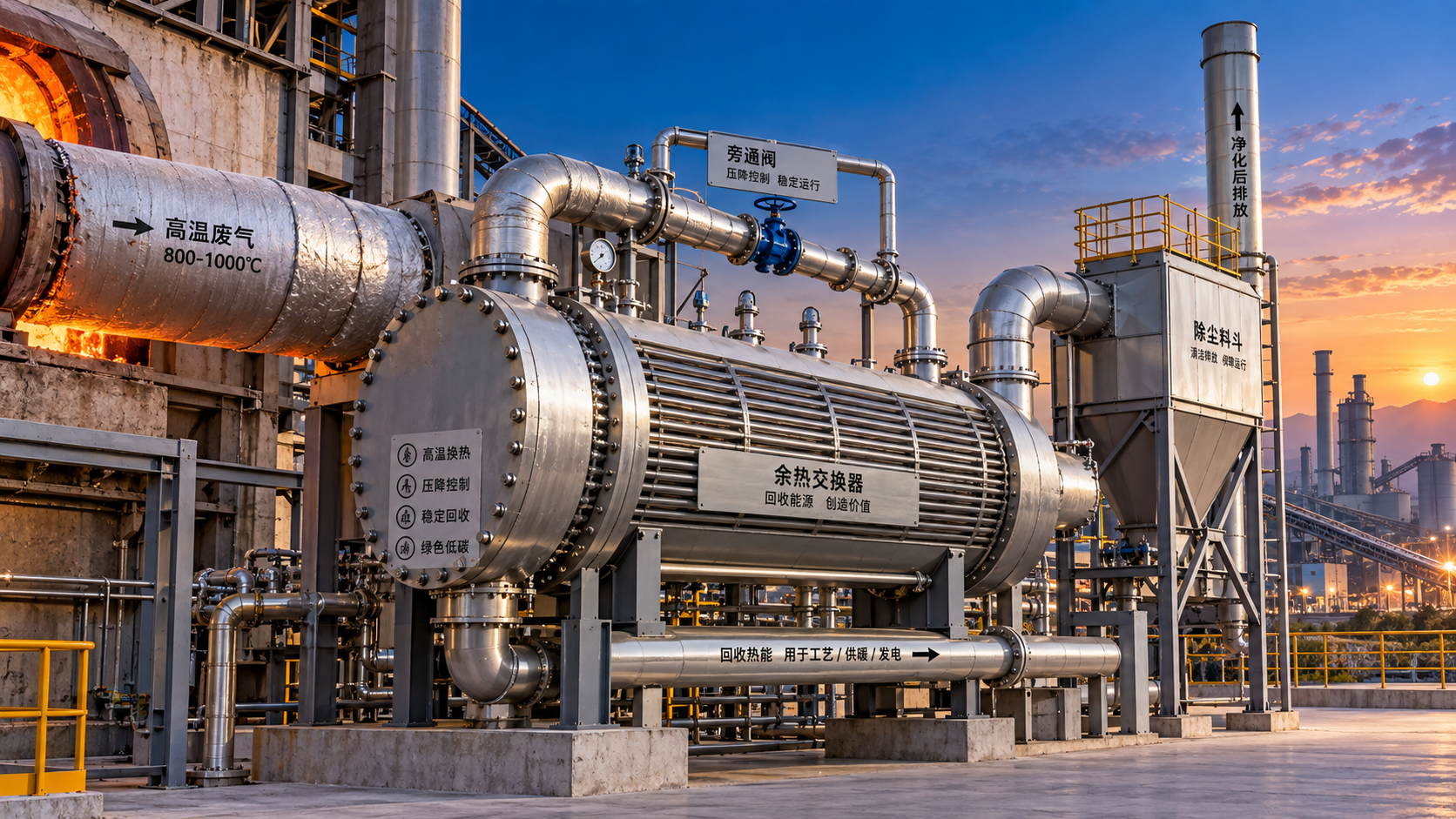
For kilns and incineration systems, heat recovery, residence time, oxygen control, and feed variability become central decision points.
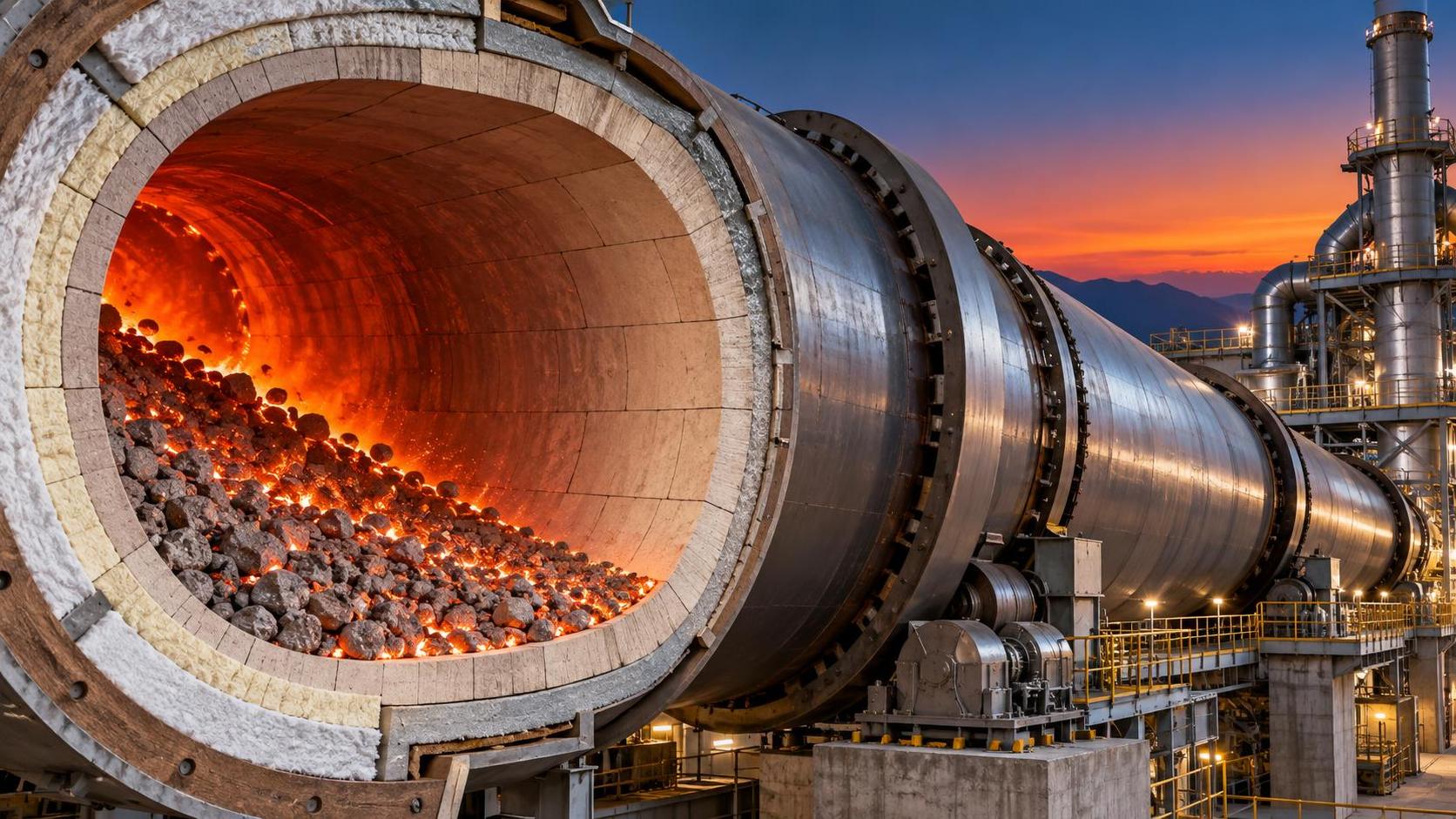
Efficiency improvements can increase energy recovery while lowering emissions risk and protecting refractory life.
Refractory and extrusion lines
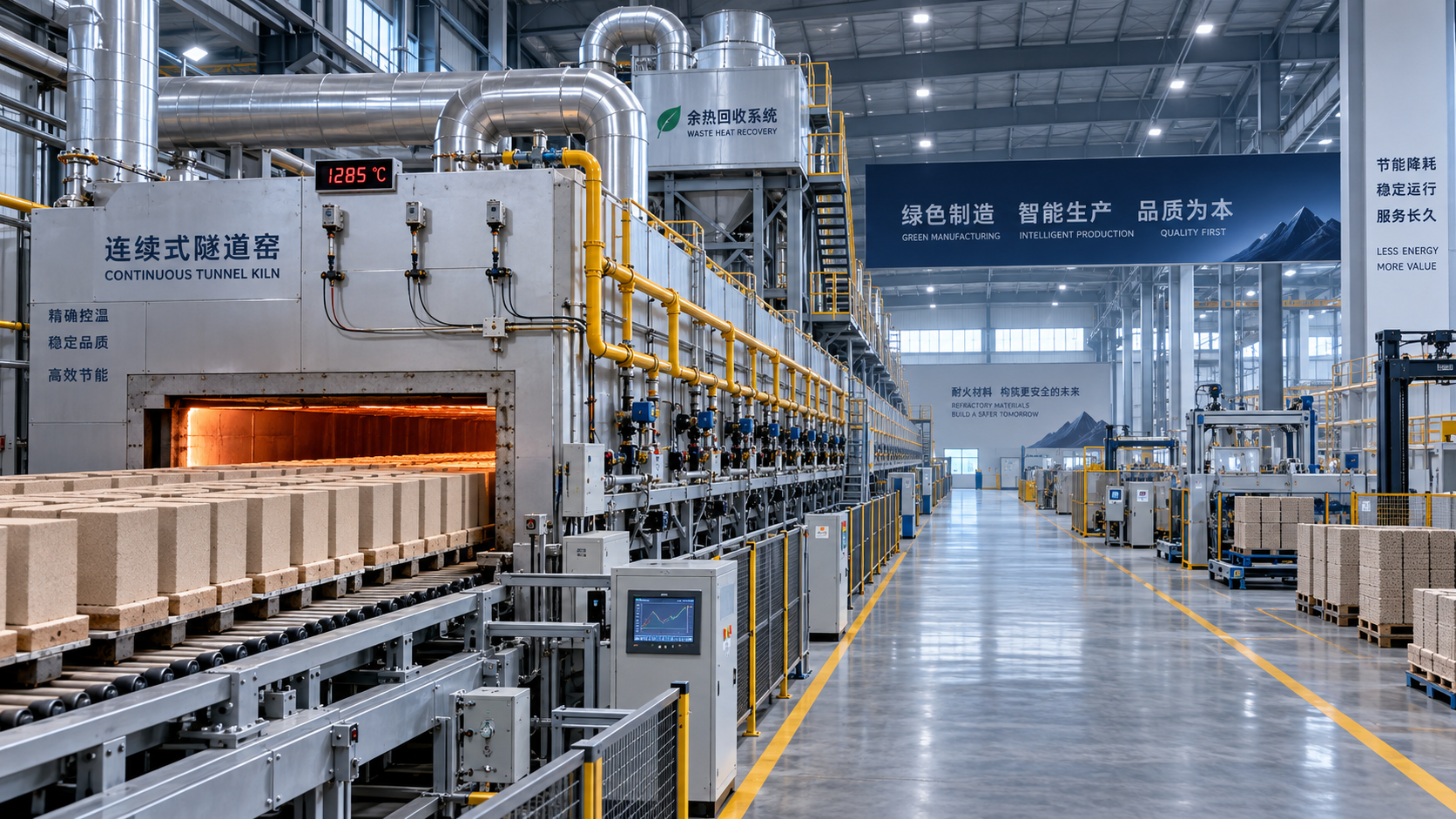
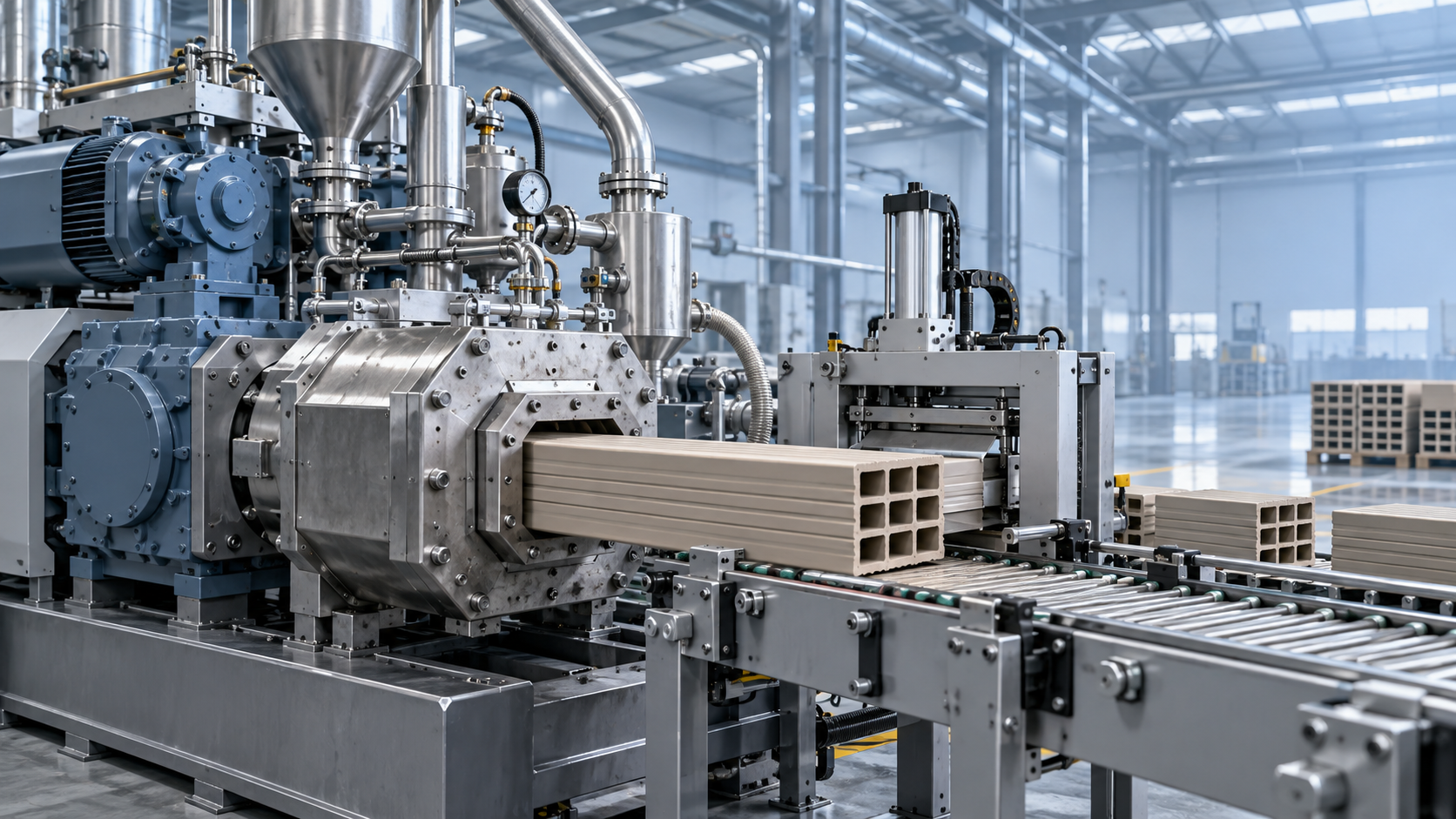
Refractory production and new building material extrusion depend on precise thermal conditions and stable forming behavior.
Industrial energy efficiency supports lower scrap rates, tighter process windows, and longer campaign periods.
The business impact extends beyond the furnace and utility bill
When industrial energy efficiency improves, the effects spread across multiple business layers.
- Cost structure becomes more predictable under volatile fuel and electricity pricing.
- Production planning improves because thermal stability reduces unplanned interruptions.
- Carbon reporting becomes more credible with cleaner energy performance baselines.
- Equipment life can extend when temperature deviations and localized stress are reduced.
- Commercial credibility improves in export markets with stronger sustainability screening.
This is especially relevant in heavy industries where small thermal losses compound into large annual cost gaps.
It also explains why industrial energy efficiency should be assessed alongside product yield, maintenance exposure, and market access potential.
The strongest decisions come from data stitching, not isolated upgrades
Many sites still evaluate fans, burners, drives, linings, and control systems separately.
That approach can miss the interaction between thermal physics, chemical kinetics, and operational behavior.
CF-Elite’s intelligence perspective is useful here because high-temperature efficiency is rarely a single-device story.
It is a stitched outcome shaped by process engineering, refractory condition, combustion logic, feed quality, and digital monitoring.
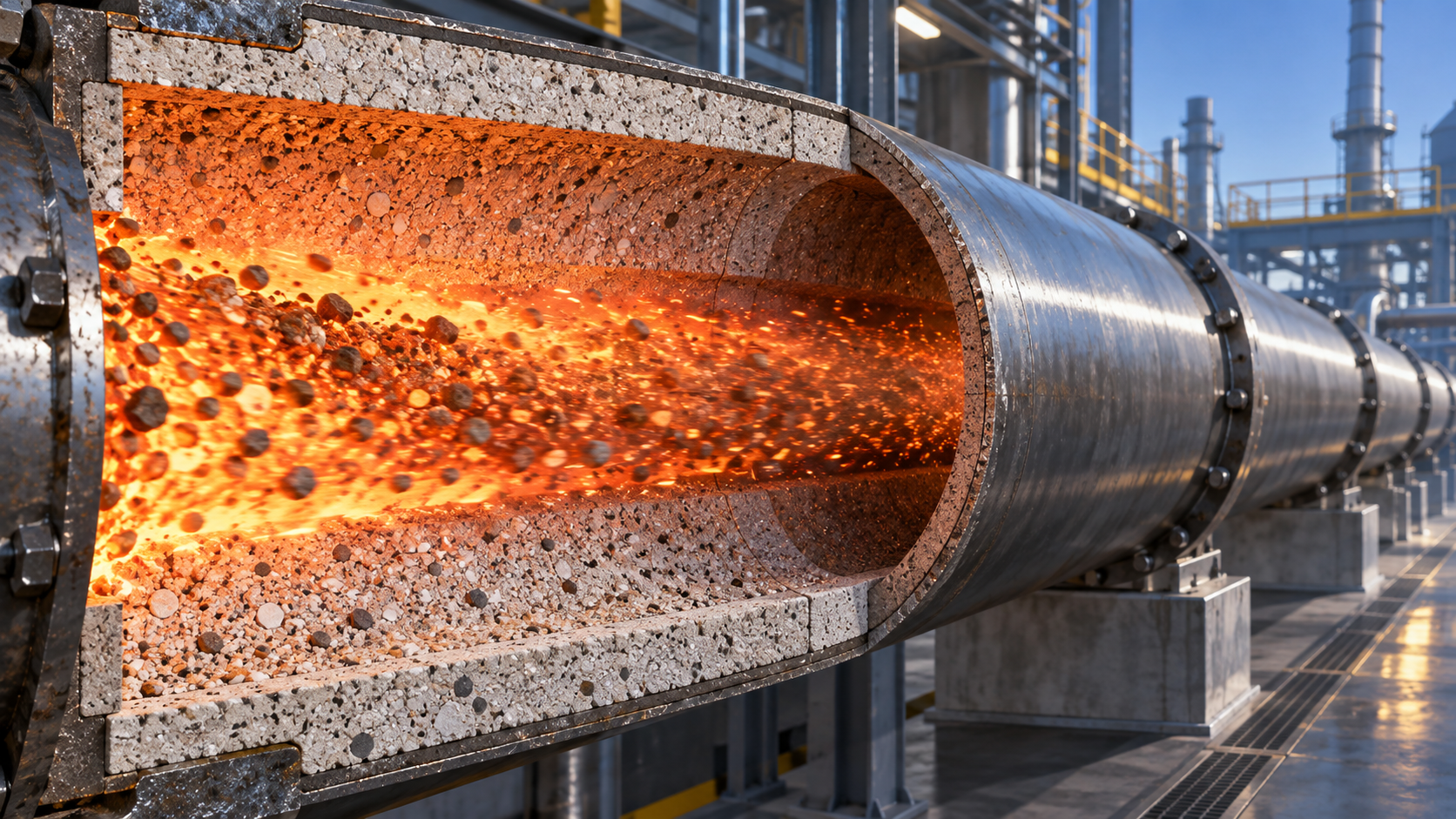
For example, a rotary kiln may show poor industrial energy efficiency because of inlet sealing issues, unstable raw mix chemistry, or burner mismatch.
A glass furnace may lose performance through crown degradation, combustion imbalance, or weak annealing coordination.
Without integrated diagnosis, investments can be delayed, misdirected, or undervalued.
Key issues now worth tracking in industrial energy efficiency
The current environment rewards selective attention to high-impact variables.
- Specific energy consumption trends by line, product grade, and operating window.
- Heat loss mapping across shells, ducts, regenerators, coolers, and transfer zones.
- Refractory wear patterns linked to thermal instability and campaign planning.
- Alternative fuel or waste-derived energy effects on process consistency.
- Digital twin readiness for simulation of combustion, melting, or co-processing scenarios.
- Online monitoring quality for detecting drift before energy losses escalate.
- Carbon-cost sensitivity under different energy mix and utilization assumptions.
These indicators help convert industrial energy efficiency from a technical ambition into a decision model with strategic relevance.
A practical way to judge the next move
The next step should balance urgency, economics, and system complexity.
This framework helps identify whether the right response is retrofit, digital optimization, fuel strategy adjustment, or phased modernization.
Industrial energy efficiency will define who scales with confidence
The direction is clear. Energy efficiency is becoming a proxy for strategic maturity in heavy industry.
Facilities that understand thermal behavior, carbon economics, and equipment health together will move faster and with less risk.
Those relying only on periodic audits may struggle to capture full value or respond quickly to market shocks.
Industrial energy efficiency now supports growth by protecting margins, extending asset performance, and strengthening sustainability credibility.
A useful next step is to compare line-level thermal data, process bottlenecks, and carbon exposure in one review cycle.
With that view, efficiency investment becomes easier to sequence, justify, and scale across complex industrial systems.
For sectors observed by CF-Elite, that integrated perspective is where industrial energy efficiency turns into durable competitive advantage.
Related News
 Ms. Elena RodriguezHow to Structure Global Specification Data for Faster Industrial Product EvaluationGlobal specification-oriented product information helps industrial teams compare capacity, energy, emissions, automation, and lifecycle data on a like-for-like basis for faster, confident equipment decisions.Sep 29, 2026
 Thermal Energy ArchitectHow to Specify High-Temperature Process Systems for Continuous Thermal OperationsHigh-temperature process engineering systems: learn how to specify resilient continuous thermal operations for efficiency, compliance, reliable uptime, and long-term performance.Sep 28, 2026
 Thermal Energy ArchitectHow to Evaluate a Thermal Engineering Contractor for High-Temperature Plant ProjectsChoose a thermal engineering contractor with proven process expertise, lifecycle value, emissions control, and delivery discipline for reliable high-temperature plant performance.Sep 27, 2026
 Silicate Process EngineerHow Latin American Cement Plants Can Reduce Dust Emissions in Kilns and Transfer PointsCement plant dust control Latin America: reduce kiln and transfer-point emissions with practical airflow, filtration, monitoring, and maintenance strategies.Sep 26, 2026
 Material Heat-Resist ExpertHow to Evaluate Refractory Production Lines for Output, Quality, and Energy UseRefractory production lines: learn how to assess qualified output, consistent quality, and total energy use for smarter, lower-risk investment decisions.Sep 25, 2026
 Dr. Alistair VaughnHow Waste Recycling Technology Improves Material Recovery in Industrial PlantsWaste recycling technology improves material recovery through source segregation, smart separation, thermal treatment, and quality control for industrial plants.Sep 24, 2026
 Optical Glass Tech FellowHow to Specify Glass Annealing Equipment for European Quality and Energy RequirementsGlass annealing equipment Europe: learn how to specify lehrs for consistent glass quality, energy efficiency, compliance, automation, and reliable long-term performance.Sep 23, 2026
 Optical Glass Tech FellowSilicate Process Automation: Improving Batch Consistency and Energy ControlSilicate process automation improves batch consistency, energy control, traceability, and operator confidence across high-temperature manufacturing operations.Sep 22, 2026
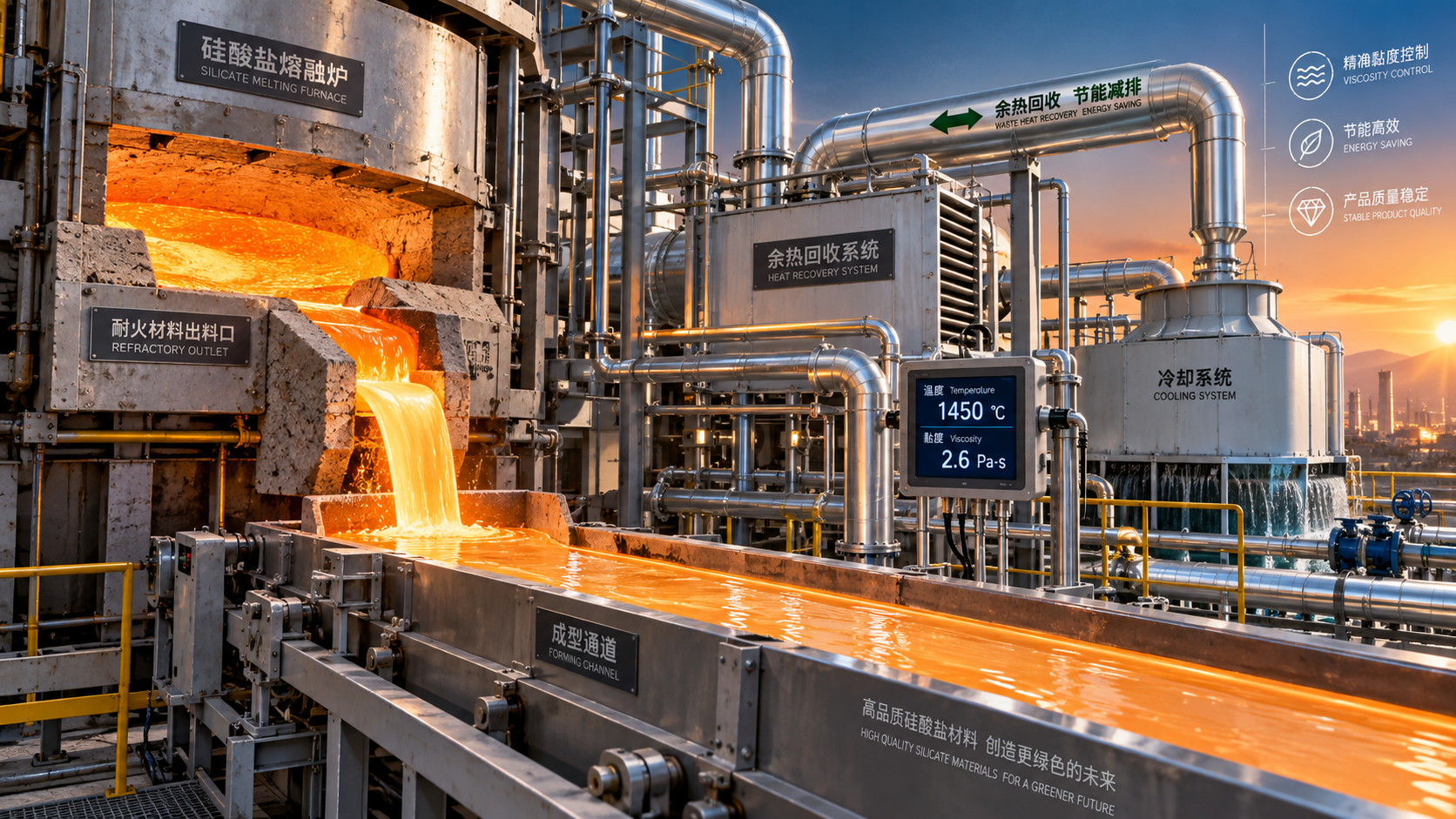
 Optical Glass Tech FellowHow Silicate Industrial Processes Control Viscosity, Energy Use, and Product QualitySilicate industrial processes: learn how viscosity, chemistry, heat transfer, and atmosphere control reduce energy use, improve stability, and protect product quality.Sep 21, 2026
 Thermal Energy ArchitectHow European Plants Can Evaluate Energy Recovery Equipment for High-Temperature ProcessesIndustrial energy recovery equipment Europe: learn how high-temperature plants can assess waste-heat sources, integration risks, lifecycle value, and reliable recovery routes.Sep 20, 2026
 Thermal Energy ArchitectIndustrial Furnace Process Optimization: Reducing Fuel Use Without Sacrificing ThroughputIndustrial process optimization furnace strategies that cut fuel use while protecting throughput. Explore combustion control, heat recovery, refractory performance, and data-driven efficiency gains.Sep 19, 2026
 Ms. Elena RodriguezWhat Drives High-Pressure Extrusion Equipment Cost in Industrial Projects?High pressure extrusion equipment cost explained: compare pressure, die design, automation, wear, energy, and installation factors for smarter industrial investments.Sep 18, 2026
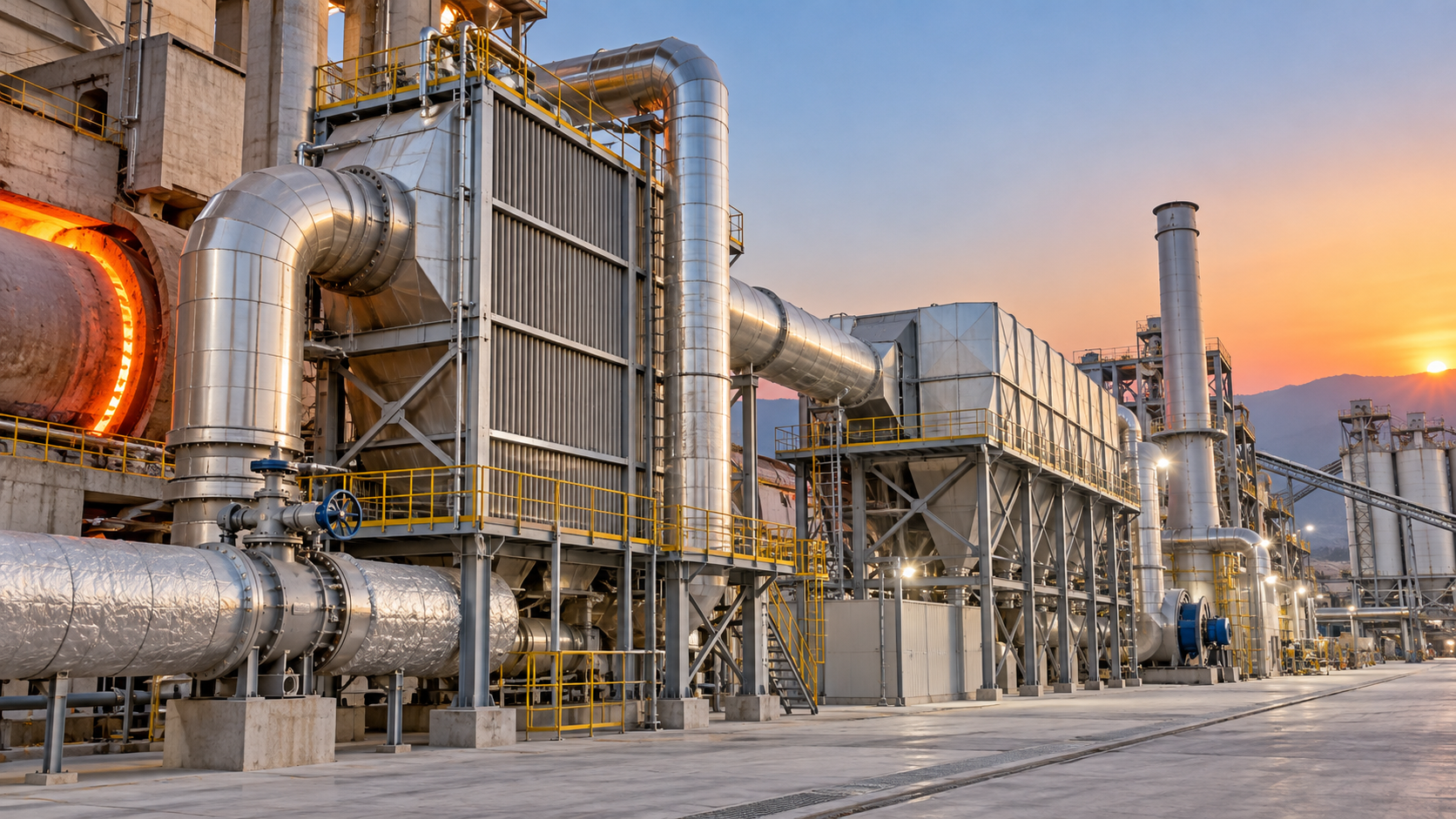
 Thermal Energy ArchitectHow to Size a Waste Heat Recovery Exchanger for High-Temperature Kiln Exhaust?Waste heat recovery exchanger sizing for high-temperature kiln exhaust: balance recoverable duty, fouling, corrosion limits, pressure drop, and reliable heat use.Sep 17, 2026
 Thermal Energy ArchitectWhy Heat-Resistant Materials Lose Abrasion Resistance at High TemperaturesHeat-resistant materials abrasion resistance can decline at high temperatures. Discover the thermal, chemical, and mechanical causes of wear—and how to choose longer-lasting linings.Sep 16, 2026
 Thermal Energy ArchitectHow to Evaluate a Thermal Energy Optimization Company for High-Temperature PlantsChoose a thermal energy optimization company with proven process expertise, measurable savings, and reliable delivery for high-temperature plants. Learn what to assess.Sep 15, 2026
 Thermal Energy ArchitectRotary Kiln Efficiency: How Feed Rate, Fuel Use, and Heat Loss Affect OutputRotary kiln efficiency explained: discover how feed rate, fuel use, heat loss, combustion, and cooling performance shape output, quality, and energy costs.Sep 14, 2026
 Thermal Energy ArchitectHow to Select Heat-Resistant Materials That Maintain Abrasion Resistance in KilnsHeat-resistant materials abrasion resistance: learn how to select kiln linings that withstand heat, wear, thermal cycling, and chemical attack for longer service life.Sep 13, 2026
 Thermal Energy ArchitectHow Rotary Kiln Automation Improves Temperature Control and Fuel EfficiencyRotary kiln technology automation enhances temperature control, stabilizes combustion, and improves fuel efficiency with smarter data, predictive control, and safer operations.Sep 12, 2026
 Silicate Process EngineerCement Plant Emission Control: Selecting Systems for Dust, NOx, and SO2 LimitsCement plant emission control guide: compare dust collectors, NOx reduction, and SO2 systems for reliable compliance across kiln modes, fuel changes, and operating upsets.Sep 11, 2026
 Thermal Energy ArchitectSelecting Abrasion-Resistant High-Temperature Materials for Kiln and Conveyor Wear ZonesHigh-temp material engineering guide to abrasion-resistant kiln and conveyor solutions—match wear, heat, chemistry, and installation design for longer service life.Sep 10, 2026


Related News
- 00
0000-00
How to Structure Global Specification Data for Faster Industrial Product Evaluation - 00
0000-00
What Drives High-Pressure Extrusion Equipment Cost in Industrial Projects? - 00
0000-00
How Should Buyers Evaluate Building Material Industry Intelligence Pricing? - 00
0000-00
How to Use Building Material Intelligence Data for Market and Investment Decisions - 00
0000-00
How to Evaluate a Silicate Processing Equipment Manufacturer for Plant Projects
Weekly Insights
Stay ahead with our curated technology reports delivered every Monday.