
Why industrial co-processing is gaining ground in 2026




In 2026, industrial co-processing is moving from a compliance option to a strategic priority for heavy industry. As carbon targets tighten, fuel volatility persists, and waste-to-resource models mature, decision-makers are re-evaluating how kilns, incineration systems, and material lines can create both environmental and commercial value. This article explores why industrial co-processing is gaining ground and what it means for future-ready industrial operations.
For business leaders, the key question is no longer whether industrial co-processing is technically possible. The real question is whether it can improve margins, reduce regulatory exposure, and strengthen long-term operational resilience.
The short answer is yes, but only when co-processing is designed as a strategic system rather than a narrow waste disposal project. In 2026, that distinction is becoming the main reason adoption is accelerating.
Why industrial co-processing is becoming a board-level issue
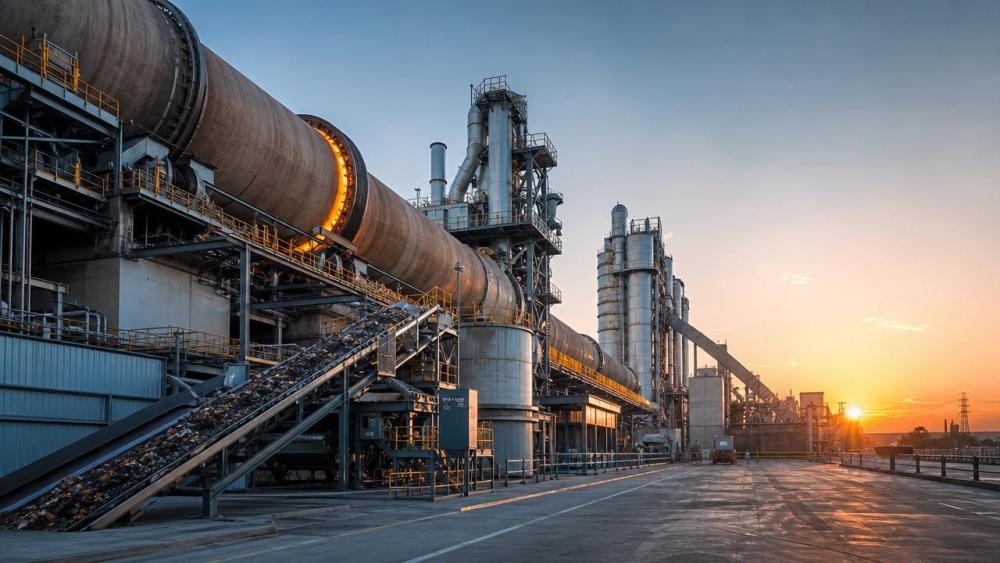
Industrial co-processing is gaining ground because it addresses several executive concerns at the same time: energy cost pressure, carbon reduction, waste management, resource efficiency, and supply security.
In sectors such as cement, industrial kilns, specialized incineration, and thermal materials processing, decision-makers are under pressure to do more than maintain output. They must also prove environmental performance and capital discipline.
That combination has changed the business case. What was once treated as an environmental side program is increasingly evaluated as an operating model that can influence fuel mix, raw material substitution, emissions strategy, and stakeholder positioning.
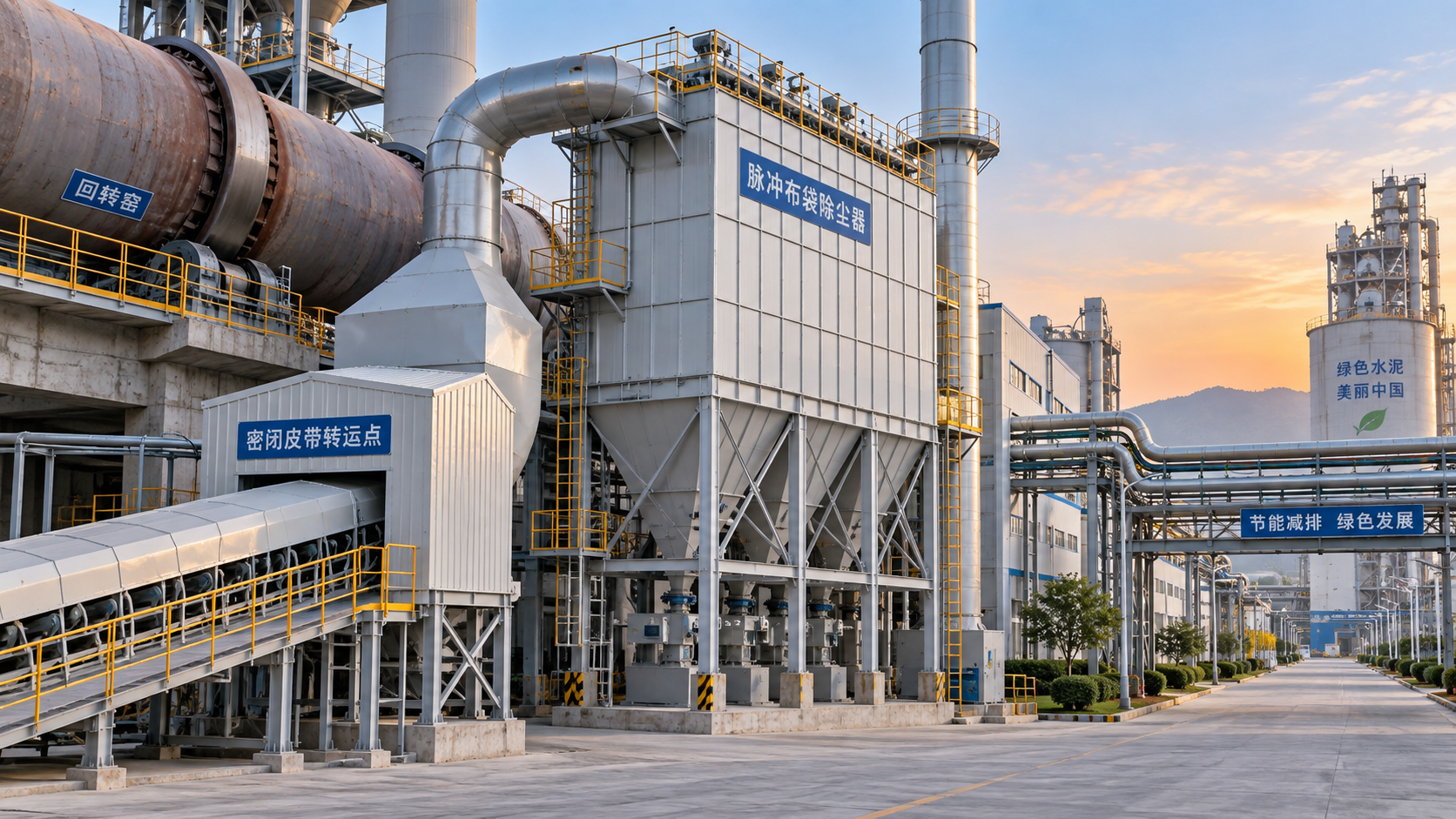
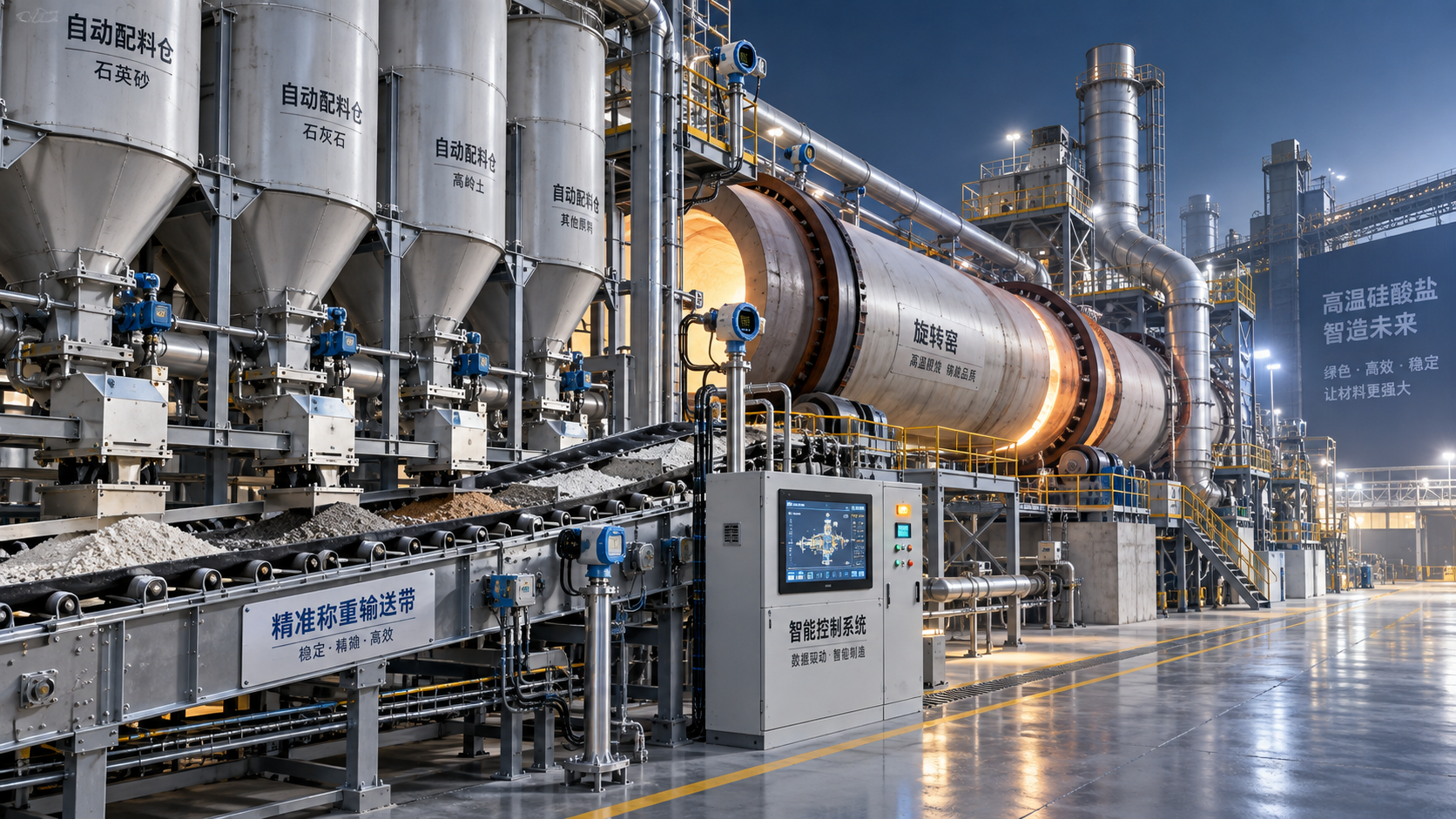
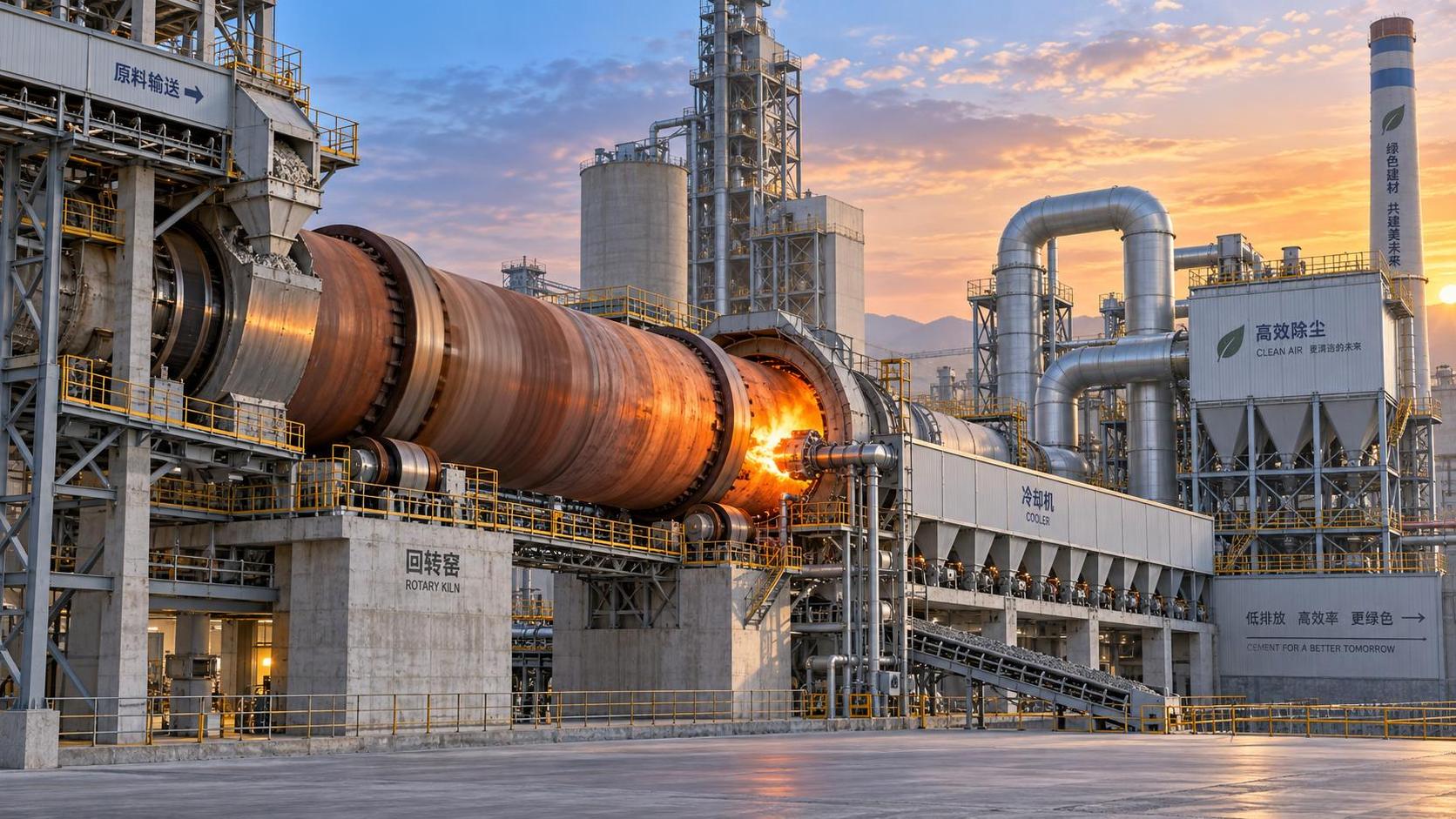
For many facilities, especially rotary kiln-based systems, co-processing creates a practical bridge between decarbonization targets and day-to-day production economics. That is why interest is broadening across heavy industry in 2026.
What decision-makers actually want to know before they invest
Enterprise leaders rarely search for industrial co-processing to learn a definition. They want to know whether the model fits their plant, what returns are realistic, what operational risks exist, and how quickly value can appear.
They also want clarity on feedstock stability, permitting complexity, community perception, technology compatibility, and whether internal teams can manage the transition without harming core production performance.
These concerns are valid. Industrial co-processing can create strong value, but only when the decision is based on process conditions, local regulation, supply-chain structure, and the technical maturity of the plant.
As a result, the most useful way to assess co-processing in 2026 is not by asking if it is trending. It is by asking which business pressures it solves better than conventional fuel and waste handling models.
The main forces pushing industrial co-processing forward in 2026
The first force is carbon accountability. Governments, customers, lenders, and industrial buyers increasingly expect measurable decarbonization plans. Co-processing helps reduce dependence on fossil fuels and supports circular resource narratives.
The second force is fuel volatility. Many industrial operators have learned that traditional fuel markets can swing sharply due to geopolitics, logistics disruptions, or regional supply constraints. Alternative inputs improve optionality.
The third force is waste policy evolution. More regions are tightening landfill rules and encouraging higher-value recovery pathways. Co-processing benefits from this shift because it can transform certain waste streams into usable thermal or mineral inputs.
The fourth force is technology confidence. Better dosing systems, online monitoring, combustion control, kiln modeling, and emissions management have made industrial co-processing more bankable than it was in earlier years.
The fifth force is competitive positioning. Firms that demonstrate resource circularity and lower process emissions may gain stronger access to green procurement programs, sustainability-linked finance, and strategic customer relationships.
Why rotary kilns and high-temperature systems are especially suited
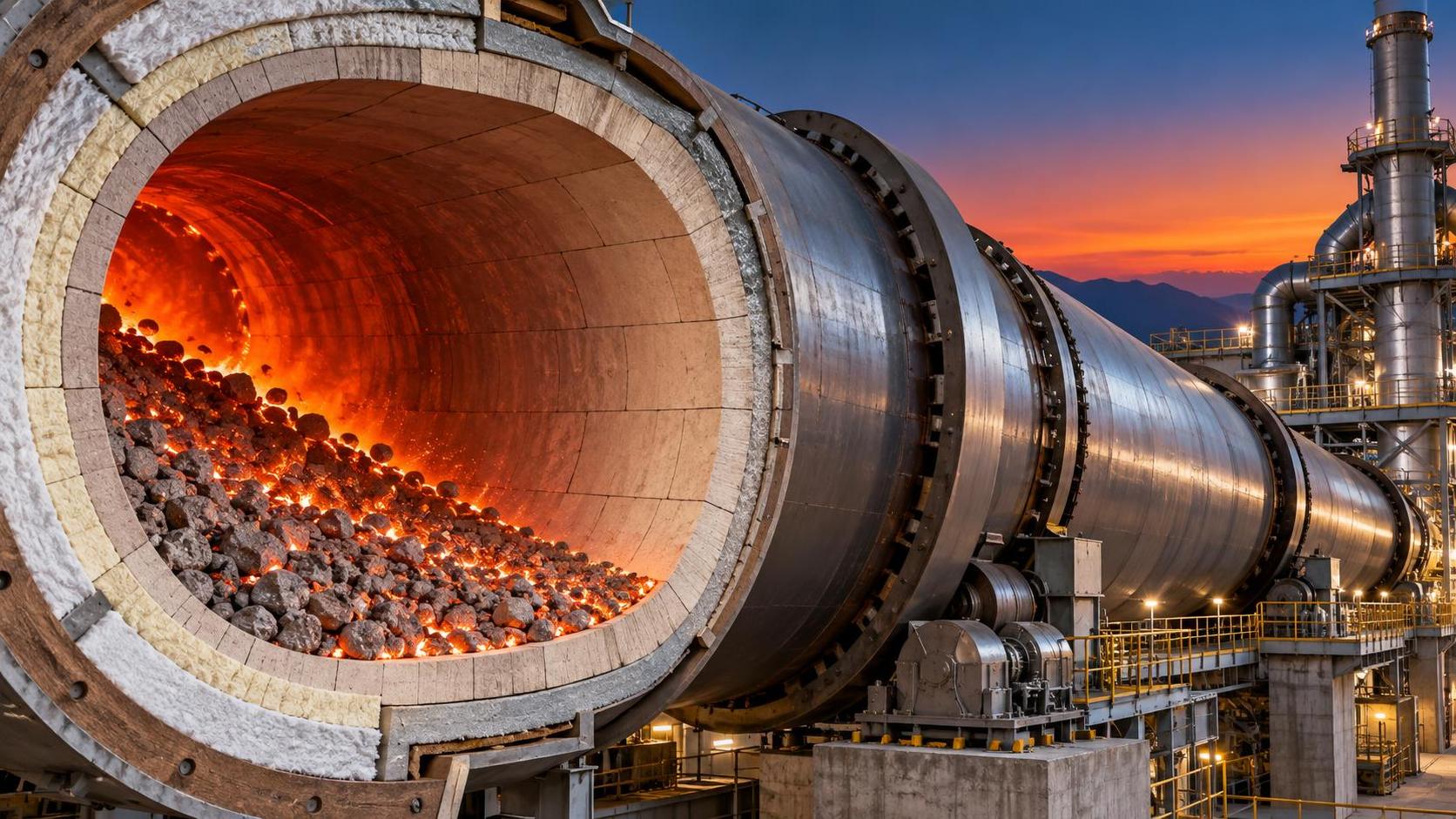
Not every industrial process can adopt co-processing effectively, but high-temperature systems have structural advantages. Rotary kilns and similar thermal units can often handle selected alternative materials with reliable destruction and stable heat transfer.
In cement production especially, the process offers a dual benefit. Certain waste-derived materials can substitute fuel, while mineral ash can become part of the clinker matrix, reducing residual disposal requirements.
This integration creates an advantage over standalone waste treatment models. Instead of paying only for destruction, facilities can generate thermal value and material recovery within one industrial process, improving overall efficiency.
That is one reason cement plants, industrial incineration assets, and some specialized refractory or mineral processing lines remain central to the industrial co-processing conversation in 2026.
Where the business value really comes from
Executives should evaluate industrial co-processing through four value channels: lower net energy cost, reduced waste handling expense, improved compliance readiness, and stronger sustainability positioning in the market.
The energy case depends on substitution rate, calorific consistency, pretreatment needs, and local fuel prices. In the right conditions, alternative fuels can lower exposure to conventional energy price spikes.
The waste-management case can be equally important. If industrial operators or regional partners face rising disposal fees, co-processing may convert a cost burden into a managed resource stream with shared economic benefit.
The compliance case matters because future regulation is becoming stricter, not looser. Facilities that build flexible emissions monitoring, feedstock governance, and traceability systems now may avoid rushed upgrades later.
The strategic branding case should not be ignored. In some sectors, environmental credibility increasingly affects investor narratives, permit discussions, and customer selection, especially where infrastructure and building materials are involved.
What can go wrong if the strategy is weak
Industrial co-processing does not create automatic gains. Poor feedstock quality, unstable moisture levels, weak preprocessing, and inconsistent dosing can disrupt thermal balance, increase maintenance, and undermine production targets.
There is also a governance risk. If waste acceptance protocols are unclear, facilities can face compliance violations, reputational damage, or conflict with local communities and regulators.
Another common problem is treating co-processing as a procurement shortcut. Buying low-cost alternative materials without robust process matching can produce hidden costs through downtime, emissions variability, and refractory stress.
For decision-makers, the lesson is simple: the upside is real, but industrial co-processing must be designed around process integrity first. Financial value follows when technical discipline is strong.
How to judge whether your plant is a good candidate
Start with thermal suitability. A plant needs stable high-temperature conditions, sufficient residence time, and combustion control capable of handling carefully defined alternative inputs without compromising product quality.
Next, assess material compatibility. Some co-processing models rely mainly on fuel substitution, while others also gain value through mineral incorporation. The process chemistry determines what is realistic.
Then review supply certainty. A promising pilot can fail commercially if the alternative material stream is seasonal, poorly sorted, or too dependent on one supplier or municipality.
Permitting and monitoring capacity also matter. If a site lacks strong emissions data systems, laboratory support, or acceptance procedures, scale-up may be slower and more expensive than initial models suggest.
Finally, examine organizational readiness. Co-processing touches operations, maintenance, environmental affairs, procurement, legal, and external relations. If these functions work in silos, execution risk rises quickly.
What successful projects are doing differently in 2026
Leading projects are shifting from opportunistic adoption to structured integration. They begin with clear substitution targets, risk screening matrices, feedstock specifications, and phased operational learning rather than aggressive early scaling.
They also use more digital tools. Real-time process monitoring, thermal modeling, predictive maintenance, and data-linked emissions oversight help operators protect kiln stability while optimizing alternative input performance.
Another success factor is partnership design. Strong projects coordinate with waste processors, municipalities, industrial by-product suppliers, and logistics operators instead of trying to internalize every upstream challenge immediately.
Most importantly, successful operators measure value beyond simple disposal volume. They track substitution efficiency, total cost impact, carbon intensity, plant uptime, product consistency, and regulatory confidence.
Why co-processing matters in a broader circular industry strategy
In 2026, industrial co-processing is not only about waste. It sits within a wider transition toward circular manufacturing, lower-carbon heat systems, and smarter use of industrial by-products.
For sectors connected to cement, glass, kilns, refractories, and advanced building materials, this matters because thermal processes remain energy-intensive and hard to decarbonize through a single solution alone.
Co-processing therefore becomes part of a portfolio strategy. It can work alongside efficiency upgrades, digital controls, alternative binders, waste heat recovery, electrification where feasible, and carbon management planning.
This portfolio view is especially useful for executives. It prevents overestimating co-processing as a universal answer while recognizing its practical role in near-term competitiveness and emissions reduction.
Questions leaders should ask before approving a co-processing roadmap
What substitution rate is technically realistic for our process, not just theoretically possible in marketing materials? This question protects the business case from overstatement at the start.
How secure is the long-term supply of qualified alternative materials, and what preprocessing infrastructure is required? Without stable inputs, expected savings may never become durable.
What will regulators, local communities, and key customers expect in terms of transparency, emissions control, and reporting? Social license can be as important as technical readiness.
How will co-processing affect maintenance cycles, refractory life, product consistency, and operator training requirements? These are often the hidden variables that determine actual return on investment.
What data systems do we need to prove both performance and compliance over time? In 2026, measurable evidence is increasingly essential for financing, permitting, and commercial credibility.
Conclusion: why industrial co-processing is gaining ground in 2026
Industrial co-processing is gaining ground in 2026 because it aligns with the real priorities of heavy industry: cost resilience, carbon performance, regulatory readiness, and practical circularity.
Its momentum is strongest in high-temperature sectors where thermal and material recovery can be combined, especially in rotary kiln environments and related industrial systems.
For enterprise decision-makers, the opportunity is not simply to adopt a trend. It is to determine whether industrial co-processing can become a durable strategic capability within a broader transformation agenda.
When approached with disciplined engineering, feedstock governance, and commercial realism, co-processing can shift from a compliance tool to a meaningful source of industrial advantage. That is the core reason it is rising in importance now.
Related News
 Ms. Elena RodriguezHow to Structure Global Specification Data for Faster Industrial Product EvaluationGlobal specification-oriented product information helps industrial teams compare capacity, energy, emissions, automation, and lifecycle data on a like-for-like basis for faster, confident equipment decisions.Sep 29, 2026
 Thermal Energy ArchitectHow to Specify High-Temperature Process Systems for Continuous Thermal OperationsHigh-temperature process engineering systems: learn how to specify resilient continuous thermal operations for efficiency, compliance, reliable uptime, and long-term performance.Sep 28, 2026
 Thermal Energy ArchitectHow to Evaluate a Thermal Engineering Contractor for High-Temperature Plant ProjectsChoose a thermal engineering contractor with proven process expertise, lifecycle value, emissions control, and delivery discipline for reliable high-temperature plant performance.Sep 27, 2026
 Silicate Process EngineerHow Latin American Cement Plants Can Reduce Dust Emissions in Kilns and Transfer PointsCement plant dust control Latin America: reduce kiln and transfer-point emissions with practical airflow, filtration, monitoring, and maintenance strategies.Sep 26, 2026
 Material Heat-Resist ExpertHow to Evaluate Refractory Production Lines for Output, Quality, and Energy UseRefractory production lines: learn how to assess qualified output, consistent quality, and total energy use for smarter, lower-risk investment decisions.Sep 25, 2026
 Dr. Alistair VaughnHow Waste Recycling Technology Improves Material Recovery in Industrial PlantsWaste recycling technology improves material recovery through source segregation, smart separation, thermal treatment, and quality control for industrial plants.Sep 24, 2026
 Optical Glass Tech FellowHow to Specify Glass Annealing Equipment for European Quality and Energy RequirementsGlass annealing equipment Europe: learn how to specify lehrs for consistent glass quality, energy efficiency, compliance, automation, and reliable long-term performance.Sep 23, 2026
 Optical Glass Tech FellowSilicate Process Automation: Improving Batch Consistency and Energy ControlSilicate process automation improves batch consistency, energy control, traceability, and operator confidence across high-temperature manufacturing operations.Sep 22, 2026
 Optical Glass Tech FellowHow Silicate Industrial Processes Control Viscosity, Energy Use, and Product QualitySilicate industrial processes: learn how viscosity, chemistry, heat transfer, and atmosphere control reduce energy use, improve stability, and protect product quality.Sep 21, 2026
 Thermal Energy ArchitectHow European Plants Can Evaluate Energy Recovery Equipment for High-Temperature ProcessesIndustrial energy recovery equipment Europe: learn how high-temperature plants can assess waste-heat sources, integration risks, lifecycle value, and reliable recovery routes.Sep 20, 2026
 Thermal Energy ArchitectIndustrial Furnace Process Optimization: Reducing Fuel Use Without Sacrificing ThroughputIndustrial process optimization furnace strategies that cut fuel use while protecting throughput. Explore combustion control, heat recovery, refractory performance, and data-driven efficiency gains.Sep 19, 2026
 Ms. Elena RodriguezWhat Drives High-Pressure Extrusion Equipment Cost in Industrial Projects?High pressure extrusion equipment cost explained: compare pressure, die design, automation, wear, energy, and installation factors for smarter industrial investments.Sep 18, 2026
 Thermal Energy ArchitectHow to Size a Waste Heat Recovery Exchanger for High-Temperature Kiln Exhaust?Waste heat recovery exchanger sizing for high-temperature kiln exhaust: balance recoverable duty, fouling, corrosion limits, pressure drop, and reliable heat use.Sep 17, 2026
 Thermal Energy ArchitectWhy Heat-Resistant Materials Lose Abrasion Resistance at High TemperaturesHeat-resistant materials abrasion resistance can decline at high temperatures. Discover the thermal, chemical, and mechanical causes of wear—and how to choose longer-lasting linings.Sep 16, 2026
 Thermal Energy ArchitectHow to Evaluate a Thermal Energy Optimization Company for High-Temperature PlantsChoose a thermal energy optimization company with proven process expertise, measurable savings, and reliable delivery for high-temperature plants. Learn what to assess.Sep 15, 2026
 Thermal Energy ArchitectRotary Kiln Efficiency: How Feed Rate, Fuel Use, and Heat Loss Affect OutputRotary kiln efficiency explained: discover how feed rate, fuel use, heat loss, combustion, and cooling performance shape output, quality, and energy costs.Sep 14, 2026
 Thermal Energy ArchitectHow to Select Heat-Resistant Materials That Maintain Abrasion Resistance in KilnsHeat-resistant materials abrasion resistance: learn how to select kiln linings that withstand heat, wear, thermal cycling, and chemical attack for longer service life.Sep 13, 2026
 Thermal Energy ArchitectHow Rotary Kiln Automation Improves Temperature Control and Fuel EfficiencyRotary kiln technology automation enhances temperature control, stabilizes combustion, and improves fuel efficiency with smarter data, predictive control, and safer operations.Sep 12, 2026
 Silicate Process EngineerCement Plant Emission Control: Selecting Systems for Dust, NOx, and SO2 LimitsCement plant emission control guide: compare dust collectors, NOx reduction, and SO2 systems for reliable compliance across kiln modes, fuel changes, and operating upsets.Sep 11, 2026
 Thermal Energy ArchitectSelecting Abrasion-Resistant High-Temperature Materials for Kiln and Conveyor Wear ZonesHigh-temp material engineering guide to abrasion-resistant kiln and conveyor solutions—match wear, heat, chemistry, and installation design for longer service life.Sep 10, 2026


Related News
- 00
0000-00
Thermal Energy Architecture in North America: Strategies for Lower Building Energy Use - 00
0000-00
How to Evaluate a Green Material Production Line for Energy Use, Output, and Product Quality - 00
0000-00
Silicate Technology Trends: What New Process Upgrades Matter for Refractory and Cement Plants? - 00
0000-00
Thermal Engineering Optimization: Which Process Parameters Most Affect Energy Use? - 00
0000-00
Material Extrusion Technology in Europe: Which Materials and Production Goals Fit Best?
Weekly Insights
Stay ahead with our curated technology reports delivered every Monday.