
Industrial Waste Management Options: How Plants Reduce Disposal Risk and Compliance Gaps




Industrial Waste Management Options: How Plants Reduce Disposal Risk and Compliance Gaps
Industrial waste management is no longer just a disposal task. It now shapes plant safety, audit readiness, and production continuity across complex industrial sites.
For plants handling ash, sludge, dust, solvents, spent refractories, or contaminated packaging, weak controls often create hidden compliance gaps.
Those gaps rarely stay small. They usually show up as traceability failures, storage incidents, transport issues, or disposal errors during inspection.
From a practical angle, better industrial waste management reduces risk at three levels: generation, handling, and final destination.
That also means fewer surprises when environmental rules tighten or when production changes introduce new waste profiles.
Why Industrial Waste Management Has Become a Plant-Level Priority
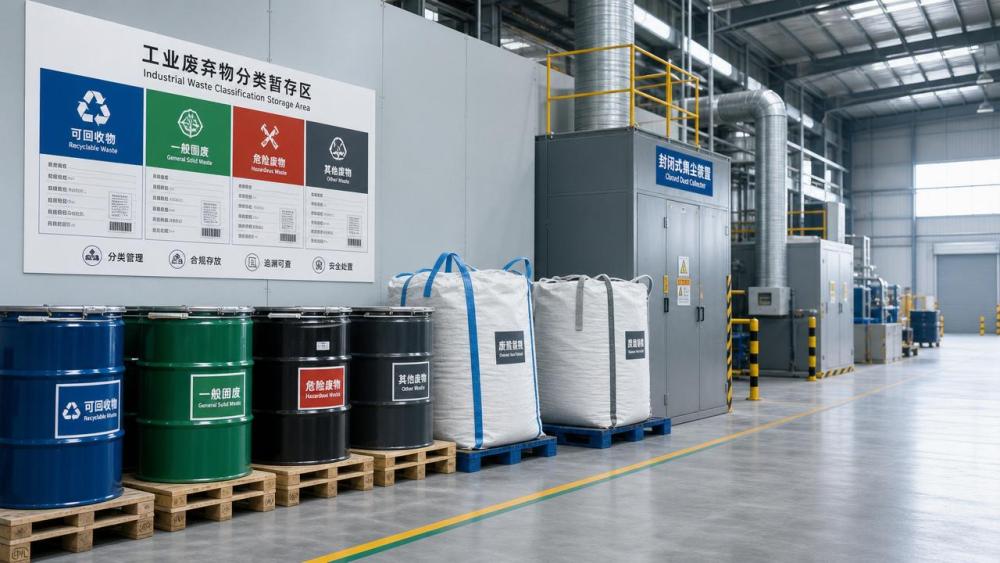
In many facilities, waste risks no longer sit only with external disposal contractors. Internal handling now carries equal operational weight.
A mislabeled drum, mixed waste stream, or undocumented transfer can trigger nonconformance long before waste leaves the gate.
This is especially true in high-temperature sectors. Cement plants, kilns, glass lines, and refractory operations generate waste under variable thermal conditions.
Those conditions affect composition, moisture, dust load, and hazard classification. As a result, industrial waste management must connect process data with disposal decisions.
A stronger signal in recent years is regulatory detail. Authorities increasingly ask how waste is identified, segregated, stored, tracked, and verified.
That shift pushes plants to move beyond end-of-pipe thinking. They need a system, not just a vendor list.
Common Disposal Risks That Create Compliance Gaps
Most industrial waste management failures are not dramatic. They are usually routine mistakes repeated across shifts, storage zones, and handoff points.
The most common risks include:
- incorrect waste classification after a process change
- mixing hazardous and non-hazardous material in shared containers
- temporary storage that exceeds time, volume, or containment limits
- missing manifests, labels, sampling records, or chain-of-custody documents
- using disposal outlets without updated qualification checks
In actual operations, these issues often overlap. A classification error can lead to wrong packaging, wrong transport coding, and wrong final treatment.
That is why industrial waste management should be treated as a control chain. Each weak link multiplies downstream exposure.
Practical Industrial Waste Management Options Plants Can Use
The best industrial waste management option depends on waste characteristics, local regulations, available treatment routes, and process economics.
Still, most plants can build a more resilient model by combining several options instead of relying on one disposal path.
1. Source Reduction Inside the Process
The lowest-risk waste is the waste never created. Process tuning often cuts disposal volume faster than downstream handling improvements.
Examples include tighter raw material control, better combustion balance, dust capture optimization, and cleaner maintenance practices.
For industrial waste management, source reduction improves both cost and compliance because fewer streams need classification and storage.
2. Segregation by Hazard, Chemistry, and Reuse Potential
Segregation is where many programs either work or fail. Mixed waste destroys recovery value and raises disposal complexity.
Plants should separate combustible residues, mineral fines, metal-bearing waste, chemical containers, oily rags, and spent refractories whenever feasible.
This step makes industrial waste management more flexible because each stream can follow the safest treatment route.
3. On-Site Stabilization or Pre-Treatment
Some wastes become safer after dewatering, neutralization, encapsulation, or dust suppression. Pre-treatment can reduce transport and storage risk.
For example, filter cake with free liquid may need conditioning before shipment. Fine alkaline dust may require enclosed handling before disposal or reuse.
Used well, this industrial waste management option improves consistency and documentation around waste acceptance criteria.
4. Co-Processing and Energy Recovery
In some sectors, selected waste streams can support thermal substitution or material recovery through industrial kilns and incineration systems.
This route demands tight control. Calorific value, chlorine, sulfur, heavy metals, particle size, and moisture all matter.
For industrial waste management teams, co-processing is useful only when feed acceptance, emissions monitoring, and residue handling are fully aligned.
5. Certified Off-Site Treatment and Disposal
Some streams will still require specialist treatment, secure landfill, solvent recovery, or hazardous waste incineration.
The risk is not the outsourcing itself. The risk is weak vendor qualification and poor visibility after waste leaves the site.
Strong industrial waste management therefore includes contractor audits, permit checks, route validation, and performance review.
How to Build a More Traceable Waste Control System
If disposal risk feels hard to control, the real problem is often traceability. Plants know what they produce, but not always what they discard.
A workable industrial waste management system should connect process events with waste records in near real time.
That can be done without overcomplication. Focus first on the control points that affect compliance most.
- Define each waste stream by source, composition, hazard status, and approved destination.
- Use standard labels and container rules across all shifts and storage areas.
- Record generation date, quantity, sampler, and transfer point for every batch or load.
- Link lab data and process deviations to waste reclassification decisions.
- Review contractor documents against actual shipped quantities and acceptance receipts.
This approach strengthens industrial waste management because it closes the gap between plant operations and disposal records.
Priority Checks for High-Temperature Industrial Facilities
High-temperature industries face specific waste handling challenges. Residues may look stable but still carry chemical or thermal risk.
For operations tracked by CF-Elite, several checks deserve special attention:
These checks make industrial waste management more dependable because they target materials with the highest mismatch risk.
What Better Waste Decisions Look Like in Practice
Good industrial waste management is rarely about one big project. It usually improves through a series of practical corrections.
A plant may start by reducing mixed containers, then tighten waste coding, then qualify a better outlet for mineral residues.
Another facility may discover that disposal cost is driven less by volume and more by poor segregation and weak acceptance documentation.
In both cases, industrial waste management becomes a decision discipline. Better data supports safer handling, smoother audits, and more resilient production.
The most effective next step is simple: map each waste stream, verify each control point, and challenge every disposal path that lacks traceable evidence.
That is how plants reduce disposal risk, close compliance gaps, and turn industrial waste management into a stronger part of operational control.
Related News
![]() Ms. Elena RodriguezTechnical Comparison of Material Processing Methods: Key Factors for Process SelectionTechnical comparison for material processing made practical: learn how to evaluate energy, quality, maintenance, emissions, and feed variability to choose the right process with confidence.Jul 29, 2026
Ms. Elena RodriguezTechnical Comparison of Material Processing Methods: Key Factors for Process SelectionTechnical comparison for material processing made practical: learn how to evaluate energy, quality, maintenance, emissions, and feed variability to choose the right process with confidence.Jul 29, 2026![]() Silicate Process EngineerHow Cement Grinding Technology Affects Energy Use, Fineness, and Plant OutputCement grinding technology shapes energy use, fineness, and plant output. Learn how to compare mills, separators, drying, and control systems for smarter upgrades.Jul 28, 2026
Silicate Process EngineerHow Cement Grinding Technology Affects Energy Use, Fineness, and Plant OutputCement grinding technology shapes energy use, fineness, and plant output. Learn how to compare mills, separators, drying, and control systems for smarter upgrades.Jul 28, 2026![]() Ms. Elena RodriguezHeavy Equipment Trade Cost Trends: What Buyers Should Track in 2025Heavy equipment trade cost trends in 2025 reveal how freight, energy, lead times, and compliance reshape total equipment costs. Learn what buyers must track to reduce risk and protect budgets.Jul 27, 2026
Ms. Elena RodriguezHeavy Equipment Trade Cost Trends: What Buyers Should Track in 2025Heavy equipment trade cost trends in 2025 reveal how freight, energy, lead times, and compliance reshape total equipment costs. Learn what buyers must track to reduce risk and protect budgets.Jul 27, 2026![]() Material Heat-Resist ExpertSilicate Production Line Process Explained: Key Stages, Equipment, and Quality ControlSilicate production line process explained with key stages, core equipment, quality control, and energy checks—helping buyers and engineers assess stability, efficiency, and supplier capability.Jul 26, 2026
Material Heat-Resist ExpertSilicate Production Line Process Explained: Key Stages, Equipment, and Quality ControlSilicate production line process explained with key stages, core equipment, quality control, and energy checks—helping buyers and engineers assess stability, efficiency, and supplier capability.Jul 26, 2026 Optical Glass Tech FellowRefractory Material Science for Glass Furnaces: Key Properties That Drive Furnace LifeRefractory material science for glass furnaces explains how corrosion resistance, thermal shock, creep, and microstructure shape furnace life, glass quality, and campaign reliability.Jul 25, 2026
![]() Silicate Process EngineerCement Plant Equipment Price Guide: What Drives Cost and How to Budget WiselyCement plant equipment price explained: discover what drives costs, compare quotes wisely, spot hidden expenses, and build a smarter budget for long-term plant value.Jul 24, 2026
Silicate Process EngineerCement Plant Equipment Price Guide: What Drives Cost and How to Budget WiselyCement plant equipment price explained: discover what drives costs, compare quotes wisely, spot hidden expenses, and build a smarter budget for long-term plant value.Jul 24, 2026![]() Dr. Alistair VaughnHow Digital Twin Simulations Improve Process Plant Design, Safety, and UptimeDigital twin simulations for process plants help teams improve plant design, reduce safety risks, and protect uptime by validating thermal, control, and retrofit decisions before costly failures occur.Jul 23, 2026
Dr. Alistair VaughnHow Digital Twin Simulations Improve Process Plant Design, Safety, and UptimeDigital twin simulations for process plants help teams improve plant design, reduce safety risks, and protect uptime by validating thermal, control, and retrofit decisions before costly failures occur.Jul 23, 2026![]() Thermal Energy ArchitectRotary Kilns Price Guide: What Determines Cost and How to Compare Quotes?Rotary kilns price varies by capacity, fuel, refractory, automation, and emissions scope. Learn what drives cost, what cheap quotes may miss, and how to compare suppliers wisely.Jul 22, 2026
Thermal Energy ArchitectRotary Kilns Price Guide: What Determines Cost and How to Compare Quotes?Rotary kilns price varies by capacity, fuel, refractory, automation, and emissions scope. Learn what drives cost, what cheap quotes may miss, and how to compare suppliers wisely.Jul 22, 2026 Ms. Elena RodriguezHow to Evaluate Green Building Material Equipment Suppliers in Europe?Green building material equipment Europe buyers: learn how to evaluate suppliers by technical fit, compliance, lifecycle cost, and after-sales support for smarter sourcing decisions.Jul 21, 2026
![]() Thermal Energy ArchitectHow to Evaluate an Energy Efficient Tunnel Kiln for Lower Fuel Costs and Stable OutputEnergy efficient tunnel kiln evaluation starts with fuel cost, but real value comes from thermal stability, heat recovery, and consistent output. Learn what truly lowers cost per qualified ton.Jul 20, 2026
Thermal Energy ArchitectHow to Evaluate an Energy Efficient Tunnel Kiln for Lower Fuel Costs and Stable OutputEnergy efficient tunnel kiln evaluation starts with fuel cost, but real value comes from thermal stability, heat recovery, and consistent output. Learn what truly lowers cost per qualified ton.Jul 20, 2026![]() Ms. Elena RodriguezSustainable Material Production Compliance: Key Standards, Risks, and Audit ChecksSustainable material production compliance explained: key standards, audit checks, and hidden plant risks across cement, glass, and thermal lines—learn how to spot gaps before audits fail.Jul 19, 2026
Ms. Elena RodriguezSustainable Material Production Compliance: Key Standards, Risks, and Audit ChecksSustainable material production compliance explained: key standards, audit checks, and hidden plant risks across cement, glass, and thermal lines—learn how to spot gaps before audits fail.Jul 19, 2026![]() Thermal Energy ArchitectProcess Monitoring for Incinerators: Key Parameters, Sensors, and Compliance ChecksProcess monitoring for incinerators covers key parameters, sensor selection, and compliance checks to improve combustion stability, emissions control, and plant performance.Jul 18, 2026
Thermal Energy ArchitectProcess Monitoring for Incinerators: Key Parameters, Sensors, and Compliance ChecksProcess monitoring for incinerators covers key parameters, sensor selection, and compliance checks to improve combustion stability, emissions control, and plant performance.Jul 18, 2026![]() Thermal Energy ArchitectWhat Is Industrial Co-Processing? Process, Acceptable Waste Types, and Kiln Use CasesIndustrial co-processing explained: learn the process, acceptable waste types, and kiln use cases in cement and thermal industries to improve efficiency, compliance, and resource recovery.Jul 17, 2026
Thermal Energy ArchitectWhat Is Industrial Co-Processing? Process, Acceptable Waste Types, and Kiln Use CasesIndustrial co-processing explained: learn the process, acceptable waste types, and kiln use cases in cement and thermal industries to improve efficiency, compliance, and resource recovery.Jul 17, 2026![]() Ms. Elena RodriguezGlass Industry Intelligence in Europe: Key Market Signals Buyers Should TrackGlass industry intelligence Europe reveals the key market signals buyers should track, from energy and carbon exposure to furnace upgrades and usable capacity for smarter sourcing decisions.Jul 16, 2026
Ms. Elena RodriguezGlass Industry Intelligence in Europe: Key Market Signals Buyers Should TrackGlass industry intelligence Europe reveals the key market signals buyers should track, from energy and carbon exposure to furnace upgrades and usable capacity for smarter sourcing decisions.Jul 16, 2026![]() Ms. Elena RodriguezIndustrial Market Intelligence in North America: What Buyers Should Track in Supply, Pricing, and DemandIndustrial market intelligence North America reveals what buyers must track in supply, pricing, demand, and compliance to reduce risk and time smarter industrial investments.Jul 15, 2026
Ms. Elena RodriguezIndustrial Market Intelligence in North America: What Buyers Should Track in Supply, Pricing, and DemandIndustrial market intelligence North America reveals what buyers must track in supply, pricing, demand, and compliance to reduce risk and time smarter industrial investments.Jul 15, 2026![]() Optical Glass Tech FellowCommon Problems in Glass Annealing Lehr Systems and How to Improve Temperature UniformityGlass annealing lehr systems often suffer from uneven cooling, stress, and defects. Learn common causes and practical fixes to improve temperature uniformity, quality, and line stability.Jul 15, 2026
Optical Glass Tech FellowCommon Problems in Glass Annealing Lehr Systems and How to Improve Temperature UniformityGlass annealing lehr systems often suffer from uneven cooling, stress, and defects. Learn common causes and practical fixes to improve temperature uniformity, quality, and line stability.Jul 15, 2026![]() Optical Glass Tech FellowOxy Fuel Glass Melting Furnace vs Air-Fuel Systems: Which Fits Your Glass Plant Better?Oxy fuel glass melting furnace or air-fuel system? Compare energy use, NOx, melt quality, oxygen cost, and ROI to choose the best-fit furnace for your glass plant.Jul 15, 2026
Optical Glass Tech FellowOxy Fuel Glass Melting Furnace vs Air-Fuel Systems: Which Fits Your Glass Plant Better?Oxy fuel glass melting furnace or air-fuel system? Compare energy use, NOx, melt quality, oxygen cost, and ROI to choose the best-fit furnace for your glass plant.Jul 15, 2026![]() Dr. Alistair VaughnSilicate Processing Equipment Production Line: Key Machines, Layout Options, and Output PlanningSilicate processing equipment production line guide covering key machines, layout models, output planning, and control strategies to help improve efficiency, stability, and project ROI.Jul 15, 2026
Dr. Alistair VaughnSilicate Processing Equipment Production Line: Key Machines, Layout Options, and Output PlanningSilicate processing equipment production line guide covering key machines, layout models, output planning, and control strategies to help improve efficiency, stability, and project ROI.Jul 15, 2026![]() Material Heat-Resist ExpertHow to Evaluate a Refractory Production Line in Southeast Asia: Capacity, Fuel, and Raw Material FactorsRefractory production Southeast Asia: learn how to assess capacity, fuel strategy, and raw material stability to reduce risk, improve efficiency, and build a scalable, compliant plant.Jul 15, 2026
Material Heat-Resist ExpertHow to Evaluate a Refractory Production Line in Southeast Asia: Capacity, Fuel, and Raw Material FactorsRefractory production Southeast Asia: learn how to assess capacity, fuel strategy, and raw material stability to reduce risk, improve efficiency, and build a scalable, compliant plant.Jul 15, 2026![]() Ms. Elena RodriguezIndustrial Solution Comparison for Procurement: How to Compare CAPEX, OPEX, and Delivery RiskIndustrial solution comparison procurement made practical: compare CAPEX, OPEX, and delivery risk with a lifecycle approach to reduce downtime, control cost, and choose suppliers with confidence.Jul 14, 2026
Ms. Elena RodriguezIndustrial Solution Comparison for Procurement: How to Compare CAPEX, OPEX, and Delivery RiskIndustrial solution comparison procurement made practical: compare CAPEX, OPEX, and delivery risk with a lifecycle approach to reduce downtime, control cost, and choose suppliers with confidence.Jul 14, 2026

Related News
- 00
0000-00
How Digital Twin Simulations Improve Process Plant Design, Safety, and Uptime - 00
0000-00
Silicate Processing Equipment Production Line: Key Machines, Layout Options, and Output Planning - 00
0000-00
Industrial Thermal Management Controls: Which Parameters Matter Most in Daily Operation? - 00
0000-00
Glass Industry Intelligence in the Middle East: What Buyers Should Track Before Sourcing - 00
0000-00
When Do Bio Processing Equipment Customization Services Make Sense for New Lines?
Weekly Insights
Stay ahead with our curated technology reports delivered every Monday.