
High-Temp Material Processing Explained: Methods, Material Limits, and Best-Fit Uses




Why does high-temp material processing matter so much across heavy industry?
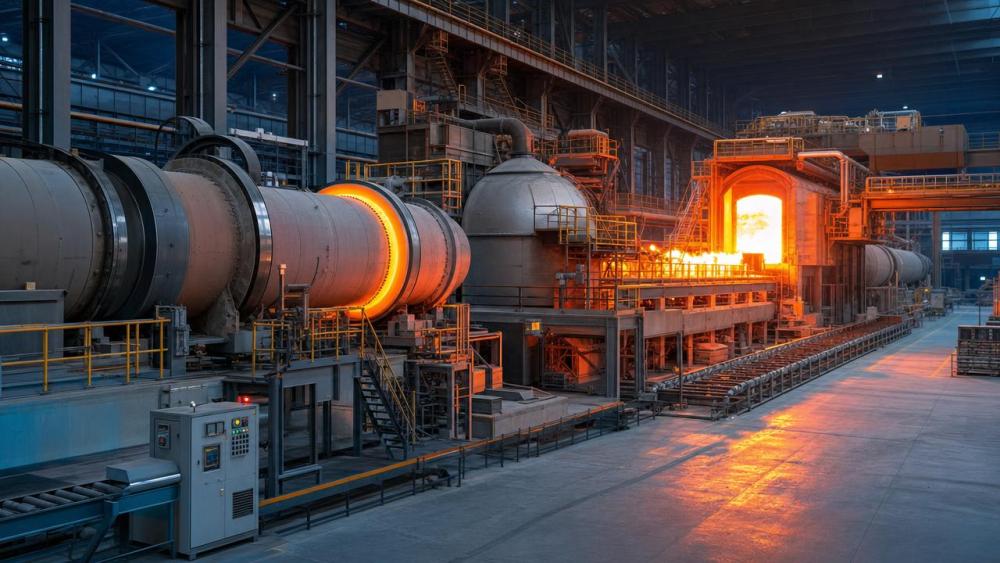
High-temp material processing is not a niche topic. It shapes how cement, glass, refractory products, kilns, and extrusion-based building materials actually perform.
At elevated temperatures, materials stop behaving like simple solids. They soften, react, sinter, crack, oxidize, and sometimes transform completely.
That is why process decisions are rarely only about heat. They also involve dwell time, atmosphere, thermal shock, contamination, and energy balance.
In practical terms, high-temp material processing determines whether a rotary kiln stays stable, whether float glass remains defect-free, and whether refractory linings survive repeated cycles.
This is also where CF-Elite’s industry lens becomes useful. Its coverage connects thermal parameters, reaction kinetics, equipment logic, and carbon reduction signals across large silicate systems.
For anyone comparing technologies, the first useful question is simple: what exactly changes when materials enter a high-temperature window?
What actually counts as high-temp material processing?
The phrase usually refers to manufacturing steps where temperature drives structural or chemical change, not just surface heating or drying.
That includes melting, calcination, sintering, firing, annealing, thermal decomposition, co-processing, and controlled cooling.
In cement lines, raw meal becomes clinker through staged heating and phase formation. In glass, batch materials melt, refine, and cool under strict viscosity control.
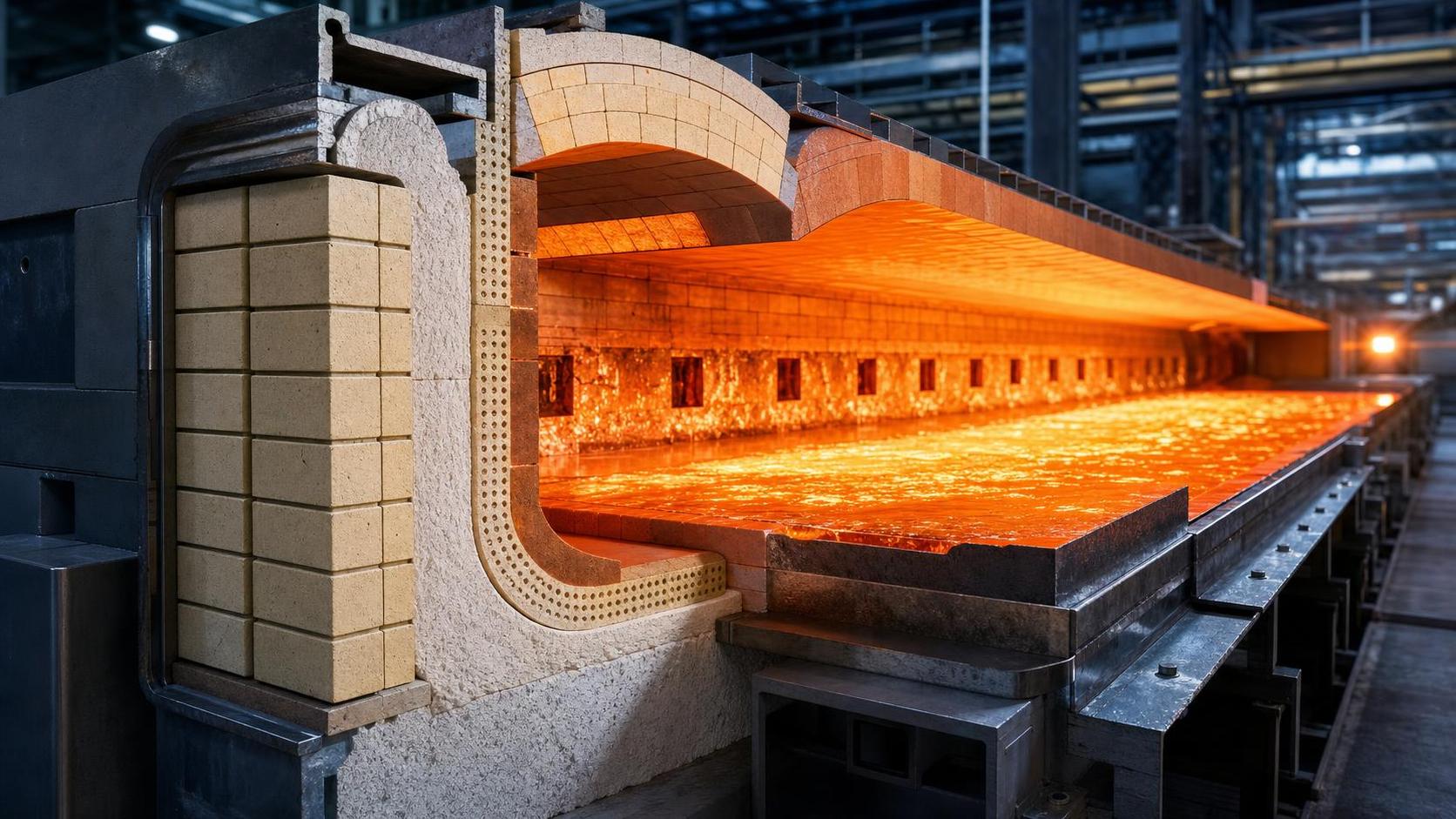
In refractory production, shaping alone is not enough. The real performance emerges after firing develops density, bonding, and hot strength.
Extrusion systems add another angle. Some products are not melted, but they still rely on downstream thermal curing, firing, or heat-assisted stabilization.
A useful way to understand high-temp material processing is to ask what the temperature is expected to accomplish:
- Remove moisture or volatile compounds
- Trigger phase change or reaction completion
- Develop density, strength, or microstructure
- Destroy waste while recovering energy
- Relieve stress and improve dimensional stability
If the process goal is unclear, temperature selection becomes guesswork. That is one of the most common early-stage mistakes.
How do you judge material limits without oversimplifying the problem?
A stated temperature rating is only a starting point. Real material limits depend on both the heat level and the environment around it.
For example, a refractory may tolerate one peak temperature in a neutral atmosphere, then fail much earlier under alkali attack or reducing conditions.
The same logic applies to metals, ceramics, insulation, and sealing materials used around furnaces, incinerators, and extrusion lines.
More often, the practical limit comes from a combination of factors rather than a single number on a datasheet.
In research and technical screening, this table often gives a faster reality check than temperature alone.
That is why high-temp material processing should be evaluated as a system question, not just a material question.
Which processing methods fit which industrial uses?
There is no single best method. The right route depends on feedstock, target structure, throughput, emission limits, and product quality requirements.
A few common pairings help clarify the landscape.
Firing and sintering
These methods are widely used for ceramics, refractories, and engineered mineral products.
They fit applications where bonding, porosity control, and dimensional stability matter more than full melting.
Melting and refining
Glass production depends on this route. The challenge is not only reaching melt temperature, but managing bubbles, viscosity, and controlled cooling.
Calcination and thermal decomposition
These steps are central to cement and lime systems. They are energy-intensive, but they define downstream reactivity and final material performance.
Co-processing in kilns and incineration units
This method combines waste treatment and heat recovery. It works best when feed variability, emissions, and residue chemistry are tightly monitored.
Heat-assisted extrusion and curing
In new building materials, extrusion may shape the body, while thermal stages develop hardness, water resistance, or final structural integrity.
CF-Elite often tracks these links as process chains rather than isolated machines. That matters because line efficiency is often lost at transitions between stages.
When comparing options, what signals usually separate a good fit from a poor one?
A useful comparison starts with failure modes, not marketing claims. Ask what is most likely to go wrong first.
In one case, the weak point may be fuel efficiency. In another, it may be lining wear, emissions compliance, or unstable product quality.
For high-temp material processing, the strongest options usually show balance across five signals:
- The thermal window is wide enough for routine fluctuation
- The material remains chemically stable in the real atmosphere
- The equipment can be monitored, not just operated
- Maintenance intervals match the production rhythm
- Energy use aligns with carbon and cost targets
This is where digital tools are becoming more relevant. Digital twin models, online refractory monitoring, and thermal data analytics reduce trial-and-error decisions.
Still, data only helps when the baseline process logic is sound. A poorly matched process will not become efficient just because it is digitized.
What mistakes appear most often in high-temp material processing projects?
One common mistake is choosing by peak temperature alone. That ignores cycling, residence time, and chemical load.
Another is treating energy efficiency as separate from material behavior. In reality, inefficient heating often creates quality instability and premature wear.
There is also a frequent gap between lab assumptions and plant reality. Feed composition shifts, dust recirculation, and local hot spots change outcomes quickly.
The following checks usually prevent expensive surprises:
- Confirm actual operating atmosphere, not nominal design atmosphere
- Review startup and shutdown profiles, not only steady-state heat
- Check interaction between raw material variability and thermal control
- Estimate lining life, contamination risk, and cleaning frequency together
- Compare carbon intensity per useful output, not per burner setting
In sectors covered by CF-Elite, the more durable advantage often comes from process understanding, not from a single equipment upgrade.
So how should the next step be evaluated?
A practical next step is to map the process around three questions: what thermal change is required, what limits the material, and what cost driver matters most.
That framework makes high-temp material processing easier to compare across cement plants, glass lines, incineration systems, refractory manufacturing, and extrusion applications.
If the goal is clearer research, focus on temperature profile, atmosphere, residence time, and expected reactions before comparing hardware names.
If the goal is better decision support, track signals that CF-Elite emphasizes: energy efficiency, thermal reliability, material compatibility, monitoring depth, and decarbonization potential.
In the end, high-temp material processing is best understood as a balance problem. Heat alone never tells the whole story.
The more effective approach is to build a short evaluation checklist, compare process routes against real operating conditions, and keep an eye on carbon, maintenance, and quality together.
Related News
![]() Ms. Elena RodriguezTechnical Comparison of Material Processing Methods: Key Factors for Process SelectionTechnical comparison for material processing made practical: learn how to evaluate energy, quality, maintenance, emissions, and feed variability to choose the right process with confidence.Jul 29, 2026
Ms. Elena RodriguezTechnical Comparison of Material Processing Methods: Key Factors for Process SelectionTechnical comparison for material processing made practical: learn how to evaluate energy, quality, maintenance, emissions, and feed variability to choose the right process with confidence.Jul 29, 2026![]() Silicate Process EngineerHow Cement Grinding Technology Affects Energy Use, Fineness, and Plant OutputCement grinding technology shapes energy use, fineness, and plant output. Learn how to compare mills, separators, drying, and control systems for smarter upgrades.Jul 28, 2026
Silicate Process EngineerHow Cement Grinding Technology Affects Energy Use, Fineness, and Plant OutputCement grinding technology shapes energy use, fineness, and plant output. Learn how to compare mills, separators, drying, and control systems for smarter upgrades.Jul 28, 2026![]() Ms. Elena RodriguezHeavy Equipment Trade Cost Trends: What Buyers Should Track in 2025Heavy equipment trade cost trends in 2025 reveal how freight, energy, lead times, and compliance reshape total equipment costs. Learn what buyers must track to reduce risk and protect budgets.Jul 27, 2026
Ms. Elena RodriguezHeavy Equipment Trade Cost Trends: What Buyers Should Track in 2025Heavy equipment trade cost trends in 2025 reveal how freight, energy, lead times, and compliance reshape total equipment costs. Learn what buyers must track to reduce risk and protect budgets.Jul 27, 2026![]() Material Heat-Resist ExpertSilicate Production Line Process Explained: Key Stages, Equipment, and Quality ControlSilicate production line process explained with key stages, core equipment, quality control, and energy checks—helping buyers and engineers assess stability, efficiency, and supplier capability.Jul 26, 2026
Material Heat-Resist ExpertSilicate Production Line Process Explained: Key Stages, Equipment, and Quality ControlSilicate production line process explained with key stages, core equipment, quality control, and energy checks—helping buyers and engineers assess stability, efficiency, and supplier capability.Jul 26, 2026 Optical Glass Tech FellowRefractory Material Science for Glass Furnaces: Key Properties That Drive Furnace LifeRefractory material science for glass furnaces explains how corrosion resistance, thermal shock, creep, and microstructure shape furnace life, glass quality, and campaign reliability.Jul 25, 2026
![]() Silicate Process EngineerCement Plant Equipment Price Guide: What Drives Cost and How to Budget WiselyCement plant equipment price explained: discover what drives costs, compare quotes wisely, spot hidden expenses, and build a smarter budget for long-term plant value.Jul 24, 2026
Silicate Process EngineerCement Plant Equipment Price Guide: What Drives Cost and How to Budget WiselyCement plant equipment price explained: discover what drives costs, compare quotes wisely, spot hidden expenses, and build a smarter budget for long-term plant value.Jul 24, 2026![]() Dr. Alistair VaughnHow Digital Twin Simulations Improve Process Plant Design, Safety, and UptimeDigital twin simulations for process plants help teams improve plant design, reduce safety risks, and protect uptime by validating thermal, control, and retrofit decisions before costly failures occur.Jul 23, 2026
Dr. Alistair VaughnHow Digital Twin Simulations Improve Process Plant Design, Safety, and UptimeDigital twin simulations for process plants help teams improve plant design, reduce safety risks, and protect uptime by validating thermal, control, and retrofit decisions before costly failures occur.Jul 23, 2026![]() Thermal Energy ArchitectRotary Kilns Price Guide: What Determines Cost and How to Compare Quotes?Rotary kilns price varies by capacity, fuel, refractory, automation, and emissions scope. Learn what drives cost, what cheap quotes may miss, and how to compare suppliers wisely.Jul 22, 2026
Thermal Energy ArchitectRotary Kilns Price Guide: What Determines Cost and How to Compare Quotes?Rotary kilns price varies by capacity, fuel, refractory, automation, and emissions scope. Learn what drives cost, what cheap quotes may miss, and how to compare suppliers wisely.Jul 22, 2026 Ms. Elena RodriguezHow to Evaluate Green Building Material Equipment Suppliers in Europe?Green building material equipment Europe buyers: learn how to evaluate suppliers by technical fit, compliance, lifecycle cost, and after-sales support for smarter sourcing decisions.Jul 21, 2026
![]() Thermal Energy ArchitectHow to Evaluate an Energy Efficient Tunnel Kiln for Lower Fuel Costs and Stable OutputEnergy efficient tunnel kiln evaluation starts with fuel cost, but real value comes from thermal stability, heat recovery, and consistent output. Learn what truly lowers cost per qualified ton.Jul 20, 2026
Thermal Energy ArchitectHow to Evaluate an Energy Efficient Tunnel Kiln for Lower Fuel Costs and Stable OutputEnergy efficient tunnel kiln evaluation starts with fuel cost, but real value comes from thermal stability, heat recovery, and consistent output. Learn what truly lowers cost per qualified ton.Jul 20, 2026![]() Ms. Elena RodriguezSustainable Material Production Compliance: Key Standards, Risks, and Audit ChecksSustainable material production compliance explained: key standards, audit checks, and hidden plant risks across cement, glass, and thermal lines—learn how to spot gaps before audits fail.Jul 19, 2026
Ms. Elena RodriguezSustainable Material Production Compliance: Key Standards, Risks, and Audit ChecksSustainable material production compliance explained: key standards, audit checks, and hidden plant risks across cement, glass, and thermal lines—learn how to spot gaps before audits fail.Jul 19, 2026![]() Thermal Energy ArchitectProcess Monitoring for Incinerators: Key Parameters, Sensors, and Compliance ChecksProcess monitoring for incinerators covers key parameters, sensor selection, and compliance checks to improve combustion stability, emissions control, and plant performance.Jul 18, 2026
Thermal Energy ArchitectProcess Monitoring for Incinerators: Key Parameters, Sensors, and Compliance ChecksProcess monitoring for incinerators covers key parameters, sensor selection, and compliance checks to improve combustion stability, emissions control, and plant performance.Jul 18, 2026![]() Thermal Energy ArchitectWhat Is Industrial Co-Processing? Process, Acceptable Waste Types, and Kiln Use CasesIndustrial co-processing explained: learn the process, acceptable waste types, and kiln use cases in cement and thermal industries to improve efficiency, compliance, and resource recovery.Jul 17, 2026
Thermal Energy ArchitectWhat Is Industrial Co-Processing? Process, Acceptable Waste Types, and Kiln Use CasesIndustrial co-processing explained: learn the process, acceptable waste types, and kiln use cases in cement and thermal industries to improve efficiency, compliance, and resource recovery.Jul 17, 2026![]() Ms. Elena RodriguezGlass Industry Intelligence in Europe: Key Market Signals Buyers Should TrackGlass industry intelligence Europe reveals the key market signals buyers should track, from energy and carbon exposure to furnace upgrades and usable capacity for smarter sourcing decisions.Jul 16, 2026
Ms. Elena RodriguezGlass Industry Intelligence in Europe: Key Market Signals Buyers Should TrackGlass industry intelligence Europe reveals the key market signals buyers should track, from energy and carbon exposure to furnace upgrades and usable capacity for smarter sourcing decisions.Jul 16, 2026![]() Ms. Elena RodriguezIndustrial Market Intelligence in North America: What Buyers Should Track in Supply, Pricing, and DemandIndustrial market intelligence North America reveals what buyers must track in supply, pricing, demand, and compliance to reduce risk and time smarter industrial investments.Jul 15, 2026
Ms. Elena RodriguezIndustrial Market Intelligence in North America: What Buyers Should Track in Supply, Pricing, and DemandIndustrial market intelligence North America reveals what buyers must track in supply, pricing, demand, and compliance to reduce risk and time smarter industrial investments.Jul 15, 2026![]() Optical Glass Tech FellowCommon Problems in Glass Annealing Lehr Systems and How to Improve Temperature UniformityGlass annealing lehr systems often suffer from uneven cooling, stress, and defects. Learn common causes and practical fixes to improve temperature uniformity, quality, and line stability.Jul 15, 2026
Optical Glass Tech FellowCommon Problems in Glass Annealing Lehr Systems and How to Improve Temperature UniformityGlass annealing lehr systems often suffer from uneven cooling, stress, and defects. Learn common causes and practical fixes to improve temperature uniformity, quality, and line stability.Jul 15, 2026![]() Optical Glass Tech FellowOxy Fuel Glass Melting Furnace vs Air-Fuel Systems: Which Fits Your Glass Plant Better?Oxy fuel glass melting furnace or air-fuel system? Compare energy use, NOx, melt quality, oxygen cost, and ROI to choose the best-fit furnace for your glass plant.Jul 15, 2026
Optical Glass Tech FellowOxy Fuel Glass Melting Furnace vs Air-Fuel Systems: Which Fits Your Glass Plant Better?Oxy fuel glass melting furnace or air-fuel system? Compare energy use, NOx, melt quality, oxygen cost, and ROI to choose the best-fit furnace for your glass plant.Jul 15, 2026![]() Dr. Alistair VaughnSilicate Processing Equipment Production Line: Key Machines, Layout Options, and Output PlanningSilicate processing equipment production line guide covering key machines, layout models, output planning, and control strategies to help improve efficiency, stability, and project ROI.Jul 15, 2026
Dr. Alistair VaughnSilicate Processing Equipment Production Line: Key Machines, Layout Options, and Output PlanningSilicate processing equipment production line guide covering key machines, layout models, output planning, and control strategies to help improve efficiency, stability, and project ROI.Jul 15, 2026![]() Material Heat-Resist ExpertHow to Evaluate a Refractory Production Line in Southeast Asia: Capacity, Fuel, and Raw Material FactorsRefractory production Southeast Asia: learn how to assess capacity, fuel strategy, and raw material stability to reduce risk, improve efficiency, and build a scalable, compliant plant.Jul 15, 2026
Material Heat-Resist ExpertHow to Evaluate a Refractory Production Line in Southeast Asia: Capacity, Fuel, and Raw Material FactorsRefractory production Southeast Asia: learn how to assess capacity, fuel strategy, and raw material stability to reduce risk, improve efficiency, and build a scalable, compliant plant.Jul 15, 2026![]() Ms. Elena RodriguezIndustrial Solution Comparison for Procurement: How to Compare CAPEX, OPEX, and Delivery RiskIndustrial solution comparison procurement made practical: compare CAPEX, OPEX, and delivery risk with a lifecycle approach to reduce downtime, control cost, and choose suppliers with confidence.Jul 14, 2026
Ms. Elena RodriguezIndustrial Solution Comparison for Procurement: How to Compare CAPEX, OPEX, and Delivery RiskIndustrial solution comparison procurement made practical: compare CAPEX, OPEX, and delivery risk with a lifecycle approach to reduce downtime, control cost, and choose suppliers with confidence.Jul 14, 2026

Related News
- 00
0000-00
How Digital Twin Simulations Improve Process Plant Design, Safety, and Uptime - 00
0000-00
Silicate Processing Equipment Production Line: Key Machines, Layout Options, and Output Planning - 00
0000-00
Industrial Thermal Management Controls: Which Parameters Matter Most in Daily Operation? - 00
0000-00
Glass Industry Intelligence in the Middle East: What Buyers Should Track Before Sourcing - 00
0000-00
When Do Bio Processing Equipment Customization Services Make Sense for New Lines?
Weekly Insights
Stay ahead with our curated technology reports delivered every Monday.