
How an industrial intelligence platform cuts downtime




For high-temperature production assets, unplanned downtime is more than a maintenance issue.
It affects margins, delivery reliability, energy intensity, emissions targets, and long-cycle equipment value.
An industrial intelligence platform turns scattered equipment data, process knowledge, and market signals into timely operational decisions.
CF-Elite connects thermal performance, failure patterns, carbon pressure, and production risks for intelligence-led reliability.
What is an industrial intelligence platform in high-temperature industries?
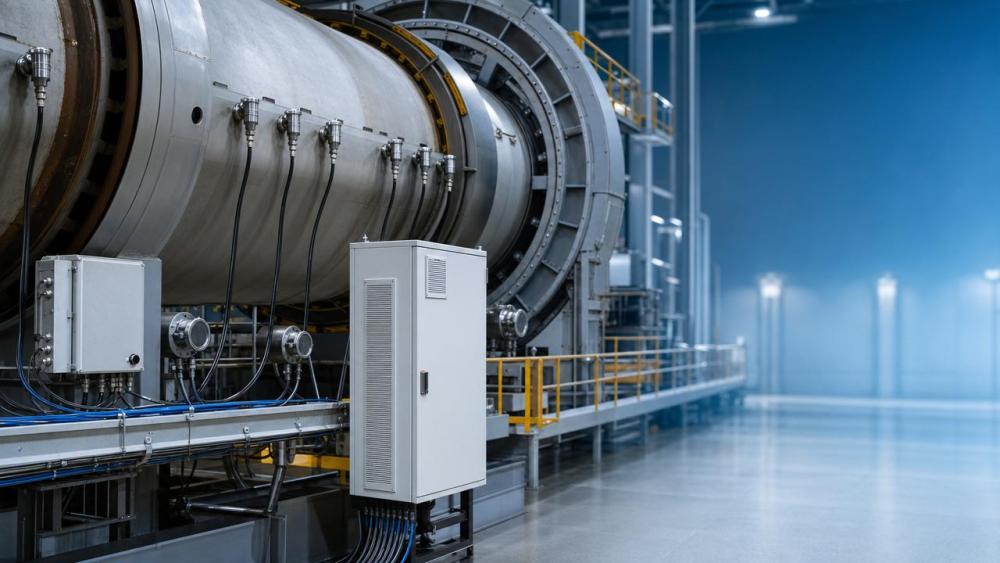
An industrial intelligence platform is not just a dashboard or maintenance database.
It is a decision layer that connects machines, processes, materials, energy, and external industrial intelligence.
In cement, glass, kilns, incineration, refractory, and extrusion lines, failures rarely come from one isolated variable.
A bearing alarm may reflect load imbalance, thermal drift, dust ingress, or unstable upstream feeding.
A refractory crack may reveal fuel chemistry, temperature cycling, poor lining history, or wrong maintenance timing.
The value of an industrial intelligence platform lies in linking these signals before stoppage becomes unavoidable.
CF-Elite frames this capability around foundation materials and thermal management.
Its intelligence approach observes physical parameters, chemical reaction kinetics, equipment behavior, and global carbon reduction strategies.
That makes the industrial intelligence platform useful beyond maintenance teams.
It supports production planning, energy management, equipment renewal, supplier evaluation, and risk governance.
How does it differ from traditional monitoring?
Traditional monitoring records what is happening now.
An industrial intelligence platform explains why it is happening and what may happen next.
It compares current conditions with historical failures, design envelopes, maintenance records, and comparable sector trends.
The result is not merely an alarm.
It is a ranked recommendation, backed by context and operational consequence.
How does an industrial intelligence platform reduce downtime?
Downtime reduction begins with earlier detection, but it does not end there.
The platform must help decide whether to slow, inspect, adjust, continue, or stop.
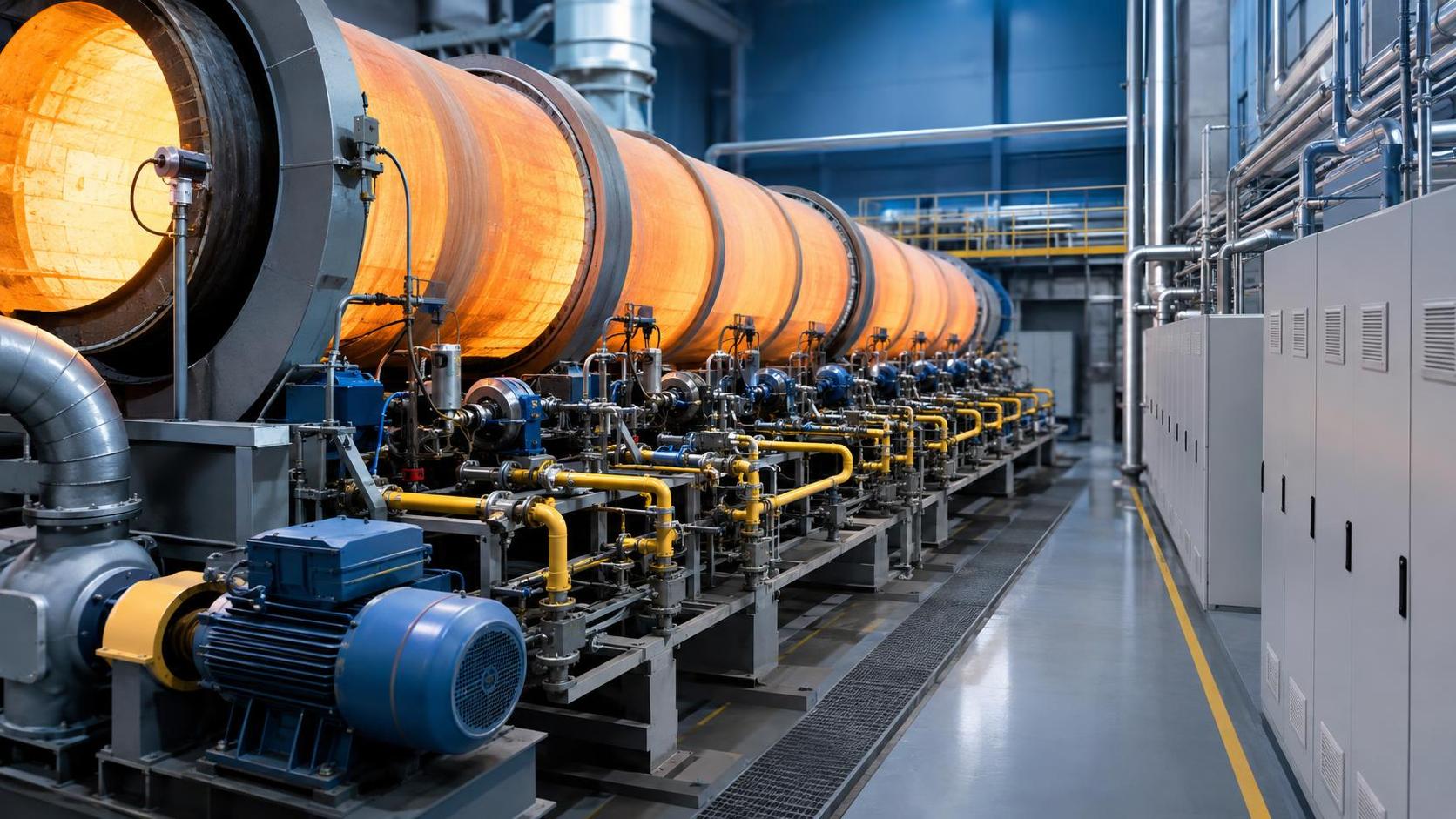
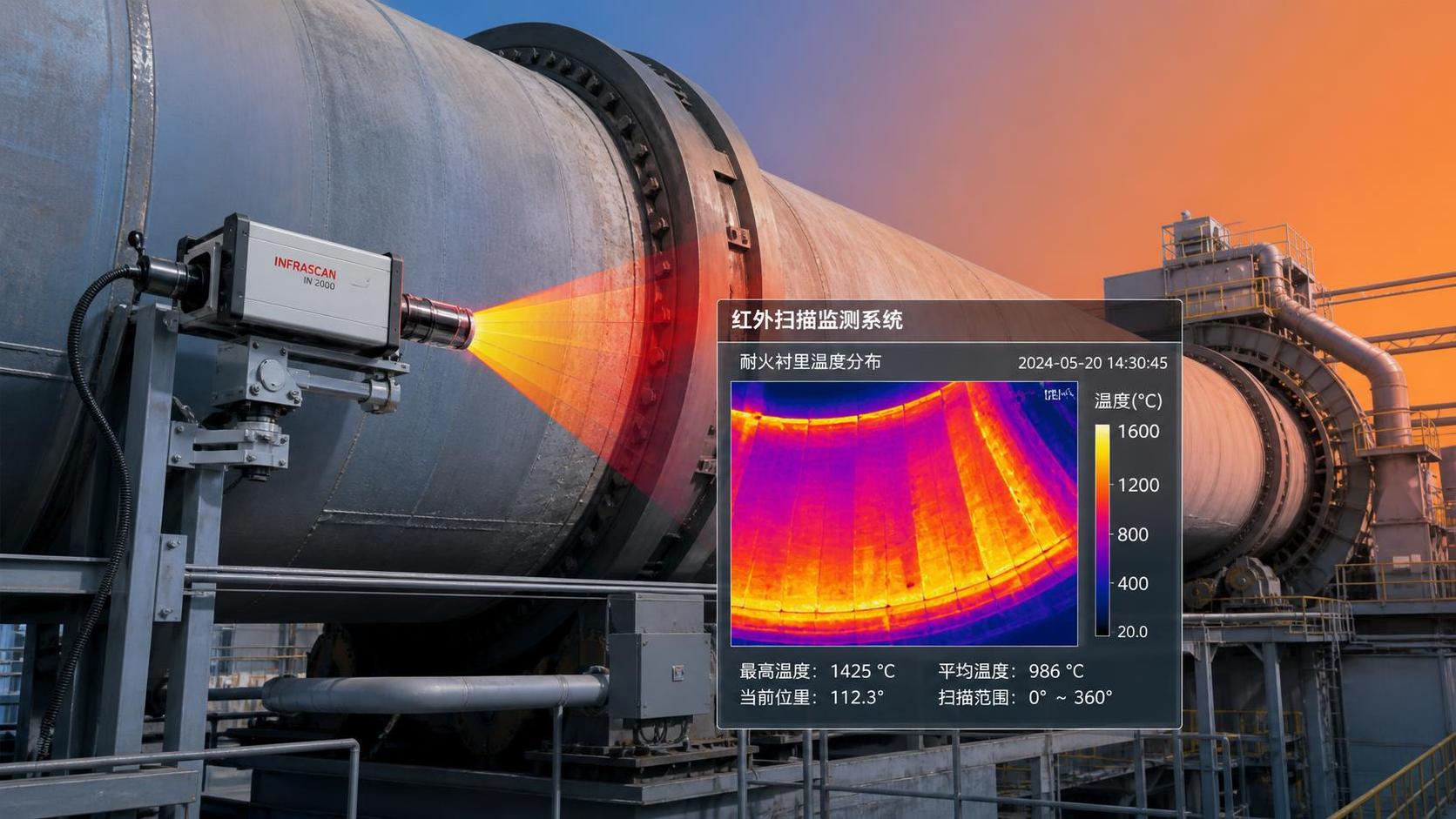
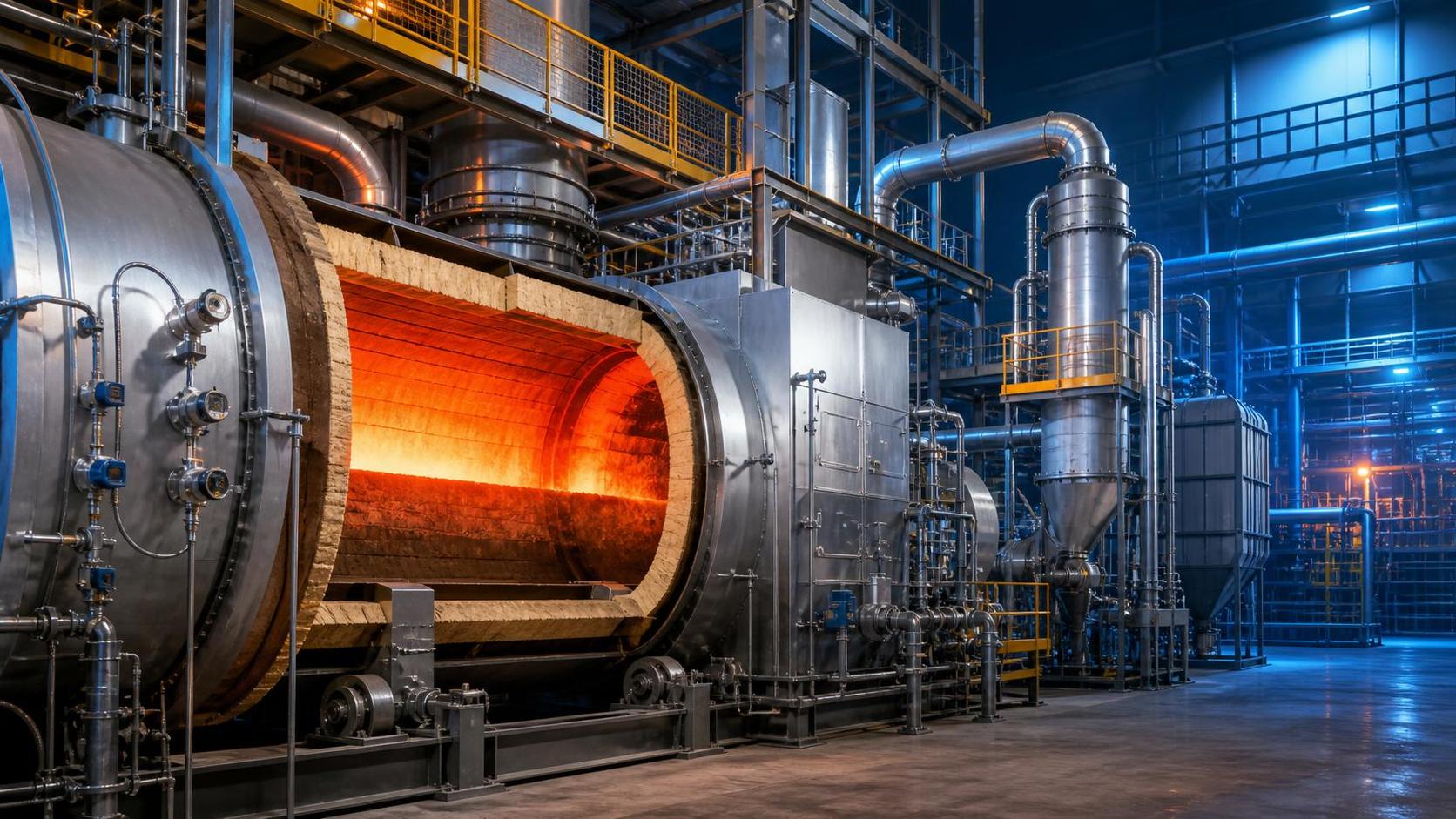
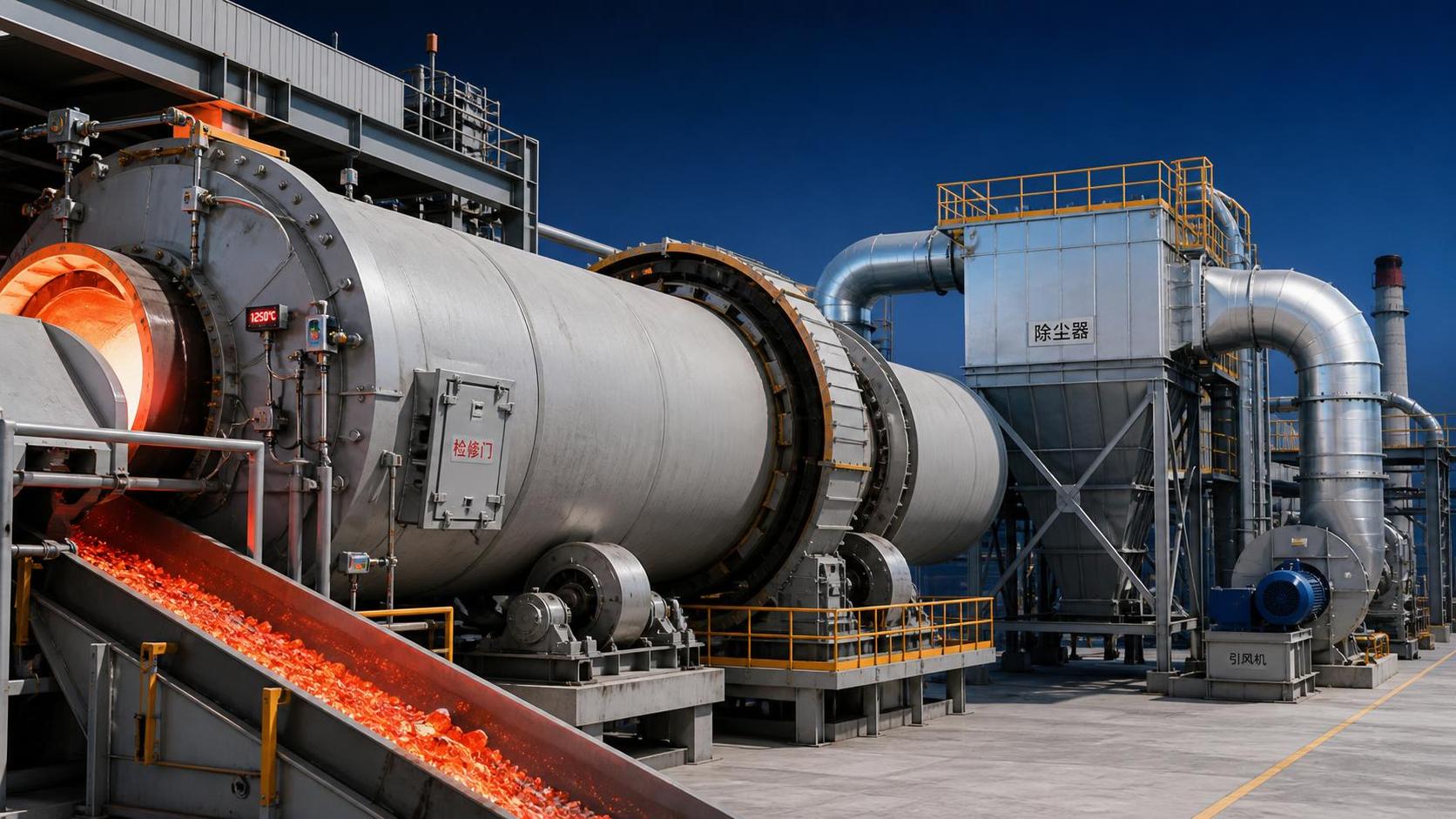
In rotary kilns, unstable temperature profiles can accelerate refractory wear and clinker quality deviation.
An industrial intelligence platform can correlate shell temperature, burner settings, feed chemistry, and coating stability.
This supports corrective action before emergency shutdown becomes the only option.
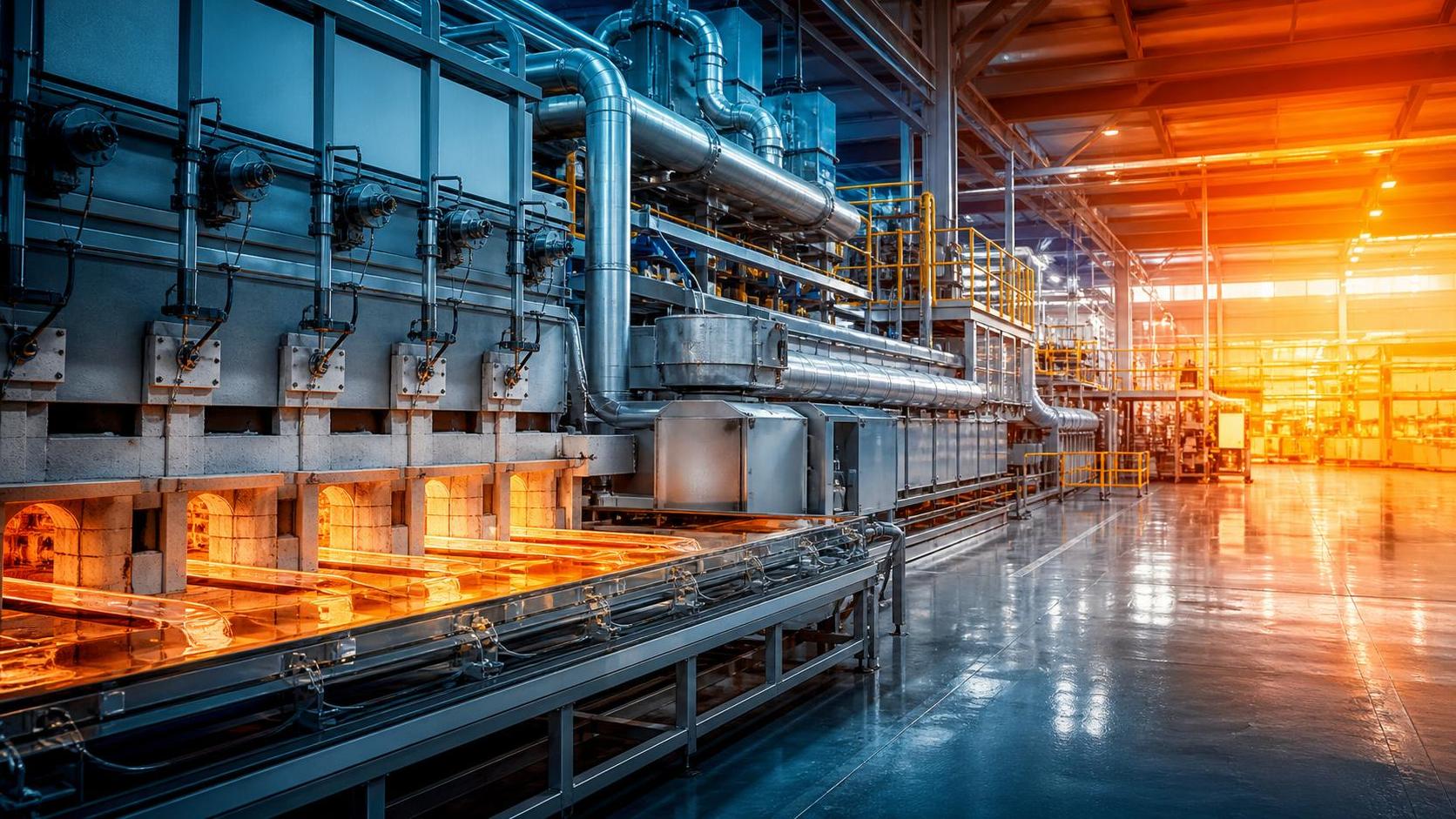
In glass manufacturing, furnace pressure, melting behavior, tin bath conditions, and annealing patterns are tightly linked.
A small drift can create quality loss, energy waste, or equipment stress.
The industrial intelligence platform highlights abnormal combinations, not just individual threshold breaches.
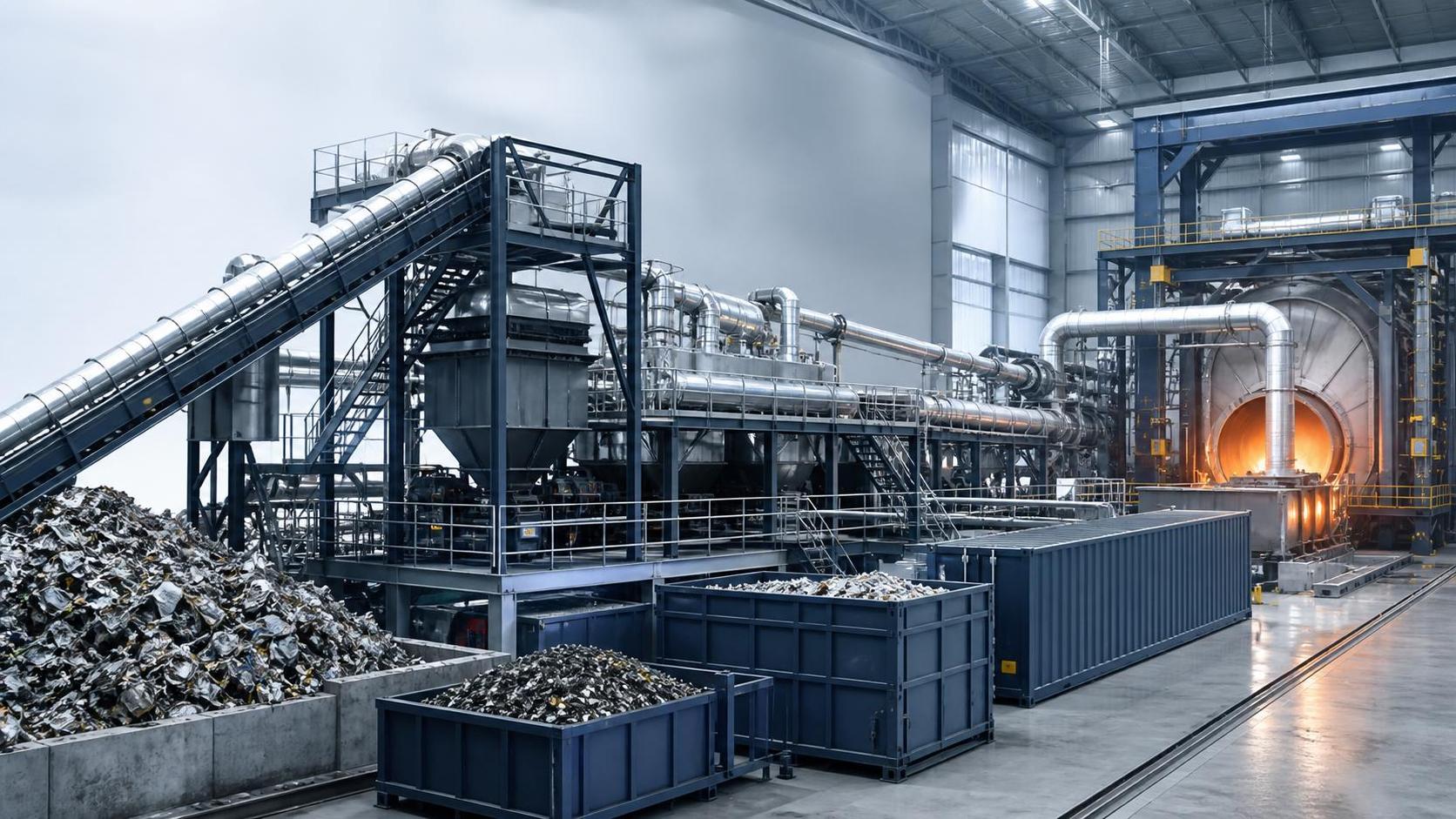
In incineration, waste composition variability creates combustion instability and corrosion risk.
Intelligence-led analysis helps align feed management, air control, heat recovery, and maintenance windows.
Which downtime mechanisms can be addressed?
- Thermal fatigue caused by repeated heating and cooling cycles.
- Mechanical overload from unstable feeding, vibration, or misalignment.
- Refractory degradation driven by chemistry, temperature, or installation defects.
- Energy inefficiency that increases stress across burners, motors, and fans.
- Quality deviation that forces line slowdown, rework, or emergency intervention.
The strongest results come when an industrial intelligence platform integrates operational and engineering knowledge.
Predictive analytics alone may miss process logic.
Expert rules alone may miss hidden patterns.
Together, they create more reliable downtime prevention.
Where does an industrial intelligence platform deliver the fastest value?
Fast value usually appears where asset criticality, energy cost, and failure consequence are highest.
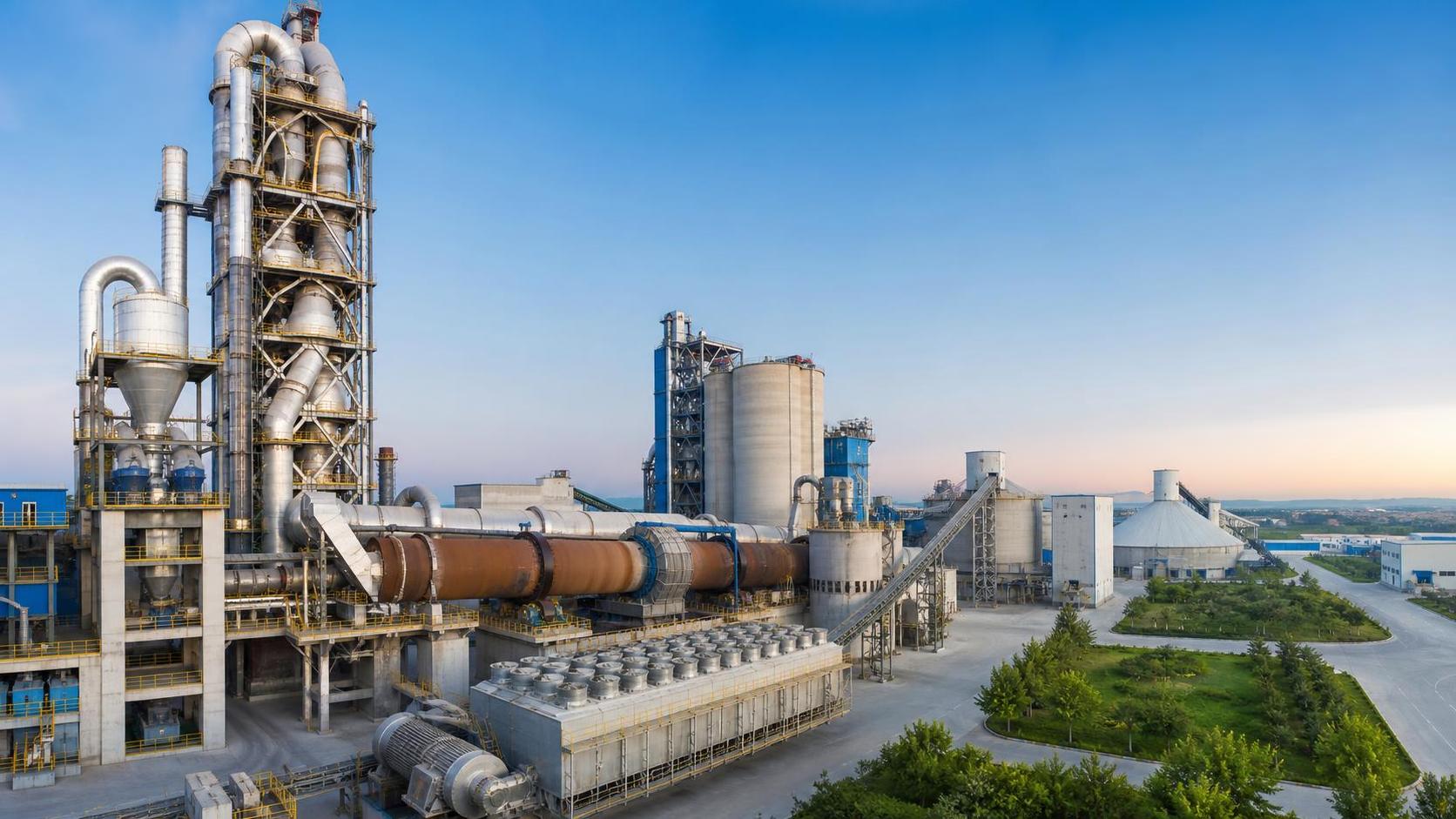
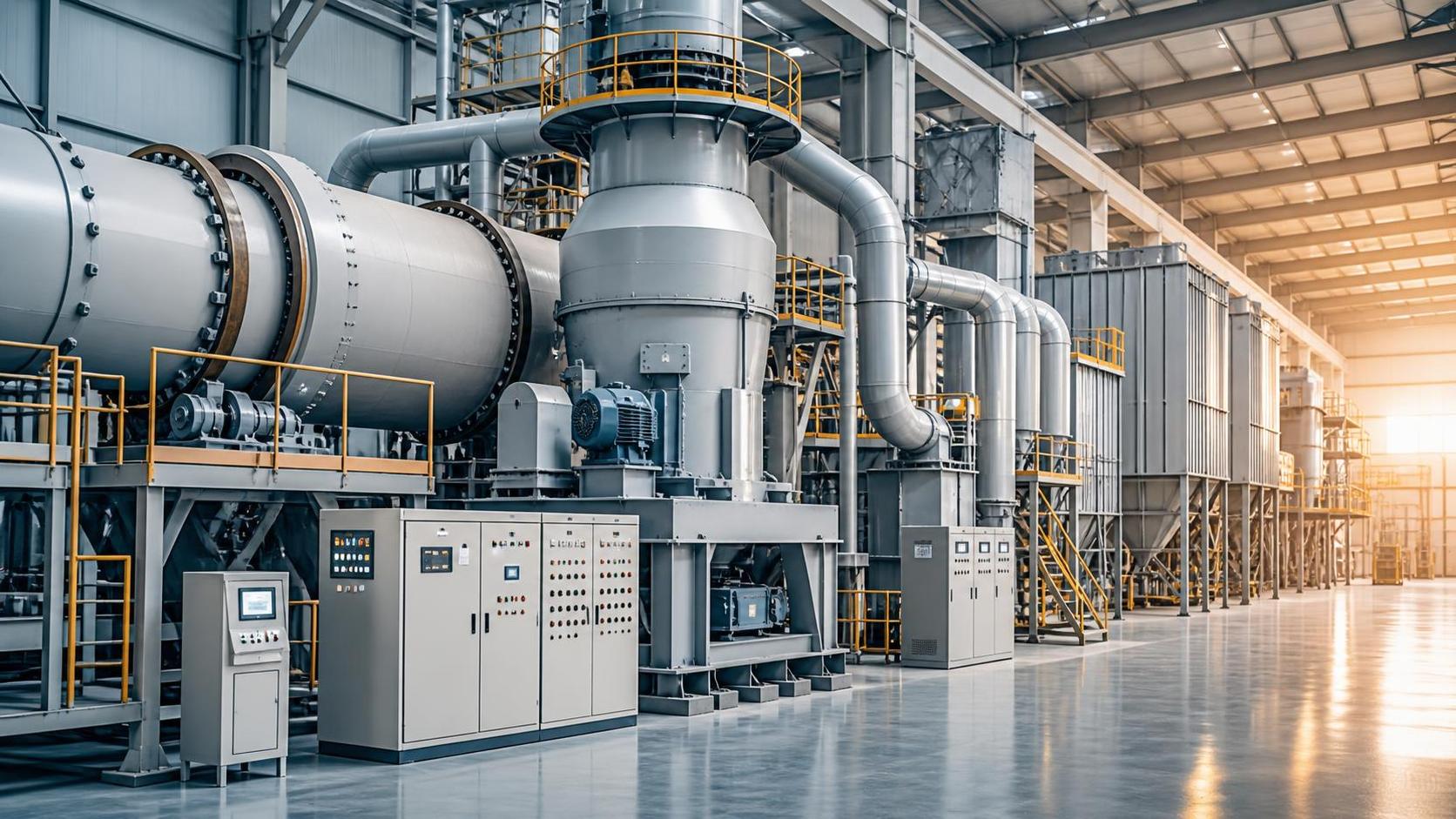
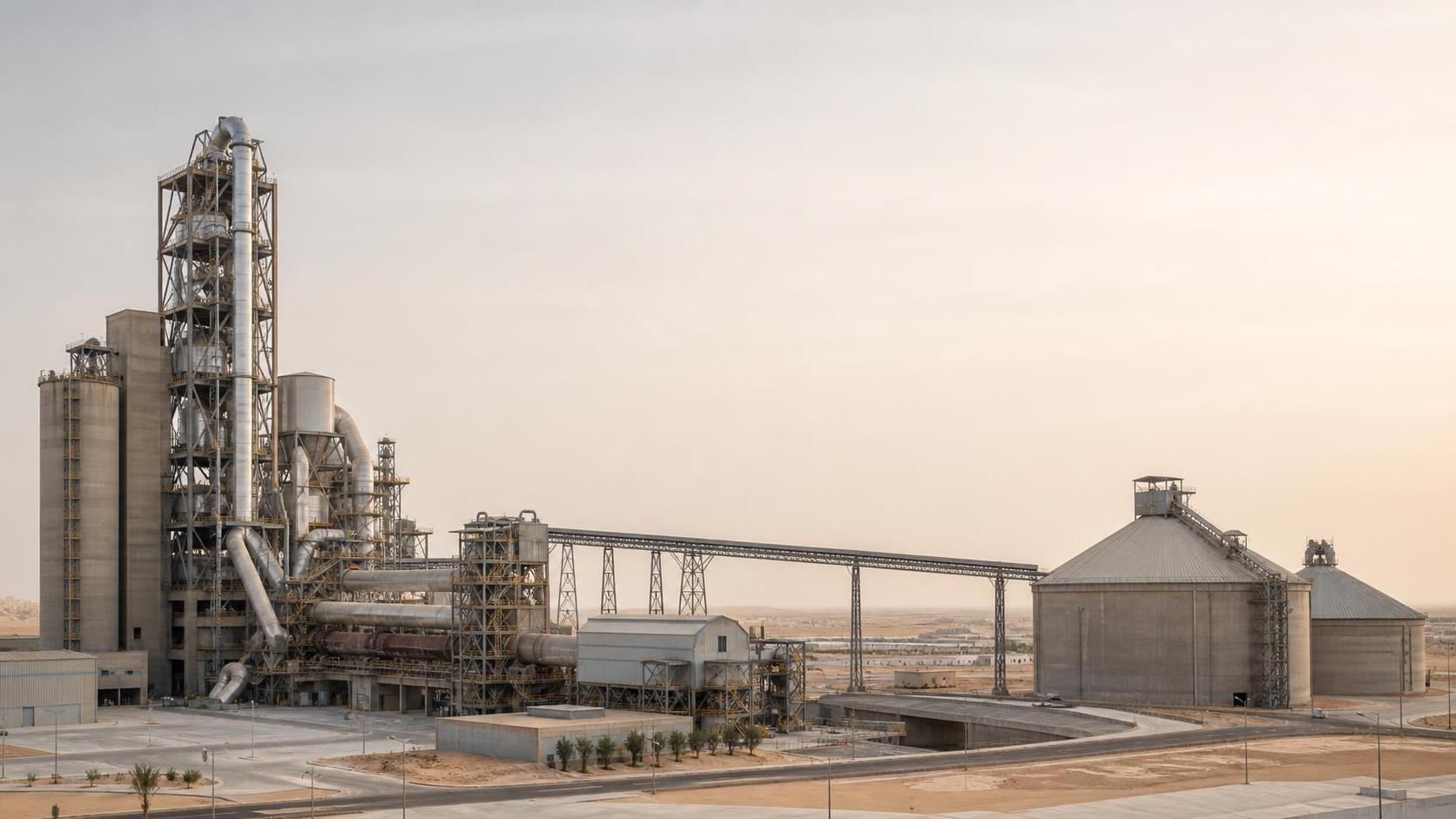
For cement production plants, the priority is often kiln availability, dust control, grinding stability, and fuel optimization.
For glass manufacturing gear, the focus may be furnace life, melting quality, annealing stability, and defect prevention.
For industrial kilns and incineration, value comes from combustion control, corrosion awareness, emissions compliance, and heat recovery.
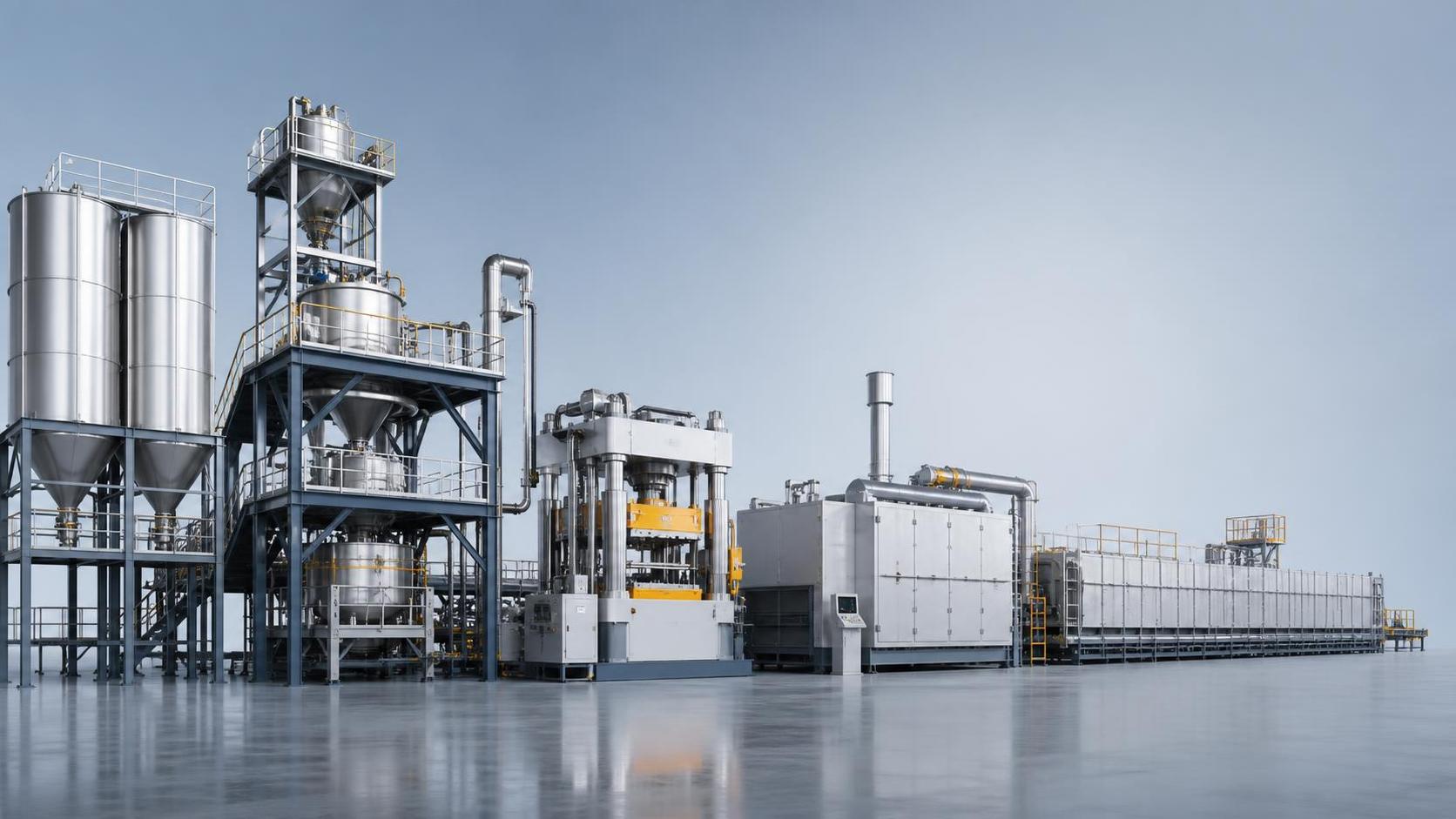
For refractory production lines, intelligence supports firing uniformity, press stability, drying control, and lining material performance.
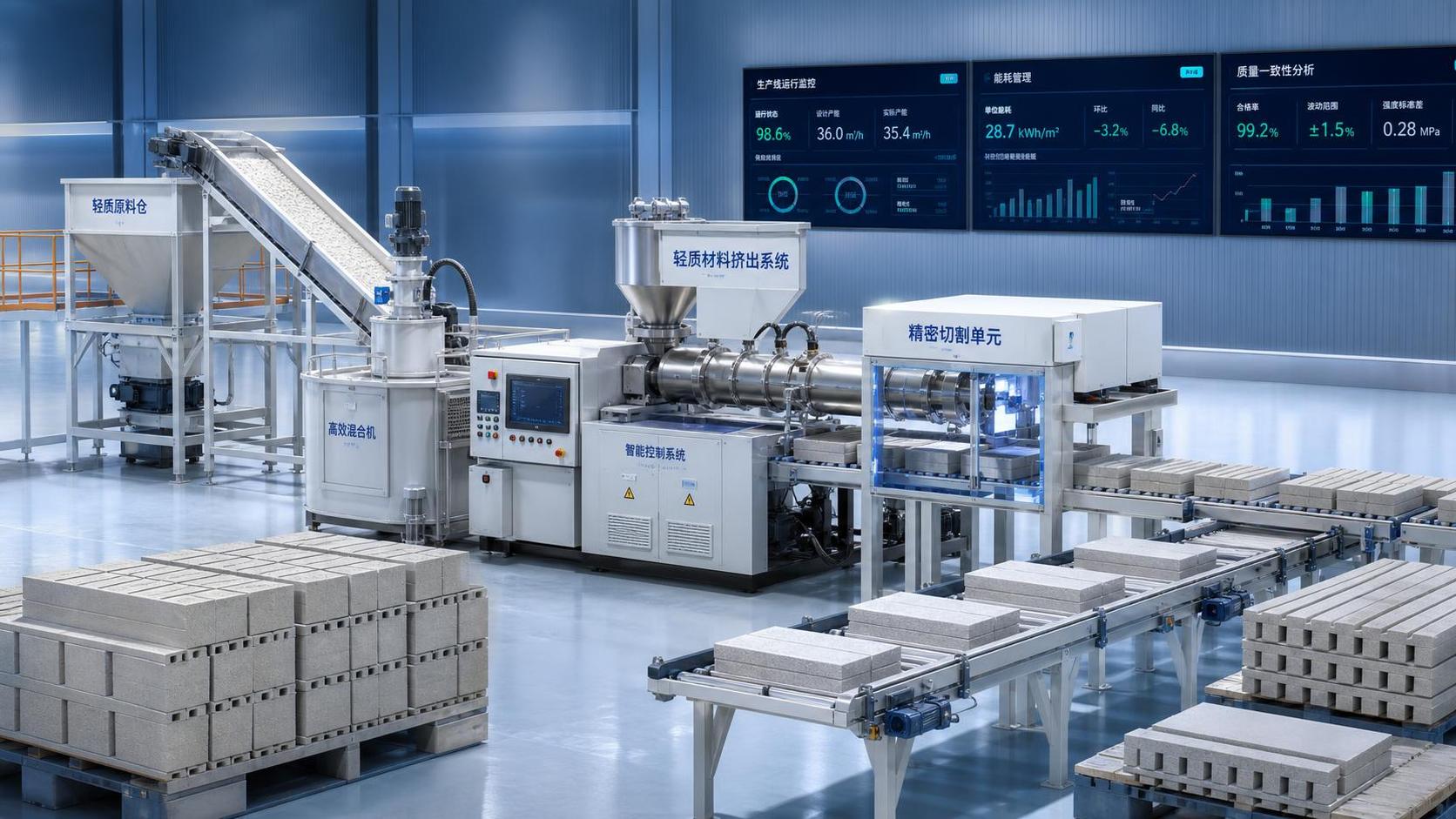
For new building material extrusion, the platform helps monitor pressure, moisture, die wear, curing, and product consistency.
An industrial intelligence platform becomes especially valuable when plants manage multiple equipment generations.
Older machines, modern sensors, manual records, and supplier updates often remain disconnected.
CF-Elite’s intelligence model helps stitch these layers into one decision environment.
Which scenarios should be prioritized first?
- Assets where one stoppage causes long restart time.
- Processes with high fuel or electricity intensity.
- Lines with recurring quality deviations or hidden instability.
- Equipment with limited spare parts or long procurement cycles.
- Systems exposed to tighter emissions or carbon reporting pressure.
These priorities make implementation practical and measurable.
They also help the industrial intelligence platform build internal trust through visible operating improvements.
How should data be connected for reliable decisions?
Data connection is not only a technical integration task.
It is a reliability strategy.
An industrial intelligence platform needs clean equipment tags, time alignment, process definitions, and maintenance event history.
Without these foundations, advanced analytics may produce attractive but misleading conclusions.
High-temperature industries also need contextual data.
Raw material chemistry, fuel changes, ambient conditions, refractory grade, and operator actions can all influence failure probability.
A practical industrial intelligence platform should combine three layers.
The third layer is often overlooked.
Yet external intelligence affects spare-part strategy, retrofit timing, fuel choices, and compliance exposure.
CF-Elite strengthens the industrial intelligence platform with sector news, evolutionary trend reports, and commercial insights.
This expands reliability from plant-floor response to strategic resilience.
What risks appear when choosing an industrial intelligence platform?
The first risk is treating software as a shortcut for weak reliability discipline.
An industrial intelligence platform cannot compensate for missing inspection standards or unclear failure coding.
The second risk is collecting too much data without a downtime question.
Every sensor should support a decision, such as inspection priority, load adjustment, or shutdown timing.
The third risk is ignoring process expertise.
Models trained without thermal, chemical, and mechanical understanding may flag noise as danger.
The fourth risk is focusing only on predictive maintenance.
Downtime also comes from material variability, operational decisions, environmental constraints, and market disruptions.
A robust industrial intelligence platform must therefore support broader operational intelligence.
What selection criteria matter most?
- Coverage of high-temperature assets and thermal processes.
- Ability to connect maintenance, process, energy, and quality data.
- Transparent recommendations that explain operational trade-offs.
- Support for regulatory, decarbonization, and market intelligence.
- Scalable deployment across multiple plants and equipment types.
These criteria help distinguish a generic monitoring tool from an industrial intelligence platform built for critical production systems.
How long does implementation take, and what should be measured?
Implementation time depends on asset complexity, data readiness, and decision scope.
A focused pilot can begin with one critical process area.
Examples include a kiln main drive, furnace zone, incinerator combustion loop, or extrusion press line.
The goal is not to digitize everything at once.
The goal is to prove that the industrial intelligence platform improves decisions faster than manual review.
Useful metrics should combine technical, financial, and sustainability outcomes.
Cost should be evaluated against avoided shutdowns, reduced emergency repairs, lower energy intensity, and longer asset life.
The best industrial intelligence platform creates measurable gains while improving confidence in daily decisions.
What is the next step for building intelligence-led reliability?
Start with one downtime question that matters operationally and financially.
Map the related equipment signals, process variables, inspection records, and external constraints.
Then define which decision should change when risk is detected.
This keeps the industrial intelligence platform grounded in action, not display.
CF-Elite’s Strategic Intelligence Center supports this path through sector news, trend analysis, and commercial insight.
Its focus on cement, glass, kilns, refractory lines, and extrusion equipment makes the context highly relevant.
Downtime reduction is ultimately a coordination problem.
Data, engineering judgment, energy strategy, and market awareness must move together.
An industrial intelligence platform helps make that coordination repeatable, visible, and scalable.
For high-temperature industries, the practical direction is clear.
Identify critical assets, connect meaningful data, apply process intelligence, and turn early signals into disciplined action.
That is how intelligence cuts downtime and helps forge more efficient industrial foundations.
Related News
 Optical Glass Tech FellowHow to Evaluate a Glass Annealing Equipment Manufacturer for Production StabilityChoose a glass annealing equipment manufacturer with proven thermal uniformity, reliable controls, lifecycle value, and responsive service for stable production.Sep 08, 2026
 Prof. Marcus ChenThermal Energy Architecture in North America: Strategies for Lower Building Energy UseThermal energy architecture North America helps project leaders cut building energy use through stronger envelopes, right-sized HVAC, storage, and smart commissioning.Sep 07, 2026
 Ms. Elena RodriguezHow Should Buyers Evaluate Building Material Industry Intelligence Pricing?Building material industry intelligence pricing: learn how to compare coverage, technical depth, and ROI to choose intelligence that reduces procurement risk.Sep 07, 2026
 Ms. Elena RodriguezHow to Use Building Material Intelligence Data for Market and Investment DecisionsBuilding material industry intelligence data helps leaders evaluate demand, costs, regulation, capacity, and technology to make smarter market and investment decisions.Sep 05, 2026
 Thermal Energy ArchitectHow PLC Control Improves Energy Efficiency and Temperature Stability in KilnsEnergy efficient kilns PLC control improves temperature stability, cuts fuel waste, and optimizes combustion, draft, and material flow. Explore proven strategies for smarter kiln modernization.Sep 04, 2026
 Optical Glass Tech FellowEuropean Glass Melting Processes: Furnace Choices, Energy Use, and Quality ControlGlass melting process Europe: explore furnace choices, energy efficiency, cullet strategy, and quality control to improve output, compliance, and long-term glass performance.Sep 03, 2026
 Thermal Energy ArchitectWhat Determines Refractory Lining Monitoring Price for Industrial Kilns?Refractory lining monitoring price depends on kiln size, sensor technology, installation, software, and support. Compare total lifecycle costs and choose the right solution.Sep 02, 2026
 Silicate Process EngineerCement Production System Costs: A Plant Buyer’s Guide to Budgeting and ROICement production systems cost planning made clear: compare CAPEX, operating costs, compliance, and ROI to build a resilient, profitable cement plant investment.Sep 01, 2026
 Dr. Alistair VaughnWhat Should a Process Technology Database Track for High-Temperature Plants?Process technology database essentials for high-temperature plants: track thermal profiles, feed chemistry, refractory wear, emissions, energy, and maintenance for safer, data-driven decisions.Aug 31, 2026
 Ms. Elena RodriguezHow to Evaluate a Silicate Processing Equipment Manufacturer for Plant ProjectsSilicate processing equipment manufacturer selection: assess process fit, guarantees, energy, compliance, delivery risk, and lifecycle support for dependable plant performance.Aug 30, 2026
 Dr. Alistair VaughnHow to Specify Custom Agricultural Processing Equipment for Throughput and HygieneEquipment customization services for agricultural processing: learn to specify hygienic, high-throughput lines that improve yield, reliability, and long-term efficiency.Aug 29, 2026
 Dr. Alistair VaughnHow to Select Process Plant Equipment for High-Temperature, Abrasive Production LinesProcess plant equipment selection for high-temperature, abrasive lines: reduce downtime, improve durability, and optimize lifecycle performance.Aug 28, 2026
 Silicate Process EngineerHow Kiln Heat Recovery Systems Cut Fuel Use in Cement and Lime ProductionKiln heat recovery helps cement and lime plants cut fuel use, improve thermal stability, and build practical, reliable decarbonization strategies.Aug 27, 2026
 Ms. Elena RodriguezProcess Equipment Comparison: Which Metrics Matter Most for Reliable Selection?Process equipment comparison made practical: discover which metrics truly drive reliable selection, from energy efficiency and control stability to wear life, maintainability, and uptime.Aug 26, 2026
 Ms. Elena RodriguezWhat Buyers Should Check Before Sourcing Precision Alloy Bars for Critical PartsPrecision Alloy Bars buyers should verify grade, chemistry, tolerances, surface quality, traceability, and lead time before sourcing for critical parts. Learn what prevents costly machining and reliability risks.Aug 27, 2026
 Ms. Elena RodriguezHow to Evaluate Thermal Management Solutions Insulation for High-Heat Industrial SystemsThermal management solutions insulation: learn how to assess high-heat industrial systems by thermal performance, durability, lifecycle cost, and supplier data for smarter decisions.Aug 25, 2026
 Ms. Elena RodriguezWhat Drives Waste Recycling Cost in Industrial Projects and How to Estimate It?Waste recycling cost in industrial projects depends on composition, moisture, transport, pre-treatment, and compliance. Learn how to estimate it accurately and compare suppliers with confidence.Aug 24, 2026
 Silicate Process EngineerHow to Evaluate Cement Production Plants in the Middle East for Capacity, Fuel Flexibility, and ROIcement production plants Middle East: Learn how to assess true capacity, fuel flexibility, and ROI risks to identify resilient assets and smarter investment opportunities.Aug 23, 2026
 Structural Material AnalystHow to Evaluate Lightweight Material Machinery for Output, Energy Use, and Product QualityLightweight material machinery evaluation guide: compare stable output, energy use, and product quality to choose equipment that cuts waste, lowers costs, and improves production confidence.Aug 22, 2026
 Material Heat-Resist ExpertWhat Determines Refractory Production Line Price in a Turnkey Plant Project?Refractory production line price depends on raw materials, forming method, kiln and drying design, automation, utilities, and scope. Learn what really drives turnkey plant cost before you invest.Aug 21, 2026

Related News
- 00
0000-00
What Should a Process Technology Database Track for High-Temperature Plants? - 00
0000-00
How to Specify Custom Agricultural Processing Equipment for Throughput and Hygiene - 00
0000-00
How to Select Process Plant Equipment for High-Temperature, Abrasive Production Lines - 00
0000-00
What Causes Thermal Shock Failure in Heat-Resistant Materials During Development? - 00
0000-00
How Digital Twin Simulations Improve Process Plant Design, Safety, and Uptime
Weekly Insights
Stay ahead with our curated technology reports delivered every Monday.