
High-Temp Material Processing: Common Defects, Root Causes, and How to Prevent Them




In high-temp material processing, even small shifts in temperature, residence time, or feed consistency can create expensive quality failures. In cement, glass, refractories, incineration, and extrusion, defect control now defines competitiveness.
As energy costs rise and environmental limits tighten, high-temp material processing is no longer judged only by output. It is evaluated by stability, emissions, waste reduction, and the ability to prevent recurring defects before they spread.
For CF-Elite, this shift matters because modern thermal industries depend on tighter links between process data, material chemistry, kiln condition, and carbon strategy. Better defect prevention improves both product quality and plant resilience.
Why defect prevention in high-temp material processing is becoming a strategic priority
Across global thermal industries, defect patterns are changing. Plants are using alternative fuels, variable raw materials, higher automation, and stricter environmental controls. These changes improve sustainability, but they also increase process sensitivity.
In high-temp material processing, a defect rarely starts at the final stage. It usually begins earlier, through unstable feed chemistry, burner imbalance, refractory wear, airflow leakage, or insufficient online monitoring.
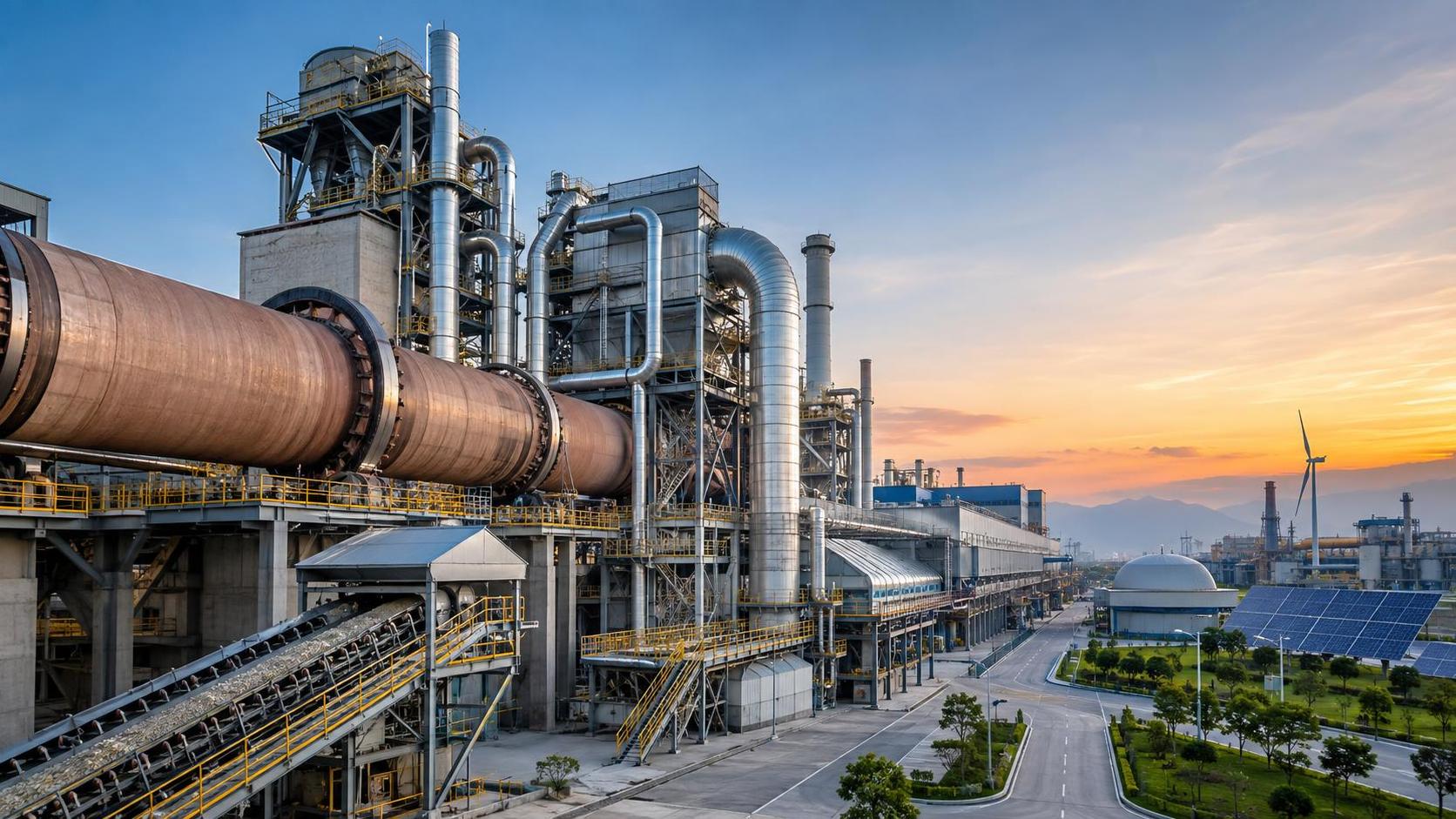
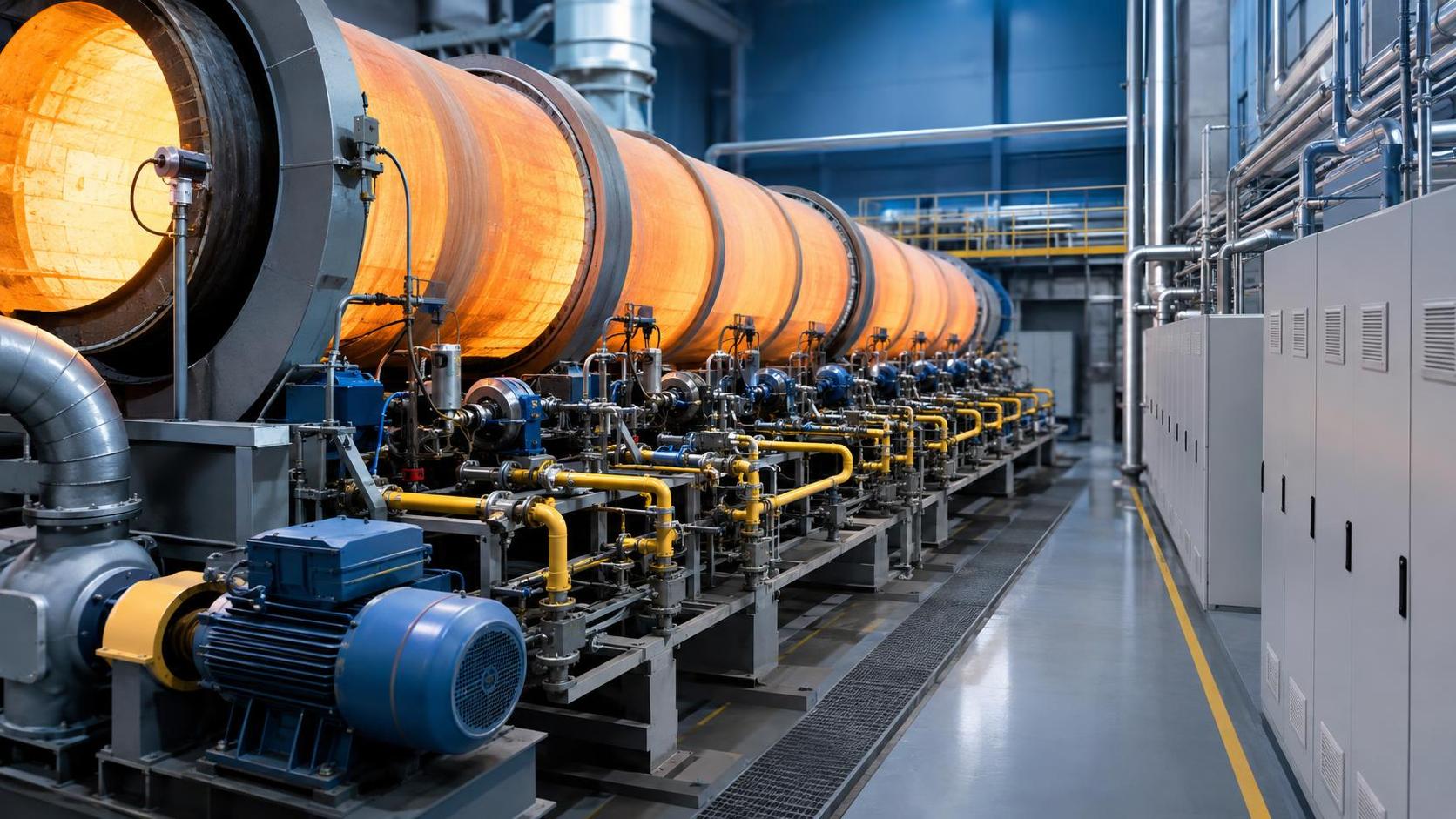
This is especially visible in rotary kilns, melting furnaces, incineration systems, and extrusion lines. A single root cause can trigger multiple visible symptoms, making structured diagnosis essential.
Common trend signals now seen across thermal operations
- More batch-to-batch variation caused by mixed or lower-grade inputs.
- More frequent thermal shocks from rapid start-stop cycles.
- Higher risk of coating, clogging, and uneven melting with alternative fuels.
- Greater pressure to lower fuel use without sacrificing product uniformity.
- Increased need for predictive inspection of linings, burners, and exhaust paths.
The most common defects in high-temp material processing and what they usually signal
The visible defect is often only the final symptom. In high-temp material processing, understanding what each defect signals helps shorten troubleshooting time and reduces repeated shutdowns.
Why the same defect appears in different industries
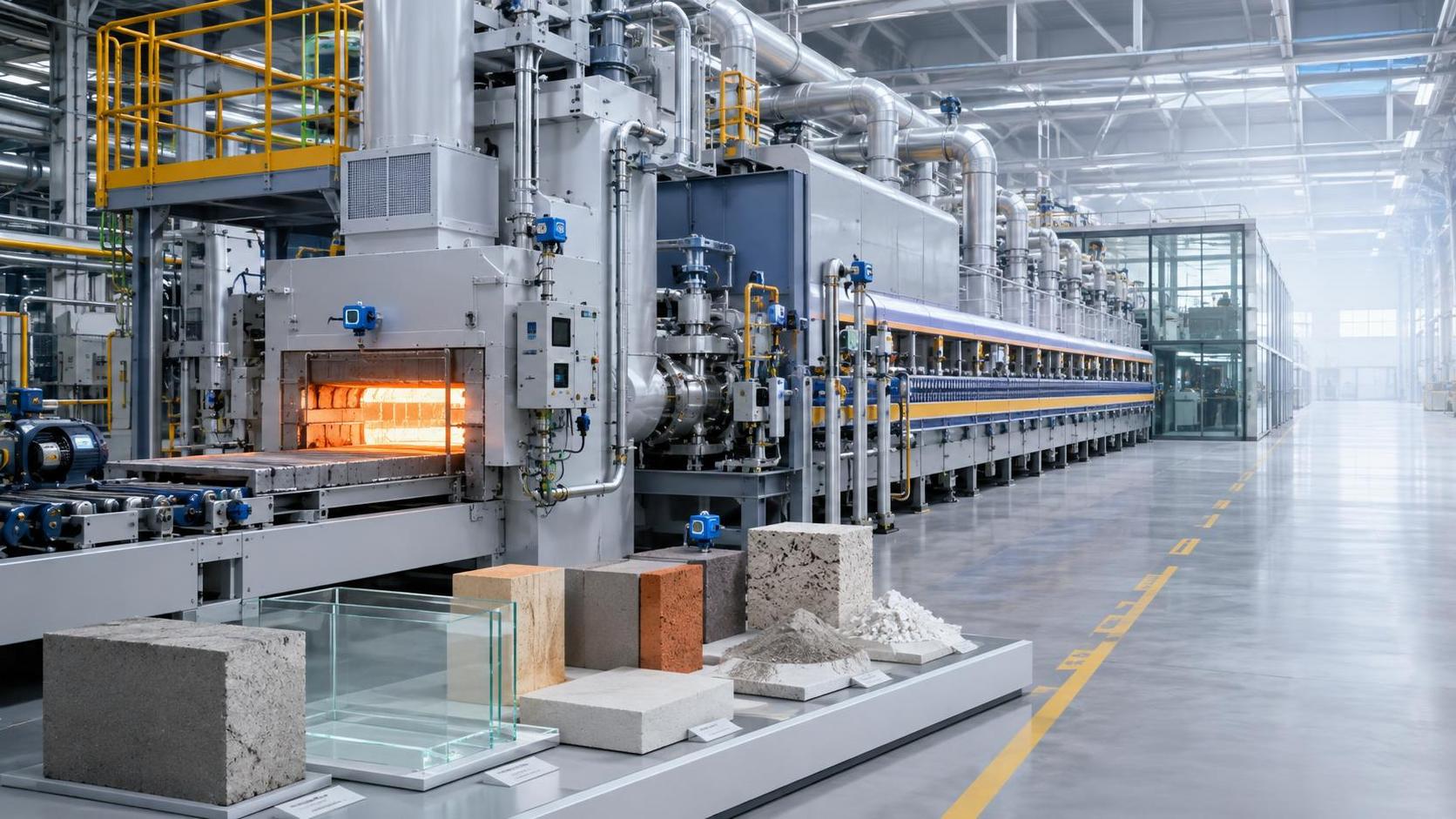
Although products differ, many thermal systems share the same physical logic. Heat transfer, gas flow, reaction timing, and lining condition control whether high-temp material processing remains stable or drifts into defect formation.
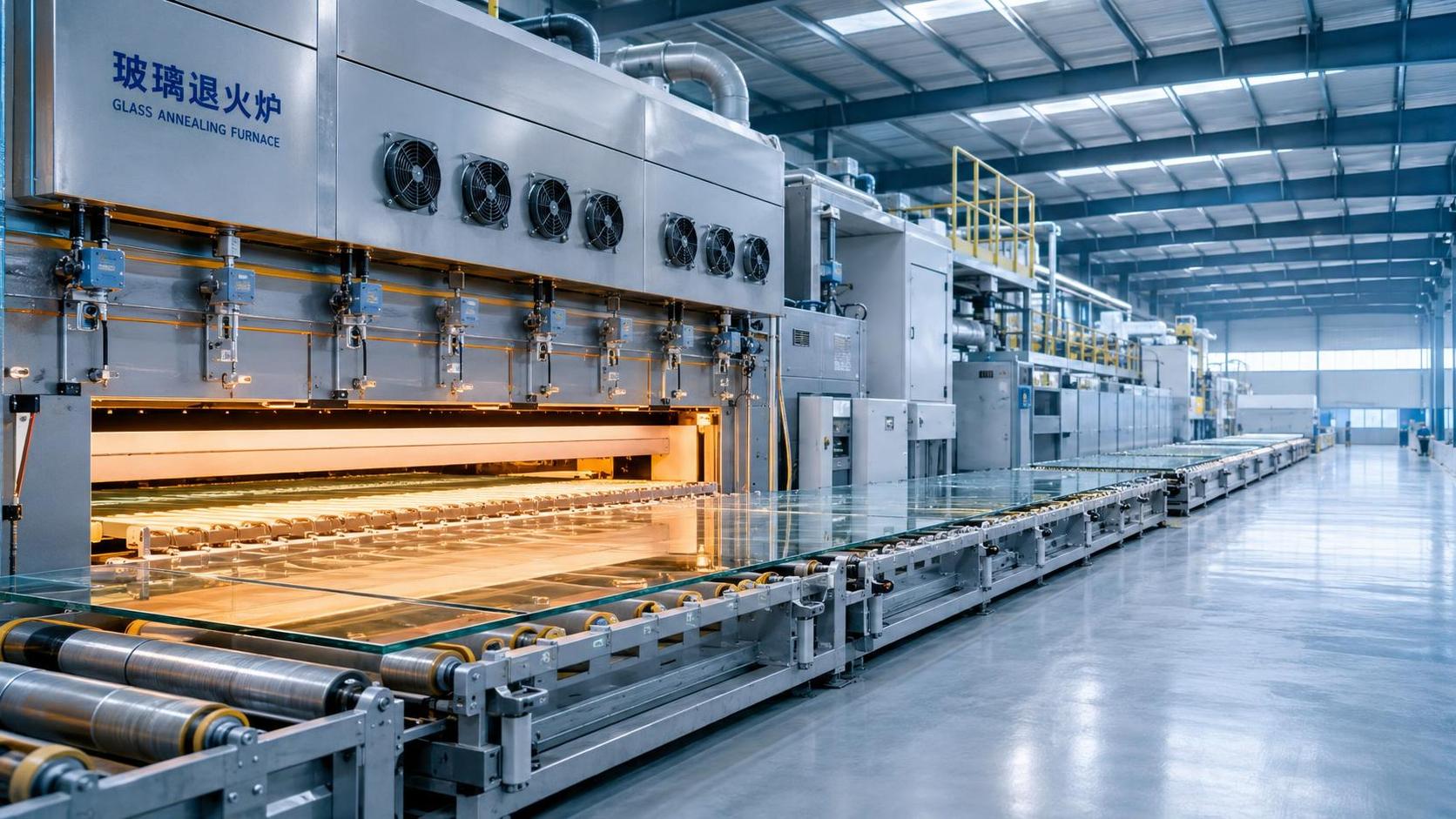
That is why a crack in extrusion products, a bubble in glass, or an under-burned clinker zone can all relate to the same deeper issue: poor process balance.
The biggest drivers behind defect growth are no longer isolated process errors
Today’s defect risks are increasingly systemic. In many plants, high-temp material processing is influenced by supply chain variability, decarbonization pressure, older equipment, and incomplete digital integration.
Key drivers shaping defect risk
- Raw material inconsistency: chemistry, particle size, moisture, and impurity shifts disturb thermal response.
- Fuel transition: alternative fuels change flame shape, ash behavior, and combustion stability.
- Equipment aging: burner wear, air leaks, sensor drift, and refractory thinning reduce control accuracy.
- Faster production demands: higher loads leave less buffer for correction.
- Weak data connection: lab results, maintenance records, and process alarms remain separated.
CF-Elite tracks these shifts closely because high-temp material processing now requires more than operator experience. It requires integrated intelligence across chemistry, heat, mechanics, and emissions performance.
How these high-temp material processing defects affect operations, compliance, and market performance
The impact of unresolved defects extends far beyond rework. In high-temp material processing, recurring failures reduce asset life, energy efficiency, and production predictability.
When thermal defects grow, fuel consumption often rises first. Plants then see throughput loss, more unstable emissions, and faster refractory wear. Product complaints may appear only after these hidden costs have already expanded.
Main business effects of poor defect control
- Higher scrap and lower yield.
- More shutdowns for cleaning or emergency repair.
- Reduced product consistency across batches.
- Increased energy use per ton of finished material.
- Greater compliance risk from unstable combustion and dust behavior.
- Weaker competitiveness in quality-sensitive export markets.
What deserves the closest attention when preventing defects in high-temp material processing
Defect prevention works best when attention moves upstream. The goal is not only to react faster, but to build conditions where high-temp material processing stays naturally stable.
Core control points worth monitoring
- Raw mix uniformity, including moisture, fineness, and additive consistency.
- Temperature profile stability across heating, soaking, and cooling zones.
- Combustion quality, flame geometry, and oxygen balance.
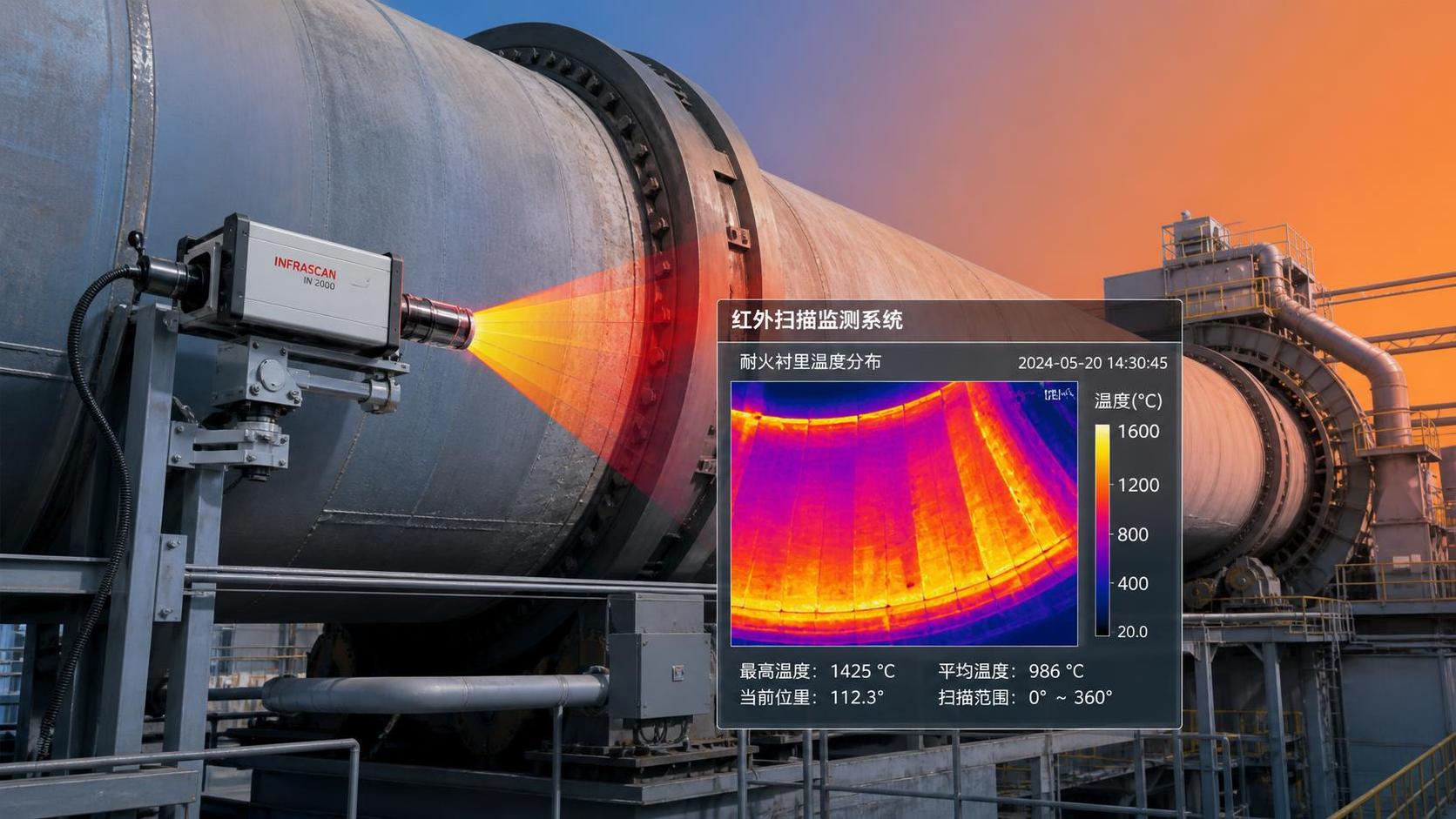
- Refractory condition, hot spots, shell deformation, and air infiltration.
- Residence time control and material flow uniformity.
- Correlation between laboratory defects and real-time process data.
In advanced high-temp material processing environments, the strongest plants connect these control points through online monitoring, digital twin analysis, and cause-tracking dashboards.
Practical prevention strategies are shifting from reaction to prediction
The most effective response is a layered prevention system. It should combine process discipline, equipment reliability, and data interpretation for high-temp material processing.
A practical decision path for recurring defects
- Confirm whether the defect is thermal, chemical, mechanical, or mixed.
- Check recent changes in raw material, fuel, throughput, or maintenance status.
- Compare real-time temperature and oxygen data with historical good runs.
- Inspect refractory, seals, and airflow paths for hidden instability.
- Validate findings with trial correction before broad process changes.
The next step for stronger high-temp material processing performance
The future of high-temp material processing will reward operations that can connect defect signals with energy, emissions, and equipment intelligence. Prevention is becoming a strategic capability, not just a quality task.
A useful starting point is to review the top three recurring defects, trace them against feed variability, thermal data, and lining condition, then build a monthly prevention matrix. Small corrections at this level often unlock major savings.
CF-Elite supports this direction by linking global insight on kilns, glass lines, refractory systems, incineration, and extrusion technologies. In high-temp material processing, better decisions come from seeing the whole thermal picture early.
Related News
 Optical Glass Tech FellowHow to Evaluate a Glass Annealing Equipment Manufacturer for Production StabilityChoose a glass annealing equipment manufacturer with proven thermal uniformity, reliable controls, lifecycle value, and responsive service for stable production.Sep 08, 2026
 Prof. Marcus ChenThermal Energy Architecture in North America: Strategies for Lower Building Energy UseThermal energy architecture North America helps project leaders cut building energy use through stronger envelopes, right-sized HVAC, storage, and smart commissioning.Sep 07, 2026
 Ms. Elena RodriguezHow Should Buyers Evaluate Building Material Industry Intelligence Pricing?Building material industry intelligence pricing: learn how to compare coverage, technical depth, and ROI to choose intelligence that reduces procurement risk.Sep 07, 2026
 Ms. Elena RodriguezHow to Use Building Material Intelligence Data for Market and Investment DecisionsBuilding material industry intelligence data helps leaders evaluate demand, costs, regulation, capacity, and technology to make smarter market and investment decisions.Sep 05, 2026
 Thermal Energy ArchitectHow PLC Control Improves Energy Efficiency and Temperature Stability in KilnsEnergy efficient kilns PLC control improves temperature stability, cuts fuel waste, and optimizes combustion, draft, and material flow. Explore proven strategies for smarter kiln modernization.Sep 04, 2026
 Optical Glass Tech FellowEuropean Glass Melting Processes: Furnace Choices, Energy Use, and Quality ControlGlass melting process Europe: explore furnace choices, energy efficiency, cullet strategy, and quality control to improve output, compliance, and long-term glass performance.Sep 03, 2026
 Thermal Energy ArchitectWhat Determines Refractory Lining Monitoring Price for Industrial Kilns?Refractory lining monitoring price depends on kiln size, sensor technology, installation, software, and support. Compare total lifecycle costs and choose the right solution.Sep 02, 2026
 Silicate Process EngineerCement Production System Costs: A Plant Buyer’s Guide to Budgeting and ROICement production systems cost planning made clear: compare CAPEX, operating costs, compliance, and ROI to build a resilient, profitable cement plant investment.Sep 01, 2026
 Dr. Alistair VaughnWhat Should a Process Technology Database Track for High-Temperature Plants?Process technology database essentials for high-temperature plants: track thermal profiles, feed chemistry, refractory wear, emissions, energy, and maintenance for safer, data-driven decisions.Aug 31, 2026
 Ms. Elena RodriguezHow to Evaluate a Silicate Processing Equipment Manufacturer for Plant ProjectsSilicate processing equipment manufacturer selection: assess process fit, guarantees, energy, compliance, delivery risk, and lifecycle support for dependable plant performance.Aug 30, 2026
 Dr. Alistair VaughnHow to Specify Custom Agricultural Processing Equipment for Throughput and HygieneEquipment customization services for agricultural processing: learn to specify hygienic, high-throughput lines that improve yield, reliability, and long-term efficiency.Aug 29, 2026
 Dr. Alistair VaughnHow to Select Process Plant Equipment for High-Temperature, Abrasive Production LinesProcess plant equipment selection for high-temperature, abrasive lines: reduce downtime, improve durability, and optimize lifecycle performance.Aug 28, 2026
 Silicate Process EngineerHow Kiln Heat Recovery Systems Cut Fuel Use in Cement and Lime ProductionKiln heat recovery helps cement and lime plants cut fuel use, improve thermal stability, and build practical, reliable decarbonization strategies.Aug 27, 2026
 Ms. Elena RodriguezProcess Equipment Comparison: Which Metrics Matter Most for Reliable Selection?Process equipment comparison made practical: discover which metrics truly drive reliable selection, from energy efficiency and control stability to wear life, maintainability, and uptime.Aug 26, 2026
 Ms. Elena RodriguezWhat Buyers Should Check Before Sourcing Precision Alloy Bars for Critical PartsPrecision Alloy Bars buyers should verify grade, chemistry, tolerances, surface quality, traceability, and lead time before sourcing for critical parts. Learn what prevents costly machining and reliability risks.Aug 27, 2026
 Ms. Elena RodriguezHow to Evaluate Thermal Management Solutions Insulation for High-Heat Industrial SystemsThermal management solutions insulation: learn how to assess high-heat industrial systems by thermal performance, durability, lifecycle cost, and supplier data for smarter decisions.Aug 25, 2026
 Ms. Elena RodriguezWhat Drives Waste Recycling Cost in Industrial Projects and How to Estimate It?Waste recycling cost in industrial projects depends on composition, moisture, transport, pre-treatment, and compliance. Learn how to estimate it accurately and compare suppliers with confidence.Aug 24, 2026
 Silicate Process EngineerHow to Evaluate Cement Production Plants in the Middle East for Capacity, Fuel Flexibility, and ROIcement production plants Middle East: Learn how to assess true capacity, fuel flexibility, and ROI risks to identify resilient assets and smarter investment opportunities.Aug 23, 2026
 Structural Material AnalystHow to Evaluate Lightweight Material Machinery for Output, Energy Use, and Product QualityLightweight material machinery evaluation guide: compare stable output, energy use, and product quality to choose equipment that cuts waste, lowers costs, and improves production confidence.Aug 22, 2026
 Material Heat-Resist ExpertWhat Determines Refractory Production Line Price in a Turnkey Plant Project?Refractory production line price depends on raw materials, forming method, kiln and drying design, automation, utilities, and scope. Learn what really drives turnkey plant cost before you invest.Aug 21, 2026

Related News
- 00
0000-00
What Should a Process Technology Database Track for High-Temperature Plants? - 00
0000-00
How to Specify Custom Agricultural Processing Equipment for Throughput and Hygiene - 00
0000-00
How to Select Process Plant Equipment for High-Temperature, Abrasive Production Lines - 00
0000-00
What Causes Thermal Shock Failure in Heat-Resistant Materials During Development? - 00
0000-00
How Digital Twin Simulations Improve Process Plant Design, Safety, and Uptime
Weekly Insights
Stay ahead with our curated technology reports delivered every Monday.